

The Delta Dispatch

Halloween Night Safety: Preventing Accidents and Injuries
Halloween should be about costumes, candy, and community—not accidents. From safe costumes and candy checks to driver awareness and first aid preparedness, here are key safety tips every family needs for a safe and fun Halloween.

Online Red Cross Babysitter Course: Enroll Your Child Anywhere in Canada
Help your child build confidence and life-saving skills from anywhere in Canada. Delta Emergency Support Training delivers the Red Cross Babysitter Course live online in two sessions—covering baby care, safety, and first aid—so your young teen is ready for babysitting and emergencies alike.

Suspected Pelvic Fractures: A Guide for Advanced First Aiders
Pelvic fractures are serious injuries that can lead to life-threatening internal bleeding. This guide for advanced first aiders covers common causes such as vehicle collisions and falls from height, how to recognize signs and symptoms in the field, and step-by-step instructions for proper pelvic immobilization, including correct binder placement over the iliac crests. Learn how to provide effective prehospital care while minimizing complications and preparing for rapid transport.
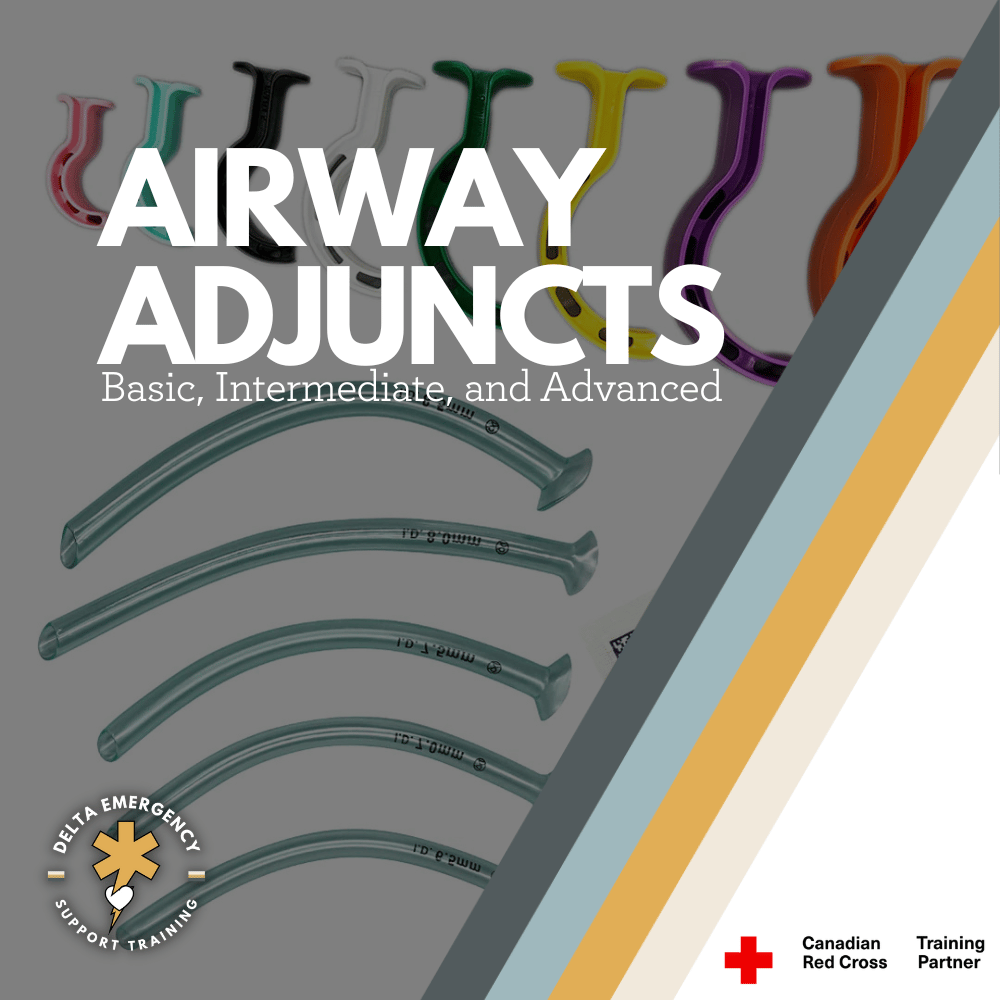
Understanding Basic, Intermediate, and Advanced Airway Adjuncts in Prehospital Care
Airway management is the cornerstone of emergency care. From simple oropharyngeal and nasopharyngeal airways to supraglottic devices and endotracheal intubation, prehospital providers need to know when—and how—to use each tool. This guide explains the essential skills and decision-making strategies for basic, intermediate, and advanced airway adjuncts to help responders keep patients breathing and safe.
Fun Fall Craft Ideas for Babysitters: Creative Weekend & After-School Activities
Keep kids happy and creative after school this fall! As the weather cools and evenings come earlier, babysitters can turn ordinary afternoons into cozy craft sessions. These fun, budget-friendly fall projects—like leaf prints, pinecone animals, and pumpkin paper lanterns—are easy to set up with simple supplies and little mess. Perfect for after-school babysitting or weekend care, these activities give children a screen-free way to relax, build fine-motor skills, and celebrate the colors of the season while making your babysitting time both enjoyable and memorable.

Responding to Patients with Schizophrenia: De-escalation and Best Practices
Discover how first responders and healthcare providers can use calm communication and evidence-based techniques to safely assist patients experiencing schizophrenia.
Caring for Patients in Wheelchairs: Best Practices for Medical Professionals
Adhering to Red Cross standards and integrating clinical best practices ensures the safety, comfort, and dignity of wheelchair users. By assessing needs, using safe transfer techniques, monitoring clinical risks, and maintaining open communication, medical professionals and first responders can provide care that is both effective and compassionate. Every patient is unique, so observe, ask, and adapt to individual needs while prioritizing safety and respect.

Hypoxia 101: Symptoms, Causes, and First Aid Tips
Hypoxia can lead to irreversible brain damage within minutes. Rapid recognition, airway management, aggressive oxygenation, and swift treatment of the underlying cause—especially opioid-related respiratory depression—are essential to preserving neurological function and improving outcomes.
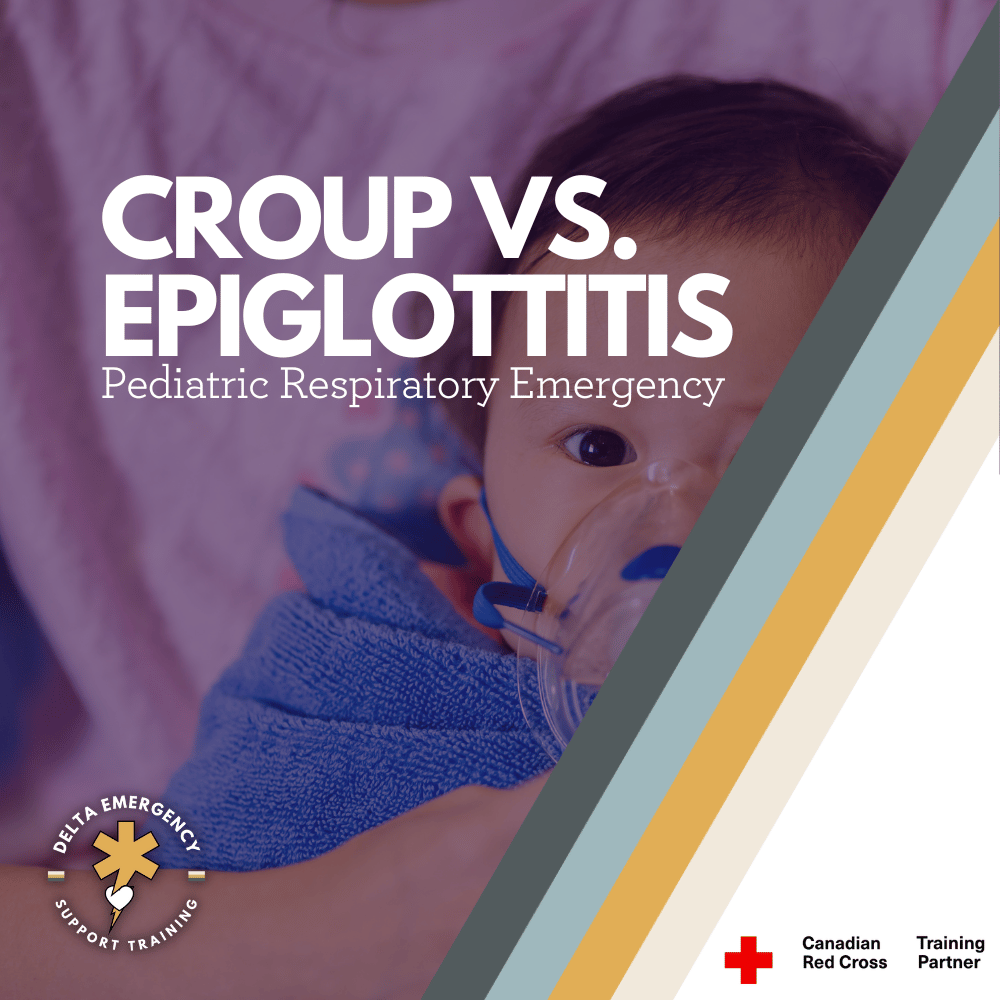
Croup vs. Epiglottitis in Children: What First Responders and Parents Need to Know
Breathing problems in children can be terrifying, and knowing the difference between croup and epiglottitis could save a life. Parents need to know the warning signs, while first responders must act quickly and carefully. Here’s how to tell them apart and what steps to take in an emergency.

Distracting Injuries: Pulling Focus and Masking Pain
In trauma care, some injuries grab all the attention—but they aren’t always the deadliest. Distracting injuries can mislead responders and mask life-threatening conditions. Here’s what every first responder needs to know about spotting them, staying systematic, and keeping patient safety the top priority.
Becoming a Paramedic in Canada: How EMR Training Fits Into the Bigger Picture
Thinking about becoming a paramedic in Canada? It starts with understanding the paramedicine pathway. This blog explains where EMR training fits into the journey and why it’s a key first step toward a rewarding career in emergency services.

Stay Safe 101: Teaching Your Children Safety Basics
Teaching children safety rules helps them make confident choices. This guide covers stranger safety, road and vehicle rules, home hazards, water awareness, first aid, and online safety tips for parents.
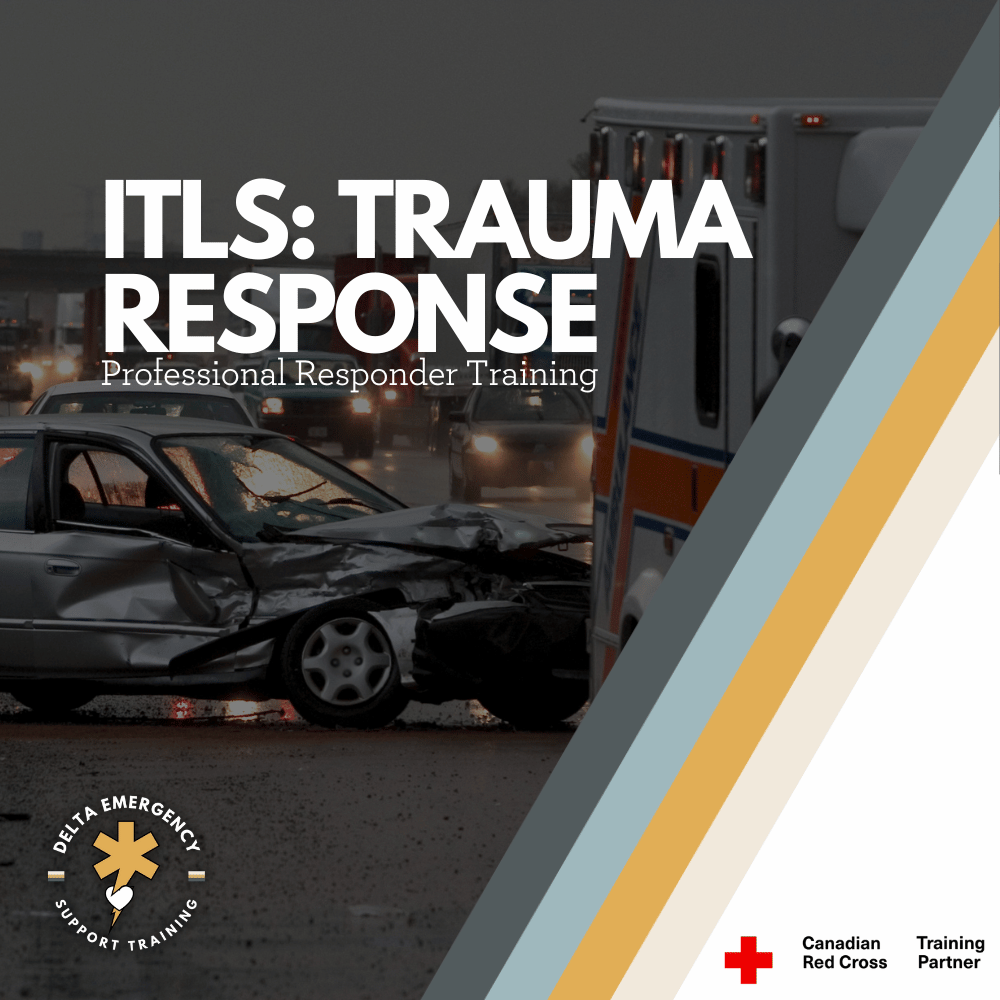
International Trauma Life Support: A Structural Approach to Trauma
Need to take ITLS but not sure what it entails? We’ll break it down for you. International Trauma Life Support (ITLS) gives professional responders the tools to quickly assess, stabilize, and manage trauma patients in high-stress situations. From airway management to bleeding control and spinal care, this course equips you with practical, hands-on skills that could save lives when every second counts.
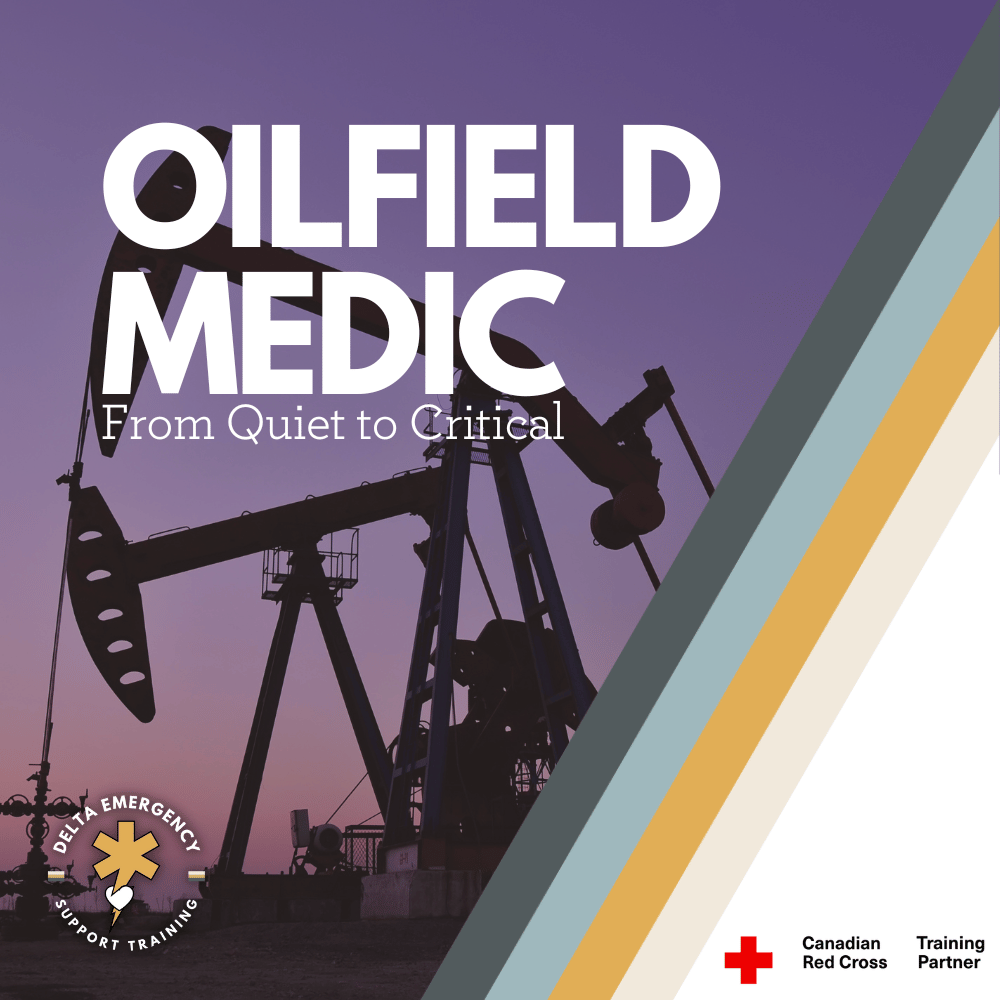
Life on the Rig: What It Really Means to Be an Oilfield Medic
Being an oilfield medic is a common career step for new EMRs in Alberta. The job can feel slow and uneventful at times, but when emergencies happen, every second matters. Staying sharp, keeping medical equipment updated, and preparing for long stretches of remote care are what make oilfield medics a critical lifeline for workers far from advanced medical support.

Alberta Fire Applicants & EMRs: Master the Medical Portion with Paramedics and Firefighters
Succeeding in the medical portion of a firefighter or EMR application in Alberta comes down to mastering the fundamentals under pressure. At Delta Emergency Support Training, active paramedics and firefighters teach you vital patient assessment skills, accurate vitals, effective communication, and safe medication administration.

How EMRs Can Succeed in Remote and Isolated Worksites
Working as an Emergency Medical Responder (EMR) on a remote worksite means being ready for anything—from minor injuries to life-threatening emergencies—often with limited resources and no backup nearby. Whether you’re on an oilfield, logging site, or rural road, you may be the only trained responder for hours. Success depends on preparation, strong communication, and the ability to improvise. By mastering these skills, EMRs ensure that patients receive the best possible care until advanced help arrives.

Weathering the Storm: Responding to Emergencies in Harsh Conditions
Bad weather doesn’t stop emergencies, and it shouldn’t stop responders from being ready. From icy roads to scorching heat, first responders face unique challenges that affect both their safety and their patients’ well-being. This guide explores how weather impacts patient care, what responders can do to prepare, and key strategies to ensure safety when working in rain, snow, heat, or storms.

Festival First Aid: How Fun Can Turn Dangerous Fast
Festivals are all about music, friends, and unforgettable moments — but fun can turn dangerous fast if you’re not prepared. From heat exhaustion and crowd surges to substance use and stranger risks, knowing the basics of festival first aid and safety can make the difference between a great time and a trip to the medical tent. Stay safe, look out for your friends, and keep the good vibes going all weekend long.