The Delta Dispatch
Becoming a Paramedic in Canada: How EMR Training Fits Into the Bigger Picture
Thinking about becoming a paramedic in Canada? It starts with understanding the paramedicine pathway. This blog explains where EMR training fits into the journey and why it’s a key first step toward a rewarding career in emergency services.
Across Canada, the demand for trained paramedics continues to rise. Communities rely on first responders not only for life-threatening emergencies but also for urgent care, transport, and support in times of crisis. If you’ve ever thought about a career in emergency services, you may be wondering: where do I start?
The answer for many is Emergency Medical Responder (EMR) training. This entry-level program provides the essential skills you need to help patients and also acts as a stepping stone into the professional paramedicine pathway. To understand why EMR is such a valuable first step, it helps to look at how the paramedicine system is structured in Canada.
1. The Paramedicine Ladder in Canada
In Canada, paramedicine is organized into different levels of training and certification. Each step builds on the one before it, adding more advanced knowledge, clinical skills, and responsibilities.
Emergency Medical Responder (EMR)
Entry-level certification recognized across many provinces.
Focuses on patient assessment, CPR and AED use, airway management, bleeding control, and trauma care.
EMRs may work in industrial safety, event medical services, rural response, and are often a requirement for admission into Primary Care Paramedic programs.
Training is usually short and focused, making it an accessible first step.
Primary Care Paramedic (PCP)
The first professional paramedic level in Canada.
PCPs are qualified to work on ambulances and provide advanced pre-hospital care.
Skills include medication administration, advanced airway management, and cardiac monitoring.
Typically requires 1–2 years of college-level education, depending on the province.
Advanced Care Paramedic (ACP)
Builds on the PCP scope of practice with advanced skills.
Includes procedures such as intubation, IV therapy, advanced cardiac interventions, and expanded medication options.
Training usually takes an additional 1–2 years beyond PCP.
Critical Care Paramedic (CCP)
The highest level of paramedic training in Canada.
Specializes in transporting and treating critically ill or injured patients, often by air ambulance or in hospital transfer situations.
CCPs provide intensive care support outside the hospital environment.
This tiered approach means that every paramedic, no matter how advanced, started with the same fundamentals—and that usually begins with EMR.
2. Why EMR Training Matters
Even though EMR is the entry-level program, it’s far more than a “basic” course. Here’s why it matters:
Foundational Skills: You’ll learn how to assess patients systematically, manage airways, perform CPR, use AEDs, and provide lifesaving first aid for medical and trauma emergencies.
Confidence in Emergencies: EMR training prepares you to step into real-world situations calmly and effectively, whether you’re responding at work, volunteering, or helping in your community.
A Career Sampler: Many people use EMR training as a way to “test drive” paramedicine before committing to the longer PCP or ACP programs. It’s a great way to discover if this career path is right for you.
Admission Requirement: In several provinces, completion of an EMR program is a mandatory prerequisite for applying to PCP programs.
In short, EMR is both a valuable certification on its own and a launching pad for more advanced paramedic training.
3. Career Opportunities After EMR
Some students complete EMR training because they want to work right away, while others use it as preparation for PCP school. Either way, opportunities exist.
Industrial and Remote Work: Oil and gas sites, mining operations, and construction companies often employ EMRs to provide on-site medical support.
Event Medical Services: Concerts, festivals, and sporting events need trained responders to manage emergencies on the ground.
Volunteer Roles: Many communities welcome EMRs as part of first responder programs, especially in rural or remote areas.
Pathway to PCP: EMR graduates have the foundation to move directly into Primary Care Paramedic education, making it a strategic step toward a long-term career.
4. The Canadian Context
Paramedicine is provincially regulated in Canada, which means that the scope of practice and educational requirements vary depending on where you live. For example:
In British Columbia and Alberta, EMR certification is a recognized entry point for working in certain EMS systems.
In Ontario, EMR may not be a licensed level, but training still provides an advantage for those entering PCP programs.
Across the country, EMR certification is widely respected as a sign of commitment to the field and readiness to pursue paramedic studies.
Regardless of the province, EMR training signals that you’ve mastered essential lifesaving skills and are prepared for the next step.
5. A Pathway, Not a Shortcut
One of the most important things to understand about paramedicine in Canada is that there are no shortcuts. Every level of training is rigorous and builds on the last. But EMR offers a pathway—an accessible starting point that opens doors, whether you want to work immediately or advance further.
By taking EMR, you’re not just learning a skillset. You’re joining a community of first responders who play a vital role in Canada’s healthcare system.
Conclusion
Becoming a paramedic in Canada is a journey. It starts with building a solid foundation—and for most students, that foundation is Emergency Medical Responder training. EMR equips you with lifesaving skills, gives you real-world confidence, and provides the stepping stone needed for higher levels of paramedicine like PCP, ACP, and CCP.
If you’re considering a career in emergency services, EMR training is the best way to begin. It’s the first step on a ladder of learning that leads to one of the most rewarding careers in healthcare.
👉 Ready to start your journey? Enroll in our EMR program today and take the first step toward becoming a paramedic in Canada.
Handling Bone Fractures: Essential Tips for First Responders
At Delta Emergency Support Training, we ensure that our students are fully prepared to handle emergencies with confidence. Through our Red Cross workbooks, teaching resources, study tips, and in-person classes for EMR and AFA, we provide the practical knowledge necessary to deal with fractures and other emergencies.
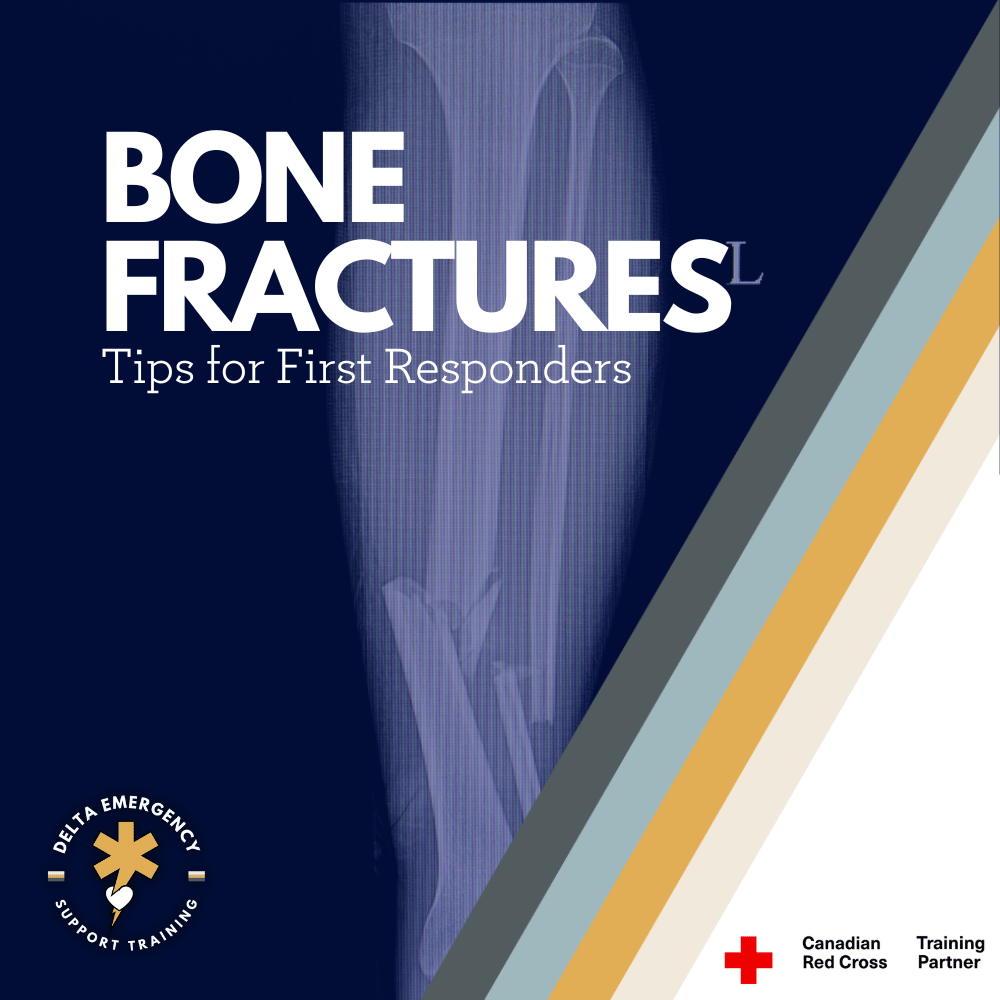
XRAY OF BROKEN TIB FIB
Fractures are common injuries that medical first responders frequently encounter, and proper management is critical in ensuring the patient's safety and minimizing long-term complications. This guide covers essential protocols for handling fractures, emphasizes the importance of checking distal pulses, and provides specific management tips for different types of fractures. At Delta Emergency Support Training, we provide access to Red Cross workbooks, hands-on training, and in-person classes for EMR and AFA, ensuring that you're well-prepared to manage fractures effectively.
General Approach to Fracture Management
Assess the Scene: Ensure your safety first and perform a quick primary assessment. Look for life-threatening conditions (e.g., breathing, bleeding, and consciousness).
Immobilize the Injury: Fractured bones must be stabilized to prevent further injury. Do not attempt to realign a displaced bone unless it is absolutely necessary to restore circulation.
Check Circulation: Always check for a distal pulse (e.g., radial pulse for upper limbs, dorsalis pedis pulse for lower limbs). The absence of a pulse could indicate compromised circulation and require immediate intervention.
Pain Management: Administer pain relief within your scope of practice and ensure comfort during transport.
Fracture Types and Management Protocols
Upper Limb Fractures
Clavicle Fracture
Symptoms: Pain, visible bump, limited range of motion.
Management: Use a sling or figure-eight bandage to immobilize. Check for a radial pulse to assess circulation. If no pulse, realign gently to restore blood flow.
Humerus Fracture
Symptoms: Pain, swelling, abnormal positioning.
Management: Immobilize with a splint or sling. Check radial pulse. A lack of pulse suggests potential nerve or vessel damage, requiring immediate intervention.
Radius and Ulna Fractures
Symptoms: Swelling, bruising, and inability to move the wrist or fingers.
Management: Use a splint, ensuring the wrist and elbow are stabilized. Always check the radial pulse; absence of pulse indicates compromised circulation and requires urgent realignment.
Lower Limb Fractures
Femur Fracture
Symptoms: Severe pain, swelling, inability to move.
Management: Use a traction splint to stabilize. Check the femoral pulse. Absence of pulse demands immediate medical intervention.
Tibia and Fibula Fractures
Symptoms: Pain, bruising, and difficulty moving.
Management: Apply a splint to stabilize the leg. Check the dorsalis pedis pulse; absence indicates possible vascular damage and requires urgent attention.
Ankle and Foot Fractures
Symptoms: Pain, swelling, deformity.
Management: Stabilize with a splint. Check pulses at the dorsalis pedis and posterior tibial sites. Absence of pulse requires immediate action to restore blood flow and prevent limb loss.
Spinal and Pelvic Fractures
Spinal Fractures
Symptoms: Neck or back pain, possible numbness or tingling in limbs.
Management: Immobilize the spine with a cervical collar and prevent movement. Check femoral and radial pulses. Absence of pulses may indicate spinal cord injury or severe vascular damage.
Pelvic Fractures
Symptoms: Severe pelvic pain, bruising, difficulty moving.
Management: Apply a pelvic binder to reduce movement. Check femoral pulse. Absence of pulse indicates potential severe internal bleeding and requires immediate medical intervention.
Why Checking for Distal Pulse is Critical
When dealing with fractures, checking for distal pulses is a vital step in ensuring the injured limb is receiving adequate blood flow. Absence of a pulse can suggest that a major artery or vein is compromised, risking tissue necrosis or limb loss. Repositioning the limb or gently realigning the fracture can sometimes restore circulation, but if pulses are absent, it's important to seek advanced medical help immediately.
Delta Emergency Support Training
At Delta Emergency Support Training, we ensure that our students are fully prepared to handle emergencies with confidence. Through our Red Cross workbooks, teaching resources, study tips, and in-person classes for EMR and AFA, we provide the practical knowledge necessary to deal with fractures and other emergencies. Our training will guide you through how to assess injuries, check circulation, immobilize fractures, and effectively manage patients in critical situations.
Whether you're just starting out or looking to sharpen your skills, our comprehensive training resources will give you the expertise needed to provide quality care in high-pressure situations.
Essential Acronyms and Medical Terms Every EMS Professional Should Know
Mastering medical acronyms and terminology is essential for every Emergency Medical Services (EMS) professional. From understanding basic patient care concepts like ABCs (Airway, Breathing, Circulation) to advanced procedures and diagnoses, knowing the right terms can make all the difference in high-pressure situations. This guide highlights key acronyms and terms, alongside study aids and tips to help you quickly memorize and apply them in real-life emergency scenarios.
Entering the world of Emergency Medical Services (EMS) can be overwhelming at first — there’s a lot of information to process, and mastering medical terminology is a huge part of the learning curve. One of the most effective ways to communicate in high-pressure situations is by using standardized acronyms and medical terms. Understanding these abbreviations is crucial for providing timely care, collaborating with your team, and ensuring patient safety.
Here, we’ve compiled a list of essential acronyms and terms every EMS professional should know. To make it easier to learn, we’ve divided the terms into categories, and we’ve also provided study aids that can help you retain this critical knowledge.
1. Basic EMS and Patient Care Acronyms
These acronyms are fundamental to understanding the basics of patient care and emergency response.
ABCs
Meaning: Airway, Breathing, Circulation
What It Means: The first steps in any patient assessment to determine if life-threatening issues exist.
SMR
Meaning: Spinal Motion Restriction
What It Means: A method used to stabilize the spine of a trauma patient to prevent further injury.
GCS
Meaning: Glasgow Coma Scale
What It Means: A scoring system used to assess a patient’s level of consciousness based on eye, verbal, and motor responses.
BPM
Meaning: Beats Per Minute
What It Means: A measure of heart rate. Crucial for assessing cardiovascular function.
BP
Meaning: Blood Pressure
What It Means: The force of blood pushing against the walls of the arteries. Monitored to assess cardiovascular health.
SOB
Meaning: Shortness of Breath
What It Means: A common symptom indicating potential respiratory distress or other underlying conditions such as heart failure.
2. Medical History and Symptoms Acronyms
Understanding a patient’s medical history and recognizing symptoms is crucial for accurate diagnosis and treatment.
TIA
Meaning: Transient Ischemic Attack
What It Means: A temporary blockage of blood flow to the brain, often referred to as a "mini-stroke."
LOC
Meaning: Level of Consciousness
What It Means: An assessment of the patient's responsiveness and awareness.
MOI
Meaning: Mechanism of Injury
What It Means: The method or cause of injury (e.g., fall, motor vehicle accident) that helps responders assess potential injuries.
ETOH
Meaning: Ethanol (Alcohol)
What It Means: Refers to alcohol consumption or intoxication, which is important for understanding potential contributing factors to the patient’s condition.
Hx
Meaning: History
What It Means: Refers to a patient’s past medical history, which is critical for accurate diagnosis and treatment.
Tx
Meaning: Treatment
What It Means: Refers to the care given to the patient during the emergency response.
3. Emergency Response and Medical Procedure Acronyms
These terms relate to the actions and procedures performed during an emergency.
MCI
Meaning: Mass Casualty Incident
What It Means: A situation where there are too many casualties for the available resources, requiring triage and coordination.
ROSC
Meaning: Return of Spontaneous Circulation
What It Means: When the heart begins to beat again after being in cardiac arrest, usually following CPR or defibrillation.
EMR
Meaning: Emergency Medical Responder
What It Means: The initial level of EMS provider trained to provide immediate care at the scene of an emergency.
PCP
Meaning: Primary Care Paramedic
What It Means: A level of paramedic providing basic and some advanced care before hospital arrival.
ACP
Meaning: Advanced Care Paramedic
What It Means: Paramedics with additional training in advanced airway management, medication administration, and critical care techniques.
CCP
Meaning: Critical Care Paramedic
What It Means: Paramedics trained to manage patients requiring the highest level of care, including the use of complex equipment and advanced treatments.
4. Common Medical Terminology
These are important medical terms you’ll need to know for a deeper understanding of specific conditions and procedures.
PEARL
Meaning: Pupils Equal and Reactive to Light
What It Means: A quick neurological assessment where the patient's pupils are examined for abnormalities.
HR
Meaning: Heart Rate
What It Means: The number of heartbeats per minute, a crucial indicator of cardiovascular health.
CNS
Meaning: Central Nervous System
What It Means: The brain and spinal cord, responsible for processing information and controlling bodily functions.
MI
Meaning: Myocardial Infarction
What It Means: The medical term for a heart attack, caused by a blockage in one of the coronary arteries.
Syncope
Meaning: Fainting
What It Means: Temporary loss of consciousness, often caused by a drop in blood pressure or inadequate blood flow to the brain.
5. Study Aids for Memorizing Acronyms and Terms
Now that we’ve covered the essential acronyms and medical terms, let’s talk about how to effectively memorize them and apply them in real-world scenarios. Here are some practical study guides and tools that will help you retain this information:
Flashcards
Flashcards are one of the best ways to memorize medical terms and acronyms. Create a set for yourself and quiz yourself regularly. You can make your own flashcards using index cards or use digital apps like Quizlet, where you can search for pre-made sets or create your own.
Example:
Front: "ABCs"
Back: Airway, Breathing, Circulation
Tip: Test yourself or have a study partner quiz you.
Mnemonics
Using mnemonics is an effective way to remember lists of acronyms. For example:
"ABCs": “Always Be Calm” — helps remind you that the first thing to check is Airway, then Breathing, and Circulation.
"PEARL": “Pupils Equal And Reactive Light” — helps remember the steps for checking pupils during a neurological exam.
Quizzes and Practice Exams
Regularly take quizzes and practice exams to reinforce your knowledge. Many EMS training programs offer practice tests that simulate real-life emergency scenarios. Websites like EMTprep.com and MedPage also provide quizzes specifically designed for EMS students.
Group Study
Studying with a group can help reinforce your knowledge and expose you to different ways of remembering terms. Set aside time to review acronyms together and test each other’s knowledge in a quiz format.
Interactive Learning Tools
Apps and websites like Anki (a flashcard app with spaced repetition), Quizlet, and Brainscape can make studying more interactive and help you retain information over time. They can also help you track your progress.
6. Tips for Applying Terminology in Real-Life Scenarios
When you're out in the field, it’s not just about memorizing acronyms — it’s about applying them quickly and accurately under pressure. Here are some ways to put your knowledge into practice:
Practice in Mock Scenarios: Use role-playing and simulations to practice how you'd assess a patient and use these acronyms and terms in real-time.
Team Communication: Use acronyms during team briefings, ensuring that everyone understands the terms. It’s important to speak in the same language for effective communication.
Know When to Ask Questions: Don’t hesitate to ask senior responders or your instructors for clarification if you don’t understand a term or acronym in a particular context. It’s better to ask than risk misunderstanding.
Conclusion: Why Knowing These Acronyms and Terms is Crucial in EMS
Mastering medical acronyms and terms is more than just memorization — it’s about ensuring patient safety, improving communication with your team, and providing high-quality care under pressure. By understanding these critical terms and incorporating them into your EMS training, you’ll be better prepared to act quickly and decisively in any emergency.
At Delta Emergency Support Training, we make sure our students are equipped with the knowledge and skills to perform confidently in any situation. Whether you’re a beginner just learning CPR or an advanced practitioner, mastering medical terminology is a key step toward becoming an effective EMS professional.
Free Lifesaving Knowledge at Your Fingertips: Introducing Our Comprehensive Guide for First Aid & CPR
Delta Emergency Support Training is excited to offer the "Comprehensive Guide for First Aid & CPR" as a free digital resource, empowering Canadians with the skills to handle emergencies confidently. This guide covers everything from CPR techniques to injury management and legal considerations, making it a vital tool for anyone looking to be better prepared in critical situations. Download your free copy today and help create a safer, more prepared community.
Ensuring Safety and Preparedness Across Canada
In our commitment to fostering a safer and more prepared community, Delta Emergency Support Training is proud to introduce a groundbreaking resource: the "Comprehensive Guide for First Aid & CPR." This extensive, digital book is offered entirely free of charge, aimed at equipping Canadians from all walks of life with the essential skills needed to respond effectively to emergencies.
What's Inside the Guide?
Our digital guide is a thorough compilation covering all aspects of first aid and CPR. Here are just a few sections that could make a critical difference in an emergency situation:
Emergency Preparedness: Learn how to equip your home and office to handle emergencies, from basic first aid kits to understanding the signs of medical distress.
CPR Techniques: Our guide provides step-by-step instructions for performing CPR on adults, children, and infants, ensuring you can act confidently when seconds count.
Managing Medical Emergencies: Whether it's dealing with severe allergic reactions, cardiac arrests, or other medical emergencies, our guide has you covered with expert advice.
Injury Prevention and Management: From treating burns to handling fractures, learn the most effective techniques to manage and mitigate injuries.
Legal Considerations: Understand the Good Samaritan laws that protect you when providing emergency aid and the responsibilities you hold as a caregiver or first responder.
Why a Free Digital Book?
Accessibility is key in emergency preparedness. By making this guide available digitally at no cost, we ensure that every individual, family, and organization in Canada has the opportunity to learn lifesaving techniques. This initiative is part of our mission to enhance community safety and empower individuals through education.
How to Access the Guide
Getting your copy of the "Comprehensive Guide for First Aid & CPR" is easy and instant. Simply visit our website at Delta Emergency Support Training, navigate to our resources section, and download your free copy today. Keep it on your mobile devices, computers, or print it out for quick reference.
Conclusion
We believe that knowledge is power, especially when it comes to saving lives. That's why we are thrilled to offer this valuable resource for free. Whether you're a parent, teacher, professional responder, or a concerned citizen, this guide is for you. Download your free copy today, and take a significant step toward becoming a more prepared, capable, and confident member of your community. Let's work together to keep Canada safe, one informed individual at a time!
Understanding Medical Terminology: A Guide to Prefixes, Suffixes, and Roots for First Responders
Mastering medical terminology is essential for first responders. Understanding common prefixes, suffixes, and roots will help you communicate more effectively, make informed decisions, and provide quicker, more effective care. In this guide, we break down essential medical terms that will boost your confidence on the job and improve patient outcomes.
In the fast-paced world of Emergency Medical Services (EMS), effective communication and quick thinking are crucial. One way to improve both is by mastering medical terminology. As a first responder, understanding the building blocks of medical terms — prefixes, suffixes, and roots — will allow you to interpret unfamiliar terms quickly, leading to better patient care and more effective communication with other healthcare professionals.
In this guide, we’ll break down the most common prefixes, suffixes, and roots in medical terminology, with a focus on how these parts come together to help you understand the language of medicine. By familiarizing yourself with these building blocks, you’ll be equipped to navigate the world of medical terminology with confidence.
What Are Prefixes, Suffixes, and Roots?
Medical terms often seem complex, but most are built from smaller components that convey specific meanings. Understanding how these components work will help you quickly decode medical terms.
Prefix: A prefix is added at the beginning of a word to modify its meaning. It typically indicates time, location, quantity, or status.
Suffix: A suffix is placed at the end of a word to alter its meaning. It often refers to a condition, disease, procedure, or part of the body.
Root Word: The root is the central part of the word that provides the core meaning. It typically refers to a body part, function, or medical concept.
By breaking down terms into these components, you can understand what a word means without needing to memorize every single term.
Why EMS Professionals Need to Understand Prefixes, Suffixes, and Roots
As a first responder, you’ll often encounter long, unfamiliar medical terms during patient care. Breaking these terms down into their prefixes, suffixes, and roots helps you:
Interpret Symptoms Faster: For example, recognizing terms like “tachypnea” (rapid breathing) or “bradycardia” (slow heart rate) allows you to quickly assess the situation and respond accordingly.
Improve Communication: Whether you’re talking to a doctor, paramedic, or other healthcare professionals, using the correct medical terminology ensures clear, efficient communication, which leads to better patient outcomes.
Streamline Documentation: Accurate medical documentation is essential in EMS. Knowing medical terms ensures you can write reports that are both precise and comprehensive.
Common Medical Prefixes Every First Responder Should Know
Here are some of the most common prefixes you’ll encounter in EMS. These prefixes provide important information about the patient's condition and can help you make quicker decisions in the field.
1. “Hyper-”
Meaning: Excessive, above normal
Example: Hypertension (high blood pressure)
2. “Hypo-”
Meaning: Below normal, deficient
Example: Hypoglycemia (low blood sugar)
3. “Brady-”
Meaning: Slow
Example: Bradycardia (slow heart rate)
4. “Tachy-”
Meaning: Fast
Example: Tachypnea (rapid breathing)
5. “Pre-”
Meaning: Before
Example: Preoperative (before surgery)
6. “Post-”
Meaning: After
Example: Post-traumatic (after trauma)
7. “Sub-”
Meaning: Under, beneath
Example: Subcutaneous (beneath the skin)
8. “Inter-”
Meaning: Between
Example: Intercostal (between the ribs)
9. “Intra-”
Meaning: Within
Example: Intravenous (within the vein)
10. “Exo-”
Meaning: Outside, outward
Example: Exoskeleton (external skeleton)
Common Medical Suffixes for EMS Professionals
Suffixes are essential for understanding the nature of a medical condition, procedure, or diagnosis. Below are key suffixes that are frequently used in EMS:
1. “-itis”
Meaning: Inflammation
Example: Arthritis (inflammation of the joints)
2. “-ectomy”
Meaning: Surgical removal
Example: Appendectomy (removal of the appendix)
3. “-algia”
Meaning: Pain
Example: Neuralgia (nerve pain)
4. “-pathy”
Meaning: Disease or condition
Example: Neuropathy (nerve disease)
5. “-emia”
Meaning: Blood condition
Example: Anemia (low red blood cell count)
6. “-plasty”
Meaning: Surgical repair
Example: Rhinoplasty (surgical repair of the nose)
7. “-scopy”
Meaning: Viewing or examination using a scope
Example: Endoscopy (examination of a body cavity)
8. “-logy”
Meaning: The study of
Example: Cardiology (study of the heart)
9. “-osis”
Meaning: Abnormal condition or disease
Example: Cirrhosis (a liver disease)
10. “-graphy”
Meaning: The process of recording
Example: Cardiography (recording heart activity)
Common Medical Roots in EMS Terminology
Roots form the core of medical terms and typically describe body parts, organs, or functions. Here are some important roots you’ll encounter in your training and practice:
1. “Cardi/o”
Meaning: Heart
Example: Cardiology (study of the heart)
2. “Gastr/o”
Meaning: Stomach
Example: Gastritis (inflammation of the stomach lining)
3. “Hemat/o”
Meaning: Blood
Example: Hemorrhage (excessive bleeding)
4. “Neuro/o”
Meaning: Nerve, nervous system
Example: Neurology (study of the nervous system)
5. “Oste/o”
Meaning: Bone
Example: Osteoarthritis (arthritis of the bone)
6. “Pulmon/o”
Meaning: Lungs
Example: Pulmonary edema (fluid buildup in the lungs)
7. “My/o”
Meaning: Muscle
Example: Myocardial (related to the heart muscle)
8. “Derm/a”
Meaning: Skin
Example: Dermatitis (inflammation of the skin)
9. “Ren/o”
Meaning: Kidney
Example: Renal failure (kidney failure)
10. “Rhin/o”
Meaning: Nose
Example: Rhinoplasty (surgical procedure on the nose)
Study Strategies for Mastering Medical Terminology
While learning prefixes, suffixes, and roots can seem overwhelming, there are several effective study techniques to help you retain and apply these concepts:
1. Use Flashcards
Flashcards are an excellent way to reinforce your understanding of prefixes, suffixes, and roots. Use physical cards or apps like Quizlet to test your knowledge on the go. Write the term on one side and its meaning on the other.
2. Create Mnemonics
To help remember terms, create memorable associations. For example, remember “tachy-” by thinking of “tachometer,” which measures speed (fast). For “brady-” (slow), think of Brady the tortoise from the classic story.
3. Break Down Terms
Whenever you encounter an unfamiliar term, break it down. Start with the root word, then look at the prefix and suffix. For example, Tachycardia:
Tachy- = fast
Cardi/o = heart
-ia = condition So, Tachycardia = a condition of a fast heart rate.
4. Group Study and Practice
Group study sessions help reinforce what you've learned. Discuss terms with classmates or colleagues and quiz each other regularly to ensure you understand the material.
5. Use Interactive Tools
Interactive quizzes and apps can make learning more engaging. Tools like Anki or MedTerm offer practice exercises that reinforce your understanding of medical terminology in a fun, interactive way.
Conclusion: Mastering Medical Terminology for EMS Professionals
In EMS, quick decision-making and clear communication can save lives. Understanding medical terminology, including prefixes, suffixes, and roots, allows you to decode complex terms on the fly and makes you a more effective responder. It’s a skill that will improve your ability to assess patients, document care, and work with your team efficiently.
At Delta Emergency Support Training, we understand the importance of a solid foundation in medical terminology. Our comprehensive Red Cross Babysitting course and First Aid training cover essential medical concepts that will set you up for success in the field. Whether you're just getting started or looking to advance your skills, mastering medical terminology is a key step in becoming a top-tier first responder.
How Babysitters Can Handle Emergencies: When to Call 911 and What to Do
Emergencies can happen unexpectedly, and as a babysitter, knowing how to respond quickly is essential. One of the most important skills is knowing when to call 911. Whether it’s a child choking, having a seizure, or becoming unconscious, your quick action could save a life. It’s crucial to always know the address of the home you’re babysitting at, as this information can help emergency responders reach you faster. Remember, better to call 911 and not need them than to not call and need them—911 call-takers are there to guide you through the process and ensure help arrives as quickly as possible. Stay calm, stay prepared, and always trust your instincts when it comes to emergencies.
Emergencies can happen at any time, and when you're babysitting, it’s important to know how to respond quickly. Whether you're watching kids at home, looking after younger siblings, or taking care of someone else’s children, you have to be prepared for anything. Knowing when and how to call 911 is especially important because your quick action could save a life.
In this blog, we'll talk about common emergencies, how to stay calm, and why knowing your address and how to call 911 is so critical.
Why It’s So Important to Know How to Call 911
As a babysitter, you might be the first person to handle an emergency. If something happens—a child gets hurt, gets sick, or something else goes wrong—you might need to call 911 for help.
One of the most important things to remember when calling 911 is knowing where you are. If you can’t tell the dispatcher your address, it can delay help. That means it’s crucial to always know the address of the home where you’re babysitting, including the apartment number if applicable. Make sure you have this info handy in case you need it quickly!
When to Call 911: What Counts as an Emergency?
Some situations can be handled with basic first aid, but others are more serious and require immediate help. Here are some examples of when you need to call 911 without hesitation:
1. The Child is Unconscious or Not Responding
If the child or anyone you’re caring for becomes unresponsive, it’s a big emergency. If they’re not waking up, won’t talk, or are just unresponsive, you need to get help right away.
What to Do:
Check if the child is breathing. If they are not breathing or are gasping, call 911 immediately. If you're trained in CPR, you may be able to help the child before emergency responders arrive.
If they are breathing but still unconscious, gently lay them on their side (recovery position) and call 911 right away.
2. Serious Bleeding
If the child has a large cut or wound that won’t stop bleeding, that’s a serious emergency. You need to stop the bleeding and get help right away.
What to Do:
Apply a clean cloth or bandage to the wound and press down to stop the bleeding.
If the wound is really deep, or you can’t stop the bleeding, call 911 and keep pressure on the wound until help arrives.
3. Choking
Choking is a life-threatening emergency, especially if the child can’t breathe or speak. If you are trained in back blows and abdominal thrusts, you should perform these techniques as you were taught. If the child becomes unconscious, you should immediately call 911.
What to Do:
If you are trained in abdominal thrusts and back blows (to help expel the object blocking their airway), perform these techniques as you’ve been taught.
If the child becomes unconscious, call 911 immediately. If you are trained to save a choking person, you have a good chance of saving them.
Keep performing your life-saving techniques until the child can breathe or emergency help arrives.
4. Severe Allergic Reaction (Anaphylaxis)
Severe allergic reactions (also known as anaphylaxis) can cause swelling in the throat and make breathing difficult. Common triggers include bee stings, food allergies (like peanuts), or certain medications.
What to Do:
If the child has an epinephrine auto-injector (EpiPen), use it right away.
Then, call 911 immediately to get professional help.
5. Seizures
If the child has a seizure, especially if they’ve never had one before, you should call 911. This is important because first-time seizures can be a sign of something serious, and even if the seizure doesn’t last long, it’s better to get medical help.
What to Do:
Move objects out of the way to prevent injury.
Gently cushion their head and lay them on their side if possible.
If the child has never had a seizure before, or if it lasts more than a minute, call 911 right away.
6. Trouble Breathing or Chest Pain
If the child is having trouble breathing, or complains of chest pain, these could be signs of a serious medical condition like a heart attack or a severe asthma attack.
What to Do:
Help them sit up and stay calm.
If they have an inhaler, help them use it.
If they are still having trouble breathing or in pain, call 911 immediately.
How to Call 911: What You Need to Tell Them
When you call 911, it’s important to speak clearly and calmly. Here’s what to do:
1. Know Your Address
You must know the address where you're babysitting, including the street name, apartment number (if applicable), and any nearby landmarks. Make sure you have this info written down or memorized before the emergency happens so you can give it to 911 right away.
2. Speak Clearly
When you’re panicked, it can be hard to talk clearly. Take a deep breath, stay calm, and explain what’s going on as best as you can. Tell the dispatcher the emergency, the condition of the child, and the address where help is needed.
3. Describe the Situation
Tell the dispatcher what happened and the child’s condition. For example:
“The child is unconscious and not breathing.”
“They’re choking on food and can’t breathe.”
4. Follow the Dispatcher’s Instructions
The dispatcher might give you advice on what to do while you wait for emergency help to arrive. Listen carefully and do your best to follow their instructions.
5. Stay on the Line
Don't hang up until the dispatcher tells you it's okay. They may need more information or updates as emergency responders get closer.
When in Doubt, Call 911
If you're ever unsure whether something is an emergency, it’s always better to call 911. Better to call and not need them than to not call and need them. 911 call-takers are there to help and guide you through the situation. They won’t judge you for calling and are trained to assist you no matter what the emergency is. Trust your instincts—if you feel the child’s health or safety is at risk, don’t hesitate to call for professional help.
Conclusion: Be Prepared, Stay Calm, and Get Help
Babysitting comes with a lot of responsibility. Emergencies can happen quickly, but being prepared can make all the difference. The key is staying calm, knowing when to call 911, and having the information you need to guide emergency responders.
At Delta Emergency Support Training, we offer Red Cross Babysitting courses that cover all the important topics you need to be ready for anything. Our course is taught by paramedics and includes one session on caring for babies and another session dedicated to babysitter first aid, where you’ll learn life-saving techniques like CPR, how to handle injuries, and what to do in different emergency situations. You’ll leave our course with the skills and confidence to handle any emergency that comes your way.
Mastering the Babysitting Challenge: Navigating Challenging Behaviors with Ease
As a teenage babysitter, encountering challenging behaviors is inevitable. However, with the right strategies, you can transform any situation into a triumph. Explore expert tips and techniques to handle tantrums, disobedience, and more with confidence. Get trained with Delta Emergency Support Training for invaluable skills in childcare.
TWO YOUNG GIRLS COVERING THEIR EARS TO AVOID BABYSITTERS INSTRUCTIONS
As a teenage babysitter, embarking on the adventure of caring for children can be both rewarding and challenging. Amidst the laughter and games, you may encounter behaviors that test your patience and creativity. Fear not! With the right strategies up your sleeve, you can transform any challenging situation into a triumph. Let's dive into some practical tips and tricks to navigate the realm of challenging behaviors like a seasoned pro.
Decoding Challenging Behaviors
Picture this: You're in the midst of babysitting bliss when suddenly, chaos ensues. Understanding the nature of challenging behaviors is your first step towards mastering them.
Aggression: When tiny fists fly or high-pitched screams pierce the air, it's likely a sign of frustration or unexpressed needs. Take a deep breath and remember, you're the calm in their storm.
Disobedience: Ah, the classic battle of wills. Whether it's a defiant glare or outright refusal to comply, remember to stay firm yet empathetic. Setting clear boundaries and offering choices can work wonders.
Tantrums: Cue the tears and dramatics! Tantrums, though exasperating, are often a child's way of coping with big emotions. Stay patient, validate their feelings, and offer comfort until the storm passes.
Attention-Seeking: "Look at me, I'm here!" Children crave attention like plants crave sunlight. Redirect their energy towards positive activities and shower them with praise when they exhibit desirable behavior.
Fearfulness: From monsters under the bed to the boogeyman in the closet, fear can manifest in many forms. Create a safe space, offer reassurance, and tackle fears together with empathy and understanding.
Pro Tips for Success
Now that you've cracked the code on challenging behaviors, let's sprinkle in some pro tips to elevate your babysitting game to legendary status:
Stay Cool, Calm, and Collected: Your demeanor sets the tone for the entire babysitting experience. Embrace your inner Zen master, breathe deeply, and approach each situation with a level head.
Communication is Key: Foster open communication with both the children and their parents. Keep them informed about any challenges or triumphs during your babysitting escapades.
Flexibility is Your Superpower: Plans may go awry, and that's okay! Embrace the unpredictability of childcare with a flexible mindset and a dash of spontaneity.
Creative Problem-Solving: Channel your inner MacGyver and get creative when faced with unexpected hurdles. A little ingenuity goes a long way in the world of babysitting.
Self-Care is Non-Negotiable: Remember to prioritize your own well-being amidst the chaos of childcare. Take breaks, recharge your batteries, and indulge in a bit of self-care to maintain your sanity.
Delta Emergency Support Training: Building Future Babysitters
At Delta Emergency Support Training, we believe in equipping future babysitters with the skills and confidence to manage challenging behaviors effectively. Through our comprehensive training programs, aspiring babysitters learn invaluable techniques for handling a variety of situations, from tantrums to emergencies. With a focus on empathy, communication, and problem-solving, our training prepares babysitters to create a positive and nurturing environment for the children in their care.
Armed with these strategies and a sprinkle of magic, you're ready to conquer any challenge that comes your way. So, go forth, fearless babysitter, and may your adventures be filled with laughter, learning, and endless joy!
Navigating Back-to-School Health: A Parent's Guide
As a parent, the back-to-school season brings not only excitement but also concerns about your child's health. In our guide, we'll help you navigate this crucial period by highlighting the signs of common illnesses, offering effective prevention tips, and guiding you on when it's time to reach out to healthcare professionals. Keep your child healthy and thriving throughout the school year with our expert advice.
The back-to-school season is an exciting time for kids and parents alike. It's a time for new beginnings, fresh supplies, and the promise of a year filled with learning and growth. However, it also brings with it the inevitable return of cold and flu season. As a parent, it's essential to be prepared and vigilant when it comes to your child's health. In this blog, we will discuss the various symptoms and signs of common illnesses that tend to circulate in schools, ways to prevent sickness and transmission, and important conditions to be aware of, including strep throat, the common cold, stomach flu, mono, hand-foot-and-mouth disease, and meningitis.
Children in classroom with their hands up
Recognizing the Symptoms
Cold and Flu:
The cold and flu are perhaps the most common culprits when it comes to illnesses that circulate in schools. Cold symptoms typically include a runny or stuffy nose, sneezing, a sore throat, and a nagging cough. In the case of the flu, your child may experience these symptoms more intensely, accompanied by fever, fatigue, and body aches. If you notice your child feeling sluggish, having a reduced appetite, or seeming generally uncomfortable, these could be signs of a viral infection.
Strep Throat:
Strep throat is a bacterial infection that often affects school-aged children. It presents as a severe sore throat, making swallowing painful. Fever, headache, and swollen lymph nodes in the neck are common accompanying symptoms. One of the telltale signs of strep throat is the presence of white patches or streaks on the tonsils or the back of the throat, which can help distinguish it from a regular sore throat.
Stomach Flu (Gastroenteritis):
Gastroenteritis, often referred to as the stomach flu, can lead to symptoms like nausea, vomiting, diarrhea, abdominal pain, fever, and muscle aches. Frequent trips to the bathroom and the risk of dehydration are key signs to watch for in cases of stomach flu.
Mono (Mononucleosis):
Mono, or mononucleosis, is often dubbed the "kissing disease" because it can spread through close contact. Symptoms include extreme fatigue, a persistent sore throat, fever, swollen lymph nodes, and an enlarged spleen. If your child is experiencing severe fatigue that doesn't seem to improve with rest, mono could be the underlying cause.
Hand-Foot-and-Mouth Disease:
Hand-foot-and-mouth disease primarily affects younger children and is characterized by a fever, a sore throat, and the development of painful sores in the mouth. These sores are often accompanied by a distinctive rash on the hands, feet, and buttocks. If you notice these symptoms along with a fever, it's essential to seek medical advice.
Meningitis:
Meningitis is a rare but potentially life-threatening illness that can occur in school-aged children. Its symptoms can escalate quickly and include a severe headache, high fever, neck stiffness, sensitivity to light, and confusion. If your child exhibits these symptoms, especially in combination, it's crucial to seek immediate medical attention.
Understanding these symptoms and signs is essential for parents to promptly identify and address any potential health issues that may arise during the school year. Keep in mind that early detection and appropriate medical care are crucial in ensuring your child's well-being and preventing the spread of illness to others in the school community.
Seeking Professional Help When Your Child Is Sick
While many common childhood illnesses can be managed at home, there are situations when it's crucial to seek professional medical assistance promptly. Here are some guidelines to help you determine when to reach out to healthcare professionals:
Persistent High Fever:
If your child has a fever that persists for more than a couple of days, especially if it's accompanied by other concerning symptoms, such as difficulty breathing, rash, or extreme lethargy, consult a healthcare provider. High fevers can be a sign of a more severe underlying condition.
Severe Dehydration:
Dehydration can occur quickly in children, especially when they have symptoms like vomiting and diarrhea. Signs of dehydration include dry mouth, sunken eyes, infrequent urination, and extreme thirst. If you notice these symptoms, seek medical attention.
Breathing Difficulties:
Any breathing difficulties, including rapid or labored breathing, wheezing, or a persistent cough, require immediate attention. These symptoms could indicate conditions like asthma or pneumonia.
Seizures: If your child experiences a seizure, even if it's brief and seems to stop, it's essential to consult a healthcare provider immediately.
Severe Pain:
Intense and unrelenting pain, whether in the abdomen, head, or other areas, should not be ignored. It could signify a serious medical issue, such as appendicitis or a migraine.
Difficulty Swallowing or Severe Sore Throat:
If your child struggles to swallow, has severe throat pain, or is unable to eat or drink due to discomfort, it may indicate strep throat or another concerning condition that requires medical evaluation.
Unusual or Persistent Symptoms:
Any unusual or prolonged symptoms that don't improve with rest and over-the-counter treatments should be examined by a healthcare professional. This includes symptoms like severe headaches, joint pain, or skin rashes.
Concerns About Contagious Diseases:
If there is a concern that your child may have been exposed to a contagious disease like COVID-19 or meningitis, contact a healthcare provider for guidance on testing and isolation procedures.
Behavioural Changes:
Significant behavioral changes, such as confusion, disorientation, or extreme irritability, can be indicative of underlying medical conditions, including infections affecting the brain.
Worsening Symptoms:
If your child's symptoms worsen despite at-home care or if they appear to be in severe distress, it's better to err on the side of caution and seek professional medical help.
Remember that as a parent, you know your child best. Trust your instincts. If you're ever in doubt about your child's health or well-being, don't hesitate to reach out to a healthcare provider or seek emergency medical care. Timely intervention can make a significant difference in your child's recovery and overall well-being.
Prevention and Transmission
As a parent, you can take several proactive steps to minimize the risk of your child falling ill or spreading illnesses in their school environment:
Hand Hygiene:
Teaching your child proper hand hygiene is a fundamental step in preventing the spread of illnesses. Encourage them to wash their hands frequently with soap and water for at least 20 seconds. Handwashing should be practiced before eating, after using the restroom, and after sneezing or coughing. When soap and water are not readily available, provide your child with hand sanitizer containing at least 60% alcohol.
Healthy Habits:
Promote healthy habits that support your child's immune system. Encourage them to maintain a balanced diet rich in fruits, vegetables, and whole grains. Ensure they get regular exercise and adequate sleep, as these factors play a significant role in strengthening immunity.
Respiratory Etiquette:
Teach your child the importance of covering their mouth and nose when they sneeze or cough. Encourage them to use a tissue or their elbow, not their hands, to prevent the spread of germs. Discourage them from touching their face, especially their eyes, nose, and mouth, as this can introduce pathogens into their system.
Stay Home When Sick:
If your child exhibits any symptoms of illness, it's crucial to keep them home from school until they are symptom-free for at least 24 hours. This not only aids in their recovery but also prevents the spread of the illness to classmates and teachers. Follow the school's guidelines for returning to class after an illness.
Clean and Disinfect:
Regularly clean and disinfect frequently touched surfaces and objects in your home, such as doorknobs, light switches, countertops, and toys. This practice helps reduce the risk of transmission within your household.
Vaccinations:
Ensuring your child is up-to-date with vaccinations is a powerful tool in preventing contagious diseases. Be sure to schedule routine vaccinations and annual flu shots for your child. These vaccines not only protect them from severe illness but also contribute to community immunity, reducing the risk of outbreaks in school settings.
Limit Exposure:
While it's impossible to completely avoid exposure to germs, you can reduce the risk by limiting your child's contact with sick individuals and crowded places during peak illness seasons. Encourage them to maintain a safe distance from classmates who exhibit symptoms of illness.
By implementing these preventive measures and emphasizing good hygiene practices, you can significantly reduce the likelihood of your child falling ill or transmitting illnesses within the school community. It's essential to foster a sense of responsibility in your child when it comes to their health and the health of those around them, teaching them that taking these precautions is a shared responsibility that helps create a safer and healthier school environment for everyone.
Recognizing the signs of common illnesses like colds, flu, strep throat, mono, stomach flu, hand-foot-and-mouth disease, and meningitis is vital. Equally important are preventive measures.
Teach your child good hygiene, get them vaccinated, and maintain a healthy lifestyle. If they're sick, keep them home until they're symptom-free. Regularly disinfect your home, and limit exposure to illness.
In summary, back to school should be about growth, not sickness. By staying informed and proactive about health, parents can create a safe and productive learning environment for their children.
Epi-Pens for Babysitters: Safeguarding Children Against Severe Allergic Reactions
Discover How Epi-Pens Save Lives: A Babysitter's Guide and First Aid Training with Delta.
Babysitters, your role in caring for children is a crucial one. Ensuring their safety and well-being is your top priority. Among the essential tools in your caregiving arsenal is the Epi-Pen, a device that can make a life-saving difference in moments of severe allergic reactions. In this blog, we'll explore the significance of carrying an Epi-Pen with you at all times while babysitting, as well as the importance of having a thorough conversation with parents or guardians about everything related to allergies.
Epi-pens laying on eachother in stock photo
What is an Epi-Pen?
An Epi-Pen is an auto-injector device designed to deliver a dose of epinephrine, also known as adrenaline. Epinephrine, a naturally occurring hormone and neurotransmitter, takes on a powerful role as a medication when administered in a concentrated form.
Common Uses: Safeguarding Against Severe Allergic Reactions
Your role as a babysitter includes being prepared for emergencies, especially severe allergic reactions, or anaphylaxis, which can happen unexpectedly. Anaphylaxis can be triggered by various allergens and may manifest through symptoms like:
Difficulty breathing: Indicated by wheezing, shortness of breath, or chest tightness.
Swelling: Rapid swelling, especially of the face, lips, and tongue.
Hives: Raised, itchy welts on the skin.
Rapid or weak pulse: An irregular heartbeat.
Nausea and vomiting: Gastrointestinal symptoms.
Confusion or loss of consciousness: In severe cases, the child may lose consciousness.
Common Allergens and Understanding Allergic Reactions
Allergens are substances capable of triggering an allergic reaction in sensitive individuals. Common allergens encompass:
Food: Peanuts, tree nuts, shellfish, dairy, and eggs are among the top food allergens.
Insect Stings: Bee stings, wasp stings, and fire ant bites.
Medications: Certain medications, like penicillin, can cause allergies.
Latex: Latex allergy resulting from exposure to latex gloves, balloons, or medical equipment.
Environmental Allergens: Pollen, dust mites, pet dander, and mold.
Understanding the difference between allergies and anaphylaxis is essential. Allergies may cause symptoms such as sneezing, a runny nose, itching, or a rash, which are typically uncomfortable but not life-threatening. In contrast, severe allergic reactions, or anaphylaxis, are rapid and can be life-threatening if not addressed promptly.
"Blue to the Sky, Orange to the Thigh": Administering the Epi-Pen
One crucial aspect of your babysitting toolkit is knowing how to use an Epi-Pen correctly. The simple rhyme "Blue to the Sky, Orange to the Thigh" can serve as your guide:
Blue to the Sky: Begin by removing the blue safety cap from the Epi-Pen.
Orange to the Thigh: Hold the Epi-Pen as you would a marker, with your thumb on the blue end and your fingers on the orange end, ensuring you avoid accidentally injuring yourself.
Firmly jab the orange end into the child's outer thigh, pushing until you hear a click. The needle can penetrate clothing if necessary but cannot go through items like phones or wallets, so ensure they are removed.
Hold the Epi-Pen in place for ten seconds to ensure the medication fully dispenses.
After use, rub the injection site for thirty seconds to help distribute the medication throughout the child's body.
Epi-Pens are equipped with a needle safety cover that activates automatically after use, safeguarding you from accidental needle sticks.
Important Reminders
Carry It Everywhere: When babysitting, always have the child's Epi-Pen with you wherever you go. Allergic reactions can happen unexpectedly, and having it on hand can be a lifesaver.
Thorough Conversation: Before babysitting, engage in a thorough conversation with the child's parents or guardians about allergies, allergens, and the child's specific needs. Ensure you understand the child's triggers, the location of the Epi-Pen, and any special instructions.
Prescription Only: Epi-Pens cannot be purchased over the counter. They must be prescribed by a doctor, and each Epi-Pen will have a prescription label with the child's name on it.
Check Expiration Dates: Epi-Pens typically have a shelf life of 12 to 18 months. Regularly check the expiration date and ensure you have access to refills as needed to remain fully prepared.
In conclusion, as a babysitter, you play an essential role in ensuring the safety and well-being of the children in your care. Carrying an Epi-Pen and being well-versed in its usage, along with maintaining open communication with parents or guardians regarding allergies and emergency protocols, can make a significant difference in handling unforeseen situations.
Additionally, if you're looking to enhance your babysitting skills and knowledge, consider enrolling in Delta's online babysitting course, accessible to individuals across Canada. In the second part of the class, you'll delve into babysitter first aid, which includes life-saving skills like Epi-Pen administration. What sets this course apart is that it is taught by current on-duty emergency medical service professionals, ensuring you receive the most up-to-date and reliable training.
By taking advantage of educational opportunities like this, you not only equip yourself with valuable skills but also contribute to the safety and well-being of the children you care for. Always remember, "Blue to the Sky, Orange to the Thigh" – it might just be the rhyme that saves a child's life when seconds count.
Eye Injury Prevention and Management in the Workplace: A First Aider's Guide
Eye injuries are a common occurrence in the workplace, particularly in industries that involve manual labor or the use of heavy machinery. As a first aider, it's important to be able to recognize common types of eye injuries and provide appropriate care to those in need. By taking steps to prevent eye injuries, employers can help to ensure the safety and well-being of their workers, and reduce the risk of workplace accidents. Here's what you need to know as a first aider about responding to workplace eye injuries.
Eye injuries can range from minor irritations to serious injuries that can cause vision loss or other complications. As a first aider, it's important to be able to recognize common types of eye injuries and provide appropriate care to those in need.
a first aid kit with eye supplies specifically for eye emergencies.
Workplace eye injuries are common, particularly in industries that involve manual labor or the use of heavy machinery. These injuries can often be prevented by taking simple precautions, such as wearing appropriate eye protection, conducting regular safety audits, and providing training and education on eye safety. Other factors that can contribute to workplace eye injuries include poor lighting, clutter and debris, and working with hazardous materials or power tools. By taking steps to prevent eye injuries, employers can help to ensure the safety and well-being of their workers, and reduce the risk of workplace accidents. As a first aider, it's important to be prepared to respond to eye injuries in the workplace and provide appropriate care to those in need.
Common Types of Eye Injuries
Foreign Bodies:
Foreign bodies are small objects or debris that enter the eye, such as dust, dirt, or metal shavings. They can cause irritation, redness, and discomfort. If a foreign object enters the eye, it's important not to rub or touch the eye, as this can push the object further in and cause more damage. Instead, cover the eye with a sterile gauze pad or cloth and seek medical attention. Do not attempt to remove the foreign object, as this can cause further damage or push the object deeper into the eye.
Chemical Burns:
Exposure to chemicals, such as acids or alkalis, can cause severe eye damage and should be treated as an emergency. If a person's eye comes into contact with a chemical, it's important to immediately flush the eye with clean water or saline solution for at least 20 minutes. Continue flushing the eye while seeking medical attention.
Corneal Abrasions:
A corneal abrasion is a scratch or cut on the cornea, which can cause pain, sensitivity to light, and tearing. If someone has a corneal abrasion, it's important to cover the injured eye with a sterile gauze pad or cloth and seek medical attention. Do not attempt to rub the eye or remove any foreign objects, as this can cause further damage.
Blunt Trauma:
Blunt trauma to the eye, such as from a ball or fist, can cause swelling, bleeding, or even vision loss. If someone has experienced blunt trauma to the eye, it's important to cover the injured eye with a sterile gauze pad or cloth and seek medical attention immediately.
Penetrating Injuries:
Penetrating Injuries: Penetrating injuries to the eye occur when an object, such as a piece of metal or glass, enters the eye and penetrates the eyeball. These injuries can be very serious and require immediate medical attention. If someone has experienced a penetrating eye injury, it's important to cover the injured eye with a sterile gauze pad or cloth, stabilize the object in place, and cover the other eye with a cloth or eye shield to prevent any movement. Seek emergency medical attention immediately. It's important not to remove the object, as this can cause further damage or bleeding.
Dealing with Eye Injuries
If you encounter someone with an eye injury, it's important to take immediate action to prevent further damage or complications. Here are some steps you can take:
Remain calm and reassure the person that help is on the way.
Encourage the person to keep their eyes closed to prevent further damage.
Assess the injury by looking for signs of bleeding, swelling, or foreign objects in the eye.
If both eyes are injured or there are signs of a head injury, call for emergency medical services right away.
Preventing Eye Injuries on Work Sites
Eye injuries are a common occurrence on work sites, particularly in industries that involve manual labor or the use of heavy machinery. These injuries can often be prevented by taking simple precautions, such as:
Wearing appropriate eye protection:
Eye protection should be worn by all workers who may be exposed to hazards such as flying debris, chemicals, or radiation. Employers should provide workers with appropriate eye protection and ensure that it meets safety standards.
Conducting regular safety audits:
Regular safety audits can help to identify potential hazards and ensure that safety measures are being followed. Employers should conduct regular safety audits to identify potential hazards and take steps to eliminate or minimize them.
Providing training and education:
Workers should be trained on the importance of eye safety and provided with the knowledge and skills necessary to identify potential hazards and take appropriate precautions.
Using caution when working with hazardous materials:
Workers should use caution when working with hazardous materials, such as chemicals or biological agents. Protective eyewear should be worn when working with these materials, and proper ventilation should be provided to minimize exposure.
Using caution when working with power tools:
Power tools can cause flying debris and other hazards that can cause eye injuries. Workers should always wear appropriate eye protection when working with power tools.
Ensuring that work sites are well-lit:
Poor lighting can increase the risk of eye injuries, as workers may not be able to see potential hazards. Employers should ensure that work sites are well-lit and that workers have adequate visibility.
Removing clutter and debris:
Clutter and debris on work sites can increase the risk of eye injuries. Employers should ensure that work sites are free from clutter and debris, and that workers have clear paths of travel.
As a first aider, it's important to be able to recognize common types of eye injuries and provide appropriate care to those in need. By taking steps to prevent eye injuries, employers can help to ensure the safety and well-being of their workers, and reduce the risk of workplace accidents. Remember to always wear appropriate eye protection when working in hazardous environments, and to seek medical attention for serious or potentially serious eye injuries.
First Aid
Enroll in our first aid course in Calgary today and learn the skills you need to protect your vision and help others in any emergency situation. Visit us at deltaemergency.com to register for our course and take the first step towards becoming a confident and effective first aider.
The Business of Babysitting: A Beginners Guide
Babysitting can be a fun and rewarding business for young adults looking to make some extra money. However, it's important to approach it professionally and safely. In this blog, we'll provide essential tips on creating a professional resume, setting fair rates, using appropriate payment methods, and networking effectively to build a strong reputation in your community. We'll also emphasize the importance of prioritizing safety and how taking a Delta Emergency Support Trainings Babysitter Course can enhance your experience and skills.
Babysitting can be a great way for young adults to make money doing something fun and rewarding.
A young girl with glasses is sitting on the ground playing with building blocks alongside a child.
If you're interested in starting a babysitting business, there are some key areas you'll need to consider to create a strong foundation. In this blog, we'll explore several essential topics, including creating a professional resume, setting a fair rate for your services, using appropriate payment methods, and networking effectively to build a strong reputation within your community.
Building a Resume
Creating a resume is a essential tool to showcase your skills and experience with children. A resume is a document that summarizes your qualifications and experiences, and it can help you stand out to potential clients (Parents or guardians) .
To create a resume, start by listing your name, contact information, and any relevant education or training. If you have any experience working with children, include that in your work experience section, even if it's just babysitting for family or friends. Be sure to list any skills that are relevant to babysitting, such as being compassionate, energetic, excellent listener etc. Any relevant training such as a Babysitters certificate, Child Care training or First Aid is always sought out.
If you don't have much experience yet, don't worry! There are still ways to create a strong resume. Consider volunteering at a local daycare or community center to gain some experience and skills. You can also take relevant classes, such as CPR or child development, and list them on your resume. Including your hobbies and sports teams on your babysitting resume can provide potential clients with valuable insight into your interests and abilities, helping to highlight your unique strengths as a caregiver.
Finally, make sure your resume is well-organized and easy to read. Use clear headings, bullet points, and a clean, simple design. Don't forget to proofread for spelling and grammar errors!
TIP: Review babysitter resume templates online to get a clear idea of what employers are looking for.
Creating a professional resume can help you stand out to potential clients and build a strong foundation for your babysitting business. By highlighting your skills and experience, even if they are limited, you can show parents that you're committed to providing quality care for their children.
Setting a Rate
Setting a fair and competitive rate for your babysitting services is crucial to attracting potential clients and building a successful business. When setting your rate, there are several factors to consider:
Experience:
If you have experience working with children, you may be able to charge a higher rate than someone who is just starting out. A Red Cross babysitters certificate is a bonus for related experience.
Location:
Rates can vary depending on the location of your babysitting services. For example, rates in urban areas may be higher than in rural areas.
Number of children:
Caring for multiple children requires more time and attention, and therefore, you may want to charge more for this service.
Additional responsibilities:
If the parents expect you to take on additional responsibilities, such as cooking or cleaning, you may want to factor this into your rate.
To determine a fair rate, start by researching the going rate in your area. You can do this by asking other babysitters or parents, checking online babysitting platforms, or using a babysitting rate calculator. Once you have a starting rate, adjust it based on your experience and the other factors listed above.
When communicating your rate with parents, make sure to be clear and upfront about your fees. Discuss any additional expectations or responsibilities that may affect your rate, such as overnight care or transportation. It's also important to discuss payment terms and deadlines to avoid any confusion or misunderstandings.
Training
As a babysitter, it's important to have the right training to ensure the safety and well-being of the children in your care. Consider taking a Delta Emergency Support Trainings Babysitter Course to gain valuable experience and skills that can set you apart in the industry. This course covers a range of topics, including first aid, choking infants, childcare and child development. By completing this course, you can enhance your resume and feel more confident in your ability to provide quality care for children.
Payment Methods
When it comes to getting paid, there are several payment methods that babysitters can consider.
One popular option is e-transfer, which allows parents to send money directly to the babysitter's bank account. This method is quick, easy, and convenient for both parties. Some parents may also prefer to pay by cash or check, but it's important to discuss payment terms and deadlines upfront to avoid any confusion or delays.
To ensure a smooth payment process, babysitters should keep track of their earnings and expenses, including any transportation costs or supplies purchased for the job. Keeping a record of your finances is important for tax purposes, as babysitters are considered self-employed and responsible for reporting their earnings on their tax return.
Minimum Wage Laws:
In Canada, each province has its own minimum wage laws that apply to most workers. However, babysitters are exempt from these laws as they are considered self-employed contractors rather than employees. This means that babysitters are free to negotiate their own rates of pay and are not entitled to the minimum wage.
While babysitters are exempt from minimum wage laws, it's important to remember that the rates you charge should be fair and competitive.
Networking
Networking is a crucial aspect of building a successful babysitting business. In addition to promoting your services to friends and family, there are several other ways to connect with potential clients:
Online Platforms:
Online platforms such as Care.com and Sittercity can be great resources for finding babysitting jobs. These platforms allow you to create a profile that highlights your skills and experience, and then match you with families in need.
Local Schools and Community Centers:
Reach out to local schools and community centers to see if they can help connect you with families in need of babysitting services. Many of these organizations have bulletin boards or newsletters where you can post your services or get in touch with parents.
Parent Groups:
Joining parent groups in your area can be a great way to network with families in need of babysitting services. Look for groups on social media or community websites, or ask around at local schools or community centers.
Building a reputation for reliability, professionalism, and quality care is also key to generating word-of-mouth referrals and repeat business. Make sure to communicate clearly with parents, arrive on time, follow instructions, and provide engaging and fun activities for the children in your care. By doing so, you can build a loyal client base and a successful and profitable babysitting business.
Overview
In conclusion, babysitting can be a fun, fulfilling, and profitable business for those who enjoy working with children. By creating a professional resume, setting a fair rate, using appropriate payment methods, and networking effectively, you can establish a strong foundation for your business and achieve your financial goals. Good luck!
AEDs: The Basics
Sudden cardiac arrest (SCA) is a leading cause of death worldwide, with millions of people experiencing it each year. AEDs, or Automated External Defibrillators, are critical in treating SCA because they can deliver a life-saving shock within minutes of the onset of symptoms. This blog post will cover the basics of AEDs, including how they work, why they're important, and how to use them.
Automated External Defibrillators (AED): What You Need to Know
An Automated External Defibrillator, or AED, is a portable electronic device used to treat sudden cardiac arrest (SCA) in conjunction with Cardiopulmonary Resuscitation (CPR). AEDs are designed to be used by anyone, regardless of their level of training or experience, to help save lives in emergency situations.
A person wearing gloves is performing first aid on a CPR dummy, while following AED directions. The person's hands are on the chest of the dummy, as if performing chest compressions. There is an AED device next to the dummy, with the pads attached to the dummy's chest.
How Does An AED Work?
AEDs work by analyzing the heart rhythm of a person experiencing SCA, and then delivering an electric shock to restore the heart's natural rhythm. The device comes with two sticky pads with attached wires, called electrodes. These pads are placed on the person's chest, and the AED's computer analyzes the heart rhythm through the electrodes. If the AED determines that the person's heart is in ventricular fibrillation or another treatable rhythm, it will prompt the user to deliver a shock. However, if the person's heart is in asystole, which is the absence of any heart rhythm, the AED will not deliver a shock. It's important to note that the use of an AED on a person with no heart rhythm (asystole) is not recommended because it is unlikely to be effective.
AED + CPR
CPR, or cardiopulmonary resuscitation, is a life-saving technique used to help someone who is in cardiac arrest. It involves a combination of chest compressions and rescue breaths to manually circulate oxygen-rich blood through the body when the heart is not beating effectively. CPR is performed when someone is unconscious, not breathing, and has no pulse.
When someone experiences sudden cardiac arrest (SCA), CPR should be performed while waiting for an AED to arrive or be retrieved. The combination of CPR and AED can significantly increase the chances of survival.
Why Are AED’s Important
Sudden cardiac arrest (SCA) is a leading cause of death worldwide, with millions of people experiencing it each year. AEDs, or Automated External Defibrillators, are critical in treating SCA because they can deliver a life-saving shock within minutes of the onset of symptoms. AEDs are easy to use, portable, and equipped with clear instructions and voice prompts. They can be stored in public places, homes, and businesses to provide quick access in case of an emergency.
Where Can I Find An AED?
AEDs are becoming more common in public places, such as airports, shopping centers, and schools. Many workplaces are also beginning to invest in AEDs for their employees and customers. It's important to know where the nearest AED is located in case of an emergency. Look for AEDs in clearly marked cabinets, often mounted on the wall. Some AEDs come with an audible alarm or flashing light to make them easier to find in an emergency. If you are unsure where an AED is located, ask your employer or contact your local fire department or ambulance service for more information.
How Can You Use An AED?
AEDs are designed to be simple and easy to use. Most devices come with clear verbal instructions and visual prompts that guide the user through the steps of using the device. Here is a brief overview of how to place AED pads on adults and children:
For adults: Place one pad on the upper right side of the chest and the other pad on the lower left side of the chest, as shown in the diagram on the AED or in the instructions. It's important to make sure the pads are placed correctly and securely on the skin.
For children: Pediatric pads should be used for children under the age of eight or weighing less than 55 pounds. These pads have a lower energy setting to avoid harm to the child. Place one pad on the center of the child's chest and the other pad on the child's back, just below the shoulder blades.
It's important to note that AEDs should not be used on a wet surface or in water. The chest should be shaved and dried if necessary to ensure good contact with the electrode pads. Sweat and other moisture can interfere with the proper function of the device.
Automated External Defibrillators are an important tool in treating sudden cardiac arrest. These devices can be used by anyone, regardless of their level of training or experience, to help save lives in emergency situations.
Bedtime Tips for Babysitters: How to Get Kids to Bed Without a Struggle
Bedtime can be a stressful time for babysitters, especially when it comes to getting kids to sleep. In this blog post, we'll provide you with tips and techniques to help you create a calm, soothing, and consistent bedtime routine that promotes healthy sleep habits and supports the child's overall health and well-being.
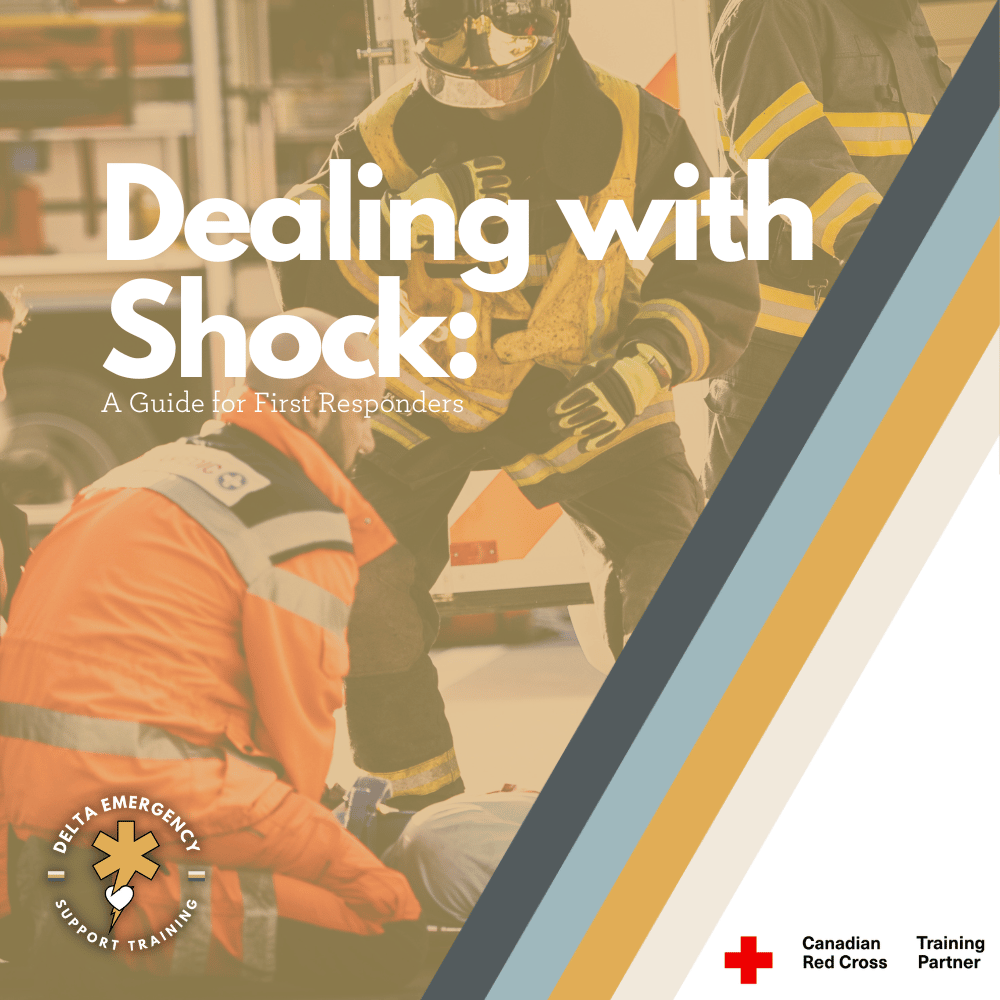
Getting kids to bed on time can be a real challenge for babysitters, especially if the kids are used to staying up late or have trouble falling asleep. However, with the right approach and a bit of patience, it's possible to help kids get the rest they need while keeping bedtime stress-free for everyone involved.
little girl sleeping peacefully in her bed WITH HER teddy bear nestled close to her. HER babysitter IS sitting nearby.
How to get kids to bed without a struggle:
Stick to a consistent routine:
Children thrive on routine, and having a consistent bedtime routine can help them feel more relaxed and prepared for sleep. When creating a bedtime routine, try to include activities that help kids wind down and relax, such as reading a book or taking a warm bath. Choose activities that are soothing and calming, rather than stimulating or exciting, to help kids transition from playtime to sleep time.
Before starting the bedtime routine, make sure to communicate with the parents about their usual bedtime routine. Ask about any special activities, such as a favorite story or song, that the child enjoys as part of their bedtime routine, and try to incorporate these activities into your routine as well. This will help the child feel more comfortable and at ease with you, as well as help ensure a smooth transition to sleep.
Create a calming atmosphere:
A calm and soothing environment is essential for helping kids feel relaxed and ready for sleep.
Consider using soft lighting, such as a nightlight or a lamp with a low-wattage bulb, to create a cozy and calming atmosphere.
You may also want to consider using a white noise machine to help mask any outside noises that could disrupt sleep. Music can be a great way to help kids relax and unwind at bedtime. You can also try playing nature sounds, such as rain or ocean waves, to help mask any background noise that might be disruptive.
Distractions, such as noise or bright lights, can make it harder for kids to fall asleep. Try to eliminate any sources of distraction in the bedroom, such as loud music or a TV. Encourage the child to focus on calming activities, such as reading a book or taking deep breaths, to help them relax and unwind.
Be sure to communicate with parents about any special requests or preferences they have for their child's bedtime routine, and be flexible and adaptable to meet the child's individual needs.
Set boundaries
Establish a pre-bedtime routine. Create a consistent pre-bedtime routine that includes calming and relaxing activities, such as reading a book or taking a bath. This helps signal to the child that it's time to wind down and get ready for sleep.
Set limits around screen time, whether it's watching TV or using a tablet or phone, can interfere with sleep quality. Try to limit screen time in the evening and avoid screens altogether in the hour leading up to bedtime.
Avoid sugary snacks or drinks. Sugary snacks or drinks can be stimulating and interfere with sleep. Try to avoid giving kids sugary snacks or drinks before bedtime and opt for healthier options instead, such as a small glass of milk or a piece of fruit.
By setting clear boundaries around behavior and expectations at bedtime, you can help children feel more secure and safe, which can make it easier for them to relax and fall asleep. Remember to communicate these boundaries to parents and be consistent in your approach to bedtime to help create a predictable and calming routine for kids.
Provide comfort:
Offer a comforting item. Many children have a favorite stuffed animal or special blanket that helps them feel safe and secure. Encourage the child to bring this item to bed with them, or offer a soft and comforting item, such as a stuffed animal or a cozy blanket, if they don't have one.
Provide physical comfort. Sometimes, a comforting touch can help children feel more at ease. Offer a gentle hug, hold their hand, or rub their back to help them feel more secure and relaxed.
Offer words of reassurance. Children may feel anxious or scared at bedtime, especially if they are away from their parents or in a new environment. Offer words of reassurance and encouragement, such as "you're safe here" or "everything will be okay." This can help them feel more at ease and fall asleep more easily.
Create a cozy environment. A cozy and comfortable environment can help children feel more relaxed and prepared for sleep. Use soft lighting, play calming music, and make sure the bed is comfortable and inviting. Encourage the child to snuggle up under a warm blanket to help them feel cozy and secure.
Use a nightlight. Many children are afraid of the dark, which can make it harder for them to fall asleep. Consider using a nightlight or a low-wattage lamp to provide a comforting and gentle glow in the room.
Practice Patience
Be prepared for setbacks: Getting children to sleep can be a process, and setbacks are normal. Children may have trouble falling asleep, wake up in the middle of the night, or resist going to bed altogether. Be prepared for these setbacks, and try to approach them with patience and understanding.
Avoid becoming frustrated or upset. It's natural to feel frustrated or upset if a child is having trouble falling asleep or staying in bed, but this can make the situation worse. Instead, try to remain calm and patient, and offer encouragement and support to help the child feel more at ease.
Use a soothing tone of voice. The tone of your voice can have a big impact on how children feel. Use a soothing and calm tone of voice when talking to the child at bedtime, and avoid becoming angry or impatient. This can help the child feel more relaxed and ready for sleep.
Allow extra time for bedtime routines. It's important to allow extra time for bedtime, especially if children need help settling down or have trouble falling asleep. This can help reduce stress and anxiety and create a more relaxed and calm environment for bedtime.
Conclusion
Getting children to bed can be a challenge for babysitters, but with a few simple tips and techniques, you can help create a calm, soothing, and consistent bedtime routine that promotes healthy sleep habits and supports the child's overall health and well-being. From setting boundaries and creating a comfortable environment to being patient and providing comfort, there are many ways you can help children feel more relaxed and prepared for sleep. By staying positive, communicating with parents, and being flexible and adaptable, you can provide the best possible care to the children you babysit, and help them get the rest they need to thrive.
Comprehensive babysitter childcare course
By being prepared, you can provide top-notch care and attention to the child, which can help make the experience more enjoyable for both you and the child. As a babysitter, it's important to be prepared for any situation that may arise while caring for children. That's why we offer a comprehensive babysitter childcare course that covers topics such as child development, safety, and communication. With this training, you'll be equipped to provide top-notch care for the children in your charge and have peace of mind knowing that you're prepared for any situation. If you're interested in learning more about our babysitter childcare course and how it can help you provide excellent care for children, please don't hesitate to reach out to us at info@deltaemergency.com.
Dealing with Shock: A Guide for First Responders
Shock is a serious and potentially life-threatening condition that occurs when there is inadequate blood flow to the body's tissues and organs. There are several different types of shock, including hypovolemic shock (caused by severe blood loss), cardiogenic shock (caused by heart failure), obstructive shock (caused by a physical obstruction), and distributive shock (caused by a loss of blood vessel tone).
Common symptoms of shock include rapid breathing, rapid heart rate, low blood pressure, confusion or disorientation, and pale or cool skin. If left untreated, shock can lead to organ failure and even death.
Effective treatment of shock depends on identifying the underlying cause and quickly providing appropriate interventions. This may include providing high-flow oxygen, addressing the underlying cause (such as stopping severe bleeding), and closely monitoring the patient's vital signs.
Shock is a life-threatening medical condition that can occur in a variety of situations, including trauma, infection, and severe bleeding. It's important for firefighters and other first responders to be able to recognize the signs and symptoms of shock and to know how to treat it effectively.
First responders at a car crash scene attending to a patient in shock.
What is shock
When the body enters a state of shock, it undergoes a process called vasoconstriction. This is where the blood vessels throughout the body narrow and constrict in an attempt to redirect blood flow to the body's core organs, such as the heart, lungs, and brain. This is a protective mechanism that allows the body to prioritize blood flow to the most vital organs during times of stress or injury.
However, this process of vasoconstriction can have negative effects on other parts of the body. Blood flow to the extremities, such as the arms and legs, can be significantly reduced, which can lead to cold, clammy skin and impaired wound healing. The kidneys may also be affected, as decreased blood flow to the kidneys can lead to decreased urine output and impaired kidney function.
If shock is not addressed and blood flow to the body's core organs is not restored, the body's compensatory mechanisms may become overwhelmed and ineffective. This can lead to a state of decompensation, where the body's vital organs begin to fail and serious complications can occur.
What does shock look like?
Shock is characterized by a lack of oxygen and nutrients to the body's tissues and organs. This can cause a range of symptoms, including:
Rapid heart rate and breathing
Low blood pressure
Cold, clammy skin
Confusion or disorientation
Weakness or fatigue
Nausea or vomiting
Different types of shock
There are several different types of shock, each with their own unique causes and characteristics:
Hypovolemic shock occurs when there is a significant loss of blood or other fluids from the body, such as from a severe injury or dehydration.
Cardiogenic shock is caused by a heart that is unable to pump blood effectively due to damage or disease.
Obstructive shock occurs when there is a physical blockage that prevents blood from circulating properly, such as from a blood clot or a collapsed lung.
Distributive shock is caused by a disruption of the body's natural balance of fluids and can be the result of severe infection, an allergic reaction, or neurological damage.
Treatment
Administering high-flow oxygen:
One of the first steps in treating someone in shock is to provide high-flow oxygen. This can help improve oxygen delivery to the body's tissues and organs.
Addressing the underlying cause:
Depending on the type of shock, there may be an underlying cause that needs to be addressed. For example, if the shock is caused by severe bleeding, the bleeding must be stopped in order to effectively treat the shock.
Monitoring vital signs:
It's important to monitor the patient's vital signs, including their heart rate, blood pressure, and oxygen saturation levels, in order to determine the effectiveness of treatment and make any necessary adjustments.
It's important to note that the specific treatment for shock will vary depending on the underlying cause and the patient's individual needs. Therefore, it's crucial for first responders to be properly trained and equipped to identify and treat shock in a timely and effective manner.
Training
At Delta Emergency Support Training, we understand the importance of being prepared for emergency situation. We offer a range of training sessions to help individuals and classes develop the skills and knowledge they need to respond to emergency situations. Our courses include Standard First Aid (SFA), Advanced First Aid (AFA), and Emergency Medical Responder (EMR), and we offer in-person, hybrid, and online options to suit different needs.
If you have any questions about our training sessions or shock, please don't hesitate to reach out to us. You can contact us at info@deltaemergency.com and we'll be happy to assist you.
Creating the Ultimate Babysitter Kit: A Guide for Caregivers
As a babysitter, it's important to be prepared for any situation that may arise while caring for children. One of the best ways to ensure that you're always ready is by having a well-stocked babysitter kit. In this post, we'll discuss the essential items that should be included in your kit, including first aid supplies, games and arts and crafts, emergency contacts, and a change of clothes.
Babysitter Kits: What They Are, Why You Need One, and What They Include
As a babysitter, you are responsible for the safety and well-being of the children in your care. In order to be fully prepared for any situation, it's important to have a well-stocked babysitter kit on hand. In this blog, we will discuss what a babysitter kit is, why you need one, and what it should include.
a collection of children's supplies for babysitting.
What is a Babysitter Kit?
A babysitter kit is a collection of essential items that can help you manage unexpected situations when caring for children. These kits can be assembled by parents or guardians, or purchased pre-made from a variety of retailers.
Why Do You Need a Babysitter Kit?
Having a babysitter kit on hand can help you be prepared for any situation that may arise when caring for children. It can help you provide quick and effective first aid for minor injuries, as well as provide comfort and entertainment for children during unexpected situations.
What Should a Babysitter Kit Include?
A well-stocked babysitter kit should include the following items:
Simple First Aid Supplies:
As a babysitter, you're responsible for the safety and well-being of the children in your care. While you hope that no injuries or illnesses occur, accidents do happen. That's why it's important to be prepared with basic first aid supplies, such as band-aids, gauze, adhesive tape, and antiseptic wipes or spray.
Band-aids are useful for covering small cuts, scrapes, or blisters. They can help keep wounds clean and protected from dirt and bacteria. Gauze and adhesive tape can be used to cover larger wounds or secure dressings in place. These items can help prevent further injury and promote healing.
Antiseptic wipes or spray can be used to clean wounds and prevent infection. They are especially useful for cuts and scrapes that are prone to infection. Keeping these items in your babysitter kit can help you quickly respond to minor injuries and help prevent them from becoming more serious.
Games and Arts and Crafts:
Babysitting can be a challenging job, especially if you're caring for young children who may have short attention spans or get easily bored. That's why it's important to have a variety of age-appropriate games, coloring books, and craft supplies in your babysitter kit. These items can help keep children engaged and occupied, making your job as a babysitter much easier and more enjoyable.
Games are a great way to keep children entertained and active. Depending on the age of the children you're caring for, you can include board games, card games, or even outdoor games in your babysitter kit. These games can help children burn off excess energy, develop social skills, and keep their minds active.
Arts and crafts are another great option to include in your babysitter kit. Coloring books, construction paper, markers, and crayons can help children unleash their creativity and develop their fine motor skills. You can also include materials for simple craft projects, such as pipe cleaners, glue, and scissors. These can be used to create a variety of fun and engaging projects, from paper airplanes to finger puppets.
Emergency Contacts:
It's important to have a list of emergency contacts readily available. This list should include contact information for the children's parents or guardians, as well as any healthcare providers and emergency services.
The parents or guardians of the children you're caring for are the first people you should contact in case of an emergency. They will want to know if their child is hurt or sick, and will be able to provide important information about their child's medical history or any specific care instructions. Having the parents or guardians' contact information readily available can help you quickly get in touch with them.
In addition to the parents or guardians, it's important to have contact information for the children's healthcare providers. This includes their pediatrician or any specialists they see on a regular basis. If a child has a medical emergency or needs medical attention, their healthcare provider can provide important information about their condition and any necessary treatments.
Change of Clothes:
Babies and young children are prone to accidents, such as spitting up, spills, or having diaper blowouts. As a babysitter, it's important to be prepared for these situations. By bringing a change of clothes with you, you can quickly change into fresh clothing if you get soiled, which can help you feel more comfortable and prepared to continue caring for the child.
In addition to accidents that may happen to the child, there's also the likelihood of getting dirty yourself when making food and playing outside with the kids. Food can easily splatter or spill, and playing outside can lead to grass stains or mud. Having a change of clothes can help you feel more comfortable and prepared to continue caring for the child, without worrying about being dirty or uncomfortable.
Not having a change of clothes can be especially problematic if you're caring for a child for an extended period of time, such as an overnight babysitting gig.
Other Essentials:
Extra diapers and wipes are essential items to include in your babysitter kit, especially if you're caring for a baby or toddler who is not yet potty trained. Accidents happen, and having a sufficient supply of diapers and wipes on hand can help you quickly clean up any messes and prevent any discomfort or irritation for the child.
A flashlight is another important item to include in your babysitter kit, especially if you'll be caring for children at night. If the power goes out or there's an emergency, having a flashlight can help you navigate the home and keep the children calm and reassured. It's also a good idea to have extra batteries on hand, in case the flashlight runs out of power.
A phone charger is also an important item to include in your babysitter kit, as it can help ensure that your phone stays charged in case of an emergency. If you need to call 911 or contact the children's parents or guardians, having a charged phone is essential.
Overall, including extra diapers and wipes, a flashlight, and a phone charger in your babysitter kit is an important way to ensure that you're prepared for any situation that may arise while caring for children.
Comprehensive babysitter childcare course
By being prepared, you can provide top-notch care and attention to the child, which can help make the experience more enjoyable for both you and the child. As a babysitter, it's important to be prepared for any situation that may arise while caring for children. That's why we offer a comprehensive babysitter childcare course that covers topics such as child development, safety, and communication, as well as the essentials of assembling a babysitter kit. Our course includes information on what to include in your kit, how to use the items effectively, and how to respond in case of an emergency. With this training, you'll be equipped to provide top-notch care for the children in your charge and have peace of mind knowing that you're prepared for any situation. If you're interested in learning more about our babysitter childcare course and how it can help you provide excellent care for children, please don't hesitate to reach out to us at info@deltaemergency.com.
The Impact of COPD: Symptoms and Strategies for Management
COPD is a chronic respiratory disease that affects millions of people worldwide, causing damage to the lungs and making it increasingly difficult to breathe. In this post, we will discuss the causes of COPD, the symptoms associated with the condition, and the available treatments that can help manage its symptoms.
Chronic Obstructive Pulmonary Disease (COPD): Understanding Causes, Symptoms, and Treatment
a close-up view of a person's hand holding a cigarette that has been broken in half. The cigarette appears to be made of white paper with tobacco inside.
Chronic Obstructive Pulmonary Disease (COPD) is a common respiratory disease that affects millions of people worldwide. It's a progressive disease that causes damage to the lungs, making it difficult to breathe. COPD encompasses several conditions, including chronic bronchitis and emphysema. In this blog, we will discuss what COPD is, what causes it, the symptoms of COPD, and the available treatments for COPD.
What is COPD?
COPD is a progressive disease that causes damage to the lungs and makes it increasingly difficult to breathe. The main characteristic of COPD is obstruction in the airflow, which occurs due to inflammation and narrowing of the airways, as well as damage to the lung tissue itself. The damage to the lungs is irreversible, and over time, the condition worsens.
What causes COPD?
The primary cause of COPD is cigarette smoking. Other causes of COPD include exposure to air pollution, occupational dust, and chemicals. Genetics can also play a role in the development of COPD.
Symptoms of COPD
The symptoms of COPD may not appear until the condition has already caused significant damage to the lungs. COPD is characterized by several symptoms, including shortness of breath, coughing, wheezing, chest tightness, and excess mucus production. As the disease progresses, these symptoms can worsen and make it increasingly difficult to breathe. In some cases, individuals with COPD may also experience other symptoms such as fatigue, weight loss, and frequent respiratory infections.
Barrel Chest
Barrel chest is a physical characteristic that is commonly seen in individuals with COPD. It is caused by a combination of factors, including overinflation of the lungs, flattened diaphragm, and changes in the shape of the ribcage. As a result, the chest takes on a rounded, barrel-like shape. This can make it difficult for the lungs to expand fully, further exacerbating the symptoms of COPD.
Emphysema
Emphysema is a type of COPD that specifically affects the air sacs in the lungs, causing them to become damaged and lose their elasticity. This damage makes it difficult for the air sacs to empty properly, trapping air in the lungs and causing them to become overinflated. As a result, individuals with emphysema often have difficulty breathing, especially when exhaling.
Difficulty Sleeping Lying Down
Many individuals with COPD experience difficulty sleeping lying down, a condition known as orthopnea. This is because lying flat can make it more difficult for the lungs to expand fully, leading to shortness of breath and coughing. To manage this symptom, individuals may sleep with their head elevated using a wedge pillow or sleep in a recliner chair.
How is COPD diagnosed?
To diagnose COPD, healthcare providers typically start by taking a detailed medical history and conducting a physical exam. Diagnostic tests may include pulmonary function tests, chest x-rays, and CT scans. Spirometry, a simple breathing test, can be used to assess lung function and determine the severity of COPD.
Treatments for COPD
Although there is no cure for COPD, there are several treatments available that can help manage symptoms and slow the progression of the disease. These treatments include medications, lifestyle changes, and oxygen therapy.
Medications:
There are several types of medications available for treating COPD, including bronchodilators, corticosteroids, and phosphodiesterase-4 inhibitors. Bronchodilators work by relaxing the muscles around the airways, making it easier to breathe. Corticosteroids can reduce inflammation in the airways, while phosphodiesterase-4 inhibitors can reduce the frequency of COPD exacerbations.
Lifestyle changes:
Making lifestyle changes can also be beneficial for individuals with COPD. This includes quitting smoking, avoiding exposure to environmental pollutants, and getting regular exercise. Pulmonary rehabilitation programs can also help improve lung function and quality of life.
Oxygen therapy:
Oxygen therapy may be recommended for individuals with severe COPD. This involves using supplemental oxygen to help improve oxygen levels in the blood, which can help reduce shortness of breath and improve quality of life.
How COPD affects everyday life and how to help
COPD can have a significant impact on everyday life, making it difficult to perform simple tasks and reducing quality of life. Some of the ways to help individuals with COPD include:
Encouraging them to quit smoking
Helping them avoid environmental pollutants
Encouraging regular exercise
Helping them maintain a healthy diet
Providing emotional support and encouragement
In conclusion, COPD is a chronic respiratory condition that can significantly impact an individual's quality of life. It's essential to be aware of the symptoms of COPD and seek medical attention if they are present. Quitting smoking and making lifestyle changes, such as regular exercise and a healthy diet, can help manage the symptoms of COPD.
In our advanced first aid training class, we cover topics such as breathing management and pulmonary diseases to equip you with the knowledge and skills to provide excellent care in emergency situations.
At Delta Emergency, we are dedicated to providing you with the tools you need to confidently handle any emergency situation. If you have any questions or concerns about our training programs, please don't hesitate to contact us at info@deltaemergency.com. We're here to support you every step of the way.
Navigating Technology as a Babysitter: Managing Screen Time
As a babysitter, it can be challenging to find activities and games that don't involve screen time. However, there are plenty of fun and engaging options that can promote children's creativity, learning, and physical activity. From arts and crafts to outdoor play and board games, here are some examples of non-screen time activities that a babysitter can do with children.
In today's digital age, technology is an integral part of our daily lives, and children are no exception. As a babysitter, you may find yourself grappling with how to navigate screen time and technology usage while caring for children. This can be especially challenging given the risks associated with the online world. However, with some thoughtful planning and preparation, you can ensure that you keep kids safe while also allowing them to enjoy the benefits of technology.
a child and babysitter using an iPad together, Both are girls. The child appears to be holding the iPad and looking at it, while the babysitter is helping her navigate the device.
Technology Today:
The world of technology is vast and ever-changing. From smartphones and tablets to smart TVs and gaming consoles, there are numerous devices and platforms that children can use to access the internet and engage with digital content. It's important to stay up to date on the latest trends and technologies, so you can help children navigate them safely and responsibly.
Acceptable Games and Screen Time:
While screen time can have its benefits, it's important to ensure that children are using technology in a safe and appropriate manner. As a babysitter, it's your responsibility to manage guidelines around technology that has been set by the parents. This can include limiting the amount of time children spend on devices, as well as choosing appropriate games and activities for them to engage with.
When it comes to acceptable games and screen time, consider the age of the child, their interests, and the appropriateness of the content. There are plenty of educational games and apps that can be used to help children learn and develop important skills. Similarly, many TV shows and movies can be both entertaining and educational, as long as they are age-appropriate and chosen carefully.
Keeping Kids Safe Online:
The internet can be a dangerous place, especially for young children who may not be aware of the risks. As a babysitter, it's important to take steps to keep kids safe while they're online. This can include using parental controls and filters to block inappropriate content, teaching children about online safety and privacy, and monitoring their online activity.
It's also important to be aware of the signs of cyberbullying, which can have serious consequences for children's mental health and well-being. Make sure that children know that they can come to you if they experience bullying or harassment online, and take steps to address the issue if it arises.
Alternatives for Screen Time:
While screen time can have its benefits, it's also important for children to engage in other types of activities that promote physical activity and socialization. As a babysitter, you can encourage children to participate in the following activities:
Arts and Crafts
- Encourage children to get creative with painting, drawing, coloring, or making crafts. You can provide them with a variety of art supplies, such as construction paper, scissors, glue, stickers, and markers, and let them create their own masterpieces.
Board Games
- Board games are a classic form of entertainment that can provide hours of fun. Some popular board games for children include Candyland, Chutes and Ladders, and Sorry!
Outdoor Play
- Get children outside for some fresh air and exercise. This can include playing catch, kicking a ball around, or going for a walk or bike ride. You can also set up an obstacle course or scavenger hunt for them to complete.
Reading
- Reading is a great way to promote literacy and language development. You can read books aloud to children, or encourage them to read on their own. Visit your local library and let children pick out their own books to read.
Pretend Play
- Pretend play allows children to use their imaginations and engage in creative role-playing. Set up a pretend kitchen, doctor's office, or grocery store and let children act out different scenarios.
Music and Dancing
- Play some music and encourage children to dance and sing along. You can also provide them with musical instruments, such as drums, tambourines, and shakers, and let them create their own band.
Puzzles
- Puzzles are a great way to improve problem-solving skills and hand-eye coordination. You can provide children with a variety of puzzles, such as jigsaw puzzles or Sudoku, and let them work on them alone or with friends.
Science Experiments
- Conduct simple science experiments with children, such as making a volcano erupt or creating a baking soda and vinegar reaction. You can find plenty of easy science experiments online.
Building and Construction
- Provide children with building blocks, Legos, or other construction toys and let them create their own structures and designs.
These are just a few examples of non-screen time activities and games that a babysitter can do with children. Remember, the key is to provide children with a variety of fun and engaging activities that promote their creativity, learning, and physical activity.
Consider setting up a schedule that includes both screen time and other types of activities, and encourage children to take breaks from devices regularly. This can help to promote a healthy balance of screen time and other activities.
Navigating screen time and technology usage can be a challenge for babysitters, but with some careful planning and preparation, you can ensure that children are using technology in a safe and appropriate manner. By setting guidelines around screen time usage, choosing appropriate games and activities, and taking steps to keep kids safe online, you can help children enjoy the benefits of technology while also promoting their overall health and well-being.
Babysitter Course
As a babysitter, it's important to prioritize screen time limits for the children you're caring for. At Delta Emergency Support Training, we understand how critical it is to establish healthy technology habits early on. We offer resources and tips to help you manage screen time effectively and keep children engaged in other activities.
In addition, we also offer babysitter courses that cover a range of important topics, including child development, safety, and communication. These courses are designed to equip you with the skills and knowledge you need to provide excellent care for children.
If you have any questions about screen time management or want to learn more about our babysitter courses and resources, please feel free to reach out to us at info@deltaemergency.com. We're here to support you and the children in your care.
Why First Responders Use Vital Signs: A comprehensive guide
Vital signs are measurements of the body's basic functions and are used to assess a person's overall health and wellbeing. There are four primary vital signs: body temperature, pulse rate, blood pressure, and respiratory rate. Each vital sign provides important information about a person's health and can help identify underlying health conditions or other problems.
Body temperature is a measure of the body's internal heat and is typically measured using a thermometer. A fever is generally defined as a body temperature above 100.4°F (38°C) and can indicate an infection or other underlying health condition.
Pulse rate is a measure of the heart rate, or the number of times the heart beats per minute. A rapid pulse may indicate a fever, dehydration, or an irregular heartbeat, while a slow pulse may indicate heart disease or other health conditions.
Blood pressure is a measure of the force of blood against the walls of arteries as the heart pumps blood through the body. High blood pressure, or hypertension, can increase the risk of heart disease, stroke, and other health problems.
Respiratory rate is a measure of the number of breaths a person takes per minute. A rapid respiratory rate may indicate an underlying health condition, such as asthma or pneumonia.
Monitoring vital signs is an essential part of healthcare and can help healthcare professionals and first responders make informed decisions about treatment and care.
Vital signs are measurements of basic bodily functions that are essential for assessing a person's overall health and well-being. These measurements are typically taken by healthcare professionals, but they can also be taken by trained first responders in emergency situations.
first responders attending to a patient lying on a cot outside an ambulance. One responder is checking the patient's vital signs while the other is preparing medical equipment. The patient appears to be receiving urgent medical attention, and the responders are focused and prepared to administer necessary treatment
What Are Vital Signs?
Vital signs are a set of measurements that healthcare professionals use to assess a patient's overall health status. These measurements include temperature, heart rate, blood pressure, respiratory rate, Glasgow Coma Scale (GCS), oxygen saturation (SPO2), pupils and skin.
Body Temperature:
Body temperature is an important vital sign as it can indicate whether a person is healthy or if they have a fever, which could be a sign of infection. Body temperature can be measured in several ways, including orally, rectally, or using a forehead thermometer. It is important to use the correct method and follow the manufacturer's instructions when taking a person's temperature.
Heart Rate:
Heart rate: Heart rate is the number of times the heart beats per minute and is a reflection of the heart's ability to circulate blood throughout the body. The heart rate can vary depending on age, gender, physical activity, and overall health status. A high heart rate could indicate a potential problem, such as an irregular heartbeat, dehydration, or anxiety, while a low heart rate could be a sign of a heart condition or medication side effect.
Blood Pressure:
Blood pressure is the measure of the force of blood against the walls of the arteries. It is measured in millimetres of mercury (mmHg) and consists of two numbers: the systolic pressure (the higher number) and the diastolic pressure (the lower number). A healthy blood pressure reading is typically around 120/80 mmHg. High blood pressure (hypertension) can put a strain on the heart and blood vessels, while low blood pressure (hypotension) can cause dizziness, fainting, or other symptoms.
Respiratory Rate:
Respiratory rate is the number of breaths taken per minute and is a reflection of the body's ability to take in oxygen and expel carbon dioxide. The respiratory rate can vary depending on age, physical activity, and overall health status. A high respiratory rate could indicate a potential problem, such as a lung infection or asthma, while a low respiratory rate could be a sign of respiratory depression or a medical condition that affects breathing.
Glasgow Coma Scale:
Glasgow Coma Scale or GCS measures a patient's response to verbal, motor, and eye-opening stimuli. The score ranges from 3 to 15, with a higher score indicating a higher level of consciousness. The GCS is commonly used in trauma settings to assess patients with brain injury, altered mental status, or who are sedated.
SPO2:
SPO2 is a measure of the amount of oxygen that is carried by the hemoglobin in the red blood cells. The measurement of SPO2 is non-invasive and can be performed using a pulse oximeter, which is a small device that is attached to the finger, toe, or earlobe. The pulse oximeter uses light to measure the amount of oxygen that is present in the blood.
Pupils:
Pupils can also be an important vital sign in assessing a person's neurological function. The size, shape, and reactivity of the pupils can provide valuable information about the health of the brain and nervous system. Unequal pupil size (ani or a lack of reactivity to light can be a sign of a neurological issue, such as a brain injury or nerve damage.
Skin:
Assessing skin color and moisture is important because changes in these vital signs can be indicative of underlying medical conditions. For example, changes in skin color can be a sign of poor blood flow, infection, or inflammation, while changes in skin moisture can be a sign of dehydration or certain medical conditions.
Normal Vital Sign Ranges
The normal ranges for vital signs vary depending on a person's age, gender, and health status. Here are the standard ranges:
Body Temperature:
A normal body temperature generally ranges from 36.1°C to 37.2°C, with an average of 37°C. A fever, which is typically defined as a body temperature above 38°C, can be a sign of an infection or illness. Hypothermia, in which the body's core temperature drops below 35°C, can be caused by prolonged exposure to cold temperatures or certain medical conditions. Hyperthermia, in which the body's core temperature rises above its normal range, typically above 40°C, can be caused by heatstroke, extreme physical exertion, or certain medications.
Pulse Rate:
The normal resting heart rate range for an adult is between 60 to 100 beats per minute. A higher or lower heart rate may indicate a medical condition. Healthcare professionals use heart rate to assess cardiac function, diagnose heart conditions, and monitor the effectiveness of treatments.
Blood Pressure:
The normal blood pressure for an adult is typically around 120/80 mmHg. High blood pressure, or hypertension, is defined as consistently measuring higher than 130/80 mmHg, and can increase the risk of heart disease, stroke, and other health problems. Low blood pressure, or hypotension, is less common but can also be a serious medical condition, and is typically defined as a systolic pressure of less than 90 mmHg or a diastolic pressure of less than 60 mmHg.
Respiratory Rate:
The normal respiratory rate for an adult at rest is typically between 12 and 20 breaths per minute. A higher or lower respiratory rate than this range may indicate a medical condition. The quality of breath is also important in assessing a patient's respiratory function. Shallow, labored breathing or irregular breathing patterns can indicate respiratory distress and may require immediate medical attention.
Glasgow Coma Scale:
A GCS score of 15 is considered normal, indicating that the person is fully alert and oriented. The GCS is based on three categories: eye opening, verbal response, and motor response, and each category is assigned a score from 1-4 or 1-6. A higher score indicates a higher level of consciousness, while a lower score indicates a lower level of consciousness.
SPO2
Healthy SPO2 levels are between 95% and 100%, and SPO2 levels below 90% can indicate a lack of oxygen in the body. Supplemental oxygen may be necessary to raise the patient's SPO2 levels to a healthy range, but it is important to monitor the oxygen levels carefully and avoid over-oxygenation. Healthcare professionals use SPO2 measurements to guide treatment decisions and ensure that patients are receiving the appropriate level of oxygen.
Pupils:
The normal range for pupil size is between 2-4 millimeters in diameter for both pupils, and they should be equal in size. Pupils that are larger or smaller than this range, or are unequal in size (anisocoria), can be indicative of underlying medical conditions. Additionally, pupils should react briskly to changes in light, which is known as the pupillary light reflex. A sluggish or absent pupillary light reflex can be a sign of a neurological issue, such as a brain injury or nerve damage.
Skin:
Skin can vary in color and moisture depending on a person's age, sex, ethnicity, and overall health. In general, healthy skin should have a consistent color and texture across the body, without any unusual bumps, rashes, or lesions. The normal range of skin moisture varies from person to person, but it should generally feel soft and supple, without feeling excessively dry or oily.
Why First Responders Use Vital Signs?
Interpreting vital signs can help first responders make informed decisions about the best course of action for treating a patient. Monitoring changes in vital signs over time can also help to identify trends or progression of medical conditions, and inform treatment plans for better outcomes. First responders are trained to assess and respond to changes in vital signs quickly and effectively, which is essential in emergency situations.
At Delta Emergency Support Training we are happy to answer any questions you may have about vital signs as well as training sessions for individuals or classes. We offer in person, hybrid and online classes for Standard First Aid (SFA) Advanced First Aid (AFA) and Emergency Medical Responder (EMR) courses. For all inquiries please email info@deltaemergency.com .
Responding to Mass Casualty Incidents: A Guide for First Responders
Responding to Mass Casualty Incidents is a critical aspect of emergency preparedness and response. Whether it's a natural disaster, a terrorist attack, or an accident, the ability to quickly and effectively manage large numbers of injured victims can mean the difference between life and death. In such situations, emergency responders must work together to triage, treat, and transport the injured to medical facilities. They must also ensure that the scene is secure and that all necessary resources are available to address the needs of those affected.
Mass casualty incidents (MCIs) are situations where a large number of people are injured or killed at the same time. These incidents can be caused by natural disasters such as earthquakes, floods, or hurricanes, as well as by human-made events such as terrorist attacks or shootings. First responders play a crucial role in responding to these incidents and saving lives.
emergency responders in action, tending to multiple injured victims in a mass casualty incident. The responders are wearing protective gear and are working together to triage, treat, and transport the injured to medical facilities. The scene is chaotic, with debris and injured victims scattered around, highlighting the urgency and importance of effective mass casualty incident response.
Ensuring Safety: When responding to an MCI, the first priority for first responders is to ensure their own safety. They should always approach the scene with caution and be aware of potential hazards such as fires, explosions, or collapsing buildings. Once they have determined that it is safe to enter the area, they should quickly assess the situation and determine the number of casualties, the severity of injuries, and the resources needed to provide care.
Establishing Command: The first responders should then establish a command center to coordinate the response efforts. This center should be located in a safe area outside the immediate danger zone and should have clear communication channels with all response teams. The command center should also have access to emergency medical services (EMS) and transportation resources to move patients to hospitals or other care facilities.
Phases of Response: The response efforts should be organized into three main phases: triage, treatment, and transportation. During the triage phase, first responders should quickly assess each patient's condition and assign them to one of four categories: immediate (red), delayed (yellow), minimal (green), or expectant (black). Patients who are classified as immediate require immediate medical attention and should be transported to a hospital as soon as possible. Patients who are classified as delayed require medical attention but can wait for treatment. Patients who are classified as minimal require little or no medical attention, and patients who are classified as expectant are unlikely to survive even with treatment.
During the treatment phase, first responders should provide medical care to patients based on their triage category. Patients who are classified as immediate should receive the most urgent care, such as controlling bleeding, opening airways, or stabilizing fractures. Patients who are classified as delayed should receive medical attention as soon as possible, but their injuries are not life-threatening. Patients who are classified as minimal may receive basic first aid, such as bandages or pain relief. Patients who are classified as expectant should receive comfort care to minimize their suffering. During the treatment phase of a mass casualty incident, first responders should provide medical care to patients based on their triage category, which is determined during the triage phase. The triage categories are immediate (red), delayed (yellow), minimal (green), and expectant (black).
Patients who are classified as immediate require the most urgent care as their injuries are life-threatening and require immediate attention. First responders should prioritize stabilizing these patients by controlling any bleeding, opening their airways to ensure they can breathe properly, and stabilizing fractures or other injuries as quickly as possible. This may include the use of tourniquets, airway management devices, and splints.
Patients who are classified as delayed have injuries that are not immediately life-threatening but still require medical attention. First responders should provide medical care to these patients as soon as possible, but the urgency is not as high as it is for patients classified as immediate. For example, delayed patients may need pain relief, wound care, or treatment for broken bones.
Patients who are classified as minimal have injuries that are minor and may only require basic first aid, such as bandages or pain relief. These patients do not require immediate medical attention and can wait for treatment while more urgent cases are addressed.
Patients who are classified as expectant have injuries that are so severe that they are unlikely to survive even with medical treatment. First responders should provide comfort care to these patients to minimize their suffering, which may include pain relief, emotional support, and communication with family members or loved ones.
In summary, during the treatment phase, first responders should prioritize patients based on their triage category and provide the appropriate level of medical care to each patient. By following these guidelines, first responders can provide efficient and effective care to those in need during a mass casualty incident.
During the transportation phase, first responders should transport patients to hospitals or other care facilities based on their triage category. Patients who are classified as immediate should be transported first, followed by delayed patients. Minimal patients can be transported later or given transportation advice. Patients who are classified as expectant may not be transported, depending on the available resources and the patient's condition.
In conclusion, first responders play a critical role in responding to mass casualty incidents. They should always prioritize their own safety and quickly assess the situation to determine the resources needed to provide care. By following a structured approach that includes triage, treatment, and transportation, first responders can efficiently and effectively provide medical care to patients and save lives.
Saving Lives: The Vital Role of Automated External Defibrillators (AEDs) in Cardiac Emergency Response
The importance of Automated External Defibrillators (AEDs) in cardiac emergency response cannot be overstated. This powerful photo depicts a person using an AED to deliver life-saving defibrillation during a critical moment of a cardiac emergency. With a descriptive filename, alt text, and metadata that includes relevant keywords, this image serves as a powerful visual representation of the vital role of AEDs in saving lives during cardiac emergencies.
Saving Lives with Automated External Defibrillators (AEDs): What You Need to Know
The importance of Automated External Defibrillators (AEDs) in cardiac emergency response cannot be overstated. This photo depicts an AED, ready to deliver life-saving defibrillation during a critical moment of a cardiac emergency.
Cardiac arrest is a sudden and life-threatening condition that occurs when the heart suddenly stops beating effectively. Immediate intervention is critical to increase the chances of survival, and Automated External Defibrillators (AEDs) have emerged as a crucial tool in saving lives during cardiac emergencies. In this blog post, we will explore what AEDs are, how they work, and why they are essential in cardiac arrest management.
What are AEDs?
An Automated External Defibrillator (AED) is a portable electronic device that is used to diagnose and treat life-threatening cardiac arrhythmias, such as ventricular fibrillation (VF) and pulseless ventricular tachycardia (VT). AEDs are designed to be used by non-medical professionals, including laypersons, and are commonly found in public places, workplaces, airports, schools, and other high-traffic areas.
How do AEDs work?
AEDs work by delivering an electric shock to the heart to restore its normal rhythm. When a person experiences cardiac arrest, the heart's electrical activity becomes chaotic, causing the heart to quiver or fibrillate instead of pumping blood effectively. AEDs are equipped with built-in sensors and computer algorithms that analyze the heart's electrical activity through adhesive pads (called electrodes) placed on the person's chest. If a shockable rhythm, such as Ventricular Fibrillation (VF) or Ventricular Tachycardia (VT), is detected, the AED will prompt the user to deliver a shock by pressing a button or automatically deliver the shock if it is a fully automated AED.
An Automated External Defibrillator (AED) is a portable electronic device that is used to diagnose and treat life-threatening cardiac arrhythmias, such as ventricular fibrillation (VF) and pulseless ventricular tachycardia (VT).
The shock delivered by the AED is intended to stop the chaotic electrical activity in the heart and allow the heart to reset itself and resume a normal rhythm. AEDs are designed to be safe and effective, with automated features that guide the user through each step of the process, including providing voice prompts, visual instructions, and feedback on the quality of CPR (cardiopulmonary resuscitation) being performed.
Why are AEDs important?
AEDs play a crucial role in improving the chances of survival for individuals experiencing sudden cardiac arrest. According to the American Heart Association (AHA), the use of an AED, in combination with CPR, can significantly increase the survival rate of cardiac arrest victims. In fact, for every minute that passes without defibrillation, the chances of survival decrease by approximately 10%. Therefore, quick access to an AED and early defibrillation is critical to increasing the chances of survival.
An Automated External Defibrillator (AED) electricity in action, ready to provide life-saving defibrillation during a cardiac emergency.
They are designed to be used by anyone, regardless of their medical training or experience. They are user-friendly, with clear instructions and prompts that guide the user through the entire process. Many AEDs also have visual aids, such as diagrams or animations, to assist users in correct pad placement and usage. This makes AEDs accessible and empowers bystanders to take immediate action during a cardiac emergency, even before professional medical help arrives.
AEDs are also lightweight and portable, making them easy to transport and use in various settings. They are often designed with durable cases, built-in carrying handles, and sometimes even equipped with backpacks or wall-mounted cabinets for easy storage and accessibility. Many AEDs also perform regular self-checks and have indicators that show their readiness status, ensuring that they are always ready for use in an emergency.
In addition to their ease of use and portability, AEDs are cost-effective. The cost of AEDs has decreased over the years, making them more affordable and accessible for public use. Some AEDs also come with maintenance packages, including
Another important aspect of AEDs is the potential for widespread community impact. When AEDs are strategically placed in public locations, they can be easily accessed and used by bystanders in the critical minutes following a cardiac arrest. This can significantly shorten the time to defibrillation and increase the chances of survival. Many communities, workplaces, and public facilities have recognized the importance of having AEDs readily available and have implemented AED programs as part of their emergency response plans. These AED programs often include training initiatives to educate community members on how to recognize cardiac arrest, perform CPR, and use an AED effectively, further empowering the community to respond to cardiac emergencies.
In conclusion, Automated External Defibrillators (AEDs) are crucial tools in saving lives during cardiac emergencies. Their ease of use, portability, affordability, and potential for widespread community impact make them essential components of cardiac arrest management. By providing early defibrillation and increasing the chances of survival, AEDs empower bystanders to take action and make a significant difference in saving lives. If you encounter someone experiencing sudden cardiac arrest, remember to call emergency services, start CPR, and locate and use an AED as soon as possible for the best chance of survival.

