The Delta Dispatch

EMR Guide to Facial Trauma: Airway Management, Bleeding Control, and Injury Assessment

Facial trauma is a serious medical emergency that requires prompt attention. This guide for EMRs covers essential steps for managing facial injuries, including airway management, bleeding control, and fracture stabilization. Learn how to assess and treat patients with maxillofacial trauma to reduce the risk of permanent functional loss and disfigurement.
Facial Trauma - Assessment and Treatment

Tradesmen with laceration to face

Facial trauma refers to injuries involving damage to the bones or soft tissue of the face. These injuries can occur due to a variety of causes such as motor vehicle accidents, assaults (including gunshots), sports injuries, falls, chemical exposures, thermal burns, or animal bites. Because the human face is complex and contains many critical structures, such as bones, blood vessels, nerves, muscles, and sensory organs, untreated facial trauma can lead to permanent functional loss (such as problems with seeing, chewing, speaking, or swallowing) and severe disfigurement. Therefore, rapid and effective assessment and treatment are crucial in preventing long-term complications.

Facial trauma can be categorized into two primary categories: bone and soft tissue injuries. Depending on the type and severity of the trauma, the treatment and management priorities will differ. Let’s explore how to assess, treat, and what to expect when dealing with facial trauma in an emergency setting.

Key Considerations for EMRs Responding to Facial Trauma

When an EMR encounters a patient with facial trauma, the first priority is to assess the patient's airway, control bleeding, and assess for any associated injuries. This is especially critical because facial trauma can lead to airway compromise and severe bleeding, both of which are life-threatening.

Airway Management: The First Priority

One of the most critical aspects of treating facial trauma is securing the airway. The face houses the upper airway structures, and injuries to the face can easily result in obstruction. Up to 42% of patients with severe maxillofacial trauma may require intubation. If airway compromise is not addressed, it can result in hypoxia, shock, or even death.

Airway compromise in facial trauma typically occurs due to:

  • Soiling of the airway: Blood, vomit, or other debris can obstruct the airway, especially in patients with severe bleeding or emesis.

  • Obstruction: This can result from displaced soft tissue (such as the tongue), facial swelling, or foreign bodies (like dislodged teeth).

When assessing for airway compromise, EMRs should prioritize maintaining patency and anticipate potential difficulties with bag-mask ventilation due to the altered facial anatomy. For example, in Le Fort II and Le Fort III fractures, which cause significant facial displacement, it can be challenging to achieve a proper seal with a mask. If bag-mask ventilation becomes difficult, consider using a supraglottic airway device as a temporary bridge to more definitive airway management until advanced care can be provided.

Controlling Bleeding

Facial injuries, especially those involving trauma to the nose, mouth, or eyes, often result in significant bleeding. The face is highly vascular, so controlling bleeding early is vital to avoid shock and further complications. The steps to control bleeding are:

  1. Direct Pressure: Apply direct, firm pressure over the bleeding site using sterile gauze or a clean cloth.

  2. Elevation: If possible, elevate the patient’s head to minimize blood flow to the injury site.

  3. Pressure Points: Use pressure points such as the carotid artery or facial artery to control hemorrhage when direct pressure is insufficient.

  4. Hemostatic Agents: In severe cases, use hemostatic agents or dressings to assist in clotting and bleeding control.

Assessing Associated Injuries

Facial trauma often occurs as part of multi-system injuries. Once the airway is secured and bleeding is controlled, assess for other possible injuries, such as:

  • Head injury: Concussions, skull fractures, or intracranial hemorrhages are common in traumatic incidents that involve facial injury.

  • Spinal injury: Always suspect cervical spine injury in any trauma patient, especially those with altered mental status or facial fractures.

  • Dental injuries: Dislodged teeth or fractures to the jaw may occur in conjunction with facial trauma and may require specific management.

  • Eye injuries: Damage to the eyes, such as orbital fractures, corneal abrasions, or foreign bodies, should be suspected and managed accordingly.

Types of Maxillofacial Fractures

Facial fractures can be complex, and different fractures require different management strategies. Some common types of fractures include:

  1. Le Fort Fractures:

    • Le Fort I: A horizontal fracture of the maxilla (upper jaw), often associated with palate and teeth displacement.

    • Le Fort II: A pyramidal fracture involving the maxilla, nasal bones, and orbit, which may cause significant facial deformity.

    • Le Fort III: A complex fracture involving the maxilla, zygomatic bones, and orbit, resulting in severe facial disfiguration and airway compromise.

  2. Orbital Fractures: These fractures affect the bony orbit surrounding the eye. They may lead to eye injuries and double vision, requiring immediate attention to preserve vision.

  3. Nasal Fractures: Fractures to the nasal bones are common and often associated with bleeding and airway obstruction due to the nasal passages becoming blocked with blood.

  4. Mandible (Jaw) Fractures: Fractures of the mandible may affect the ability to chew, swallow, and speak. In some cases, the fractured jaw may obstruct the airway.

Treatment Considerations

The management of facial trauma depends on the type and severity of the injury. However, the basic principles of care involve airway management, bleeding control, and stabilization of fractures.

Airway Management

As previously mentioned, ensuring airway patency is paramount in facial trauma cases. If there is any suspicion of airway compromise, early intubation should be performed. In some cases, a supraglottic airway device may be used to bridge the gap before definitive airway management. In more severe cases, surgical airway interventions may be required.

Fracture Stabilization

Fractures, particularly those involving the mandible, maxilla, or facial bones, may need to be stabilized. The use of splints, jaw wiring, or other external fixation devices can help keep the fractures in place until surgical intervention by a plastic or maxillofacial surgeon can be performed.

Transportation

Facial trauma victims, particularly those with suspected airway compromise, require rapid transport to a hospital with appropriate resources for managing complex trauma. Transport should be done with the patient’s head elevated and airway support in place to prevent further compromise.

Conclusion

Facial trauma is a serious medical condition that requires prompt and effective intervention. As an EMR, your role in ensuring airway management, bleeding control, and assessment of associated injuries is vital in improving patient outcomes. While facial trauma may be life-threatening, the coordinated efforts of EMRs, emergency doctors, and specialists such as plastic and reconstructive surgeons can significantly reduce the risk of permanent functional loss and disfigurement. By understanding the anatomy of the face, the types of fractures, and the treatment strategies, you can provide critical care that saves lives and improves the long-term recovery of those injured in traumatic incidents.

Stay informed, stay prepared, and continue to prioritize the ABCs (Airway, Breathing, Circulation) in any trauma situation.

Read More
Gear, First Aid, Work Place First Aid Jarrett Chisholm Gear, First Aid, Work Place First Aid Jarrett Chisholm

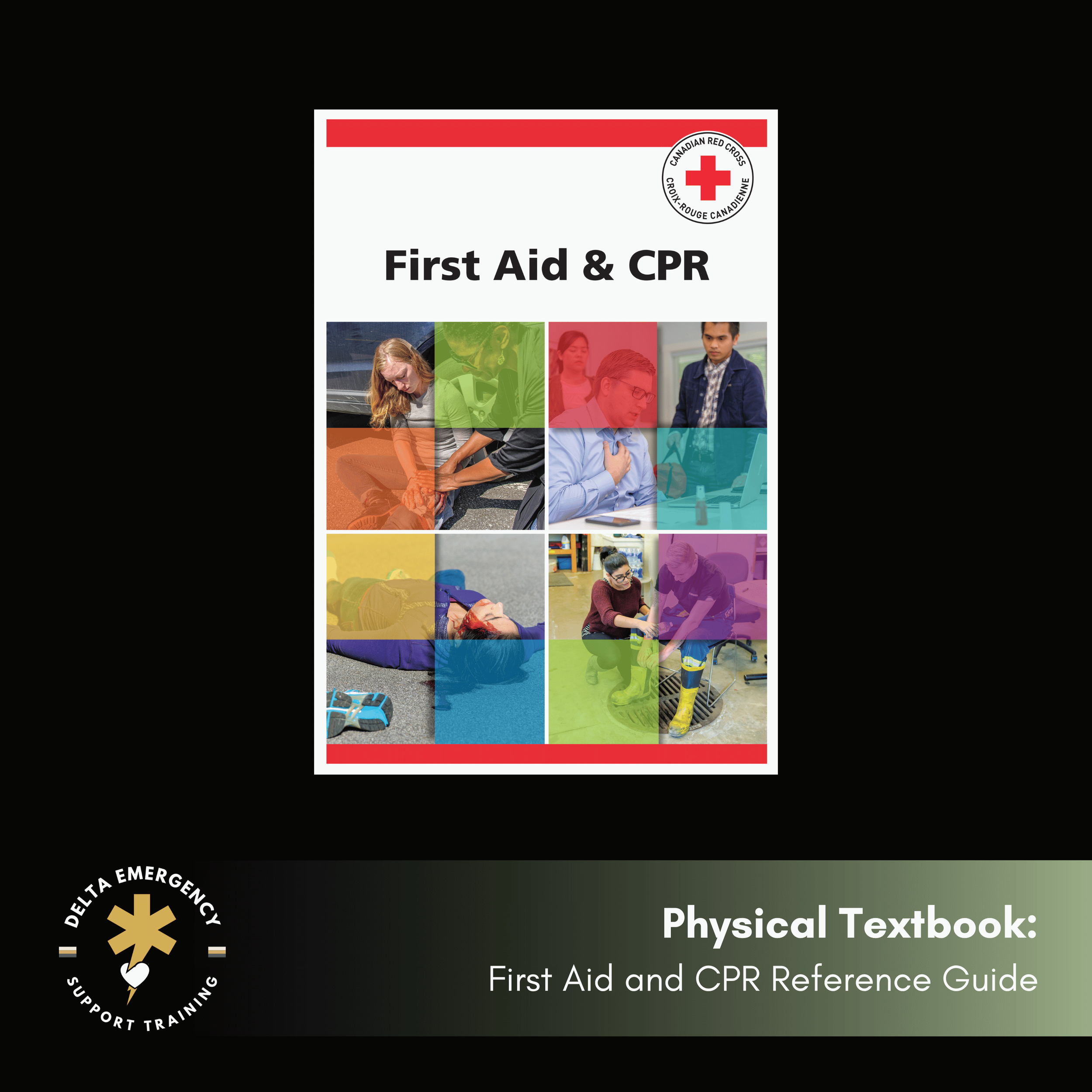
Essential Skills for Everyone: The Canadian Red Cross First Aid and CPR Textbook

Emergencies can happen anywhere—at home, at work, or in public spaces. Being prepared is key, and the Canadian Red Cross: First Aid and CPR textbook is the essential guide for anyone who wants to gain that preparedness.

The Ultimate Guide to Lifesaving Techniques

Emergencies can happen anywhere—at home, at work, or in public spaces. Being prepared is key, and the Canadian Red Cross: First Aid and CPR textbook is the essential guide for anyone who wants to gain that preparedness. Whether you're a family looking to enhance home safety, an educator responsible for students, or a business ensuring workplace readiness, this textbook is your comprehensive resource for learning how to handle common medical emergencies and perform lifesaving CPR.

The Canadian Red Cross First Aid and CPR Textbook

The Canadian Red Cross First Aid and CPR Textbook for all Core First Aid Certification Programs

Comprehensive Coverage of First Aid and CPR

This manual covers a wide range of topics crucial for effective emergency response, including:

  • Techniques for performing CPR on adults, children, and infants

  • Step-by-step guidance on dealing with choking, burns, fractures, bleeding, and more

  • Strategies for responding to emergencies involving poisoning, stroke, and heart attacks

  • Preventative measures to maintain safety in homes and workplaces

Each topic is presented with clear, concise instructions and supported by high-quality illustrations and diagrams that make learning both easy and effective.

Designed for Quick Access in Emergency Situations

One of the standout features of this textbook is its design for quick access:

  • Tabbed sections allow for fast navigation to the needed information during an emergency.

  • Durable, spill-proof pages ensure the book can be used in a variety of settings, including during actual emergency situations where quick reference is vital.

A Reliable Resource at Your Fingertips

The physical format of the First Aid and CPR textbook offers several advantages over digital alternatives, especially in emergency scenarios:

  • No dependency on electronic devices or internet access, which might be unavailable or unreliable during emergencies.

  • Easier to handle, especially for those who are less comfortable with technology, which can be an added stressor in a high-pressure situation.

Ideal for a Wide Audience

This textbook isn't just for medical professionals—it's designed for anyone who wants to have lifesaving knowledge. It's an excellent resource for:

  • Families wanting to ensure a safe home environment

  • Teachers and school staff responsible for the well-being of students

  • Corporate health and safety officers tasked with workplace safety training

  • Community centers and non-profit organizations providing health and safety education

Conclusion

Prepare yourself to respond confidently to medical emergencies with the Canadian Red Cross First Aid and CPR Textbook. Available now at Delta Emergency Support Training, this guide is an invaluable addition to any home, school, or workplace.

Secure your copy today from Delta Emergency Support Training and empower yourself with the skills to save lives and maintain safety, wherever you are.
First Aid and CPR Manual

Read More
Basic Life Support, BLS, BLS CPR, Work Place First Aid Jarrett Chisholm Basic Life Support, BLS, BLS CPR, Work Place First Aid Jarrett Chisholm

High-Performance CPR: Alberta's New Life-Saving Standards

The landscape of Cardiopulmonary Resuscitation (CPR) has evolved significantly with the introduction of high-performance CPR techniques. Guided by the latest ILCOR (International Liaison Committee on Resuscitation) guidelines, the Alberta Health Services (AHS) Emergency Medical Services (EMS) has updated its training and protocols to enhance the effectiveness of CPR. This blog post delves into these changes, the rationale behind them, and the benefits they offer to patients experiencing cardiac emergencies.

Understanding High-Performance CPR

High-performance CPR emphasizes minimizing interruptions during chest compressions, ensuring adequate depth and rate of compressions, and optimizing ventilation. Key changes include:

  1. Reduced Time Off the Chest: Minimizing pauses in chest compressions is critical. Studies have shown that for every 10-second pause in chest compressions, the chance of survival decreases by 11%.

  2. CPR During AED Charging: Performing chest compressions while the Automated External Defibrillator (AED) is charging helps maintain circulation and increases the likelihood of a successful defibrillation. Research indicates that this practice can improve survival rates by up to 23%.
The landscape of Cardiopulmonary Resuscitation (CPR) has evolved significantly with the introduction of high-performance CPR techniques. Guided by the latest ILCOR (International Liaison Committee on Resuscitation) guidelines, the Alberta Health Services (AHS) Emergency Medical Services (EMS) has updated its training and protocols to enhance the effectiveness of CPR. This blog post delves into these changes, the rationale behind them, and the benefits they offer to patients experiencing cardiac emergencies.

Understanding High-Performance CPR

High-performance CPR emphasizes minimizing interruptions during chest compressions, ensuring adequate depth and rate of compressions, and optimizing ventilation. Key changes include:

  1. Reduced Time Off the Chest: Minimizing pauses in chest compressions is critical. Studies have shown that for every 10-second pause in chest compressions, the chance of survival decreases by 11%.

  2. CPR During AED Charging: Performing chest compressions while the Automated External Defibrillator (AED) is charging helps maintain circulation and increases the likelihood of a successful defibrillation. Research indicates that this practice can improve survival rates by up to 23%.

Why the Changes?

ILCOR's updated guidelines stem from extensive research and evidence-based studies aimed at improving cardiac arrest survival rates. The primary goals are to enhance the quality of CPR and ensure that rescuers can deliver life-saving interventions more effectively. Some of the critical reasons for these changes include:

  • Improved Coronary Perfusion: Continuous chest compressions help maintain coronary perfusion pressure, which is crucial for the return of spontaneous circulation (ROSC). Studies show that maintaining adequate coronary perfusion pressure can double the chances of ROSC.

  • Increased Survival Rates: High-performance CPR techniques have been associated with higher survival rates and better neurological outcomes in cardiac arrest patients. For instance, survival rates with favorable neurological outcomes can increase by up to 50% with continuous high-quality CPR.

  • Consistent Performance: Training rescuers to minimize pauses and perform CPR during AED charging ensures more consistent and effective CPR delivery, reducing variability in the quality of care provided.

Old CPR Effectiveness Statistics

Historically, the effectiveness of CPR has been lower than desired, with several challenges affecting outcomes:

  • Overall Survival Rates: The overall survival rate for out-of-hospital cardiac arrests (OHCA) has been relatively low, typically ranging from 5% to 10%.

  • Quality Variability: The quality of CPR varied significantly, affecting survival rates. Inconsistent compression depth and rate, frequent interruptions, and delayed defibrillation contributed to lower success rates.

  • Neurological Outcomes: Only about 8% of OHCA patients survived with good neurological outcomes, often due to inadequate cerebral perfusion during resuscitation efforts.

New Statistics Supporting High-Performance CPR

Research and real-world data have demonstrated the effectiveness of high-performance CPR, showcasing significant improvements:

  • Higher Survival Rates: Implementation of high-performance CPR techniques has increased survival rates for OHCA to 15%-20%. In some high-performing EMS systems, survival rates have reached up to 40%.

  • Improved ROSC Rates: Continuous high-quality chest compressions and minimal interruptions have been shown to improve ROSC rates by 20%-30%.

  • Enhanced Neurological Outcomes: The focus on maintaining coronary and cerebral perfusion has led to better neurological outcomes, with favorable neurological survival increasing to 25%-30%.

AHS EMS Implementation

The Alberta Health Services EMS has adopted these guidelines and integrated them into their CPR training programs across Alberta, including major centers like Calgary, Edmonton, and Red Deer. Here's how the updated course is structured:

1. Comprehensive Training Modules

AHS EMS training includes detailed modules on high-performance CPR techniques, focusing on:

  • Chest Compression Quality: Emphasizing the importance of compression depth (5-6 cm) and rate (100-120 compressions per minute). Research highlights that correct compression depth can increase survival rates by up to 30%.

  • Minimizing Interruptions: Techniques to reduce pauses, including immediate resumption of compressions after defibrillation. Studies have shown that minimizing interruptions can improve survival rates by 25%.

  • Team Coordination: Ensuring seamless transitions and communication among rescuers to maintain continuous chest compressions.

2. Hands-On Practice

Trainees undergo extensive hands-on practice sessions to perfect their skills. Scenarios are designed to simulate real-life cardiac arrest situations, allowing participants to practice:

  • Performing CPR during AED charging

  • Quickly switching roles without interruptions

  • Effective ventilation techniques with minimal delays

3. Performance Evaluation

Regular assessments are conducted to evaluate the rescuers' proficiency in high-performance CPR. Feedback is provided to ensure continuous improvement and adherence to the guidelines.

Professions That Benefit

The updated CPR training is crucial for a variety of professions, including:

  • Emergency Medical Services: Primary Care Paramedics (PCP) and Advanced Care Paramedics (ACP) are often the first responders in cardiac emergencies and need to be adept at performing high-quality CPR.

  • Firefighters: Frequently the first on the scene in urban areas, firefighters play a critical role in providing immediate care before EMS arrival.

  • Police Officers: First responders who may arrive before EMS and need to perform CPR in critical moments.

  • Healthcare Professionals: Nurses, doctors, dentists, physical therapists, and other healthcare staff must be proficient in high-performance CPR to provide the best care in emergencies.

  • Lifeguards: Responsible for the immediate care of drowning victims and other emergencies in aquatic environments.

  • Teachers and Coaches: In schools and sports settings, teachers and coaches trained in CPR can save lives during athletic events or other activities.

Why Choose Delta Emergency Support Training?

Delta Emergency Support Training stands out as a leader in CPR training for several reasons:

  • Expert Instructors: Our trainers are highly experienced professionals who work in EMS and Fire, and stay updated with the latest guidelines and techniques.

  • Comprehensive Curriculum: We offer a thorough training program that covers all aspects of high-performance CPR, ensuring that participants are well-prepared for real-life emergencies.

  • State-of-the-Art Facilities: Our training centers are equipped with the latest technology and tools to provide the best hands-on learning experience.

  • Proven Track Record: Delta Emergency Support Training has a strong reputation for delivering high-quality training that meets the highest standards of care.

Benefits of High-Performance CPR

Implementing these updated CPR techniques offers several benefits:

  1. Higher Survival Rates: Consistent high-quality CPR improves the chances of survival and favorable outcomes for cardiac arrest patients. Research indicates that high-performance CPR can increase survival rates by up to 60%.

  2. Enhanced Efficiency: Rescuers can deliver more effective interventions, increasing the likelihood of ROSC. Efficient CPR delivery has been shown to improve ROSC rates by 20%.

  3. Better Training Outcomes: EMS personnel trained in high-performance CPR are more prepared and confident in handling cardiac emergencies.

Conclusion

The adoption of high-performance CPR techniques, as per the ILCOR guidelines, marks a significant advancement in cardiac emergency care. Alberta Health Services EMS is at the forefront of this transformation, ensuring that their training equips rescuers with the skills needed to save lives effectively. By minimizing interruptions and performing CPR during AED charging, we can significantly improve survival rates and outcomes for cardiac arrest patients.

Stay informed and updated with the latest in CPR techniques by attending certified training programs. Remember, your ability to perform high-quality CPR can make a crucial difference in an emergency. For more information on CPR training and certification, visit Delta Emergency Support Training.

Read More

Aspirin: Understanding Its Uses, Indications, and Contraindications

In the blog post, "Aspirin (ASA): Understanding Its Uses, Indications, and Contraindications," we delve into the versatile applications of Aspirin and shed light on its primary uses in pain management and reducing fever. Additionally, we explore the significant role that Aspirin plays in preventing heart attacks and strokes, highlighting its blood-thinning properties and ability to mitigate blood clots. However, it's crucial to understand the potential risks and contraindications associated with Aspirin usage, particularly for individuals with specific medical conditions or on certain medications. Join us as we navigate the comprehensive landscape of Aspirin, equipping you with essential knowledge to make informed decisions regarding its usage.

Aspirin (ASA): Understanding Its Uses, Indications, and Contraindications

Lady holding a handful of pills

Patient holding mutiple pills in hand

Introduction

Aspirin, also known as acetylsalicylic acid (ASA), is a widely used medication with diverse applications. It is primarily known for its antiplatelet aggregation properties, making it effective in various medical conditions. In this blog, we will explore what aspirin is, its indications, and contraindications to provide a comprehensive understanding of this versatile medication.

What is Aspirin (ASA)?

Aspirin, or ASA, belongs to a class of drugs known as nonsteroidal anti-inflammatory drugs (NSAIDs). Its primary mechanism of action is inhibiting the production of certain substances in the body that cause pain, inflammation, and fever. Additionally, aspirin functions as an antiplatelet agent, meaning it prevents the clumping of blood cells called platelets, reducing the risk of blood clot formation.

Indications for Aspirin

Aspirin has several important indications across different medical fields. Some common uses include:

Prevention of Cardiovascular Events

  • Aspirin is prescribed to individuals at high risk of cardiovascular diseases, such as heart attack or stroke. It helps reduce the likelihood of blood clot formation and subsequent blockages in the blood vessels.

  • Pain Relief: Aspirin is effective in alleviating mild to moderate pain, including headaches, toothaches, muscle aches, and menstrual cramps.

  • Fever Reduction: Aspirin is commonly used to lower fever caused by infections or other factors.

  • Rheumatic Conditions: It may be recommended for individuals with certain rheumatic conditions, such as rheumatoid arthritis or systemic lupus erythematosus, to relieve pain and reduce inflammation.

Contraindications and Precautions

While aspirin has numerous benefits, there are certain situations in which its use is contraindicated or requires caution. These include:

  • Allergy or Sensitivity: Individuals who have known allergies or sensitivities to aspirin or other NSAIDs should avoid its use.

  • Bleeding Disorders: Aspirin can interfere with blood clotting, so individuals with bleeding disorders or those taking anticoagulant medications should use aspirin with caution or under medical supervision.

  • Peptic Ulcers: Aspirin can irritate the stomach lining and worsen peptic ulcers. Individuals with a history of ulcers or gastrointestinal bleeding should exercise caution or avoid its use.

  • Children and Teens: Aspirin should not be administered to children or teenagers with viral illnesses, as it may lead to a rare but serious condition called Reye's syndrome.

  • Pregnancy and Breastfeeding: Aspirin use during pregnancy and breastfeeding should be discussed with a healthcare professional due to potential risks.

Additional Considerations

It's essential to follow proper dosage instructions and consult a healthcare professional before initiating aspirin therapy. They will consider your medical history, current medications, and individual circumstances to determine the appropriate dosage and duration of treatment.

Moreover, it's crucial to be aware of potential side effects, such as stomach upset, heartburn, and increased bleeding risk. If you experience any adverse reactions or concerns, seek medical advice promptly.

Conclusion

Aspirin, or ASA, is a versatile medication widely used for its antiplatelet and anti-inflammatory properties. From preventing cardiovascular events to providing pain relief and reducing fever, aspirin has numerous applications. However, it is crucial to understand its indications, contraindications, and precautions to ensure safe and effective use. Consult with a healthcare professional for personalized guidance regarding aspirin therapy and to address any concerns or specific medical conditions.

Read More

Crush Injuries: When to leave it to the professionals

Accidents can happen at any time and in various environments, resulting in different types of injuries. One particularly challenging type of injury to manage is a crush injury. Whether caused by heavy machinery, falling objects, or high-pressure forces, crush injuries can lead to severe damage to body tissues, bones, and organs. In this comprehensive guide, we provide first aid responders with the knowledge and skills needed to effectively manage crush injuries. From assessing the scene and preserving the airway to controlling bleeding and understanding the risks of object removal, we cover crucial steps and considerations. Additionally, we delve into the impact of acidosis in crush injuries, emphasizing the importance of professional medical assistance. By being prepared and informed, first aid responders can provide essential care and potentially save lives in crush injury incidents.

Accidents can occur at any time and in various environments, resulting in different types of injuries. One particularly challenging type of injury to manage is a crush injury. These injuries can be caused by heavy machinery, falling objects, or other high-pressure forces, leading to severe damage to body tissues, bones, and organs.

Man wearing an orange safety vest has a arm injury tended to.

Industrial worker having first aid preformed on a injured arm.

As a first aider or professional responder, it is crucial to be prepared and knowledgeable about how to provide immediate care to individuals with crush injuries. In this comprehensive guide, we will explore the basics of crush injuries, discuss the essential steps to effectively manage and treat them, and outline the considerations specific to first responders.

Understanding Crush Injuries: A crush injury occurs when a body part becomes trapped between two objects or experiences a significant force that compresses the tissues. Such injuries can result in a range of complications, including bleeding, fractures, muscle damage, nerve injuries, and even internal organ damage. Immediate intervention is vital to prevent further harm and minimize the risk of long-term consequences. It is important to note that if an object has been in place for more than ten minutes in a crush injury, it should not be removed.

Steps to Treat Crush Injuries

  1. Ensure Personal Safety: Before providing aid to someone with a crush injury, always assess the surroundings for potential dangers. Ensure that the scene is safe for both the injured person and yourself. Be cautious of any ongoing hazards, such as unstable structures, electrical wires, or potential falling objects.

  2. Call for Professional Help: If the crush injury is severe or life-threatening, call emergency medical services immediately. Crush injuries often require advanced medical interventions, including surgical procedures, and should be evaluated by healthcare professionals. Communicate with medical control for guidance as needed.

  3. Preserve the Airway: If the individual is unconscious or having difficulty breathing, check their airway for any obstructions. If necessary, clear the airway by performing the head-tilt, chin-lift maneuver, or using appropriate techniques as per your first aid training. Maintaining a clear airway is crucial, particularly if the object is impeding breathing.

  4. Control Bleeding: Apply direct pressure on any visible wounds to control bleeding. Use a sterile cloth, bandage, or any clean cloth available. If the bleeding is severe or arterial, apply firm pressure and consider using a tourniquet as a last resort. Communicate with medical control for guidance on tourniquet application if available.

  5. Provide Comfort and Reassurance: Crush injuries can be traumatic for the victim, causing pain, anxiety, and distress. Offer comfort and reassurance while waiting for professional help to arrive. Keep the individual warm, provide emotional support, and let them know that help is on the way.

  6. Monitor Vital Signs: While waiting for medical professionals, continuously monitor the individual's vital signs, including breathing, pulse, and level of consciousness. Be prepared to perform cardiopulmonary resuscitation (CPR) if necessary. Communicate changes in the individual's condition to medical control.

Considerations for First Responders

  1. Scene Safety: Prioritize the safety of both the injured person and the first responders. Assess the scene for hazards and take necessary precautions to ensure a safe working environment.

  2. Airway compromisation: In cases where a crush injury results in airway being compromised, immediate action must be taken to ensure the person's ability to breathe. If the object is crushing an area around the chest neck or face obstructing breathing, it is necessary to carefully move or remove the object to restore a clear airway. However, caution should be exercised to avoid causing further harm or worsening the injury.

  3. Professional Judgment: First responders, such as paramedics or emergency medical technicians (EMTs), should rely on their training and experience to make decisions regarding object removal or other interventions. Consult with medical control as needed.

  4. Critical Situations: In life-threatening situations where the object is obstructing the airway, causing severe bleeding, or compromising circulation, first responders may need to remove the object promptly to preserve life and restore normal breathing. Follow protocols and training guidelines specific to your region.

  5. Specialized Tools and Techniques: First responders may have access to specialized tools and techniques to safely remove objects from crush injuries. Use these tools according to training and guidelines to minimize the risk of further injury.

  6. Communication and Collaboration: Maintain effective communication with your team and medical control. Provide a detailed report of the situation and seek guidance if unsure about the appropriate course of action. Collaborate with medical professionals to ensure the best possible outcome.

Dangers of Removing Objects

Removing an object involved in a crush injury should only be done when necessary and under appropriate circumstances. It is crucial to consider the following dangers:

  1. Further Tissue Damage: Removing an object without proper medical guidance and expertise can cause additional harm. It may tear or damage tissues, exacerbate bleeding, or worsen fractures.

  2. Embedded Objects: If an object is deeply embedded or stuck in the injured area, attempting to remove it may cause more harm than good. It is best to leave the removal to healthcare professionals with specialized tools and techniques.

Acidosis

Acidosis is a condition characterized by an imbalance in the body's pH levels, resulting in increased acidity. In the context of crush injuries, acidosis can occur when the injured extremity experiences compromised circulation, leading to inadequate oxygen and nutrient supply to the tissues. Without sufficient oxygen, the tissues switch to anaerobic metabolism, which produces lactic acid as a byproduct.

When circulation is cut off to an extremity due to a crush injury, the accumulated lactic acid and other acidic waste products remain trapped within the affected tissues. However, when circulation is restored, such as through the release of the compressive force or during medical intervention, the acidic waste can be reintroduced into the circulatory system. This can lead to systemic acidosis, where the blood and body fluids become more acidic.

Systemic acidosis can have detrimental effects on various organs, including the heart. The increased acidity interferes with normal cellular function and can affect the heart's ability to pump effectively. It can impair the delivery of oxygen and nutrients to the body's tissues and organs, further exacerbating the injury's impact. Additionally, acidosis can disrupt the body's electrolyte balance and interfere with enzymatic reactions necessary for proper cellular functioning.

Managing acidosis in crush injuries involves addressing the underlying cause and restoring normal circulation and oxygenation to the affected tissues. This may require immediate medical intervention, such as surgical decompression or the use of specialized equipment to release the compressive force. In severe cases, intravenous fluids and medications may be administered to correct the acid-base imbalance.

It is important for first aid responders and healthcare professionals to be aware of the potential complications of acidosis in crush injuries. Early recognition and prompt treatment of acidosis, along with comprehensive management of the crush injury itself, can help minimize the adverse effects on the he

Conclusion

Crush injuries require immediate and appropriate first aid intervention to prevent further harm and improve the chances of recovery. As a first aid responder, your role is crucial in stabilizing the injured person, controlling bleeding, and providing comfort while awaiting professional medical assistance. However, it is important to recognize the limitations of first aid and seek professional help for severe crush injuries.

At Delta, we understand the unique risks associated with crush injuries, particularly in industrial settings. That's why we offer industry-specific training programs designed to equip first aid responders with the knowledge and skills necessary to handle these situations effectively. Our specialized training covers protocols for stabilizing the injured person, controlling bleeding, and managing potential complications.

To ensure you are fully prepared to respond to crush injuries, contact us for specialized training. Our programs are tailored to the needs of industrial workplaces where crush injuries are a significant concern. By undergoing our training, you can enhance your ability to provide essential assistance in situations involving crush injuries, potentially saving lives and minimizing the long-term impact on individuals affected by these injuries.

Always remember to prioritize the preservation of the airway in crush injuries, and if the object is impeding breathing, take prompt action to restore normal respiration. Additionally, exercise caution when considering object removal and be aware of the risks associated with acidosis when circulation is compromised. Collaboration with medical control, adherence to protocols, and a thorough understanding of the risks and appropriate interventions will contribute to effective first aid response in crush injury incidents.

Read More
First Aid, Online Course, Work Place First Aid Kumari Malhotra First Aid, Online Course, Work Place First Aid Kumari Malhotra

Eye Injury Prevention and Management in the Workplace: A First Aider's Guide

Eye injuries are a common occurrence in the workplace, particularly in industries that involve manual labor or the use of heavy machinery. As a first aider, it's important to be able to recognize common types of eye injuries and provide appropriate care to those in need. By taking steps to prevent eye injuries, employers can help to ensure the safety and well-being of their workers, and reduce the risk of workplace accidents. Here's what you need to know as a first aider about responding to workplace eye injuries.

Eye injuries can range from minor irritations to serious injuries that can cause vision loss or other complications. As a first aider, it's important to be able to recognize common types of eye injuries and provide appropriate care to those in need.

a first aid kit with eye supplies specifically for eye emergencies.

Workplace eye injuries are common, particularly in industries that involve manual labor or the use of heavy machinery. These injuries can often be prevented by taking simple precautions, such as wearing appropriate eye protection, conducting regular safety audits, and providing training and education on eye safety. Other factors that can contribute to workplace eye injuries include poor lighting, clutter and debris, and working with hazardous materials or power tools. By taking steps to prevent eye injuries, employers can help to ensure the safety and well-being of their workers, and reduce the risk of workplace accidents. As a first aider, it's important to be prepared to respond to eye injuries in the workplace and provide appropriate care to those in need.

Common Types of Eye Injuries

Foreign Bodies:

Foreign bodies are small objects or debris that enter the eye, such as dust, dirt, or metal shavings. They can cause irritation, redness, and discomfort. If a foreign object enters the eye, it's important not to rub or touch the eye, as this can push the object further in and cause more damage. Instead, cover the eye with a sterile gauze pad or cloth and seek medical attention. Do not attempt to remove the foreign object, as this can cause further damage or push the object deeper into the eye.

Chemical Burns:

Exposure to chemicals, such as acids or alkalis, can cause severe eye damage and should be treated as an emergency. If a person's eye comes into contact with a chemical, it's important to immediately flush the eye with clean water or saline solution for at least 20 minutes. Continue flushing the eye while seeking medical attention.

Corneal Abrasions:

A corneal abrasion is a scratch or cut on the cornea, which can cause pain, sensitivity to light, and tearing. If someone has a corneal abrasion, it's important to cover the injured eye with a sterile gauze pad or cloth and seek medical attention. Do not attempt to rub the eye or remove any foreign objects, as this can cause further damage.

Blunt Trauma:

Blunt trauma to the eye, such as from a ball or fist, can cause swelling, bleeding, or even vision loss. If someone has experienced blunt trauma to the eye, it's important to cover the injured eye with a sterile gauze pad or cloth and seek medical attention immediately.

Penetrating Injuries:

Penetrating Injuries: Penetrating injuries to the eye occur when an object, such as a piece of metal or glass, enters the eye and penetrates the eyeball. These injuries can be very serious and require immediate medical attention. If someone has experienced a penetrating eye injury, it's important to cover the injured eye with a sterile gauze pad or cloth, stabilize the object in place, and cover the other eye with a cloth or eye shield to prevent any movement. Seek emergency medical attention immediately. It's important not to remove the object, as this can cause further damage or bleeding.

Dealing with Eye Injuries

If you encounter someone with an eye injury, it's important to take immediate action to prevent further damage or complications. Here are some steps you can take:

  1. Remain calm and reassure the person that help is on the way.

  2. Encourage the person to keep their eyes closed to prevent further damage.

  3. Assess the injury by looking for signs of bleeding, swelling, or foreign objects in the eye.

  4. If both eyes are injured or there are signs of a head injury, call for emergency medical services right away.

    Preventing Eye Injuries on Work Sites

    Eye injuries are a common occurrence on work sites, particularly in industries that involve manual labor or the use of heavy machinery. These injuries can often be prevented by taking simple precautions, such as:

    1. Wearing appropriate eye protection:

      Eye protection should be worn by all workers who may be exposed to hazards such as flying debris, chemicals, or radiation. Employers should provide workers with appropriate eye protection and ensure that it meets safety standards.

    2. Conducting regular safety audits:

      Regular safety audits can help to identify potential hazards and ensure that safety measures are being followed. Employers should conduct regular safety audits to identify potential hazards and take steps to eliminate or minimize them.

    3. Providing training and education:

      Workers should be trained on the importance of eye safety and provided with the knowledge and skills necessary to identify potential hazards and take appropriate precautions.

    4. Using caution when working with hazardous materials:

      Workers should use caution when working with hazardous materials, such as chemicals or biological agents. Protective eyewear should be worn when working with these materials, and proper ventilation should be provided to minimize exposure.

    5. Using caution when working with power tools:

      Power tools can cause flying debris and other hazards that can cause eye injuries. Workers should always wear appropriate eye protection when working with power tools.

    6. Ensuring that work sites are well-lit:

      Poor lighting can increase the risk of eye injuries, as workers may not be able to see potential hazards. Employers should ensure that work sites are well-lit and that workers have adequate visibility.

    7. Removing clutter and debris:

      Clutter and debris on work sites can increase the risk of eye injuries. Employers should ensure that work sites are free from clutter and debris, and that workers have clear paths of travel.

    As a first aider, it's important to be able to recognize common types of eye injuries and provide appropriate care to those in need. By taking steps to prevent eye injuries, employers can help to ensure the safety and well-being of their workers, and reduce the risk of workplace accidents. Remember to always wear appropriate eye protection when working in hazardous environments, and to seek medical attention for serious or potentially serious eye injuries.

First Aid

Enroll in our first aid course in Calgary today and learn the skills you need to protect your vision and help others in any emergency situation. Visit us at deltaemergency.com to register for our course and take the first step towards becoming a confident and effective first aider.

Read More