The Delta Dispatch

Understanding Basic, Intermediate, and Advanced Airway Adjuncts in Prehospital Care

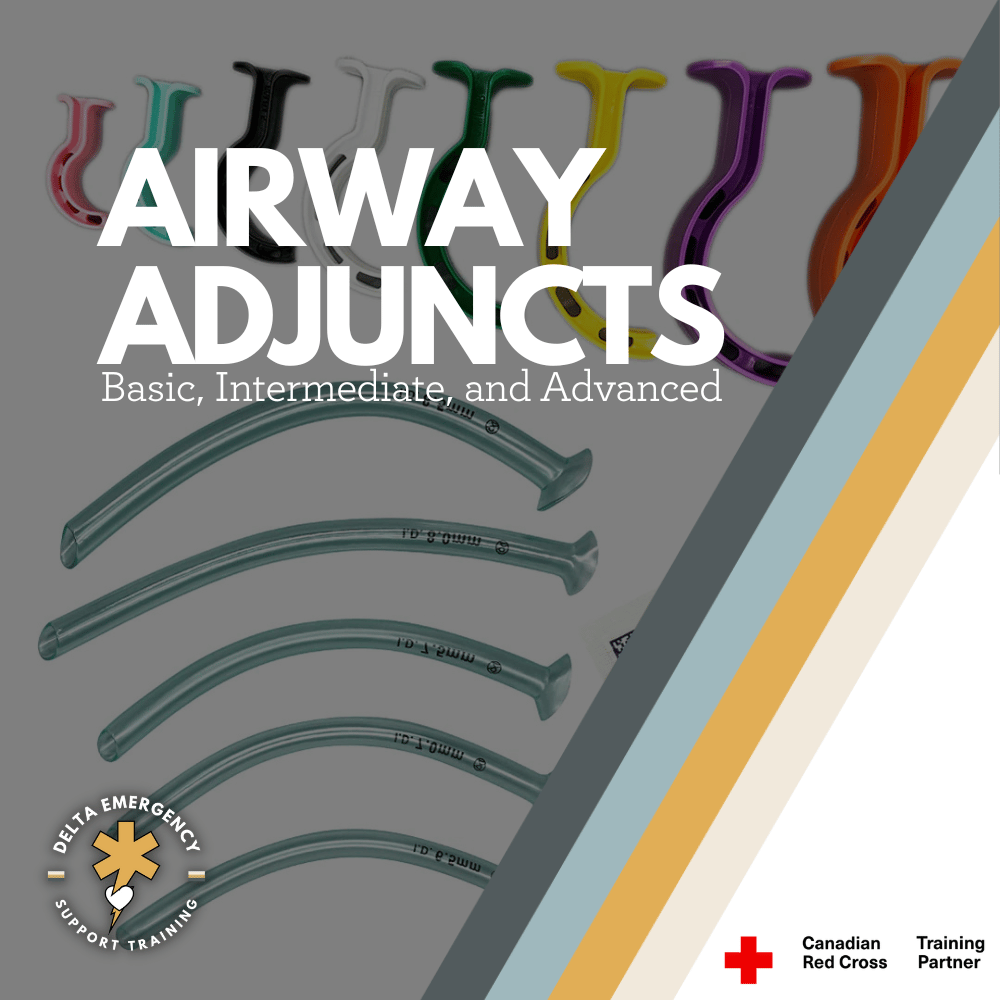
Airway management is the cornerstone of emergency care. From simple oropharyngeal and nasopharyngeal airways to supraglottic devices and endotracheal intubation, prehospital providers need to know when—and how—to use each tool. This guide explains the essential skills and decision-making strategies for basic, intermediate, and advanced airway adjuncts to help responders keep patients breathing and safe.
Securing and maintaining a patient’s airway is the cornerstone of prehospital medicine. Whether you are an Emergency Medical Responder (EMR), Primary Care Paramedic (PCP), or Advanced Care Paramedic (ACP), understanding the range of airway adjuncts—and when to use them—is critical for optimal patient outcomes. Airway adjuncts are commonly grouped into three categories: basic, intermediate, and advanced.

1. Basic Airway Adjuncts

These devices are non-invasive and require minimal training, yet they can be lifesaving.

  • Oropharyngeal Airway (OPA)
    Use: Unconscious patients without a gag reflex to keep the tongue from obstructing the airway.
    Key Points: Measure from the corner of the mouth to the angle of the jaw; insert upside down then rotate 180° (or sideways with a tongue depressor in children).

  • Nasopharyngeal Airway (NPA)
    Use: Patients with an intact gag reflex or trismus (jaw clenching).
    Key Points: Lubricate well; size from nostril to earlobe. Contraindicated in suspected basilar skull fractures.

  • Suction Equipment
    Use: Clears secretions, blood, or vomit to maintain a patent airway.

Clinical Pearl: Basic adjuncts buy time. Always reassess and be ready to escalate if ventilation or oxygenation remains inadequate.

2. Intermediate Airway Adjuncts

These devices provide more definitive control without requiring endotracheal intubation skills.

  • Supraglottic Airway Devices (SADs) such as:

    • Laryngeal Mask Airway (LMA)

    • King LT or i-gel

    Use: For unconscious patients when bag-valve-mask (BVM) ventilation is inadequate or prolonged transport is expected.
    Key Points: Rapid insertion, minimal training compared to intubation, and useful when laryngoscopy is not feasible.

3. Advanced Airway Adjuncts

These procedures require specialized training and are often reserved for paramedics with advanced certification or physicians.

  • Endotracheal Intubation (ETI)
    Use: To provide definitive airway protection and control ventilation.
    Key Points: Requires laryngoscopy, confirmation of tube placement (capnography is gold standard), and ongoing monitoring for dislodgement.

  • Surgical Airway (Cricothyrotomy or Needle Cricothyrotomy)
    Use: “Cannot ventilate, cannot intubate” scenarios such as severe facial trauma or airway obstruction.
    Key Points: High-stakes, last-resort procedure with strict indications.

Airway Decision-Making in the Field

When deciding which airway adjunct to use, consider:

  • Level of provider certification and local protocols.

  • Patient condition: Consciousness, gag reflex, trauma, and potential for rapid deterioration.

  • Environment: Limited space, lighting, or access may guide your choice.

Tip: Airway management is dynamic. Start with the least invasive method and escalate as needed while continually reassessing breathing and oxygenation.

Training and Maintenance

  • Regular Practice: Skills such as BVM ventilation and intubation degrade quickly without use.

  • Equipment Checks: Verify availability, integrity, and proper sizes of adjuncts at the start of every shift.

Bottom Line

From OPAs and NPAs to supraglottic devices and endotracheal tubes, airway adjuncts form a spectrum of tools for professional responders. Mastery of their indications, insertion techniques, and limitations ensures that you can match the right device to the right patient, improving survival and reducing complications in the prehospital setting.

Read More
Advanced First Aid, Alberta, Airway, Child Safety Kumari Malhotra Advanced First Aid, Alberta, Airway, Child Safety Kumari Malhotra

Croup vs. Epiglottitis in Children: What First Responders and Parents Need to Know

Breathing problems in children can be terrifying, and knowing the difference between croup and epiglottitis could save a life. Parents need to know the warning signs, while first responders must act quickly and carefully. Here’s how to tell them apart and what steps to take in an emergency.
When a child has trouble breathing, both parents and first responders feel the urgency. Two conditions often confused with one another are croup and epiglottitis. While both affect the airway, they differ dramatically in severity and required response. For parents, understanding the warning signs can help you know when to call for help. For first responders, recognizing the difference is critical to providing safe and effective care.

Croup: Common but Often Alarming

What it is:
Croup is a viral infection that causes swelling of the larynx and trachea, most often seen in children aged 6 months to 3 years.

Parents may notice:

  • Barking, seal-like cough (especially at night)

  • Hoarse voice

  • Stridor (high-pitched sound on inspiration) when crying or upset

  • Low-grade fever

  • Symptoms often start after a cold

First responder perspective:

  • Most cases are mild, but moderate to severe croup can cause stridor at rest, increased work of breathing (retractions, nasal flaring), or fatigue.

  • Treatment may include humidified oxygen, steroids (e.g., dexamethasone), and nebulized epinephrine in severe cases.

  • Keeping the child calm is key; agitation worsens obstruction.

Epiglottitis: A True Airway Emergency

What it is:
Epiglottitis is a bacterial infection that causes the epiglottis to swell rapidly, threatening complete airway obstruction. Thanks to Hib vaccination, it’s now rare, but still life-threatening when it occurs.

Parents may notice:

  • Sudden onset of high fever

  • Severe sore throat and difficulty swallowing

  • Drooling (child can’t swallow saliva)

  • Muffled voice

  • Child sitting forward, chin out, mouth open (“tripod position”)

  • Appearing very ill, anxious, and struggling to breathe

First responder perspective:

  • This is a do not delay, do not agitate situation.

  • Never attempt to look in the child’s throat — it can trigger complete obstruction.

  • Keep the child upright and calm.

  • Provide high-flow oxygen if tolerated.

  • Be prepared for advanced airway intervention (hospital setting or with ALS backup).

  • Rapid transport is essential.

Quick Comparison

FeatureCroup (Viral)Epiglottitis (Bacterial, Emergency)OnsetGradual, after cold symptomsSudden, rapid progressionCoughBarking, seal-likeRare or absentFeverLow-gradeHighVoiceHoarseMuffled, “hot potato” voiceSwallowingUsually ablePainful, droolingStridorCommon, louder when upsetLate, quieter, concerningSeverityUsually mild-moderateSevere, life-threatening

The Takeaway

For parents:

  • Croup is common and usually manageable, but if your child has stridor at rest, difficulty breathing, or bluish lips, call 911.

  • Epiglottitis is rare but an emergency — if you see drooling, high fever, tripod posture, or sudden severe breathing trouble, call for help immediately.

For first responders:

  • Stay calm and keep the child calm.

  • Differentiate based on history and presentation.

  • Supportive care is often enough for croup, while epiglottitis requires immediate rapid transport and careful airway management.

When it comes to pediatric airway conditions, the rule is simple: if in doubt, treat it like epiglottitis until proven otherwise. Quick recognition and action save lives.

Read More

ETCO₂: What It Is and Why It Matters for First Responders

When you first hear the term ETCO₂, it might sound like complicated medical jargon. But in reality, it’s a simple concept that every professional responder should understand — and once you do, it can completely change the way you see your patients.

Let’s break it down step by step.

What Does ETCO₂ Mean?

ETCO₂ stands for End-Tidal Carbon Dioxide.

  • End-Tidal = the very end of an exhaled breath.

  • Carbon Dioxide (CO₂) = the waste gas your body produces when it uses oxygen for energy.

So, ETCO₂ is literally the measurement of how much CO₂ is in the air a patient breathes out at the very end of their breath.

This number tells us an incredible amount about what’s going on inside the body — with both the lungs and the heart.

How Do We Measure ETCO₂?

ETCO₂ is measured using a device called capnography.

  • In simple terms, it’s a little sensor attached to a mask, nasal cannula, or an airway device.

  • It continuously analyzes the breath coming out and gives two things:

    1. A number (usually measured in mmHg, with normal being about 35–45 mmHg).

    2. A waveform (a little graph showing how the CO₂ rises and falls with each breath).

Why Is ETCO₂ Important?

Here’s the key: ETCO₂ reflects how well a patient is ventilating (moving air), but it also gives clues about circulationand metabolism. That’s why responders call it the “vital sign of ventilation.”

Think of it as a window into three systems at once:

  1. Airway & Breathing

    • Low or absent ETCO₂ can mean the patient isn’t breathing well, has an obstructed airway, or isn’t ventilated properly with a bag-valve mask.

  2. Circulation (Blood Flow)

    • In cardiac arrest, ETCO₂ is a powerful indicator of CPR quality. Good chest compressions circulate blood, and ETCO₂ rises.

    • A sudden spike in ETCO₂ can even mean return of spontaneous circulation (ROSC) — the patient’s heart has started beating again.

  3. Metabolism

    • Conditions like sepsis, diabetic emergencies, or shock can alter CO₂ levels. ETCO₂ helps responders piece together the bigger clinical picture.

Real-World Examples for Responders

  • Cardiac Arrest: ETCO₂ below 10 mmHg during CPR often means compressions aren’t effective. When it jumps above 35 suddenly, it may mean you’ve got ROSC.

  • Airway Management: If you intubate a patient and see a nice ETCO₂ waveform, you know the tube is in the trachea (not the stomach).

  • Respiratory Emergencies: In asthma or COPD, ETCO₂ waveforms can show “shark fin” patterns, helping you confirm and monitor the severity.

  • Sedation & Monitoring: If a patient is given pain medication, ETCO₂ helps detect if their breathing slows down before oxygen levels drop.

Why Should EMRs and Fire Applicants Care?

As an Emergency Medical Responder (EMR) or a firefighter applicant, understanding ETCO₂ gives you an edge. It shows you’re not just memorizing steps, but actually thinking about what’s happening inside the body.

  • It ties together your knowledge of the respiratory system and cardiovascular system.

  • It reinforces the importance of ventilation, circulation, and metabolic function.

  • And most importantly, it helps you make better decisions in high-pressure situations.

The Bottom Line

ETCO₂ might sound technical, but at its core it’s simple: it’s how we measure how well a patient is breathing and circulating. For responders, it’s one of the most valuable tools you can use to guide patient care, especially in emergencies where seconds matter.

At Delta Emergency Support Training, we break down concepts like ETCO₂ in plain language and then show you how to apply them in real-world scenarios. Our courses are taught by active paramedics and firefighters, so you’ll learn not just the “what,” but the “why” and “how” behind every skill.

Read More

EMR Guide to Facial Trauma: Airway Management, Bleeding Control, and Injury Assessment

Facial trauma is a serious medical emergency that requires prompt attention. This guide for EMRs covers essential steps for managing facial injuries, including airway management, bleeding control, and fracture stabilization. Learn how to assess and treat patients with maxillofacial trauma to reduce the risk of permanent functional loss and disfigurement.
Facial Trauma - Assessment and Treatment

Tradesmen with laceration to face

Facial trauma refers to injuries involving damage to the bones or soft tissue of the face. These injuries can occur due to a variety of causes such as motor vehicle accidents, assaults (including gunshots), sports injuries, falls, chemical exposures, thermal burns, or animal bites. Because the human face is complex and contains many critical structures, such as bones, blood vessels, nerves, muscles, and sensory organs, untreated facial trauma can lead to permanent functional loss (such as problems with seeing, chewing, speaking, or swallowing) and severe disfigurement. Therefore, rapid and effective assessment and treatment are crucial in preventing long-term complications.

Facial trauma can be categorized into two primary categories: bone and soft tissue injuries. Depending on the type and severity of the trauma, the treatment and management priorities will differ. Let’s explore how to assess, treat, and what to expect when dealing with facial trauma in an emergency setting.

Key Considerations for EMRs Responding to Facial Trauma

When an EMR encounters a patient with facial trauma, the first priority is to assess the patient's airway, control bleeding, and assess for any associated injuries. This is especially critical because facial trauma can lead to airway compromise and severe bleeding, both of which are life-threatening.

Airway Management: The First Priority

One of the most critical aspects of treating facial trauma is securing the airway. The face houses the upper airway structures, and injuries to the face can easily result in obstruction. Up to 42% of patients with severe maxillofacial trauma may require intubation. If airway compromise is not addressed, it can result in hypoxia, shock, or even death.

Airway compromise in facial trauma typically occurs due to:

  • Soiling of the airway: Blood, vomit, or other debris can obstruct the airway, especially in patients with severe bleeding or emesis.

  • Obstruction: This can result from displaced soft tissue (such as the tongue), facial swelling, or foreign bodies (like dislodged teeth).

When assessing for airway compromise, EMRs should prioritize maintaining patency and anticipate potential difficulties with bag-mask ventilation due to the altered facial anatomy. For example, in Le Fort II and Le Fort III fractures, which cause significant facial displacement, it can be challenging to achieve a proper seal with a mask. If bag-mask ventilation becomes difficult, consider using a supraglottic airway device as a temporary bridge to more definitive airway management until advanced care can be provided.

Controlling Bleeding

Facial injuries, especially those involving trauma to the nose, mouth, or eyes, often result in significant bleeding. The face is highly vascular, so controlling bleeding early is vital to avoid shock and further complications. The steps to control bleeding are:

  1. Direct Pressure: Apply direct, firm pressure over the bleeding site using sterile gauze or a clean cloth.

  2. Elevation: If possible, elevate the patient’s head to minimize blood flow to the injury site.

  3. Pressure Points: Use pressure points such as the carotid artery or facial artery to control hemorrhage when direct pressure is insufficient.

  4. Hemostatic Agents: In severe cases, use hemostatic agents or dressings to assist in clotting and bleeding control.

Assessing Associated Injuries

Facial trauma often occurs as part of multi-system injuries. Once the airway is secured and bleeding is controlled, assess for other possible injuries, such as:

  • Head injury: Concussions, skull fractures, or intracranial hemorrhages are common in traumatic incidents that involve facial injury.

  • Spinal injury: Always suspect cervical spine injury in any trauma patient, especially those with altered mental status or facial fractures.

  • Dental injuries: Dislodged teeth or fractures to the jaw may occur in conjunction with facial trauma and may require specific management.

  • Eye injuries: Damage to the eyes, such as orbital fractures, corneal abrasions, or foreign bodies, should be suspected and managed accordingly.

Types of Maxillofacial Fractures

Facial fractures can be complex, and different fractures require different management strategies. Some common types of fractures include:

  1. Le Fort Fractures:

    • Le Fort I: A horizontal fracture of the maxilla (upper jaw), often associated with palate and teeth displacement.

    • Le Fort II: A pyramidal fracture involving the maxilla, nasal bones, and orbit, which may cause significant facial deformity.

    • Le Fort III: A complex fracture involving the maxilla, zygomatic bones, and orbit, resulting in severe facial disfiguration and airway compromise.

  2. Orbital Fractures: These fractures affect the bony orbit surrounding the eye. They may lead to eye injuries and double vision, requiring immediate attention to preserve vision.

  3. Nasal Fractures: Fractures to the nasal bones are common and often associated with bleeding and airway obstruction due to the nasal passages becoming blocked with blood.

  4. Mandible (Jaw) Fractures: Fractures of the mandible may affect the ability to chew, swallow, and speak. In some cases, the fractured jaw may obstruct the airway.

Treatment Considerations

The management of facial trauma depends on the type and severity of the injury. However, the basic principles of care involve airway management, bleeding control, and stabilization of fractures.

Airway Management

As previously mentioned, ensuring airway patency is paramount in facial trauma cases. If there is any suspicion of airway compromise, early intubation should be performed. In some cases, a supraglottic airway device may be used to bridge the gap before definitive airway management. In more severe cases, surgical airway interventions may be required.

Fracture Stabilization

Fractures, particularly those involving the mandible, maxilla, or facial bones, may need to be stabilized. The use of splints, jaw wiring, or other external fixation devices can help keep the fractures in place until surgical intervention by a plastic or maxillofacial surgeon can be performed.

Transportation

Facial trauma victims, particularly those with suspected airway compromise, require rapid transport to a hospital with appropriate resources for managing complex trauma. Transport should be done with the patient’s head elevated and airway support in place to prevent further compromise.

Conclusion

Facial trauma is a serious medical condition that requires prompt and effective intervention. As an EMR, your role in ensuring airway management, bleeding control, and assessment of associated injuries is vital in improving patient outcomes. While facial trauma may be life-threatening, the coordinated efforts of EMRs, emergency doctors, and specialists such as plastic and reconstructive surgeons can significantly reduce the risk of permanent functional loss and disfigurement. By understanding the anatomy of the face, the types of fractures, and the treatment strategies, you can provide critical care that saves lives and improves the long-term recovery of those injured in traumatic incidents.

Stay informed, stay prepared, and continue to prioritize the ABCs (Airway, Breathing, Circulation) in any trauma situation.

Read More

Quick Response, Confident Action: Canadian Red Cross Basic Life Support Field Guide

The "Canadian Red Cross: Basic Life Support Field Guide" is an essential tool for anyone trained in Basic Life Support (BLS). Designed for quick reference, this compact guide provides actionable steps for CPR, choking management, and AED use, ensuring you’re ready to respond in high-pressure situations. With clear illustrations and practical examples, this guide is a must-have for healthcare professionals and anyone certified in BLS.

A Lifesaver in Your Pocket: Essential for Every Responder

In the critical moments of a medical emergency, every second counts. The "Canadian Red Cross: Basic Life Support Field Guide" is an essential resource for anyone certified in Basic Life Support (BLS), from healthcare professionals to lay responders. This compact, easy-to-use guide is designed to be a quick reference in high-pressure situations, ensuring that the fundamental skills of life support are always within reach.

Tailored for Quick Reference and Rapid Recall

This field guide distills complex CPR techniques and emergency responses into concise, actionable steps. It's structured to help you quickly refresh your memory on essential procedures, including:

  • High-quality chest compressions

  • Ventilation skills

  • Management of choking for adults, children, and infants

  • Use of automated external defibrillators (AEDs)

Each section of the guide is accompanied by clear, instructive illustrations that enhance understanding and recall, making it easier to apply the techniques in real-life scenarios.

A Must-Have for a Wide Range of Responders

Whether you're a nurse on the front lines, a paramedic in the field, or a designated first aid provider at your workplace, this guide is made for you. Its comprehensive coverage makes it invaluable not only for professional use but also for anyone trained in BLS who might need to act swiftly to save a life.

Enhancing Skills with Reliable Information

The Basic Life Support Field Guide is more than just a manual; it's a training companion that reinforces your skills through:

  • Scenario-based practice examples

  • Step-by-step guides for both expected and unexpected situations

  • Quick tips for maintaining composure and efficiency in emergency situations

Why Physical Copies Matter

In emergency situations, technology can fail. A physical guide ensures that the information you need is available without concern for battery life, signal, or functionality. Its durable design means it can withstand the rigors of any environment, from a hospital ward to an outdoor adventure.

Conclusion

Ready to enhance your readiness and confidence in critical situations? The Canadian Red Cross Basic Life Support Field Guide is available now at Delta Emergency Support Training. Equip yourself with the knowledge and skills that make a difference when it matters most. Visit Delta Emergency Support Training to get your copy today and stay prepared for any emergency with the best CPR techniques, emergency response tips, and life-saving skills at your fingertips.

Read More

5 Life-Saving First Aid Techniques Everyone Should Know

In a world where emergencies can strike at any moment, being equipped with life-saving skills is crucial. Delta Emergency Support Training's First Aid Classes in Calgary, Alberta, go beyond the basics, offering comprehensive training in CPR, back blows, Stop the Bleed, the recovery position, and AED use. With hands-on experience and expert guidance, participants gain the confidence to act decisively in critical situations. Enroll today and become a confident, capable first responder – because your quick response might just save a life.
First aider attends to unconscious man who has AED PADS PLACED ON CHEST

When faced with a medical emergency, having a solid understanding of basic first aid techniques can be the difference between life and death. Whether at home, work, or in public spaces, possessing fundamental first aid skills can empower you to respond effectively and decisively. In this blog, we'll explore five common life-saving first aid techniques that everyone should know.

  1. Cardiopulmonary Resuscitation (CPR):

    Cardiopulmonary Resuscitation, or CPR, is a critical skill used to revive individuals experiencing cardiac arrest. By combining chest compressions and rescue breaths, you can maintain blood flow and oxygenation to vital organs until professional medical help arrives. CPR training is widely accessible, and mastering this technique can significantly increase the chances of survival in emergencies.

  2. Back Blows and Abdominal Thrusts:

    Choking is a prevalent emergency that can happen anywhere, and knowing how to respond is crucial. The combination of back blows and abdominal thrusts is a technique used to dislodge a foreign object obstructing the airway. Begin with five sharp back blows between the shoulder blades, followed by five abdominal thrusts to force air from the lungs and expel the obstruction. This method can be a lifesaver in situations where swift action is necessary.

  3. Stop the Bleed:

    Uncontrolled bleeding is a leading cause of preventable death in emergencies. The "Stop the Bleed" technique focuses on controlling external bleeding until professional medical assistance arrives. Applying direct pressure to the wound with sterile bandages or clothing, using tourniquets when necessary, and elevating the injured limb are essential components of this life-saving skill.

  4. Recovery Position:

    The recovery position is a simple yet vital technique used to maintain an open airway for an unconscious person who is breathing. Placing the individual on their side helps prevent choking on vomit or other fluids and promotes proper breathing. This technique is particularly useful in cases of alcohol or drug overdose, where maintaining a clear airway is critical until medical help arrives.

  5. AED (Automated External Defibrillator) Use:

    AEDs are portable devices that deliver an electric shock to restore the heart's normal rhythm in cases of sudden cardiac arrest. Learning how to use an AED, in conjunction with CPR, can significantly increase the chances of survival for someone experiencing a cardiac emergency. Many public places and workplaces are equipped with AEDs, making understanding their proper use invaluable in time-sensitive situations.

    Delta Emergency Support Training's First Aid Classes in Calgary, Alberta, offer a comprehensive approach to life-saving techniques. By enrolling in these courses, participants gain the skills and confidence to respond effectively to emergencies. From CPR to back blows and abdominal thrusts, Stop the Bleed, the recovery position, and AED use, Delta Emergency Support Training ensures that individuals are well-prepared to make a positive impact in critical situations. Empower yourself with the knowledge that can make a difference – enroll in Delta Emergency Support Training's First Aid Classes today. Your quick response and expertise could be the key to saving lives.

Read More

Empowering Learning Through Essential Textbooks: Continuing Education

Discover a World of Learning with Our Essential Textbooks

At Delta Emergency, we're thrilled to present our diverse collection of textbooks, each crafted to meet unique learning needs. Whether you're embarking on wilderness adventures, nurturing young minds as a babysitter, mastering life-saving techniques, or aiming to elevate your emergency care skills, our textbooks are here to empower and educate. The tactile pleasure of flipping through the pages of our physical copies enhances the learning experience, making each topic come to life. Dive into our range and unlock a wealth of knowledge today.


At Delta Emergency Support Training, we're excited to offer a versatile collection of textbooks that cater to a wide array of learning needs. Whether you're a wilderness explorer, an aspiring babysitter, a medical professional, or someone seeking vital lifesaving skills, our textbooks are thoughtfully designed to impart knowledge and empower individuals.For those who appreciate the feel of physical paper copies, we have just the thing for you. Let's dive into our selection:

Woman using a textbook to take notes and study.

Wilderness First Aid: Navigating Nature's Challenges with Confidence

Embark on outdoor adventures fully equipped with our "Wilderness First Aid" textbook. Priced at CA$74.97, this guide not only covers emergency response but also emphasizes safeguarding patients from the elements. From creating basic shelters to regulating body temperature, this resource ensures patient well-being in harsh environments. Learn to assess the ABCs (Airway, Breathing, Circulation) and identify and treat life-threatening emergencies. With a focus on both patient safety and effective response, this guide prepares you for the unexpected challenges of the wild.

Babysitter First Aid: Nurturing Safety and Confidence

Designed for young caregivers, our "Babysitter First Aid" textbook is a crucial resource that is a great tool for babysitters. Priced at CA$31.45 (Original Price: CA$34.95), this guide empowers budding babysitters with engaging activities, game ideas, and practical checklists. It equips you with the confidence and knowledge necessary to ensure children's safety and well-being. Not only does it cover babysitting essentials, but it also imparts vital babysitter first aid skills, expanding your capabilities and making you a trusted and reliable caregiver.

Basic Life Support: Mastering Lifesaving Techniques

BLS goes beyond the basics, offering practical insights such as oxygen flow rates for different levels of hypoxia, airway adjunct techniques, and CPR rates and compression depths. Whether you're familiarizing yourself with ventilation devices or learning the intricacies of CPR, this guide provides invaluable information to ensure your readiness in critical situations. Priced at CA$31.45, this comprehensive guide delves into the art of preserving life.

Professional Responder: Elevate Your Emergency Care Skills

Tailored for First Responders, Advanced First Aid, and Emergency Medical Responder courses, this comprehensive resource leaves no stone unturned. This textbook will give you the knowledge, skills and confidence to pursue your career as a firefighter, paramedic or any other professional responder. Encompassing topics from anatomy to physiology, this guide equips you with real-life scenarios, intricate charts, diagrams, and photographic illustrations. Designed to elevate your capabilities, it readies you for a gamut of challenging scenarios, ensuring your competence in emergency situations. Elevate your expertise with the "Professional Responder" textbook, available for CA$212.35 (Original Price: CA$235.95).

The Power of Knowledge

At Delta, we recognize the power of a physical textbook in an increasingly digital era. Our textbooks are carefully curated to enrich your understanding, bolster your skills, and guide you toward mastery. Seize the opportunity to learn, grow, and excel. Your transformative journey starts here.

Read More
BLS, Airway, Oxygen, Healthcare, Dentist Jarrett Chisholm BLS, Airway, Oxygen, Healthcare, Dentist Jarrett Chisholm

Becoming Proficient in Oxygen Therapy: A Guide to Canadian Red Cross Oxygen Admiration Training with Delta Emergency in Calgary

If you're looking to become proficient in oxygen therapy, the Canadian Red Cross Oxygen Therapy course is the perfect choice. With Delta Emergency in Calgary, you'll get comprehensive training on how to safely administer supplemental oxygen in various emergency scenarios. Their experienced instructors bring real-world expertise and practical insights to the course, ensuring you receive the best education possible. Plus, with flexible scheduling options and on-site training available, you can easily fit the training into your busy schedule. Learn more about the Canadian Red Cross Oxygen Therapy course with Delta Emergency and take the first step towards enhancing your emergency response skills.

Are you ready to become proficient in oxygen therapy? Look no further than the Canadian Red Cross Oxygen Therapy course, offered by Delta Emergency in Calgary. Whether you're an industrial first aid worker, a health care provider, or part of a pre-hospital care group, this training will equip you with the essential knowledge and skills to confidently administer supplemental oxygen when needed. In this blog post, we'll delve into the details of the Canadian Red Cross Oxygen Therapy course and how Delta Emergency is your go-to expert for O2 training in Calgary. Let's get started!

close-up view of an oxygen tank with a non-rebreather mask attached to it. The tank has a pressure gauge, flow meter, and a regulator attached to it.

What is the Canadian Red Cross Oxygen Therapy Course?

The Canadian Red Cross Oxygen Therapy course is designed to provide participants with comprehensive training on how to properly and safely administer supplemental oxygen. The course covers a wide range of topics, including pulse oximetry, handling and assembly of oxygen equipment, oxygen delivery devices, and administering oxygen. Participants will learn the correct techniques for delivering oxygen to patients of different ages and conditions, and how to monitor its effectiveness. The course is based on the guidelines and standards set by the Canadian Red Cross, a trusted organization with a long history of providing high-quality first aid and emergency response training.

Why Choose Delta Emergency for O2 Training in Calgary?

Delta Emergency is a leading provider of first aid and emergency response training in Calgary, and their expertise extends to oxygen therapy training as well. Here are some reasons why Delta Emergency is the go-to choice for O2 training in Calgary:

  1. Experienced Instructors: Delta Emergency instructors are highly experienced and knowledgeable in oxygen therapy and other emergency response techniques. They bring real-world expertise and practical insights to their training, ensuring participants receive the best education possible.

  2. Comprehensive Course Content: Delta Emergency's Canadian Red Cross Oxygen Therapy course covers all the essential topics needed to master oxygen therapy, including pulse oximetry, handling and assembly of equipment, oxygen delivery devices, and administering oxygen. The course is designed to be comprehensive and relevant to various professional settings.

  3. Flexibility and Convenience: Delta Emergency offers flexible scheduling options for their courses, making it easy for participants to find a training session that fits their busy schedule. They also provide training at their state-of-the-art training facility in Calgary or can arrange on-site training at your location for added convenience.

  4. Customized Training Solutions: Delta Emergency understands that different professionals have different needs, and they can customize their training to meet specific requirements. Whether you're part of an industrial first aid team or a health care provider, Delta Emergency can tailor their training to suit your needs and ensure you get the most out of the course.

  5. Accreditation and Certification: Upon successful completion of the Canadian Red Cross Oxygen Therapy course with Delta Emergency, participants will receive certification that is recognized nationally and meets industry standards. This certification can enhance your professional credentials and give you a competitive edge in your field.

How long will my Oxygen Tank last?

Oxygen tanks have a specific numeric value called a factor, that correlates with the tank size. There is a simple calculation that tells us how long a tank of oxygen will last before it is empty - based on the liter flow of the oxygen regulator. A “D tank” (the common used in EMS/Fire) has a factor of 0.16.

Oxygen Calculation Samples:

Here are some sample calculations for a D tank with 2000 psi, using different devices and flow rates, to estimate the minutes left in the tank:

  1. With a Nasal Cannula at 2 LPM: The flow rate for a nasal cannula is typically between 1-6 LPM. Let's calculate for 2 LPM.

Formula: (Tank Pressure in psi / Flow rate in LPM) x Constant Factor = Minutes Left

Calculation: (2000 psi / 2 LPM) x 0.16 = 160 minutes

So, with a nasal cannula at 2 LPM, you can estimate that the D tank will last approximately 160 minutes or 2 hours and 40 minutes.

  1. With a Non-Rebreather Mask at 10 LPM: The flow rate for a non-rebreather mask is typically between 10-15 LPM. Let's calculate for 10 LPM.

Formula: (Tank Pressure in psi / Flow rate in LPM) x Constant Factor = Minutes Left

Calculation: (2000 psi / 10 LPM) x 0.16 = 32 minutes

So, with a non-rebreather mask at 10 LPM, you can estimate that the D tank will last approximately 32 minutes.

  1. With a Bag-Valve-Mask (BVM) at 15 LPM: The flow rate for a BVM is typically between 10-15 LPM, depending on the specific device and oxygen concentration desired. Let's calculate for 15 LPM.

Formula: (Tank Pressure in psi / Flow rate in LPM) x Constant Factor = Minutes Left

Calculation: (2000 psi / 15 LPM) x 0.16 = 21.33 minutes

So, with a BVM at 15 LPM, you can estimate that the D tank will last approximately 21.33 minutes or approximately 21 minutes and 20 seconds.

Note: The constant factor of 0.16 is an estimated conversion factor used to convert tank pressure (psi) to minutes of oxygen supply remaining. It may vary slightly depending on factors such as temperature, altitude, and type of oxygen delivery device used. It's always important to refer to the manufacturer's guidelines and consult with a healthcare professional for accurate calculations and usage of oxygen therapy.

The Tank Factor

Tank factor, also known as the constant factor, is a value used to estimate the remaining minutes of oxygen supply in a compressed gas cylinder based on its pressure and the flow rate of oxygen being administered. The tank factor is specific to the type of gas cylinder being used and is determined by the manufacturer.

The tank factor is used in the formula:

Minutes Left = (Tank Pressure in psi / Flow rate in LPM) x Tank Factor

The tank factor is a constant value that is multiplied by the ratio of the tank pressure to the flow rate to estimate the remaining minutes of oxygen supply. It takes into account the volume of gas stored in the cylinder and the flow rate of oxygen being delivered to the patient.

For example, a tank factor of 0.16 means that for every 1 psi decrease in tank pressure, approximately 0.16 minutes (or 9.6 seconds) of oxygen supply is used when delivering oxygen at a flow rate of 1 LPM. So, if you have a tank pressure of 2000 psi and you are delivering oxygen at a flow rate of 1 LPM, the estimated time remaining in the tank would be approximately 320 minutes (or 5 hours and 20 minutes) using the tank factor of 0.16.

It's important to note that the tank factor may vary depending on factors such as temperature, altitude, and type of oxygen delivery device used. Therefore, it's crucial to refer to the manufacturer's guidelines and consult with a healthcare professional for accurate calculations and usage of oxygen therapy.

If you're looking to master oxygen therapy and enhance your emergency response skills, the Canadian Red Cross Oxygen Therapy course with Delta Emergency in Calgary is the perfect choice. With experienced instructors, comprehensive course content, flexibility, customization options, and accreditation, Delta Emergency is your trusted expert in O2 training. Enroll in their course today and take a step towards becoming a pro in oxygen therapy. You can breathe easy knowing you're in capable hands with Delta Emergency.

At Delta Emergency Support Training we are happy to answer any questions you may have about oxygen training. We provide training sessions for individuals or classes. We have options for in person, hybrid or online classes for Oxygen Therapy, Standard First Aid (SFA), Advanced First Aid (AFA), Emergency Medical Responder (EMR), and more courses. For all inquiries please email info@deltaemergency.com

Read More

Firefighter Training: OPA's and NPA's for Airway Management

Nasopharyngeal airways (NPA) and oropharyngeal airways (OPA) are commonly used in healthcare settings to maintain a patient's airway and assist with breathing.When used correctly, NPAs can help clients who may be experiencing respiratory distress during certain treatments. However, it's important to have the necessary knowledge and protocols in place to safely insert and monitor the device. At Delta Emergency Support Training, we can help you learn how to safely use NPAs in spa settings and beyond. Our training sessions include a range of courses, including Standard First Aid (SFA), Advanced First Aid (AFA), and Emergency Medical Responder (EMR), and we offer in-person, hybrid, and online options to suit different needs. Contact us at info@deltaemergency.com to learn more about our training sessions and how we can help you develop the skills and knowledge you need to respond to emergency situations effectively.

As a firefighter, you need to be prepared to respond to emergency situations, including those involving airway management for an unconscious patients airway. Two commonly used tools for airway management are oropharyngeal airways (OPA's) and nasopharyngeal airways (NPA's). Today we'll discuss what these devices are, why they are used, and how to properly insert them as a first responder.

Four colour coded Oropharyngeal airways lay across a medical sheet.

What are OPA's and NPA's?

Oropharyngeal airways (OPA's) and nasopharyngeal airways (NPA's) are medical devices used to keep an airway open in patients who can’t secure it themselves. They are used when the patient is unable to maintain their own airway due to injury, illness, or drug overdose and become unconscious. OPA's and NPA's are both designed to be inserted into the patient's airway to help keep it open.

An OPA is a curved plastic device that is inserted into the patient's mouth and extends into the pharynx. It helps to prevent the tongue from obstructing the airway and allows air to pass freely into the lungs. OPA's are available in different sizes to accommodate patients of different ages and sizes.

An NPA is a flexible, hollow tube that is inserted into the patient's nostril and extends into the nasopharynx. It helps to keep the airway open and can be used in patients who are unable to tolerate an OPA due to gag reflex or other reasons.

Why do we use OPA's and NPA's?

The primary reason for using OPA's and NPA's is to maintain a patient's airway and ensure that they are able to breathe. When a patient's airway is obstructed, it can quickly lead to hypoxia, which is a dangerous condition where the body's tissues do not receive enough oxygen. OPA's and NPA's are used to prevent this from happening by keeping the airway open and allowing oxygen to flow freely into the lungs.

Testing for LOC (Level Of Consciousness)

Before inserting an OPA, it is important to assess the patient's level of consciousness. The AVPU scale is a simple and quick method for assessing a patient's level of consciousness based on their response to stimuli. The scale has four categories:

  • A: Alert

  • V: Verbal response

  • P: Pain response

  • U: Unresponsive

To use the AVPU scale, a healthcare provider would first try to get the patient's attention by speaking to them in a normal tone of voice. If the patient responds appropriately, they would be classified as "A" for alert. If the patient responds to verbal stimuli but is not fully alert, they would be classified as "V" for verbal response. If the patient only responds to painful/physical stimuli, such as a trap squeeze or nail bed pressure, they would be classified as "P" for pain/physical response. If the patient does not respond to any stimuli, they would be classified as "U" for unresponsive.

If a patient is assessed as being unresponsive or only responding to painful stimuli, an OPA may need to be inserted to maintain their airway. However, if the patient is alert or responding to verbal stimuli, an OPA may not be necessary.

How to insert OPA's and NPA's as a first responder

Proper insertion of OPA's and NPA's is crucial to their effectiveness and patient safety. Here are some general steps for inserting OPA's and NPA's:

Inserting an OPA:

  1. Choose the appropriate size OPA for the patient based on their age and size. Measure from the corner of the mouth to the angle of the jaw.

  2. Position the patient's head in a neutral position.

  3. Open the patient's mouth using the cross finger technique.

  4. Insert the OPA into the patient's mouth, with the curved end facing the roof of the mouth.

  5. Gently rotate the device 180 degrees as you insert it, until it is in a anatomical position.

Inserting an NPA:

  1. Choose the appropriate size NPA for the patient based on their age and size by measuring the tip of the nose to the corner of the jaw.

  2. Lubricate the NPA with a water-soluble lubricant.

  3. Position the patient's head in a neutral position.

  4. Insert the NPA into the patient's nostril starting with the right nostril. Bevelled edge facing the septum.

  5. Gently advance the device until it reaches the back of the nasopharynx

At Delta Emergency Support Training, we understand the importance of being prepared for medical emergencies. We offer a range of training sessions to help individuals and classes develop the skills and knowledge they need to respond to emergency situations. Our courses include Standard First Aid (SFA), Advanced First Aid (AFA), and Emergency Medical Responder (EMR), and we offer in-person, hybrid, and online options to suit different needs.

If you have any questions about our training sessions or medical emergencies in general, please don't hesitate to reach out to us. You can contact us at info@deltaemergency.com and we'll be happy to assist you.

Read More
Airway, Healthcare, BLS CPR Jarrett Chisholm Airway, Healthcare, BLS CPR Jarrett Chisholm

Mastering Airway Management: Dental Professionals stay Certified with Canadian Red Cross Airway Management Course with Delta Emergency Support Training

Airway emergencies can be critical situations that require prompt and efficient management to ensure the safety and well-being of patients. For dental professionals, being well-prepared to handle such emergencies is crucial, and that's where the Canadian Red Cross Airway Management course in collaboration with Delta Emergency Support Training comes in. With expert instructors who have years of experience as Advanced Care Paramedics, and certified instructors in ACLS, PALS, advanced airway management, intravenous sedation, and utilizing Simulaids airway trainers, dental professionals can trust in the comprehensive training provided. The course covers a wide range of topics, including airway assessment, ventilation techniques, oxygen administration, and the use of airway adjuncts, equipping dental professionals with the knowledge and skills to effectively manage airway emergencies in their practice.

Dental Professionals Mastering Airway Management

As a dental professional, ensuring the safety and well-being of your patients is of utmost importance. One crucial aspect of patient care in dental practice is managing airway emergencies effectively. Whether it's a patient experiencing difficulty breathing, choking, or other airway obstructions, dental professionals must be prepared to handle such situations promptly and efficiently. To equip dental professionals with the necessary skills and knowledge, the Canadian Red Cross Airway Management course in collaboration with Delta Emergency Support Training offers comprehensive training tailored specifically for dental professionals.

Airway Management is a 1 hour course and can be taught on any day, at any location.

What is the Canadian Red Cross Airway Management Course?

The Canadian Red Cross Airway Management course is a specialized training program designed to enhance the skills and competencies of dental professionals in managing airway emergencies. This course focuses on providing dental professionals with the knowledge and practical skills necessary to recognize and manage common airway emergencies that may occur in dental practice settings. The course covers a wide range of topics, including airway anatomy and physiology, assessment and management of airway obstructions, use of airway adjuncts, and techniques for providing effective ventilations.

Why Choose Delta Emergency Support Training?

Delta Emergency Support Training is a respected training company that uses Advanced Care Paramedics to teach airway management, BLS CPR, ACLS, and Calgary Fire applicants. The instructors at Delta Emergency Support Training are experienced professionals with years of expertise in advanced airway management, including the use of various airway adjuncts, intravenous sedation, and Simulaids airway trainers that accept every type of airway adjunct for competency assessments (OPA, NPA, SGA, LMA, iGel, ETT.) This ensures that dental professionals receive the latest and most up-to-date information on best practices in airway management.

Furthermore, Delta Emergency Support Training offers the convenience of traveling to dental professionals' locations to deliver the Canadian Red Cross Airway Management course, BLS CPR, and ACLS training. This eliminates the need for dental professionals to travel to a training center, making it easier for them to fit the training into their busy schedules.

Benefits of Canadian Red Cross Airway Management Course for Dental Professionals

Participating in the Canadian Red Cross Airway Management course in collaboration with Delta Emergency Support Training offers numerous benefits for dental professionals:

  1. Enhanced Skills: The course provides dental professionals with advanced skills and competencies in airway management, including the use of airway adjuncts, assessment and management of airway obstructions, and techniques for providing effective ventilations. This allows dental professionals to confidently handle airway emergencies in their practice and provide timely and appropriate care to their patients.

  2. Professional Certification: Successful completion of the course results in an Airway Management certification from the Canadian Red Cross, which is recognized for Dentists in Alberta, and Canada. This certification demonstrates dental professionals' commitment to ongoing professional development and maintaining the highest standards of patient care.

  3. Convenience and Flexibility: Delta Emergency Support Training's on-site training at dental professionals' locations offers convenience and flexibility, allowing them to schedule the training at their preferred time and location without the need for additional travel.

  4. Expert Instructors: The experienced instructors at Delta Emergency Support Training bring years of Advanced Care Paramedic and Critical Care expertise in advanced airway management and provide practical, hands-on training using various airway adjuncts and Simulaids airway trainers, ensuring dental professionals receive the latest and most comprehensive training.

  5. Patient Safety: By gaining advanced skills in airway management, dental professionals can effectively manage airway emergencies, ensuring the safety and well-being of their patients. Prompt and efficient management of airway emergencies can potentially save lives and prevent complications.


As a dental professional, it is essential to be prepared to handle airway emergencies effectively in your practice. The Canadian Red Cross Airway Management course in collaboration with Delta Emergency Support Training offers comprehensive training that enhances the skills and competencies of dental professionals in managing airway emergencies. With expert instructors, convenient on-site training, and a focus on advanced airway management, including the use of airway adjuncts, dental professionals can confidently handle airway emergencies in their practice, ensuring the safety and well-being of their patients.

Investing in the Canadian Red Cross Airway Management course in collaboration with Delta Emergency Support Training is a valuable opportunity for dental professionals to enhance their skills and maintain their certification. By staying up-to-date with the latest best practices in airway management, dental professionals can provide the highest standard of care to their patients and ensure that their practice is well-equipped to handle any airway emergency that may arise.

Don't wait until an airway emergency occurs in your practice. Take proactive steps to enhance your skills and preparedness by enrolling yourself and all your staff in the Canadian Red Cross Airway Management course with Delta Emergency Support Training. With expert instructors, comprehensive training, and professional certification, this course is a valuable investment in the safety and well-being of your patients and the success of your dental practice.

Contact Delta Emergency Support Training today to learn more about their on-site training options and how you can benefit from the Canadian Red Cross Airway Management course. Don't compromise on patient safety – equip yourself with the knowledge and skills to effectively manage airway emergencies in your dental practice.

At Delta Emergency Support Training we are happy to answer any questions you may have about Airway Management. We provide training sessions for individuals or group classes. Airway Management and Oxygen Therapy is delivered in-person over 1 hour (for 1 certificate). We have options for in person, hybrid or online classes for Standard First Aid (SFA) Advanced First Aid (AFA) and Emergency Medical Responder (EMR) courses. For all inquiries please email info@deltaemergency.com

Read More