The Delta Dispatch
How Paramedic Training Strengthens Your Firefighter Application
Firefighting is no longer just about fire suppression. With most calls now medical in nature, departments seek applicants with paramedic training. Here’s how your Primary Care Paramedic certification can make your firefighter application stand out.
The Modern Firefighter: More Than Fire Suppression
Today’s firefighter is far more than fighting fires. Across Canada, most fire departments respond to far more medical emergencies than structure fires — in many regions, medical calls make up 80% of total responses.
This shift means departments are looking for applicants who can do more than handle a nozzle. They need people trained in patient care, triage, and prehospital decision-making — skills that come directly from Primary Care Paramedic (PCP) training.
Whether you’re pursuing municipal, industrial, or wildland fire service, holding your PCP license can dramatically strengthen your application, credibility, and readiness for the role.
1. Understanding the Overlap: Fire and EMS
The reality of modern fire service is that medical response is integrated into daily operations. Many calls involve:
Cardiac arrests
Motor vehicle collisions
Respiratory emergencies
Overdoses and poisonings
Falls and traumatic injuries
Medication administration
These situations require rapid assessment, airway management, and patient stabilization — core skills of a Primary Care Paramedic.
When fire departments deploy first, a firefighter with PCP training doesn’t just stand by until EMS arrives — they become a vital asset in those first minutes, providing interventions that can mean the difference between life and death.
2. How PCP Training Sets You Apart in the Hiring Process
Fire departments receive hundreds of applications for a handful of positions. Holding your Primary Care Paramedic certification immediately tells recruiters you’re invested, skilled, and capable of independent medical decision-making.
It demonstrates:
Commitment to emergency services as a career, not just a job.
Medical competency beyond AFA & EMR levels.
Ability to handle high-stress environments and maintain composure during critical incidents.
Strong understanding of patient care, communication, and documentation.
Departments see PCPs as well-rounded responders — individuals who understand not only rescue operations, but also the continuum of care from the moment of injury to hospital transfer.
3. Bridging Knowledge: Why Paramedic Training Translates So Well
The PCP curriculum goes far beyond what’s taught in AFA or fire recruit programs. It builds:
Assessment skills – Scene safety, mechanism of injury, and systematic patient evaluation.
Decision-making – When to move, when to treat, and when to call for advanced support.
Anatomy and physiology knowledge – Understanding what’s happening inside the body, not just what you see externally.
Communication and teamwork – Effective coordination with dispatch, partners, and hospital staff.
Leadership under pressure – Taking control when seconds matter.
Every one of these skills directly applies to fireground operations, rescue scenarios, and community medical calls.
When a firefighter-paramedic arrives on scene, they’re already equipped with the mindset of “scene control, patient stabilization, and structured response.”
4. Increased Employability Across Canada
Many fire departments in Canada — including Toronto Fire, Calgary Fire, Edmonton Fire, and Vancouver Fire Rescue Services — now strongly prefer or require applicants to have medical certification at the EMR or PCP level.
Holding your PCP license not only makes you a stronger candidate but also broadens your career options. You can work in EMS while waiting for fire openings, gain field experience, and keep your medical skills sharp.
It also signals to hiring panels that you’re operationally ready, physically prepared, and understand the realities of shift work, patient care, and emergency response culture.
5. Professional Credibility and Community Trust
Firefighters are often the first on scene — before ambulances, before police. The public doesn’t separate the fire service from medical response; they expect competence in both.
Having PCP-level training builds confidence in your peers, your officers, and the community. It shows that you’re not just trained to react, but to think critically and intervene effectively under pressure.
This credibility extends into leadership — many captains, chiefs, and training officers have paramedic backgrounds. Understanding that language early gives you a career-long advantage.
6. The Pathway Forward
If your goal is to become a firefighter, enrolling in a Primary Care Paramedic program is one of the most strategic steps you can take.
Here’s how to integrate it into your career plan:
Earn your EMR or Advanced First Aid certification to build foundational knowledge.
Enroll in an accredited PCP program through a recognized college or training institution.
Register and license through your provincial regulatory body.
Maintain active status — through continuing education and clinical practice hours.
Highlight your PCP credentials in your fire service application and interviews.
By doing this, you’re not only meeting the evolving expectations of the fire service — you’re proving you already live and breathe emergency response.
Final Thought
Firefighting has evolved — and so have the expectations of those who wear the uniform.
Holding a Primary Care Paramedic license shows that you understand that evolution. It proves that you can respond, treat, and think critically in the same high-pressure environments firefighters face daily.
When it comes down to competitive hiring, paramedic training doesn’t just help your chances — it defines them.
Managing Intoxicated Patients in the Field: An EMR Guide
As an Emergency Medical Responder (EMR), you’re trained to provide care in unpredictable situations. One of the more challenging scenarios is responding to patients under the influence of alcohol or drugs. Intoxicated patients can present with unpredictable behavior, altered physiology, and a higher risk of injury—making careful assessment and management critical.
At Delta Emergency Support Training, we emphasize both safety and effective patient care. Here’s a detailed guide for EMRs on safely responding to intoxicated patients, aligned with Alberta Health Services (AHS) guidelines.
Understanding Intoxication
Intoxication can result from alcohol, prescription medications, or illicit drugs. Common effects include:
Altered level of consciousness
Slurred speech or impaired coordination
Agitation, aggression, or unpredictable behavior
Nausea, vomiting, or respiratory depression
Increased risk of trauma from falls, fights, or accidents
Masked pain: Alcohol can dull pain perception, making trauma patients unreliable reporters of injury severity
Mimics: Hyperglycemia or hypoglycemia can appear similar to intoxication, making blood glucose assessment crucial
Recognizing the signs early helps EMRs anticipate complications and prioritize patient and responder safety.
Safety First: Protecting Yourself and Others
Intoxicated patients can be unpredictable. Before providing care, ensure:
Scene safety: Survey for weapons, hazards, or bystanders that may interfere.
Backup: If the patient is aggressive, call law enforcement or additional responders.
Personal protective equipment (PPE): Gloves, eye protection, and masks may be necessary.
Distance and positioning: Maintain a safe stance and keep an exit route clear.
Never compromise your safety—intoxicated patients may act impulsively, and an aggressive patient can escalate quickly.
Patient Assessment
Assessment of an intoxicated patient may be complicated by their altered state. EMRs should focus on:
Responsiveness: Determine if the patient is fully conscious, verbally responsive, physically responsive, or unresponsive.
Airway, Breathing, Circulation (ABCs): Alcohol and drugs can depress breathing and circulation.
Be prepared to clear the airway using suction if the patient vomits.
Airway adjuncts (oropharyngeal or nasopharyngeal airway) may be required if the patient’s airway is compromised but spontaneous breathing is present.
Vital signs: Monitor heart rate, blood pressure, respiratory rate, oxygen saturation, and blood glucose.
Hyperglycemia or hypoglycemia can mimic intoxication and significantly affect patient management.
Secondary survey: Look for trauma, especially since alcohol can mask pain. A patient may not report broken bones, internal injuries, or head trauma. Monitor carefully for subtle signs.
Common Challenges and How to Manage Them
Aggression or agitation: Stay calm, use a non-confrontational tone, and avoid physical confrontation unless absolutely necessary.
Vomiting or aspiration risk: Use suction immediately if needed, and position the patient in the recovery positionif unconscious but breathing.
Altered decision-making: Intoxicated patients may refuse care. Document refusals and use implied consent in life-threatening situations.
Polysubstance use: Patients may have multiple substances in their system, complicating presentation. Monitor closely for unexpected symptoms.
Trauma considerations: Be extra vigilant for head injuries, internal bleeding, or fractures. Pain may be unreliable, so rely on vital signs, visual assessment, and mechanism of injury.
Glucose considerations: Rapidly check blood glucose in any altered patient; treating hypoglycemia or hyperglycemia may resolve the presentation entirely.
Communication Tips
Use simple, clear language.
Speak slowly and calmly to reduce confusion.
Avoid judgmental language—patients respond better when treated respectfully.
Keep bystanders informed, but focus on patient care.
Transport Considerations
Monitor continuously: Intoxicated patients can deteriorate rapidly.
Secure safely: If aggressive, use restraints only per local protocols and monitor the patient closely.
Communicate with receiving facility: Provide details on level of intoxication, suspected substances, vital signs, airway interventions (suction or adjuncts used), trauma concerns, and any interventions performed.
Red Flags: When to Call for Immediate Backup
Unresponsiveness or decreased level of consciousness
Difficulty breathing or abnormal airway sounds
Vomiting with risk of aspiration
Seizures or convulsions
Severe trauma, especially head or internal injuries
Aggressive or violent behavior that cannot be safely managed
Hypoglycemia or hyperglycemia causing altered mental status
Final Thoughts
Responding to intoxicated patients requires a balance of emergency care skills, safety awareness, and empathy. Alcohol or drug use can mask pain and complicate assessment, and abnormal blood glucose levels can mimic intoxication. With proper airway management, suction, airway adjuncts, and glucose monitoring, EMRs can provide effective care safely.
At Delta Emergency Support Training, our courses prepare responders to handle complex patient scenarios, including intoxicated and trauma patients so you can provide care with confidence, skill, and safety.
Suspected Pelvic Fractures: A Guide for Advanced First Aiders
Pelvic fractures are serious injuries that can lead to life-threatening internal bleeding. This guide for advanced first aiders covers common causes such as vehicle collisions and falls from height, how to recognize signs and symptoms in the field, and step-by-step instructions for proper pelvic immobilization, including correct binder placement over the iliac crests. Learn how to provide effective prehospital care while minimizing complications and preparing for rapid transport.
Pelvic fractures are potentially life-threatening injuries that require prompt recognition and careful management in the field. While not as common as limb fractures, they can result in significant internal bleeding, organ injury, and long-term disability. For advanced first aiders, understanding the mechanisms of injury (MOIs), assessment priorities, and prehospital management strategies is critical to improving patient outcomes.
Understanding Pelvic Fractures
The pelvis is a ring-shaped bony structure that supports the spine and houses major organs, blood vessels, and nerves. Fractures can range from minor, stable cracks to severe, unstable disruptions. Because of the pelvis's proximity to major vessels, even a closed fracture can result in life-threatening hemorrhage.
Key Points for AFAs:
Pelvic fractures are high-risk injuries, often associated with significant trauma.
Internal bleeding may not be immediately visible but can lead to shock.
Early recognition and proper immobilization can save lives.
Common Mechanisms of Injury (MOIs)
Advanced first aiders should be aware of the circumstances that often lead to pelvic fractures. These include:
Motor Vehicle Collisions (MVCs)
Frontal, side, or rollover impacts can transmit high forces to the pelvis.
Pedestrians struck by vehicles are particularly susceptible.
Falls from Height
Falling from a significant height (e.g., ladders, scaffolding, or buildings) can result in vertical compression injuries.
Landing on feet or buttocks can drive force into the pelvic ring.
Crush Injuries
Heavy objects falling on the pelvis or entrapment in machinery can cause unstable fractures.
Often associated with other musculoskeletal and internal injuries.
Sports and High-Impact Activities
Extreme sports, skiing, horseback riding, or cycling accidents can occasionally result in pelvic trauma.
Industrial or Workplace Accidents
Falls, heavy machinery accidents, or scaffolding collapses are common MOIs in occupational settings.
Recognizing Pelvic Fractures
Symptoms may include:
Severe pain in the hip, groin, or lower back
Inability to bear weight or move legs
Swelling, bruising, or deformity in the pelvic area
Shortened or externally rotated leg (in cases of hip involvement)
Signs of shock (pale, clammy skin, rapid pulse, hypotension)
Red Flags for AFAs:
Hemodynamic instability (low blood pressure, rapid heart rate)
Abdominal or perineal bruising
Blood at the urethral meatus
Unexplained hypotension following trauma
Field Assessment
Advanced first aiders should prioritize scene safety, mechanism awareness, and rapid assessment:
Scene Size-Up:
Ensure the environment is safe.
Consider high-energy trauma scenarios where pelvic injury is likely.
Primary Survey (ABCs):
Assess airway, breathing, and circulation immediately.
Treat life-threatening conditions first.
Pelvic Assessment:
Avoid direct manipulation or "pushing" on the pelvis. This can worsen bleeding.
Look for external signs of injury: bruising, swelling, deformity.
Check for associated injuries (spinal, femoral, abdominal).
Pelvic Immobilization: Correct Application of a Pelvic Binder
Pelvic fractures can cause life-threatening internal bleeding. Stabilizing the pelvis with a pelvic binder is one of the most important interventions you can perform in the field. Proper placement is critical—incorrect positioning can worsen bleeding or fail to stabilize the fracture.
Why Immobilization Matters
Reduces movement of the fractured pelvic ring, minimizing further tissue and vessel damage.
Helps control internal hemorrhage by reducing pelvic volume and tamponading bleeding vessels.
Provides pain relief and prevents further injury during transport.
Step-by-Step Application of Pelvic Binding
1. Preparation:
Assess the patient and confirm suspected pelvic fracture.
If available, use a commercial pelvic binder (e.g., T-Pod). If not, an improvised binder (e.g., folded sheet) can be used.
Ensure the patient is supine on a firm surface before applying the binder.
2. Correct Positioning:
Placement should be over the bony prominences of the iliac crests..
Improper placement can fail to stabilize the pelvic ring.
The binder should wrap firmly around the pelvis, encircling the pelvis snugly.
3. Application:
Slide the binder under the patient if using a sheet or sling.
Center the binder over the iliac crests on both sides.
Tighten evenly to compress the pelvis.
4. After Application:
Reassess distal circulation and lower limb alignment.
Monitor for signs of worsening pain, numbness, or compromised circulation.
Keep the patient immobilized and transfer carefully to EMS.
Key Points for Advanced First Aiders:
Always assume high-energy trauma could involve a pelvic fracture, even if external signs are minimal.
Never manipulate or “palpate” the pelvis excessively; use stabilization devices instead.
Reassess hemodynamics continuously; immobilization helps but does not replace urgent transport and shock management.
Associated Complications
Advanced first aiders must monitor for:
Hemorrhagic shock – the leading cause of death in unstable pelvic fractures.
Urogenital injuries – bladder or urethral trauma may be present.
Neurological compromise – nerve injuries affecting lower limbs.
Long-term mobility issues – delayed or improper treatment can lead to chronic pain or gait abnormalities.
Key Takeaways for Advanced First Aiders
High-energy trauma or certain MOIs should raise suspicion of pelvic fractures.
Avoid unnecessary movement of the pelvis; stabilize with a binder.
Monitor for shock and provide supportive care.
Rapid assessment and transport save lives.
Communication with EMS and the receiving hospital is critical.
Conclusion:
Pelvic fractures are high-risk injuries with potentially life-threatening complications. For advanced first aiders, recognizing high-risk MOIs, performing a careful assessment, stabilizing the patient, and preparing for rapid transport are essential steps in the chain of survival. By understanding the complexities of pelvic trauma in the field, AFAs can play a vital role in improving patient outcomes.
Responding to Patients with Schizophrenia: De-escalation and Best Practices
Discover how first responders and healthcare providers can use calm communication and evidence-based techniques to safely assist patients experiencing schizophrenia.
Caring for patients with schizophrenia can present unique challenges, particularly for first responders and healthcare professionals. Schizophrenia is a chronic mental health disorder characterized by distortions in thinking, perception, emotions, language, sense of self, and behavior. While patients are often not violent, they may experience agitation, paranoia, or confusion, especially during psychotic episodes. Understanding effective communication and de-escalation strategies is crucial for ensuring safety and promoting positive outcomes.
Understanding Schizophrenia in Emergency Settings
Patients may present with a range of symptoms, including:
Positive Symptoms: Hallucinations, delusions, thought disorders, and disorganized speech or behavior.
Negative Symptoms: Lack of motivation, social withdrawal, flattened affect, and reduced communication.
Cognitive Symptoms: Impaired memory, attention, and executive function.
Key considerations for responders: Symptoms vary between individuals and over time. Rapid changes in behavior may indicate stress, medication effects, or environmental triggers.
Initial Approach and Assessment
1. Ensure Scene Safety
Assess the environment for hazards before engaging.
Maintain a safe distance until the patient is calm or additional support arrives.
2. Observe and Listen
Look for verbal or nonverbal cues of distress or agitation.
Avoid making assumptions about behavior; schizophrenia symptoms can be misunderstood as aggression.
3. Identify Triggers
Common triggers include loud noises, crowded spaces, sudden movements, or stressful interactions.
Minimize environmental stressors whenever possible.
De-escalation Techniques
De-escalation is a patient-centered approach that reduces risk of harm while fostering cooperation. Techniques include:
1. Verbal De-escalation
Calm Tone: Speak slowly, softly, and clearly.
Simple Language: Avoid complex instructions or medical jargon.
Active Listening: Reflect and validate feelings without judgment.
Set Boundaries: Politely but firmly explain what behaviors are safe or unsafe.
2. Non-Verbal Communication
Maintain an open, relaxed posture; avoid sudden movements.
Respect personal space—standing too close can increase anxiety.
Maintain eye contact appropriately; avoid staring which may feel threatening.
3. Engagement and Choice
Offer small choices to empower the patient (e.g., “Would you like to sit over here or there?”).
Avoid arguing about delusions; focus on safety and immediate needs.
4. Team-Based Support
If multiple responders are present, coordinate actions silently to avoid confusing the patient.
Have a plan for safe removal or restraint only if absolutely necessary and in accordance with protocols.
Medication and Medical Considerations
Some patients may be on antipsychotic medications, which can cause sedation, movement disorders, or other side effects.
Sudden medication non-compliance or missed doses may trigger psychotic symptoms.
Monitor vital signs, mental status, and any signs of medical emergencies such as self-harm or aggression.
Crisis Management and Emergency Protocols
Safety First: Prioritize the patient’s and responders’ safety.
Call for Assistance: Engage mental health crisis teams or police trained in crisis intervention if needed.
Avoid Physical Restraints When Possible: Physical restraint should be a last resort, only when the patient is an imminent risk to themselves or others, and should be performed according to your agency’s protocols.
Documentation: Record observations, behaviors, interventions, and the patient’s response.
Promoting Trust and Respect
Approach with empathy, patience, and respect.
Recognize the person behind the disorder—avoid labeling or stigmatizing language.
Building trust may reduce agitation and improve cooperation for assessment or transport.
Conclusion
Responding to patients with schizophrenia requires awareness, patience, and effective communication skills. By understanding the disorder, using evidence-based de-escalation techniques, and prioritizing safety, medical professionals and first responders can provide compassionate care, reduce risk, and promote better outcomes.
Remember: Every patient is unique, and flexible, patient-centered strategies are key. Continuous training in mental health crisis intervention can significantly enhance safety and confidence in these encounters
International Trauma Life Support: A Structural Approach to Trauma
Need to take ITLS but not sure what it entails? We’ll break it down for you. International Trauma Life Support (ITLS) gives professional responders the tools to quickly assess, stabilize, and manage trauma patients in high-stress situations. From airway management to bleeding control and spinal care, this course equips you with practical, hands-on skills that could save lives when every second counts.
When emergencies happen, paramedics, firefighters, and advanced first aid responders, having the right tools and knowledge can make the difference between life and death. International Trauma Life Support (ITLS) is a specialized training program that equips professional responders with the skills to rapidly assess, stabilize, and manage trauma patients in high-pressure situations.
If you’re a responder required to take ITLS, here’s what you need to know.
The Purpose of ITLS
ITLS focuses on a structured approach to trauma care. The goal is to give responders a proven framework for:
Quickly identifying life-threatening injuries.
Performing rapid, effective interventions.
Preventing further harm while preparing for transport.
Working within professional guidelines and medical protocols.
This training bridges the gap between classroom learning and the unpredictable realities of trauma scenes.
Core Learning in ITLS
Here’s a breakdown of the key skill areas covered in ITLS and what they mean in practice.
1. Patient Assessment & Initial Survey
Responders learn a systematic way to approach every trauma patient:
Hazards, Environment, MOI, Patient count and Assistance.
Primary survey (C-Spine, LOC, ABCs, RBS,).
Identifying life threats in the first few minutes.
Why it matters: A structured assessment ensures nothing is missed under pressure.
2. Airway Management & Adjuncts
Maintaining an open airway is priority number one. ITLS covers:
Manual maneuvers (jaw thrust, head-tilt chin-lift).
Airway adjuncts (OPA, NPA).
Advanced options (supraglottic airways, endotracheal intubation where permitted).
Recognizing and managing obstructions.
Why it matters: Without a clear airway, nothing else matters — oxygen can’t reach the body.
3. Breathing & Ventilation Support
Responders are trained to:
Recognize respiratory distress and failure.
Provide rescue breaths and ventilations with a bag-valve mask.
Use oxygen.
Identify and treat life-threatening chest injuries (tension pneumothorax, sucking chest wound).
Why it matters: Oxygen delivery is essential to survival, recognizing and treating chest trauma is lifesaving.
4. Circulation & Hemorrhage Control
Stopping major bleeding and supporting circulation includes:
Direct pressure and wound packing.
Tourniquet application.
Recognizing shock and initiating care.
Intravenous (IV) or intraosseous (IO) fluid administration (where scope allows).
Why it matters: Uncontrolled bleeding is one of the top causes of preventable trauma deaths.
5. Spinal Motion Restriction (SMR)
Trauma often comes with potential spinal injuries. ITLS emphasizes:
Patient assessment for spinal risk.
Manual stabilization and cervical collars.
Log rolls and backboard use.
Updated evidence-based approaches to SMR.
Why it matters: Proper handling prevents permanent paralysis from secondary injury.
6. Head & Chest Trauma Management
Specific scenarios covered include:
Managing traumatic brain injuries and increased intracranial pressure.
Recognizing chest trauma (flail chest, open chest wounds).
Interventions like occlusive dressings, fracture stabilization and deadly bleed control.
Why it matters: These injuries are time-sensitive and require immediate, precise intervention.
7. Protocols & Teamwork
Beyond individual skills, ITLS teaches responders to:
Work under medical protocols and established guidelines.
Communicate effectively in teams.
Prioritize transport decisions (“load and go” vs. “stay and play”).
Why it matters: Trauma care is never solo — effective teamwork saves lives.
Why Professional Responders Need ITLS
For those moving into advanced roles (Advanced First Aid, EMR, PCP, paramedic), ITLS is often a required certification. It ensures all responders use the same language, protocols, and structured assessment, which makes coordination seamless during emergencies.
With ITLS, you’re not just checking a box — you’re developing:
Confidence in high-stress scenarios.
Competence in trauma management skills.
Credibility as a trained professional who can handle life-threatening situations.
Final Takeaway
If you’re required to take ITLS, think of it as more than a course — it’s a survival toolkit for the real world of trauma response. You’ll learn how to rapidly assess patients, manage airways, stop life-threatening bleeds, stabilize spines, and follow trauma protocols effectively.
For professional responders, ITLS is not just training. It’s a commitment to ensuring that when seconds count, you can act decisively, safely, and in line with the best trauma care standards worldwide.
The Critical Role of BSI: Protecting Yourself First as a First Responder
Body Substance Isolation (BSI) is more than just wearing gloves—it's a life-saving habit for every first responder. From bloodborne pathogens to airborne illnesses, BSI protects you from invisible threats on every call. At Delta Emergency Support Training, we emphasize BSI in every scenario because your safety comes first. Learn what PPE to wear, how to use it, and why BSI is essential in every emergency situation.
When responding to emergencies, your focus is naturally on saving others. But as a first responder, your own safety must come first. That’s where Body Substance Isolation (BSI) comes in—a fundamental part of emergency medical care that often gets overlooked, especially by new responders.
BSI is more than just gloves—it's a mindset, a habit, and a crucial layer of protection against invisible but dangerous threats like bloodborne pathogens, bacteria, and bodily fluids.
At Delta Emergency Support Training, we emphasize BSI in every scenario because if you’re not safe, you can’t help anyone else.
🚨 What Is BSI?
Body Substance Isolation (BSI) is a set of precautions used to prevent contact with potentially infectious body fluids. This includes blood, vomit, saliva, urine, feces, and respiratory secretions.
BSI is part of Standard Precautions, a cornerstone of infection control recommended by health authorities and the Canadian Red Cross. BSI assumes that anyone could be carrying an infectious disease, whether or not symptoms are visible.
🦠 Diseases & Infections That Can Be Transmitted
Here are some of the infections you risk exposure to during first aid or emergency response:
Bloodborne Pathogens
Hepatitis B (HBV): Can survive in dried blood for up to a week
Hepatitis C (HCV): No vaccine, often leads to chronic liver issues
HIV/AIDS: Though lower risk, exposure via blood or sexual fluids can occur
Airborne & Droplet Diseases
COVID-19
Influenza
Tuberculosis
Contact-Transmissible Infections
MRSA (Methicillin-resistant Staphylococcus aureus)
Norovirus
C. difficile
These diseases can be transmitted through:
Cuts or broken skin
Mucous membranes (eyes, mouth)
Inhalation (coughs, sneezes)
Contaminated surfaces or medical equipment
🧰 What BSI Gear to Use—and When
🔹 Gloves (Always)
Used on every call. Always don gloves before patient contact, even when no fluids are visible. Use nitrile gloves for latex-sensitive patients and for better chemical resistance.
🔹 Eye Protection & Face Shield
For any situation involving splash risk (e.g., severe bleeding, childbirth, vomiting). Goggles or a full face shield help protect your mucous membranes from exposure.
🔹 Gowns/Aprons
For major trauma, childbirth, or mass-casualty events with heavy blood loss or body fluid exposure.
🔹 Masks (Surgical/N95)
Surgical Mask: For droplet protection during coughing, vomiting, or respiratory distress.
N95 Respirator: Use during airborne illness calls (e.g., suspected TB, COVID-19) and when performing aerosol-generating procedures like CPR or suctioning.
🧠 Scenario-Based BSI Examples
Scenario 1: Motor Vehicle Collision
Patient bleeding heavily from the scalp and face.
You wear: Gloves, goggles/face shield, gown if time permits.
Tip: Be cautious kneeling near broken glass or on spilled fuel.
Scenario 2: Unconscious Overdose
Risk of vomit, saliva, or needle sticks.
You wear: Gloves, mask, eye protection.
Tip: Never blindly reach into pockets or under the person—use tools and visual checks.
Scenario 3: Respiratory Distress in a Child
Coughing, drooling, rapid breathing.
You wear: Gloves, surgical or N95 mask, eye protection.
Tip: Keep your face out of the line of the patient’s airway.
Scenario 4: Diabetic Emergency with Vomiting
Patient is responsive but disoriented and vomiting.
You wear: Gloves, eye protection.
Tip: Position yourself behind or to the side—not in front—when managing vomiting to avoid splash.
⚠️ Hidden Dangers: BSI Tips from the Field
🔸 Where You Put Your Bag Matters
Keep gear off the ground and away from pools of fluid.
Use tarps, bags with plastic bottoms, or place equipment on elevated surfaces like a bench or chair.
🔸 Watch Where You Kneel
Glass, needles, body fluids, and animal waste can all be on the ground.
Wear durable, washable uniforms and clean gear after every shift.
🔸 Double Glove for Safety
In high-risk situations (e.g., trauma, unknown environment), wear two pairs of gloves and peel the outer layer off after initial contact.
🔸 Avoid Touching Your Face
It's a reflex, but it’s dangerous. You could unknowingly transfer pathogens to your eyes, nose, or mouth.
🔸 Proper Doffing Technique
Removing PPE incorrectly can contaminate you. Practice safe removal: gloves off first, then goggles, then gown, then mask.
🔸 Use a Buddy System
Have a partner check you for contamination before you remove gear or re-enter a clean zone.
🧽 After the Call: BSI Doesn’t End on Scene
Disinfect your equipment: Stethoscopes, trauma shears, radios, pens, and patient monitors all carry pathogens.
Change uniforms: Always bring an extra change of clothing. Launder contaminated items ASAP.
Hand hygiene: Wash thoroughly or use alcohol-based sanitizer (60–90%) after glove removal—even if your hands “feel clean.”
👩⚕️ Why BSI Isn’t Optional—It’s Life-Saving
BSI isn’t about paranoia—it’s about routine protection in an unpredictable world. Even minor exposures can result in career-altering infections, transmission to loved ones, or weeks of medical follow-up.
At Delta Emergency Support Training, we train first responders to treat every scene like it matters—because it does. From our Standard First Aid and Advanced First Aid/EMR courses to BLS and professional response training, we focus on real-world practices that protect you and your patients.
✅ Final Reminder
Always wear gloves.
Always assess the scene for fluid or sharp hazards.
Always treat every person as potentially infectious.
🩺 You’re no help to anyone if you’re not protected. BSI is not just protocol—it’s your first layer of survival on every call.
Why Advanced First Aid Is a Must-Have for Future Firefighters: Prepare for Firefighter Recruitment with the Right Medical Training
Thinking of applying to a fire department? Start with Advanced First Aid. Learn how Red Cross-certified training builds your emergency response skills and prepares you for a first responder career.
Firefighter in training.
If you're thinking about becoming a firefighter in Canada, you already know it's more than just battling flames. Firefighters are often the first on scene at medical emergencies, and in many departments, having Advanced First Aid certification is not just helpful—it’s required. As recruitment becomes more competitive, one of the best ways to stand out is to complete your Advanced First Aid training before you apply.
Why Medical Training Matters for Firefighters
Modern firefighting isn’t just fire suppression—it's rescue, emergency medical care, and community safety. Many calls involve:
Motor vehicle collisions
Cardiac arrests
Trauma from falls or accidents
Overdoses and breathing emergencies
In these cases, the ability to perform high-quality medical support can mean the difference between life and death.
What You’ll Learn in Advanced First Aid
Advanced First Aid (AFA), based on the Canadian Red Cross Emergency Care for Professional Responders, teaches you skills like:
Patient assessment and scene safety
Airway management and oxygen administration
CPR/AED for all age groups
Spinal motion restriction
Wound care, bleeding control, and shock management
Triage and emergency scenario response
This course gives you the tools to act confidently in real emergencies—a critical part of your firefighter toolkit.
Stand Out in the Hiring Process
Many fire departments prefer or require AFA (or higher-level training) as part of their application process. Having it shows that:
You’re serious about the job
You understand the physical and mental demands
You can contribute on Day 1
It also prepares you for future paramedic training or Primary Care Paramedic (PCP) certification, which many firefighters go on to pursue.
Train with Real Firefighters and Paramedics
At Delta Emergency Support Training, our instructors are experienced firefighters and paramedics who know exactly what departments are looking for. We don’t just teach you how to pass—we prepare you for what it’s really like out in the field.
What’s Next After AFA?
If you're planning your next steps, here’s a path many successful applicants follow:
Complete Advanced First Aid
Start physical fitness prep (like CPAT)
Take a Firefighter Pre-Academy Program or Fire School
Prepare for interviews and aptitude testing
Apply
Final Thoughts
Getting your Advanced First Aid certification isn’t just checking a box—it’s building your confidence and skills to save lives. Whether you’re planning to fight fires in a city or on the front lines of a wildfire, your first aid skills are your foundation.
Want to become a firefighter? Start here. Join one of our Red Cross certified AFA courses and get trained by the professionals who do this work every day.
Scene Assessment for AFA & EMR: A Step-by-Step Guide
Discover how first responders assess scenes in seconds using real tools like HEMPPA, PWCATS, and SCORTS. We teach it in our EMR course — with real-world scenarios to make it stick.
In emergency medical care, scene assessment is your first critical move. It ensures your safety, guides your approach to the patient, and sets the foundation for triage, treatment, and transport. Whether you’re first on the scene or part of a larger response team, a systematic assessment process helps you stay focused and effective.
🚨 Step 1: Scene Overview – HEMPPA
The acronym HEMPPA helps responders quickly assess for overall scene safety and initial priorities:
H – Hazards
Look for anything that could harm you, the patient, or bystanders.
Examples: traffic, fire, electricity, gas, violence, sharp objects.
Why it matters: A dead rescuer helps no one. Always protect yourself first.
E – Environment
Assess conditions like weather, lighting, terrain, and location access.
Slippery roads, tight spaces, or poor visibility can impact patient care and evacuation.
M – Mechanism of Injury (MOI) / Nature of Illness (NOI)
MOI: What caused the injury? (e.g., fall from height, motor vehicle crash)
NOI: For medical calls, what’s wrong? (e.g., chest pain, shortness of breath)
P – Patients (Number)
Are there multiple patients?
Call for more resources if needed (e.g., MVC with multiple occupants).
P – PPE (Personal Protective Equipment)
Gloves, eye protection, masks — wear what’s appropriate to protect from bodily fluids or contaminants.
A – Additional Resources
Fire, police, ALS units, specialized rescue — ask early.
Helps control the scene, provide support, or manage large-scale incidents.
🧠 Step 2: What Else Should You Ask or Observe?
Here are key scene-based questions that build context before you even touch the patient:
Position of the patient: Supine, seated, slumped, or ejected from vehicle?
Witness reports: What did bystanders or family see? Events leading up to the incident?
Chief complaint: What is bothering the patient most right now?
Age & gender: Helps form medical differentials quickly.
Is the patient tracking/responding? (Eye contact, awareness)
Skin colour and condition: Pale, cyanotic, flushed? Cool, clammy, hot? Clues for perfusion.
🔤 PWCATS: For Immediate Patient Impressions
PWCATS helps EMRs gather critical info during the primary assessment.
P – Position
Are they standing, lying, slumped, or fetal?
Can indicate level of distress or unconsciousness.
W – Witnesses
Ask what happened, timing, onset of symptoms, seizure activity, etc.
Helps reconstruct events and guide priorities.
C – Chief Complaint
What’s their main issue? Chest pain, difficulty breathing, pain scale?
Directs your initial focus and treatment.
A – Age
Children and elderly present differently.
Age affects vital signs, resilience, and urgency of care.
T – Tracking (eye contact/alertness)
Are they focused? Following your movements?
Quick check of neurologic status or altered mental state.
S – Skin (colour, condition, temperature)
Pale, cool, clammy = shock.
Flushed, hot = fever or heat stroke.
Cyanosis (blue lips/nails) = hypoxia.
⚠️ SCORTS: Scene-Specific Red Flags
Use SCORTS to identify serious, time-sensitive conditions or complicating factors:
S – Stridor / SOB (Shortness of Breath)
Upper airway obstruction or respiratory distress?
High priority for airway intervention or oxygenation.
C – C-Spine
Suspect spinal injury if trauma involved (falls, MVCs).
Apply manual stabilization early if indicated.
O – Obvious Bleeding
Life-threatening external bleeds need immediate control — pressure, tourniquet, or dressing.
R – Rural / Remote
Consider access to definitive care, transport time, or need for air medevac.
Distance may increase urgency for certain interventions.
T – Time from ER
How far are you from advanced care?
May influence treatment decisions, especially in critical cases.
S – Stable / Unstable
Is the patient deteriorating? ABCs intact?
Helps you determine the transport priority and whether to initiate rapid extrication.
🧭 Scene Assessment in Action: Example Workflow
Pull up, pause, and scan: Use HEMPPA.
Approach safely with PPE on.
Identify number of patients, call for help if needed.
Walk up, observe PWCATS.
Start ABC assessment and initiate any urgent interventions.
Consider SCORTS: look for red flags or complicating factors.
Report findings and updates using structured handover (e.g., ISBAR or CHART).
📋 Summary Cheat Sheet
AcronymStands ForPurpose HEMPPA Hazards, Environment, MOI/NOI, Patients, PPE, Additional ResourcesScene safety & setup PWCATSPosition, Witness, Chief Complaint, Age, Tracking, SkinInitial impression & focused questioning SCORTS Stridor/SOB, C-Spine, Obvious Bleeding, Rural, Time from ER, Stability Red flags & transport factors
🧑🏫 Learn Scene Assessment with Us
We teach all of this — and more — in our AFA and EMR classes. You'll learn to apply these acronyms like HEMPPA, PWCATS, and SCORTS in realistic emergency scenarios, helping you build the confidence to assess any scene quickly and safely. Scene assessment is one of the most critical skills a first responder can have, and we make sure you understand why it matters — not just in theory, but in action.
First Responder’s Guide: Medical Calls Involving Cancer Patients
Responding to medical calls involving cancer patients requires both clinical expertise and compassionate care. This guide provides first responders with essential knowledge on managing cancer-related emergencies, from understanding treatment side effects to providing emotional support in high-stress situations.
Responding to Medical Calls Involving Patients with Cancer: Key Considerations for First Responders
Introduction
When responding to medical calls involving patients with cancer, first responders play a crucial role in providing timely, compassionate, and competent care. Cancer patients often have unique medical needs, and responding to emergencies in these situations requires both clinical knowledge and emotional sensitivity. Whether it's a cancer-related emergency, side effects from treatment, or a complication related to the disease, understanding how to approach these situations is key to delivering the best care possible.
At Delta Emergency Support Training, we offer training that prepares first responders to handle a wide range of medical emergencies, including those involving cancer patients. Here's a guide on how to approach these situations.
Understanding Cancer and Its Impact on the Body
Cancer is a broad term used to describe a range of diseases where abnormal cells divide and grow uncontrollably. The disease can affect various parts of the body, leading to complications like pain, fatigue, immune suppression, and organ dysfunction. The type of cancer and the stage of the disease greatly influence how patients present medically.
Common Types of Cancer:
Breast cancer
Lung cancer
Leukemia
Lymphoma
Colorectal cancer
Prostate cancer
Each cancer type can affect patients in different ways, and treatment regimens such as chemotherapy, radiation therapy, and immunotherapy also have their own side effects, which can exacerbate existing conditions or create new health challenges.
Key Considerations When Responding to a Cancer Patient's Emergency
1. Be Aware of Treatment Side Effects
Patients undergoing cancer treatments often experience side effects that can complicate their condition, including:
Nausea, vomiting, and dehydration from chemotherapy.
Fatigue and weakness due to the impact of treatment on the body.
Infections due to immune suppression from chemotherapy or other treatments.
Pain associated with the cancer itself or as a side effect of treatment.
When responding to an emergency call, ask patients or caregivers about their treatment history, as this will help you understand potential side effects and offer appropriate care.
2. Pain Management
Cancer patients often suffer from chronic pain, which can be exacerbated during medical emergencies. It’s essential to manage pain appropriately while providing care. Pain relief protocols can vary based on the patient’s condition and medical history, so be prepared to:
Administer pain relief medications if authorized by medical protocols.
Use comfort measures, such as positioning or providing emotional support.
Monitor pain levels and adjust your response based on the patient’s feedback.
3. Complications from Cancer
Some cancer patients may face complications such as bleeding disorders, respiratory issues, or organ failure. For example, leukemia patients may have low platelet counts, leading to a higher risk of bleeding. It’s important to:
Be prepared to manage bleeding with direct pressure or appropriate dressing techniques.
Monitor for respiratory distress, especially if the cancer has spread to the lungs.
Support cardiac function, particularly if the patient has heart-related issues caused by cancer or its treatments.
4. Managing the Emotional Impact
Cancer patients may experience fear, anxiety, or even depression related to their diagnosis. Being a compassionate and empathetic first responder is critical in these situations:
Listen actively and provide reassurance.
Avoid making promises about treatment outcomes or the future.
Respect patient wishes, especially if they are nearing the end of their life.
5. Handling Medical Devices and Port Access
Many cancer patients have medical devices like central venous catheters (CVC), ports, or peripheral intravenous (IV) lines for chemotherapy or other treatments. Understanding how to manage these devices is essential:
Never attempt to remove or adjust a port unless specifically trained.
Ensure sterile techniques are used when handling devices to prevent infections.
Be mindful that some devices may be used for pain management, nutritional support, or drug delivery.
Emergency Scenarios in Cancer Patients
Cancer patients can experience a range of emergencies that may require immediate attention from first responders:
Respiratory Distress
Cancer types affecting the lungs (e.g., lung cancer) or metastasis to the lungs may cause shortness of breath, labored breathing, or coughing up blood. Use of oxygen and positioning for optimal breathing is important.
Severe Bleeding
If the patient has leukemia or other conditions affecting blood clotting, they are more prone to bleeding. Apply pressure and elevate the injured area if necessary, and be prepared for potential internal bleeding or bruising.
Sepsis
Cancer patients undergoing chemotherapy or with low immune function are particularly vulnerable to sepsis, which is a life-threatening infection. Symptoms can include fever, chills, confusion, and rapid heart rate. Quick intervention with fluids, antibiotics, and airway management can save lives.
Spinal Cord Compression
In some cancers, such as breast cancer and lung cancer, the tumor can press on the spinal cord, causing severe pain, weakness, or loss of movement. Immediate stabilization and transfer to a medical facility are critical.
Hypercalcemia
Elevated calcium levels in the blood can occur with certain types of cancer and lead to confusion, weakness, or cardiac issues. Recognizing this and providing supportive care can prevent further complications.
Conclusion
Responding to medical calls involving cancer patients requires a balance of clinical knowledge and compassionate care. First responders must be prepared to handle the complex medical needs of cancer patients, from managing side effects and complications to addressing the emotional impact of the disease. By understanding the types of cancer, recognizing potential complications, and providing effective, empathetic care, you can make a significant difference in the lives of patients facing cancer.
At Delta Emergency Support Training, we equip first responders with the training they need to handle a variety of emergency scenarios, including those involving cancer patients. By providing Standard First Aid (SFA), Advanced First Aid (AFA), and other specialized training, we ensure responders are ready to deliver life-saving care in any situation.
Handling Bone Fractures: Essential Tips for First Responders
At Delta Emergency Support Training, we ensure that our students are fully prepared to handle emergencies with confidence. Through our Red Cross workbooks, teaching resources, study tips, and in-person classes for EMR and AFA, we provide the practical knowledge necessary to deal with fractures and other emergencies.
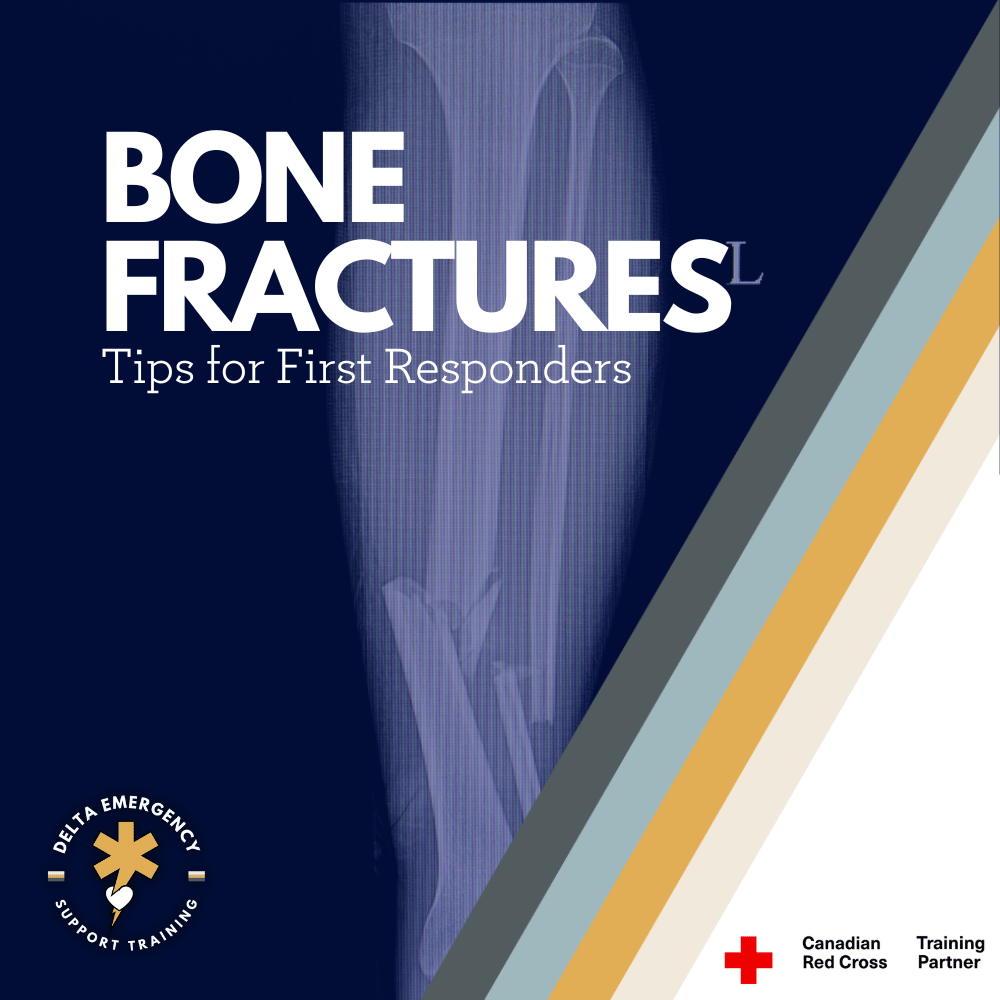
XRAY OF BROKEN TIB FIB
Fractures are common injuries that medical first responders frequently encounter, and proper management is critical in ensuring the patient's safety and minimizing long-term complications. This guide covers essential protocols for handling fractures, emphasizes the importance of checking distal pulses, and provides specific management tips for different types of fractures. At Delta Emergency Support Training, we provide access to Red Cross workbooks, hands-on training, and in-person classes for EMR and AFA, ensuring that you're well-prepared to manage fractures effectively.
General Approach to Fracture Management
Assess the Scene: Ensure your safety first and perform a quick primary assessment. Look for life-threatening conditions (e.g., breathing, bleeding, and consciousness).
Immobilize the Injury: Fractured bones must be stabilized to prevent further injury. Do not attempt to realign a displaced bone unless it is absolutely necessary to restore circulation.
Check Circulation: Always check for a distal pulse (e.g., radial pulse for upper limbs, dorsalis pedis pulse for lower limbs). The absence of a pulse could indicate compromised circulation and require immediate intervention.
Pain Management: Administer pain relief within your scope of practice and ensure comfort during transport.
Fracture Types and Management Protocols
Upper Limb Fractures
Clavicle Fracture
Symptoms: Pain, visible bump, limited range of motion.
Management: Use a sling or figure-eight bandage to immobilize. Check for a radial pulse to assess circulation. If no pulse, realign gently to restore blood flow.
Humerus Fracture
Symptoms: Pain, swelling, abnormal positioning.
Management: Immobilize with a splint or sling. Check radial pulse. A lack of pulse suggests potential nerve or vessel damage, requiring immediate intervention.
Radius and Ulna Fractures
Symptoms: Swelling, bruising, and inability to move the wrist or fingers.
Management: Use a splint, ensuring the wrist and elbow are stabilized. Always check the radial pulse; absence of pulse indicates compromised circulation and requires urgent realignment.
Lower Limb Fractures
Femur Fracture
Symptoms: Severe pain, swelling, inability to move.
Management: Use a traction splint to stabilize. Check the femoral pulse. Absence of pulse demands immediate medical intervention.
Tibia and Fibula Fractures
Symptoms: Pain, bruising, and difficulty moving.
Management: Apply a splint to stabilize the leg. Check the dorsalis pedis pulse; absence indicates possible vascular damage and requires urgent attention.
Ankle and Foot Fractures
Symptoms: Pain, swelling, deformity.
Management: Stabilize with a splint. Check pulses at the dorsalis pedis and posterior tibial sites. Absence of pulse requires immediate action to restore blood flow and prevent limb loss.
Spinal and Pelvic Fractures
Spinal Fractures
Symptoms: Neck or back pain, possible numbness or tingling in limbs.
Management: Immobilize the spine with a cervical collar and prevent movement. Check femoral and radial pulses. Absence of pulses may indicate spinal cord injury or severe vascular damage.
Pelvic Fractures
Symptoms: Severe pelvic pain, bruising, difficulty moving.
Management: Apply a pelvic binder to reduce movement. Check femoral pulse. Absence of pulse indicates potential severe internal bleeding and requires immediate medical intervention.
Why Checking for Distal Pulse is Critical
When dealing with fractures, checking for distal pulses is a vital step in ensuring the injured limb is receiving adequate blood flow. Absence of a pulse can suggest that a major artery or vein is compromised, risking tissue necrosis or limb loss. Repositioning the limb or gently realigning the fracture can sometimes restore circulation, but if pulses are absent, it's important to seek advanced medical help immediately.
Delta Emergency Support Training
At Delta Emergency Support Training, we ensure that our students are fully prepared to handle emergencies with confidence. Through our Red Cross workbooks, teaching resources, study tips, and in-person classes for EMR and AFA, we provide the practical knowledge necessary to deal with fractures and other emergencies. Our training will guide you through how to assess injuries, check circulation, immobilize fractures, and effectively manage patients in critical situations.
Whether you're just starting out or looking to sharpen your skills, our comprehensive training resources will give you the expertise needed to provide quality care in high-pressure situations.
How to Manage Delirium in Geriatric Patients: Essential Skills for EMRs and Firefighters
Delirium is an acute medical condition that often affects geriatric patients, causing confusion, disorganized thinking, and altered levels of awareness. As an EMR or firefighter, it's crucial to identify delirium early and manage it effectively. This guide explains how to assess, treat, and respond to elderly patients showing signs of delirium, ensuring optimal care in critical situations.
Delirium in the Geriatric Patient: How EMRs and Firefighters Can Identify and Respond
Delirium is a serious medical condition, particularly in the elderly, and as an EMR or firefighter, it’s crucial to recognize the signs early and act swiftly. Unlike dementia, which progresses slowly over time, delirium can develop acutely and rapidly change the patient’s mental status, presenting significant challenges for first responders. In geriatric patients, delirium is a medical emergency that often requires urgent intervention.
This blog will guide you on how to recognize delirium, understand its underlying causes, and effectively manage geriatric patients experiencing it.
What is Delirium?
Delirium is defined as an acute and fluctuating onset of inattention, disorganized thinking, and/or altered levels of awareness. It differs from dementia in that it is temporary and occurs suddenly, often in response to an underlying medical condition or environmental trigger.
The symptoms of delirium typically appear suddenly and may fluctuate throughout the day. Common signs include:
Inattention: Difficulty maintaining focus, distracted, or unable to follow a conversation.
Disorganized Thinking: Incoherent or illogical speech, trouble forming coherent thoughts.
Altered Awareness: The patient may be either overly drowsy (hypoactive) or agitated (hyperactive). In many elderly patients, hypoactive delirium is most common and can often go undetected in emergency situations.
Why is Delirium Common in Geriatric Patients?
The elderly population is particularly susceptible to delirium for several reasons, including:
Age-Related Physical Changes: Aging can cause changes in the brain that make older adults more vulnerable to confusion and mental disturbances.
Underlying Medical Conditions: Chronic health issues like heart disease, diabetes, or kidney failure may predispose the elderly to developing delirium.
Medications: Certain medications, especially in combination, can trigger delirium in older patients. Common culprits include sedatives, narcotics, and anticholinergics.
Infections: Conditions like urinary tract infections (UTIs) and pneumonia are known triggers of delirium in the elderly.
Environmental Factors: Hospitalizations, changes in routine, or unfamiliar environments (e.g., new settings after an injury) can exacerbate confusion and lead to delirium.
Recognizing Delirium in the Elderly
As an EMR or firefighter, recognizing delirium is a crucial skill that can improve patient outcomes. Delirium may not be as obvious as other acute conditions, especially since the elderly are often at risk of hypoactive delirium, which can manifest as lethargy or withdrawal rather than agitation.
Key Symptoms to Look For:
Inability to focus: The patient may appear "spacey," unable to follow a conversation, or may forget what they were just talking about.
Confusion: They may be disoriented, unable to recall where they are, or confused about the time and date.
Fluctuating alertness: The patient's level of awareness may change rapidly, ranging from excessive sleepiness to periods of hyperactivity or aggression.
Hallucinations or Delusions: While less common, some patients may see or hear things that aren’t there, or they may have false beliefs (e.g., believing they’re in a completely different location).
Hypoactive Delirium: A Hidden Danger
It’s important to note that 70% of delirium cases in elderly patients are hypoactive, meaning the patient may seem unusually drowsy, withdrawn, or lethargic. This subtle form can often go undiagnosed in the emergency department (ED) or in the field because the patient may not exhibit the typical signs of agitation. As a first responder, you must be aware that any older adult exhibiting lethargy or confusion after a recent trauma or medical event could be suffering from delirium.
Common Causes of Delirium in the Geriatric Patient
Several medical conditions or factors may trigger delirium in older adults, making them more vulnerable to changes in their cognitive state. As an EMR or firefighter, understanding these causes can help you quickly identify potential underlying issues:
Infections: UTIs, pneumonia, or sepsis can quickly lead to delirium in elderly patients.
Dehydration and Malnutrition: Inadequate fluid or nutrition intake can significantly affect brain function.
Medications: Polypharmacy, or the use of multiple medications, is common in elderly patients and can interact to cause confusion or delirium. Pay special attention to narcotics, sedatives, and antihistamines.
Pain or Injury: Trauma, especially head injuries, can trigger delirium, as can untreated pain.
Hospitalization: Elderly patients who are hospitalized for an acute illness or injury may experience delirium due to the stress of hospitalization, changes in routine, and medication side effects.
Alcohol Withdrawal: If the elderly patient has a history of alcohol use and suddenly stops drinking, delirium may occur.
How EMRs and Firefighters Can Respond to Delirium in the Elderly
When faced with a patient exhibiting signs of delirium, quick and effective action is critical. Below are steps for managing these patients:
1. Initial Assessment
Ensure Safety: The first priority is ensuring the safety of the patient. Patients experiencing delirium may be disoriented or agitated, so they could put themselves or others at risk. Ensure a safe environment and avoid sudden movements that might escalate confusion.
Take a Comprehensive History: If possible, gather a thorough history from caregivers, family, or bystanders. Ask about the patient’s recent health changes, medications, and any prior cognitive issues.
Rule Out Life-Threatening Causes: Delirium can be a sign of a serious condition such as an infection, stroke, or head injury. Check vital signs and assess for any signs of a critical underlying cause (e.g., hypotension, fever, abnormal heart rate, etc.).
2. Address Underlying Causes
If the delirium is due to a known cause (e.g., an infection), it is critical to treat the underlying issue as soon as possible.
Consider the possibility of hypoxia, hypoglycemia, or medication-related causes, which can often be quickly addressed in the field.
If the patient is in pain or has a known medical condition that could be contributing to confusion (like dehydration), take steps to manage it immediately.
3. Monitor the Patient
If the patient is not yet stable, keep a close watch on their mental status. Delirium can fluctuate, so continuous assessment is key.
Stay calm and provide reassurance to the patient. If they are agitated, offer clear explanations and avoid confrontational responses.
Transport to the hospital promptly, ensuring that the medical team is aware of the patient’s delirium so they can investigate and treat the underlying cause quickly.
4. Engage Family or Caregivers
When possible, engage family members or caregivers to help assess the patient's baseline mental status and to provide relevant medical history, including recent changes or new medications.
Conclusion
Delirium in geriatric patients is a common, often undiagnosed condition that presents a unique challenge for EMRs and firefighters. Because it can rapidly change from one moment to the next, it's essential to recognize the signs of delirium early and manage the underlying causes. Prompt action, effective communication with medical teams, and ensuring patient safety are key components in improving patient outcomes.
As a first responder, your ability to identify delirium and intervene early can mean the difference between a successful recovery and long-term complications. By staying vigilant and informed, you can ensure that older patients receive the timely, life-saving care they need.
Delta Emergency is taught by a well-versed group of instructors and owners who are experienced paramedics. We teach you not only the necessary skills but also how to be prepared for real-life emergencies. Our hands-on training ensures you're equipped to handle any critical situation with confidence, improving both your ability to respond and your patient outcomes.
Essential Acronyms and Medical Terms Every EMS Professional Should Know
Mastering medical acronyms and terminology is essential for every Emergency Medical Services (EMS) professional. From understanding basic patient care concepts like ABCs (Airway, Breathing, Circulation) to advanced procedures and diagnoses, knowing the right terms can make all the difference in high-pressure situations. This guide highlights key acronyms and terms, alongside study aids and tips to help you quickly memorize and apply them in real-life emergency scenarios.
Entering the world of Emergency Medical Services (EMS) can be overwhelming at first — there’s a lot of information to process, and mastering medical terminology is a huge part of the learning curve. One of the most effective ways to communicate in high-pressure situations is by using standardized acronyms and medical terms. Understanding these abbreviations is crucial for providing timely care, collaborating with your team, and ensuring patient safety.
Here, we’ve compiled a list of essential acronyms and terms every EMS professional should know. To make it easier to learn, we’ve divided the terms into categories, and we’ve also provided study aids that can help you retain this critical knowledge.
1. Basic EMS and Patient Care Acronyms
These acronyms are fundamental to understanding the basics of patient care and emergency response.
ABCs
Meaning: Airway, Breathing, Circulation
What It Means: The first steps in any patient assessment to determine if life-threatening issues exist.
SMR
Meaning: Spinal Motion Restriction
What It Means: A method used to stabilize the spine of a trauma patient to prevent further injury.
GCS
Meaning: Glasgow Coma Scale
What It Means: A scoring system used to assess a patient’s level of consciousness based on eye, verbal, and motor responses.
BPM
Meaning: Beats Per Minute
What It Means: A measure of heart rate. Crucial for assessing cardiovascular function.
BP
Meaning: Blood Pressure
What It Means: The force of blood pushing against the walls of the arteries. Monitored to assess cardiovascular health.
SOB
Meaning: Shortness of Breath
What It Means: A common symptom indicating potential respiratory distress or other underlying conditions such as heart failure.
2. Medical History and Symptoms Acronyms
Understanding a patient’s medical history and recognizing symptoms is crucial for accurate diagnosis and treatment.
TIA
Meaning: Transient Ischemic Attack
What It Means: A temporary blockage of blood flow to the brain, often referred to as a "mini-stroke."
LOC
Meaning: Level of Consciousness
What It Means: An assessment of the patient's responsiveness and awareness.
MOI
Meaning: Mechanism of Injury
What It Means: The method or cause of injury (e.g., fall, motor vehicle accident) that helps responders assess potential injuries.
ETOH
Meaning: Ethanol (Alcohol)
What It Means: Refers to alcohol consumption or intoxication, which is important for understanding potential contributing factors to the patient’s condition.
Hx
Meaning: History
What It Means: Refers to a patient’s past medical history, which is critical for accurate diagnosis and treatment.
Tx
Meaning: Treatment
What It Means: Refers to the care given to the patient during the emergency response.
3. Emergency Response and Medical Procedure Acronyms
These terms relate to the actions and procedures performed during an emergency.
MCI
Meaning: Mass Casualty Incident
What It Means: A situation where there are too many casualties for the available resources, requiring triage and coordination.
ROSC
Meaning: Return of Spontaneous Circulation
What It Means: When the heart begins to beat again after being in cardiac arrest, usually following CPR or defibrillation.
EMR
Meaning: Emergency Medical Responder
What It Means: The initial level of EMS provider trained to provide immediate care at the scene of an emergency.
PCP
Meaning: Primary Care Paramedic
What It Means: A level of paramedic providing basic and some advanced care before hospital arrival.
ACP
Meaning: Advanced Care Paramedic
What It Means: Paramedics with additional training in advanced airway management, medication administration, and critical care techniques.
CCP
Meaning: Critical Care Paramedic
What It Means: Paramedics trained to manage patients requiring the highest level of care, including the use of complex equipment and advanced treatments.
4. Common Medical Terminology
These are important medical terms you’ll need to know for a deeper understanding of specific conditions and procedures.
PEARL
Meaning: Pupils Equal and Reactive to Light
What It Means: A quick neurological assessment where the patient's pupils are examined for abnormalities.
HR
Meaning: Heart Rate
What It Means: The number of heartbeats per minute, a crucial indicator of cardiovascular health.
CNS
Meaning: Central Nervous System
What It Means: The brain and spinal cord, responsible for processing information and controlling bodily functions.
MI
Meaning: Myocardial Infarction
What It Means: The medical term for a heart attack, caused by a blockage in one of the coronary arteries.
Syncope
Meaning: Fainting
What It Means: Temporary loss of consciousness, often caused by a drop in blood pressure or inadequate blood flow to the brain.
5. Study Aids for Memorizing Acronyms and Terms
Now that we’ve covered the essential acronyms and medical terms, let’s talk about how to effectively memorize them and apply them in real-world scenarios. Here are some practical study guides and tools that will help you retain this information:
Flashcards
Flashcards are one of the best ways to memorize medical terms and acronyms. Create a set for yourself and quiz yourself regularly. You can make your own flashcards using index cards or use digital apps like Quizlet, where you can search for pre-made sets or create your own.
Example:
Front: "ABCs"
Back: Airway, Breathing, Circulation
Tip: Test yourself or have a study partner quiz you.
Mnemonics
Using mnemonics is an effective way to remember lists of acronyms. For example:
"ABCs": “Always Be Calm” — helps remind you that the first thing to check is Airway, then Breathing, and Circulation.
"PEARL": “Pupils Equal And Reactive Light” — helps remember the steps for checking pupils during a neurological exam.
Quizzes and Practice Exams
Regularly take quizzes and practice exams to reinforce your knowledge. Many EMS training programs offer practice tests that simulate real-life emergency scenarios. Websites like EMTprep.com and MedPage also provide quizzes specifically designed for EMS students.
Group Study
Studying with a group can help reinforce your knowledge and expose you to different ways of remembering terms. Set aside time to review acronyms together and test each other’s knowledge in a quiz format.
Interactive Learning Tools
Apps and websites like Anki (a flashcard app with spaced repetition), Quizlet, and Brainscape can make studying more interactive and help you retain information over time. They can also help you track your progress.
6. Tips for Applying Terminology in Real-Life Scenarios
When you're out in the field, it’s not just about memorizing acronyms — it’s about applying them quickly and accurately under pressure. Here are some ways to put your knowledge into practice:
Practice in Mock Scenarios: Use role-playing and simulations to practice how you'd assess a patient and use these acronyms and terms in real-time.
Team Communication: Use acronyms during team briefings, ensuring that everyone understands the terms. It’s important to speak in the same language for effective communication.
Know When to Ask Questions: Don’t hesitate to ask senior responders or your instructors for clarification if you don’t understand a term or acronym in a particular context. It’s better to ask than risk misunderstanding.
Conclusion: Why Knowing These Acronyms and Terms is Crucial in EMS
Mastering medical acronyms and terms is more than just memorization — it’s about ensuring patient safety, improving communication with your team, and providing high-quality care under pressure. By understanding these critical terms and incorporating them into your EMS training, you’ll be better prepared to act quickly and decisively in any emergency.
At Delta Emergency Support Training, we make sure our students are equipped with the knowledge and skills to perform confidently in any situation. Whether you’re a beginner just learning CPR or an advanced practitioner, mastering medical terminology is a key step toward becoming an effective EMS professional.
Elevating Emergency Response: The Canadian Red Cross Emergency Care for Professional Responders Textbook
The "Canadian Red Cross: Emergency Care for Professional Responders" textbook is a must-have resource for those working in high-pressure environments like emergency medical services, firefighting, and law enforcement. Packed with in-depth medical content and real-world scenarios, this guide equips professionals with the advanced skills needed to handle critical emergencies effectively. Whether you're performing airway management or assessing trauma, this textbook ensures you're ready to respond with confidence in any situation.
Advanced First Aid Knowledge for Those Who Face the Most Demanding Situations
In the fast-paced world of emergency medical services, having the right knowledge can make the difference between life and death. The "Canadian Red Cross: Emergency Care for Professional Responders" textbook is specifically designed for individuals who operate in high-stakes environments where advanced first aid and emergency care are required. This textbook is an indispensable resource for firefighters, police officers, lifeguards, and advanced first aid personnel.
Depth of Medical Content
This textbook dives deep into the complex and critical conditions that professional responders encounter. With chapters written by experts in emergency care, the content covers a broad spectrum of medical emergencies, from trauma to acute medical conditions, providing detailed procedures for each. This comprehensive approach ensures that responders have the depth of knowledge necessary to make informed decisions quickly.
Real-World Scenarios and Techniques
One of the standout features of this guide is its emphasis on practical, real-world application. It includes:
Detailed scenario-based training examples that simulate actual emergency situations.
Step-by-step guides for advanced techniques such as airway management, support for spinal injuries, and emergency childbirth.
Best practices for scene management and patient assessment to ensure effective and efficient care.
These elements are designed to prepare responders not just to perform their duties, but to excel in their roles with confidence and competence.
Tailored for Professional Use
Each section of the textbook is tailored to the needs of professional responders, with considerations for the challenges they face in the field. The material is not only comprehensive but also accessible, with clear diagrams, quick-reference tables, and bullet points that make crucial information easy to locate and recall under pressure.
Why Choose This Textbook?
Expertise: Authored by leading medical professionals with extensive experience in emergency response.
Relevance: Updated regularly to include the latest techniques and best practices in emergency medical care.
Durability: Manufactured to withstand the rigors of field use, ensuring reliability when it’s needed most.
Conclusion
For those in demanding and critical roles, the Canadian Red Cross Emergency Care for Professional Responders textbook is more than just a learning tool—it's a crucial ally in the field. By integrating this textbook into your training program, you ensure that your team is equipped with the knowledge and skills to handle complex emergencies effectively.
Elevate your professional response capabilities today by obtaining your copy from Delta Emergency Support Training at Delta Emergency Support Training. Equip your team with the knowledge that saves lives, enhances safety, and ensures that when the call comes, you are ready to respond with the best care possible.
Common Gynecological Medical Emergencies Every First Responder Should Know
Gynecological emergencies, such as ovarian torsion, ectopic pregnancy, and toxic shock syndrome, require quick action and careful handling. For first responders, understanding the symptoms, knowing how to prioritize care, and maintaining patient comfort and dignity are essential. This blog explores common gynecological emergencies, providing essential information for responders to manage these situations with professionalism, especially when male responders are involved. Learn how to respond effectively and respectfully to ensure the best outcomes for your patients.
Gynecological emergencies require quick assessments, clear decision-making, and fast intervention. For first responders, understanding these conditions is essential for providing the right care and support. While some gynecological issues may seem daunting, being knowledgeable about these emergencies can make all the difference in saving lives and minimizing long-term complications.
In this blog, we’ll dive deeper into some of the most common gynecological emergencies, including endometriosis, ovarian torsion, ectopic pregnancy, toxic shock syndrome, and more. Additionally, we’ll discuss how first responders can handle these situations efficiently, with a focus on maintaining patient comfort and professionalism, particularly when male responders are involved.
1. Endometriosis: Managing Acute Flare-Ups
What It Is:
Endometriosis is a chronic condition where tissue similar to the lining of the uterus grows outside of it, often affecting the ovaries, fallopian tubes, or other organs in the pelvic region. While it’s usually a long-term condition, flare-ups can create acute pain and other complications.
Emergency Symptoms:
Intense pelvic pain, especially during menstruation
Nausea, vomiting, or dizziness
Heavy menstrual bleeding
Pain during intercourse
What to Do:
First responders should focus on pain management, as the acute pain associated with endometriosis flare-ups can be overwhelming. Administer analgesics as per protocol and assess vital signs. If bleeding is severe, treat for shock and prepare for transport to the nearest medical facility for further treatment, including possible imaging and evaluation by a gynecologist.
2. Ovarian Torsion: A Time-Sensitive Surgical Emergency
What It Is:
Ovarian torsion occurs when an ovary twists on its supporting ligaments, cutting off its blood supply. This is a surgical emergency and, if not treated promptly, can lead to ovarian necrosis (death of the ovary).
Emergency Symptoms:
Sudden, severe pelvic pain, often localized to one side
Nausea or vomiting
Abdominal tenderness
Possible fever
What to Do:
Time is critical in ovarian torsion. The primary action for first responders is pain management and stabilization. Administer pain relief (IV or oral as per protocol) and monitor for signs of shock. Rapid transport to a surgical facility is essential for surgical intervention to save the ovary. Delaying treatment could result in permanent damage or loss of the ovary.
3. Miscarriage: Spontaneous Pregnancy Loss
What It Is:
A miscarriage refers to the loss of a pregnancy before the 20th week. Miscarriages are often associated with heavy bleeding and pain, and they can lead to emotional distress for the patient.
Emergency Symptoms:
Heavy bleeding or passing of tissue
Cramping or abdominal pain
Lower back pain
Dizziness or fainting
What to Do:
For first responders, it’s important to manage bleeding and monitor for signs of shock. Heavy bleeding can result in hypovolemic shock, so maintaining the patient’s blood volume with IV fluids is critical. Emotional support is also key—be compassionate and empathetic, as this is often a traumatic experience. Transport the patient to a medical facility for further evaluation, including an ultrasound to confirm the miscarriage and assess for any retained tissue.
4. Ectopic Pregnancy: A Life-Threatening Condition
What It Is:
An ectopic pregnancy occurs when a fertilized egg implants outside the uterus, usually in a fallopian tube. This is a dangerous condition because the fallopian tube can rupture, leading to significant internal bleeding.
Emergency Symptoms:
Severe abdominal pain, often on one side
Vaginal bleeding or spotting
Dizziness, fainting, or low blood pressure
Shoulder pain (referred pain due to internal bleeding)
What to Do:
Ectopic pregnancy is a medical emergency that requires immediate transport to the hospital. First responders should stabilize the patient, monitor vitals, and treat for shock if necessary. If an ectopic pregnancy is suspected, it is critical to get the patient to a surgical facility as quickly as possible, as a ruptured ectopic pregnancy can be fatal.
5. Uterine Fibroids: Managing Complications from Benign Tumors
What It Is:
Uterine fibroids are non-cancerous growths in the muscle of the uterus. In many cases, they don’t cause symptoms, but in some women, they can result in heavy menstrual bleeding or pain, especially during pregnancy or menopause.
Emergency Symptoms:
Heavy vaginal bleeding, potentially leading to shock
Pelvic or abdominal pain
Pressure on the bladder or rectum
Painful intercourse
What to Do:
If a patient with uterine fibroids presents with heavy bleeding, assess the degree of bleeding and treat for shock if necessary. Administer fluids to maintain blood pressure and transport the patient to a medical facility for further evaluation and treatment. In severe cases, surgical intervention may be needed to manage bleeding or remove the fibroids.
6. Vulvar Abscess: Infection and Inflammation of the Vulva
What It Is:
A vulvar abscess is a localized collection of pus caused by infection. It may occur due to bacteria entering the vulvar glands, leading to swelling, pain, and tenderness.
Emergency Symptoms:
Painful swelling or tenderness in the vulva
Redness and warmth in the affected area
Fever
Drainage of pus
What to Do:
While vulvar abscesses typically require drainage and antibiotics, first responders should focus on pain relief and preventing the infection from spreading. Administer pain relief and fluids as per protocol and prepare for rapid transport to a hospital where surgical drainage may be needed.
7. Toxic Shock Syndrome (TSS): A Severe Bacterial Infection
What It Is:
Toxic Shock Syndrome is caused by bacterial toxins, usually from Staphylococcus aureus or Streptococcus pyogenes. Though it’s rare, it can progress rapidly and lead to organ failure and death.
Emergency Symptoms:
Sudden high fever
Vomiting and diarrhea
A red, sunburn-like rash
Low blood pressure, confusion, or shock
What to Do:
TSS is a critical emergency requiring immediate intervention. First responders should administer fluids to combat shock, manage the fever, and prepare for transport to a medical facility. Treatment typically includes IV antibiotics and supportive care to prevent organ failure.
8. The Challenges of Responding to Gynecological Emergencies, Especially for Male Responders
Patient Comfort and Professionalism:
Handling gynecological emergencies can be particularly sensitive, especially if the responding team is composed of male responders. As a first responder, it’s essential to be aware of the patient’s emotional and physical comfort while still prioritizing their care.
Key Considerations for Male Responders:
Maintain Decency: Ensure that the patient’s privacy is respected at all times. Use blankets or gowns to cover them as much as possible, especially during transport or examination.
Provide Clear Communication: Always explain the procedures you’re performing and why they are necessary. Patients may feel vulnerable during gynecological emergencies, so explaining what is happening at each stage can help reduce anxiety.
Offer Emotional Support: Gynecological emergencies often come with an emotional component. Be compassionate and understanding, offering reassurance and support throughout the process.
If Possible, Involve Female Responders: If you’re a male responder and the situation involves intimate care, offer the patient the option to be attended to by a female responder, if available, to maintain comfort and dignity.
First responders should always prioritize patient safety and dignity. Being sensitive to these issues helps build trust and ensures that you are providing the best care possible, especially in potentially traumatic situations.
Conclusion: Efficient, Respectful Care for Gynecological Emergencies
Gynecological emergencies can present unique challenges for first responders, but with the right knowledge and skills, you can manage these situations effectively and compassionately. Whether dealing with ovarian torsion, toxic shock syndrome, or ectopic pregnancy, understanding the symptoms and knowing the right actions to take will ensure better patient outcomes. Responding with professionalism, sensitivity, and respect for the patient’s dignity is just as important as delivering medical care.
At Delta Emergency Support Training, we equip first responders with the knowledge and skills necessary to handle all types of emergencies, including gynecological ones. Our comprehensive training prepares you to respond with confidence, ensuring you provide the best care in critical situations.
Understanding Medical Terminology: A Guide to Prefixes, Suffixes, and Roots for First Responders
Mastering medical terminology is essential for first responders. Understanding common prefixes, suffixes, and roots will help you communicate more effectively, make informed decisions, and provide quicker, more effective care. In this guide, we break down essential medical terms that will boost your confidence on the job and improve patient outcomes.
In the fast-paced world of Emergency Medical Services (EMS), effective communication and quick thinking are crucial. One way to improve both is by mastering medical terminology. As a first responder, understanding the building blocks of medical terms — prefixes, suffixes, and roots — will allow you to interpret unfamiliar terms quickly, leading to better patient care and more effective communication with other healthcare professionals.
In this guide, we’ll break down the most common prefixes, suffixes, and roots in medical terminology, with a focus on how these parts come together to help you understand the language of medicine. By familiarizing yourself with these building blocks, you’ll be equipped to navigate the world of medical terminology with confidence.
What Are Prefixes, Suffixes, and Roots?
Medical terms often seem complex, but most are built from smaller components that convey specific meanings. Understanding how these components work will help you quickly decode medical terms.
Prefix: A prefix is added at the beginning of a word to modify its meaning. It typically indicates time, location, quantity, or status.
Suffix: A suffix is placed at the end of a word to alter its meaning. It often refers to a condition, disease, procedure, or part of the body.
Root Word: The root is the central part of the word that provides the core meaning. It typically refers to a body part, function, or medical concept.
By breaking down terms into these components, you can understand what a word means without needing to memorize every single term.
Why EMS Professionals Need to Understand Prefixes, Suffixes, and Roots
As a first responder, you’ll often encounter long, unfamiliar medical terms during patient care. Breaking these terms down into their prefixes, suffixes, and roots helps you:
Interpret Symptoms Faster: For example, recognizing terms like “tachypnea” (rapid breathing) or “bradycardia” (slow heart rate) allows you to quickly assess the situation and respond accordingly.
Improve Communication: Whether you’re talking to a doctor, paramedic, or other healthcare professionals, using the correct medical terminology ensures clear, efficient communication, which leads to better patient outcomes.
Streamline Documentation: Accurate medical documentation is essential in EMS. Knowing medical terms ensures you can write reports that are both precise and comprehensive.
Common Medical Prefixes Every First Responder Should Know
Here are some of the most common prefixes you’ll encounter in EMS. These prefixes provide important information about the patient's condition and can help you make quicker decisions in the field.
1. “Hyper-”
Meaning: Excessive, above normal
Example: Hypertension (high blood pressure)
2. “Hypo-”
Meaning: Below normal, deficient
Example: Hypoglycemia (low blood sugar)
3. “Brady-”
Meaning: Slow
Example: Bradycardia (slow heart rate)
4. “Tachy-”
Meaning: Fast
Example: Tachypnea (rapid breathing)
5. “Pre-”
Meaning: Before
Example: Preoperative (before surgery)
6. “Post-”
Meaning: After
Example: Post-traumatic (after trauma)
7. “Sub-”
Meaning: Under, beneath
Example: Subcutaneous (beneath the skin)
8. “Inter-”
Meaning: Between
Example: Intercostal (between the ribs)
9. “Intra-”
Meaning: Within
Example: Intravenous (within the vein)
10. “Exo-”
Meaning: Outside, outward
Example: Exoskeleton (external skeleton)
Common Medical Suffixes for EMS Professionals
Suffixes are essential for understanding the nature of a medical condition, procedure, or diagnosis. Below are key suffixes that are frequently used in EMS:
1. “-itis”
Meaning: Inflammation
Example: Arthritis (inflammation of the joints)
2. “-ectomy”
Meaning: Surgical removal
Example: Appendectomy (removal of the appendix)
3. “-algia”
Meaning: Pain
Example: Neuralgia (nerve pain)
4. “-pathy”
Meaning: Disease or condition
Example: Neuropathy (nerve disease)
5. “-emia”
Meaning: Blood condition
Example: Anemia (low red blood cell count)
6. “-plasty”
Meaning: Surgical repair
Example: Rhinoplasty (surgical repair of the nose)
7. “-scopy”
Meaning: Viewing or examination using a scope
Example: Endoscopy (examination of a body cavity)
8. “-logy”
Meaning: The study of
Example: Cardiology (study of the heart)
9. “-osis”
Meaning: Abnormal condition or disease
Example: Cirrhosis (a liver disease)
10. “-graphy”
Meaning: The process of recording
Example: Cardiography (recording heart activity)
Common Medical Roots in EMS Terminology
Roots form the core of medical terms and typically describe body parts, organs, or functions. Here are some important roots you’ll encounter in your training and practice:
1. “Cardi/o”
Meaning: Heart
Example: Cardiology (study of the heart)
2. “Gastr/o”
Meaning: Stomach
Example: Gastritis (inflammation of the stomach lining)
3. “Hemat/o”
Meaning: Blood
Example: Hemorrhage (excessive bleeding)
4. “Neuro/o”
Meaning: Nerve, nervous system
Example: Neurology (study of the nervous system)
5. “Oste/o”
Meaning: Bone
Example: Osteoarthritis (arthritis of the bone)
6. “Pulmon/o”
Meaning: Lungs
Example: Pulmonary edema (fluid buildup in the lungs)
7. “My/o”
Meaning: Muscle
Example: Myocardial (related to the heart muscle)
8. “Derm/a”
Meaning: Skin
Example: Dermatitis (inflammation of the skin)
9. “Ren/o”
Meaning: Kidney
Example: Renal failure (kidney failure)
10. “Rhin/o”
Meaning: Nose
Example: Rhinoplasty (surgical procedure on the nose)
Study Strategies for Mastering Medical Terminology
While learning prefixes, suffixes, and roots can seem overwhelming, there are several effective study techniques to help you retain and apply these concepts:
1. Use Flashcards
Flashcards are an excellent way to reinforce your understanding of prefixes, suffixes, and roots. Use physical cards or apps like Quizlet to test your knowledge on the go. Write the term on one side and its meaning on the other.
2. Create Mnemonics
To help remember terms, create memorable associations. For example, remember “tachy-” by thinking of “tachometer,” which measures speed (fast). For “brady-” (slow), think of Brady the tortoise from the classic story.
3. Break Down Terms
Whenever you encounter an unfamiliar term, break it down. Start with the root word, then look at the prefix and suffix. For example, Tachycardia:
Tachy- = fast
Cardi/o = heart
-ia = condition So, Tachycardia = a condition of a fast heart rate.
4. Group Study and Practice
Group study sessions help reinforce what you've learned. Discuss terms with classmates or colleagues and quiz each other regularly to ensure you understand the material.
5. Use Interactive Tools
Interactive quizzes and apps can make learning more engaging. Tools like Anki or MedTerm offer practice exercises that reinforce your understanding of medical terminology in a fun, interactive way.
Conclusion: Mastering Medical Terminology for EMS Professionals
In EMS, quick decision-making and clear communication can save lives. Understanding medical terminology, including prefixes, suffixes, and roots, allows you to decode complex terms on the fly and makes you a more effective responder. It’s a skill that will improve your ability to assess patients, document care, and work with your team efficiently.
At Delta Emergency Support Training, we understand the importance of a solid foundation in medical terminology. Our comprehensive Red Cross Babysitting course and First Aid training cover essential medical concepts that will set you up for success in the field. Whether you're just getting started or looking to advance your skills, mastering medical terminology is a key step in becoming a top-tier first responder.
Skin Anatomy Overview for First Responders: Layers and Functions
Understanding the anatomy of the skin is essential for first responders. The skin serves as the body’s first line of defense, regulating temperature and protecting against infection. In this blog, we’ll break down the three layers of skin—epidermis, dermis, and hypodermis—and explore their functions, common injuries, and how this knowledge can help you provide better care in emergency situations.
As a first responder, you're trained to respond to a variety of emergencies, from burns and cuts to more complex trauma situations. Understanding the anatomy of the skin is crucial, as it plays a vital role in protecting the body from infection, regulating temperature, and healing injuries. In this blog, we’ll break down the layers of the skin, their functions, and how this knowledge helps you in your critical role as a first responder.
medical skin layer model
The Basics of Skin Anatomy
The skin is the body's largest organ, serving as the primary barrier between the internal systems and the outside world. It protects against physical damage, pathogens, and dehydration, while also playing a key role in temperature regulation. The skin is made up of three main layers, each with its own distinct function:
Epidermis (Outer Layer)
Dermis (Middle Layer)
Hypodermis (Subcutaneous Layer)
1. The Epidermis: The Body’s First Line of Defense
The epidermis is the outermost layer of skin, providing a waterproof barrier that shields the body from harmful substances, bacteria, and UV radiation. As a first responder, you will often encounter patients with injuries to the epidermis, such as cuts, abrasions, burns, or rashes.
Functions of the Epidermis:
Protection: The epidermis acts as the first line of defense against pathogens, chemicals, and physical damage.
Barrier to Water Loss: It helps prevent excessive loss of moisture, maintaining hydration in the body.
Skin Pigmentation: Melanin, produced in the epidermis, helps protect deeper layers from UV damage.
Sensation: The epidermis contains nerve endings that allow the skin to respond to environmental stimuli, like heat or pressure.
Important Considerations for First Responders:
Burns: Since the epidermis contains no blood vessels, burns typically affect this layer first, causing redness, swelling, and pain. In severe cases, it may also affect the dermis, leading to more serious injuries.
Infections: When the epidermis is compromised (such as in open wounds), there’s a higher risk of infection. Proper cleaning and dressing of wounds are essential to avoid bacterial infiltration.
2. The Dermis: The Skin’s Strength and Support
The dermis lies beneath the epidermis and is responsible for most of the skin's strength, elasticity, and sensation. This layer contains blood vessels, nerves, hair follicles, sweat glands, and connective tissue.
Functions of the Dermis:
Structural Support: The dermis contains collagen and elastin, proteins that provide strength and elasticity to the skin, allowing it to stretch and return to its original shape.
Temperature Regulation: Blood vessels in the dermis help regulate body temperature by constricting to conserve heat or dilating to release heat.
Sensation: The dermis is rich in nerve endings that detect pain, pressure, temperature, and touch.
Wound Healing: The dermis plays a critical role in healing skin wounds, as it contains the blood vessels and connective tissue that support tissue repair.
Important Considerations for First Responders:
Deep Cuts and Lacerations: When treating deep cuts or lacerations, you may encounter injury to the dermis, which could result in more severe bleeding due to the presence of blood vessels.
Blisters and Burns: Severe friction or thermal injuries can cause fluid buildup between the epidermis and dermis, leading to blisters. Burns can also extend into the dermis, causing damage to blood vessels and deeper tissues.
3. The Hypodermis: The Body’s Cushion and Insulator
The hypodermis, or subcutaneous layer, lies below the dermis and is primarily made of fat and connective tissue. This layer plays a significant role in protecting internal organs, insulating the body, and storing energy.
Functions of the Hypodermis:
Insulation: The fatty tissue helps regulate body temperature by providing insulation against heat loss.
Cushioning: It acts as a shock absorber, protecting bones and organs from injury by absorbing impact.
Energy Storage: The hypodermis stores fat, which serves as an energy reserve for the body.
Anchoring the Skin: It helps anchor the skin to underlying muscles and bones, giving the skin its flexibility and strength.
Important Considerations for First Responders:
Severe Trauma: In cases of deep trauma, such as blunt force injuries, the hypodermis may be damaged. This could lead to bruising or deeper tissue damage, as blood vessels in the hypodermis may rupture.
Frostbite: The hypodermis is the most affected area during frostbite, as it is the deepest layer. Severe cold temperatures can cause the fat cells to freeze, potentially leading to tissue death and the need for immediate medical intervention.
Skin Injuries and First Aid: Key Points for First Responders
As a first responder, understanding the anatomy of the skin helps you assess injuries more effectively and provide better care. Here are some common skin injuries and how they relate to the skin’s structure:
Abrasions: These involve damage to the epidermis, often caused by friction. While they are generally not severe, they can lead to infection if not properly cleaned and dressed.
Lacerations: Deep cuts can damage both the epidermis and dermis, leading to bleeding and pain. Proper wound care includes stopping the bleeding, cleaning the wound, and applying appropriate dressings.
Burns: Burns can range from superficial (affecting only the epidermis) to severe (penetrating the dermis and hypodermis). First-degree burns may cause redness and pain, while second-degree burns result in blisters and more intense pain. Third-degree burns involve damage to all layers of the skin and require immediate medical attention.
Frostbite: Exposure to extreme cold can lead to frostbite, which damages the skin, particularly the hypodermis. Treatment includes gradual rewarming and protecting the affected areas from further damage.
Infections: Skin wounds, especially when the epidermis is broken, are susceptible to infection. As a first responder, it’s critical to clean wounds thoroughly, apply sterile dressings, and monitor for signs of infection.
Conclusion: Why Skin Anatomy Matters for First Responders
The skin may seem like a simple barrier, but its structure and functions are far more complex and essential to maintaining overall health. As first responders, understanding the layers of the skin, their functions, and how injuries affect them helps you provide better care to patients. Whether you're dealing with a simple abrasion or a severe burn, this knowledge can guide your decisions on how to treat injuries quickly and effectively, reducing the risk of complications and promoting faster recovery.
By applying this understanding of skin anatomy to your daily work, you can ensure that your patients receive the best care possible in emergency situations.
Alcohol-Related Emergencies: A First Responder's Guide
Encountering alcohol-related emergencies as a first responder demands a comprehensive understanding of the signs of severe intoxication and the skills to manage them effectively. From volatile behavior to the critical signs of alcohol overdose, being prepared to intervene promptly can mean the difference between life and death. By recognizing the need for airway management and implementing techniques such as the recovery position and manual clearance, first responders can mitigate the risks of aspiration and respiratory compromise. Moreover, fostering community education on responsible drinking practices and promoting peer support programs within the first responder community are essential steps toward prevention and support. As we navigate the complexities of alcohol-related emergencies, let us remain vigilant, compassionate, and committed to saving lives. Through our collective efforts, we can make a meaningful impact in ensuring the safety and well-being of those affected by alcohol intoxication.
As first responders, we are frequently called upon to handle alcohol-related emergencies. These situations require a delicate balance of compassion, skill, and quick thinking. Understanding the signs of severe intoxication and knowing how to respond effectively can make a significant difference in the outcome for the individual involved. In this blog, we'll explore the complexities of managing alcohol-related emergencies, including recognizing critical signs of alcohol overdose and providing timely intervention to prevent potentially life-threatening complications.
Recognizing Critical Signs of Alcohol Overdose:
Inability to Rouse: In severe cases of alcohol intoxication, individuals may be unresponsive to loud shouting or vigorous shaking. This inability to rouse the person can be a red flag indicating a dangerous level of intoxication.
Inability to Stay Awake: If a person who was previously passed out cannot stay awake for more than 2-3 minutes after being roused, it suggests a profound level of intoxication that requires immediate attention.
Vomiting While Unconscious: Vomiting while unconscious is a particularly concerning sign, as it increases the risk of choking or suffocation on vomit.
Not Waking Up After Vomiting: Failure to wake up after vomiting is a critical indicator of alcohol poisoning. It signifies a compromised level of consciousness and a heightened risk of respiratory distress.
Incoherent While Vomiting: Incoherent speech or confusion while vomiting indicates a significant impairment of cognitive function, further highlighting the severity of the situation.
Understanding the Dangers of Alcohol Overdose:
Alcohol overdose, also known as alcohol poisoning, is a life-threatening condition that requires immediate medical attention. Left untreated, it can lead to:
Choking or suffocation on vomit
Respiratory depression or cessation of breathing
Seizures
Brain damage
Death
Managing the Airway in Alcohol Overdose:
1. Recovery Position: In cases where an individual is unconscious but breathing, placing them in the recovery position is crucial for preventing aspiration of vomit and maintaining a clear airway. The recovery position involves the following steps:
Roll the person onto their side, facing you.
Ensure that their head is tilted back slightly to keep the airway open.
Bend the top leg at the knee and place it in front of the bottom leg for stability.
Position the bottom arm under their head to support it and prevent it from falling forward.
Monitor the person's breathing and vital signs while in the recovery position.
2. Manual Airway Clearance: If the individual is unconscious and there is evidence of vomit in the mouth, it may be necessary to manually clear the airway to prevent obstruction. This can be done using a side scooping finger technique or a suction device such as a Yankauer suction catheter:
Side Scooping Finger Technique: Gently insert your gloved finger into the person's mouth and sweep any vomit or debris from the back of the throat using a side-to-side motion. Be careful not to push the material further back into the throat.
Yankauer Suction: If available, use a Yankauer suction catheter to suction vomit from the mouth and upper airway. Insert the suction catheter into the mouth and carefully remove any fluid or debris while being cautious not to obstruct the airway further.
3. Continuous Monitoring: After clearing the airway and placing the individual in the recovery position, continue to monitor their breathing, pulse, and level of consciousness closely. Be prepared to intervene further if there are signs of respiratory distress or deterioration.
Conclusion:
Encountering alcohol-related emergencies as a first responder demands a comprehensive understanding of the signs of severe intoxication and the skills to manage them effectively. From volatile behavior to the critical signs of alcohol overdose, being prepared to intervene promptly can mean the difference between life and death. By recognizing the need for airway management and implementing techniques such as the recovery position and manual clearance, first responders can mitigate the risks of aspiration and respiratory compromise. Moreover, fostering community education on responsible drinking practices and promoting peer support programs within the first responder community are essential steps toward prevention and support. As we navigate the complexities of alcohol-related emergencies, let us remain vigilant, compassionate, and committed to saving lives. Through our collective efforts, we can make a meaningful impact in ensuring the safety and well-being of those affected by alcohol intoxication.
Proactive Strategies for De-escalating Mental Health Crisis Calls as a First Responder
Building a rapport is essential in establishing a foundation for successful de-escalation. Approach the individual calmly and respectfully, maintaining a non-confrontational demeanor. Use open-ended questions to encourage dialogue and facilitate a deeper understanding of the situation. Establishing common ground and demonstrating genuine concern for their well-being can help alleviate anxiety and defensiveness.
In the realm of emergency response, encounters with individuals experiencing mental health crises demand a unique blend of professionalism, empathy, and strategic intervention. Addressing such situations requires not only swift action but also a nuanced approach to de-escalation aimed at diffusing tension, building rapport, and ensuring the safety and well-being of all parties involved. As first responders, it is incumbent upon us to equip ourselves with the necessary tools and techniques to navigate these complex scenarios effectively.
1. Assessing for Safety
Prioritize the safety of both the individual in crisis and yourself and your team. Conduct a thorough assessment of the immediate environment for potential hazards or weapons. If the situation poses an imminent risk of harm, take necessary precautions to ensure everyone's safety, including calling for backup or additional resources as needed. Communicate clearly and assertively, setting clear boundaries and expectations while maintaining a respectful tone.
2. Active Listening
Effective communication begins with active listening. When engaging with an individual in crisis, prioritize attentive listening to understand their concerns, emotions, and underlying needs. Demonstrate empathy and validate their experiences, fostering a sense of trust and rapport. Reflective listening techniques, such as paraphrasing and summarizing, can convey understanding and empathy while clarifying any misunderstandings.
3. Establishing Rapport
Building a rapport is essential in establishing a foundation for successful de-escalation. Approach the individual calmly and respectfully, maintaining a non-confrontational demeanor. Use open-ended questions to encourage dialogue and facilitate a deeper understanding of the situation. Establishing common ground and demonstrating genuine concern for their well-being can help alleviate anxiety and defensiveness.
4. Providing Reassurance and Validation
Individuals in crisis often experience overwhelming feelings of distress, hopelessness, and isolation. Offer reassurance and validation, acknowledging their emotions without judgment. Assure them that help is available and that their well-being is a priority. Avoid minimizing or dismissing their feelings; instead, validate their experiences and express confidence in their ability to cope and overcome challenges.
5. Collaborative Problem-Solving
Engage the individual in collaborative problem-solving to explore potential solutions and coping strategies. Empower them to identify their needs and preferences, encouraging autonomy and self-efficacy. Offer support and guidance in exploring alternative perspectives and developing adaptive coping mechanisms. Utilize your training and expertise to provide practical assistance and connect them with appropriate resources, such as mental health services or crisis hotlines.
6. Maintaining Calm and Composure
As a first responder, your demeanor sets the tone for the interaction. Remain calm, composed, and professional, even in the face of challenging circumstances. Manage your own stress reactions and emotions, utilizing mindfulness techniques and self-regulation strategies to maintain a clear and focused mindset. Your ability to remain grounded and composed can instill a sense of stability and reassurance in the individual, facilitating effective communication and de-escalation.
Conclusion
De-escalating mental health crisis calls requires a multifaceted approach rooted in empathy, communication, and proactive intervention. By prioritizing active listening, rapport-building, and collaborative problem-solving, first responders can effectively navigate these complex situations while ensuring the safety and well-being of all parties involved. Through compassionate and strategic intervention, we can provide individuals in crisis with the support and resources they need to navigate difficult times and foster pathways to recovery.
Spinal Cord Injuries: Risks, Causes, and Implications
The spinal cord serves as the central pathway for transmitting signals between the brain and the body, regulating movement, sensation, and autonomic functions. Damage to the spinal cord disrupts these essential functions, leading to impairments. Certain factors increase the likelihood of SCIs, including traumatic incidents like motor vehicle accidents and falls. Underlying medical conditions such as spondylitis, scoliosis, and spinal tumors can also predispose individuals to spinal cord injuries. Understanding these factors informs preventive measures, timely interventions, and rehabilitation strategies, optimizing outcomes for those affected.
Spinal cord injuries (SCIs) represent a significant challenge in the medical landscape, with far-reaching impacts on physical, emotional, and social well-being. While traumatic incidents such as accidents and falls are common causes, various underlying medical conditions can also predispose individuals to spinal cord injuries. In this comprehensive medical blog, we delve into the intricacies of SCIs, identifying who is at risk, what factors increase susceptibility, and the implications for affected individuals, including those with conditions like spondylitis, scoliosis, and others.
Anatomy and Function of the Spinal Cord
The spinal cord serves as the central pathway for transmitting signals between the brain and the rest of the body, regulating movement, sensation, and autonomic functions. Encased within the vertebral column, it consists of nerve fibers and tissues crucial for relaying sensory information and coordinating motor responses. Damage to the spinal cord disrupts these essential functions, leading to a spectrum of impairments depending on the severity and location of the injury.
Risk Factors for Spinal Cord Injuries
While SCIs can occur in anyone, certain factors increase the likelihood of sustaining such injuries:
Traumatic Incidents: Motor vehicle accidents, falls, sports-related injuries, and acts of violence are common causes of traumatic SCIs. Engaging in high-risk behaviors, such as reckless driving or participation in contact sports without proper protective gear, elevates the risk.
Age: Young adults between the ages of 16 and 30 are more susceptible to traumatic SCIs due to engaging in risky behaviors. Conversely, individuals aged 65 and older face an increased risk of SCIs resulting from falls, often due to age-related declines in balance and mobility.
Existing Medical Conditions: Certain medical conditions affecting the spine can predispose individuals to spinal cord injuries:
Spondylitis: An inflammatory condition affecting the vertebrae, spondylitis can weaken the spinal column, increasing susceptibility to injury.
Scoliosis: Abnormal curvature of the spine, such as scoliosis, can alter spinal alignment and increase the risk of spinal cord compression or injury.
Degenerative Disc Disease: The natural aging process can lead to degeneration of spinal discs, compromising the stability of the spine and contributing to SCI risk.
Spinal Tumors: Benign or malignant tumors in the spinal cord or surrounding tissues can exert pressure on the spinal cord, leading to compression and potential injury.
Alcohol and Substance Abuse: Alcohol consumption and substance abuse contribute to a significant proportion of traumatic SCIs, impairing judgment and coordination and increasing the likelihood of accidents.
Complications and Implications
Spinal cord injuries can lead to a myriad of complications and long-term implications, including paralysis, bladder and bowel dysfunction, respiratory complications, and psychological and social impact. Prevention and management strategies encompass education, injury prevention measures, timely medical intervention, and comprehensive rehabilitation programs.
Conclusion
By understanding the diverse array of risk factors, causes, and implications associated with spinal cord injuries, healthcare professionals can tailor preventive measures, interventions, and rehabilitation strategies to address the specific needs of individuals at risk or affected by SCIs. Through ongoing research, education, and multidisciplinary collaboration, we strive to mitigate the impact of SCIs and enhance the quality of life for those affected by these injuries, including those with underlying medical conditions affecting the spine.
Stress Management for First Responders
In the turbulent world of first response, stress manifests in subtle yet insidious ways, often eluding detection amidst the chaos of the job. For firefighters, EMTs, and police officers alike, irritability, frustration, and emotional distance from loved ones serve as silent signals of mounting stress. Recognizing these signs is paramount, as they herald the onset of burnout and jeopardize both mental and physical well-being. By acknowledging these warning signs and proactively seeking support, first responders can navigate the relentless demands of their profession with resilience and grace, ensuring their ability to continue serving their communities with unwavering dedication.
Mans head handing heavy in his hands
Dealing with Stress as a First Responder
In the realm of first response, the pressures are unparalleled, the stakes are sky-high, and the toll on mental and physical well-being is often underestimated. Whether you're a firefighter rushing into blazing infernos, an EMT navigating chaotic emergency scenes, or a police officer confronting danger head-on, the weight of the job can be overwhelming. In the relentless pursuit of saving lives and ensuring public safety, first responders frequently find themselves grappling with an insidious adversary: stress.
The Heavy Burden of High-Stress Professions:
First responders operate in an environment where stress is not just a companion but a constant presence. The intensity of their roles, combined with the unpredictability of emergencies, creates a perfect storm for burnout. Witnessing traumatic incidents, experiencing life-threatening situations, and confronting human suffering on a daily basis can inflict deep wounds on the psyche. These wounds, though not always visible, leave an indelible mark that can linger long after the sirens have faded.
Recognizing the Signs:
Identifying the signs of stress is crucial for first responders to address their well-being proactively. Symptoms may manifest in various forms, such as irritability, frustration, emotional numbness, and distancing oneself from loved ones. Recognizing these warning signs early on can pave the way for timely intervention and support.
Managing Stress: Finding Solace Amidst the Chaos:
Amidst the chaos of their demanding professions, first responders must carve out moments of respite to safeguard their mental and physical health. Embracing the healing power of nature can serve as a potent antidote to stress. Studies have shown that spending time outdoors can lower cortisol levels, promote relaxation, and rejuvenate the mind.
In addition to reconnecting with nature, first responders can explore various stress management techniques to regain equilibrium:
Mindfulness and Meditation:
Cultivating mindfulness practices can help first responders anchor themselves in the present moment, fostering a sense of calm amidst turmoil.
Physical Exercise:
Engaging in regular exercise not only enhances physical fitness but also releases endorphins, the body's natural stress relievers.
Seeking Support:
Building a robust support network comprising colleagues, friends, and mental health professionals can provide a crucial safety net during challenging times.
Setting Boundaries:
Establishing clear boundaries between work and personal life is essential to prevent burnout and maintain a healthy work-life balance.
The Silent Toll: Impact on Mental and Physical Health
The ramifications of unmanaged stress extend far beyond the confines of the workplace, seeping into every facet of a first responder's life. Prolonged exposure to high levels of stress can lead to a myriad of adverse health outcomes, including anxiety disorders, depression, insomnia, hypertension, and cardiovascular diseases. Ignoring the warning signs of stress not only jeopardizes the well-being of first responders but also compromises their ability to serve and protect the community effectively.
In conclusion, the journey of a first responder is fraught with challenges, but it is also imbued with purpose and meaning. By acknowledging the reality of stress, recognizing its manifestations, and implementing effective coping strategies, first responders can navigate the turbulent waters of their profession with resilience and grace. Together, let us shine a light on the silent struggle of those who dedicate their lives to keeping us safe and honor their unwavering commitment with unwavering support.

