The Delta Dispatch

The Critical Role of BSI: Protecting Yourself First as a First Responder

Body Substance Isolation (BSI) is more than just wearing gloves—it's a life-saving habit for every first responder. From bloodborne pathogens to airborne illnesses, BSI protects you from invisible threats on every call. At Delta Emergency Support Training, we emphasize BSI in every scenario because your safety comes first. Learn what PPE to wear, how to use it, and why BSI is essential in every emergency situation.

When responding to emergencies, your focus is naturally on saving others. But as a first responder, your own safety must come first. That’s where Body Substance Isolation (BSI) comes in—a fundamental part of emergency medical care that often gets overlooked, especially by new responders.

BSI is more than just gloves—it's a mindset, a habit, and a crucial layer of protection against invisible but dangerous threats like bloodborne pathogens, bacteria, and bodily fluids.

At Delta Emergency Support Training, we emphasize BSI in every scenario because if you’re not safe, you can’t help anyone else.

🚨 What Is BSI?

Body Substance Isolation (BSI) is a set of precautions used to prevent contact with potentially infectious body fluids. This includes blood, vomit, saliva, urine, feces, and respiratory secretions.

BSI is part of Standard Precautions, a cornerstone of infection control recommended by health authorities and the Canadian Red Cross. BSI assumes that anyone could be carrying an infectious disease, whether or not symptoms are visible.

🦠 Diseases & Infections That Can Be Transmitted

Here are some of the infections you risk exposure to during first aid or emergency response:

Bloodborne Pathogens

  • Hepatitis B (HBV): Can survive in dried blood for up to a week

  • Hepatitis C (HCV): No vaccine, often leads to chronic liver issues

  • HIV/AIDS: Though lower risk, exposure via blood or sexual fluids can occur

Airborne & Droplet Diseases

  • COVID-19

  • Influenza

  • Tuberculosis

Contact-Transmissible Infections

  • MRSA (Methicillin-resistant Staphylococcus aureus)

  • Norovirus

  • C. difficile

These diseases can be transmitted through:

  • Cuts or broken skin

  • Mucous membranes (eyes, mouth)

  • Inhalation (coughs, sneezes)

  • Contaminated surfaces or medical equipment

🧰 What BSI Gear to Use—and When

🔹 Gloves (Always)

Used on every call. Always don gloves before patient contact, even when no fluids are visible. Use nitrile gloves for latex-sensitive patients and for better chemical resistance.

🔹 Eye Protection & Face Shield

For any situation involving splash risk (e.g., severe bleeding, childbirth, vomiting). Goggles or a full face shield help protect your mucous membranes from exposure.

🔹 Gowns/Aprons

For major trauma, childbirth, or mass-casualty events with heavy blood loss or body fluid exposure.

🔹 Masks (Surgical/N95)

  • Surgical Mask: For droplet protection during coughing, vomiting, or respiratory distress.

  • N95 Respirator: Use during airborne illness calls (e.g., suspected TB, COVID-19) and when performing aerosol-generating procedures like CPR or suctioning.

🧠 Scenario-Based BSI Examples

Scenario 1: Motor Vehicle Collision

  • Patient bleeding heavily from the scalp and face.

  • You wear: Gloves, goggles/face shield, gown if time permits.

  • Tip: Be cautious kneeling near broken glass or on spilled fuel.

Scenario 2: Unconscious Overdose

  • Risk of vomit, saliva, or needle sticks.

  • You wear: Gloves, mask, eye protection.

  • Tip: Never blindly reach into pockets or under the person—use tools and visual checks.

Scenario 3: Respiratory Distress in a Child

  • Coughing, drooling, rapid breathing.

  • You wear: Gloves, surgical or N95 mask, eye protection.

  • Tip: Keep your face out of the line of the patient’s airway.

Scenario 4: Diabetic Emergency with Vomiting

  • Patient is responsive but disoriented and vomiting.

  • You wear: Gloves, eye protection.

  • Tip: Position yourself behind or to the side—not in front—when managing vomiting to avoid splash.

⚠️ Hidden Dangers: BSI Tips from the Field

🔸 Where You Put Your Bag Matters

  • Keep gear off the ground and away from pools of fluid.

  • Use tarps, bags with plastic bottoms, or place equipment on elevated surfaces like a bench or chair.

🔸 Watch Where You Kneel

  • Glass, needles, body fluids, and animal waste can all be on the ground.

  • Wear durable, washable uniforms and clean gear after every shift.

🔸 Double Glove for Safety

  • In high-risk situations (e.g., trauma, unknown environment), wear two pairs of gloves and peel the outer layer off after initial contact.

🔸 Avoid Touching Your Face

  • It's a reflex, but it’s dangerous. You could unknowingly transfer pathogens to your eyes, nose, or mouth.

🔸 Proper Doffing Technique

  • Removing PPE incorrectly can contaminate you. Practice safe removal: gloves off first, then goggles, then gown, then mask.

🔸 Use a Buddy System

  • Have a partner check you for contamination before you remove gear or re-enter a clean zone.

🧽 After the Call: BSI Doesn’t End on Scene

  • Disinfect your equipment: Stethoscopes, trauma shears, radios, pens, and patient monitors all carry pathogens.

  • Change uniforms: Always bring an extra change of clothing. Launder contaminated items ASAP.

  • Hand hygiene: Wash thoroughly or use alcohol-based sanitizer (60–90%) after glove removal—even if your hands “feel clean.”

👩‍⚕️ Why BSI Isn’t Optional—It’s Life-Saving

BSI isn’t about paranoia—it’s about routine protection in an unpredictable world. Even minor exposures can result in career-altering infections, transmission to loved ones, or weeks of medical follow-up.

At Delta Emergency Support Training, we train first responders to treat every scene like it matters—because it does. From our Standard First Aid and Advanced First Aid/EMR courses to BLS and professional response training, we focus on real-world practices that protect you and your patients.

✅ Final Reminder

  • Always wear gloves.

  • Always assess the scene for fluid or sharp hazards.

  • Always treat every person as potentially infectious.

🩺 You’re no help to anyone if you’re not protected. BSI is not just protocol—it’s your first layer of survival on every call.

Read More

Body Substance Isolation for First Responders

In the high-stakes world of first response, safety is paramount. This blog dives deep into Body Substance Isolation (BSI) and its indispensable role in safeguarding the lives of first responders. We'll uncover how BSI practices have significantly reduced disease transmission rates, look back in history to understand the risks before BSI, and examine the pivotal role it plays in protecting both responders and the communities they serve. Join us on a journey through time and protocols as we explore the critical importance of BSI for those who rush to the scene of emergencies, preventing infections, and ultimately saving lives.
Introduction

First responders, the brave men and women who rush to the scene of emergencies, accidents, and disasters, face a multitude of hazards every day. While their primary goal is to save lives and provide immediate assistance, they must also protect themselves from potential dangers. Body Substance Isolation (BSI) is a set of precautions and practices that are absolutely crucial for first responders. In this blog, we will delve into the significance of BSI in ensuring the safety and well-being of those on the front lines of emergency response.

Medical professional applying gown and gloves as bsi

Understanding Body Substance Isolation (BSI)

Body Substance Isolation (BSI) is a comprehensive approach to infection control that involves the proper handling and protection from bodily fluids, tissues, and other potentially infectious materials. BSI is not limited to any particular type of emergency response but is relevant across the board, including medical emergencies, accidents, natural disasters, and hazardous material incidents.

The Core Principles of BSI

Personal Protective Equipment (PPE):

The foundation of BSI is the use of appropriate PPE. This includes gloves, masks, gowns, eye protection, and respirators when necessary. The use of PPE acts as a barrier between the responder and potentially infectious materials, preventing direct contact.

Hand Hygiene:

First responders must maintain excellent hand hygiene. Regular and thorough handwashing, or the use of hand sanitizers, is essential to minimize the risk of disease transmission.

Safe Handling and Disposal:

Proper techniques for the safe handling, packaging, and disposal of contaminated materials are fundamental to BSI. Sharps (such as needles) must be disposed of in puncture-resistant containers, while contaminated clothing and equipment must be handled carefully to prevent the spread of pathogens.

Respiratory Hygiene/Cough Etiquette:

Responders should follow respiratory hygiene practices to reduce the risk of inhaling airborne pathogens or spreading respiratory illnesses.

Masks, gloves, gowns, and eye protective equipment

Masks: Shielding the Respiratory System

Masks are a fundamental piece of personal protective equipment (PPE) for first responders, serving as a crucial shield for the respiratory system. These masks come in various types, each designed to address specific risks:

N95 Respirators:

N95 respirators are highly effective at filtering out airborne particles and are commonly used in situations where responders may be exposed to infectious agents, dust, or hazardous fumes. They provide an airtight seal around the nose and mouth, preventing the inhalation of harmful substances.

Surgical Masks:

Surgical masks are primarily used in medical settings. They protect both the wearer and those in close proximity from respiratory droplets and splashes. While they offer less filtration than N95 respirators, they are still essential for preventing disease transmission.

Proper mask usage is crucial. Responders must be trained in how to don and doff masks correctly to minimize the risk of contamination. A secure fit, regular replacements, and adherence to guidelines for extended use are all critical aspects of mask safety.

Gloves:

The Barrier Against Direct Contact

Gloves are the frontline defense against direct contact with potentially infectious materials. First responders use disposable gloves made from various materials, including latex, nitrile, and vinyl. The choice of glove material depends on individual preferences and potential allergies.

Proper glove usage involves:

  • Selecting the appropriate glove type for the task.

  • Ensuring gloves are the right size for a snug fit.

  • Changing gloves between tasks and after potential contamination.

  • Avoiding touching the face, adjusting masks, or handling personal items while wearing gloves.

    Safely removing and disposing of gloves to prevent cross-contamination.

    Failure to follow these guidelines can lead to accidental contamination and defeat the purpose of wearing gloves.

    Gowns:

    Protecting Against Splashes and Contamination

    Gowns provide an additional layer of protection, especially in situations where responders may encounter bodily fluids or other potentially infectious materials. These disposable garments are typically made of non-porous materials like polyethylene or polypropylene.

  • Responders should don gowns before entering potentially contaminated areas.

  • Ensure gowns cover their entire body and are secured at the neck and wrists.

  • Remove gowns carefully to prevent contamination when exiting hazardous areas.

  • Dispose of gowns properly in designated containers.

    Gowns are essential for minimizing the risk of contamination when working in close proximity to patients or in environments with a high potential for splashes.

    Eye Protective Equipment:

    Safeguarding Vision

    Eye protective equipment, including goggles and face shields, shields the eyes from splashes, flying debris, or other hazards that could cause eye injuries or contamination. In healthcare and emergency response settings, eye protection is crucial, especially when dealing with patients exhibiting symptoms of infectious diseases.

    Proper eye protection:

  • Shields the eyes completely, with no gaps for contaminants to enter.

  • Should be worn in conjunction with masks and other PPE, ensuring full facial coverage.

  • Eye protective equipment not only safeguards vision but also prevents potential disease transmission through the mucous membranes of the eyes.

Disease Transmission Rates

Historical Impact of BSI

Before the widespread adoption of BSI practices, first responders faced alarmingly high disease transmission rates. In the early days of modern medicine, the lack of standardized protective measures exposed them to severe risks. Diseases like tuberculosis, hepatitis, and HIV were known to spread readily among healthcare and emergency response personnel.

HIV/AIDS:

The HIV/AIDS epidemic in the 1980s and 1990s raised serious concerns about disease transmission among healthcare workers. Before the implementation of strict BSI measures, there were instances of HIV transmission in healthcare settings due to inadequate precautions.

Hepatitis B and C:

Hepatitis B and C viruses posed significant threats to first responders. These infections, transmitted through contact with contaminated blood and bodily fluids, were relatively common among healthcare workers before BSI guidelines were established.

Impact of BSI on Disease Transmission Rates:

The introduction of BSI protocols marked a turning point in the safety of first responders. These measures significantly reduced the risk of disease transmission, protecting the lives and health of those on the front lines.

HIV/AIDS:

With the implementation of universal precautions, including the use of gloves and safe disposal practices, the risk of HIV transmission to healthcare workers decreased dramatically. The incidence of occupational HIV infections among first responders dropped substantially.

Hepatitis B and C:

BSI guidelines, including vaccination, proper use of PPE, and strict handling and disposal procedures, led to a significant decline in the transmission of hepatitis B and C among first responders.

A Look Back in History

Pre-BSI Era:

Before the formalization of BSI, first responders operated in a much riskier environment. The lack of standardized precautions left them vulnerable to infections and contributed to disease outbreaks.

Infectious Disease Outbreaks:

Historical records show that outbreaks of diseases like tuberculosis, smallpox, and influenza often spread within healthcare and emergency response settings. The lack of protective measures not only endangered responders but also allowed diseases to propagate unchecked.

Post-BSI Era:

The development and implementation of BSI practices transformed emergency response and healthcare. Here's how:

Reduction in Occupational Infections:

BSI measures, such as the use of PPE, strict hand hygiene, and safe handling of contaminated materials, significantly reduced the incidence of occupational infections among first responders. This led to a safer working environment.

Protection of Patients:

BSI not only protects first responders but also safeguards the health of patients. The prevention of cross-contamination ensures that patients receive care in a safe and sanitary environment.

Improved Public Health:

By preventing the spread of infectious diseases at their source, BSI contributes to broader public health efforts. It helps limit the scope of disease outbreaks, reduces the burden on healthcare systems, and saves lives.

Conclusion

Body Substance Isolation is not merely a set of guidelines; it is a lifeline for first responders. It ensures their personal safety, prevents disease transmission, and ultimately saves lives. In a world where emergencies and crises are an unfortunate reality, BSI stands as a critical shield that allows first responders to carry out their noble mission while protecting themselves and the communities they serve. Every responder should be well-trained in BSI practices and consistently apply them, for their safety, the safety of those they help, and the greater good of society. The history of BSI underscores its pivotal role in stopping the spears of infectious diseases, making the world a safer and healthier place for all.

Read More

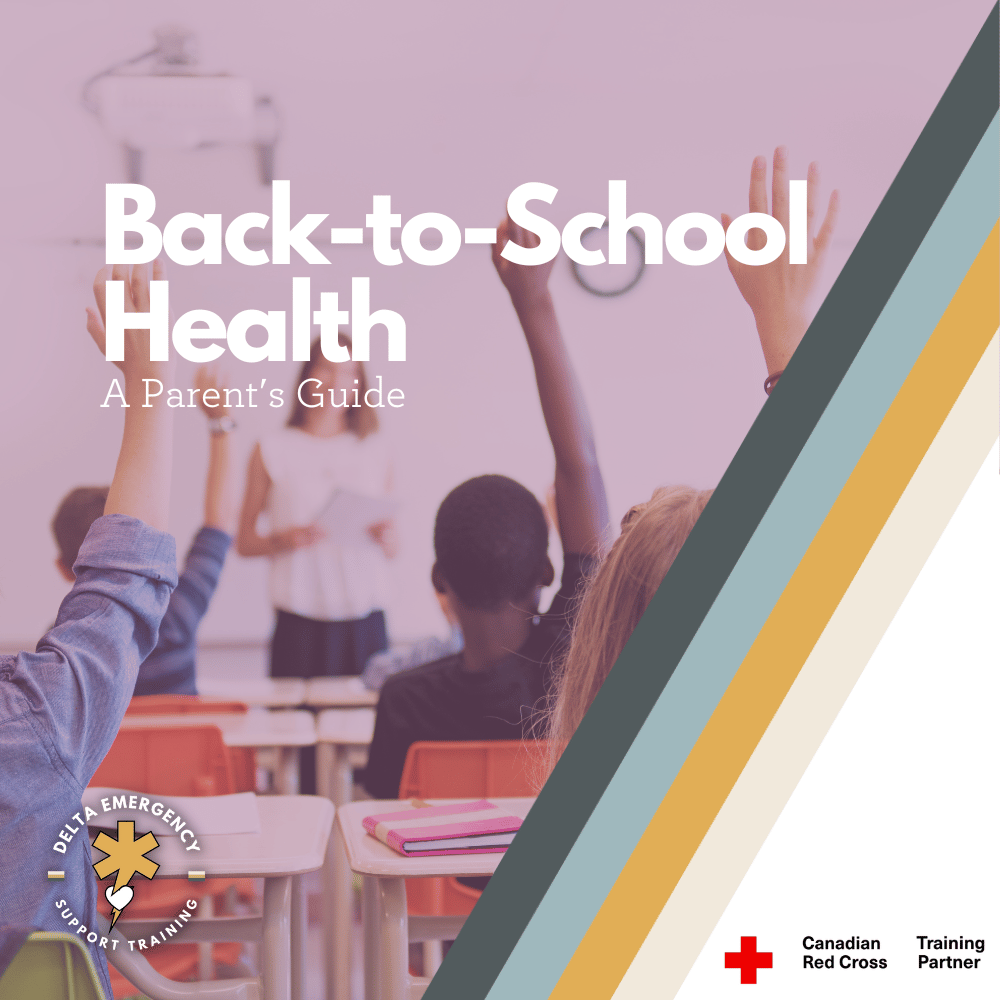
Navigating Back-to-School Health: A Parent's Guide

As a parent, the back-to-school season brings not only excitement but also concerns about your child's health. In our guide, we'll help you navigate this crucial period by highlighting the signs of common illnesses, offering effective prevention tips, and guiding you on when it's time to reach out to healthcare professionals. Keep your child healthy and thriving throughout the school year with our expert advice.
The back-to-school season is an exciting time for kids and parents alike. It's a time for new beginnings, fresh supplies, and the promise of a year filled with learning and growth. However, it also brings with it the inevitable return of cold and flu season. As a parent, it's essential to be prepared and vigilant when it comes to your child's health. In this blog, we will discuss the various symptoms and signs of common illnesses that tend to circulate in schools, ways to prevent sickness and transmission, and important conditions to be aware of, including strep throat, the common cold, stomach flu, mono, hand-foot-and-mouth disease, and meningitis.

Children in classroom with their hands up

Recognizing the Symptoms

Cold and Flu:

The cold and flu are perhaps the most common culprits when it comes to illnesses that circulate in schools. Cold symptoms typically include a runny or stuffy nose, sneezing, a sore throat, and a nagging cough. In the case of the flu, your child may experience these symptoms more intensely, accompanied by fever, fatigue, and body aches. If you notice your child feeling sluggish, having a reduced appetite, or seeming generally uncomfortable, these could be signs of a viral infection.

Strep Throat:

Strep throat is a bacterial infection that often affects school-aged children. It presents as a severe sore throat, making swallowing painful. Fever, headache, and swollen lymph nodes in the neck are common accompanying symptoms. One of the telltale signs of strep throat is the presence of white patches or streaks on the tonsils or the back of the throat, which can help distinguish it from a regular sore throat.

Stomach Flu (Gastroenteritis):

Gastroenteritis, often referred to as the stomach flu, can lead to symptoms like nausea, vomiting, diarrhea, abdominal pain, fever, and muscle aches. Frequent trips to the bathroom and the risk of dehydration are key signs to watch for in cases of stomach flu.

Mono (Mononucleosis):

Mono, or mononucleosis, is often dubbed the "kissing disease" because it can spread through close contact. Symptoms include extreme fatigue, a persistent sore throat, fever, swollen lymph nodes, and an enlarged spleen. If your child is experiencing severe fatigue that doesn't seem to improve with rest, mono could be the underlying cause.

Hand-Foot-and-Mouth Disease:

Hand-foot-and-mouth disease primarily affects younger children and is characterized by a fever, a sore throat, and the development of painful sores in the mouth. These sores are often accompanied by a distinctive rash on the hands, feet, and buttocks. If you notice these symptoms along with a fever, it's essential to seek medical advice.

Meningitis:

Meningitis is a rare but potentially life-threatening illness that can occur in school-aged children. Its symptoms can escalate quickly and include a severe headache, high fever, neck stiffness, sensitivity to light, and confusion. If your child exhibits these symptoms, especially in combination, it's crucial to seek immediate medical attention.

Understanding these symptoms and signs is essential for parents to promptly identify and address any potential health issues that may arise during the school year. Keep in mind that early detection and appropriate medical care are crucial in ensuring your child's well-being and preventing the spread of illness to others in the school community.

Seeking Professional Help When Your Child Is Sick

While many common childhood illnesses can be managed at home, there are situations when it's crucial to seek professional medical assistance promptly. Here are some guidelines to help you determine when to reach out to healthcare professionals:

Persistent High Fever:

If your child has a fever that persists for more than a couple of days, especially if it's accompanied by other concerning symptoms, such as difficulty breathing, rash, or extreme lethargy, consult a healthcare provider. High fevers can be a sign of a more severe underlying condition.

Severe Dehydration:

Dehydration can occur quickly in children, especially when they have symptoms like vomiting and diarrhea. Signs of dehydration include dry mouth, sunken eyes, infrequent urination, and extreme thirst. If you notice these symptoms, seek medical attention.

Breathing Difficulties:

Any breathing difficulties, including rapid or labored breathing, wheezing, or a persistent cough, require immediate attention. These symptoms could indicate conditions like asthma or pneumonia.

Seizures: If your child experiences a seizure, even if it's brief and seems to stop, it's essential to consult a healthcare provider immediately.

Severe Pain:

Intense and unrelenting pain, whether in the abdomen, head, or other areas, should not be ignored. It could signify a serious medical issue, such as appendicitis or a migraine.

Difficulty Swallowing or Severe Sore Throat:

If your child struggles to swallow, has severe throat pain, or is unable to eat or drink due to discomfort, it may indicate strep throat or another concerning condition that requires medical evaluation.

Unusual or Persistent Symptoms:

Any unusual or prolonged symptoms that don't improve with rest and over-the-counter treatments should be examined by a healthcare professional. This includes symptoms like severe headaches, joint pain, or skin rashes.

Concerns About Contagious Diseases:

If there is a concern that your child may have been exposed to a contagious disease like COVID-19 or meningitis, contact a healthcare provider for guidance on testing and isolation procedures.

Behavioural Changes:

Significant behavioral changes, such as confusion, disorientation, or extreme irritability, can be indicative of underlying medical conditions, including infections affecting the brain.

Worsening Symptoms:

If your child's symptoms worsen despite at-home care or if they appear to be in severe distress, it's better to err on the side of caution and seek professional medical help.

Remember that as a parent, you know your child best. Trust your instincts. If you're ever in doubt about your child's health or well-being, don't hesitate to reach out to a healthcare provider or seek emergency medical care. Timely intervention can make a significant difference in your child's recovery and overall well-being.

Prevention and Transmission

As a parent, you can take several proactive steps to minimize the risk of your child falling ill or spreading illnesses in their school environment:

Hand Hygiene:

Teaching your child proper hand hygiene is a fundamental step in preventing the spread of illnesses. Encourage them to wash their hands frequently with soap and water for at least 20 seconds. Handwashing should be practiced before eating, after using the restroom, and after sneezing or coughing. When soap and water are not readily available, provide your child with hand sanitizer containing at least 60% alcohol.

Healthy Habits:

Promote healthy habits that support your child's immune system. Encourage them to maintain a balanced diet rich in fruits, vegetables, and whole grains. Ensure they get regular exercise and adequate sleep, as these factors play a significant role in strengthening immunity.

Respiratory Etiquette:

Teach your child the importance of covering their mouth and nose when they sneeze or cough. Encourage them to use a tissue or their elbow, not their hands, to prevent the spread of germs. Discourage them from touching their face, especially their eyes, nose, and mouth, as this can introduce pathogens into their system.

Stay Home When Sick:

If your child exhibits any symptoms of illness, it's crucial to keep them home from school until they are symptom-free for at least 24 hours. This not only aids in their recovery but also prevents the spread of the illness to classmates and teachers. Follow the school's guidelines for returning to class after an illness.

Clean and Disinfect:

Regularly clean and disinfect frequently touched surfaces and objects in your home, such as doorknobs, light switches, countertops, and toys. This practice helps reduce the risk of transmission within your household.

Vaccinations:

Ensuring your child is up-to-date with vaccinations is a powerful tool in preventing contagious diseases. Be sure to schedule routine vaccinations and annual flu shots for your child. These vaccines not only protect them from severe illness but also contribute to community immunity, reducing the risk of outbreaks in school settings.

Limit Exposure:

While it's impossible to completely avoid exposure to germs, you can reduce the risk by limiting your child's contact with sick individuals and crowded places during peak illness seasons. Encourage them to maintain a safe distance from classmates who exhibit symptoms of illness.

By implementing these preventive measures and emphasizing good hygiene practices, you can significantly reduce the likelihood of your child falling ill or transmitting illnesses within the school community. It's essential to foster a sense of responsibility in your child when it comes to their health and the health of those around them, teaching them that taking these precautions is a shared responsibility that helps create a safer and healthier school environment for everyone.

Recognizing the signs of common illnesses like colds, flu, strep throat, mono, stomach flu, hand-foot-and-mouth disease, and meningitis is vital. Equally important are preventive measures.

Teach your child good hygiene, get them vaccinated, and maintain a healthy lifestyle. If they're sick, keep them home until they're symptom-free. Regularly disinfect your home, and limit exposure to illness.

In summary, back to school should be about growth, not sickness. By staying informed and proactive about health, parents can create a safe and productive learning environment for their children.

Read More

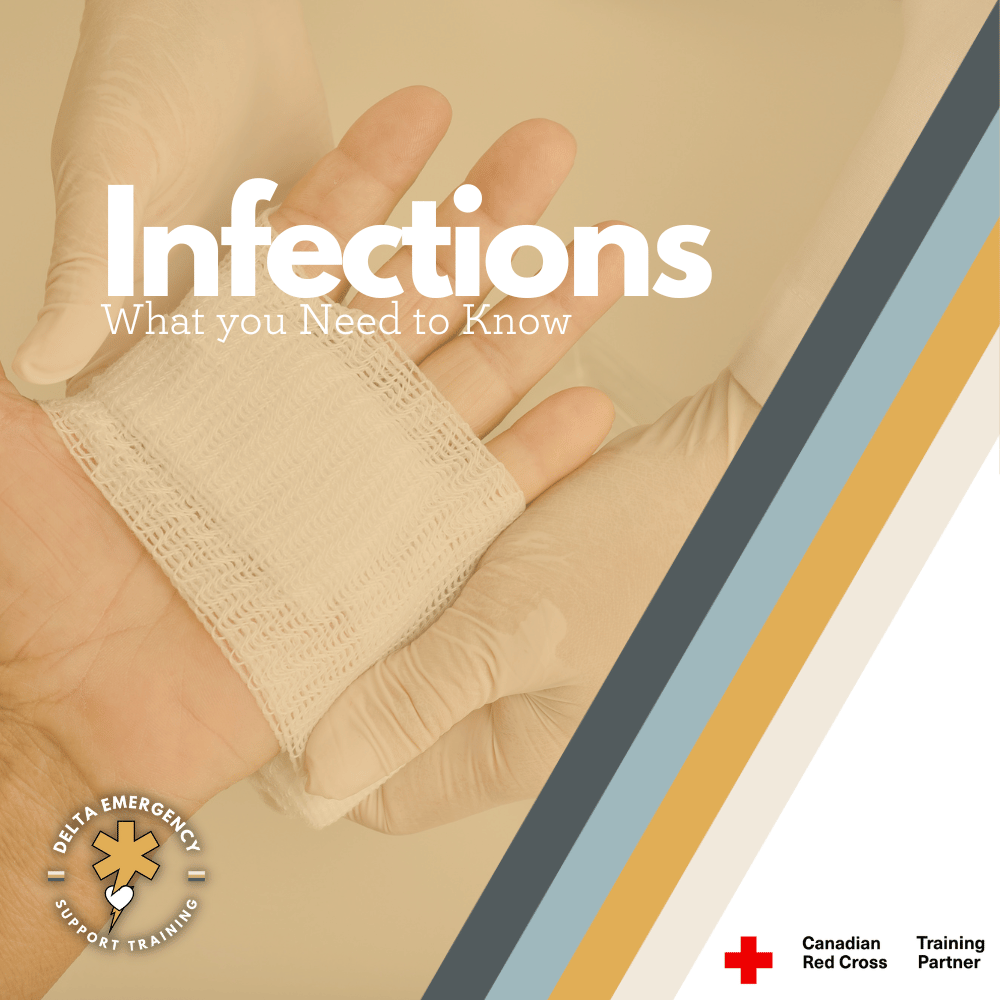
Infections: What you Need to Know

Infections can strike when you least expect them, but with the right knowledge and precautions, you can fortify your defenses. From the basics of wound care to identifying the early signs of infection, this guide has you covered. Explore the lurking danger of tetanus and the grave consequences of gangrene, and learn how to protect yourself and your loved ones. Your health is your most valuable asset, and understanding infections is the first step in defending it.

1. Wound Infections: A Common Threat

Medical professional wrapping a patients hand wound in steril bandages.

Medical professional wrapping a patients hand wound in steril bandages.

Any Wound is at Risk for Infection:

Whether it's a minor paper cut, a scraped knee, or a deep gash, any wound presents an opportunity for infection. Bacteria, viruses, and other pathogens are present everywhere, and they can easily enter the body through an open wound.

Cleaning the Wound:

Proper wound cleaning is critical. Use mild soap and clean, lukewarm water to gently wash the wound. Rinse thoroughly to remove any debris or foreign particles. Avoid harsh scrubbing, as this can damage delicate tissues.

Avoid Touching the Wound:

Always handle wounds with clean, sterile hands or instruments. Even a brief touch with unsterile hands can introduce harmful microbes, increasing the risk of infection.

Hemorrhage Control:

In cases of severe bleeding or extensive tissue damage, controlling the bleed is a priority. Apply pressure using a clean cloth or bandage and seek immediate transportation to a medical center.

Medical Care:

Once at a medical facility, healthcare professionals will perform a more thorough cleaning of the wound. They may also prescribe antibiotics to prevent or treat infection, especially if the wound is deep, contaminated, or at risk of infection.

2. Recognizing Infection Signs

Redness:

Infection often manifests as redness around the wound. This redness may gradually spread if the infection is left untreated.

Swelling:

Inflammation and swelling are natural responses to infection. The infected area might become noticeably larger than usual.

Increased Temperature:

An infected wound can feel warm or hot to the touch due to increased blood flow and inflammation in the area.

Throbbing Sensation:

Pain associated with an infected wound can intensify and take on a throbbing quality. This pain is typically more persistent than the initial injury-related pain.

Pus Formation:

Pus, a thick fluid, is a sign that the body is trying to fight off infection. The color of pus can vary (white, yellow, or green) and often indicates the presence of bacteria.

If an infection is not addressed promptly, it can extend to surrounding tissues and, in severe cases, even reach bones. In some instances, the infection can enter the circulatory system, leading to a systemic infection.

3. Systemic Infections: A Serious Threat

Red Streaks:

If you notice red streaks extending from the wound site, it's a sign that the infection might be spreading systemically. This is a crucial warning sign.

Flu-Like Symptoms:

Systemic infections often present with flu-like symptoms, including fever, muscle aches, fatigue, and chills. These symptoms indicate that the infection has reached the bloodstream and is affecting the entire body.

Prompt medical attention is essential if you suspect a systemic infection, as these can become life-threatening if left untreated.

4. Tetanus: A Lurking Danger

Tetanus:

Tetanus is caused by the bacterium Clostridium tetani, which is commonly found in soil and on rusty metal objects. This bacterium produces a potent toxin that affects the central nervous system and specific muscles.

Symptoms:

Tetanus can lead to difficulty swallowing, irritability, persistent headaches, fever, and muscle spasms, often near the infected area. It's sometimes referred to as "lockjaw" because facial muscles can contract severely.

Prevention:

The most effective way to protect against tetanus is vaccination, which typically provides immunity for 5-10 years. Ensure you stay up-to-date with tetanus shots, especially if you sustain a wound that may expose you to the bacterium.

5. Gangrene: A Grave Consequence

Bacterial Thriving:

Gangrene is caused by bacteria that thrive in environments lacking oxygen. It can also occur when blood flow to an area is compromised, leading to tissue death.

Symptoms:

Gangrene often presents with sudden, intense pain, swelling of the affected area, discolored tissues (which can range from black to blue to green), a foul-smelling discharge that is highly infectious, and sometimes a slight fever.

Necrotizing Fasciitis:

In rare cases, gangrene can progress to necrotizing fasciitis, a rapidly progressing and extremely painful infection often referred to as "flesh-eating disease." A distinctive characteristic is the presence of air bubbles beneath the skin.

If you suspect gangrene or experience symptoms associated with it, seek immediate medical help. Prompt treatment is essential to prevent further tissue damage and complications.

Conclusion

At Delta Emergency Support Training, we take your health seriously. In our first aid and advanced first aid classes, we provide comprehensive education on infections and wound care. Our courses are designed to equip you with the skills and knowledge needed to handle these situations effectively. Whether it's understanding the nuances of wound care, recognizing the early signs of infection, or learning about the specific risks associated with conditions like tetanus and gangrene, we've got you covered.

Infections can strike at any time, and being prepared is your best defense. Stay informed, proactive, and confident in your ability to protect your health. Join Delta Emergency Support Training today and take the first step towards becoming a health-conscious guardian of your well-being.

Read More