The Delta Dispatch
First Responder’s Guide: Medical Calls Involving Cancer Patients
Responding to medical calls involving cancer patients requires both clinical expertise and compassionate care. This guide provides first responders with essential knowledge on managing cancer-related emergencies, from understanding treatment side effects to providing emotional support in high-stress situations.
Responding to Medical Calls Involving Patients with Cancer: Key Considerations for First Responders
Introduction
When responding to medical calls involving patients with cancer, first responders play a crucial role in providing timely, compassionate, and competent care. Cancer patients often have unique medical needs, and responding to emergencies in these situations requires both clinical knowledge and emotional sensitivity. Whether it's a cancer-related emergency, side effects from treatment, or a complication related to the disease, understanding how to approach these situations is key to delivering the best care possible.
At Delta Emergency Support Training, we offer training that prepares first responders to handle a wide range of medical emergencies, including those involving cancer patients. Here's a guide on how to approach these situations.
Understanding Cancer and Its Impact on the Body
Cancer is a broad term used to describe a range of diseases where abnormal cells divide and grow uncontrollably. The disease can affect various parts of the body, leading to complications like pain, fatigue, immune suppression, and organ dysfunction. The type of cancer and the stage of the disease greatly influence how patients present medically.
Common Types of Cancer:
Breast cancer
Lung cancer
Leukemia
Lymphoma
Colorectal cancer
Prostate cancer
Each cancer type can affect patients in different ways, and treatment regimens such as chemotherapy, radiation therapy, and immunotherapy also have their own side effects, which can exacerbate existing conditions or create new health challenges.
Key Considerations When Responding to a Cancer Patient's Emergency
1. Be Aware of Treatment Side Effects
Patients undergoing cancer treatments often experience side effects that can complicate their condition, including:
Nausea, vomiting, and dehydration from chemotherapy.
Fatigue and weakness due to the impact of treatment on the body.
Infections due to immune suppression from chemotherapy or other treatments.
Pain associated with the cancer itself or as a side effect of treatment.
When responding to an emergency call, ask patients or caregivers about their treatment history, as this will help you understand potential side effects and offer appropriate care.
2. Pain Management
Cancer patients often suffer from chronic pain, which can be exacerbated during medical emergencies. It’s essential to manage pain appropriately while providing care. Pain relief protocols can vary based on the patient’s condition and medical history, so be prepared to:
Administer pain relief medications if authorized by medical protocols.
Use comfort measures, such as positioning or providing emotional support.
Monitor pain levels and adjust your response based on the patient’s feedback.
3. Complications from Cancer
Some cancer patients may face complications such as bleeding disorders, respiratory issues, or organ failure. For example, leukemia patients may have low platelet counts, leading to a higher risk of bleeding. It’s important to:
Be prepared to manage bleeding with direct pressure or appropriate dressing techniques.
Monitor for respiratory distress, especially if the cancer has spread to the lungs.
Support cardiac function, particularly if the patient has heart-related issues caused by cancer or its treatments.
4. Managing the Emotional Impact
Cancer patients may experience fear, anxiety, or even depression related to their diagnosis. Being a compassionate and empathetic first responder is critical in these situations:
Listen actively and provide reassurance.
Avoid making promises about treatment outcomes or the future.
Respect patient wishes, especially if they are nearing the end of their life.
5. Handling Medical Devices and Port Access
Many cancer patients have medical devices like central venous catheters (CVC), ports, or peripheral intravenous (IV) lines for chemotherapy or other treatments. Understanding how to manage these devices is essential:
Never attempt to remove or adjust a port unless specifically trained.
Ensure sterile techniques are used when handling devices to prevent infections.
Be mindful that some devices may be used for pain management, nutritional support, or drug delivery.
Emergency Scenarios in Cancer Patients
Cancer patients can experience a range of emergencies that may require immediate attention from first responders:
Respiratory Distress
Cancer types affecting the lungs (e.g., lung cancer) or metastasis to the lungs may cause shortness of breath, labored breathing, or coughing up blood. Use of oxygen and positioning for optimal breathing is important.
Severe Bleeding
If the patient has leukemia or other conditions affecting blood clotting, they are more prone to bleeding. Apply pressure and elevate the injured area if necessary, and be prepared for potential internal bleeding or bruising.
Sepsis
Cancer patients undergoing chemotherapy or with low immune function are particularly vulnerable to sepsis, which is a life-threatening infection. Symptoms can include fever, chills, confusion, and rapid heart rate. Quick intervention with fluids, antibiotics, and airway management can save lives.
Spinal Cord Compression
In some cancers, such as breast cancer and lung cancer, the tumor can press on the spinal cord, causing severe pain, weakness, or loss of movement. Immediate stabilization and transfer to a medical facility are critical.
Hypercalcemia
Elevated calcium levels in the blood can occur with certain types of cancer and lead to confusion, weakness, or cardiac issues. Recognizing this and providing supportive care can prevent further complications.
Conclusion
Responding to medical calls involving cancer patients requires a balance of clinical knowledge and compassionate care. First responders must be prepared to handle the complex medical needs of cancer patients, from managing side effects and complications to addressing the emotional impact of the disease. By understanding the types of cancer, recognizing potential complications, and providing effective, empathetic care, you can make a significant difference in the lives of patients facing cancer.
At Delta Emergency Support Training, we equip first responders with the training they need to handle a variety of emergency scenarios, including those involving cancer patients. By providing Standard First Aid (SFA), Advanced First Aid (AFA), and other specialized training, we ensure responders are ready to deliver life-saving care in any situation.
Drug Monographs: The Ultimate Study Guide
As first responders in healthcare, our duty goes beyond quick reactions. Understanding drug monographs is key. They're like essential guides, giving us the lowdown on medications, including what they're for, what to avoid, and when to be cautious. This knowledge is vital – it can mean the difference between helping or accidentally harming our patients."
The Vital Role of Drug Monographs in Patient Care
In the realm of emergency response and healthcare, our responsibility as first responders extends beyond quick reactions to a profound understanding of the medications we administer. Drug monographs serve as indispensable guides, offering a overview of medications, including indications, contraindications, and cautions. This knowledge is paramount, as it can mean the difference between providing effective relief and inadvertently causing harm to our patients.
Lets learn about what indications, contraindications and cautions mean.
Indications:
Understanding the indications of a medication is akin to unlocking its therapeutic potential. It provides crucial insights into the specific conditions or symptoms the drug is designed to address. Armed with this knowledge, first responders can make informed decisions, ensuring that the chosen medication aligns precisely with the patient's needs.
Contraindications:
Equally important are the contraindications outlined in drug monographs. These are specific situations or conditions in which the medication should not be administered due to potential risks or adverse effects. By meticulously adhering to contraindications, first responders mitigate the possibility of exacerbating underlying health issues or causing unintended harm.
Cautions:
Cautions, often nuanced and subtle, represent the middle ground between indications and contraindications. Recognizing these cautionary notes is imperative, as they highlight scenarios where careful consideration and additional monitoring may be required. Cautions serve as a crucial alert system, prompting first responders to tailor their approach based on the patient's unique medical circumstances.
The Gravity of Responsibility:
Knowing drug monographs is not just a professional expectation; it's a moral and ethical responsibility. Our decisions as first responders can profoundly impact the well-being of those under our care. In the absence of a comprehensive understanding of medications, we risk not only compromising the efficacy of our interventions but also exposing patients to potential dangers.
Empowering First Responders:
Our commitment to excellence is reflected in the emphasis we place on drug monograph awareness in our Advanced First Aid class. By equipping first responders with the knowledge to decipher and apply drug monographs effectively, we empower them to make sound, patient-centered decisions. This, in turn, ensures a higher standard of care.
Announcement:
Exploring Drug Monographs in Depth
In our ongoing commitment to enhancing knowledge and fostering continuous learning, we are thrilled to announce the upcoming release of a series of drug monograph blogs. These blogs will delve into the intricacies of various medications, providing valuable insights to further empower first responders in making informed and effective decisions in the field. Stay tuned for this exciting initiative as we continue to prioritize your education and professional growth.
Infections: What you Need to Know
Infections can strike when you least expect them, but with the right knowledge and precautions, you can fortify your defenses. From the basics of wound care to identifying the early signs of infection, this guide has you covered. Explore the lurking danger of tetanus and the grave consequences of gangrene, and learn how to protect yourself and your loved ones. Your health is your most valuable asset, and understanding infections is the first step in defending it.
1. Wound Infections: A Common Threat
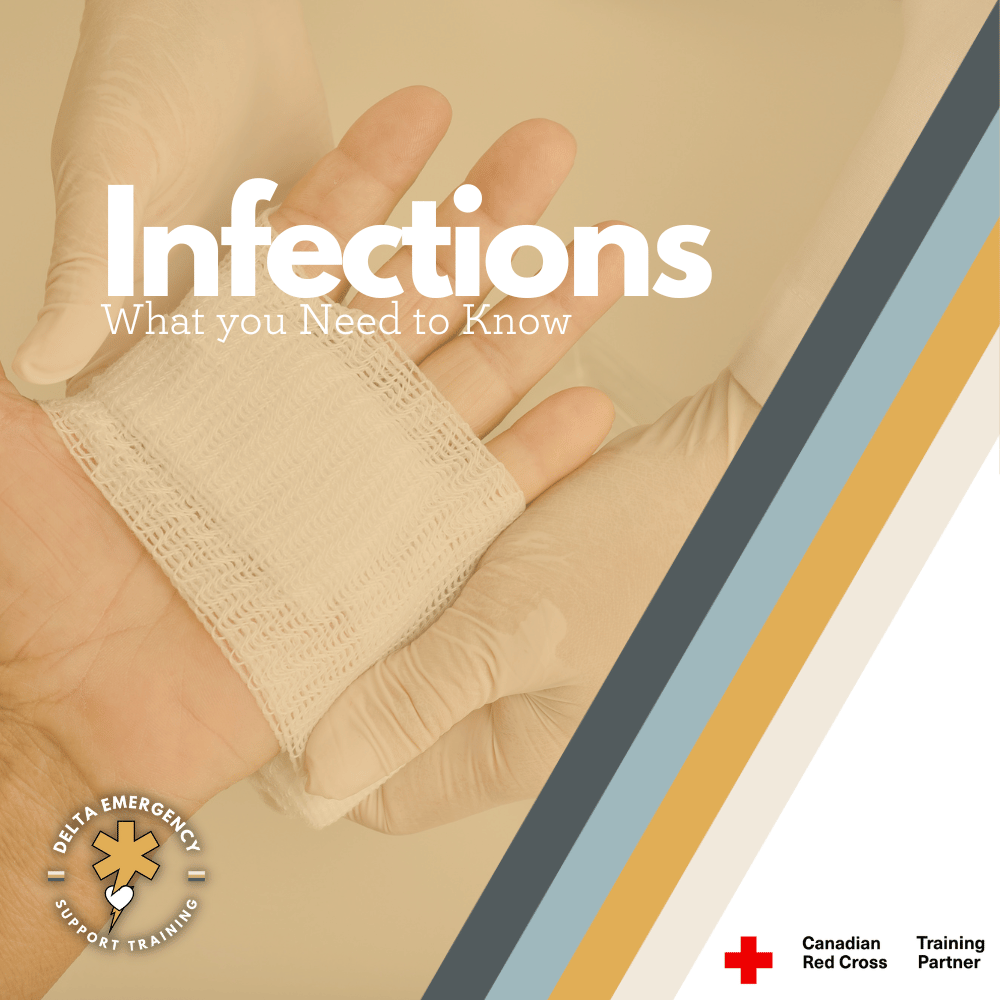
Medical professional wrapping a patients hand wound in steril bandages.
Any Wound is at Risk for Infection:
Whether it's a minor paper cut, a scraped knee, or a deep gash, any wound presents an opportunity for infection. Bacteria, viruses, and other pathogens are present everywhere, and they can easily enter the body through an open wound.
Cleaning the Wound:
Proper wound cleaning is critical. Use mild soap and clean, lukewarm water to gently wash the wound. Rinse thoroughly to remove any debris or foreign particles. Avoid harsh scrubbing, as this can damage delicate tissues.
Avoid Touching the Wound:
Always handle wounds with clean, sterile hands or instruments. Even a brief touch with unsterile hands can introduce harmful microbes, increasing the risk of infection.
Hemorrhage Control:
In cases of severe bleeding or extensive tissue damage, controlling the bleed is a priority. Apply pressure using a clean cloth or bandage and seek immediate transportation to a medical center.
Medical Care:
Once at a medical facility, healthcare professionals will perform a more thorough cleaning of the wound. They may also prescribe antibiotics to prevent or treat infection, especially if the wound is deep, contaminated, or at risk of infection.
2. Recognizing Infection Signs
Redness:
Infection often manifests as redness around the wound. This redness may gradually spread if the infection is left untreated.
Swelling:
Inflammation and swelling are natural responses to infection. The infected area might become noticeably larger than usual.
Increased Temperature:
An infected wound can feel warm or hot to the touch due to increased blood flow and inflammation in the area.
Throbbing Sensation:
Pain associated with an infected wound can intensify and take on a throbbing quality. This pain is typically more persistent than the initial injury-related pain.
Pus Formation:
Pus, a thick fluid, is a sign that the body is trying to fight off infection. The color of pus can vary (white, yellow, or green) and often indicates the presence of bacteria.
If an infection is not addressed promptly, it can extend to surrounding tissues and, in severe cases, even reach bones. In some instances, the infection can enter the circulatory system, leading to a systemic infection.
3. Systemic Infections: A Serious Threat
Red Streaks:
If you notice red streaks extending from the wound site, it's a sign that the infection might be spreading systemically. This is a crucial warning sign.
Flu-Like Symptoms:
Systemic infections often present with flu-like symptoms, including fever, muscle aches, fatigue, and chills. These symptoms indicate that the infection has reached the bloodstream and is affecting the entire body.
Prompt medical attention is essential if you suspect a systemic infection, as these can become life-threatening if left untreated.
4. Tetanus: A Lurking Danger
Tetanus:
Tetanus is caused by the bacterium Clostridium tetani, which is commonly found in soil and on rusty metal objects. This bacterium produces a potent toxin that affects the central nervous system and specific muscles.
Symptoms:
Tetanus can lead to difficulty swallowing, irritability, persistent headaches, fever, and muscle spasms, often near the infected area. It's sometimes referred to as "lockjaw" because facial muscles can contract severely.
Prevention:
The most effective way to protect against tetanus is vaccination, which typically provides immunity for 5-10 years. Ensure you stay up-to-date with tetanus shots, especially if you sustain a wound that may expose you to the bacterium.
5. Gangrene: A Grave Consequence
Bacterial Thriving:
Gangrene is caused by bacteria that thrive in environments lacking oxygen. It can also occur when blood flow to an area is compromised, leading to tissue death.
Symptoms:
Gangrene often presents with sudden, intense pain, swelling of the affected area, discolored tissues (which can range from black to blue to green), a foul-smelling discharge that is highly infectious, and sometimes a slight fever.
Necrotizing Fasciitis:
In rare cases, gangrene can progress to necrotizing fasciitis, a rapidly progressing and extremely painful infection often referred to as "flesh-eating disease." A distinctive characteristic is the presence of air bubbles beneath the skin.
If you suspect gangrene or experience symptoms associated with it, seek immediate medical help. Prompt treatment is essential to prevent further tissue damage and complications.
Conclusion
At Delta Emergency Support Training, we take your health seriously. In our first aid and advanced first aid classes, we provide comprehensive education on infections and wound care. Our courses are designed to equip you with the skills and knowledge needed to handle these situations effectively. Whether it's understanding the nuances of wound care, recognizing the early signs of infection, or learning about the specific risks associated with conditions like tetanus and gangrene, we've got you covered.
Infections can strike at any time, and being prepared is your best defense. Stay informed, proactive, and confident in your ability to protect your health. Join Delta Emergency Support Training today and take the first step towards becoming a health-conscious guardian of your well-being.
Aspirin: Understanding Its Uses, Indications, and Contraindications
In the blog post, "Aspirin (ASA): Understanding Its Uses, Indications, and Contraindications," we delve into the versatile applications of Aspirin and shed light on its primary uses in pain management and reducing fever. Additionally, we explore the significant role that Aspirin plays in preventing heart attacks and strokes, highlighting its blood-thinning properties and ability to mitigate blood clots. However, it's crucial to understand the potential risks and contraindications associated with Aspirin usage, particularly for individuals with specific medical conditions or on certain medications. Join us as we navigate the comprehensive landscape of Aspirin, equipping you with essential knowledge to make informed decisions regarding its usage.
Aspirin (ASA): Understanding Its Uses, Indications, and Contraindications
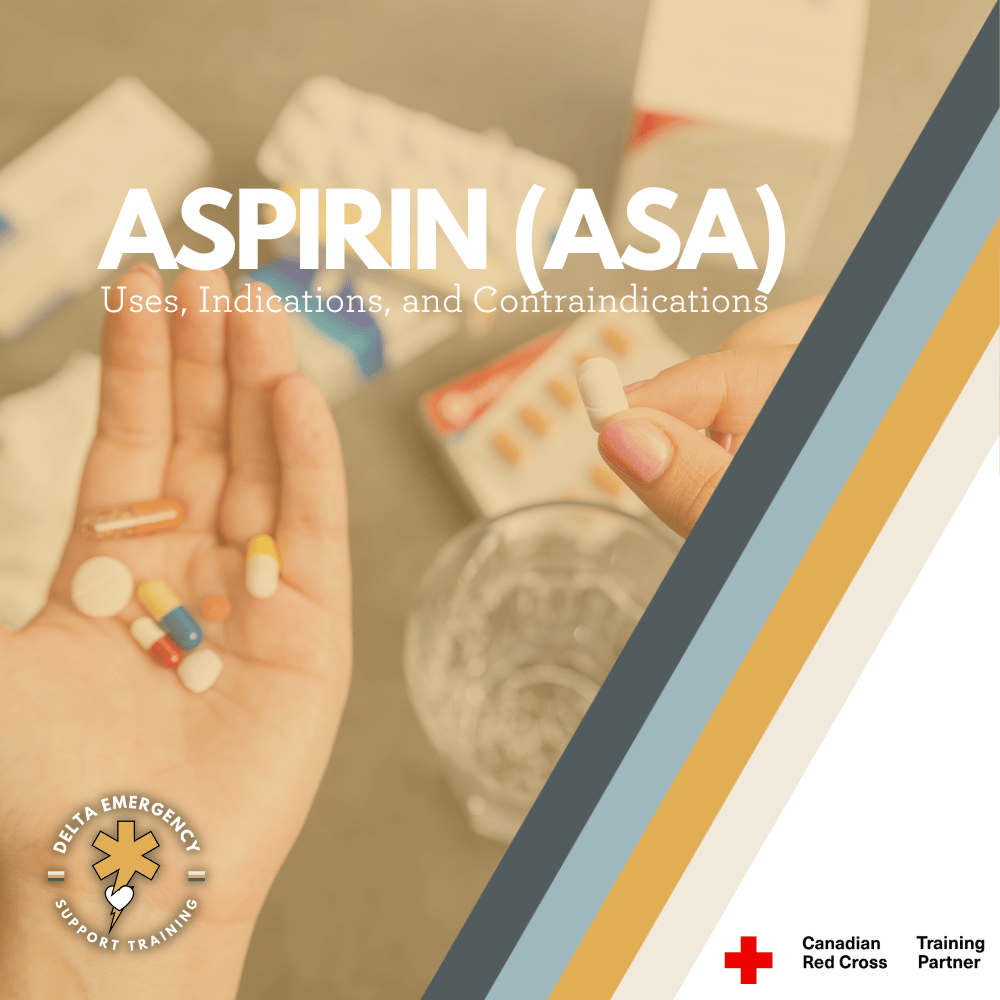
Patient holding mutiple pills in hand
Introduction
Aspirin, also known as acetylsalicylic acid (ASA), is a widely used medication with diverse applications. It is primarily known for its antiplatelet aggregation properties, making it effective in various medical conditions. In this blog, we will explore what aspirin is, its indications, and contraindications to provide a comprehensive understanding of this versatile medication.
What is Aspirin (ASA)?
Aspirin, or ASA, belongs to a class of drugs known as nonsteroidal anti-inflammatory drugs (NSAIDs). Its primary mechanism of action is inhibiting the production of certain substances in the body that cause pain, inflammation, and fever. Additionally, aspirin functions as an antiplatelet agent, meaning it prevents the clumping of blood cells called platelets, reducing the risk of blood clot formation.
Indications for Aspirin
Aspirin has several important indications across different medical fields. Some common uses include:
Prevention of Cardiovascular Events
Aspirin is prescribed to individuals at high risk of cardiovascular diseases, such as heart attack or stroke. It helps reduce the likelihood of blood clot formation and subsequent blockages in the blood vessels.
Pain Relief: Aspirin is effective in alleviating mild to moderate pain, including headaches, toothaches, muscle aches, and menstrual cramps.
Fever Reduction: Aspirin is commonly used to lower fever caused by infections or other factors.
Rheumatic Conditions: It may be recommended for individuals with certain rheumatic conditions, such as rheumatoid arthritis or systemic lupus erythematosus, to relieve pain and reduce inflammation.
Contraindications and Precautions
While aspirin has numerous benefits, there are certain situations in which its use is contraindicated or requires caution. These include:
Allergy or Sensitivity: Individuals who have known allergies or sensitivities to aspirin or other NSAIDs should avoid its use.
Bleeding Disorders: Aspirin can interfere with blood clotting, so individuals with bleeding disorders or those taking anticoagulant medications should use aspirin with caution or under medical supervision.
Peptic Ulcers: Aspirin can irritate the stomach lining and worsen peptic ulcers. Individuals with a history of ulcers or gastrointestinal bleeding should exercise caution or avoid its use.
Children and Teens: Aspirin should not be administered to children or teenagers with viral illnesses, as it may lead to a rare but serious condition called Reye's syndrome.
Pregnancy and Breastfeeding: Aspirin use during pregnancy and breastfeeding should be discussed with a healthcare professional due to potential risks.
Additional Considerations
It's essential to follow proper dosage instructions and consult a healthcare professional before initiating aspirin therapy. They will consider your medical history, current medications, and individual circumstances to determine the appropriate dosage and duration of treatment.
Moreover, it's crucial to be aware of potential side effects, such as stomach upset, heartburn, and increased bleeding risk. If you experience any adverse reactions or concerns, seek medical advice promptly.
Conclusion
Aspirin, or ASA, is a versatile medication widely used for its antiplatelet and anti-inflammatory properties. From preventing cardiovascular events to providing pain relief and reducing fever, aspirin has numerous applications. However, it is crucial to understand its indications, contraindications, and precautions to ensure safe and effective use. Consult with a healthcare professional for personalized guidance regarding aspirin therapy and to address any concerns or specific medical conditions.
Atherosclerosis: What is it?
In this blog, we aim to shed light on the underlying mechanisms of atherosclerosis and empower you with knowledge on how to prevent and manage this condition effectively. By adopting a heart-healthy lifestyle, managing risk factors, and seeking appropriate medical care, you can take proactive steps towards preventing and managing the progression of atherosclerosis. Join us as we explore valuable insights and practical tips to promote long-term cardiovascular well-being. Your heart health matters, and together, we can make informed choices to combat the challenges posed by atherosclerosis.
Understanding Atherosclerosis: Prevention and Management of its Impact on Heart Health
Heart disease is a leading cause of mortality worldwide, and one of its primary contributors is a condition called atherosclerosis. Atherosclerosis refers to the buildup of plaque inside the arteries, which can restrict blood flow and lead to numerous cardiovascular complications. In this blog, we will delve into what atherosclerosis is, explore its link to heart disease, discuss its symptoms, and highlight effective strategies for prevention and management.
An Illustration of an Artery, Filled with Accumulated Deposits
What is Atherosclerosis?
Atherosclerosis is a progressive disease characterized by the accumulation of plaque, a fatty substance, within the arteries. Over time, the plaque hardens and narrows the arterial walls, impeding the flow of oxygen-rich blood to vital organs, including the heart. This narrowing of the arteries can ultimately lead to heart disease, heart attacks, strokes, and other cardiovascular problems.
Symptoms of Atherosclerosis
In the early stages, atherosclerosis may not produce noticeable symptoms. However, as the condition progresses, the following symptoms may arise.
Chest Pain or Angina:
Individuals may experience chest discomfort, pressure, or pain, often triggered by physical exertion or emotional stress. This occurs when the heart muscle does not receive enough oxygen-rich blood due to narrowed arteries.
Shortness of Breath:
Reduced blood flow to the heart can lead to shortness of breath, especially during physical activity or exertion.
Fatigue:
Atherosclerosis can cause fatigue or a feeling of being easily exhausted, as the heart may struggle to pump blood effectively due to narrowed arteries.
Leg Pain or Numbness:
In some cases, atherosclerosis can affect the arteries in the legs, leading to pain, numbness, or weakness in the calf muscles while walking or exercising. This is known as peripheral artery disease.
The Dangers of High-Fat and Cholesterol Foods
High-fat and cholesterol-rich foods can significantly contribute to the development and progression of atherosclerosis. When consumed in excess, these foods increase the levels of low-density lipoprotein (LDL) cholesterol in the bloodstream. LDL cholesterol is often referred to as "bad" cholesterol, as it can contribute to the formation of plaque within the arteries.
Foods high in saturated fats and trans fats, such as fried foods, processed snacks, fatty meats, and full-fat dairy products, should be consumed in moderation. Instead, focus on a heart-healthy diet that includes fruits, vegetables, whole grains, lean proteins, and sources of healthy fats like avocados, nuts, and olive oil.
Prevention and Management of Atherosclerosis
Preventing and managing atherosclerosis involves a multi-faceted approach. Here are key strategies to consider:
Adopt a Healthy Lifestyle:
Maintain a balanced diet, engage in regular physical activity, manage stress effectively, and avoid tobacco use. These lifestyle changes can help control weight, blood pressure, cholesterol levels, and reduce the risk of atherosclerosis.
Regular Medical Check-ups:
Regularly monitor and manage risk factors like blood pressure, cholesterol levels, and diabetes with the help of healthcare professionals. They can provide guidance, prescribe medications if necessary, and monitor your overall cardiovascular health.
Medications:
In some cases, medications such as statins, blood pressure-lowering drugs, or antiplatelet medications may be prescribed to manage risk factors and slow the progression of atherosclerosis.
Conclusion
Atherosclerosis is a progressive condition that significantly impacts heart health and can lead to various cardiovascular complications. Recognizing the symptoms, understanding the dangers of high-fat and cholesterol foods, and adopting a healthy lifestyle are essential for preventing and managing atherosclerosis. By making heart-healthy choices, working closely with healthcare professionals, and following medical advice, you can reduce the risk of complications and improve your overall cardiovascular well-being. Remember, a proactive approach to prevention and management is key to maintaining a healthy heart and minimizing the adverse effects of atherosclerosis.
Opioid Overdose Reversal: Naloxone
Opioid overdose is a critical emergency that demands swift intervention. In our blog post, we explore the life-saving potential of naloxone as an opioid antagonist. Discover how naloxone works to reverse the effects of opioids, the importance of combining it with CPR in emergencies, and how you can learn about naloxone administration in our first aid courses. Be prepared to make a difference and save lives.
Opioid Overdose
Opioid overdose is a devastating crisis affecting individuals worldwide. With opioids causing respiratory depression and potentially fatal consequences, swift intervention is crucial. One powerful tool in combating opioid overdose is naloxone, commonly known by the brand name Narcan.
In this, we will delve into the life-saving potential of naloxone as an opioid antagonist, understanding how it works, and its role in preventing opioid-related fatalities. We will also explore how naloxone is administered, including the simple skill that anyone can learn to save lives.
Understanding Opioid Overdose:
Opioids, including prescription painkillers and illicit substances like heroin, bind to opioid receptors in the brain and spinal cord, reducing pain and inducing feelings of relaxation and euphoria. However, an excessive dose of opioids can overwhelm the body, leading to slowed or shallow breathing, which can result in a dangerous lack of oxygen. This respiratory depression is the primary cause of death in opioid overdose cases.
In opioid overdose, the slowed or shallow breathing can progress to respiratory arrest, where breathing stops altogether. As the body is deprived of oxygen, the brain and other vital organs begin to suffer. The lack of oxygen can lead to a cascade of events, including cardiac arrest, where the heart stops beating effectively. It is important to recognize that opioid overdose fatalities are primarily caused by respiratory arrest, which then leads to cardiac arrest.
Administration of Naloxone
Check Scene Safety:
Before approaching the individual, ensure that the scene is safe for both you and the person in distress. Look out for any potential hazards or risks.
Check Level of Consciousness:
Assess the person's level of consciousness. Gently tap their shoulders and ask loudly, "Are you okay?" If there is no response or the person is unresponsive, proceed to the next steps.
Communicate:
Clearly communicate your intentions to the person. Let them know that you are there to help and that you will be administering naloxone to reverse the effects of opioid overdose.
Personal Protective Equipment (PPE):
Put on gloves to protect yourself from potential exposure to bodily fluids during the process.
Prep the Syringe:
Take the naloxone syringe and carefully remove the cap. If necessary, snap or twist off the top of the ampule to access the medication. Attach the needle to the syringe securely.
Draw Up Naloxone:
Hold the ampule upright and insert the needle into the ampule's opening. Slowly pull the plunger back, drawing up the appropriate amount of naloxone (as instructed by the manufacturer or medical professional).
Expel Extra Air:
With the needle still in the ampule, gently tap the syringe to dislodge any air bubbles that may have formed. Slowly push the plunger up to expel the extra air until only naloxone remains in the syringe.
Lift Clothing and Insert Needle:
Lift the person's clothing to expose an area of skin for injection, typically the upper arm, thigh, or buttocks. Hold the syringe like a dart and swiftly insert the needle into the muscle at a 90-degree angle.
Compress All Liquid:
Push the plunger down fully, injecting all the naloxone into the muscle. Maintain pressure on the plunger for a few seconds to ensure all the medication has been administered.
Remove Needle and Dispose:
Carefully remove the needle from the skin. Place the used needle and syringe into a sharps container or any designated puncture-proof container for safe disposal.
Monitor Level of Consciousness:
Observe the person's level of consciousness and breathing. Stay with them and provide reassurance while waiting for emergency medical services (EMS) to arrive.
Remember, this tutorial serves as a general guide. It is essential to receive proper training on naloxone administration and follow the guidelines and instructions provided by healthcare professionals or local authorities.
Naloxone and CPR
Opioids depress the central nervous system, causing slowed or shallow breathing. If left untreated, this respiratory depression can progress to respiratory arrest, where breathing stops completely. When the body is deprived of oxygen, it can quickly lead to cardiac arrest, where the heart stops beating effectively.
In the event of a suspected opioid overdose, it is crucial to act swiftly. If you encounter someone who is not breathing and does not have a pulse, it is essential to initiate cardiopulmonary resuscitation (CPR) in conjunction with administering naloxone.
CPR involves a combination of chest compressions and rescue breaths, which aim to circulate oxygen-rich blood to the vital organs of the body. It helps to maintain a minimal level of oxygen supply until professional medical help arrives. CPR should be performed following the recommended guidelines and in accordance with any specific training you have received.
Naloxone is a vital component of overdose response because it rapidly reverses the effects of opioids and restores normal respiratory function. When administering naloxone during CPR, it can help counteract the respiratory depression caused by opioids, supporting the resuscitation efforts. By combining naloxone with CPR, you address both the respiratory and circulatory aspects of the overdose emergency, increasing the chances of successfully restoring the person's breathing and heartbeat.
In the event of a suspected opioid overdose where the individual does not have a device, such as a rescue facemask with a one-way valve, to protect yourself during rescue breaths, you can opt for compression-only CPR. Compression-only CPR involves performing continuous chest compressions without providing rescue breaths.
To perform compression-only CPR, follow these steps:
Ensure the person is lying on a firm surface.
Kneel beside the person's chest.
Place the heel of one hand on the center of the person's chest, between the nipples.
Place your other hand on top of the first hand, interlocking your fingers.
Keep your arms straight and position your shoulders directly above your hands.
Push hard and fast, compressing the chest at a rate of about 100-120 compressions per minute.
Allow the chest to fully recoil between compressions, but do not lift your hands off the chest.
Remember, in any medical emergency, including a suspected opioid overdose, it is essential to call 911 immediately. The emergency dispatcher can provide guidance and instructions tailored to the specific situation.
Remember, naloxone is not a substitute for seeking emergency medical assistance. Even if the person responds to naloxone and CPR, it is crucial to call emergency services right away. Prompt medical attention is necessary to provide comprehensive care and further stabilize the individual.
Training
Thank you for accompanying us on this two-part blog journey about naloxone. We hope that through this valuable information, you have gained the confidence and knowledge to respond effectively in opioid overdose emergencies. At Delta Emergency, we are committed to providing comprehensive training on naloxone administration, including recognizing signs and symptoms of opioid overdose, in our first aid and advanced first aid courses. Thank you for staying engaged, and together, let's make a positive impact by being prepared to respond in critical situations.
Treating Chest Pain: Aspirin and Nitroglycerin
Aspirin and nitroglycerin are two medications that are commonly used by first responders to treat chest pain or suspected heart attack. Aspirin is a platelet inhibitor that helps to prevent blood clots from forming and reduces the risk of further damage to the heart. Nitroglycerin is a vasodilator that helps to increase blood flow to the heart by dilating blood vessels, which reduces the workload on the heart muscle.
While these medications can be effective in treating chest pain or suspected heart attack, it's important for first responders to be familiar with their uses, risks, and benefits, and to follow established protocols and guidelines when administering them. Aspirin and nitroglycerin can have potential side effects and contraindications, so it's important to use them only as directed and under the guidance of a healthcare professional.
To ensure the safety and well-being of their patients, first responders should also educate patients about the benefits and risks of aspirin and nitroglycerin, and the importance of seeking medical follow-up after receiving these medications. By working closely with healthcare professionals and following established protocols and guidelines, first responders can provide effective care and help ensure the safety and well-being of their patients.
When it comes to treating chest pain or suspected heart attack, aspirin and nitroglycerin are two medications that first responders may use to help their patients depending on scope of practice. But what are these medications, how do they work, and what do first responders need to know about their use?
man sitting down and clutching his chest in pain. He appears to be experiencing a heart attack. Calgary Fire Fighters on the way.
Aspirin:
What is Aspirin, and How Does it Work?
Aspirin, also known as acetylsalicylic acid (ASA), is a medication that's commonly used to treat pain, fever, and inflammation. Aspirin works by inhibiting the activity of platelets, which are small blood cells that play a key role in blood clotting. When a blood vessel is damaged, platelets are activated and begin to stick to the damaged area to form a plug, which helps to stop bleeding. However, when a blood clot forms inside an artery supplying the heart, it can block blood flow and cause a heart attack.
As a platelet inhibitor, aspirin helps to prevent blood clots from forming and reduces the risk of further damage to the heart.
How is Aspirin Used in Emergency Situations?
Aspirin is an important medication for first responders to use in emergency situations, particularly for patients experiencing chest pain or suspected heart attack also know as a myocardial infarction. To speed up its onset of action, chewing aspirin is often recommended. The recommended dose of aspirin for patients with suspected heart attack is typically between 160-325 mg.
Contraindications:
There are certain situations where aspirin use may not be appropriate or may need to be used with caution.
Some common contraindications for aspirin use include:
Allergy or hypersensitivity to aspirin or other non-steroidal anti-inflammatory drugs (NSAIDs)
Active bleeding or bleeding disorders
Suspected stroke
ASA exacerbated asthma
Children with viral infection
Nitroglycerin:
What is Nitroglycerin, and How Does it Work?
Nitroglycerin is a medication used to treat chest pain or angina, which is often a symptom of heart disease. Nitroglycerin is a vasodilator, which means that it relaxes and widens blood vessels throughout the body, including the coronary arteries that supply blood to the heart muscle.
By dilating the blood vessels, nitroglycerin helps to increase blood flow to the heart, which reduces the workload on the heart muscle and can relieve chest pain or angina. Nitroglycerin works by releasing nitric oxide, which is a gas that relaxes the smooth muscle cells in the walls of blood vessels.
In addition to its effects on the coronary arteries, nitroglycerin can also cause vasodilation in other blood vessels, which can lead to a drop in blood pressure or hypotension. This is why nitroglycerin should not be given to patients with low blood pressure or hypotension.
It is administered as a sublingual spray with a recommended dose of 0.4 mg.
Contrindications:
While nitroglycerin is a useful medication, there are some precautions to keep in mind. PASS is an acronym to help you remember nitroglycerin’s contraindications.
Prescription: Making sure the nitro is prescribed to the patient.
Allergy: Confirming the patient does not have an allergy to nitro or other nitrates.
Systolic: Taking vitals to confirm their systolic blood pressure is above 100.
Sex drugs: A brief history of the patients medication use, Viagra, Levitra and Cialis in the last 24hr are all contraindicated for nitro.
Aspirin and Nitro
Aspirin and nitroglycerin are two medications that first responders will encounter in emergency situations for patients experiencing chest pain or suspected heart attack. While both medications can be effective in treating these conditions, they work in different ways and have different indications and contraindications.
Aspirin is a platelet inhibitor that helps to prevent blood clots from forming and reduces the risk of further damage to the heart. It is often used as a long-term treatment to reduce the risk of recurrent heart attacks or stroke. Nitroglycerin, on the other hand, is a vasodilator that helps to increase blood flow to the heart by dilating blood vessels, which reduces the workload on the heart muscle. It is typically used as a short-term treatment to relieve chest pain or angina.
By understanding their uses, risks, and benefits, first responders can provide effective care and help ensure the safety and well-being of their patients.
Training
In our advanced first aid training class, we cover topics such as heart disease and the use of aspirin and nitroglycerin to equip you with the knowledge and skills to provide excellent care in emergency situations. Calgary Fire, for example, is one of the many organizations that uses these medications as part of their protocols for responding to chest pain and suspected heart attack.
At Delta Emergency, we are dedicated to providing you with the tools you need to confidently handle any emergency situation involving chest pain or suspected heart attack. Our training programs are designed to teach you about the uses, risks, and benefits of aspirin and nitroglycerin, as well as the proper administration and monitoring of these medications.
If you have any questions or concerns about our training programs or the use of aspirin and nitroglycerin in emergency situations, please don't hesitate to contact us at info@deltaemergency.com. We're here to support you every step of the way in providing effective care to patients experiencing chest pain or suspected heart attack, just like Calgary Fire and other first responders do on a daily basis.

