The Delta Dispatch

EMR, Firefighter, Medical Condition Kumari Malhotra EMR, Firefighter, Medical Condition Kumari Malhotra

Delirium Explained: A Hidden Medical Emergency in Plain Sight

Delirium isn’t just confusion — it’s a red flag for serious underlying illness. Learn how to identify, assess, and respond to delirium in patients as a first responder or advanced first aider.

When a patient seems confused, disoriented, or agitated, it’s easy to assume they’re suffering from dementia, intoxication, or a mental health crisis. But sometimes, those same signs point to something far more dangerous — delirium, a medical emergency that demands quick recognition and intervention.

For first responders and advanced first aiders, understanding delirium can mean the difference between treating a symptom and addressing a life-threatening cause.

🔍 What Is Delirium?

Delirium is an acute, fluctuating disturbance in mental status characterized by confusion, disorientation, changes in attention, and altered consciousness. It develops rapidly — over hours or days — and usually signals an underlying medical problem that needs immediate attention.

In simple terms, delirium isn’t a disease itself — it’s a sign of something seriously wrong happening in the body or brain.

⚠️ Common Causes of Delirium

Delirium can stem from many triggers, and often multiple factors combine. Some of the most common causes include:

  • Infections (especially urinary tract infections or pneumonia in older adults)

  • Hypoxia (low oxygen levels)

  • Hypoglycemia or hyperglycemia

  • Head injury or trauma

  • Drug or alcohol intoxication or withdrawal

  • Medication reactions or polypharmacy

  • Metabolic disturbances (electrolyte imbalances, dehydration)

  • Post-surgery or ICU environments

🧠 Recognizing the Signs

Key hallmark: The patient’s condition fluctuates — they may seem fine one moment and completely disoriented the next.

🧩 Delirium vs. Dementia vs. Psychiatric Disorders

It’s crucial for responders to differentiate delirium from other conditions that can look similar.

For first responders, it’s crucial to distinguish delirium from other conditions that can appear similar, such as dementia or psychiatric illness. Although they may share signs of confusion or altered behaviour, the onset, course, and awareness level differ significantly.

Delirium

  • Onset: Develops suddenly — within hours or days.

  • Course: Fluctuates throughout the day; the patient may seem clear one moment and severely confused the next.

  • Attention: Markedly impaired; the patient is easily distracted or unable to focus.

  • Awareness and Consciousness: Reduced; patients may drift in and out of awareness.

  • Reversibility: Often reversible if the underlying cause (like infection, hypoxia, or hypoglycemia) is treated.

  • Example: An elderly patient suddenly becomes confused and agitated due to a urinary tract infection.

Dementia

  • Onset: Gradual, developing over months or years.

  • Course: Progressive and steady decline, without the daily fluctuation seen in delirium.

  • Attention: Usually preserved in the early stages, though memory and reasoning decline.

  • Awareness and Consciousness: Typically clear until the late stages of disease progression.

  • Reversibility: Generally permanent; the underlying condition (e.g., Alzheimer’s disease) causes irreversible brain changes.

  • Example: A patient with year-long memory loss, forgetting names and getting lost in familiar places.

Psychiatric Illness

  • Onset: Varies — may appear suddenly or gradually depending on the condition.

  • Course: Usually consistent or episodic rather than fluctuating within a single day.

  • Attention: Variable; may be intact or impaired depending on the episode.

  • Awareness and Consciousness: Typically clear; patients are often alert and oriented to person, place, and time.

  • Reversibility: Variable; some conditions can be managed with treatment or medication.

  • Example: A patient presenting with hallucinations or delusions consistent with schizophrenia or severe depression.

A quick mental check for responders:
🧭 If the confusion developed quickly, fluctuates, and the patient seems physically unwell — think delirium first.

🚨 Why Delirium Is a Medical Emergency

Delirium often indicates underlying physiological distress — hypoxia, infection, hypoglycemia, or organ failure. Left untreated, it can rapidly lead to permanent brain injury or death.

As a first responder or advanced first aider, your goal is to recognize delirium early, perform a rapid assessment, and ensure urgent transport for medical evaluation.

🩺 Assessment Tips for Responders

When you encounter a confused or altered patient:

  1. Check for immediate life threats:

    • Airway, breathing, circulation (ABCs).

    • Rule out hypoxia, hypoglycemia, or trauma.

  2. Assess vitals and look for clues:

    • Fever → infection

    • Low SpO₂ → hypoxia

    • Unequal pupils → neurological event

    • High heart rate → sepsis or withdrawal

  3. Ask family or caregivers:

    • “When did this start?”

    • “Is this normal for them?”

    • “Have there been any medication changes?”

  4. Observe fluctuation:

    • Does the patient drift in and out of awareness during assessment?

  5. Document and communicate:

    • Report the patient’s baseline, sudden change, and possible triggers to paramedics or hospital staff.

🧘 Approaching a Delirious Patient

  • Stay calm and reassuring. Confusion can cause fear and agitation.

  • Use simple, clear sentences. Avoid rapid or complex questioning.

  • Ensure a quiet environment. Reduce sensory overload when possible.

  • Never argue or restrain unnecessarily. Focus on safety and comfort.

Key Takeaways

  • Delirium is acute, fluctuating, and reversible — unlike dementia or chronic psychiatric conditions.

  • It is often a symptom of a life-threatening condition.

  • First responders play a critical role in recognizing and reporting early signs.

  • Always prioritize ABC assessment, vitals, and rapid transport.

🩹 Final Thought

Confusion in a patient should never be dismissed as “just old age” or “they’re acting weird.”
Delirium is the body’s alarm bell — and as a responder, hearing that alarm and acting quickly can save a life.

Read More
911, Awareness, EMR, Firefighter, Medical Condition Kumari Malhotra 911, Awareness, EMR, Firefighter, Medical Condition Kumari Malhotra

Abdominal Aortic Aneurysm: Understanding the Silent Rupture That Can End a Life in Minutes

Abdominal aortic aneurysms are often symptomless until they rupture — with devastating consequences. Learn how to recognize this silent killer, manage patients safely, and understand what first responders need to do in those crucial first minutes.
What Is an Abdominal Aortic Aneurysm (AAA)?

An abdominal aortic aneurysm (AAA) is a life-threatening condition that occurs when the aorta, the body’s largest artery, responsible for delivering blood from the heart to the rest of the body becomes weakened and bulges in the abdominal section.

Think of it like a balloon forming on a worn garden hose. Over time, the walls of the aorta stretch and thin. If that “balloon” bursts, massive internal bleeding can occur, and without immediate intervention, it’s almost always fatal.

Why It’s So Dangerous

The danger of an AAA lies in its silence.
Most people have no symptoms at all until it’s too late. When rupture happens, it can cause catastrophic bleeding within minutes.

The mortality rate for a ruptured AAA is estimated at 80–90%, and even with rapid surgical care, only about half of patients survive.

That’s why early detection and recognizing the warning signs in emergencies is critical — especially for first responders and advanced first aiders.

Common Risk Factors

While an AAA can develop in anyone, certain factors dramatically increase the risk:

  • Age: Most common in adults over 65

  • Sex: More frequent in men than women

  • Smoking: Major risk factor — it weakens arterial walls

  • High blood pressure (hypertension)

  • Family history of aneurysm

  • Atherosclerosis (plaque buildup in arteries)

  • High cholesterol or obesity

Screening programs in Canada often recommend ultrasound testing for men over 65 who smoke or have smoked — even if they feel perfectly fine.

Recognizing the Signs and Symptoms

In many cases, AAAs are asymptomatic, but if symptoms do appear, they may include:

  • Deep, constant abdominal pain or discomfort

  • Pain radiating to the back, side, or groin

  • A pulsating feeling in the abdomen (like a heartbeat under the skin)

  • Sudden severe pain if rupture occurs

  • Signs of shock after rupture — pale, cool, clammy skin, rapid pulse, weakness, confusion, and collapse

As a first aider or EMR, the key is suspicion.
If a patient — particularly an older male — complains of severe back or abdominal pain without trauma, and presents with shock symptoms but no external bleeding, you should consider AAA as a possible cause.

First Aid and Prehospital Response

If you suspect an abdominal aortic aneurysm, here’s how to respond:

  1. Transport lights and sirens.
    Early transport to a surgical facility is the patient’s only chance.

  2. Do not give the patient food, drink, or oral medications.
    Surgery will likely be required.

  3. Keep the patient still and calm.
    Any increase in heart rate or blood pressure can worsen the rupture.

  4. Lay the patient flat, unless they are having difficulty breathing, in which case, a semi-sitting position may help.

  5. Treat for shock.

    • Maintain body temperature (cover with a blanket).

    • Do not elevate the legs — this may increase pressure on the abdomen.

  6. Monitor ABCs (airway, breathing, circulation) and prepare for deterioration.

    • If trained and equipped, provide high-flow oxygen.

    • Be ready for loss of consciousness and cardiac arrest.

Note: Never palpate (press) the abdomen to “check” for a pulsating mass, this can trigger rupture.

For Medical Professionals

Prehospital care focuses on gentle handling, rapid transport, and minimal interventions that could increase blood pressure.
IV fluids, if used, should be titrated to maintain minimal perfusion (permissive hypotension) — enough for mental alertness and radial pulse, but not to normalize blood pressure.

Diagnosis and Treatment in Hospital

Once at the hospital, diagnosis is typically confirmed by ultrasound or CT scan.
Treatment depends on the aneurysm’s size and stability:

  • Small, stable aneurysms may be monitored regularly.

  • Large or ruptured aneurysms require emergency surgery — either open repair or a stent graft (EVAR).

Prevention and Long-Term Outlook

The good news is that AAAs are preventable — or at least manageable — when detected early.

Preventive steps include:

  • Quitting smoking

  • Managing blood pressure and cholesterol

  • Maintaining a healthy weight

  • Regular screening for those at risk

Why It Matters for First Responders

Abdominal aortic aneurysm may be rare, but it’s one of those “can’t miss” conditions. Recognizing it early, even if you can’t confirm it, it can guide your decisions about patient handling, transport, and communication with paramedics or emergency departments.

For first aiders and EMRs, the pattern of sudden, severe pain, shock, and no obvious trauma should always raise the possibility of AAA.

Final Thought

An abdominal aortic aneurysm is often called the “silent killer” , but silence doesn’t mean invisibility.
With awareness, training, and rapid action, first responders can give patients their best possible chance at survival.

Read More

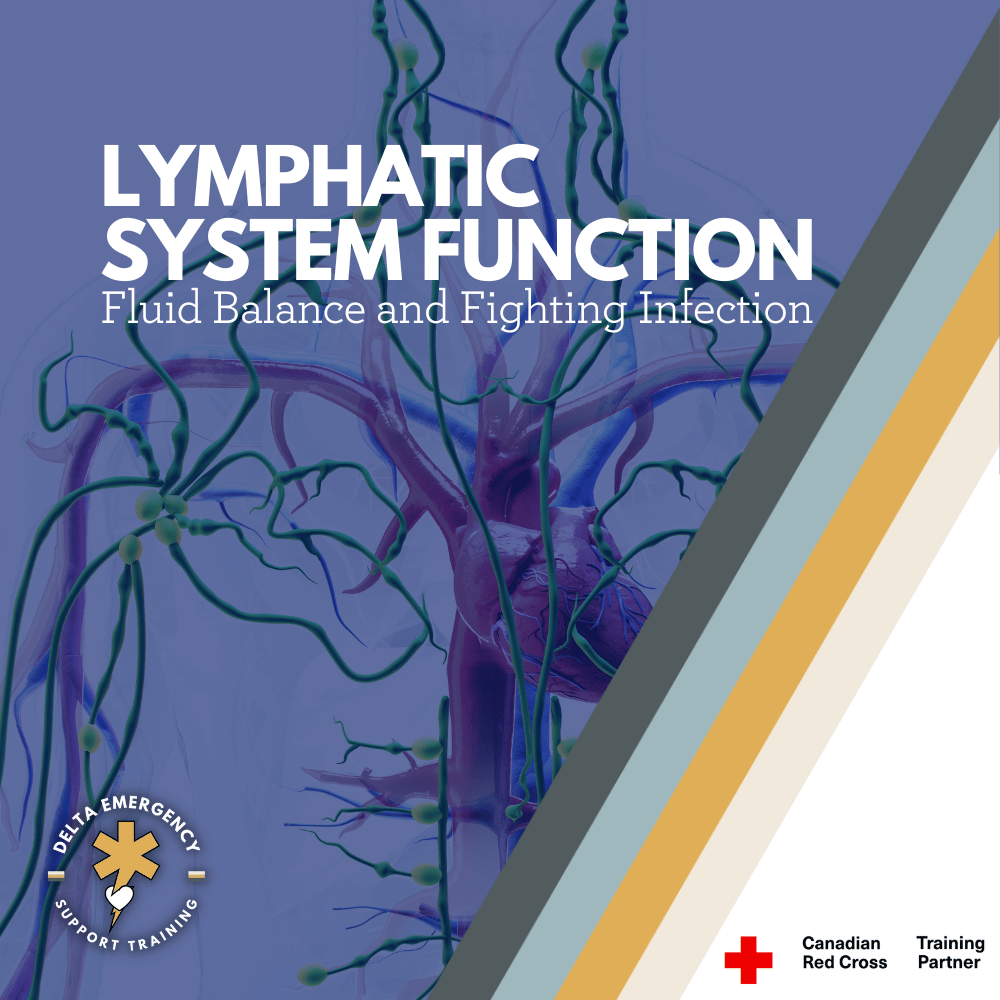
The Lymphatic System: Your Body’s Built-In Defense Network

When most people think about vital systems in the human body, they picture the heart pumping blood or the lungs drawing in oxygen. But behind the scenes, the lymphatic system plays a critical and often overlooked role in keeping us healthy—especially when it comes to fighting infection, maintaining fluid balance, and supporting the immune system.

For first aiders, EMRs, and other frontline responders, understanding the lymphatic system can deepen your knowledge of the body's response to injury, infection, and inflammation. It also helps explain why we sometimes see swollen lymph nodes, fevers, and inflammatory reactions during patient assessments.

🔬 What Is the Lymphatic System?

The lymphatic system is a complex network of vessels, nodes, organs, and tissues that work together to:

  1. Drain excess fluid from tissues and return it to the bloodstream

  2. Filter harmful substances, like bacteria, viruses, and toxins

  3. Produce and transport immune cells, such as lymphocytes

  4. Absorb and transport fats from the digestive system

Think of it as the body’s sanitation and security team, quietly working alongside the circulatory system.

🧠 Key Components of the Lymphatic System

1. Lymph Fluid

  • A clear or pale yellow fluid made up of water, proteins, white blood cells (especially lymphocytes), and waste products.

  • Forms from fluid that leaks out of capillaries into tissues (called interstitial fluid) and is then collected by lymphatic vessels.

2. Lymphatic Vessels

  • A network of thin tubes that run throughout the body, similar to veins.

  • These vessels carry lymph fluid in one direction—toward the heart—using valves and muscular contractions to keep the fluid moving.

  • They eventually drain into two major ducts:

    • Thoracic duct (left side of body)

    • Right lymphatic duct (right side of head, arm, chest)

3. Lymph Nodes

  • Small, bean-shaped structures located along lymph vessels.

  • Filter lymph fluid and trap pathogens, foreign particles, and cancer cells.

  • Contain immune cells (B cells and T cells) that destroy harmful substances.

  • Common clusters are found in the neck, armpits, and groin—these may swell during infections.

4. Lymphoid Organs

  • Spleen: Filters blood, removes old red blood cells, and stores white blood cells.

  • Thymus: Located in the chest; where T cells mature (especially active in children).

  • Tonsils and adenoids: Located in the throat; protect against pathogens entering via mouth and nose.

  • Peyer’s patches: Found in the small intestine; monitor intestinal bacteria and immune responses in the gut.

🛡️ Lymphatic System and Immunity

The lymphatic system is deeply integrated into the immune response. It helps the body recognize, attack, and eliminate threats like viruses, bacteria, and cancer cells.

Key immune system cells found in lymphatic tissues include:

  • B lymphocytes (B cells): Produce antibodies to neutralize pathogens.

  • T lymphocytes (T cells): Attack infected cells and coordinate immune responses.

  • Macrophages: Engulf and digest cellular debris, pathogens, and dead cells.

When the body detects an invader, immune cells gather in nearby lymph nodes—causing localized swelling and tenderness, which you might feel in the neck or armpit during illness.

💉 Lymphatic System in Emergency Medicine and First Aid

While the lymphatic system itself doesn’t often present as a primary emergency, it plays a supporting role in many situations:

1. Infection

  • Swollen, tender lymph nodes can signal localized or systemic infection.

  • This is common in throat infections, skin abscesses, or infected wounds.

2. Sepsis

  • When infection spreads into the bloodstream, the lymphatic system may become overwhelmed.

  • Understanding its role helps responders recognize systemic responses like fever, elevated heart rate, and altered mental status.

3. Cancer

  • Lymph nodes are often used in staging cancers, as some malignancies (e.g., lymphoma or breast cancer) spread via the lymphatic system.

  • Responders may encounter patients with known lymphatic involvement or lymphedema from past cancer treatment.

4. Trauma and Swelling

  • Impaired lymph drainage can contribute to edema in injured limbs.

  • Compression injuries, surgical removal of nodes, or severe inflammation may damage lymphatic flow.

🧠 Fast Facts for First Aiders and EMRs

  • The lymphatic system has no central pump like the heart; it relies on movement, breathing, and muscle contractions.

  • Swollen lymph nodes are usually not painful unless infected.

  • Lymph nodes larger than 1 cm that persist for more than a few weeks should be evaluated by a physician.

  • Lymph fluid eventually returns to the bloodstream, helping maintain fluid balance and blood volume.

  • Conditions like lymphedema, often seen in cancer survivors, are caused by damage or blockage in lymph vessels.

🩺 Support the System

While you won’t be treating the lymphatic system directly in most emergency calls, here are ways first responders support it indirectly:

  • Encourage early treatment of infections to reduce the burden on lymph nodes

  • Recognize swollen lymph nodes as a sign of localized infection

  • Position patients properly to promote lymph drainage and circulation

  • Understand underlying conditions like lymphoma or lymphedema when assessing patients

📚 Conclusion: Small System, Big Impact

The lymphatic system may be quiet, but it’s crucial—working around the clock to remove waste, protect against illness, and support your immune defenses. For first responders, a working knowledge of the lymphatic system helps sharpen your assessment skills, especially in cases involving fever, infection, or unexplained swelling.

Whether you’re taking Advanced First Aid or working as an EMR, understanding this system adds another layer to your ability to assess and care for patients holistically.

Read More

First Responder’s Guide: Medical Calls Involving Cancer Patients

Responding to medical calls involving cancer patients requires both clinical expertise and compassionate care. This guide provides first responders with essential knowledge on managing cancer-related emergencies, from understanding treatment side effects to providing emotional support in high-stress situations.
Responding to Medical Calls Involving Patients with Cancer: Key Considerations for First Responders

Introduction

When responding to medical calls involving patients with cancer, first responders play a crucial role in providing timely, compassionate, and competent care. Cancer patients often have unique medical needs, and responding to emergencies in these situations requires both clinical knowledge and emotional sensitivity. Whether it's a cancer-related emergency, side effects from treatment, or a complication related to the disease, understanding how to approach these situations is key to delivering the best care possible.

At Delta Emergency Support Training, we offer training that prepares first responders to handle a wide range of medical emergencies, including those involving cancer patients. Here's a guide on how to approach these situations.

Understanding Cancer and Its Impact on the Body

Cancer is a broad term used to describe a range of diseases where abnormal cells divide and grow uncontrollably. The disease can affect various parts of the body, leading to complications like pain, fatigue, immune suppression, and organ dysfunction. The type of cancer and the stage of the disease greatly influence how patients present medically.

Common Types of Cancer:

  • Breast cancer

  • Lung cancer

  • Leukemia

  • Lymphoma

  • Colorectal cancer

  • Prostate cancer

Each cancer type can affect patients in different ways, and treatment regimens such as chemotherapy, radiation therapy, and immunotherapy also have their own side effects, which can exacerbate existing conditions or create new health challenges.

Key Considerations When Responding to a Cancer Patient's Emergency

1. Be Aware of Treatment Side Effects

Patients undergoing cancer treatments often experience side effects that can complicate their condition, including:

  • Nausea, vomiting, and dehydration from chemotherapy.

  • Fatigue and weakness due to the impact of treatment on the body.

  • Infections due to immune suppression from chemotherapy or other treatments.

  • Pain associated with the cancer itself or as a side effect of treatment.

When responding to an emergency call, ask patients or caregivers about their treatment history, as this will help you understand potential side effects and offer appropriate care.

2. Pain Management

Cancer patients often suffer from chronic pain, which can be exacerbated during medical emergencies. It’s essential to manage pain appropriately while providing care. Pain relief protocols can vary based on the patient’s condition and medical history, so be prepared to:

  • Administer pain relief medications if authorized by medical protocols.

  • Use comfort measures, such as positioning or providing emotional support.

  • Monitor pain levels and adjust your response based on the patient’s feedback.

3. Complications from Cancer

Some cancer patients may face complications such as bleeding disorders, respiratory issues, or organ failure. For example, leukemia patients may have low platelet counts, leading to a higher risk of bleeding. It’s important to:

  • Be prepared to manage bleeding with direct pressure or appropriate dressing techniques.

  • Monitor for respiratory distress, especially if the cancer has spread to the lungs.

  • Support cardiac function, particularly if the patient has heart-related issues caused by cancer or its treatments.

4. Managing the Emotional Impact

Cancer patients may experience fear, anxiety, or even depression related to their diagnosis. Being a compassionate and empathetic first responder is critical in these situations:

  • Listen actively and provide reassurance.

  • Avoid making promises about treatment outcomes or the future.

  • Respect patient wishes, especially if they are nearing the end of their life.

5. Handling Medical Devices and Port Access

Many cancer patients have medical devices like central venous catheters (CVC), ports, or peripheral intravenous (IV) lines for chemotherapy or other treatments. Understanding how to manage these devices is essential:

  • Never attempt to remove or adjust a port unless specifically trained.

  • Ensure sterile techniques are used when handling devices to prevent infections.

  • Be mindful that some devices may be used for pain management, nutritional support, or drug delivery.

Emergency Scenarios in Cancer Patients

Cancer patients can experience a range of emergencies that may require immediate attention from first responders:

  1. Respiratory Distress

    • Cancer types affecting the lungs (e.g., lung cancer) or metastasis to the lungs may cause shortness of breath, labored breathing, or coughing up blood. Use of oxygen and positioning for optimal breathing is important.

  2. Severe Bleeding

    • If the patient has leukemia or other conditions affecting blood clotting, they are more prone to bleeding. Apply pressure and elevate the injured area if necessary, and be prepared for potential internal bleeding or bruising.

  3. Sepsis

    • Cancer patients undergoing chemotherapy or with low immune function are particularly vulnerable to sepsis, which is a life-threatening infection. Symptoms can include fever, chills, confusion, and rapid heart rate. Quick intervention with fluids, antibiotics, and airway management can save lives.

  4. Spinal Cord Compression

    • In some cancers, such as breast cancer and lung cancer, the tumor can press on the spinal cord, causing severe pain, weakness, or loss of movement. Immediate stabilization and transfer to a medical facility are critical.

  5. Hypercalcemia

    • Elevated calcium levels in the blood can occur with certain types of cancer and lead to confusion, weakness, or cardiac issues. Recognizing this and providing supportive care can prevent further complications.

Conclusion

Responding to medical calls involving cancer patients requires a balance of clinical knowledge and compassionate care. First responders must be prepared to handle the complex medical needs of cancer patients, from managing side effects and complications to addressing the emotional impact of the disease. By understanding the types of cancer, recognizing potential complications, and providing effective, empathetic care, you can make a significant difference in the lives of patients facing cancer.

At Delta Emergency Support Training, we equip first responders with the training they need to handle a variety of emergency scenarios, including those involving cancer patients. By providing Standard First Aid (SFA), Advanced First Aid (AFA), and other specialized training, we ensure responders are ready to deliver life-saving care in any situation.

Read More

How to Manage Delirium in Geriatric Patients: Essential Skills for EMRs and Firefighters

Delirium is an acute medical condition that often affects geriatric patients, causing confusion, disorganized thinking, and altered levels of awareness. As an EMR or firefighter, it's crucial to identify delirium early and manage it effectively. This guide explains how to assess, treat, and respond to elderly patients showing signs of delirium, ensuring optimal care in critical situations.

Delirium in the Geriatric Patient: How EMRs and Firefighters Can Identify and Respond

Delirium is a serious medical condition, particularly in the elderly, and as an EMR or firefighter, it’s crucial to recognize the signs early and act swiftly. Unlike dementia, which progresses slowly over time, delirium can develop acutely and rapidly change the patient’s mental status, presenting significant challenges for first responders. In geriatric patients, delirium is a medical emergency that often requires urgent intervention.

This blog will guide you on how to recognize delirium, understand its underlying causes, and effectively manage geriatric patients experiencing it.

What is Delirium?

Delirium is defined as an acute and fluctuating onset of inattention, disorganized thinking, and/or altered levels of awareness. It differs from dementia in that it is temporary and occurs suddenly, often in response to an underlying medical condition or environmental trigger.

The symptoms of delirium typically appear suddenly and may fluctuate throughout the day. Common signs include:

  • Inattention: Difficulty maintaining focus, distracted, or unable to follow a conversation.

  • Disorganized Thinking: Incoherent or illogical speech, trouble forming coherent thoughts.

  • Altered Awareness: The patient may be either overly drowsy (hypoactive) or agitated (hyperactive). In many elderly patients, hypoactive delirium is most common and can often go undetected in emergency situations.

Why is Delirium Common in Geriatric Patients?

The elderly population is particularly susceptible to delirium for several reasons, including:

  • Age-Related Physical Changes: Aging can cause changes in the brain that make older adults more vulnerable to confusion and mental disturbances.

  • Underlying Medical Conditions: Chronic health issues like heart disease, diabetes, or kidney failure may predispose the elderly to developing delirium.

  • Medications: Certain medications, especially in combination, can trigger delirium in older patients. Common culprits include sedatives, narcotics, and anticholinergics.

  • Infections: Conditions like urinary tract infections (UTIs) and pneumonia are known triggers of delirium in the elderly.

  • Environmental Factors: Hospitalizations, changes in routine, or unfamiliar environments (e.g., new settings after an injury) can exacerbate confusion and lead to delirium.

Recognizing Delirium in the Elderly

As an EMR or firefighter, recognizing delirium is a crucial skill that can improve patient outcomes. Delirium may not be as obvious as other acute conditions, especially since the elderly are often at risk of hypoactive delirium, which can manifest as lethargy or withdrawal rather than agitation.

Key Symptoms to Look For:

  • Inability to focus: The patient may appear "spacey," unable to follow a conversation, or may forget what they were just talking about.

  • Confusion: They may be disoriented, unable to recall where they are, or confused about the time and date.

  • Fluctuating alertness: The patient's level of awareness may change rapidly, ranging from excessive sleepiness to periods of hyperactivity or aggression.

  • Hallucinations or Delusions: While less common, some patients may see or hear things that aren’t there, or they may have false beliefs (e.g., believing they’re in a completely different location).

Hypoactive Delirium: A Hidden Danger

It’s important to note that 70% of delirium cases in elderly patients are hypoactive, meaning the patient may seem unusually drowsy, withdrawn, or lethargic. This subtle form can often go undiagnosed in the emergency department (ED) or in the field because the patient may not exhibit the typical signs of agitation. As a first responder, you must be aware that any older adult exhibiting lethargy or confusion after a recent trauma or medical event could be suffering from delirium.

Common Causes of Delirium in the Geriatric Patient

Several medical conditions or factors may trigger delirium in older adults, making them more vulnerable to changes in their cognitive state. As an EMR or firefighter, understanding these causes can help you quickly identify potential underlying issues:

  1. Infections: UTIs, pneumonia, or sepsis can quickly lead to delirium in elderly patients.

  2. Dehydration and Malnutrition: Inadequate fluid or nutrition intake can significantly affect brain function.

  3. Medications: Polypharmacy, or the use of multiple medications, is common in elderly patients and can interact to cause confusion or delirium. Pay special attention to narcotics, sedatives, and antihistamines.

  4. Pain or Injury: Trauma, especially head injuries, can trigger delirium, as can untreated pain.

  5. Hospitalization: Elderly patients who are hospitalized for an acute illness or injury may experience delirium due to the stress of hospitalization, changes in routine, and medication side effects.

  6. Alcohol Withdrawal: If the elderly patient has a history of alcohol use and suddenly stops drinking, delirium may occur.

How EMRs and Firefighters Can Respond to Delirium in the Elderly

When faced with a patient exhibiting signs of delirium, quick and effective action is critical. Below are steps for managing these patients:

1. Initial Assessment

  • Ensure Safety: The first priority is ensuring the safety of the patient. Patients experiencing delirium may be disoriented or agitated, so they could put themselves or others at risk. Ensure a safe environment and avoid sudden movements that might escalate confusion.

  • Take a Comprehensive History: If possible, gather a thorough history from caregivers, family, or bystanders. Ask about the patient’s recent health changes, medications, and any prior cognitive issues.

  • Rule Out Life-Threatening Causes: Delirium can be a sign of a serious condition such as an infection, stroke, or head injury. Check vital signs and assess for any signs of a critical underlying cause (e.g., hypotension, fever, abnormal heart rate, etc.).

2. Address Underlying Causes

  • If the delirium is due to a known cause (e.g., an infection), it is critical to treat the underlying issue as soon as possible.

  • Consider the possibility of hypoxia, hypoglycemia, or medication-related causes, which can often be quickly addressed in the field.

  • If the patient is in pain or has a known medical condition that could be contributing to confusion (like dehydration), take steps to manage it immediately.

3. Monitor the Patient

  • If the patient is not yet stable, keep a close watch on their mental status. Delirium can fluctuate, so continuous assessment is key.

  • Stay calm and provide reassurance to the patient. If they are agitated, offer clear explanations and avoid confrontational responses.

  • Transport to the hospital promptly, ensuring that the medical team is aware of the patient’s delirium so they can investigate and treat the underlying cause quickly.

4. Engage Family or Caregivers

  • When possible, engage family members or caregivers to help assess the patient's baseline mental status and to provide relevant medical history, including recent changes or new medications.

Conclusion

Delirium in geriatric patients is a common, often undiagnosed condition that presents a unique challenge for EMRs and firefighters. Because it can rapidly change from one moment to the next, it's essential to recognize the signs of delirium early and manage the underlying causes. Prompt action, effective communication with medical teams, and ensuring patient safety are key components in improving patient outcomes.

As a first responder, your ability to identify delirium and intervene early can mean the difference between a successful recovery and long-term complications. By staying vigilant and informed, you can ensure that older patients receive the timely, life-saving care they need.

Delta Emergency is taught by a well-versed group of instructors and owners who are experienced paramedics. We teach you not only the necessary skills but also how to be prepared for real-life emergencies. Our hands-on training ensures you're equipped to handle any critical situation with confidence, improving both your ability to respond and your patient outcomes.

Read More

Elevating Emergency Response: The Canadian Red Cross Emergency Care for Professional Responders Textbook

The "Canadian Red Cross: Emergency Care for Professional Responders" textbook is a must-have resource for those working in high-pressure environments like emergency medical services, firefighting, and law enforcement. Packed with in-depth medical content and real-world scenarios, this guide equips professionals with the advanced skills needed to handle critical emergencies effectively. Whether you're performing airway management or assessing trauma, this textbook ensures you're ready to respond with confidence in any situation.

Advanced First Aid Knowledge for Those Who Face the Most Demanding Situations

In the fast-paced world of emergency medical services, having the right knowledge can make the difference between life and death. The "Canadian Red Cross: Emergency Care for Professional Responders" textbook is specifically designed for individuals who operate in high-stakes environments where advanced first aid and emergency care are required. This textbook is an indispensable resource for firefighters, police officers, lifeguards, and advanced first aid personnel.

Depth of Medical Content

This textbook dives deep into the complex and critical conditions that professional responders encounter. With chapters written by experts in emergency care, the content covers a broad spectrum of medical emergencies, from trauma to acute medical conditions, providing detailed procedures for each. This comprehensive approach ensures that responders have the depth of knowledge necessary to make informed decisions quickly.

Real-World Scenarios and Techniques

One of the standout features of this guide is its emphasis on practical, real-world application. It includes:

  • Detailed scenario-based training examples that simulate actual emergency situations.

  • Step-by-step guides for advanced techniques such as airway management, support for spinal injuries, and emergency childbirth.

  • Best practices for scene management and patient assessment to ensure effective and efficient care.

These elements are designed to prepare responders not just to perform their duties, but to excel in their roles with confidence and competence.

Tailored for Professional Use

Each section of the textbook is tailored to the needs of professional responders, with considerations for the challenges they face in the field. The material is not only comprehensive but also accessible, with clear diagrams, quick-reference tables, and bullet points that make crucial information easy to locate and recall under pressure.

Why Choose This Textbook?

  • Expertise: Authored by leading medical professionals with extensive experience in emergency response.

  • Relevance: Updated regularly to include the latest techniques and best practices in emergency medical care.

  • Durability: Manufactured to withstand the rigors of field use, ensuring reliability when it’s needed most.

Conclusion

For those in demanding and critical roles, the Canadian Red Cross Emergency Care for Professional Responders textbook is more than just a learning tool—it's a crucial ally in the field. By integrating this textbook into your training program, you ensure that your team is equipped with the knowledge and skills to handle complex emergencies effectively.

Elevate your professional response capabilities today by obtaining your copy from Delta Emergency Support Training at Delta Emergency Support Training. Equip your team with the knowledge that saves lives, enhances safety, and ensures that when the call comes, you are ready to respond with the best care possible.

Read More

Meningitis: What Every First Responder Needs to Know

Meningitis is a serious infection that can escalate rapidly. As a medical first responder, understanding the types and symptoms of meningitis is essential for effective care. At Delta Emergency, we provide advanced first aid training across Canada, particularly in Edmonton and Calgary, to equip fire fighters and emergency responders with life-saving knowledge.
At Delta Emergency, we train individuals in advanced first aid as an essential step in preparing them for fire fighting and other high-pressure, life-threatening situations. As part of our training, we emphasize the importance of being well-versed in a variety of medical conditions, including those that can escalate rapidly and require swift, decisive action. One such condition is meningitis, a serious infection that can affect the brain and spinal cord and may require urgent intervention.

In this post, we’ll delve into what meningitis is, the different types, and why understanding this condition is critical for medical first responders.

What is Meningitis?

Meningitis is the inflammation of the meninges, the protective membranes covering the brain and spinal cord. It is a potentially life-threatening condition because it can cause permanent damage to the nervous system if not treated quickly. The inflammation is usually caused by infection, but it can also be a result of other factors, such as certain medications or illnesses.

Symptoms of meningitis can develop suddenly, and in many cases, they resemble the flu. However, if left untreated, it can rapidly progress to more severe complications, including seizures, brain damage, and even death.

Types of Meningitis

Meningitis is classified into several different types based on the cause of the infection. The most common types are bacterial, viral, and fungal, but there are also other rarer causes that require different treatments.

1. Bacterial Meningitis

Bacterial meningitis is the most severe form and can be fatal if not treated immediately. It is caused by a bacterial infection that typically enters the bloodstream and spreads to the brain and spinal cord. The most common bacteria that cause meningitis are Neisseria meningitidis (meningococcal), Streptococcus pneumoniae (pneumococcal), and Haemophilus influenzae.

Symptoms:

  • Sudden high fever

  • Severe headache

  • Stiff neck

  • Nausea or vomiting

  • Sensitivity to light

  • Skin rashes (in some cases)

Bacterial meningitis requires immediate medical attention and is usually treated with intravenous antibiotics. Early intervention is key to preventing life-threatening complications.

2. Viral Meningitis

Viral meningitis is less severe than bacterial meningitis but can still be serious, particularly in infants and those with weakened immune systems. It is typically caused by viruses such as enteroviruses, herpes simplex virus, and the mumps virus.

Symptoms:

  • Mild fever

  • Headache

  • Stiff neck

  • Nausea

  • Sensitivity to light

  • Fatigue

Viral meningitis often resolves on its own without the need for specific treatment, although antiviral medications may be used in certain cases. Rest and supportive care are the mainstay of treatment.

3. Fungal Meningitis

Fungal meningitis is relatively rare and occurs when a fungal infection spreads to the meninges, usually in individuals with weakened immune systems, such as those with HIV/AIDS or who are undergoing chemotherapy. It is caused by fungi like Cryptococcus and Histoplasma.

Symptoms:

  • Headache

  • Fever

  • Nausea and vomiting

  • Sensitivity to light

  • Neck stiffness

  • Confusion

Fungal meningitis is treated with antifungal medications, but early detection is critical due to its potential to cause severe damage.

4. Parasitic Meningitis

Parasitic meningitis is a rare but serious type of infection caused by parasites. The most common example is Naegleria fowleri, a brain-eating amoeba found in warm freshwater environments. Though rare, this type of meningitis is almost always fatal.

Symptoms:

  • Severe headache

  • Nausea and vomiting

  • Stiff neck

  • Seizures

Why Is Meningitis Important for Medical First Responders to Recognize?

As a medical first responder, understanding meningitis is vital for several reasons:

  1. Rapid Assessment: When faced with a potential case of meningitis, especially bacterial meningitis, the symptoms can escalate quickly. The faster a first responder can assess and recognize the condition, the quicker they can initiate life-saving interventions and transport the patient to a medical facility.

  2. Preventing Spread: Certain types of meningitis, particularly bacterial meningitis, are contagious. First responders need to take immediate precautions to prevent the spread of the infection to others, especially in crowded environments like schools, hospitals, or emergency scenes.

  3. Accurate Communication with Medical Teams: As an advanced first aider, you’ll need to provide accurate and detailed information to the hospital staff or paramedics. Recognizing the key symptoms of meningitis will help ensure that the patient receives the correct treatment as soon as possible.

  4. Prevention Measures: In some cases, such as viral meningitis, vaccinations or antiviral medications may be available. Being able to educate the public on these prevention measures is also a critical aspect of first aid training.

  5. Making Informed Decisions in High-Pressure Situations: In emergency situations, especially during a fire or rescue operation, medical first responders often need to make quick decisions. Having a solid understanding of conditions like meningitis allows responders to make informed choices about treatment and triage priorities.

Meningitis and Fire Fighting: Why This Matters for You

For fire fighters and other emergency personnel, the ability to recognize and respond to meningitis is particularly important. Fire fighters often work in high-risk environments where exposure to infectious diseases is a possibility. Additionally, the physical and mental stress of responding to emergencies, including traumatic events, can weaken the immune system, making individuals more susceptible to infections.

Training in advanced first aid equips fire fighters with the tools they need to recognize signs of meningitis, protect themselves from exposure, and provide immediate care to victims. Knowing when to initiate emergency treatment, when to call for higher medical support, and how to prevent cross-contamination is essential in keeping both responders and the community safe.

Conclusion

Meningitis is a serious and potentially life-threatening infection that can affect anyone, but with the right knowledge and preparation, medical first responders can make a significant difference in the outcomes of those affected. At Delta Emergency, we ensure that our trainees are well-prepared to recognize the signs and symptoms of meningitis and take the appropriate action. Whether you are responding to an emergency as a fire fighter or any other medical first responder, being equipped with the knowledge of how to handle meningitis could save lives.

If you're looking to advance your first aid training or get involved in fire fighting, understanding the signs and treatments for conditions like meningitis should be a key part of your learning journey. Stay prepared, stay safe, and always be ready to respond with confidence.

Read More

Understanding Medical Terminology: A Guide to Prefixes, Suffixes, and Roots for First Responders

Mastering medical terminology is essential for first responders. Understanding common prefixes, suffixes, and roots will help you communicate more effectively, make informed decisions, and provide quicker, more effective care. In this guide, we break down essential medical terms that will boost your confidence on the job and improve patient outcomes.
In the fast-paced world of Emergency Medical Services (EMS), effective communication and quick thinking are crucial. One way to improve both is by mastering medical terminology. As a first responder, understanding the building blocks of medical terms — prefixes, suffixes, and roots — will allow you to interpret unfamiliar terms quickly, leading to better patient care and more effective communication with other healthcare professionals.

In this guide, we’ll break down the most common prefixes, suffixes, and roots in medical terminology, with a focus on how these parts come together to help you understand the language of medicine. By familiarizing yourself with these building blocks, you’ll be equipped to navigate the world of medical terminology with confidence.

What Are Prefixes, Suffixes, and Roots?

Medical terms often seem complex, but most are built from smaller components that convey specific meanings. Understanding how these components work will help you quickly decode medical terms.

  • Prefix: A prefix is added at the beginning of a word to modify its meaning. It typically indicates time, location, quantity, or status.

  • Suffix: A suffix is placed at the end of a word to alter its meaning. It often refers to a condition, disease, procedure, or part of the body.

  • Root Word: The root is the central part of the word that provides the core meaning. It typically refers to a body part, function, or medical concept.

By breaking down terms into these components, you can understand what a word means without needing to memorize every single term.

Why EMS Professionals Need to Understand Prefixes, Suffixes, and Roots

As a first responder, you’ll often encounter long, unfamiliar medical terms during patient care. Breaking these terms down into their prefixes, suffixes, and roots helps you:

  1. Interpret Symptoms Faster: For example, recognizing terms like “tachypnea” (rapid breathing) or “bradycardia” (slow heart rate) allows you to quickly assess the situation and respond accordingly.

  2. Improve Communication: Whether you’re talking to a doctor, paramedic, or other healthcare professionals, using the correct medical terminology ensures clear, efficient communication, which leads to better patient outcomes.

  3. Streamline Documentation: Accurate medical documentation is essential in EMS. Knowing medical terms ensures you can write reports that are both precise and comprehensive.

Common Medical Prefixes Every First Responder Should Know

Here are some of the most common prefixes you’ll encounter in EMS. These prefixes provide important information about the patient's condition and can help you make quicker decisions in the field.

1. “Hyper-”

  • Meaning: Excessive, above normal

  • Example: Hypertension (high blood pressure)

2. “Hypo-”

  • Meaning: Below normal, deficient

  • Example: Hypoglycemia (low blood sugar)

3. “Brady-”

  • Meaning: Slow

  • Example: Bradycardia (slow heart rate)

4. “Tachy-”

  • Meaning: Fast

  • Example: Tachypnea (rapid breathing)

5. “Pre-”

  • Meaning: Before

  • Example: Preoperative (before surgery)

6. “Post-”

  • Meaning: After

  • Example: Post-traumatic (after trauma)

7. “Sub-”

  • Meaning: Under, beneath

  • Example: Subcutaneous (beneath the skin)

8. “Inter-”

  • Meaning: Between

  • Example: Intercostal (between the ribs)

9. “Intra-”

  • Meaning: Within

  • Example: Intravenous (within the vein)

10. “Exo-”

  • Meaning: Outside, outward

  • Example: Exoskeleton (external skeleton)

Common Medical Suffixes for EMS Professionals

Suffixes are essential for understanding the nature of a medical condition, procedure, or diagnosis. Below are key suffixes that are frequently used in EMS:

1. “-itis”

  • Meaning: Inflammation

  • Example: Arthritis (inflammation of the joints)

2. “-ectomy”

  • Meaning: Surgical removal

  • Example: Appendectomy (removal of the appendix)

3. “-algia”

  • Meaning: Pain

  • Example: Neuralgia (nerve pain)

4. “-pathy”

  • Meaning: Disease or condition

  • Example: Neuropathy (nerve disease)

5. “-emia”

  • Meaning: Blood condition

  • Example: Anemia (low red blood cell count)

6. “-plasty”

  • Meaning: Surgical repair

  • Example: Rhinoplasty (surgical repair of the nose)

7. “-scopy”

  • Meaning: Viewing or examination using a scope

  • Example: Endoscopy (examination of a body cavity)

8. “-logy”

  • Meaning: The study of

  • Example: Cardiology (study of the heart)

9. “-osis”

  • Meaning: Abnormal condition or disease

  • Example: Cirrhosis (a liver disease)

10. “-graphy”

  • Meaning: The process of recording

  • Example: Cardiography (recording heart activity)

Common Medical Roots in EMS Terminology

Roots form the core of medical terms and typically describe body parts, organs, or functions. Here are some important roots you’ll encounter in your training and practice:

1. “Cardi/o”

  • Meaning: Heart

  • Example: Cardiology (study of the heart)

2. “Gastr/o”

  • Meaning: Stomach

  • Example: Gastritis (inflammation of the stomach lining)

3. “Hemat/o”

  • Meaning: Blood

  • Example: Hemorrhage (excessive bleeding)

4. “Neuro/o”

  • Meaning: Nerve, nervous system

  • Example: Neurology (study of the nervous system)

5. “Oste/o”

  • Meaning: Bone

  • Example: Osteoarthritis (arthritis of the bone)

6. “Pulmon/o”

  • Meaning: Lungs

  • Example: Pulmonary edema (fluid buildup in the lungs)

7. “My/o”

  • Meaning: Muscle

  • Example: Myocardial (related to the heart muscle)

8. “Derm/a”

  • Meaning: Skin

  • Example: Dermatitis (inflammation of the skin)

9. “Ren/o”

  • Meaning: Kidney

  • Example: Renal failure (kidney failure)

10. “Rhin/o”

  • Meaning: Nose

  • Example: Rhinoplasty (surgical procedure on the nose)

Study Strategies for Mastering Medical Terminology

While learning prefixes, suffixes, and roots can seem overwhelming, there are several effective study techniques to help you retain and apply these concepts:

1. Use Flashcards

Flashcards are an excellent way to reinforce your understanding of prefixes, suffixes, and roots. Use physical cards or apps like Quizlet to test your knowledge on the go. Write the term on one side and its meaning on the other.

2. Create Mnemonics

To help remember terms, create memorable associations. For example, remember “tachy-” by thinking of “tachometer,” which measures speed (fast). For “brady-” (slow), think of Brady the tortoise from the classic story.

3. Break Down Terms

Whenever you encounter an unfamiliar term, break it down. Start with the root word, then look at the prefix and suffix. For example, Tachycardia:

  • Tachy- = fast

  • Cardi/o = heart

  • -ia = condition So, Tachycardia = a condition of a fast heart rate.

4. Group Study and Practice

Group study sessions help reinforce what you've learned. Discuss terms with classmates or colleagues and quiz each other regularly to ensure you understand the material.

5. Use Interactive Tools

Interactive quizzes and apps can make learning more engaging. Tools like Anki or MedTerm offer practice exercises that reinforce your understanding of medical terminology in a fun, interactive way.

Conclusion: Mastering Medical Terminology for EMS Professionals

In EMS, quick decision-making and clear communication can save lives. Understanding medical terminology, including prefixes, suffixes, and roots, allows you to decode complex terms on the fly and makes you a more effective responder. It’s a skill that will improve your ability to assess patients, document care, and work with your team efficiently.

At Delta Emergency Support Training, we understand the importance of a solid foundation in medical terminology. Our comprehensive Red Cross Babysitting course and First Aid training cover essential medical concepts that will set you up for success in the field. Whether you're just getting started or looking to advance your skills, mastering medical terminology is a key step in becoming a top-tier first responder.

Read More

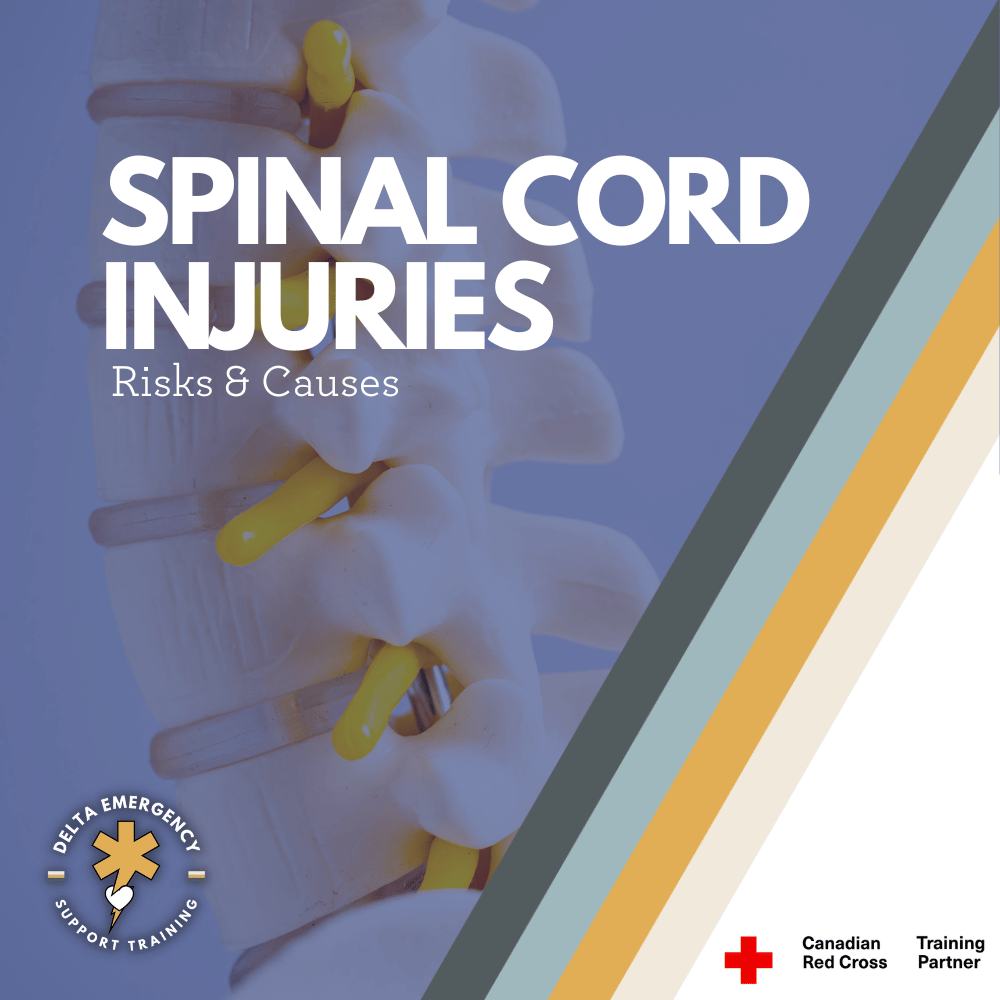
Spinal Cord Injuries: Risks, Causes, and Implications

The spinal cord serves as the central pathway for transmitting signals between the brain and the body, regulating movement, sensation, and autonomic functions. Damage to the spinal cord disrupts these essential functions, leading to impairments. Certain factors increase the likelihood of SCIs, including traumatic incidents like motor vehicle accidents and falls. Underlying medical conditions such as spondylitis, scoliosis, and spinal tumors can also predispose individuals to spinal cord injuries. Understanding these factors informs preventive measures, timely interventions, and rehabilitation strategies, optimizing outcomes for those affected.

Spinal cord injuries (SCIs) represent a significant challenge in the medical landscape, with far-reaching impacts on physical, emotional, and social well-being. While traumatic incidents such as accidents and falls are common causes, various underlying medical conditions can also predispose individuals to spinal cord injuries. In this comprehensive medical blog, we delve into the intricacies of SCIs, identifying who is at risk, what factors increase susceptibility, and the implications for affected individuals, including those with conditions like spondylitis, scoliosis, and others.

Anatomy and Function of the Spinal Cord

The spinal cord serves as the central pathway for transmitting signals between the brain and the rest of the body, regulating movement, sensation, and autonomic functions. Encased within the vertebral column, it consists of nerve fibers and tissues crucial for relaying sensory information and coordinating motor responses. Damage to the spinal cord disrupts these essential functions, leading to a spectrum of impairments depending on the severity and location of the injury.

Risk Factors for Spinal Cord Injuries

While SCIs can occur in anyone, certain factors increase the likelihood of sustaining such injuries:

  1. Traumatic Incidents: Motor vehicle accidents, falls, sports-related injuries, and acts of violence are common causes of traumatic SCIs. Engaging in high-risk behaviors, such as reckless driving or participation in contact sports without proper protective gear, elevates the risk.

  2. Age: Young adults between the ages of 16 and 30 are more susceptible to traumatic SCIs due to engaging in risky behaviors. Conversely, individuals aged 65 and older face an increased risk of SCIs resulting from falls, often due to age-related declines in balance and mobility.

  3. Existing Medical Conditions: Certain medical conditions affecting the spine can predispose individuals to spinal cord injuries:

    • Spondylitis: An inflammatory condition affecting the vertebrae, spondylitis can weaken the spinal column, increasing susceptibility to injury.

    • Scoliosis: Abnormal curvature of the spine, such as scoliosis, can alter spinal alignment and increase the risk of spinal cord compression or injury.

    • Degenerative Disc Disease: The natural aging process can lead to degeneration of spinal discs, compromising the stability of the spine and contributing to SCI risk.

    • Spinal Tumors: Benign or malignant tumors in the spinal cord or surrounding tissues can exert pressure on the spinal cord, leading to compression and potential injury.

  4. Alcohol and Substance Abuse: Alcohol consumption and substance abuse contribute to a significant proportion of traumatic SCIs, impairing judgment and coordination and increasing the likelihood of accidents.

Complications and Implications

Spinal cord injuries can lead to a myriad of complications and long-term implications, including paralysis, bladder and bowel dysfunction, respiratory complications, and psychological and social impact. Prevention and management strategies encompass education, injury prevention measures, timely medical intervention, and comprehensive rehabilitation programs.

Conclusion

By understanding the diverse array of risk factors, causes, and implications associated with spinal cord injuries, healthcare professionals can tailor preventive measures, interventions, and rehabilitation strategies to address the specific needs of individuals at risk or affected by SCIs. Through ongoing research, education, and multidisciplinary collaboration, we strive to mitigate the impact of SCIs and enhance the quality of life for those affected by these injuries, including those with underlying medical conditions affecting the spine.

Read More