The Delta Dispatch

CFD Application Guide for Aspiring Firefighters

Dreaming of becoming a Calgary firefighter? This guide walks you through the CFD application process, including essential certifications, physical fitness tips, suggested courses, and how Delta Emergency Support Training can help you succeed.
If you’ve ever dreamed of wearing the Calgary Fire Department uniform, you’re not alone. Every year, countless motivated individuals from all walks of life apply to join one of Canada’s most respected firefighting teams. Whether you’re coming off the rigs, working in the trades, or ready for a meaningful career that serves your community, the CFD recruitment process is both challenging and rewarding.

At Delta Emergency Support Training, we’ve helped many students prepare for that next step, and several of our instructors are currently serving with CFD. So, if you’re serious about applying, here’s what you need to know about the process and how to set yourself up for success.

Step 1: Meeting the Basic Requirements

Before applying, make sure you meet the minimum qualifications. Applicants must:

  • Be at least 18 years old

  • Be legally entitled to work in Canada

  • Have a high school diploma or equivalent

  • Hold a valid Class 5 driver’s licence (with a clean record)

Medical fitness is crucial — you’ll need to pass a comprehensive medical assessment that ensures you can safely perform the physical demands of the job. Strong cardiovascular health, vision, and hearing are essential for operational readiness.

Step 2: Educational and Certification Requirements

To apply for CFD, you’ll need a few essential certifications. One of the most important is Advanced First Aid (AFA), which you can earn through Delta Emergency Support Training.

Our AFA course provides the hands-on medical foundation you’ll rely on every day as a firefighter — from patient assessment and airway management to emergency scene care. We’ve even built rotation-friendly schedules for those still working in camp or on the rigs, so you don’t have to put your career on hold to train.

It’s important to note that CFD does not require applicants to hold NFPA 1001 Level I and II firefighter training, which is often mandatory for many other departments across Canada. This makes CFD an ideal opportunity for motivated individuals looking to make the leap into firefighting without already having that certification.

Step 3: The Application and Testing Process

The CFD recruitment process typically includes several stages:

  • Online Application: Submit your resume, certifications, and supporting documentation.

  • Written Exam: Designed to assess problem-solving, mechanical reasoning, and situational judgment.

  • Physical Fitness Test: A demanding, firefighter-specific test that measures endurance, strength, and agility.

  • Interview: You’ll discuss your motivations, teamwork experience, and understanding of community service.

  • Background Check: Ensures candidates uphold the integrity and professionalism expected of CFD members.

The process is competitive, but with the right preparation and attitude, it’s absolutely achievable.

Step 4: How to Stand Out as an Applicant

Want to stand out in the hiring process? Focus on building the qualities that CFD values most: teamwork, communication, leadership, and resilience.

  • Physical Conditioning: Prioritize strength, endurance, and functional fitness — firefighting is demanding work.

  • Community Involvement: Volunteer with local emergency services, community programs, or charities. It demonstrates commitment and service-mindedness.

  • Communication and Leadership: Practice staying calm under pressure and leading effectively in high-stress situations.

CFD is looking for individuals who bring heart, reliability, and the willingness to learn — not just technical skill.

Step 5: Suggested Courses to Strengthen Your Resume

While CFD doesn’t require NFPA 1001 firefighter certification, there are plenty of valuable courses that can give you a competitive edge and help you hit the ground running once you’re accepted.

Consider training in areas such as:

  • Confined Space Awareness and Rescue – Learn safe entry, monitoring, and rescue techniques.

  • Rope Rescue (Basic & Advanced) – Develop technical rope-handling skills used in high-angle and low-angle rescues.

  • Hazardous Materials Awareness (HAZMAT) – Understand how to recognize and safely respond to dangerous goods incidents.

  • Transportation of Dangerous Goods (TDG) – An important credential for anyone working around hazardous substances.

  • ICS (Incident Command System) Training – Build your understanding of emergency scene management and structure.

Many of these courses are available through technical safety providers or emergency training academies — and they all show CFD that you take professional development seriously.

Step 6: Training and Career Development

Once selected, recruits undergo an intensive 16-week CFD Fire Training Academy program, covering everything from fire suppression and rescue techniques to hazardous materials response and medical care.

Graduation isn’t the end of learning — CFD firefighters continue developing through specialized courses, leadership tracks, and ongoing professional education.

How Delta Can Help You Get There

We know what it takes to succeed in the CFD process because our team has been there. At Delta Emergency Support Training, we’ve helped countless students earn their Advanced First Aid certification and gain the skills and confidence they need to take the next step.

Several of our instructors are active CFD members, offering insider guidance, mentorship, and firsthand insights into the realities of the job. Many of our graduates have successfully transitioned from oilfield work or trades into full-time firefighting careers — proving it’s never too late to make the change.

Your Firefighter Journey Starts Here

Applying for the Calgary Fire Department is a big step, but it’s one that can lead to an incredible career of purpose, teamwork, and community impact.

If you’re ready to make a change — to trade in your rotation schedule for a fire hall shift and a new sense of purpose — start today.

At Delta Emergency Support Training, we offer Advanced First Aid courses, including camp rotation-friendly schedules that fit your lifestyle. You bring the dedication — we’ll help you build the foundation.

Read More

How Paramedic Training Strengthens Your Firefighter Application

Firefighting is no longer just about fire suppression. With most calls now medical in nature, departments seek applicants with paramedic training. Here’s how your Primary Care Paramedic certification can make your firefighter application stand out.

The Modern Firefighter: More Than Fire Suppression

Today’s firefighter is far more than fighting fires. Across Canada, most fire departments respond to far more medical emergencies than structure fires — in many regions, medical calls make up 80% of total responses.

This shift means departments are looking for applicants who can do more than handle a nozzle. They need people trained in patient care, triage, and prehospital decision-making — skills that come directly from Primary Care Paramedic (PCP) training.

Whether you’re pursuing municipal, industrial, or wildland fire service, holding your PCP license can dramatically strengthen your application, credibility, and readiness for the role.

1. Understanding the Overlap: Fire and EMS

The reality of modern fire service is that medical response is integrated into daily operations. Many calls involve:

  • Cardiac arrests

  • Motor vehicle collisions

  • Respiratory emergencies

  • Overdoses and poisonings

  • Falls and traumatic injuries

  • Medication administration

These situations require rapid assessment, airway management, and patient stabilization — core skills of a Primary Care Paramedic.

When fire departments deploy first, a firefighter with PCP training doesn’t just stand by until EMS arrives — they become a vital asset in those first minutes, providing interventions that can mean the difference between life and death.

2. How PCP Training Sets You Apart in the Hiring Process

Fire departments receive hundreds of applications for a handful of positions. Holding your Primary Care Paramedic certification immediately tells recruiters you’re invested, skilled, and capable of independent medical decision-making.

It demonstrates:

  • Commitment to emergency services as a career, not just a job.

  • Medical competency beyond AFA & EMR levels.

  • Ability to handle high-stress environments and maintain composure during critical incidents.

  • Strong understanding of patient care, communication, and documentation.

Departments see PCPs as well-rounded responders — individuals who understand not only rescue operations, but also the continuum of care from the moment of injury to hospital transfer.

3. Bridging Knowledge: Why Paramedic Training Translates So Well

The PCP curriculum goes far beyond what’s taught in AFA or fire recruit programs. It builds:

  • Assessment skills – Scene safety, mechanism of injury, and systematic patient evaluation.

  • Decision-making – When to move, when to treat, and when to call for advanced support.

  • Anatomy and physiology knowledge – Understanding what’s happening inside the body, not just what you see externally.

  • Communication and teamwork – Effective coordination with dispatch, partners, and hospital staff.

  • Leadership under pressure – Taking control when seconds matter.

Every one of these skills directly applies to fireground operations, rescue scenarios, and community medical calls.

When a firefighter-paramedic arrives on scene, they’re already equipped with the mindset of “scene control, patient stabilization, and structured response.”

4. Increased Employability Across Canada

Many fire departments in Canada — including Toronto Fire, Calgary Fire, Edmonton Fire, and Vancouver Fire Rescue Services — now strongly prefer or require applicants to have medical certification at the EMR or PCP level.

Holding your PCP license not only makes you a stronger candidate but also broadens your career options. You can work in EMS while waiting for fire openings, gain field experience, and keep your medical skills sharp.

It also signals to hiring panels that you’re operationally ready, physically prepared, and understand the realities of shift work, patient care, and emergency response culture.

5. Professional Credibility and Community Trust

Firefighters are often the first on scene — before ambulances, before police. The public doesn’t separate the fire service from medical response; they expect competence in both.

Having PCP-level training builds confidence in your peers, your officers, and the community. It shows that you’re not just trained to react, but to think critically and intervene effectively under pressure.

This credibility extends into leadership — many captains, chiefs, and training officers have paramedic backgrounds. Understanding that language early gives you a career-long advantage.

6. The Pathway Forward

If your goal is to become a firefighter, enrolling in a Primary Care Paramedic program is one of the most strategic steps you can take.

Here’s how to integrate it into your career plan:

  1. Earn your EMR or Advanced First Aid certification to build foundational knowledge.

  2. Enroll in an accredited PCP program through a recognized college or training institution.

  3. Register and license through your provincial regulatory body.

  4. Maintain active status — through continuing education and clinical practice hours.

  5. Highlight your PCP credentials in your fire service application and interviews.

By doing this, you’re not only meeting the evolving expectations of the fire service — you’re proving you already live and breathe emergency response.

Final Thought

Firefighting has evolved — and so have the expectations of those who wear the uniform.
Holding a Primary Care Paramedic license shows that you understand that evolution. It proves that you can respond, treat, and think critically in the same high-pressure environments firefighters face daily.

When it comes down to competitive hiring, paramedic training doesn’t just help your chances — it defines them.

Read More

Online Red Cross Babysitter Course: Enroll Your Child Anywhere in Canada

Help your child build confidence and life-saving skills from anywhere in Canada. Delta Emergency Support Training delivers the Red Cross Babysitter Course live online in two sessions—covering baby care, safety, and first aid—so your young teen is ready for babysitting and emergencies alike.
Looking for a meaningful way to build your child’s confidence and independence? The Canadian Red Cross Babysitter Course, offered online through Delta Emergency Support Training , gives youth aged 11–15 the skills to care for children safely and respond to emergencies—all from the comfort of your home, anywhere in Canada.

This isn’t just a babysitting class. It’s leadership training, first aid preparation, and a solid first step toward responsibility and a first job.

Two Engaging Online Sessions

Delta delivers the official Red Cross Babysitter Course in two interactive sessions, making it easy for families across the country to fit training into their schedule.

Session 1: Caring for Babies and Young Children

  • Feeding, diapering, and soothing infants and toddlers

  • Planning fun, age-appropriate activities

  • Child-proofing and preventing household injuries

  • Professional communication with parents and setting rates

Session 2: Babysitter First Aid

  • Treating common injuries: cuts, burns, bumps

  • Choking relief techniques

  • When and how to call 911

  • Staying calm and in control during unexpected situations

Because the course is fully online and instructor-led, your child can learn live with a certified Red Cross trainer, interact with other participants, and practice key skills—no matter where you live.

Why Parents Are Signing Up Across Canada

1. Confidence and Independence

Kids finish the course ready to handle real-world responsibilities and make smart decisions when you’re not around.

2. First Aid That Lasts a Lifetime

Babysitter-level first aid is an invaluable life skill—useful at home, at school, and during sports.

3. A First Job They—and You—Can Trust

Babysitting is often a child’s first paid work. This training covers everything from professional communication to setting fair rates so they’re prepared to succeed.

4. Peace of Mind for Parents

Knowing your child is Red Cross–certified means you can confidently let them care for siblings or neighbor children—and know they’re ready for emergencies.

How to Enroll from Anywhere

Registration is simple:

  1. Visit Delta Emergency Support Training’s website and select the Red Cross Babysitter Course (Online).

  2. Choose your preferred dates—sessions are offered year-round.

  3. Receive your course materials and log-in details, then let your child join the live virtual class from your home computer or tablet.

The Takeaway for Parents

The online Red Cross Babysitter Course with Delta Emergency Support Training is more than childcare instruction. It’s a Canada-wide opportunity to give your child confidence, life-saving first aid skills, and professional babysitting knowledge, all while you relax knowing they’re learning from Red Cross–certified instructors.

Whether your child wants to start earning money, help with younger siblings, or simply gain valuable safety skills, this program is a parent-approved step toward independence and responsibility.

Read More

Becoming a Paramedic in Canada: How EMR Training Fits Into the Bigger Picture

Thinking about becoming a paramedic in Canada? It starts with understanding the paramedicine pathway. This blog explains where EMR training fits into the journey and why it’s a key first step toward a rewarding career in emergency services.

Across Canada, the demand for trained paramedics continues to rise. Communities rely on first responders not only for life-threatening emergencies but also for urgent care, transport, and support in times of crisis. If you’ve ever thought about a career in emergency services, you may be wondering: where do I start?

The answer for many is Emergency Medical Responder (EMR) training. This entry-level program provides the essential skills you need to help patients and also acts as a stepping stone into the professional paramedicine pathway. To understand why EMR is such a valuable first step, it helps to look at how the paramedicine system is structured in Canada.

1. The Paramedicine Ladder in Canada

In Canada, paramedicine is organized into different levels of training and certification. Each step builds on the one before it, adding more advanced knowledge, clinical skills, and responsibilities.

Emergency Medical Responder (EMR)

  • Entry-level certification recognized across many provinces.

  • Focuses on patient assessment, CPR and AED use, airway management, bleeding control, and trauma care.

  • EMRs may work in industrial safety, event medical services, rural response, and are often a requirement for admission into Primary Care Paramedic programs.

  • Training is usually short and focused, making it an accessible first step.

Primary Care Paramedic (PCP)

  • The first professional paramedic level in Canada.

  • PCPs are qualified to work on ambulances and provide advanced pre-hospital care.

  • Skills include medication administration, advanced airway management, and cardiac monitoring.

  • Typically requires 1–2 years of college-level education, depending on the province.

Advanced Care Paramedic (ACP)

  • Builds on the PCP scope of practice with advanced skills.

  • Includes procedures such as intubation, IV therapy, advanced cardiac interventions, and expanded medication options.

  • Training usually takes an additional 1–2 years beyond PCP.

Critical Care Paramedic (CCP)

  • The highest level of paramedic training in Canada.

  • Specializes in transporting and treating critically ill or injured patients, often by air ambulance or in hospital transfer situations.

  • CCPs provide intensive care support outside the hospital environment.

This tiered approach means that every paramedic, no matter how advanced, started with the same fundamentals—and that usually begins with EMR.

2. Why EMR Training Matters

Even though EMR is the entry-level program, it’s far more than a “basic” course. Here’s why it matters:

  • Foundational Skills: You’ll learn how to assess patients systematically, manage airways, perform CPR, use AEDs, and provide lifesaving first aid for medical and trauma emergencies.

  • Confidence in Emergencies: EMR training prepares you to step into real-world situations calmly and effectively, whether you’re responding at work, volunteering, or helping in your community.

  • A Career Sampler: Many people use EMR training as a way to “test drive” paramedicine before committing to the longer PCP or ACP programs. It’s a great way to discover if this career path is right for you.

  • Admission Requirement: In several provinces, completion of an EMR program is a mandatory prerequisite for applying to PCP programs.

In short, EMR is both a valuable certification on its own and a launching pad for more advanced paramedic training.

3. Career Opportunities After EMR

Some students complete EMR training because they want to work right away, while others use it as preparation for PCP school. Either way, opportunities exist.

  • Industrial and Remote Work: Oil and gas sites, mining operations, and construction companies often employ EMRs to provide on-site medical support.

  • Event Medical Services: Concerts, festivals, and sporting events need trained responders to manage emergencies on the ground.

  • Volunteer Roles: Many communities welcome EMRs as part of first responder programs, especially in rural or remote areas.

  • Pathway to PCP: EMR graduates have the foundation to move directly into Primary Care Paramedic education, making it a strategic step toward a long-term career.

4. The Canadian Context

Paramedicine is provincially regulated in Canada, which means that the scope of practice and educational requirements vary depending on where you live. For example:

  • In British Columbia and Alberta, EMR certification is a recognized entry point for working in certain EMS systems.

  • In Ontario, EMR may not be a licensed level, but training still provides an advantage for those entering PCP programs.

  • Across the country, EMR certification is widely respected as a sign of commitment to the field and readiness to pursue paramedic studies.

Regardless of the province, EMR training signals that you’ve mastered essential lifesaving skills and are prepared for the next step.

5. A Pathway, Not a Shortcut

One of the most important things to understand about paramedicine in Canada is that there are no shortcuts. Every level of training is rigorous and builds on the last. But EMR offers a pathway—an accessible starting point that opens doors, whether you want to work immediately or advance further.

By taking EMR, you’re not just learning a skillset. You’re joining a community of first responders who play a vital role in Canada’s healthcare system.

Conclusion

Becoming a paramedic in Canada is a journey. It starts with building a solid foundation—and for most students, that foundation is Emergency Medical Responder training. EMR equips you with lifesaving skills, gives you real-world confidence, and provides the stepping stone needed for higher levels of paramedicine like PCP, ACP, and CCP.

If you’re considering a career in emergency services, EMR training is the best way to begin. It’s the first step on a ladder of learning that leads to one of the most rewarding careers in healthcare.

👉 Ready to start your journey? Enroll in our EMR program today and take the first step toward becoming a paramedic in Canada.

Read More
Alberta, Advanced First Aid, Certificates Kumari Malhotra Alberta, Advanced First Aid, Certificates Kumari Malhotra

From Oilfield to Firehall: Why Tradespeople Are Switching to Emergency Services

Many tradespeople in Alberta’s oil and gas sector are transitioning to emergency services careers. At Delta Emergency Support Training in Calgary, our Advanced First Aid course provides the essential skills and certification needed to make that move with confidence.
Alberta has long been known for its oil and gas industry — and rightly so. From Fort McMurray to the foothills outside Calgary, thousands of workers have built careers in the trades, on the rigs, and in the field. But in recent years, a growing number of tradespeople are making a dramatic shift: trading in steel toes and coveralls for bunker gear and medical kits.

At Delta Emergency Support Training, based in Calgary, Alberta, we’ve seen the trend firsthand. More and more of our Advanced First Aid (AFA) students come from backgrounds in the oil patch, construction, or related trades, seeking a new path in firefighting, emergency medical services, or public safety.

Here’s why this transition is becoming so popular—and how Advanced First Aid training can be your first step from the oilfield to the firehall.

Why Tradespeople Are a Natural Fit for Emergency Services

Many of the qualities that make someone successful on a rig or in a trade are the same qualities needed in emergency response:

  • Strong work ethic and long shifts

  • Team-based environments

  • High-pressure problem solving

  • Hands-on technical skills

  • Risk awareness and safety training

  • Comfort in unpredictable or hazardous settings

If you’ve spent time working in the field, you’ve likely already experienced critical thinking during crises, emergency evacuations, or injury responses. That mindset—and real-world toughness—is highly transferable to fire and EMS careers.

Why the Shift Is Happening Now

There’s no doubt the oil and gas industry still offers high-paying work. But for many tradespeople, the physical demands, economic uncertainty, and cyclical layoffs have made them look for more stable, meaningful, or community-focused careers. Emergency services are standing out for a number of reasons:

  • Long-term stability and benefits

  • Purpose-driven work that gives back to the community

  • Opportunity to work closer to home

  • Union support and career advancement pathways

  • Strong demand for trained emergency responders in Alberta

If you're already safety-certified, used to remote work, and calm under pressure, transitioning to a fire department or EMS service might feel like a natural progression.

Advanced First Aid: Your First Step Toward a New Career

At Delta Emergency Support Training, we offer Advanced First Aid certification and recertification, designed for those ready to pursue new roles in emergency services.

Our courses, taught by experienced paramedics and firefighters, give you the skills and credentials to apply to:

  • Municipal fire departments like Calgary or Edmonton Fire

  • Industrial or wildland fire crews

  • Emergency Medical Responder (EMR) or Primary Care Paramedic (PCP) programs

  • Oil and gas site medical teams

  • Search and Rescue or auxiliary fire departments

What You’ll Learn:

Following the Canadian Red Cross curriculum, Advanced First Aid training includes:

  • Scene and patient assessment

  • CPR Level C and AED

  • Airway and breathing emergencies

  • Spinal, head, chest, abdominal, and limb injuries

  • Seizures, strokes, anaphylaxis, diabetic emergencies

  • Multiple casualty management and triage

  • Oxygen administration

  • Legal responsibilities and assisting with medications

This level of training is often the minimum requirement for entry into emergency service programs—and it builds confidence for high-stakes environments.

You're Not Starting Over—You're Building Forward

Switching careers doesn’t mean leaving your skills behind. In fact, your experience in the trades—whether it's welding, electrical, drilling, construction, or industrial safety—equips you with a unique edge.

At Delta Emergency, we’ve seen all kinds of professionals make the leap into emergency services. We’ve trained doctors, nurses, personal trainers, military personnel, and tradespeople who have successfully transitioned into fire, EMS, or rescue careers. The one thing they all had in common? A willingness to start with solid foundational training and a drive to serve.

You don’t need a medical degree or fire academy certificate to get started—just the right training and mindset.

Take the First Step with Delta Emergency Support Training

Emergency services are more than just a job—they're a calling. If you're ready to explore a career that's local, stable, and community-centered, Delta Emergency Support Training in Calgary, Alberta is here to support your journey.

Advanced First Aid is more than a certificate—it’s your starting point. Learn from real paramedics and firefighters and take the first step toward a career with purpose.

Visit our website to learn more about the program and how it can support your next move.

Read More

Planning to Apply to Edmonton or Calgary Fire? Why Advanced First Aid Recertification Matters

Planning to apply to Calgary or Edmonton Fire? Delta Emergency Support Training in Calgary offers Advanced First Aid recertification taught by paramedics and firefighters. Choose from weekday or weekend formats between September and November. Build your resume and keep your skills current with this Red Cross-certified course.

If you’re preparing to apply to Calgary or Edmonton Fire Department, you already know how competitive the process can be. These fire services are among the most respected in the country, and applicants are expected to show up well-prepared—both physically and professionally. One key credential that helps you stand out? Advanced First Aid (AFA) certification.

At Delta Emergency Support Training, located in Calgary, Alberta, we offer Advanced First Aid recertification courses taught by experienced paramedics and firefighters. Whether you’re updating your qualifications or preparing for pre-employment testing, our Red Cross-certified courses are designed to build the skills today’s fire services expect.

Why Advanced First Aid Is So Important

Advanced First Aid is not just a requirement—it’s a critical part of the emergency toolkit for any aspiring firefighter. It equips you to respond effectively to medical emergencies in both isolated and urban environments.

Departments like Calgary and Edmonton Fire often look for applicants who:

  • Hold a current Red Cross Advanced First Aid certification

  • Can demonstrate hands-on medical response experience

  • Have up-to-date knowledge of patient care, trauma management, and scene safety

Even if you've already taken the course before, recertifying ensures your skills meet current standards. Red Cross AFA certificates are valid for three years, but many departments recommend recertifying every two years to stay sharp and competitive.

What You’ll Learn in the Red Cross AFA Recertification Course

Our Advanced First Aid recertification course follows the Canadian Red Cross curriculum, providing practical training rooted in the latest national guidelines. Course content includes:

  • Scene assessment and patient surveys (primary and secondary)

  • Airway management and oxygen therapy

  • CPR Level C and AED usage

  • Treatment of traumatic injuries: spinal, chest, head, abdominal, and limb injuries

  • Medical emergencies: diabetic crises, seizures, allergic reactions, strokes, and more

  • Environmental emergencies: heat-related illnesses, cold exposure, poisonings

  • Multiple casualty management and triage

  • Legal considerations and documentation

  • Assisting with emergency medications

This course is designed for individuals who need advanced-level first aid for employment, volunteer service, or career advancement in emergency services.

Course Formats That Fit Your Schedule

We understand that many of our students are working professionals or balancing training, volunteering, and job applications. That’s why we offer two course delivery options:

Weekday Intensive Option

  • Monday to Friday

  • 09:00 to 18:00

  • Complete your recertification in just one week

Weekend Format

  • Friday evenings 18:00 to 22:00

  • Saturdays and Sundays 09:00 to 18:00

  • Spread across multiple weekends

Both formats offer full Red Cross certification and the same high-quality instruction led by frontline emergency responders.

Course Dates: September to November

We offer recurring Advanced First Aid recertification courses from September through November. All upcoming course dates are posted on our registration page. Early registration is recommended as seats fill quickly—especially ahead of common firefighter application and testing periods.

Build Your Resume While You Prepare

Recertifying in Advanced First Aid is one of many ways to strengthen your application. Other ways to build your fire service resume include:

  • Volunteering with local Search and Rescue, Fire Cadet, or community safety programs

  • Completing relevant certifications like NFPA 1001, ICS-100, Wildland Firefighter Training, or CPR Instructor

  • Gaining experience in related jobs such as lifeguarding, EMS, security, or industrial safety

  • Preparing for CPAT or A-PREP testing

Ready to Take the Next Step?

Whether you’re applying this year or planning ahead, Delta Emergency Support Training in Calgary is here to help you meet your goals. Our Advanced First Aid recertification courses are built to help aspiring firefighters like you gain the knowledge, confidence, and credentials you need to succeed.

Spots are limited and fill quickly as fire recruitment ramps up each fall.

Read More

Advanced First Aid for Dog Bites: A Firefighter & EMS Responder’s Guide

Dog bites demand swift, skilled care from first responders. Our Red Cross Advanced First Aid & EMR course trains firefighters and EMS personnel in critical skills—from scene safety to wound management and emotional support. Learn to confidently handle dog bite emergencies and more with hands-on training that prepares you for real-world situations.
Dog bites are common and can range from minor injuries to life-threatening wounds. As an advanced first aider—often a firefighter or EMS responder—you’re frequently the first healthcare professional on scene. Your response can significantly impact the victim’s recovery, infection risk, and emotional well-being.

This guide provides an in-depth approach to managing dog bites, emphasizing scene safety, injury treatment, wound care, and patient support with your advanced training and EMS protocols in mind.

1. Scene Safety: Your First Priority

As firefighters and EMS responders, scene safety is non-negotiable. Before attending to the victim:

  • Ensure the dog is secured or removed from the scene.

  • Coordinate with police or animal control if the dog is aggressive or unrestrained.

  • Use situational awareness to spot hazards like traffic, bystanders, or multiple animals.

  • Wear appropriate personal protective equipment (PPE), including gloves and eye protection.

  • Brief your team on potential risks and establish safe zones.

Remember: your safety is critical. You cannot assist others if injured.

2. Rapid Assessment of Injury and Vital Signs

Upon approaching the patient:

  • Perform a quick but thorough assessment:

    • Identify bite locations, wound depth, and bleeding severity.

    • Assess airway, breathing, circulation (ABCs), especially if bites are on the face or neck.

    • Look for signs of shock or distress.

  • Evaluate distal circulation and neurological status if extremities are involved.

  • Prepare for rapid transport if injury severity or patient condition warrants.

3. Managing Bleeding and Stabilizing the Wound

  • Apply direct pressure with sterile dressings to control bleeding.

  • Elevate the injured limb if it does not exacerbate pain or injury.

  • Use hemostatic dressings or pressure bandages if standard methods fail and bleeding is life-threatening.

  • Avoid closing wounds—leave that to hospital staff.

  • If bones are exposed or fractures suspected, immobilize the limb appropriately.

4. Cleaning and Infection Control in the Field

  • Use available clean water or saline to gently irrigate wounds, flushing away debris and contaminants.

  • Avoid harsh scrubbing to prevent tissue damage.

  • Apply sterile, non-adherent dressings loosely to reduce infection risk.

  • Maintain standard precautions—dog bites pose high infection risk from mixed bacterial flora.

5. Addressing Emotional Trauma and Providing Reassurance

  • Understand that dog bite victims, especially children, often experience intense fear or shock.

  • Use your training in crisis intervention to calm and reassure patients and caregivers.

  • Maintain eye contact, speak in a calm voice, and explain procedures as you go.

  • If a child is involved, engage a parent or guardian for comfort, and use age-appropriate communication.

6. Differences in Treatment: Adults vs. Children

  • Children’s smaller anatomy and thinner skin increase risk of deeper injuries. Facial and neck bites require immediate airway assessment.

  • Children may be less cooperative; use gentle distraction and clear, comforting language.

  • Monitor for airway obstruction and signs of respiratory distress in both adults and children, but be especially vigilant with pediatric patients.

  • Adults may underreport pain or injury severity—conduct thorough assessments.

7. When to Activate Advanced Care and Transport

Immediately initiate rapid transport and notify receiving facility if:

  • Bleeding is uncontrolled or severe

  • Patient shows signs of shock or compromised airway

  • Wounds involve face, neck, hands, or joints

  • Suspected fractures or nerve injuries are present

  • Signs of infection or systemic illness are evident

  • Pediatric patients require specialized care

Coordinate transport with EMS and hospital staff for optimal continuity of care.

8. Documentation and Reporting

  • Record detailed information on the bite incident, dog description, and circumstances.

  • Document patient’s vital signs, treatment provided, and response to interventions.

  • Share info with receiving medical personnel and law enforcement/animal control as needed.

  • Proper documentation supports patient care and public safety.

9. Post-Incident Patient Education

  • Advise victims to seek follow-up care for tetanus boosters, rabies prophylaxis, and wound management.

  • Educate on signs of infection to watch for at home.

  • Stress importance of reporting dog bites to local health authorities.

10. Summary for Firefighters & EMS Responders

StepKey ActionsScene SafetySecure environment, coordinate with animal control, PPE use.AssessmentRapid injury and ABC evaluation, assess for shock.Bleeding ControlDirect pressure, elevation, hemostatic dressings if needed.Wound CareGentle irrigation, sterile dressing, infection prevention.Emotional SupportCalm communication, involve caregivers, monitor for shock.Pediatric CareAirway vigilance, gentle approach, watch for distress signs.TransportRapid evacuation for severe cases, notify hospital.DocumentationAccurate records for care and reporting.

As a firefighter or EMS advanced first aider, your training equips you to manage the complex needs of dog bite victims with confidence and professionalism. Your timely intervention saves lives, prevents complications, and supports recovery—physically and emotionally.

Read More

The Most Overlooked First Aid Skills—And Why They Matter in Real Emergencies

First aid isn’t just CPR and bandages. Learn why overlooked skills like scene assessment, gaining consent, and offering emotional support are often the most important actions in an emergency—and how they can save lives before you even touch a patient.
It's not just about CPR and bandages—it's about what you do before you even touch the patient.

When people think of first aid, they often imagine chest compressions, gauze pads, or applying a splint. And yes—those technical skills matter. But the truth is, some of the most important first aid actions happen before any physical care begins. Whether you're a parent, a coach, a bystander, or someone with formal training, these lesser-known skills can make all the difference in how well an emergency is handled.

At Delta Emergency Support Training, we teach more than just the hands-on techniques. We train you to think, assess, and respond with confidence, clarity, and care—because the decisions you make in the first 30 seconds often shape the entire outcome.

Let’s talk about the three most overlooked first aid skills—and why every responder, no matter their experience level, should master them.

1. 🧠 Scene Assessment: The First Skill That Saves Lives

Before you rush to help, you need to stop, look, and listen.

Scene assessment is the skill of surveying your environment quickly and safely. It's the very first step in the Check, Call, Care model taught by the Canadian Red Cross, and it can prevent you from becoming the next casualty.

Why it matters:

  • Hazards like live wires, traffic, fire, or aggressive animals can put you in danger.

  • Understanding what happened helps determine what kind of help the person may need (e.g., fall, electrocution, overdose).

  • Identifying how many people are involved helps you plan your next steps.

What to look for:

  • Is it safe for me to enter?

  • What caused the injury or illness?

  • How many people are hurt?

  • Are there bystanders who can help?

Real-world example:
A lineman falls from a bucket after being electrocuted. Before you touch him, you need to consider: Is the power line still live? Is there a risk of arc flash or fire? Should you wait for the utility crew? Your instinct to help is noble—but your ability to pause and assess might be what truly saves lives.

2. 🗣️ Consent: The Ethical and Legal Foundation of First Aid

You might be surprised to learn that you can't legally just walk up and start treating someone—even if they're bleeding or unconscious. Consent is critical. It protects the rights of the injured person and the legal liability of the responder.

Types of consent:

  • Expressed consent: The person says yes or nods when you ask, “Can I help you?”

  • Implied consent: If the person is unconscious, confused, or unable to respond—and a reasonable person would accept help—you are legally allowed to proceed.

Why it matters:

  • It respects the autonomy and dignity of the patient.

  • It builds trust between you and the injured person.

  • It protects you under Canadian Good Samaritan laws.

Teaching tip: Always introduce yourself with your level of training:
“Hi, my name is Alex. I’m trained in first aid. Can I help you?”

In a crisis, this calm, respectful approach can lower panic and allow better cooperation.

3. 🤝 Emotional Support: The Human Side of First Response

First aid isn’t just physical. Emergencies can be terrifying, disorienting, and traumatic—for both the injured person and those around them. Your ability to provide calm, emotional reassurance is just as important as your ability to stop bleeding.

What emotional support looks like:

  • Making eye contact and speaking in a calm, steady voice.

  • Acknowledging the person’s fear: “I know this is scary, but you’re not alone. I’m here to help.”

  • Guiding them through what’s happening: “I’m checking your breathing. Help is on the way.”

Why it matters:

  • It reduces panic and shock, which improves outcomes.

  • It builds trust between the patient and responder.

  • It helps you stay calm and focused.

Bonus: This is especially important with children, elderly individuals, or people with cognitive or language barriers. A calm presence can make all the difference.

💡 So Why Are These Skills Overlooked?

Because they aren’t flashy. They’re not on TV dramas. They don’t involve gadgets or gear. But these are the moments that create safety, consent, and connection. These are the skills that turn someone with training into someone truly effective.

👩‍⚕️ Want to Learn These Skills—and So Much More?

At Delta Emergency Support Training, we believe first aid training should be real, relatable, and relevant. Whether you're taking Standard First Aid, Advanced First Aid / EMR, or Basic Life Support, you’ll gain both the clinical and human skills needed to respond with confidence.

We train with current Red Cross standards, and our instructors include experienced Advanced Care Paramedics who share what actually happens in the field.

🧭 Final Takeaway

It’s not just what you do—it’s how you do it.
Scene safety, consent, and emotional support might not be the first skills you think of—but they’re often the first ones that count.

📅 Ready to learn? Register for a course today and start your journey as a confident, capable responder.

Read More

Why Advanced First Aid Is a Must-Have for Future Firefighters: Prepare for Firefighter Recruitment with the Right Medical Training

Thinking of applying to a fire department? Start with Advanced First Aid. Learn how Red Cross-certified training builds your emergency response skills and prepares you for a first responder career.
Firefighter in training.

If you're thinking about becoming a firefighter in Canada, you already know it's more than just battling flames. Firefighters are often the first on scene at medical emergencies, and in many departments, having Advanced First Aid certification is not just helpful—it’s required. As recruitment becomes more competitive, one of the best ways to stand out is to complete your Advanced First Aid training before you apply.

Why Medical Training Matters for Firefighters

Modern firefighting isn’t just fire suppression—it's rescue, emergency medical care, and community safety. Many calls involve:

  • Motor vehicle collisions

  • Cardiac arrests

  • Trauma from falls or accidents

  • Overdoses and breathing emergencies

In these cases, the ability to perform high-quality medical support can mean the difference between life and death.

What You’ll Learn in Advanced First Aid

Advanced First Aid (AFA), based on the Canadian Red Cross Emergency Care for Professional Responders, teaches you skills like:

  • Patient assessment and scene safety

  • Airway management and oxygen administration

  • CPR/AED for all age groups

  • Spinal motion restriction

  • Wound care, bleeding control, and shock management

  • Triage and emergency scenario response

This course gives you the tools to act confidently in real emergencies—a critical part of your firefighter toolkit.

Stand Out in the Hiring Process

Many fire departments prefer or require AFA (or higher-level training) as part of their application process. Having it shows that:

  • You’re serious about the job

  • You understand the physical and mental demands

  • You can contribute on Day 1

It also prepares you for future paramedic training or Primary Care Paramedic (PCP) certification, which many firefighters go on to pursue.

Train with Real Firefighters and Paramedics

At Delta Emergency Support Training, our instructors are experienced firefighters and paramedics who know exactly what departments are looking for. We don’t just teach you how to pass—we prepare you for what it’s really like out in the field.

What’s Next After AFA?

If you're planning your next steps, here’s a path many successful applicants follow:

  1. Complete Advanced First Aid

  2. Start physical fitness prep (like CPAT)

  3. Take a Firefighter Pre-Academy Program or Fire School

  4. Prepare for interviews and aptitude testing

  5. Apply

Final Thoughts

Getting your Advanced First Aid certification isn’t just checking a box—it’s building your confidence and skills to save lives. Whether you’re planning to fight fires in a city or on the front lines of a wildfire, your first aid skills are your foundation.

Want to become a firefighter? Start here. Join one of our Red Cross certified AFA courses and get trained by the professionals who do this work every day.

Read More

Can I be a First Responder? The Skills and Traits You Need

Being a first responder requires more than just medical knowledge—it’s about having the right qualities. From staying calm under pressure to having a deep desire to help others, discover the traits that make someone a good fit for this rewarding career.

Being a first responder is not just a job—it’s a commitment to saving lives, helping others in crisis, and staying calm under pressure. Whether you’re considering a career in emergency medical services (EMS), firefighting, law enforcement, or emergency response, it’s essential to understand what it takes to succeed in this demanding yet rewarding field.

At Delta Emergency Support Training, we offer Standard First Aid (SFA), Advanced First Aid/Emergency Medical Responder (AFA/EMR), and Basic Life Support (BLS) training—all essential steps for those looking to enter the world of emergency response. But beyond training, what kind of person thrives in this role?

Let’s break down the qualities, skills, and career options available for first responders.

What is a First Responder?

A first responder is someone trained to provide immediate medical care and assistance at the scene of an emergency. This includes stabilizing patients, administering life-saving procedures, and preparing them for transport to a hospital.

Common First Responder Careers:

  • Emergency Medical Responder (EMR) – First on the scene in pre-hospital settings, providing basic medical care before paramedics arrive.

  • Paramedic – Performs advanced medical procedures, including airway management, IV therapy, and medication administration.

  • Firefighter – Responds to fires, medical emergencies, and rescues.

  • Police Officer – Handles emergency situations, often providing basic medical assistance until EMS arrives.

  • Search and Rescue (SAR) Team Member – Locates and rescues individuals in distress in urban, wilderness, and disaster settings.

Who is a Good Fit for a First Responder Role?

1. You Stay Calm Under Pressure

Emergencies are high-stress, high-intensity situations. A first responder must remain level-headed, focused, and decisive, even when dealing with serious injuries or life-threatening circumstances.

2. You Have Strong Problem-Solving Skills

Every emergency is different, and responders must think on their feet, making quick decisions that can mean the difference between life and death.

3. You Work Well in a Team

First responders don’t work alone—they are part of a highly coordinated team. Effective communication and collaboration are essential, whether you’re in an ambulance, a fire truck, or on a search-and-rescue mission.

4. You Are Physically and Mentally Resilient

The job can be physically demanding—lifting patients, performing CPR, and carrying heavy equipment. Mental resilience is just as important, as responders often witness traumatic and stressful situations.

5. You Have a Strong Sense of Duty and Compassion

First responders are driven by a desire to help others. Whether treating an injured patient, rescuing someone from danger, or providing reassurance in a crisis, compassion and empathy are at the core of what they do.

6. You Have Strong Communication Skills

First responders must be able to quickly and clearly communicate with team members, medical professionals, and those in distress. Good listening skills and the ability to give clear instructions can make all the difference in an emergency.

7. You Are Adaptable and Quick to Learn

The field of emergency response is always evolving, and first responders must stay up to date with the latest protocols, medical advancements, and response techniques. That’s why continuous training and recertifications are crucial.

8. You Can Handle High-Stakes Situations

The reality of emergency response work is that lives are at stake. A first responder must be able to handle pressure, process information quickly, and take decisive action—even when situations are unpredictable.

Training and Certifications Required

At Delta Emergency Support Training, we offer a clear pathway for those looking to become first responders. Here’s what you’ll need:

1. Standard First Aid (SFA) + CPR/AED Level C

  • The foundational certification for emergency response.

  • Covers CPR, choking response, bleeding control, and medical emergencies.

  • A prerequisite for Advanced First Aid/Emergency Medical Responder (AFA/EMR).

2. Advanced First Aid (AFA) / Emergency Medical Responder (EMR)

  • AFA and EMR provide more in-depth training than Standard First Aid.

  • Covers oxygen therapy, airway management, patient assessment, spinal immobilization, and emergency scene management.

  • Required for many workplace first responders and those entering EMS or firefighting.

3. Basic Life Support (BLS)

  • Essential for healthcare providers and first responders.

  • Focuses on high-performance CPR, airway management, and resuscitation techniques.

Conclusion

A career as a first responder is challenging but deeply rewarding. It requires courage, resilience, teamwork, and a strong desire to help others. If you’re ready to take the first step, start with Standard First Aid (SFA) and CPR/AED Level C, then progress through AFA/EMR and BLS.

At Delta Emergency Support Training, we provide all of these courses and recertifications, ensuring you’re well-prepared for this critical role.

🚑 Are you ready to answer the call? Get trained, get certified, and start your journey as a first responder today!

Read More

The Red Cross: Everything Aspiring First Responders Need to Know Introduction

Thinking about becoming a first responder? The Red Cross provides essential training, from Standard First Aid (SFA) with CPR/AED Level C to Advanced First Aid (AFA), Basic Life Support (BLS), and Emergency Medical Responder (EMR). At Delta Emergency Support Training, we offer all these courses, including bridge programs and recertifications, helping you stay certified and ready to respond. 🚑
If you’re looking to become a first responder or expand your emergency care knowledge, the Red Cross is one of the most recognized and respected organizations for first aid and lifesaving training. Whether you’re starting with Standard First Aid (SFA) with CPR and AED Level C or progressing to Advanced First Aid (AFA) and Basic Life Support (BLS), understanding the training pathway is essential for anyone serious about emergency response.

At Delta Emergency Support Training, we offer all of these courses, including Emergency Medical Responder (EMR), bridge courses, and recertifications to help you stay up to date and advance your skills.

Standard First Aid (SFA) – The Essential Foundation

Before you can progress to advanced emergency medical training, you’ll need a strong foundational knowledge of first aid. Standard First Aid (SFA) with CPR/AED Level C is a prerequisite for more advanced training, making it the first step for aspiring first responders.

What Does Standard First Aid (SFA) Include?

This course covers the essential lifesaving skills needed to respond to common emergencies, including:

  • CPR and AED (Level C): Learn how to perform Cardiopulmonary Resuscitation (CPR) on adults, children, and infants and how to use an Automated External Defibrillator (AED).

  • Choking Response: Techniques for assisting choking victims of all ages.

  • Bleeding Control: Proper wound care, including bandaging, applying direct pressure, and using tourniquets.

  • Shock Management: Recognizing and responding to different types of shock.

  • Burns and Environmental Emergencies: First aid for burns, heat exhaustion, hypothermia, and frostbite.

  • Head, Neck, and Spinal Injuries: How to stabilize an injured person and prevent further harm.

  • Medical Emergencies: Recognizing and responding to diabetic emergencies, seizures, strokes, and allergic reactions.

Why Is Standard First Aid Important?

  • It is a prerequisite for Advanced First Aid and EMR (AFA).

  • It meets workplace safety requirements for many jobs, including healthcare, security, and childcare.

  • It provides practical, hands-on training to build confidence in emergency situations.

At Delta Emergency Support Training, we offer recertification courses to help you maintain your certification and stay prepared.

Advanced First Aid (AFA) vs. Emergency Medical Responder (EMR)

Once you have completed Standard First Aid, you may want to continue with Advanced First Aid (AFA) or Emergency Medical Responder (EMR). Understanding the differences between these two courses is important for choosing the right path.

Advanced First Aid (AFA)

  • Designed for those interested in becoming a first responder as well as workplace first responders, security personnel, and safety officers.

  • Includes oxygen therapy, airway management, and advanced bleeding control.

  • Covers spinal immobilization, fractures, and extended care skills.

  • Focuses on scene management and multi-casualty incidents.

Emergency Medical Responder (EMR)

  • A more advanced course designed for those looking to work in EMS, firefighting, or law enforcement.

  • Includes all AFA content plus advanced medical care, such as patient assessments, pharmacology, and vital signs monitoring.

  • Prepares students to assist paramedics in emergency medical situations.

  • Required for those pursuing a career in emergency services.

At Delta Emergency Support Training, we offer both AFA and EMR, as well as bridge courses to help transition between certifications.

Basic Life Support (BLS) – For Medical Professionals and First Responders

For those pursuing a career in healthcare, paramedicine, or emergency response, Basic Life Support (BLS) is an essential certification. BLS is more intensive than standard CPR training and focuses on high-performance resuscitation techniques used by medical professionals and first responders.

What Does Basic Life Support (BLS) Cover?

  • High-performance CPR with a focus on teamwork.

  • Bag-valve mask (BVM) ventilation for respiratory support.

  • Two-rescuer resuscitation techniques.

  • Management of choking in unresponsive individuals.

  • Use of oxygen equipment and suctioning.

  • AED use in complex medical settings.

Who Needs BLS Certification?

  • Paramedics and emergency medical responders.

  • Nurses, doctors, dental hygenists and other healthcare providers.

  • Firefighters and law enforcement officers.

  • First responders working in high-risk settings.

At Delta Emergency Support Training, we offer BLS courses and recertifications to ensure first responders stay up to date with the latest life-saving techniques.

Choosing the Right Course for Your Goals

If you’re unsure which course is right for you, consider the following pathway:

  1. Start with Standard First Aid (SFA) + CPR/AED Level C → For general emergency preparedness and workplace safety.

  2. Move to Advanced First Aid (AFA) → If you need a higher level of training for emergency response roles.

  3. Complete Basic Life Support (BLS) → If you are pursuing a healthcare or first responder career.

  4. Pursue Emergency Medical Responder (EMR) → If you are looking to work in EMS

Each step builds upon the previous one, ensuring that first responders develop both knowledge and practical skills to handle a wide range of emergencies.

Conclusion

The Red Cross provides essential training for aspiring first responders, workplace safety officers, and healthcare professionals. Whether you’re beginning with Standard First Aid or advancing to AFA, BLS, or EMR, every step prepares you for real-world emergencies where your skills can make a life-saving difference.

At Delta Emergency Support Training, we offer all of these courses, including bridge programs and recertifications, ensuring that you stay trained and ready. Whether you need SFA, AFA, BLS, or EMR, we have the right course for you!

🚑 Be prepared. Get trained. Save lives.

Read More

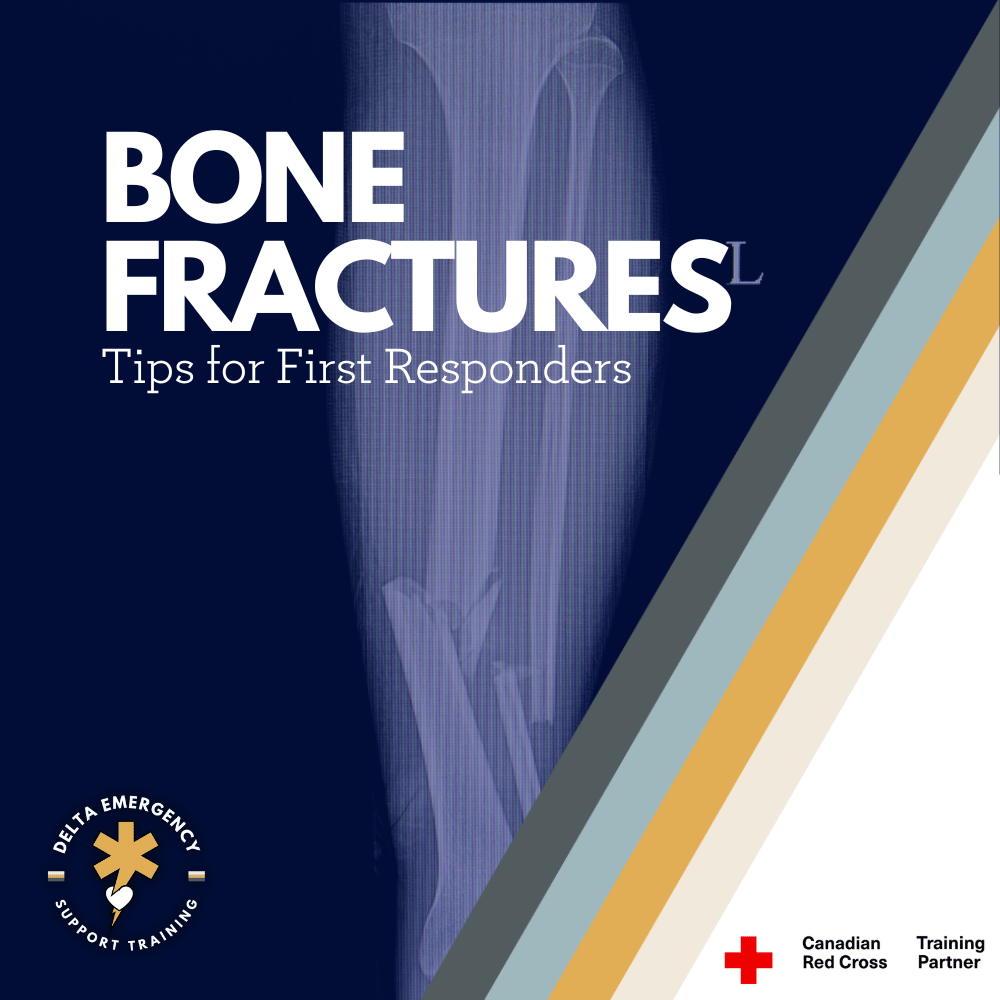
Handling Bone Fractures: Essential Tips for First Responders

At Delta Emergency Support Training, we ensure that our students are fully prepared to handle emergencies with confidence. Through our Red Cross workbooks, teaching resources, study tips, and in-person classes for EMR and AFA, we provide the practical knowledge necessary to deal with fractures and other emergencies.
XRAY OF BROKEN TIB FIB

Fractures are common injuries that medical first responders frequently encounter, and proper management is critical in ensuring the patient's safety and minimizing long-term complications. This guide covers essential protocols for handling fractures, emphasizes the importance of checking distal pulses, and provides specific management tips for different types of fractures. At Delta Emergency Support Training, we provide access to Red Cross workbooks, hands-on training, and in-person classes for EMR and AFA, ensuring that you're well-prepared to manage fractures effectively.

General Approach to Fracture Management

  1. Assess the Scene: Ensure your safety first and perform a quick primary assessment. Look for life-threatening conditions (e.g., breathing, bleeding, and consciousness).

  2. Immobilize the Injury: Fractured bones must be stabilized to prevent further injury. Do not attempt to realign a displaced bone unless it is absolutely necessary to restore circulation.

  3. Check Circulation: Always check for a distal pulse (e.g., radial pulse for upper limbs, dorsalis pedis pulse for lower limbs). The absence of a pulse could indicate compromised circulation and require immediate intervention.

  4. Pain Management: Administer pain relief within your scope of practice and ensure comfort during transport.

Fracture Types and Management Protocols

Upper Limb Fractures

Clavicle Fracture

  • Symptoms: Pain, visible bump, limited range of motion.

  • Management: Use a sling or figure-eight bandage to immobilize. Check for a radial pulse to assess circulation. If no pulse, realign gently to restore blood flow.

Humerus Fracture

  • Symptoms: Pain, swelling, abnormal positioning.

  • Management: Immobilize with a splint or sling. Check radial pulse. A lack of pulse suggests potential nerve or vessel damage, requiring immediate intervention.

Radius and Ulna Fractures

  • Symptoms: Swelling, bruising, and inability to move the wrist or fingers.

  • Management: Use a splint, ensuring the wrist and elbow are stabilized. Always check the radial pulse; absence of pulse indicates compromised circulation and requires urgent realignment.

Lower Limb Fractures

Femur Fracture

  • Symptoms: Severe pain, swelling, inability to move.

  • Management: Use a traction splint to stabilize. Check the femoral pulse. Absence of pulse demands immediate medical intervention.

Tibia and Fibula Fractures

  • Symptoms: Pain, bruising, and difficulty moving.

  • Management: Apply a splint to stabilize the leg. Check the dorsalis pedis pulse; absence indicates possible vascular damage and requires urgent attention.

Ankle and Foot Fractures

  • Symptoms: Pain, swelling, deformity.

  • Management: Stabilize with a splint. Check pulses at the dorsalis pedis and posterior tibial sites. Absence of pulse requires immediate action to restore blood flow and prevent limb loss.

Spinal and Pelvic Fractures

Spinal Fractures

  • Symptoms: Neck or back pain, possible numbness or tingling in limbs.

  • Management: Immobilize the spine with a cervical collar and prevent movement. Check femoral and radial pulses. Absence of pulses may indicate spinal cord injury or severe vascular damage.

Pelvic Fractures

  • Symptoms: Severe pelvic pain, bruising, difficulty moving.

  • Management: Apply a pelvic binder to reduce movement. Check femoral pulse. Absence of pulse indicates potential severe internal bleeding and requires immediate medical intervention.

Why Checking for Distal Pulse is Critical

When dealing with fractures, checking for distal pulses is a vital step in ensuring the injured limb is receiving adequate blood flow. Absence of a pulse can suggest that a major artery or vein is compromised, risking tissue necrosis or limb loss. Repositioning the limb or gently realigning the fracture can sometimes restore circulation, but if pulses are absent, it's important to seek advanced medical help immediately.

Delta Emergency Support Training

At Delta Emergency Support Training, we ensure that our students are fully prepared to handle emergencies with confidence. Through our Red Cross workbooks, teaching resources, study tips, and in-person classes for EMR and AFA, we provide the practical knowledge necessary to deal with fractures and other emergencies. Our training will guide you through how to assess injuries, check circulation, immobilize fractures, and effectively manage patients in critical situations.

Whether you're just starting out or looking to sharpen your skills, our comprehensive training resources will give you the expertise needed to provide quality care in high-pressure situations.

Read More

Quick Response, Confident Action: Canadian Red Cross Basic Life Support Field Guide

The "Canadian Red Cross: Basic Life Support Field Guide" is an essential tool for anyone trained in Basic Life Support (BLS). Designed for quick reference, this compact guide provides actionable steps for CPR, choking management, and AED use, ensuring you’re ready to respond in high-pressure situations. With clear illustrations and practical examples, this guide is a must-have for healthcare professionals and anyone certified in BLS.

A Lifesaver in Your Pocket: Essential for Every Responder

In the critical moments of a medical emergency, every second counts. The "Canadian Red Cross: Basic Life Support Field Guide" is an essential resource for anyone certified in Basic Life Support (BLS), from healthcare professionals to lay responders. This compact, easy-to-use guide is designed to be a quick reference in high-pressure situations, ensuring that the fundamental skills of life support are always within reach.

Tailored for Quick Reference and Rapid Recall

This field guide distills complex CPR techniques and emergency responses into concise, actionable steps. It's structured to help you quickly refresh your memory on essential procedures, including:

  • High-quality chest compressions

  • Ventilation skills

  • Management of choking for adults, children, and infants

  • Use of automated external defibrillators (AEDs)

Each section of the guide is accompanied by clear, instructive illustrations that enhance understanding and recall, making it easier to apply the techniques in real-life scenarios.

A Must-Have for a Wide Range of Responders

Whether you're a nurse on the front lines, a paramedic in the field, or a designated first aid provider at your workplace, this guide is made for you. Its comprehensive coverage makes it invaluable not only for professional use but also for anyone trained in BLS who might need to act swiftly to save a life.

Enhancing Skills with Reliable Information

The Basic Life Support Field Guide is more than just a manual; it's a training companion that reinforces your skills through:

  • Scenario-based practice examples

  • Step-by-step guides for both expected and unexpected situations

  • Quick tips for maintaining composure and efficiency in emergency situations

Why Physical Copies Matter

In emergency situations, technology can fail. A physical guide ensures that the information you need is available without concern for battery life, signal, or functionality. Its durable design means it can withstand the rigors of any environment, from a hospital ward to an outdoor adventure.

Conclusion

Ready to enhance your readiness and confidence in critical situations? The Canadian Red Cross Basic Life Support Field Guide is available now at Delta Emergency Support Training. Equip yourself with the knowledge and skills that make a difference when it matters most. Visit Delta Emergency Support Training to get your copy today and stay prepared for any emergency with the best CPR techniques, emergency response tips, and life-saving skills at your fingertips.

Read More

Elevating Emergency Response: The Canadian Red Cross Emergency Care for Professional Responders Textbook

The "Canadian Red Cross: Emergency Care for Professional Responders" textbook is a must-have resource for those working in high-pressure environments like emergency medical services, firefighting, and law enforcement. Packed with in-depth medical content and real-world scenarios, this guide equips professionals with the advanced skills needed to handle critical emergencies effectively. Whether you're performing airway management or assessing trauma, this textbook ensures you're ready to respond with confidence in any situation.
Advanced First Aid Knowledge for Those Who Face the Most Demanding Situations

In the fast-paced world of emergency medical services, having the right knowledge can make the difference between life and death. The "Canadian Red Cross: Emergency Care for Professional Responders" textbook is specifically designed for individuals who operate in high-stakes environments where advanced first aid and emergency care are required. This textbook is an indispensable resource for firefighters, police officers, lifeguards, and advanced first aid personnel.

Depth of Medical Content

This textbook dives deep into the complex and critical conditions that professional responders encounter. With chapters written by experts in emergency care, the content covers a broad spectrum of medical emergencies, from trauma to acute medical conditions, providing detailed procedures for each. This comprehensive approach ensures that responders have the depth of knowledge necessary to make informed decisions quickly.

Real-World Scenarios and Techniques

One of the standout features of this guide is its emphasis on practical, real-world application. It includes:

  • Detailed scenario-based training examples that simulate actual emergency situations.

  • Step-by-step guides for advanced techniques such as airway management, support for spinal injuries, and emergency childbirth.

  • Best practices for scene management and patient assessment to ensure effective and efficient care.

These elements are designed to prepare responders not just to perform their duties, but to excel in their roles with confidence and competence.

Tailored for Professional Use

Each section of the textbook is tailored to the needs of professional responders, with considerations for the challenges they face in the field. The material is not only comprehensive but also accessible, with clear diagrams, quick-reference tables, and bullet points that make crucial information easy to locate and recall under pressure.

Why Choose This Textbook?

  • Expertise: Authored by leading medical professionals with extensive experience in emergency response.

  • Relevance: Updated regularly to include the latest techniques and best practices in emergency medical care.

  • Durability: Manufactured to withstand the rigors of field use, ensuring reliability when it’s needed most.

Conclusion

For those in demanding and critical roles, the Canadian Red Cross Emergency Care for Professional Responders textbook is more than just a learning tool—it's a crucial ally in the field. By integrating this textbook into your training program, you ensure that your team is equipped with the knowledge and skills to handle complex emergencies effectively.

Elevate your professional response capabilities today by obtaining your copy from Delta Emergency Support Training at Delta Emergency Support Training. Equip your team with the knowledge that saves lives, enhances safety, and ensures that when the call comes, you are ready to respond with the best care possible.

Read More

Unlocking the Great Outdoors: Mastering Wilderness First Response with Delta Emergency Support Training

The Wilderness First Responder Course is a must for outdoor enthusiasts and professionals who venture into remote areas. Whether you're hiking, camping, or leading outdoor adventures, this course provides the essential skills to respond to medical emergencies in the wilderness. Learn to assess, treat, and manage injuries, illnesses, and life-threatening situations when help is far away. Equip yourself with the knowledge to handle emergencies confidently and safely.
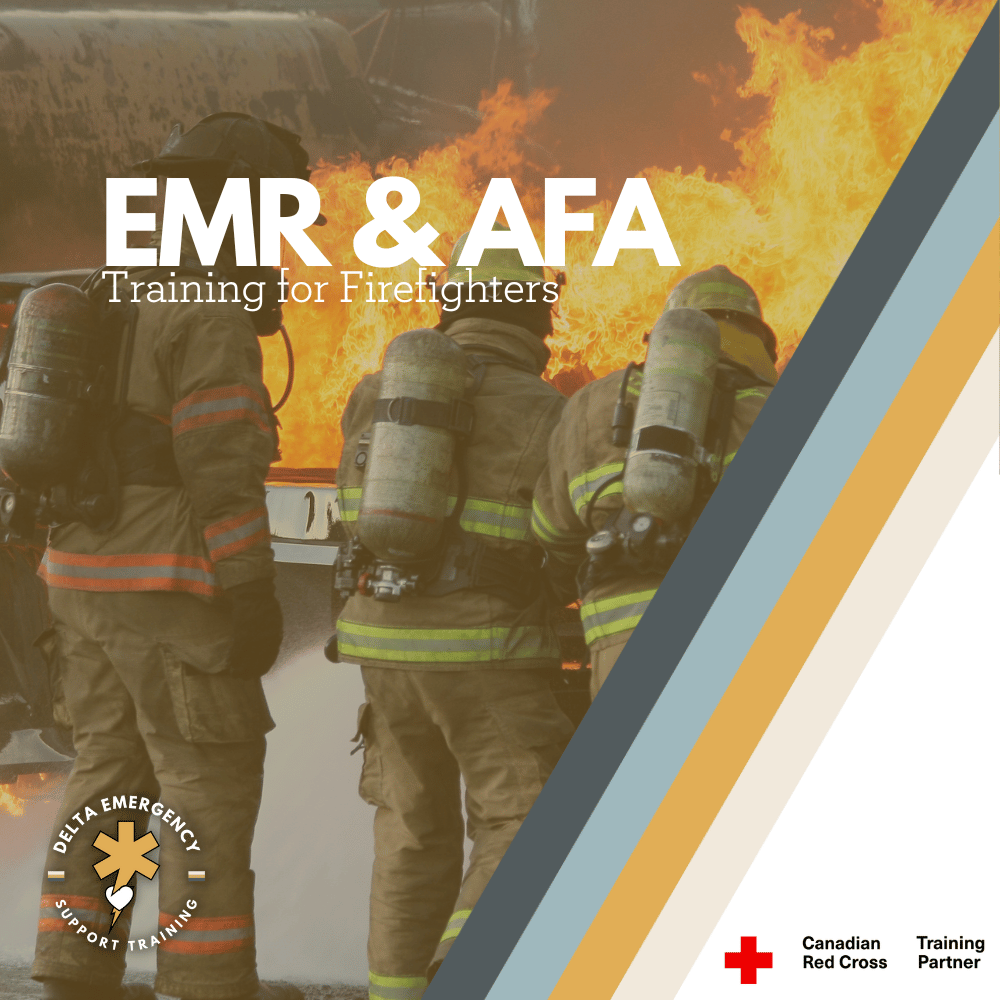
Why the Wilderness First Responder Course Package is Essential for Outdoor Enthusiasts and Professionals

The wilderness is unpredictable, and those who brave its untouched landscapes know that preparation is key—not just in gear but in knowledge and skills. Delta Emergency Support Training offers the "Canadian Red Cross: Wilderness First Responder Course Package," a comprehensive trio of textbooks designed specifically for those who find themselves as first responders in remote and rugged environments. This package isn't just a set of books; it's an essential toolkit for saving lives where traditional medical help may be hours away.

Three Textbooks, One Mission: Comprehensive Preparedness

  1. The Core Manual: This textbook covers a broad range of topics necessary for a solid foundation in wilderness medicine, including patient assessment and emergency response strategies tailored to the unique challenges of the wilderness.

  2. The Scenario Guide: Packed with realistic scenarios, this guide pushes you to apply what you've learned in dynamic and challenging situations, enhancing decision-making skills under pressure.

  3. The Quick Reference Handbook: When time is critical, this handbook is your go-to for quick checks and reminders, ensuring you have the right information at your fingertips when every second counts.

Designed for Depth and Durability

Each book in the Wilderness First Responder Course Package is crafted to withstand the elements, making them perfect for outdoor use. Water-resistant and tear-resistant pages mean that whether you're caught in a downpour or navigating rough terrain, your source of critical information remains intact.

Affordably Priced, Invaluable Investment

At Delta Emergency Support Training, we understand the importance of accessibility to quality education. That's why we offer these textbooks at prices well below standard retail costs. Investing in this package means investing in the safety of your team and the individuals you'll have the skills to assist, making it invaluable to any professional or agency involved in wilderness activities.

Why Choose a Physical Book Over Digital?

While digital devices are ubiquitous, in the wilderness, they are often unreliable. A physical book doesn’t require battery power or signal reception. It becomes not just a tool, but a reliable companion that ensures information is always available, no matter where your journey takes you.

Conclusion

Whether you're leading expeditions, embarking on solo wilderness adventures, or providing professional training, the Canadian Red Cross: Wilderness First Responder Course Package from Delta Emergency Support Training is your essential companion. By equipping yourself with this knowledge, you prepare to face the wilderness not just with confidence, but with competence.

Ready to take your wilderness preparedness to the next level? Visit our website at Delta Emergency Support Training to purchase your course package today and step confidently into your next adventure, knowing you are trained to handle whatever comes your way.

Read More

Become a Confident Emergency Responder: EMR & AFA Training for Aspiring Firefighters

Looking to become a firefighter in Alberta? Delta Emergency Support Training provides top-tier EMR and AFA coursesto help you meet the medical prerequisites for fire departments. With hands-on learning from experienced paramedics and firefighters, you’ll leave our courses feeling confident and ready for any emergency response role
Take Your First Step Toward Becoming a Firefighter with Delta Emergency Support Training’s Advanced First Aid & Emergency Medical Responder Courses

Becoming a firefighter is a calling. It’s about being ready for any emergency and making critical decisions when lives are on the line. If you’re looking to join the ranks of Alberta’s fire departments, one key requirement is completing Advanced First Aid (AFA) training. At Delta Emergency Support Training, we offer Emergency Medical Responder (EMR) and Advanced First Aid (AFA) courses that go beyond the basics to help you build the skills you need to succeed in firefighting and emergency medical services.

We don’t just teach first aid, we create confident, well-rounded professionals. When you leave our course, you’ll not only meet the medical requirements but also feel fully prepared to handle emergencies in the real world.

Why EMR & AFA Training is Crucial for Aspiring Firefighters

To become a firefighter in Alberta, you need to meet specific medical training requirements. Our EMR and AFA coursesare designed to ensure you meet these requirements and walk away feeling confident in your ability to respond to any medical emergency.

Here’s why our training is crucial:

  • Essential for Firefighter Certification: Alberta fire departments, including Calgary Fire, Edmonton Fire, and others, require advanced first aid as part of the firefighter qualification process. Our EMR courses are built specifically to meet these requirements and provide you with the foundational knowledge and hands-on skills you need to excel.

  • In Demand Across Multiple Industries: While firefighting is our primary focus, EMRs are also in high demand in the oil and gas sector, construction, and other high-risk industries. Completing our course opens doors to a wide range of career opportunities, giving you the flexibility to work in various emergency response roles.

  • Real-World, Hands-On Training: In firefighting, every second counts. Our EMR and AFA courses are designed to give you more than just theoretical knowledge — you’ll get practical, real-world training. You’ll practice everything from patient assessment to trauma care and advanced life-saving techniques in realistic, high-pressure scenarios, so you’re prepared to face anything that comes your way.

  • Flexible Learning Options: We know life is busy. That’s why we offer flexible training options to suit your schedule. Whether you prefer in-person sessions for a more hands-on approach or hybrid learning for more flexibility, we’ve got you covered.

What You’ll Learn in Our EMR & AFA Courses

When you train with Delta Emergency Support Training, you’re not just learning techniques; you’re building the confidence to apply them in real emergencies. Our courses are structured to provide you with the skills needed to become a capable, confident medical professional. Here’s what you’ll learn:

  • Patient Assessment & Treatment: You’ll learn how to quickly and accurately assess a patient’s condition and determine the best course of action. From airway management to oxygen administration, you’ll be trained to provide high-quality care in a variety of medical and trauma situations.

  • Trauma & Medical Expertise: Our training covers essential skills like spinal injury management, using spinal boards, scoop stretchers, and KEDs (Kendrick Extrication Devices), as well as pelvic binding for trauma. You’ll also learn how to manage critical medical emergencies, giving you the knowledge to treat a wide range of injuries and illnesses.

  • Advanced Life-Saving Techniques: Our courses focus heavily on high-efficiency CPR, Basic Life Support (BLS), and advanced trauma care. You’ll also gain experience with tools like SAGER (Self-Adjusting Gurney Extrication) to stabilize and extricate patients effectively and safely.

  • Scene Safety & Scene Management: Firefighting and emergency medical care require you to work in chaotic, high-stress environments. We teach you how to assess and manage scenes safely, make critical decisions quickly, and always put your safety — and your patient's — first.

  • Instructor Expertise: Led by an experienced Critical Care Paramedic with 17 years of experience in EMS, including his work with STARS Air Ambulance, we provide top-notch training from instructors who have been in the field and understand exactly what you’ll face as a first responder.

What Sets Us Apart

At Delta Emergency Support Training, we’re not just about meeting certification requirements — we’re about making sure you walk away feeling like a confident, capable medical professional. We pride ourselves on giving you the skills and knowledge to excel in the field, and here’s what makes our training different:

  • Proven Success: Many of our students have gone on to secure positions with leading fire departments like Calgary Fire, Edmonton Fire, and beyond. Our high success rate speaks to the effectiveness of our training — and the caliber of professionals we help develop.

  • Hands-On, Practical Learning: Theory is important, but practical experience is what will make you excel in real-world situations. You’ll get plenty of hands-on practice with the techniques and tools you’ll use in the field, ensuring you leave our course feeling ready for anything.

  • Tailored to Your Career Path: Whether you’re focused on firefighting or exploring opportunities as a site medic in high-risk industries, we offer comprehensive training that prepares you for the specific demands of your role. We also provide bridge courses and refresher courses to keep your skills sharp throughout your career.

  • Support Every Step of the Way: We’re here to support you not just in the classroom, but throughout your career journey. Whether it’s job placement assistance, career advice, or industry connections, we’re committed to helping you take the next step in your emergency response career.

  • Flexible Payment Options: We understand the financial commitment involved in training. Ask about our payment plans and discounts for groups to make your education more accessible.

Start Your Journey Today

If you’re ready to take the next step in your firefighting career or want to gain valuable emergency medical skills, Delta Emergency Support Training is here to help. We’re committed to providing training that goes beyond certification — we want you to leave our courses feeling confident and prepared for any emergency.

Contact us today to learn more about our EMR and AFA courses, find the perfect class for your schedule, and start your journey toward becoming a capable, confident emergency medical responder.

Read More

How Babysitters Can Handle Emergencies: When to Call 911 and What to Do

Emergencies can happen unexpectedly, and as a babysitter, knowing how to respond quickly is essential. One of the most important skills is knowing when to call 911. Whether it’s a child choking, having a seizure, or becoming unconscious, your quick action could save a life. It’s crucial to always know the address of the home you’re babysitting at, as this information can help emergency responders reach you faster. Remember, better to call 911 and not need them than to not call and need them—911 call-takers are there to guide you through the process and ensure help arrives as quickly as possible. Stay calm, stay prepared, and always trust your instincts when it comes to emergencies.
Emergencies can happen at any time, and when you're babysitting, it’s important to know how to respond quickly. Whether you're watching kids at home, looking after younger siblings, or taking care of someone else’s children, you have to be prepared for anything. Knowing when and how to call 911 is especially important because your quick action could save a life.

In this blog, we'll talk about common emergencies, how to stay calm, and why knowing your address and how to call 911 is so critical.

Why It’s So Important to Know How to Call 911

As a babysitter, you might be the first person to handle an emergency. If something happens—a child gets hurt, gets sick, or something else goes wrong—you might need to call 911 for help.

One of the most important things to remember when calling 911 is knowing where you are. If you can’t tell the dispatcher your address, it can delay help. That means it’s crucial to always know the address of the home where you’re babysitting, including the apartment number if applicable. Make sure you have this info handy in case you need it quickly!

When to Call 911: What Counts as an Emergency?

Some situations can be handled with basic first aid, but others are more serious and require immediate help. Here are some examples of when you need to call 911 without hesitation:

1. The Child is Unconscious or Not Responding

If the child or anyone you’re caring for becomes unresponsive, it’s a big emergency. If they’re not waking up, won’t talk, or are just unresponsive, you need to get help right away.

What to Do:

  • Check if the child is breathing. If they are not breathing or are gasping, call 911 immediately. If you're trained in CPR, you may be able to help the child before emergency responders arrive.

  • If they are breathing but still unconscious, gently lay them on their side (recovery position) and call 911 right away.

2. Serious Bleeding

If the child has a large cut or wound that won’t stop bleeding, that’s a serious emergency. You need to stop the bleeding and get help right away.

What to Do:

  • Apply a clean cloth or bandage to the wound and press down to stop the bleeding.

  • If the wound is really deep, or you can’t stop the bleeding, call 911 and keep pressure on the wound until help arrives.

3. Choking

Choking is a life-threatening emergency, especially if the child can’t breathe or speak. If you are trained in back blows and abdominal thrusts, you should perform these techniques as you were taught. If the child becomes unconscious, you should immediately call 911.

What to Do:

  • If you are trained in abdominal thrusts and back blows (to help expel the object blocking their airway), perform these techniques as you’ve been taught.

  • If the child becomes unconscious, call 911 immediately. If you are trained to save a choking person, you have a good chance of saving them.

  • Keep performing your life-saving techniques until the child can breathe or emergency help arrives.

4. Severe Allergic Reaction (Anaphylaxis)

Severe allergic reactions (also known as anaphylaxis) can cause swelling in the throat and make breathing difficult. Common triggers include bee stings, food allergies (like peanuts), or certain medications.

What to Do:

  • If the child has an epinephrine auto-injector (EpiPen), use it right away.

  • Then, call 911 immediately to get professional help.

5. Seizures

If the child has a seizure, especially if they’ve never had one before, you should call 911. This is important because first-time seizures can be a sign of something serious, and even if the seizure doesn’t last long, it’s better to get medical help.

What to Do:

  • Move objects out of the way to prevent injury.

  • Gently cushion their head and lay them on their side if possible.

  • If the child has never had a seizure before, or if it lasts more than a minute, call 911 right away.

6. Trouble Breathing or Chest Pain

If the child is having trouble breathing, or complains of chest pain, these could be signs of a serious medical condition like a heart attack or a severe asthma attack.

What to Do:

  • Help them sit up and stay calm.

  • If they have an inhaler, help them use it.

  • If they are still having trouble breathing or in pain, call 911 immediately.

How to Call 911: What You Need to Tell Them

When you call 911, it’s important to speak clearly and calmly. Here’s what to do:

1. Know Your Address

You must know the address where you're babysitting, including the street name, apartment number (if applicable), and any nearby landmarks. Make sure you have this info written down or memorized before the emergency happens so you can give it to 911 right away.

2. Speak Clearly

When you’re panicked, it can be hard to talk clearly. Take a deep breath, stay calm, and explain what’s going on as best as you can. Tell the dispatcher the emergency, the condition of the child, and the address where help is needed.

3. Describe the Situation

Tell the dispatcher what happened and the child’s condition. For example:

  • “The child is unconscious and not breathing.”

  • “They’re choking on food and can’t breathe.”

4. Follow the Dispatcher’s Instructions

The dispatcher might give you advice on what to do while you wait for emergency help to arrive. Listen carefully and do your best to follow their instructions.

5. Stay on the Line

Don't hang up until the dispatcher tells you it's okay. They may need more information or updates as emergency responders get closer.

When in Doubt, Call 911

If you're ever unsure whether something is an emergency, it’s always better to call 911. Better to call and not need them than to not call and need them. 911 call-takers are there to help and guide you through the situation. They won’t judge you for calling and are trained to assist you no matter what the emergency is. Trust your instincts—if you feel the child’s health or safety is at risk, don’t hesitate to call for professional help.

Conclusion: Be Prepared, Stay Calm, and Get Help

Babysitting comes with a lot of responsibility. Emergencies can happen quickly, but being prepared can make all the difference. The key is staying calm, knowing when to call 911, and having the information you need to guide emergency responders.

At Delta Emergency Support Training, we offer Red Cross Babysitting courses that cover all the important topics you need to be ready for anything. Our course is taught by paramedics and includes one session on caring for babies and another session dedicated to babysitter first aid, where you’ll learn life-saving techniques like CPR, how to handle injuries, and what to do in different emergency situations. You’ll leave our course with the skills and confidence to handle any emergency that comes your way.

Read More

Babysitting Safety Tips: Ensuring the Well-Being of the Children in Your Care

Investing in your education as a babysitter is paramount. Delta Emergency Babysitting classes offer a comprehensive online curriculum designed to equip you with the physical skills, knowledge, and invaluable tricks of the trade needed to excel in your role. These classes, accessible across Canada, go beyond the basics, providing insights into handling emergencies, navigating challenging situations, and fostering a safe and nurturing environment for the children under your care. By enrolling in Delta Emergency Babysitting classes, you'll gain the confidence and competence necessary to handle any scenario that may arise while babysitting, ensuring the well-being and security of the children entrusted to you.

Kids hanging out having a good time

Babysitting is not just about entertaining children; it's also about keeping them safe and secure. Whether you're a seasoned babysitter or just starting out, implementing safety precautions is crucial to ensure a smooth and secure experience for both you and the children you're looking after. Here are some detailed safety tips to help you navigate your babysitting responsibilities with confidence:

1. Familiarize Yourself with the Home Environment

Before the parents or guardians leave, take a tour of the house to familiarize yourself with the layout, potential hazards, and where essential items are kept. This includes knowing where the first aid kit, emergency contact numbers, and fire extinguishers are located.

2. Emergency Contact Information

As mentioned, it's essential to have the address written on a sticky note and placed on the fridge, along with parents' or guardians' phone numbers. In case of an emergency, you'll have immediate access to this vital information without delay.

3. Communication Plan

Have either the family home line or your own cell phone handy to call anyone in case of an emergency. Additionally, keep in touch with the family to update them on activities, changes of plans, or any concerns that arise during your time babysitting.

4. Childproofing Measures

Ensure that the home environment is childproofed to prevent accidents. This includes keeping cleaning supplies, medications, sharp objects, and small choking hazards out of reach of children. Secure cabinets and drawers containing potentially dangerous items.

5. Fire Safety

Familiarize yourself with the home's fire escape plan and ensure that smoke detectors are working correctly. Teach children about fire safety, including the Stop, Drop, and Roll technique, and how to crawl under smoke if necessary.

6. Water Safety

If there's a pool or bathtub in the house, never leave children unattended near water, even for a moment. Make sure children wear appropriate flotation devices if they're swimming and know basic water safety rules.

7. First Aid Skills

It's crucial to have basic first aid knowledge, including CPR and choking rescue techniques. Take a certified first aid and CPR course to prepare yourself for any emergencies that may arise while babysitting.

8. Allergies and Medical Needs

Ask the parents or guardians about any allergies or medical conditions the children have, as well as any medications they may need. Ensure you know where medications are stored and how to administer them if necessary.

9. Stranger Danger

Teach children about stranger danger and the importance of not opening the door to anyone they don't know. Instruct them to always check with you or their parents before answering the door.

10. Safe Play

Encourage safe play by providing age-appropriate toys and activities. Supervise children closely, especially when they're engaging in physical activities or playing outdoors.

11. Safe Sleeping Environment

Ensure that infants and young children have a safe sleeping environment by placing them on their backs in a crib with no loose bedding, pillows, or stuffed animals. Follow safe sleep guidelines to reduce the risk of Sudden Infant Death Syndrome (SIDS).

12. Stay Calm and Collected

In the event of an emergency, it's essential to stay calm and collected. Assess the situation, and if necessary, call emergency services immediately. Follow any first aid procedures you've learned until help arrives.

Conclusion

In addition to these safety tips, consider enrolling in Delta Emergency Babysitting classes, which are available online across Canada. These classes provide not only physical skills but also invaluable knowledge and tricks of the trade to help you become the best babysitter you can be. By investing in your education and preparation, you'll be equipped to handle any situation with confidence and ensure the well-being of the children under your care. Remember, being a babysitter is not just about supervising playtime; it's about safeguarding precious lives and creating a secure environment where children can thrive.

Read More

5 Life-Saving First Aid Techniques Everyone Should Know

In a world where emergencies can strike at any moment, being equipped with life-saving skills is crucial. Delta Emergency Support Training's First Aid Classes in Calgary, Alberta, go beyond the basics, offering comprehensive training in CPR, back blows, Stop the Bleed, the recovery position, and AED use. With hands-on experience and expert guidance, participants gain the confidence to act decisively in critical situations. Enroll today and become a confident, capable first responder – because your quick response might just save a life.

First aider attends to unconscious man who has AED PADS PLACED ON CHEST

When faced with a medical emergency, having a solid understanding of basic first aid techniques can be the difference between life and death. Whether at home, work, or in public spaces, possessing fundamental first aid skills can empower you to respond effectively and decisively. In this blog, we'll explore five common life-saving first aid techniques that everyone should know.

  1. Cardiopulmonary Resuscitation (CPR):

    Cardiopulmonary Resuscitation, or CPR, is a critical skill used to revive individuals experiencing cardiac arrest. By combining chest compressions and rescue breaths, you can maintain blood flow and oxygenation to vital organs until professional medical help arrives. CPR training is widely accessible, and mastering this technique can significantly increase the chances of survival in emergencies.

  2. Back Blows and Abdominal Thrusts:

    Choking is a prevalent emergency that can happen anywhere, and knowing how to respond is crucial. The combination of back blows and abdominal thrusts is a technique used to dislodge a foreign object obstructing the airway. Begin with five sharp back blows between the shoulder blades, followed by five abdominal thrusts to force air from the lungs and expel the obstruction. This method can be a lifesaver in situations where swift action is necessary.

  3. Stop the Bleed:

    Uncontrolled bleeding is a leading cause of preventable death in emergencies. The "Stop the Bleed" technique focuses on controlling external bleeding until professional medical assistance arrives. Applying direct pressure to the wound with sterile bandages or clothing, using tourniquets when necessary, and elevating the injured limb are essential components of this life-saving skill.

  4. Recovery Position:

    The recovery position is a simple yet vital technique used to maintain an open airway for an unconscious person who is breathing. Placing the individual on their side helps prevent choking on vomit or other fluids and promotes proper breathing. This technique is particularly useful in cases of alcohol or drug overdose, where maintaining a clear airway is critical until medical help arrives.

  5. AED (Automated External Defibrillator) Use:

    AEDs are portable devices that deliver an electric shock to restore the heart's normal rhythm in cases of sudden cardiac arrest. Learning how to use an AED, in conjunction with CPR, can significantly increase the chances of survival for someone experiencing a cardiac emergency. Many public places and workplaces are equipped with AEDs, making understanding their proper use invaluable in time-sensitive situations.

    Delta Emergency Support Training's First Aid Classes in Calgary, Alberta, offer a comprehensive approach to life-saving techniques. By enrolling in these courses, participants gain the skills and confidence to respond effectively to emergencies. From CPR to back blows and abdominal thrusts, Stop the Bleed, the recovery position, and AED use, Delta Emergency Support Training ensures that individuals are well-prepared to make a positive impact in critical situations. Empower yourself with the knowledge that can make a difference – enroll in Delta Emergency Support Training's First Aid Classes today. Your quick response and expertise could be the key to saving lives.

Read More

Empowering Lives Through Training: Delta Emergency as a Red Cross Training Partner

The Red Cross, an emblem of humanitarian aid, has been at the forefront of disaster response and readiness for generations. They offer an array of training programs designed to equip individuals with essential skills for emergencies and crises. A Red Cross Training Partner is an organization that joins forces with the Red Cross to deliver certified training courses to individuals, workplaces, schools, and communities. This partnership ensures consistent, accurate, and up-to-date training aligned with the latest guidelines and best practices. One such partner, Delta Emergency, exemplifies this commitment through their collaboration, enriching lives with essential knowledge and empowering individuals to navigate emergencies with confidence.

In a world where emergencies can strike unexpectedly, being equipped with life-saving skills becomes paramount. This is where organizations like Delta Emergency step in, playing a pivotal role in preparing individuals to respond effectively during crises. As a Red Cross Training Partner, Delta Emergency takes its commitment to emergency preparedness to the next level.

Person wearing military uniform holding a jaw thrust on a manikin.

What is a Red Cross Training Partner?

The Red Cross, an internationally recognized humanitarian organization, has been at the forefront of disaster response and preparedness for over a century. They offer a wide range of training programs that empower individuals with essential skills to respond to emergencies, provide first aid, and support communities in times of crisis.

A Red Cross Training Partner is an organization that collaborates closely with the Red Cross to deliver certified training courses to individuals, workplaces, schools, and communities. These partners uphold the highest standards set by the Red Cross, ensuring that training is consistent, accurate, and aligned with the latest guidelines and best practices.

Delta Emergency: Empowering Lives Through Training

Delta Emergency, as a Red Cross Training Partner, embodies a commitment to excellence in emergency preparedness and response training. Through this partnership, Delta Emergency gains access to the Red Cross's wealth of knowledge, resources, and training materials. This collaboration enables Delta Emergency to offer a comprehensive range of Red Cross-certified courses, empowering individuals and organizations to be well-prepared when emergencies strike.

Benefits of Red Cross-Certified Training:

  1. Credibility:

    Red Cross certification is globally recognized and trusted. Courses offered by Delta Emergency carry the weight of a respected humanitarian organization, enhancing the credibility of the training.

  2. Quality Assurance:

    Red Cross training courses are meticulously designed by experts, ensuring that participants receive accurate, up-to-date, and reliable information. This quality assurance is crucial for building effective emergency response skills.

  3. Comprehensive Curriculum:

    Delta Emergency's Red Cross-certified courses cover a wide spectrum of topics, including Advanced First Aid, Standard First Aid, and the Babysitting course. From first aid and CPR to disaster response and psychological support, participants gain a well-rounded understanding of how to handle various emergency situations.

  4. Life-Saving Skills:

    Delta Emergency's partnership with the Red Cross equips individuals with practical skills that can make a life-saving difference. These skills can be applied not only in emergencies but also in daily life situations.

The Path to Empowerment:

By partnering with the Red Cross, Delta Emergency is enabling individuals and communities to be proactive in their approach to emergencies. Through these certified training courses, Delta Emergency is not only imparting essential skills but also fostering a culture of preparedness, resilience, and compassion.

Our Dedicated Team: Critical Care Paramedics, Advanced Care Paramedics, and Fire-Trained Instructors

At Delta Emergency, our commitment to excellence is upheld by our dedicated team. Our staff includes critical care paramedics, advanced care paramedics, and fire-trained instructors. Their expertise, combined with our Red Cross Training Partner status, ensures that our courses, including Advanced First Aid, Standard First Aid, and the Babysitting course, are taught with the highest level of professionalism and practical knowledge.

In conclusion, Delta Emergency's role as a Red Cross Training Partner underscores their dedication to equipping people with the tools needed to respond effectively in emergencies. This collaboration amplifies the impact of their training programs, ensuring that individuals are empowered to make a positive difference when it matters most. Through the combined efforts of Delta Emergency and the Red Cross, communities can face the unpredictable future with greater confidence and readiness.

Read More