The Delta Dispatch
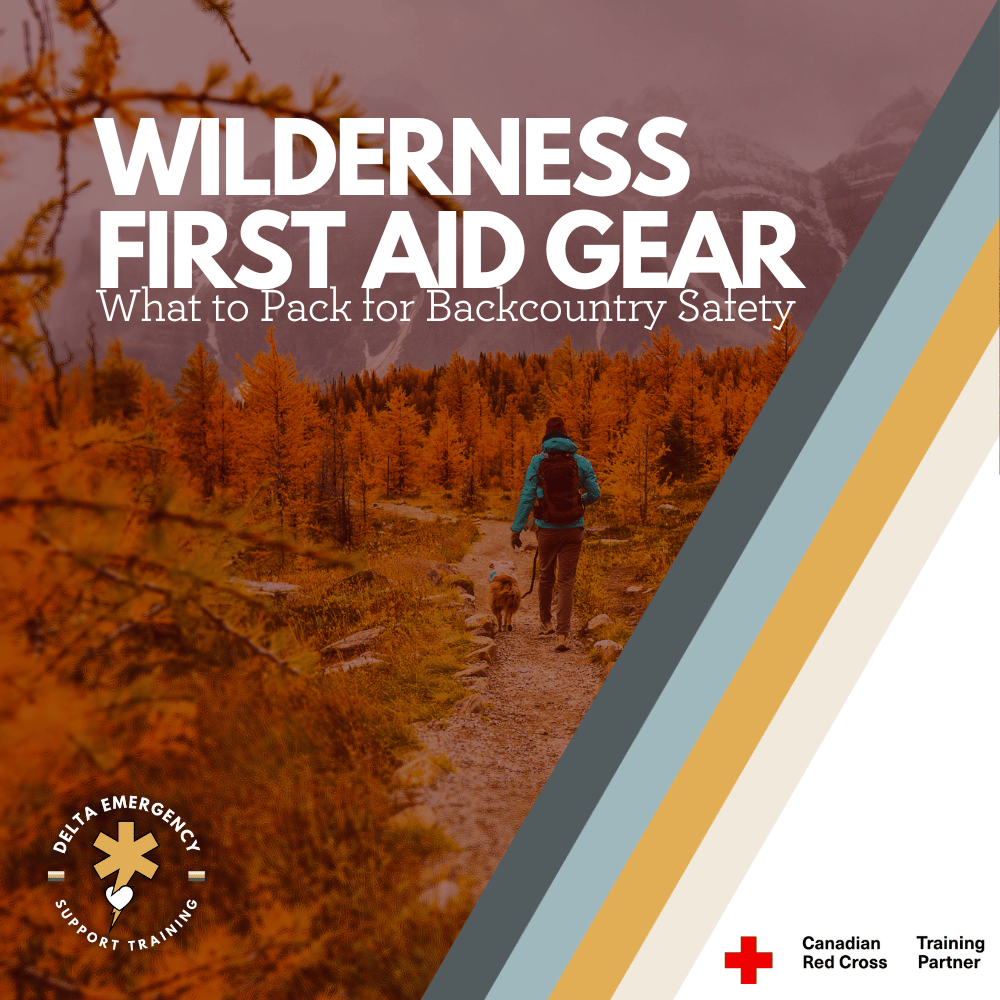
Wilderness First Aid: What to Pack When Heading Into the Backcountry
When you’re miles from help, your first aid kit becomes your lifeline. Learn what to pack for backcountry safety, from wound care and splints to insulation and emergency gear — so you can respond confidently when emergencies strike in the wild.
Venturing into the backcountry can be one of the most rewarding experiences, breathtaking views, solitude, and connection with nature. But with that freedom comes risk. When you’re hours (or days) away from emergency services, being prepared isn’t just about comfort — it’s about survival.
Having the right gear and a solid understanding of wilderness first aid can turn a dangerous situation into a manageable one. Whether you’re an outdoor enthusiast, guide, or first responder, here’s what you need to know about what to packbefore heading into remote terrain.
🏕️ The Backcountry Reality
In urban environments, medical emergencies are typically minutes from help. In the backcountry, those same minutes can stretch into hours or even days. Terrain, weather, and lack of communication can complicate every decision you make.
That’s why your first aid kit is your lifeline — not a luxury item. It’s not just about having supplies; it’s about carrying the right equipment that you can realistically use in an emergency.
🧰 The Core Wilderness First Aid Kit
When it comes to wilderness first aid, balance is everything — you want to be prepared without carrying unnecessary weight. Here’s a breakdown of essential categories and must-have items:
🩹 1. Wound Care and Bleeding Control
In the wilderness, even small wounds can lead to infection. Having proper wound care supplies ensures you can clean, cover, and protect injuries.
Pack:
Adhesive bandages (various sizes)
Sterile gauze pads and rolls
Elastic (ACE) bandages
Medical tape
Antiseptic wipes or solution (chlorhexidine or iodine)
Antibiotic ointment
Pro Tip: Keep wound supplies in a waterproof bag — even moisture can ruin sterile materials.
💊 2. Medications and Personal Health Supplies
Medications can make the difference between continuing your trip or needing an evacuation. Always pack personal prescriptions, plus some general-purpose medications.
Pack:
Personal prescription medications (in labeled containers)
Acetaminophen or ibuprofen (pain relief, inflammation)
Antihistamines (allergic reactions, insect stings)
Loperamide (anti-diarrheal)
Glucose tablets or gel for low blood sugar
Epinephrine auto-injector (if at risk for severe allergies)
Pro Tip: Store medications in labeled, watertight containers, and check expiration dates before each trip.
🧍♂️ 3. Splinting and Immobilization
Sprains, fractures, and dislocations are among the most common backcountry injuries. Be ready to stabilize and immobilize until help arrives.
Pack:
SAM splint or moldable splint
Triangular bandages (multi-use: slings, ties, padding)
Cloth strips or paracord for securing splints
Safety pins
Improvisation Tip: Trekking poles, paddles, or sturdy sticks can double as splints when properly padded.
🌡️ 4. Hypothermia and Environmental Protection
Weather can change rapidly in the backcountry. Preventing hypothermia or heat exhaustion is part of wilderness first aid.
Pack:
Emergency blanket or bivy sack
Lightweight tarp or shelter
Extra base layer or thermal clothing
Chemical heat packs
Hat and gloves (even in summer — mountain weather shifts fast)
Pro Tip: Always carry something to insulate your patient from the ground — a foam pad, backpack, or spare clothing can prevent dangerous heat loss.
💧 5. Hydration and Nutrition
Dehydration and low energy can cloud judgment and slow reaction times — both dangerous in emergencies.
Pack:
Water purification system (filter, tablets, or UV pen)
Collapsible water bottles or hydration bladder
High-calorie snacks (nuts, protein bars, glucose gels)
📡 6. Navigation, Communication, and Documentation
When emergencies happen, knowing where you are — and how to communicate — is critical.
Pack:
Map and compass (and know how to use them)
GPS or satellite communicator (e.g., Garmin inReach, SPOT device)
Whistle and signal mirror
Waterproof notebook and pencil (for recording vital signs and events)
🪶 7. Wilderness-Ready Extras
Small, lightweight items that make a big difference:
Tweezers (for splinters and ticks)
Duct tape (gear repair, blister prevention, splinting aid)
Safety pins (securing bandages or improvising slings)
Scissors or trauma shears
Hand sanitizer
Headlamp with extra batteries
🏔️ Balancing Weight vs. Preparedness
Every ounce matters in the backcountry. Your pack should be a balance between medical capability and practicality.
Here’s how to think about it:
Day trip? Bring the essentials — bleeding control, wound care, meds, and hypothermia protection.
Multi-day trek? Add splinting materials, backup shelter, and communication tools.
Remote expedition? Include airway adjuncts, advanced medications (if permitted), and an evacuation plan.
⚕️ Training Matters More Than Gear
Even the best kit won’t help if you don’t know how to use it. Taking a Wilderness First Aid (WFA) or Wilderness First Responder (WFR) course teaches you how to:
Prioritize patient care in remote settings
Improvise with available gear
Make evacuation and triage decisions
Treat life-threatening conditions with limited resources
✅ Final Thought
When you’re deep in the wilderness, you are the first responder. A well-stocked and well-thought-out first aid kit gives you the power to act quickly, calmly, and effectively — whether you’re treating a blister, a broken bone, or a life-threatening emergency.
Before you head out, remember: gear doesn’t replace training, but training without gear limits your ability to save lives.
Prepare smart, pack light, and respect the environment — because in the backcountry, preparation truly is protection.
Essential Gear for the Trail: The Canadian Red Cross Wilderness and Remote Field Guide
The "Canadian Red Cross: Wilderness and Remote Field Guide" is a must-have resource for anyone venturing into the great outdoors. Designed for durability and quick reference, this waterproof and tear-resistant guide covers everything from first aid techniques to survival strategies. Compact and easy to use, it's perfect for outdoor enthusiasts, professionals, and anyone responsible for safety in remote areas. Equip yourself with the knowledge and confidence to handle wilderness emergencies—get your copy today at Delta Emergency Support Training.
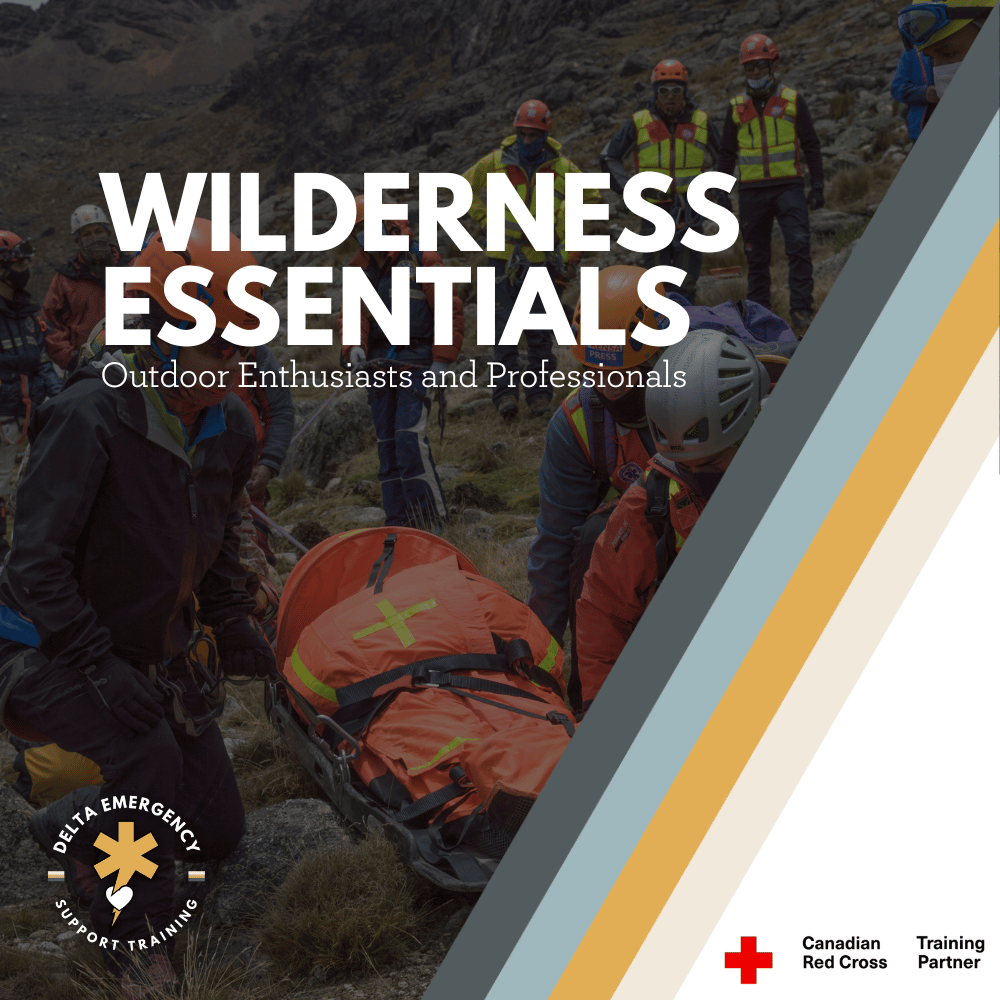
The Ultimate Companion for Outdoor Safety and Emergency Preparedness
When venturing into the great outdoors, whether you're an avid hiker, a professional guide, or a part of a search and rescue team, having the right tools at your disposal is crucial. The "Canadian Red Cross: Wilderness and Remote Field Guide" is not just any textbook; it's a vital resource designed for the realities of outdoor challenges and emergencies.
Designed for Durability and Accessibility
Understanding that nature's elements can be unforgiving, this field guide is built to last. With waterproof and tear-resistant pages, it stands up to the toughest conditions, ensuring that you have access to critical information regardless of weather or terrain. Its compact design allows it to easily fit into any backpack or emergency kit, making it a practical choice for any outdoor enthusiast.
Quick Reference for Fast Action
Time is of the essence when dealing with emergencies in remote locations. This field guide is organized for quick access, allowing you to rapidly find the information you need when every moment counts. Detailed yet concise, the guide covers a wide range of situations from minor injuries to critical emergency responses.
A Tool for Every Wilderness Scenario
The guide includes comprehensive sections on:
Basic first aid techniques
Emergency procedures specific to remote settings
Navigation tips for lost or disoriented individuals
Survival strategies for various climates and terrains
These topics are illustrated with clear, easy-to-understand diagrams and instructions, making the guide an indispensable educational tool for anyone responsible for safety in wilderness areas.
Enhancing Your Outdoor Safety Skills
In addition to its practical applications, the Wilderness and Remote Field Guide serves as an educational resource that enhances your skills and confidence. It supports your outdoor activities by providing essential knowledge that can prevent emergencies or help manage them effectively until professional help is available.
Ideal for Both Enthusiasts and Professionals
Whether you're a casual nature lover or a professional working in challenging environments, this field guide is tailored to support your needs. It's an essential part of any safety training for outdoor professionals and a reliable resource for adventurers who take their wilderness activities seriously.
Conclusion
Invest in your safety and preparedness with the Canadian Red Cross Wilderness and Remote Field Guide. Available at Delta Emergency Support Training at competitive prices, this guide is not just a purchase—it's an investment in your ability to handle the unexpected with expertise and confidence.
Prepare for your next adventure by securing your copy today at Delta Emergency Support Training. Equip yourself with the knowledge to navigate the wilderness safely and respond effectively in emergencies. Your adventure awaits, and with the right preparation, you're ready to meet it head-on.
Unlocking the Great Outdoors: Mastering Wilderness First Response with Delta Emergency Support Training
The Wilderness First Responder Course is a must for outdoor enthusiasts and professionals who venture into remote areas. Whether you're hiking, camping, or leading outdoor adventures, this course provides the essential skills to respond to medical emergencies in the wilderness. Learn to assess, treat, and manage injuries, illnesses, and life-threatening situations when help is far away. Equip yourself with the knowledge to handle emergencies confidently and safely.
Why the Wilderness First Responder Course Package is Essential for Outdoor Enthusiasts and Professionals
The wilderness is unpredictable, and those who brave its untouched landscapes know that preparation is key—not just in gear but in knowledge and skills. Delta Emergency Support Training offers the "Canadian Red Cross: Wilderness First Responder Course Package," a comprehensive trio of textbooks designed specifically for those who find themselves as first responders in remote and rugged environments. This package isn't just a set of books; it's an essential toolkit for saving lives where traditional medical help may be hours away.
Three Textbooks, One Mission: Comprehensive Preparedness
The Core Manual: This textbook covers a broad range of topics necessary for a solid foundation in wilderness medicine, including patient assessment and emergency response strategies tailored to the unique challenges of the wilderness.
The Scenario Guide: Packed with realistic scenarios, this guide pushes you to apply what you've learned in dynamic and challenging situations, enhancing decision-making skills under pressure.
The Quick Reference Handbook: When time is critical, this handbook is your go-to for quick checks and reminders, ensuring you have the right information at your fingertips when every second counts.
Designed for Depth and Durability
Each book in the Wilderness First Responder Course Package is crafted to withstand the elements, making them perfect for outdoor use. Water-resistant and tear-resistant pages mean that whether you're caught in a downpour or navigating rough terrain, your source of critical information remains intact.
Affordably Priced, Invaluable Investment
At Delta Emergency Support Training, we understand the importance of accessibility to quality education. That's why we offer these textbooks at prices well below standard retail costs. Investing in this package means investing in the safety of your team and the individuals you'll have the skills to assist, making it invaluable to any professional or agency involved in wilderness activities.
Why Choose a Physical Book Over Digital?
While digital devices are ubiquitous, in the wilderness, they are often unreliable. A physical book doesn’t require battery power or signal reception. It becomes not just a tool, but a reliable companion that ensures information is always available, no matter where your journey takes you.
Conclusion
Whether you're leading expeditions, embarking on solo wilderness adventures, or providing professional training, the Canadian Red Cross: Wilderness First Responder Course Package from Delta Emergency Support Training is your essential companion. By equipping yourself with this knowledge, you prepare to face the wilderness not just with confidence, but with competence.
Ready to take your wilderness preparedness to the next level? Visit our website at Delta Emergency Support Training to purchase your course package today and step confidently into your next adventure, knowing you are trained to handle whatever comes your way.

