The Delta Dispatch

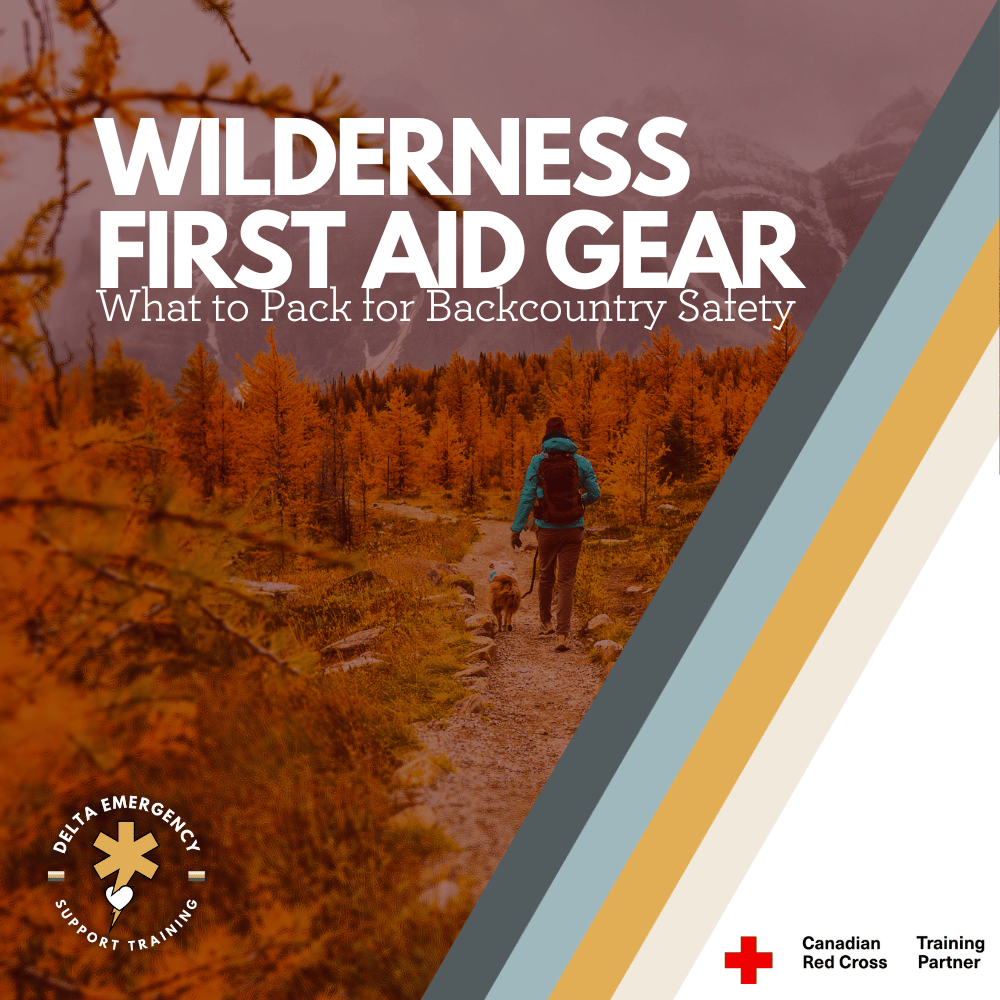
Wilderness First Aid: What to Pack When Heading Into the Backcountry

When you’re miles from help, your first aid kit becomes your lifeline. Learn what to pack for backcountry safety, from wound care and splints to insulation and emergency gear — so you can respond confidently when emergencies strike in the wild.
Venturing into the backcountry can be one of the most rewarding experiences, breathtaking views, solitude, and connection with nature. But with that freedom comes risk. When you’re hours (or days) away from emergency services, being prepared isn’t just about comfort — it’s about survival.

Having the right gear and a solid understanding of wilderness first aid can turn a dangerous situation into a manageable one. Whether you’re an outdoor enthusiast, guide, or first responder, here’s what you need to know about what to packbefore heading into remote terrain.

🏕️ The Backcountry Reality

In urban environments, medical emergencies are typically minutes from help. In the backcountry, those same minutes can stretch into hours or even days. Terrain, weather, and lack of communication can complicate every decision you make.

That’s why your first aid kit is your lifeline — not a luxury item. It’s not just about having supplies; it’s about carrying the right equipment that you can realistically use in an emergency.

🧰 The Core Wilderness First Aid Kit

When it comes to wilderness first aid, balance is everything — you want to be prepared without carrying unnecessary weight. Here’s a breakdown of essential categories and must-have items:

🩹 1. Wound Care and Bleeding Control

In the wilderness, even small wounds can lead to infection. Having proper wound care supplies ensures you can clean, cover, and protect injuries.

Pack:

  • Adhesive bandages (various sizes)

  • Sterile gauze pads and rolls

  • Elastic (ACE) bandages

  • Medical tape

  • Antiseptic wipes or solution (chlorhexidine or iodine)

  • Antibiotic ointment

Pro Tip: Keep wound supplies in a waterproof bag — even moisture can ruin sterile materials.

💊 2. Medications and Personal Health Supplies

Medications can make the difference between continuing your trip or needing an evacuation. Always pack personal prescriptions, plus some general-purpose medications.

Pack:

  • Personal prescription medications (in labeled containers)

  • Acetaminophen or ibuprofen (pain relief, inflammation)

  • Antihistamines (allergic reactions, insect stings)

  • Loperamide (anti-diarrheal)

  • Glucose tablets or gel for low blood sugar

  • Epinephrine auto-injector (if at risk for severe allergies)

Pro Tip: Store medications in labeled, watertight containers, and check expiration dates before each trip.

🧍‍♂️ 3. Splinting and Immobilization

Sprains, fractures, and dislocations are among the most common backcountry injuries. Be ready to stabilize and immobilize until help arrives.

Pack:

  • SAM splint or moldable splint

  • Triangular bandages (multi-use: slings, ties, padding)

  • Cloth strips or paracord for securing splints

  • Safety pins

Improvisation Tip: Trekking poles, paddles, or sturdy sticks can double as splints when properly padded.

  • 🌡️ 4. Hypothermia and Environmental Protection

Weather can change rapidly in the backcountry. Preventing hypothermia or heat exhaustion is part of wilderness first aid.

Pack:

  • Emergency blanket or bivy sack

  • Lightweight tarp or shelter

  • Extra base layer or thermal clothing

  • Chemical heat packs

  • Hat and gloves (even in summer — mountain weather shifts fast)

Pro Tip: Always carry something to insulate your patient from the ground — a foam pad, backpack, or spare clothing can prevent dangerous heat loss.

💧 5. Hydration and Nutrition

Dehydration and low energy can cloud judgment and slow reaction times — both dangerous in emergencies.

Pack:

  • Water purification system (filter, tablets, or UV pen)

  • Collapsible water bottles or hydration bladder

  • High-calorie snacks (nuts, protein bars, glucose gels)

📡 6. Navigation, Communication, and Documentation

When emergencies happen, knowing where you are — and how to communicate — is critical.

Pack:

  • Map and compass (and know how to use them)

  • GPS or satellite communicator (e.g., Garmin inReach, SPOT device)

  • Whistle and signal mirror

  • Waterproof notebook and pencil (for recording vital signs and events)

🪶 7. Wilderness-Ready Extras

Small, lightweight items that make a big difference:

  • Tweezers (for splinters and ticks)

  • Duct tape (gear repair, blister prevention, splinting aid)

  • Safety pins (securing bandages or improvising slings)

  • Scissors or trauma shears

  • Hand sanitizer

  • Headlamp with extra batteries

🏔️ Balancing Weight vs. Preparedness

Every ounce matters in the backcountry. Your pack should be a balance between medical capability and practicality.
Here’s how to think about it:

  • Day trip? Bring the essentials — bleeding control, wound care, meds, and hypothermia protection.

  • Multi-day trek? Add splinting materials, backup shelter, and communication tools.

  • Remote expedition? Include airway adjuncts, advanced medications (if permitted), and an evacuation plan.

⚕️ Training Matters More Than Gear

Even the best kit won’t help if you don’t know how to use it. Taking a Wilderness First Aid (WFA) or Wilderness First Responder (WFR) course teaches you how to:

  • Prioritize patient care in remote settings

  • Improvise with available gear

  • Make evacuation and triage decisions

  • Treat life-threatening conditions with limited resources

Final Thought

When you’re deep in the wilderness, you are the first responder. A well-stocked and well-thought-out first aid kit gives you the power to act quickly, calmly, and effectively — whether you’re treating a blister, a broken bone, or a life-threatening emergency.

Before you head out, remember: gear doesn’t replace training, but training without gear limits your ability to save lives.
Prepare smart, pack light, and respect the environment — because in the backcountry, preparation truly is protection.

Read More
Backcountry, Wildfire, Wilderness, Untreated Water Kumari Malhotra Backcountry, Wildfire, Wilderness, Untreated Water Kumari Malhotra

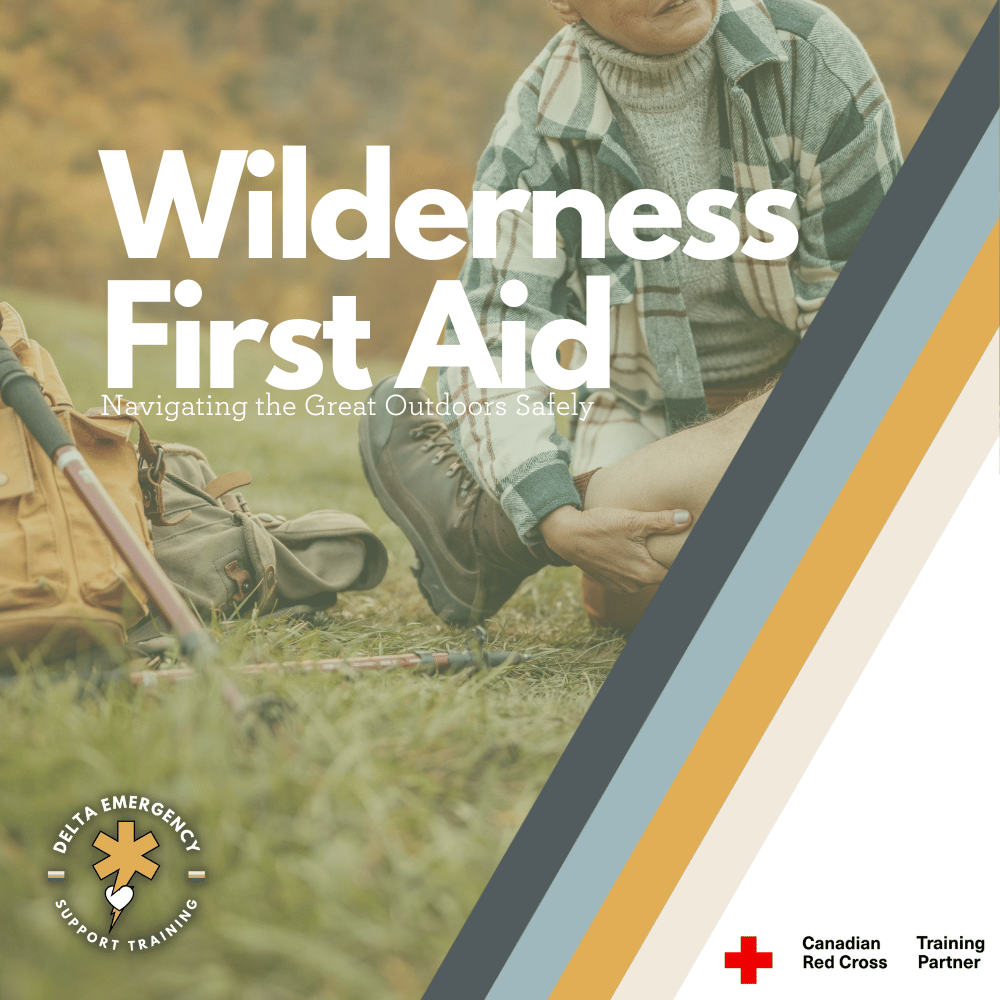
Wilderness First Aid: Navigating the Great Outdoors Safely

When the call of the wild beckons, adventurers set forth to explore the breathtaking landscapes and untamed terrains of the great outdoors. But amidst the beauty lies the unpredictability of nature, where accidents and emergencies can occur. This is where wilderness first aid becomes a beacon of preparedness and care, offering the essential skills to ensure the safety and wellbeing of both adventurers and companions. In this article, we delve into the core principles of wilderness first aid, emphasizing the critical importance of keeping patients warm, dry, and stable while awaiting professional medical assistance. Additionally, we explore the undeniable necessity of proper training before embarking on any backcountry adventure. Embark on a journey to discover how wilderness first aid knowledge can be your ultimate companion in the heart of the wilderness.

The great outdoors, with its untouched landscapes and captivating beauty, beckons adventurers to explore its depths. Yet, amidst the allure of the wild, lies the potential for unexpected challenges. Nature's serenity can swiftly transform into a daunting arena where survival skills become paramount. Wilderness first aid, a skill set that merges compassion with preparedness, acts as a guiding light when venturing into the remote corners of the world.

Understanding Wilderness First Aid

Wilderness first aid is more than just a set of techniques; it's a lifeline in situations where immediate access to professional medical care is a distant promise. This specialized knowledge empowers you to provide effective medical assistance in the absence of conventional facilities. The wild, with its unpredictable terrain and distance from help, underscores the significance of being proficient in wilderness first aid.

Key Principles of Wilderness First Aid

  1. Assessment and Prioritization:

    Nature's beauty often hides potential dangers. The first step in wilderness first aid is to calmly and methodically assess the situation, considering hazards and prioritizing care based on the severity of injuries. This approach ensures that resources are allocated where they are most needed.

  2. Stabilization:

    The wilderness amplifies the impact of injuries. Stabilizing the patient's condition is crucial to prevent it from worsening until professional help arrives. Techniques such as immobilizing fractures, controlling bleeding, and managing shock are vital tools in your arsenal.

  3. Communication:

    In the wild, communication can mean the difference between life and death. Carrying communication devices such as satellite phones or personal locator beacons ensures that you can summon help when faced with emergencies.

  4. Resourcefulness:

    The absence of medical supplies demands creativity. Wilderness first aid requires the ability to fashion splints from branches, create makeshift bandages from clothing, and construct shelters from natural materials, proving your resourcefulness in challenging situations.

  5. Hygiene and Infection Control:

    Preventing infection is crucial when medical facilities are distant. Mastering wound cleaning, dressing techniques, and maintaining hygiene standards are essential to avert complications.

  6. Environmental Considerations:

    The wild introduces unique environmental factors that impact health. Understanding how temperature, altitude, and other elements affect the body empowers you to take preventative measures against conditions such as hypothermia and altitude sickness.

Essential Wilderness First Aid Skills

  1. Basic First Aid:

    The foundation of wilderness first aid rests on basic first aid skills. Knowledge of CPR, wound care, and managing burns, bites, and stings forms the cornerstone of effective wilderness care.

  2. Fracture and Sprain Management:

    The remoteness of the wilderness magnifies the importance of fracture and sprain management. Creating splints from available resources and minimizing movement to prevent further damage are critical skills.

  3. Bleeding Control:

    Swift and effective bleeding control is imperative in the wilderness. Techniques like direct pressure, elevation, and pressure points are essential tools to combat severe bleeding.

  4. Anaphylaxis and Allergic Reactions:

    The wild is teeming with potential allergens. Recognizing and responding to severe allergic reactions, including administering epinephrine, can be life-saving.

  5. Hypothermia and Hyperthermia Management: Extreme temperatures pose significant risks. Learning to manage hypothermia through warmth and shelter and addressing hyperthermia by staying hydrated and seeking shade are vital skills.

  6. Waterborne Illnesses:

    Clean water sources are invaluable. Acquiring knowledge of water purification methods and remaining vigilant against waterborne illnesses is essential for preventing dehydration and infections.

Importance of Proper Care Until Help Arrives

In the wilderness, every minute counts. Keeping the patient in the best possible condition until professional help arrives is a cornerstone of wilderness first aid. This involves:

  • Stabilizing Injuries:

    Immobilize fractures and minimize movement to prevent further harm.

  • Maintaining Warmth:

    Insulate the patient from the ground to prevent hypothermia. Cover them with blankets or clothing and create a sheltered environment to shield against the elements.

  • Hydration and Nutrition:

    If possible, provide water and basic sustenance to keep the patient's energy levels stable.

  • Reassurance:

    Emotional support is as vital as physical care. Calmly communicate with the patient to reduce anxiety and stress.

The Need for Proper Training

Venturing into the backcountry without proper wilderness first aid training is akin to embarking on a journey without a map. The complexities of outdoor environments demand a comprehensive understanding of medical care in remote settings. Training courses, offered by certified organizations, equip you with the skills to handle emergencies effectively, ensuring that you can provide the best possible care until professional help arrives.

Conclusion

As you tread the untamed paths of the wilderness, remember that adventure goes hand in hand with responsibility. Wilderness first aid isn't just about administering medical care; it's a testament to your commitment to both the thrill of exploration and the well-being of yourself and others. Mastering wilderness first aid is not just a skill; it's a way of life – a life that embraces the call of the wild while ensuring that safety and preparedness stand as the bedrock of your outdoor endeavors.

Read More

Drink at Your Own Risk: The Dangers of Untreated Water and How to Purify It in the Backcountry

Drinking untreated water may seem like a good idea when you're out camping or hiking, but it can lead to serious health problems. In this blog, we'll explore the various waterborne illnesses that can be caused by untreated water in Canada, and discuss different water purification methods that you can use in the backcountry to stay safe and hydrated.

When you're out on a camping trip or hiking adventure, the urge to drink from a nearby river or stream can be tempting. After all, what could be more refreshing than crystal-clear water straight from nature? However, drinking untreated water can be a serious health risk, especially in Canada where it can contain harmful bacteria, viruses, and parasites.

A man stands near a lake in the mountains and fills his water bottle with water from the lake.

In this blog, we'll explore the various illnesses and conditions that can be caused by drinking untreated water and discuss the different types of water purification methods that you can use in the backcountry to keep yourself safe and healthy.

We'll cover the pros and cons of different methods, including boiling water, using water filters, chemical treatments, and UV light. By the end of this blog, you'll have all the information you need to make an informed decision about how to purify water on your next outdoor adventure.

Whats the Harm?

That's right - those pristine-looking water sources can contain harmful bacteria, viruses, and parasites that can cause a range of illnesses. From beaver fever to E. coli, we'll take you on a tour of the illnesses that can turn a fun camping trip into a nightmare. After reading this, you won't want to drink out of streams anymore!

Here's a list of the different waterborne illnesses that can be contracted from drinking untreated water:

  1. Beaver Fever:

    This is an infection of the small intestine caused by the parasite Giardia lamblia, found in the intestines of animals, including beavers, that can contaminate water sources. It can cause symptoms such as diarrhea, abdominal pain, bloating, and nausea. It usually takes 1-3 weeks for symptoms to appear after exposure to contaminated water, and the illness can last for several weeks.

  2. Cryptosporidiosis:

    This is an infection of the intestines caused by the parasite Cryptosporidium. The parasite is spread through the fecal-oral route, meaning that it can be contracted by ingesting water or food that has been contaminated with the feces of an infected person or animal. It can cause symptoms such as diarrhea, stomach cramps, nausea, and fever. Symptoms usually start within 2-10 days after exposure to contaminated water and can last for several weeks.

  3. Hepatitis A:

    This is a viral infection that affects the liver. In Canada, Hepatitis A outbreaks have been linked to untreated water sources, particularly in areas with poor sanitation or where sewage systems can overflow into rivers and lakes. When contaminated water is ingested, the virus can enter the body and begin to replicate in the liver. This can lead to symptoms such as fatigue, fever, nausea, and abdominal pain. In severe cases, Hepatitis A can cause jaundice (yellowing of the skin and eyes), dark urine, and pale stools. The illness can last for several weeks to several months, and while most people recover fully, some may develop chronic liver disease. It's important to remember that even in areas with clean-looking water, there may still be a risk of contamination from human or animal fecal matter.

  4. Campylobacteriosis:

    This is a bacterial infection that can cause symptoms such as diarrhea (sometimes bloody), stomach cramps, fever, and nausea. Symptoms usually start within 2-5 days after exposure to contaminated water and can last for several days to several weeks. In some cases, the infection can lead to more serious complications, such as reactive arthritis or Guillain-Barré syndrome, a rare but potentially life-threatening condition that affects the nervous system.

  5. E. coli infection:

    This is a type of bacteria that can cause infections in the intestines. It can cause symptoms such as diarrhea (sometimes bloody), stomach cramps, and fever. Symptoms usually start within 1-8 days after exposure to contaminated water and can last for several days to several weeks. There have been several outbreaks of E. coli linked to untreated water sources, particularly in rural areas where there is a higher risk of contamination.

    Even the most idyllic-looking water sources can be hiding some pretty gross stuff. For example, an animal carcass upstream could be introducing all sorts of bacteria and pathogens into the water, while animal fecal matter can travel downstream and contaminate even the cleanest-looking water sources.

    Water Purification

    Here's an overview of different water purification methods and their pros and cons:

    1. Boiling:

      Boiling water is one of the simplest and most effective ways to kill off harmful bacteria and viruses. By boiling water for at least one minute (or longer at higher altitudes), you can ensure that it's safe to drink.

      Boiling does however require a pot and an effective source of heat. Beware that boiling won't remove any sediment or debris from the water, it requires pre-filtering.

    2. Portable water filters:

      Portable water filters, such as those made by brands like Katadyn or Sawyer, are a popular choice for backcountry adventurers. These filters typically use a combination of ceramic or carbon filters to remove harmful bacteria. They're lightweight, compact, and easy to use, making them a convenient option for outdoor enthusiasts.

      However, they can be relatively expensive, and they can not remove viruses without a chemical component. Cloudy particle rich water may slow down and clog the filter.

    3. Chemical treatments:

      Chemical treatments, such as iodine tablets or chlorine drops, can be an effective way to disinfect water. These treatments typically involve adding a small amount of chemical to the water and waiting a certain amount of time for it to take effect. They're lightweight and easy to pack, making them a popular choice for backpackers and hikers.

      Chemical treatments can leave a chemical taste in the water, and they are not effective against cysts.

    4. UV water purifiers:

      UV water purifiers, such as those made by SteriPen, use ultraviolet light to kill off harmful bacteria and viruses. They're easy and quick to use and require no chemicals or filters.

      Uv water purifiers can be relatively expensive, and they require batteries or a power source to operate.

    Ultimately, the best water purification method will depend on your specific needs and preferences. It's a good idea to research different options and experiment with them before your next outdoor adventure, so that you can find the method that works best for you.

    Emergency Situation

    In a survival situation where you're stranded without access to clean water, it may be necessary to drink untreated water in order to stay hydrated. While this is not ideal, it's important to understand that drinking unpurified water is sometimes necessary for survival.

    If you find yourself in a situation where you need to drink untreated water, there are some precautions you can take to minimize the risk of illness. For example, it's generally safer to drink from fast-moving rivers or streams, as these are less likely to be contaminated with harmful bacteria and pathogens than stagnant bodies of water such as lakes or ponds. If you must drink from a stagnant body of water, try to collect water from the surface rather than the bottom, as this is less likely to contain sediment and debris.

    It's also important to remember that drinking untreated water always carries some risk, and you should be prepared to deal with the consequences if you do get sick.

    Conclusion

    Access to clean drinking water is something that many of us take for granted, but it's important to remember that untreated water can carry harmful bacteria and pathogens.

    By taking the necessary precautions and being prepared, you can ensure that you'll be able to stay hydrated and healthy even in the most challenging of circumstances. So, whether you're planning a weekend camping trip or venturing into the wilderness on a multi-day hike, always be mindful of the risks associated with untreated water and take the steps necessary to protect yourself and stay safe.

Read More