The Delta Dispatch
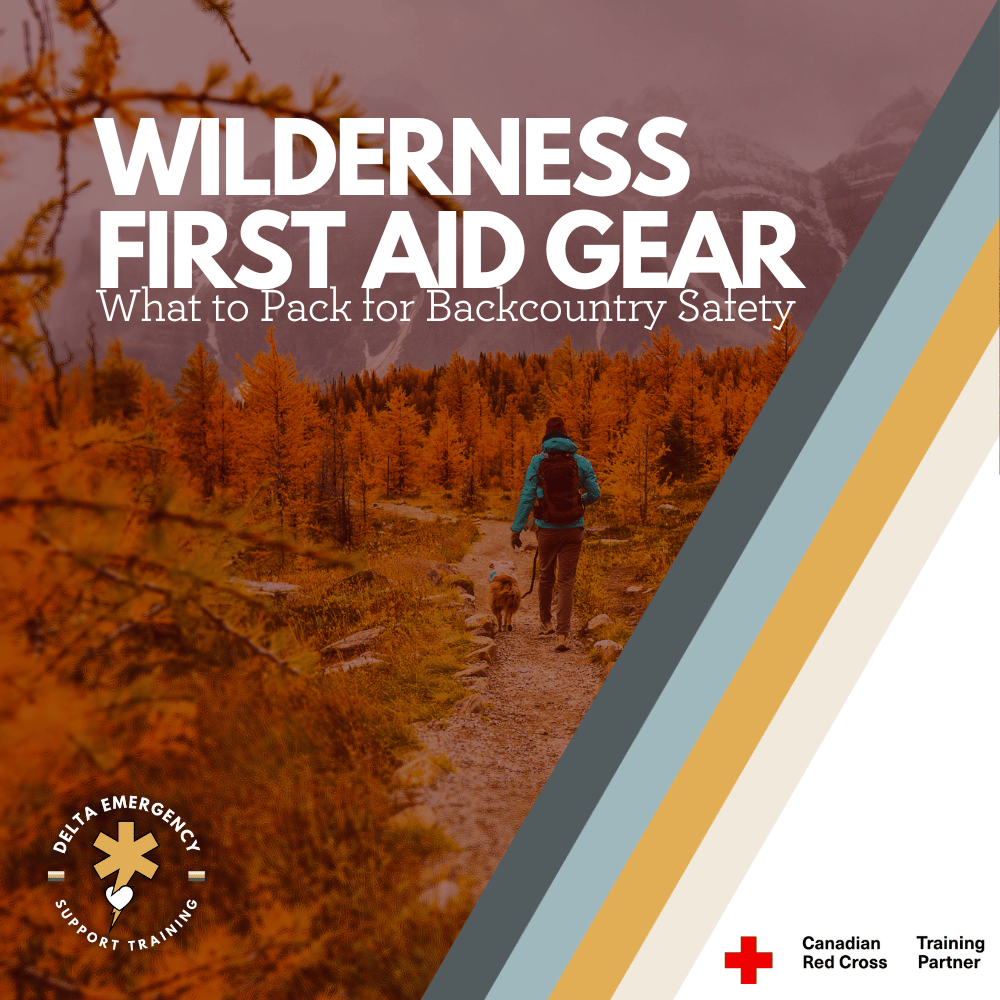
Wilderness First Aid: What to Pack When Heading Into the Backcountry
When you’re miles from help, your first aid kit becomes your lifeline. Learn what to pack for backcountry safety, from wound care and splints to insulation and emergency gear — so you can respond confidently when emergencies strike in the wild.
Venturing into the backcountry can be one of the most rewarding experiences, breathtaking views, solitude, and connection with nature. But with that freedom comes risk. When you’re hours (or days) away from emergency services, being prepared isn’t just about comfort — it’s about survival.
Having the right gear and a solid understanding of wilderness first aid can turn a dangerous situation into a manageable one. Whether you’re an outdoor enthusiast, guide, or first responder, here’s what you need to know about what to packbefore heading into remote terrain.
🏕️ The Backcountry Reality
In urban environments, medical emergencies are typically minutes from help. In the backcountry, those same minutes can stretch into hours or even days. Terrain, weather, and lack of communication can complicate every decision you make.
That’s why your first aid kit is your lifeline — not a luxury item. It’s not just about having supplies; it’s about carrying the right equipment that you can realistically use in an emergency.
🧰 The Core Wilderness First Aid Kit
When it comes to wilderness first aid, balance is everything — you want to be prepared without carrying unnecessary weight. Here’s a breakdown of essential categories and must-have items:
🩹 1. Wound Care and Bleeding Control
In the wilderness, even small wounds can lead to infection. Having proper wound care supplies ensures you can clean, cover, and protect injuries.
Pack:
Adhesive bandages (various sizes)
Sterile gauze pads and rolls
Elastic (ACE) bandages
Medical tape
Antiseptic wipes or solution (chlorhexidine or iodine)
Antibiotic ointment
Pro Tip: Keep wound supplies in a waterproof bag — even moisture can ruin sterile materials.
💊 2. Medications and Personal Health Supplies
Medications can make the difference between continuing your trip or needing an evacuation. Always pack personal prescriptions, plus some general-purpose medications.
Pack:
Personal prescription medications (in labeled containers)
Acetaminophen or ibuprofen (pain relief, inflammation)
Antihistamines (allergic reactions, insect stings)
Loperamide (anti-diarrheal)
Glucose tablets or gel for low blood sugar
Epinephrine auto-injector (if at risk for severe allergies)
Pro Tip: Store medications in labeled, watertight containers, and check expiration dates before each trip.
🧍♂️ 3. Splinting and Immobilization
Sprains, fractures, and dislocations are among the most common backcountry injuries. Be ready to stabilize and immobilize until help arrives.
Pack:
SAM splint or moldable splint
Triangular bandages (multi-use: slings, ties, padding)
Cloth strips or paracord for securing splints
Safety pins
Improvisation Tip: Trekking poles, paddles, or sturdy sticks can double as splints when properly padded.
🌡️ 4. Hypothermia and Environmental Protection
Weather can change rapidly in the backcountry. Preventing hypothermia or heat exhaustion is part of wilderness first aid.
Pack:
Emergency blanket or bivy sack
Lightweight tarp or shelter
Extra base layer or thermal clothing
Chemical heat packs
Hat and gloves (even in summer — mountain weather shifts fast)
Pro Tip: Always carry something to insulate your patient from the ground — a foam pad, backpack, or spare clothing can prevent dangerous heat loss.
💧 5. Hydration and Nutrition
Dehydration and low energy can cloud judgment and slow reaction times — both dangerous in emergencies.
Pack:
Water purification system (filter, tablets, or UV pen)
Collapsible water bottles or hydration bladder
High-calorie snacks (nuts, protein bars, glucose gels)
📡 6. Navigation, Communication, and Documentation
When emergencies happen, knowing where you are — and how to communicate — is critical.
Pack:
Map and compass (and know how to use them)
GPS or satellite communicator (e.g., Garmin inReach, SPOT device)
Whistle and signal mirror
Waterproof notebook and pencil (for recording vital signs and events)
🪶 7. Wilderness-Ready Extras
Small, lightweight items that make a big difference:
Tweezers (for splinters and ticks)
Duct tape (gear repair, blister prevention, splinting aid)
Safety pins (securing bandages or improvising slings)
Scissors or trauma shears
Hand sanitizer
Headlamp with extra batteries
🏔️ Balancing Weight vs. Preparedness
Every ounce matters in the backcountry. Your pack should be a balance between medical capability and practicality.
Here’s how to think about it:
Day trip? Bring the essentials — bleeding control, wound care, meds, and hypothermia protection.
Multi-day trek? Add splinting materials, backup shelter, and communication tools.
Remote expedition? Include airway adjuncts, advanced medications (if permitted), and an evacuation plan.
⚕️ Training Matters More Than Gear
Even the best kit won’t help if you don’t know how to use it. Taking a Wilderness First Aid (WFA) or Wilderness First Responder (WFR) course teaches you how to:
Prioritize patient care in remote settings
Improvise with available gear
Make evacuation and triage decisions
Treat life-threatening conditions with limited resources
✅ Final Thought
When you’re deep in the wilderness, you are the first responder. A well-stocked and well-thought-out first aid kit gives you the power to act quickly, calmly, and effectively — whether you’re treating a blister, a broken bone, or a life-threatening emergency.
Before you head out, remember: gear doesn’t replace training, but training without gear limits your ability to save lives.
Prepare smart, pack light, and respect the environment — because in the backcountry, preparation truly is protection.
Venomous Snake Bites in Canada: What You Need to Know & Do - First Aid Edition
Venomous snake bites are rare in Canada—but when they happen, knowing how to respond is crucial. From identifying rattlesnakes to administering Red Cross-approved first aid, this guide covers everything you need to stay safe outdoors.
Canada isn’t typically known for dangerous reptiles, but if you hike in BC, camp in Ontario, or explore the Prairies, you might just encounter one of our country’s three venomous snakes. While bites are rare, understanding how to identify venomous snakes, how to respond safely, and what first aid steps to take is essential.
At Delta Emergency Support Training, we prepare Canadians for real-life emergencies—including those that happen far from a hospital. Here’s your complete guide to snake bite prevention, identification, and treatment.
🇨🇦 Venomous Snakes in Canada
Canada is home to three native venomous snake species, all of which are rattlesnakes:
1. Eastern Massasauga Rattlesnake
Location: Ontario (Bruce Peninsula, Georgian Bay, Muskoka)
Canada’s only venomous snake in the East
Generally shy and avoids humans
2. Prairie Rattlesnake
Location: Southern Alberta and parts of Saskatchewan
Found in dry grasslands and badlands
More active in warmer months
3. Western Rattlesnake
Location: Southern British Columbia, especially the Okanagan Valley
Prefers rocky terrain and dry slopes
🐾 How to Tell if a Snake is Venomous
While identifying a snake in the wild can be difficult, here are common traits of venomous rattlesnakes in Canada:
Triangular-shaped head
Vertical (slit-like) pupils
Thick body with blotchy patterns
A rattle on the tail (but sometimes broken or not used)
Shaking or buzzing sound when threatened
Be cautious—some non-venomous snakes mimic rattlers by vibrating their tails in leaves.
🩹 First Aid for Snake Bites
All suspected snake bites should be treated as medical emergencies, even if the snake isn’t identified.
✅ What to Do Immediately
Move the person to safety (away from the snake).
Keep them calm—movement and panic can increase venom circulation.
Call 911 immediately.
Remove tight items like rings, bracelets, or watches from the affected limb.
Have them lie down with the bitten limb at or slightly below heart level.
Apply a clean, dry dressing to the bite.
Mark the edge of swelling with a pen and track it over time.
❌ What NOT to Do
Do not cut the wound or try to suck out the venom.
Do not apply a tourniquet.
Do not apply ice or immerse the bite in water.
Do not give the person alcohol or caffeine.
Do not attempt to capture or kill the snake.
🧬 What Does Snake Venom Do?
Rattlesnake venom is a hemotoxin, which means it can damage tissue, affect blood clotting, and cause intense swelling.
Symptoms may include:
Severe pain at the bite site
Rapid swelling or bruising
Dizziness or nausea
Weakness or fainting
Difficulty breathing (rare, but serious)
In rare cases, snake bites can lead to shock or even death if untreated.
🗺️ Prevention Tips by Region
Ontario (Massasauga)
Stay on designated trails
Avoid tall grass and rocky ledges
Wear boots and long pants
Listen for rattling sounds
Alberta & Saskatchewan (Prairie Rattlesnake)
Step carefully in dry, grassy areas
Keep pets on a leash
Watch where you sit or place your hands
British Columbia (Western Rattlesnake)
Avoid rocky hillsides and dry scrub
Don’t walk barefoot in wild areas
Use a flashlight when hiking at night
General Prevention:
Do not approach or handle any snake
Keep food sealed and your campsite clean
Hike with a buddy
Stay alert and educate children on snake safety
🧠 Final Takeaway
Although snake bites in Canada are rare, they do happen—and when they do, quick, calm, and correct first aid can make all the difference. Our native venomous snakes are not aggressive, and most bites occur when they are accidentally stepped on or provoked.
Knowing the signs of a venomous snake, understanding how to avoid dangerous situations, and being ready to act can help keep you—and others—safe.
At Delta Emergency Support Training, we teach first aid skills that prepare you for real emergencies, whether in your home, workplace, or the backcountry. Our courses include Standard First Aid, Advanced First Aid/EMR, and Basic Life Support.
🩺 Ready to be prepared for anything? Train with us and gain the confidence to respond.
From First Aid to Fireline: Your Path to Wildland Deployment
Canada’s wildfire seasons are getting more intense—so is the demand for skilled wildland firefighters. Learn what the job involves, the certifications you need (like S-100, S-185, and EMR), and how Delta Emergency Support Training helps future responders build a solid foundation in Red Cross-certified Advanced First Aid and Emergency Medical Responder programs.
Into the Flames: Exploring Wildland Firefighting in Canada
Wildland firefighter clearing brush
Canada’s Increasing Need for Wildland Firefighters
With fire seasons growing longer and more intense across Canada, wildland firefighters are more essential than ever. From British Columbia’s dry interior to the boreal forests of Alberta and Northern Ontario, fire crews are called on every summer to battle large, unpredictable blazes that threaten ecosystems, homes, and entire communities.
If you're working toward becoming a first responder, Emergency Medical Responder (EMR), or firefighter, wildland firefighting can be a powerful way to gain experience, build resilience, and serve when it matters most.
What Is Wildland Firefighting?
Wildland firefighting involves controlling and suppressing fires that occur in natural areas—forests, grasslands, or remote terrain. In contrast to urban or structural firefighting, wildland firefighters operate in rugged, undeveloped areas, often far from roads, with limited access to resources.
You might be:
Building fire guards (hand-dug trenches to stop fire spread)
Conducting controlled burns
Monitoring hot spots for reignition
Assisting with helicopter bucket drops or pump setups
Supporting evacuations of nearby communities
Canadian Training and Requirements
If you're interested in working as a wildland firefighter in Canada, here are the typical requirements:
✅ Required Certifications:
S-100: Basic Fire Suppression and Safety
S-185: Fire Entrapment Avoidance
ICS-100: Introduction to Incident Command System
Standard First Aid, Advanced First Aid, or EMR (depending on the role)
🏋️ Fitness Testing:
Many agencies require a physical fitness test (like the WFX-FIT), which includes:
Carrying a 25 kg pump
Hose pack hikes
Grip strength and balance challenges
🧰 Additional Skills That Help:
Chainsaw safety certification
WHMIS (Workplace Hazardous Materials)
Radio communication skills
Class 4 or air brake license (for driving fire vehicles)
In Canada, wildland firefighters are employed by:
Provincial agencies (e.g., BC Wildfire Service, Alberta Wildfire, Ontario Ministry of Natural Resources and Forestry)
Private contractors
Federal emergency response teams
Why EMR and AFA Matter on the Fireline
Medical incidents on wildfire deployments are more common than many expect. Team members may face:
Heat exhaustion or heat stroke
Dehydration or altitude sickness
Burns or smoke inhalation
Trauma from slips, trips, or falling debris
Insect stings or allergic reactions
Having a certified Emergency Medical Responder or someone with Advanced First Aid training on a crew means faster, more effective care until paramedics or air support can arrive. It's also a valuable asset that can make your application stand out.
What Deployment Is Really Like
Canadian wildland fire deployments can last days or even weeks, especially during peak season (June to August). Expect:
Camp life (tents, cots, and basic food services)
12+ hour shifts
Variable weather (extreme heat, rain, or smoke)
Team living — camaraderie and close-knit bonds are key
The work is physically tough, but the environment is incredibly rewarding—many describe it as life-changing.
What to Pack on a Deployment
Most agencies provide essential PPE (boots, helmet, Nomex gear), but your go-bag should include:
High-energy snacks
Extra socks
Lightweight sleeping gear
Rehydration tablets or electrolytes
Small first aid kit
Bug spray and sunscreen
Mental Resilience Is Key
The mental strain of extended deployments, long shifts, and witnessing environmental damage can take its toll. Fireline crews rely heavily on:
Peer support
Strong leadership
Daily briefings and debriefings
Mental health resources when needed
How to Get Started in Canada
Take an Advanced First Aid or EMR course to meet hiring and deployment requirements.
Get your S-100 and S-185 certifications (typically offered through wildfire agencies or training providers).
Train physically for endurance, balance, and strength.
Apply to provincial wildfire services or contractors in early spring (applications often open between January and March).
Why Wildland Firefighting Is a Great Step Toward a Fire Service Career
Many municipal firefighters start with wildland contracts. It helps build:
Teamwork under pressure
Medical and safety experience
Exposure to command structures (ICS)
Mental and physical readiness for emergency work
🔥 Train With Delta Emergency Support Training
At Delta Emergency Support Training, we support future wildland firefighters with Red Cross-certified Advanced First Aid and EMR training—delivered by real paramedics and firefighters who know what the job demands. If you’re serious about joining the fire service, we’ll help you start strong and stay prepared.
Ready to begin your career on the front lines of Canada’s wildfires? Join Team Delta and let’s get started.
Essential First Aid Supplies for Backcountry & Wilderness Adventures
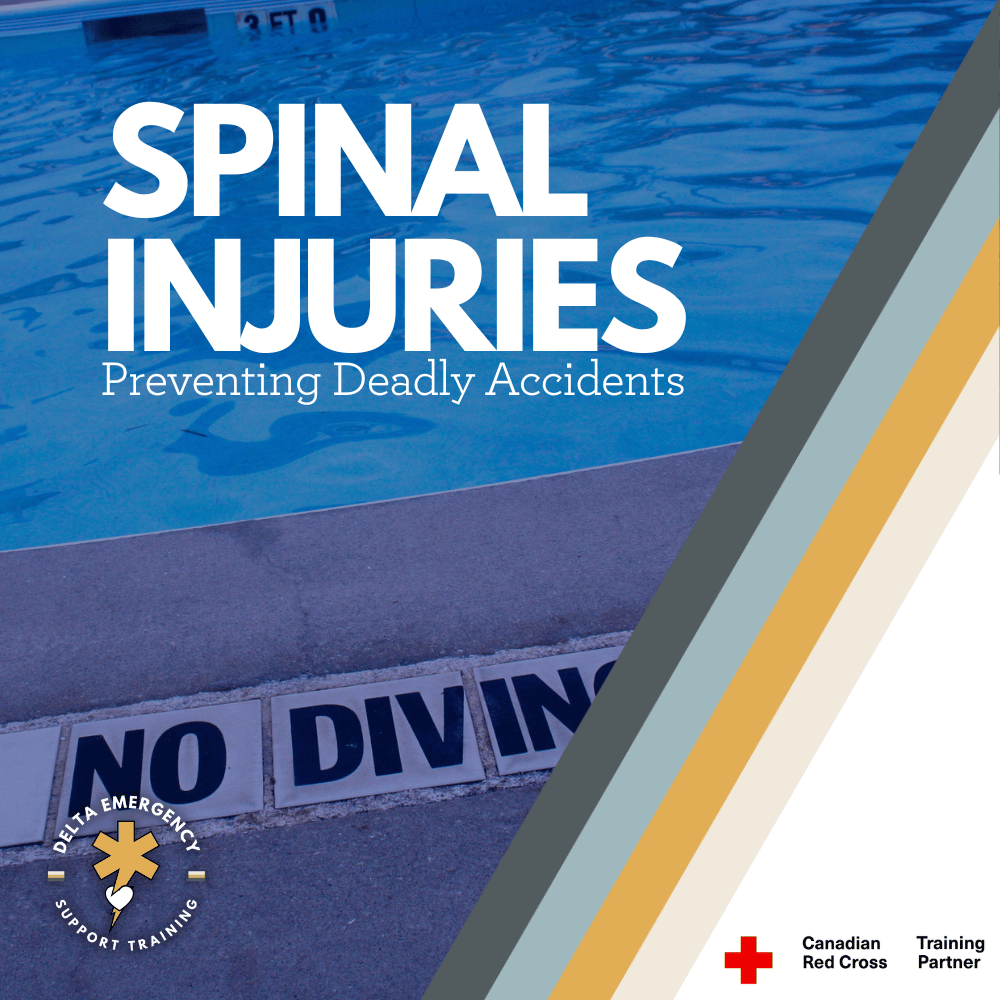
Heading into the backcountry this summer? Don’t go unprepared. This Red Cross-informed guide breaks down the essential first aid items every outdoor enthusiast should pack — from splints and bandages to water purification. Whether you're hiking alone, with friends, or just want to be ready to help, this blog equips you with smart packing tips and survival insight, backed by expert instruction from paramedics and firefighters.
Be Prepared for the Unexpected — A Guide for Outdoor Enthusiasts and Future First Responders
backpacker hiking through forest
The Value of Preparedness in the Outdoors
As we move into the warmer months, more people head into the backcountry for hiking, paddling, camping, and exploration. While the outdoors can be incredibly rewarding, it also brings real risks — injuries, illness, environmental exposure, or getting stranded far from help.
When you’re hours or days from emergency services, your first aid kit — and your ability to use it — becomes your lifeline. Whether you’re solo, with a group, or come across someone in distress, having the right supplies and wilderness first aid knowledge is critical.
At Delta Emergency Support Training, we encourage all outdoor adventurers to be equipped with a kit based on Red Cross Wilderness First Aid standards, and to pursue formal training if you plan to spend time off-grid.
🧭 What to Pack: Wilderness First Aid Essentials
Here’s a practical, space-efficient list of items to pack. It covers a wide range of common outdoor emergencies without weighing down your pack. Every item is selected for its usefulness, multi-purpose capability, and portability.
🩹 Wound & Injury Management
Adhesive bandages (various sizes): For cuts, blisters, and scrapes.
Sterile gauze pads & medical tape: To dress and protect larger wounds.
Antiseptic spray or wipes: To clean wounds and reduce infection risk.
Antibacterial ointment (e.g., Polysporin): Helps with healing and infection prevention.
Butterfly bandages or wound closure strips: For minor lacerations.
SAM splint: Lightweight, moldable aluminum splint for fractures or sprains.
Triangular bandage: Versatile for slings, head wraps, pressure dressings, or tying splints.
Elastic (tensor) bandage: For wrapping sprains or compressing joints.
Nitrile gloves (2 pairs): Essential for infection control when treating others.
🧰 Tools & Utilities
Tweezers: For removing ticks, splinters, or debris.
Trauma shears or compact scissors: For cutting bandages or clothing.
Safety pins: For securing triangular bandages or improvised gear.
CPR mask or face shield: If you're trained to give rescue breaths.
Emergency blanket (Mylar): For warmth, treating shock, or creating shelter.
Whistle: For signaling help in low-visibility areas.
Headlamp or flashlight (with extra batteries): For nighttime first aid or navigation.
💊 Medications & Health
Ibuprofen or acetaminophen: For pain, inflammation, or fever.
Antihistamines (e.g., diphenhydramine/Benadryl): For allergic reactions to bites, plants, or foods.
Anti-diarrheal tablets: For managing dehydration-related illness.
Oral rehydration salts or electrolyte tabs: Prevents dehydration during exertion or illness.
Personal medications: In clearly labeled containers (e.g., epinephrine auto-injector, asthma inhaler).
🌿 Environmental Care
Sunscreen (small tube): Prevents burns and overheating.
Lip balm with SPF: Protects lips from wind and sun.
Bug repellent wipes or spray: Helps prevent bites and insect-borne illness.
Aloe vera gel or hydrocortisone cream: Treats sunburns or itchy skin.
💧 Survival & Hydration
Water purification tablets or mini filter straw: For treating questionable water sources.
Ziploc bags or dry bag: To keep supplies dry and organized.
Duct tape (small roll or wrapped around water bottle): Useful for gear repair or even medical splinting.
🧠 Field Use Tips: Improvising with What You Have
In the wilderness, you may not have every tool — but you likely have items that can double as medical gear in a pinch. Here’s how:
Everyday ItemEmergency UseBandana or BuffSling, tourniquet, or head wrapDuct tapeSplinting, securing bandages, sealing woundsCredit cardScraping insect stingersT-shirt or towelPressure dressing, padding, or bandageZip-tie or cordSecuring splints or gearTampons/sanitary padAbsorbing blood from wounds or nosebleeds
🧭 Why All of This Matters
When you're out of cell range or deep in remote areas, help isn't minutes away — it could be hours or days. You could be:
Alone and injured
Caring for a friend or family member in distress
Stumbling across a stranger in need of help
Without service, your training and your kit are your best tools.
📚 Train with the Red Cross & Delta Emergency Support Training
Want to be ready for emergencies in the outdoors — or even take the first step toward a career as a paramedic or firefighter? We offer:
Red Cross Wilderness & Remote First Aid
Advanced First Aid (AFA)
Emergency Medical Responder (EMR)
Led by active paramedics and firefighters, our programs go beyond the basics and prepare you for real-world emergencies.
🚑 Be the Help Until Help Arrives
You don’t need to carry a hospital in your backpack. But with a smartly packed kit and the right training, you can respond confidently in critical moments — until rescue arrives or help is found.
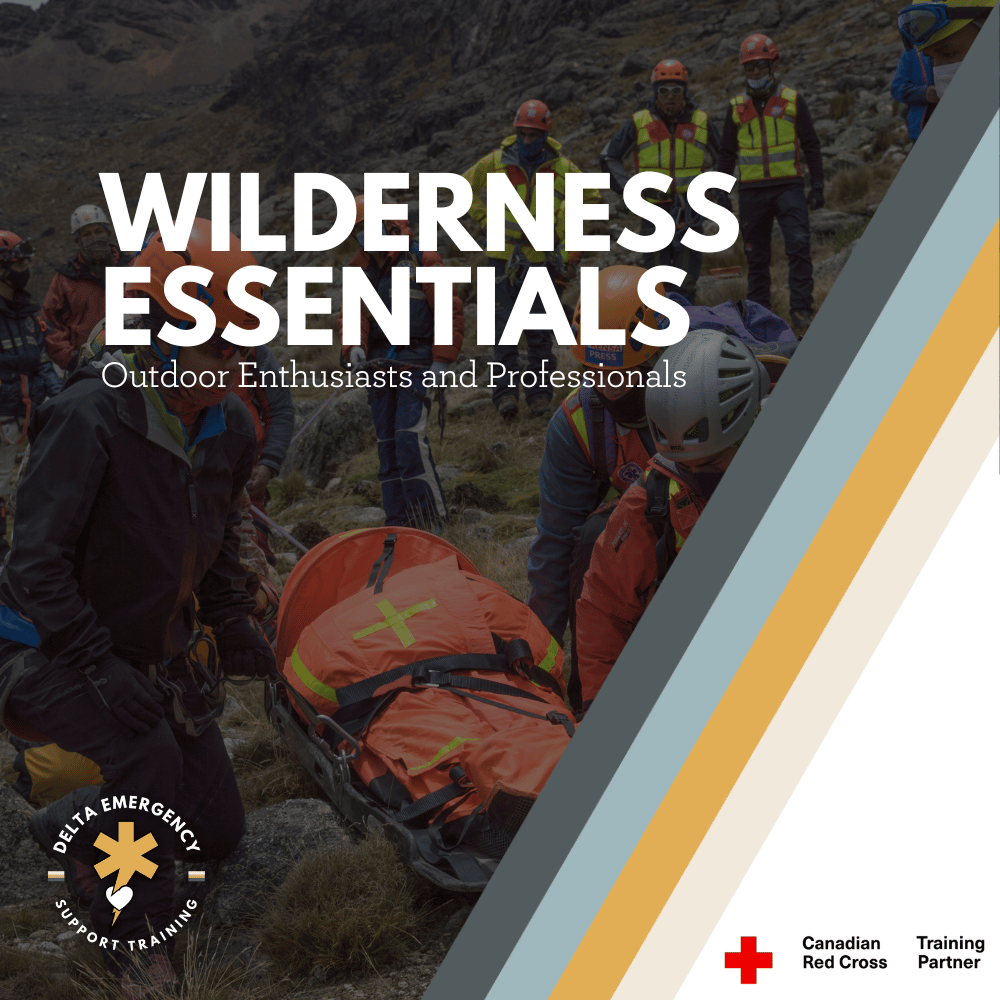
How to Prevent Spinal Injuries: Essential Steps for Safety
Spinal injuries can have devastating consequences, from paralysis to lifelong medical complications. Fortunately, many of these injuries are preventable. In this blog, we explore the top causes of spinal injuries, shocking statistics, and expert-approved safety measures to help you stay protected. Whether it’s safe driving, fall prevention, or sports safety, taking proactive steps can make all the difference. Plus, learn how Delta Emergency Support Training, a Red Cross Training Partner, provides essential first aid training to equip you with life-saving skills.
Preventing Spinal Injuries: Facts, Stats, and Essential Safety Measures
Spinal injuries are among the most severe and life-altering injuries a person can experience. Damage to the spinal cord can result in permanent paralysis, loss of sensation, and significant lifestyle changes. Understanding how these injuries occur and taking steps to prevent them is crucial for personal safety and public health.
In this blog, we will explore the causes, statistics, and preventive measures related to spinal injuries, helping you stay informed and protected.
Understanding Spinal Injuries
The spine is a complex structure made up of vertebrae, nerves, muscles, and ligaments that provide support and mobility to the body. When the spinal cord sustains damage, it can disrupt communication between the brain and the rest of the body, potentially leading to temporary or permanent disability.
Common Causes of Spinal Injuries
Spinal injuries can result from various traumatic and non-traumatic events, including:
Motor Vehicle Accidents – The leading cause of spinal cord injuries worldwide, accounting for nearly 38% of cases.
Falls – Responsible for about 32% of spinal injuries, particularly among older adults.
Sports and Recreation Accidents – Diving into shallow water, high-impact sports, and extreme activities contribute to 14% of spinal injuries.
Violence and Assaults – Gunshot wounds, stabbings, and physical attacks lead to approximately 13% of spinal cord injuries.
Medical Conditions and Diseases – Arthritis, osteoporosis, cancer, and infections can also cause spinal damage over time.
Spinal Injury Statistics
An estimated 17,900 new spinal cord injuries occur in the United States every year (National Spinal Cord Injury Statistical Center).
Males account for about 78% of spinal cord injury cases, often due to high-risk behaviors and sports activities.
The average age of a spinal injury patient has increased from 29 in the 1970s to 43 today, due to longer life expectancy and aging populations.
Lifetime costs for a spinal cord injury can range from $1.2 million to over $5 million, depending on the severity and level of paralysis.
Wearing a seatbelt and using proper vehicle restraints reduce the risk of spinal injuries in crashes by 60%.
How to Prevent Spinal Injuries
While some accidents are unavoidable, many spinal injuries can be prevented by taking proper precautions. Here are some essential strategies:
1. Safe Driving Practices
Always wear a seatbelt when driving or riding in a vehicle.
Never drive under the influence of alcohol or drugs.
Avoid distracted driving, such as texting or using a phone.
Ensure children are in proper car seats or booster seats.
2. Fall Prevention
Use handrails on stairs and install grab bars in bathrooms.
Remove tripping hazards like loose rugs and clutter.
Wear appropriate footwear with good grip.
Older adults should have regular vision check-ups and use mobility aids as needed.
3. Sports and Recreation Safety
Always wear protective gear such as helmets and padding in contact sports.
Avoid diving into shallow or unknown waters.
Use proper techniques and training for high-impact sports like football, gymnastics, and wrestling.
Follow safety rules when engaging in outdoor activities like rock climbing and skiing.
4. Workplace Safety
Use ergonomic lifting techniques to avoid back injuries.
Wear appropriate safety harnesses when working at heights.
Ensure workplaces follow OSHA safety regulations.
5. Preventing Violence-Related Injuries
Be aware of your surroundings and personal security.
Avoid high-risk areas and de-escalate confrontations when possible.
Support anti-violence initiatives and gun safety laws.
What to Do If You Suspect a Spinal Injury
If you suspect someone has a spinal injury, follow these emergency steps:
Do Not Move the Person unless they are in immediate danger.
Call 911 immediately.
Keep the Person Still by placing your hands on either side of their head to prevent movement.
Monitor Breathing and provide CPR if necessary.
Provide Comfort and Reassurance until professional help arrives.
Delta Emergency Support Training – A Red Cross Training Partner
At Delta Emergency Support Training, we provide Standard First Aid training as a Red Cross Training Partner. Our courses teach essential lifesaving skills, including how to recognize and respond to spinal injuries safely.
By taking a first aid course, you can gain hands-on experience and certified knowledge to protect yourself and others in emergencies.
Conclusion
Spinal injuries can have life-changing consequences, but many of them are preventable with proper precautions and awareness. By following safe driving habits, fall prevention strategies, and sports safety guidelines, you can significantly reduce your risk.
To be fully prepared, consider taking a first aid and injury prevention course with Delta Emergency Support Training. Being informed and trained can help you protect lives and prevent serious injuries.
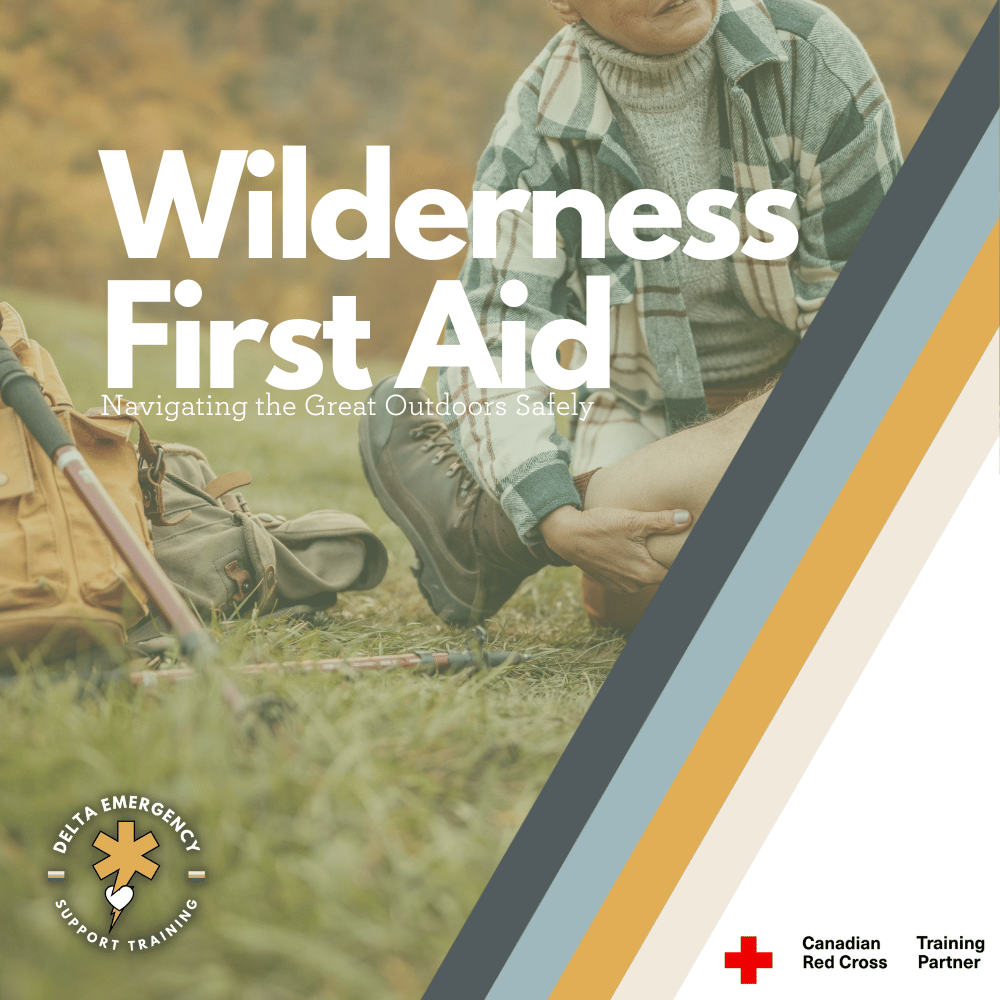
Unlocking the Great Outdoors: Mastering Wilderness First Response with Delta Emergency Support Training
The Wilderness First Responder Course is a must for outdoor enthusiasts and professionals who venture into remote areas. Whether you're hiking, camping, or leading outdoor adventures, this course provides the essential skills to respond to medical emergencies in the wilderness. Learn to assess, treat, and manage injuries, illnesses, and life-threatening situations when help is far away. Equip yourself with the knowledge to handle emergencies confidently and safely.
Why the Wilderness First Responder Course Package is Essential for Outdoor Enthusiasts and Professionals
The wilderness is unpredictable, and those who brave its untouched landscapes know that preparation is key—not just in gear but in knowledge and skills. Delta Emergency Support Training offers the "Canadian Red Cross: Wilderness First Responder Course Package," a comprehensive trio of textbooks designed specifically for those who find themselves as first responders in remote and rugged environments. This package isn't just a set of books; it's an essential toolkit for saving lives where traditional medical help may be hours away.
Three Textbooks, One Mission: Comprehensive Preparedness
The Core Manual: This textbook covers a broad range of topics necessary for a solid foundation in wilderness medicine, including patient assessment and emergency response strategies tailored to the unique challenges of the wilderness.
The Scenario Guide: Packed with realistic scenarios, this guide pushes you to apply what you've learned in dynamic and challenging situations, enhancing decision-making skills under pressure.
The Quick Reference Handbook: When time is critical, this handbook is your go-to for quick checks and reminders, ensuring you have the right information at your fingertips when every second counts.
Designed for Depth and Durability
Each book in the Wilderness First Responder Course Package is crafted to withstand the elements, making them perfect for outdoor use. Water-resistant and tear-resistant pages mean that whether you're caught in a downpour or navigating rough terrain, your source of critical information remains intact.
Affordably Priced, Invaluable Investment
At Delta Emergency Support Training, we understand the importance of accessibility to quality education. That's why we offer these textbooks at prices well below standard retail costs. Investing in this package means investing in the safety of your team and the individuals you'll have the skills to assist, making it invaluable to any professional or agency involved in wilderness activities.
Why Choose a Physical Book Over Digital?
While digital devices are ubiquitous, in the wilderness, they are often unreliable. A physical book doesn’t require battery power or signal reception. It becomes not just a tool, but a reliable companion that ensures information is always available, no matter where your journey takes you.
Conclusion
Whether you're leading expeditions, embarking on solo wilderness adventures, or providing professional training, the Canadian Red Cross: Wilderness First Responder Course Package from Delta Emergency Support Training is your essential companion. By equipping yourself with this knowledge, you prepare to face the wilderness not just with confidence, but with competence.
Ready to take your wilderness preparedness to the next level? Visit our website at Delta Emergency Support Training to purchase your course package today and step confidently into your next adventure, knowing you are trained to handle whatever comes your way.
Wilderness First Aid: Navigating the Great Outdoors Safely
When the call of the wild beckons, adventurers set forth to explore the breathtaking landscapes and untamed terrains of the great outdoors. But amidst the beauty lies the unpredictability of nature, where accidents and emergencies can occur. This is where wilderness first aid becomes a beacon of preparedness and care, offering the essential skills to ensure the safety and wellbeing of both adventurers and companions. In this article, we delve into the core principles of wilderness first aid, emphasizing the critical importance of keeping patients warm, dry, and stable while awaiting professional medical assistance. Additionally, we explore the undeniable necessity of proper training before embarking on any backcountry adventure. Embark on a journey to discover how wilderness first aid knowledge can be your ultimate companion in the heart of the wilderness.
The great outdoors, with its untouched landscapes and captivating beauty, beckons adventurers to explore its depths. Yet, amidst the allure of the wild, lies the potential for unexpected challenges. Nature's serenity can swiftly transform into a daunting arena where survival skills become paramount. Wilderness first aid, a skill set that merges compassion with preparedness, acts as a guiding light when venturing into the remote corners of the world.
Understanding Wilderness First Aid
Wilderness first aid is more than just a set of techniques; it's a lifeline in situations where immediate access to professional medical care is a distant promise. This specialized knowledge empowers you to provide effective medical assistance in the absence of conventional facilities. The wild, with its unpredictable terrain and distance from help, underscores the significance of being proficient in wilderness first aid.
Key Principles of Wilderness First Aid
Assessment and Prioritization:
Nature's beauty often hides potential dangers. The first step in wilderness first aid is to calmly and methodically assess the situation, considering hazards and prioritizing care based on the severity of injuries. This approach ensures that resources are allocated where they are most needed.
Stabilization:
The wilderness amplifies the impact of injuries. Stabilizing the patient's condition is crucial to prevent it from worsening until professional help arrives. Techniques such as immobilizing fractures, controlling bleeding, and managing shock are vital tools in your arsenal.
Communication:
In the wild, communication can mean the difference between life and death. Carrying communication devices such as satellite phones or personal locator beacons ensures that you can summon help when faced with emergencies.
Resourcefulness:
The absence of medical supplies demands creativity. Wilderness first aid requires the ability to fashion splints from branches, create makeshift bandages from clothing, and construct shelters from natural materials, proving your resourcefulness in challenging situations.
Hygiene and Infection Control:
Preventing infection is crucial when medical facilities are distant. Mastering wound cleaning, dressing techniques, and maintaining hygiene standards are essential to avert complications.
Environmental Considerations:
The wild introduces unique environmental factors that impact health. Understanding how temperature, altitude, and other elements affect the body empowers you to take preventative measures against conditions such as hypothermia and altitude sickness.
Essential Wilderness First Aid Skills
Basic First Aid:
The foundation of wilderness first aid rests on basic first aid skills. Knowledge of CPR, wound care, and managing burns, bites, and stings forms the cornerstone of effective wilderness care.
Fracture and Sprain Management:
The remoteness of the wilderness magnifies the importance of fracture and sprain management. Creating splints from available resources and minimizing movement to prevent further damage are critical skills.
Bleeding Control:
Swift and effective bleeding control is imperative in the wilderness. Techniques like direct pressure, elevation, and pressure points are essential tools to combat severe bleeding.
Anaphylaxis and Allergic Reactions:
The wild is teeming with potential allergens. Recognizing and responding to severe allergic reactions, including administering epinephrine, can be life-saving.
Hypothermia and Hyperthermia Management: Extreme temperatures pose significant risks. Learning to manage hypothermia through warmth and shelter and addressing hyperthermia by staying hydrated and seeking shade are vital skills.
Waterborne Illnesses:
Clean water sources are invaluable. Acquiring knowledge of water purification methods and remaining vigilant against waterborne illnesses is essential for preventing dehydration and infections.
Importance of Proper Care Until Help Arrives
In the wilderness, every minute counts. Keeping the patient in the best possible condition until professional help arrives is a cornerstone of wilderness first aid. This involves:
Stabilizing Injuries:
Immobilize fractures and minimize movement to prevent further harm.
Maintaining Warmth:
Insulate the patient from the ground to prevent hypothermia. Cover them with blankets or clothing and create a sheltered environment to shield against the elements.
Hydration and Nutrition:
If possible, provide water and basic sustenance to keep the patient's energy levels stable.
Reassurance:
Emotional support is as vital as physical care. Calmly communicate with the patient to reduce anxiety and stress.
The Need for Proper Training
Venturing into the backcountry without proper wilderness first aid training is akin to embarking on a journey without a map. The complexities of outdoor environments demand a comprehensive understanding of medical care in remote settings. Training courses, offered by certified organizations, equip you with the skills to handle emergencies effectively, ensuring that you can provide the best possible care until professional help arrives.
Conclusion
As you tread the untamed paths of the wilderness, remember that adventure goes hand in hand with responsibility. Wilderness first aid isn't just about administering medical care; it's a testament to your commitment to both the thrill of exploration and the well-being of yourself and others. Mastering wilderness first aid is not just a skill; it's a way of life – a life that embraces the call of the wild while ensuring that safety and preparedness stand as the bedrock of your outdoor endeavors.
Drink at Your Own Risk: The Dangers of Untreated Water and How to Purify It in the Backcountry
Drinking untreated water may seem like a good idea when you're out camping or hiking, but it can lead to serious health problems. In this blog, we'll explore the various waterborne illnesses that can be caused by untreated water in Canada, and discuss different water purification methods that you can use in the backcountry to stay safe and hydrated.
When you're out on a camping trip or hiking adventure, the urge to drink from a nearby river or stream can be tempting. After all, what could be more refreshing than crystal-clear water straight from nature? However, drinking untreated water can be a serious health risk, especially in Canada where it can contain harmful bacteria, viruses, and parasites.
A man stands near a lake in the mountains and fills his water bottle with water from the lake.
In this blog, we'll explore the various illnesses and conditions that can be caused by drinking untreated water and discuss the different types of water purification methods that you can use in the backcountry to keep yourself safe and healthy.
We'll cover the pros and cons of different methods, including boiling water, using water filters, chemical treatments, and UV light. By the end of this blog, you'll have all the information you need to make an informed decision about how to purify water on your next outdoor adventure.
Whats the Harm?
That's right - those pristine-looking water sources can contain harmful bacteria, viruses, and parasites that can cause a range of illnesses. From beaver fever to E. coli, we'll take you on a tour of the illnesses that can turn a fun camping trip into a nightmare. After reading this, you won't want to drink out of streams anymore!
Here's a list of the different waterborne illnesses that can be contracted from drinking untreated water:
Beaver Fever:
This is an infection of the small intestine caused by the parasite Giardia lamblia, found in the intestines of animals, including beavers, that can contaminate water sources. It can cause symptoms such as diarrhea, abdominal pain, bloating, and nausea. It usually takes 1-3 weeks for symptoms to appear after exposure to contaminated water, and the illness can last for several weeks.
Cryptosporidiosis:
This is an infection of the intestines caused by the parasite Cryptosporidium. The parasite is spread through the fecal-oral route, meaning that it can be contracted by ingesting water or food that has been contaminated with the feces of an infected person or animal. It can cause symptoms such as diarrhea, stomach cramps, nausea, and fever. Symptoms usually start within 2-10 days after exposure to contaminated water and can last for several weeks.
Hepatitis A:
This is a viral infection that affects the liver. In Canada, Hepatitis A outbreaks have been linked to untreated water sources, particularly in areas with poor sanitation or where sewage systems can overflow into rivers and lakes. When contaminated water is ingested, the virus can enter the body and begin to replicate in the liver. This can lead to symptoms such as fatigue, fever, nausea, and abdominal pain. In severe cases, Hepatitis A can cause jaundice (yellowing of the skin and eyes), dark urine, and pale stools. The illness can last for several weeks to several months, and while most people recover fully, some may develop chronic liver disease. It's important to remember that even in areas with clean-looking water, there may still be a risk of contamination from human or animal fecal matter.
Campylobacteriosis:
This is a bacterial infection that can cause symptoms such as diarrhea (sometimes bloody), stomach cramps, fever, and nausea. Symptoms usually start within 2-5 days after exposure to contaminated water and can last for several days to several weeks. In some cases, the infection can lead to more serious complications, such as reactive arthritis or Guillain-Barré syndrome, a rare but potentially life-threatening condition that affects the nervous system.
E. coli infection:
This is a type of bacteria that can cause infections in the intestines. It can cause symptoms such as diarrhea (sometimes bloody), stomach cramps, and fever. Symptoms usually start within 1-8 days after exposure to contaminated water and can last for several days to several weeks. There have been several outbreaks of E. coli linked to untreated water sources, particularly in rural areas where there is a higher risk of contamination.
Even the most idyllic-looking water sources can be hiding some pretty gross stuff. For example, an animal carcass upstream could be introducing all sorts of bacteria and pathogens into the water, while animal fecal matter can travel downstream and contaminate even the cleanest-looking water sources.
Water Purification
Here's an overview of different water purification methods and their pros and cons:
Boiling:
Boiling water is one of the simplest and most effective ways to kill off harmful bacteria and viruses. By boiling water for at least one minute (or longer at higher altitudes), you can ensure that it's safe to drink.
Boiling does however require a pot and an effective source of heat. Beware that boiling won't remove any sediment or debris from the water, it requires pre-filtering.
Portable water filters:
Portable water filters, such as those made by brands like Katadyn or Sawyer, are a popular choice for backcountry adventurers. These filters typically use a combination of ceramic or carbon filters to remove harmful bacteria. They're lightweight, compact, and easy to use, making them a convenient option for outdoor enthusiasts.
However, they can be relatively expensive, and they can not remove viruses without a chemical component. Cloudy particle rich water may slow down and clog the filter.
Chemical treatments:
Chemical treatments, such as iodine tablets or chlorine drops, can be an effective way to disinfect water. These treatments typically involve adding a small amount of chemical to the water and waiting a certain amount of time for it to take effect. They're lightweight and easy to pack, making them a popular choice for backpackers and hikers.
Chemical treatments can leave a chemical taste in the water, and they are not effective against cysts.
UV water purifiers:
UV water purifiers, such as those made by SteriPen, use ultraviolet light to kill off harmful bacteria and viruses. They're easy and quick to use and require no chemicals or filters.
Uv water purifiers can be relatively expensive, and they require batteries or a power source to operate.
Ultimately, the best water purification method will depend on your specific needs and preferences. It's a good idea to research different options and experiment with them before your next outdoor adventure, so that you can find the method that works best for you.
Emergency Situation
In a survival situation where you're stranded without access to clean water, it may be necessary to drink untreated water in order to stay hydrated. While this is not ideal, it's important to understand that drinking unpurified water is sometimes necessary for survival.
If you find yourself in a situation where you need to drink untreated water, there are some precautions you can take to minimize the risk of illness. For example, it's generally safer to drink from fast-moving rivers or streams, as these are less likely to be contaminated with harmful bacteria and pathogens than stagnant bodies of water such as lakes or ponds. If you must drink from a stagnant body of water, try to collect water from the surface rather than the bottom, as this is less likely to contain sediment and debris.
It's also important to remember that drinking untreated water always carries some risk, and you should be prepared to deal with the consequences if you do get sick.
Conclusion
Access to clean drinking water is something that many of us take for granted, but it's important to remember that untreated water can carry harmful bacteria and pathogens.
By taking the necessary precautions and being prepared, you can ensure that you'll be able to stay hydrated and healthy even in the most challenging of circumstances. So, whether you're planning a weekend camping trip or venturing into the wilderness on a multi-day hike, always be mindful of the risks associated with untreated water and take the steps necessary to protect yourself and stay safe.

