The Delta Dispatch
Suspected Pelvic Fractures: A Guide for Advanced First Aiders
Pelvic fractures are serious injuries that can lead to life-threatening internal bleeding. This guide for advanced first aiders covers common causes such as vehicle collisions and falls from height, how to recognize signs and symptoms in the field, and step-by-step instructions for proper pelvic immobilization, including correct binder placement over the iliac crests. Learn how to provide effective prehospital care while minimizing complications and preparing for rapid transport.
Pelvic fractures are potentially life-threatening injuries that require prompt recognition and careful management in the field. While not as common as limb fractures, they can result in significant internal bleeding, organ injury, and long-term disability. For advanced first aiders, understanding the mechanisms of injury (MOIs), assessment priorities, and prehospital management strategies is critical to improving patient outcomes.
Understanding Pelvic Fractures
The pelvis is a ring-shaped bony structure that supports the spine and houses major organs, blood vessels, and nerves. Fractures can range from minor, stable cracks to severe, unstable disruptions. Because of the pelvis's proximity to major vessels, even a closed fracture can result in life-threatening hemorrhage.
Key Points for AFAs:
Pelvic fractures are high-risk injuries, often associated with significant trauma.
Internal bleeding may not be immediately visible but can lead to shock.
Early recognition and proper immobilization can save lives.
Common Mechanisms of Injury (MOIs)
Advanced first aiders should be aware of the circumstances that often lead to pelvic fractures. These include:
Motor Vehicle Collisions (MVCs)
Frontal, side, or rollover impacts can transmit high forces to the pelvis.
Pedestrians struck by vehicles are particularly susceptible.
Falls from Height
Falling from a significant height (e.g., ladders, scaffolding, or buildings) can result in vertical compression injuries.
Landing on feet or buttocks can drive force into the pelvic ring.
Crush Injuries
Heavy objects falling on the pelvis or entrapment in machinery can cause unstable fractures.
Often associated with other musculoskeletal and internal injuries.
Sports and High-Impact Activities
Extreme sports, skiing, horseback riding, or cycling accidents can occasionally result in pelvic trauma.
Industrial or Workplace Accidents
Falls, heavy machinery accidents, or scaffolding collapses are common MOIs in occupational settings.
Recognizing Pelvic Fractures
Symptoms may include:
Severe pain in the hip, groin, or lower back
Inability to bear weight or move legs
Swelling, bruising, or deformity in the pelvic area
Shortened or externally rotated leg (in cases of hip involvement)
Signs of shock (pale, clammy skin, rapid pulse, hypotension)
Red Flags for AFAs:
Hemodynamic instability (low blood pressure, rapid heart rate)
Abdominal or perineal bruising
Blood at the urethral meatus
Unexplained hypotension following trauma
Field Assessment
Advanced first aiders should prioritize scene safety, mechanism awareness, and rapid assessment:
Scene Size-Up:
Ensure the environment is safe.
Consider high-energy trauma scenarios where pelvic injury is likely.
Primary Survey (ABCs):
Assess airway, breathing, and circulation immediately.
Treat life-threatening conditions first.
Pelvic Assessment:
Avoid direct manipulation or "pushing" on the pelvis. This can worsen bleeding.
Look for external signs of injury: bruising, swelling, deformity.
Check for associated injuries (spinal, femoral, abdominal).
Pelvic Immobilization: Correct Application of a Pelvic Binder
Pelvic fractures can cause life-threatening internal bleeding. Stabilizing the pelvis with a pelvic binder is one of the most important interventions you can perform in the field. Proper placement is critical—incorrect positioning can worsen bleeding or fail to stabilize the fracture.
Why Immobilization Matters
Reduces movement of the fractured pelvic ring, minimizing further tissue and vessel damage.
Helps control internal hemorrhage by reducing pelvic volume and tamponading bleeding vessels.
Provides pain relief and prevents further injury during transport.
Step-by-Step Application of Pelvic Binding
1. Preparation:
Assess the patient and confirm suspected pelvic fracture.
If available, use a commercial pelvic binder (e.g., T-Pod). If not, an improvised binder (e.g., folded sheet) can be used.
Ensure the patient is supine on a firm surface before applying the binder.
2. Correct Positioning:
Placement should be over the bony prominences of the iliac crests..
Improper placement can fail to stabilize the pelvic ring.
The binder should wrap firmly around the pelvis, encircling the pelvis snugly.
3. Application:
Slide the binder under the patient if using a sheet or sling.
Center the binder over the iliac crests on both sides.
Tighten evenly to compress the pelvis.
4. After Application:
Reassess distal circulation and lower limb alignment.
Monitor for signs of worsening pain, numbness, or compromised circulation.
Keep the patient immobilized and transfer carefully to EMS.
Key Points for Advanced First Aiders:
Always assume high-energy trauma could involve a pelvic fracture, even if external signs are minimal.
Never manipulate or “palpate” the pelvis excessively; use stabilization devices instead.
Reassess hemodynamics continuously; immobilization helps but does not replace urgent transport and shock management.
Associated Complications
Advanced first aiders must monitor for:
Hemorrhagic shock – the leading cause of death in unstable pelvic fractures.
Urogenital injuries – bladder or urethral trauma may be present.
Neurological compromise – nerve injuries affecting lower limbs.
Long-term mobility issues – delayed or improper treatment can lead to chronic pain or gait abnormalities.
Key Takeaways for Advanced First Aiders
High-energy trauma or certain MOIs should raise suspicion of pelvic fractures.
Avoid unnecessary movement of the pelvis; stabilize with a binder.
Monitor for shock and provide supportive care.
Rapid assessment and transport save lives.
Communication with EMS and the receiving hospital is critical.
Conclusion:
Pelvic fractures are high-risk injuries with potentially life-threatening complications. For advanced first aiders, recognizing high-risk MOIs, performing a careful assessment, stabilizing the patient, and preparing for rapid transport are essential steps in the chain of survival. By understanding the complexities of pelvic trauma in the field, AFAs can play a vital role in improving patient outcomes.
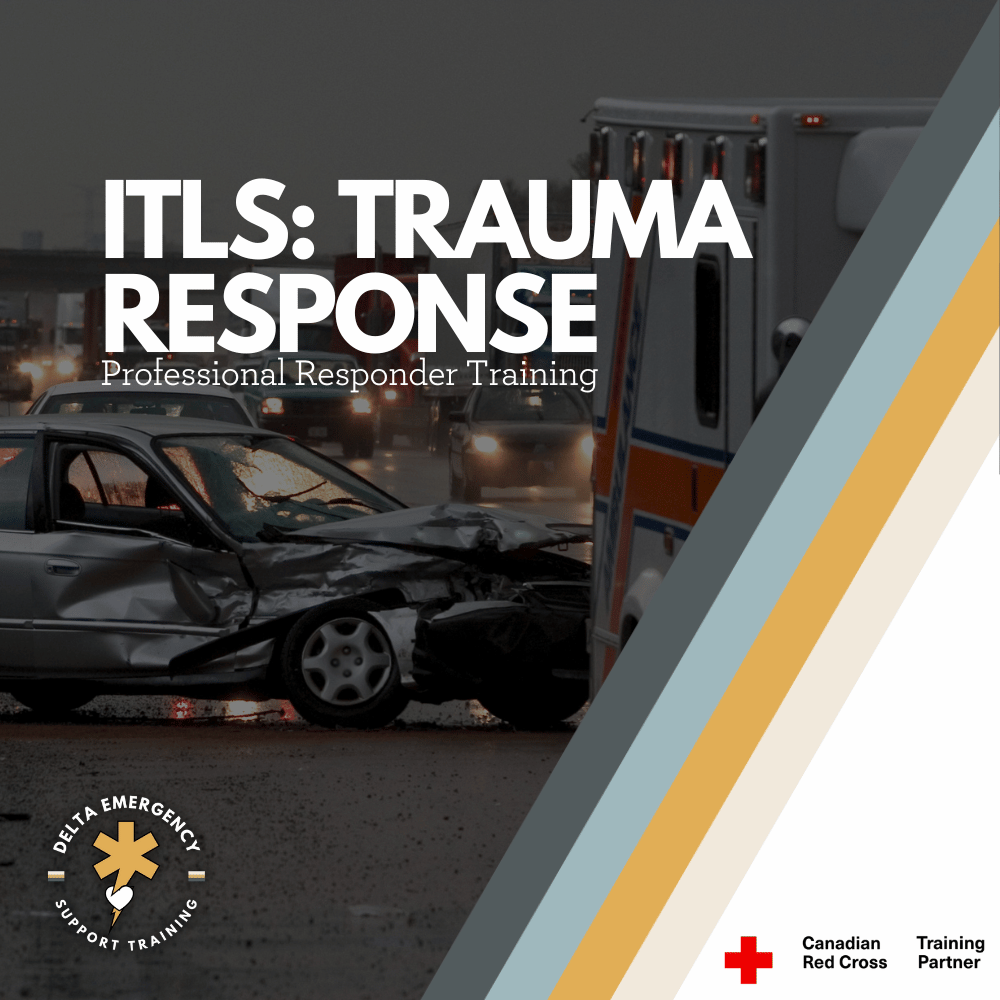
International Trauma Life Support: A Structural Approach to Trauma
Need to take ITLS but not sure what it entails? We’ll break it down for you. International Trauma Life Support (ITLS) gives professional responders the tools to quickly assess, stabilize, and manage trauma patients in high-stress situations. From airway management to bleeding control and spinal care, this course equips you with practical, hands-on skills that could save lives when every second counts.
When emergencies happen, paramedics, firefighters, and advanced first aid responders, having the right tools and knowledge can make the difference between life and death. International Trauma Life Support (ITLS) is a specialized training program that equips professional responders with the skills to rapidly assess, stabilize, and manage trauma patients in high-pressure situations.
If you’re a responder required to take ITLS, here’s what you need to know.
The Purpose of ITLS
ITLS focuses on a structured approach to trauma care. The goal is to give responders a proven framework for:
Quickly identifying life-threatening injuries.
Performing rapid, effective interventions.
Preventing further harm while preparing for transport.
Working within professional guidelines and medical protocols.
This training bridges the gap between classroom learning and the unpredictable realities of trauma scenes.
Core Learning in ITLS
Here’s a breakdown of the key skill areas covered in ITLS and what they mean in practice.
1. Patient Assessment & Initial Survey
Responders learn a systematic way to approach every trauma patient:
Hazards, Environment, MOI, Patient count and Assistance.
Primary survey (C-Spine, LOC, ABCs, RBS,).
Identifying life threats in the first few minutes.
Why it matters: A structured assessment ensures nothing is missed under pressure.
2. Airway Management & Adjuncts
Maintaining an open airway is priority number one. ITLS covers:
Manual maneuvers (jaw thrust, head-tilt chin-lift).
Airway adjuncts (OPA, NPA).
Advanced options (supraglottic airways, endotracheal intubation where permitted).
Recognizing and managing obstructions.
Why it matters: Without a clear airway, nothing else matters — oxygen can’t reach the body.
3. Breathing & Ventilation Support
Responders are trained to:
Recognize respiratory distress and failure.
Provide rescue breaths and ventilations with a bag-valve mask.
Use oxygen.
Identify and treat life-threatening chest injuries (tension pneumothorax, sucking chest wound).
Why it matters: Oxygen delivery is essential to survival, recognizing and treating chest trauma is lifesaving.
4. Circulation & Hemorrhage Control
Stopping major bleeding and supporting circulation includes:
Direct pressure and wound packing.
Tourniquet application.
Recognizing shock and initiating care.
Intravenous (IV) or intraosseous (IO) fluid administration (where scope allows).
Why it matters: Uncontrolled bleeding is one of the top causes of preventable trauma deaths.
5. Spinal Motion Restriction (SMR)
Trauma often comes with potential spinal injuries. ITLS emphasizes:
Patient assessment for spinal risk.
Manual stabilization and cervical collars.
Log rolls and backboard use.
Updated evidence-based approaches to SMR.
Why it matters: Proper handling prevents permanent paralysis from secondary injury.
6. Head & Chest Trauma Management
Specific scenarios covered include:
Managing traumatic brain injuries and increased intracranial pressure.
Recognizing chest trauma (flail chest, open chest wounds).
Interventions like occlusive dressings, fracture stabilization and deadly bleed control.
Why it matters: These injuries are time-sensitive and require immediate, precise intervention.
7. Protocols & Teamwork
Beyond individual skills, ITLS teaches responders to:
Work under medical protocols and established guidelines.
Communicate effectively in teams.
Prioritize transport decisions (“load and go” vs. “stay and play”).
Why it matters: Trauma care is never solo — effective teamwork saves lives.
Why Professional Responders Need ITLS
For those moving into advanced roles (Advanced First Aid, EMR, PCP, paramedic), ITLS is often a required certification. It ensures all responders use the same language, protocols, and structured assessment, which makes coordination seamless during emergencies.
With ITLS, you’re not just checking a box — you’re developing:
Confidence in high-stress scenarios.
Competence in trauma management skills.
Credibility as a trained professional who can handle life-threatening situations.
Final Takeaway
If you’re required to take ITLS, think of it as more than a course — it’s a survival toolkit for the real world of trauma response. You’ll learn how to rapidly assess patients, manage airways, stop life-threatening bleeds, stabilize spines, and follow trauma protocols effectively.
For professional responders, ITLS is not just training. It’s a commitment to ensuring that when seconds count, you can act decisively, safely, and in line with the best trauma care standards worldwide.
Advanced First Aid for Dog Bites: A Firefighter & EMS Responder’s Guide
Dog bites demand swift, skilled care from first responders. Our Red Cross Advanced First Aid & EMR course trains firefighters and EMS personnel in critical skills—from scene safety to wound management and emotional support. Learn to confidently handle dog bite emergencies and more with hands-on training that prepares you for real-world situations.
Dog bites are common and can range from minor injuries to life-threatening wounds. As an advanced first aider—often a firefighter or EMS responder—you’re frequently the first healthcare professional on scene. Your response can significantly impact the victim’s recovery, infection risk, and emotional well-being.
This guide provides an in-depth approach to managing dog bites, emphasizing scene safety, injury treatment, wound care, and patient support with your advanced training and EMS protocols in mind.
1. Scene Safety: Your First Priority
As firefighters and EMS responders, scene safety is non-negotiable. Before attending to the victim:
Ensure the dog is secured or removed from the scene.
Coordinate with police or animal control if the dog is aggressive or unrestrained.
Use situational awareness to spot hazards like traffic, bystanders, or multiple animals.
Wear appropriate personal protective equipment (PPE), including gloves and eye protection.
Brief your team on potential risks and establish safe zones.
Remember: your safety is critical. You cannot assist others if injured.
2. Rapid Assessment of Injury and Vital Signs
Upon approaching the patient:
Perform a quick but thorough assessment:
Identify bite locations, wound depth, and bleeding severity.
Assess airway, breathing, circulation (ABCs), especially if bites are on the face or neck.
Look for signs of shock or distress.
Evaluate distal circulation and neurological status if extremities are involved.
Prepare for rapid transport if injury severity or patient condition warrants.
3. Managing Bleeding and Stabilizing the Wound
Apply direct pressure with sterile dressings to control bleeding.
Elevate the injured limb if it does not exacerbate pain or injury.
Use hemostatic dressings or pressure bandages if standard methods fail and bleeding is life-threatening.
Avoid closing wounds—leave that to hospital staff.
If bones are exposed or fractures suspected, immobilize the limb appropriately.
4. Cleaning and Infection Control in the Field
Use available clean water or saline to gently irrigate wounds, flushing away debris and contaminants.
Avoid harsh scrubbing to prevent tissue damage.
Apply sterile, non-adherent dressings loosely to reduce infection risk.
Maintain standard precautions—dog bites pose high infection risk from mixed bacterial flora.
5. Addressing Emotional Trauma and Providing Reassurance
Understand that dog bite victims, especially children, often experience intense fear or shock.
Use your training in crisis intervention to calm and reassure patients and caregivers.
Maintain eye contact, speak in a calm voice, and explain procedures as you go.
If a child is involved, engage a parent or guardian for comfort, and use age-appropriate communication.
6. Differences in Treatment: Adults vs. Children
Children’s smaller anatomy and thinner skin increase risk of deeper injuries. Facial and neck bites require immediate airway assessment.
Children may be less cooperative; use gentle distraction and clear, comforting language.
Monitor for airway obstruction and signs of respiratory distress in both adults and children, but be especially vigilant with pediatric patients.
Adults may underreport pain or injury severity—conduct thorough assessments.
7. When to Activate Advanced Care and Transport
Immediately initiate rapid transport and notify receiving facility if:
Bleeding is uncontrolled or severe
Patient shows signs of shock or compromised airway
Wounds involve face, neck, hands, or joints
Suspected fractures or nerve injuries are present
Signs of infection or systemic illness are evident
Pediatric patients require specialized care
Coordinate transport with EMS and hospital staff for optimal continuity of care.
8. Documentation and Reporting
Record detailed information on the bite incident, dog description, and circumstances.
Document patient’s vital signs, treatment provided, and response to interventions.
Share info with receiving medical personnel and law enforcement/animal control as needed.
Proper documentation supports patient care and public safety.
9. Post-Incident Patient Education
Advise victims to seek follow-up care for tetanus boosters, rabies prophylaxis, and wound management.
Educate on signs of infection to watch for at home.
Stress importance of reporting dog bites to local health authorities.
10. Summary for Firefighters & EMS Responders
StepKey ActionsScene SafetySecure environment, coordinate with animal control, PPE use.AssessmentRapid injury and ABC evaluation, assess for shock.Bleeding ControlDirect pressure, elevation, hemostatic dressings if needed.Wound CareGentle irrigation, sterile dressing, infection prevention.Emotional SupportCalm communication, involve caregivers, monitor for shock.Pediatric CareAirway vigilance, gentle approach, watch for distress signs.TransportRapid evacuation for severe cases, notify hospital.DocumentationAccurate records for care and reporting.
As a firefighter or EMS advanced first aider, your training equips you to manage the complex needs of dog bite victims with confidence and professionalism. Your timely intervention saves lives, prevents complications, and supports recovery—physically and emotionally.
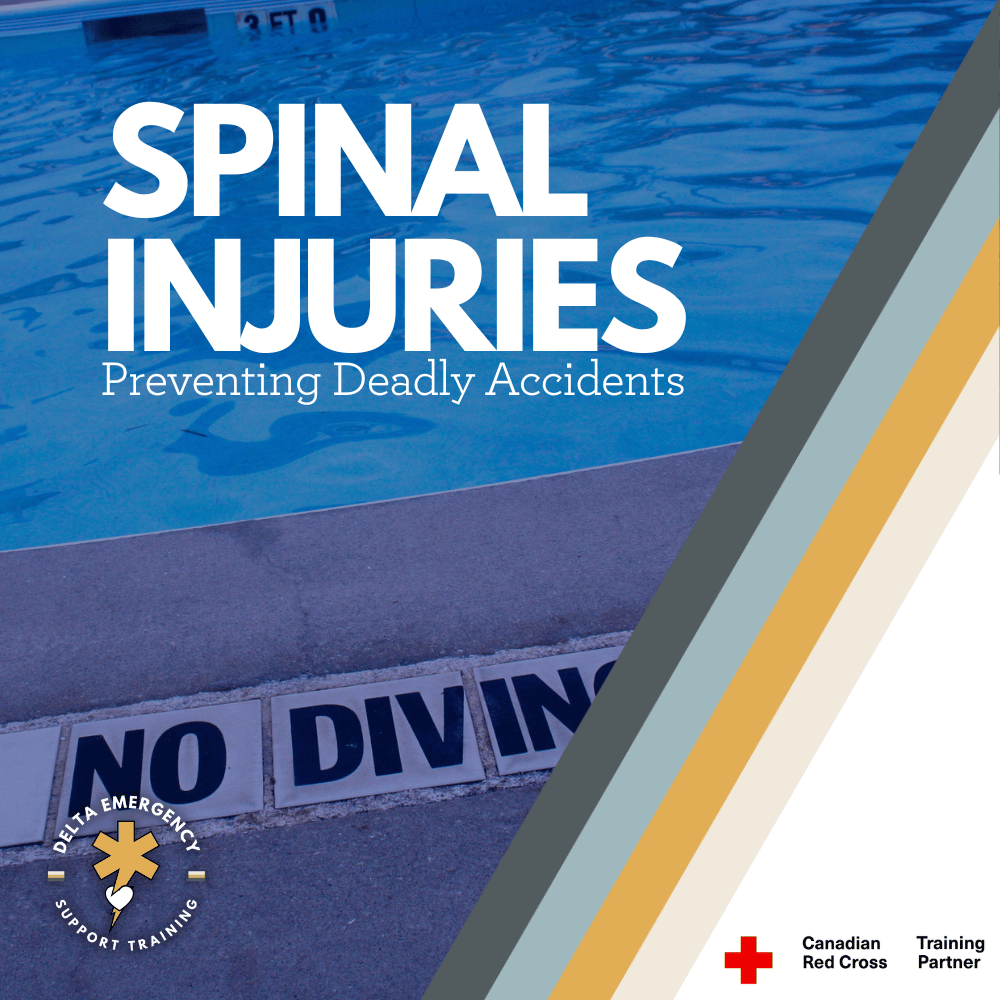
How to Prevent Spinal Injuries: Essential Steps for Safety
Spinal injuries can have devastating consequences, from paralysis to lifelong medical complications. Fortunately, many of these injuries are preventable. In this blog, we explore the top causes of spinal injuries, shocking statistics, and expert-approved safety measures to help you stay protected. Whether it’s safe driving, fall prevention, or sports safety, taking proactive steps can make all the difference. Plus, learn how Delta Emergency Support Training, a Red Cross Training Partner, provides essential first aid training to equip you with life-saving skills.
Preventing Spinal Injuries: Facts, Stats, and Essential Safety Measures
Spinal injuries are among the most severe and life-altering injuries a person can experience. Damage to the spinal cord can result in permanent paralysis, loss of sensation, and significant lifestyle changes. Understanding how these injuries occur and taking steps to prevent them is crucial for personal safety and public health.
In this blog, we will explore the causes, statistics, and preventive measures related to spinal injuries, helping you stay informed and protected.
Understanding Spinal Injuries
The spine is a complex structure made up of vertebrae, nerves, muscles, and ligaments that provide support and mobility to the body. When the spinal cord sustains damage, it can disrupt communication between the brain and the rest of the body, potentially leading to temporary or permanent disability.
Common Causes of Spinal Injuries
Spinal injuries can result from various traumatic and non-traumatic events, including:
Motor Vehicle Accidents – The leading cause of spinal cord injuries worldwide, accounting for nearly 38% of cases.
Falls – Responsible for about 32% of spinal injuries, particularly among older adults.
Sports and Recreation Accidents – Diving into shallow water, high-impact sports, and extreme activities contribute to 14% of spinal injuries.
Violence and Assaults – Gunshot wounds, stabbings, and physical attacks lead to approximately 13% of spinal cord injuries.
Medical Conditions and Diseases – Arthritis, osteoporosis, cancer, and infections can also cause spinal damage over time.
Spinal Injury Statistics
An estimated 17,900 new spinal cord injuries occur in the United States every year (National Spinal Cord Injury Statistical Center).
Males account for about 78% of spinal cord injury cases, often due to high-risk behaviors and sports activities.
The average age of a spinal injury patient has increased from 29 in the 1970s to 43 today, due to longer life expectancy and aging populations.
Lifetime costs for a spinal cord injury can range from $1.2 million to over $5 million, depending on the severity and level of paralysis.
Wearing a seatbelt and using proper vehicle restraints reduce the risk of spinal injuries in crashes by 60%.
How to Prevent Spinal Injuries
While some accidents are unavoidable, many spinal injuries can be prevented by taking proper precautions. Here are some essential strategies:
1. Safe Driving Practices
Always wear a seatbelt when driving or riding in a vehicle.
Never drive under the influence of alcohol or drugs.
Avoid distracted driving, such as texting or using a phone.
Ensure children are in proper car seats or booster seats.
2. Fall Prevention
Use handrails on stairs and install grab bars in bathrooms.
Remove tripping hazards like loose rugs and clutter.
Wear appropriate footwear with good grip.
Older adults should have regular vision check-ups and use mobility aids as needed.
3. Sports and Recreation Safety
Always wear protective gear such as helmets and padding in contact sports.
Avoid diving into shallow or unknown waters.
Use proper techniques and training for high-impact sports like football, gymnastics, and wrestling.
Follow safety rules when engaging in outdoor activities like rock climbing and skiing.
4. Workplace Safety
Use ergonomic lifting techniques to avoid back injuries.
Wear appropriate safety harnesses when working at heights.
Ensure workplaces follow OSHA safety regulations.
5. Preventing Violence-Related Injuries
Be aware of your surroundings and personal security.
Avoid high-risk areas and de-escalate confrontations when possible.
Support anti-violence initiatives and gun safety laws.
What to Do If You Suspect a Spinal Injury
If you suspect someone has a spinal injury, follow these emergency steps:
Do Not Move the Person unless they are in immediate danger.
Call 911 immediately.
Keep the Person Still by placing your hands on either side of their head to prevent movement.
Monitor Breathing and provide CPR if necessary.
Provide Comfort and Reassurance until professional help arrives.
Delta Emergency Support Training – A Red Cross Training Partner
At Delta Emergency Support Training, we provide Standard First Aid training as a Red Cross Training Partner. Our courses teach essential lifesaving skills, including how to recognize and respond to spinal injuries safely.
By taking a first aid course, you can gain hands-on experience and certified knowledge to protect yourself and others in emergencies.
Conclusion
Spinal injuries can have life-changing consequences, but many of them are preventable with proper precautions and awareness. By following safe driving habits, fall prevention strategies, and sports safety guidelines, you can significantly reduce your risk.
To be fully prepared, consider taking a first aid and injury prevention course with Delta Emergency Support Training. Being informed and trained can help you protect lives and prevent serious injuries.
How to Handle Eviscerations in Trauma: A Guide for EMRs and AFA Responders
Evisceration is a serious, life-threatening injury where internal organs protrude through an abdominal wound. As an EMR or AFA responder, it's crucial to provide immediate care by controlling bleeding, protecting exposed organs, and stabilizing the patient for transport. This blog outlines key steps and considerations to manage eviscerations effectively.
Evisceration: How EMRs and AFA Responders Should Handle Traumatic Abdominal Injuries
Evisceration is a severe and life-threatening injury that occurs when internal organs are displaced and protrude through a wound in the abdomen. As an EMR or AFA responder, managing eviscerations is critical to preventing further complications, such as infection, shock, or organ damage. Understanding how to assess and treat these injuries quickly and effectively is vital in preserving life and improving patient outcomes.
This blog will guide you through what evisceration is, how to recognize it, and how to manage the situation as a first responder.
What is Evisceration?
Evisceration refers to the protrusion of internal organs (such as the intestines or stomach) through an open wound in the abdominal area. This injury is often caused by trauma, such as:
Motor vehicle accidents
Stabbing or gunshot wounds
Blunt force trauma
Falls or industrial accidents
Unlike hernia injuries, where tissue bulges through a weak spot in the abdominal wall, evisceration involves the complete displacement of organs outside of the body. This type of injury is not only physically traumatic but also life-threatening.
Signs and Symptoms of Evisceration
The most significant sign of evisceration is the visible protrusion of internal organs through the abdominal wound. Some additional symptoms may include:
Visible intestines, stomach, or other organs outside the body.
Pain in the abdominal area.
Severe bleeding or a blood-soaked wound.
Signs of shock, such as pale skin, rapid heartbeat, and low blood pressure.
It is important to note that the presence of evisceration does not always indicate internal bleeding; however, trauma-related injuries often involve bleeding internally and externally, making it a critical condition to address.
Immediate Actions for EMRs and AFA Responders
As an EMR or AFA responder, your primary objective when managing evisceration is to prevent further harm and stabilize the patient for transport to a medical facility. Here are the key steps you should take:
1. Ensure Scene Safety
Before you begin treatment, always ensure that the scene is safe for both you and the patient. Assess any potential hazards, such as traffic, fire, or other dangerous conditions.
2. Assess Airway, Breathing, and Circulation (ABCs)
Perform a primary assessment of the patient’s airway, breathing, and circulation:
Airway: Make sure the patient’s airway is open and clear. If the patient is unconscious or struggling to breathe, perform the necessary airway interventions (e.g., head-tilt-chin-lift, suction, or intubation if trained).
Breathing: Ensure the patient is breathing effectively. If the patient is in respiratory distress, provide supplemental oxygen as needed.
Circulation: Check for signs of shock, such as weak pulse, low blood pressure, or cool, clammy skin. Severe blood loss from the abdominal organs can lead to shock, which requires immediate intervention.
3. Control Bleeding
If there is significant bleeding, it’s critical to control the hemorrhage:
Apply sterile dressings or clean cloths to the open wound. Do not attempt to push the exposed organs back into the body, as this can cause additional damage and increase the risk of infection.
Apply direct pressure around the edges of the wound to control bleeding, but do not apply pressure directly to the exposed organs.
Keep the organs moist. If sterile saline or clean water is available, dampen a sterile dressing or clean cloth and place it over the exposed organs to prevent them from drying out. Dry organs are more vulnerable to infection and damage.
4. Protect the Exposed Organs
It is crucial to protect the exposed organs from contamination, injury, and environmental elements:
Cover the organs with a sterile dressing or clean cloth moistened with sterile saline or clean water. Avoid using dry materials, which could dehydrate the organs.
Do not attempt to reinsert the organs into the body. This could cause more harm and increase the risk of further damage.
5. Position the Patient
Proper positioning is key in minimizing additional trauma:
Place the patient flat on their back (supine position) to prevent movement that could worsen the injury. Ensure the patient's head is slightly elevated if they are conscious and experiencing difficulty breathing.
If the patient is in shock, elevate their legs slightly to promote blood flow to vital organs, unless contraindicated by spinal or head injury concerns.
6. Monitor Vital Signs
Monitor the patient's vital signs closely, including pulse, blood pressure, and respiratory rate. Watch for signs of shock, such as a rapid or weak pulse, pale skin, and altered mental status. Shock is a common complication in evisceration cases, especially due to blood loss or damage to vital organs.
7. Prepare for Transport
Eviscerations require immediate transport to a hospital for surgical intervention. The patient should be rapidly transported to a trauma center or medical facility with surgical capabilities:
Alert the receiving facility about the patient’s condition, so the trauma team can be prepared for immediate action upon arrival.
Keep the patient warm to prevent hypothermia, a common complication of trauma. Use blankets or any available materials to maintain body temperature.
Complications to Watch For
Eviscerations often occur in conjunction with other serious injuries, such as:
Internal bleeding: Blood loss from damaged internal organs or blood vessels can lead to hypovolemic shock, where there is insufficient blood volume to maintain circulation.
Infection: Exposed organs are highly susceptible to infection. Keeping the wound sterile and moist is essential to minimize this risk.
Severe pain: Due to the nature of the injury, patients may experience extreme pain. If trained, provide pain relief in accordance with your scope of practice.
Conclusion
Evisceration is a traumatic and potentially fatal injury that requires quick and effective action from EMRs and AFA responders. By following the steps outlined above—controlling bleeding, protecting the exposed organs, and stabilizing the patient for transport—you can provide life-saving care and improve patient outcomes.
At Delta Emergency, our EMR and AFA training equips you with the skills needed to respond to critical injuries like evisceration. Led by experienced paramedics, we offer hands-on training to ensure you are prepared to handle any emergency situation with confidence and competence.
Handling Bone Fractures: Essential Tips for First Responders
At Delta Emergency Support Training, we ensure that our students are fully prepared to handle emergencies with confidence. Through our Red Cross workbooks, teaching resources, study tips, and in-person classes for EMR and AFA, we provide the practical knowledge necessary to deal with fractures and other emergencies.
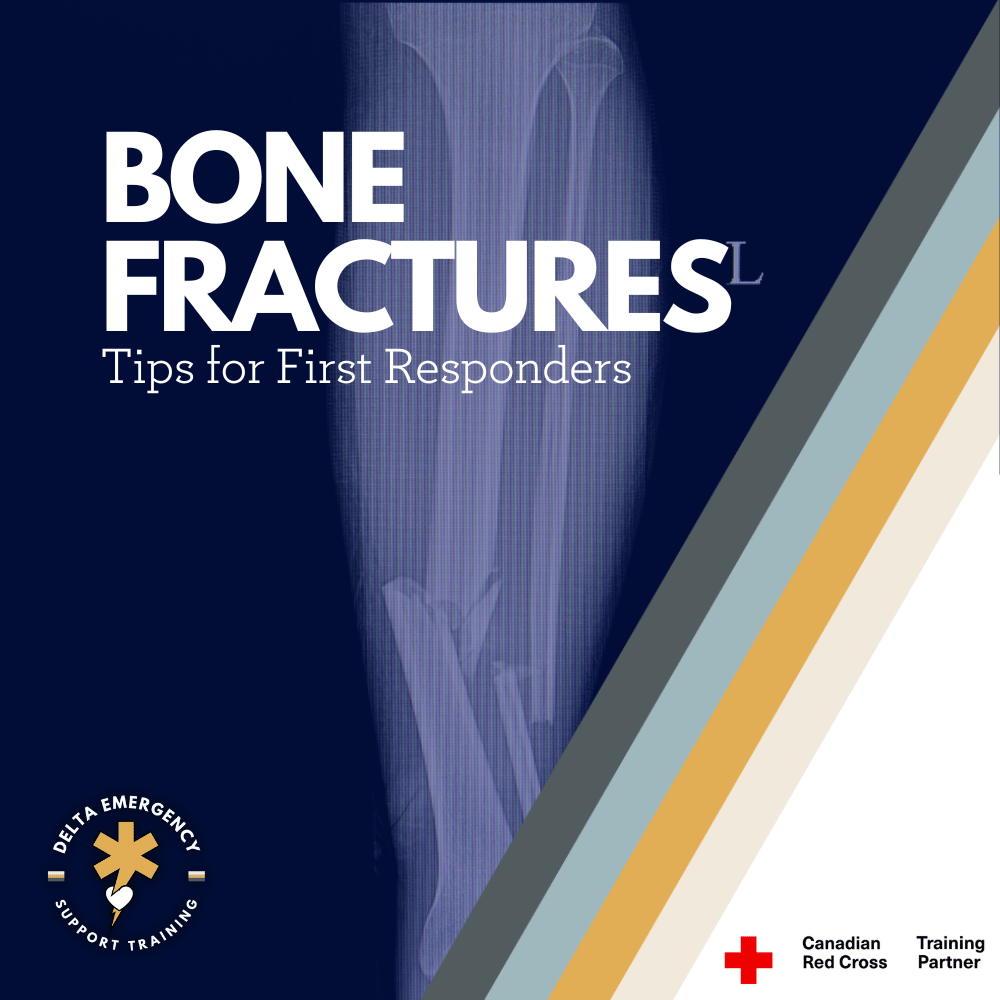
XRAY OF BROKEN TIB FIB
Fractures are common injuries that medical first responders frequently encounter, and proper management is critical in ensuring the patient's safety and minimizing long-term complications. This guide covers essential protocols for handling fractures, emphasizes the importance of checking distal pulses, and provides specific management tips for different types of fractures. At Delta Emergency Support Training, we provide access to Red Cross workbooks, hands-on training, and in-person classes for EMR and AFA, ensuring that you're well-prepared to manage fractures effectively.
General Approach to Fracture Management
Assess the Scene: Ensure your safety first and perform a quick primary assessment. Look for life-threatening conditions (e.g., breathing, bleeding, and consciousness).
Immobilize the Injury: Fractured bones must be stabilized to prevent further injury. Do not attempt to realign a displaced bone unless it is absolutely necessary to restore circulation.
Check Circulation: Always check for a distal pulse (e.g., radial pulse for upper limbs, dorsalis pedis pulse for lower limbs). The absence of a pulse could indicate compromised circulation and require immediate intervention.
Pain Management: Administer pain relief within your scope of practice and ensure comfort during transport.
Fracture Types and Management Protocols
Upper Limb Fractures
Clavicle Fracture
Symptoms: Pain, visible bump, limited range of motion.
Management: Use a sling or figure-eight bandage to immobilize. Check for a radial pulse to assess circulation. If no pulse, realign gently to restore blood flow.
Humerus Fracture
Symptoms: Pain, swelling, abnormal positioning.
Management: Immobilize with a splint or sling. Check radial pulse. A lack of pulse suggests potential nerve or vessel damage, requiring immediate intervention.
Radius and Ulna Fractures
Symptoms: Swelling, bruising, and inability to move the wrist or fingers.
Management: Use a splint, ensuring the wrist and elbow are stabilized. Always check the radial pulse; absence of pulse indicates compromised circulation and requires urgent realignment.
Lower Limb Fractures
Femur Fracture
Symptoms: Severe pain, swelling, inability to move.
Management: Use a traction splint to stabilize. Check the femoral pulse. Absence of pulse demands immediate medical intervention.
Tibia and Fibula Fractures
Symptoms: Pain, bruising, and difficulty moving.
Management: Apply a splint to stabilize the leg. Check the dorsalis pedis pulse; absence indicates possible vascular damage and requires urgent attention.
Ankle and Foot Fractures
Symptoms: Pain, swelling, deformity.
Management: Stabilize with a splint. Check pulses at the dorsalis pedis and posterior tibial sites. Absence of pulse requires immediate action to restore blood flow and prevent limb loss.
Spinal and Pelvic Fractures
Spinal Fractures
Symptoms: Neck or back pain, possible numbness or tingling in limbs.
Management: Immobilize the spine with a cervical collar and prevent movement. Check femoral and radial pulses. Absence of pulses may indicate spinal cord injury or severe vascular damage.
Pelvic Fractures
Symptoms: Severe pelvic pain, bruising, difficulty moving.
Management: Apply a pelvic binder to reduce movement. Check femoral pulse. Absence of pulse indicates potential severe internal bleeding and requires immediate medical intervention.
Why Checking for Distal Pulse is Critical
When dealing with fractures, checking for distal pulses is a vital step in ensuring the injured limb is receiving adequate blood flow. Absence of a pulse can suggest that a major artery or vein is compromised, risking tissue necrosis or limb loss. Repositioning the limb or gently realigning the fracture can sometimes restore circulation, but if pulses are absent, it's important to seek advanced medical help immediately.
Delta Emergency Support Training
At Delta Emergency Support Training, we ensure that our students are fully prepared to handle emergencies with confidence. Through our Red Cross workbooks, teaching resources, study tips, and in-person classes for EMR and AFA, we provide the practical knowledge necessary to deal with fractures and other emergencies. Our training will guide you through how to assess injuries, check circulation, immobilize fractures, and effectively manage patients in critical situations.
Whether you're just starting out or looking to sharpen your skills, our comprehensive training resources will give you the expertise needed to provide quality care in high-pressure situations.
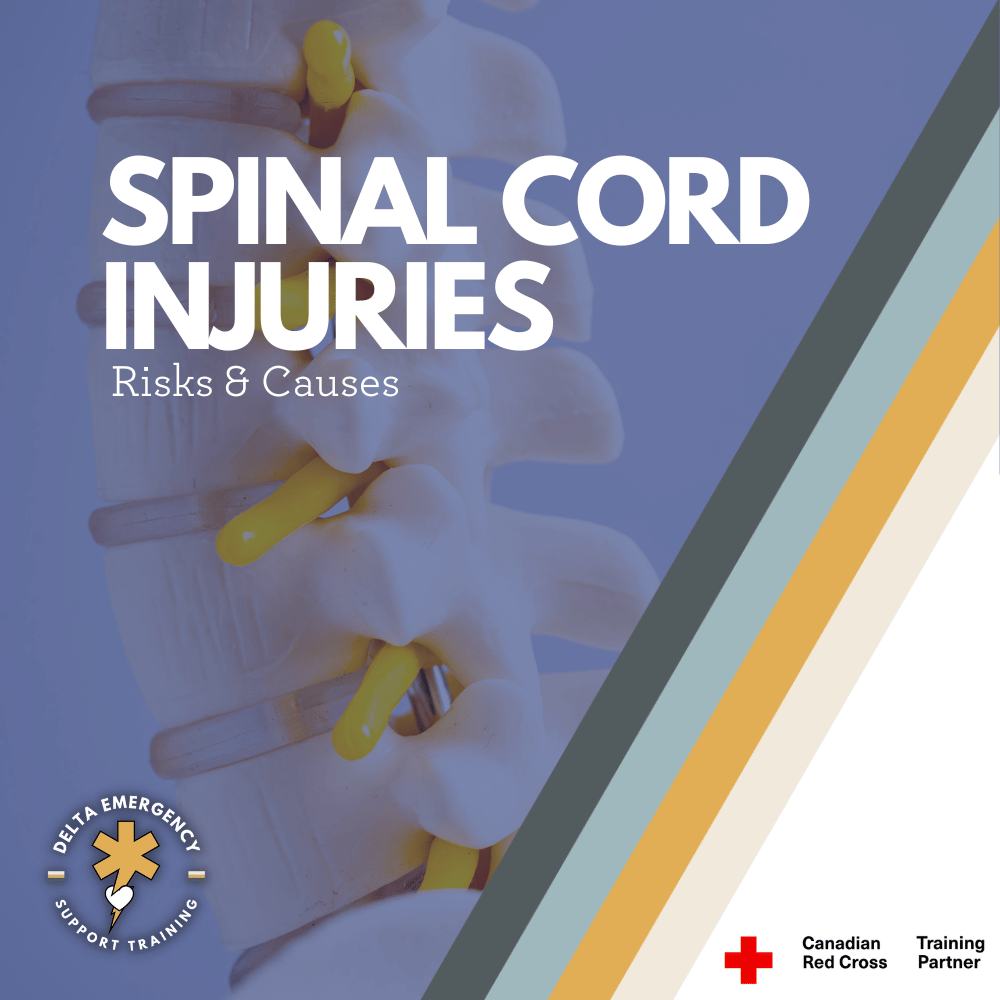
Spinal Cord Injuries: Risks, Causes, and Implications
The spinal cord serves as the central pathway for transmitting signals between the brain and the body, regulating movement, sensation, and autonomic functions. Damage to the spinal cord disrupts these essential functions, leading to impairments. Certain factors increase the likelihood of SCIs, including traumatic incidents like motor vehicle accidents and falls. Underlying medical conditions such as spondylitis, scoliosis, and spinal tumors can also predispose individuals to spinal cord injuries. Understanding these factors informs preventive measures, timely interventions, and rehabilitation strategies, optimizing outcomes for those affected.
Spinal cord injuries (SCIs) represent a significant challenge in the medical landscape, with far-reaching impacts on physical, emotional, and social well-being. While traumatic incidents such as accidents and falls are common causes, various underlying medical conditions can also predispose individuals to spinal cord injuries. In this comprehensive medical blog, we delve into the intricacies of SCIs, identifying who is at risk, what factors increase susceptibility, and the implications for affected individuals, including those with conditions like spondylitis, scoliosis, and others.
Anatomy and Function of the Spinal Cord
The spinal cord serves as the central pathway for transmitting signals between the brain and the rest of the body, regulating movement, sensation, and autonomic functions. Encased within the vertebral column, it consists of nerve fibers and tissues crucial for relaying sensory information and coordinating motor responses. Damage to the spinal cord disrupts these essential functions, leading to a spectrum of impairments depending on the severity and location of the injury.
Risk Factors for Spinal Cord Injuries
While SCIs can occur in anyone, certain factors increase the likelihood of sustaining such injuries:
Traumatic Incidents: Motor vehicle accidents, falls, sports-related injuries, and acts of violence are common causes of traumatic SCIs. Engaging in high-risk behaviors, such as reckless driving or participation in contact sports without proper protective gear, elevates the risk.
Age: Young adults between the ages of 16 and 30 are more susceptible to traumatic SCIs due to engaging in risky behaviors. Conversely, individuals aged 65 and older face an increased risk of SCIs resulting from falls, often due to age-related declines in balance and mobility.
Existing Medical Conditions: Certain medical conditions affecting the spine can predispose individuals to spinal cord injuries:
Spondylitis: An inflammatory condition affecting the vertebrae, spondylitis can weaken the spinal column, increasing susceptibility to injury.
Scoliosis: Abnormal curvature of the spine, such as scoliosis, can alter spinal alignment and increase the risk of spinal cord compression or injury.
Degenerative Disc Disease: The natural aging process can lead to degeneration of spinal discs, compromising the stability of the spine and contributing to SCI risk.
Spinal Tumors: Benign or malignant tumors in the spinal cord or surrounding tissues can exert pressure on the spinal cord, leading to compression and potential injury.
Alcohol and Substance Abuse: Alcohol consumption and substance abuse contribute to a significant proportion of traumatic SCIs, impairing judgment and coordination and increasing the likelihood of accidents.
Complications and Implications
Spinal cord injuries can lead to a myriad of complications and long-term implications, including paralysis, bladder and bowel dysfunction, respiratory complications, and psychological and social impact. Prevention and management strategies encompass education, injury prevention measures, timely medical intervention, and comprehensive rehabilitation programs.
Conclusion
By understanding the diverse array of risk factors, causes, and implications associated with spinal cord injuries, healthcare professionals can tailor preventive measures, interventions, and rehabilitation strategies to address the specific needs of individuals at risk or affected by SCIs. Through ongoing research, education, and multidisciplinary collaboration, we strive to mitigate the impact of SCIs and enhance the quality of life for those affected by these injuries, including those with underlying medical conditions affecting the spine.

