The Delta Dispatch
Ejection Trauma: What First Responders Need to Know About High-Impact MVCs
Ejection trauma is one of the most catastrophic outcomes of a motor vehicle collision. For first responders, understanding how to assess, stabilize, and prioritize care for these high-impact patients is critical. Here’s how to stay calm, organized, and effective in the moments that matter most.
When a person is ejected from a vehicle during a crash, the outcome is almost always severe. Ejection trauma represents one of the most catastrophic mechanisms of injury emergency responders will encounter. Whether partial or complete, being thrown from a vehicle amplifies the forces acting on the body—turning an already violent impact into a multi-system trauma event.
What Is Ejection Trauma?
Ejection trauma occurs when a vehicle occupant is completely or partially thrown out of the vehicle during a collision. This typically happens when seat belts are not worn or fail, or when the force of impact breaches the vehicle’s structure.
There are two main types:
Partial ejection – The patient is partially expelled, often trapped by the seat belt or vehicle frame, resulting in crushing or shearing injuries.
Complete ejection – The patient is fully thrown clear of the vehicle, often resulting in secondary impacts with the ground or other objects.
Mechanism of Injury (MOI)
Ejection trauma is classified as a high-mechanism MOI, and responders should immediately suspect:
Severe blunt trauma
Multiple fractures
Spinal, head, and internal injuries
Airway compromise or shock
The energy transfer doesn’t stop at the first impact—the patient often experiences multiple points of contact:
The initial crash inside the vehicle
Contact with the vehicle structure on exit
Impact with the ground or another surface
Potential secondary impact with objects (trees, poles, other vehicles)
Each of these contributes to a complex and unpredictable injury pattern.
Common Injuries Associated with Ejection
Responders should anticipate multi-system trauma, including:
Head and neck injuries: Concussions, skull fractures, traumatic brain injuries (TBI)
Spinal trauma: High risk of spinal fractures or cord damage due to rotational forces
Thoracic injuries: Flail chest, pneumothorax, hemothorax, cardiac contusions
Abdominal trauma: Liver or spleen lacerations, internal bleeding
Orthopedic injuries: Long bone fractures, pelvic fractures, amputations
Soft tissue injuries: Severe abrasions, degloving injuries, lacerations
Scene Assessment
When responding to an MVC with possible ejection, scene safety and situational awareness come first.
Scan the entire area—patients may be thrown significant distances or hidden in brush, ditches, or behind obstacles.
Note patient position relative to the vehicle; it offers key clues about trajectory and energy transfer.
Look for additional hazards: leaking fuel, oncoming traffic, downed power lines.
Patient Management in the Field
Ejected patients require rapid, systematic assessment and early activation of advanced care.
1. Scene Safety & Triage
Request additional units and air transport early.
Perform a global scan for multiple patients.
2. Primary Survey (Check, Call, Care)
Airway: Suspect spinal injury—manually stabilize head and neck, use jaw-thrust if needed.
Breathing: Expose the chest, check for symmetry and adequate air movement.
Circulation: Control major bleeding immediately. Prioritize rapid identification of life-threatening hemorrhage.
3. Secondary Survey
Head-to-toe assessment, noting deformities, contusions, abrasions, punctures, burns, tenderness, lacerations, and swelling (DCAP-BTLS).
Monitor vitals frequently—changes can indicate internal bleeding or decompensating shock.
Maintain spinal motion restriction (SMR) if indicated.
4. Shock Management
Treat for hypovolemia: position appropriately, keep warm, and prepare for rapid transport.
Oxygen administration and airway management should be prioritized.
The Role of Prehospital Responders
As a first responder, your calm and methodical approach can make all the difference. Recognizing the severity of ejection trauma early allows for:
Prioritizing rapid extrication and transport
Effective communication with dispatch and incoming EMS
Early notification of trauma centers
Ejection = Severe Trauma Until Proven Otherwise.
Never underestimate the forces involved—patients may appear stable initially but can deteriorate quickly.
Key Takeaways
Ejection trauma is one of the deadliest outcomes of an MVC.
Always assume multi-system trauma and spinal involvement.
Focus on airway, breathing, and circulation while minimizing movement.
Rapid transport and early hospital notification are essential.
Scene safety, teamwork, and clear communication are critical under pressure.
Final Thoughts
Every ejection call reminds responders why scene assessment and mechanism recognition matter so much. Behind every statistic is a human life—one that depends on the calm, structured, and skilled actions of those first on scene. Whether you’re an Advanced First Aider, EMR, or paramedic student, understanding ejection trauma prepares you to manage chaos with confidence and compassion.
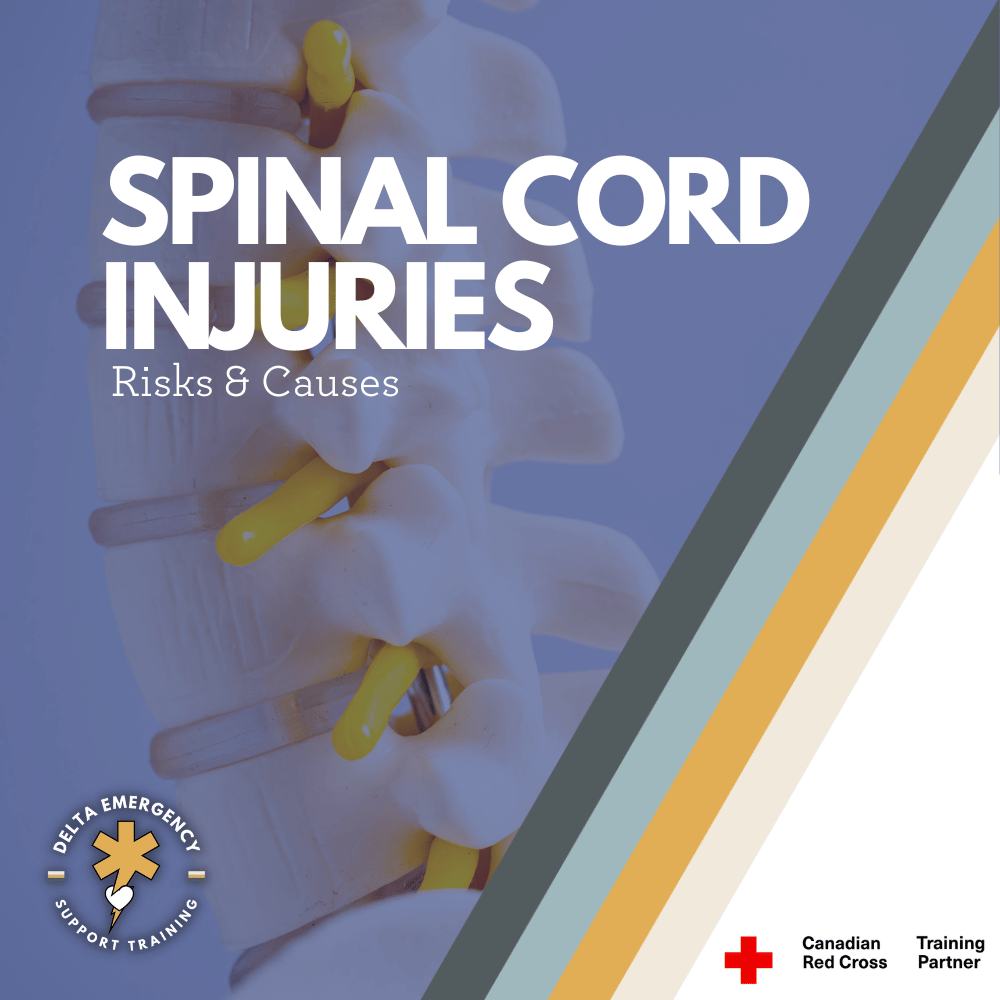
Spinal Cord Injuries: Risks, Causes, and Implications
The spinal cord serves as the central pathway for transmitting signals between the brain and the body, regulating movement, sensation, and autonomic functions. Damage to the spinal cord disrupts these essential functions, leading to impairments. Certain factors increase the likelihood of SCIs, including traumatic incidents like motor vehicle accidents and falls. Underlying medical conditions such as spondylitis, scoliosis, and spinal tumors can also predispose individuals to spinal cord injuries. Understanding these factors informs preventive measures, timely interventions, and rehabilitation strategies, optimizing outcomes for those affected.
Spinal cord injuries (SCIs) represent a significant challenge in the medical landscape, with far-reaching impacts on physical, emotional, and social well-being. While traumatic incidents such as accidents and falls are common causes, various underlying medical conditions can also predispose individuals to spinal cord injuries. In this comprehensive medical blog, we delve into the intricacies of SCIs, identifying who is at risk, what factors increase susceptibility, and the implications for affected individuals, including those with conditions like spondylitis, scoliosis, and others.
Anatomy and Function of the Spinal Cord
The spinal cord serves as the central pathway for transmitting signals between the brain and the rest of the body, regulating movement, sensation, and autonomic functions. Encased within the vertebral column, it consists of nerve fibers and tissues crucial for relaying sensory information and coordinating motor responses. Damage to the spinal cord disrupts these essential functions, leading to a spectrum of impairments depending on the severity and location of the injury.
Risk Factors for Spinal Cord Injuries
While SCIs can occur in anyone, certain factors increase the likelihood of sustaining such injuries:
Traumatic Incidents: Motor vehicle accidents, falls, sports-related injuries, and acts of violence are common causes of traumatic SCIs. Engaging in high-risk behaviors, such as reckless driving or participation in contact sports without proper protective gear, elevates the risk.
Age: Young adults between the ages of 16 and 30 are more susceptible to traumatic SCIs due to engaging in risky behaviors. Conversely, individuals aged 65 and older face an increased risk of SCIs resulting from falls, often due to age-related declines in balance and mobility.
Existing Medical Conditions: Certain medical conditions affecting the spine can predispose individuals to spinal cord injuries:
Spondylitis: An inflammatory condition affecting the vertebrae, spondylitis can weaken the spinal column, increasing susceptibility to injury.
Scoliosis: Abnormal curvature of the spine, such as scoliosis, can alter spinal alignment and increase the risk of spinal cord compression or injury.
Degenerative Disc Disease: The natural aging process can lead to degeneration of spinal discs, compromising the stability of the spine and contributing to SCI risk.
Spinal Tumors: Benign or malignant tumors in the spinal cord or surrounding tissues can exert pressure on the spinal cord, leading to compression and potential injury.
Alcohol and Substance Abuse: Alcohol consumption and substance abuse contribute to a significant proportion of traumatic SCIs, impairing judgment and coordination and increasing the likelihood of accidents.
Complications and Implications
Spinal cord injuries can lead to a myriad of complications and long-term implications, including paralysis, bladder and bowel dysfunction, respiratory complications, and psychological and social impact. Prevention and management strategies encompass education, injury prevention measures, timely medical intervention, and comprehensive rehabilitation programs.
Conclusion
By understanding the diverse array of risk factors, causes, and implications associated with spinal cord injuries, healthcare professionals can tailor preventive measures, interventions, and rehabilitation strategies to address the specific needs of individuals at risk or affected by SCIs. Through ongoing research, education, and multidisciplinary collaboration, we strive to mitigate the impact of SCIs and enhance the quality of life for those affected by these injuries, including those with underlying medical conditions affecting the spine.

