The Delta Dispatch
Ejection Trauma: What First Responders Need to Know About High-Impact MVCs
Ejection trauma is one of the most catastrophic outcomes of a motor vehicle collision. For first responders, understanding how to assess, stabilize, and prioritize care for these high-impact patients is critical. Here’s how to stay calm, organized, and effective in the moments that matter most.
When a person is ejected from a vehicle during a crash, the outcome is almost always severe. Ejection trauma represents one of the most catastrophic mechanisms of injury emergency responders will encounter. Whether partial or complete, being thrown from a vehicle amplifies the forces acting on the body—turning an already violent impact into a multi-system trauma event.
What Is Ejection Trauma?
Ejection trauma occurs when a vehicle occupant is completely or partially thrown out of the vehicle during a collision. This typically happens when seat belts are not worn or fail, or when the force of impact breaches the vehicle’s structure.
There are two main types:
Partial ejection – The patient is partially expelled, often trapped by the seat belt or vehicle frame, resulting in crushing or shearing injuries.
Complete ejection – The patient is fully thrown clear of the vehicle, often resulting in secondary impacts with the ground or other objects.
Mechanism of Injury (MOI)
Ejection trauma is classified as a high-mechanism MOI, and responders should immediately suspect:
Severe blunt trauma
Multiple fractures
Spinal, head, and internal injuries
Airway compromise or shock
The energy transfer doesn’t stop at the first impact—the patient often experiences multiple points of contact:
The initial crash inside the vehicle
Contact with the vehicle structure on exit
Impact with the ground or another surface
Potential secondary impact with objects (trees, poles, other vehicles)
Each of these contributes to a complex and unpredictable injury pattern.
Common Injuries Associated with Ejection
Responders should anticipate multi-system trauma, including:
Head and neck injuries: Concussions, skull fractures, traumatic brain injuries (TBI)
Spinal trauma: High risk of spinal fractures or cord damage due to rotational forces
Thoracic injuries: Flail chest, pneumothorax, hemothorax, cardiac contusions
Abdominal trauma: Liver or spleen lacerations, internal bleeding
Orthopedic injuries: Long bone fractures, pelvic fractures, amputations
Soft tissue injuries: Severe abrasions, degloving injuries, lacerations
Scene Assessment
When responding to an MVC with possible ejection, scene safety and situational awareness come first.
Scan the entire area—patients may be thrown significant distances or hidden in brush, ditches, or behind obstacles.
Note patient position relative to the vehicle; it offers key clues about trajectory and energy transfer.
Look for additional hazards: leaking fuel, oncoming traffic, downed power lines.
Patient Management in the Field
Ejected patients require rapid, systematic assessment and early activation of advanced care.
1. Scene Safety & Triage
Request additional units and air transport early.
Perform a global scan for multiple patients.
2. Primary Survey (Check, Call, Care)
Airway: Suspect spinal injury—manually stabilize head and neck, use jaw-thrust if needed.
Breathing: Expose the chest, check for symmetry and adequate air movement.
Circulation: Control major bleeding immediately. Prioritize rapid identification of life-threatening hemorrhage.
3. Secondary Survey
Head-to-toe assessment, noting deformities, contusions, abrasions, punctures, burns, tenderness, lacerations, and swelling (DCAP-BTLS).
Monitor vitals frequently—changes can indicate internal bleeding or decompensating shock.
Maintain spinal motion restriction (SMR) if indicated.
4. Shock Management
Treat for hypovolemia: position appropriately, keep warm, and prepare for rapid transport.
Oxygen administration and airway management should be prioritized.
The Role of Prehospital Responders
As a first responder, your calm and methodical approach can make all the difference. Recognizing the severity of ejection trauma early allows for:
Prioritizing rapid extrication and transport
Effective communication with dispatch and incoming EMS
Early notification of trauma centers
Ejection = Severe Trauma Until Proven Otherwise.
Never underestimate the forces involved—patients may appear stable initially but can deteriorate quickly.
Key Takeaways
Ejection trauma is one of the deadliest outcomes of an MVC.
Always assume multi-system trauma and spinal involvement.
Focus on airway, breathing, and circulation while minimizing movement.
Rapid transport and early hospital notification are essential.
Scene safety, teamwork, and clear communication are critical under pressure.
Final Thoughts
Every ejection call reminds responders why scene assessment and mechanism recognition matter so much. Behind every statistic is a human life—one that depends on the calm, structured, and skilled actions of those first on scene. Whether you’re an Advanced First Aider, EMR, or paramedic student, understanding ejection trauma prepares you to manage chaos with confidence and compassion.
Ejections from Vehicles: What Every First Responder Should Know
Vehicle ejections are one of the most dangerous and traumatic incidents first responders encounter. This blog provides vital insights into the causes, injuries, and best practices for responding to ejections, as well as how advanced first aid training can help firefighters and emergency responders handle these high-risk situations effectively.
Ejections from vehicles are among the most traumatic and severe incidents that first responders—including advanced first aid professionals—encounter. These types of accidents are especially dangerous for both the ejected individual and the responders who must navigate potentially hazardous environments. In Alberta, advanced first aid training is a prerequisite for firefighters and emergency medical responders (EMRs), equipping them with the skills needed to handle these high-risk emergencies effectively.
In this blog, we’ll explore what vehicle ejections are, why they happen, the injuries that often result, and how firefighters and first responders should approach such incidents. We’ll also highlight the importance of advanced first aid training in such high-stakes situations.
What is a Vehicle Ejection?
A vehicle ejection occurs when a person is thrown from their vehicle during a crash. This can happen in a variety of ways: high-speed crashes, rollovers, or when seatbelts aren’t used or fail. Ejections are dangerous because victims often land on hard surfaces, like the road, which increases the risk of life-threatening injuries. Immediate and proper intervention is critical to give these victims the best chance of survival and recovery.
Injuries caused by ejections can range from head trauma and spinal injuries to broken bones and internal bleeding. The consequences of such injuries can be catastrophic without timely and professional care.
Causes of Ejections
Lack of Seatbelt Use: A major cause of ejections is the failure to wear seatbelts. Seatbelts significantly reduce the risk of ejection by keeping passengers securely in place during a crash.
Rollover Accidents: In rollover crashes, passengers are more likely to be ejected as the vehicle tumbles, increasing the chances of being thrown out.
High-Speed Collisions: High-speed crashes, especially when hitting stationary objects, create enough force to propel occupants out of the vehicle.
Side-Impact (T-Bone) Collisions: When a vehicle is struck from the side, particularly with high impact, the risk of ejection increases as the side windows may shatter and the force can throw an occupant from the car.
Injuries from Ejections
Ejected vehicle victims can suffer a range of injuries, many of which are life-threatening:
Head and Brain Injuries: Traumatic brain injuries (TBI) are common and can range from concussions to severe skull fractures, leading to long-term disabilities or death.
Spinal Cord Injuries: Damage to the spine can result in paralysis or death, especially if the spinal cord is compromised during the ejection.
Internal Injuries: Blunt force trauma can cause internal bleeding, ruptured organs, and significant damage to internal structures. Rapid recognition and treatment of internal injuries are essential.
Fractures and Limb Injuries: Broken limbs, ribs, and pelvis are frequent in ejected patients, especially as they come into contact with the road or surrounding objects.
Soft Tissue Injuries: Scrapes, cuts, and bruises from the force of ejection and contact with surfaces are common and can add to the patient’s overall trauma.
How to Approach Vehicle Ejections: First Responder Steps
1. Start Your Size-Up at Dispatch
The time to start assessing the situation is before you even arrive on the scene. The dispatch information provides vital clues about the nature of the crash, the type of road (residential or highway), the speed of the impact, and any hazards that may be present, like industrial vehicles or hazardous materials. This early information helps responders prepare mentally and strategically for what lies ahead.
2. Perform an Inner Circle Survey
Upon arriving at the scene, conduct a quick 360-degree assessment of the incident—what we call the "inner circle survey." Walk around the wreckage to gather information about the number of victims, vehicle conditions (engine running, fluids leaking), and possible hazards (e.g., fuel, electrical lines, airbags). Noticing these details early will help guide your approach and ensure responder safety.
Safety systems such as airbags, rollover protection devices, and seatbelt pretensioners may have deployed, which can present both advantages and hazards during rescue operations. Recognizing these features will help prevent accidental injury to responders.
3. Stabilize the Victim and the Scene
Severe Bleeding Control: Ejected victims often suffer significant blood loss due to trauma. Controlling bleeding should be your first priority. Apply direct pressure to visible wounds and use tourniquets if needed to control extremity bleeding. Hemorrhage control is vital to prevent shock and further complications.
Spinal Stabilization: Always assume spinal injury in ejected patients until proven otherwise. Quickly immobilize the head and neck using cervical collars and spinal boards, ensuring minimal movement to prevent further damage.
Treat for Shock: Victims of vehicle ejections are at a high risk for shock, due to the trauma they’ve sustained. Keep the victim warm, elevate their legs (unless there’s suspected spinal injury), and monitor their vital signs.
4. Coordinate with EMS for Transport
Once the victim has been stabilized, prepare for rapid transport. Ensure that EMS has been notified, and keep in mind that time is critical in cases involving vehicle ejections. While waiting for EMS, continue to monitor the victim and provide necessary care.
Why Advanced First Aid Is Crucial for Firefighters
In Alberta, firefighters must undergo advanced first aid training as part of their professional certification. This training is invaluable when responding to high-risk incidents like vehicle ejections, where rapid, effective care can significantly impact patient outcomes.
Advanced first aid courses equip firefighters with skills such as:
Trauma assessment and management
Spinal immobilization techniques
CPR and airway management
Hemorrhage control and shock management
Having this expertise ensures that firefighters are prepared to handle the complex and often dangerous nature of vehicle ejection incidents. The ability to recognize signs of serious injury, apply the right interventions, and work safely around hazards can be the difference between life and death for the patient.
Conclusion
Vehicle ejections are some of the most challenging and dangerous situations first responders will face. Understanding how to assess, stabilize, and transport these patients is essential for their survival and recovery. With advanced first aid training, firefighters and emergency responders are better equipped to handle the complexities of vehicle ejections, ensuring they provide the best care possible in high-pressure situations.
At Delta Emergency Support Training, we offer specialized advanced first aid courses designed to prepare firefighters, paramedics, and emergency responders for these high-stakes incidents. Our training is hands-on, scenario-based, and tailored to the specific challenges you face in the field. Reach out to us today to find out how we can help your team be prepared for anything.
About Us
At Delta Emergency Support Training, we specialize in providing advanced first aid training for firefighters and emergency responders in Alberta. Our training ensures that you have the knowledge and hands-on experience to handle complex medical emergencies, from vehicle ejections to cardiac arrest. Contact us to learn more about our training programs and how we can help you be prepared for any emergency.
Winter Driving: Tips for First Responders and Everyday Drivers
Winter driving poses unique challenges, especially for future firefighters and first responders. From hidden black ice to snow-covered roads, understanding the risks and knowing how to prepare your vehicle are essential for staying safe on the road. In this blog, we’ll cover key winter driving hazards, share essential tips for safe navigation in harsh conditions, and provide guidance on vehicle maintenance to ensure you're always ready—whether you're heading to an emergency or simply commuting. Stay prepared, stay safe, and learn how to handle winter weather like a pro.
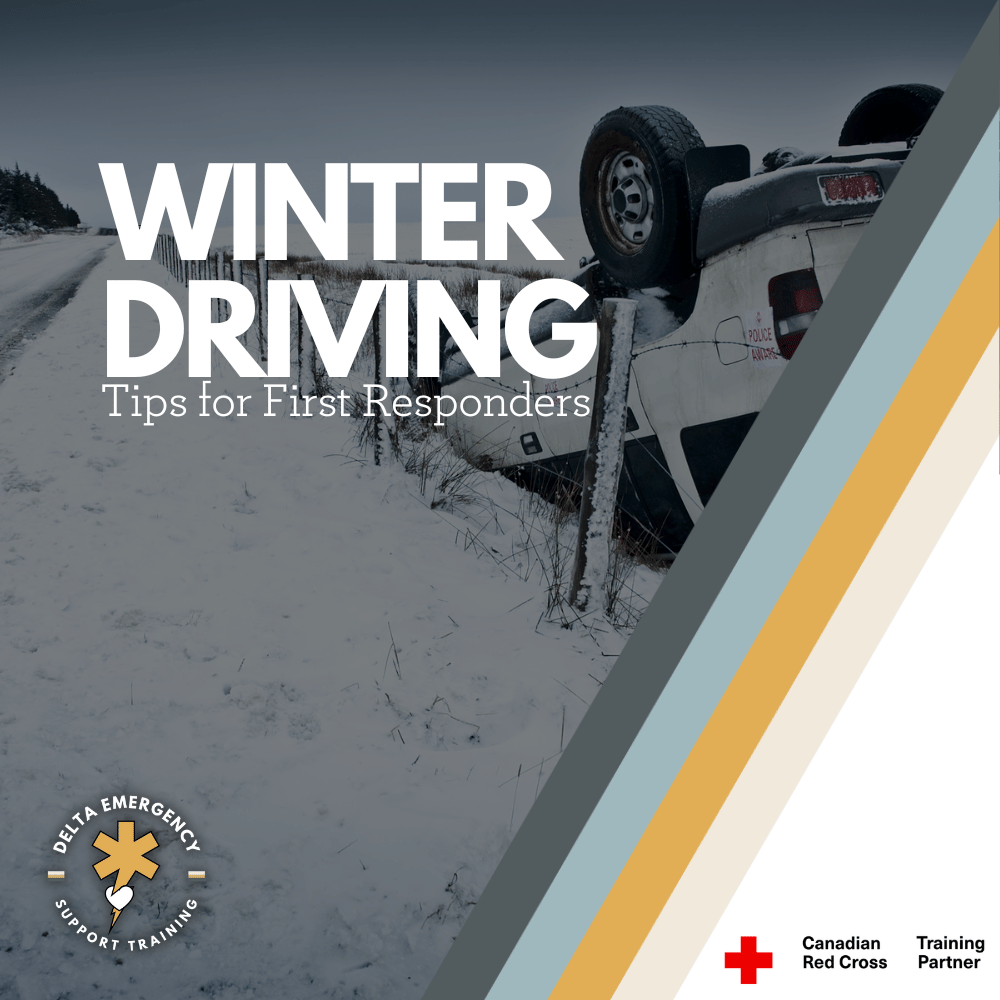
Winter Driving Tips for Future First Responders: Stay Safe and Prepared in Harsh Conditions
Overturned vehicle from driving in icy winter conditions
Winter driving can be treacherous, especially when you’re out on the road in snowy, icy conditions. As a future firefighter, paramedic, or emergency responder, it’s crucial to understand how these winter weather hazards can impact your ability to drive safely and respond effectively in an emergency. Whether you're heading to a call or navigating daily commutes, this guide will provide you with the knowledge and practical tips you need to stay safe during the winter months.
1. Understanding the Risks of Black Ice
Black ice is one of the most insidious dangers of winter driving. It forms when moisture freezes on the road surface, creating a nearly invisible layer of ice that can cause vehicles to lose traction unexpectedly. Black ice is most commonly found on bridges, overpasses, and shaded parts of the road. For first responders, who may need to drive in these conditions during urgent situations, it’s vital to recognize the signs of black ice and respond accordingly.
What to Watch Out For:
Bridges and Overpasses: These areas freeze more quickly than regular roads due to their exposure to the air above and below.
Shaded Areas: Roads that are shaded by trees, buildings, or mountains are more likely to have black ice, especially early in the morning or after sunset.
Intersections and Curves: These areas are more prone to slick conditions as the traffic flow can prevent melting during the day.
How to Drive on Black Ice:
Slow Down: Reduce your speed when driving on bridges, overpasses, or during the early morning hours.
Gentle Maneuvers: Avoid quick or sharp turns. Steer gently if you begin to slide.
Keep a Safe Distance: Maintain extra space between your vehicle and others, as it can take longer to stop on icy surfaces.
2. Snow and Slippery Road Conditions
Snow accumulation not only reduces visibility, but it can also make roads slippery, increasing the likelihood of losing control of your vehicle. Thick snowdrifts and patches of snow can obscure lane markings, making it difficult to navigate the road properly. For firefighters and other emergency personnel, this is particularly hazardous, as getting stuck in the snow or skidding off the road can delay emergency responses.
What to Watch Out For:
Snowdrifts: These can accumulate quickly, especially on less-traveled roads.
Hidden Potholes: Snow can cover potholes, creating unexpected hazards beneath the snow’s surface.
Lack of Lane Visibility: Snow accumulation can hide lane markings, making it difficult to stay in your lane.
Winter Driving Tips for Snowy Roads:
Drive Below the Speed Limit: Adapt your speed to the road conditions, not the posted speed limit. Keep your distance from other vehicles, as stopping distances will be much longer.
Increase Visibility: Use your headlights during snowfall to make sure other drivers can see you. Avoid high beams, which can reflect off the snow and reduce your visibility.
Stay in Tracks: If driving in heavy snow, try to drive in the tracks of other vehicles to avoid becoming stuck in deep snow.
3. Cold Weather and Vehicle Maintenance
Winter driving isn’t just about adjusting your behavior on the road; it’s also about ensuring your vehicle is properly prepared for the cold conditions. The freezing temperatures of winter can cause issues that make your vehicle more susceptible to mechanical failure or an accident. For first responders, this can lead to delays or even dangerous breakdowns.
Winter Vehicle Checklist:
Check Tire Pressure and Tread: Cold temperatures cause tire pressure to drop. Check your tire pressure regularly, and ensure that your tires have sufficient tread to maintain grip on icy or snow-covered roads.
Battery Health: Batteries lose power in cold weather, so test your battery before winter sets in. Consider replacing older batteries that might fail in the cold.
Engine Fluids: Ensure your vehicle is filled with winter-grade oil and coolant. The correct engine fluid prevents freezing and ensures proper functioning.
Windshield Wipers: Replace windshield wipers if they are worn. Stock up on windshield washer fluid that won’t freeze at low temperatures, ensuring good visibility in snowy conditions.
Emergency Kit Essentials:
Blankets and Warm Clothing: In case of a breakdown or emergency situation, having extra clothing and thermal blankets in your vehicle can be lifesaving.
First Aid Kit: Always carry a basic first aid kit, including bandages, antiseptic wipes, and gloves, for addressing minor injuries on the go.
Food and Water: Pack non-perishable snacks and bottled water, especially if you're traveling long distances or to remote areas.
4. Responding to Accidents in Winter Conditions
As a future first responder, you may need to respond to emergency calls involving accidents on snowy or icy roads. It's crucial to stay aware of the unique dangers that come with operating in these environments, both for your safety and the safety of the victims.
Hazards to Be Aware Of:
Additional Collisions: If the road is icy, there’s a higher likelihood of secondary accidents, so always approach accident scenes cautiously.
Cold Weather Injuries: Accidents involving cold temperatures can cause hypothermia, frostbite, or other cold-related injuries, especially if victims are exposed to the elements for long periods.
Limited Access: Snow and ice can make it difficult to reach accident scenes or maneuver vehicles into position for a rescue. Be prepared for delays or challenging access.
Tips for First Responders:
Slow Approach: Always slow down as you approach the scene of an accident, and be mindful of other vehicles on the road.
Road Safety: Set up safety cones or warning lights to alert other drivers and prevent further collisions.
Protect Victims: If the victims are in cold conditions, prioritize keeping them warm with blankets or by moving them to a safer location away from the elements.
5. Stay Prepared for Winter Emergencies
The unpredictable nature of winter weather means that being prepared is more important than ever. Having an emergency kit, knowing how to handle various road conditions, and understanding the importance of vehicle maintenance can make a huge difference in staying safe.
Winter Emergency Kit Checklist:
Jumper cables and portable power banks
Flashlight with extra batteries
Shovel, sand, or kitty litter (for traction if you’re stuck)
Thermal blankets and extra gloves/hats
Non-perishable snacks and water
Basic first aid supplies
Conclusion: Be Prepared and Drive Safely This Winter
Winter driving conditions can be dangerous, especially for first responders who need to travel quickly and efficiently to emergencies. By understanding the hazards posed by snow, ice, and freezing temperatures, and by taking proactive steps to maintain your vehicle and adjust your driving behavior, you can reduce the risks associated with winter driving.
For future firefighters and first responders, staying prepared means more than just understanding emergency procedures—it also means staying safe on the road. Drive carefully, maintain your vehicle, and always be prepared for the unexpected.
Child Safety: The Essential Guide to Correct Car Seats
In a world where safety is everything, your child is truly precious cargo. That's why our comprehensive guide to child car seats is essential for every parent and caregiver. From understanding the different types of seats to mastering proper installation techniques, we've got you covered. Whether it's selecting the right seat for your child's age and size or ensuring compliance with safety regulations, our expert advice will help you navigate the road with confidence, knowing your little one is protected every mile of the way.
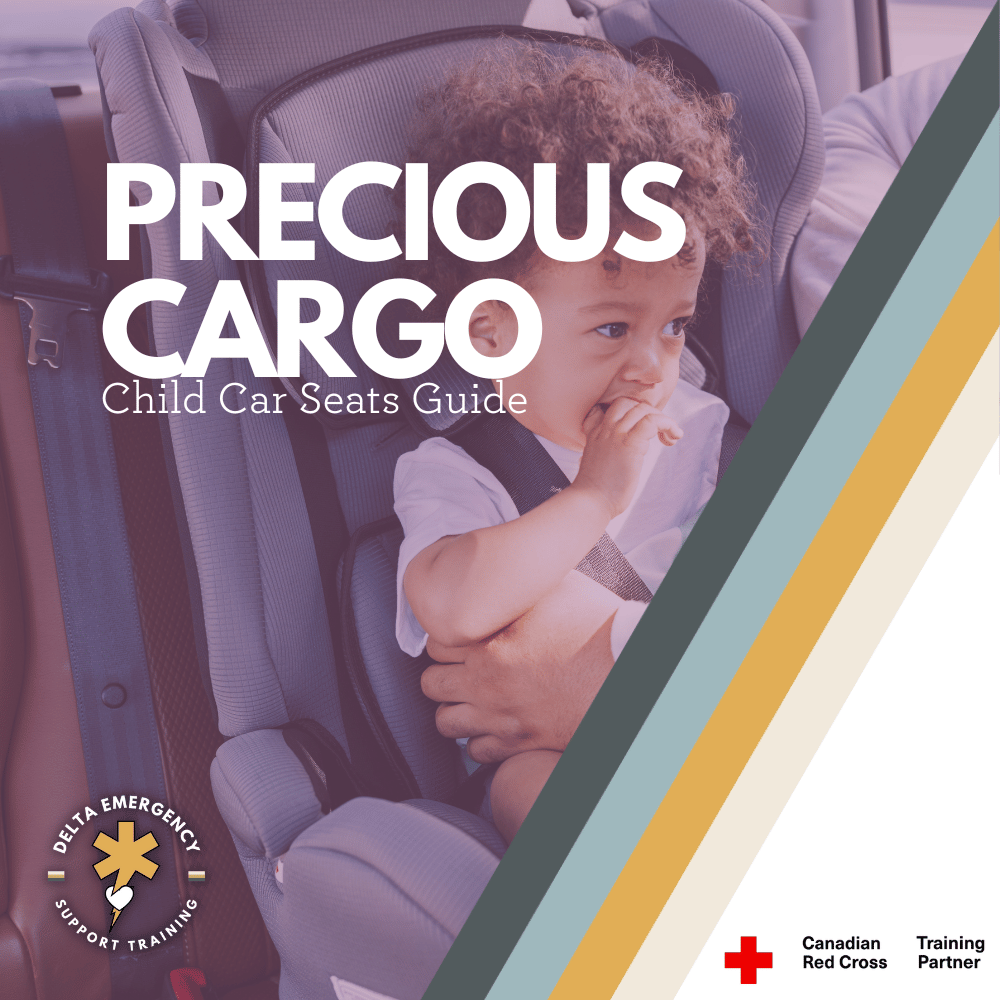
Little girl being buckled into car seat by her father
Ensuring the safety of our children is a responsibility that transcends all others, especially when it comes to travel in vehicles. The choice of car seat and the manner in which it's used can make all the difference in safeguarding our precious passengers. Let's delve into the crucial aspects of selecting and utilizing the right car seat for your child's age, weight, and height.
Understanding the Types of Car Seats
Rear-Facing Car Seat:
For infants, a rear-facing car seat is non-negotiable. It provides optimal protection for delicate heads, necks, and spines during sudden stops or crashes. As your child grows, transitioning to a larger rear-facing seat, and continuing its use until they reach the manufacturer's weight and height limits, ensures their safety until the age of 2, 3, or even 4 years old.
Forward-Facing Car Seat:
Once your child outgrows the rear-facing seat and reaches at least 2 years old, they can graduate to a forward-facing car seat equipped with a 5-point harness. It's crucial to keep them in this harness until they weigh at least 18 kg (40 lb) and can sit upright without slouching or unbuckling—a milestone typically achieved around 4, 5, or even 6 years old.
Booster Seat:
Upon outgrowing the forward-facing seat, usually around 4 years old and at least 18 kg (40 lb), transitioning to a belt-positioning booster seat is the next step. However, it's paramount that your child can sit correctly in the booster seat, ensuring the lap belt rests snugly across their hips and the shoulder belt lies across their chest and collarbone, between the neck and shoulder.
Seat Belt:
Once your child reaches a height of at least 145 cm (4’ 9”), they may be ready to transition to using an adult seat belt. However, it's imperative that the belt fits them properly—knees bent comfortably, lap belt low and snug across the hips, and shoulder belt positioned between the neck and shoulder without causing discomfort.
Installation and Usage Guidelines
Installing a Car Seat with a 5-Point Harness:
Place the car seat in the back seat and secure it using the Universal Anchorage System (UAS) or the vehicle seat belt.
Ensure the seat is tightly secured, with minimal movement.
Follow the manufacturer's instructions for recline angle adjustment (for rear-facing seats) and tether strap usage (for forward-facing seats).
Securing Your Child in a 5-Point Harness:
For rear-facing children, adjust harness straps to be level with or just below the shoulders.
For forward-facing children, position harness straps at shoulder level or just above.
Tighten harness straps snugly, ensuring no slack or twists, and place the chest clip at armpit level.
Avoid bulky clothing or snowsuits, as they can interfere with proper harness fit.
Using a Booster Seat:
Ensure the lap belt fits low and snug across the hips and the shoulder belt rests over the chest and collarbone.
Follow manufacturer instructions for routing the seat belt through any guides or armrests.
Ensuring Safety and Compliance
Always check for the National Safety Mark and review age, weight, and height limits specified by the manufacturer.
Replace car seats involved in any crash, even minor ones, and be mindful of expiration dates.
Regularly check for recalls and register the seat with the manufacturer for updates.
Utilize online resources, community car seat clinics, and manufacturer tutorials for guidance and support.
Additional Safety Tips
Never leave a child unattended in a car and use memory aids to prevent unintentional forgetfulness.
Avoid using unauthorized accessories and ensure the infant carrier is securely placed and never on elevated surfaces.
Prioritize safe sleep practices by removing the child from the car seat upon arrival.
In conclusion, correct car seat usage is paramount for ensuring the safety and well-being of our children during travel. By adhering to safety regulations, following installation and usage guidelines, and staying informed about safety updates, we can mitigate risks and provide the highest level of protection for our precious passengers. Let's commit to prioritizing child safety on the road, one journey at a time.
Navigating the Complexity of Broken Pelvis: Causes, Symptoms, and Care
In our comprehensive guide, we unveil the intricacies of pelvic fractures, shedding light on their causes, recognizing vital symptoms, and offering essential tips for immediate care. Unlock the secrets of this often-underestimated injury and empower yourself to make a difference in emergencies.
The pelvis, often overlooked in our daily lives, plays a pivotal role in our body's structure and stability. Yet, when a pelvic fracture occurs, it thrusts this often-neglected region into the spotlight as a site of pain, danger, and potential life-threatening complications. In this comprehensive blog, we embark on a journey to demystify pelvic fractures, exploring their origins, the subtle signs that signal their presence, and the crucial steps to provide immediate care. Join us as we uncover the intricacies of pelvic fractures, enabling you to recognize, respond to, and support those affected by this serious and often underestimated injury.
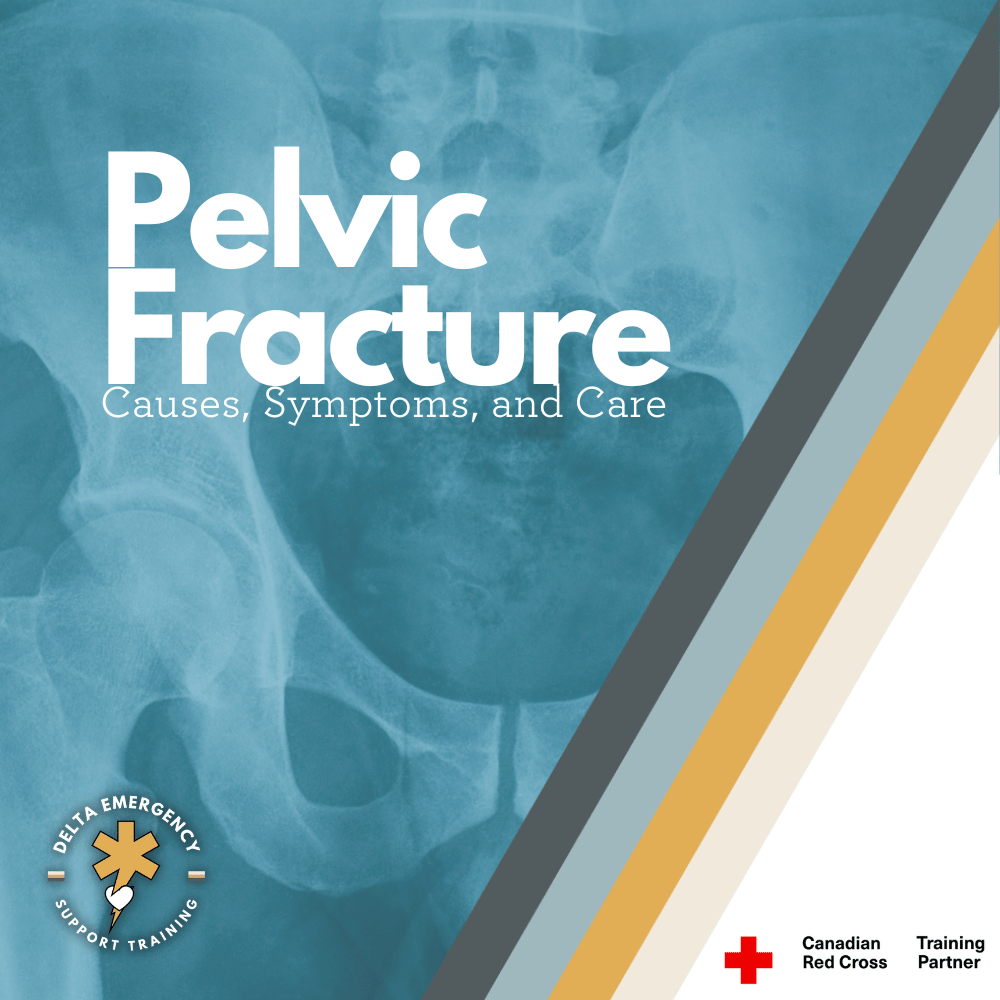
X-Ray of the pelvic region.
High-Impact Mechanisms of Injury (MOI) Leading to Pelvic Fractures
Pelvic fractures often arise from high-impact mechanisms of injury (MOI), which can deliver a devastating blow to the body's central support structure. It's essential to grasp the specific scenarios where these fractures commonly occur to take preventive measures and promptly address them. Here, we explore three prominent MOIs associated with pelvic fractures:
1. Car Accidents with Intrusion:
Car accidents, especially those involving intrusion into the passenger compartment, pose a significant risk of pelvic fractures. When a vehicle collides with another object or experiences a sudden deceleration, the forces involved can be transferred to the occupants. In such cases, the pelvis may absorb a substantial portion of the impact, leading to fractures. The use of seatbelts and properly installed airbags is crucial in reducing this risk.
2. Being Struck as a Pedestrian:
Pedestrians involved in accidents with moving vehicles face a heightened risk of pelvic fractures. When a pedestrian is struck by a vehicle, the impact forces are directed towards the pelvis, which can result in fractures. The severity of the injury depends on various factors, including the speed of the vehicle, point of impact, and the pedestrian's position. Awareness, adherence to traffic rules, and practicing safe pedestrian behaviors are essential in preventing these accidents.
3. High-Impact Sports, such as Horse Riding:
Engaging in high-impact sports like horse riding, skiing, or contact sports increases the likelihood of experiencing pelvic fractures. These activities expose individuals to abrupt movements, falls, or collisions with considerable force. In horse riding, for instance, an unexpected fall from a galloping horse can generate enough energy to fracture the pelvis. Proper safety gear, training, and adhering to safety guidelines can mitigate the risk associated with these sports.
Recognizing Indications of a Pelvic Fracture
When it comes to pelvic fractures, understanding the potential indications is paramount for swift intervention and treatment. These fractures often manifest with a combination of alarming symptoms, each serving as a red flag to signal the severity of the injury. Here, we explore some of the most common and telling indications:
1. Pelvic Instability:
One of the hallmark signs of a pelvic fracture is pelvic instability. This instability can cause a profound sense of discomfort and difficulty in maintaining balance and mobility. Individuals may experience a noticeable shift or misalignment of the pelvic bones, which can be felt when gently pressing on both sides of the pelvis. This instability can be particularly unsettling, making even simple movements a challenge.
2. Excruciating Pain:
Pelvic fractures are often accompanied by excruciating pain in the pelvic region. This pain is typically sharp, intense, and may radiate to the lower back or down the legs. The severity of the pain can vary depending on the extent and location of the fracture. It is important to note that the intensity of the pain may not correlate directly with the severity of the fracture, making it imperative to seek medical attention regardless of the perceived pain level.
3. Splayed Legs:
Another telltale sign of a pelvic fracture is the positioning of the legs. In many cases, the legs may appear splayed or twisted unnaturally due to the disruption of the pelvic bones. This visual indication can be distressing and further underscores the need for immediate medical evaluation.
4. Bruising Indicative of Internal Bleeding:
Bruising around the pelvic area can be indicative of internal bleeding, a critical concern associated with pelvic fractures. As the fractured bones can damage blood vessels within the pelvis, blood may accumulate in the surrounding tissues, causing visible bruising. This external sign of internal bleeding should not be overlooked, as it necessitates urgent medical attention.
Treatment of Pelvic Fractures
When a suspected pelvic fracture is encountered, the immediate goal is to provide stabilization and support while minimizing the risk of further injury. Proper treatment is essential to optimize outcomes and reduce complications. Here is a step-by-step guide to treating pelvic fractures:
1. Manual Stabilization:
The first and most crucial step in managing a suspected pelvic fracture is to provide manual stabilization. This involves gently supporting the pelvis with your hands to minimize movement. Care must be taken to avoid putting pressure directly on the fractured area to prevent exacerbating the injury. Manual stabilization helps in reducing pain and the risk of further damage.
2. Binding the Feet Together:
To address the splayed legs often associated with pelvic fractures and return them to a more anatomically aligned position, binding the feet together is recommended. This can be achieved by using a bandage or cloth to secure the ankles together. The goal is to maintain alignment and prevent further displacement of the fractured bones.
3. Application of a Commercial Pelvic Binder:
Commercial pelvic binders, such as the T-pod, are specially designed to provide effective stabilization for pelvic fractures. These devices are easy to apply and can help bring the fractured pelvic bones together, reducing pain and the risk of internal bleeding. Properly positioning and securing the pelvic binder is essential for its effectiveness.
4. Improvised Binding with a Sheet and Clips:
In situations where a commercial pelvic binder is not available, improvising with a sheet or any strong fabric, along with clips or other fasteners, can provide temporary stabilization. The sheet is wrapped tightly around the pelvis and secured in place to minimize movement and maintain alignment. While not as effective as commercial binders, this method can still be valuable in emergencies.
5. Administering High-Flow Oxygen:
The shock that often accompanies pelvic fractures can be life-threatening. Administering high-flow oxygen is a critical measure to help the body compensate and mitigate the effects of shock. Oxygen supplementation ensures that vital organs receive adequate oxygenation, reducing the risk of organ failure and improving the patient's chances of survival.
In Conclusion: Empowering Knowledge, Saving Lives, and Joining Delta Emergency
Our journey through pelvic fractures has highlighted the critical need for understanding this injury. Recognizing the signs, providing immediate care, and seeking prompt medical attention are paramount. Knowledge is power, and here, it can be lifesaving.
Pelvic fractures are complex, with hidden dangers such as internal bleeding and shock. Armed with this information, you're better prepared to respond effectively.
Joining Delta Emergency for your professional responder needs ensures you have access to comprehensive training, cutting-edge equipment, and a community committed to making a difference. Together, we can minimize the impact of pelvic fractures and provide the support and care that individuals deserve on their path to recovery.
Buckle Up: The Importance of Seatbelt Usage and Car Seats for Children
In this blog, we explore the vital role of seat belt usage and appropriate car seats in ensuring road safety. Uncover eye-opening seat belt statistics, understand the legal requirements, and learn how to choose the right car seat for your child's age and size. Discover practical tips to overcome common challenges and establish a culture of safety. Prioritize the protection of your loved ones on every journey with valuable insights and guidance on seat belt usage and car seats for children.
In a world where we rely heavily on cars for transportation, there is one unwavering truth; safety on the road should always be our top priority.
Amidst the hustle and bustle of everyday life, we may overlook the critical importance of seatbelt usage and car seats, but these simple yet powerful safety measures can make all the difference in an accident. According to a Transport Canada report, when worn correctly, seatbelts can reduce the risk of death in a collision by a staggering 47%.
In this blog, we will delve into the significance of wearing seatbelts and using appropriate car seats, emphasizing their indisputable role in preventing injuries, saving lives, and safeguarding the well-being of every occupant in a vehicle. Accidents pose a significant risk to Canadians, especially those under the age of 45, as they are the leading cause of both death and hospitalization within this demographic. Furthermore, for the entire Canadian population, accidents rank fourth among the causes of death. These statistics highlight the critical need to prioritize safety measures, such as wearing seat belts and using car seats, to mitigate the devastating impact of accidents and protect lives on the road.
How to Correctly Wear a Seatbelt
Wearing a seatbelt correctly is essential to maximize its effectiveness in protecting occupants during a collision. Here are the key steps to ensure the proper use of a seatbelt:
Positioning the Lap Belt:
The lap belt should be secured low and snug across the hips and pelvis, avoiding any contact with the abdomen. This placement helps distribute the force of a sudden impact across the strong pelvic bones, reducing the risk of internal injuries.
Adjusting the Shoulder Belt:
The shoulder belt should rest diagonally across the chest and shoulder, avoiding contact with the neck or the edge of the shoulder. It should be pulled snugly across the torso without being excessively tight, allowing for a comfortable yet secure fit.
No Twists or Tangles:
Ensure that the seatbelt is free of twists or tangles, as these can compromise its effectiveness. Straighten the belt and remove any twists to maintain a smooth, uninterrupted path for restraint.
Buckle Up Every Time:
Regardless of the distance or the speed of travel, it is crucial to buckle up every time you get in a vehicle. Make it a habit to ensure that everyone in the vehicle is wearing their seatbelt before starting the journey.
By following these guidelines and consistently wearing seatbelts correctly, we can significantly reduce the risk of serious injuries and increase the chances of survival in the event of a collision. Remember, seatbelt usage is a simple yet powerful action that can save lives and protect us on the road.
Car Seat Safety
Securing a child properly into a car seat is essential for their safety during travel. Here's a step-by-step guide on how to secure a child into a car seat:
Choose the Right Car Seat:
Select a car seat that is appropriate for your child's age, height, and weight. Follow the manufacturer's guidelines to ensure you have the correct car seat for your child's specific needs.
Position the Car Seat:
Install the car seat in the back seat of your vehicle, preferably in the center position. This provides the most protection in the event of a collision. Follow the manufacturer's instructions and use either the vehicle's seat belt or LATCH system to secure the car seat in place.
Harness Adjustments:
Ensure that the car seat's harness is properly adjusted for your child. The harness straps should be at or just below the child's shoulders for rear-facing seats, and at or just above the shoulders for forward-facing seats.
Buckle Up:
Place your child in the car seat and buckle the harness. Insert the buckle tongues into the buckle until they click securely in place. Ensure that the harness is snug but not overly tight. You should be able to fit only one or two fingers between the harness and your child's collarbone.
Chest Clip Positioning:
Slide the chest clip up to the child's armpit level, ensuring it is flat against their chest. The chest clip helps keep the harness straps properly positioned and provides added security.
Final Checks:
Double-check that the harness straps are not twisted and that they lie flat against your child's body. Ensure that the car seat is securely installed and does not move more than an inch in any direction when tested at the base.
Additional Tips:
Avoid bulky clothing or blankets that can interfere with the snugness of the harness. Instead, dress your child in thin layers and use blankets over the harness for warmth.
Regularly inspect the car seat to ensure it is in good condition, with no visible signs of damage or wear.
Always follow the manufacturer's guidelines and any applicable local regulations for car seat installation and usage.
Securing your child into a car seat properly provides them with the highest level of protection during car travel. Remember, car seat safety is a crucial aspect of ensuring your child's well-being on the road.
Car Seat Help
When it comes to ensuring the safety of your child in a car seat, it's essential to know that you're not alone in facing any difficulties or challenges. If you're experiencing trouble with car seats for children, it's comforting to know that there are professionals, such as first responders, who are willing and trained to provide assistance.
First responders, including police officers, firefighters, and emergency medical personnel, often receive specialized training in child passenger safety. They have in-depth knowledge about the proper installation and usage of car seats, and they understand the intricacies of various car seat models and their compatibility with different vehicles.
If you're having trouble with your child's car seat, don't hesitate to reach out to your local first responders or emergency services. They can offer valuable guidance, answer your questions, and even provide hands-on assistance in properly installing or adjusting the car seat.
Many communities also organize car seat inspection events or clinics where certified child passenger safety technicians are available to check car seat installations and offer expert advice. These technicians have undergone extensive training and certification programs to ensure they can provide accurate and reliable guidance on car seat usage.
Remember, the primary goal of first responders and child passenger safety technicians is to ensure the well-being and safety of your child. They are dedicated to helping parents and caregivers understand the proper techniques for securing children in car seats and addressing any concerns or issues that may arise.
In times of car seat trouble, don't hesitate to seek assistance from these professionals who are trained to help. Their expertise and support can give you the peace of mind that your child is properly protected during car travel. By working together with these professionals, you can overcome any challenges and ensure your child's safety on the road.
Conclusion
As we come to the end of this discussion on seat belt usage and car seat safety, we sincerely hope that the importance of these measures has resonated with you. The statistics and information presented here highlight the critical role that seat belts and proper car seats play in preventing injuries and saving lives on the road.
By prioritizing seat belt usage for yourself and ensuring that your child is securely fastened in an appropriate car seat, you are taking proactive steps towards creating a safer environment during car travel. The impact of these safety measures cannot be overstated, as they significantly reduce the risk of severe injuries or fatalities in the event of a collision.
We urge you to take seat belt and car seat safety seriously, not just for your own sake but also for the well-being of your loved ones. Embrace the responsibility of being a vigilant and responsible driver or caregiver. Set a positive example for others by consistently wearing your seat belt and advocating for the proper use of car seats for children.
Remember, accidents can happen at any time, but by implementing these safety measures, you are taking an active role in minimizing their impact. Stay informed about seat belt laws, seek professional guidance if needed, and regularly inspect and maintain your car seats to ensure their effectiveness.
On behalf of all road safety advocates, we sincerely hope that you will make seat belt usage and car seat safety a priority in your daily life. Let us collectively strive to create a culture of safety on the road, where seat belts are buckled, car seats are properly utilized, and lives are protected.
Stay safe, be cautious, and never underestimate the power of seat belts and car seats in safeguarding your well-being and that of your loved ones.

