The Delta Dispatch

Wilderness First Aid: What to Pack When Heading Into the Backcountry

When you’re miles from help, your first aid kit becomes your lifeline. Learn what to pack for backcountry safety, from wound care and splints to insulation and emergency gear — so you can respond confidently when emergencies strike in the wild.

Venturing into the backcountry can be one of the most rewarding experiences, breathtaking views, solitude, and connection with nature. But with that freedom comes risk. When you’re hours (or days) away from emergency services, being prepared isn’t just about comfort — it’s about survival.

Having the right gear and a solid understanding of wilderness first aid can turn a dangerous situation into a manageable one. Whether you’re an outdoor enthusiast, guide, or first responder, here’s what you need to know about what to packbefore heading into remote terrain.

🏕️ The Backcountry Reality

In urban environments, medical emergencies are typically minutes from help. In the backcountry, those same minutes can stretch into hours or even days. Terrain, weather, and lack of communication can complicate every decision you make.

That’s why your first aid kit is your lifeline — not a luxury item. It’s not just about having supplies; it’s about carrying the right equipment that you can realistically use in an emergency.

🧰 The Core Wilderness First Aid Kit

When it comes to wilderness first aid, balance is everything — you want to be prepared without carrying unnecessary weight. Here’s a breakdown of essential categories and must-have items:

🩹 1. Wound Care and Bleeding Control

In the wilderness, even small wounds can lead to infection. Having proper wound care supplies ensures you can clean, cover, and protect injuries.

Pack:

  • Adhesive bandages (various sizes)

  • Sterile gauze pads and rolls

  • Elastic (ACE) bandages

  • Medical tape

  • Antiseptic wipes or solution (chlorhexidine or iodine)

  • Antibiotic ointment

Pro Tip: Keep wound supplies in a waterproof bag — even moisture can ruin sterile materials.

💊 2. Medications and Personal Health Supplies

Medications can make the difference between continuing your trip or needing an evacuation. Always pack personal prescriptions, plus some general-purpose medications.

Pack:

  • Personal prescription medications (in labeled containers)

  • Acetaminophen or ibuprofen (pain relief, inflammation)

  • Antihistamines (allergic reactions, insect stings)

  • Loperamide (anti-diarrheal)

  • Glucose tablets or gel for low blood sugar

  • Epinephrine auto-injector (if at risk for severe allergies)

Pro Tip: Store medications in labeled, watertight containers, and check expiration dates before each trip.

🧍‍♂️ 3. Splinting and Immobilization

Sprains, fractures, and dislocations are among the most common backcountry injuries. Be ready to stabilize and immobilize until help arrives.

Pack:

  • SAM splint or moldable splint

  • Triangular bandages (multi-use: slings, ties, padding)

  • Cloth strips or paracord for securing splints

  • Safety pins

Improvisation Tip: Trekking poles, paddles, or sturdy sticks can double as splints when properly padded.

  • 🌡️ 4. Hypothermia and Environmental Protection

Weather can change rapidly in the backcountry. Preventing hypothermia or heat exhaustion is part of wilderness first aid.

Pack:

  • Emergency blanket or bivy sack

  • Lightweight tarp or shelter

  • Extra base layer or thermal clothing

  • Chemical heat packs

  • Hat and gloves (even in summer — mountain weather shifts fast)

Pro Tip: Always carry something to insulate your patient from the ground — a foam pad, backpack, or spare clothing can prevent dangerous heat loss.

💧 5. Hydration and Nutrition

Dehydration and low energy can cloud judgment and slow reaction times — both dangerous in emergencies.

Pack:

  • Water purification system (filter, tablets, or UV pen)

  • Collapsible water bottles or hydration bladder

  • High-calorie snacks (nuts, protein bars, glucose gels)

📡 6. Navigation, Communication, and Documentation

When emergencies happen, knowing where you are — and how to communicate — is critical.

Pack:

  • Map and compass (and know how to use them)

  • GPS or satellite communicator (e.g., Garmin inReach, SPOT device)

  • Whistle and signal mirror

  • Waterproof notebook and pencil (for recording vital signs and events)

🪶 7. Wilderness-Ready Extras

Small, lightweight items that make a big difference:

  • Tweezers (for splinters and ticks)

  • Duct tape (gear repair, blister prevention, splinting aid)

  • Safety pins (securing bandages or improvising slings)

  • Scissors or trauma shears

  • Hand sanitizer

  • Headlamp with extra batteries

🏔️ Balancing Weight vs. Preparedness

Every ounce matters in the backcountry. Your pack should be a balance between medical capability and practicality.
Here’s how to think about it:

  • Day trip? Bring the essentials — bleeding control, wound care, meds, and hypothermia protection.

  • Multi-day trek? Add splinting materials, backup shelter, and communication tools.

  • Remote expedition? Include airway adjuncts, advanced medications (if permitted), and an evacuation plan.

⚕️ Training Matters More Than Gear

Even the best kit won’t help if you don’t know how to use it. Taking a Wilderness First Aid (WFA) or Wilderness First Responder (WFR) course teaches you how to:

  • Prioritize patient care in remote settings

  • Improvise with available gear

  • Make evacuation and triage decisions

  • Treat life-threatening conditions with limited resources

Final Thought

When you’re deep in the wilderness, you are the first responder. A well-stocked and well-thought-out first aid kit gives you the power to act quickly, calmly, and effectively — whether you’re treating a blister, a broken bone, or a life-threatening emergency.

Before you head out, remember: gear doesn’t replace training, but training without gear limits your ability to save lives.
Prepare smart, pack light, and respect the environment — because in the backcountry, preparation truly is protection.

Read More
Awareness, Babysitter, Parent Training Kumari Malhotra Awareness, Babysitter, Parent Training Kumari Malhotra

Child Poisoning Risks in at Homes: Hidden Dangers Parents Overlook

Modern homes are full of hidden dangers that can lead to child poisoning. From medications to gadgets, parents and babysitters need to know the risks, warning signs, and emergency steps to keep children safe.

Child safety isn’t just about covering electrical outlets or installing safety gates. Modern homes are filled with hidden hazards that can lead to accidental poisoning. Every year, thousands of Canadian children are treated in emergency departments for ingestion of harmful substances, many of which are found in everyday household items.

Parents and babysitters must understand these risks, recognize early warning signs, and know how to respond quickly and effectively if an incident occurs. This knowledge can make the difference between a minor scare and a life-threatening emergency.

⚠️ Why Child Poisoning Is a Real Concern

Children, particularly those under five years old, explore their world by putting things in their mouths. This natural curiosity makes them highly vulnerable to poisoning.

Even products that seem harmless — vitamins, essential oils, or decorative plants — can become dangerous in the wrong hands. While public awareness campaigns and childproofing efforts have reduced some risks, new hazards continue to emerge in modern homes.

🏠 Common Poisoning Hazards in Homes

1. Medications

Medications are the most common source of accidental poisoning in children. This includes:

  • Prescription medications: Painkillers, antidepressants, or blood pressure medications

  • Over-the-counter medications: Cough syrups, antihistamines, pain relievers

  • Vitamins and supplements: Especially chewable or gummy forms

Scenario: A toddler finds a bottle of adult multivitamins on the counter and ingests several gummies. Though they taste like candy, these vitamins can contain iron, which can be toxic in large amounts.

Prevention Tips:

  • Store medications in locked cabinets out of reach.

  • Keep medications in original containers with child-resistant caps.

  • Educate older children about the dangers of consuming pills.

2. Cleaning Products and Chemicals

Everyday cleaning supplies can be deadly if ingested or inhaled. Items such as:

  • Laundry pods and detergents

  • Bleach and disinfectants

  • Oven cleaners and drain openers

  • Antifreeze and automotive chemicals

Scenario: A child playing near the laundry room mistakes a brightly colored laundry pod for candy. The pod bursts in their mouth, causing chemical burns and severe vomiting.

Prevention Tips:

  • Always store chemicals in locked cabinets or high shelves.

  • Keep chemicals in original packaging with labels intact.

  • Never transfer chemicals to food or drink containers — this can confuse children and adults alike.

3. Personal Care Items and Cosmetics

Personal care items may seem harmless, but many contain toxic chemicals:

  • Nail polish and polish remover (contains acetone)

  • Perfumes, essential oils, and aromatherapy products

  • Mouthwash or hand sanitizers (contain alcohol)

Scenario: A young child sprays themselves with a bottle of essential oil or drinks hand sanitizer, leading to alcohol poisoning or chemical burns.

Prevention Tips:

  • Keep small bottles and tubes out of reach.

  • Teach children that cosmetics and oils are not safe to taste or drink.

  • Consider using child-proof caps on accessible items if possible.

4. Batteries and Small Electronics

Modern homes have gadgets everywhere — and many contain button batteries or small parts that pose serious risks:

  • Remote controls, toys, hearing aids, and watches

  • Small battery-powered devices like LED lights or calculators

Why It’s Dangerous: If swallowed, button batteries can cause life-threatening internal burns within hours.

Prevention Tips:

  • Secure battery compartments with tape or screws.

  • Keep spare batteries well out of reach.

  • Supervise children when they are near electronics.

5. Plants and Certain Foods

  • Houseplants: Some common plants, like lilies, philodendrons, or dieffenbachia, are toxic if ingested.

  • Mushrooms: Wild mushrooms growing indoors or in yards can be poisonous.

  • Food hazards: Unripe or green potatoes, caffeine, alcohol, or small hard candies can pose risks.

Scenario: A curious child bites into a decorative houseplant leaf, resulting in mouth swelling, vomiting, or diarrhea.

Prevention Tips:

  • Research houseplants for toxicity before bringing them home.

  • Keep wild mushrooms away from children.

  • Store harmful foods well out of reach.

🧸 Prevention Strategies for Parents and Babysitters

  1. Supervision is Key: Children should never be left unsupervised in kitchens, bathrooms, or laundry rooms.

  2. Safe Storage: Keep medications, chemicals, and small electronics in locked cabinets.

  3. Clear Labeling: Clearly label all hazardous substances.

  4. Educate Older Children: Teach older children about what is safe to touch, eat, or taste.

  5. Regular House Checks: Review new gadgets, cleaning products, or cosmetics as they enter your home.

  6. Emergency Prep: Keep the Poison Control number (1-800-268-9017) handy, and ensure all babysitters know how to respond.

🚨 Recognizing Poisoning Early

Poisoning symptoms vary depending on the substance, but common warning signs include:

  • Nausea, vomiting, or diarrhea

  • Drooling or burns around the mouth

  • Difficulty breathing or wheezing

  • Drowsiness, irritability, or agitation

  • Seizures or loss of consciousness

Tip: Many parents or babysitters may overlook subtle signs. Early recognition and swift action can prevent serious injury.

📞 Emergency Response Steps

  1. Stay calm and assess the scene: Ensure your own safety first.

  2. Call 911 immediately if the child is unresponsive, having seizures, or having trouble breathing.

  3. Contact Canada Poison Centre: 1-800-268-9017 for guidance if the child is stable but has ingested a harmful substance.

  4. Provide detailed information: Substance, amount ingested, time, and child’s age/weight.

  5. Follow instructions exactly: Do not induce vomiting unless directed.

  6. Monitor the child until professional help arrives.

Key Takeaways

  • Poisoning can happen even in well-prepared homes.

  • Everyday items, modern gadgets, and seemingly safe foods can all be dangerous.

  • Prevention, supervision, and education are the most effective strategies.

  • Babysitters and parents should recognize early warning signs and know emergency contacts.

  • Being prepared ensures quick response and better outcomes for children.

❤️ Final Thought

Modern homes are full of hidden hazards, but awareness and preparation can make them safe spaces for children. By understanding child poisoning risks, supervising carefully, and knowing how to respond, parents and babysitters can prevent accidents and protect the next generation.

Read More

Gestational Diabetes Explained: Prehospital Care for Expectant Mothers

Gestational diabetes isn’t just a medical term — it’s a serious condition that can affect both mother and baby. For first responders, understanding the signs, complications, and emergency care priorities can make all the difference during a call involving a pregnant patient.

When called to assist a pregnant patient, responders must recognize that not all complications are immediately visible. One condition that often hides beneath the surface — yet poses significant risk — is gestational diabetes mellitus (GDM).

While it typically develops during the second or third trimester, its effects can influence both maternal stability and fetal well-being, especially in medical emergencies. Recognizing the signs, risk factors, and potential complications can help first responders make better decisions in the field.

🚨 Understanding Gestational Diabetes

Gestational diabetes occurs when the body cannot produce enough insulin to manage the increased glucose demands during pregnancy. Placental hormones naturally create some insulin resistance, but when this becomes excessive, blood sugar levels rise.

The condition usually appears between 24 and 28 weeks of pregnancy and resolves after childbirth. However, it can still cause acute or secondary emergencies requiring prehospital attention.

⚠️ Why It Matters for First Responders

For most of pregnancy, gestational diabetes remains well managed under medical supervision. But when blood glucose levels shift too far in either direction — hypoglycemia or hyperglycemia — both the mother and the fetus are at risk.

Responders may encounter gestational diabetes as:

  • A primary medical call (e.g., dizziness, confusion, syncope)

  • A secondary complication during another event (e.g., trauma, labor)

  • An underlying condition worsening another emergency (e.g., dehydration, infection)

Understanding how to identify, assess, and communicate these findings can make a major difference in patient outcomes.

🧠 Scene Awareness and History Gathering

Early recognition begins with observation and questioning. If the patient is pregnant, always consider gestational diabetes as a possible factor in altered presentations.

Ask or note the following:

  • Gestational age (how far along is she?)

  • Known diagnosis of gestational diabetes

  • Use of insulin or oral diabetic medication

  • Timing of last meal and fluid intake

  • Recent changes in behavior or consciousness

  • Other complications (pre-eclampsia, infection, dehydration, trauma)

Check for medical alert jewelry, glucose monitoring equipment, or insulin pens in the patient’s bag or purse. These clues often confirm a pre-existing diagnosis.

🩸 Recognizing Abnormal Blood Glucose Presentations

Hypoglycemia (Low Blood Sugar)

Can occur due to missed meals, overuse of insulin, or increased physical activity.

Signs and symptoms may include:

  • Pale, cool, clammy skin

  • Shakiness, weakness, or dizziness

  • Headache or blurred vision

  • Confusion, irritability, or unusual behavior

  • Rapid pulse or diaphoresis

  • Possible decreased level of consciousness or seizures

Immediate care:

  • If the patient is alert and able to swallow, administer oral glucose as per local protocol.

  • If unresponsive, manage the airway, check for breathing and circulation, and prepare for rapid transport.

  • Notify receiving staff of the pregnancy and suspected diabetic episode.

Hyperglycemia (High Blood Sugar)

May result from missed insulin doses, illness, infection, or poor dietary control.

Signs and symptoms may include:

  • Warm, dry skin

  • Excessive thirst and urination

  • Nausea and vomiting

  • Weakness or fatigue

  • Fruity or acetone-like breath odor (late sign)

  • Altered level of consciousness

Immediate care:

  • Perform a full primary and secondary assessment.

  • Ensure airway, oxygenation, and hydration as appropriate.

  • Do not administer insulin in the field unless authorized under medical direction.

  • Transport promptly, monitoring vitals closely.

🤰 Possible Complications You May Encounter

Gestational diabetes increases the risk of several emergencies:

  • Pre-eclampsia (high blood pressure, headache, visual changes, edema)

  • Preterm labor

  • Fetal distress

  • Large-for-gestational-age infant (macrosomia) leading to labor complications

  • Neonatal hypoglycemia after delivery

When responding to a pregnancy-related emergency, these background risks should always inform your assessment and report to the hospital.

🧭 Responder Considerations

  • Monitor vitals regularly, especially blood pressure, pulse, respiratory rate, and LOC.

  • Check blood glucose if permitted under your scope of practice.

  • Position the patient on her left side to improve circulation and reduce pressure on the vena cava.

  • Be cautious during transport — supine positioning can worsen hypotension and fetal oxygenation.

  • Always consider dual patient care — every pregnant call involves both mother and baby.

🩺 Communication and Handover

Provide a thorough report that includes:

  • Gestational age

  • Known gestational diabetes diagnosis

  • Any glucose readings or observed symptoms

  • Medications taken (insulin, oral agents)

  • Any complications or abnormal fetal movement reports

Clear, concise information ensures continuity of care and helps hospital staff intervene quickly.

Key Takeaways

  • Gestational diabetes is a temporary diabetic condition that develops during pregnancy.

  • It can cause hypoglycemia or hyperglycemia, each with distinct field presentations.

  • Assessment, airway management, and rapid transport are key responsibilities for first responders.

  • Always consider both maternal and fetal safety in decision-making.

  • Early recognition and communication can prevent serious complications for both patients.

🚑 Final Thought

For first responders, every pregnant patient requires careful observation and informed assessment. Gestational diabetes may not always be obvious, but understanding its potential impact — and knowing how to recognize subtle signs — can mean the difference between a routine call and a critical save.

Read More
911, Awareness, EMR, Firefighter, Medical Condition Kumari Malhotra 911, Awareness, EMR, Firefighter, Medical Condition Kumari Malhotra

Abdominal Aortic Aneurysm: Understanding the Silent Rupture That Can End a Life in Minutes

Abdominal aortic aneurysms are often symptomless until they rupture — with devastating consequences. Learn how to recognize this silent killer, manage patients safely, and understand what first responders need to do in those crucial first minutes.
What Is an Abdominal Aortic Aneurysm (AAA)?

An abdominal aortic aneurysm (AAA) is a life-threatening condition that occurs when the aorta, the body’s largest artery, responsible for delivering blood from the heart to the rest of the body becomes weakened and bulges in the abdominal section.

Think of it like a balloon forming on a worn garden hose. Over time, the walls of the aorta stretch and thin. If that “balloon” bursts, massive internal bleeding can occur, and without immediate intervention, it’s almost always fatal.

Why It’s So Dangerous

The danger of an AAA lies in its silence.
Most people have no symptoms at all until it’s too late. When rupture happens, it can cause catastrophic bleeding within minutes.

The mortality rate for a ruptured AAA is estimated at 80–90%, and even with rapid surgical care, only about half of patients survive.

That’s why early detection and recognizing the warning signs in emergencies is critical — especially for first responders and advanced first aiders.

Common Risk Factors

While an AAA can develop in anyone, certain factors dramatically increase the risk:

  • Age: Most common in adults over 65

  • Sex: More frequent in men than women

  • Smoking: Major risk factor — it weakens arterial walls

  • High blood pressure (hypertension)

  • Family history of aneurysm

  • Atherosclerosis (plaque buildup in arteries)

  • High cholesterol or obesity

Screening programs in Canada often recommend ultrasound testing for men over 65 who smoke or have smoked — even if they feel perfectly fine.

Recognizing the Signs and Symptoms

In many cases, AAAs are asymptomatic, but if symptoms do appear, they may include:

  • Deep, constant abdominal pain or discomfort

  • Pain radiating to the back, side, or groin

  • A pulsating feeling in the abdomen (like a heartbeat under the skin)

  • Sudden severe pain if rupture occurs

  • Signs of shock after rupture — pale, cool, clammy skin, rapid pulse, weakness, confusion, and collapse

As a first aider or EMR, the key is suspicion.
If a patient — particularly an older male — complains of severe back or abdominal pain without trauma, and presents with shock symptoms but no external bleeding, you should consider AAA as a possible cause.

First Aid and Prehospital Response

If you suspect an abdominal aortic aneurysm, here’s how to respond:

  1. Transport lights and sirens.
    Early transport to a surgical facility is the patient’s only chance.

  2. Do not give the patient food, drink, or oral medications.
    Surgery will likely be required.

  3. Keep the patient still and calm.
    Any increase in heart rate or blood pressure can worsen the rupture.

  4. Lay the patient flat, unless they are having difficulty breathing, in which case, a semi-sitting position may help.

  5. Treat for shock.

    • Maintain body temperature (cover with a blanket).

    • Do not elevate the legs — this may increase pressure on the abdomen.

  6. Monitor ABCs (airway, breathing, circulation) and prepare for deterioration.

    • If trained and equipped, provide high-flow oxygen.

    • Be ready for loss of consciousness and cardiac arrest.

Note: Never palpate (press) the abdomen to “check” for a pulsating mass, this can trigger rupture.

For Medical Professionals

Prehospital care focuses on gentle handling, rapid transport, and minimal interventions that could increase blood pressure.
IV fluids, if used, should be titrated to maintain minimal perfusion (permissive hypotension) — enough for mental alertness and radial pulse, but not to normalize blood pressure.

Diagnosis and Treatment in Hospital

Once at the hospital, diagnosis is typically confirmed by ultrasound or CT scan.
Treatment depends on the aneurysm’s size and stability:

  • Small, stable aneurysms may be monitored regularly.

  • Large or ruptured aneurysms require emergency surgery — either open repair or a stent graft (EVAR).

Prevention and Long-Term Outlook

The good news is that AAAs are preventable — or at least manageable — when detected early.

Preventive steps include:

  • Quitting smoking

  • Managing blood pressure and cholesterol

  • Maintaining a healthy weight

  • Regular screening for those at risk

Why It Matters for First Responders

Abdominal aortic aneurysm may be rare, but it’s one of those “can’t miss” conditions. Recognizing it early, even if you can’t confirm it, it can guide your decisions about patient handling, transport, and communication with paramedics or emergency departments.

For first aiders and EMRs, the pattern of sudden, severe pain, shock, and no obvious trauma should always raise the possibility of AAA.

Final Thought

An abdominal aortic aneurysm is often called the “silent killer” , but silence doesn’t mean invisibility.
With awareness, training, and rapid action, first responders can give patients their best possible chance at survival.

Read More

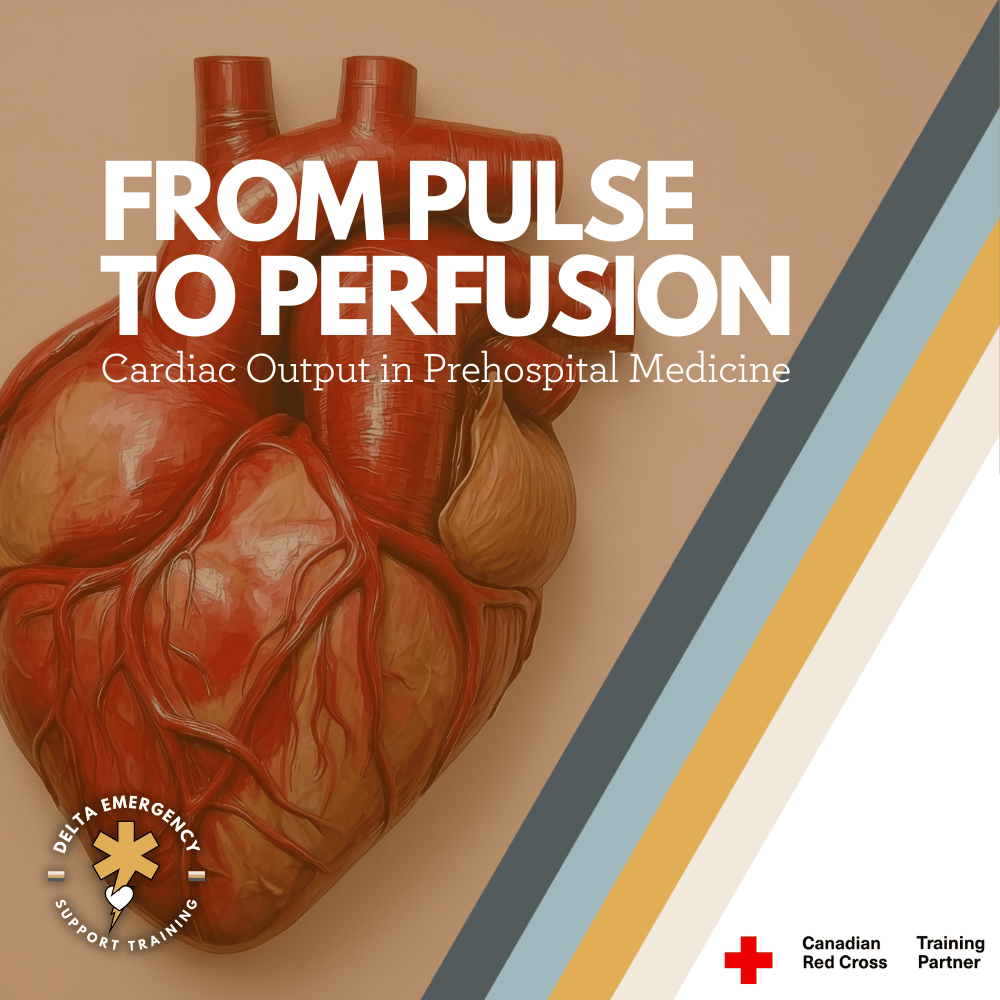
From Pulse to Perfusion: Cardiac Output in Prehospital Medicine

Cardiac output is the foundation of perfusion — the lifeline that keeps every organ functioning. In prehospital care, understanding how heart rate and stroke volume interact helps responders identify shock early, guide treatment, and protect vital organs. This blog breaks down cardiac output in clear, practical terms for EMRs, advanced first aiders, and anyone working in emergency response.

When assessing or treating a patient in the field, one of the most critical yet often overlooked concepts is cardiac output— the amount of blood the heart pumps in one minute. Understanding it helps prehospital providers recognize early signs of shock, guide treatment decisions, and prioritize interventions that can truly make the difference between life and death.

What Is Cardiac Output?

Cardiac Output (CO) = Heart Rate (HR) × Stroke Volume (SV)

  • Heart Rate (HR): The number of heartbeats per minute.

  • Stroke Volume (SV): The amount of blood pumped out of the left ventricle with each beat.

For example, if a patient’s heart rate is 80 bpm and stroke volume is 70 mL, their cardiac output is:
80 × 70 = 5,600 mL/min (5.6 L/min)

This means their heart pumps about 5–6 litres of blood per minute, roughly the body’s total blood volume.

Why It Matters in Prehospital Care

Cardiac output is the foundation of perfusion — how well oxygen and nutrients reach tissues. In the field, recognizing how HR and SV interact can help you determine whether a patient is compensating or decompensating.

When cardiac output drops, tissue hypoxia occurs. Cells switch to anaerobic metabolism, producing lactic acid and leading to shock.

Common causes of decreased cardiac output in the field include:

  • Hypovolemia (bleeding, dehydration)

  • Pump failure (myocardial infarction, cardiomyopathy)

  • Obstruction (cardiac tamponade, tension pneumothorax, pulmonary embolism)

  • Distributive shock (sepsis, anaphylaxis)

Heart Rate and Stroke Volume in Real-Time Assessment

  • Tachycardia: Often the first sign of compensation. The body increases HR to maintain CO when stroke volume drops (like in hemorrhage).

  • Bradycardia: Can be catastrophic in shock, as it limits overall output.

  • Stroke Volume Influencers:

    • Preload: Volume of blood returning to the heart.

    • Contractility: Strength of the heart’s contractions.

    • Afterload: Resistance the heart pumps against.

Understanding how each factor impacts stroke volume helps guide care decisions — for instance, whether a patient needs fluids, vasopressors, or advanced airway management.

In Practice: Assessing Cardiac Output Without a Monitor

Prehospital providers rarely calculate CO directly — instead, you assess it through clinical signs of perfusion:

  • Level of consciousness – is the brain getting enough oxygen?

  • Skin signs – pale, cool, diaphoretic skin suggests poor perfusion.

  • Capillary refill and pulse strength – quick, weak, or absent pulses can all indicate changes in CO.

  • Blood pressure and pulse pressure trends – narrowing pulse pressure (e.g., 90/80) may indicate a drop in stroke volume.

Your hands, eyes, and ears are your diagnostic tools before monitors confirm what you already suspect.

Improving Cardiac Output in the Field

Depending on the cause:

  • Fluid resuscitation restores preload in hypovolemia.

  • Positioning (Trendelenburg or shock position) can temporarily improve venous return.

  • Oxygen therapy supports oxygen delivery when perfusion is limited.

  • CPR and defibrillation are lifesaving when the heart fails to generate output altogether.

Remember — every intervention you perform is ultimately aimed at restoring or maintaining cardiac output to sustain vital organ perfusion.

Final Thoughts

For first responders and EMRs, cardiac output isn’t just a number — it’s the lifeline of your patient.
Understanding how heart rate, stroke volume, and perfusion interact allows you to anticipate deterioration before it becomes irreversible.
Every pulse you feel, every set of vitals you take, tells a story about how effectively the heart is doing its job.

Read More
Awareness, Bystander, First Aid Kumari Malhotra Awareness, Bystander, First Aid Kumari Malhotra

Overcoming the Bystander Effect: How to Encourage Action in Emergencies

Even when help is needed most, many people hesitate to act. The bystander effect explains why witnesses freeze during emergencies, but simple strategies, like assigning tasks, giving clear instructions, and staying calm can empower anyone to make a difference.

Emergencies can happen anywhere—on the street, at home, or even at work. Yet, despite being physically present, many people fail to act when someone needs help. This phenomenon, known as the bystander effect, can mean the difference between life and death. Understanding why it happens and how to empower witnesses is critical for building safer communities.

At Delta Emergency Support Training, we focus on equipping both first responders and everyday people with the knowledge and confidence to act when it matters most.

What Is the Bystander Effect?

The bystander effect occurs when individuals are less likely to help someone in need because others are present. The presence of other witnesses can create diffusion of responsibility, where everyone assumes someone else will step in.

Common psychological reasons include:

  • Diffusion of responsibility: “Someone else will call 911.”

  • Fear of doing harm: Worry about making the situation worse.

  • Social influence: Looking at others to see how they react.

  • Evaluation apprehension: Fear of judgment if they act incorrectly.

Canadian Statistics on the Bystander Effect

  • According to a 2022 survey by the Canadian Red Cross, over 40% of Canadians have witnessed a medical emergency but did not intervene.

  • Studies show that in public settings, only 1 in 3 people will offer assistance during emergencies if others are present.

  • Time is critical: In cardiac arrests, survival decreases by 7–10% per minute without intervention, making bystander action essential.

Why People Freeze

People don’t always refuse to help out of selfishness—they freeze due to a combination of fear, uncertainty, and social cues. Examples include:

  • Witnessing someone collapse in a crowd and assuming another bystander has already called for help.

  • Seeing a car accident and being unsure whether it’s safe to approach.

  • Feeling overwhelmed by the severity of the situation.

Understanding these psychological barriers is the first step in overcoming them.

How to Encourage Action

  1. Assign Responsibility

    • If you see an emergency, point to someone specifically and instruct them to call 911 or get help.

    • Example: “You in the red jacket, call 911 and get a first aid kit!”

  2. Provide Clear Instructions

    • Direct instructions reduce hesitation and increase confidence.

    • Telling someone exactly what to do—“Check for breathing,” “Begin CPR”—reduces uncertainty.

  3. Model Calm Leadership

    • Calm, confident action encourages others to help rather than freeze.

    • Speak clearly and remain composed to inspire others to step in.

  4. Educate Communities

    • Promote first aid and CPR training for the public.

    • Awareness campaigns and workshops increase willingness to act.

  5. Normalize Small Actions

    • Even simple actions—calling 911, providing basic first aid, or comforting the patient—can save lives.

    • Emphasize that any response is better than none.

The Role of First Aiders

First aiders are often the bridge between bystanders and professional care. By stepping in, first aiders not only provide life-saving support but also encourage others to assist safely, creating a ripple effect in emergencies.

Training in scene assessment, ABCs (airway, breathing, circulation), and communication ensures first aiders are confident, safe, and able to direct others effectively.

Final Thoughts

The bystander effect is a real psychological phenomenon—but it can be overcome. Understanding why people freeze, educating communities, and empowering witnesses to act are key steps in building safer environments. Every action counts. Every second matters.

At Delta Emergency Support Training, we teach Canadians how to respond with confidence, whether it’s performing first aid, calling for help, or guiding bystanders. Together, we can turn hesitation into lifesaving action.

Read More

Halloween Night Safety: Preventing Accidents and Injuries

Halloween should be about costumes, candy, and community—not accidents. From safe costumes and candy checks to driver awareness and first aid preparedness, here are key safety tips every family needs for a safe and fun Halloween.

Halloween is one of the most exciting nights of the year, filled with costumes, candy, and community fun. But behind the laughter and decorations, this holiday also brings unique safety risks that parents, caregivers, and even drivers should keep in mind. At Delta Emergency Support Training, we know emergencies don’t wait for the right time—being prepared is the key to keeping Halloween safe, fun, and free of unwanted scares.

Costume Safety: More Than Just Dress-Up

Costumes should be fun, but they also need to be safe. The wrong outfit can lead to injuries, trips, or even fire hazards.

  • Visibility first: Add reflective tape or glow sticks to costumes and treat bags. Dark clothing blends into the night, making kids nearly invisible to drivers.

  • Proper fit: Oversized costumes and long capes cause tripping. Hem long outfits and secure loose parts.

  • Mask vs. makeup: Masks often limit vision and peripheral awareness. Non-toxic face paint is a safer option.

  • Flame resistance: Choose costumes made from flame-retardant fabrics, especially since candles are common in jack-o’-lanterns.

Trick-or-Treating Safety: Rules That Save Lives

Excited children often forget about safety, making them more vulnerable to accidents.

  • Adult supervision: Children under 12 should not trick-or-treat alone. Older kids should stay in groups and have a set route.

  • Crosswalks only: Instruct kids to cross at intersections, never mid-block, and to look both ways even if the street looks clear.

  • Stay visible: Equip kids with flashlights, glow bracelets, or reflective gear.

  • Neighborhood awareness: Visit only well-lit homes and avoid houses where walkways are unsafe or unlit.

  • Plan ahead: Set a curfew for older kids and ensure they carry a fully charged cell phone.

Candy Hazards: More Than a Sweet Treat

What’s inside the candy bag can sometimes be risky.

  • Inspect first: Parents should examine all treats. Discard unwrapped or suspicious-looking items.

  • Watch for allergens: With food allergies on the rise, teach children to check labels for peanuts, tree nuts, milk, or gluten. Carry an epinephrine auto-injector if prescribed.

  • Choking hazards: Hard candy, gum, and small toys in treat bags pose risks for children under five. Supervise younger kids while eating.

Driver Awareness: Sharing the Road With Trick-or-Treaters

Halloween is one of the most dangerous nights of the year for pedestrian accidents.

  • Slow down: Reduce speed in residential areas and school zones.

  • Expect the unexpected: Kids may run out between parked cars or cross without warning.

  • Stay alert: Avoid distractions like phones or loud music.

  • Peak hours caution: Most trick-or-treating happens between 5 p.m. and 9 p.m.—be extra cautious during this time.

Home Safety for Hosts

If you’re handing out treats, your home should be as safe as the candy you give out.

  • Clear walkways: Remove garden hoses, decorations, and wet leaves that could cause slips or trips.

  • Lighting matters: Keep paths and porches well-lit to reduce falls and discourage mischief.

  • Pet precautions: Excited pets may scare or injure children. Keep dogs and cats safely indoors during peak hours.

First Aid Preparedness: Responding When Things Go Wrong

Even with precautions, accidents can still happen. Knowing what to do can make the difference between a minor scare and a serious emergency.

  • Cuts and scrapes: Clean with water, cover with a sterile bandage.

  • Burns from candles or lanterns: Cool with clean, cool water for at least 10 minutes and cover with a sterile, non-stick dressing.

  • Choking: For children, know how to perform abdominal thrusts and back blows. For infants, use back blows and chest thrusts.

  • Allergic reactions: Know how to recognize signs of anaphylaxis (difficulty breathing, swelling, hives) and use an epinephrine auto-injector if available.

  • Emergency kit: Carry basic first aid supplies, a flashlight, and a phone to call 911 if needed.

Final Word

Halloween is meant to be a night of joy, not a trip to the emergency room. With a little preparation and awareness, families and communities can enjoy a safe celebration. Costumes, candy, and spooky fun don’t have to come at the cost of safety.

At Delta Emergency Support Training, we believe that prevention and preparedness are the real treats of Halloween.

Stay visible. Stay safe. Stay spooky. 🎃

Read More
Awareness, Medical Responder, Mental Health Kumari Malhotra Awareness, Medical Responder, Mental Health Kumari Malhotra

Responding to Patients with Schizophrenia: De-escalation and Best Practices

Discover how first responders and healthcare providers can use calm communication and evidence-based techniques to safely assist patients experiencing schizophrenia.

Caring for patients with schizophrenia can present unique challenges, particularly for first responders and healthcare professionals. Schizophrenia is a chronic mental health disorder characterized by distortions in thinking, perception, emotions, language, sense of self, and behavior. While patients are often not violent, they may experience agitation, paranoia, or confusion, especially during psychotic episodes. Understanding effective communication and de-escalation strategies is crucial for ensuring safety and promoting positive outcomes.

Understanding Schizophrenia in Emergency Settings

Patients may present with a range of symptoms, including:

  • Positive Symptoms: Hallucinations, delusions, thought disorders, and disorganized speech or behavior.

  • Negative Symptoms: Lack of motivation, social withdrawal, flattened affect, and reduced communication.

  • Cognitive Symptoms: Impaired memory, attention, and executive function.

Key considerations for responders: Symptoms vary between individuals and over time. Rapid changes in behavior may indicate stress, medication effects, or environmental triggers.

Initial Approach and Assessment

1. Ensure Scene Safety

  • Assess the environment for hazards before engaging.

  • Maintain a safe distance until the patient is calm or additional support arrives.

2. Observe and Listen

  • Look for verbal or nonverbal cues of distress or agitation.

  • Avoid making assumptions about behavior; schizophrenia symptoms can be misunderstood as aggression.

3. Identify Triggers

  • Common triggers include loud noises, crowded spaces, sudden movements, or stressful interactions.

  • Minimize environmental stressors whenever possible.

De-escalation Techniques

De-escalation is a patient-centered approach that reduces risk of harm while fostering cooperation. Techniques include:

1. Verbal De-escalation

  • Calm Tone: Speak slowly, softly, and clearly.

  • Simple Language: Avoid complex instructions or medical jargon.

  • Active Listening: Reflect and validate feelings without judgment.

  • Set Boundaries: Politely but firmly explain what behaviors are safe or unsafe.

2. Non-Verbal Communication

  • Maintain an open, relaxed posture; avoid sudden movements.

  • Respect personal space—standing too close can increase anxiety.

  • Maintain eye contact appropriately; avoid staring which may feel threatening.

3. Engagement and Choice

  • Offer small choices to empower the patient (e.g., “Would you like to sit over here or there?”).

  • Avoid arguing about delusions; focus on safety and immediate needs.

4. Team-Based Support

  • If multiple responders are present, coordinate actions silently to avoid confusing the patient.

  • Have a plan for safe removal or restraint only if absolutely necessary and in accordance with protocols.

Medication and Medical Considerations

  • Some patients may be on antipsychotic medications, which can cause sedation, movement disorders, or other side effects.

  • Sudden medication non-compliance or missed doses may trigger psychotic symptoms.

  • Monitor vital signs, mental status, and any signs of medical emergencies such as self-harm or aggression.

Crisis Management and Emergency Protocols

  1. Safety First: Prioritize the patient’s and responders’ safety.

  2. Call for Assistance: Engage mental health crisis teams or police trained in crisis intervention if needed.

  3. Avoid Physical Restraints When Possible: Physical restraint should be a last resort, only when the patient is an imminent risk to themselves or others, and should be performed according to your agency’s protocols.

  4. Documentation: Record observations, behaviors, interventions, and the patient’s response.

Promoting Trust and Respect

  • Approach with empathy, patience, and respect.

  • Recognize the person behind the disorder—avoid labeling or stigmatizing language.

  • Building trust may reduce agitation and improve cooperation for assessment or transport.

Conclusion

Responding to patients with schizophrenia requires awareness, patience, and effective communication skills. By understanding the disorder, using evidence-based de-escalation techniques, and prioritizing safety, medical professionals and first responders can provide compassionate care, reduce risk, and promote better outcomes.

Remember: Every patient is unique, and flexible, patient-centered strategies are key. Continuous training in mental health crisis intervention can significantly enhance safety and confidence in these encounters

Read More
Advanced First Aid, Awareness Kumari Malhotra Advanced First Aid, Awareness Kumari Malhotra

Distracting Injuries: Pulling Focus and Masking Pain

In trauma care, some injuries grab all the attention—but they aren’t always the deadliest. Distracting injuries can mislead responders and mask life-threatening conditions. Here’s what every first responder needs to know about spotting them, staying systematic, and keeping patient safety the top priority.

When trauma calls come in, it’s easy to fixate on the most obvious wound, the open fracture, the deep laceration, the heavy bleeding. But those are often distracting injuries: visible traumas that can obscure other, more dangerous threats. Recognizing them and continuing to assess systematically is what separates a good response from a lifesaving one.

What Is a Distracting Injury?

A distracting injury is one that draws your attention so strongly that both responders and patients may overlook other serious but less obvious issues. In paramedic protocols, these injuries can make a patient “unreliable” for clinical clearance of the cervical spine because they may mask neck pain or tenderness. As a result, spinal precautions should be maintained unless more definitive assessment rules them out.

Why They Matter

The danger of distracting injuries is twofold:

  1. They pull focus – A gruesome fracture or large bleed grabs everyone’s attention, often overshadowing a more subtle but life-threatening issue like a compromised airway or spinal injury.

  2. They mask pain – A patient in severe pain from a major injury may not report or even notice neck or back pain, leading responders to miss critical red flags for spinal trauma.

    Evidence-Based Insights

    Studies show distracting injuries are often upper-torso or limb injuries that change how a patient perceives or reports pain:

    • Heffernan et al. (2005) found that some patients with cervical spine fractures had no neck tenderness—but all had upper torso injuries like chest trauma, which likely distracted from the pain.

Common Examples

  • Long bone fractures (femur, humerus)

  • Major burns

  • Crushing or degloving wounds

  • Profuse bleeding or amputations

  • Severe chest or upper torso injuries

First Responder Priorities

  1. Stick to the primary survey (ABCs)
    No matter how distracting a wound looks, airway, breathing, and circulation must always come first.

  2. Protect the spine when in doubt
    If a distracting injury is present, assume the patient cannot reliably clear their spine. Apply spinal precautions unless imaging or protocols say otherwise.

  3. Reassess constantly
    A distracting injury may not only occupy the patient’s attention but yours as well. Don’t let tunnel vision take over.

  4. Think systematically, not emotionally
    The most dramatic injuries are not always the deadliest. Quiet but hidden injuries like internal bleeding or spinal cord compromise, may be far more dangerous.

The Bottom Line

Distracting injuries are more than just dramatic wounds—they can hide life-threatening problems and mislead both responders and patients. The best protection is discipline: follow a structured assessment, protect the spine when necessary, and never let your focus shift entirely to the injury that looks worst. A calm, systematic approach can make the difference between managing trauma and saving a life.

Read More

Stay Safe 101: Teaching Your Children Safety Basics

Teaching children safety rules helps them make confident choices. This guide covers stranger safety, road and vehicle rules, home hazards, water awareness, first aid, and online safety tips for parents.
Keeping children safe is a top priority for every parent. While accidents can happen, teaching kids simple safety rules can help them make good choices and respond confidently in tricky situations. Here is a guide for parents to help children learn essential safety skills.

1. Personal Information

Children should know how to share essential information if needed:

  • Full name

  • Parent or guardian names

  • Home address

  • Phone number

Practice this regularly in fun ways, like memory games or songs. Repetition helps kids remember under stress.

2. Stranger Safety

Stranger safety is one of the most important lessons for children. Teach them to:

  • Never get into a vehicle with someone they do not know, even if the person says it is an emergency or offers treats.

  • Avoid accepting gifts, candy, or toys from strangers.

  • Use the rule “No, Go, Yell, Tell”: refuse, leave the area, make noise, and tell a trusted adult.

  • Stay close to a parent, guardian, or trusted adult in public spaces.

  • Know which adults are safe to approach for help, such as teachers, police officers, or event staff.

  • Role-play scenarios like someone asking for directions or help so they can practice safe responses.

3. Road and Street Safety

Teach children how to stay safe around traffic:

  • Stop, look both ways, and listen before crossing streets.

  • Use crosswalks whenever possible and obey traffic signals.

  • Wear helmets and protective gear while biking, scootering, or skating.

  • Avoid running into streets or playing near traffic.

4. Vehicle Safety

  • Always buckle seat belts properly in cars or booster seats.

  • Never open doors or get into a car without a parent or trusted adult.

  • Teach children to sit quietly and follow rules in taxis, rideshares, or buses.

  • Make sure children know to ask permission before leaving with anyone, even relatives they do not see often.

5. Home Safety

  • Keep sharp objects, matches, and cleaning supplies out of reach.

  • Teach children not to touch hot surfaces or appliances.

  • Fire safety includes teaching stop, drop, and roll, and explaining the importance of smoke alarms.

  • Practice family escape plans in case of fire or other emergencies.

6. Water Safety

  • Never swim alone; always have adult supervision.

  • Wear life jackets in pools, lakes, or boats.

  • Set rules for pools, beaches, and water parks, like staying within designated areas.

  • Teach children to reach or throw, but not go in, when helping someone in distress.

  • Practice water drills and teach them to recognize dangerous currents or deep water.

7. First Aid Awareness

  • Teach children how to clean minor cuts, apply bandages, and notify an adult.

  • Show them how to recognize emergencies and when to call for help.

  • Encourage calm thinking and step-by-step responses even when nervous.

8. Online Safety

  • Never share personal information online, including full name, address, school, or phone number.

  • Avoid talking to strangers or accepting friend requests from people they do not know.

  • Never agree to meet online acquaintances in person.

  • Encourage children to tell a parent or guardian immediately if something online feels wrong or uncomfortable.

9. Practice and Reinforcement

  • Role-play emergency situations to build confidence.

  • Make drills fun, like fire drills or lost child games.

  • Praise children for following safety rules. Positive reinforcement encourages lasting habits.

Conclusion

Teaching children safety rules is not about scaring them. It is about empowering them to make good decisions. Start with small steps, practice regularly, and introduce more advanced concepts as children grow.

By practicing personal safety, stranger awareness, road and vehicle safety, water safety, and online safety, parents can help children develop habits that last a lifetime.

Prepared children are safer children, and confident children can act wisely in emergencies.

Read More

ETCO₂: What It Is and Why It Matters for First Responders

When you first hear the term ETCO₂, it might sound like complicated medical jargon. But in reality, it’s a simple concept that every professional responder should understand — and once you do, it can completely change the way you see your patients.

Let’s break it down step by step.

What Does ETCO₂ Mean?

ETCO₂ stands for End-Tidal Carbon Dioxide.

  • End-Tidal = the very end of an exhaled breath.

  • Carbon Dioxide (CO₂) = the waste gas your body produces when it uses oxygen for energy.

So, ETCO₂ is literally the measurement of how much CO₂ is in the air a patient breathes out at the very end of their breath.

This number tells us an incredible amount about what’s going on inside the body — with both the lungs and the heart.

How Do We Measure ETCO₂?

ETCO₂ is measured using a device called capnography.

  • In simple terms, it’s a little sensor attached to a mask, nasal cannula, or an airway device.

  • It continuously analyzes the breath coming out and gives two things:

    1. A number (usually measured in mmHg, with normal being about 35–45 mmHg).

    2. A waveform (a little graph showing how the CO₂ rises and falls with each breath).

Why Is ETCO₂ Important?

Here’s the key: ETCO₂ reflects how well a patient is ventilating (moving air), but it also gives clues about circulationand metabolism. That’s why responders call it the “vital sign of ventilation.”

Think of it as a window into three systems at once:

  1. Airway & Breathing

    • Low or absent ETCO₂ can mean the patient isn’t breathing well, has an obstructed airway, or isn’t ventilated properly with a bag-valve mask.

  2. Circulation (Blood Flow)

    • In cardiac arrest, ETCO₂ is a powerful indicator of CPR quality. Good chest compressions circulate blood, and ETCO₂ rises.

    • A sudden spike in ETCO₂ can even mean return of spontaneous circulation (ROSC) — the patient’s heart has started beating again.

  3. Metabolism

    • Conditions like sepsis, diabetic emergencies, or shock can alter CO₂ levels. ETCO₂ helps responders piece together the bigger clinical picture.

Real-World Examples for Responders

  • Cardiac Arrest: ETCO₂ below 10 mmHg during CPR often means compressions aren’t effective. When it jumps above 35 suddenly, it may mean you’ve got ROSC.

  • Airway Management: If you intubate a patient and see a nice ETCO₂ waveform, you know the tube is in the trachea (not the stomach).

  • Respiratory Emergencies: In asthma or COPD, ETCO₂ waveforms can show “shark fin” patterns, helping you confirm and monitor the severity.

  • Sedation & Monitoring: If a patient is given pain medication, ETCO₂ helps detect if their breathing slows down before oxygen levels drop.

Why Should EMRs and Fire Applicants Care?

As an Emergency Medical Responder (EMR) or a firefighter applicant, understanding ETCO₂ gives you an edge. It shows you’re not just memorizing steps, but actually thinking about what’s happening inside the body.

  • It ties together your knowledge of the respiratory system and cardiovascular system.

  • It reinforces the importance of ventilation, circulation, and metabolic function.

  • And most importantly, it helps you make better decisions in high-pressure situations.

The Bottom Line

ETCO₂ might sound technical, but at its core it’s simple: it’s how we measure how well a patient is breathing and circulating. For responders, it’s one of the most valuable tools you can use to guide patient care, especially in emergencies where seconds matter.

At Delta Emergency Support Training, we break down concepts like ETCO₂ in plain language and then show you how to apply them in real-world scenarios. Our courses are taught by active paramedics and firefighters, so you’ll learn not just the “what,” but the “why” and “how” behind every skill.

Read More
Awareness, Bystander, Check Call Care, First Aid Kumari Malhotra Awareness, Bystander, Check Call Care, First Aid Kumari Malhotra

Festival First Aid: How Fun Can Turn Dangerous Fast

Festivals are all about music, friends, and unforgettable moments — but fun can turn dangerous fast if you’re not prepared. From heat exhaustion and crowd surges to substance use and stranger risks, knowing the basics of festival first aid and safety can make the difference between a great time and a trip to the medical tent. Stay safe, look out for your friends, and keep the good vibes going all weekend long.

Summer festivals, concerts, and community events are some of the best ways to make memories — music, food, friends, and fun. But in the excitement of large crowds, it’s easy to forget that these environments can also pose unique safety risks. Medical emergencies at festivals can be more complicated than in everyday life: response times may be slower, exits can be blocked, and environmental factors like heat or alcohol can make situations worse.

The good news? With a little preparation and basic first aid know-how, you can help ensure the only thing you remember about your festival experience is the music — not the medical emergency.

Common Emergencies at Festivals

Large events come with specific risks. Some of the most common include:

  • Dehydration & Heat Illness – Long hours in the sun, dancing, alcohol, and limited shade create the perfect storm for dehydration, heat exhaustion, and heatstroke.

  • Crowd-Related Injuries – Falls, trampling, or being crushed in tightly packed spaces are real dangers, especially near main stages.

  • Alcohol & Substance Issues – Overuse can lead to fainting, confusion, altered consciousness, or overdose.

  • Minor Injuries – Blisters, sprains, burns (from fireworks, cooking, or campfires), and small cuts are common in outdoor environments.

  • Hearing Problems – Standing near speakers without protection can cause permanent hearing loss.

Prevention Is the Best First Aid

The easiest emergency to treat is the one that never happens. A few simple precautions can make all the difference:

  • Hydrate regularly — alternate alcohol or energy drinks with water.

  • Dress smart — sunscreen, hats, breathable clothing, and proper shoes.

  • Have a plan — choose a meeting spot in case you and your group get separated.

  • Locate safety resources — know where the exits and first aid tents are before you need them.

  • Pace yourself — festivals often last hours (or days). Take breaks, eat, and rest when you can.

Quick First Aid Tips You Should Know

If something does happen, here are a few ways you can help until professionals arrive:

  • Heat Emergencies → Move the person to shade, loosen tight clothing, offer small sips of water, and cool them with damp cloths.

  • Fainting → Lay the person flat, elevate their legs, and give them space to recover.

  • Bleeding → Apply firm, direct pressure with a clean cloth or bandage until bleeding slows.

  • Sprains → Rest the injury, apply ice if available, and use compression if you can.

  • Possible Overdose → Place the person on their side in the recovery position, monitor breathing, and get medical help immediately.

Crowd Safety: Protecting Yourself and Others

Being aware of your surroundings in large groups is just as important as knowing first aid.

  • Avoid being in the middle of dense crowds, stick to the sides for quicker exits.

  • Keep your phone charged and bring a portable battery pack.

  • Wear earplugs designed for concerts to prevent hearing damage.

  • Stay calm and move diagonally if you need to exit a packed area.

  • Trust your instincts — if a situation feels unsafe, leave early.

When to Call for Help

Never hesitate to seek professional medical attention at a festival. Call for help or alert staff if:

  • Someone is unconscious, seizing, or not breathing.

  • Severe bleeding doesn’t stop with direct pressure after 10 minutes.

  • You suspect heatstroke, heart attack, or overdose.

  • A person is in danger due to the density or movement of a crowd.

Final Note: Be Prepared Before You Go

Festivals are about fun, freedom, and community but staying safe should always be part of the plan. The best way to feel confident in a crowd is to know you’re prepared to help, not just yourself but others too.

Taking a First Aid or CPR course before attending major events is one of the smartest investments you can make. You never know when you might be the difference between a minor scare and a life-saving moment.

Read More
Awareness, Babysitter, Child Safety, Parent Training Kumari Malhotra Awareness, Babysitter, Child Safety, Parent Training Kumari Malhotra

Stranger Danger: The Tough but Necessary Talks Every Parent Must Have

Talking to kids about stranger danger is never easy, but it’s necessary in today’s world. From identifying unsafe situations to knowing the rule of “never go anywhere without permission,” these conversations can empower children to stay safe and know when to act.

When we were kids, many of us roamed the neighbourhood freely. Today, the world is very different, and parenting has to change with it. Children need real, practical rules to stay safe because strangers are everywhere and danger does not always look obvious.

We are all strangers to someone. The police officer visiting your child’s school is a stranger. The new pediatrician is a stranger. The principal at your child’s new school is a stranger. And yes, the person down the street with bad intentions is also a stranger. There is nothing in a child’s mind that separates the safe from the unsafe.

Society often teaches children that strangers are dangerous and familiar people are safe. Yet statistics show that most cases of child abuse, sexual abuse, and abductions are committed by someone the child knows, such as a family friend, relative, or neighbour. According to the National Society for the Prevention of Cruelty to Children, around 90 percent of child sexual abuse cases involve someone known to the child.

This is why children need to focus on the action, not the person. If someone touches them inappropriately, tries to lure them, or offers rides, money, candy, toys, or clothes to get them to go somewhere, it does not matter if that person seems nice or familiar. Focusing on the behaviour empowers children to report it to a safe adult without confusion or hesitation.

Teach Appropriate vs. Inappropriate Touch

Children should learn to recognize inappropriate touch no matter who it comes from. Even touch from a family member or friend can be wrong. Teaching children to identify unsafe actions rather than judging the person helps them respond correctly.

Prevent Luring and Abduction

Children need clear rules to recognize unsafe situations. One simple, effective rule is:

Never go anywhere with anyone without permission.

No matter who asks them, unless a trusted adult gives explicit permission, children should not leave with anyone. This rule applies to strangers, neighbours, or even family members who might not have current authority. It also applies if someone offers rides, money, clothing, or other gifts. Permission should come from the adult responsible for the child at that moment, such as a parent, daycare worker, or teacher. This puts the judgement where it belongs with the adult.

Practice and Educate

Parents should talk to their children about safety regularly. Role-playing realistic situations helps kids practice saying no, leaving unsafe areas, and telling a trusted adult. Discuss scenarios where strangers may try to tempt them with gifts, rides, or promises. Courses, books, and safety resources can reinforce these lessons in age-appropriate ways.

Children who understand these rules are not scared. They are empowered. Parents who teach these lessons are taking one of the most important steps to protect their children in today’s world.

Read More

Be Ready for the Unexpected: First Aid Skills Every Hunter Should Know

Hunting is a beloved Canadian tradition, but heading into the bush without first aid training puts you and your group at risk. Learn the importance of being prepared with skills like bleeding control, wound care, and shock management. Whether you hunt with family, friends, or solo—make sure you're ready to protect what matters most.
Why You Should Learn First Aid Before Hunting Season

Be Prepared for the Unexpected in Canada’s Wilderness

Father and son hunting

As the crisp fall air rolls in and leaves begin to turn, thousands of Canadians prepare for one of the most anticipated times of the year—hunting season. For many, it’s more than a pastime. It’s a family tradition, a weekend with friends, or time spent in the backcountry with loved ones—passing down skills, telling stories around the fire, and enjoying the stillness of nature. Hunting is deeply woven into Canadian culture, a proud part of our heritage from coast to coast.

But no matter how experienced or well-prepared you are, the wilderness comes with real risks. And when something goes wrong, you're often far from help, without cell service, and hours from emergency responders.

That’s why first aid training isn’t just helpful—it’s essential.

Whether you’re a weekend hunter or a guide, learning Red Cross-certified First Aid, Advanced First Aid (AFA), Wilderness First Aid, or Emergency Medical Responder (EMR) skills can make all the difference in an emergency. It means being ready—not just for yourself, but for the people who matter most.

At Delta Emergency Support Training, we believe that part of keeping these traditions alive means learning how to protect them.

Hunting Safety in Canada: Know the Risks

Hunting is generally safe when done responsibly, but accidents still occur. According to the Canadian Firearms Program and provincial wildlife agencies:

  • Most firearm-related hunting injuries involve accidental discharges or poor handling technique.

  • Tree stand falls are one of the most common hunting injuries, often resulting in fractures or spinal trauma.

  • Hunters often travel to remote areas with no cell service, delaying access to emergency care.

  • In some provinces, hypothermia is the leading non-injury emergency reported during hunting season.

Each year, hundreds of injuries are reported across the country—many of which are preventable with basic training and better preparation.

🏹 Common Hunting Injuries and Medical Situations

Understanding potential emergencies helps you prepare properly. Here are the most common situations faced in the field:

  • Gunshot wounds or impalement from firearm mishandling or accidents.

  • Knife cuts and lacerations during field dressing or gear use.

  • Falls from tree stands or rocky/uneven ground, resulting in broken bones or head injuries.

  • Cold exposure: frostbite, hypothermia, or trench foot.

  • Heat stress in early season hunts.

  • Allergic reactions to insect stings, animal bites, or plants.

  • Getting lost or separated from your group, increasing the risk of panic, exposure, or dehydration.

🧠 First Aid Skills Every Hunter Should Know

Here’s what every hunter—beginner or seasoned—should know:

  • Bleeding control: How to apply direct pressure, pack a wound, or use a tourniquet.

  • Managing broken bones: Stabilizing with splints and slings.

  • Shock treatment: Recognizing and managing pale, cold, clammy symptoms.

  • CPR and AED use: Cardiac arrest can happen in any setting.

  • Anaphylaxis care: Recognizing severe allergic reactions and administering an EpiPen.

  • Basic wound care: Cleaning and dressing wounds to prevent infection.

  • Spinal motion restriction: Important if someone falls from a height or hits their head.

These lifesaving skills are taught in Red Cross First Aid and Wilderness First Aid programs and are enhanced further in EMR-level training.

🎒 Essential First Aid Items to Pack for the Field

Your hunting first aid kit should be compact, durable, and versatile. Pack:

  • Tourniquet (e.g., CAT or SOFTT models)

  • Gauze pads, trauma dressings, adhesive tape

  • SAM splint and triangular bandage

  • Antiseptic wipes, tweezers, antibiotic ointment

  • Antihistamines and pain relievers

  • CPR mask, gloves, emergency blanket

  • Water purification tablets or filter

  • Whistle, signal mirror, and flashlight

  • Personal locator beacon (PLB) or satellite communicator

Pack gear—but more importantly, know how to use it.

🏔️ Why Location Matters: The Reality of Remote Response

In urban areas, EMS might reach you in under 10 minutes. In the wilderness, it could be hours—or days. Even when you can call 911, delays are common due to:

  • No cell service

  • Impassable terrain

  • Poor visibility or weather conditions

  • Long distances from the nearest ambulance or search-and-rescue base

That’s why wilderness preparedness and basic medical self-reliance are key. The Red Cross Wilderness First Aid program focuses specifically on prolonged care and making decisions when help is hours away.

🧭 Preventing Emergencies: Smart Safety Tips for Hunters

Avoiding an emergency is the best-case scenario. Here’s how to minimize risk:

  • Take a buddy—never hunt alone if you can avoid it.

  • File a trip plan: Leave your route and return time with someone you trust.

  • Carry emergency communication (PLB, satellite text device, or two-way radio).

  • Inspect your gear, especially firearms, knives, and tree stands.

  • Dress appropriately in layers, blaze orange, and waterproof gear.

  • Know the weather and avoid risky conditions (fog, snowstorms, extreme cold).

  • Stay hydrated and take regular breaks.

  • Stay sober while handling firearms—alcohol and hunting don’t mix.

📚 Which First Aid Training Is Right for You?

At Delta Emergency Support Training, we help hunters, outdoor workers, and future first responders get the skills they need. We offer:

  • Standard and Advanced First Aid (AFA) – Learn bleeding control, airway management, CPR, and trauma care.

  • Wilderness First Aid – Specialized for remote environments and delayed help.

  • Emergency Medical Responder (EMR) – For guides, professionals, or those planning a career in emergency services.

All courses follow Red Cross Emergency Care for Professional Responders guidelines.

Conclusion: Be the One Who’s Ready

Hunting isn’t just a hobby—it’s a cherished Canadian tradition, often passed down through generations. Whether you’re heading into the woods with your father, sister, best friend, or your own kids, you’re not just out for the harvest—you’re making memories. You're sharing laughter around the campfire, waking up at dawn with excitement, and carrying on a way of life that means something deeply personal.

But with that comes responsibility.

If something goes wrong—and it can—you want to be the one who knows what to do. Whether it’s treating a serious injury, spotting early signs of hypothermia, or managing an allergic reaction, your actions can save the life of someone you care about.

At Delta Emergency Support Training, we’re here to make sure you’re ready. Our Red Cross-certified Advanced First Aid, Emergency Medical Responder, and Wilderness First Aid programs prepare you not just for emergencies—but for protecting what matters most: your family, your friends, and the memories you’re out there to create.

Let’s keep hunting a safe, proud tradition—for this season, and every season to come.

Read More

Water Safety for Parents: From Swimwear to Supervision

Summer Water Safety: What Every Parent Should Know Before Pool or Lake Days

When the sun is shining, water becomes a natural playground for kids — pools, lakes, rivers, and oceans offer endless summer fun. But for parents, water is also one of the most dangerous environments your child will be exposed to. Drowning is fast, silent, and all too common — especially in Canada, where thousands of natural bodies of water lie just beyond backyard fences and cottage docks.

The Reality: Drowning Is a Leading Cause of Death for Canadian Children

  • Drowning is the second leading cause of preventable death for children under age 10 in Canada.

  • According to the Lifesaving Society of Canada, nearly 500 Canadians die from drowning every year, and almost one-third are under the age of 19.

  • Children aged 1 to 4 are at the highest risk, most often drowning in pools, while older children are more at risk in open water like lakes and rivers.

  • 88% of child drownings happen when a parent or caregiver is supervising — but distracted.

These tragedies are preventable with layers of protection: supervision, swimming skills, proper safety gear, and informed adults.

1. Enroll in Swimming Lessons Early

Formal swimming lessons reduce drowning risk by up to 88% for children ages 1–4, according to the Canadian Pediatric Society. The Red Cross and Lifesaving Society both emphasize the value of age-appropriate water safety education from toddlerhood.

Look for programs that teach:

  • Entering and exiting water safely

  • Floating, treading water, and self-rescue

  • Using lifejackets and understanding currents

  • Knowing when to call for help

Even for strong swimmers, refreshing skills before each summer season helps reinforce safety habits.

2. Supervision Saves Lives — But Only if It’s Active

Drowning happens in as little as 20 seconds. It is quiet — no splashing, no screaming. A child can slip under the water while you're answering a text.

Good supervision means:

  • You're within arm's reach for young or weak swimmers

  • You're not distracted by your phone, books, or alcohol

  • You rotate with other adults every 15–30 minutes if needed

  • You avoid relying on older children to supervise younger siblings

Tip: Use a “Water Watcher” card or lanyard to clearly identify the supervising adult at any given time.

3. Know the Risks in Different Environments

Each setting has unique dangers, especially in Alberta where cold lakes and rivers are common.

Pools

  • Install fences with self-latching gates

  • Use pool alarms or covers when not in use

  • Never rely on inflatable toys or floaties for safety

Lakes and Rivers

  • Use properly fitting lifejackets

  • Be aware of drop-offs, weeds, and sudden cold

  • Water visibility is often poor — stay close and alert

Oceans

  • Only swim in lifeguard-supervised zones

  • Learn to identify rip currents and how to escape (swim parallel to shore)

  • Watch for tides, jellyfish, and sharp shells

4. Dress for Water Safety — Including the Right Colours

Lifejackets:

Always wear Transport Canada-approved lifejackets when boating, paddling, or playing near open water.

Swimwear Colour Matters:

A 2022 study by ALIVE Solutions tested how well different swimsuit colours showed up underwater — especially in murky or sun-glared conditions. Results showed that bright neon colours like orange, pink, and lime green were most visible. Earth tones, blue, and even white blended into water and became invisible within just a few feet.

Best for visibility:

  • Neon orange

  • Hot pink

  • Lime green

  • Bright yellow

Avoid:

  • Blue, grey, white, or pastels (especially in natural water)

5. Take a CPR & First Aid Course

In emergencies, seconds matter. CPR, rescue breathing, and basic first aid skills can make the difference between life and death while you wait for EMS.

We recommend:

  • CPR-C or Emergency First Aid with CPR

  • Child & Infant CPR refresher courses for babysitters, older siblings, and grandparents

  • Courses offered by trusted organizations like the Canadian Red Cross or Lifesaving Society

At Delta Emergency Support Training in Calgary, we offer family-friendly and babysitter-focused Red Cross courses year-round.

6. Teach Kids Water Safety at Every Age

Make water safety part of your regular parenting conversations:

  • Always ask permission before going near water

  • Never swim alone — even with a lifejacket

  • Get out when cold or tired

  • If in trouble: call for help, float, and don’t panic

  • Teach older children how to help safely without jumping in themselves

Water should be fun — but it should also be respected.

Final Thoughts: Don’t Let a Preventable Tragedy Ruin Your Summer

Most childhood drownings are not freak accidents — they are preventable. Supervision, the right gear, swimming skills, and training create the strongest safety net.

This summer, be proactive — and make sure water memories are joyful ones.

Looking for Babysitter or CPR Courses in Calgary?

Delta Emergency Support Training offers:

  • Babysitter Certification (Red Cross)

  • Emergency First Aid & CPR for Families

  • Private bookings for friend groups or community groups

All classes are taught by real paramedics and emergency responders who know what works in real life.

Spots fill fast during summer — contact us today to learn more!

Read More

Pulmonary Embolism for EMR Students: Signs, Symptoms, and Action Steps

Pulmonary embolisms are among the most serious complications post-surgery—and often go unnoticed until it’s too late. For Emergency Medical Responders, especially those working in Alberta’s high-risk environments, knowing the subtle signs and acting fast can make all the difference. This blog breaks down what to look for, how to respond, and why early recognition matters.
Pulmonary Embolism in Post-Surgical Patients

What Every Emergency Medical Responder Needs to Know

Pulmonary embolisms (PEs) are a leading cause of sudden, preventable death—especially in post-operative patients. As Emergency Medical Responders (EMRs) or Advanced First Aiders, understanding the signs, complications, and red flags of a PE can be the difference between life and death during a call.

While many PEs occur silently, those that do present can deteriorate rapidly. In the prehospital environment, your scene awareness, history taking, and rapid recognition play a crucial role in early intervention.

What Is a Pulmonary Embolism (PE)?

A pulmonary embolism is a blockage of one or more pulmonary arteries in the lungs, usually caused by a blood clot (thrombus) that travels from the legs (deep vein thrombosis or DVT) or pelvis. When that clot reaches the lungs, it obstructs blood flow, strains the heart, and impairs gas exchange—all of which can lead to hypoxia, shock, or cardiac arrest.

Why Are Post-Surgical Patients at Risk?

Surgical patients, particularly those recovering from major operations like orthopedic, abdominal, or pelvic procedures, face multiple risk factors:

  • Immobility during and after surgery → reduced circulation

  • Tissue trauma → activates the clotting cascade

  • Dehydration or blood loss → increases blood viscosity

  • Compression of veins during long procedures

  • Pre-existing conditions like obesity, smoking, cancer, or clotting disorders

Even young, otherwise healthy patients can develop PEs after surgery if proper precautions aren't followed.

Red Flags EMRs Should Watch For

A post-surgical patient complaining of vague symptoms may not look critical—but here are PE signs that demand immediate attention:

🫁 Respiratory Signs:

  • Sudden shortness of breath (unexplained)

  • Tachypnea (rapid breathing)

  • Chest pain (sharp, pleuritic — worsens with inspiration)

  • Cough (may be dry or produce blood-tinged sputum)

  • Low SpO₂ despite oxygen administration

❤️ Cardiovascular Signs:

  • Tachycardia

  • Hypotension

  • Lightheadedness or fainting

  • Cyanosis

  • Cool, clammy skin

🧠 Neurological & Other Signs:

  • Anxiety or impending sense of doom

  • Altered LOC in severe cases

  • Leg pain/swelling (DVT signs)

  • Recent history of surgery or long immobilization

Field Priorities for EMRs

  1. Scene Size-Up and History Taking

    • Ask about recent surgeries, travel, hospitalizations, or prior blood clots

    • Look for signs of immobility, compression devices, or anticoagulants

  2. Primary Assessment

    • Focus on airway, breathing, and circulation

    • Supplemental high-flow oxygen immediately if signs of hypoxia

  3. Vitals and Rapid Transport

    • Monitor vitals frequently; deterioration can be fast

    • Transport urgently with pre-alert to hospital if PE is suspected

  4. Reassessment

    • Watch for declining mental status or respiratory fatigue

    • Prepare for deterioration — cardiac arrest is possible in large PEs

What Makes PEs So Dangerous?

  • They can present subtly and escalate rapidly

  • Not all patients show textbook symptoms

  • Once the heart begins to strain or fail from the blockage, the window for intervention narrows quickly

  • Anticoagulant therapy or thrombolytics are hospital treatments, so early recognition and rapid transport are critical

Real-World Example

You’re dispatched to a 54-year-old woman 5 days post-knee replacement complaining of shortness of breath. She’s alert but anxious, SpO₂ is 88% on room air, heart rate 116, and she has mild leg swelling. She says it started suddenly and she feels “off.”

As an EMR, this is a classic red flag scenario: post-op, tachycardia, respiratory distress, possible DVT. This is when your training matters most.

Conclusion: What You Do Matters

Pulmonary embolisms in post-surgical patients are time-sensitive medical emergencies. As a responder, your ability to identify concerning symptoms, gather relevant history, and prioritize rapid care can drastically improve patient outcomes.

Always consider PE when a post-op patient presents with unexplained respiratory or circulatory compromise—even if it seems mild at first. Trust your instincts, act fast, and escalate early.

Delta Emergency Support Training

Based in Calgary, Alberta, we train EMRs and Advanced First Aiders with real-world scenarios and paramedic-led instruction to prepare you for critical cases like this. Whether you're working industrial, remote, or public events, our training prepares you for what truly matters.

Read More

Cultural Differences and Language Barriers: A First Responder’s Guide to Respectful, Effective Care

Emergency calls often involve diverse cultures and languages. First responders face unique challenges in communication and cultural understanding that can impact patient care. This guide offers essential strategies to navigate language barriers respectfully, recognize cultural differences, and deliver compassionate, effective emergency care. Improve your skills and confidence with our practical tips.

As a first responder, you’re trained to act swiftly and decisively—but every emergency call is unique. One of the most important factors that can affect your response is cultural diversity. From language barriers to differing customs, beliefs, and expectations, understanding and respecting cultural differences is essential to providing compassionate and effective emergency care.

This guide explores common challenges you may encounter and offers practical strategies for navigating language barriers and cultural nuances with respect and professionalism.

1. Recognizing the Impact of Cultural Differences

Culture shapes how people perceive health, illness, pain, and emergency care. For example:

  • Some cultures prefer family involvement in medical decisions, while others expect individual autonomy.

  • Eye contact, physical touch, and personal space norms vary widely.

  • Certain gestures, language, or uniforms may be misunderstood or viewed differently.

  • Religious or cultural practices may affect treatment preferences (e.g., gender considerations, modesty, dietary restrictions).

Being aware of these factors helps you approach each situation with sensitivity.

2. Language Barriers: Challenges and Solutions

Language differences can hinder communication, delay treatment, or cause misunderstandings. Common challenges include:

  • Difficulty understanding symptoms or medical history.

  • Inability to explain procedures or gain informed consent.

  • Stress and fear amplified by lack of clear communication.

How to Overcome Language Barriers:

  • Use clear, simple language. Avoid jargon, speak slowly, and use short sentences.

  • Use non-verbal communication. Gestures, facial expressions, and demonstration can help convey meaning.

  • Employ translation tools such as phone interpretation services or translation apps if available.

  • Involve bilingual family members or community members cautiously—ensure they understand medical confidentiality.

  • Be patient and give time for responses. Don’t rush; encourage questions.

3. Showing Respect for Cultural Beliefs and Practices

Respect is the foundation of effective care. To show respect:

  • Ask permission before touching the patient—especially with cultural or religious sensitivities.

  • Respect privacy and modesty. Use same-gender responders when possible.

  • Be mindful of dietary or medical restrictions related to religion or culture.

  • Avoid assumptions or stereotypes. Every individual is unique, even within cultural groups.

  • Listen actively and validate concerns. Even if you can’t fully accommodate, acknowledging beliefs builds trust.

4. Practical Tips for First Responders

  • Prepare ahead: Learn about cultural demographics in your service area and common practices.

  • Use cultural competence training to build awareness and skills.

  • Maintain a calm and compassionate demeanor. Non-verbal cues can ease tension.

  • Clarify understanding: Repeat key information back to ensure comprehension.

  • Document any cultural considerations relevant to treatment or care.

  • Be adaptable: Some situations require flexibility while maintaining safety and protocol.

5. The Role of Empathy and Patience

Responding with empathy can bridge gaps where words fall short. Simple acts—like a reassuring tone, gentle touch (when appropriate), or attentive listening—can make a huge difference. Patience helps you navigate confusion or fear, especially when communication is tough.

6. When to Call for Assistance

If language barriers severely impair communication and immediate care decisions, or if cultural concerns affect treatment, don’t hesitate to:

  • Request professional medical interpreters.

  • Consult supervisors or cultural liaison officers if available.

  • Involve community health workers who understand cultural contexts.

7. Why Cultural Competence Matters

Respectful, culturally aware care leads to:

  • Better patient cooperation and outcomes.

  • Reduced stress and fear for patients and families.

  • Stronger community trust in emergency services.

  • Enhanced professional confidence and effectiveness.

Final Thoughts

Every call is more than just a medical emergency—it’s a human moment shaped by diverse stories and backgrounds. As a first responder, your cultural sensitivity and ability to navigate language barriers not only save lives but honor the dignity of every individual you serve.

By embracing respect, patience, and continuous learning, you make your emergency care truly inclusive and effective.

Read More

Advanced First Aid for Dog Bites: A Firefighter & EMS Responder’s Guide

Dog bites demand swift, skilled care from first responders. Our Red Cross Advanced First Aid & EMR course trains firefighters and EMS personnel in critical skills—from scene safety to wound management and emotional support. Learn to confidently handle dog bite emergencies and more with hands-on training that prepares you for real-world situations.

Dog bites are common and can range from minor injuries to life-threatening wounds. As an advanced first aider—often a firefighter or EMS responder—you’re frequently the first healthcare professional on scene. Your response can significantly impact the victim’s recovery, infection risk, and emotional well-being.

This guide provides an in-depth approach to managing dog bites, emphasizing scene safety, injury treatment, wound care, and patient support with your advanced training and EMS protocols in mind.

1. Scene Safety: Your First Priority

As firefighters and EMS responders, scene safety is non-negotiable. Before attending to the victim:

  • Ensure the dog is secured or removed from the scene.

  • Coordinate with police or animal control if the dog is aggressive or unrestrained.

  • Use situational awareness to spot hazards like traffic, bystanders, or multiple animals.

  • Wear appropriate personal protective equipment (PPE), including gloves and eye protection.

  • Brief your team on potential risks and establish safe zones.

Remember: your safety is critical. You cannot assist others if injured.

2. Rapid Assessment of Injury and Vital Signs

Upon approaching the patient:

  • Perform a quick but thorough assessment:

    • Identify bite locations, wound depth, and bleeding severity.

    • Assess airway, breathing, circulation (ABCs), especially if bites are on the face or neck.

    • Look for signs of shock or distress.

  • Evaluate distal circulation and neurological status if extremities are involved.

  • Prepare for rapid transport if injury severity or patient condition warrants.

3. Managing Bleeding and Stabilizing the Wound

  • Apply direct pressure with sterile dressings to control bleeding.

  • Elevate the injured limb if it does not exacerbate pain or injury.

  • Use hemostatic dressings or pressure bandages if standard methods fail and bleeding is life-threatening.

  • Avoid closing wounds—leave that to hospital staff.

  • If bones are exposed or fractures suspected, immobilize the limb appropriately.

4. Cleaning and Infection Control in the Field

  • Use available clean water or saline to gently irrigate wounds, flushing away debris and contaminants.

  • Avoid harsh scrubbing to prevent tissue damage.

  • Apply sterile, non-adherent dressings loosely to reduce infection risk.

  • Maintain standard precautions—dog bites pose high infection risk from mixed bacterial flora.

5. Addressing Emotional Trauma and Providing Reassurance

  • Understand that dog bite victims, especially children, often experience intense fear or shock.

  • Use your training in crisis intervention to calm and reassure patients and caregivers.

  • Maintain eye contact, speak in a calm voice, and explain procedures as you go.

  • If a child is involved, engage a parent or guardian for comfort, and use age-appropriate communication.

6. Differences in Treatment: Adults vs. Children

  • Children’s smaller anatomy and thinner skin increase risk of deeper injuries. Facial and neck bites require immediate airway assessment.

  • Children may be less cooperative; use gentle distraction and clear, comforting language.

  • Monitor for airway obstruction and signs of respiratory distress in both adults and children, but be especially vigilant with pediatric patients.

  • Adults may underreport pain or injury severity—conduct thorough assessments.

7. When to Activate Advanced Care and Transport

Immediately initiate rapid transport and notify receiving facility if:

  • Bleeding is uncontrolled or severe

  • Patient shows signs of shock or compromised airway

  • Wounds involve face, neck, hands, or joints

  • Suspected fractures or nerve injuries are present

  • Signs of infection or systemic illness are evident

  • Pediatric patients require specialized care

Coordinate transport with EMS and hospital staff for optimal continuity of care.

8. Documentation and Reporting

  • Record detailed information on the bite incident, dog description, and circumstances.

  • Document patient’s vital signs, treatment provided, and response to interventions.

  • Share info with receiving medical personnel and law enforcement/animal control as needed.

  • Proper documentation supports patient care and public safety.

9. Post-Incident Patient Education

  • Advise victims to seek follow-up care for tetanus boosters, rabies prophylaxis, and wound management.

  • Educate on signs of infection to watch for at home.

  • Stress importance of reporting dog bites to local health authorities.

10. Summary for Firefighters & EMS Responders

StepKey ActionsScene SafetySecure environment, coordinate with animal control, PPE use.AssessmentRapid injury and ABC evaluation, assess for shock.Bleeding ControlDirect pressure, elevation, hemostatic dressings if needed.Wound CareGentle irrigation, sterile dressing, infection prevention.Emotional SupportCalm communication, involve caregivers, monitor for shock.Pediatric CareAirway vigilance, gentle approach, watch for distress signs.TransportRapid evacuation for severe cases, notify hospital.DocumentationAccurate records for care and reporting.

As a firefighter or EMS advanced first aider, your training equips you to manage the complex needs of dog bite victims with confidence and professionalism. Your timely intervention saves lives, prevents complications, and supports recovery—physically and emotionally.

Read More

The Critical Role of BSI: Protecting Yourself First as a First Responder

Body Substance Isolation (BSI) is more than just wearing gloves—it's a life-saving habit for every first responder. From bloodborne pathogens to airborne illnesses, BSI protects you from invisible threats on every call. At Delta Emergency Support Training, we emphasize BSI in every scenario because your safety comes first. Learn what PPE to wear, how to use it, and why BSI is essential in every emergency situation.

When responding to emergencies, your focus is naturally on saving others. But as a first responder, your own safety must come first. That’s where Body Substance Isolation (BSI) comes in—a fundamental part of emergency medical care that often gets overlooked, especially by new responders.

BSI is more than just gloves—it's a mindset, a habit, and a crucial layer of protection against invisible but dangerous threats like bloodborne pathogens, bacteria, and bodily fluids.

At Delta Emergency Support Training, we emphasize BSI in every scenario because if you’re not safe, you can’t help anyone else.

🚨 What Is BSI?

Body Substance Isolation (BSI) is a set of precautions used to prevent contact with potentially infectious body fluids. This includes blood, vomit, saliva, urine, feces, and respiratory secretions.

BSI is part of Standard Precautions, a cornerstone of infection control recommended by health authorities and the Canadian Red Cross. BSI assumes that anyone could be carrying an infectious disease, whether or not symptoms are visible.

🦠 Diseases & Infections That Can Be Transmitted

Here are some of the infections you risk exposure to during first aid or emergency response:

Bloodborne Pathogens

  • Hepatitis B (HBV): Can survive in dried blood for up to a week

  • Hepatitis C (HCV): No vaccine, often leads to chronic liver issues

  • HIV/AIDS: Though lower risk, exposure via blood or sexual fluids can occur

Airborne & Droplet Diseases

  • COVID-19

  • Influenza

  • Tuberculosis

Contact-Transmissible Infections

  • MRSA (Methicillin-resistant Staphylococcus aureus)

  • Norovirus

  • C. difficile

These diseases can be transmitted through:

  • Cuts or broken skin

  • Mucous membranes (eyes, mouth)

  • Inhalation (coughs, sneezes)

  • Contaminated surfaces or medical equipment

🧰 What BSI Gear to Use—and When

🔹 Gloves (Always)

Used on every call. Always don gloves before patient contact, even when no fluids are visible. Use nitrile gloves for latex-sensitive patients and for better chemical resistance.

🔹 Eye Protection & Face Shield

For any situation involving splash risk (e.g., severe bleeding, childbirth, vomiting). Goggles or a full face shield help protect your mucous membranes from exposure.

🔹 Gowns/Aprons

For major trauma, childbirth, or mass-casualty events with heavy blood loss or body fluid exposure.

🔹 Masks (Surgical/N95)

  • Surgical Mask: For droplet protection during coughing, vomiting, or respiratory distress.

  • N95 Respirator: Use during airborne illness calls (e.g., suspected TB, COVID-19) and when performing aerosol-generating procedures like CPR or suctioning.

🧠 Scenario-Based BSI Examples

Scenario 1: Motor Vehicle Collision

  • Patient bleeding heavily from the scalp and face.

  • You wear: Gloves, goggles/face shield, gown if time permits.

  • Tip: Be cautious kneeling near broken glass or on spilled fuel.

Scenario 2: Unconscious Overdose

  • Risk of vomit, saliva, or needle sticks.

  • You wear: Gloves, mask, eye protection.

  • Tip: Never blindly reach into pockets or under the person—use tools and visual checks.

Scenario 3: Respiratory Distress in a Child

  • Coughing, drooling, rapid breathing.

  • You wear: Gloves, surgical or N95 mask, eye protection.

  • Tip: Keep your face out of the line of the patient’s airway.

Scenario 4: Diabetic Emergency with Vomiting

  • Patient is responsive but disoriented and vomiting.

  • You wear: Gloves, eye protection.

  • Tip: Position yourself behind or to the side—not in front—when managing vomiting to avoid splash.

⚠️ Hidden Dangers: BSI Tips from the Field

🔸 Where You Put Your Bag Matters

  • Keep gear off the ground and away from pools of fluid.

  • Use tarps, bags with plastic bottoms, or place equipment on elevated surfaces like a bench or chair.

🔸 Watch Where You Kneel

  • Glass, needles, body fluids, and animal waste can all be on the ground.

  • Wear durable, washable uniforms and clean gear after every shift.

🔸 Double Glove for Safety

  • In high-risk situations (e.g., trauma, unknown environment), wear two pairs of gloves and peel the outer layer off after initial contact.

🔸 Avoid Touching Your Face

  • It's a reflex, but it’s dangerous. You could unknowingly transfer pathogens to your eyes, nose, or mouth.

🔸 Proper Doffing Technique

  • Removing PPE incorrectly can contaminate you. Practice safe removal: gloves off first, then goggles, then gown, then mask.

🔸 Use a Buddy System

  • Have a partner check you for contamination before you remove gear or re-enter a clean zone.

🧽 After the Call: BSI Doesn’t End on Scene

  • Disinfect your equipment: Stethoscopes, trauma shears, radios, pens, and patient monitors all carry pathogens.

  • Change uniforms: Always bring an extra change of clothing. Launder contaminated items ASAP.

  • Hand hygiene: Wash thoroughly or use alcohol-based sanitizer (60–90%) after glove removal—even if your hands “feel clean.”

👩‍⚕️ Why BSI Isn’t Optional—It’s Life-Saving

BSI isn’t about paranoia—it’s about routine protection in an unpredictable world. Even minor exposures can result in career-altering infections, transmission to loved ones, or weeks of medical follow-up.

At Delta Emergency Support Training, we train first responders to treat every scene like it matters—because it does. From our Standard First Aid and Advanced First Aid/EMR courses to BLS and professional response training, we focus on real-world practices that protect you and your patients.

✅ Final Reminder

  • Always wear gloves.

  • Always assess the scene for fluid or sharp hazards.

  • Always treat every person as potentially infectious.

🩺 You’re no help to anyone if you’re not protected. BSI is not just protocol—it’s your first layer of survival on every call.

Read More
Alberta, 911, Awareness, Backcountry, Canada, First Aid Kumari Malhotra Alberta, 911, Awareness, Backcountry, Canada, First Aid Kumari Malhotra

Venomous Snake Bites in Canada: What You Need to Know & Do - First Aid Edition

Venomous snake bites are rare in Canada—but when they happen, knowing how to respond is crucial. From identifying rattlesnakes to administering Red Cross-approved first aid, this guide covers everything you need to stay safe outdoors.

Canada isn’t typically known for dangerous reptiles, but if you hike in BC, camp in Ontario, or explore the Prairies, you might just encounter one of our country’s three venomous snakes. While bites are rare, understanding how to identify venomous snakes, how to respond safely, and what first aid steps to take is essential.

At Delta Emergency Support Training, we prepare Canadians for real-life emergencies—including those that happen far from a hospital. Here’s your complete guide to snake bite prevention, identification, and treatment.

🇨🇦 Venomous Snakes in Canada

Canada is home to three native venomous snake species, all of which are rattlesnakes:

1. Eastern Massasauga Rattlesnake

  • Location: Ontario (Bruce Peninsula, Georgian Bay, Muskoka)

  • Canada’s only venomous snake in the East

  • Generally shy and avoids humans

2. Prairie Rattlesnake

  • Location: Southern Alberta and parts of Saskatchewan

  • Found in dry grasslands and badlands

  • More active in warmer months

3. Western Rattlesnake

  • Location: Southern British Columbia, especially the Okanagan Valley

  • Prefers rocky terrain and dry slopes

🐾 How to Tell if a Snake is Venomous

While identifying a snake in the wild can be difficult, here are common traits of venomous rattlesnakes in Canada:

  • Triangular-shaped head

  • Vertical (slit-like) pupils

  • Thick body with blotchy patterns

  • A rattle on the tail (but sometimes broken or not used)

  • Shaking or buzzing sound when threatened

Be cautious—some non-venomous snakes mimic rattlers by vibrating their tails in leaves.

🩹 First Aid for Snake Bites

All suspected snake bites should be treated as medical emergencies, even if the snake isn’t identified.

✅ What to Do Immediately

  1. Move the person to safety (away from the snake).

  2. Keep them calm—movement and panic can increase venom circulation.

  3. Call 911 immediately.

  4. Remove tight items like rings, bracelets, or watches from the affected limb.

  5. Have them lie down with the bitten limb at or slightly below heart level.

  6. Apply a clean, dry dressing to the bite.

  7. Mark the edge of swelling with a pen and track it over time.

❌ What NOT to Do

  • Do not cut the wound or try to suck out the venom.

  • Do not apply a tourniquet.

  • Do not apply ice or immerse the bite in water.

  • Do not give the person alcohol or caffeine.

  • Do not attempt to capture or kill the snake.

🧬 What Does Snake Venom Do?

Rattlesnake venom is a hemotoxin, which means it can damage tissue, affect blood clotting, and cause intense swelling.

Symptoms may include:

  • Severe pain at the bite site

  • Rapid swelling or bruising

  • Dizziness or nausea

  • Weakness or fainting

  • Difficulty breathing (rare, but serious)

In rare cases, snake bites can lead to shock or even death if untreated.

🗺️ Prevention Tips by Region

Ontario (Massasauga)

  • Stay on designated trails

  • Avoid tall grass and rocky ledges

  • Wear boots and long pants

  • Listen for rattling sounds

Alberta & Saskatchewan (Prairie Rattlesnake)

  • Step carefully in dry, grassy areas

  • Keep pets on a leash

  • Watch where you sit or place your hands

British Columbia (Western Rattlesnake)

  • Avoid rocky hillsides and dry scrub

  • Don’t walk barefoot in wild areas

  • Use a flashlight when hiking at night

General Prevention:

  • Do not approach or handle any snake

  • Keep food sealed and your campsite clean

  • Hike with a buddy

  • Stay alert and educate children on snake safety

🧠 Final Takeaway

Although snake bites in Canada are rare, they do happen—and when they do, quick, calm, and correct first aid can make all the difference. Our native venomous snakes are not aggressive, and most bites occur when they are accidentally stepped on or provoked.

Knowing the signs of a venomous snake, understanding how to avoid dangerous situations, and being ready to act can help keep you—and others—safe.

At Delta Emergency Support Training, we teach first aid skills that prepare you for real emergencies, whether in your home, workplace, or the backcountry. Our courses include Standard First Aid, Advanced First Aid/EMR, and Basic Life Support.

🩺 Ready to be prepared for anything? Train with us and gain the confidence to respond.

Read More