The Delta Dispatch

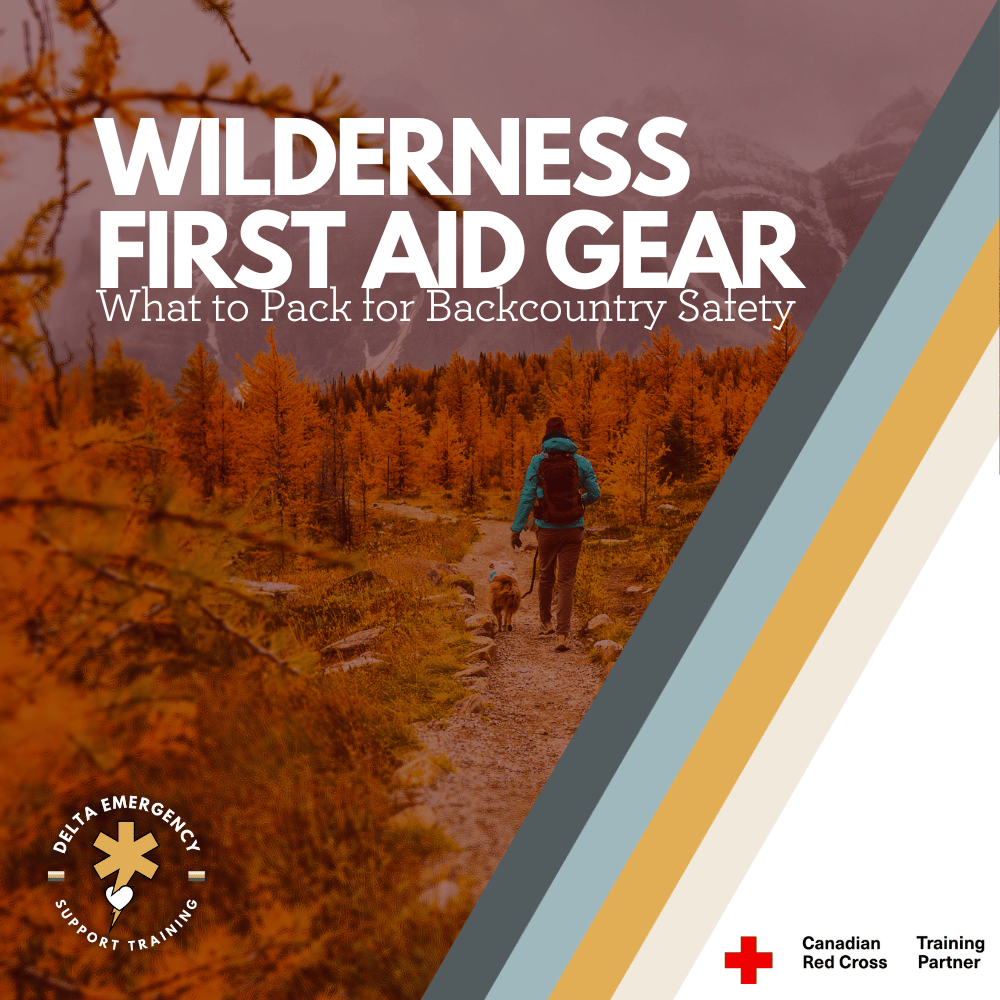
Wilderness First Aid: What to Pack When Heading Into the Backcountry

When you’re miles from help, your first aid kit becomes your lifeline. Learn what to pack for backcountry safety, from wound care and splints to insulation and emergency gear — so you can respond confidently when emergencies strike in the wild.
Venturing into the backcountry can be one of the most rewarding experiences, breathtaking views, solitude, and connection with nature. But with that freedom comes risk. When you’re hours (or days) away from emergency services, being prepared isn’t just about comfort — it’s about survival.

Having the right gear and a solid understanding of wilderness first aid can turn a dangerous situation into a manageable one. Whether you’re an outdoor enthusiast, guide, or first responder, here’s what you need to know about what to packbefore heading into remote terrain.

🏕️ The Backcountry Reality

In urban environments, medical emergencies are typically minutes from help. In the backcountry, those same minutes can stretch into hours or even days. Terrain, weather, and lack of communication can complicate every decision you make.

That’s why your first aid kit is your lifeline — not a luxury item. It’s not just about having supplies; it’s about carrying the right equipment that you can realistically use in an emergency.

🧰 The Core Wilderness First Aid Kit

When it comes to wilderness first aid, balance is everything — you want to be prepared without carrying unnecessary weight. Here’s a breakdown of essential categories and must-have items:

🩹 1. Wound Care and Bleeding Control

In the wilderness, even small wounds can lead to infection. Having proper wound care supplies ensures you can clean, cover, and protect injuries.

Pack:

  • Adhesive bandages (various sizes)

  • Sterile gauze pads and rolls

  • Elastic (ACE) bandages

  • Medical tape

  • Antiseptic wipes or solution (chlorhexidine or iodine)

  • Antibiotic ointment

Pro Tip: Keep wound supplies in a waterproof bag — even moisture can ruin sterile materials.

💊 2. Medications and Personal Health Supplies

Medications can make the difference between continuing your trip or needing an evacuation. Always pack personal prescriptions, plus some general-purpose medications.

Pack:

  • Personal prescription medications (in labeled containers)

  • Acetaminophen or ibuprofen (pain relief, inflammation)

  • Antihistamines (allergic reactions, insect stings)

  • Loperamide (anti-diarrheal)

  • Glucose tablets or gel for low blood sugar

  • Epinephrine auto-injector (if at risk for severe allergies)

Pro Tip: Store medications in labeled, watertight containers, and check expiration dates before each trip.

🧍‍♂️ 3. Splinting and Immobilization

Sprains, fractures, and dislocations are among the most common backcountry injuries. Be ready to stabilize and immobilize until help arrives.

Pack:

  • SAM splint or moldable splint

  • Triangular bandages (multi-use: slings, ties, padding)

  • Cloth strips or paracord for securing splints

  • Safety pins

Improvisation Tip: Trekking poles, paddles, or sturdy sticks can double as splints when properly padded.

  • 🌡️ 4. Hypothermia and Environmental Protection

Weather can change rapidly in the backcountry. Preventing hypothermia or heat exhaustion is part of wilderness first aid.

Pack:

  • Emergency blanket or bivy sack

  • Lightweight tarp or shelter

  • Extra base layer or thermal clothing

  • Chemical heat packs

  • Hat and gloves (even in summer — mountain weather shifts fast)

Pro Tip: Always carry something to insulate your patient from the ground — a foam pad, backpack, or spare clothing can prevent dangerous heat loss.

💧 5. Hydration and Nutrition

Dehydration and low energy can cloud judgment and slow reaction times — both dangerous in emergencies.

Pack:

  • Water purification system (filter, tablets, or UV pen)

  • Collapsible water bottles or hydration bladder

  • High-calorie snacks (nuts, protein bars, glucose gels)

📡 6. Navigation, Communication, and Documentation

When emergencies happen, knowing where you are — and how to communicate — is critical.

Pack:

  • Map and compass (and know how to use them)

  • GPS or satellite communicator (e.g., Garmin inReach, SPOT device)

  • Whistle and signal mirror

  • Waterproof notebook and pencil (for recording vital signs and events)

🪶 7. Wilderness-Ready Extras

Small, lightweight items that make a big difference:

  • Tweezers (for splinters and ticks)

  • Duct tape (gear repair, blister prevention, splinting aid)

  • Safety pins (securing bandages or improvising slings)

  • Scissors or trauma shears

  • Hand sanitizer

  • Headlamp with extra batteries

🏔️ Balancing Weight vs. Preparedness

Every ounce matters in the backcountry. Your pack should be a balance between medical capability and practicality.
Here’s how to think about it:

  • Day trip? Bring the essentials — bleeding control, wound care, meds, and hypothermia protection.

  • Multi-day trek? Add splinting materials, backup shelter, and communication tools.

  • Remote expedition? Include airway adjuncts, advanced medications (if permitted), and an evacuation plan.

⚕️ Training Matters More Than Gear

Even the best kit won’t help if you don’t know how to use it. Taking a Wilderness First Aid (WFA) or Wilderness First Responder (WFR) course teaches you how to:

  • Prioritize patient care in remote settings

  • Improvise with available gear

  • Make evacuation and triage decisions

  • Treat life-threatening conditions with limited resources

Final Thought

When you’re deep in the wilderness, you are the first responder. A well-stocked and well-thought-out first aid kit gives you the power to act quickly, calmly, and effectively — whether you’re treating a blister, a broken bone, or a life-threatening emergency.

Before you head out, remember: gear doesn’t replace training, but training without gear limits your ability to save lives.
Prepare smart, pack light, and respect the environment — because in the backcountry, preparation truly is protection.

Read More

Unlocking the Great Outdoors: Mastering Wilderness First Response with Delta Emergency Support Training

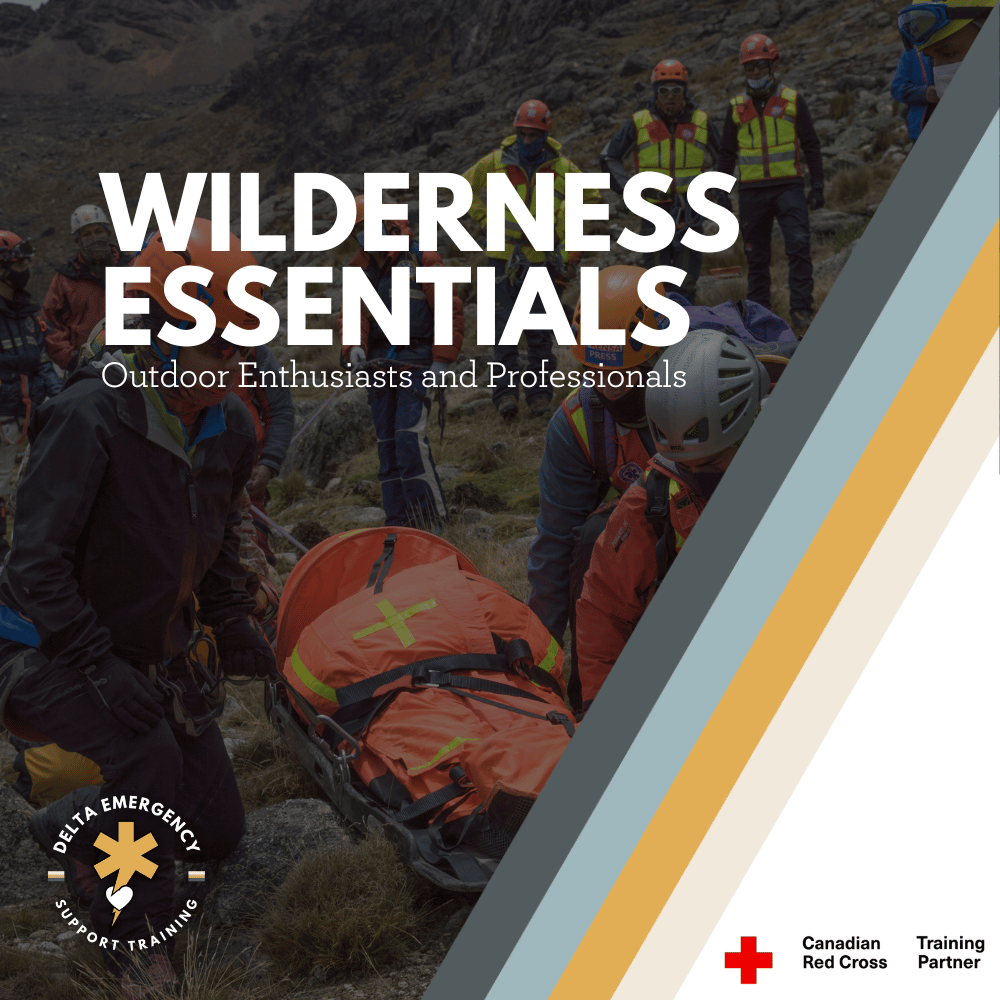
The Wilderness First Responder Course is a must for outdoor enthusiasts and professionals who venture into remote areas. Whether you're hiking, camping, or leading outdoor adventures, this course provides the essential skills to respond to medical emergencies in the wilderness. Learn to assess, treat, and manage injuries, illnesses, and life-threatening situations when help is far away. Equip yourself with the knowledge to handle emergencies confidently and safely.
Why the Wilderness First Responder Course Package is Essential for Outdoor Enthusiasts and Professionals

The wilderness is unpredictable, and those who brave its untouched landscapes know that preparation is key—not just in gear but in knowledge and skills. Delta Emergency Support Training offers the "Canadian Red Cross: Wilderness First Responder Course Package," a comprehensive trio of textbooks designed specifically for those who find themselves as first responders in remote and rugged environments. This package isn't just a set of books; it's an essential toolkit for saving lives where traditional medical help may be hours away.

Three Textbooks, One Mission: Comprehensive Preparedness

  1. The Core Manual: This textbook covers a broad range of topics necessary for a solid foundation in wilderness medicine, including patient assessment and emergency response strategies tailored to the unique challenges of the wilderness.

  2. The Scenario Guide: Packed with realistic scenarios, this guide pushes you to apply what you've learned in dynamic and challenging situations, enhancing decision-making skills under pressure.

  3. The Quick Reference Handbook: When time is critical, this handbook is your go-to for quick checks and reminders, ensuring you have the right information at your fingertips when every second counts.

Designed for Depth and Durability

Each book in the Wilderness First Responder Course Package is crafted to withstand the elements, making them perfect for outdoor use. Water-resistant and tear-resistant pages mean that whether you're caught in a downpour or navigating rough terrain, your source of critical information remains intact.

Affordably Priced, Invaluable Investment

At Delta Emergency Support Training, we understand the importance of accessibility to quality education. That's why we offer these textbooks at prices well below standard retail costs. Investing in this package means investing in the safety of your team and the individuals you'll have the skills to assist, making it invaluable to any professional or agency involved in wilderness activities.

Why Choose a Physical Book Over Digital?

While digital devices are ubiquitous, in the wilderness, they are often unreliable. A physical book doesn’t require battery power or signal reception. It becomes not just a tool, but a reliable companion that ensures information is always available, no matter where your journey takes you.

Conclusion

Whether you're leading expeditions, embarking on solo wilderness adventures, or providing professional training, the Canadian Red Cross: Wilderness First Responder Course Package from Delta Emergency Support Training is your essential companion. By equipping yourself with this knowledge, you prepare to face the wilderness not just with confidence, but with competence.

Ready to take your wilderness preparedness to the next level? Visit our website at Delta Emergency Support Training to purchase your course package today and step confidently into your next adventure, knowing you are trained to handle whatever comes your way.

Read More

First Aid Essentials for Water Sports Enthusiasts: Handling Common Injuries

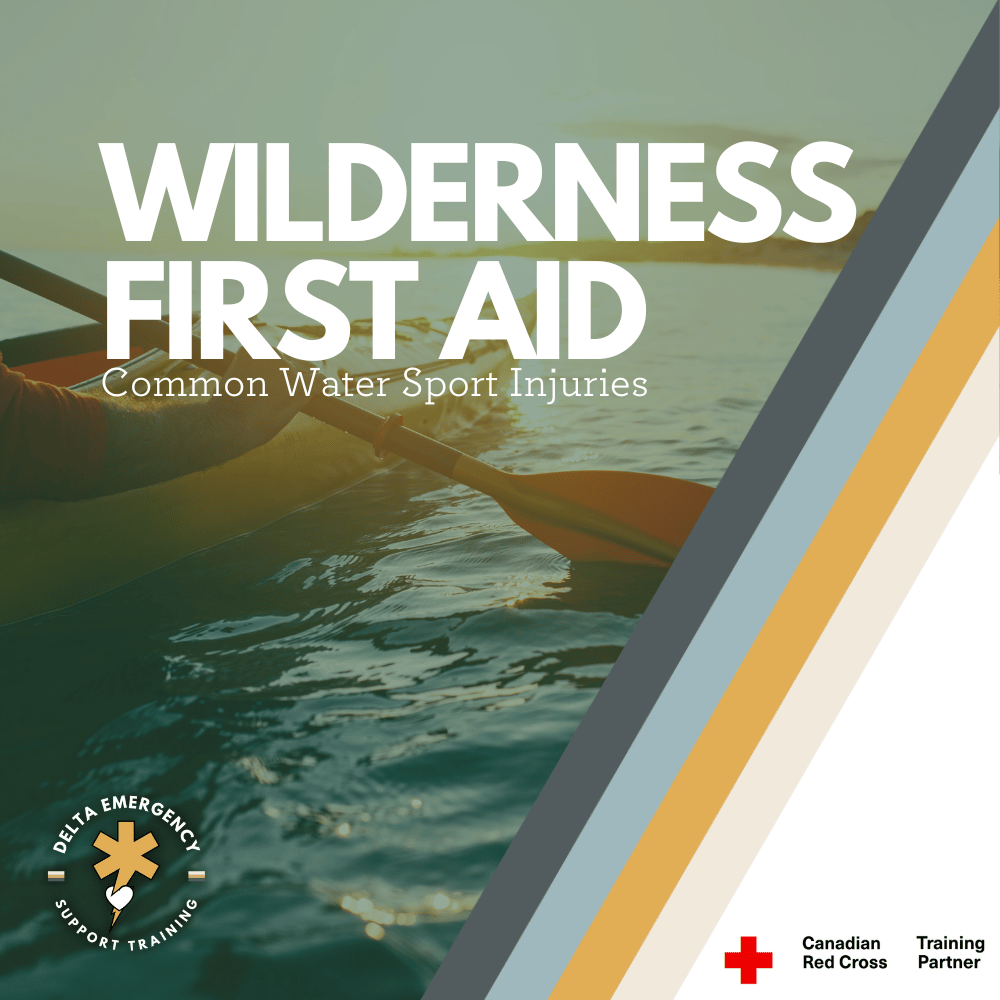
Are you an avid water sports enthusiast? Whether you're gliding through waves on a surfboard, paddling down a scenic river in a kayak, windsurfing across a lake, or navigating whitewater rapids in a raft, water sports offer exhilarating experiences in nature. However, along with the thrills come the risks of injury. In this blog series, we'll explore common injuries associated with various water sports and provide essential first aid tips to help you stay safe and prepared for any unexpected situations.
Kyaker on the open water at sunrise

Kayaking

Kayaking offers a serene way to explore waterways while providing a great upper body workout. However, it's essential to be prepared for potential injuries. Here are some common ones and how to manage them:

  1. Capsizing: Capsizing is a common occurrence in kayaking, especially for beginners. If you capsize, stay calm and try to re-enter your kayak or swim to shore if necessary. If someone in your group capsizes, assist them by providing a flotation device and helping them back into their kayak.

  2. Muscle Strains: Paddling requires repetitive motion, which can strain muscles in your arms, shoulders, and back. If you experience muscle strain, take a break from paddling, stretch gently, and apply ice packs to reduce inflammation. Over-the-counter pain relievers can also help alleviate discomfort.

  3. Hypothermia: Cold water can quickly lead to hypothermia, especially in colder climates or during long paddling sessions. Dress appropriately for the water temperature, wear a wetsuit or drysuit if needed, and carry spare clothes in a waterproof bag. If you or someone in your group shows signs of hypothermia (such as shivering, confusion, or numbness), get out of the water, remove wet clothing, and wrap them in warm, dry blankets or clothing.

By being prepared and knowing how to respond to common injuries, kayakers can enjoy their time on the water safely.

Surfing

Surfing is an exhilarating water sport that challenges both body and mind. While riding the waves, surfers may encounter various injuries. Here's how to address some common ones:

  1. Surfboard Injuries: Surfboards can cause cuts, bruises, and lacerations if surfers fall or collide with them. Clean the wound with antiseptic wipes or soap and water, apply pressure to stop any bleeding, and cover it with a sterile bandage or gauze. Seek medical attention for deep cuts or wounds that won't stop bleeding.

  2. Surfer's Ear: Prolonged exposure to cold water and wind can lead to surfer's ear, a condition where bony growths develop in the ear canal. To prevent surfer's ear, wear earplugs while surfing, especially in cold or windy conditions. If you experience symptoms such as ear pain, water trapped in the ear, or hearing loss, consult a doctor for proper diagnosis and treatment.

  3. Drowning: While rare, drowning is a serious risk associated with surfing, particularly in rough seas or strong currents. Practice water safety by surfing within your skill level, never surfing alone, and being aware of your surroundings. If you or someone else is struggling in the water, call for help immediately and attempt a rescue if it's safe to do so.

Stay tuned for the next part of our series where we'll explore injuries in windsurfing!

Windsurfing

Windsurfing combines elements of sailing and surfing, offering a thrilling experience on the water. However, it also comes with its share of potential injuries. Here's how to manage some common ones:

  1. Windsurfing Equipment Injuries: Windsurfing gear, including the board, mast, and sail, can cause injuries if mishandled or if there's a collision with other surfers or objects in the water. If you sustain an injury from windsurfing equipment, assess the severity of the injury, administer first aid as needed, and seek medical attention if the injury is severe or if there's any doubt.

  2. Sunburn: Spending hours on the water under the sun can lead to painful sunburns. Protect your skin by wearing sunscreen with a high SPF, covering up with rash guards or wetsuits, and wearing a hat and sunglasses to shield your face and eyes from the sun's rays.

  3. Hypothermia: Cold water and wind can lead to hypothermia, especially in cooler climates or during prolonged sessions on the water. Dress appropriately for the conditions, wear a wetsuit or drysuit if needed, and take regular breaks to warm up if you start feeling cold.

By being aware of the risks and taking precautions, windsurfers can enjoy their time on the water safely.

Rafting

Rafting offers an adrenaline-filled adventure as you navigate through rapids and cascading waterfalls. While it's an exciting activity, it's essential to be prepared for potential injuries. Here are some common ones and how to address them:

  1. Strains and Sprains: Maneuvering the raft and paddling through rough waters can strain muscles and ligaments. If you sustain a strain or sprain, rest the affected area, apply ice packs to reduce swelling, and elevate the injured limb if possible. Over-the-counter pain relievers can help alleviate discomfort.

  2. Whitewater Rafting Injuries: Rafting in whitewater rivers carries inherent risks, including collisions with rocks, overturning the raft, and getting pinned under the water. If you're thrown from the raft, try to stay calm, float on your back with your feet downstream, and swim towards the shore if possible. Follow your guide's instructions and use proper safety equipment, including helmets and life jackets, to minimize the risk of injury.

  3. Dehydration: Spending hours on the water under the sun can lead to dehydration, especially in warmer climates. Drink plenty of water before, during, and after your rafting trip to stay hydrated. Consider bringing electrolyte-rich drinks or snacks to replenish lost fluids and minerals.

By being prepared and knowing how to respond to common injuries, rafters can enjoy their time on the water safely.

With these first aid tips in mind, water sports enthusiasts can navigate the challenges of their chosen activities while staying safe and prepared for any unexpected situations. Stay tuned for more articles in our First Aid Essentials series, where we'll continue to explore safety tips and injury management for various outdoor activities.

Read More

Navigating Spring's Wild Weather: Road Safety Essentials

As spring breathes new life into the world, travelers are lured by the promise of warmer days and blooming landscapes. Yet, amidst the beauty of this season's renewal lies a dynamic interplay of weather patterns that can catch even the most seasoned adventurers off guard. From the lingering threat of late-season snowstorms to the sudden deluge of spring rains, navigating the hazards of spring demands vigilance and preparation. In this excerpt, we'll delve into essential tips to ensure your safety on the road during this transitional season.
As the grip of winter begins to loosen and the vibrant colors of spring emerge, travelers are drawn to explore the ever-changing landscape with anticipation. However, amidst the beauty of this season's renewal, spring brings forth a myriad of potential hazards that can catch even the most seasoned adventurers off guard. From unpredictable snowstorms to flash floods and unexpected encounters with wildlife, navigating the challenges of spring demands not only preparedness but also a sharp awareness of first aid and safety protocols.

Unpredictable Weather Fluctuations

Spring's transitionary nature brings about a mix of weather conditions, often surprising even the most experienced adventurers. While the days may grow warmer, the lingering presence of snow and the onset of rainstorms underscore the need for caution on the roads. Here are some essential tips to ensure safe travels during this dynamic season:

  • Monitor Weather Forecasts: Stay informed about upcoming weather patterns and road conditions before setting out on your journey. Be prepared for sudden changes in weather and adjust your plans accordingly.

  • Pack a Comprehensive First Aid Kit: Equip your vehicle with a well-stocked first aid kit containing essentials such as bandages, antiseptic wipes, pain relievers, emergency blankets, and any necessary medications.

  • Dress Appropriately: Despite the promise of warmer days, keep rain gear and snow coats in your vehicle. Spring weather can be unpredictable, and having these items on hand can provide crucial protection in unexpected downpours or sudden snowfall.

  • Maintain Vehicle Readiness: Ensure your vehicle is in optimal condition for spring travel. Check tire tread and pressure regularly, and inspect brakes, lights, and wiper blades for proper functionality. Consider fitting your vehicle with all-weather tires for enhanced traction in varying conditions.

  • Watch for Wildlife: Be vigilant for wildlife crossing signs, especially in rural or wooded areas. Reduce your speed and exercise caution to avoid collisions with animals on the road. If a collision occurs, assess the situation carefully and provide assistance as needed, while prioritizing safety for all parties involved.

    Plan for Emergencies: Prepare for unforeseen circumstances by carrying essential emergency supplies in your vehicle, such as a flashlight, batteries, a multipurpose tool, a portable phone charger, and non-perishable snacks.

    Stay Connected: Keep a fully charged mobile phone with you at all times and inform someone of your travel plans, including your route and expected arrival time. In the event of an emergency, having communication and a designated contact can expedite assistance.

Flash Floods and Mudslides:

Spring's thaw brings melting snow and heavy rains, increasing the risk of flash floods and mudslides, particularly in areas with steep terrain or poor drainage systems. If you encounter a flooded road while driving, do not attempt to cross it. Even shallow water can sweep vehicles away, putting you and your passengers in grave danger. Instead, turn around and find an alternate route to safety. If you find yourself trapped in a mudslide, stay inside your vehicle and await rescue, using your first aid kit to address any injuries sustained during the ordeal.

Wildlife Encounters:

As spring arrives, wildlife emerges from hibernation and begins to roam in search of food and mates. This increased activity can lead to more frequent encounters between animals and vehicles, posing a risk to both drivers and animals alike. If you encounter wildlife while driving, reduce your speed and use caution, particularly in areas known for animal crossings. If a collision occurs, assess the situation carefully and use your first aid skills to provide assistance to any injured parties, including both humans and animals.

In conclusion, navigating spring's hazards requires a combination of preparedness, awareness, and first aid skills. By staying informed about potential dangers, packing a well-stocked first aid kit, and remaining vigilant behind the wheel, travelers can minimize the risks associated with springtime travel and enjoy a safe and memorable journey. Remember, when it comes to road safety, being prepared can make all the difference in the world. Safe travels!

Read More

The underestimated danger of lighting strikes

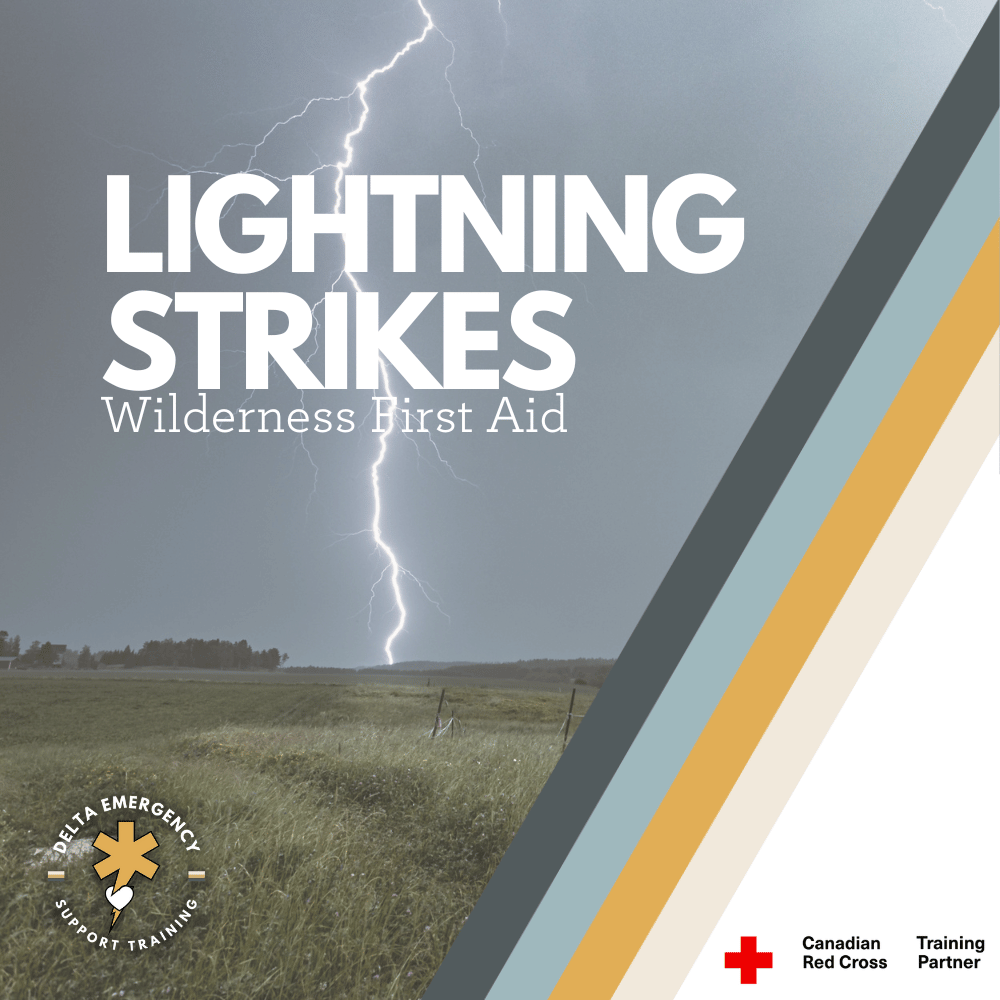
Lightning strikes are often underestimated and overlooked when it comes to assessing the dangers of thunderstorms. Yet, they pose a significant threat, capable of causing fatalities and injuries every year. In this article, we'll delve into the risks associated with lightning strikes, including the devastating effects on individuals, and discuss practical measures to stay safe.

single lighting striking into a field

Lightning strikes are often underestimated and overlooked when it comes to assessing the dangers of thunderstorms. Yet, they pose a significant threat, capable of causing fatalities and injuries every year. In this article, we'll delve into the risks associated with lightning strikes, including the devastating effects on individuals, and discuss practical measures to stay safe.

Understanding the Threat:

Every thunderstorm, no matter its intensity, harbors the potential for lightning strikes. Lightning is not only lethal but also unpredictable, making it a formidable hazard. In the United States alone, lightning claims the lives of 20-30 individuals annually and injures hundreds more. Unlike other storm-related dangers like tornadoes or hail, lightning can extend beyond the storm itself, making it the first to arrive and the last to depart.

Safe Shelter:

When thunder roars, seeking shelter becomes imperative. Large enclosed structures with plumbing and electrical wiring offer the safest refuge during thunderstorms. These include buildings like shopping centers, schools, offices, and homes. The presence of plumbing and wiring ensures a more efficient conduction of electricity, reducing the risk to individuals inside. Enclosed metal vehicles such as cars, vans, or buses also provide a viable alternative if no buildings are available.

Unsafe Locations:

Not all structures or vehicles are safe havens during lightning storms. Buildings with exposed openings, like beach shacks, metal sheds, or picnic shelters, pose significant risks. Convertible vehicles, despite having their tops up, offer no protection against lightning. Similarly, vehicles with open cabs, such as golf carts or tractors, should be avoided during thunderstorms.

Developing a Lightning Safety Plan:

Planning ahead is crucial for outdoor events to mitigate the risks posed by lightning. Event coordinators should incorporate a lightning safety plan into their preparations. This plan should address key questions such as identifying the safest shelter, assessing the distance to it, and estimating the time needed to reach it. Having these answers beforehand enhances preparedness and reduces the likelihood of lightning-related incidents.

Acting Promptly:

Studies have revealed that most lightning-related injuries occur before or after the peak of a thunderstorm. Lightning strikes can occur even when the storm is several miles away, emphasizing the importance of swift action. As a rule of thumb, if thunder is audible, you're within striking distance and should seek shelter immediately. Remember, "When thunder roars, go indoors," and remain there until 30 minutes after the last clap of thunder.

Understanding the Devastating Effects:

When lightning strikes a person, the consequences can be catastrophic. Immediate risks include cardiac arrest, severe burns, and damage to the nervous system and brain. The high voltage of a lightning bolt can disrupt the heart's rhythm, leading to sudden cardiac arrest. Lightning generates intense heat, causing severe burns both externally and internally. It can also disrupt the nervous system, leading to symptoms such as numbness, tingling, or paralysis. In severe cases, lightning strikes can cause traumatic brain injury (TBI), resulting in cognitive deficits or permanent disability.

Conclusion:

Lightning strikes may seem remote or rare, but they present a real and significant danger during thunderstorms. By understanding the risks associated with lightning and adhering to safety guidelines, individuals can protect themselves and others from potential harm. Remember, prioritizing safety and taking proactive measures are essential when confronted with the silent killer that is lightning. Stay informed, stay prepared, and stay safe.

Read More