The Delta Dispatch

Water Safety for Parents: From Swimwear to Supervision

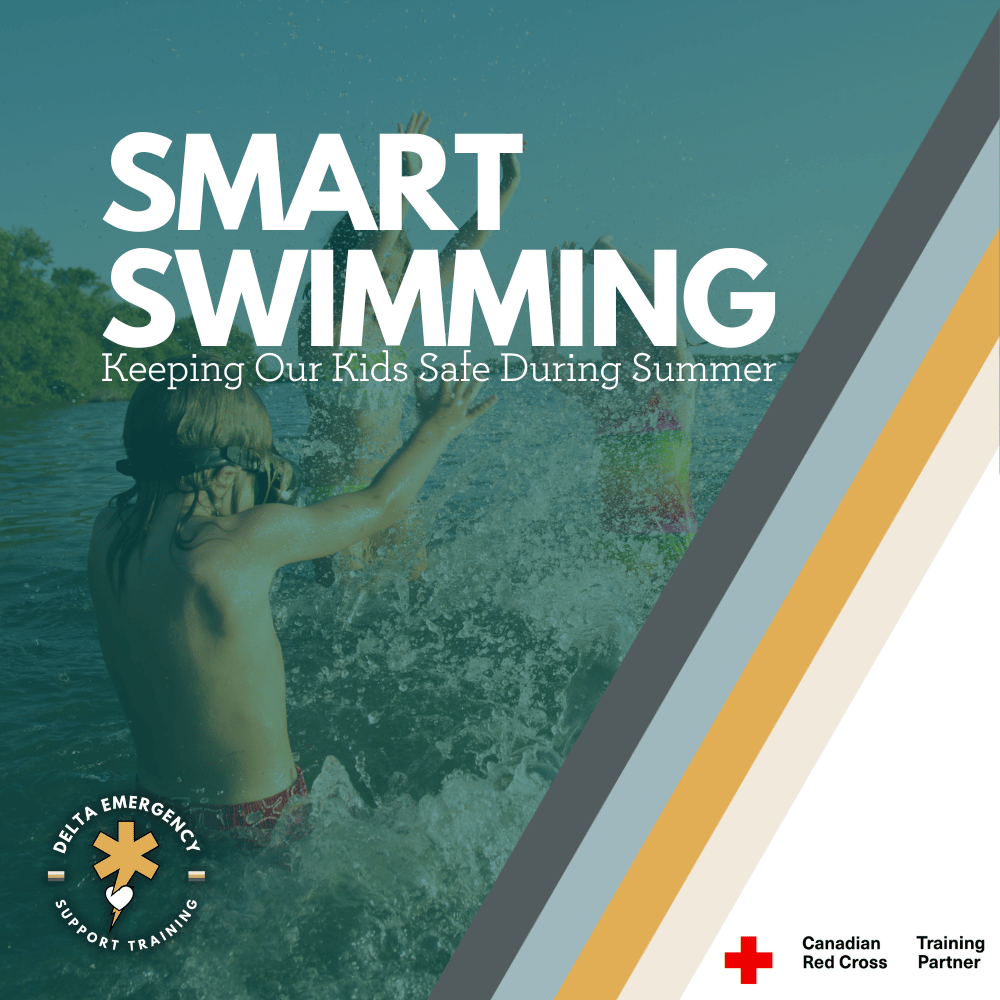
Summer Water Safety: What Every Parent Should Know Before Pool or Lake Days

When the sun is shining, water becomes a natural playground for kids — pools, lakes, rivers, and oceans offer endless summer fun. But for parents, water is also one of the most dangerous environments your child will be exposed to. Drowning is fast, silent, and all too common — especially in Canada, where thousands of natural bodies of water lie just beyond backyard fences and cottage docks.

The Reality: Drowning Is a Leading Cause of Death for Canadian Children

  • Drowning is the second leading cause of preventable death for children under age 10 in Canada.

  • According to the Lifesaving Society of Canada, nearly 500 Canadians die from drowning every year, and almost one-third are under the age of 19.

  • Children aged 1 to 4 are at the highest risk, most often drowning in pools, while older children are more at risk in open water like lakes and rivers.

  • 88% of child drownings happen when a parent or caregiver is supervising — but distracted.

These tragedies are preventable with layers of protection: supervision, swimming skills, proper safety gear, and informed adults.

1. Enroll in Swimming Lessons Early

Formal swimming lessons reduce drowning risk by up to 88% for children ages 1–4, according to the Canadian Pediatric Society. The Red Cross and Lifesaving Society both emphasize the value of age-appropriate water safety education from toddlerhood.

Look for programs that teach:

  • Entering and exiting water safely

  • Floating, treading water, and self-rescue

  • Using lifejackets and understanding currents

  • Knowing when to call for help

Even for strong swimmers, refreshing skills before each summer season helps reinforce safety habits.

2. Supervision Saves Lives — But Only if It’s Active

Drowning happens in as little as 20 seconds. It is quiet — no splashing, no screaming. A child can slip under the water while you're answering a text.

Good supervision means:

  • You're within arm's reach for young or weak swimmers

  • You're not distracted by your phone, books, or alcohol

  • You rotate with other adults every 15–30 minutes if needed

  • You avoid relying on older children to supervise younger siblings

Tip: Use a “Water Watcher” card or lanyard to clearly identify the supervising adult at any given time.

3. Know the Risks in Different Environments

Each setting has unique dangers, especially in Alberta where cold lakes and rivers are common.

Pools

  • Install fences with self-latching gates

  • Use pool alarms or covers when not in use

  • Never rely on inflatable toys or floaties for safety

Lakes and Rivers

  • Use properly fitting lifejackets

  • Be aware of drop-offs, weeds, and sudden cold

  • Water visibility is often poor — stay close and alert

Oceans

  • Only swim in lifeguard-supervised zones

  • Learn to identify rip currents and how to escape (swim parallel to shore)

  • Watch for tides, jellyfish, and sharp shells

4. Dress for Water Safety — Including the Right Colours

Lifejackets:

Always wear Transport Canada-approved lifejackets when boating, paddling, or playing near open water.

Swimwear Colour Matters:

A 2022 study by ALIVE Solutions tested how well different swimsuit colours showed up underwater — especially in murky or sun-glared conditions. Results showed that bright neon colours like orange, pink, and lime green were most visible. Earth tones, blue, and even white blended into water and became invisible within just a few feet.

Best for visibility:

  • Neon orange

  • Hot pink

  • Lime green

  • Bright yellow

Avoid:

  • Blue, grey, white, or pastels (especially in natural water)

5. Take a CPR & First Aid Course

In emergencies, seconds matter. CPR, rescue breathing, and basic first aid skills can make the difference between life and death while you wait for EMS.

We recommend:

  • CPR-C or Emergency First Aid with CPR

  • Child & Infant CPR refresher courses for babysitters, older siblings, and grandparents

  • Courses offered by trusted organizations like the Canadian Red Cross or Lifesaving Society

At Delta Emergency Support Training in Calgary, we offer family-friendly and babysitter-focused Red Cross courses year-round.

6. Teach Kids Water Safety at Every Age

Make water safety part of your regular parenting conversations:

  • Always ask permission before going near water

  • Never swim alone — even with a lifejacket

  • Get out when cold or tired

  • If in trouble: call for help, float, and don’t panic

  • Teach older children how to help safely without jumping in themselves

Water should be fun — but it should also be respected.

Final Thoughts: Don’t Let a Preventable Tragedy Ruin Your Summer

Most childhood drownings are not freak accidents — they are preventable. Supervision, the right gear, swimming skills, and training create the strongest safety net.

This summer, be proactive — and make sure water memories are joyful ones.

Looking for Babysitter or CPR Courses in Calgary?

Delta Emergency Support Training offers:

  • Babysitter Certification (Red Cross)

  • Emergency First Aid & CPR for Families

  • Private bookings for friend groups or community groups

All classes are taught by real paramedics and emergency responders who know what works in real life.

Spots fill fast during summer — contact us today to learn more!

Read More

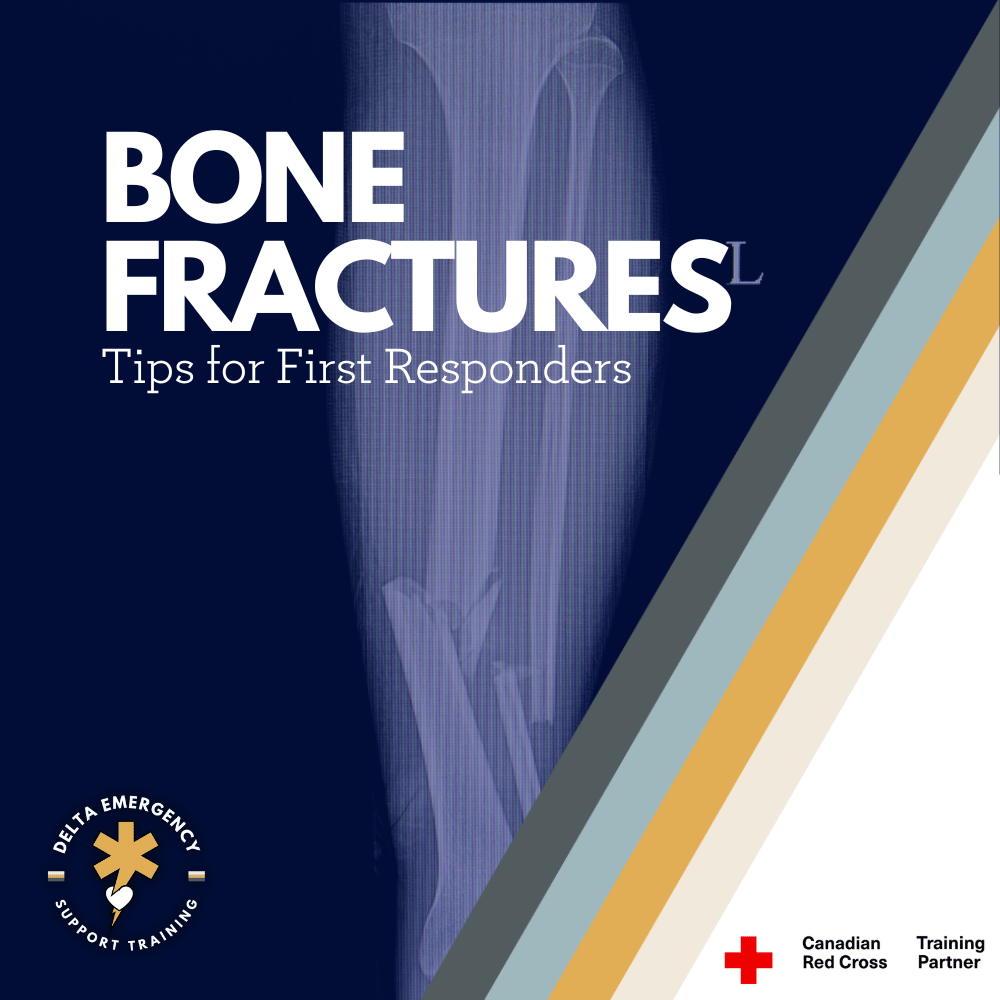
Handling Bone Fractures: Essential Tips for First Responders

At Delta Emergency Support Training, we ensure that our students are fully prepared to handle emergencies with confidence. Through our Red Cross workbooks, teaching resources, study tips, and in-person classes for EMR and AFA, we provide the practical knowledge necessary to deal with fractures and other emergencies.
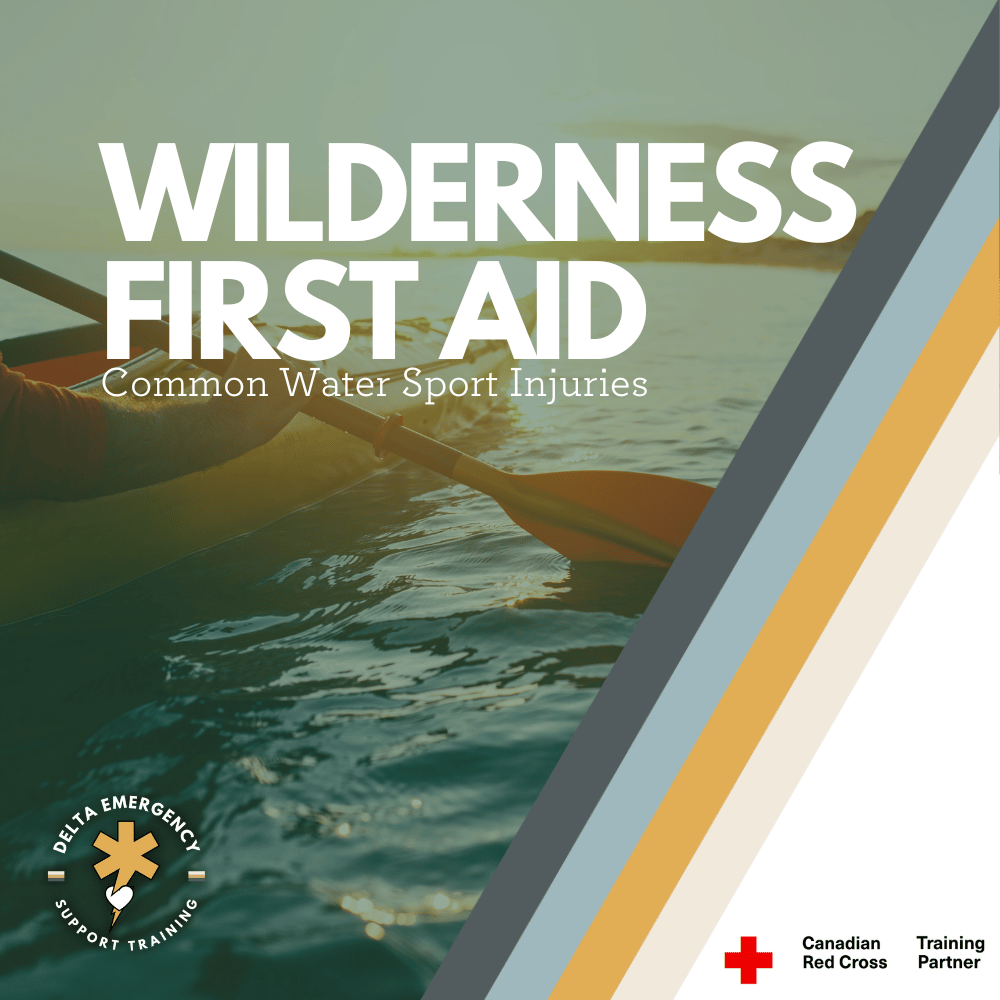
XRAY OF BROKEN TIB FIB

Fractures are common injuries that medical first responders frequently encounter, and proper management is critical in ensuring the patient's safety and minimizing long-term complications. This guide covers essential protocols for handling fractures, emphasizes the importance of checking distal pulses, and provides specific management tips for different types of fractures. At Delta Emergency Support Training, we provide access to Red Cross workbooks, hands-on training, and in-person classes for EMR and AFA, ensuring that you're well-prepared to manage fractures effectively.

General Approach to Fracture Management

  1. Assess the Scene: Ensure your safety first and perform a quick primary assessment. Look for life-threatening conditions (e.g., breathing, bleeding, and consciousness).

  2. Immobilize the Injury: Fractured bones must be stabilized to prevent further injury. Do not attempt to realign a displaced bone unless it is absolutely necessary to restore circulation.

  3. Check Circulation: Always check for a distal pulse (e.g., radial pulse for upper limbs, dorsalis pedis pulse for lower limbs). The absence of a pulse could indicate compromised circulation and require immediate intervention.

  4. Pain Management: Administer pain relief within your scope of practice and ensure comfort during transport.

Fracture Types and Management Protocols

Upper Limb Fractures

Clavicle Fracture

  • Symptoms: Pain, visible bump, limited range of motion.

  • Management: Use a sling or figure-eight bandage to immobilize. Check for a radial pulse to assess circulation. If no pulse, realign gently to restore blood flow.

Humerus Fracture

  • Symptoms: Pain, swelling, abnormal positioning.

  • Management: Immobilize with a splint or sling. Check radial pulse. A lack of pulse suggests potential nerve or vessel damage, requiring immediate intervention.

Radius and Ulna Fractures

  • Symptoms: Swelling, bruising, and inability to move the wrist or fingers.

  • Management: Use a splint, ensuring the wrist and elbow are stabilized. Always check the radial pulse; absence of pulse indicates compromised circulation and requires urgent realignment.

Lower Limb Fractures

Femur Fracture

  • Symptoms: Severe pain, swelling, inability to move.

  • Management: Use a traction splint to stabilize. Check the femoral pulse. Absence of pulse demands immediate medical intervention.

Tibia and Fibula Fractures

  • Symptoms: Pain, bruising, and difficulty moving.

  • Management: Apply a splint to stabilize the leg. Check the dorsalis pedis pulse; absence indicates possible vascular damage and requires urgent attention.

Ankle and Foot Fractures

  • Symptoms: Pain, swelling, deformity.

  • Management: Stabilize with a splint. Check pulses at the dorsalis pedis and posterior tibial sites. Absence of pulse requires immediate action to restore blood flow and prevent limb loss.

Spinal and Pelvic Fractures

Spinal Fractures

  • Symptoms: Neck or back pain, possible numbness or tingling in limbs.

  • Management: Immobilize the spine with a cervical collar and prevent movement. Check femoral and radial pulses. Absence of pulses may indicate spinal cord injury or severe vascular damage.

Pelvic Fractures

  • Symptoms: Severe pelvic pain, bruising, difficulty moving.

  • Management: Apply a pelvic binder to reduce movement. Check femoral pulse. Absence of pulse indicates potential severe internal bleeding and requires immediate medical intervention.

Why Checking for Distal Pulse is Critical

When dealing with fractures, checking for distal pulses is a vital step in ensuring the injured limb is receiving adequate blood flow. Absence of a pulse can suggest that a major artery or vein is compromised, risking tissue necrosis or limb loss. Repositioning the limb or gently realigning the fracture can sometimes restore circulation, but if pulses are absent, it's important to seek advanced medical help immediately.

Delta Emergency Support Training

At Delta Emergency Support Training, we ensure that our students are fully prepared to handle emergencies with confidence. Through our Red Cross workbooks, teaching resources, study tips, and in-person classes for EMR and AFA, we provide the practical knowledge necessary to deal with fractures and other emergencies. Our training will guide you through how to assess injuries, check circulation, immobilize fractures, and effectively manage patients in critical situations.

Whether you're just starting out or looking to sharpen your skills, our comprehensive training resources will give you the expertise needed to provide quality care in high-pressure situations.

Read More

First Aid Essentials for Water Sports Enthusiasts: Handling Common Injuries

Are you an avid water sports enthusiast? Whether you're gliding through waves on a surfboard, paddling down a scenic river in a kayak, windsurfing across a lake, or navigating whitewater rapids in a raft, water sports offer exhilarating experiences in nature. However, along with the thrills come the risks of injury. In this blog series, we'll explore common injuries associated with various water sports and provide essential first aid tips to help you stay safe and prepared for any unexpected situations.
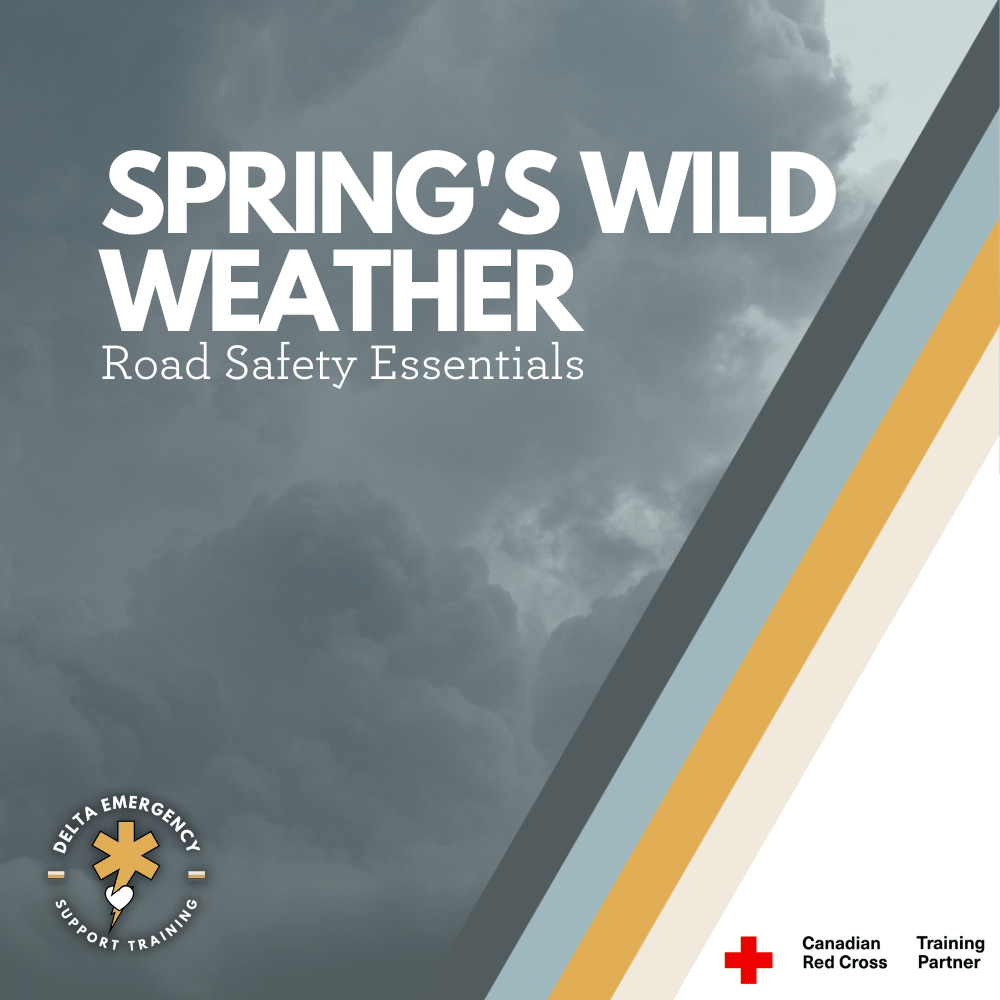
Kyaker on the open water at sunrise

Kayaking

Kayaking offers a serene way to explore waterways while providing a great upper body workout. However, it's essential to be prepared for potential injuries. Here are some common ones and how to manage them:

  1. Capsizing: Capsizing is a common occurrence in kayaking, especially for beginners. If you capsize, stay calm and try to re-enter your kayak or swim to shore if necessary. If someone in your group capsizes, assist them by providing a flotation device and helping them back into their kayak.

  2. Muscle Strains: Paddling requires repetitive motion, which can strain muscles in your arms, shoulders, and back. If you experience muscle strain, take a break from paddling, stretch gently, and apply ice packs to reduce inflammation. Over-the-counter pain relievers can also help alleviate discomfort.

  3. Hypothermia: Cold water can quickly lead to hypothermia, especially in colder climates or during long paddling sessions. Dress appropriately for the water temperature, wear a wetsuit or drysuit if needed, and carry spare clothes in a waterproof bag. If you or someone in your group shows signs of hypothermia (such as shivering, confusion, or numbness), get out of the water, remove wet clothing, and wrap them in warm, dry blankets or clothing.

By being prepared and knowing how to respond to common injuries, kayakers can enjoy their time on the water safely.

Surfing

Surfing is an exhilarating water sport that challenges both body and mind. While riding the waves, surfers may encounter various injuries. Here's how to address some common ones:

  1. Surfboard Injuries: Surfboards can cause cuts, bruises, and lacerations if surfers fall or collide with them. Clean the wound with antiseptic wipes or soap and water, apply pressure to stop any bleeding, and cover it with a sterile bandage or gauze. Seek medical attention for deep cuts or wounds that won't stop bleeding.

  2. Surfer's Ear: Prolonged exposure to cold water and wind can lead to surfer's ear, a condition where bony growths develop in the ear canal. To prevent surfer's ear, wear earplugs while surfing, especially in cold or windy conditions. If you experience symptoms such as ear pain, water trapped in the ear, or hearing loss, consult a doctor for proper diagnosis and treatment.

  3. Drowning: While rare, drowning is a serious risk associated with surfing, particularly in rough seas or strong currents. Practice water safety by surfing within your skill level, never surfing alone, and being aware of your surroundings. If you or someone else is struggling in the water, call for help immediately and attempt a rescue if it's safe to do so.

Stay tuned for the next part of our series where we'll explore injuries in windsurfing!

Windsurfing

Windsurfing combines elements of sailing and surfing, offering a thrilling experience on the water. However, it also comes with its share of potential injuries. Here's how to manage some common ones:

  1. Windsurfing Equipment Injuries: Windsurfing gear, including the board, mast, and sail, can cause injuries if mishandled or if there's a collision with other surfers or objects in the water. If you sustain an injury from windsurfing equipment, assess the severity of the injury, administer first aid as needed, and seek medical attention if the injury is severe or if there's any doubt.

  2. Sunburn: Spending hours on the water under the sun can lead to painful sunburns. Protect your skin by wearing sunscreen with a high SPF, covering up with rash guards or wetsuits, and wearing a hat and sunglasses to shield your face and eyes from the sun's rays.

  3. Hypothermia: Cold water and wind can lead to hypothermia, especially in cooler climates or during prolonged sessions on the water. Dress appropriately for the conditions, wear a wetsuit or drysuit if needed, and take regular breaks to warm up if you start feeling cold.

By being aware of the risks and taking precautions, windsurfers can enjoy their time on the water safely.

Rafting

Rafting offers an adrenaline-filled adventure as you navigate through rapids and cascading waterfalls. While it's an exciting activity, it's essential to be prepared for potential injuries. Here are some common ones and how to address them:

  1. Strains and Sprains: Maneuvering the raft and paddling through rough waters can strain muscles and ligaments. If you sustain a strain or sprain, rest the affected area, apply ice packs to reduce swelling, and elevate the injured limb if possible. Over-the-counter pain relievers can help alleviate discomfort.

  2. Whitewater Rafting Injuries: Rafting in whitewater rivers carries inherent risks, including collisions with rocks, overturning the raft, and getting pinned under the water. If you're thrown from the raft, try to stay calm, float on your back with your feet downstream, and swim towards the shore if possible. Follow your guide's instructions and use proper safety equipment, including helmets and life jackets, to minimize the risk of injury.

  3. Dehydration: Spending hours on the water under the sun can lead to dehydration, especially in warmer climates. Drink plenty of water before, during, and after your rafting trip to stay hydrated. Consider bringing electrolyte-rich drinks or snacks to replenish lost fluids and minerals.

By being prepared and knowing how to respond to common injuries, rafters can enjoy their time on the water safely.

With these first aid tips in mind, water sports enthusiasts can navigate the challenges of their chosen activities while staying safe and prepared for any unexpected situations. Stay tuned for more articles in our First Aid Essentials series, where we'll continue to explore safety tips and injury management for various outdoor activities.

Read More

Navigating Spring's Wild Weather: Road Safety Essentials

As spring breathes new life into the world, travelers are lured by the promise of warmer days and blooming landscapes. Yet, amidst the beauty of this season's renewal lies a dynamic interplay of weather patterns that can catch even the most seasoned adventurers off guard. From the lingering threat of late-season snowstorms to the sudden deluge of spring rains, navigating the hazards of spring demands vigilance and preparation. In this excerpt, we'll delve into essential tips to ensure your safety on the road during this transitional season.
As the grip of winter begins to loosen and the vibrant colors of spring emerge, travelers are drawn to explore the ever-changing landscape with anticipation. However, amidst the beauty of this season's renewal, spring brings forth a myriad of potential hazards that can catch even the most seasoned adventurers off guard. From unpredictable snowstorms to flash floods and unexpected encounters with wildlife, navigating the challenges of spring demands not only preparedness but also a sharp awareness of first aid and safety protocols.

Unpredictable Weather Fluctuations

Spring's transitionary nature brings about a mix of weather conditions, often surprising even the most experienced adventurers. While the days may grow warmer, the lingering presence of snow and the onset of rainstorms underscore the need for caution on the roads. Here are some essential tips to ensure safe travels during this dynamic season:

  • Monitor Weather Forecasts: Stay informed about upcoming weather patterns and road conditions before setting out on your journey. Be prepared for sudden changes in weather and adjust your plans accordingly.

  • Pack a Comprehensive First Aid Kit: Equip your vehicle with a well-stocked first aid kit containing essentials such as bandages, antiseptic wipes, pain relievers, emergency blankets, and any necessary medications.

  • Dress Appropriately: Despite the promise of warmer days, keep rain gear and snow coats in your vehicle. Spring weather can be unpredictable, and having these items on hand can provide crucial protection in unexpected downpours or sudden snowfall.

  • Maintain Vehicle Readiness: Ensure your vehicle is in optimal condition for spring travel. Check tire tread and pressure regularly, and inspect brakes, lights, and wiper blades for proper functionality. Consider fitting your vehicle with all-weather tires for enhanced traction in varying conditions.

  • Watch for Wildlife: Be vigilant for wildlife crossing signs, especially in rural or wooded areas. Reduce your speed and exercise caution to avoid collisions with animals on the road. If a collision occurs, assess the situation carefully and provide assistance as needed, while prioritizing safety for all parties involved.

    Plan for Emergencies: Prepare for unforeseen circumstances by carrying essential emergency supplies in your vehicle, such as a flashlight, batteries, a multipurpose tool, a portable phone charger, and non-perishable snacks.

    Stay Connected: Keep a fully charged mobile phone with you at all times and inform someone of your travel plans, including your route and expected arrival time. In the event of an emergency, having communication and a designated contact can expedite assistance.

Flash Floods and Mudslides:

Spring's thaw brings melting snow and heavy rains, increasing the risk of flash floods and mudslides, particularly in areas with steep terrain or poor drainage systems. If you encounter a flooded road while driving, do not attempt to cross it. Even shallow water can sweep vehicles away, putting you and your passengers in grave danger. Instead, turn around and find an alternate route to safety. If you find yourself trapped in a mudslide, stay inside your vehicle and await rescue, using your first aid kit to address any injuries sustained during the ordeal.

Wildlife Encounters:

As spring arrives, wildlife emerges from hibernation and begins to roam in search of food and mates. This increased activity can lead to more frequent encounters between animals and vehicles, posing a risk to both drivers and animals alike. If you encounter wildlife while driving, reduce your speed and use caution, particularly in areas known for animal crossings. If a collision occurs, assess the situation carefully and use your first aid skills to provide assistance to any injured parties, including both humans and animals.

In conclusion, navigating spring's hazards requires a combination of preparedness, awareness, and first aid skills. By staying informed about potential dangers, packing a well-stocked first aid kit, and remaining vigilant behind the wheel, travelers can minimize the risks associated with springtime travel and enjoy a safe and memorable journey. Remember, when it comes to road safety, being prepared can make all the difference in the world. Safe travels!

Read More

The underestimated danger of lighting strikes

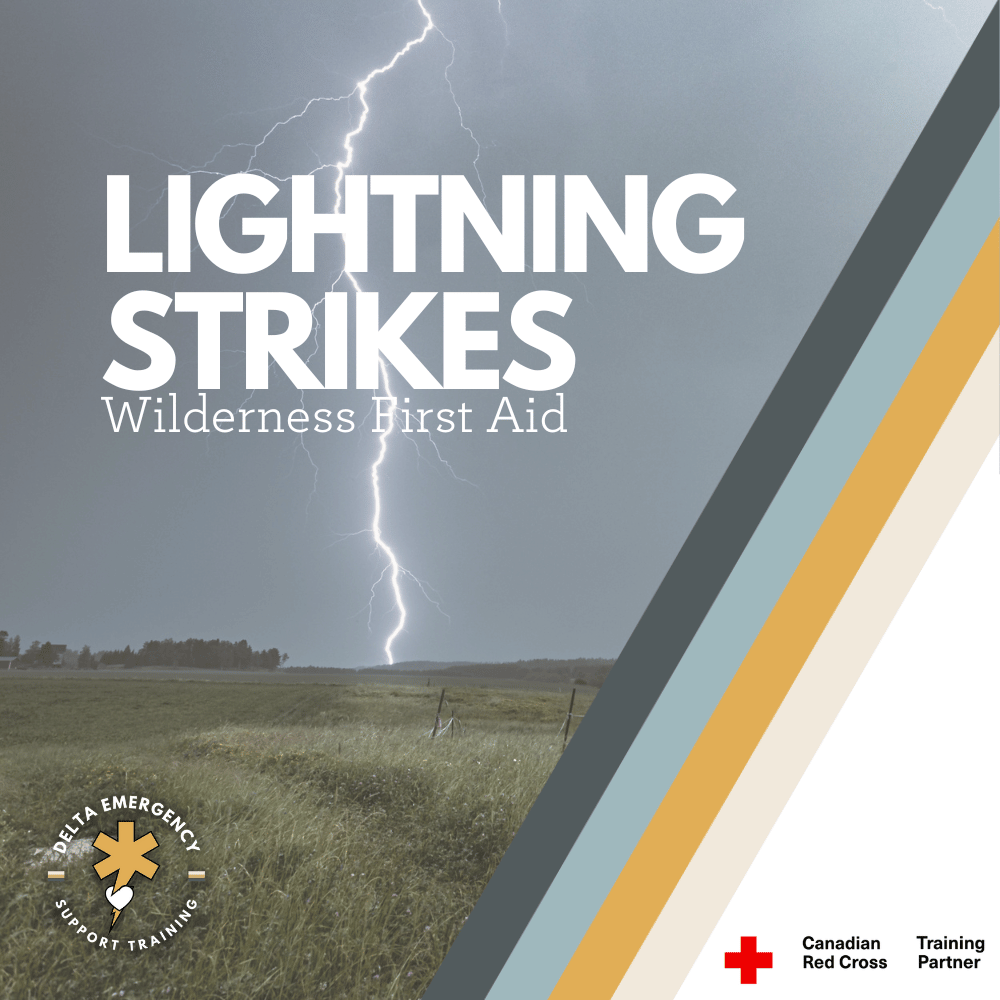
Lightning strikes are often underestimated and overlooked when it comes to assessing the dangers of thunderstorms. Yet, they pose a significant threat, capable of causing fatalities and injuries every year. In this article, we'll delve into the risks associated with lightning strikes, including the devastating effects on individuals, and discuss practical measures to stay safe.

single lighting striking into a field

Lightning strikes are often underestimated and overlooked when it comes to assessing the dangers of thunderstorms. Yet, they pose a significant threat, capable of causing fatalities and injuries every year. In this article, we'll delve into the risks associated with lightning strikes, including the devastating effects on individuals, and discuss practical measures to stay safe.

Understanding the Threat:

Every thunderstorm, no matter its intensity, harbors the potential for lightning strikes. Lightning is not only lethal but also unpredictable, making it a formidable hazard. In the United States alone, lightning claims the lives of 20-30 individuals annually and injures hundreds more. Unlike other storm-related dangers like tornadoes or hail, lightning can extend beyond the storm itself, making it the first to arrive and the last to depart.

Safe Shelter:

When thunder roars, seeking shelter becomes imperative. Large enclosed structures with plumbing and electrical wiring offer the safest refuge during thunderstorms. These include buildings like shopping centers, schools, offices, and homes. The presence of plumbing and wiring ensures a more efficient conduction of electricity, reducing the risk to individuals inside. Enclosed metal vehicles such as cars, vans, or buses also provide a viable alternative if no buildings are available.

Unsafe Locations:

Not all structures or vehicles are safe havens during lightning storms. Buildings with exposed openings, like beach shacks, metal sheds, or picnic shelters, pose significant risks. Convertible vehicles, despite having their tops up, offer no protection against lightning. Similarly, vehicles with open cabs, such as golf carts or tractors, should be avoided during thunderstorms.

Developing a Lightning Safety Plan:

Planning ahead is crucial for outdoor events to mitigate the risks posed by lightning. Event coordinators should incorporate a lightning safety plan into their preparations. This plan should address key questions such as identifying the safest shelter, assessing the distance to it, and estimating the time needed to reach it. Having these answers beforehand enhances preparedness and reduces the likelihood of lightning-related incidents.

Acting Promptly:

Studies have revealed that most lightning-related injuries occur before or after the peak of a thunderstorm. Lightning strikes can occur even when the storm is several miles away, emphasizing the importance of swift action. As a rule of thumb, if thunder is audible, you're within striking distance and should seek shelter immediately. Remember, "When thunder roars, go indoors," and remain there until 30 minutes after the last clap of thunder.

Understanding the Devastating Effects:

When lightning strikes a person, the consequences can be catastrophic. Immediate risks include cardiac arrest, severe burns, and damage to the nervous system and brain. The high voltage of a lightning bolt can disrupt the heart's rhythm, leading to sudden cardiac arrest. Lightning generates intense heat, causing severe burns both externally and internally. It can also disrupt the nervous system, leading to symptoms such as numbness, tingling, or paralysis. In severe cases, lightning strikes can cause traumatic brain injury (TBI), resulting in cognitive deficits or permanent disability.

Conclusion:

Lightning strikes may seem remote or rare, but they present a real and significant danger during thunderstorms. By understanding the risks associated with lightning and adhering to safety guidelines, individuals can protect themselves and others from potential harm. Remember, prioritizing safety and taking proactive measures are essential when confronted with the silent killer that is lightning. Stay informed, stay prepared, and stay safe.

Read More

Mastering Entonox: Drug Monograph

Uncover the versatile role of Entonox, commonly known as 'laughing gas,' as a rapid analgesic in emergency response. Delve into the indications for swift pain relief, including its reversible effects and safety advantages. This guide introduces the acronyms DIVINE and SADMC to navigate contraindications and cautions, ensuring precise administration in diverse medical scenarios.

Introduction:

Entonox, colloquially known as "laughing gas" is a valuable tool in the first responder's arsenal, offering rapid analgesic.

In guide, we'll delve into both contraindications and cautions associated with Entonox, using the acronyms DIVINE and SADMC.

How Entonox Works:

When inhaled, Entonox takes approximately 3 to 5 minutes to initiate pain relief, reaching its maximum effect within 5 to 10 minutes. A notable feature of Entonox is its rapid excretion from the body via the lungs upon cessation of inhalation, leading to a prompt reversal of the analgesic effect.

Key Benefits of Entonox:

  1. Rapid Analgesic Effect:

    • Entonox provides swift pain relief, making it an invaluable tool in emergency situations where quick intervention is paramount.

  2. Reversible Analgesic Effect:

    • The rapid reversal of the analgesic effect ensures that symptoms are not masked, allowing healthcare providers to assess patients accurately.

  3. Cardiac and Respiratory Safety:

    • When used properly, Entonox demonstrates no adverse effects on the cardiovascular or respiratory systems, enhancing its safety profile in diverse medical and trauma conditions.

  4. Self-Administration Capability:

    • Patients can self-administer Entonox, offering a sense of control over their pain management, particularly in situations where immediate assistance may be limited.

  5. Oxygen Enrichment:

    • With a 50% oxygen concentration, Entonox proves valuable in various medical and trauma scenarios where supplemental oxygen is beneficial, ensuring optimal oxygenation for patients.

Contraindications Acronym

  1. Decompression Sickness (D):

    • Do not give Entonox to anyone who has recently dived as the nitrous oxide is highly soluble and will increase the inert gas load, making the symptoms of DCI (Decompression Illness) much worse.

  2. Inability to Comply (I):

    • Patient cooperation is vital; those unable to hold the bite stick and inhale or someone who is in and out of consciousness are not suitable for Entonox

  3. Ventable Space (V):

    • Proper ventilation is key to prevent gas concentration buildup, ensuring safety in various environments.

  4. Inhalation Injury (I):

    • Burns to the mouth or throat, or recent exposure to fire and irrigation, warrant avoiding Entonox to prevent respiratory complications.

  5. Nitroglycerin (N):

    • Caution is needed with recent nitroglycerin use, as combining it with Entonox may lead to fainting.

  6. Embolism/Pneumothorax (E):

    • Entonox should be avoided with suspected pneumothorax or head injury, given its potential impact on pressure in the body.

Cautions (SADMC):

  1. Shock (S):

    • Monitor for shock, as Entonox may not work optimally in such cases. It is important to give high flow O2 to a patient with suspected shock.

  2. Abdominal Distention (A):

    • Similar to concerns with intercranial pressure and pneumothorax, avoid pressurized gas in patients with distended abdomens.

  3. Depressant (D):

    • Exercise caution when combining Entonox with other depressants like alcohol, ketamine, marijuana, benzodiazepines, or opioids. Synergistic effects can lead to increased depression.

  4. Maxillofacial Injury (M):

    • Patients with jaw injuries may struggle with the bite stick used in Entonox delivery. Adaptations may be needed for proper administration.

  5. COPD (C):

    • For patients with COPD that may have alveolar bullae (air pockets or blebs) as nitrous oxide may cause bullae rupture since nitrous oxide enters that closed space more quickly than nitrogen can escape.

Scope of Practice Awareness:

Being attuned to regional scope of practice guidelines is essential for first responders. Variations exist among provinces and private emergency response agencies, emphasizing the need for ongoing education and communication within your team. Stay informed to ensure Entonox is administered safely and effectively, adhering to your specific guidelines.

Practical Application in Training:

As part of our commitment to excellence, our Advanced First Aid courses include practical training in Entonox use. This hands-on experience allows first responders to familiarize themselves with the administration of Entonox in a controlled environment, ensuring confidence and competence in the field.

Conclusion:

By understanding both contraindications and cautions and staying abreast of regional scope of practice guidelines, first responders can navigate the complexities of Entonox administration with precision.

Read More
Firefighter, House Fire, Safety Kumari Malhotra Firefighter, House Fire, Safety Kumari Malhotra

Winter Flames: Fire Safety During the Holidays

As winter blankets our homes in warmth, it's crucial to understand the unique fire safety challenges this season brings. Our comprehensive guide, tailored for both first responders and families, covers everything from candle safety to wood stove maintenance. Embrace the holiday season with confidence, knowing you have the knowledge to keep your home cozy and secure. Read on for a winter filled with warmth, joy, and safety.

As winter approaches, the warmth of holiday celebrations often coincides with an increased risk of fire hazards. This comprehensive guide delves into specific winter dangers, equipping everyone with the knowledge to prevent potential risks during festive times.

1. Candles Safety

Winter often sees the cozy glow of candles, but their allure comes with potential dangers. For firefighters and civilians, a meticulous approach to candle safety is imperative:

Never leave candles unattended:

  • Stress the importance of creating a habit of extinguishing candles before leaving a room or going to bed.

  • Recommend the use of flameless LED candles, especially in environments where the risk is elevated.

Keep candles away from flammable items:

  • Emphasize the necessity of maintaining a significant distance between candles and potentially flammable materials like curtains or decorations.

  • Encourage the use of stable candle holders on non-combustible surfaces.

2. Wood Stove Fireplaces

Wood stoves add a rustic charm to winter nights, but their use requires careful attention. In-depth safety guidelines are crucial:

Regular maintenance:

  • Advocate for annual professional inspections of chimneys and wood stoves, highlighting the risks of creosote buildup.

  • Emphasize the safe disposal of ashes in metal containers, stored away from flammable materials.

Safe fueling practices:

  • Educate on the importance of using only seasoned wood to minimize creosote accumulation.

  • Reinforce the significance of not overloading the stove and strictly adhering to manufacturer guidelines for fuel capacity.

3. Twinkling Lights and Dry Trees

Decorative lights on dry Christmas trees can turn festivities into emergencies. A detailed look at safety measures is vital:

Choose the right lights:

  • Highlight the use of lights labeled for indoor Christmas tree use.

  • Encourage a meticulous pre-use inspection for frayed wires or damaged sockets.

Keep the tree hydrated:

  • Stress the importance of consistent tree watering to prevent it from drying out and becoming a fire hazard.

  • Advocate for prompt tree disposal after the holidays or when it shows signs of dryness.

4. Space Heater Safety

Space heaters provide warmth but require cautious use:

Proper Placement:

  • Emphasize keeping space heaters at least three feet away from flammable materials.

  • Educate on the importance of placing heaters on a level, flat surface.

Regular Maintenance:

  • Stress the need for regular inspection, cleaning, and maintenance of space heaters.

  • Encourage the use of newer models with safety features like tip-over switches.

5. Holiday Cooking Safety

Festive cooking can be a source of joy and potential hazards

Safe Kitchen Habits:

  • Stress the importance of never leaving cooking unattended, especially with open flames or hot surfaces.

  • Advocate for the use of timers and monitoring devices to prevent kitchen fires.

Appliance Safety:

  • Emphasize proper usage of kitchen appliances, especially stovetops and ovens.

  • Encourage regular inspection of cooking equipment for potential issues.

6. Other Winter Hazards

Electric heaters:

  • Reinforce maintaining a safe distance between heaters and flammable materials.

  • Emphasize the habit of turning off heaters when leaving the room or going to bed.

Generators:

  • Stress the necessity of placing generators outside and away from windows to prevent carbon monoxide poisoning.

  • Advocate for strict adherence to manufacturer guidelines for safe operation.

Conclusion:

This winter, the joint efforts of firefighters and civilians are paramount in ensuring a season filled with warmth, joy, and, above all, safety. By understanding the nuances of winter fire safety, we can collectively transform the holiday season into a celebration marked by security and peace of mind. Stay informed, stay vigilant, and make this winter a season to remember for all the right reasons. Wishing you a safe and joyous holiday season!

Read More