The Delta Dispatch

The Perils of the Firefighter: Understanding Common Injuries

Exploring the realm of firefighter injuries reveals the array of risks they encounter daily, from physical strains to the insidious threat of smoke inhalation. Navigating debris-laden spaces in heavy gear can lead to sprains and strains, compromising mobility and performance. Meanwhile, exposure to toxic smoke presents respiratory hazards with potential long-term effects. Thermal burns, ranging from superficial to deep tissue damage, underscore the necessity of protective gear and adherence to safety protocols. Furthermore, navigating through smoke-filled environments increases the risk of cuts, lacerations, and puncture wounds, emphasizing the importance of prompt medical attention. Proactive safety measures are crucial in mitigating these risks and ensuring the well-being of our firefighters as they courageously serve our communities.

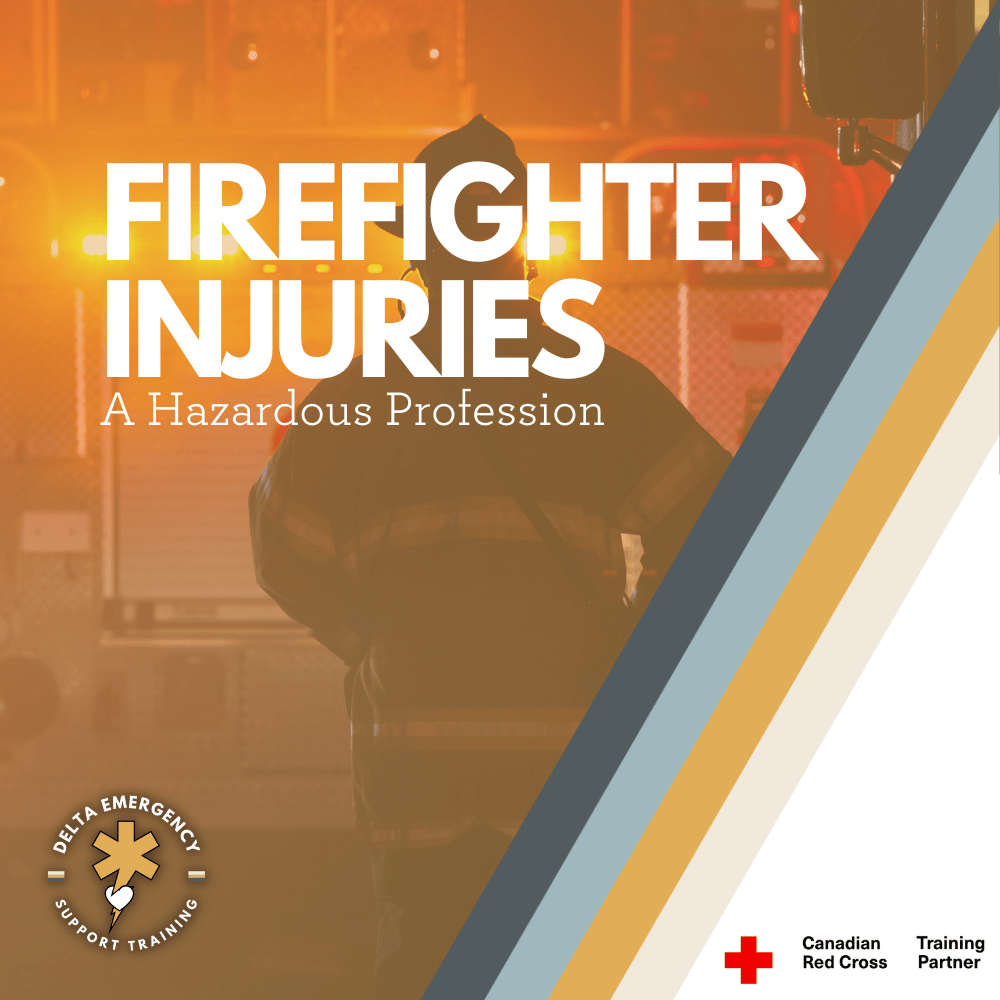
FIREFIGHTER silhouette AGAINST THE BREAK LIGHTS OF THE ENGINE

When we think of firefighters, we often conjure images of heroism, rushing into burning buildings to save lives and property. But behind the valor and the bravery lies a stark reality—firefighting is a hazardous profession. Beyond the flames and smoke, firefighters face a myriad of dangers that put their health and safety at risk every time they respond to a call. In this article, we'll delve into the most common injuries associated with being a firefighter, drawing insights from the National Fire Protection Association's (NFPA) annual statistics released in September 2021.

Sprains and Strains:

One of the most prevalent types of injuries among firefighters is sprains and strains. Picture the chaotic scene of a structure fire—the debris, the obstacles, the unpredictability. Firefighters, weighed down by heavy gear, often maneuver through treacherous environments where a wrong step or a sudden twist can lead to painful consequences. Sprains, which involve the tearing or stretching of ligaments, and strains, which affect muscles or tendons, are almost inevitable in such scenarios. From twisted ankles to strained backs, these injuries can range from mild discomfort to debilitating pain, hampering a firefighter's ability to perform their duties effectively.

Smoke Inhalation:

Inhaling smoke is an occupational hazard that firefighters encounter on a regular basis. Beyond the immediate discomfort of itchy eyes and a scratchy throat, smoke inhalation can have serious consequences. As fires rage, they release a toxic cocktail of particles and gases, including carbon monoxide, cyanide, and other harmful substances. These toxins can infiltrate a firefighter's lungs, causing respiratory distress, pulmonary damage, and in extreme cases, even death. The insidious nature of toxic smoke underscores the importance of proper respiratory protection and vigilant monitoring during firefighting operations.

Thermal Burns:

Perhaps the most visually apparent risk of firefighting is thermal burns. Exposed to extreme heat, firefighters are susceptible to burns of varying degrees, each with its own set of implications. First-degree burns may cause redness and pain, while third and fourth-degree burns penetrate deeper layers of skin, potentially leading to permanent tissue damage and requiring immediate medical attention. The severity of thermal burns underscores the critical need for firefighters to prioritize protective gear and adhere to established safety protocols to minimize exposure to heat and flames.

Cuts or Lacerations:

Navigating through smoke-filled environments littered with debris poses a significant risk of cuts and lacerations for firefighters. Sharp objects, jagged edges, and protruding obstacles can cause skin tears ranging from minor cuts to more severe lacerations. Puncture wounds, in particular, carry the added risk of infection, as foreign objects introduce harmful bacteria into the body. Additionally, avulsions—where skin is completely torn away from underlying tissue—represent a particularly severe form of injury that requires prompt medical intervention to prevent further complications.

In conclusion, firefighting is a demanding and perilous profession that exposes individuals to a multitude of hazards and injuries. From sprains and strains to smoke inhalation, thermal burns, and cuts, firefighters confront a range of risks in the line of duty. While these injuries are an inherent part of the job, proactive measures such as rigorous training, proper equipment maintenance, and adherence to safety protocols can mitigate their occurrence and ensure the health and well-being of those who bravely serve our communities. As we salute the courage and sacrifice of firefighters, let us also recognize the importance of prioritizing their safety and supporting initiatives aimed at minimizing the risks they face on a daily basis.

Read More
Firefighter, House Fire, Safety Kumari Malhotra Firefighter, House Fire, Safety Kumari Malhotra

Winter Flames: Fire Safety During the Holidays

As winter blankets our homes in warmth, it's crucial to understand the unique fire safety challenges this season brings. Our comprehensive guide, tailored for both first responders and families, covers everything from candle safety to wood stove maintenance. Embrace the holiday season with confidence, knowing you have the knowledge to keep your home cozy and secure. Read on for a winter filled with warmth, joy, and safety.
As winter approaches, the warmth of holiday celebrations often coincides with an increased risk of fire hazards. This comprehensive guide delves into specific winter dangers, equipping everyone with the knowledge to prevent potential risks during festive times.

1. Candles Safety

Winter often sees the cozy glow of candles, but their allure comes with potential dangers. For firefighters and civilians, a meticulous approach to candle safety is imperative:

Never leave candles unattended:

  • Stress the importance of creating a habit of extinguishing candles before leaving a room or going to bed.

  • Recommend the use of flameless LED candles, especially in environments where the risk is elevated.

Keep candles away from flammable items:

  • Emphasize the necessity of maintaining a significant distance between candles and potentially flammable materials like curtains or decorations.

  • Encourage the use of stable candle holders on non-combustible surfaces.

2. Wood Stove Fireplaces

Wood stoves add a rustic charm to winter nights, but their use requires careful attention. In-depth safety guidelines are crucial:

Regular maintenance:

  • Advocate for annual professional inspections of chimneys and wood stoves, highlighting the risks of creosote buildup.

  • Emphasize the safe disposal of ashes in metal containers, stored away from flammable materials.

Safe fueling practices:

  • Educate on the importance of using only seasoned wood to minimize creosote accumulation.

  • Reinforce the significance of not overloading the stove and strictly adhering to manufacturer guidelines for fuel capacity.

3. Twinkling Lights and Dry Trees

Decorative lights on dry Christmas trees can turn festivities into emergencies. A detailed look at safety measures is vital:

Choose the right lights:

  • Highlight the use of lights labeled for indoor Christmas tree use.

  • Encourage a meticulous pre-use inspection for frayed wires or damaged sockets.

Keep the tree hydrated:

  • Stress the importance of consistent tree watering to prevent it from drying out and becoming a fire hazard.

  • Advocate for prompt tree disposal after the holidays or when it shows signs of dryness.

4. Space Heater Safety

Space heaters provide warmth but require cautious use:

Proper Placement:

  • Emphasize keeping space heaters at least three feet away from flammable materials.

  • Educate on the importance of placing heaters on a level, flat surface.

Regular Maintenance:

  • Stress the need for regular inspection, cleaning, and maintenance of space heaters.

  • Encourage the use of newer models with safety features like tip-over switches.

5. Holiday Cooking Safety

Festive cooking can be a source of joy and potential hazards

Safe Kitchen Habits:

  • Stress the importance of never leaving cooking unattended, especially with open flames or hot surfaces.

  • Advocate for the use of timers and monitoring devices to prevent kitchen fires.

Appliance Safety:

  • Emphasize proper usage of kitchen appliances, especially stovetops and ovens.

  • Encourage regular inspection of cooking equipment for potential issues.

6. Other Winter Hazards

Electric heaters:

  • Reinforce maintaining a safe distance between heaters and flammable materials.

  • Emphasize the habit of turning off heaters when leaving the room or going to bed.

Generators:

  • Stress the necessity of placing generators outside and away from windows to prevent carbon monoxide poisoning.

  • Advocate for strict adherence to manufacturer guidelines for safe operation.

Conclusion:

This winter, the joint efforts of firefighters and civilians are paramount in ensuring a season filled with warmth, joy, and, above all, safety. By understanding the nuances of winter fire safety, we can collectively transform the holiday season into a celebration marked by security and peace of mind. Stay informed, stay vigilant, and make this winter a season to remember for all the right reasons. Wishing you a safe and joyous holiday season!

Read More
Oxygen, House Fire, Firefighter, Fire Saftey, Fire Gear Kumari Malhotra Oxygen, House Fire, Firefighter, Fire Saftey, Fire Gear Kumari Malhotra

The Crucial Role of SCBA in Firefighting: Navigating Hazards with Confidence

For those aspiring to become firefighters, understanding the crucial role played by SCBA, or Self-Contained Breathing Apparatus, is paramount. In hazardous environments, where smoke, toxic gases, and oxygen deficiency pose significant risks, SCBA serves as a lifeline. It provides a continuous supply of clean, filtered air, enabling firefighters to navigate these perilous conditions while prioritizing their safety.

In this blog post, we delve into the significance of SCBA in firefighting operations. We explore how SCBA empowers firefighters to operate effectively and confidently in hazardous environments. From toxic gases and hazardous chemicals to oxygen-deficient atmospheres and unknown airborne substances, we shed light on the potential hazards that demand the use of SCBA.

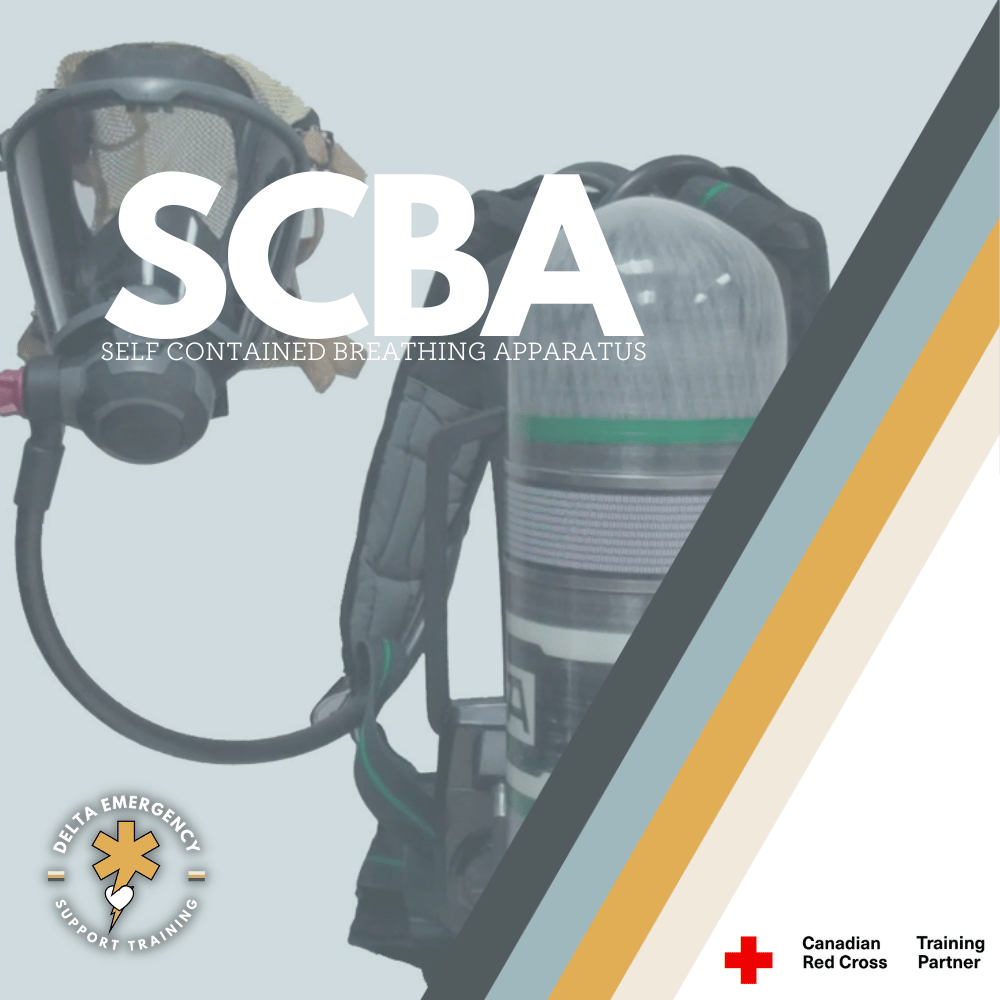
By recognizing the importance of SCBA and its essential components, such as the facepiece, breathing regulator, compressed air cylinder, harness, integrated communication systems, monitoring and alarm systems, and air supply hoses, aspiring firefighters gain a deeper understanding of this life-saving respiratory protection equipment.

Join us as we explore the critical role of SCBA in ensuring the safety and well-being of firefighters in the face of potential hazards. Discover how SCBA equips these brave professionals with the necessary tools to navigate hazardous environments and carry out their duties with confidence and effectiveness.

For those aspiring to become firefighters, it's essential to understand the crucial role played by SCBA, or Self-Contained Breathing Apparatus. In this blog post, we will explore the significance of SCBA in firefighting operations and how it empowers firefighters to navigate hazardous environments while prioritizing their safety.

a firefighter dressed in full protective gear, including a helmet, turnout gear, and an SCBA (Self-Contained Breathing Apparatus). They are standing on a rig platform in the middle of the ocean, prepared to enter a hazardous environment.

The Life-Saving Importance of SCBA

Respiratory Protection:

Firefighters face numerous risks, including smoke, toxic gases, and lack of oxygen in the line of duty. SCBA serves as a lifeline, providing firefighters with a continuous supply of clean, filtered air, protecting them from inhaling dangerous substances and ensuring their ability to breathe safely.

Extended Operational Time:

Firefighters often require extended periods inside hazardous environments to perform critical tasks. SCBA systems are equipped with high-capacity air cylinders, enabling firefighters to work for longer durations without interruption. This ensures they have sufficient air supply to carry out rescue operations and firefighting tasks effectively.

Enhanced Visibility:

SCBA facepieces are designed with wide viewing lenses to improve visibility in smoke-filled environments. This enables firefighters to navigate through low-visibility conditions with more clarity enabling them to identify potential hazards and locating victims more effectively.

Essential components of an SCBA system

Self-Contained Breathing Apparatus (SCBA) comprises several integral pieces that work together to provide firefighters and other professionals with reliable and life-saving respiratory protection in hazardous environments.

Face piece:

The facepiece is a critical component of the SCBA, serving as the interface between the user and the surrounding atmosphere. It is designed to create an airtight seal around the face, preventing the entry of harmful gases, smoke, or particulates. Facepieces are typically constructed from durable materials. In accordance with NFPA (National Fire Protection Association) regulation standards the face piece should withstand heat up to 500°F.

Breathing Regulator:

The breathing regulator regulates the flow of compressed air from the SCBA cylinder to the user. It ensures a consistent and controlled supply of breathable air, enabling smooth and effortless breathing. The regulator may include features like adjustable air flow rates and audible or visual alarms to notify the user of low air supply or other critical conditions.

Compressed Air Cylinder:

The compressed air cylinder is a high-pressure vessel that stores the air supply for the SCBA system. It is typically made from lightweight materials, such as carbon fiber or aluminum, to minimize the overall weight of the SCBA. The cylinder is refillable and can be replaced or refilled as needed. Different sizes of cylinders are available to accommodate varying durations of operation.

Harness and Straps:

The harness and straps secure the SCBA system to the user's body. They are designed to distribute the weight of the system evenly and provide a comfortable and secure fit. The harness usually consists of adjustable shoulder straps, waist belts, and chest straps, ensuring stability and preventing excessive movement during operation.

Integrated Communication Systems:

Many modern SCBA systems feature integrated communication systems. These systems allow firefighters to maintain constant communication with their team members, improving coordination, situational awareness, and operational efficiency. Integrated microphones, speakers, and radio interfaces enable effective communication while wearing the SCBA facepiece.

Monitoring and Alarm Systems:

SCBA units incorporate monitoring and alarm systems to provide critical information to the user. These systems may include visual displays, audible alarms, or vibrating alerts to indicate remaining air supply, battery life, and other important parameters. Real-time monitoring helps users stay informed about their equipment status and take appropriate actions as needed.

Air Supply Hoses:

Air supply hoses connect the facepiece to the breathing regulator, allowing the flow of air from the cylinder to the user's respiratory system. These hoses are designed to be flexible and durable, facilitating ease of movement and ensuring uninterrupted air supply during operation.

Each component of an SCBA system plays a crucial role in providing reliable and life-saving respiratory protection. The face piece, breathing regulator, compressed air cylinder, harness, integrated communication systems, monitoring and alarm systems, and air supply hoses work together seamlessly to ensure firefighters and other professionals can operate safely and effectively in hazardous environments. By understanding the functionality and importance of each component, users can maximize the benefits of SCBA technology and confidently face the challenges of their critical roles.

Hazardous Environments

In hazardous environments, various potential hazards, including different types of gases, necessitate the use of SCBA to ensure personal safety. Let's explore some of these hazards and understand why SCBA is essential in mitigating the risks associated with them.

Toxic Gases:

Toxic gases pose a significant threat in various industries, such as firefighting, chemical manufacturing, and industrial operations. Examples of toxic gases include carbon monoxide (CO), hydrogen sulfide (H2S), ammonia (NH3), chlorine (Cl2), and many others. These gases are highly dangerous when inhaled in high concentrations, as they can cause severe respiratory distress, loss of consciousness, and even death. SCBA provides a reliable supply of clean, filtered air, ensuring that individuals working in environments contaminated with toxic gases can breathe safely and carry out their tasks without compromising their health.

Hazardous Chemicals:

Industries dealing with hazardous chemicals, such as laboratories, refineries, and chemical processing plants, face the risk of exposure to harmful vapors, fumes, and airborne contaminants. Many chemicals used in these industries can have acute or chronic health effects when inhaled.

Oxygen-Deficient Atmospheres:

Certain work environments, such as confined spaces or areas with poor ventilation, can have oxygen-deficient atmospheres. Oxygen levels below the safe threshold of around 19.5% can lead to dizziness, loss of consciousness, and asphyxiation. In these situations, SCBA becomes essential to supply the wearer with an independent source of breathable air, allowing them to operate safely.

Unknown or Unidentified Gases:

In emergency response situations or hazardous material incidents, first responders and hazmat teams often encounter unknown or unidentified gases. SCBA is indispensable in these scenarios since it offers a level of protection against any potentially harmful airborne substances.

By understanding the critical role of SCBA and its importance in mitigating potential hazards, aspiring firefighters and professionals in various industries can appreciate the significance of this life-saving respiratory protection equipment. SCBA empowers individuals to navigate hazardous environments with confidence while prioritizing their safety and well-being. With SCBA as their lifeline, firefighters and professionals can face the challenges of their critical roles, protecting lives and property with the assurance of respiratory protection in the most demanding situations.

Read More

Fire Safety for Kids: Teach Your Children to Stay Safe

Protecting your family from the danger of fires is essential. In this blog, we’ll discuss how to teach your children about fire safety, including preventing fires and what to do in case of an emergency. We’ll also cover the importance of smoke detectors and fire extinguishers and how to get additional training from your local fire department.

As parents, one of our top priorities is to protect our children from harm. Whether we're at home or away, we want to ensure that our children are safe and secure at all times. One important aspect of keeping our children safe is teaching them about fire safety. By educating our children about fire safety, we can give them the skills they need to keep themselves safe in case of an emergency.

Family home with a porch ENGULFED in flames.

Fire safety is a topic that can be taught to children of all ages. Even young children can learn the basics of fire safety, such as not playing with matches or lighters and what to do in case of a fire. By teaching our children about fire safety, we can help them to be prepared in case of an emergency and give them the confidence they need to stay safe.

In this blog, we'll explore some essential fire safety tips that parents can teach their children. We'll cover topics such as preventing fires, what to do in case of a fire, and how to stay safe if caught in a fire. By following these tips, parents can ensure that their children are prepared to handle any fire-related situation that may arise, whether they are at home or away.

Fire Prevention

Fire prevention is an essential aspect of fire safety that parents can teach their children. By taking steps to prevent fires from starting, we can greatly reduce the risk of a fire occurring in our homes. Here are some tips on fire prevention that parents can teach their children:

  1. Keep flammable objects away from heat sources:

    Teach your children to keep flammable objects such as curtains, paper, and clothing away from heat sources such as stoves, fireplaces, and heaters.

  2. Avoid leaving cooking unattended:

    Cooking is a common cause of house fires, especially when food is left unattended on the stove or in the oven. Teach your children to never leave cooking food unattended, and to turn off the stove or oven when they're done cooking.

  3. Out of reach:

    Lighters and matches should be stored where children do not have access. Flammable liquids such as gasoline, lighter fluid, and paint thinner should be stored in a cool, dry place away from heat sources and also out of reach of children.

  4. Avoid overloading electrical outlets:

    Overloading electrical outlets can cause them to overheat and start a fire. Teach your children to never plug too many devices into one outlet, and to use extension cords safely.

  5. Use candles safely:

    Candles can be a cozy addition to any home, but they should be used with caution. Teach your children to never leave candles unattended, and to keep them away from flammable objects such as curtains and papers.

By teaching our children about fire prevention, we can greatly reduce the risk of a fire occurring in our homes.

Smoke Detectors and Fire Extinguishers

Smoke detectors and fire extinguishers are two essential tools in protecting your home and family from the dangers of a fire. Here are some reasons why they are so important:

  1. Early detection: Smoke detectors can detect the presence of smoke and fire early, giving you and your family time to evacuate the house before the fire spreads. Early detection can mean the difference between life and death.

  2. Alert others: Smoke detectors can alert other people in the house or nearby, who can also help evacuate the house or call for help.

  3. Fire suppression: Fire extinguishers can help suppress small fires before they become uncontrollable, potentially saving your home and belongings.

  4. Required by law: Smoke detectors and fire extinguishers are often required by law in many areas, and failure to comply with regulations can result in fines or penalties.

When installing smoke detectors in your home, it is important to place them in key areas, such as in or near bedrooms and on every level of the house. Regularly test and replace batteries to ensure that they are working properly. It is also important to have a fire escape plan and to practice it regularly with your family.

When it comes to fire extinguishers, make sure that you have the correct type for the type of fire that could occur in your home. For example, a kitchen fire may require a different type of extinguisher than a fire in the garage. It is also important to have the extinguisher in an easily accessible location and to know how to properly use it.

What to Do in Case of a Fire

Knowing what to do in case of a fire is crucial for ensuring the safety of yourself and your family. Here are some steps that parents can teach their children in case of a fire:

  1. Have a plan:

    Develop a fire escape plan with your family and practice it regularly. Make sure that everyone in the family knows the plan and the designated meeting spot outside.

  2. Check doors for heat:

    Before opening any doors during a fire, teach your children to check the door for heat with the back of their hand. If the door is hot, do not open it, as it could be a sign that there is a fire on the other side.

  3. Stay low and crawl to safety:

    In the event of a fire, smoke can quickly fill a room, making it difficult to see and breathe. Teach your children to stay low to the ground and crawl to the nearest exit. Covering your mouth and nose with a cloth can provide some protection from smoke. If you're trapped in a room, cover any gaps under the door with a blanket or towel to prevent smoke from entering. Open a window and wave a brightly colored cloth to signal for help.

  4. Exit the building immediately:

    If the fire is too large to put out, exit the building immediately and go to the designated meeting spot outside. Do not go back into the building for any reason.

  5. Call for help:

    Call the fire department or 911 to report the fire. Give them your address and a description of the fire, and wait for help to arrive. Do not go back in under any circumstances.

    Don't Wait Until It's Too Late

    Fire safety is an important topic for parents to discuss with their children. By taking steps to prevent fires, such as having smoke detectors and fire extinguishers, and teaching children what to do in case of a fire, families can help keep their homes and loved ones safe. Remember to have a family fire escape plan and practice it regularly. And for more in-depth training, consider contacting your local fire department for in-person training and resources. By working together, we can ensure that our families and communities are prepared in case of a fire emergency.

Read More