The Delta Dispatch
The Crucial Role of SCBA in Firefighting: Navigating Hazards with Confidence
For those aspiring to become firefighters, understanding the crucial role played by SCBA, or Self-Contained Breathing Apparatus, is paramount. In hazardous environments, where smoke, toxic gases, and oxygen deficiency pose significant risks, SCBA serves as a lifeline. It provides a continuous supply of clean, filtered air, enabling firefighters to navigate these perilous conditions while prioritizing their safety.
In this blog post, we delve into the significance of SCBA in firefighting operations. We explore how SCBA empowers firefighters to operate effectively and confidently in hazardous environments. From toxic gases and hazardous chemicals to oxygen-deficient atmospheres and unknown airborne substances, we shed light on the potential hazards that demand the use of SCBA.
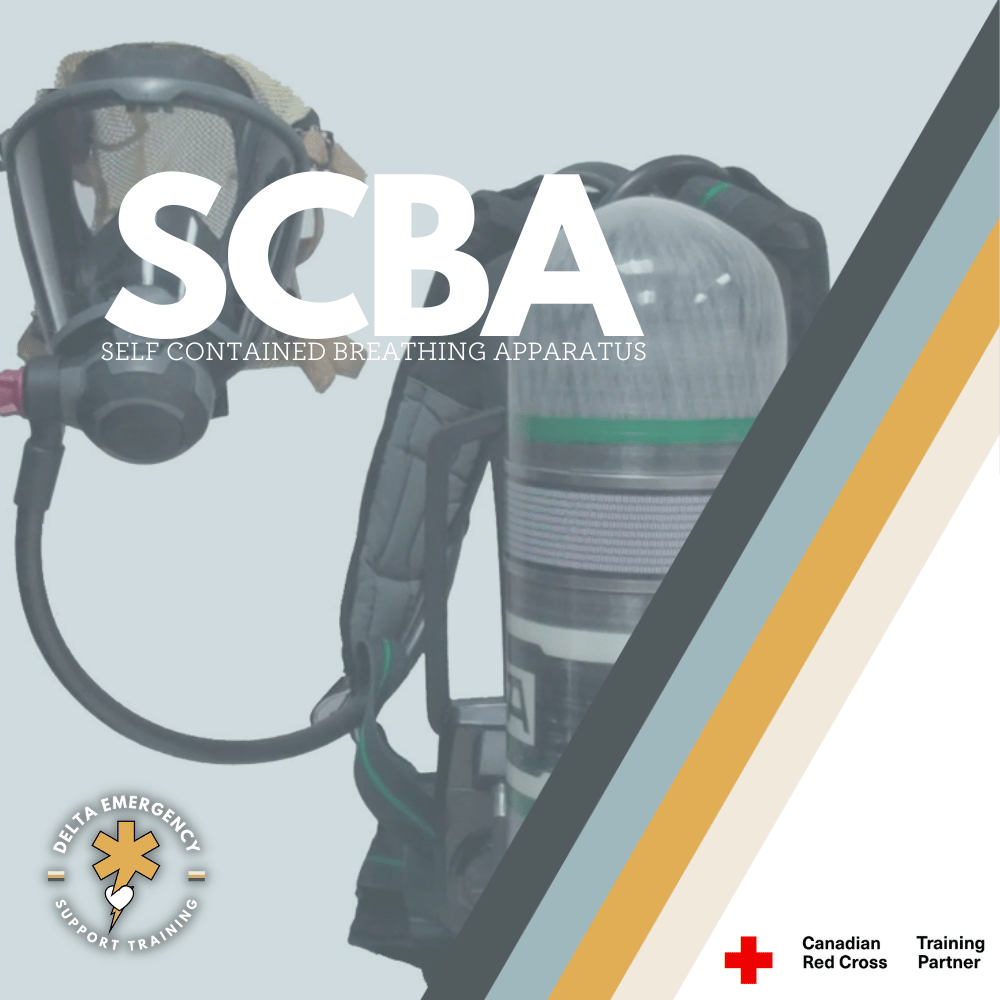
By recognizing the importance of SCBA and its essential components, such as the facepiece, breathing regulator, compressed air cylinder, harness, integrated communication systems, monitoring and alarm systems, and air supply hoses, aspiring firefighters gain a deeper understanding of this life-saving respiratory protection equipment.
Join us as we explore the critical role of SCBA in ensuring the safety and well-being of firefighters in the face of potential hazards. Discover how SCBA equips these brave professionals with the necessary tools to navigate hazardous environments and carry out their duties with confidence and effectiveness.
For those aspiring to become firefighters, it's essential to understand the crucial role played by SCBA, or Self-Contained Breathing Apparatus. In this blog post, we will explore the significance of SCBA in firefighting operations and how it empowers firefighters to navigate hazardous environments while prioritizing their safety.
a firefighter dressed in full protective gear, including a helmet, turnout gear, and an SCBA (Self-Contained Breathing Apparatus). They are standing on a rig platform in the middle of the ocean, prepared to enter a hazardous environment.
The Life-Saving Importance of SCBA
Respiratory Protection:
Firefighters face numerous risks, including smoke, toxic gases, and lack of oxygen in the line of duty. SCBA serves as a lifeline, providing firefighters with a continuous supply of clean, filtered air, protecting them from inhaling dangerous substances and ensuring their ability to breathe safely.
Extended Operational Time:
Firefighters often require extended periods inside hazardous environments to perform critical tasks. SCBA systems are equipped with high-capacity air cylinders, enabling firefighters to work for longer durations without interruption. This ensures they have sufficient air supply to carry out rescue operations and firefighting tasks effectively.
Enhanced Visibility:
SCBA facepieces are designed with wide viewing lenses to improve visibility in smoke-filled environments. This enables firefighters to navigate through low-visibility conditions with more clarity enabling them to identify potential hazards and locating victims more effectively.
Essential components of an SCBA system
Self-Contained Breathing Apparatus (SCBA) comprises several integral pieces that work together to provide firefighters and other professionals with reliable and life-saving respiratory protection in hazardous environments.
Face piece:
The facepiece is a critical component of the SCBA, serving as the interface between the user and the surrounding atmosphere. It is designed to create an airtight seal around the face, preventing the entry of harmful gases, smoke, or particulates. Facepieces are typically constructed from durable materials. In accordance with NFPA (National Fire Protection Association) regulation standards the face piece should withstand heat up to 500°F.
Breathing Regulator:
The breathing regulator regulates the flow of compressed air from the SCBA cylinder to the user. It ensures a consistent and controlled supply of breathable air, enabling smooth and effortless breathing. The regulator may include features like adjustable air flow rates and audible or visual alarms to notify the user of low air supply or other critical conditions.
Compressed Air Cylinder:
The compressed air cylinder is a high-pressure vessel that stores the air supply for the SCBA system. It is typically made from lightweight materials, such as carbon fiber or aluminum, to minimize the overall weight of the SCBA. The cylinder is refillable and can be replaced or refilled as needed. Different sizes of cylinders are available to accommodate varying durations of operation.
Harness and Straps:
The harness and straps secure the SCBA system to the user's body. They are designed to distribute the weight of the system evenly and provide a comfortable and secure fit. The harness usually consists of adjustable shoulder straps, waist belts, and chest straps, ensuring stability and preventing excessive movement during operation.
Integrated Communication Systems:
Many modern SCBA systems feature integrated communication systems. These systems allow firefighters to maintain constant communication with their team members, improving coordination, situational awareness, and operational efficiency. Integrated microphones, speakers, and radio interfaces enable effective communication while wearing the SCBA facepiece.
Monitoring and Alarm Systems:
SCBA units incorporate monitoring and alarm systems to provide critical information to the user. These systems may include visual displays, audible alarms, or vibrating alerts to indicate remaining air supply, battery life, and other important parameters. Real-time monitoring helps users stay informed about their equipment status and take appropriate actions as needed.
Air Supply Hoses:
Air supply hoses connect the facepiece to the breathing regulator, allowing the flow of air from the cylinder to the user's respiratory system. These hoses are designed to be flexible and durable, facilitating ease of movement and ensuring uninterrupted air supply during operation.
Each component of an SCBA system plays a crucial role in providing reliable and life-saving respiratory protection. The face piece, breathing regulator, compressed air cylinder, harness, integrated communication systems, monitoring and alarm systems, and air supply hoses work together seamlessly to ensure firefighters and other professionals can operate safely and effectively in hazardous environments. By understanding the functionality and importance of each component, users can maximize the benefits of SCBA technology and confidently face the challenges of their critical roles.
Hazardous Environments
In hazardous environments, various potential hazards, including different types of gases, necessitate the use of SCBA to ensure personal safety. Let's explore some of these hazards and understand why SCBA is essential in mitigating the risks associated with them.
Toxic Gases:
Toxic gases pose a significant threat in various industries, such as firefighting, chemical manufacturing, and industrial operations. Examples of toxic gases include carbon monoxide (CO), hydrogen sulfide (H2S), ammonia (NH3), chlorine (Cl2), and many others. These gases are highly dangerous when inhaled in high concentrations, as they can cause severe respiratory distress, loss of consciousness, and even death. SCBA provides a reliable supply of clean, filtered air, ensuring that individuals working in environments contaminated with toxic gases can breathe safely and carry out their tasks without compromising their health.
Hazardous Chemicals:
Industries dealing with hazardous chemicals, such as laboratories, refineries, and chemical processing plants, face the risk of exposure to harmful vapors, fumes, and airborne contaminants. Many chemicals used in these industries can have acute or chronic health effects when inhaled.
Oxygen-Deficient Atmospheres:
Certain work environments, such as confined spaces or areas with poor ventilation, can have oxygen-deficient atmospheres. Oxygen levels below the safe threshold of around 19.5% can lead to dizziness, loss of consciousness, and asphyxiation. In these situations, SCBA becomes essential to supply the wearer with an independent source of breathable air, allowing them to operate safely.
Unknown or Unidentified Gases:
In emergency response situations or hazardous material incidents, first responders and hazmat teams often encounter unknown or unidentified gases. SCBA is indispensable in these scenarios since it offers a level of protection against any potentially harmful airborne substances.
By understanding the critical role of SCBA and its importance in mitigating potential hazards, aspiring firefighters and professionals in various industries can appreciate the significance of this life-saving respiratory protection equipment. SCBA empowers individuals to navigate hazardous environments with confidence while prioritizing their safety and well-being. With SCBA as their lifeline, firefighters and professionals can face the challenges of their critical roles, protecting lives and property with the assurance of respiratory protection in the most demanding situations.
Alberta Wildfires: Evacuation Preparedness Guide
With the unprecedented hot and dry weather, high winds, and the prevalence of wildfires in Alberta, being prepared for fire evacuations is crucial. This blog provides valuable information on understanding the current extreme weather conditions, mitigating fire hazards, staying informed with the Alberta Wildfire app, and assembling an evacuation bag with essential items. Familiarize yourself with fire-prone areas, adopt fire-smart practices, and know the importance of emergency notifications and evacuation routes. Let's stay informed, prepared, and grateful for the dedicated firefighters working tirelessly to keep us safe.
Summer brings excitement and outdoor activities, but it also brings an increased risk of wildfires. With the unprecedented hot, dry weather, high winds, and the prevalence of wildfires in the region, being prepared for fire evacuations is crucial.
In this blog, we will explore fire evacuation preparedness, focusing on weather conditions, safe summer practices, staying informed, and essential items to include in your evacuation bag.
a summer day with a raging wildfire in the background. Thick plumes of smoke fill the air. The flames can be seen engulfing trees and vegetation, emitting a fiery glow. The image portrays the destructive power and danger associated with wildfires.
Understanding Alberta's Wildfire Risks
Extreme Weather Conditions
Alberta experiences hot and dry weather during the summer months, creating a conducive environment for wildfires to ignite and spread quickly. The combination of high temperatures and low humidity dries out vegetation, turning it into fuel for fires. This dry fuel allows wildfires to burn more intensely and cover larger areas.
Impact of Recent Excessive High Winds:
The recent excessive high winds have exacerbated the wildfires throughout western Alberta, contributing to their growth and rapid spread. Strong winds can significantly impact fire behaviour in several ways.
Increased Fire Spread: High winds can push flames forward, causing the fire front to advance rapidly. The strong gusts carry burning embers and ignite new spot fires ahead of the main fire, making containment efforts more challenging.
Spotting and Fire Jumping: The powerful winds can carry burning embers over long distances, sometimes miles away from the main fire. These embers can ignite new fires when they land on dry vegetation or flammable structures, leading to the rapid expansion of the fire perimeter.
Fire Direction Changes: Winds can shift the direction in which a fire is moving, making it difficult to predict and control the fire's path. This unpredictability poses significant challenges for firefighters and emergency responders.
Increased Fire Intensity: Strong winds provide a continuous supply of oxygen to the fire, enhancing its intensity. This intensified burning can result in faster rates of spread, increased flame height, and more challenging firefighting conditions.
Fire-Prone Areas
Familiarize yourself with areas in Alberta that are prone to wildfires and take extra precautions if you live or vacation in these regions. Wildfire-prone areas can include:
Forested Regions:
Alberta has vast forests, including boreal forests and mountainous regions, which are more susceptible to wildfires. These areas often have abundant vegetation and dry undergrowth, making them more prone to ignition and rapid fire spread.
Grasslands and Prairie Regions:
Alberta is also home to expansive grasslands and prairie regions, which can be susceptible to wildfires, especially during dry periods. The dry grasses and shrubs provide ample fuel for fires to ignite and spread quickly across these open landscapes.
Interface Areas:
Interface areas refer to regions where human settlements meet natural wildlands, such as residential areas close to forests or grasslands. These areas are at a higher risk as wildfires can directly threaten homes, structures, and communities.
Mitigating Fire Hazards
Mitigating fire hazards is crucial in preventing wildfires and ensuring the safety of communities and natural environments. Here are some important practices to follow.
Fire-Smart Practices
It is essential to adopt fire-smart practices in your daily life.
Properly Extinguishing Cigarettes:
Ensure that cigarettes are completely extinguished in designated ashtrays or containers. Avoid discarding them in dry vegetation or areas where they can easily ignite.
Avoiding Open Burning:
Respect local fire regulations and avoid open burning, especially during dry and windy conditions. Dispose of waste materials appropriately and consider alternative methods for waste management, such as recycling or composting.
Using Fireworks Responsibly:
If fireworks are permitted in your area, use them only in designated areas and follow all safety guidelines. Avoid launching fireworks near dry grasses or wooded areas, and always have a water source nearby to extinguish them properly.
Campfire Safety:
When allowed to have campfires in designated areas, it is crucial to prioritize safety. Maintain small and contained campfires using designated fire rings or pits, avoiding dry or flammable surfaces. Always fully extinguish the campfire before leaving the site or going to bed. Drown the fire with water, stir the ashes, and repeat until no hot embers remain. Monitoring the campfire and never leaving it unattended is essential.
Equipment Safety:
When using machinery and tools outdoors avoid sparks, be mindful of activities that could generate sparks, especially in dry vegetation. Refrain from using equipment during peak heat and windy hours, as this increases the risk of fire ignition. If possible, schedule outdoor tasks during cooler and less windy periods.
Staying Informed and Prepared
When it comes to wildfires or any emergency situation, staying informed helps ensure your safety and well-being. Timely and accurate information allows you to make informed decisions, take necessary precautions, and respond appropriately to changing conditions.
Alberta Wildfire App
Download the Alberta Wildfire app or visit the Alberta Wildfire website to stay updated on current wildfire conditions, evacuation orders, and road closures.
Emergency Notifications
Sign up for emergency alert systems in your area to receive timely evacuation notices and critical updates.
Emergency Evacuation Routes
Familiarize yourself with the evacuation routes in your vicinity and have alternative routes in mind. Stay informed about road conditions and closures.
Building an Evacuation Bag
Important Documents:
Keep identification papers, passports, insurance documents, and medical records in a waterproof container or digitally stored for quick access.
Emergency Supplies:
Pack a three-day supply of non-perishable food, water, medications, first aid supplies, and personal hygiene items. Include a battery-operated radio, flashlight, extra batteries, and a portable phone charger.
Clothing and Comfort:
Pack extra clothing, sturdy footwear, blankets, and comfort items to help endure potential extended stays in evacuation centers.
Firefighter Appreciation
We extend our heartfelt gratitude and appreciation to all the wildland, urban and rural firefighters who tirelessly work to keep us safe. Their unwavering commitment, courage, and expertise are instrumental in combating wildfires and protecting our communities and natural landscapes. These brave men and women put their lives on the line, facing extreme heat, challenging terrain, and unpredictable conditions to contain and extinguish fires. Their selfless dedication and teamwork inspire us all.
By following fire-smart guidelines, staying informed, and taking necessary precautions, we can contribute to wildfire prevention and support the efforts of our firefighters.
Let us also recognize the invaluable support systems, including incident management teams, support personnel, and volunteers, who work behind the scenes to ensure the effectiveness and safety of firefighting operations. Their collective efforts and coordination contribute to the successful containment and suppression of wildfires. Together, we can prevent and mitigate the impact of wildfires and express our sincere appreciation.

