The Delta Dispatch
When the Air Turns Hazardous: Protecting Families During Canada’s 2025 Wildfire Smoke Crisis
Canada’s 2025 wildfire season has brought hazardous air—and with it, serious health risks. This guide equips families and caregivers with practical advice: from setting up a clean room and using N95 masks to monitoring air quality and recognizing smoke-induced illness.
Wildfire season in Canada has been worsened by heat, dry conditions, and climate change—with over 1,985 active firesburning nearly 3.9 million hectares as of June 16, 2025. The result? Widespread "very unhealthy" to "hazardous" air across provinces and even beyond—affecting children, people with respiratory conditions, seniors, and other vulnerable groups.
Understanding Canada’s Air Quality Health Index (AQHI)
In Canada, we don’t use the U.S.-style AQI. Instead, we use the Air Quality Health Index (AQHI) to tell us how the air we breathe affects our health on a scale from 1 to 10+, with higher numbers indicating greater health risks.
How the AQHI Works
AQHI ValueHealth RiskAt-Risk PopulationGeneral Population1–3LowIdeal conditions for outdoor activities.Ideal conditions for outdoor activities.4–6ModerateConsider reducing or rescheduling strenuous activities outdoors.No need to modify usual activities unless symptoms occur.7–10HighReduce or avoid strenuous activities outdoors.Consider reducing strenuous outdoor activity.10+Very HighAvoid all physical outdoor activity. Stay indoors.Reduce or reschedule strenuous outdoor activity.
At-Risk Populations include:
Children and infants
Seniors
People with asthma, heart conditions, or other chronic illnesses
Pregnant individuals
🌫️ What Does This Mean for Families?
1–3 (Low): Great time for park visits, walks, or outdoor play.
4–6 (Moderate): Children and people with asthma should limit high-energy outdoor activities.
7–10 (High): Everyone—especially vulnerable groups—should stay indoors and use air filtration.
10+ (Very High): Outdoor exposure can cause serious health effects. Stay inside, seal your home, and consider relocating temporarily if the smoke persists.
📲 Where to Check AQHI
Stay informed using trusted Canadian sources:
🔗 Environment Canada – AQHI Main Page
🔗 AQHI by Province (select your region)
Mobile Apps: WeatherCAN, AQHI Canada, or your local weather app
🌫️ Why Wildfire Smoke is Dangerous
Fine Particulate Matter (PM2.5):
These tiny particles penetrate deep into the lungs and bloodstream.
In 2025, several areas recorded PM2.5 levels over 150 µg/m³—more than 6x the WHO's safe 24-hour limit.
US studies confirm that smoke PM2.5 from wildfires can be up to 10x more harmful than typical pollution.
Health Effects:
Exposure can cause:Immediate symptoms: coughing, wheezing, eye irritation, chest tightness.
Aggravation of asthma, COPD, bronchitis, and heart disease.
Long-term risks: strokes, heart attacks, developmental issues in children, pregnancy complications.
Canada’s Sharp Increase:
In Prairie provinces, air quality reached “Unhealthy to Very Unhealthy” levels in early.
Cities like Toronto, Ottawa, and Montreal had some of the worst AQIs globally during June 5–6.
👶 Who’s Most at Risk?
Infants and young children with developing lungs.
Seniors, particularly those with cardiovascular/respiratory conditions.
Individuals with asthma, COPD, heart disease, or compromised immunity.
Pregnant women - smoke exposure has been linked to preterm births.
Those in low-income or remote communities with limited access to clean air resources.
🛡️ How to Protect Your Family
1. Stay Inside & Seal Your Home
Keep doors and windows closed; run HVAC on recirculation.
Create a DIY clean room by sealing off one area and running a HEPA filter air purifier.
2. Limit Outdoor Exposure
Avoid strenuous outdoor activity.
For necessary outdoor time, wear a properly fitted N95 mask—cloth masks don't protect against PM2.5
3. Monitor Air Quality
Use apps or websites like FireSmoke.ca, AirNow, or AQI.in.
Follow local advisories—on very poor days, avoid outdoor time completely
4. Stay Hydrated & Medically Prepared
Children and older adults should drink water regularly.
Keep inhalers, medications, and emergency contacts handy.
5. Safe Indoor Air Strategies
Continue using air purifiers, keep HVAC maintenance current, and avoid indoor activities that pollute air (like smoking or burning candles).
6. Know the Signs of Smoke-Related Illness
Be alert for:
Persistent coughing, wheezing, shortness of breath
Chest pain, dizziness, fatigue
Severe symptoms like bluish lips, confusion, or altered consciousness – seek medical help immediately.
7. When to Seek Help
Call emergency services if someone experiences:
Trouble breathing or chest pain
Severe allergic reactions (e.g. from ash or irritants)
Symptoms of stroke or heart attack
✅ Bonus Tips for Parents & Caregivers
Plan indoor activities: crafts, reading, games on high-risk days.
Reduce exposure to dust and pollen indoors—vacuum with HEPA filters.
If possible, relocate temporarily to cleaner-air areas.
Educate older children about the importance of masks and staying indoors.
Final Takeaway
The 2025 wildfire season has shown us air quality can deteriorate rapidly—even hundreds of kilometers away from the flames. For vulnerable families, proactive planning saves lives.
By staying informed and implementing air protection measures, you can shield your loved ones from the hidden threat of wildfire smoke.
From First Aid to Fireline: Your Path to Wildland Deployment
Canada’s wildfire seasons are getting more intense—so is the demand for skilled wildland firefighters. Learn what the job involves, the certifications you need (like S-100, S-185, and EMR), and how Delta Emergency Support Training helps future responders build a solid foundation in Red Cross-certified Advanced First Aid and Emergency Medical Responder programs.
Into the Flames: Exploring Wildland Firefighting in Canada
Wildland firefighter clearing brush
Canada’s Increasing Need for Wildland Firefighters
With fire seasons growing longer and more intense across Canada, wildland firefighters are more essential than ever. From British Columbia’s dry interior to the boreal forests of Alberta and Northern Ontario, fire crews are called on every summer to battle large, unpredictable blazes that threaten ecosystems, homes, and entire communities.
If you're working toward becoming a first responder, Emergency Medical Responder (EMR), or firefighter, wildland firefighting can be a powerful way to gain experience, build resilience, and serve when it matters most.
What Is Wildland Firefighting?
Wildland firefighting involves controlling and suppressing fires that occur in natural areas—forests, grasslands, or remote terrain. In contrast to urban or structural firefighting, wildland firefighters operate in rugged, undeveloped areas, often far from roads, with limited access to resources.
You might be:
Building fire guards (hand-dug trenches to stop fire spread)
Conducting controlled burns
Monitoring hot spots for reignition
Assisting with helicopter bucket drops or pump setups
Supporting evacuations of nearby communities
Canadian Training and Requirements
If you're interested in working as a wildland firefighter in Canada, here are the typical requirements:
✅ Required Certifications:
S-100: Basic Fire Suppression and Safety
S-185: Fire Entrapment Avoidance
ICS-100: Introduction to Incident Command System
Standard First Aid, Advanced First Aid, or EMR (depending on the role)
🏋️ Fitness Testing:
Many agencies require a physical fitness test (like the WFX-FIT), which includes:
Carrying a 25 kg pump
Hose pack hikes
Grip strength and balance challenges
🧰 Additional Skills That Help:
Chainsaw safety certification
WHMIS (Workplace Hazardous Materials)
Radio communication skills
Class 4 or air brake license (for driving fire vehicles)
In Canada, wildland firefighters are employed by:
Provincial agencies (e.g., BC Wildfire Service, Alberta Wildfire, Ontario Ministry of Natural Resources and Forestry)
Private contractors
Federal emergency response teams
Why EMR and AFA Matter on the Fireline
Medical incidents on wildfire deployments are more common than many expect. Team members may face:
Heat exhaustion or heat stroke
Dehydration or altitude sickness
Burns or smoke inhalation
Trauma from slips, trips, or falling debris
Insect stings or allergic reactions
Having a certified Emergency Medical Responder or someone with Advanced First Aid training on a crew means faster, more effective care until paramedics or air support can arrive. It's also a valuable asset that can make your application stand out.
What Deployment Is Really Like
Canadian wildland fire deployments can last days or even weeks, especially during peak season (June to August). Expect:
Camp life (tents, cots, and basic food services)
12+ hour shifts
Variable weather (extreme heat, rain, or smoke)
Team living — camaraderie and close-knit bonds are key
The work is physically tough, but the environment is incredibly rewarding—many describe it as life-changing.
What to Pack on a Deployment
Most agencies provide essential PPE (boots, helmet, Nomex gear), but your go-bag should include:
High-energy snacks
Extra socks
Lightweight sleeping gear
Rehydration tablets or electrolytes
Small first aid kit
Bug spray and sunscreen
Mental Resilience Is Key
The mental strain of extended deployments, long shifts, and witnessing environmental damage can take its toll. Fireline crews rely heavily on:
Peer support
Strong leadership
Daily briefings and debriefings
Mental health resources when needed
How to Get Started in Canada
Take an Advanced First Aid or EMR course to meet hiring and deployment requirements.
Get your S-100 and S-185 certifications (typically offered through wildfire agencies or training providers).
Train physically for endurance, balance, and strength.
Apply to provincial wildfire services or contractors in early spring (applications often open between January and March).
Why Wildland Firefighting Is a Great Step Toward a Fire Service Career
Many municipal firefighters start with wildland contracts. It helps build:
Teamwork under pressure
Medical and safety experience
Exposure to command structures (ICS)
Mental and physical readiness for emergency work
🔥 Train With Delta Emergency Support Training
At Delta Emergency Support Training, we support future wildland firefighters with Red Cross-certified Advanced First Aid and EMR training—delivered by real paramedics and firefighters who know what the job demands. If you’re serious about joining the fire service, we’ll help you start strong and stay prepared.
Ready to begin your career on the front lines of Canada’s wildfires? Join Team Delta and let’s get started.
Navigating the Depths of Firefighter Bunker Gear: Care and NFPA Standards
Embark on a NFPA-guided journey into the world of firefighter bunker gear maintenance. In Part 1, we lay the foundation, offering insights into crucial elements such as record-keeping, selection, routine and advanced inspections, exposure reduction, and advanced cleaning. Discover strategies to minimize exposure to contaminants during operations and delve into advanced cleaning techniques vital for preserving the protective qualities of this second skin. Join us as we unveil the shield, safeguarding the heroes who selflessly protect our communities.
Unveiling Firefighter Bunker Gear
A Comprehensive NFPA-Compliant Maintenance Guide (Part 1)
Firefighter in bunker gear
Welcome to the frontline of firefighting, where heroes don their second skin—firefighter bunker gear. This guide, inspired by the National Fire Protection Association (NFPA) standards, is your go-to resource for understanding, selecting, and maintaining gear that protects those who rush towards danger. Part 1 explores critical aspects, from meticulous record-keeping to routine inspections.
NFPA Standards, Records, and Selection
In 1896, the NFPA set the gold standard for firefighter safety. Part 1 emphasizes the vital role of NFPA standards in shaping the comprehensive documentation required for bunker gear. Records cover issuance, manufacturer details, inspections, cleanings, repairs, and retirement methods. Simultaneously, we delve into selecting the right bunker gear, emphasizing sizing, material specifications, and adherence to NFPA standards.
Routine and Advanced Inspections
Routine inspections form the frontline defense against potential gear failures. This chapter outlines procedures for regular check-ups, addressing wear, tear, and loose components. Building on routine inspections, we explore advanced inspection techniques, involving in-depth evaluations and specialized equipment. Knowing when and how to conduct these assessments is crucial for maintaining the highest level of safety for firefighters.
Minimizing Exposure to Contaminants: Strategies for Firefighters
Firefighters operate in dynamic and hazardous environments, exposing them to various contaminants that can pose serious health risks. To mitigate these risks, strategies for minimizing exposure are crucial. This involves both preliminary measures taken at the scene and advanced cleaning methods to ensure that bunker gear maintains its protective qualities.
Preliminary Exposure Reduction
Decontamination Zones
Establishing designated decontamination zones at incident scenes is essential. Firefighters can use these zones to remove contaminants from their gear before leaving the scene, preventing the spread of hazardous materials.
Quick Removal of Gear
Promptly removing contaminated gear is vital. Firefighters are trained to efficiently disrobe in a systematic manner to minimize contact with potentially harmful substances.
Wet Decontamination
Using water or wet wipes for immediate decontamination can be effective. This preliminary step helps remove surface contaminants before they can be absorbed into the gear or transferred elsewhere.
Disposable Covers
Using disposable covers for helmets, gloves, and boots provides an additional layer of protection. These covers can be discarded after each use, preventing cross-contamination.
Advanced Cleaning Methods
Advanced Decontamination Procedures
Specialized cleaning procedures are employed to address contaminants that may compromise the integrity of bunker gear. This involves thorough cleaning of gear using specific cleaning agents and techniques.
Industrial Washing Machines
Bunker gear is often subjected to industrial washing machines designed to handle the specific materials used in its construction. These machines use detergents and high water pressure to remove contaminants effectively.
Routine Inspection During Cleaning
Cleaning sessions are not just for removing visible contaminants; they are also opportunities for routine inspections. Firefighters or gear maintenance personnel should inspect the gear for any damage or wear during the cleaning process.
Drying Procedures
Proper drying is critical to preventing the growth of mold and maintaining the gear's effectiveness. Drying rooms with controlled humidity and temperature are often used to ensure that the gear is thoroughly dried without compromising its structural integrity.
Regular Training
Firefighters receive ongoing training on the latest decontamination and cleaning protocols. Staying informed about best practices is essential for maintaining the effectiveness of the cleaning process.
Conclusion
Join us on this NFPA-guided journey as we delve into the intricacies of firefighter bunker gear maintenance. Part 1 establishes the foundation, offering insights into crucial elements like record-keeping, selection, routine and advanced inspections, preliminary exposure reduction, and advanced cleaning. In Part 2, we will delve even deeper, exploring the specifics of each gear component—helmets, coats, pants, gloves, and boots—unveiling their unique roles and importance. Together, let's ensure the shield remains unyielding, safeguarding those brave individuals who stand between danger and the communities they serve.
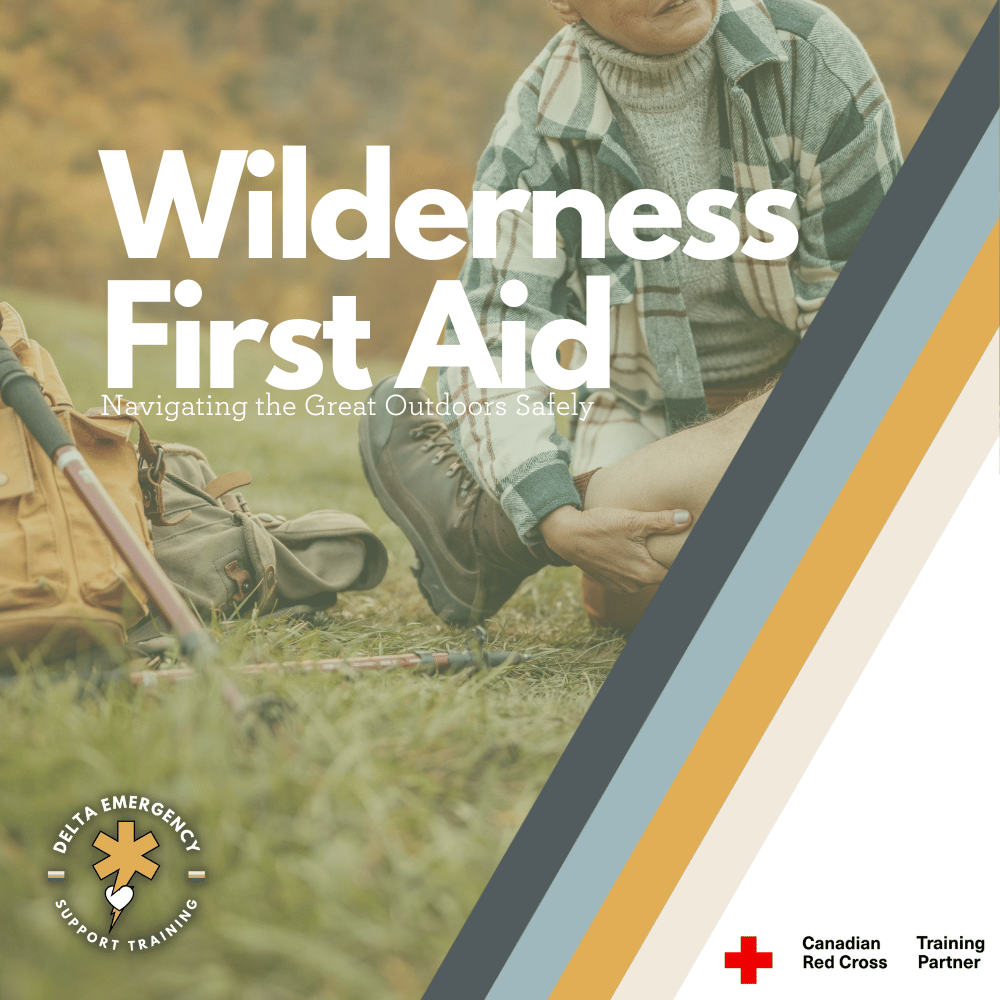
Wilderness First Aid: Navigating the Great Outdoors Safely
When the call of the wild beckons, adventurers set forth to explore the breathtaking landscapes and untamed terrains of the great outdoors. But amidst the beauty lies the unpredictability of nature, where accidents and emergencies can occur. This is where wilderness first aid becomes a beacon of preparedness and care, offering the essential skills to ensure the safety and wellbeing of both adventurers and companions. In this article, we delve into the core principles of wilderness first aid, emphasizing the critical importance of keeping patients warm, dry, and stable while awaiting professional medical assistance. Additionally, we explore the undeniable necessity of proper training before embarking on any backcountry adventure. Embark on a journey to discover how wilderness first aid knowledge can be your ultimate companion in the heart of the wilderness.
The great outdoors, with its untouched landscapes and captivating beauty, beckons adventurers to explore its depths. Yet, amidst the allure of the wild, lies the potential for unexpected challenges. Nature's serenity can swiftly transform into a daunting arena where survival skills become paramount. Wilderness first aid, a skill set that merges compassion with preparedness, acts as a guiding light when venturing into the remote corners of the world.
Understanding Wilderness First Aid
Wilderness first aid is more than just a set of techniques; it's a lifeline in situations where immediate access to professional medical care is a distant promise. This specialized knowledge empowers you to provide effective medical assistance in the absence of conventional facilities. The wild, with its unpredictable terrain and distance from help, underscores the significance of being proficient in wilderness first aid.
Key Principles of Wilderness First Aid
Assessment and Prioritization:
Nature's beauty often hides potential dangers. The first step in wilderness first aid is to calmly and methodically assess the situation, considering hazards and prioritizing care based on the severity of injuries. This approach ensures that resources are allocated where they are most needed.
Stabilization:
The wilderness amplifies the impact of injuries. Stabilizing the patient's condition is crucial to prevent it from worsening until professional help arrives. Techniques such as immobilizing fractures, controlling bleeding, and managing shock are vital tools in your arsenal.
Communication:
In the wild, communication can mean the difference between life and death. Carrying communication devices such as satellite phones or personal locator beacons ensures that you can summon help when faced with emergencies.
Resourcefulness:
The absence of medical supplies demands creativity. Wilderness first aid requires the ability to fashion splints from branches, create makeshift bandages from clothing, and construct shelters from natural materials, proving your resourcefulness in challenging situations.
Hygiene and Infection Control:
Preventing infection is crucial when medical facilities are distant. Mastering wound cleaning, dressing techniques, and maintaining hygiene standards are essential to avert complications.
Environmental Considerations:
The wild introduces unique environmental factors that impact health. Understanding how temperature, altitude, and other elements affect the body empowers you to take preventative measures against conditions such as hypothermia and altitude sickness.
Essential Wilderness First Aid Skills
Basic First Aid:
The foundation of wilderness first aid rests on basic first aid skills. Knowledge of CPR, wound care, and managing burns, bites, and stings forms the cornerstone of effective wilderness care.
Fracture and Sprain Management:
The remoteness of the wilderness magnifies the importance of fracture and sprain management. Creating splints from available resources and minimizing movement to prevent further damage are critical skills.
Bleeding Control:
Swift and effective bleeding control is imperative in the wilderness. Techniques like direct pressure, elevation, and pressure points are essential tools to combat severe bleeding.
Anaphylaxis and Allergic Reactions:
The wild is teeming with potential allergens. Recognizing and responding to severe allergic reactions, including administering epinephrine, can be life-saving.
Hypothermia and Hyperthermia Management: Extreme temperatures pose significant risks. Learning to manage hypothermia through warmth and shelter and addressing hyperthermia by staying hydrated and seeking shade are vital skills.
Waterborne Illnesses:
Clean water sources are invaluable. Acquiring knowledge of water purification methods and remaining vigilant against waterborne illnesses is essential for preventing dehydration and infections.
Importance of Proper Care Until Help Arrives
In the wilderness, every minute counts. Keeping the patient in the best possible condition until professional help arrives is a cornerstone of wilderness first aid. This involves:
Stabilizing Injuries:
Immobilize fractures and minimize movement to prevent further harm.
Maintaining Warmth:
Insulate the patient from the ground to prevent hypothermia. Cover them with blankets or clothing and create a sheltered environment to shield against the elements.
Hydration and Nutrition:
If possible, provide water and basic sustenance to keep the patient's energy levels stable.
Reassurance:
Emotional support is as vital as physical care. Calmly communicate with the patient to reduce anxiety and stress.
The Need for Proper Training
Venturing into the backcountry without proper wilderness first aid training is akin to embarking on a journey without a map. The complexities of outdoor environments demand a comprehensive understanding of medical care in remote settings. Training courses, offered by certified organizations, equip you with the skills to handle emergencies effectively, ensuring that you can provide the best possible care until professional help arrives.
Conclusion
As you tread the untamed paths of the wilderness, remember that adventure goes hand in hand with responsibility. Wilderness first aid isn't just about administering medical care; it's a testament to your commitment to both the thrill of exploration and the well-being of yourself and others. Mastering wilderness first aid is not just a skill; it's a way of life – a life that embraces the call of the wild while ensuring that safety and preparedness stand as the bedrock of your outdoor endeavors.
Alberta Wildfires: Evacuation Preparedness Guide
With the unprecedented hot and dry weather, high winds, and the prevalence of wildfires in Alberta, being prepared for fire evacuations is crucial. This blog provides valuable information on understanding the current extreme weather conditions, mitigating fire hazards, staying informed with the Alberta Wildfire app, and assembling an evacuation bag with essential items. Familiarize yourself with fire-prone areas, adopt fire-smart practices, and know the importance of emergency notifications and evacuation routes. Let's stay informed, prepared, and grateful for the dedicated firefighters working tirelessly to keep us safe.
Summer brings excitement and outdoor activities, but it also brings an increased risk of wildfires. With the unprecedented hot, dry weather, high winds, and the prevalence of wildfires in the region, being prepared for fire evacuations is crucial.
In this blog, we will explore fire evacuation preparedness, focusing on weather conditions, safe summer practices, staying informed, and essential items to include in your evacuation bag.
a summer day with a raging wildfire in the background. Thick plumes of smoke fill the air. The flames can be seen engulfing trees and vegetation, emitting a fiery glow. The image portrays the destructive power and danger associated with wildfires.
Understanding Alberta's Wildfire Risks
Extreme Weather Conditions
Alberta experiences hot and dry weather during the summer months, creating a conducive environment for wildfires to ignite and spread quickly. The combination of high temperatures and low humidity dries out vegetation, turning it into fuel for fires. This dry fuel allows wildfires to burn more intensely and cover larger areas.
Impact of Recent Excessive High Winds:
The recent excessive high winds have exacerbated the wildfires throughout western Alberta, contributing to their growth and rapid spread. Strong winds can significantly impact fire behaviour in several ways.
Increased Fire Spread: High winds can push flames forward, causing the fire front to advance rapidly. The strong gusts carry burning embers and ignite new spot fires ahead of the main fire, making containment efforts more challenging.
Spotting and Fire Jumping: The powerful winds can carry burning embers over long distances, sometimes miles away from the main fire. These embers can ignite new fires when they land on dry vegetation or flammable structures, leading to the rapid expansion of the fire perimeter.
Fire Direction Changes: Winds can shift the direction in which a fire is moving, making it difficult to predict and control the fire's path. This unpredictability poses significant challenges for firefighters and emergency responders.
Increased Fire Intensity: Strong winds provide a continuous supply of oxygen to the fire, enhancing its intensity. This intensified burning can result in faster rates of spread, increased flame height, and more challenging firefighting conditions.
Fire-Prone Areas
Familiarize yourself with areas in Alberta that are prone to wildfires and take extra precautions if you live or vacation in these regions. Wildfire-prone areas can include:
Forested Regions:
Alberta has vast forests, including boreal forests and mountainous regions, which are more susceptible to wildfires. These areas often have abundant vegetation and dry undergrowth, making them more prone to ignition and rapid fire spread.
Grasslands and Prairie Regions:
Alberta is also home to expansive grasslands and prairie regions, which can be susceptible to wildfires, especially during dry periods. The dry grasses and shrubs provide ample fuel for fires to ignite and spread quickly across these open landscapes.
Interface Areas:
Interface areas refer to regions where human settlements meet natural wildlands, such as residential areas close to forests or grasslands. These areas are at a higher risk as wildfires can directly threaten homes, structures, and communities.
Mitigating Fire Hazards
Mitigating fire hazards is crucial in preventing wildfires and ensuring the safety of communities and natural environments. Here are some important practices to follow.
Fire-Smart Practices
It is essential to adopt fire-smart practices in your daily life.
Properly Extinguishing Cigarettes:
Ensure that cigarettes are completely extinguished in designated ashtrays or containers. Avoid discarding them in dry vegetation or areas where they can easily ignite.
Avoiding Open Burning:
Respect local fire regulations and avoid open burning, especially during dry and windy conditions. Dispose of waste materials appropriately and consider alternative methods for waste management, such as recycling or composting.
Using Fireworks Responsibly:
If fireworks are permitted in your area, use them only in designated areas and follow all safety guidelines. Avoid launching fireworks near dry grasses or wooded areas, and always have a water source nearby to extinguish them properly.
Campfire Safety:
When allowed to have campfires in designated areas, it is crucial to prioritize safety. Maintain small and contained campfires using designated fire rings or pits, avoiding dry or flammable surfaces. Always fully extinguish the campfire before leaving the site or going to bed. Drown the fire with water, stir the ashes, and repeat until no hot embers remain. Monitoring the campfire and never leaving it unattended is essential.
Equipment Safety:
When using machinery and tools outdoors avoid sparks, be mindful of activities that could generate sparks, especially in dry vegetation. Refrain from using equipment during peak heat and windy hours, as this increases the risk of fire ignition. If possible, schedule outdoor tasks during cooler and less windy periods.
Staying Informed and Prepared
When it comes to wildfires or any emergency situation, staying informed helps ensure your safety and well-being. Timely and accurate information allows you to make informed decisions, take necessary precautions, and respond appropriately to changing conditions.
Alberta Wildfire App
Download the Alberta Wildfire app or visit the Alberta Wildfire website to stay updated on current wildfire conditions, evacuation orders, and road closures.
Emergency Notifications
Sign up for emergency alert systems in your area to receive timely evacuation notices and critical updates.
Emergency Evacuation Routes
Familiarize yourself with the evacuation routes in your vicinity and have alternative routes in mind. Stay informed about road conditions and closures.
Building an Evacuation Bag
Important Documents:
Keep identification papers, passports, insurance documents, and medical records in a waterproof container or digitally stored for quick access.
Emergency Supplies:
Pack a three-day supply of non-perishable food, water, medications, first aid supplies, and personal hygiene items. Include a battery-operated radio, flashlight, extra batteries, and a portable phone charger.
Clothing and Comfort:
Pack extra clothing, sturdy footwear, blankets, and comfort items to help endure potential extended stays in evacuation centers.
Firefighter Appreciation
We extend our heartfelt gratitude and appreciation to all the wildland, urban and rural firefighters who tirelessly work to keep us safe. Their unwavering commitment, courage, and expertise are instrumental in combating wildfires and protecting our communities and natural landscapes. These brave men and women put their lives on the line, facing extreme heat, challenging terrain, and unpredictable conditions to contain and extinguish fires. Their selfless dedication and teamwork inspire us all.
By following fire-smart guidelines, staying informed, and taking necessary precautions, we can contribute to wildfire prevention and support the efforts of our firefighters.
Let us also recognize the invaluable support systems, including incident management teams, support personnel, and volunteers, who work behind the scenes to ensure the effectiveness and safety of firefighting operations. Their collective efforts and coordination contribute to the successful containment and suppression of wildfires. Together, we can prevent and mitigate the impact of wildfires and express our sincere appreciation.

