The Delta Dispatch

Halloween Night Safety: Preventing Accidents and Injuries

Halloween should be about costumes, candy, and community—not accidents. From safe costumes and candy checks to driver awareness and first aid preparedness, here are key safety tips every family needs for a safe and fun Halloween.

Halloween is one of the most exciting nights of the year, filled with costumes, candy, and community fun. But behind the laughter and decorations, this holiday also brings unique safety risks that parents, caregivers, and even drivers should keep in mind. At Delta Emergency Support Training, we know emergencies don’t wait for the right time—being prepared is the key to keeping Halloween safe, fun, and free of unwanted scares.

Costume Safety: More Than Just Dress-Up

Costumes should be fun, but they also need to be safe. The wrong outfit can lead to injuries, trips, or even fire hazards.

  • Visibility first: Add reflective tape or glow sticks to costumes and treat bags. Dark clothing blends into the night, making kids nearly invisible to drivers.

  • Proper fit: Oversized costumes and long capes cause tripping. Hem long outfits and secure loose parts.

  • Mask vs. makeup: Masks often limit vision and peripheral awareness. Non-toxic face paint is a safer option.

  • Flame resistance: Choose costumes made from flame-retardant fabrics, especially since candles are common in jack-o’-lanterns.

Trick-or-Treating Safety: Rules That Save Lives

Excited children often forget about safety, making them more vulnerable to accidents.

  • Adult supervision: Children under 12 should not trick-or-treat alone. Older kids should stay in groups and have a set route.

  • Crosswalks only: Instruct kids to cross at intersections, never mid-block, and to look both ways even if the street looks clear.

  • Stay visible: Equip kids with flashlights, glow bracelets, or reflective gear.

  • Neighborhood awareness: Visit only well-lit homes and avoid houses where walkways are unsafe or unlit.

  • Plan ahead: Set a curfew for older kids and ensure they carry a fully charged cell phone.

Candy Hazards: More Than a Sweet Treat

What’s inside the candy bag can sometimes be risky.

  • Inspect first: Parents should examine all treats. Discard unwrapped or suspicious-looking items.

  • Watch for allergens: With food allergies on the rise, teach children to check labels for peanuts, tree nuts, milk, or gluten. Carry an epinephrine auto-injector if prescribed.

  • Choking hazards: Hard candy, gum, and small toys in treat bags pose risks for children under five. Supervise younger kids while eating.

Driver Awareness: Sharing the Road With Trick-or-Treaters

Halloween is one of the most dangerous nights of the year for pedestrian accidents.

  • Slow down: Reduce speed in residential areas and school zones.

  • Expect the unexpected: Kids may run out between parked cars or cross without warning.

  • Stay alert: Avoid distractions like phones or loud music.

  • Peak hours caution: Most trick-or-treating happens between 5 p.m. and 9 p.m.—be extra cautious during this time.

Home Safety for Hosts

If you’re handing out treats, your home should be as safe as the candy you give out.

  • Clear walkways: Remove garden hoses, decorations, and wet leaves that could cause slips or trips.

  • Lighting matters: Keep paths and porches well-lit to reduce falls and discourage mischief.

  • Pet precautions: Excited pets may scare or injure children. Keep dogs and cats safely indoors during peak hours.

First Aid Preparedness: Responding When Things Go Wrong

Even with precautions, accidents can still happen. Knowing what to do can make the difference between a minor scare and a serious emergency.

  • Cuts and scrapes: Clean with water, cover with a sterile bandage.

  • Burns from candles or lanterns: Cool with clean, cool water for at least 10 minutes and cover with a sterile, non-stick dressing.

  • Choking: For children, know how to perform abdominal thrusts and back blows. For infants, use back blows and chest thrusts.

  • Allergic reactions: Know how to recognize signs of anaphylaxis (difficulty breathing, swelling, hives) and use an epinephrine auto-injector if available.

  • Emergency kit: Carry basic first aid supplies, a flashlight, and a phone to call 911 if needed.

Final Word

Halloween is meant to be a night of joy, not a trip to the emergency room. With a little preparation and awareness, families and communities can enjoy a safe celebration. Costumes, candy, and spooky fun don’t have to come at the cost of safety.

At Delta Emergency Support Training, we believe that prevention and preparedness are the real treats of Halloween.

Stay visible. Stay safe. Stay spooky. 🎃

Read More

When the Air Turns Hazardous: Protecting Families During Canada’s 2025 Wildfire Smoke Crisis

Canada’s 2025 wildfire season has brought hazardous air—and with it, serious health risks. This guide equips families and caregivers with practical advice: from setting up a clean room and using N95 masks to monitoring air quality and recognizing smoke-induced illness.
Wildfire season in Canada has been worsened by heat, dry conditions, and climate change—with over 1,985 active firesburning nearly 3.9 million hectares as of June 16, 2025. The result? Widespread "very unhealthy" to "hazardous" air across provinces and even beyond—affecting children, people with respiratory conditions, seniors, and other vulnerable groups.

Understanding Canada’s Air Quality Health Index (AQHI)

In Canada, we don’t use the U.S.-style AQI. Instead, we use the Air Quality Health Index (AQHI) to tell us how the air we breathe affects our health on a scale from 1 to 10+, with higher numbers indicating greater health risks.

How the AQHI Works

AQHI ValueHealth RiskAt-Risk PopulationGeneral Population1–3LowIdeal conditions for outdoor activities.Ideal conditions for outdoor activities.4–6ModerateConsider reducing or rescheduling strenuous activities outdoors.No need to modify usual activities unless symptoms occur.7–10HighReduce or avoid strenuous activities outdoors.Consider reducing strenuous outdoor activity.10+Very HighAvoid all physical outdoor activity. Stay indoors.Reduce or reschedule strenuous outdoor activity.

At-Risk Populations include:

  • Children and infants

  • Seniors

  • People with asthma, heart conditions, or other chronic illnesses

  • Pregnant individuals

🌫️ What Does This Mean for Families?

  • 1–3 (Low): Great time for park visits, walks, or outdoor play.

  • 4–6 (Moderate): Children and people with asthma should limit high-energy outdoor activities.

  • 7–10 (High): Everyone—especially vulnerable groups—should stay indoors and use air filtration.

  • 10+ (Very High): Outdoor exposure can cause serious health effects. Stay inside, seal your home, and consider relocating temporarily if the smoke persists.

📲 Where to Check AQHI

Stay informed using trusted Canadian sources:

  • 🔗 Environment Canada – AQHI Main Page

  • 🔗 AQHI by Province (select your region)

  • Mobile Apps: WeatherCAN, AQHI Canada, or your local weather app

🌫️ Why Wildfire Smoke is Dangerous

  1. Fine Particulate Matter (PM2.5):

    • These tiny particles penetrate deep into the lungs and bloodstream.

    • In 2025, several areas recorded PM2.5 levels over 150 µg/m³—more than 6x the WHO's safe 24-hour limit.

    • US studies confirm that smoke PM2.5 from wildfires can be up to 10x more harmful than typical pollution.

  2. Health Effects:
    Exposure can cause:

    • Immediate symptoms: coughing, wheezing, eye irritation, chest tightness.

    • Aggravation of asthma, COPD, bronchitis, and heart disease.

    • Long-term risks: strokes, heart attacks, developmental issues in children, pregnancy complications.

  3. Canada’s Sharp Increase:

    • In Prairie provinces, air quality reached “Unhealthy to Very Unhealthy” levels in early.

    • Cities like Toronto, Ottawa, and Montreal had some of the worst AQIs globally during June 5–6.

👶 Who’s Most at Risk?

  • Infants and young children with developing lungs.

  • Seniors, particularly those with cardiovascular/respiratory conditions.

  • Individuals with asthma, COPD, heart disease, or compromised immunity.

  • Pregnant women - smoke exposure has been linked to preterm births.

  • Those in low-income or remote communities with limited access to clean air resources.

🛡️ How to Protect Your Family

1. Stay Inside & Seal Your Home

  • Keep doors and windows closed; run HVAC on recirculation.

  • Create a DIY clean room by sealing off one area and running a HEPA filter air purifier.

2. Limit Outdoor Exposure

  • Avoid strenuous outdoor activity.

  • For necessary outdoor time, wear a properly fitted N95 mask—cloth masks don't protect against PM2.5

3. Monitor Air Quality

  • Use apps or websites like FireSmoke.ca, AirNow, or AQI.in.

  • Follow local advisories—on very poor days, avoid outdoor time completely

4. Stay Hydrated & Medically Prepared

  • Children and older adults should drink water regularly.

  • Keep inhalers, medications, and emergency contacts handy.

5. Safe Indoor Air Strategies

  • Continue using air purifiers, keep HVAC maintenance current, and avoid indoor activities that pollute air (like smoking or burning candles).

6. Know the Signs of Smoke-Related Illness

Be alert for:

  • Persistent coughing, wheezing, shortness of breath

  • Chest pain, dizziness, fatigue

  • Severe symptoms like bluish lips, confusion, or altered consciousness – seek medical help immediately.

7. When to Seek Help

Call emergency services if someone experiences:

  • Trouble breathing or chest pain

  • Severe allergic reactions (e.g. from ash or irritants)

  • Symptoms of stroke or heart attack

✅ Bonus Tips for Parents & Caregivers

  • Plan indoor activities: crafts, reading, games on high-risk days.

  • Reduce exposure to dust and pollen indoors—vacuum with HEPA filters.

  • If possible, relocate temporarily to cleaner-air areas.

  • Educate older children about the importance of masks and staying indoors.

Final Takeaway

The 2025 wildfire season has shown us air quality can deteriorate rapidly—even hundreds of kilometers away from the flames. For vulnerable families, proactive planning saves lives.

By staying informed and implementing air protection measures, you can shield your loved ones from the hidden threat of wildfire smoke.

Read More
Babysitter, Babysitter Training, Outdoor Play Kumari Malhotra Babysitter, Babysitter Training, Outdoor Play Kumari Malhotra

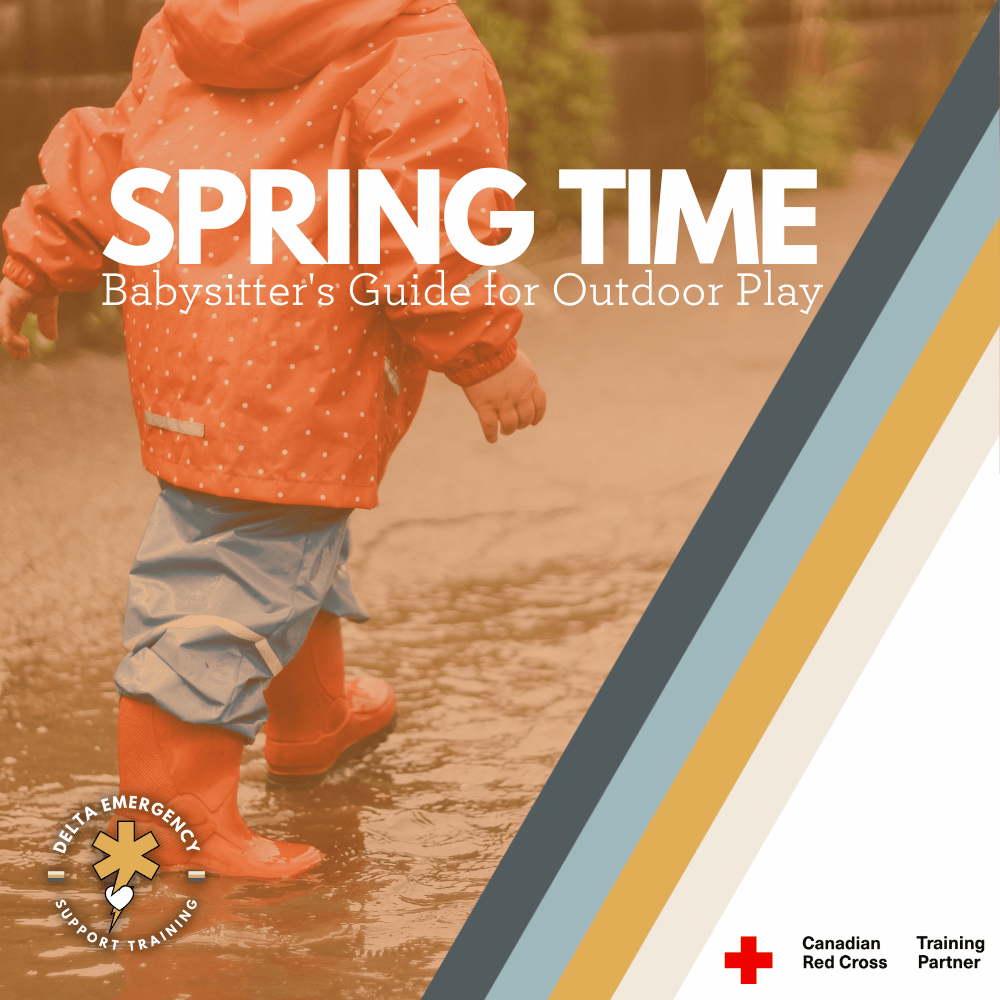
Spring Time: Babysitter's Guide for Outdoor Play

As a babysitter, navigating springtime weather can be a challenge, but with the right preparation, you can ensure that the kids you care for are ready to tackle outdoor play with confidence. From layering clothing strategically to packing essential accessories, this guide equips you with practical tips to handle any weather curveballs that spring may throw your way. Stay tuned for expert advice on empowering kids to embrace the joys of outdoor exploration while staying comfortable and safe under your watchful eye.

CHILD IN RAIN GEAR PLAYING IN PUDDLES

As a babysitter, ensuring that the children you care for are dressed appropriately for outdoor play in spring is crucial. With the weather transitioning from cold to warm, and often unpredictable, it's essential to be prepared for anything Mother Nature throws your way. Here's your go-to guide for dressing children for spring outdoor adventures while keeping them comfortable and safe.

1. Layer Strategically:

When dressing children for spring outdoor play, layering is your best friend. Start with a moisture-wicking base layer to keep them dry and comfortable. Then, add a lightweight, breathable middle layer for insulation. Finally, top it off with a waterproof and wind-resistant outer layer to shield them from rain or chilly winds. This way, if temperatures fluctuate throughout the day, layers can be added or removed accordingly to keep them comfortable.

2. Opt for Practical Fabrics:

Choose clothing made from practical fabrics like polyester blends or merino wool, which offer breathability, moisture-wicking properties, and insulation—all essential for unpredictable spring weather. Avoid heavy cotton fabrics, as they tend to absorb moisture and can leave children feeling damp and uncomfortable. Practicality is key when selecting outfits for outdoor play.

3. Essential Accessories:

Don't forget the accessories! Equip children with a waterproof jacket or raincoat, a pair of sturdy gum boots to keep their feet dry in muddy conditions, and a wide-brimmed hat to shield their faces from the sun and rain. Additionally, ensure they have sunscreen applied, even on overcast days, to protect their skin from harmful UV rays.

4. Be Prepared:

As a babysitter, always be prepared for unexpected weather changes. Pack a spare set of clothes, including socks and shoes, in case they get wet or muddy during outdoor play. Carry a lightweight, packable umbrella in your bag for unexpected showers. Being prepared ensures that you can handle any weather-related challenges that arise during your babysitting adventure.

5. Encourage Independence:

Encourage children to take an active role in dressing themselves for outdoor play. Provide them with clothing options that are easy to put on and take off, such as Velcro-fastening shoes or zip-up jackets. Teaching them to check the weather forecast and choose appropriate clothing fosters independence and responsibility.

6. Stay Flexible and Have Fun:

Remember to stay flexible and adaptable. Spring weather can be unpredictable, and despite your best efforts, children may still get wet or cold during outdoor play. Embrace the opportunity for spontaneous adventures—jumping in puddles, exploring nature, or even building a snowman if it snows unexpectedly. The key is to have fun and make lasting memories together.

In conclusion, dressing children for spring outdoor play as a babysitter requires preparation, practicality, and flexibility. By layering clothing, choosing practical fabrics, providing essential accessories, being prepared for any weather, encouraging independence, and staying flexible, you can ensure that the children you care for stay comfortable, safe, and ready for fun, no matter what spring weather brings. So, gear up, embrace the adventure, and enjoy the beauty of spring outdoors with the children in your care!

Read More