The Delta Dispatch
When the Air Turns Hazardous: Protecting Families During Canada’s 2025 Wildfire Smoke Crisis
Canada’s 2025 wildfire season has brought hazardous air—and with it, serious health risks. This guide equips families and caregivers with practical advice: from setting up a clean room and using N95 masks to monitoring air quality and recognizing smoke-induced illness.
Wildfire season in Canada has been worsened by heat, dry conditions, and climate change—with over 1,985 active firesburning nearly 3.9 million hectares as of June 16, 2025. The result? Widespread "very unhealthy" to "hazardous" air across provinces and even beyond—affecting children, people with respiratory conditions, seniors, and other vulnerable groups.
Understanding Canada’s Air Quality Health Index (AQHI)
In Canada, we don’t use the U.S.-style AQI. Instead, we use the Air Quality Health Index (AQHI) to tell us how the air we breathe affects our health on a scale from 1 to 10+, with higher numbers indicating greater health risks.
How the AQHI Works
AQHI ValueHealth RiskAt-Risk PopulationGeneral Population1–3LowIdeal conditions for outdoor activities.Ideal conditions for outdoor activities.4–6ModerateConsider reducing or rescheduling strenuous activities outdoors.No need to modify usual activities unless symptoms occur.7–10HighReduce or avoid strenuous activities outdoors.Consider reducing strenuous outdoor activity.10+Very HighAvoid all physical outdoor activity. Stay indoors.Reduce or reschedule strenuous outdoor activity.
At-Risk Populations include:
Children and infants
Seniors
People with asthma, heart conditions, or other chronic illnesses
Pregnant individuals
🌫️ What Does This Mean for Families?
1–3 (Low): Great time for park visits, walks, or outdoor play.
4–6 (Moderate): Children and people with asthma should limit high-energy outdoor activities.
7–10 (High): Everyone—especially vulnerable groups—should stay indoors and use air filtration.
10+ (Very High): Outdoor exposure can cause serious health effects. Stay inside, seal your home, and consider relocating temporarily if the smoke persists.
📲 Where to Check AQHI
Stay informed using trusted Canadian sources:
🔗 Environment Canada – AQHI Main Page
🔗 AQHI by Province (select your region)
Mobile Apps: WeatherCAN, AQHI Canada, or your local weather app
🌫️ Why Wildfire Smoke is Dangerous
Fine Particulate Matter (PM2.5):
These tiny particles penetrate deep into the lungs and bloodstream.
In 2025, several areas recorded PM2.5 levels over 150 µg/m³—more than 6x the WHO's safe 24-hour limit.
US studies confirm that smoke PM2.5 from wildfires can be up to 10x more harmful than typical pollution.
Health Effects:
Exposure can cause:Immediate symptoms: coughing, wheezing, eye irritation, chest tightness.
Aggravation of asthma, COPD, bronchitis, and heart disease.
Long-term risks: strokes, heart attacks, developmental issues in children, pregnancy complications.
Canada’s Sharp Increase:
In Prairie provinces, air quality reached “Unhealthy to Very Unhealthy” levels in early.
Cities like Toronto, Ottawa, and Montreal had some of the worst AQIs globally during June 5–6.
👶 Who’s Most at Risk?
Infants and young children with developing lungs.
Seniors, particularly those with cardiovascular/respiratory conditions.
Individuals with asthma, COPD, heart disease, or compromised immunity.
Pregnant women - smoke exposure has been linked to preterm births.
Those in low-income or remote communities with limited access to clean air resources.
🛡️ How to Protect Your Family
1. Stay Inside & Seal Your Home
Keep doors and windows closed; run HVAC on recirculation.
Create a DIY clean room by sealing off one area and running a HEPA filter air purifier.
2. Limit Outdoor Exposure
Avoid strenuous outdoor activity.
For necessary outdoor time, wear a properly fitted N95 mask—cloth masks don't protect against PM2.5
3. Monitor Air Quality
Use apps or websites like FireSmoke.ca, AirNow, or AQI.in.
Follow local advisories—on very poor days, avoid outdoor time completely
4. Stay Hydrated & Medically Prepared
Children and older adults should drink water regularly.
Keep inhalers, medications, and emergency contacts handy.
5. Safe Indoor Air Strategies
Continue using air purifiers, keep HVAC maintenance current, and avoid indoor activities that pollute air (like smoking or burning candles).
6. Know the Signs of Smoke-Related Illness
Be alert for:
Persistent coughing, wheezing, shortness of breath
Chest pain, dizziness, fatigue
Severe symptoms like bluish lips, confusion, or altered consciousness – seek medical help immediately.
7. When to Seek Help
Call emergency services if someone experiences:
Trouble breathing or chest pain
Severe allergic reactions (e.g. from ash or irritants)
Symptoms of stroke or heart attack
✅ Bonus Tips for Parents & Caregivers
Plan indoor activities: crafts, reading, games on high-risk days.
Reduce exposure to dust and pollen indoors—vacuum with HEPA filters.
If possible, relocate temporarily to cleaner-air areas.
Educate older children about the importance of masks and staying indoors.
Final Takeaway
The 2025 wildfire season has shown us air quality can deteriorate rapidly—even hundreds of kilometers away from the flames. For vulnerable families, proactive planning saves lives.
By staying informed and implementing air protection measures, you can shield your loved ones from the hidden threat of wildfire smoke.
Keeping Your Infant Safe This Summer: A Parent’s Guide
Summer can be wonderful—but it also comes with hidden dangers for infants. From sunburn to overheating, learn how to keep your baby safe with Red Cross-aligned tips from Delta Emergency Support Training.
Summer brings sunshine, fresh air, and outdoor adventures—but for parents of infants, it also brings a unique set of safety challenges. Babies are more vulnerable to heat, sun, dehydration, and environmental hazards, so it's essential to know how to protect your little one during the warmer months.
At Delta Emergency Support Training, we support families and caregivers through Red Cross first aid training. Below are essential summer safety tips for infants, based on Canadian Red Cross recommendations and best practices for infant care.
☀️ 1. Sun Safety: Babies Burn Faster
Infants under six months should be kept out of direct sunlight as much as possible. Their skin is too sensitive for sunscreen and can burn quickly—even on cloudy days.
Red Cross-Recommended Tips:
Seek shade whenever possible: under trees, umbrellas, or stroller canopies.
Dress babies in lightweight, long-sleeved clothing with a wide-brimmed hat.
Avoid peak sun hours between 11 a.m. and 3 p.m.
For babies over six months, apply a broad-spectrum, baby-safe sunscreen to small exposed areas (like face and hands).
💧 2. Hydration: Watch for Signs of Dehydration
Babies can’t tell you when they’re thirsty—and because they have a higher surface area-to-body-weight ratio, they’re more prone to dehydration and heat exhaustion.
Tips to Keep Them Hydrated:
Breastfeed or bottle-feed more frequently in hot weather.
Watch for signs of dehydration: fewer wet diapers, dark yellow urine, dry lips, or lethargy.
Never give water to babies under 6 months unless advised by your healthcare provider.
🌡️ 3. Heat Protection: Prevent Overheating
A baby’s body isn’t as efficient at regulating temperature, so they can overheat quickly in hot environments—even indoors.
How to Keep Baby Cool:
Dress your baby in light cotton clothing.
Use fans or air conditioning to keep the indoor space between 20–22°C.
Avoid using heavy blankets during naps or bedtime.
Never leave your baby in a parked car, not even for a minute. Temperatures rise quickly and can be fatal.
💦 4. Water Safety: Stay Close, Stay Safe
Infants should never be left unattended near water, even for a second. This includes pools, bathtubs, splash pads, or buckets.
Red Cross Water Safety Advice:
Always use designated infant floatation devices with supervision.
Be within arm’s reach of your baby in or near water.
Empty any buckets or containers with standing water after use.
Enroll in Red Cross Baby & Me water orientation classes to introduce water safely.
🦟 5. Bug Bites and Allergies: Watch for Reactions
Mosquitoes, bees, and other summer bugs can pose a danger to babies—especially if they have allergic reactions.
Tips for Protection:
Use mosquito netting over strollers and carriers.
Avoid using chemical insect repellents on infants under 6 months.
Keep baby away from flowering plants, standing water, or places with lots of insects.
If a bite causes swelling, trouble breathing, or hives, seek emergency medical help immediately.
🧳 6. Travel and Outdoor Time: Be Prepared
Whether you’re headed to a picnic, hike, or road trip, bring a baby-focused emergency kit with:
Diapers and wipes
Extra clothing
Infant-safe sunscreen (6+ months)
Cold packs and a thermometer
Emergency contact info
A small Red Cross-approved first aid kit
❤️ 7. Know Infant First Aid
Emergencies can happen. Being trained in infant CPR and first aid can give you the confidence to act quickly and correctly.
🔴 At Delta Emergency Support Training:
We offer Red Cross Standard First Aid and CPR courses that include modules on infant and child care, covering topics like:
Choking and CPR
Allergic reactions
Heat-related emergencies
Recognizing serious symptoms
These skills are lifesaving and empowering for any parent or caregiver.
Final Takeaway
Summer should be a time of joy and bonding—not stress and emergency. By planning ahead and understanding how to protect your infant from seasonal hazards, you can enjoy the season with peace of mind.
Be prepared. Be informed. Be confident.
Take a Red Cross-certified first aid course with Delta Emergency Support Training and make summer safer for your family.
Spinal Cord Injuries: Risks, Causes, and Implications
The spinal cord serves as the central pathway for transmitting signals between the brain and the body, regulating movement, sensation, and autonomic functions. Damage to the spinal cord disrupts these essential functions, leading to impairments. Certain factors increase the likelihood of SCIs, including traumatic incidents like motor vehicle accidents and falls. Underlying medical conditions such as spondylitis, scoliosis, and spinal tumors can also predispose individuals to spinal cord injuries. Understanding these factors informs preventive measures, timely interventions, and rehabilitation strategies, optimizing outcomes for those affected.
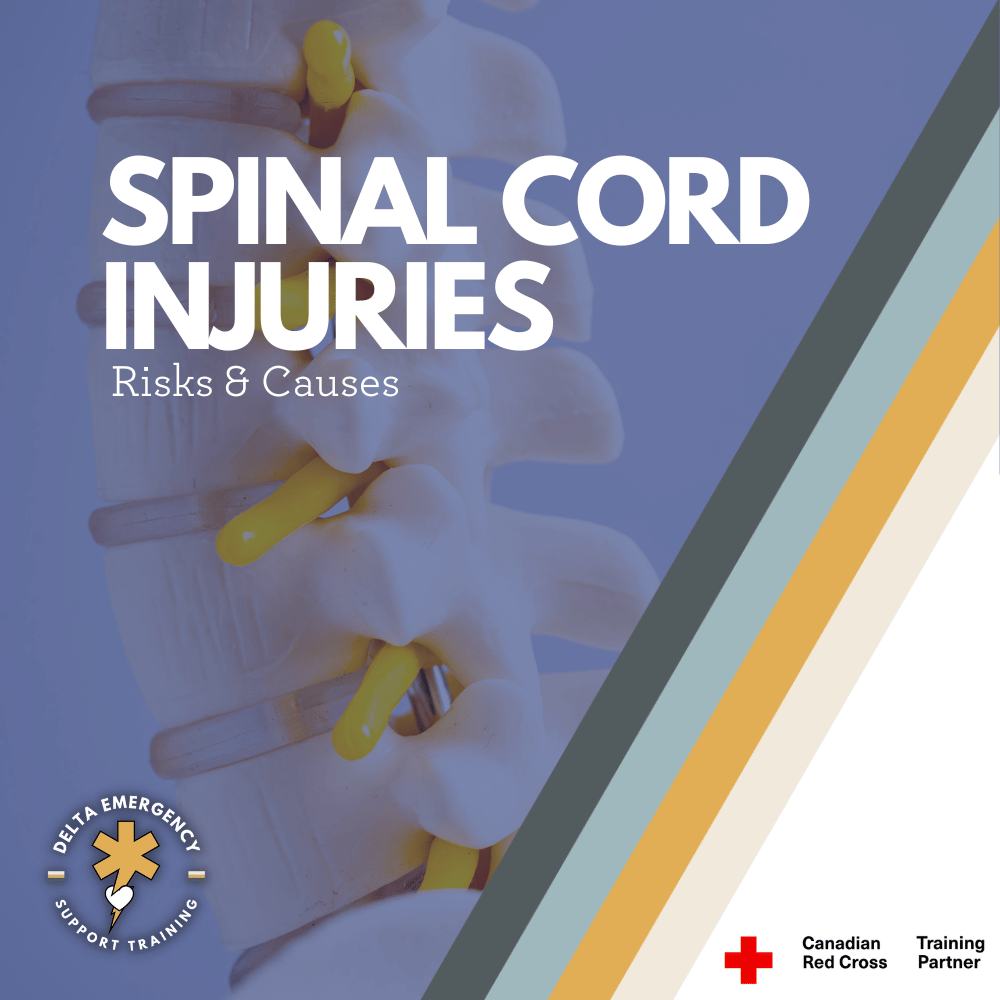
Spinal cord injuries (SCIs) represent a significant challenge in the medical landscape, with far-reaching impacts on physical, emotional, and social well-being. While traumatic incidents such as accidents and falls are common causes, various underlying medical conditions can also predispose individuals to spinal cord injuries. In this comprehensive medical blog, we delve into the intricacies of SCIs, identifying who is at risk, what factors increase susceptibility, and the implications for affected individuals, including those with conditions like spondylitis, scoliosis, and others.
Anatomy and Function of the Spinal Cord
The spinal cord serves as the central pathway for transmitting signals between the brain and the rest of the body, regulating movement, sensation, and autonomic functions. Encased within the vertebral column, it consists of nerve fibers and tissues crucial for relaying sensory information and coordinating motor responses. Damage to the spinal cord disrupts these essential functions, leading to a spectrum of impairments depending on the severity and location of the injury.
Risk Factors for Spinal Cord Injuries
While SCIs can occur in anyone, certain factors increase the likelihood of sustaining such injuries:
Traumatic Incidents: Motor vehicle accidents, falls, sports-related injuries, and acts of violence are common causes of traumatic SCIs. Engaging in high-risk behaviors, such as reckless driving or participation in contact sports without proper protective gear, elevates the risk.
Age: Young adults between the ages of 16 and 30 are more susceptible to traumatic SCIs due to engaging in risky behaviors. Conversely, individuals aged 65 and older face an increased risk of SCIs resulting from falls, often due to age-related declines in balance and mobility.
Existing Medical Conditions: Certain medical conditions affecting the spine can predispose individuals to spinal cord injuries:
Spondylitis: An inflammatory condition affecting the vertebrae, spondylitis can weaken the spinal column, increasing susceptibility to injury.
Scoliosis: Abnormal curvature of the spine, such as scoliosis, can alter spinal alignment and increase the risk of spinal cord compression or injury.
Degenerative Disc Disease: The natural aging process can lead to degeneration of spinal discs, compromising the stability of the spine and contributing to SCI risk.
Spinal Tumors: Benign or malignant tumors in the spinal cord or surrounding tissues can exert pressure on the spinal cord, leading to compression and potential injury.
Alcohol and Substance Abuse: Alcohol consumption and substance abuse contribute to a significant proportion of traumatic SCIs, impairing judgment and coordination and increasing the likelihood of accidents.
Complications and Implications
Spinal cord injuries can lead to a myriad of complications and long-term implications, including paralysis, bladder and bowel dysfunction, respiratory complications, and psychological and social impact. Prevention and management strategies encompass education, injury prevention measures, timely medical intervention, and comprehensive rehabilitation programs.
Conclusion
By understanding the diverse array of risk factors, causes, and implications associated with spinal cord injuries, healthcare professionals can tailor preventive measures, interventions, and rehabilitation strategies to address the specific needs of individuals at risk or affected by SCIs. Through ongoing research, education, and multidisciplinary collaboration, we strive to mitigate the impact of SCIs and enhance the quality of life for those affected by these injuries, including those with underlying medical conditions affecting the spine.
Lice Infestations: Guide for First Responders Assisting Vulnerable Populations
Navigating the challenges of lice infestations is a crucial aspect of first responder preparedness. In this comprehensive guide, we explore the intricate details of lice types, transmission modes, and preventive strategies. But our focus extends beyond the basics, shedding light on the unique vulnerabilities of specific populations, such as children facing adversity at home and individuals living in housing shelters.
Understanding the nuances of lice infestations within these groups is essential for compassionate and effective response. Whether it's the limited access to hygiene resources for struggling children or the communal living conditions in shelters, our guide equips first responders with insights and strategies tailored to these diverse scenarios. Explore the intersection of lice awareness, prevention, and empathetic care as we strive to create healthier and more resilient communities.
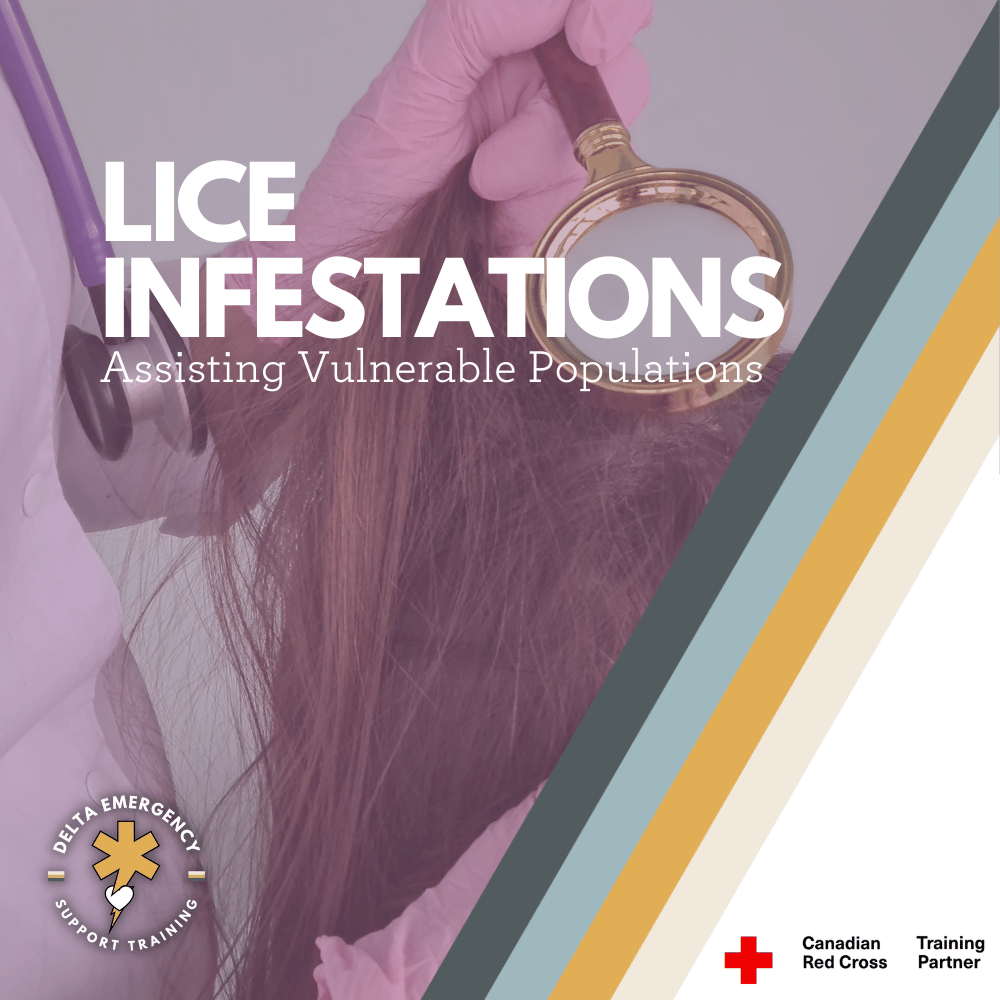
First responder checking VULNERABLE child for lice infestation
Lice infestations, or pediculosis, can be a common challenge that can disproportionately affect vulnerable populations. This guide aims to equip future first responders with knowledge about the types of lice, their modes of transmission, and effective prevention and treatment strategies, with a special focus on children facing challenges at home and individuals residing in housing shelters.
Understanding Lice:
Lice, tiny parasitic insects that exclusively inhabit humans, come in three common types: body lice, head lice, and pubic lice. Adult lice, approximately the size of a sesame seed, have six legs and range in color from tan to greyish-white. The female lice lay eggs, known as nits, and both adults and immature larvae feed on human blood. The small bites from lice cause intense itching, leading to scratching and a potential risk of secondary skin infections from bacteria on the skin.
Types of Lice:
Body Lice:
Larger than head or pubic lice.
Reside in the seams of clothing.
Infestations can be prevented with regular bathing and access to freshly laundered clothing and bedding.
Head Lice:
Common in children but can affect individuals of any age.
Reside on the scalp, eyebrows, and eyelashes.
Not indicative of poor hygiene; standard shampoos may not effectively remove adults or nits.
Pubic Lice:
Typically inhabit the pubic area but can be found on coarse hair in armpits or beards.
Similar to head lice, transmission is through direct contact.
Mode of Transmission:
Lice are transmitted primarily through direct contact with an infested individual or through contaminated items like clothing, towels, or bedding. Lice crawl and cannot fly, making close personal contact the primary mode of transmission.
Examples of Transmission:
Personal Contact:
Close interaction with an individual carrying lice.
Shared Items:
Using infected bedding, towels, or combs.
Prevention Strategies:
Personal Hygiene:
Regular bathing.
Access to freshly laundered clothing and bedding.
Avoid Sharing Personal Items:
Bedding, towels, and combs should not be shared to minimize the risk of transmission.
Laundering Practices:
Daily laundering of community linens using hot water helps eliminate lice.
Universal Precautions:
Implement proper precautions to reduce the risk of transmission in various situations.
Hand Hygiene:
Regular handwashing with soap and water or using alcohol-based hand rubs is crucial for preventing the spread of lice.
Instrument and Clothing Handling:
Properly handle and dispose of instruments, devices, and contaminated clothing to prevent further transmission.
Addressing Vulnerable Populations:
Children Facing Challenges at Home:
Limited Access to Hygiene Resources:
Regular bathing and access to hygiene resources may be compromised.
Lack of consistent resources increases susceptibility to lice.
Unstable Living Conditions:
Frequent moves or overcrowded living spaces contribute to lice transmission.
Educational outreach to schools and communities is crucial.
Educational Outreach:
First responders can provide information on lice prevention to empower parents and guardians.
Collaborate with educational institutions for targeted outreach programs.
Individuals Residing in Housing Shelters:
Limited Personal Space:
Communal living increases the risk of lice transmission.
Education on personal hygiene and preventive measures is crucial.
Mental Health Challenges:
Stress and mental health challenges can impact personal care routines.
Integrated support systems addressing mental health and hygiene are essential.
Collaborative Solutions:
Collaboration between first responders, healthcare providers, and community organizations is essential.
Support initiatives providing access to hygiene resources, educational programs, and outreach services.
First Responder's Role:
Sensitivity and Understanding:
Approach individuals from vulnerable populations with sensitivity and understanding.
Recognize and address the challenges they face.
Educational Programs:
Incorporate educational programs into community outreach efforts.
Tailor information to the specific needs and challenges of each population group.
Resource Allocation:
Advocate for resources and support systems that address the unique needs of vulnerable populations.
Collaborate with social services, NGOs, and healthcare organizations for comprehensive solutions.
In conclusion, addressing lice infestations among vulnerable populations requires a holistic and empathetic approach. By understanding the challenges faced by children in struggling homes and individuals in housing shelters, first responders can actively contribute to preventive measures, education, and collaborative solutions that promote the well-being of these communities. Compassionate care and targeted interventions are key elements in ensuring that everyone, regardless of their circumstances, can lead healthier lives.

