The Delta Dispatch
How to Manage Delirium in Geriatric Patients: Essential Skills for EMRs and Firefighters
Delirium is an acute medical condition that often affects geriatric patients, causing confusion, disorganized thinking, and altered levels of awareness. As an EMR or firefighter, it's crucial to identify delirium early and manage it effectively. This guide explains how to assess, treat, and respond to elderly patients showing signs of delirium, ensuring optimal care in critical situations.
Delirium in the Geriatric Patient: How EMRs and Firefighters Can Identify and Respond
Delirium is a serious medical condition, particularly in the elderly, and as an EMR or firefighter, it’s crucial to recognize the signs early and act swiftly. Unlike dementia, which progresses slowly over time, delirium can develop acutely and rapidly change the patient’s mental status, presenting significant challenges for first responders. In geriatric patients, delirium is a medical emergency that often requires urgent intervention.
This blog will guide you on how to recognize delirium, understand its underlying causes, and effectively manage geriatric patients experiencing it.
What is Delirium?
Delirium is defined as an acute and fluctuating onset of inattention, disorganized thinking, and/or altered levels of awareness. It differs from dementia in that it is temporary and occurs suddenly, often in response to an underlying medical condition or environmental trigger.
The symptoms of delirium typically appear suddenly and may fluctuate throughout the day. Common signs include:
Inattention: Difficulty maintaining focus, distracted, or unable to follow a conversation.
Disorganized Thinking: Incoherent or illogical speech, trouble forming coherent thoughts.
Altered Awareness: The patient may be either overly drowsy (hypoactive) or agitated (hyperactive). In many elderly patients, hypoactive delirium is most common and can often go undetected in emergency situations.
Why is Delirium Common in Geriatric Patients?
The elderly population is particularly susceptible to delirium for several reasons, including:
Age-Related Physical Changes: Aging can cause changes in the brain that make older adults more vulnerable to confusion and mental disturbances.
Underlying Medical Conditions: Chronic health issues like heart disease, diabetes, or kidney failure may predispose the elderly to developing delirium.
Medications: Certain medications, especially in combination, can trigger delirium in older patients. Common culprits include sedatives, narcotics, and anticholinergics.
Infections: Conditions like urinary tract infections (UTIs) and pneumonia are known triggers of delirium in the elderly.
Environmental Factors: Hospitalizations, changes in routine, or unfamiliar environments (e.g., new settings after an injury) can exacerbate confusion and lead to delirium.
Recognizing Delirium in the Elderly
As an EMR or firefighter, recognizing delirium is a crucial skill that can improve patient outcomes. Delirium may not be as obvious as other acute conditions, especially since the elderly are often at risk of hypoactive delirium, which can manifest as lethargy or withdrawal rather than agitation.
Key Symptoms to Look For:
Inability to focus: The patient may appear "spacey," unable to follow a conversation, or may forget what they were just talking about.
Confusion: They may be disoriented, unable to recall where they are, or confused about the time and date.
Fluctuating alertness: The patient's level of awareness may change rapidly, ranging from excessive sleepiness to periods of hyperactivity or aggression.
Hallucinations or Delusions: While less common, some patients may see or hear things that aren’t there, or they may have false beliefs (e.g., believing they’re in a completely different location).
Hypoactive Delirium: A Hidden Danger
It’s important to note that 70% of delirium cases in elderly patients are hypoactive, meaning the patient may seem unusually drowsy, withdrawn, or lethargic. This subtle form can often go undiagnosed in the emergency department (ED) or in the field because the patient may not exhibit the typical signs of agitation. As a first responder, you must be aware that any older adult exhibiting lethargy or confusion after a recent trauma or medical event could be suffering from delirium.
Common Causes of Delirium in the Geriatric Patient
Several medical conditions or factors may trigger delirium in older adults, making them more vulnerable to changes in their cognitive state. As an EMR or firefighter, understanding these causes can help you quickly identify potential underlying issues:
Infections: UTIs, pneumonia, or sepsis can quickly lead to delirium in elderly patients.
Dehydration and Malnutrition: Inadequate fluid or nutrition intake can significantly affect brain function.
Medications: Polypharmacy, or the use of multiple medications, is common in elderly patients and can interact to cause confusion or delirium. Pay special attention to narcotics, sedatives, and antihistamines.
Pain or Injury: Trauma, especially head injuries, can trigger delirium, as can untreated pain.
Hospitalization: Elderly patients who are hospitalized for an acute illness or injury may experience delirium due to the stress of hospitalization, changes in routine, and medication side effects.
Alcohol Withdrawal: If the elderly patient has a history of alcohol use and suddenly stops drinking, delirium may occur.
How EMRs and Firefighters Can Respond to Delirium in the Elderly
When faced with a patient exhibiting signs of delirium, quick and effective action is critical. Below are steps for managing these patients:
1. Initial Assessment
Ensure Safety: The first priority is ensuring the safety of the patient. Patients experiencing delirium may be disoriented or agitated, so they could put themselves or others at risk. Ensure a safe environment and avoid sudden movements that might escalate confusion.
Take a Comprehensive History: If possible, gather a thorough history from caregivers, family, or bystanders. Ask about the patient’s recent health changes, medications, and any prior cognitive issues.
Rule Out Life-Threatening Causes: Delirium can be a sign of a serious condition such as an infection, stroke, or head injury. Check vital signs and assess for any signs of a critical underlying cause (e.g., hypotension, fever, abnormal heart rate, etc.).
2. Address Underlying Causes
If the delirium is due to a known cause (e.g., an infection), it is critical to treat the underlying issue as soon as possible.
Consider the possibility of hypoxia, hypoglycemia, or medication-related causes, which can often be quickly addressed in the field.
If the patient is in pain or has a known medical condition that could be contributing to confusion (like dehydration), take steps to manage it immediately.
3. Monitor the Patient
If the patient is not yet stable, keep a close watch on their mental status. Delirium can fluctuate, so continuous assessment is key.
Stay calm and provide reassurance to the patient. If they are agitated, offer clear explanations and avoid confrontational responses.
Transport to the hospital promptly, ensuring that the medical team is aware of the patient’s delirium so they can investigate and treat the underlying cause quickly.
4. Engage Family or Caregivers
When possible, engage family members or caregivers to help assess the patient's baseline mental status and to provide relevant medical history, including recent changes or new medications.
Conclusion
Delirium in geriatric patients is a common, often undiagnosed condition that presents a unique challenge for EMRs and firefighters. Because it can rapidly change from one moment to the next, it's essential to recognize the signs of delirium early and manage the underlying causes. Prompt action, effective communication with medical teams, and ensuring patient safety are key components in improving patient outcomes.
As a first responder, your ability to identify delirium and intervene early can mean the difference between a successful recovery and long-term complications. By staying vigilant and informed, you can ensure that older patients receive the timely, life-saving care they need.
Delta Emergency is taught by a well-versed group of instructors and owners who are experienced paramedics. We teach you not only the necessary skills but also how to be prepared for real-life emergencies. Our hands-on training ensures you're equipped to handle any critical situation with confidence, improving both your ability to respond and your patient outcomes.
Common Gynecological Medical Emergencies Every First Responder Should Know
Gynecological emergencies, such as ovarian torsion, ectopic pregnancy, and toxic shock syndrome, require quick action and careful handling. For first responders, understanding the symptoms, knowing how to prioritize care, and maintaining patient comfort and dignity are essential. This blog explores common gynecological emergencies, providing essential information for responders to manage these situations with professionalism, especially when male responders are involved. Learn how to respond effectively and respectfully to ensure the best outcomes for your patients.
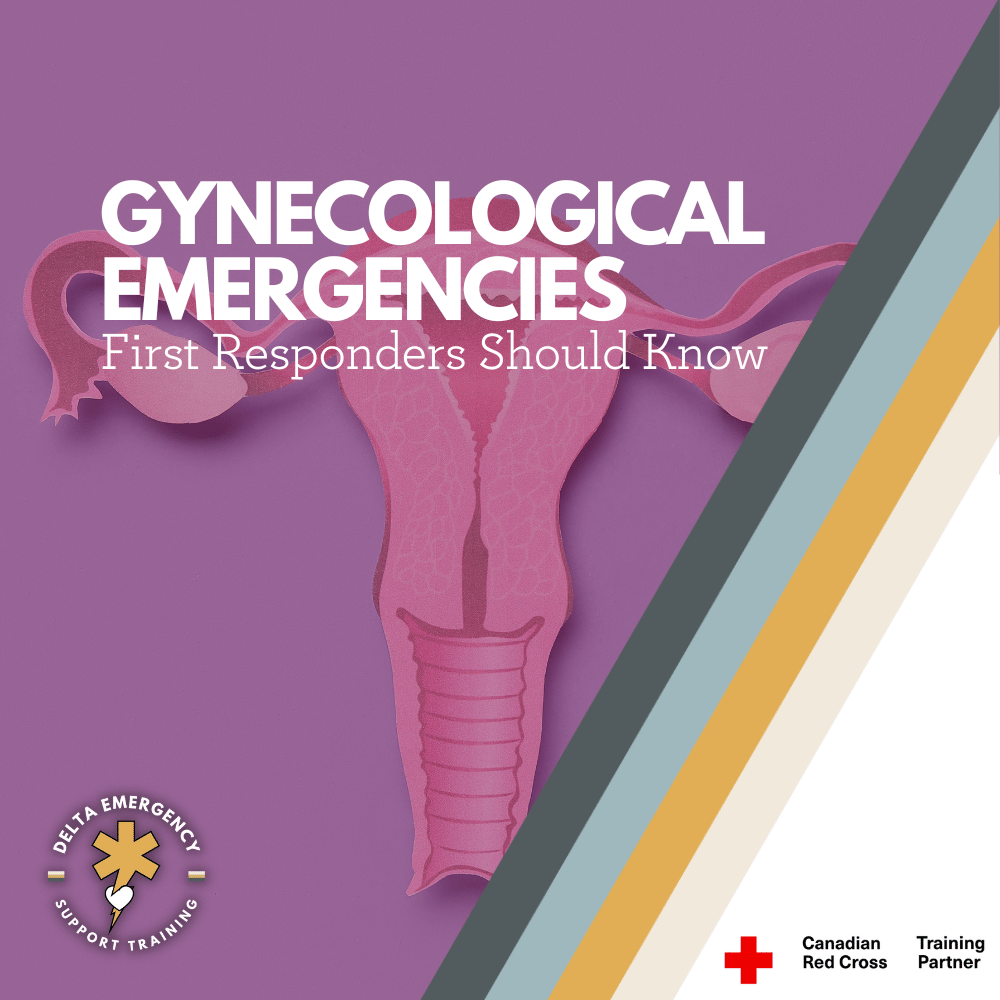
Gynecological emergencies require quick assessments, clear decision-making, and fast intervention. For first responders, understanding these conditions is essential for providing the right care and support. While some gynecological issues may seem daunting, being knowledgeable about these emergencies can make all the difference in saving lives and minimizing long-term complications.
In this blog, we’ll dive deeper into some of the most common gynecological emergencies, including endometriosis, ovarian torsion, ectopic pregnancy, toxic shock syndrome, and more. Additionally, we’ll discuss how first responders can handle these situations efficiently, with a focus on maintaining patient comfort and professionalism, particularly when male responders are involved.
1. Endometriosis: Managing Acute Flare-Ups
What It Is:
Endometriosis is a chronic condition where tissue similar to the lining of the uterus grows outside of it, often affecting the ovaries, fallopian tubes, or other organs in the pelvic region. While it’s usually a long-term condition, flare-ups can create acute pain and other complications.
Emergency Symptoms:
Intense pelvic pain, especially during menstruation
Nausea, vomiting, or dizziness
Heavy menstrual bleeding
Pain during intercourse
What to Do:
First responders should focus on pain management, as the acute pain associated with endometriosis flare-ups can be overwhelming. Administer analgesics as per protocol and assess vital signs. If bleeding is severe, treat for shock and prepare for transport to the nearest medical facility for further treatment, including possible imaging and evaluation by a gynecologist.
2. Ovarian Torsion: A Time-Sensitive Surgical Emergency
What It Is:
Ovarian torsion occurs when an ovary twists on its supporting ligaments, cutting off its blood supply. This is a surgical emergency and, if not treated promptly, can lead to ovarian necrosis (death of the ovary).
Emergency Symptoms:
Sudden, severe pelvic pain, often localized to one side
Nausea or vomiting
Abdominal tenderness
Possible fever
What to Do:
Time is critical in ovarian torsion. The primary action for first responders is pain management and stabilization. Administer pain relief (IV or oral as per protocol) and monitor for signs of shock. Rapid transport to a surgical facility is essential for surgical intervention to save the ovary. Delaying treatment could result in permanent damage or loss of the ovary.
3. Miscarriage: Spontaneous Pregnancy Loss
What It Is:
A miscarriage refers to the loss of a pregnancy before the 20th week. Miscarriages are often associated with heavy bleeding and pain, and they can lead to emotional distress for the patient.
Emergency Symptoms:
Heavy bleeding or passing of tissue
Cramping or abdominal pain
Lower back pain
Dizziness or fainting
What to Do:
For first responders, it’s important to manage bleeding and monitor for signs of shock. Heavy bleeding can result in hypovolemic shock, so maintaining the patient’s blood volume with IV fluids is critical. Emotional support is also key—be compassionate and empathetic, as this is often a traumatic experience. Transport the patient to a medical facility for further evaluation, including an ultrasound to confirm the miscarriage and assess for any retained tissue.
4. Ectopic Pregnancy: A Life-Threatening Condition
What It Is:
An ectopic pregnancy occurs when a fertilized egg implants outside the uterus, usually in a fallopian tube. This is a dangerous condition because the fallopian tube can rupture, leading to significant internal bleeding.
Emergency Symptoms:
Severe abdominal pain, often on one side
Vaginal bleeding or spotting
Dizziness, fainting, or low blood pressure
Shoulder pain (referred pain due to internal bleeding)
What to Do:
Ectopic pregnancy is a medical emergency that requires immediate transport to the hospital. First responders should stabilize the patient, monitor vitals, and treat for shock if necessary. If an ectopic pregnancy is suspected, it is critical to get the patient to a surgical facility as quickly as possible, as a ruptured ectopic pregnancy can be fatal.
5. Uterine Fibroids: Managing Complications from Benign Tumors
What It Is:
Uterine fibroids are non-cancerous growths in the muscle of the uterus. In many cases, they don’t cause symptoms, but in some women, they can result in heavy menstrual bleeding or pain, especially during pregnancy or menopause.
Emergency Symptoms:
Heavy vaginal bleeding, potentially leading to shock
Pelvic or abdominal pain
Pressure on the bladder or rectum
Painful intercourse
What to Do:
If a patient with uterine fibroids presents with heavy bleeding, assess the degree of bleeding and treat for shock if necessary. Administer fluids to maintain blood pressure and transport the patient to a medical facility for further evaluation and treatment. In severe cases, surgical intervention may be needed to manage bleeding or remove the fibroids.
6. Vulvar Abscess: Infection and Inflammation of the Vulva
What It Is:
A vulvar abscess is a localized collection of pus caused by infection. It may occur due to bacteria entering the vulvar glands, leading to swelling, pain, and tenderness.
Emergency Symptoms:
Painful swelling or tenderness in the vulva
Redness and warmth in the affected area
Fever
Drainage of pus
What to Do:
While vulvar abscesses typically require drainage and antibiotics, first responders should focus on pain relief and preventing the infection from spreading. Administer pain relief and fluids as per protocol and prepare for rapid transport to a hospital where surgical drainage may be needed.
7. Toxic Shock Syndrome (TSS): A Severe Bacterial Infection
What It Is:
Toxic Shock Syndrome is caused by bacterial toxins, usually from Staphylococcus aureus or Streptococcus pyogenes. Though it’s rare, it can progress rapidly and lead to organ failure and death.
Emergency Symptoms:
Sudden high fever
Vomiting and diarrhea
A red, sunburn-like rash
Low blood pressure, confusion, or shock
What to Do:
TSS is a critical emergency requiring immediate intervention. First responders should administer fluids to combat shock, manage the fever, and prepare for transport to a medical facility. Treatment typically includes IV antibiotics and supportive care to prevent organ failure.
8. The Challenges of Responding to Gynecological Emergencies, Especially for Male Responders
Patient Comfort and Professionalism:
Handling gynecological emergencies can be particularly sensitive, especially if the responding team is composed of male responders. As a first responder, it’s essential to be aware of the patient’s emotional and physical comfort while still prioritizing their care.
Key Considerations for Male Responders:
Maintain Decency: Ensure that the patient’s privacy is respected at all times. Use blankets or gowns to cover them as much as possible, especially during transport or examination.
Provide Clear Communication: Always explain the procedures you’re performing and why they are necessary. Patients may feel vulnerable during gynecological emergencies, so explaining what is happening at each stage can help reduce anxiety.
Offer Emotional Support: Gynecological emergencies often come with an emotional component. Be compassionate and understanding, offering reassurance and support throughout the process.
If Possible, Involve Female Responders: If you’re a male responder and the situation involves intimate care, offer the patient the option to be attended to by a female responder, if available, to maintain comfort and dignity.
First responders should always prioritize patient safety and dignity. Being sensitive to these issues helps build trust and ensures that you are providing the best care possible, especially in potentially traumatic situations.
Conclusion: Efficient, Respectful Care for Gynecological Emergencies
Gynecological emergencies can present unique challenges for first responders, but with the right knowledge and skills, you can manage these situations effectively and compassionately. Whether dealing with ovarian torsion, toxic shock syndrome, or ectopic pregnancy, understanding the symptoms and knowing the right actions to take will ensure better patient outcomes. Responding with professionalism, sensitivity, and respect for the patient’s dignity is just as important as delivering medical care.
At Delta Emergency Support Training, we equip first responders with the knowledge and skills necessary to handle all types of emergencies, including gynecological ones. Our comprehensive training prepares you to respond with confidence, ensuring you provide the best care in critical situations.
Skin Anatomy Overview for First Responders: Layers and Functions
Understanding the anatomy of the skin is essential for first responders. The skin serves as the body’s first line of defense, regulating temperature and protecting against infection. In this blog, we’ll break down the three layers of skin—epidermis, dermis, and hypodermis—and explore their functions, common injuries, and how this knowledge can help you provide better care in emergency situations.
As a first responder, you're trained to respond to a variety of emergencies, from burns and cuts to more complex trauma situations. Understanding the anatomy of the skin is crucial, as it plays a vital role in protecting the body from infection, regulating temperature, and healing injuries. In this blog, we’ll break down the layers of the skin, their functions, and how this knowledge helps you in your critical role as a first responder.
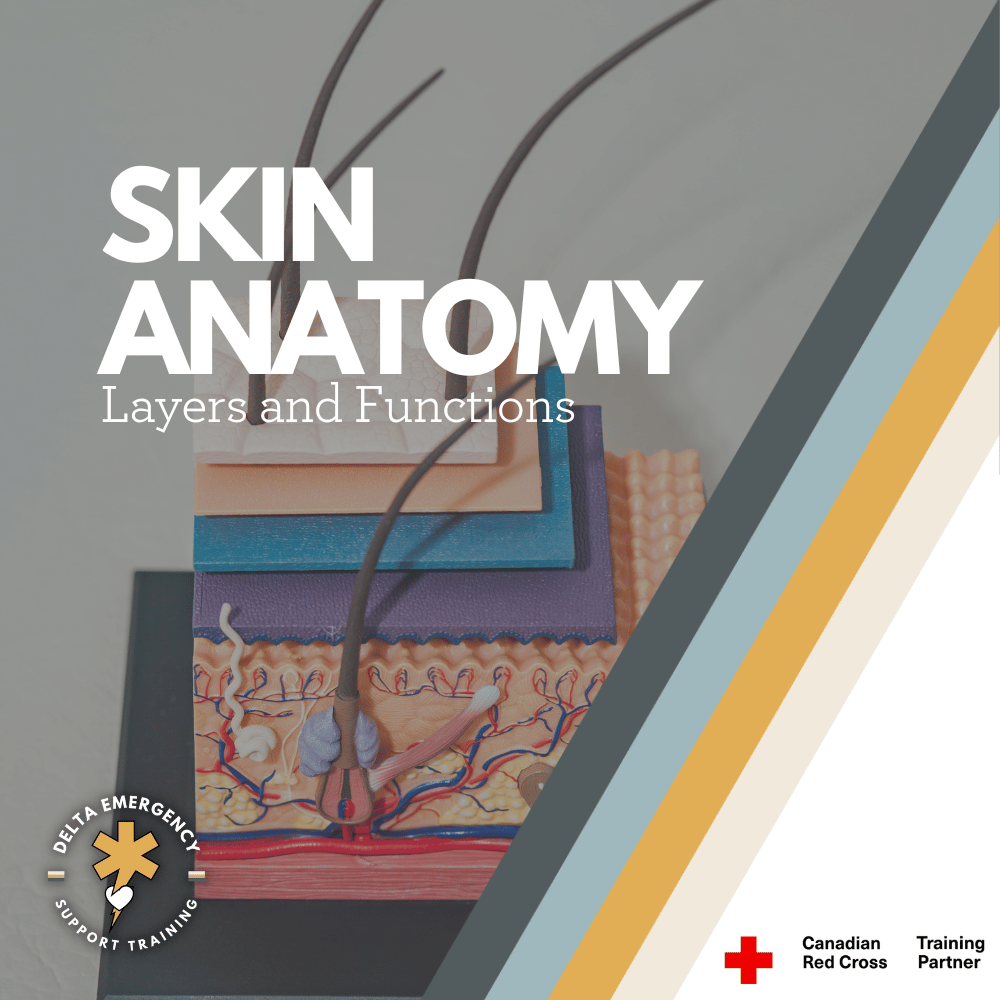
medical skin layer model
The Basics of Skin Anatomy
The skin is the body's largest organ, serving as the primary barrier between the internal systems and the outside world. It protects against physical damage, pathogens, and dehydration, while also playing a key role in temperature regulation. The skin is made up of three main layers, each with its own distinct function:
Epidermis (Outer Layer)
Dermis (Middle Layer)
Hypodermis (Subcutaneous Layer)
1. The Epidermis: The Body’s First Line of Defense
The epidermis is the outermost layer of skin, providing a waterproof barrier that shields the body from harmful substances, bacteria, and UV radiation. As a first responder, you will often encounter patients with injuries to the epidermis, such as cuts, abrasions, burns, or rashes.
Functions of the Epidermis:
Protection: The epidermis acts as the first line of defense against pathogens, chemicals, and physical damage.
Barrier to Water Loss: It helps prevent excessive loss of moisture, maintaining hydration in the body.
Skin Pigmentation: Melanin, produced in the epidermis, helps protect deeper layers from UV damage.
Sensation: The epidermis contains nerve endings that allow the skin to respond to environmental stimuli, like heat or pressure.
Important Considerations for First Responders:
Burns: Since the epidermis contains no blood vessels, burns typically affect this layer first, causing redness, swelling, and pain. In severe cases, it may also affect the dermis, leading to more serious injuries.
Infections: When the epidermis is compromised (such as in open wounds), there’s a higher risk of infection. Proper cleaning and dressing of wounds are essential to avoid bacterial infiltration.
2. The Dermis: The Skin’s Strength and Support
The dermis lies beneath the epidermis and is responsible for most of the skin's strength, elasticity, and sensation. This layer contains blood vessels, nerves, hair follicles, sweat glands, and connective tissue.
Functions of the Dermis:
Structural Support: The dermis contains collagen and elastin, proteins that provide strength and elasticity to the skin, allowing it to stretch and return to its original shape.
Temperature Regulation: Blood vessels in the dermis help regulate body temperature by constricting to conserve heat or dilating to release heat.
Sensation: The dermis is rich in nerve endings that detect pain, pressure, temperature, and touch.
Wound Healing: The dermis plays a critical role in healing skin wounds, as it contains the blood vessels and connective tissue that support tissue repair.
Important Considerations for First Responders:
Deep Cuts and Lacerations: When treating deep cuts or lacerations, you may encounter injury to the dermis, which could result in more severe bleeding due to the presence of blood vessels.
Blisters and Burns: Severe friction or thermal injuries can cause fluid buildup between the epidermis and dermis, leading to blisters. Burns can also extend into the dermis, causing damage to blood vessels and deeper tissues.
3. The Hypodermis: The Body’s Cushion and Insulator
The hypodermis, or subcutaneous layer, lies below the dermis and is primarily made of fat and connective tissue. This layer plays a significant role in protecting internal organs, insulating the body, and storing energy.
Functions of the Hypodermis:
Insulation: The fatty tissue helps regulate body temperature by providing insulation against heat loss.
Cushioning: It acts as a shock absorber, protecting bones and organs from injury by absorbing impact.
Energy Storage: The hypodermis stores fat, which serves as an energy reserve for the body.
Anchoring the Skin: It helps anchor the skin to underlying muscles and bones, giving the skin its flexibility and strength.
Important Considerations for First Responders:
Severe Trauma: In cases of deep trauma, such as blunt force injuries, the hypodermis may be damaged. This could lead to bruising or deeper tissue damage, as blood vessels in the hypodermis may rupture.
Frostbite: The hypodermis is the most affected area during frostbite, as it is the deepest layer. Severe cold temperatures can cause the fat cells to freeze, potentially leading to tissue death and the need for immediate medical intervention.
Skin Injuries and First Aid: Key Points for First Responders
As a first responder, understanding the anatomy of the skin helps you assess injuries more effectively and provide better care. Here are some common skin injuries and how they relate to the skin’s structure:
Abrasions: These involve damage to the epidermis, often caused by friction. While they are generally not severe, they can lead to infection if not properly cleaned and dressed.
Lacerations: Deep cuts can damage both the epidermis and dermis, leading to bleeding and pain. Proper wound care includes stopping the bleeding, cleaning the wound, and applying appropriate dressings.
Burns: Burns can range from superficial (affecting only the epidermis) to severe (penetrating the dermis and hypodermis). First-degree burns may cause redness and pain, while second-degree burns result in blisters and more intense pain. Third-degree burns involve damage to all layers of the skin and require immediate medical attention.
Frostbite: Exposure to extreme cold can lead to frostbite, which damages the skin, particularly the hypodermis. Treatment includes gradual rewarming and protecting the affected areas from further damage.
Infections: Skin wounds, especially when the epidermis is broken, are susceptible to infection. As a first responder, it’s critical to clean wounds thoroughly, apply sterile dressings, and monitor for signs of infection.
Conclusion: Why Skin Anatomy Matters for First Responders
The skin may seem like a simple barrier, but its structure and functions are far more complex and essential to maintaining overall health. As first responders, understanding the layers of the skin, their functions, and how injuries affect them helps you provide better care to patients. Whether you're dealing with a simple abrasion or a severe burn, this knowledge can guide your decisions on how to treat injuries quickly and effectively, reducing the risk of complications and promoting faster recovery.
By applying this understanding of skin anatomy to your daily work, you can ensure that your patients receive the best care possible in emergency situations.
Lice Infestations: Guide for First Responders Assisting Vulnerable Populations
Navigating the challenges of lice infestations is a crucial aspect of first responder preparedness. In this comprehensive guide, we explore the intricate details of lice types, transmission modes, and preventive strategies. But our focus extends beyond the basics, shedding light on the unique vulnerabilities of specific populations, such as children facing adversity at home and individuals living in housing shelters.
Understanding the nuances of lice infestations within these groups is essential for compassionate and effective response. Whether it's the limited access to hygiene resources for struggling children or the communal living conditions in shelters, our guide equips first responders with insights and strategies tailored to these diverse scenarios. Explore the intersection of lice awareness, prevention, and empathetic care as we strive to create healthier and more resilient communities.
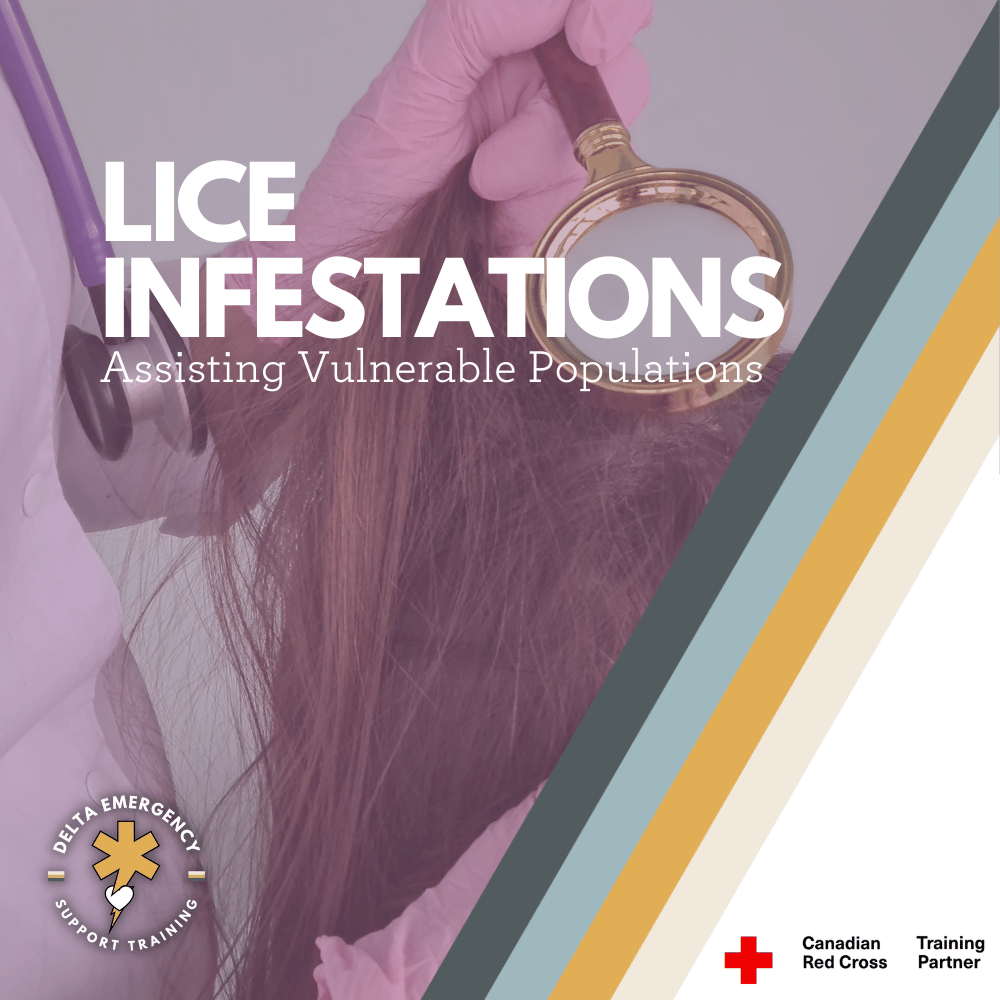
First responder checking VULNERABLE child for lice infestation
Lice infestations, or pediculosis, can be a common challenge that can disproportionately affect vulnerable populations. This guide aims to equip future first responders with knowledge about the types of lice, their modes of transmission, and effective prevention and treatment strategies, with a special focus on children facing challenges at home and individuals residing in housing shelters.
Understanding Lice:
Lice, tiny parasitic insects that exclusively inhabit humans, come in three common types: body lice, head lice, and pubic lice. Adult lice, approximately the size of a sesame seed, have six legs and range in color from tan to greyish-white. The female lice lay eggs, known as nits, and both adults and immature larvae feed on human blood. The small bites from lice cause intense itching, leading to scratching and a potential risk of secondary skin infections from bacteria on the skin.
Types of Lice:
Body Lice:
Larger than head or pubic lice.
Reside in the seams of clothing.
Infestations can be prevented with regular bathing and access to freshly laundered clothing and bedding.
Head Lice:
Common in children but can affect individuals of any age.
Reside on the scalp, eyebrows, and eyelashes.
Not indicative of poor hygiene; standard shampoos may not effectively remove adults or nits.
Pubic Lice:
Typically inhabit the pubic area but can be found on coarse hair in armpits or beards.
Similar to head lice, transmission is through direct contact.
Mode of Transmission:
Lice are transmitted primarily through direct contact with an infested individual or through contaminated items like clothing, towels, or bedding. Lice crawl and cannot fly, making close personal contact the primary mode of transmission.
Examples of Transmission:
Personal Contact:
Close interaction with an individual carrying lice.
Shared Items:
Using infected bedding, towels, or combs.
Prevention Strategies:
Personal Hygiene:
Regular bathing.
Access to freshly laundered clothing and bedding.
Avoid Sharing Personal Items:
Bedding, towels, and combs should not be shared to minimize the risk of transmission.
Laundering Practices:
Daily laundering of community linens using hot water helps eliminate lice.
Universal Precautions:
Implement proper precautions to reduce the risk of transmission in various situations.
Hand Hygiene:
Regular handwashing with soap and water or using alcohol-based hand rubs is crucial for preventing the spread of lice.
Instrument and Clothing Handling:
Properly handle and dispose of instruments, devices, and contaminated clothing to prevent further transmission.
Addressing Vulnerable Populations:
Children Facing Challenges at Home:
Limited Access to Hygiene Resources:
Regular bathing and access to hygiene resources may be compromised.
Lack of consistent resources increases susceptibility to lice.
Unstable Living Conditions:
Frequent moves or overcrowded living spaces contribute to lice transmission.
Educational outreach to schools and communities is crucial.
Educational Outreach:
First responders can provide information on lice prevention to empower parents and guardians.
Collaborate with educational institutions for targeted outreach programs.
Individuals Residing in Housing Shelters:
Limited Personal Space:
Communal living increases the risk of lice transmission.
Education on personal hygiene and preventive measures is crucial.
Mental Health Challenges:
Stress and mental health challenges can impact personal care routines.
Integrated support systems addressing mental health and hygiene are essential.
Collaborative Solutions:
Collaboration between first responders, healthcare providers, and community organizations is essential.
Support initiatives providing access to hygiene resources, educational programs, and outreach services.
First Responder's Role:
Sensitivity and Understanding:
Approach individuals from vulnerable populations with sensitivity and understanding.
Recognize and address the challenges they face.
Educational Programs:
Incorporate educational programs into community outreach efforts.
Tailor information to the specific needs and challenges of each population group.
Resource Allocation:
Advocate for resources and support systems that address the unique needs of vulnerable populations.
Collaborate with social services, NGOs, and healthcare organizations for comprehensive solutions.
In conclusion, addressing lice infestations among vulnerable populations requires a holistic and empathetic approach. By understanding the challenges faced by children in struggling homes and individuals in housing shelters, first responders can actively contribute to preventive measures, education, and collaborative solutions that promote the well-being of these communities. Compassionate care and targeted interventions are key elements in ensuring that everyone, regardless of their circumstances, can lead healthier lives.
Alzheimer's Unveiled: Navigating Challenges for First Responders and Families
Alzheimer's stands as a formidable challenge, gradually eroding the fabric of memory, reasoning, and daily functioning. This blog unveils the layers of Alzheimer's, focusing on its profound effects on individuals and families. For first responders, understanding the complexities becomes crucial as they navigate situations where patients may be unable to provide vital information. Join us on a journey to decode Alzheimer's, exploring insights for compassionate care and addressing the rising tide of this silent epidemic.
Alzheimer's disease is a complex and devastating neurological condition that significantly impacts individuals, families, and communities. As the most common form of dementia, Alzheimer's poses unique challenges for both patients and those providing care, including first responders. In this blog, we will delve into the intricacies of Alzheimer's disease, its effects on individuals, and the implications for caregivers and first responders.
Senior mother and adult daughter hugging.
Understanding Alzheimer's Disease:
Alzheimer's disease is a chronic neurodegenerative disorder characterized by the gradual loss of cognitive functions, including memory, reasoning, and the ability to perform daily activities. It is not a normal part of aging, but age is a significant risk factor. Changes in the brain, such as the accumulation of abnormal protein deposits called plaques and tangles, can start years before the onset of noticeable symptoms.
Effects on Individuals:
Memory problems are often the first warning signs of Alzheimer's disease. In addition to memory loss, individuals may experience:
Disorientation:
Getting lost in familiar places or repeating questions.
Financial challenges:
Trouble handling money and paying bills.
Difficulty with tasks:
Struggling to complete familiar activities at home, work, or leisure.
Judgment issues:
Decreased or poor decision-making.
Implications for First Responders:
First responders face unique challenges when dealing with individuals affected by Alzheimer's disease. Patients may be unable to provide essential information about their medical history, current medications, or the severity of their condition. Moreover, the disease might cause confusion, fear, and agitation, making patient care more challenging. Effective communication and a compassionate approach become crucial in managing such situations.
Risk Factors:
Age remains the most well-known risk factor for Alzheimer's disease. However, genetics also play a role, with family history influencing susceptibility. While genes contribute, they are not the sole determinant, as a healthy lifestyle, including regular physical activity, a nutritious diet, limited alcohol consumption, and not smoking, may help reduce the risk.
Impact on Families:
The burden of Alzheimer's extends beyond the affected individual to their families. Caregivers often face emotional, physical, and financial challenges in providing support. As the disease progresses, the need for intensive care and supervision increases, adding strain to familial relationships.
Alarming Statistics:
The prevalence of Alzheimer's disease is rising, making it one of the top 10 leading causes of death in the United States. It is the 6th leading cause of death among US adults and the 5th among adults aged 65 or older. The number of affected Americans aged 65 or older is projected to triple to 14 million by 2060. The associated costs are also escalating, with projections estimating annual expenses to surpass $500 billion by 2040.
Conclusion:
Alzheimer's disease presents a multifaceted challenge that demands a comprehensive approach from healthcare professionals, caregivers, and first responders. As research continues to explore the links between education, diet, environment, and the development of Alzheimer's, a collective effort is required to enhance awareness, support affected individuals and families, and work towards finding effective treatments and, ultimately, a cure for this devastating disease.
Prioritizing Health for Aspiring First Responders: Fitness and Nutrition Essentials
Step into the world of first responders with a comprehensive guide to prioritizing health. From essential fitness routines to meal prep mastery, uncover the core elements crucial for readiness in this demanding role. Explore the secrets behind endurance, strength-building, and managing nutrition amidst unpredictable schedules. Prioritizing health isn’t just a choice; it’s the foundation for success in the impactful realm of first responders.
Stepping into the world of first responders is an incredible journey that demands not just courage and dedication but a commitment to maintaining your physical well-being. Here’s a comprehensive look at why prioritizing health is key for those aiming to become a part of this impactful community.
Running shoes, weights and bowl of healthy fruits and VEGETABLES
Fitness Foundations: The Backbone of Readiness
Physical fitness encompasses various aspects crucial for a first responder's preparedness. It includes:
Cardiovascular Health
Cardio exercises are vital for maintaining a healthy heart and improving endurance. Consider activities such as:
Running or jogging:
Excellent for building stamina and cardiovascular endurance.
Cycling:
Both outdoor biking and stationary cycling are effective for heart health.
Swimming:
Provides a full-body workout while being gentle on joints.
High-intensity interval training (HIIT):
Alternating between bursts of high-intensity exercise and rest periods for cardiovascular fitness.
Strength Training:
Building strength is essential for handling the physical demands of the job. Activities for strength training include:
Weightlifting:
Involves lifting weights to build muscle strength and endurance.
Bodyweight exercises:
Push-ups, pull-ups, squats, and planks are effective without the need for equipment.
Resistance band workouts:
Use bands to add resistance to exercises and strengthen muscles.
Functional training:
Mimicking movements needed in your role as a first responder, such as carrying equipment or lifting patients.
Fueling Success: The Power of Nutrition
Challenges of On-the-Go Nutrition
The unpredictable nature of a first responder's work schedule often poses challenges for regular, balanced meals. Long shifts and urgent calls may limit access to healthy food options, making it difficult to maintain proper nutrition. This emphasizes the importance of planning and preparation to ensure adequate fuel during demanding work hours.
Meal Prepping for Success:
Meal prepping becomes a valuable strategy for first responders. Setting aside time to prepare and pack balanced meals in advance ensures access to nutritious food during hectic schedules. Opt for meals rich in:
Lean proteins (chicken, fish, tofu)
Complex carbohydrates (whole grains, fruits, vegetables)
Healthy fats (avocado, nuts, seeds)
Eating Right for Endurance:
Proper nutrition is the cornerstone of sustained energy. Consuming balanced meals before shifts and carrying nutrient-dense snacks can help maintain energy levels. Emphasize foods that release energy steadily, avoiding rapid sugar crashes. Incorporating small, frequent meals rich in fiber, protein, and healthy fats supports lasting energy.
Managing Caffeine Intake:
Caffeine can be a go-to for a quick energy boost, but reliance on energy drinks or excessive coffee consumption may lead to dependency and energy crashes. Exploring alternative sources like caffeinated teas—such as matcha or Yerba mate—can provide sustained energy without the abrupt spikes and crashes associated with energy drinks.
Balancing Nutrition and Work:
Adopting a mindful approach to nutrition amidst a demanding schedule is crucial. Prioritizing meal prepping and choosing nutrient-dense options ensure a consistent intake of essential nutrients, supporting sustained energy and optimal performance during long shifts.
Conclusion
Aspiring first responders must recognize that prioritizing health isn’t just a personal commitment—it's a commitment to the community they serve. By nurturing their physical fitness and prioritizing balanced nutrition, individuals prepare themselves not just for the physical demands but also for the mental resilience necessary in their crucial roles.
In embracing a comprehensive approach to health, aspiring first responders are better equipped to serve their communities effectively, ensuring they can respond with strength, agility, and unwavering dedication.
Substance Use and Mental Health Challenges: As a First Responder
Delve into the multifaceted world of healthcare for individuals dealing with substance use and mental health challenges. From addressing overdose emergencies to providing support for those with psychiatric conditions, learn how advanced first aid training plays a crucial role in offering comprehensive care.
Introduction
When it comes to working with individuals who use substances, such as drugs and alcohol, healthcare professionals and support workers face a unique set of challenges. People with substance use disorders often require medical services, experience various health problems, and need additional support to break free from addiction. This blog will delve into the complexities of working with this population, including the risk factors for diseases like Hepatitis C and HIV, poor living conditions, the physical toll of withdrawal symptoms, and the challenges of dealing with overdoses in areas near shelters.
CLOSE UP OF A LIGHTER HEATING UP DRUGS ON A SPOON
Substance Use and Medical Services
Many individuals who use substances find themselves in situations where they require immediate or frequent medical attention. Opioid overdoses, alcohol poisoning, and adverse reactions to drugs are common reasons for paramedic and emergency room visits. The availability of medical services is crucial in saving lives and helping individuals take their first steps towards recovery.
Health Problems and the Need for Additional Support
Substance use often takes a toll on one's physical and mental health. Drug addiction can lead to a range of health problems, including cardiovascular issues, respiratory diseases, and neurological complications. To address these issues effectively, individuals require additional support from healthcare providers, social workers, and counselors.
Risk of Disease Transmission
For those who are drug addicts and engage in risky behaviors like sharing needles or pipes, the risk of contracting bloodborne diseases like Hepatitis C and HIV significantly increases. Unsafe injection practices and sharing equipment contribute to the transmission of these infections. Healthcare professionals play a crucial role in educating and providing harm reduction strategies to reduce the risk of disease transmission among substance users.
Poor Living Conditions and Sanitation
The living conditions of individuals struggling with substance use often contribute to their health problems. Homelessness, overcrowded living spaces, and poor sanitation increase the likelihood of infection from small wounds turning into severe, infected sores. Compromised immune systems among drug users further amplify their susceptibility to infections.
Withdrawal Symptoms: A Painful Reality
When patients addicted to drugs or alcohol decide to quit or face periods of forced abstinence, they often experience severe withdrawal symptoms. These symptoms can be excruciating and include nausea, vomiting, anxiety, tremors, sweating, and seizures. The intensity of withdrawal varies depending on the substance, the level of addiction, and individual factors. Addressing withdrawal is a crucial aspect of addiction treatment, and it requires careful monitoring and support from healthcare professionals.
Overdosing and High Call Volumes
In areas with a high concentration of shelters or where homelessness is prevalent, healthcare professionals often face increased call volumes related to overdoses. This is a grim reality of the opioid epidemic and substance abuse crisis. Overdoses, especially from opioids like heroin or fentanyl, can be life-threatening. Quick access to naloxone, an opioid overdose-reversal medication, is essential to prevent fatalities. The presence of shelters and support services in these areas often makes them hotspots for overdose incidents, requiring immediate intervention and access to medical services.
Substance Use and Mental Health
The interplay between substance use and mental health is intricate. Many individuals turn to substances as a means of self-medication, attempting to alleviate the symptoms of psychiatric conditions, PTSD, or depression. This dual challenge underscores the importance of integrated care that addresses both the substance use and the underlying mental health issues.
Risk of Suicide and Self-Harm
Individuals grappling with co-occurring disorders often face a significantly higher risk of suicide and self-harm. The struggle with substance use amplifies the emotional and psychological burden, making them more vulnerable. Healthcare professionals must be well-prepared to handle mental health calls and provide support for individuals experiencing suicidal ideation or self-harming behaviors.
Conclusion
Working with individuals who use substances is a complex and multifaceted task. Healthcare professionals and support workers must address not only the immediate medical needs of these individuals but also the underlying health problems, risk factors, and the arduous process of withdrawal. Moreover, the challenges of dealing with overdoses in areas near shelters highlight the urgency of harm reduction and access to life-saving interventions.
In this context, organizations like Delta Emergency play a crucial role in addressing these challenges. Delta Emergency is dedicated to advancing first aid training and preparing individuals for a first responder career. Their programs are taught by experienced paramedics who have spent over a decade in the field, bringing real-life experiences and expertise to their training. By basing their instruction on real-life medical scenarios, Delta Emergency ensures that future healthcare professionals are well-prepared to face the complexities of working with substance users and providing the necessary support and care.
It is through comprehensive care, harm reduction strategies, and a commitment to compassionate support, combined with advanced training and real-world experience, that we can help individuals struggling with substance use disorders on their path to recovery and better health.
Facing the Flames: The Perils and Triumphs of Firefighting
Being a firefighter is not just a job; it's a calling for the brave and the selfless. These public servants sacrifice their own safety and well-being to protect their communities, and they do so with unwavering courage. They face the relentless heat of flames, the silent threat of inhaling toxic smoke, and the persistent risk of cancer, all while being the first to respond to the most harrowing scenes of accidents and disasters. In this demanding role, they grapple not only with physical pain but also with the heavy emotional burden of their experiences, making them true heroes who exemplify the values of courage, selflessness, and determination, even in the face of the most formidable adversities.
Facing the Flames: The Perils and Triumphs of Firefighting
Introduction
Being a firefighter is a career that commands respect and admiration from all corners of society. These brave individuals run towards danger, risking their lives to save others. However, beneath the heroic facade lies a world rife with dangers, both physical and mental. In this blog post, we will delve into the multifaceted challenges faced by firefighters, from battling the inferno to grappling with the psychological toll.
Three fire fighter SILHOUETTEs AGAINST the flames of a fire
Fire-Related Dangers
Burns: A Fiery Menace
One of the most immediate and visceral dangers firefighters face is the risk of burns. The heat of a fire can reach temperatures that can melt steel and cause severe burns in seconds. Their protective gear is essential, consisting of specialized suits, helmets, and breathing apparatus. However, even with these safeguards, firefighters can still suffer burns, particularly in situations where the fire's intensity escalates rapidly. The danger becomes even more apparent when you consider the unpredictable nature of fire, which can create flashovers and backdrafts, putting firefighters directly in the line of fire.
Inhaled Smoke: A Silent Killer
The thick, acrid smoke that billows from a fire is a deadly combination of toxic chemicals and gases that can prove lethal. Firefighters often inhale these toxins while working, which can lead to various respiratory issues. Prolonged exposure can even cause chronic illnesses, such as bronchitis or asthma. The masks they wear help filter out some of the harmful particles, but the intense heat and exertion can make wearing them for extended periods challenging.
Cancer: A Silent and Pervasive Threat
One of the lesser-known dangers faced by firefighters is the risk of developing cancer. The toxins and carcinogens present in burning buildings can contaminate gear and equipment, exposing firefighters to a heightened risk of various types of cancer. Research has shown that firefighters have a significantly higher rate of cancer compared to the general population. This insidious danger lingers long after the flames are extinguished and the smoke has cleared.
The Mental Struggles
First Responders to Trauma
Firefighters are not just tasked with extinguishing flames; they are often the first on the scene in the aftermath of accidents, medical emergencies, or disasters. This means they regularly witness the trauma of people seriously injured, dying, or already dead. They provide crucial support and care in these moments of crisis, but the emotional toll of these experiences can be profound. These encounters can be both physically and mentally draining, as firefighters strive to save lives under intense pressure.
Mental Health Struggles
The cumulative stress of dealing with trauma and the constant threat to life can take a significant toll on firefighters' mental health. Many suffer from post-traumatic stress disorder (PTSD), depression, and anxiety. The stigma associated with mental health in this profession can make it even more challenging for firefighters to seek help. Addressing these mental health issues is crucial to ensure that firefighters can continue to perform their vital duties and maintain their own well-being.
The Physical and Mental Toll
Juggling Physical and Emotional Pain
Firefighters often find themselves navigating a precarious balance between physical and emotional pain. On one hand, they may be recovering from burns, smoke inhalation, or other injuries sustained on the job. These injuries can be painful and may require extended periods of recovery, impacting their ability to work. On the other hand, they may be dealing with the emotional weight of their experiences. This dual burden can be overwhelming, as physical pain compounds emotional trauma, and vice versa.
The Need for Support and Resilience
In the face of these challenges, support systems and resilience-building strategies become crucial. Many fire departments are recognizing the importance of mental health support for their firefighters, providing resources and counseling to help them cope with the traumas they encounter on the job. Peer support networks within fire departments are increasingly common, allowing firefighters to share their experiences and help each other process the challenges they face.
Conclusion
Being a firefighter is not just a job; it's a calling for the brave and the selfless. These public servants sacrifice their own safety and well-being to protect their communities, and they do so with unwavering courage. They face the relentless heat of flames, the silent threat of inhaling toxic smoke, and the persistent risk of cancer, all while being the first to respond to the most harrowing scenes of accidents and disasters. In this demanding role, they grapple not only with physical pain but also with the heavy emotional burden of their experiences.
Despite these immense challenges, firefighters embody the essence of bravery, resilience, and selflessness. They make profound sacrifices to hold their duty as public servants. It is imperative that we, as a society, acknowledge and appreciate the sacrifices they make. Firefighters are true heroes who exemplify the values of courage, selflessness, and determination, even in the face of the most formidable adversities. Their commitment to their duty and the well-being of their communities is a testament to the strength of the human spirit.
Navigating the Storm: Dealing with Combative Patients as a First Responder
In the realm of first responders, the challenges are many, and the stakes are high. They are the heroes who rush to the scenes of emergencies, offering crucial medical assistance to individuals in their most vulnerable moments. Yet, within this high-stress environment, first responders often encounter patients who are not just physically unwell but also emotionally distressed, agitated, and combative.
In the realm of first responders, the challenges are many, and the stakes are high. They are the heroes who rush to the scenes of emergencies, offering crucial medical assistance to individuals in their most vulnerable moments. Yet, within this high-stress environment, first responders often encounter patients who are not just physically unwell but also emotionally distressed, agitated, and combative. In this blog, we will delve into the world of first responders, explore the reasons behind patient agitation, and unravel the essential art of deescalation techniques. We'll also emphasize the significance of adhering to local protocols to ensure a seamless and safe response.
Hand reaching out for help.
Understanding the Storm
First responders often find themselves in situations where emotions run high and tensions soar. To navigate these turbulent waters effectively, it's essential to understand why some individuals become combative in these challenging circumstances:
Fear and Anxiety:
It's no surprise that the fear of the unknown, pain, or invasive medical procedures can trigger intense anxiety. For many patients, it's the fear of the unseen that sends them into a frenzy.
Loss of Control:
The loss of control over their situation can make patients feel helpless and agitated. This loss of power can manifest as anger or aggression.
Past Trauma:
Some individuals carry the scars of previous negative experiences with healthcare providers or traumatic medical incidents. These past traumas can lead to a deep-seated fear of doctors, medical procedures, or paramedics.
Mental Health Challenges:
For patients with underlying mental health conditions, managing emotions can be a daunting task. In these cases, agitation may be a manifestation of their struggles.
Mastering the Art of Deescalation
First responders are not just skilled in providing medical care; they are also trained in the art of deescalation. Their ability to defuse tense situations is crucial to ensure the safety of both themselves and their patients. Here are some invaluable deescalation techniques they employ:
Stay Calm and Composed:
In the midst of chaos, first responders maintain a demeanor of calm and composure. Their emotional stability can have a profound impact on the patient's emotional state.
Active Listening:
Listening attentively to the patient's concerns and fears is the first step in deescalation. Empathetic listening goes a long way in acknowledging their feelings.
Use Verbal Communication:
They communicate clearly and concisely, avoiding medical jargon and explaining procedures in simple terms.
Respect Personal Space:
A safe distance is maintained to prevent patients from feeling threatened. Respecting their physical boundaries is crucial.
Non-Threatening Body Language:
First responders employ open and non-threatening body language, with open palms and a relaxed posture.
Offer Choices:
Whenever possible, patients are given choices to make them feel more in control of their situation.
Assess for Pain:
Addressing pain promptly is vital, as it can exacerbate agitation. First responders aim to alleviate pain as part of their deescalation strategy.
Involve Family and Friends:
If appropriate, they involve loved ones to provide emotional support and comfort.
Reinforce Positive Behavior:
Praising the patient for cooperation and positive behavior can be a powerful deescalation tool.
Seek Backup:
If the situation escalates beyond their control, first responders are not afraid to call for additional assistance, whether from law enforcement or psychiatric professionals.
The Role of Local Protocols
In the unpredictable world of first response, adherence to local protocols is a guiding star. These protocols are the compass that ensures first responders are on course. Here's why they are crucial:
Legal and Ethical Compliance:
Local protocols are rooted in legal and ethical standards, ensuring that first responders operate within the boundaries of the law while upholding ethical principles.
Consistency in Care:
Standardized protocols guarantee consistency in patient care, a vital factor in maintaining quality and minimizing risks associated with combative behavior.
Patient Safety:
Protocols prioritize patient safety, providing a structured framework for responding to emergencies while minimizing harm.
Minimizing Liability:
Following protocols can protect first responders and their agencies from potential legal liability, offering a robust defense in the event of adverse outcomes.
Effective Communication:
Protocols include guidelines for effective communication with other healthcare professionals, law enforcement, and dispatchers, facilitating a coordinated response.
Training and Preparedness:
Protocols are integrated into training programs, ensuring that first responders are well-prepared to navigate high-stress situations with confidence.
Patient Rights and Dignity:
Protocols often emphasize respecting patient rights and maintaining their dignity, even in the most challenging circumstances.
Conclusion
First responders are the unsung heroes who brave the storm of emergencies to provide critical medical assistance. In doing so, they often encounter patients who are emotionally distressed and combative. By mastering the art of deescalation, they transform these tumultuous situations into opportunities for healing and reassurance. With calm, empathetic communication and adherence to local protocols, first responders ensure the safety and well-being of both patients and themselves. They embody the essence of compassion and professionalism, making a difference in people's lives during their most vulnerable moments.
Understanding HIV and AIDS: Facts, Myths, and Prevention
In a world filled with information, it's essential to separate truth from fiction, especially when it comes to matters as critical as HIV and AIDS. This comprehensive blog aims to be your guide, shedding light on the intricacies of these infections, the myths that surround them, and the crucial strategies for prevention.
HIV (Human Immunodeficiency Virus) is a viral infection that affects the immune system. It is a global health concern that has led to the development of Acquired Immunodeficiency Syndrome (AIDS) in many individuals. In this blog, we will explore what HIV is, how it is transmitted, the stigma surrounding it, methods of protection, at-risk populations, and more.
What is HIV?
HIV is a virus that primarily targets and weakens the immune system, specifically the CD4 cells (T cells), which are crucial for fighting infections. There are two main types of HIV: HIV-1 and HIV-2, with HIV-1 being the most common and virulent strain.
Symptoms and Signs of HIV Infection:
Acute HIV Infection:
This stage occurs within the first few weeks of HIV exposure. Symptoms are often flu-like and may include:
Fever
Fatigue
Swollen lymph nodes
Sore throat
Rash
Muscle and joint pain
Headache
Diarrhea
Night sweats
Asymptomatic Stage:
After the acute stage, HIV often enters a period of clinical latency where it replicates at low levels. During this phase, which can last for years, there may be no noticeable symptoms. However, the virus is still active and can be transmitted to others.
Progression to AIDS:
Without treatment, HIV infection will eventually progress to AIDS. At this stage, the immune system is significantly compromised, and the person becomes vulnerable to a range of opportunistic infections and cancers.
AIDS-defining illnesses may include:
Tuberculosis (TB)
Pneumocystis jirovecii pneumonia (PCP)
Cytomegalovirus (CMV) infection
Kaposi's sarcoma
Cryptococcal meningitis
Lymphoma
Toxoplasmosis
General Symptoms:
As HIV progresses, symptoms may become more severe and include:
Persistent fever
Unexplained weight loss
Chronic diarrhea
Fatigue
Swollen lymph nodes
Recurrent infections
Skin problems (rashes, lesions)
Neurological Symptoms:
HIV can also affect the nervous system, leading to:
Memory problems
Cognitive impairment
Difficulty concentrating
Coordination and balance issues
Neuropathy (numbness or tingling in the extremities)
Understanding AIDS
AIDS, or Acquired Immunodeficiency Syndrome, is the final stage of HIV infection. It occurs when the immune system is severely damaged, and the individual becomes susceptible to a wide range of opportunistic infections and certain cancers. AIDS is diagnosed when the CD4 cell count drops below 200 cells per microliter of blood, or when the person experiences one or more AIDS-defining illnesses.
Misconceptions and Myths
Misconceptions and myths about AIDS (Acquired Immunodeficiency Syndrome) have persisted since the early days of the epidemic. It's essential to dispel these myths to promote accurate information and reduce stigma. Here are some common myths about AIDS:
Myth: AIDS Can Be Transmitted through Casual Contact:
This is one of the most enduring and harmful myths. HIV is not transmitted through everyday social interactions like hugging, kissing, shaking hands, using public restrooms, or sharing utensils.
Myth: You Can Get HIV from Mosquito Bites:
HIV is not transmitted by mosquitoes or other insects. The virus cannot survive in the digestive system of insects and is not present in their saliva.
Myth: You Can Get HIV from Saliva, Tears, or Sweat:
HIV is not typically found in saliva, tears, or sweat in amounts sufficient to transmit the virus. Transmission requires direct contact with specific body fluids like blood, semen, vaginal fluids, rectal fluids, and breast milk.
Myth: Only Certain Groups Can Get HIV:
HIV can affect anyone, regardless of age, gender, sexual orientation, or race. While certain groups may have a higher prevalence, such as men who have sex with men or people who inject drugs, HIV does not discriminate.
Myth: You Can Tell if Someone Has HIV by Their Appearance:
HIV does not have a specific "look." Many people living with HIV have no visible symptoms or physical signs. You cannot determine someone's HIV status by their appearance.
Myth: HIV Is a Death Sentence:
With advances in medical treatments, HIV has become a manageable chronic condition. When diagnosed early and managed with antiretroviral therapy (ART), people with HIV can live long, healthy lives. AIDS-related deaths have significantly decreased in many parts of the world due to effective treatment.
Routes of Transmission
HIV can be transmitted through various routes:
Unprotected Sexual Contact:
Sexual intercourse without a condom with an infected person is a common mode of transmission.
Sharing Needles:
Sharing needles or syringes with an infected person can transmit the virus.
Mother-to-Child Transmission:
HIV can be transmitted during childbirth, breastfeeding, or during pregnancy if the mother is infected.
Blood Transfusions and Organ Transplants:
Although rare in developed countries due to stringent screening, HIV can be transmitted through contaminated blood products or organ transplants.
Occupational Exposure:
Healthcare workers are at risk if they come into contact with infected blood or body fluids without proper precautions.
Stigma Surrounding HIV
Stigma and discrimination surrounding HIV and AIDS remain significant challenges. People living with HIV often face social isolation, rejection, and even violence. Myths and misconceptions about the virus perpetuate fear and prejudice. It is crucial to combat HIV-related stigma to ensure that individuals receive proper care, support, and treatment.
Protecting Yourself
Preventing HIV transmission is essential for public health. Here are some measures you can take to protect yourself.
Safe Sex:
Consistently using condoms during sexual intercourse can reduce the risk of transmission.
Know Your Partner:
Being aware of your partner's HIV status and practicing mutual monogamy can lower your risk.
Pre-Exposure Prophylaxis (PrEP):
PrEP is a medication taken by individuals at high risk of HIV to prevent infection.
Use Clean Needles:
If you use needles for drugs or medical purposes, ensure they are sterile and not shared.
Get Tested:
Regular HIV testing is essential, as early detection and treatment can significantly improve outcomes.
At-Risk Populations
Certain groups are at higher risk of HIV infection:
Men who have sex with men (MSM):
This group has a higher prevalence of HIV due to risk factors associated with their sexual practices.
Injection Drug Users (IDUs):
Sharing needles and engaging in risky behaviors put IDUs at a greater risk.
Sex Workers:
Those involved in sex work often face increased risk due to multiple sexual partners and limited control over condom use.
Transgender Individuals:
Stigma, discrimination, and limited access to healthcare contribute to higher HIV rates among transgender individuals.
People from High-Prevalence Regions:
Individuals from areas with high HIV prevalence are at greater risk.
Conclusion
HIV is a complex and challenging virus that affects millions of people worldwide. Combating HIV/AIDS requires not only medical advances but also a commitment to education, reducing stigma, and ensuring access to prevention, testing, and treatment. By understanding the virus, practicing safe behaviors, and supporting those affected, we can work towards a world where HIV is no longer a global health crisis.
Navigating Back-to-School Health: A Parent's Guide
As a parent, the back-to-school season brings not only excitement but also concerns about your child's health. In our guide, we'll help you navigate this crucial period by highlighting the signs of common illnesses, offering effective prevention tips, and guiding you on when it's time to reach out to healthcare professionals. Keep your child healthy and thriving throughout the school year with our expert advice.
The back-to-school season is an exciting time for kids and parents alike. It's a time for new beginnings, fresh supplies, and the promise of a year filled with learning and growth. However, it also brings with it the inevitable return of cold and flu season. As a parent, it's essential to be prepared and vigilant when it comes to your child's health. In this blog, we will discuss the various symptoms and signs of common illnesses that tend to circulate in schools, ways to prevent sickness and transmission, and important conditions to be aware of, including strep throat, the common cold, stomach flu, mono, hand-foot-and-mouth disease, and meningitis.
Children in classroom with their hands up
Recognizing the Symptoms
Cold and Flu:
The cold and flu are perhaps the most common culprits when it comes to illnesses that circulate in schools. Cold symptoms typically include a runny or stuffy nose, sneezing, a sore throat, and a nagging cough. In the case of the flu, your child may experience these symptoms more intensely, accompanied by fever, fatigue, and body aches. If you notice your child feeling sluggish, having a reduced appetite, or seeming generally uncomfortable, these could be signs of a viral infection.
Strep Throat:
Strep throat is a bacterial infection that often affects school-aged children. It presents as a severe sore throat, making swallowing painful. Fever, headache, and swollen lymph nodes in the neck are common accompanying symptoms. One of the telltale signs of strep throat is the presence of white patches or streaks on the tonsils or the back of the throat, which can help distinguish it from a regular sore throat.
Stomach Flu (Gastroenteritis):
Gastroenteritis, often referred to as the stomach flu, can lead to symptoms like nausea, vomiting, diarrhea, abdominal pain, fever, and muscle aches. Frequent trips to the bathroom and the risk of dehydration are key signs to watch for in cases of stomach flu.
Mono (Mononucleosis):
Mono, or mononucleosis, is often dubbed the "kissing disease" because it can spread through close contact. Symptoms include extreme fatigue, a persistent sore throat, fever, swollen lymph nodes, and an enlarged spleen. If your child is experiencing severe fatigue that doesn't seem to improve with rest, mono could be the underlying cause.
Hand-Foot-and-Mouth Disease:
Hand-foot-and-mouth disease primarily affects younger children and is characterized by a fever, a sore throat, and the development of painful sores in the mouth. These sores are often accompanied by a distinctive rash on the hands, feet, and buttocks. If you notice these symptoms along with a fever, it's essential to seek medical advice.
Meningitis:
Meningitis is a rare but potentially life-threatening illness that can occur in school-aged children. Its symptoms can escalate quickly and include a severe headache, high fever, neck stiffness, sensitivity to light, and confusion. If your child exhibits these symptoms, especially in combination, it's crucial to seek immediate medical attention.
Understanding these symptoms and signs is essential for parents to promptly identify and address any potential health issues that may arise during the school year. Keep in mind that early detection and appropriate medical care are crucial in ensuring your child's well-being and preventing the spread of illness to others in the school community.
Seeking Professional Help When Your Child Is Sick
While many common childhood illnesses can be managed at home, there are situations when it's crucial to seek professional medical assistance promptly. Here are some guidelines to help you determine when to reach out to healthcare professionals:
Persistent High Fever:
If your child has a fever that persists for more than a couple of days, especially if it's accompanied by other concerning symptoms, such as difficulty breathing, rash, or extreme lethargy, consult a healthcare provider. High fevers can be a sign of a more severe underlying condition.
Severe Dehydration:
Dehydration can occur quickly in children, especially when they have symptoms like vomiting and diarrhea. Signs of dehydration include dry mouth, sunken eyes, infrequent urination, and extreme thirst. If you notice these symptoms, seek medical attention.
Breathing Difficulties:
Any breathing difficulties, including rapid or labored breathing, wheezing, or a persistent cough, require immediate attention. These symptoms could indicate conditions like asthma or pneumonia.
Seizures: If your child experiences a seizure, even if it's brief and seems to stop, it's essential to consult a healthcare provider immediately.
Severe Pain:
Intense and unrelenting pain, whether in the abdomen, head, or other areas, should not be ignored. It could signify a serious medical issue, such as appendicitis or a migraine.
Difficulty Swallowing or Severe Sore Throat:
If your child struggles to swallow, has severe throat pain, or is unable to eat or drink due to discomfort, it may indicate strep throat or another concerning condition that requires medical evaluation.
Unusual or Persistent Symptoms:
Any unusual or prolonged symptoms that don't improve with rest and over-the-counter treatments should be examined by a healthcare professional. This includes symptoms like severe headaches, joint pain, or skin rashes.
Concerns About Contagious Diseases:
If there is a concern that your child may have been exposed to a contagious disease like COVID-19 or meningitis, contact a healthcare provider for guidance on testing and isolation procedures.
Behavioural Changes:
Significant behavioral changes, such as confusion, disorientation, or extreme irritability, can be indicative of underlying medical conditions, including infections affecting the brain.
Worsening Symptoms:
If your child's symptoms worsen despite at-home care or if they appear to be in severe distress, it's better to err on the side of caution and seek professional medical help.
Remember that as a parent, you know your child best. Trust your instincts. If you're ever in doubt about your child's health or well-being, don't hesitate to reach out to a healthcare provider or seek emergency medical care. Timely intervention can make a significant difference in your child's recovery and overall well-being.
Prevention and Transmission
As a parent, you can take several proactive steps to minimize the risk of your child falling ill or spreading illnesses in their school environment:
Hand Hygiene:
Teaching your child proper hand hygiene is a fundamental step in preventing the spread of illnesses. Encourage them to wash their hands frequently with soap and water for at least 20 seconds. Handwashing should be practiced before eating, after using the restroom, and after sneezing or coughing. When soap and water are not readily available, provide your child with hand sanitizer containing at least 60% alcohol.
Healthy Habits:
Promote healthy habits that support your child's immune system. Encourage them to maintain a balanced diet rich in fruits, vegetables, and whole grains. Ensure they get regular exercise and adequate sleep, as these factors play a significant role in strengthening immunity.
Respiratory Etiquette:
Teach your child the importance of covering their mouth and nose when they sneeze or cough. Encourage them to use a tissue or their elbow, not their hands, to prevent the spread of germs. Discourage them from touching their face, especially their eyes, nose, and mouth, as this can introduce pathogens into their system.
Stay Home When Sick:
If your child exhibits any symptoms of illness, it's crucial to keep them home from school until they are symptom-free for at least 24 hours. This not only aids in their recovery but also prevents the spread of the illness to classmates and teachers. Follow the school's guidelines for returning to class after an illness.
Clean and Disinfect:
Regularly clean and disinfect frequently touched surfaces and objects in your home, such as doorknobs, light switches, countertops, and toys. This practice helps reduce the risk of transmission within your household.
Vaccinations:
Ensuring your child is up-to-date with vaccinations is a powerful tool in preventing contagious diseases. Be sure to schedule routine vaccinations and annual flu shots for your child. These vaccines not only protect them from severe illness but also contribute to community immunity, reducing the risk of outbreaks in school settings.
Limit Exposure:
While it's impossible to completely avoid exposure to germs, you can reduce the risk by limiting your child's contact with sick individuals and crowded places during peak illness seasons. Encourage them to maintain a safe distance from classmates who exhibit symptoms of illness.
By implementing these preventive measures and emphasizing good hygiene practices, you can significantly reduce the likelihood of your child falling ill or transmitting illnesses within the school community. It's essential to foster a sense of responsibility in your child when it comes to their health and the health of those around them, teaching them that taking these precautions is a shared responsibility that helps create a safer and healthier school environment for everyone.
Recognizing the signs of common illnesses like colds, flu, strep throat, mono, stomach flu, hand-foot-and-mouth disease, and meningitis is vital. Equally important are preventive measures.
Teach your child good hygiene, get them vaccinated, and maintain a healthy lifestyle. If they're sick, keep them home until they're symptom-free. Regularly disinfect your home, and limit exposure to illness.
In summary, back to school should be about growth, not sickness. By staying informed and proactive about health, parents can create a safe and productive learning environment for their children.
Surviving a Tornado: Key Tips to Increase Your Odds of Safety
Surviving a tornado requires preparedness, quick thinking, and the ability to adapt in the face of nature's fury. As recent events have shown, such as the devastating tornado outside Calgary, it is crucial to arm ourselves with knowledge and take proactive measures to increase our odds of safety. Staying informed about weather conditions and having a plan in place are paramount. From creating a tornado emergency kit filled with essential supplies to reinforcing your safe space, every step you take towards preparedness can make a significant difference. Remember, when a tornado strikes, seek shelter immediately, cover yourself for protection, and stay low to minimize the risk. And don't forget to have an evacuation bag ready, packed with essentials, so that you can swiftly respond to evacuation orders. With these precautions and a calm mindset, you can face tornadoes with greater confidence, ensuring the safety of yourself and your loved ones.
Tornadoes are powerful natural disasters that can cause extensive damage and put lives at risk. In the wake of an awful tornado outside Calgary, it is crucial to be prepared and informed about how to enhance your chances of survival. This guide provides essential tips to help you navigate through a tornado event and prioritize your safety.
Destructive tornado destroys farm.
Before the Tornado
Stay Informed:
Keep track of weather forecasts and pay attention to tornado watches and warnings issued by local authorities.
Utilize weather alert systems, radio broadcasts, and smartphone apps for timely updates.
Seek Shelter:
Immediately seek shelter in a sturdy structure with a basement if possible.
If a basement is unavailable, find an interior room on the lowest level, away from windows.
Prepare an Emergency Kit:
Create a tornado emergency kit with essentials like water, non-perishable food, a battery-powered radio, flashlight, first aid supplies, and a charged cell phone.
Reinforce Your Safe Space:
Strengthen your safe room or basement by using sturdy furniture or mattresses for added protection against debris.
Securely anchor large objects to prevent them from becoming hazardous projectiles.
During the Tornado
Cover Up for Protection:
Use mattresses, heavy blankets, or a bicycle helmet to shield yourself from flying debris.
Cover your head and body to reduce the risk of injury.
Stay Low and Hold On:
If caught in an open area with no shelter, lie flat in a low-lying area and cover your head with your arms.
Hold on to a stable object to avoid being swept away by strong winds.
If Caught Outside
Seek the Lowest Elevation:
Look for a nearby ditch, depression, or low-lying area and take cover.
Being in a lower position reduces the chances of being struck by debris.
Lie Flat and Cover Your Head:
Once in a low-lying area, lie flat on the ground with your face down and cover your head and neck with your arms.
Protecting your head reduces the risk of injury.
Be Aware of Surroundings:
Stay vigilant and watch out for flying objects, falling debris, or hazards that may pose a threat to your safety.
Stay away from trees, electrical poles, and structures vulnerable to collapse.
Evacuation Preparedness
Create an Evacuation Bag:
Pack essential items such as important documents, communication tools, clothing, food, water, first aid supplies, emergency cash, and personal hygiene items.
Keep the bag in a readily accessible location for quick retrieval during a tornado warning or evacuation situation.
Regularly Review and Update:
Periodically review and update the contents of your evacuation bag, checking expiration dates and replacing any necessary items.
Ensure that all documents and contact information are up to date.
Conclusion
Surviving a tornado requires preparedness, quick action, and a calm mindset. By staying informed, seeking shelter immediately, and following the guidelines provided, you can significantly increase your odds of staying safe during a tornado event. Additionally, being prepared with an evacuation bag ensures you have essential supplies during an evacuation. Remember, prioritize your safety, stay calm, and take necessary precautions to protect yourself and your loved ones in the face of a tornado.
Atherosclerosis: What is it?
In this blog, we aim to shed light on the underlying mechanisms of atherosclerosis and empower you with knowledge on how to prevent and manage this condition effectively. By adopting a heart-healthy lifestyle, managing risk factors, and seeking appropriate medical care, you can take proactive steps towards preventing and managing the progression of atherosclerosis. Join us as we explore valuable insights and practical tips to promote long-term cardiovascular well-being. Your heart health matters, and together, we can make informed choices to combat the challenges posed by atherosclerosis.
Understanding Atherosclerosis: Prevention and Management of its Impact on Heart Health
Heart disease is a leading cause of mortality worldwide, and one of its primary contributors is a condition called atherosclerosis. Atherosclerosis refers to the buildup of plaque inside the arteries, which can restrict blood flow and lead to numerous cardiovascular complications. In this blog, we will delve into what atherosclerosis is, explore its link to heart disease, discuss its symptoms, and highlight effective strategies for prevention and management.
An Illustration of an Artery, Filled with Accumulated Deposits
What is Atherosclerosis?
Atherosclerosis is a progressive disease characterized by the accumulation of plaque, a fatty substance, within the arteries. Over time, the plaque hardens and narrows the arterial walls, impeding the flow of oxygen-rich blood to vital organs, including the heart. This narrowing of the arteries can ultimately lead to heart disease, heart attacks, strokes, and other cardiovascular problems.
Symptoms of Atherosclerosis
In the early stages, atherosclerosis may not produce noticeable symptoms. However, as the condition progresses, the following symptoms may arise.
Chest Pain or Angina:
Individuals may experience chest discomfort, pressure, or pain, often triggered by physical exertion or emotional stress. This occurs when the heart muscle does not receive enough oxygen-rich blood due to narrowed arteries.
Shortness of Breath:
Reduced blood flow to the heart can lead to shortness of breath, especially during physical activity or exertion.
Fatigue:
Atherosclerosis can cause fatigue or a feeling of being easily exhausted, as the heart may struggle to pump blood effectively due to narrowed arteries.
Leg Pain or Numbness:
In some cases, atherosclerosis can affect the arteries in the legs, leading to pain, numbness, or weakness in the calf muscles while walking or exercising. This is known as peripheral artery disease.
The Dangers of High-Fat and Cholesterol Foods
High-fat and cholesterol-rich foods can significantly contribute to the development and progression of atherosclerosis. When consumed in excess, these foods increase the levels of low-density lipoprotein (LDL) cholesterol in the bloodstream. LDL cholesterol is often referred to as "bad" cholesterol, as it can contribute to the formation of plaque within the arteries.
Foods high in saturated fats and trans fats, such as fried foods, processed snacks, fatty meats, and full-fat dairy products, should be consumed in moderation. Instead, focus on a heart-healthy diet that includes fruits, vegetables, whole grains, lean proteins, and sources of healthy fats like avocados, nuts, and olive oil.
Prevention and Management of Atherosclerosis
Preventing and managing atherosclerosis involves a multi-faceted approach. Here are key strategies to consider:
Adopt a Healthy Lifestyle:
Maintain a balanced diet, engage in regular physical activity, manage stress effectively, and avoid tobacco use. These lifestyle changes can help control weight, blood pressure, cholesterol levels, and reduce the risk of atherosclerosis.
Regular Medical Check-ups:
Regularly monitor and manage risk factors like blood pressure, cholesterol levels, and diabetes with the help of healthcare professionals. They can provide guidance, prescribe medications if necessary, and monitor your overall cardiovascular health.
Medications:
In some cases, medications such as statins, blood pressure-lowering drugs, or antiplatelet medications may be prescribed to manage risk factors and slow the progression of atherosclerosis.
Conclusion
Atherosclerosis is a progressive condition that significantly impacts heart health and can lead to various cardiovascular complications. Recognizing the symptoms, understanding the dangers of high-fat and cholesterol foods, and adopting a healthy lifestyle are essential for preventing and managing atherosclerosis. By making heart-healthy choices, working closely with healthcare professionals, and following medical advice, you can reduce the risk of complications and improve your overall cardiovascular well-being. Remember, a proactive approach to prevention and management is key to maintaining a healthy heart and minimizing the adverse effects of atherosclerosis.
Understanding Seizures: Exploring Types, Phases, and Treatment
In this comprehensive guide, we delve into the intricate world of seizures, providing a detailed understanding of their types, phases, and treatment options. Whether you're seeking knowledge about Grand Mal seizures, febrile seizures, or absence seizures, we've got you covered. We break down the various phases of a seizure, from the pre-seizure aura to the postictal phase, shedding light on what happens during each stage. Empower yourself with valuable insights and strategies for effectively managing seizures and promoting overall well-being.
Introduction:
Seizures are neurological events characterized by abnormal electrical activity in the brain, which can lead to a wide range of physical and mental symptoms. They affect millions of people worldwide and can be a result of various underlying conditions. In this blog, we will delve into the world of seizures, exploring their different types and understanding the phases that accompany them.
A middle aged woman assisting a older woman who is collapsed on the ground.
What are Seizures?
Seizures are episodes of abnormal electrical activity in the brain that can cause a variety of symptoms, including convulsions, altered consciousness, and unusual behaviors. They can occur as a result of various factors, such as epilepsy, head injuries, infections, stroke, or certain genetic disorders.
Types of Seizures:
There are several types of seizures, each presenting distinct characteristics and affecting individuals differently. Here are a few common types:
Grand Mal Seizure (Generalized Tonic-Clonic Seizure)
This is one of the most well-known types of seizures and often associated with epilepsy. Grand Mal seizures involve both hemispheres of the brain and can be divided into four phases:
Aura Phase:
Some individuals may experience warning signs or an aura before the seizure. These warning signs can vary, such as a strange smell, visual disturbances, or intense emotions.
Tonic Phase:
The tonic phase marks the beginning of the seizure, where the person loses consciousness and experiences muscle stiffness. They may fall to the ground and exhibit rigidity for a short period.
Clonic Phase:
The clonic phase follows the tonic phase, characterized by rhythmic jerking movements caused by alternating muscle contractions and relaxations. Breathing may be irregular during this phase.
Postictal Phase:
After the seizure subsides, the postictal phase begins. The person gradually regains consciousness but may feel confused, fatigued, or disoriented. They might also experience headaches or muscle soreness.
Febrile Seizure
Febrile seizures are seizures that occur in young children, usually between the ages of 6 months and 5 years, triggered by high fevers. They are relatively common and are typically brief, lasting only a few minutes. Febrile seizures often do not cause any long-term complications and tend to resolve on their own.
Absence Seizure
Absence seizures are characterized by a brief loss of consciousness, often lasting for a few seconds. They commonly affect children and can be mistaken for daydreaming or inattentiveness. During an absence seizure, the person may exhibit staring spells, slight twitching, and lack of responsiveness.
Seizures can be distressing and disruptive events that affect individuals of all ages. Understanding the different types of seizures and their accompanying phases is crucial for recognizing and managing them effectively. Whether it's the intense convulsions of a Grand Mal seizure, the brief episodes of absence seizures, or the fever-induced febrile seizures in children, each type requires appropriate care and support. If you or someone you know experiences seizures, it's important to consult with a healthcare professional to determine the underlying cause and develop an appropriate treatment plan. By raising awareness and promoting understanding, we can create a more inclusive and supportive environment for those living with seizures.
How to Help
Witnessing someone having a Grand Mal seizure can be a frightening experience. However, knowing how to respond and provide assistance can make a significant difference in ensuring their safety and well-being. In this article, we will discuss important steps to help someone during a Grand Mal seizure.
Stay Calm and Assess the Situation:
Maintaining a calm demeanor is crucial during a seizure. Remember that a Grand Mal seizure typically follows a specific sequence of phases, including the aura phase, tonic phase, clonic phase, and postictal phase. Focus on the person's safety and provide support throughout the episode.
Protect the Person from Injury:
During a seizure, the individual may lose control of their body and experience intense muscle contractions. It's essential to create a safe environment to prevent any potential harm:
Clear the surroundings: Move away any sharp or dangerous objects that the person may come into contact with during the seizure.
Cushion the area: Place soft padding or cushions around the person to prevent injury from falls or head impacts.
Do not restrain: Avoid holding the person down or attempting to stop their movements forcefully, as this can cause additional harm.
Support the head: Gently cradle the person's head or place a soft object, like a pillow or folded clothing, under their head to protect it.
Time the Seizure:
It is helpful to note the duration of the seizure. Timing the seizure can assist medical professionals in assessing the situation and determining the appropriate treatment if necessary. Use a watch or clock to track the duration from the beginning to the end of the seizure.
Do Not Insert Objects or Restrict Breathing:
During a Grand Mal seizure, it is important to remember not to insert anything into the person's mouth. Contrary to popular belief, they cannot swallow their tongue. Inserting an object into their mouth can cause injury to the teeth, gums, or airway. Additionally, avoid attempting to restrict their movements or control their body.
Maintain a Safe Distance and Observe:
While providing support and ensuring safety, give the person space during the seizure. Avoid unnecessary touching or movement unless there is an immediate risk. Observe the person's movements and the sequence of the seizure, as this information can be helpful for medical professionals when assessing the situation.
Communicate and Reassure:
Although the person may not be fully conscious during the seizure, speaking calmly and reassuringly can provide comfort. Your voice may reach their subconscious mind, and hearing familiar tones can be reassuring during the postictal phase.
Stay with the Person During the Postictal Phase:
After the seizure ends, the person will enter the postictal phase. They may appear disoriented, fatigued, or confused. Stay with them, offering comfort and support. Speak calmly and help them reorient themselves to their surroundings. If necessary, provide assistance in contacting a medical professional or someone they trust.
Seek Medical Attention if Required: While most Grand Mal seizures end on their own, it is essential to seek medical attention in the following situations:
The seizure lasts longer than five minutes.
The person experiences difficulty breathing or has prolonged periods without breathing.
The person is injured during the seizure.
The seizure occurs in water or at a height, resulting in a risk of drowning or falling.
Basic Life Support Training Series: Part 2
Are you prepared to save lives during emergencies? Mastering Basic Life Support (BLS) is crucial, and understanding the key steps for assessing airway, breathing, and circulation is essential. Discover effective techniques like the head tilt-chin lift and jaw thrust for opening the airway, and learn about devices such as oropharyngeal airways (OPA) and nasal cannulas for maintaining clear breathing passages. Find out how to assess circulation through pulse checks, capillary refill, and extremity warmth. Explore these vital BLS skills and be ready to make a difference when it matters most. Boost your life-saving capabilities now!
Welcome back to the second part of our blog series on Basic Life Support (BLS). In the first blog, we discussed scene assessment, the ABC check (Airway, Breathing, and Circulation), and the proper use of CPR and AED. Now, in part two, we will delve into life-saving interventions and devices used within each step of the ABC check. Let's explore the crucial steps that can make a significant difference in saving lives.
Head tilt chin lift in basic life support training class
Life Saving Interventions: Airway
Airway management is a critical component of Basic Life Support (BLS) and plays a crucial role in ensuring the patient's ability to breathe effectively. In addition to the manual maneuvers we discussed earlier, such as the head tilt-chin lift and jaw thrust, there are other devices that can be used to secure and protect the airway. Let's explore two commonly used devices: the Oropharyngeal Airway (OPA) and the Nasopharyngeal Airway (NPA).
Oropharyngeal Airway (OPA):
The oropharyngeal airway, is a curved plastic tube that is inserted into the patient's mouth to maintain the patency of the airway. It serves two main purposes:
a) Clearing Obstructions: The OPA helps to displace the tongue from the back of the throat, preventing it from obstructing the airway and impeding the passage of air. This is used for unconscious patients or those with decreased consciousness.
b) Facilitating Manual Stabilization: By providing a firm structure, the OPA allows rescuers to perform manual stabilization of the patient's head and neck, as it helps maintain the alignment of the airway.
When using an OPA, it is important to select the correct size for the patient to ensure proper placement and prevent complications. Insert the device upside down, rotating it 180 degrees as it reaches the back of the throat. Proper placement should allow the device to sit between the teeth or lips and the base of the tongue.
Nasopharyngeal Airway (NPA):
The nasopharyngeal airway, or nasal airway, is a flexible tube inserted through the nostril into the back of the throat. It is particularly useful in patients who have an intact gag reflex or clenched teeth, making oral insertion difficult or risky. The NPA has several advantages:
1) Improved Comfort: The NPA is generally better tolerated by conscious or semi-conscious patients as it avoids stimulation of the gag reflex.
2) Unobstructed Oral Access: By securing the airway through the nasal passage, the mouth remains free and accessible for other procedures, such as suctioning or oral medication administration.
To insert an NPA, select the appropriate size by measuring from the tip of the nostril to the earlobe or the angle of the jaw. Lubricate the device before gently inserting it along the floor of the nasal passage, aiming towards the back of the throat. Monitor for signs of discomfort or obstruction during insertion and adjust if necessary.
It is important to note that the use of OPAs and NPAs requires proper training and an understanding of the patient's anatomy and potential contraindications. Rescuers should be cautious and attentive to the patient's response while using these devices.
By employing manual maneuvers like the head tilt-chin lift and jaw thrust, along with the use of OPAs and NPAs, rescuers can effectively secure and maintain an open airway for patients in need of Basic Life Support. Remember, accurate assessment and regular practice are essential to ensure proper airway management in emergency situations.
Life Saving Interventions: Breathing
Various devices can be used to provide oxygenation and ventilation support. Let's explore the different devices commonly used in BLS:
Nasal Cannula:
The nasal cannula is a lightweight device that delivers supplemental oxygen through two small prongs inserted into the patient's nostrils. It provides a low to moderate flow rate of 1-4 liters per minute (LPM) with an oxygen concentration ranging from 25% to 45%. The nasal cannula is comfortable and allows patients to speak, and move freely while receiving oxygen.
Simple Face Mask:
The simple face mask is a mask that covers the patient's nose and mouth, delivering oxygen at a flow rate of 6-10 LPM. It provides a higher oxygen concentration compared to the nasal cannula, ranging from 40% to 60%. The simple face mask is commonly used in patients who require higher oxygen levels or when a more precise oxygen concentration is not required. However, it may impede communication and patient comfort.
Non-Rebreather:
The non-rebreather is a mask with a reservoir bag attached, ensuring the delivery of high concentrations of oxygen. It has one-way valves that prevent the patient from inhaling exhaled air and allow for a flow rate of 10-15 LPM. The non-rebreather mask can deliver an oxygen concentration of 90% or higher. It is particularly useful in patients with severe hypoxia or in cases where precise oxygen titration is necessary.
Bag-Valve-Mask (BVM):
The bag-valve-mask (BVM) device, is a manually operated resuscitator used to provide positive pressure ventilation. It consists of a self-inflating bag, a one-way valve, and a mask. The BVM is connected to an oxygen tank with a flow rate of 15 LPM, providing an oxygen concentration close to 100%. The BVM is often used in cases of respiratory distress or respiratory arrest, when the patient is not breathing adequately or requires assisted ventilation.
During assisted ventilation with a BVM, 1/3 of the bag should be compressed once every 5-6 seconds to achieve a target ventilation rate of 10-12 breaths per minute.
Newer BVM’s include a safety valve that makes a noise if you are compressing the bag too hard or fast, allowing for user friendly use.
As you provide assisted ventilation using a BVM, pay close attention to the patient's response. Look for chest rise and fall with each breath delivered. The presence of chest rise indicates that the ventilation is effectively reaching the patient's lungs.
Additionally, observe the patient's overall color. Effective ventilation should help improve the patient's skin color, with a return to a more normal or healthier appearance. If the patient's color improves, it is a positive sign that oxygenation and ventilation are being adequately supported.
It is important to note that when administering oxygen, the flow rate should be carefully adjusted based on the patient's condition and oxygen saturation levels. Oxygen therapy should be monitored closely.
Circulation assessment
Circulation assessment is a crucial step in Basic Life Support (BLS) to determine the adequacy of blood flow. While CPR remains the life-saving intervention when a pulse is not detected, let's explore other methods to assess circulation when a pulse is present.
Capillary Refill: To assess capillary refill, gently press down on the patient's nail bed or the tip of their finger. Upon releasing the pressure, observe how quickly the color returns to the area. A normal capillary refill time is around 2 seconds. If color returns within this timeframe, it indicates good capillary refill and suggests adequate peripheral circulation.
Extremity Warmth: Feeling the temperature of the patient's extremities, such as their hands and feet, can provide valuable information about circulation. Warm extremities indicate good blood flow, while cold extremities may suggest impaired circulation.
It's important to note that these assessments are complementary to the presence of a pulse. If there are concerns about circulation or any signs of poor perfusion, prompt medical attention should be sought.
Circulatory Obstruction: Major blood loss from an injury can obstruct circulation and pose a life-threatening situation. In such cases, immediate action is crucial. If the hemorrhage is external, apply direct pressure to the bleeding site using PPE always. Maintaining pressure helps control the bleeding and promotes clot formation, thereby restoring circulation. If available, consider the use of a tourniquet for severe hemorrhage that cannot be controlled by direct pressure alone.
Remember, it is important to prioritize personal safety and seek professional medical help as soon as possible in cases of significant bleeding or other circulatory emergencies. Timely intervention can make a significant difference in patient outcomes.
Training
Mastering Basic Life Support (BLS) is crucial for healthcare professionals, including nurses, doctors, dentists, firefighters, and other first responders. Understanding the key steps for assessing and applying critical interventions for airway, breathing, and circulation is essential to deliver timely and effective care during emergencies. At Delta, we recognize the importance of BLS training, as it is often required to be completed yearly for professionals in various fields. We are dedicated to providing frequent BLS courses to equip individuals with the life-saving skills they need. Enroll in our BLS courses today and stay prepared to make a difference when it matters most.
Understanding Heart Disease: Protecting Your Most Vital Organ
Heart disease is a leading cause of mortality worldwide, affecting individuals of all ages and backgrounds. In this comprehensive blog, we delve into the world of cardiovascular conditions, exploring their causes, symptoms, and management strategies. Whether you want to understand the importance of heart health, prevent heart disease, or find ways to effectively manage existing conditions, this blog provides valuable insights and actionable steps. Empower yourself with knowledge and embrace a heart-healthy lifestyle to protect your most vital organ and live a vibrant, fulfilling life.
Heart disease remains a pressing and formidable health concern in Canada, demanding our utmost attention and action. Within the landscape of healthcare, cardiovascular complications persistently rank as the leading cause of death among Canadaians.The profound impact of heart disease extends far beyond mere statistics—it touches individuals, families, and communities, reminding us of the paramount importance of safeguarding heart health.
Animation of a medically accurate heart.
Heart health serves as the foundation for overall well-being, as the heart tirelessly pumps blood and vital oxygen to every organ and tissue in our bodies. It is the lifeline that sustains our existence, making it imperative to prioritize its care and protection. By understanding the crucial role of heart health and the profound impact of heart disease, we can empower ourselves to take proactive measures in combatting this pervasive condition.
The significance of heart health cannot be overstated. A healthy heart enables us to pursue our passions, nurture relationships, and embrace life's adventures. It allows us to enjoy moments both big and small, from the exhilaration of physical activity to the tender joy of holding a loved one close. A healthy heart is the cornerstone of vitality, resilience, and longevity.
Heart disease, with its various forms and manifestations, poses a significant threat to our well-being. It encompasses a range of conditions such as coronary artery disease, heart failure, arrhythmias, and valvular disorders. These ailments can lead to heart attacks, strokes, and a diminished quality of life if left unaddressed. However, the silver lining lies in the fact that many cases of heart disease are preventable through early intervention and the adoption of healthy lifestyle choices.
As we explore the multifaceted landscape of heart disease prevention and management, it becomes apparent that our choices hold the key to mitigating its impact. By adopting a heart-healthy diet, engaging in regular physical activity, managing stress levels, avoiding tobacco, and attending regular check-ups, we can make significant strides in safeguarding our hearts.
The path to heart health is a shared journey, with communities, healthcare professionals, and individuals all playing crucial roles. Through education, awareness, and collective action, we can foster an environment that nurtures heart health, promotes early detection, and empowers individuals to make informed decisions.
In the following sections, we will delve deeper into the intricate web of heart disease prevention and management. We will explore the impact of lifestyle choices on heart health, examine common cardiovascular conditions, and provide practical insights into prevention and mitigation strategies.
Common Cardiovascular Diseases
Heart problems have a profound impact on an individual's quality of life, making it crucial to understand and address common cardiovascular diseases. These conditions can disrupt daily activities, limit physical abilities, and pose significant health risks. By expanding our knowledge of these diseases, we can better recognize their symptoms, seek appropriate medical attention, and take proactive steps towards prevention and management. In this section, we will explore some of the most prevalent cardiovascular diseases, shedding light on their effects and emphasizing the importance of early intervention.
Coronary Artery Disease (CAD):
Coronary artery disease is a condition characterized by the buildup of plaque inside the coronary arteries, which supply oxygen-rich blood to the heart. The narrowed or blocked arteries restrict blood flow, leading to various symptoms and potentially causing a heart attack. CAD can be influenced by factors such as high blood pressure, high cholesterol levels, smoking, diabetes, obesity, and a sedentary lifestyle. Lifestyle modifications, medications, and medical procedures like angioplasty or bypass surgery are common treatments for CAD.
Congestive Heart Failure (CHF):
Congestive heart failure occurs when the heart is unable to pump enough blood to meet the body's needs. It can result from various conditions that weaken or damage the heart, such as coronary artery disease, heart attacks, high blood pressure, heart valve problems, or certain heart muscle diseases. Symptoms of heart failure include shortness of breath, fatigue, fluid retention (swelling in the legs, ankles, or abdomen), and reduced exercise tolerance. Treatment approaches for heart failure may include lifestyle changes, medications, implanted devices like pacemakers or defibrillators, or, in severe cases, heart transplantation.
Arrhythmias:
Arrhythmias are irregular heart rhythms that can occur due to abnormalities in the heart's electrical system. They can manifest as a heart beating too fast (tachycardia), too slow (bradycardia), or irregularly. Common symptoms of arrhythmias include palpitations (awareness of a rapid or irregular heartbeat), dizziness, lightheadedness, fainting, chest discomfort, and shortness of breath. Treatment options for arrhythmias may include medications, lifestyle modifications, catheter-based procedures like ablation, or implantation of devices like pacemakers or implantable cardioverter-defibrillators (ICDs).
Valvular Heart Disease:
Valvular heart disease involves abnormalities or damage to the heart valves, which regulate blood flow between different chambers of the heart. Examples of valvular heart diseases include aortic stenosis (narrowing of the aortic valve), mitral regurgitation (leaking of the mitral valve), or mitral valve prolapse (improper closure of the mitral valve). Symptoms can include fatigue, shortness of breath, chest pain, palpitations, and swelling in the ankles or feet. Treatment approaches for valvular heart disease may involve medications, lifestyle modifications, and surgical procedures such as valve repair or replacement.
Myocardial Infarction (Heart Attack):
A heart attack, also known as a myocardial infarction, occurs when the blood flow to a part of the heart muscle is blocked, usually due to a blood clot in a coronary artery. This blockage deprives the heart muscle of oxygen and nutrients, leading to tissue damage or cell death. Symptoms of a heart attack include chest pain or discomfort, shortness of breath, lightheadedness, nausea, and pain or discomfort in the arms, back, jaw, or neck. Immediate medical attention is crucial to minimize heart muscle damage and improve outcomes.
Hypertensive Heart Disease:
Hypertensive heart disease refers to heart conditions caused by long-term high blood pressure. The increased pressure puts strain on the heart, leading to conditions such as thickened or weakened heart muscle (left ventricular hypertrophy or dilated cardiomyopathy) or heart failure. Controlling blood pressure through lifestyle modifications and medications is essential in managing hypertensive heart disease.
Congenital Heart Disease:
Congenital heart disease refers to structural heart defects present at birth. These defects can affect the heart's walls, valves, or blood vessels, impairing proper blood flow. The severity of congenital heart disease can range from minor abnormalities that require no treatment to complex conditions that require surgical intervention during infancy or childhood. Treatment options depend on the specific defect and its impact on the individual's health.
Cardiomyopathy:
Cardiomyopathy is a disease that affects the heart muscle, causing it to become enlarged, thickened, or rigid. This condition can be inherited or acquired and can lead to heart failure, arrhythmias, or other complications. Treatment for cardiomyopathy may include medications, lifestyle changes, implanted devices, or, in severe cases, heart transplantation.
Pericardial Disease:
Pericardial disease refers to conditions affecting the pericardium, the protective sac surrounding the heart. It can include inflammation of the pericardium (pericarditis), accumulation of fluid in the pericardial space (pericardial effusion), or scarring of the pericardium (constrictive pericarditis). Symptoms can include chest pain, shortness of breath, and fatigue. Treatment depends on the specific condition and may involve medications or, in some cases, surgical intervention.
Aortic Aneurysm and Dissection:
Aortic aneurysm is a condition characterized by the abnormal dilation or ballooning of the aorta, the main artery that carries blood from the heart to the rest of the body. If left untreated, an aneurysm can rupture, leading to life-threatening internal bleeding. Aortic dissection occurs when a tear develops in the inner lining of the aorta, causing the layers of the artery to separate. Both conditions require immediate medical attention and can be treated with medications or surgical interventions, depending on the severity.
It's important to note that the management and treatment options for these heart diseases can vary depending on individual circumstances. Seeking prompt medical advice and working closely with healthcare professionals are crucial for appropriate diagnosis and tailored treatment plans.
Lifestyle Choices and Heart Health
Diet and Nutrition:
A heart-healthy diet serves as a cornerstone for maintaining optimal heart health. Emphasize the importance of adopting a balanced eating plan that includes a variety of nutrient-dense foods:
Fruits and Vegetables: Encourage the consumption of a colorful array of fruits and vegetables, as they are rich in vitamins, minerals, and antioxidants that protect against heart disease.
Whole Grains: Highlight the benefits of incorporating whole grains like oats, quinoa, and brown rice into meals, as they are high in fiber and can help lower cholesterol levels.
Lean Proteins: Recommend lean protein sources such as skinless poultry, fish, legumes, and tofu while reducing the intake of red meat, which is associated with an increased risk of heart disease.
Healthy Fats: Educate readers about the importance of incorporating sources of healthy fats, such as avocados, nuts, seeds, and olive oil, which can help reduce LDL (bad) cholesterol levels.
Regular Physical Activity:
Regular exercise is crucial for maintaining heart health and reducing the risk of cardiovascular disease. Provide guidance on incorporating physical activity into daily routines:
Aerobic Exercise: Explain the benefits of aerobic activities like brisk walking, jogging, cycling, or swimming, which help strengthen the heart and improve overall cardiovascular fitness.
Strength Training: Emphasize the importance of incorporating strength training exercises, such as lifting weights or bodyweight exercises, to enhance muscle tone, support healthy weight management, and improve overall cardiovascular function.
Moderate Intensity: Encourage at least 150 minutes of moderate-intensity exercise per week, which can be achieved through activities like dancing, gardening, or taking fitness classes.
Stress Management:
Chronic stress can contribute to heart disease. Provide strategies for managing stress effectively:
Mindfulness and Meditation: Encourage readers to practice mindfulness and meditation techniques to reduce stress and promote relaxation.
Stress-Relieving Activities: Highlight the importance of engaging in activities that bring joy and relaxation, such as hobbies, spending time in nature, practicing yoga, or listening to music.
Healthy Work-Life Balance: Emphasize the significance of maintaining a healthy work-life balance and setting boundaries to reduce stress levels.
Tobacco and Alcohol:
Smoking and excessive alcohol consumption are detrimental to heart health. Address these factors and offer guidance on making healthier choices:
Smoking Cessation: Provide resources and strategies to quit smoking, including nicotine replacement therapy, support groups, and professional guidance.
Moderate Alcohol Consumption: Educate readers about the potential risks of excessive alcohol consumption and encourage moderation by adhering to recommended limits.
Conclusion
In conclusion, heart health is of paramount importance in maintaining a high quality of life. The prevalence and impact of cardiovascular diseases, such as coronary artery disease, heart failure, arrhythmias, and valvular heart disease, underscore the need for prevention and effective management strategies.
By adopting healthy lifestyle choices, including a balanced diet, regular exercise, stress management, and avoidance of harmful habits like smoking and excessive alcohol consumption, we can significantly reduce the risk of developing heart diseases. Moreover, controlling risk factors such as high blood pressure, high cholesterol levels, diabetes, and obesity can further contribute to maintaining optimal heart health.
For those already diagnosed with heart disease, managing the condition through medication adherence, lifestyle modifications, and regular medical check-ups is crucial. Implementing treatment plans that may involve medications, implantable devices, surgical interventions, or cardiac rehabilitation can improve symptoms, slow disease progression, and enhance overall well-being.
Ultimately, the journey to heart health is a lifelong commitment that requires proactive efforts, education, and awareness. By prioritizing our cardiovascular well-being and making informed choices, we empower ourselves to live vibrant, fulfilling lives while minimizing the burden of heart disease.
Let us embrace the importance of heart health, both individually and as a community, and work together to create a future where heart diseases are prevented, managed effectively, and their impact on our lives is greatly reduced.
Supporting Men's Mental Health: Breaking Stigma and Encouraging Help-Seeking
Supporting men's mental health is a crucial endeavor that requires collective action and a shift in societal norms. By recognizing the unique challenges and stigma that men face, we can create an environment that encourages them to seek help, express their emotions, and prioritize their mental well-being. Learn about the importance of supporting men's mental health and practical ways to offer assistance in this insightful blog.
Men's mental health is an important topic that demands our attention. In Canada, as in many other countries, men face unique challenges and societal pressures that often discourage them from seeking help. This blog aims to shed light on the significance of addressing men's mental health, providing Canadian statistics on suicide rates, and exploring the reasons why men are more likely to hesitate in seeking assistance.
Man seeking professional help for mental health crisis.
The Stigma Surrounding Men's Mental Health:
One of the most significant barriers to men seeking help for their mental well-being is the prevailing stigma that surrounds masculinity. Society often imposes rigid expectations on men, promoting the notion that they should embody strength, resilience, and emotional invulnerability. This cultural narrative creates an environment where men feel compelled to suppress their emotions and dismiss their mental health concerns.
From an early age, boys are socialized to believe that expressing vulnerability is a sign of weakness. They are often told to "man up" or "be a man," discouraging them from openly discussing their emotions or seeking support. This pressure to conform to traditional gender roles can have a profound impact on men's mental health, as it denies them the freedom to fully explore and address their emotional well-being.
Men may fear being perceived as weak or unmanly if they disclose their struggles. They worry about judgment from their peers, colleagues, or even loved ones. This fear of judgment can be paralyzing, creating a sense of shame and isolation that further exacerbates their mental health challenges. Consequently, many men choose to suffer in silence rather than risk being stigmatized or having their masculinity called into question.
The stigma surrounding men's mental health not only affects their willingness to seek help but also influences the type of help they feel comfortable seeking. Men may be more inclined to turn to self-destructive coping mechanisms, such as substance abuse or risky behaviors, as a way to mask their emotional pain. This avoidance of professional assistance can lead to a worsening of symptoms, prolonged suffering, and increased susceptibility to mental health disorders.
Supporting Men's Mental Health:
Promote Open Dialogue: Encourage open conversations about mental health, emotions, and well-being. Create a safe and non-judgmental space where men feel comfortable sharing their struggles and seeking support. Foster an environment where vulnerability is celebrated rather than stigmatized.
Educate Yourself: Take the time to educate yourself about men's mental health issues, common challenges, and available resources. By understanding the unique pressures and experiences that men face, you can offer informed and empathetic support.
Be a Good Listener: Actively listen when men in your life express their feelings or concerns. Avoid judgment and provide validation and empathy. Sometimes, lending an empathetic ear can make a significant difference in someone's mental well-being.
Challenge Stereotypes: Question and challenge traditional stereotypes surrounding masculinity that perpetuate the idea that men should be stoic and invulnerable. Encourage men to embrace their emotions, express themselves authentically, and seek help when needed.
Offer Support and Encouragement: Let the men in your life know that you are there for them. Offer support, whether it's accompanying them to therapy sessions, helping them research mental health resources, or simply checking in on their well-being regularly.
Promote Self-Care: Encourage men to prioritize self-care and engage in activities that promote mental well-being, such as exercise, hobbies, and mindfulness practices. Advocate for healthy coping mechanisms and stress management techniques.
Advocate for Accessible Mental Health Services: Raise awareness about the importance of accessible and affordable mental health services specifically tailored to men's needs. Advocate for policies and initiatives that promote mental health support and remove barriers to seeking help.
Lead by Example: Share your own experiences with mental health and seeking help. By being open about your own vulnerabilities and experiences, you create a safe space for others to do the same. Lead by example and show that seeking help is a sign of strength and self-care.
Encourage Professional Help: If you notice signs of severe distress or mental health issues in the men around you, encourage them to seek professional help. Provide them with information about mental health professionals, helplines, or support groups that can offer specialized assistance.
Be Patient and Understanding: Understand that everyone's journey towards mental well-being is unique. Offer patience, compassion, and understanding throughout the process. Support may involve setbacks, but consistently showing up and being there for men is vital.
Remember, supporting men's mental health is an ongoing effort that requires empathy, understanding, and commitment. By breaking down barriers, challenging stigma, and providing a supportive environment, we can make a positive impact on the well-being of the men in our lives and society as a whole.
Supporting men's mental health is a crucial endeavor that requires collective action and a shift in societal norms. By recognizing the unique challenges and stigma that men face, we can create an environment that encourages them to seek help, express their emotions, and prioritize their mental well-being.
Breaking the silence surrounding men's mental health begins with open dialogue, empathy, and understanding. We must challenge traditional stereotypes that equate vulnerability with weakness and instead celebrate emotional expression as a strength. By promoting education, fostering safe spaces, and advocating for accessible mental health services, we can empower men to take proactive steps towards their mental well-being.
Together, we can create a culture that nurtures the mental well-being of men, enabling them to lead fulfilling and balanced lives.
By providing support, encouraging conversations, and leading by example, we can break down the stigma, promote mental health awareness, and foster a more inclusive and compassionate society for all. Let us stand together in supporting men's mental health and work towards a future where seeking help is normalized and every individual can thrive.
Becoming Proficient in Oxygen Therapy: A Guide to Canadian Red Cross Oxygen Admiration Training with Delta Emergency in Calgary
If you're looking to become proficient in oxygen therapy, the Canadian Red Cross Oxygen Therapy course is the perfect choice. With Delta Emergency in Calgary, you'll get comprehensive training on how to safely administer supplemental oxygen in various emergency scenarios. Their experienced instructors bring real-world expertise and practical insights to the course, ensuring you receive the best education possible. Plus, with flexible scheduling options and on-site training available, you can easily fit the training into your busy schedule. Learn more about the Canadian Red Cross Oxygen Therapy course with Delta Emergency and take the first step towards enhancing your emergency response skills.
Are you ready to become proficient in oxygen therapy? Look no further than the Canadian Red Cross Oxygen Therapy course, offered by Delta Emergency in Calgary. Whether you're an industrial first aid worker, a health care provider, or part of a pre-hospital care group, this training will equip you with the essential knowledge and skills to confidently administer supplemental oxygen when needed. In this blog post, we'll delve into the details of the Canadian Red Cross Oxygen Therapy course and how Delta Emergency is your go-to expert for O2 training in Calgary. Let's get started!
close-up view of an oxygen tank with a non-rebreather mask attached to it. The tank has a pressure gauge, flow meter, and a regulator attached to it.
What is the Canadian Red Cross Oxygen Therapy Course?
The Canadian Red Cross Oxygen Therapy course is designed to provide participants with comprehensive training on how to properly and safely administer supplemental oxygen. The course covers a wide range of topics, including pulse oximetry, handling and assembly of oxygen equipment, oxygen delivery devices, and administering oxygen. Participants will learn the correct techniques for delivering oxygen to patients of different ages and conditions, and how to monitor its effectiveness. The course is based on the guidelines and standards set by the Canadian Red Cross, a trusted organization with a long history of providing high-quality first aid and emergency response training.
Why Choose Delta Emergency for O2 Training in Calgary?
Delta Emergency is a leading provider of first aid and emergency response training in Calgary, and their expertise extends to oxygen therapy training as well. Here are some reasons why Delta Emergency is the go-to choice for O2 training in Calgary:
Experienced Instructors: Delta Emergency instructors are highly experienced and knowledgeable in oxygen therapy and other emergency response techniques. They bring real-world expertise and practical insights to their training, ensuring participants receive the best education possible.
Comprehensive Course Content: Delta Emergency's Canadian Red Cross Oxygen Therapy course covers all the essential topics needed to master oxygen therapy, including pulse oximetry, handling and assembly of equipment, oxygen delivery devices, and administering oxygen. The course is designed to be comprehensive and relevant to various professional settings.
Flexibility and Convenience: Delta Emergency offers flexible scheduling options for their courses, making it easy for participants to find a training session that fits their busy schedule. They also provide training at their state-of-the-art training facility in Calgary or can arrange on-site training at your location for added convenience.
Customized Training Solutions: Delta Emergency understands that different professionals have different needs, and they can customize their training to meet specific requirements. Whether you're part of an industrial first aid team or a health care provider, Delta Emergency can tailor their training to suit your needs and ensure you get the most out of the course.
Accreditation and Certification: Upon successful completion of the Canadian Red Cross Oxygen Therapy course with Delta Emergency, participants will receive certification that is recognized nationally and meets industry standards. This certification can enhance your professional credentials and give you a competitive edge in your field.
How long will my Oxygen Tank last?
Oxygen tanks have a specific numeric value called a factor, that correlates with the tank size. There is a simple calculation that tells us how long a tank of oxygen will last before it is empty - based on the liter flow of the oxygen regulator. A “D tank” (the common used in EMS/Fire) has a factor of 0.16.
Oxygen Calculation Samples:
Here are some sample calculations for a D tank with 2000 psi, using different devices and flow rates, to estimate the minutes left in the tank:
With a Nasal Cannula at 2 LPM: The flow rate for a nasal cannula is typically between 1-6 LPM. Let's calculate for 2 LPM.
Formula: (Tank Pressure in psi / Flow rate in LPM) x Constant Factor = Minutes Left
Calculation: (2000 psi / 2 LPM) x 0.16 = 160 minutes
So, with a nasal cannula at 2 LPM, you can estimate that the D tank will last approximately 160 minutes or 2 hours and 40 minutes.
With a Non-Rebreather Mask at 10 LPM: The flow rate for a non-rebreather mask is typically between 10-15 LPM. Let's calculate for 10 LPM.
Formula: (Tank Pressure in psi / Flow rate in LPM) x Constant Factor = Minutes Left
Calculation: (2000 psi / 10 LPM) x 0.16 = 32 minutes
So, with a non-rebreather mask at 10 LPM, you can estimate that the D tank will last approximately 32 minutes.
With a Bag-Valve-Mask (BVM) at 15 LPM: The flow rate for a BVM is typically between 10-15 LPM, depending on the specific device and oxygen concentration desired. Let's calculate for 15 LPM.
Formula: (Tank Pressure in psi / Flow rate in LPM) x Constant Factor = Minutes Left
Calculation: (2000 psi / 15 LPM) x 0.16 = 21.33 minutes
So, with a BVM at 15 LPM, you can estimate that the D tank will last approximately 21.33 minutes or approximately 21 minutes and 20 seconds.
Note: The constant factor of 0.16 is an estimated conversion factor used to convert tank pressure (psi) to minutes of oxygen supply remaining. It may vary slightly depending on factors such as temperature, altitude, and type of oxygen delivery device used. It's always important to refer to the manufacturer's guidelines and consult with a healthcare professional for accurate calculations and usage of oxygen therapy.
The Tank Factor
Tank factor, also known as the constant factor, is a value used to estimate the remaining minutes of oxygen supply in a compressed gas cylinder based on its pressure and the flow rate of oxygen being administered. The tank factor is specific to the type of gas cylinder being used and is determined by the manufacturer.
The tank factor is used in the formula:
Minutes Left = (Tank Pressure in psi / Flow rate in LPM) x Tank Factor
The tank factor is a constant value that is multiplied by the ratio of the tank pressure to the flow rate to estimate the remaining minutes of oxygen supply. It takes into account the volume of gas stored in the cylinder and the flow rate of oxygen being delivered to the patient.
For example, a tank factor of 0.16 means that for every 1 psi decrease in tank pressure, approximately 0.16 minutes (or 9.6 seconds) of oxygen supply is used when delivering oxygen at a flow rate of 1 LPM. So, if you have a tank pressure of 2000 psi and you are delivering oxygen at a flow rate of 1 LPM, the estimated time remaining in the tank would be approximately 320 minutes (or 5 hours and 20 minutes) using the tank factor of 0.16.
It's important to note that the tank factor may vary depending on factors such as temperature, altitude, and type of oxygen delivery device used. Therefore, it's crucial to refer to the manufacturer's guidelines and consult with a healthcare professional for accurate calculations and usage of oxygen therapy.
If you're looking to master oxygen therapy and enhance your emergency response skills, the Canadian Red Cross Oxygen Therapy course with Delta Emergency in Calgary is the perfect choice. With experienced instructors, comprehensive course content, flexibility, customization options, and accreditation, Delta Emergency is your trusted expert in O2 training. Enroll in their course today and take a step towards becoming a pro in oxygen therapy. You can breathe easy knowing you're in capable hands with Delta Emergency.
At Delta Emergency Support Training we are happy to answer any questions you may have about oxygen training. We provide training sessions for individuals or classes. We have options for in person, hybrid or online classes for Oxygen Therapy, Standard First Aid (SFA), Advanced First Aid (AFA), Emergency Medical Responder (EMR), and more courses. For all inquiries please email info@deltaemergency.com
Critical Skills for Physiotherapists: The Canadian Red Cross BLS Certification Course for Life-Threatening Emergencies
The Canadian Red Cross Basic Life Support (BLS) recertification course is designed to provide physiotherapists with the latest training and techniques to manage emergency situations effectively. This course covers a wide range of topics, including the assessment of vital signs, airway management, cardiopulmonary resuscitation (CPR), and automated external defibrillation (AED).
One of the key features of this course is the use of a Simulaids Airway Trainer, which allows participants to practice the insertion of various airway devices, such as oropharyngeal and nasopharyngeal airways. This tool helps participants gain hands-on experience in managing airway obstruction and ensures they are comfortable handling airway devices in real-life situations.
Another valuable tool utilized in this course is the Prestan Professional Mannikins, which come equipped with a Bluetooth app for CPR results. This app allows participants to track their CPR performance and receive immediate feedback, enabling them to adjust their technique accordingly.
Through a combination of practical and theoretical training, this course provides physiotherapists with the confidence and skills needed to respond to life-threatening emergencies effectively. By completing the Canadian Red Cross BLS recertification course, physiotherapists can ensure they are fully prepared to provide the highest level of care to their patients.
Physiotherapists Register for the Canadian Red Cross Basic Life Support Recertification Course
As a physiotherapist, you are dedicated to improving the health and well-being of your patients. In order to be fully prepared to handle any emergency situation, it's important to have a solid understanding of basic life support (BLS) techniques. The Canadian Red Cross BLS certification course offered by Delta Emergency provides the necessary training to equip physiotherapists with the skills needed to handle life-threatening emergencies. In this blog post, we'll explore the details of this course, including the use of a Simulaids Airway Trainer, Prestan Professional Mannikins with a Bluetooth app for CPR results.
a bls trained Physiotherapist working in a cardiac recovery centre in calgary. Blood pressure being taken while a patient walks on a treadmill for a stress test.
As a physiotherapist, you may encounter patients who are at risk of experiencing cardiac arrest or respiratory arrest. Here are a few examples:
Patients with chronic obstructive pulmonary disease (COPD): COPD is a chronic lung disease that can cause shortness of breath and difficulty breathing. Patients with COPD may be at risk of respiratory arrest, especially during exacerbations of their condition.
Patients with neuromuscular disorders: Patients with conditions such as muscular dystrophy or amyotrophic lateral sclerosis (ALS) may experience respiratory failure due to weakness of the respiratory muscles.
Patients undergoing surgery: Anesthesia and surgical procedures can increase the risk of cardiac arrest or respiratory arrest. Physiotherapists may be involved in the post-operative care of these patients and may need to respond to emergencies.
Patients with heart disease: Patients with conditions such as coronary artery disease, heart failure, or arrhythmias may be at risk of cardiac arrest. Physiotherapists may encounter these patients during cardiac rehabilitation or in other settings.
It's important for physiotherapists to be prepared to respond to emergencies in any patient population they may encounter. The Canadian Red Cross BLS certification course provides valuable training in basic life support techniques that can be applied to a variety of patient situations.
Overview of the Canadian Red Cross BLS Certification Course:
The Canadian Red Cross BLS certification course is designed to provide healthcare professionals with the knowledge and skills necessary to recognize and respond to life-threatening emergencies. The course covers a range of topics, including basic life support techniques such as CPR, the use of automated external defibrillators (AEDs), and how to manage airway and breathing emergencies.
The course is taught by experienced instructors who are certified by the Canadian Red Cross. It consists of a combination of online learning and in-person skills training. The online portion covers the theoretical aspects of the course, including the principles of BLS, the Chain of Survival, and the steps involved in performing CPR. The in-person skills training component focuses on hands-on practice with the use of Simulaids Airway Trainer and Prestan Professional Mannikins.
Use of Simulaids Airway Trainer:
The Simulaids Airway Trainer is a sophisticated device used to simulate airway management scenarios. It provides a realistic experience for trainees and allows them to practice a range of airway management techniques, such as intubation and suctioning, in a safe and controlled environment. The Airway Trainer is an excellent tool for physiotherapists who may be called upon to manage airway emergencies in their practice.
Use of Prestan Professional Mannikins with a Bluetooth app:
The Prestan Professional Mannikins are high-quality CPR training mannequins that provide realistic feedback on the effectiveness of chest compressions. They feature a built-in Bluetooth app that allows trainees to monitor and track their CPR performance in real-time. This technology is a valuable tool for physiotherapists who want to ensure they are providing the highest quality of care to their patients in an emergency situation.
Empowering Physiotherapists to Save Lives: Conclusion
The Canadian Red Cross BLS certification course offered by Delta Emergency is an excellent resource for physiotherapists looking to enhance their emergency response skills. With a combination of online learning and hands-on training with the use of Simulaids Airway Trainer and Prestan Professional Mannikins, this course provides a comprehensive understanding of basic life support techniques. By completing this course, physiotherapists will be better equipped to handle life-threatening emergencies and provide their patients with the highest quality of care.
At Delta Emergency Support Training we are happy to answer any questions you may have about Basic Life Support. We provide training sessions for individuals or classes. We have options for in person, hybrid or online classes for Standard First Aid (SFA), Advanced First Aid (AFA), Emergency Medical Responder (EMR), Basic Life Support (BLS) and more courses. For all inquiries please email info@deltaemergency.com
Unraveling the Mystery of the Heart's Electrical Dance: How Your Heart Beats to Its Own Rhythm!
Heart's Electrical Conduction - Key Concepts and Terminology. Delve into the intricacies of the heart's electrical conduction system with our comprehensive overview. Learn about the physiology, function, and regulation of the heart's electrical pathways. Gain a deeper understanding of this vital organ's complex conduction system with our informative blog.
Understanding the Intricacies of the Heart's Electrical Conduction System: A Comprehensive Overview
The human heart is a complex organ responsible for pumping blood throughout the body to sustain life. At the core of this remarkable organ lies a sophisticated electrical conduction system that coordinates the heartbeat and ensures its proper functioning. This paper aims to provide a comprehensive overview of the heart's electrical conduction system, including its anatomy, physiology, and the sequence of events that occur during each cardiac cycle.
Anatomy of the Heart's Electrical Conduction System: The heart's electrical conduction system comprises specialized cardiac cells that are distributed in various regions of the heart. These cells possess unique properties that enable them to generate, conduct, and regulate electrical signals, ultimately controlling the rhythm and rate of the heartbeat.
Sinoatrial Node (SA Node): The SA node is located in the upper right atrium near the opening of the superior vena cava. Often referred to as the "natural pacemaker" of the heart, the SA node initiates the electrical impulses that determine the heart's rhythm. It generates electrical signals that travel through the atria, causing them to contract and pump blood into the ventricles.
Atrioventricular Node (AV Node): The AV node is located at the bottom of the right atrium near the interatrial septum. It acts as a gatekeeper, delaying the electrical signals from the atria before passing them to the ventricles. This delay allows the atria to fully contract and empty their blood into the ventricles before the ventricles contract.
Bundle of His: The Bundle of His is a collection of specialized fibers that transmit the electrical signals from the AV node to the ventricles. It branches into the left and right bundle branches, which extend along the interventricular septum and eventually divide into smaller Purkinje fibers.
Purkinje Fibers: Purkinje fibers are specialized cardiac cells that distribute the electrical signals throughout the ventricles, causing them to contract and pump blood out of the heart.
Physiology of the Heart's Electrical Conduction System: The electrical activity in the heart is regulated by the flow of ions across the cell membranes of the cardiac cells, which results in changes in the cell's electrical charge. These changes in electrical charge create the electrical signals that propagate through the heart and coordinate the heartbeat.
Resting Membrane Potential: The resting membrane potential of cardiac cells is around -90 millivolts (mV), meaning that the inside of the cell is more negatively charged compared to the outside. This is due to the uneven distribution of ions across the cell membrane, with higher concentrations of potassium (K+) inside the cell and higher concentrations of sodium (Na+) and calcium (Ca2+) outside the cell.
Depolarization: The depolarization of cardiac cells is the process by which the cell's electrical charge becomes more positive, leading to the generation of an action potential. The depolarization of the SA node is initiated by the influx of calcium ions, which triggers the opening of voltage-gated sodium channels, allowing sodium ions to rush into the cell. This leads to a rapid depolarization of the cell membrane, resulting in the generation of an action potential.
Action Potential Propagation: Once the action potential is generated in the SA node, it spreads through the atria, causing them to contract. The action potential then reaches the AV node, where it is delayed for a brief period to allow the atria to fully contract and empty their blood into the ventricles. After the delay, the action potential is transmitted through the Bundle of His and the Purkinje fibers, which rapidly conduct the electrical signals to the ventricles. The depolarization of the ventricles leads to their contraction and the ejection of blood from the heart.
Repolarization: After depolarization, the cardiac cells need to repolarize to restore their resting membrane potential and prepare for the next electrical signal. Repolarization is achieved through the movement of potassium ions out of the cell, which results in the restoration of the negative charge inside the cell.
Sequence of Events during Cardiac Cycle:
The electrical conduction system of the heart plays a crucial role in coordinating the events of the cardiac cycle, which consists of two main phases: diastole and systole.
Diastole: During diastole, the heart is relaxed, and the chambers fill with blood. The electrical signals generated by the SA node initiate the diastole by causing the atria to contract and pump blood into the ventricles. The electrical signals then reach the AV node, where there is a slight delay before the signals are transmitted to the ventricles through the Bundle of His and Purkinje fibers. This delay allows for complete filling of the ventricles before their contraction.
Systole: During systole, the heart contracts, and blood is ejected from the ventricles into the arteries. The electrical signals from the Purkinje fibers cause the ventricles to contract and pump blood out of the heart. Once the electrical signals are completed, the heart returns to diastole, and the cycle restarts.
Regulation of the Heart's Electrical Conduction System: The heart's electrical conduction system is regulated by various factors to maintain the proper rhythm and rate of the heartbeat.
Autonomic Nervous System: The autonomic nervous system, consisting of the sympathetic and parasympathetic divisions, plays a significant role in regulating the heart's electrical conduction system. The sympathetic division increases the heart rate and conduction velocity, while the parasympathetic division decreases the heart rate and conduction velocity.
Hormones: Hormones such as adrenaline and noradrenaline released during times of stress or excitement can affect the heart's electrical conduction system, leading to an increase in heart rate and conduction velocity.
Electrolyte Balance: Proper electrolyte balance, particularly the levels of potassium, sodium, and calcium, is crucial for the normal functioning of the heart's electrical conduction system. Disturbances in electrolyte levels can disrupt the conduction of electrical signals, leading to arrhythmias.
The heart's electrical conduction system is a complex and intricate system that ensures the coordinated contraction and relaxation of the heart, leading to effective pumping of blood. The SA node acts as the natural pacemaker, generating electrical signals that initiate and regulate the heartbeat. The electrical signals are conducted through the AV node, Bundle of His, and Purkinje fibers, causing the atria and ventricles to contract in a synchronized manner. Proper regulation of the heart's electrical conduction system is essential for maintaining a healthy heart rhythm and preventing arrhythmias. Further research and understanding of this complex system may lead to advancements in diagnosing and treating various cardiac conditions related to electrical conduction abnormalities.

