The Delta Dispatch
Caring for Patients in Wheelchairs: Best Practices for Medical Professionals
Adhering to Red Cross standards and integrating clinical best practices ensures the safety, comfort, and dignity of wheelchair users. By assessing needs, using safe transfer techniques, monitoring clinical risks, and maintaining open communication, medical professionals and first responders can provide care that is both effective and compassionate. Every patient is unique, so observe, ask, and adapt to individual needs while prioritizing safety and respect.
Caring for patients who use wheelchairs requires a combination of clinical expertise, empathy, and adherence to established standards. Whether you’re a first responder, nurse, or clinician, understanding proper assessment, safe transfers, and patient-centered care can significantly improve outcomes and comfort. The Canadian Red Cross provides guidelines that are essential for ensuring both safety and dignity when caring for wheelchair users.
Understanding Wheelchair Use and Patient Needs
Patients may rely on wheelchairs for various reasons: neurological conditions, musculoskeletal injuries, chronic illness, or temporary mobility limitations. Each patient’s needs differ, so care must be personalized:
Manual Wheelchairs: Propelled by the patient or caregiver; requires upper body strength.
Powered/Electric Wheelchairs: Used by patients with limited upper body function.
Specialty Wheelchairs: Bariatric, pediatric, or standing wheelchairs designed for specific medical or physical requirements.
Key consideration: Ask the patient about their preferred seating, positioning, and transfer methods. Respecting their routines promotes autonomy and safety.
Assessment Before Providing Care
Before assisting, conduct a comprehensive assessment:
Patient Condition: Pain, recent surgeries, injuries, or limited mobility may impact care.
Wheelchair Type and Features: Observe brakes, armrests, footrests, and electronic controls.
Environment: Ensure enough space for maneuvering; identify hazards like uneven surfaces or narrow doorways.
Assistance Needs: Determine whether the patient can self-transfer or requires full assistance.
Tip for first responders: Never assume a patient can transfer independently. Always ask first.
Red Cross Guidelines for Safe Wheelchair Care
1. Wheelchair Stability and Preparation
Engage Brakes: Always lock the brakes before transferring or adjusting the patient.
Confirm Full Opening: Ensure the wheelchair is fully open and stable before any care.
Remove Obstacles: Swing away or remove footrests and armrests as needed for transfers.
2. Safe Transfer Techniques
Sit-to-Stand Transfers: For patients who can bear weight; support at the waist and knees, maintain proper body mechanics.
Sliding Board Transfers: For patients with limited weight-bearing; use a transfer board under the thigh to guide movement.
Two-Person Lifts: Only when necessary, with coordinated effort; one caregiver supports the upper body, another the lower body.
Communication is key: Explain each step to the patient to reduce anxiety and improve cooperation.
3. Navigating Obstacles
Curbs: Approach squarely; tip the wheelchair back to lift front wheels onto the curb, then raise back wheels. Reverse for descending.
Ramps and Slopes: Avoid inclines greater than 9 degrees without assistance.
Escalators: Never use; they pose high risk.
4. Maintenance and Safety
Routine Checks: Inspect brakes, tires, and moving parts regularly.
Cleaning: Keep wheelchairs clean to maintain hygiene and functionality.
Clinical Considerations
Skin Integrity: Patients with limited mobility are prone to pressure sores. Reposition regularly and use cushions or padding.
Circulation: Monitor for edema in lower extremities; elevate feet when appropriate.
Respiratory Support: Position patients to optimize lung expansion and monitor for respiratory distress.
Fall Prevention: Always anticipate sudden movements; keep brakes engaged before transfers.
Emergency Response for Wheelchair Patients
Evacuation: Use proper lifts or equipment; ensure patient and attached devices (oxygen, catheters) are safe.
Patient Communication: Explain every step during emergencies to reduce anxiety and gain cooperation.
Documentation: Record any injuries, interventions, and patient complaints.
Patient Comfort and Dignity
Posture: Ensure proper spinal alignment and support.
Clothing and Privacy: Maintain warmth and modesty.
Empowerment: Allow patients to perform tasks independently when possible, like adjusting footrests or reaching items.
Key principle: Respect and empathy are as important as technical skill. A patient-centered approach reduces anxiety, prevents injury, and improves outcomes.
Conclusion
Adhering to Red Cross standards and integrating clinical best practices ensures the safety, comfort, and dignity of wheelchair users. By assessing needs, using safe transfer techniques, monitoring clinical risks, and maintaining open communication, medical professionals and first responders can provide care that is both effective and compassionate. Every patient is unique, so observe, ask, and adapt to individual needs while prioritizing safety and respect.
First Responder’s Guide: Medical Calls Involving Cancer Patients
Responding to medical calls involving cancer patients requires both clinical expertise and compassionate care. This guide provides first responders with essential knowledge on managing cancer-related emergencies, from understanding treatment side effects to providing emotional support in high-stress situations.
Responding to Medical Calls Involving Patients with Cancer: Key Considerations for First Responders
Introduction
When responding to medical calls involving patients with cancer, first responders play a crucial role in providing timely, compassionate, and competent care. Cancer patients often have unique medical needs, and responding to emergencies in these situations requires both clinical knowledge and emotional sensitivity. Whether it's a cancer-related emergency, side effects from treatment, or a complication related to the disease, understanding how to approach these situations is key to delivering the best care possible.
At Delta Emergency Support Training, we offer training that prepares first responders to handle a wide range of medical emergencies, including those involving cancer patients. Here's a guide on how to approach these situations.
Understanding Cancer and Its Impact on the Body
Cancer is a broad term used to describe a range of diseases where abnormal cells divide and grow uncontrollably. The disease can affect various parts of the body, leading to complications like pain, fatigue, immune suppression, and organ dysfunction. The type of cancer and the stage of the disease greatly influence how patients present medically.
Common Types of Cancer:
Breast cancer
Lung cancer
Leukemia
Lymphoma
Colorectal cancer
Prostate cancer
Each cancer type can affect patients in different ways, and treatment regimens such as chemotherapy, radiation therapy, and immunotherapy also have their own side effects, which can exacerbate existing conditions or create new health challenges.
Key Considerations When Responding to a Cancer Patient's Emergency
1. Be Aware of Treatment Side Effects
Patients undergoing cancer treatments often experience side effects that can complicate their condition, including:
Nausea, vomiting, and dehydration from chemotherapy.
Fatigue and weakness due to the impact of treatment on the body.
Infections due to immune suppression from chemotherapy or other treatments.
Pain associated with the cancer itself or as a side effect of treatment.
When responding to an emergency call, ask patients or caregivers about their treatment history, as this will help you understand potential side effects and offer appropriate care.
2. Pain Management
Cancer patients often suffer from chronic pain, which can be exacerbated during medical emergencies. It’s essential to manage pain appropriately while providing care. Pain relief protocols can vary based on the patient’s condition and medical history, so be prepared to:
Administer pain relief medications if authorized by medical protocols.
Use comfort measures, such as positioning or providing emotional support.
Monitor pain levels and adjust your response based on the patient’s feedback.
3. Complications from Cancer
Some cancer patients may face complications such as bleeding disorders, respiratory issues, or organ failure. For example, leukemia patients may have low platelet counts, leading to a higher risk of bleeding. It’s important to:
Be prepared to manage bleeding with direct pressure or appropriate dressing techniques.
Monitor for respiratory distress, especially if the cancer has spread to the lungs.
Support cardiac function, particularly if the patient has heart-related issues caused by cancer or its treatments.
4. Managing the Emotional Impact
Cancer patients may experience fear, anxiety, or even depression related to their diagnosis. Being a compassionate and empathetic first responder is critical in these situations:
Listen actively and provide reassurance.
Avoid making promises about treatment outcomes or the future.
Respect patient wishes, especially if they are nearing the end of their life.
5. Handling Medical Devices and Port Access
Many cancer patients have medical devices like central venous catheters (CVC), ports, or peripheral intravenous (IV) lines for chemotherapy or other treatments. Understanding how to manage these devices is essential:
Never attempt to remove or adjust a port unless specifically trained.
Ensure sterile techniques are used when handling devices to prevent infections.
Be mindful that some devices may be used for pain management, nutritional support, or drug delivery.
Emergency Scenarios in Cancer Patients
Cancer patients can experience a range of emergencies that may require immediate attention from first responders:
Respiratory Distress
Cancer types affecting the lungs (e.g., lung cancer) or metastasis to the lungs may cause shortness of breath, labored breathing, or coughing up blood. Use of oxygen and positioning for optimal breathing is important.
Severe Bleeding
If the patient has leukemia or other conditions affecting blood clotting, they are more prone to bleeding. Apply pressure and elevate the injured area if necessary, and be prepared for potential internal bleeding or bruising.
Sepsis
Cancer patients undergoing chemotherapy or with low immune function are particularly vulnerable to sepsis, which is a life-threatening infection. Symptoms can include fever, chills, confusion, and rapid heart rate. Quick intervention with fluids, antibiotics, and airway management can save lives.
Spinal Cord Compression
In some cancers, such as breast cancer and lung cancer, the tumor can press on the spinal cord, causing severe pain, weakness, or loss of movement. Immediate stabilization and transfer to a medical facility are critical.
Hypercalcemia
Elevated calcium levels in the blood can occur with certain types of cancer and lead to confusion, weakness, or cardiac issues. Recognizing this and providing supportive care can prevent further complications.
Conclusion
Responding to medical calls involving cancer patients requires a balance of clinical knowledge and compassionate care. First responders must be prepared to handle the complex medical needs of cancer patients, from managing side effects and complications to addressing the emotional impact of the disease. By understanding the types of cancer, recognizing potential complications, and providing effective, empathetic care, you can make a significant difference in the lives of patients facing cancer.
At Delta Emergency Support Training, we equip first responders with the training they need to handle a variety of emergency scenarios, including those involving cancer patients. By providing Standard First Aid (SFA), Advanced First Aid (AFA), and other specialized training, we ensure responders are ready to deliver life-saving care in any situation.
The Importance of Patient Communication for First Responders: A Guide to Effective, Compassionate Care
In the critical moments following an emergency, the way first responders communicate with patients can make all the difference. Good communication not only helps calm patients and build trust but also ensures more effective care. In this article, we’ll explore why patient communication matters, what to say to reassure and educate patients, and what to avoid in order to prevent escalating anxiety or confusion. By using clear, empathetic communication, first responders can enhance patient outcomes and foster a deeper sense of security.
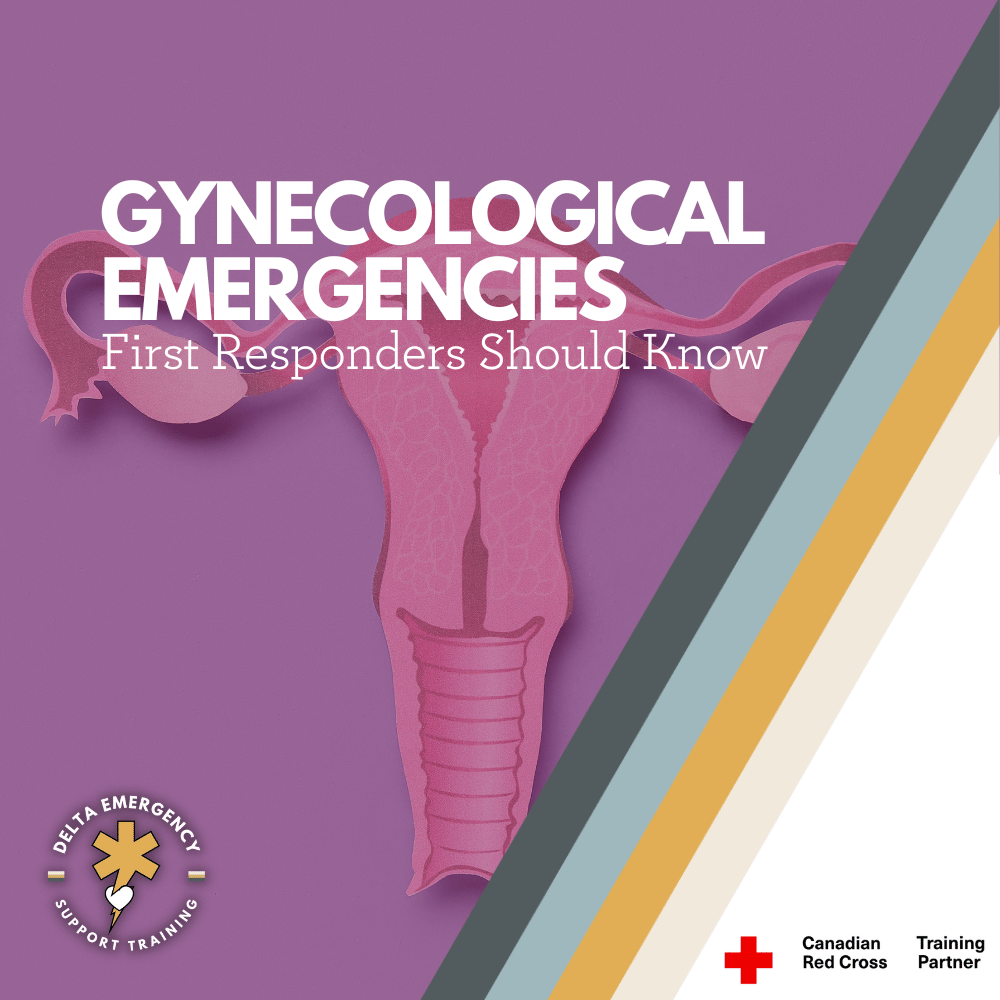
First responder comforting patient.
As first responders, your job extends beyond providing medical care. You are often the first point of contact in a crisis, and your communication skills can significantly impact the patient’s experience. Whether the person you’re helping is conscious or in distress, calm and effective communication can not only reassure them but also improve their overall outcome. In this blog, we will explore the significance of patient communication, what you should say, and what you should avoid saying when interacting with patients.
Why Communication Matters
When a person is injured, ill, or in an emergency situation, they are often frightened, confused, and uncertain. As a first responder, you are not just a medical professional—you are a source of comfort and security. Strong communication skills can help calm anxious patients, build trust, and ensure that you can gather the critical information needed to provide effective care.
Here are a few key reasons why good communication is essential:
Reassures the Patient: Effective communication can reduce anxiety and fear. A patient who feels heard and understood is more likely to trust you and follow your instructions.
Informs and Educates: Patients may not understand the severity of their situation. Explaining procedures and what is happening helps them feel more in control and informed.
Builds Trust: When patients sense your professionalism and empathy through your words, they are more likely to feel safe and cooperate, allowing you to deliver care efficiently.
Improves Health Outcomes: A patient who is actively involved in their care is more likely to comply with necessary procedures and instructions, leading to better outcomes.
What to Say: Key Elements of Effective Communication
In high-stress situations, it’s easy to forget the fundamentals of clear communication. Here are some essential tips to ensure you communicate well with patients:
Introduce Yourself and Explain Your Role: It’s important to let the patient know who you are and what you’re doing. For instance, you could say:
“Hi, I’m [Your Name], and I’m an EMT. I’m here to help you today.”
This immediately sets the stage for trust, as it lets the patient know that they are in professional hands.
Stay Calm and Confident: Patients take emotional cues from you. If you appear calm and in control, they are more likely to mirror those emotions. If you’re uncertain or panicked, it may escalate their fear. Use a calm, steady voice and be confident in your actions.
Use Simple, Clear Language: Avoid medical jargon that may confuse your patient. Instead, explain procedures and information in simple, easy-to-understand terms.
“I’m going to check your heart rate now. This will help us understand how your body is reacting.”
Keeping things clear prevents confusion and fosters trust.
Give Clear Instructions: Patients may not know what to do in an emergency. Be clear in your instructions, but also use positive language that emphasizes what they can do.
“Can you please take slow, deep breaths with me?”
Avoid telling them what not to do, as this may be confusing or create a sense of urgency. Positive phrasing helps guide their actions.
Empathy and Reassurance: Let the patient know that you understand how difficult their situation is. Even a simple statement can go a long way in creating rapport.
“I know this is scary, but you’re not alone. We’re here to take care of you.”
Provide Information About What’s Happening: It’s important to keep the patient informed about what you’re doing and why. In emergencies, patients may feel out of control, so explaining things step-by-step helps them stay grounded.
“I’m going to put an IV in to give you fluids. It might feel a little uncomfortable, but it’s important for your recovery.”
Listen Actively: Communication is a two-way street. Make sure to listen attentively to the patient’s concerns, and acknowledge their feelings. If they have questions, answer them as clearly and calmly as possible. This shows that you care about their well-being and helps maintain a strong connection.
What NOT to Say: Common Pitfalls to Avoid
While there is much to say in terms of effective communication, there are also many things that should be avoided. First responders need to be mindful of how their words can affect a patient’s emotional state. Here are a few things to keep in mind:
Avoid False Reassurance: Telling a patient that everything is going to be “fine” when you aren’t sure is not helpful. While you want to reassure, it’s important to remain honest about what you know and what’s uncertain.
Instead of saying, “You’ll be fine,” try, “We’re doing everything we can to help you right now.”
Don’t Make Assumptions: Avoid making statements that assume the patient’s condition or needs without knowing the facts. For example, saying “This will hurt, but it’s necessary” can cause unnecessary anxiety.
Instead, phrase it more carefully: “You may feel some discomfort as we do this, but it will help us get you the treatment you need.”
Don’t Rush or Overwhelm: In fast-paced emergencies, it’s easy to get caught up in the urgency, but avoid overwhelming the patient with too much information too quickly. Try to break things down into manageable steps.
Instead of saying, “We need to get you to the hospital, start an IV, monitor your vitals, and administer fluids—all at once,” you could say, “We’re going to start by getting an IV in so we can give you fluids. Then we’ll check your vitals and get you ready for transport.”
Don’t Dismiss Concerns: Never trivialize the patient’s feelings or complaints. What may seem minor to you could feel significant to the patient.
If a patient expresses worry, avoid saying things like, “It’s not that bad.” Instead, listen, acknowledge their feelings, and reassure them.
Avoid Overloading with Technical Details: While patients deserve information, keep in mind that too much medical detail can be overwhelming. Focus on what’s necessary for their immediate understanding.
Building Trust: The Role of Empathy in Patient Communication
Empathy is at the core of good patient communication. Demonstrating that you care about the patient’s well-being can make all the difference, especially in high-stress situations. Showing empathy doesn’t mean solving all their problems—it means showing that you understand their fears and frustrations.
Empathetic phrases to use:
“I know you’re in pain, and I’m here to help you through this.”
“It’s okay to feel scared; we’re going to take good care of you.”
“I can imagine this is really tough right now. We’re doing everything we can to help.”
Empathy fosters a connection that can make patients feel more comfortable, even in dire situations.
Final Thoughts
In the demanding role of a first responder, you play a pivotal part in both the physical and emotional care of patients. Effective communication can build trust, ease anxiety, and improve the overall care experience. By using clear, compassionate, and thoughtful communication techniques, you can ensure that your patients feel heard, cared for, and more at ease during some of the most vulnerable moments of their lives.
Mastering patient communication not only helps provide better care but strengthens the bonds between first responders and the communities they serve. When it comes to saving lives, it’s not just the physical interventions that matter—it’s the way we communicate with those who need us most.
Common Gynecological Medical Emergencies Every First Responder Should Know
Gynecological emergencies, such as ovarian torsion, ectopic pregnancy, and toxic shock syndrome, require quick action and careful handling. For first responders, understanding the symptoms, knowing how to prioritize care, and maintaining patient comfort and dignity are essential. This blog explores common gynecological emergencies, providing essential information for responders to manage these situations with professionalism, especially when male responders are involved. Learn how to respond effectively and respectfully to ensure the best outcomes for your patients.
Gynecological emergencies require quick assessments, clear decision-making, and fast intervention. For first responders, understanding these conditions is essential for providing the right care and support. While some gynecological issues may seem daunting, being knowledgeable about these emergencies can make all the difference in saving lives and minimizing long-term complications.
In this blog, we’ll dive deeper into some of the most common gynecological emergencies, including endometriosis, ovarian torsion, ectopic pregnancy, toxic shock syndrome, and more. Additionally, we’ll discuss how first responders can handle these situations efficiently, with a focus on maintaining patient comfort and professionalism, particularly when male responders are involved.
1. Endometriosis: Managing Acute Flare-Ups
What It Is:
Endometriosis is a chronic condition where tissue similar to the lining of the uterus grows outside of it, often affecting the ovaries, fallopian tubes, or other organs in the pelvic region. While it’s usually a long-term condition, flare-ups can create acute pain and other complications.
Emergency Symptoms:
Intense pelvic pain, especially during menstruation
Nausea, vomiting, or dizziness
Heavy menstrual bleeding
Pain during intercourse
What to Do:
First responders should focus on pain management, as the acute pain associated with endometriosis flare-ups can be overwhelming. Administer analgesics as per protocol and assess vital signs. If bleeding is severe, treat for shock and prepare for transport to the nearest medical facility for further treatment, including possible imaging and evaluation by a gynecologist.
2. Ovarian Torsion: A Time-Sensitive Surgical Emergency
What It Is:
Ovarian torsion occurs when an ovary twists on its supporting ligaments, cutting off its blood supply. This is a surgical emergency and, if not treated promptly, can lead to ovarian necrosis (death of the ovary).
Emergency Symptoms:
Sudden, severe pelvic pain, often localized to one side
Nausea or vomiting
Abdominal tenderness
Possible fever
What to Do:
Time is critical in ovarian torsion. The primary action for first responders is pain management and stabilization. Administer pain relief (IV or oral as per protocol) and monitor for signs of shock. Rapid transport to a surgical facility is essential for surgical intervention to save the ovary. Delaying treatment could result in permanent damage or loss of the ovary.
3. Miscarriage: Spontaneous Pregnancy Loss
What It Is:
A miscarriage refers to the loss of a pregnancy before the 20th week. Miscarriages are often associated with heavy bleeding and pain, and they can lead to emotional distress for the patient.
Emergency Symptoms:
Heavy bleeding or passing of tissue
Cramping or abdominal pain
Lower back pain
Dizziness or fainting
What to Do:
For first responders, it’s important to manage bleeding and monitor for signs of shock. Heavy bleeding can result in hypovolemic shock, so maintaining the patient’s blood volume with IV fluids is critical. Emotional support is also key—be compassionate and empathetic, as this is often a traumatic experience. Transport the patient to a medical facility for further evaluation, including an ultrasound to confirm the miscarriage and assess for any retained tissue.
4. Ectopic Pregnancy: A Life-Threatening Condition
What It Is:
An ectopic pregnancy occurs when a fertilized egg implants outside the uterus, usually in a fallopian tube. This is a dangerous condition because the fallopian tube can rupture, leading to significant internal bleeding.
Emergency Symptoms:
Severe abdominal pain, often on one side
Vaginal bleeding or spotting
Dizziness, fainting, or low blood pressure
Shoulder pain (referred pain due to internal bleeding)
What to Do:
Ectopic pregnancy is a medical emergency that requires immediate transport to the hospital. First responders should stabilize the patient, monitor vitals, and treat for shock if necessary. If an ectopic pregnancy is suspected, it is critical to get the patient to a surgical facility as quickly as possible, as a ruptured ectopic pregnancy can be fatal.
5. Uterine Fibroids: Managing Complications from Benign Tumors
What It Is:
Uterine fibroids are non-cancerous growths in the muscle of the uterus. In many cases, they don’t cause symptoms, but in some women, they can result in heavy menstrual bleeding or pain, especially during pregnancy or menopause.
Emergency Symptoms:
Heavy vaginal bleeding, potentially leading to shock
Pelvic or abdominal pain
Pressure on the bladder or rectum
Painful intercourse
What to Do:
If a patient with uterine fibroids presents with heavy bleeding, assess the degree of bleeding and treat for shock if necessary. Administer fluids to maintain blood pressure and transport the patient to a medical facility for further evaluation and treatment. In severe cases, surgical intervention may be needed to manage bleeding or remove the fibroids.
6. Vulvar Abscess: Infection and Inflammation of the Vulva
What It Is:
A vulvar abscess is a localized collection of pus caused by infection. It may occur due to bacteria entering the vulvar glands, leading to swelling, pain, and tenderness.
Emergency Symptoms:
Painful swelling or tenderness in the vulva
Redness and warmth in the affected area
Fever
Drainage of pus
What to Do:
While vulvar abscesses typically require drainage and antibiotics, first responders should focus on pain relief and preventing the infection from spreading. Administer pain relief and fluids as per protocol and prepare for rapid transport to a hospital where surgical drainage may be needed.
7. Toxic Shock Syndrome (TSS): A Severe Bacterial Infection
What It Is:
Toxic Shock Syndrome is caused by bacterial toxins, usually from Staphylococcus aureus or Streptococcus pyogenes. Though it’s rare, it can progress rapidly and lead to organ failure and death.
Emergency Symptoms:
Sudden high fever
Vomiting and diarrhea
A red, sunburn-like rash
Low blood pressure, confusion, or shock
What to Do:
TSS is a critical emergency requiring immediate intervention. First responders should administer fluids to combat shock, manage the fever, and prepare for transport to a medical facility. Treatment typically includes IV antibiotics and supportive care to prevent organ failure.
8. The Challenges of Responding to Gynecological Emergencies, Especially for Male Responders
Patient Comfort and Professionalism:
Handling gynecological emergencies can be particularly sensitive, especially if the responding team is composed of male responders. As a first responder, it’s essential to be aware of the patient’s emotional and physical comfort while still prioritizing their care.
Key Considerations for Male Responders:
Maintain Decency: Ensure that the patient’s privacy is respected at all times. Use blankets or gowns to cover them as much as possible, especially during transport or examination.
Provide Clear Communication: Always explain the procedures you’re performing and why they are necessary. Patients may feel vulnerable during gynecological emergencies, so explaining what is happening at each stage can help reduce anxiety.
Offer Emotional Support: Gynecological emergencies often come with an emotional component. Be compassionate and understanding, offering reassurance and support throughout the process.
If Possible, Involve Female Responders: If you’re a male responder and the situation involves intimate care, offer the patient the option to be attended to by a female responder, if available, to maintain comfort and dignity.
First responders should always prioritize patient safety and dignity. Being sensitive to these issues helps build trust and ensures that you are providing the best care possible, especially in potentially traumatic situations.
Conclusion: Efficient, Respectful Care for Gynecological Emergencies
Gynecological emergencies can present unique challenges for first responders, but with the right knowledge and skills, you can manage these situations effectively and compassionately. Whether dealing with ovarian torsion, toxic shock syndrome, or ectopic pregnancy, understanding the symptoms and knowing the right actions to take will ensure better patient outcomes. Responding with professionalism, sensitivity, and respect for the patient’s dignity is just as important as delivering medical care.
At Delta Emergency Support Training, we equip first responders with the knowledge and skills necessary to handle all types of emergencies, including gynecological ones. Our comprehensive training prepares you to respond with confidence, ensuring you provide the best care in critical situations.
Understanding Medical Terminology: A Guide to Prefixes, Suffixes, and Roots for First Responders
Mastering medical terminology is essential for first responders. Understanding common prefixes, suffixes, and roots will help you communicate more effectively, make informed decisions, and provide quicker, more effective care. In this guide, we break down essential medical terms that will boost your confidence on the job and improve patient outcomes.
In the fast-paced world of Emergency Medical Services (EMS), effective communication and quick thinking are crucial. One way to improve both is by mastering medical terminology. As a first responder, understanding the building blocks of medical terms — prefixes, suffixes, and roots — will allow you to interpret unfamiliar terms quickly, leading to better patient care and more effective communication with other healthcare professionals.
In this guide, we’ll break down the most common prefixes, suffixes, and roots in medical terminology, with a focus on how these parts come together to help you understand the language of medicine. By familiarizing yourself with these building blocks, you’ll be equipped to navigate the world of medical terminology with confidence.
What Are Prefixes, Suffixes, and Roots?
Medical terms often seem complex, but most are built from smaller components that convey specific meanings. Understanding how these components work will help you quickly decode medical terms.
Prefix: A prefix is added at the beginning of a word to modify its meaning. It typically indicates time, location, quantity, or status.
Suffix: A suffix is placed at the end of a word to alter its meaning. It often refers to a condition, disease, procedure, or part of the body.
Root Word: The root is the central part of the word that provides the core meaning. It typically refers to a body part, function, or medical concept.
By breaking down terms into these components, you can understand what a word means without needing to memorize every single term.
Why EMS Professionals Need to Understand Prefixes, Suffixes, and Roots
As a first responder, you’ll often encounter long, unfamiliar medical terms during patient care. Breaking these terms down into their prefixes, suffixes, and roots helps you:
Interpret Symptoms Faster: For example, recognizing terms like “tachypnea” (rapid breathing) or “bradycardia” (slow heart rate) allows you to quickly assess the situation and respond accordingly.
Improve Communication: Whether you’re talking to a doctor, paramedic, or other healthcare professionals, using the correct medical terminology ensures clear, efficient communication, which leads to better patient outcomes.
Streamline Documentation: Accurate medical documentation is essential in EMS. Knowing medical terms ensures you can write reports that are both precise and comprehensive.
Common Medical Prefixes Every First Responder Should Know
Here are some of the most common prefixes you’ll encounter in EMS. These prefixes provide important information about the patient's condition and can help you make quicker decisions in the field.
1. “Hyper-”
Meaning: Excessive, above normal
Example: Hypertension (high blood pressure)
2. “Hypo-”
Meaning: Below normal, deficient
Example: Hypoglycemia (low blood sugar)
3. “Brady-”
Meaning: Slow
Example: Bradycardia (slow heart rate)
4. “Tachy-”
Meaning: Fast
Example: Tachypnea (rapid breathing)
5. “Pre-”
Meaning: Before
Example: Preoperative (before surgery)
6. “Post-”
Meaning: After
Example: Post-traumatic (after trauma)
7. “Sub-”
Meaning: Under, beneath
Example: Subcutaneous (beneath the skin)
8. “Inter-”
Meaning: Between
Example: Intercostal (between the ribs)
9. “Intra-”
Meaning: Within
Example: Intravenous (within the vein)
10. “Exo-”
Meaning: Outside, outward
Example: Exoskeleton (external skeleton)
Common Medical Suffixes for EMS Professionals
Suffixes are essential for understanding the nature of a medical condition, procedure, or diagnosis. Below are key suffixes that are frequently used in EMS:
1. “-itis”
Meaning: Inflammation
Example: Arthritis (inflammation of the joints)
2. “-ectomy”
Meaning: Surgical removal
Example: Appendectomy (removal of the appendix)
3. “-algia”
Meaning: Pain
Example: Neuralgia (nerve pain)
4. “-pathy”
Meaning: Disease or condition
Example: Neuropathy (nerve disease)
5. “-emia”
Meaning: Blood condition
Example: Anemia (low red blood cell count)
6. “-plasty”
Meaning: Surgical repair
Example: Rhinoplasty (surgical repair of the nose)
7. “-scopy”
Meaning: Viewing or examination using a scope
Example: Endoscopy (examination of a body cavity)
8. “-logy”
Meaning: The study of
Example: Cardiology (study of the heart)
9. “-osis”
Meaning: Abnormal condition or disease
Example: Cirrhosis (a liver disease)
10. “-graphy”
Meaning: The process of recording
Example: Cardiography (recording heart activity)
Common Medical Roots in EMS Terminology
Roots form the core of medical terms and typically describe body parts, organs, or functions. Here are some important roots you’ll encounter in your training and practice:
1. “Cardi/o”
Meaning: Heart
Example: Cardiology (study of the heart)
2. “Gastr/o”
Meaning: Stomach
Example: Gastritis (inflammation of the stomach lining)
3. “Hemat/o”
Meaning: Blood
Example: Hemorrhage (excessive bleeding)
4. “Neuro/o”
Meaning: Nerve, nervous system
Example: Neurology (study of the nervous system)
5. “Oste/o”
Meaning: Bone
Example: Osteoarthritis (arthritis of the bone)
6. “Pulmon/o”
Meaning: Lungs
Example: Pulmonary edema (fluid buildup in the lungs)
7. “My/o”
Meaning: Muscle
Example: Myocardial (related to the heart muscle)
8. “Derm/a”
Meaning: Skin
Example: Dermatitis (inflammation of the skin)
9. “Ren/o”
Meaning: Kidney
Example: Renal failure (kidney failure)
10. “Rhin/o”
Meaning: Nose
Example: Rhinoplasty (surgical procedure on the nose)
Study Strategies for Mastering Medical Terminology
While learning prefixes, suffixes, and roots can seem overwhelming, there are several effective study techniques to help you retain and apply these concepts:
1. Use Flashcards
Flashcards are an excellent way to reinforce your understanding of prefixes, suffixes, and roots. Use physical cards or apps like Quizlet to test your knowledge on the go. Write the term on one side and its meaning on the other.
2. Create Mnemonics
To help remember terms, create memorable associations. For example, remember “tachy-” by thinking of “tachometer,” which measures speed (fast). For “brady-” (slow), think of Brady the tortoise from the classic story.
3. Break Down Terms
Whenever you encounter an unfamiliar term, break it down. Start with the root word, then look at the prefix and suffix. For example, Tachycardia:
Tachy- = fast
Cardi/o = heart
-ia = condition So, Tachycardia = a condition of a fast heart rate.
4. Group Study and Practice
Group study sessions help reinforce what you've learned. Discuss terms with classmates or colleagues and quiz each other regularly to ensure you understand the material.
5. Use Interactive Tools
Interactive quizzes and apps can make learning more engaging. Tools like Anki or MedTerm offer practice exercises that reinforce your understanding of medical terminology in a fun, interactive way.
Conclusion: Mastering Medical Terminology for EMS Professionals
In EMS, quick decision-making and clear communication can save lives. Understanding medical terminology, including prefixes, suffixes, and roots, allows you to decode complex terms on the fly and makes you a more effective responder. It’s a skill that will improve your ability to assess patients, document care, and work with your team efficiently.
At Delta Emergency Support Training, we understand the importance of a solid foundation in medical terminology. Our comprehensive Red Cross Babysitting course and First Aid training cover essential medical concepts that will set you up for success in the field. Whether you're just getting started or looking to advance your skills, mastering medical terminology is a key step in becoming a top-tier first responder.
Drug Monographs: The Ultimate Study Guide
As first responders in healthcare, our duty goes beyond quick reactions. Understanding drug monographs is key. They're like essential guides, giving us the lowdown on medications, including what they're for, what to avoid, and when to be cautious. This knowledge is vital – it can mean the difference between helping or accidentally harming our patients."
The Vital Role of Drug Monographs in Patient Care
In the realm of emergency response and healthcare, our responsibility as first responders extends beyond quick reactions to a profound understanding of the medications we administer. Drug monographs serve as indispensable guides, offering a overview of medications, including indications, contraindications, and cautions. This knowledge is paramount, as it can mean the difference between providing effective relief and inadvertently causing harm to our patients.
Lets learn about what indications, contraindications and cautions mean.
Indications:
Understanding the indications of a medication is akin to unlocking its therapeutic potential. It provides crucial insights into the specific conditions or symptoms the drug is designed to address. Armed with this knowledge, first responders can make informed decisions, ensuring that the chosen medication aligns precisely with the patient's needs.
Contraindications:
Equally important are the contraindications outlined in drug monographs. These are specific situations or conditions in which the medication should not be administered due to potential risks or adverse effects. By meticulously adhering to contraindications, first responders mitigate the possibility of exacerbating underlying health issues or causing unintended harm.
Cautions:
Cautions, often nuanced and subtle, represent the middle ground between indications and contraindications. Recognizing these cautionary notes is imperative, as they highlight scenarios where careful consideration and additional monitoring may be required. Cautions serve as a crucial alert system, prompting first responders to tailor their approach based on the patient's unique medical circumstances.
The Gravity of Responsibility:
Knowing drug monographs is not just a professional expectation; it's a moral and ethical responsibility. Our decisions as first responders can profoundly impact the well-being of those under our care. In the absence of a comprehensive understanding of medications, we risk not only compromising the efficacy of our interventions but also exposing patients to potential dangers.
Empowering First Responders:
Our commitment to excellence is reflected in the emphasis we place on drug monograph awareness in our Advanced First Aid class. By equipping first responders with the knowledge to decipher and apply drug monographs effectively, we empower them to make sound, patient-centered decisions. This, in turn, ensures a higher standard of care.
Announcement:
Exploring Drug Monographs in Depth
In our ongoing commitment to enhancing knowledge and fostering continuous learning, we are thrilled to announce the upcoming release of a series of drug monograph blogs. These blogs will delve into the intricacies of various medications, providing valuable insights to further empower first responders in making informed and effective decisions in the field. Stay tuned for this exciting initiative as we continue to prioritize your education and professional growth.
Understanding the Unique Challenges of Bariatric Patients
Navigate the distinctive challenges presented by bariatric patients within Emergency Medical Services (EMS). From defining the characteristics of these patients to unraveling the daily struggles faced by EMS providers, this blog takes a comprehensive dive into the critical aspects of specialized transporting training, tailoring medical care for larger patients, and implementing efficient patient loading strategies. Discover the indispensable role played by specialized lifts and transfer devices in addressing the burgeoning need for heightened capacity, ensuring the utmost safety for both patients and EMS professionals. Join us on this exploration of a comprehensive approach to bariatric patient care in EMS, setting the stage for part 2 where common health concerns are meticulously examined.
Defining Bariatric Patients
Bariatric Patient sitting in a wheelchair
Bariatric patients, characterized by obesity, present unique challenges for EMS providers. Obesity, a growing concern globally, requires a nuanced approach in healthcare delivery. This section explores the prevalence of obesity, its root causes, and the heightened demand for specialized care within Emergency Medical Services.
The Daily Struggle
Communities served by EMS witness a daily surge in calls for patients weighing 350 pounds or more. The escalating frequency of these calls underscores the necessity for EMS providers to equip themselves with specialized training and equipment to meet the challenges posed by bariatric patients.
The Critical Role of Specialized Transporting Training
Patients surpassing 500 pounds necessitate a heightened level of expertise, equipment, and procedural knowledge. This section delves into the specifics of providing proper patient care, including the use of specialized equipment, large-sized gowns, and fabric devices designed to facilitate safe patient movement.
Tailoring Medical Care for Larger Patients
Adjusting equipment and supplies for delivering medical care to bariatric patients involves adapting to their unique physical requirements. There are necessary adjustments in equipment and supplies, from the use of appropriately sized blood pressure cuffs to employing longer needles for intramuscular injections to ensure proper care.
Extrication and Immobilization
Efficient Patient Loading and Stabilization Strategies for Bariatric Patients
Loading a bariatric patient onto a cot poses unique challenges that demand a meticulous and strategic approach from Emergency Medical Services (EMS) providers. Ensuring the safety and comfort of both the patient and the EMS team requires a nuanced understanding of the intricacies involved in patient loading and stabilization.
Strategic Considerations for Efficient Loading:
Efficient patient loading begins with a thorough assessment of the immediate environment. EMS providers must strategize the positioning of the cot to facilitate seamless patient transfer. The cot, equipped with the necessary weight-bearing capacity, becomes a crucial tool in ensuring a safe and controlled loading process.
Maintaining the Cot in the Down Position:
Emphasizing the maintenance of the cot in the down position throughout the loading process is essential. This not only provides a stable foundation for the patient but also minimizes the risk of injury during the transfer. The down position ensures a lower center of gravity, enhancing stability and reducing the chances of the cot tipping.
Innovative Solutions for Spinal Stabilization:
Stabilizing the spine of bariatric patients requires innovative solutions that go beyond traditional methods. Specialized backboards designed to accommodate larger body sizes play a pivotal role in providing effective spinal support. Additionally, blanket or towel rolls strategically placed can offer supplemental stabilization, adapting to the unique contours of the patient's body.
Lateral Head Pillows for Enhanced Comfort:
Recognizing the challenges posed by the sheer size and weight of bariatric patients, the use of lateral head pillows becomes imperative. These specialized pillows not only provide additional support for the patient's head and neck but also contribute to maintaining proper alignment during loading. This extra layer of comfort is crucial for ensuring a smooth and trauma-free transfer.
Specialized Lifts and Transfer Devices
The need for specialized transfer devices tailored for bariatric patients, the focal point revolving around addressing the burgeoning need for heightened capacity. The array of lifting solutions encompasses specialized textile sheets and soft sling devices, meticulously crafted to adeptly manage weights surpassing 1,000 pounds. These technological innovations stand out as critical assets, navigating the challenges unique to bariatric patients. However, their effectiveness hinges on the depth of training provided to EMS providers. Thorough comprehension and hands-on training are essential for ensuring the secure and efficient deployment of these devices. This training not only guarantees the safe lifting and transfer of bariatric patients but also prioritizes the safety and well-being of EMS professionals engaged in these critical maneuvers.
Conclusion
Embracing a comprehensive approach in the face of the changing nature of body habits in Canada, EMS providers must adopt a comprehensive approach to care for bariatric patients. By addressing the challenges in equipment, training, and patient care, EMS can ensure the safety and well-being of both patients and providers in this critical aspect of emergency medical services. Join us for part 2 where we discuss the common health concerns our bariatric patients face.
Ectopic Pregnancy : First Responders Guide
In the dynamic world of first response, awareness and preparedness are paramount. Aspiring firefighters, your ability to recognize and respond to complex medical conditions, including ectopic pregnancies, can be a game-changer. Our blog takes you on a journey through the causes, symptoms, and emergency response protocols specific to severe lower abdominal pain in women of childbearing age. Delve into the intricacies of ectopic pregnancies, learn the risk factors that elevate the stakes, and empower yourself to make split-second decisions that can save lives. Elevate your knowledge and be the first responder with the expertise needed in the face of this critical medical emergency.
As a first responder, your role in emergency situations can be crucial, especially when faced with complex medical conditions. One such condition that requires immediate attention is ectopic pregnancy. In this blog, we'll delve into the causes, symptoms, and treatments of ectopic pregnancy, with a focus on what aspiring firefighters should be aware of when responding to an emergency call involving severe lower abdominal pain in females of childbearing age.
Young woman with lower abdominal pain
Understanding Ectopic Pregnancy
What is Ectopic Pregnancy? Ectopic pregnancy occurs when a fertilized egg implants itself outside the womb, typically in one of the fallopian tubes. This can pose serious risks to the woman's health and requires prompt medical intervention.
Complications of Ectopic Pregnancy
Rupture of the Fallopian Tube:
As the fertilized egg develops, the fallopian tube does not stretch as the uterus does. This can lead to the rupture of the fallopian tube, causing severe, life-threatening internal bleeding.
The rupture is a critical complication that demands immediate medical attention to prevent further harm.
Internal Bleeding:
Rupture of the fallopian tube can result in significant internal bleeding, posing a serious threat to the woman's health.
Internal bleeding can lead to hypovolemic shock, characterized by a rapid heart rate, low blood pressure, and a potential loss of consciousness.
Injury to Reproductive Organs:
If not promptly addressed, an ectopic pregnancy can cause damage to the fallopian tube and other reproductive organs.
The affected fallopian tube may need to be surgically removed to prevent ongoing health risks and future ectopic pregnancies.
Peritonitis:
Rupture of the fallopian tube can introduce fetal tissue and blood into the abdominal cavity, leading to peritonitis—an inflammation of the peritoneum (the lining of the abdominal cavity).
Peritonitis is a serious infection that requires immediate medical intervention.
Psychological Impact:
Coping with the loss of a pregnancy, along with the potential for surgical intervention and complications, can have a profound psychological impact on the woman.
Emotional support and counseling may be necessary to help the individual navigate through the emotional challenges associated with ectopic pregnancies.
Death:
In extreme cases where the ectopic pregnancy is not promptly diagnosed and treated, the resulting complications such as severe internal bleeding can lead to death.
Recognizing Risk Factors
How to know if your patient is at risk of an ectopic pregnancy?
Understanding the risk factors associated with ectopic pregnancies is essential for both healthcare providers and first responders. Individuals may be at a higher risk if they have the following.
Previous Ectopic Pregnancy:
Having experienced an ectopic pregnancy in the past increases the risk of recurrence. It's crucial for healthcare providers to consider this history when assessing a woman's condition.
Pelvic Inflammatory Disease (PID):
A history of PID, an infection causing scar tissue in the fallopian tubes, uterus, ovaries, and cervix, raises the risk of ectopic pregnancy. PID can result from untreated sexually transmitted infections (STIs) and may contribute to fertility issues.
Surgery on Fallopian Tubes or Pelvic Organs:
Any surgical procedure on the fallopian tubes, including tubal ligation, or other pelvic organs can increase the likelihood of ectopic pregnancy. Scar tissue from these surgeries may affect the normal passage of the fertilized egg.
History of Infertility:
Individuals with a history of infertility are at an elevated risk. Fertility issues may be linked to conditions such as endometriosis, which can disrupt the normal reproductive process.
In Vitro Fertilization (IVF) Treatment:
Treatment for infertility with IVF can increase the chances of an ectopic pregnancy. The assisted reproductive technology involves transferring fertilized eggs into the uterus, potentially affecting their implantation.
Endometriosis:
Endometriosis, a condition where tissue similar to the lining of the uterus grows outside the uterus, can contribute to the risk of ectopic pregnancy.
Sexually Transmitted Infections (STIs):
Certain STIs, if left untreated, can lead to PID and increase the risk of ectopic pregnancy.
Intrauterine Device (IUD) in Place at Conception:
Having an IUD in place at the time of conception raises the risk of ectopic pregnancy. In such cases, immediate medical attention is crucial.
History of Smoking Tobacco:
Smoking is associated with an increased risk of ectopic pregnancy. The harmful effects of tobacco on reproductive health should be considered in the assessment of potential cases.
Age:
Advanced maternal age, particularly those over 35, is a risk factor for ectopic pregnancy. Healthcare providers and first responders should be attentive to age-related considerations.
It's important to note that up to 50% of individuals who experience an ectopic pregnancy may not have any of the mentioned risk factors. Therefore, maintaining a high level of suspicion and awareness, especially when responding to cases of severe lower abdominal pain in women of childbearing age, is crucial for timely intervention.
Recognizing Symptoms
Signs of an Ectopic Pregnancy
When responding to a call involving severe lower abdominal pain in a woman of childbearing age, it's crucial to be alert to potential signs of an ectopic pregnancy.
Early Symptoms: The early symptoms of an ectopic pregnancy can be deceptive, closely resembling typical pregnancy symptoms. However, additional symptoms may include:
Vaginal bleeding.
Pain in your lower abdomen, pelvis, and lower back.
Dizziness, weakness, syncope.
Rupture Symptoms: If the fallopian tube ruptures, the pain and bleeding could be severe enough to cause additional symptoms, such as:
Fainting
Hypotension
Shoulder pain.
Rectal pressure or bowel problems.
Recognizing these signs early can expedite the emergency response.
Navigating Care
When faced with a potential ectopic pregnancy emergency, follow these steps:
Gather information about the patient's medical history, including previous pregnancies and any known reproductive health issues.
Primary Assessment:
Prioritize airway, breathing, and circulation (ABC).
Monitor vital signs and be attentive to signs of shock.
Focused Abdominal Exam
Gently palpate the abdomen, noting any tenderness or rigidity.
In case of severe lower abdominal pain, maintain a high index of suspicion for ectopic pregnancy.
Assess for signs of internal bleeding, such as a distended abdomen.
Rapid Transport:
Arrange for immediate transportation to a medical facility equipped to handle obstetric emergencies.
Treatment Options
Medical Intervention
Once at the hospital, medical professionals may use ultrasound to confirm the diagnosis. Treatment options include medication or surgical intervention to remove the ectopic pregnancy.
Recognize the emotional toll an ectopic pregnancy can take on the patient.
Offer reassurance and empathy while maintaining a professional demeanor.
Conclusion
Medical professionals such as firefighter or paramedics equipped with knowledge about ectopic pregnancies play a vital role in ensuring swift and effective emergency responses. By understanding the causes, recognizing symptoms, and following the appropriate protocols, first responders can contribute to the timely and compassionate care of women experiencing this potentially life-threatening condition.
Pain Assessments for Patients: A Crucial Skill for Professional Responders
In the high-stress world of professional emergency response, the ability to assess and manage pain effectively is paramount. Every second counts, and understanding a patient's pain is often the first step towards providing the right care. In this blog, we delve into the OPQRRRST format for pain assessments, breaking down each component to equip you with the skills needed to excel in roles like firefighting, paramedicine, and more. Pain assessment isn't just about addressing discomfort; it's about saving lives. Read on to discover why it matters, how to do it, and why Delta Emergency is your partner in authentic, hands-on training.
Professional responders, your ability to assess and manage pain effectively can make a profound difference in a patient's experience and outcome. While your primary focus is on providing immediate care and stabilizing the patient's condition, it's important to remember that pain assessments are a critical component of your secondary assessment. These assessments not only offer insights into the patient's discomfort but also guide your decision-making process in providing timely and appropriate interventions.
Paramedic preforming a secondary assessment including a OPQRRRST pain assessment.
In the dynamic and often high-stress environment of professional response, a structured approach to pain assessment, such as the OPQRRRST format, becomes an invaluable tool. It empowers you to gather crucial information efficiently, ensuring that no vital detail is overlooked in the midst of urgency and complexity. Through this blog, we will embark on a comprehensive journey through each component of the OPQRRRST format, equipping you with the knowledge and skills necessary to master this essential aspect of your role as a professional responder.
Onset - "When Did the Pain Start?"
When a patient experiences pain, it's essential to understand when it first began. This information can help differentiate between acute and chronic pain. Acute pain typically has a sudden onset and is often related to a specific event or injury, such as a fall or an accident. On the other hand, chronic pain persists over a longer period, often months or even years, and may develop gradually.
Ask the patient about the circumstances surrounding the pain's onset. Did it start after a particular incident or activity? Did it come on suddenly without any apparent cause? Knowing when the pain started can provide critical clues about its origin and potential causes.
Provocation - "What Makes It Worse?"
To gain a deeper understanding of the pain, inquire about factors that worsen it. Patients may have specific triggers or actions that exacerbate their discomfort. For example, for a patient with a musculoskeletal injury, movements or certain positions might worsen the pain. For a patient with gastrointestinal issues, eating certain foods might aggravate abdominal pain.
Identifying provocation factors is crucial for managing the patient's immediate comfort and for determining whether further medical investigations or interventions are necessary.
Quality - "Can You Describe Your Pain in Your Own Words?"
Pain quality is a subjective aspect that can provide valuable insights into the nature of the pain. Encourage the patient to describe their pain using descriptive terms. For instance, they might use words like "stabbing," "burning," "throbbing," "aching," or "cramping" to characterize their pain.
Understanding the pain's quality can help you differentiate between various types of pain. For example, sharp, stabbing pain might indicate nerve involvement, while a dull, aching sensation could be indicative of inflammation or muscle strain.
Region - "Can You Draw a Circle Around the Painful Area?"
Identifying the precise location of pain is crucial for pinpointing the source of the issue. Ask the patient to point to or mark the specific area where they feel pain. This can help you visually assess if there are any visible signs of injury, swelling, or redness in that region.
In cases of referred pain, where the pain is felt in a different area than its source, this step can aid in identifying the primary cause. For example, pain in the left arm could be referred pain from a heart issue.
Radiation - "Does the Pain Radiate Anywhere?"
Pain often doesn't stay localized; it can radiate or spread to other areas of the body. Ask the patient if they feel discomfort in areas adjacent to the primary pain site. Radiation patterns can provide valuable diagnostic clues.
For instance, if a patient with a herniated disc reports back pain that radiates down one leg (sciatica), it suggests nerve compression in the spine as the source of pain.
Relief - "Does Anything Provide You Relief?"
Identifying what alleviates the patient's pain is crucial for managing their discomfort effectively. Inquire if there are specific actions, medications, or interventions that provide relief. This information helps you determine appropriate pain management strategies.
For example, if a patient with a headache mentions that lying in a dark, quiet room provides relief, you can recommend this as a non-pharmacological intervention.
Severity - "Rate Your Pain on a 0-10 Scale"
Quantifying pain severity on a scale of 0 to 10 allows for a standardized assessment. It helps you understand the intensity of the patient's pain and track changes over time. This numerical rating also assists in evaluating the effectiveness of pain management interventions.
Patients should be encouraged to provide an honest assessment of their pain level, as this aids in tailoring treatment plans to their specific needs.
Time - "Is the Pain Constant or Does It Come and Go?"
Understanding the temporal characteristics of pain is essential. Inquire whether the pain is constant or intermittent. Does it have a specific pattern, such as occurring at certain times of the day or in response to specific activities or movements?
For example, pain that occurs only during physical activity but subsides at rest could indicate a musculoskeletal issue. Conversely, constant, unrelenting pain might be suggestive of an ongoing medical condition.
In the challenging and dynamic realm of professional response, mastering the OPQRRRST format for pain assessment is an indispensable skill that can significantly impact patient care and outcomes. As a professional responder, your commitment to providing compassionate and effective care begins with your ability to understand and manage pain.
At Delta Emergency, we understand the importance of equipping new professional responders, whether they are entering the world of firefighting, paramedicine, or other critical roles, with the knowledge and skills needed to excel in their mission of saving lives. Our advanced first aid classes are meticulously designed to provide comprehensive training in pain assessment and various aspects of emergency response.
We invite you to join our community of dedicated professionals and embark on a journey toward excellence in patient care. Sign up with Delta today for an authentic and immersive training experience that will prepare you to face the challenges of the field with confidence and competence. Together, we can make a difference when it matters most.

