The Delta Dispatch
Free Lifesaving Knowledge at Your Fingertips: Introducing Our Comprehensive Guide for First Aid & CPR
Delta Emergency Support Training is excited to offer the "Comprehensive Guide for First Aid & CPR" as a free digital resource, empowering Canadians with the skills to handle emergencies confidently. This guide covers everything from CPR techniques to injury management and legal considerations, making it a vital tool for anyone looking to be better prepared in critical situations. Download your free copy today and help create a safer, more prepared community.
Ensuring Safety and Preparedness Across Canada
In our commitment to fostering a safer and more prepared community, Delta Emergency Support Training is proud to introduce a groundbreaking resource: the "Comprehensive Guide for First Aid & CPR." This extensive, digital book is offered entirely free of charge, aimed at equipping Canadians from all walks of life with the essential skills needed to respond effectively to emergencies.
What's Inside the Guide?
Our digital guide is a thorough compilation covering all aspects of first aid and CPR. Here are just a few sections that could make a critical difference in an emergency situation:
Emergency Preparedness: Learn how to equip your home and office to handle emergencies, from basic first aid kits to understanding the signs of medical distress.
CPR Techniques: Our guide provides step-by-step instructions for performing CPR on adults, children, and infants, ensuring you can act confidently when seconds count.
Managing Medical Emergencies: Whether it's dealing with severe allergic reactions, cardiac arrests, or other medical emergencies, our guide has you covered with expert advice.
Injury Prevention and Management: From treating burns to handling fractures, learn the most effective techniques to manage and mitigate injuries.
Legal Considerations: Understand the Good Samaritan laws that protect you when providing emergency aid and the responsibilities you hold as a caregiver or first responder.
Why a Free Digital Book?
Accessibility is key in emergency preparedness. By making this guide available digitally at no cost, we ensure that every individual, family, and organization in Canada has the opportunity to learn lifesaving techniques. This initiative is part of our mission to enhance community safety and empower individuals through education.
How to Access the Guide
Getting your copy of the "Comprehensive Guide for First Aid & CPR" is easy and instant. Simply visit our website at Delta Emergency Support Training, navigate to our resources section, and download your free copy today. Keep it on your mobile devices, computers, or print it out for quick reference.
Conclusion
We believe that knowledge is power, especially when it comes to saving lives. That's why we are thrilled to offer this valuable resource for free. Whether you're a parent, teacher, professional responder, or a concerned citizen, this guide is for you. Download your free copy today, and take a significant step toward becoming a more prepared, capable, and confident member of your community. Let's work together to keep Canada safe, one informed individual at a time!
Meningitis: What Every First Responder Needs to Know
Meningitis is a serious infection that can escalate rapidly. As a medical first responder, understanding the types and symptoms of meningitis is essential for effective care. At Delta Emergency, we provide advanced first aid training across Canada, particularly in Edmonton and Calgary, to equip fire fighters and emergency responders with life-saving knowledge.
At Delta Emergency, we train individuals in advanced first aid as an essential step in preparing them for fire fighting and other high-pressure, life-threatening situations. As part of our training, we emphasize the importance of being well-versed in a variety of medical conditions, including those that can escalate rapidly and require swift, decisive action. One such condition is meningitis, a serious infection that can affect the brain and spinal cord and may require urgent intervention.
In this post, we’ll delve into what meningitis is, the different types, and why understanding this condition is critical for medical first responders.
What is Meningitis?
Meningitis is the inflammation of the meninges, the protective membranes covering the brain and spinal cord. It is a potentially life-threatening condition because it can cause permanent damage to the nervous system if not treated quickly. The inflammation is usually caused by infection, but it can also be a result of other factors, such as certain medications or illnesses.
Symptoms of meningitis can develop suddenly, and in many cases, they resemble the flu. However, if left untreated, it can rapidly progress to more severe complications, including seizures, brain damage, and even death.
Types of Meningitis
Meningitis is classified into several different types based on the cause of the infection. The most common types are bacterial, viral, and fungal, but there are also other rarer causes that require different treatments.
1. Bacterial Meningitis
Bacterial meningitis is the most severe form and can be fatal if not treated immediately. It is caused by a bacterial infection that typically enters the bloodstream and spreads to the brain and spinal cord. The most common bacteria that cause meningitis are Neisseria meningitidis (meningococcal), Streptococcus pneumoniae (pneumococcal), and Haemophilus influenzae.
Symptoms:
Sudden high fever
Severe headache
Stiff neck
Nausea or vomiting
Sensitivity to light
Skin rashes (in some cases)
Bacterial meningitis requires immediate medical attention and is usually treated with intravenous antibiotics. Early intervention is key to preventing life-threatening complications.
2. Viral Meningitis
Viral meningitis is less severe than bacterial meningitis but can still be serious, particularly in infants and those with weakened immune systems. It is typically caused by viruses such as enteroviruses, herpes simplex virus, and the mumps virus.
Symptoms:
Mild fever
Headache
Stiff neck
Nausea
Sensitivity to light
Fatigue
Viral meningitis often resolves on its own without the need for specific treatment, although antiviral medications may be used in certain cases. Rest and supportive care are the mainstay of treatment.
3. Fungal Meningitis
Fungal meningitis is relatively rare and occurs when a fungal infection spreads to the meninges, usually in individuals with weakened immune systems, such as those with HIV/AIDS or who are undergoing chemotherapy. It is caused by fungi like Cryptococcus and Histoplasma.
Symptoms:
Headache
Fever
Nausea and vomiting
Sensitivity to light
Neck stiffness
Confusion
Fungal meningitis is treated with antifungal medications, but early detection is critical due to its potential to cause severe damage.
4. Parasitic Meningitis
Parasitic meningitis is a rare but serious type of infection caused by parasites. The most common example is Naegleria fowleri, a brain-eating amoeba found in warm freshwater environments. Though rare, this type of meningitis is almost always fatal.
Symptoms:
Severe headache
Nausea and vomiting
Stiff neck
Seizures
Why Is Meningitis Important for Medical First Responders to Recognize?
As a medical first responder, understanding meningitis is vital for several reasons:
Rapid Assessment: When faced with a potential case of meningitis, especially bacterial meningitis, the symptoms can escalate quickly. The faster a first responder can assess and recognize the condition, the quicker they can initiate life-saving interventions and transport the patient to a medical facility.
Preventing Spread: Certain types of meningitis, particularly bacterial meningitis, are contagious. First responders need to take immediate precautions to prevent the spread of the infection to others, especially in crowded environments like schools, hospitals, or emergency scenes.
Accurate Communication with Medical Teams: As an advanced first aider, you’ll need to provide accurate and detailed information to the hospital staff or paramedics. Recognizing the key symptoms of meningitis will help ensure that the patient receives the correct treatment as soon as possible.
Prevention Measures: In some cases, such as viral meningitis, vaccinations or antiviral medications may be available. Being able to educate the public on these prevention measures is also a critical aspect of first aid training.
Making Informed Decisions in High-Pressure Situations: In emergency situations, especially during a fire or rescue operation, medical first responders often need to make quick decisions. Having a solid understanding of conditions like meningitis allows responders to make informed choices about treatment and triage priorities.
Meningitis and Fire Fighting: Why This Matters for You
For fire fighters and other emergency personnel, the ability to recognize and respond to meningitis is particularly important. Fire fighters often work in high-risk environments where exposure to infectious diseases is a possibility. Additionally, the physical and mental stress of responding to emergencies, including traumatic events, can weaken the immune system, making individuals more susceptible to infections.
Training in advanced first aid equips fire fighters with the tools they need to recognize signs of meningitis, protect themselves from exposure, and provide immediate care to victims. Knowing when to initiate emergency treatment, when to call for higher medical support, and how to prevent cross-contamination is essential in keeping both responders and the community safe.
Conclusion
Meningitis is a serious and potentially life-threatening infection that can affect anyone, but with the right knowledge and preparation, medical first responders can make a significant difference in the outcomes of those affected. At Delta Emergency, we ensure that our trainees are well-prepared to recognize the signs and symptoms of meningitis and take the appropriate action. Whether you are responding to an emergency as a fire fighter or any other medical first responder, being equipped with the knowledge of how to handle meningitis could save lives.
If you're looking to advance your first aid training or get involved in fire fighting, understanding the signs and treatments for conditions like meningitis should be a key part of your learning journey. Stay prepared, stay safe, and always be ready to respond with confidence.
Understanding Medical Terminology: A Guide to Prefixes, Suffixes, and Roots for First Responders
Mastering medical terminology is essential for first responders. Understanding common prefixes, suffixes, and roots will help you communicate more effectively, make informed decisions, and provide quicker, more effective care. In this guide, we break down essential medical terms that will boost your confidence on the job and improve patient outcomes.
In the fast-paced world of Emergency Medical Services (EMS), effective communication and quick thinking are crucial. One way to improve both is by mastering medical terminology. As a first responder, understanding the building blocks of medical terms — prefixes, suffixes, and roots — will allow you to interpret unfamiliar terms quickly, leading to better patient care and more effective communication with other healthcare professionals.
In this guide, we’ll break down the most common prefixes, suffixes, and roots in medical terminology, with a focus on how these parts come together to help you understand the language of medicine. By familiarizing yourself with these building blocks, you’ll be equipped to navigate the world of medical terminology with confidence.
What Are Prefixes, Suffixes, and Roots?
Medical terms often seem complex, but most are built from smaller components that convey specific meanings. Understanding how these components work will help you quickly decode medical terms.
Prefix: A prefix is added at the beginning of a word to modify its meaning. It typically indicates time, location, quantity, or status.
Suffix: A suffix is placed at the end of a word to alter its meaning. It often refers to a condition, disease, procedure, or part of the body.
Root Word: The root is the central part of the word that provides the core meaning. It typically refers to a body part, function, or medical concept.
By breaking down terms into these components, you can understand what a word means without needing to memorize every single term.
Why EMS Professionals Need to Understand Prefixes, Suffixes, and Roots
As a first responder, you’ll often encounter long, unfamiliar medical terms during patient care. Breaking these terms down into their prefixes, suffixes, and roots helps you:
Interpret Symptoms Faster: For example, recognizing terms like “tachypnea” (rapid breathing) or “bradycardia” (slow heart rate) allows you to quickly assess the situation and respond accordingly.
Improve Communication: Whether you’re talking to a doctor, paramedic, or other healthcare professionals, using the correct medical terminology ensures clear, efficient communication, which leads to better patient outcomes.
Streamline Documentation: Accurate medical documentation is essential in EMS. Knowing medical terms ensures you can write reports that are both precise and comprehensive.
Common Medical Prefixes Every First Responder Should Know
Here are some of the most common prefixes you’ll encounter in EMS. These prefixes provide important information about the patient's condition and can help you make quicker decisions in the field.
1. “Hyper-”
Meaning: Excessive, above normal
Example: Hypertension (high blood pressure)
2. “Hypo-”
Meaning: Below normal, deficient
Example: Hypoglycemia (low blood sugar)
3. “Brady-”
Meaning: Slow
Example: Bradycardia (slow heart rate)
4. “Tachy-”
Meaning: Fast
Example: Tachypnea (rapid breathing)
5. “Pre-”
Meaning: Before
Example: Preoperative (before surgery)
6. “Post-”
Meaning: After
Example: Post-traumatic (after trauma)
7. “Sub-”
Meaning: Under, beneath
Example: Subcutaneous (beneath the skin)
8. “Inter-”
Meaning: Between
Example: Intercostal (between the ribs)
9. “Intra-”
Meaning: Within
Example: Intravenous (within the vein)
10. “Exo-”
Meaning: Outside, outward
Example: Exoskeleton (external skeleton)
Common Medical Suffixes for EMS Professionals
Suffixes are essential for understanding the nature of a medical condition, procedure, or diagnosis. Below are key suffixes that are frequently used in EMS:
1. “-itis”
Meaning: Inflammation
Example: Arthritis (inflammation of the joints)
2. “-ectomy”
Meaning: Surgical removal
Example: Appendectomy (removal of the appendix)
3. “-algia”
Meaning: Pain
Example: Neuralgia (nerve pain)
4. “-pathy”
Meaning: Disease or condition
Example: Neuropathy (nerve disease)
5. “-emia”
Meaning: Blood condition
Example: Anemia (low red blood cell count)
6. “-plasty”
Meaning: Surgical repair
Example: Rhinoplasty (surgical repair of the nose)
7. “-scopy”
Meaning: Viewing or examination using a scope
Example: Endoscopy (examination of a body cavity)
8. “-logy”
Meaning: The study of
Example: Cardiology (study of the heart)
9. “-osis”
Meaning: Abnormal condition or disease
Example: Cirrhosis (a liver disease)
10. “-graphy”
Meaning: The process of recording
Example: Cardiography (recording heart activity)
Common Medical Roots in EMS Terminology
Roots form the core of medical terms and typically describe body parts, organs, or functions. Here are some important roots you’ll encounter in your training and practice:
1. “Cardi/o”
Meaning: Heart
Example: Cardiology (study of the heart)
2. “Gastr/o”
Meaning: Stomach
Example: Gastritis (inflammation of the stomach lining)
3. “Hemat/o”
Meaning: Blood
Example: Hemorrhage (excessive bleeding)
4. “Neuro/o”
Meaning: Nerve, nervous system
Example: Neurology (study of the nervous system)
5. “Oste/o”
Meaning: Bone
Example: Osteoarthritis (arthritis of the bone)
6. “Pulmon/o”
Meaning: Lungs
Example: Pulmonary edema (fluid buildup in the lungs)
7. “My/o”
Meaning: Muscle
Example: Myocardial (related to the heart muscle)
8. “Derm/a”
Meaning: Skin
Example: Dermatitis (inflammation of the skin)
9. “Ren/o”
Meaning: Kidney
Example: Renal failure (kidney failure)
10. “Rhin/o”
Meaning: Nose
Example: Rhinoplasty (surgical procedure on the nose)
Study Strategies for Mastering Medical Terminology
While learning prefixes, suffixes, and roots can seem overwhelming, there are several effective study techniques to help you retain and apply these concepts:
1. Use Flashcards
Flashcards are an excellent way to reinforce your understanding of prefixes, suffixes, and roots. Use physical cards or apps like Quizlet to test your knowledge on the go. Write the term on one side and its meaning on the other.
2. Create Mnemonics
To help remember terms, create memorable associations. For example, remember “tachy-” by thinking of “tachometer,” which measures speed (fast). For “brady-” (slow), think of Brady the tortoise from the classic story.
3. Break Down Terms
Whenever you encounter an unfamiliar term, break it down. Start with the root word, then look at the prefix and suffix. For example, Tachycardia:
Tachy- = fast
Cardi/o = heart
-ia = condition So, Tachycardia = a condition of a fast heart rate.
4. Group Study and Practice
Group study sessions help reinforce what you've learned. Discuss terms with classmates or colleagues and quiz each other regularly to ensure you understand the material.
5. Use Interactive Tools
Interactive quizzes and apps can make learning more engaging. Tools like Anki or MedTerm offer practice exercises that reinforce your understanding of medical terminology in a fun, interactive way.
Conclusion: Mastering Medical Terminology for EMS Professionals
In EMS, quick decision-making and clear communication can save lives. Understanding medical terminology, including prefixes, suffixes, and roots, allows you to decode complex terms on the fly and makes you a more effective responder. It’s a skill that will improve your ability to assess patients, document care, and work with your team efficiently.
At Delta Emergency Support Training, we understand the importance of a solid foundation in medical terminology. Our comprehensive Red Cross Babysitting course and First Aid training cover essential medical concepts that will set you up for success in the field. Whether you're just getting started or looking to advance your skills, mastering medical terminology is a key step in becoming a top-tier first responder.
Winter Driving: Tips for First Responders and Everyday Drivers
Winter driving poses unique challenges, especially for future firefighters and first responders. From hidden black ice to snow-covered roads, understanding the risks and knowing how to prepare your vehicle are essential for staying safe on the road. In this blog, we’ll cover key winter driving hazards, share essential tips for safe navigation in harsh conditions, and provide guidance on vehicle maintenance to ensure you're always ready—whether you're heading to an emergency or simply commuting. Stay prepared, stay safe, and learn how to handle winter weather like a pro.
Winter Driving Tips for Future First Responders: Stay Safe and Prepared in Harsh Conditions
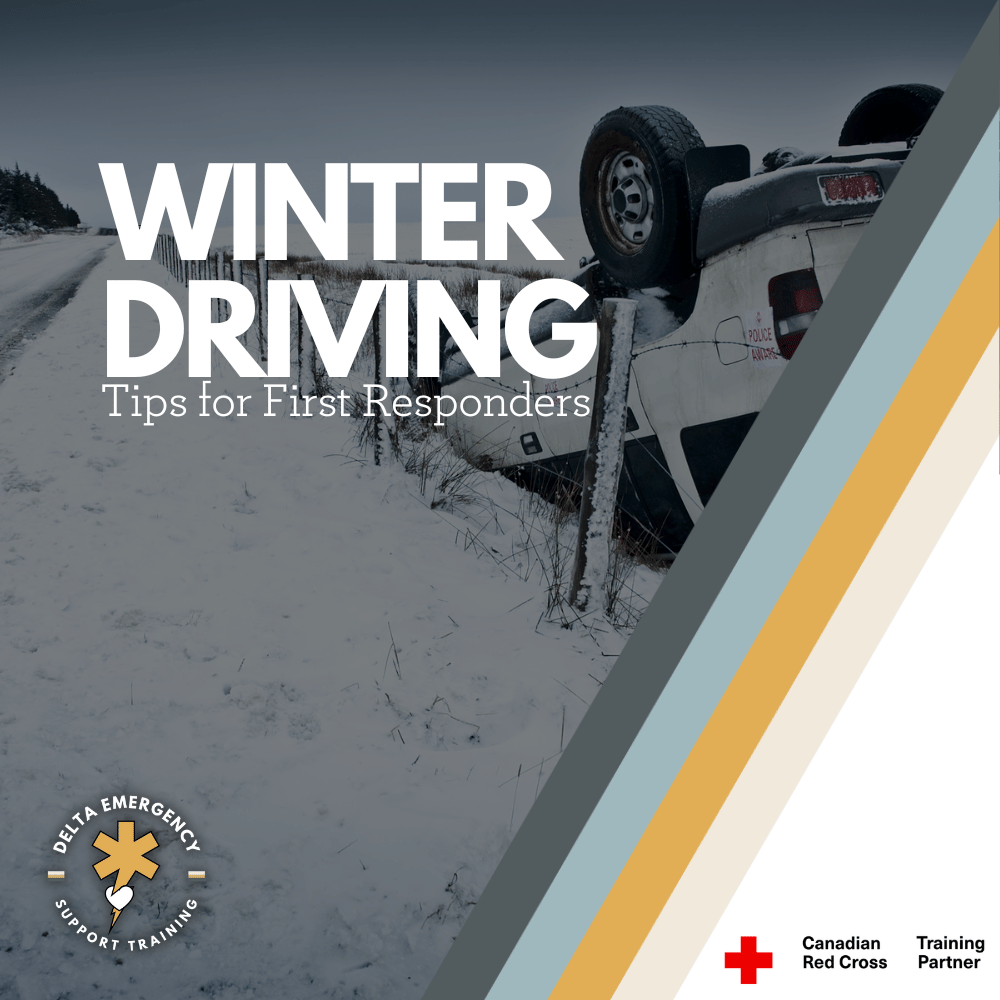
Overturned vehicle from driving in icy winter conditions
Winter driving can be treacherous, especially when you’re out on the road in snowy, icy conditions. As a future firefighter, paramedic, or emergency responder, it’s crucial to understand how these winter weather hazards can impact your ability to drive safely and respond effectively in an emergency. Whether you're heading to a call or navigating daily commutes, this guide will provide you with the knowledge and practical tips you need to stay safe during the winter months.
1. Understanding the Risks of Black Ice
Black ice is one of the most insidious dangers of winter driving. It forms when moisture freezes on the road surface, creating a nearly invisible layer of ice that can cause vehicles to lose traction unexpectedly. Black ice is most commonly found on bridges, overpasses, and shaded parts of the road. For first responders, who may need to drive in these conditions during urgent situations, it’s vital to recognize the signs of black ice and respond accordingly.
What to Watch Out For:
Bridges and Overpasses: These areas freeze more quickly than regular roads due to their exposure to the air above and below.
Shaded Areas: Roads that are shaded by trees, buildings, or mountains are more likely to have black ice, especially early in the morning or after sunset.
Intersections and Curves: These areas are more prone to slick conditions as the traffic flow can prevent melting during the day.
How to Drive on Black Ice:
Slow Down: Reduce your speed when driving on bridges, overpasses, or during the early morning hours.
Gentle Maneuvers: Avoid quick or sharp turns. Steer gently if you begin to slide.
Keep a Safe Distance: Maintain extra space between your vehicle and others, as it can take longer to stop on icy surfaces.
2. Snow and Slippery Road Conditions
Snow accumulation not only reduces visibility, but it can also make roads slippery, increasing the likelihood of losing control of your vehicle. Thick snowdrifts and patches of snow can obscure lane markings, making it difficult to navigate the road properly. For firefighters and other emergency personnel, this is particularly hazardous, as getting stuck in the snow or skidding off the road can delay emergency responses.
What to Watch Out For:
Snowdrifts: These can accumulate quickly, especially on less-traveled roads.
Hidden Potholes: Snow can cover potholes, creating unexpected hazards beneath the snow’s surface.
Lack of Lane Visibility: Snow accumulation can hide lane markings, making it difficult to stay in your lane.
Winter Driving Tips for Snowy Roads:
Drive Below the Speed Limit: Adapt your speed to the road conditions, not the posted speed limit. Keep your distance from other vehicles, as stopping distances will be much longer.
Increase Visibility: Use your headlights during snowfall to make sure other drivers can see you. Avoid high beams, which can reflect off the snow and reduce your visibility.
Stay in Tracks: If driving in heavy snow, try to drive in the tracks of other vehicles to avoid becoming stuck in deep snow.
3. Cold Weather and Vehicle Maintenance
Winter driving isn’t just about adjusting your behavior on the road; it’s also about ensuring your vehicle is properly prepared for the cold conditions. The freezing temperatures of winter can cause issues that make your vehicle more susceptible to mechanical failure or an accident. For first responders, this can lead to delays or even dangerous breakdowns.
Winter Vehicle Checklist:
Check Tire Pressure and Tread: Cold temperatures cause tire pressure to drop. Check your tire pressure regularly, and ensure that your tires have sufficient tread to maintain grip on icy or snow-covered roads.
Battery Health: Batteries lose power in cold weather, so test your battery before winter sets in. Consider replacing older batteries that might fail in the cold.
Engine Fluids: Ensure your vehicle is filled with winter-grade oil and coolant. The correct engine fluid prevents freezing and ensures proper functioning.
Windshield Wipers: Replace windshield wipers if they are worn. Stock up on windshield washer fluid that won’t freeze at low temperatures, ensuring good visibility in snowy conditions.
Emergency Kit Essentials:
Blankets and Warm Clothing: In case of a breakdown or emergency situation, having extra clothing and thermal blankets in your vehicle can be lifesaving.
First Aid Kit: Always carry a basic first aid kit, including bandages, antiseptic wipes, and gloves, for addressing minor injuries on the go.
Food and Water: Pack non-perishable snacks and bottled water, especially if you're traveling long distances or to remote areas.
4. Responding to Accidents in Winter Conditions
As a future first responder, you may need to respond to emergency calls involving accidents on snowy or icy roads. It's crucial to stay aware of the unique dangers that come with operating in these environments, both for your safety and the safety of the victims.
Hazards to Be Aware Of:
Additional Collisions: If the road is icy, there’s a higher likelihood of secondary accidents, so always approach accident scenes cautiously.
Cold Weather Injuries: Accidents involving cold temperatures can cause hypothermia, frostbite, or other cold-related injuries, especially if victims are exposed to the elements for long periods.
Limited Access: Snow and ice can make it difficult to reach accident scenes or maneuver vehicles into position for a rescue. Be prepared for delays or challenging access.
Tips for First Responders:
Slow Approach: Always slow down as you approach the scene of an accident, and be mindful of other vehicles on the road.
Road Safety: Set up safety cones or warning lights to alert other drivers and prevent further collisions.
Protect Victims: If the victims are in cold conditions, prioritize keeping them warm with blankets or by moving them to a safer location away from the elements.
5. Stay Prepared for Winter Emergencies
The unpredictable nature of winter weather means that being prepared is more important than ever. Having an emergency kit, knowing how to handle various road conditions, and understanding the importance of vehicle maintenance can make a huge difference in staying safe.
Winter Emergency Kit Checklist:
Jumper cables and portable power banks
Flashlight with extra batteries
Shovel, sand, or kitty litter (for traction if you’re stuck)
Thermal blankets and extra gloves/hats
Non-perishable snacks and water
Basic first aid supplies
Conclusion: Be Prepared and Drive Safely This Winter
Winter driving conditions can be dangerous, especially for first responders who need to travel quickly and efficiently to emergencies. By understanding the hazards posed by snow, ice, and freezing temperatures, and by taking proactive steps to maintain your vehicle and adjust your driving behavior, you can reduce the risks associated with winter driving.
For future firefighters and first responders, staying prepared means more than just understanding emergency procedures—it also means staying safe on the road. Drive carefully, maintain your vehicle, and always be prepared for the unexpected.
Essential First Aid Certifications for Different Job Roles in Alberta
In Alberta, the Canadian Red Cross offers a range of certifications tailored to different job types and industries. Here's an overview of the certification requirements for various professions:
Emergency Medical Responder (EMR)
Description:
The EMR course is the most advanced level of first aid training before becoming a Primary Care Paramedic. It covers a wide range of medical emergencies and more advanced patient care techniques. Participants learn to provide pre-hospital care, perform medical procedures, and manage critical patient conditions.
Duration: 80-96 hours.
Skills Learned:
- Advanced patient assessment and care
- Administering medications
- Managing cardiac and resp
Certification Requirements in Alberta
When it comes to ensuring safety and preparedness in the workplace, having the appropriate first aid certification is crucial. In Alberta, the Canadian Red Cross offers a range of certifications tailored to different job types and industries. Here's an overview of the certification requirements for various professions:
825-88-DELTA (825-883-3582)
Intermediate First Aid
Description:
Intermediate First Aid, also known as Standard First Aid, is a comprehensive course covering a wide range of first aid and CPR skills. It's ideal for those who require more in-depth knowledge than basic first aid. Participants learn to recognize and respond to cardiovascular emergencies, choking, airway and breathing emergencies, and severe bleeding.
Duration: 16 hours
Skills Learned:
- CPR and AED usage
- Managing shock and severe bleeding
- Recognizing and treating bone, joint, and muscle injuries
- Handling environmental emergencies such as hypothermia and heat stroke
- Providing care for burns and poisoning
Industries and Jobs:
- Construction
- Manufacturing
- Office Environments
- Retail
Child Care First Aid
Description:
Child Care First Aid is designed for individuals who work with children, including daycare workers, teachers, and early childhood educators. This course focuses on childhood illnesses, injuries, and prevention techniques. Participants learn to manage respiratory and cardiac emergencies in children and infants, as well as other common childhood emergencies.
Duration: 16 hours
Skills Learned:
- Infant and child CPR
- Managing choking emergencies
- Treating common injuries such as falls and cuts
- Recognizing and managing allergic reactions and asthma
- Providing care for common illnesses and infections
Industries and Jobs:
- Daycares
- Schools
- Early Childhood Education Centers
First Responder
Description:
The First Responder course is designed for professionals who are often the first to arrive at the scene of an emergency. This course provides advanced first aid and CPR skills, including the management of trauma and medical emergencies. Participants learn to perform patient assessments, manage airways, and handle life-threatening situations.
Duration: 40 hours
Skills Learned:
- Advanced CPR and AED usage
- Managing trauma and fractures
- Conducting detailed patient assessments
- Handling medical emergencies such as heart attacks and strokes
- Managing spinal injuries and head trauma
Industries and Jobs:
- Massage Therapist
- Physiotherapist
- Athletic Therapist
- Fire Services
- Law Enforcement
- Security Personnel
Advanced First Aid
Description:
Advanced First Aid offers a higher level of training, focusing on complex emergency situations. This course is suitable for those who need to manage critical care until advanced medical help arrives. Participants learn advanced trauma management, emergency childbirth, and advanced airway management techniques.
Duration: 80 hours
Skills Learned:
- Airway management
- Handling multiple casualty incidents
- Performing emergency childbirth
- Managing serious medical conditions such as seizures and diabetic emergencies
- Providing extended care in remote settings
Industries and Jobs:
- Calgary Fire Department
- Edmonton Fire Department
- Remote Work Locations
- Industrial Sites
- Large Corporations
Emergency Medical Responder (EMR)
Description:
The EMR course is the most advanced level of first aid training before becoming a Primary Care Paramedic. It covers a wide range of medical emergencies and more advanced patient care techniques. Participants learn to provide pre-hospital care, perform medical procedures, and manage critical patient conditions.
Duration: 80-96 hours
Skills Learned:
- Advanced patient assessment and care
- Administering medications
- Managing cardiac and respiratory emergencies
- Performing advanced trauma care
- Providing care during transport
Industries and Jobs:
- Ambulance Services
- Fire Departments
- Industrial Safety Teams
Basic Life Support (BLS) CPR
Description:
BLS CPR is a specialized course focusing on cardiopulmonary resuscitation and other lifesaving techniques. It's essential for healthcare professionals and others who may need to perform CPR in a medical setting. Participants learn to perform high-quality CPR, use an AED, and manage airway obstructions.
Duration: 4 hours
Skills Learned:
- Team dynamics and communication in resuscitation
- High-quality team CPR for adults, children, and infants
- Use of an automated external defibrillator (AED)
- Managing airway obstructions
- Administering Oxygen Therapy
- Providing effective ventilations using a Bag-Valve-Mask
Industries and Jobs:
- Hospitals
- Dental Clinics
- Physiotherapy Clinics
- Sports Facilities
At Delta Emergency Support Training, we provide Canadian Red Cross certifications in all these courses, ensuring that you are well-prepared and certified for the workplace. We are dedicated to guiding you to the right course that meets your specific needs, and we do not mislead or exaggerate the requirements. Whether you are a childcare worker, a professional responder, or work in an industrial setting, we have the right course for you. For those pursuing a career pathway to becoming a firefighter or paramedic in Alberta, we will guide you accordingly. As industry experts, your safety and preparedness are our top priorities.
For more information and to register for a course:
Call or Text us: 825-88-DELTA (825-883-3582)
Visit our website: Delta Emergency Support Training!
Stress Management for First Responders
In the turbulent world of first response, stress manifests in subtle yet insidious ways, often eluding detection amidst the chaos of the job. For firefighters, EMTs, and police officers alike, irritability, frustration, and emotional distance from loved ones serve as silent signals of mounting stress. Recognizing these signs is paramount, as they herald the onset of burnout and jeopardize both mental and physical well-being. By acknowledging these warning signs and proactively seeking support, first responders can navigate the relentless demands of their profession with resilience and grace, ensuring their ability to continue serving their communities with unwavering dedication.
Mans head handing heavy in his hands
Dealing with Stress as a First Responder
In the realm of first response, the pressures are unparalleled, the stakes are sky-high, and the toll on mental and physical well-being is often underestimated. Whether you're a firefighter rushing into blazing infernos, an EMT navigating chaotic emergency scenes, or a police officer confronting danger head-on, the weight of the job can be overwhelming. In the relentless pursuit of saving lives and ensuring public safety, first responders frequently find themselves grappling with an insidious adversary: stress.
The Heavy Burden of High-Stress Professions:
First responders operate in an environment where stress is not just a companion but a constant presence. The intensity of their roles, combined with the unpredictability of emergencies, creates a perfect storm for burnout. Witnessing traumatic incidents, experiencing life-threatening situations, and confronting human suffering on a daily basis can inflict deep wounds on the psyche. These wounds, though not always visible, leave an indelible mark that can linger long after the sirens have faded.
Recognizing the Signs:
Identifying the signs of stress is crucial for first responders to address their well-being proactively. Symptoms may manifest in various forms, such as irritability, frustration, emotional numbness, and distancing oneself from loved ones. Recognizing these warning signs early on can pave the way for timely intervention and support.
Managing Stress: Finding Solace Amidst the Chaos:
Amidst the chaos of their demanding professions, first responders must carve out moments of respite to safeguard their mental and physical health. Embracing the healing power of nature can serve as a potent antidote to stress. Studies have shown that spending time outdoors can lower cortisol levels, promote relaxation, and rejuvenate the mind.
In addition to reconnecting with nature, first responders can explore various stress management techniques to regain equilibrium:
Mindfulness and Meditation:
Cultivating mindfulness practices can help first responders anchor themselves in the present moment, fostering a sense of calm amidst turmoil.
Physical Exercise:
Engaging in regular exercise not only enhances physical fitness but also releases endorphins, the body's natural stress relievers.
Seeking Support:
Building a robust support network comprising colleagues, friends, and mental health professionals can provide a crucial safety net during challenging times.
Setting Boundaries:
Establishing clear boundaries between work and personal life is essential to prevent burnout and maintain a healthy work-life balance.
The Silent Toll: Impact on Mental and Physical Health
The ramifications of unmanaged stress extend far beyond the confines of the workplace, seeping into every facet of a first responder's life. Prolonged exposure to high levels of stress can lead to a myriad of adverse health outcomes, including anxiety disorders, depression, insomnia, hypertension, and cardiovascular diseases. Ignoring the warning signs of stress not only jeopardizes the well-being of first responders but also compromises their ability to serve and protect the community effectively.
In conclusion, the journey of a first responder is fraught with challenges, but it is also imbued with purpose and meaning. By acknowledging the reality of stress, recognizing its manifestations, and implementing effective coping strategies, first responders can navigate the turbulent waters of their profession with resilience and grace. Together, let us shine a light on the silent struggle of those who dedicate their lives to keeping us safe and honor their unwavering commitment with unwavering support.
Lice Infestations: Guide for First Responders Assisting Vulnerable Populations
Navigating the challenges of lice infestations is a crucial aspect of first responder preparedness. In this comprehensive guide, we explore the intricate details of lice types, transmission modes, and preventive strategies. But our focus extends beyond the basics, shedding light on the unique vulnerabilities of specific populations, such as children facing adversity at home and individuals living in housing shelters.
Understanding the nuances of lice infestations within these groups is essential for compassionate and effective response. Whether it's the limited access to hygiene resources for struggling children or the communal living conditions in shelters, our guide equips first responders with insights and strategies tailored to these diverse scenarios. Explore the intersection of lice awareness, prevention, and empathetic care as we strive to create healthier and more resilient communities.
First responder checking VULNERABLE child for lice infestation
Lice infestations, or pediculosis, can be a common challenge that can disproportionately affect vulnerable populations. This guide aims to equip future first responders with knowledge about the types of lice, their modes of transmission, and effective prevention and treatment strategies, with a special focus on children facing challenges at home and individuals residing in housing shelters.
Understanding Lice:
Lice, tiny parasitic insects that exclusively inhabit humans, come in three common types: body lice, head lice, and pubic lice. Adult lice, approximately the size of a sesame seed, have six legs and range in color from tan to greyish-white. The female lice lay eggs, known as nits, and both adults and immature larvae feed on human blood. The small bites from lice cause intense itching, leading to scratching and a potential risk of secondary skin infections from bacteria on the skin.
Types of Lice:
Body Lice:
Larger than head or pubic lice.
Reside in the seams of clothing.
Infestations can be prevented with regular bathing and access to freshly laundered clothing and bedding.
Head Lice:
Common in children but can affect individuals of any age.
Reside on the scalp, eyebrows, and eyelashes.
Not indicative of poor hygiene; standard shampoos may not effectively remove adults or nits.
Pubic Lice:
Typically inhabit the pubic area but can be found on coarse hair in armpits or beards.
Similar to head lice, transmission is through direct contact.
Mode of Transmission:
Lice are transmitted primarily through direct contact with an infested individual or through contaminated items like clothing, towels, or bedding. Lice crawl and cannot fly, making close personal contact the primary mode of transmission.
Examples of Transmission:
Personal Contact:
Close interaction with an individual carrying lice.
Shared Items:
Using infected bedding, towels, or combs.
Prevention Strategies:
Personal Hygiene:
Regular bathing.
Access to freshly laundered clothing and bedding.
Avoid Sharing Personal Items:
Bedding, towels, and combs should not be shared to minimize the risk of transmission.
Laundering Practices:
Daily laundering of community linens using hot water helps eliminate lice.
Universal Precautions:
Implement proper precautions to reduce the risk of transmission in various situations.
Hand Hygiene:
Regular handwashing with soap and water or using alcohol-based hand rubs is crucial for preventing the spread of lice.
Instrument and Clothing Handling:
Properly handle and dispose of instruments, devices, and contaminated clothing to prevent further transmission.
Addressing Vulnerable Populations:
Children Facing Challenges at Home:
Limited Access to Hygiene Resources:
Regular bathing and access to hygiene resources may be compromised.
Lack of consistent resources increases susceptibility to lice.
Unstable Living Conditions:
Frequent moves or overcrowded living spaces contribute to lice transmission.
Educational outreach to schools and communities is crucial.
Educational Outreach:
First responders can provide information on lice prevention to empower parents and guardians.
Collaborate with educational institutions for targeted outreach programs.
Individuals Residing in Housing Shelters:
Limited Personal Space:
Communal living increases the risk of lice transmission.
Education on personal hygiene and preventive measures is crucial.
Mental Health Challenges:
Stress and mental health challenges can impact personal care routines.
Integrated support systems addressing mental health and hygiene are essential.
Collaborative Solutions:
Collaboration between first responders, healthcare providers, and community organizations is essential.
Support initiatives providing access to hygiene resources, educational programs, and outreach services.
First Responder's Role:
Sensitivity and Understanding:
Approach individuals from vulnerable populations with sensitivity and understanding.
Recognize and address the challenges they face.
Educational Programs:
Incorporate educational programs into community outreach efforts.
Tailor information to the specific needs and challenges of each population group.
Resource Allocation:
Advocate for resources and support systems that address the unique needs of vulnerable populations.
Collaborate with social services, NGOs, and healthcare organizations for comprehensive solutions.
In conclusion, addressing lice infestations among vulnerable populations requires a holistic and empathetic approach. By understanding the challenges faced by children in struggling homes and individuals in housing shelters, first responders can actively contribute to preventive measures, education, and collaborative solutions that promote the well-being of these communities. Compassionate care and targeted interventions are key elements in ensuring that everyone, regardless of their circumstances, can lead healthier lives.
Mastering Entonox: Drug Monograph
Uncover the versatile role of Entonox, commonly known as 'laughing gas,' as a rapid analgesic in emergency response. Delve into the indications for swift pain relief, including its reversible effects and safety advantages. This guide introduces the acronyms DIVINE and SADMC to navigate contraindications and cautions, ensuring precise administration in diverse medical scenarios.
Introduction:
Entonox, colloquially known as "laughing gas" is a valuable tool in the first responder's arsenal, offering rapid analgesic.
In guide, we'll delve into both contraindications and cautions associated with Entonox, using the acronyms DIVINE and SADMC.
How Entonox Works:
When inhaled, Entonox takes approximately 3 to 5 minutes to initiate pain relief, reaching its maximum effect within 5 to 10 minutes. A notable feature of Entonox is its rapid excretion from the body via the lungs upon cessation of inhalation, leading to a prompt reversal of the analgesic effect.
Key Benefits of Entonox:
Rapid Analgesic Effect:
Entonox provides swift pain relief, making it an invaluable tool in emergency situations where quick intervention is paramount.
Reversible Analgesic Effect:
The rapid reversal of the analgesic effect ensures that symptoms are not masked, allowing healthcare providers to assess patients accurately.
Cardiac and Respiratory Safety:
When used properly, Entonox demonstrates no adverse effects on the cardiovascular or respiratory systems, enhancing its safety profile in diverse medical and trauma conditions.
Self-Administration Capability:
Patients can self-administer Entonox, offering a sense of control over their pain management, particularly in situations where immediate assistance may be limited.
Oxygen Enrichment:
With a 50% oxygen concentration, Entonox proves valuable in various medical and trauma scenarios where supplemental oxygen is beneficial, ensuring optimal oxygenation for patients.
Contraindications Acronym
Decompression Sickness (D):
Do not give Entonox to anyone who has recently dived as the nitrous oxide is highly soluble and will increase the inert gas load, making the symptoms of DCI (Decompression Illness) much worse.
Inability to Comply (I):
Patient cooperation is vital; those unable to hold the bite stick and inhale or someone who is in and out of consciousness are not suitable for Entonox
Ventable Space (V):
Proper ventilation is key to prevent gas concentration buildup, ensuring safety in various environments.
Inhalation Injury (I):
Burns to the mouth or throat, or recent exposure to fire and irrigation, warrant avoiding Entonox to prevent respiratory complications.
Nitroglycerin (N):
Caution is needed with recent nitroglycerin use, as combining it with Entonox may lead to fainting.
Embolism/Pneumothorax (E):
Entonox should be avoided with suspected pneumothorax or head injury, given its potential impact on pressure in the body.
Cautions (SADMC):
Shock (S):
Monitor for shock, as Entonox may not work optimally in such cases. It is important to give high flow O2 to a patient with suspected shock.
Abdominal Distention (A):
Similar to concerns with intercranial pressure and pneumothorax, avoid pressurized gas in patients with distended abdomens.
Depressant (D):
Exercise caution when combining Entonox with other depressants like alcohol, ketamine, marijuana, benzodiazepines, or opioids. Synergistic effects can lead to increased depression.
Maxillofacial Injury (M):
Patients with jaw injuries may struggle with the bite stick used in Entonox delivery. Adaptations may be needed for proper administration.
COPD (C):
For patients with COPD that may have alveolar bullae (air pockets or blebs) as nitrous oxide may cause bullae rupture since nitrous oxide enters that closed space more quickly than nitrogen can escape.
Scope of Practice Awareness:
Being attuned to regional scope of practice guidelines is essential for first responders. Variations exist among provinces and private emergency response agencies, emphasizing the need for ongoing education and communication within your team. Stay informed to ensure Entonox is administered safely and effectively, adhering to your specific guidelines.
Practical Application in Training:
As part of our commitment to excellence, our Advanced First Aid courses include practical training in Entonox use. This hands-on experience allows first responders to familiarize themselves with the administration of Entonox in a controlled environment, ensuring confidence and competence in the field.
Conclusion:
By understanding both contraindications and cautions and staying abreast of regional scope of practice guidelines, first responders can navigate the complexities of Entonox administration with precision.
Drug Monographs: The Ultimate Study Guide
As first responders in healthcare, our duty goes beyond quick reactions. Understanding drug monographs is key. They're like essential guides, giving us the lowdown on medications, including what they're for, what to avoid, and when to be cautious. This knowledge is vital – it can mean the difference between helping or accidentally harming our patients."
The Vital Role of Drug Monographs in Patient Care
In the realm of emergency response and healthcare, our responsibility as first responders extends beyond quick reactions to a profound understanding of the medications we administer. Drug monographs serve as indispensable guides, offering a overview of medications, including indications, contraindications, and cautions. This knowledge is paramount, as it can mean the difference between providing effective relief and inadvertently causing harm to our patients.
Lets learn about what indications, contraindications and cautions mean.
Indications:
Understanding the indications of a medication is akin to unlocking its therapeutic potential. It provides crucial insights into the specific conditions or symptoms the drug is designed to address. Armed with this knowledge, first responders can make informed decisions, ensuring that the chosen medication aligns precisely with the patient's needs.
Contraindications:
Equally important are the contraindications outlined in drug monographs. These are specific situations or conditions in which the medication should not be administered due to potential risks or adverse effects. By meticulously adhering to contraindications, first responders mitigate the possibility of exacerbating underlying health issues or causing unintended harm.
Cautions:
Cautions, often nuanced and subtle, represent the middle ground between indications and contraindications. Recognizing these cautionary notes is imperative, as they highlight scenarios where careful consideration and additional monitoring may be required. Cautions serve as a crucial alert system, prompting first responders to tailor their approach based on the patient's unique medical circumstances.
The Gravity of Responsibility:
Knowing drug monographs is not just a professional expectation; it's a moral and ethical responsibility. Our decisions as first responders can profoundly impact the well-being of those under our care. In the absence of a comprehensive understanding of medications, we risk not only compromising the efficacy of our interventions but also exposing patients to potential dangers.
Empowering First Responders:
Our commitment to excellence is reflected in the emphasis we place on drug monograph awareness in our Advanced First Aid class. By equipping first responders with the knowledge to decipher and apply drug monographs effectively, we empower them to make sound, patient-centered decisions. This, in turn, ensures a higher standard of care.
Announcement:
Exploring Drug Monographs in Depth
In our ongoing commitment to enhancing knowledge and fostering continuous learning, we are thrilled to announce the upcoming release of a series of drug monograph blogs. These blogs will delve into the intricacies of various medications, providing valuable insights to further empower first responders in making informed and effective decisions in the field. Stay tuned for this exciting initiative as we continue to prioritize your education and professional growth.
Type 1 Diabetes: Insights into its Origins, Signs, and Challenges
Type 1 diabetes, where the pancreas's struggle with insulin production takes center stage. This blog peels back the layers to reveal the mysterious causes behind this chronic condition, providing valuable insights into recognizing symptoms early. As we navigate the complications that can arise if left unchecked, we also explore the ongoing research endeavors aiming to usher in a new era of preventive strategies. Join us in decoding the intricacies of Type 1 diabetes, empowering individuals and their families with the knowledge needed to navigate this journey with resilience and hope.
Introduction:
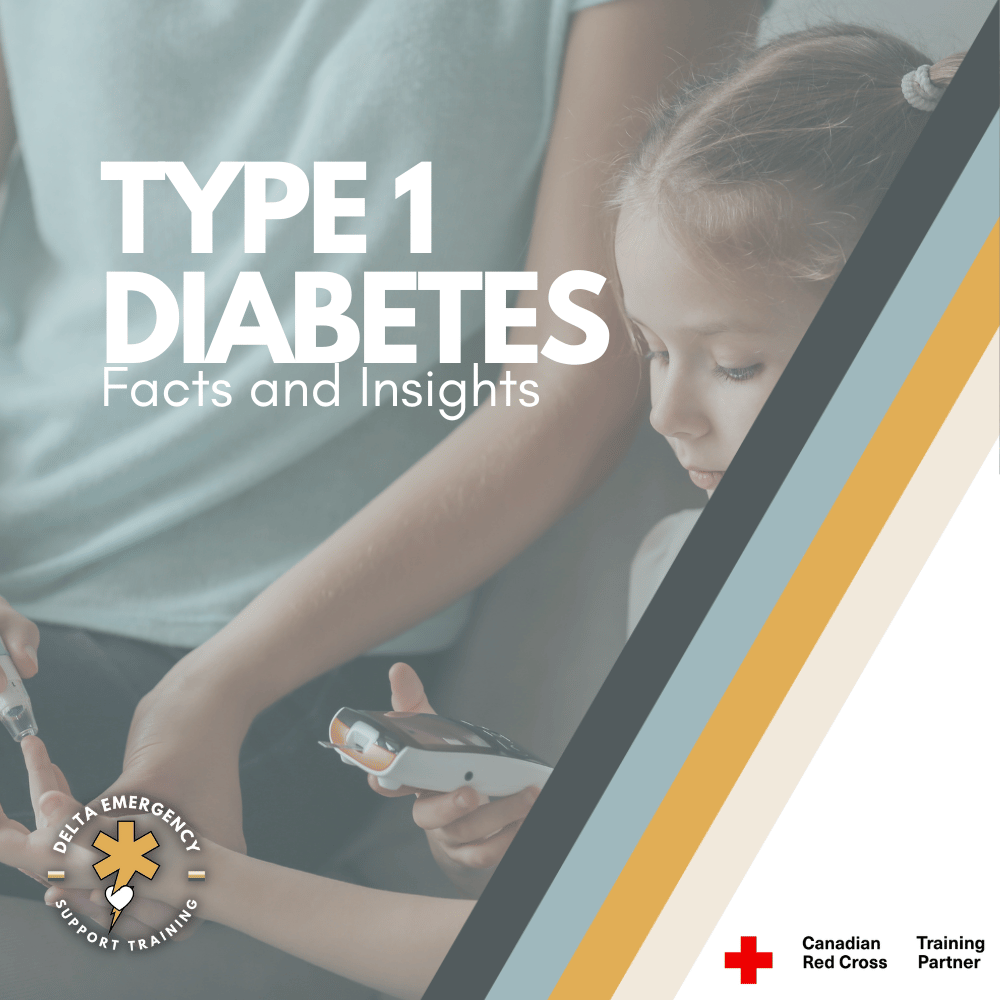
LITTLE GIRL HAVING BLOOD SUGAR CHECKED BY HER MOTHER.
In our exploration of Type 1 diabetes, previously recognized as juvenile diabetes or insulin-dependent diabetes, we uncover a complex chronic condition where the pancreas produces insufficient insulin. Insulin, a key player in energy production, allows glucose to enter cells. This blog aims to delve into the intricacies of Type 1 diabetes, examining its causes, symptoms, complications, risk factors, and the ongoing quest for preventive strategies.
Unraveling Causes and Risk Factors:
The mystery behind the onset of Type 1 diabetes persists, with researchers pointing towards a potential glitch in the immune system. Rather than safeguarding the body, the immune system turns on the insulin-producing cells in the pancreas. Genetic factors, exposure to certain viruses, and environmental elements may contribute to the development of Type 1 diabetes. Risk factors include a familial history of the condition, specific genetic predispositions, geographical factors, and age, with noticeable peaks in children aged 4-7 and 10-14.
Insulin and Glucose Symphony:
The pivotal hormone, insulin, originating from the pancreas, orchestrates the delicate balance of blood sugar levels. In the absence of insulin, as seen in Type 1 diabetes, glucose remains stranded outside cells, leading to elevated blood sugar levels. Glucose, sourced from food and the liver, serves as the primary energy provider for cells. In Type 1 diabetes, the dearth of insulin results in the buildup of sugar in the bloodstream, presenting a potential hazard of life-threatening complications.
Recognizing Symptoms and Diagnosis:
Type 1 diabetes is characterized by abrupt symptoms such as increased thirst, frequent urination, unexpected weight loss, irritability, and blurry vision. Seeking prompt medical attention is crucial if these symptoms manifest. Diagnosis involves thorough blood tests to measure blood sugar levels and assess other critical parameters.
Unveiling Complications:
Untamed Type 1 diabetes can lead to severe complications impacting vital organs:
Heart and Blood Vessel Disease: Elevates the risk of coronary artery disease, heart attack, stroke, atherosclerosis, and high blood pressure.
Nerve Damage (Neuropathy): Can induce tingling, numbness, burning, or pain, particularly in the extremities. Digestive system nerves' damage may result in gastrointestinal issues.
Kidney Damage (Nephropathy): Poses a risk of kidney failure or end-stage kidney disease.
Eye Damage: May result in diabetic retinopathy, cataracts, glaucoma, and potential blindness.
Foot Damage: Increases the risk of severe foot complications, potentially leading to amputation if untreated.
Skin and Mouth Conditions: Enhances susceptibility to skin and mouth infections, including bacterial and fungal infections, gum disease, and dry mouth.
Pregnancy Complications: Poorly controlled diabetes during pregnancy heightens the risk of various complications.
Preventive Measures and Management:
Currently, no foolproof method exists to prevent Type 1 diabetes. Nevertheless, ongoing research endeavors to thwart the disease or mitigate islet cell damage in newly diagnosed individuals. Clinical trials exploring preventive measures offer hope, and individuals diagnosed with Type 1 diabetes should discuss potential participation with their healthcare providers.
Conclusion:
Type 1 diabetes poses a unique set of challenges necessitating lifelong management. By comprehending its origins, symptoms, complications, and ongoing research initiatives, individuals and their families can navigate this journey with resilience. Collaboration between healthcare providers and individuals is crucial for effective management, and as research progresses, optimism grows for advancements in treatment and prevention strategies.
Understanding the Unique Challenges of Bariatric Patients
Navigate the distinctive challenges presented by bariatric patients within Emergency Medical Services (EMS). From defining the characteristics of these patients to unraveling the daily struggles faced by EMS providers, this blog takes a comprehensive dive into the critical aspects of specialized transporting training, tailoring medical care for larger patients, and implementing efficient patient loading strategies. Discover the indispensable role played by specialized lifts and transfer devices in addressing the burgeoning need for heightened capacity, ensuring the utmost safety for both patients and EMS professionals. Join us on this exploration of a comprehensive approach to bariatric patient care in EMS, setting the stage for part 2 where common health concerns are meticulously examined.
Defining Bariatric Patients
Bariatric Patient sitting in a wheelchair
Bariatric patients, characterized by obesity, present unique challenges for EMS providers. Obesity, a growing concern globally, requires a nuanced approach in healthcare delivery. This section explores the prevalence of obesity, its root causes, and the heightened demand for specialized care within Emergency Medical Services.
The Daily Struggle
Communities served by EMS witness a daily surge in calls for patients weighing 350 pounds or more. The escalating frequency of these calls underscores the necessity for EMS providers to equip themselves with specialized training and equipment to meet the challenges posed by bariatric patients.
The Critical Role of Specialized Transporting Training
Patients surpassing 500 pounds necessitate a heightened level of expertise, equipment, and procedural knowledge. This section delves into the specifics of providing proper patient care, including the use of specialized equipment, large-sized gowns, and fabric devices designed to facilitate safe patient movement.
Tailoring Medical Care for Larger Patients
Adjusting equipment and supplies for delivering medical care to bariatric patients involves adapting to their unique physical requirements. There are necessary adjustments in equipment and supplies, from the use of appropriately sized blood pressure cuffs to employing longer needles for intramuscular injections to ensure proper care.
Extrication and Immobilization
Efficient Patient Loading and Stabilization Strategies for Bariatric Patients
Loading a bariatric patient onto a cot poses unique challenges that demand a meticulous and strategic approach from Emergency Medical Services (EMS) providers. Ensuring the safety and comfort of both the patient and the EMS team requires a nuanced understanding of the intricacies involved in patient loading and stabilization.
Strategic Considerations for Efficient Loading:
Efficient patient loading begins with a thorough assessment of the immediate environment. EMS providers must strategize the positioning of the cot to facilitate seamless patient transfer. The cot, equipped with the necessary weight-bearing capacity, becomes a crucial tool in ensuring a safe and controlled loading process.
Maintaining the Cot in the Down Position:
Emphasizing the maintenance of the cot in the down position throughout the loading process is essential. This not only provides a stable foundation for the patient but also minimizes the risk of injury during the transfer. The down position ensures a lower center of gravity, enhancing stability and reducing the chances of the cot tipping.
Innovative Solutions for Spinal Stabilization:
Stabilizing the spine of bariatric patients requires innovative solutions that go beyond traditional methods. Specialized backboards designed to accommodate larger body sizes play a pivotal role in providing effective spinal support. Additionally, blanket or towel rolls strategically placed can offer supplemental stabilization, adapting to the unique contours of the patient's body.
Lateral Head Pillows for Enhanced Comfort:
Recognizing the challenges posed by the sheer size and weight of bariatric patients, the use of lateral head pillows becomes imperative. These specialized pillows not only provide additional support for the patient's head and neck but also contribute to maintaining proper alignment during loading. This extra layer of comfort is crucial for ensuring a smooth and trauma-free transfer.
Specialized Lifts and Transfer Devices
The need for specialized transfer devices tailored for bariatric patients, the focal point revolving around addressing the burgeoning need for heightened capacity. The array of lifting solutions encompasses specialized textile sheets and soft sling devices, meticulously crafted to adeptly manage weights surpassing 1,000 pounds. These technological innovations stand out as critical assets, navigating the challenges unique to bariatric patients. However, their effectiveness hinges on the depth of training provided to EMS providers. Thorough comprehension and hands-on training are essential for ensuring the secure and efficient deployment of these devices. This training not only guarantees the safe lifting and transfer of bariatric patients but also prioritizes the safety and well-being of EMS professionals engaged in these critical maneuvers.
Conclusion
Embracing a comprehensive approach in the face of the changing nature of body habits in Canada, EMS providers must adopt a comprehensive approach to care for bariatric patients. By addressing the challenges in equipment, training, and patient care, EMS can ensure the safety and well-being of both patients and providers in this critical aspect of emergency medical services. Join us for part 2 where we discuss the common health concerns our bariatric patients face.
Ectopic Pregnancy : First Responders Guide
In the dynamic world of first response, awareness and preparedness are paramount. Aspiring firefighters, your ability to recognize and respond to complex medical conditions, including ectopic pregnancies, can be a game-changer. Our blog takes you on a journey through the causes, symptoms, and emergency response protocols specific to severe lower abdominal pain in women of childbearing age. Delve into the intricacies of ectopic pregnancies, learn the risk factors that elevate the stakes, and empower yourself to make split-second decisions that can save lives. Elevate your knowledge and be the first responder with the expertise needed in the face of this critical medical emergency.
As a first responder, your role in emergency situations can be crucial, especially when faced with complex medical conditions. One such condition that requires immediate attention is ectopic pregnancy. In this blog, we'll delve into the causes, symptoms, and treatments of ectopic pregnancy, with a focus on what aspiring firefighters should be aware of when responding to an emergency call involving severe lower abdominal pain in females of childbearing age.
Young woman with lower abdominal pain
Understanding Ectopic Pregnancy
What is Ectopic Pregnancy? Ectopic pregnancy occurs when a fertilized egg implants itself outside the womb, typically in one of the fallopian tubes. This can pose serious risks to the woman's health and requires prompt medical intervention.
Complications of Ectopic Pregnancy
Rupture of the Fallopian Tube:
As the fertilized egg develops, the fallopian tube does not stretch as the uterus does. This can lead to the rupture of the fallopian tube, causing severe, life-threatening internal bleeding.
The rupture is a critical complication that demands immediate medical attention to prevent further harm.
Internal Bleeding:
Rupture of the fallopian tube can result in significant internal bleeding, posing a serious threat to the woman's health.
Internal bleeding can lead to hypovolemic shock, characterized by a rapid heart rate, low blood pressure, and a potential loss of consciousness.
Injury to Reproductive Organs:
If not promptly addressed, an ectopic pregnancy can cause damage to the fallopian tube and other reproductive organs.
The affected fallopian tube may need to be surgically removed to prevent ongoing health risks and future ectopic pregnancies.
Peritonitis:
Rupture of the fallopian tube can introduce fetal tissue and blood into the abdominal cavity, leading to peritonitis—an inflammation of the peritoneum (the lining of the abdominal cavity).
Peritonitis is a serious infection that requires immediate medical intervention.
Psychological Impact:
Coping with the loss of a pregnancy, along with the potential for surgical intervention and complications, can have a profound psychological impact on the woman.
Emotional support and counseling may be necessary to help the individual navigate through the emotional challenges associated with ectopic pregnancies.
Death:
In extreme cases where the ectopic pregnancy is not promptly diagnosed and treated, the resulting complications such as severe internal bleeding can lead to death.
Recognizing Risk Factors
How to know if your patient is at risk of an ectopic pregnancy?
Understanding the risk factors associated with ectopic pregnancies is essential for both healthcare providers and first responders. Individuals may be at a higher risk if they have the following.
Previous Ectopic Pregnancy:
Having experienced an ectopic pregnancy in the past increases the risk of recurrence. It's crucial for healthcare providers to consider this history when assessing a woman's condition.
Pelvic Inflammatory Disease (PID):
A history of PID, an infection causing scar tissue in the fallopian tubes, uterus, ovaries, and cervix, raises the risk of ectopic pregnancy. PID can result from untreated sexually transmitted infections (STIs) and may contribute to fertility issues.
Surgery on Fallopian Tubes or Pelvic Organs:
Any surgical procedure on the fallopian tubes, including tubal ligation, or other pelvic organs can increase the likelihood of ectopic pregnancy. Scar tissue from these surgeries may affect the normal passage of the fertilized egg.
History of Infertility:
Individuals with a history of infertility are at an elevated risk. Fertility issues may be linked to conditions such as endometriosis, which can disrupt the normal reproductive process.
In Vitro Fertilization (IVF) Treatment:
Treatment for infertility with IVF can increase the chances of an ectopic pregnancy. The assisted reproductive technology involves transferring fertilized eggs into the uterus, potentially affecting their implantation.
Endometriosis:
Endometriosis, a condition where tissue similar to the lining of the uterus grows outside the uterus, can contribute to the risk of ectopic pregnancy.
Sexually Transmitted Infections (STIs):
Certain STIs, if left untreated, can lead to PID and increase the risk of ectopic pregnancy.
Intrauterine Device (IUD) in Place at Conception:
Having an IUD in place at the time of conception raises the risk of ectopic pregnancy. In such cases, immediate medical attention is crucial.
History of Smoking Tobacco:
Smoking is associated with an increased risk of ectopic pregnancy. The harmful effects of tobacco on reproductive health should be considered in the assessment of potential cases.
Age:
Advanced maternal age, particularly those over 35, is a risk factor for ectopic pregnancy. Healthcare providers and first responders should be attentive to age-related considerations.
It's important to note that up to 50% of individuals who experience an ectopic pregnancy may not have any of the mentioned risk factors. Therefore, maintaining a high level of suspicion and awareness, especially when responding to cases of severe lower abdominal pain in women of childbearing age, is crucial for timely intervention.
Recognizing Symptoms
Signs of an Ectopic Pregnancy
When responding to a call involving severe lower abdominal pain in a woman of childbearing age, it's crucial to be alert to potential signs of an ectopic pregnancy.
Early Symptoms: The early symptoms of an ectopic pregnancy can be deceptive, closely resembling typical pregnancy symptoms. However, additional symptoms may include:
Vaginal bleeding.
Pain in your lower abdomen, pelvis, and lower back.
Dizziness, weakness, syncope.
Rupture Symptoms: If the fallopian tube ruptures, the pain and bleeding could be severe enough to cause additional symptoms, such as:
Fainting
Hypotension
Shoulder pain.
Rectal pressure or bowel problems.
Recognizing these signs early can expedite the emergency response.
Navigating Care
When faced with a potential ectopic pregnancy emergency, follow these steps:
Gather information about the patient's medical history, including previous pregnancies and any known reproductive health issues.
Primary Assessment:
Prioritize airway, breathing, and circulation (ABC).
Monitor vital signs and be attentive to signs of shock.
Focused Abdominal Exam
Gently palpate the abdomen, noting any tenderness or rigidity.
In case of severe lower abdominal pain, maintain a high index of suspicion for ectopic pregnancy.
Assess for signs of internal bleeding, such as a distended abdomen.
Rapid Transport:
Arrange for immediate transportation to a medical facility equipped to handle obstetric emergencies.
Treatment Options
Medical Intervention
Once at the hospital, medical professionals may use ultrasound to confirm the diagnosis. Treatment options include medication or surgical intervention to remove the ectopic pregnancy.
Recognize the emotional toll an ectopic pregnancy can take on the patient.
Offer reassurance and empathy while maintaining a professional demeanor.
Conclusion
Medical professionals such as firefighter or paramedics equipped with knowledge about ectopic pregnancies play a vital role in ensuring swift and effective emergency responses. By understanding the causes, recognizing symptoms, and following the appropriate protocols, first responders can contribute to the timely and compassionate care of women experiencing this potentially life-threatening condition.
Why Medical Knowledge Is Essential for Aspiring Firefighters
In the ever-changing world of emergency response, the role of a firefighter is undergoing a profound transformation. Gone are the days when battling blazes was the primary focus; today, the majority of emergency calls involve medical situations. This shift, fueled by an unstable healthcare system and advancements in building technology, demands a new breed of firefighters – ones armed not only with traditional firefighting prowess but also with comprehensive medical training. Join us on this exploration of why the future of firefighting requires a mastery of both flames and first aid, and how adapting to these changing dynamics is crucial for those ready to answer the call of duty.
Aspiring firefighters often envision themselves tackling roaring blazes, but the landscape of emergency calls is rapidly changing. In today's world, the majority of calls received by fire departments are related to medical emergencies. This shift means that the skills needed to handle medical crises are just as crucial as those required for traditional firefighting scenarios. Recognizing this shift early on can better prepare aspiring firefighters for the dynamic nature of the job.
Firefighters assisting in medical emergency.
This article delves into the indispensable role of medical knowledge for future firefighters, with a focus on practical training options such as Delta Emergency Support Training's advanced first aid course.
Rising Demand for Medical Assistance
The traditional role of firefighting has transformed, emphasizing a greater focus on medical emergency responses. Aspiring firefighters must recognize the imperative need for a comprehensive understanding of medical emergencies. The escalating demand for emergency medical services stems from an unstable healthcare system, underfunded and understaffed paramedics.
Simultaneously, the frequency of fire-related calls has significantly decreased compared to four decades ago. The changing landscape highlights the necessity for future firefighters to adapt to the prevalence of medical emergencies. Understanding the complex factors influencing this shift is crucial for those entering the firefighting profession.
The Need for Speed in Response
One of the most compelling reasons for aspiring firefighters to invest in medical knowledge is the advantage of rapid response. Picture this: you're 40 miles from the nearest ambulance base, but the fire department is just 10 miles away. Geographically, the fire department can arrive at the scene significantly faster. This underscores the critical role firefighters play as first responders in medical emergencies, often getting there before EMS personnel.
Adapting to a Diversifying Role
As the role of a firefighter evolves beyond traditional expectations, it's not just a shift in duty; it's a personal evolution. Specialized training recognizes this, and programs developed by seasoned professionals, such as Delta's, ensure that you're not just learning; you're growing. You're becoming someone who can adapt to the changing face of emergencies, someone who can handle the unexpected with grace and skill.
Addressing Skepticism Towards Medical Training
Acknowledging skepticism towards medical training among aspiring firefighters, Delta's approach is rooted in practicality. The advanced first aid program bridges the gap between firefighting and medical expertise without compromising professional standards. The course is designed to instill confidence and competence in those who may initially harbor reservations towards the medical aspect of the profession.
Training and Dedication
Achieving mastery in firefighting requires a dedication to honing a diverse skill set with precision and professionalism. Delta Emergency Support Training's Advanced First Aid course embodies this ethos, serving as the prerequisite for firefighters in Alberta. Taught by seasoned first responders, this program is the brainchild of an Advanced Care Paramedic with over 15 years of experience in Emergency Medical Services. Through Delta's advanced first aid course, aspiring firefighters undergo a rigorous training regimen that emphasizes a professional approach to skill mastery. The course seamlessly integrates traditional firefighting responsibilities with the adept administration of medical interventions, ensuring that graduates emerge as well-rounded and highly capable first responders equipped to navigate the complexities of modern emergency response with confidence and proficiency.
Conclusion:
As the firefighting profession continues to evolve, aspiring firefighters must recognize the intrinsic connection between medical competence and their efficacy as first responders. Training programs like Delta Emergency Support Training's advanced first aid course epitomize a professional and strategic approach to acquiring the essential skills for contemporary emergency response. In a landscape where versatility is paramount, aspiring firefighters are encouraged to embrace a holistic training regimen that encompasses both traditional firefighting prowess and advanced medical knowledge, positioning themselves as adept and adaptable professionals in an ever-changing field.
Prioritizing Health for Aspiring First Responders: Fitness and Nutrition Essentials
Step into the world of first responders with a comprehensive guide to prioritizing health. From essential fitness routines to meal prep mastery, uncover the core elements crucial for readiness in this demanding role. Explore the secrets behind endurance, strength-building, and managing nutrition amidst unpredictable schedules. Prioritizing health isn’t just a choice; it’s the foundation for success in the impactful realm of first responders.
Stepping into the world of first responders is an incredible journey that demands not just courage and dedication but a commitment to maintaining your physical well-being. Here’s a comprehensive look at why prioritizing health is key for those aiming to become a part of this impactful community.
Running shoes, weights and bowl of healthy fruits and VEGETABLES
Fitness Foundations: The Backbone of Readiness
Physical fitness encompasses various aspects crucial for a first responder's preparedness. It includes:
Cardiovascular Health
Cardio exercises are vital for maintaining a healthy heart and improving endurance. Consider activities such as:
Running or jogging:
Excellent for building stamina and cardiovascular endurance.
Cycling:
Both outdoor biking and stationary cycling are effective for heart health.
Swimming:
Provides a full-body workout while being gentle on joints.
High-intensity interval training (HIIT):
Alternating between bursts of high-intensity exercise and rest periods for cardiovascular fitness.
Strength Training:
Building strength is essential for handling the physical demands of the job. Activities for strength training include:
Weightlifting:
Involves lifting weights to build muscle strength and endurance.
Bodyweight exercises:
Push-ups, pull-ups, squats, and planks are effective without the need for equipment.
Resistance band workouts:
Use bands to add resistance to exercises and strengthen muscles.
Functional training:
Mimicking movements needed in your role as a first responder, such as carrying equipment or lifting patients.
Fueling Success: The Power of Nutrition
Challenges of On-the-Go Nutrition
The unpredictable nature of a first responder's work schedule often poses challenges for regular, balanced meals. Long shifts and urgent calls may limit access to healthy food options, making it difficult to maintain proper nutrition. This emphasizes the importance of planning and preparation to ensure adequate fuel during demanding work hours.
Meal Prepping for Success:
Meal prepping becomes a valuable strategy for first responders. Setting aside time to prepare and pack balanced meals in advance ensures access to nutritious food during hectic schedules. Opt for meals rich in:
Lean proteins (chicken, fish, tofu)
Complex carbohydrates (whole grains, fruits, vegetables)
Healthy fats (avocado, nuts, seeds)
Eating Right for Endurance:
Proper nutrition is the cornerstone of sustained energy. Consuming balanced meals before shifts and carrying nutrient-dense snacks can help maintain energy levels. Emphasize foods that release energy steadily, avoiding rapid sugar crashes. Incorporating small, frequent meals rich in fiber, protein, and healthy fats supports lasting energy.
Managing Caffeine Intake:
Caffeine can be a go-to for a quick energy boost, but reliance on energy drinks or excessive coffee consumption may lead to dependency and energy crashes. Exploring alternative sources like caffeinated teas—such as matcha or Yerba mate—can provide sustained energy without the abrupt spikes and crashes associated with energy drinks.
Balancing Nutrition and Work:
Adopting a mindful approach to nutrition amidst a demanding schedule is crucial. Prioritizing meal prepping and choosing nutrient-dense options ensure a consistent intake of essential nutrients, supporting sustained energy and optimal performance during long shifts.
Conclusion
Aspiring first responders must recognize that prioritizing health isn’t just a personal commitment—it's a commitment to the community they serve. By nurturing their physical fitness and prioritizing balanced nutrition, individuals prepare themselves not just for the physical demands but also for the mental resilience necessary in their crucial roles.
In embracing a comprehensive approach to health, aspiring first responders are better equipped to serve their communities effectively, ensuring they can respond with strength, agility, and unwavering dedication.
Navigating the Storm: Dealing with Combative Patients as a First Responder
In the realm of first responders, the challenges are many, and the stakes are high. They are the heroes who rush to the scenes of emergencies, offering crucial medical assistance to individuals in their most vulnerable moments. Yet, within this high-stress environment, first responders often encounter patients who are not just physically unwell but also emotionally distressed, agitated, and combative.
In the realm of first responders, the challenges are many, and the stakes are high. They are the heroes who rush to the scenes of emergencies, offering crucial medical assistance to individuals in their most vulnerable moments. Yet, within this high-stress environment, first responders often encounter patients who are not just physically unwell but also emotionally distressed, agitated, and combative. In this blog, we will delve into the world of first responders, explore the reasons behind patient agitation, and unravel the essential art of deescalation techniques. We'll also emphasize the significance of adhering to local protocols to ensure a seamless and safe response.
Hand reaching out for help.
Understanding the Storm
First responders often find themselves in situations where emotions run high and tensions soar. To navigate these turbulent waters effectively, it's essential to understand why some individuals become combative in these challenging circumstances:
Fear and Anxiety:
It's no surprise that the fear of the unknown, pain, or invasive medical procedures can trigger intense anxiety. For many patients, it's the fear of the unseen that sends them into a frenzy.
Loss of Control:
The loss of control over their situation can make patients feel helpless and agitated. This loss of power can manifest as anger or aggression.
Past Trauma:
Some individuals carry the scars of previous negative experiences with healthcare providers or traumatic medical incidents. These past traumas can lead to a deep-seated fear of doctors, medical procedures, or paramedics.
Mental Health Challenges:
For patients with underlying mental health conditions, managing emotions can be a daunting task. In these cases, agitation may be a manifestation of their struggles.
Mastering the Art of Deescalation
First responders are not just skilled in providing medical care; they are also trained in the art of deescalation. Their ability to defuse tense situations is crucial to ensure the safety of both themselves and their patients. Here are some invaluable deescalation techniques they employ:
Stay Calm and Composed:
In the midst of chaos, first responders maintain a demeanor of calm and composure. Their emotional stability can have a profound impact on the patient's emotional state.
Active Listening:
Listening attentively to the patient's concerns and fears is the first step in deescalation. Empathetic listening goes a long way in acknowledging their feelings.
Use Verbal Communication:
They communicate clearly and concisely, avoiding medical jargon and explaining procedures in simple terms.
Respect Personal Space:
A safe distance is maintained to prevent patients from feeling threatened. Respecting their physical boundaries is crucial.
Non-Threatening Body Language:
First responders employ open and non-threatening body language, with open palms and a relaxed posture.
Offer Choices:
Whenever possible, patients are given choices to make them feel more in control of their situation.
Assess for Pain:
Addressing pain promptly is vital, as it can exacerbate agitation. First responders aim to alleviate pain as part of their deescalation strategy.
Involve Family and Friends:
If appropriate, they involve loved ones to provide emotional support and comfort.
Reinforce Positive Behavior:
Praising the patient for cooperation and positive behavior can be a powerful deescalation tool.
Seek Backup:
If the situation escalates beyond their control, first responders are not afraid to call for additional assistance, whether from law enforcement or psychiatric professionals.
The Role of Local Protocols
In the unpredictable world of first response, adherence to local protocols is a guiding star. These protocols are the compass that ensures first responders are on course. Here's why they are crucial:
Legal and Ethical Compliance:
Local protocols are rooted in legal and ethical standards, ensuring that first responders operate within the boundaries of the law while upholding ethical principles.
Consistency in Care:
Standardized protocols guarantee consistency in patient care, a vital factor in maintaining quality and minimizing risks associated with combative behavior.
Patient Safety:
Protocols prioritize patient safety, providing a structured framework for responding to emergencies while minimizing harm.
Minimizing Liability:
Following protocols can protect first responders and their agencies from potential legal liability, offering a robust defense in the event of adverse outcomes.
Effective Communication:
Protocols include guidelines for effective communication with other healthcare professionals, law enforcement, and dispatchers, facilitating a coordinated response.
Training and Preparedness:
Protocols are integrated into training programs, ensuring that first responders are well-prepared to navigate high-stress situations with confidence.
Patient Rights and Dignity:
Protocols often emphasize respecting patient rights and maintaining their dignity, even in the most challenging circumstances.
Conclusion
First responders are the unsung heroes who brave the storm of emergencies to provide critical medical assistance. In doing so, they often encounter patients who are emotionally distressed and combative. By mastering the art of deescalation, they transform these tumultuous situations into opportunities for healing and reassurance. With calm, empathetic communication and adherence to local protocols, first responders ensure the safety and well-being of both patients and themselves. They embody the essence of compassion and professionalism, making a difference in people's lives during their most vulnerable moments.
Body Substance Isolation for First Responders
In the high-stakes world of first response, safety is paramount. This blog dives deep into Body Substance Isolation (BSI) and its indispensable role in safeguarding the lives of first responders. We'll uncover how BSI practices have significantly reduced disease transmission rates, look back in history to understand the risks before BSI, and examine the pivotal role it plays in protecting both responders and the communities they serve. Join us on a journey through time and protocols as we explore the critical importance of BSI for those who rush to the scene of emergencies, preventing infections, and ultimately saving lives.
Introduction
First responders, the brave men and women who rush to the scene of emergencies, accidents, and disasters, face a multitude of hazards every day. While their primary goal is to save lives and provide immediate assistance, they must also protect themselves from potential dangers. Body Substance Isolation (BSI) is a set of precautions and practices that are absolutely crucial for first responders. In this blog, we will delve into the significance of BSI in ensuring the safety and well-being of those on the front lines of emergency response.
Medical professional applying gown and gloves as bsi
Understanding Body Substance Isolation (BSI)
Body Substance Isolation (BSI) is a comprehensive approach to infection control that involves the proper handling and protection from bodily fluids, tissues, and other potentially infectious materials. BSI is not limited to any particular type of emergency response but is relevant across the board, including medical emergencies, accidents, natural disasters, and hazardous material incidents.
The Core Principles of BSI
Personal Protective Equipment (PPE):
The foundation of BSI is the use of appropriate PPE. This includes gloves, masks, gowns, eye protection, and respirators when necessary. The use of PPE acts as a barrier between the responder and potentially infectious materials, preventing direct contact.
Hand Hygiene:
First responders must maintain excellent hand hygiene. Regular and thorough handwashing, or the use of hand sanitizers, is essential to minimize the risk of disease transmission.
Safe Handling and Disposal:
Proper techniques for the safe handling, packaging, and disposal of contaminated materials are fundamental to BSI. Sharps (such as needles) must be disposed of in puncture-resistant containers, while contaminated clothing and equipment must be handled carefully to prevent the spread of pathogens.
Respiratory Hygiene/Cough Etiquette:
Responders should follow respiratory hygiene practices to reduce the risk of inhaling airborne pathogens or spreading respiratory illnesses.
Masks, gloves, gowns, and eye protective equipment
Masks: Shielding the Respiratory System
Masks are a fundamental piece of personal protective equipment (PPE) for first responders, serving as a crucial shield for the respiratory system. These masks come in various types, each designed to address specific risks:
N95 Respirators:
N95 respirators are highly effective at filtering out airborne particles and are commonly used in situations where responders may be exposed to infectious agents, dust, or hazardous fumes. They provide an airtight seal around the nose and mouth, preventing the inhalation of harmful substances.
Surgical Masks:
Surgical masks are primarily used in medical settings. They protect both the wearer and those in close proximity from respiratory droplets and splashes. While they offer less filtration than N95 respirators, they are still essential for preventing disease transmission.
Proper mask usage is crucial. Responders must be trained in how to don and doff masks correctly to minimize the risk of contamination. A secure fit, regular replacements, and adherence to guidelines for extended use are all critical aspects of mask safety.
Gloves:
The Barrier Against Direct Contact
Gloves are the frontline defense against direct contact with potentially infectious materials. First responders use disposable gloves made from various materials, including latex, nitrile, and vinyl. The choice of glove material depends on individual preferences and potential allergies.
Proper glove usage involves:
Selecting the appropriate glove type for the task.
Ensuring gloves are the right size for a snug fit.
Changing gloves between tasks and after potential contamination.
Avoiding touching the face, adjusting masks, or handling personal items while wearing gloves.
Safely removing and disposing of gloves to prevent cross-contamination.
Failure to follow these guidelines can lead to accidental contamination and defeat the purpose of wearing gloves.
Gowns:
Protecting Against Splashes and Contamination
Gowns provide an additional layer of protection, especially in situations where responders may encounter bodily fluids or other potentially infectious materials. These disposable garments are typically made of non-porous materials like polyethylene or polypropylene.
Responders should don gowns before entering potentially contaminated areas.
Ensure gowns cover their entire body and are secured at the neck and wrists.
Remove gowns carefully to prevent contamination when exiting hazardous areas.
Dispose of gowns properly in designated containers.
Gowns are essential for minimizing the risk of contamination when working in close proximity to patients or in environments with a high potential for splashes.
Eye Protective Equipment:
Safeguarding Vision
Eye protective equipment, including goggles and face shields, shields the eyes from splashes, flying debris, or other hazards that could cause eye injuries or contamination. In healthcare and emergency response settings, eye protection is crucial, especially when dealing with patients exhibiting symptoms of infectious diseases.
Proper eye protection:
Shields the eyes completely, with no gaps for contaminants to enter.
Should be worn in conjunction with masks and other PPE, ensuring full facial coverage.
Eye protective equipment not only safeguards vision but also prevents potential disease transmission through the mucous membranes of the eyes.
Disease Transmission Rates
Historical Impact of BSI
Before the widespread adoption of BSI practices, first responders faced alarmingly high disease transmission rates. In the early days of modern medicine, the lack of standardized protective measures exposed them to severe risks. Diseases like tuberculosis, hepatitis, and HIV were known to spread readily among healthcare and emergency response personnel.
HIV/AIDS:
The HIV/AIDS epidemic in the 1980s and 1990s raised serious concerns about disease transmission among healthcare workers. Before the implementation of strict BSI measures, there were instances of HIV transmission in healthcare settings due to inadequate precautions.
Hepatitis B and C:
Hepatitis B and C viruses posed significant threats to first responders. These infections, transmitted through contact with contaminated blood and bodily fluids, were relatively common among healthcare workers before BSI guidelines were established.
Impact of BSI on Disease Transmission Rates:
The introduction of BSI protocols marked a turning point in the safety of first responders. These measures significantly reduced the risk of disease transmission, protecting the lives and health of those on the front lines.
HIV/AIDS:
With the implementation of universal precautions, including the use of gloves and safe disposal practices, the risk of HIV transmission to healthcare workers decreased dramatically. The incidence of occupational HIV infections among first responders dropped substantially.
Hepatitis B and C:
BSI guidelines, including vaccination, proper use of PPE, and strict handling and disposal procedures, led to a significant decline in the transmission of hepatitis B and C among first responders.
A Look Back in History
Pre-BSI Era:
Before the formalization of BSI, first responders operated in a much riskier environment. The lack of standardized precautions left them vulnerable to infections and contributed to disease outbreaks.
Infectious Disease Outbreaks:
Historical records show that outbreaks of diseases like tuberculosis, smallpox, and influenza often spread within healthcare and emergency response settings. The lack of protective measures not only endangered responders but also allowed diseases to propagate unchecked.
Post-BSI Era:
The development and implementation of BSI practices transformed emergency response and healthcare. Here's how:
Reduction in Occupational Infections:
BSI measures, such as the use of PPE, strict hand hygiene, and safe handling of contaminated materials, significantly reduced the incidence of occupational infections among first responders. This led to a safer working environment.
Protection of Patients:
BSI not only protects first responders but also safeguards the health of patients. The prevention of cross-contamination ensures that patients receive care in a safe and sanitary environment.
Improved Public Health:
By preventing the spread of infectious diseases at their source, BSI contributes to broader public health efforts. It helps limit the scope of disease outbreaks, reduces the burden on healthcare systems, and saves lives.
Conclusion
Body Substance Isolation is not merely a set of guidelines; it is a lifeline for first responders. It ensures their personal safety, prevents disease transmission, and ultimately saves lives. In a world where emergencies and crises are an unfortunate reality, BSI stands as a critical shield that allows first responders to carry out their noble mission while protecting themselves and the communities they serve. Every responder should be well-trained in BSI practices and consistently apply them, for their safety, the safety of those they help, and the greater good of society. The history of BSI underscores its pivotal role in stopping the spears of infectious diseases, making the world a safer and healthier place for all.
Navigating the Complexity of Broken Pelvis: Causes, Symptoms, and Care
In our comprehensive guide, we unveil the intricacies of pelvic fractures, shedding light on their causes, recognizing vital symptoms, and offering essential tips for immediate care. Unlock the secrets of this often-underestimated injury and empower yourself to make a difference in emergencies.
The pelvis, often overlooked in our daily lives, plays a pivotal role in our body's structure and stability. Yet, when a pelvic fracture occurs, it thrusts this often-neglected region into the spotlight as a site of pain, danger, and potential life-threatening complications. In this comprehensive blog, we embark on a journey to demystify pelvic fractures, exploring their origins, the subtle signs that signal their presence, and the crucial steps to provide immediate care. Join us as we uncover the intricacies of pelvic fractures, enabling you to recognize, respond to, and support those affected by this serious and often underestimated injury.
X-Ray of the pelvic region.
High-Impact Mechanisms of Injury (MOI) Leading to Pelvic Fractures
Pelvic fractures often arise from high-impact mechanisms of injury (MOI), which can deliver a devastating blow to the body's central support structure. It's essential to grasp the specific scenarios where these fractures commonly occur to take preventive measures and promptly address them. Here, we explore three prominent MOIs associated with pelvic fractures:
1. Car Accidents with Intrusion:
Car accidents, especially those involving intrusion into the passenger compartment, pose a significant risk of pelvic fractures. When a vehicle collides with another object or experiences a sudden deceleration, the forces involved can be transferred to the occupants. In such cases, the pelvis may absorb a substantial portion of the impact, leading to fractures. The use of seatbelts and properly installed airbags is crucial in reducing this risk.
2. Being Struck as a Pedestrian:
Pedestrians involved in accidents with moving vehicles face a heightened risk of pelvic fractures. When a pedestrian is struck by a vehicle, the impact forces are directed towards the pelvis, which can result in fractures. The severity of the injury depends on various factors, including the speed of the vehicle, point of impact, and the pedestrian's position. Awareness, adherence to traffic rules, and practicing safe pedestrian behaviors are essential in preventing these accidents.
3. High-Impact Sports, such as Horse Riding:
Engaging in high-impact sports like horse riding, skiing, or contact sports increases the likelihood of experiencing pelvic fractures. These activities expose individuals to abrupt movements, falls, or collisions with considerable force. In horse riding, for instance, an unexpected fall from a galloping horse can generate enough energy to fracture the pelvis. Proper safety gear, training, and adhering to safety guidelines can mitigate the risk associated with these sports.
Recognizing Indications of a Pelvic Fracture
When it comes to pelvic fractures, understanding the potential indications is paramount for swift intervention and treatment. These fractures often manifest with a combination of alarming symptoms, each serving as a red flag to signal the severity of the injury. Here, we explore some of the most common and telling indications:
1. Pelvic Instability:
One of the hallmark signs of a pelvic fracture is pelvic instability. This instability can cause a profound sense of discomfort and difficulty in maintaining balance and mobility. Individuals may experience a noticeable shift or misalignment of the pelvic bones, which can be felt when gently pressing on both sides of the pelvis. This instability can be particularly unsettling, making even simple movements a challenge.
2. Excruciating Pain:
Pelvic fractures are often accompanied by excruciating pain in the pelvic region. This pain is typically sharp, intense, and may radiate to the lower back or down the legs. The severity of the pain can vary depending on the extent and location of the fracture. It is important to note that the intensity of the pain may not correlate directly with the severity of the fracture, making it imperative to seek medical attention regardless of the perceived pain level.
3. Splayed Legs:
Another telltale sign of a pelvic fracture is the positioning of the legs. In many cases, the legs may appear splayed or twisted unnaturally due to the disruption of the pelvic bones. This visual indication can be distressing and further underscores the need for immediate medical evaluation.
4. Bruising Indicative of Internal Bleeding:
Bruising around the pelvic area can be indicative of internal bleeding, a critical concern associated with pelvic fractures. As the fractured bones can damage blood vessels within the pelvis, blood may accumulate in the surrounding tissues, causing visible bruising. This external sign of internal bleeding should not be overlooked, as it necessitates urgent medical attention.
Treatment of Pelvic Fractures
When a suspected pelvic fracture is encountered, the immediate goal is to provide stabilization and support while minimizing the risk of further injury. Proper treatment is essential to optimize outcomes and reduce complications. Here is a step-by-step guide to treating pelvic fractures:
1. Manual Stabilization:
The first and most crucial step in managing a suspected pelvic fracture is to provide manual stabilization. This involves gently supporting the pelvis with your hands to minimize movement. Care must be taken to avoid putting pressure directly on the fractured area to prevent exacerbating the injury. Manual stabilization helps in reducing pain and the risk of further damage.
2. Binding the Feet Together:
To address the splayed legs often associated with pelvic fractures and return them to a more anatomically aligned position, binding the feet together is recommended. This can be achieved by using a bandage or cloth to secure the ankles together. The goal is to maintain alignment and prevent further displacement of the fractured bones.
3. Application of a Commercial Pelvic Binder:
Commercial pelvic binders, such as the T-pod, are specially designed to provide effective stabilization for pelvic fractures. These devices are easy to apply and can help bring the fractured pelvic bones together, reducing pain and the risk of internal bleeding. Properly positioning and securing the pelvic binder is essential for its effectiveness.
4. Improvised Binding with a Sheet and Clips:
In situations where a commercial pelvic binder is not available, improvising with a sheet or any strong fabric, along with clips or other fasteners, can provide temporary stabilization. The sheet is wrapped tightly around the pelvis and secured in place to minimize movement and maintain alignment. While not as effective as commercial binders, this method can still be valuable in emergencies.
5. Administering High-Flow Oxygen:
The shock that often accompanies pelvic fractures can be life-threatening. Administering high-flow oxygen is a critical measure to help the body compensate and mitigate the effects of shock. Oxygen supplementation ensures that vital organs receive adequate oxygenation, reducing the risk of organ failure and improving the patient's chances of survival.
In Conclusion: Empowering Knowledge, Saving Lives, and Joining Delta Emergency
Our journey through pelvic fractures has highlighted the critical need for understanding this injury. Recognizing the signs, providing immediate care, and seeking prompt medical attention are paramount. Knowledge is power, and here, it can be lifesaving.
Pelvic fractures are complex, with hidden dangers such as internal bleeding and shock. Armed with this information, you're better prepared to respond effectively.
Joining Delta Emergency for your professional responder needs ensures you have access to comprehensive training, cutting-edge equipment, and a community committed to making a difference. Together, we can minimize the impact of pelvic fractures and provide the support and care that individuals deserve on their path to recovery.
Pain Assessments for Patients: A Crucial Skill for Professional Responders
In the high-stress world of professional emergency response, the ability to assess and manage pain effectively is paramount. Every second counts, and understanding a patient's pain is often the first step towards providing the right care. In this blog, we delve into the OPQRRRST format for pain assessments, breaking down each component to equip you with the skills needed to excel in roles like firefighting, paramedicine, and more. Pain assessment isn't just about addressing discomfort; it's about saving lives. Read on to discover why it matters, how to do it, and why Delta Emergency is your partner in authentic, hands-on training.
Professional responders, your ability to assess and manage pain effectively can make a profound difference in a patient's experience and outcome. While your primary focus is on providing immediate care and stabilizing the patient's condition, it's important to remember that pain assessments are a critical component of your secondary assessment. These assessments not only offer insights into the patient's discomfort but also guide your decision-making process in providing timely and appropriate interventions.
Paramedic preforming a secondary assessment including a OPQRRRST pain assessment.
In the dynamic and often high-stress environment of professional response, a structured approach to pain assessment, such as the OPQRRRST format, becomes an invaluable tool. It empowers you to gather crucial information efficiently, ensuring that no vital detail is overlooked in the midst of urgency and complexity. Through this blog, we will embark on a comprehensive journey through each component of the OPQRRRST format, equipping you with the knowledge and skills necessary to master this essential aspect of your role as a professional responder.
Onset - "When Did the Pain Start?"
When a patient experiences pain, it's essential to understand when it first began. This information can help differentiate between acute and chronic pain. Acute pain typically has a sudden onset and is often related to a specific event or injury, such as a fall or an accident. On the other hand, chronic pain persists over a longer period, often months or even years, and may develop gradually.
Ask the patient about the circumstances surrounding the pain's onset. Did it start after a particular incident or activity? Did it come on suddenly without any apparent cause? Knowing when the pain started can provide critical clues about its origin and potential causes.
Provocation - "What Makes It Worse?"
To gain a deeper understanding of the pain, inquire about factors that worsen it. Patients may have specific triggers or actions that exacerbate their discomfort. For example, for a patient with a musculoskeletal injury, movements or certain positions might worsen the pain. For a patient with gastrointestinal issues, eating certain foods might aggravate abdominal pain.
Identifying provocation factors is crucial for managing the patient's immediate comfort and for determining whether further medical investigations or interventions are necessary.
Quality - "Can You Describe Your Pain in Your Own Words?"
Pain quality is a subjective aspect that can provide valuable insights into the nature of the pain. Encourage the patient to describe their pain using descriptive terms. For instance, they might use words like "stabbing," "burning," "throbbing," "aching," or "cramping" to characterize their pain.
Understanding the pain's quality can help you differentiate between various types of pain. For example, sharp, stabbing pain might indicate nerve involvement, while a dull, aching sensation could be indicative of inflammation or muscle strain.
Region - "Can You Draw a Circle Around the Painful Area?"
Identifying the precise location of pain is crucial for pinpointing the source of the issue. Ask the patient to point to or mark the specific area where they feel pain. This can help you visually assess if there are any visible signs of injury, swelling, or redness in that region.
In cases of referred pain, where the pain is felt in a different area than its source, this step can aid in identifying the primary cause. For example, pain in the left arm could be referred pain from a heart issue.
Radiation - "Does the Pain Radiate Anywhere?"
Pain often doesn't stay localized; it can radiate or spread to other areas of the body. Ask the patient if they feel discomfort in areas adjacent to the primary pain site. Radiation patterns can provide valuable diagnostic clues.
For instance, if a patient with a herniated disc reports back pain that radiates down one leg (sciatica), it suggests nerve compression in the spine as the source of pain.
Relief - "Does Anything Provide You Relief?"
Identifying what alleviates the patient's pain is crucial for managing their discomfort effectively. Inquire if there are specific actions, medications, or interventions that provide relief. This information helps you determine appropriate pain management strategies.
For example, if a patient with a headache mentions that lying in a dark, quiet room provides relief, you can recommend this as a non-pharmacological intervention.
Severity - "Rate Your Pain on a 0-10 Scale"
Quantifying pain severity on a scale of 0 to 10 allows for a standardized assessment. It helps you understand the intensity of the patient's pain and track changes over time. This numerical rating also assists in evaluating the effectiveness of pain management interventions.
Patients should be encouraged to provide an honest assessment of their pain level, as this aids in tailoring treatment plans to their specific needs.
Time - "Is the Pain Constant or Does It Come and Go?"
Understanding the temporal characteristics of pain is essential. Inquire whether the pain is constant or intermittent. Does it have a specific pattern, such as occurring at certain times of the day or in response to specific activities or movements?
For example, pain that occurs only during physical activity but subsides at rest could indicate a musculoskeletal issue. Conversely, constant, unrelenting pain might be suggestive of an ongoing medical condition.
In the challenging and dynamic realm of professional response, mastering the OPQRRRST format for pain assessment is an indispensable skill that can significantly impact patient care and outcomes. As a professional responder, your commitment to providing compassionate and effective care begins with your ability to understand and manage pain.
At Delta Emergency, we understand the importance of equipping new professional responders, whether they are entering the world of firefighting, paramedicine, or other critical roles, with the knowledge and skills needed to excel in their mission of saving lives. Our advanced first aid classes are meticulously designed to provide comprehensive training in pain assessment and various aspects of emergency response.
We invite you to join our community of dedicated professionals and embark on a journey toward excellence in patient care. Sign up with Delta today for an authentic and immersive training experience that will prepare you to face the challenges of the field with confidence and competence. Together, we can make a difference when it matters most.
First Responder's Guide to Success
In the fast-paced world of first responders, achieving excellence is not just a goal; it's a continuous journey. This comprehensive guide explores the vital practices that empower first responders to excel in their roles. From studying practices that enhance knowledge to prioritizing mental and physical health, this guide equips first responders with the tools they need to be effective, resilient, and compassionate in the face of adversity.
First responders are the unsung heroes of our communities, bravely facing crises and emergencies to protect and serve others. The demanding nature of their work requires not only courage and skills but also a strong focus on personal development. In this blog, we will explore the essential good practices that first responders can embrace to excel in their roles, including studying practices to enhance their knowledge, mental health practices to cope with stress and trauma, and maintaining good physical health to sustain their well-being.
Fire fighters bonding at the station after a call
Studying Practices - Empowering Knowledge for Effective Response
The fast-paced and ever-evolving nature of emergency response demands that first responders remain adaptable, well-informed, and capable of making split-second decisions under pressure. By embracing a mindset of continuous learning and improvement, first responders can elevate their effectiveness, response capabilities, and overall impact on the communities they serve.
1. Regular Training:
Take advantage of the training opportunities provided by your organization. Regularly attend workshops, seminars, and skill-building sessions to stay updated on the latest techniques, equipment, and protocols.
Participate in mandatory training, as well as optional advanced courses, to enhance your capabilities and adapt to evolving challenges.
2. Scenario-Based Learning:
Engage in realistic simulations that mimic potential emergency situations. These simulations can help you develop quick thinking, problem-solving skills, and teamwork.
Learn from experienced mentors who can guide you through complex scenarios, offering valuable insights into decision-making and critical actions.
3. Research and Read:
Stay informed by reading industry publications, research papers, and reputable online sources. Subscribe to newsletters or podcasts that discuss current trends and advancements in your field.
Develop a habit of reading case studies or success stories to learn from real-life incidents and best practices.
4. Collaborate and Share:
Participate in regular knowledge-sharing sessions with your colleagues. Create a culture of open communication where experiences and lessons learned are shared freely.
Engage in interdisciplinary training or joint exercises with other emergency response teams, fostering cross-team collaboration and synergy.
5. Pursue Higher Education:
Consider enrolling in formal education programs related to emergency response, such as emergency management or paramedic training.
Higher education can provide a deeper understanding of the theoretical foundations of your field, complementing your practical experiences.
6. Utilize Technology and Online Resources:
Leverage online platforms and e-learning resources to access a vast array of educational materials, webinars, and interactive courses.
Explore virtual reality (VR) training scenarios that immerse you in realistic emergency situations, allowing for hands-on practice in a safe environment.
7. Continuous Self-Assessment:
Regularly evaluate your own performance and areas for improvement. Seek feedback from supervisors, colleagues, and mentors to identify blind spots.
Set personal learning goals and track your progress to ensure continuous development.
8. Specialize in Key Areas:
Identify specific areas of interest or expertise within your field and specialize in them. This can make you an invaluable resource in critical situations.
Pursue certifications or advanced training in specialized fields such as hazardous materials response, search and rescue, or medical specialties.
The Importance of Good Mental Health for First Responders
Being a first responder is a calling that demands courage, resilience, and unwavering dedication to serving others. However, the nature of the job exposes first responders to highly stressful and often traumatic situations, putting their mental well-being at risk. The importance of good mental health for first responders cannot be overstated, as it directly impacts their ability to provide effective and compassionate care, maintain personal well-being, and cope with the challenges they face daily. Here are some key reasons why prioritizing mental health is crucial for first responders:
1. Resilience in the Face of Stress and Trauma:
First responders frequently encounter distressing and emotionally challenging situations. Witnessing accidents, violence, loss of life, and suffering can take a toll on their mental well-being. Good mental health practices help build resilience, enabling them to cope with these difficult experiences and bounce back from adversity more effectively.
2. Decision-Making and Critical Thinking:
In high-pressure situations, clear and quick decision-making is essential. Maintaining good mental health enhances cognitive functions, including critical thinking, problem-solving, and judgment. A balanced and focused mind can lead to better on-the-spot decisions, which are crucial in emergency response scenarios.
3. Communication and Teamwork:
Effective communication and teamwork are paramount in the success of any emergency response operation. When first responders prioritize mental health, they are better equipped to communicate clearly, collaborate seamlessly with their team, and coordinate efforts efficiently, ensuring a cohesive response to emergencies.
4. Compassionate and Empathetic Care:
A mentally healthy first responder is better equipped to provide compassionate and empathetic care to those in distress. Mental well-being allows them to connect with individuals on a deeper level, demonstrating understanding and empathy even in challenging situations, thereby positively impacting the emotional recovery of those they assist.
5. Reduced Risk of Burnout and Compassion Fatigue:
The demanding nature of the job, coupled with exposure to traumatic events, can lead to burnout and compassion fatigue. Prioritizing mental health can act as a protective measure, reducing the risk of emotional exhaustion, cynicism, and disengagement from work.
6. Improved Work-Life Balance:
Maintaining good mental health supports a healthier work-life balance. First responders who are mentally well are more likely to effectively separate work-related stress from their personal lives, fostering stronger connections with their families, friends, and communities outside of work.
7. Positive Organizational Culture:
Organizations that prioritize mental health create a positive work environment where first responders feel supported, valued, and encouraged to seek help when needed. This promotes a culture of openness, reducing the stigma around mental health issues and encouraging individuals to proactively manage their well-being.
8. Enhancing Coping Mechanisms:
Good mental health equips first responders with healthier coping mechanisms to deal with stress. Instead of resorting to unhealthy ways of coping, such as substance abuse or avoidance, they can employ constructive strategies to manage stress effectively.
The Importance of Good Physical Health for First Responders
As first responders, the physically demanding and high-stress nature of the job requires peak physical fitness to perform effectively and safely. Prioritizing good physical health is essential for first responders, as it directly impacts their ability to carry out their duties, respond to emergencies, and maintain overall well-being. Here are some key reasons why focusing on physical health is crucial for first responders:
1. Enhanced Performance and Efficiency:
Being physically fit allows first responders to perform their duties efficiently and effectively. Improved cardiovascular health, strength, and endurance enable them to respond quickly and navigate challenging environments with agility, which is critical during emergencies.
2. Quick and Timely Responses:
Emergencies often require swift action, and physical fitness is vital for first responders to arrive at the scene promptly. Maintaining good physical health ensures that they can respond rapidly, potentially making a life-saving difference in critical situations.
3. Reduced Risk of Injuries:
The physically demanding nature of emergency response can lead to injuries if the body is not properly conditioned. Regular exercise and physical training help reduce the risk of musculoskeletal injuries and support a quicker recovery if injuries do occur.
4. Mental Clarity and Focus:
Physical activity has a positive impact on mental health. Engaging in regular exercise releases endorphins, which can improve mood, reduce stress, and enhance mental clarity and focus. This mental boost is invaluable for first responders, especially during high-stress situations.
5. Improved Stamina During Prolonged Operations:
Emergency response operations can be prolonged and physically taxing. Being in good physical condition enables first responders to sustain their energy levels during extended shifts, ensuring that they can perform at their best throughout the duration of an operation.
6. Team Cohesion and Trust:
A physically fit team builds trust and cohesion among its members. Knowing that each team member is capable of handling the physical demands of the job fosters a sense of confidence and mutual reliance, strengthening the team's overall performance.
7. Healthy Work-Life Balance:
Prioritizing physical health supports a healthier work-life balance for first responders. Regular exercise and fitness routines can serve as stress-relieving activities and provide an opportunity for them to disconnect from work and focus on personal well-being.
8. Increased Resilience to Stress:
Physical fitness enhances the body's ability to cope with stress. Regular exercise can help reduce the physiological effects of stress, making first responders more resilient and better able to manage the mental and emotional challenges they face on the job.
9. Positive Role Models for the Community:
First responders who prioritize their physical health can serve as positive role models for the community they serve. Demonstrating commitment to fitness not only inspires others to lead healthier lifestyles but also reinforces the image of a capable and prepared emergency response force.
In the demanding world of first responders, excellence is not just a goal; it's a continuous journey. This guide explores vital practices, from studying to mental and physical health, empowering them to excel in their roles. By prioritizing continuous learning, mental well-being, and physical fitness, first responders become effective, resilient, and compassionate in serving their communities. Together, let's support and appreciate these brave individuals as they continue to shine as beacons of hope and strength in the face of adversity.
Rapid Body Survey: Uncovering Hidden Injuries
In emergency medical situations, conducting a Rapid Body Survey (RBS) is crucial to identify hidden injuries and rule out life-threatening conditions. This comprehensive head-to-toe examination allows healthcare providers to quickly assess patients and provide prompt interventions. By systematically examining each body part, from head and neck to pelvis, legs, and arms, healthcare providers can detect visible signs of trauma, assess stability, and ensure the well-being of patients in critical situations.
What is a Rapid Body Survey
In emergency medical situations, time is of the essence, and healthcare providers must quickly assess patients to identify and address any immediate threats to their well-being. The Rapid Body Survey (RBS), also known as a head-to-toe examination, is a vital component of the initial assessment process. Its primary goal is to rule out significant or life-threatening injuries that may be hidden due to distracting injuries or the patient's unconsciousness.
Unconscious woman having a rapid body survey being done by professional responders.
During emergencies, patients may present with obvious injuries that demand immediate attention. However, these apparent injuries can sometimes mask more critical underlying conditions that require urgent intervention. By performing a systematic and comprehensive RBS, healthcare providers can thoroughly evaluate the patient's entire body, ensuring that no potentially dangerous injuries go unnoticed.
Conducting an RBS requires hands-on physical examination, allowing healthcare providers to assess stability, palpate for tenderness or deformities, and check for specific signs indicative of serious injuries. While respecting the patient's privacy and dignity, healthcare providers must obtain consent before initiating the physical examination.
If there are any signs of traumatic injury or if the patient reports pain or tenderness in specific areas, it is essential to remove the clothing covering those regions for a more thorough assessment. Removing clothing allows healthcare providers to visually inspect the affected areas, assess for visible wounds, bruising, or deformities, and palpate for tenderness, instability, or other signs of significant injury. While ensuring patient comfort and maintaining their privacy, the removal of clothing enables healthcare providers to gain a clearer understanding of the extent of the trauma and provides valuable information for making informed treatment decisions.
Now, let's delve into what a Rapid Body Survey (RBS) entails and explore the different components of this comprehensive examination.
Rapid Body Survey Components
Head and Face:
Bleeding: Look for any signs of bleeding, both externally and internally, on the head or face. Pay close attention to wounds or lacerations that may indicate significant trauma.
Facial or skull deformities: Inspect the face and skull for any abnormal shapes or contours, which may suggest fractures or dislocations.
Nosebleeds: Note the presence of nosebleeds, as they can indicate trauma to the nasal area or potential underlying skull fractures.
Pupil size: Assess the size of the pupils in both eyes. Unequal pupil size, known as anisocoria, can be an indication of head trauma or underlying neurological issues.
Cerebrospinal fluid (CSF) leakage from the ears: Check for any clear fluid draining from the ears, as it may be cerebrospinal fluid. This could be a sign of a basal skull fracture, requiring immediate medical attention.
Raccoon eyes: Observe for periorbital bruising or discoloration, commonly referred to as raccoon eyes. This bruising around the eyes can be an indicator of a skull fracture or other significant head injury.
Battle signs: Look for bruising behind the ears, known as battle signs. These bruises can be a sign of skull base fractures and should raise concerns about potential head trauma.
Missing teeth: Take note of any missing teeth, which may indicate facial trauma or injuries to the oral cavity.
Cyanosed lips: Check for lips that appear bluish or cyanotic, which may suggest inadequate oxygenation or circulation, potentially related to respiratory or cardiovascular issues.
Neck
Midline trachea: Observe the position of the trachea in the center of the neck. A trachea deviated to one side may indicate an injury or obstruction in the airway.
Jugular Vein Distention (JVD): Look for distention or engorgement of the jugular veins in the neck. JVD can be a sign of increased pressure in the chest or heart failure.
Obvious injuries: Check for any visible injuries, such as lacerations, abrasions, or swelling, which may require immediate attention.
Chest
Chief complaint of chest pain: If the patient's chief complaint involves chest pain (not of cardiac origin), it is essential to remove their shirt to allow for a closer examination.
Medication patches and surgical scars: Inspect the chest for the presence of medication patches or surgical scars, which may provide valuable information about the patient's medical history or recent interventions.
Trauma and obvious injuries: Look for any obvious signs of trauma, such as bruises, lacerations, or swelling, which may indicate a significant injury or potential internal damage.
Stability of collarbone and sternum: Physically assess the stability of the clavicle (collarbone) and sternum by gently applying pressure and checking for any abnormal movement or tenderness.
Rib stability and paradoxical movement: Palpate along the sides of the ribcage, asking the patient to take deep breaths if applicable. Evaluate for equal chest rise and fall and look for paradoxical chest movement, which is a characteristic inward movement of the chest during inhalation and outward movement during exhalation. Paradoxical chest movement may suggest a flail chest, a serious condition that requires immediate attention.
Signs of contusions: Check for contusions (bruises) on the chest, as they may indicate internal hemorrhaging or injuries to underlying organs.
Abdomen
Distention, rigidity, and tenderness (DRT): Use a wave-like motion with both hands to palpate the abdomen over the four quadrants. Assess for any abnormal distention (swelling), rigidity (stiffness), or tenderness, as these may indicate underlying trauma or internal organ damage.
Signs of contusions: Look for contusions or bruises on the abdomen, as they may suggest internal bleeding or injuries to organs.
Rebound tenderness: Gently press on the abdomen and release, observing if the patient experiences increased pain upon release. This rebound tenderness could indicate inflammation or injury in the abdominal cavity.
Organ-specific assessments: Depending on the patient's complaints or mechanism of injury, healthcare providers may focus on specific areas of the abdomen. For example, they may perform a focused examination to assess the liver, spleen, kidneys, or other organs based on the patient's symptoms and clinical indications.
Abdominal distension: Observe for any visible distension or swelling of the abdomen, as it may indicate fluid accumulation, organ enlargement, or other underlying conditions.
Pelvis
Pelvic stability assessment: Stand at the patient's side and place your hands on both sides of the pelvis. Apply upward and inward pressure to assess for any instability or abnormal movement. Instability or crepitus (grating sensation) may indicate a potential pelvic fracture, which can be a life-threatening injury.
Signs of pelvic trauma: Look for visible signs of pelvic trauma, such as bruising, swelling, or deformities. External signs may suggest the possibility of internal injuries or fractures.
Pelvic tenderness: Gently palpate the pelvic region, including the iliac crests and the pubic symphysis, for tenderness or pain. Localized tenderness may indicate an injury to the pelvic structures.
Note incontinence: While assessing the pelvis, be observant for any signs of incontinence, such as urinary or fecal leakage. Incontinence can indicate a neurological or structural injury and should be documented.
Legs
Femur, patella, tibia, and fibula stability: Using both hands, assess the stability and integrity of the major leg bones, including the femur (thigh bone), patella (kneecap), tibia, and fibula. Gently apply pressure and check for any abnormal movement, tenderness, or deformities.
Assess for fractures: Look for any visible signs of fractures, such as deformities, swelling, or bruising. Fractured femurs, in particular, can be life-threatening injuries if not promptly managed.
Proximal injury assessment: If there is an injury closer to the feet, such as ankle or foot trauma, remove the shoes and socks to examine the affected area more closely. Assess for swelling, deformities, tenderness, and neurovascular status.
Dorsal pedal pulse: Check the presence of the dorsal pedal pulse by palpating the top of the foot. The absence of the pulse may suggest compromised blood flow to the foot, requiring further investigation.
Mobility test: Perform a quick mobility test, such as the "gas pedal" test, to evaluate the patient's ability to move the affected leg. Assess the range of motion and observe for any pain, instability, or limitations in movement.
Spine
Crepitus: Pay attention to any grating or popping sensations (crepitus) during the palpation of the spine. Crepitus may indicate underlying spinal abnormalities or degenerative conditions.
Midline tenderness: Assess for tenderness along the midline of the back, as it may indicate a potential spinal injury or fracture.
Range of motion: Ask the patient to perform gentle movements, such as bending forward, backward, and sideways. Observe for any limitations, pain, or discomfort during these motions, which may suggest spinal issues.
Assess for back injuries: Look for visible signs of trauma on the back, such as bruises, lacerations, or swelling. External signs may indicate potential underlying spinal or soft tissue injuries.
During the Rapid Body Survey (RBS), the examination of the back may vary depending on the position of the patient. If the patient is lying supine, the back examination is typically performed after assessing other body parts. In situations where the patient is already positioned in the three-quarter prone position, the back examination can be initiated earlier. This allows for early detection of any visible signs of trauma or abnormalities in the back region.
Arms
Stability and tenderness: Using both hands, assess the stability and integrity of the arms. Gently apply pressure and check for any abnormal movement, tenderness, or deformities.
Range of motion: Ask the patient to move their arms in various directions, assessing the range of motion and noting any limitations, pain, or discomfort during movement.
Vascular assessment: While examining the arms, it is important to check the radial pulses, located on the wrist, to evaluate the vascular status. Absent or weak pulses may indicate compromised blood flow to the extremities.
Signs of self-harm: Observe the arms for any track marks, scars, or signs of self-harm, which may provide important information about the patient's history or current mental health concerns.
External injuries: Look for any visible signs of trauma, such as bruises, lacerations, or swelling, which may indicate fractures, dislocations, or other injuries.
Conclusion
In emergency medical situations, time is of the essence, and the Rapid Body Survey (RBS) is a vital tool in swiftly identifying hidden injuries and ruling out life-threatening conditions. This systematic examination technique is extensively covered in advanced first aid classes, including those required for firefighters in Alberta and as a recommended course before Emergency Medical Responder (EMR) training. By incorporating the RBS into their assessment protocols, healthcare providers can provide comprehensive and effective care, maximizing the chances of positive outcomes for patients in urgent need.
At our organization, we prioritize the importance of the RBS and offer advanced first aid classes that cover this critical assessment technique. Our courses are designed to equip individuals with the necessary skills to perform the RBS confidently and accurately. Whether you are pursuing a career in emergency services or simply seeking to enhance your first aid knowledge, our classes provide valuable training that can make a significant difference in emergency situations.
We are dedicated to supporting healthcare providers and individuals interested in emergency medical training. If you have any questions about the RBS or any other aspects of emergency care, please don't hesitate to reach out to us. Our team is here to provide guidance and assist you in your journey towards providing comprehensive and effective care to those in need. Together, we can make a difference and help save lives in emergency situations.

