The Delta Dispatch

From First Aid to Fireline: Your Path to Wildland Deployment

Canada’s wildfire seasons are getting more intense—so is the demand for skilled wildland firefighters. Learn what the job involves, the certifications you need (like S-100, S-185, and EMR), and how Delta Emergency Support Training helps future responders build a solid foundation in Red Cross-certified Advanced First Aid and Emergency Medical Responder programs.
Into the Flames: Exploring Wildland Firefighting in Canada

Wildland firefighter clearing brush

Canada’s Increasing Need for Wildland Firefighters

With fire seasons growing longer and more intense across Canada, wildland firefighters are more essential than ever. From British Columbia’s dry interior to the boreal forests of Alberta and Northern Ontario, fire crews are called on every summer to battle large, unpredictable blazes that threaten ecosystems, homes, and entire communities.

If you're working toward becoming a first responder, Emergency Medical Responder (EMR), or firefighter, wildland firefighting can be a powerful way to gain experience, build resilience, and serve when it matters most.

What Is Wildland Firefighting?

Wildland firefighting involves controlling and suppressing fires that occur in natural areas—forests, grasslands, or remote terrain. In contrast to urban or structural firefighting, wildland firefighters operate in rugged, undeveloped areas, often far from roads, with limited access to resources.

You might be:

  • Building fire guards (hand-dug trenches to stop fire spread)

  • Conducting controlled burns

  • Monitoring hot spots for reignition

  • Assisting with helicopter bucket drops or pump setups

  • Supporting evacuations of nearby communities

Canadian Training and Requirements

If you're interested in working as a wildland firefighter in Canada, here are the typical requirements:

Required Certifications:

  • S-100: Basic Fire Suppression and Safety

  • S-185: Fire Entrapment Avoidance

  • ICS-100: Introduction to Incident Command System

  • Standard First Aid, Advanced First Aid, or EMR (depending on the role)

🏋️ Fitness Testing:

Many agencies require a physical fitness test (like the WFX-FIT), which includes:

  • Carrying a 25 kg pump

  • Hose pack hikes

  • Grip strength and balance challenges

🧰 Additional Skills That Help:

  • Chainsaw safety certification

  • WHMIS (Workplace Hazardous Materials)

  • Radio communication skills

  • Class 4 or air brake license (for driving fire vehicles)

In Canada, wildland firefighters are employed by:

  • Provincial agencies (e.g., BC Wildfire Service, Alberta Wildfire, Ontario Ministry of Natural Resources and Forestry)

  • Private contractors

  • Federal emergency response teams

Why EMR and AFA Matter on the Fireline

Medical incidents on wildfire deployments are more common than many expect. Team members may face:

  • Heat exhaustion or heat stroke

  • Dehydration or altitude sickness

  • Burns or smoke inhalation

  • Trauma from slips, trips, or falling debris

  • Insect stings or allergic reactions

Having a certified Emergency Medical Responder or someone with Advanced First Aid training on a crew means faster, more effective care until paramedics or air support can arrive. It's also a valuable asset that can make your application stand out.

What Deployment Is Really Like

Canadian wildland fire deployments can last days or even weeks, especially during peak season (June to August). Expect:

  • Camp life (tents, cots, and basic food services)

  • 12+ hour shifts

  • Variable weather (extreme heat, rain, or smoke)

  • Team living — camaraderie and close-knit bonds are key

The work is physically tough, but the environment is incredibly rewarding—many describe it as life-changing.

What to Pack on a Deployment

Most agencies provide essential PPE (boots, helmet, Nomex gear), but your go-bag should include:

  • High-energy snacks

  • Extra socks

  • Lightweight sleeping gear

  • Rehydration tablets or electrolytes

  • Small first aid kit

  • Bug spray and sunscreen

Mental Resilience Is Key

The mental strain of extended deployments, long shifts, and witnessing environmental damage can take its toll. Fireline crews rely heavily on:

  • Peer support

  • Strong leadership

  • Daily briefings and debriefings

  • Mental health resources when needed

How to Get Started in Canada

  1. Take an Advanced First Aid or EMR course to meet hiring and deployment requirements.

  2. Get your S-100 and S-185 certifications (typically offered through wildfire agencies or training providers).

  3. Train physically for endurance, balance, and strength.

  4. Apply to provincial wildfire services or contractors in early spring (applications often open between January and March).

Why Wildland Firefighting Is a Great Step Toward a Fire Service Career

Many municipal firefighters start with wildland contracts. It helps build:

  • Teamwork under pressure

  • Medical and safety experience

  • Exposure to command structures (ICS)

  • Mental and physical readiness for emergency work

🔥 Train With Delta Emergency Support Training

At Delta Emergency Support Training, we support future wildland firefighters with Red Cross-certified Advanced First Aid and EMR training—delivered by real paramedics and firefighters who know what the job demands. If you’re serious about joining the fire service, we’ll help you start strong and stay prepared.

Ready to begin your career on the front lines of Canada’s wildfires? Join Team Delta and let’s get started.

Read More

Winter Driving: Tips for First Responders and Everyday Drivers

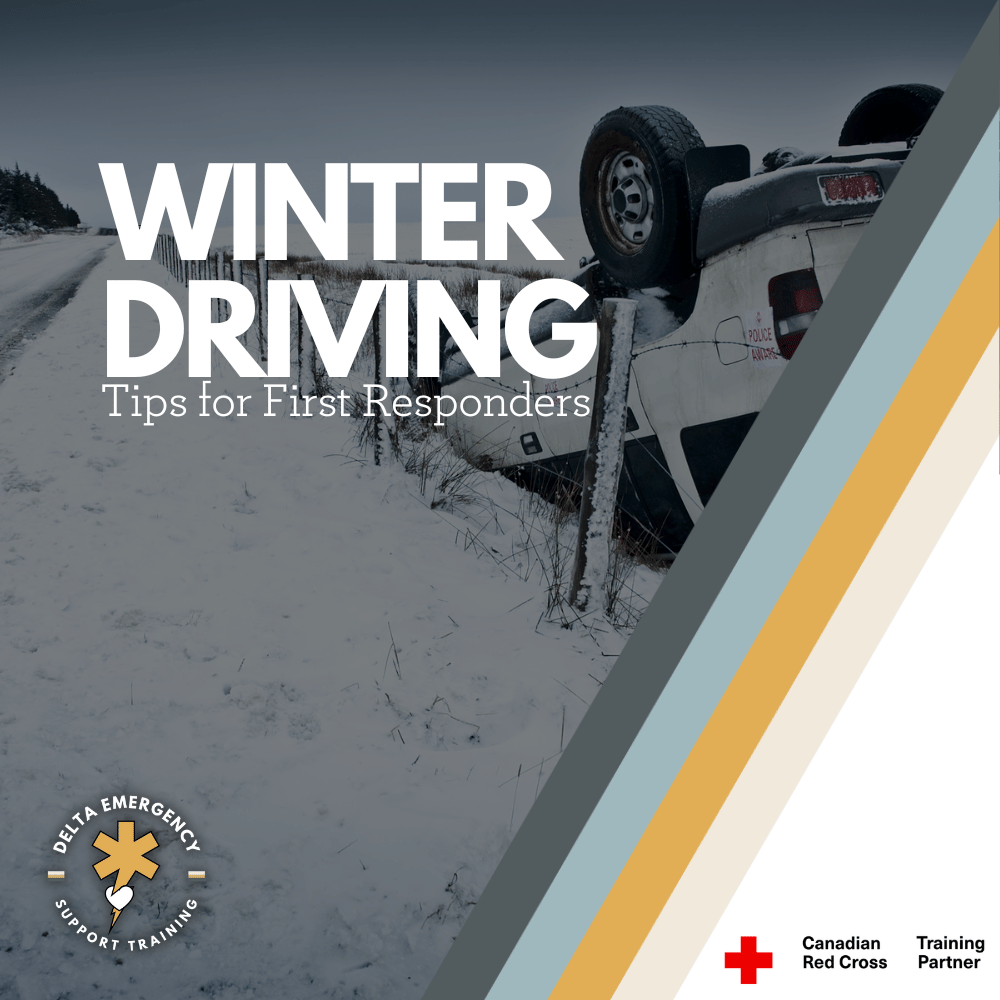
Winter driving poses unique challenges, especially for future firefighters and first responders. From hidden black ice to snow-covered roads, understanding the risks and knowing how to prepare your vehicle are essential for staying safe on the road. In this blog, we’ll cover key winter driving hazards, share essential tips for safe navigation in harsh conditions, and provide guidance on vehicle maintenance to ensure you're always ready—whether you're heading to an emergency or simply commuting. Stay prepared, stay safe, and learn how to handle winter weather like a pro.
Winter Driving Tips for Future First Responders: Stay Safe and Prepared in Harsh Conditions

Overturned vehicle from driving in icy winter conditions

Winter driving can be treacherous, especially when you’re out on the road in snowy, icy conditions. As a future firefighter, paramedic, or emergency responder, it’s crucial to understand how these winter weather hazards can impact your ability to drive safely and respond effectively in an emergency. Whether you're heading to a call or navigating daily commutes, this guide will provide you with the knowledge and practical tips you need to stay safe during the winter months.

1. Understanding the Risks of Black Ice

Black ice is one of the most insidious dangers of winter driving. It forms when moisture freezes on the road surface, creating a nearly invisible layer of ice that can cause vehicles to lose traction unexpectedly. Black ice is most commonly found on bridges, overpasses, and shaded parts of the road. For first responders, who may need to drive in these conditions during urgent situations, it’s vital to recognize the signs of black ice and respond accordingly.

What to Watch Out For:

  • Bridges and Overpasses: These areas freeze more quickly than regular roads due to their exposure to the air above and below.

  • Shaded Areas: Roads that are shaded by trees, buildings, or mountains are more likely to have black ice, especially early in the morning or after sunset.

  • Intersections and Curves: These areas are more prone to slick conditions as the traffic flow can prevent melting during the day.

How to Drive on Black Ice:

  • Slow Down: Reduce your speed when driving on bridges, overpasses, or during the early morning hours.

  • Gentle Maneuvers: Avoid quick or sharp turns. Steer gently if you begin to slide.

  • Keep a Safe Distance: Maintain extra space between your vehicle and others, as it can take longer to stop on icy surfaces.

2. Snow and Slippery Road Conditions

Snow accumulation not only reduces visibility, but it can also make roads slippery, increasing the likelihood of losing control of your vehicle. Thick snowdrifts and patches of snow can obscure lane markings, making it difficult to navigate the road properly. For firefighters and other emergency personnel, this is particularly hazardous, as getting stuck in the snow or skidding off the road can delay emergency responses.

What to Watch Out For:

  • Snowdrifts: These can accumulate quickly, especially on less-traveled roads.

  • Hidden Potholes: Snow can cover potholes, creating unexpected hazards beneath the snow’s surface.

  • Lack of Lane Visibility: Snow accumulation can hide lane markings, making it difficult to stay in your lane.

Winter Driving Tips for Snowy Roads:

  • Drive Below the Speed Limit: Adapt your speed to the road conditions, not the posted speed limit. Keep your distance from other vehicles, as stopping distances will be much longer.

  • Increase Visibility: Use your headlights during snowfall to make sure other drivers can see you. Avoid high beams, which can reflect off the snow and reduce your visibility.

  • Stay in Tracks: If driving in heavy snow, try to drive in the tracks of other vehicles to avoid becoming stuck in deep snow.

3. Cold Weather and Vehicle Maintenance

Winter driving isn’t just about adjusting your behavior on the road; it’s also about ensuring your vehicle is properly prepared for the cold conditions. The freezing temperatures of winter can cause issues that make your vehicle more susceptible to mechanical failure or an accident. For first responders, this can lead to delays or even dangerous breakdowns.

Winter Vehicle Checklist:

  • Check Tire Pressure and Tread: Cold temperatures cause tire pressure to drop. Check your tire pressure regularly, and ensure that your tires have sufficient tread to maintain grip on icy or snow-covered roads.

  • Battery Health: Batteries lose power in cold weather, so test your battery before winter sets in. Consider replacing older batteries that might fail in the cold.

  • Engine Fluids: Ensure your vehicle is filled with winter-grade oil and coolant. The correct engine fluid prevents freezing and ensures proper functioning.

  • Windshield Wipers: Replace windshield wipers if they are worn. Stock up on windshield washer fluid that won’t freeze at low temperatures, ensuring good visibility in snowy conditions.

Emergency Kit Essentials:

  • Blankets and Warm Clothing: In case of a breakdown or emergency situation, having extra clothing and thermal blankets in your vehicle can be lifesaving.

  • First Aid Kit: Always carry a basic first aid kit, including bandages, antiseptic wipes, and gloves, for addressing minor injuries on the go.

  • Food and Water: Pack non-perishable snacks and bottled water, especially if you're traveling long distances or to remote areas.

4. Responding to Accidents in Winter Conditions

As a future first responder, you may need to respond to emergency calls involving accidents on snowy or icy roads. It's crucial to stay aware of the unique dangers that come with operating in these environments, both for your safety and the safety of the victims.

Hazards to Be Aware Of:

  • Additional Collisions: If the road is icy, there’s a higher likelihood of secondary accidents, so always approach accident scenes cautiously.

  • Cold Weather Injuries: Accidents involving cold temperatures can cause hypothermia, frostbite, or other cold-related injuries, especially if victims are exposed to the elements for long periods.

  • Limited Access: Snow and ice can make it difficult to reach accident scenes or maneuver vehicles into position for a rescue. Be prepared for delays or challenging access.

Tips for First Responders:

  • Slow Approach: Always slow down as you approach the scene of an accident, and be mindful of other vehicles on the road.

  • Road Safety: Set up safety cones or warning lights to alert other drivers and prevent further collisions.

  • Protect Victims: If the victims are in cold conditions, prioritize keeping them warm with blankets or by moving them to a safer location away from the elements.

5. Stay Prepared for Winter Emergencies

The unpredictable nature of winter weather means that being prepared is more important than ever. Having an emergency kit, knowing how to handle various road conditions, and understanding the importance of vehicle maintenance can make a huge difference in staying safe.

Winter Emergency Kit Checklist:

  • Jumper cables and portable power banks

  • Flashlight with extra batteries

  • Shovel, sand, or kitty litter (for traction if you’re stuck)

  • Thermal blankets and extra gloves/hats

  • Non-perishable snacks and water

  • Basic first aid supplies

Conclusion: Be Prepared and Drive Safely This Winter

Winter driving conditions can be dangerous, especially for first responders who need to travel quickly and efficiently to emergencies. By understanding the hazards posed by snow, ice, and freezing temperatures, and by taking proactive steps to maintain your vehicle and adjust your driving behavior, you can reduce the risks associated with winter driving.

For future firefighters and first responders, staying prepared means more than just understanding emergency procedures—it also means staying safe on the road. Drive carefully, maintain your vehicle, and always be prepared for the unexpected.

Read More

The Perils of the Firefighter: Understanding Common Injuries

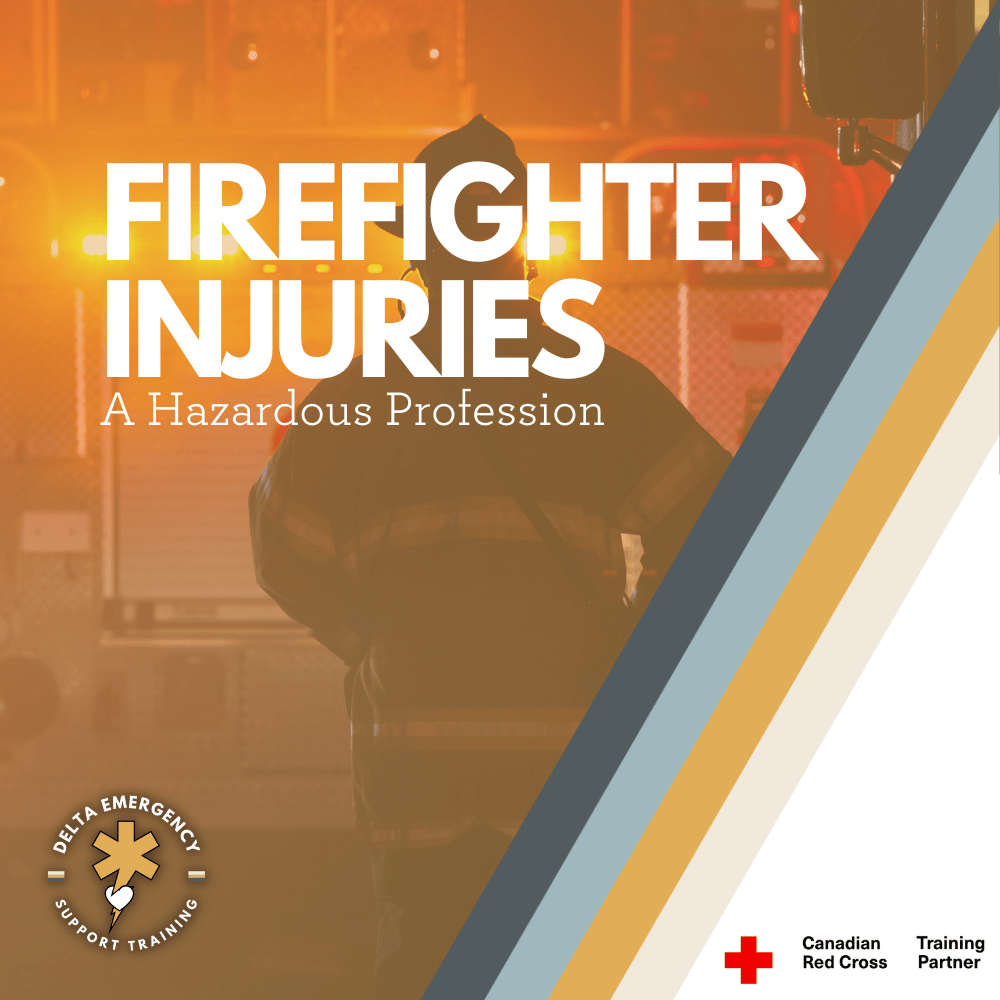
Exploring the realm of firefighter injuries reveals the array of risks they encounter daily, from physical strains to the insidious threat of smoke inhalation. Navigating debris-laden spaces in heavy gear can lead to sprains and strains, compromising mobility and performance. Meanwhile, exposure to toxic smoke presents respiratory hazards with potential long-term effects. Thermal burns, ranging from superficial to deep tissue damage, underscore the necessity of protective gear and adherence to safety protocols. Furthermore, navigating through smoke-filled environments increases the risk of cuts, lacerations, and puncture wounds, emphasizing the importance of prompt medical attention. Proactive safety measures are crucial in mitigating these risks and ensuring the well-being of our firefighters as they courageously serve our communities.

FIREFIGHTER silhouette AGAINST THE BREAK LIGHTS OF THE ENGINE

When we think of firefighters, we often conjure images of heroism, rushing into burning buildings to save lives and property. But behind the valor and the bravery lies a stark reality—firefighting is a hazardous profession. Beyond the flames and smoke, firefighters face a myriad of dangers that put their health and safety at risk every time they respond to a call. In this article, we'll delve into the most common injuries associated with being a firefighter, drawing insights from the National Fire Protection Association's (NFPA) annual statistics released in September 2021.

Sprains and Strains:

One of the most prevalent types of injuries among firefighters is sprains and strains. Picture the chaotic scene of a structure fire—the debris, the obstacles, the unpredictability. Firefighters, weighed down by heavy gear, often maneuver through treacherous environments where a wrong step or a sudden twist can lead to painful consequences. Sprains, which involve the tearing or stretching of ligaments, and strains, which affect muscles or tendons, are almost inevitable in such scenarios. From twisted ankles to strained backs, these injuries can range from mild discomfort to debilitating pain, hampering a firefighter's ability to perform their duties effectively.

Smoke Inhalation:

Inhaling smoke is an occupational hazard that firefighters encounter on a regular basis. Beyond the immediate discomfort of itchy eyes and a scratchy throat, smoke inhalation can have serious consequences. As fires rage, they release a toxic cocktail of particles and gases, including carbon monoxide, cyanide, and other harmful substances. These toxins can infiltrate a firefighter's lungs, causing respiratory distress, pulmonary damage, and in extreme cases, even death. The insidious nature of toxic smoke underscores the importance of proper respiratory protection and vigilant monitoring during firefighting operations.

Thermal Burns:

Perhaps the most visually apparent risk of firefighting is thermal burns. Exposed to extreme heat, firefighters are susceptible to burns of varying degrees, each with its own set of implications. First-degree burns may cause redness and pain, while third and fourth-degree burns penetrate deeper layers of skin, potentially leading to permanent tissue damage and requiring immediate medical attention. The severity of thermal burns underscores the critical need for firefighters to prioritize protective gear and adhere to established safety protocols to minimize exposure to heat and flames.

Cuts or Lacerations:

Navigating through smoke-filled environments littered with debris poses a significant risk of cuts and lacerations for firefighters. Sharp objects, jagged edges, and protruding obstacles can cause skin tears ranging from minor cuts to more severe lacerations. Puncture wounds, in particular, carry the added risk of infection, as foreign objects introduce harmful bacteria into the body. Additionally, avulsions—where skin is completely torn away from underlying tissue—represent a particularly severe form of injury that requires prompt medical intervention to prevent further complications.

In conclusion, firefighting is a demanding and perilous profession that exposes individuals to a multitude of hazards and injuries. From sprains and strains to smoke inhalation, thermal burns, and cuts, firefighters confront a range of risks in the line of duty. While these injuries are an inherent part of the job, proactive measures such as rigorous training, proper equipment maintenance, and adherence to safety protocols can mitigate their occurrence and ensure the health and well-being of those who bravely serve our communities. As we salute the courage and sacrifice of firefighters, let us also recognize the importance of prioritizing their safety and supporting initiatives aimed at minimizing the risks they face on a daily basis.

Read More
Gear, Fire Gear, Fire Safety, Firefighter, PPE Kumari Malhotra Gear, Fire Gear, Fire Safety, Firefighter, PPE Kumari Malhotra

Bunker Gear: Face the Flames

In the high-stakes realm of firefighting, the shield that stands between a firefighter and the inferno is known as bunker gear. Explore the intricate layers of this crucial personal protective equipment, from the resilient outer shell to the dual-duty moisture barrier and the inferno-confronting thermal barrier. Discover the materials shaping today's bunker gear, offering a blend of strength, flame resistance, and flexibility.

Modern personal protective equipment (PPE) for firefighters is a sophisticated three-layer system, encompassing an outer shell, moisture barrier, and thermal barrier. The unity of these components forms what is commonly referred to as bunker gear or turnout gear, a comprehensive defense mechanism crucial for the safety of those facing extreme heat and hazardous environments.

Outer Shell: Your First Line of Defense

The outer shell, akin to a shield, plays a pivotal role in safeguarding firefighters from hostile environments. Beyond defending against heat and flames, it must resist water, dangerous chemicals, and potential abrasions. Qualities such as flame resistance, resistance to embrittlement, and dye sublimation are essential considerations when evaluating the outer shell. Its robust design not only protects the firefighter but also safeguards the internal components of the bunker gear.

Moisture Barrier: Double-Duty Defender

The moisture barrier operates on a dual front, shielding against hazardous liquids and managing moisture. This layer protects the firefighter's skin from a range of substances encountered during firefighting, from battery acid to fire-resistant hydraulic fluids. Simultaneously, it lessens the impact of extreme temperatures by efficiently wicking away sweat. Although a critical component, the moisture barrier requires regular testing and inspection due to its delicate nature.

Thermal Barrier: Confronting Extreme Heat

The thermal barrier, often referred to as the thermal liner, is tasked with the primary responsibility of protecting firefighters from extreme heat in their environment. Collaborating with the moisture barrier, it contributes around 75% of the bunker gear's heat protection by trapping air between layers of nonwoven material. The ideal thermal barrier goes beyond heat protection, offering moisture management, wickability, flexibility, and a smooth feel for comfort against the face and skin. Manufacturers increasingly turn to multiple layers of woven material to enhance heat protection without compromising breathability.

What Is Bunker Gear Made Of?

Today's personal protective equipment incorporates scientific breakthroughs unimaginable to turn-of-the-century firefighters. Bunker gear typically comprises a jacket or coat, trousers, gloves, boots, hood, helmet, and a self-contained breathing apparatus. Each element serves a distinct purpose and is crafted from various materials.

Outer Shell (Coat and Trousers)

Materials such as Kevlar, aramid, and Nomex dominate the construction of the outer shell. Nomex's ability to carbonize and thicken in extreme heat adds an extra layer of protection against burns. The combination of Nomex and Kevlar is favored for its flame resistance, toughness, lightweight nature, and thermal protection. Trousers often feature leather reinforcement along cuffs and knees for added protection and durability.

Additional Considerations

When selecting turnout coats and trousers, factors such as visibility, storage capacity, and custom features are vital. Bright colors and reflective strips enhance visibility, while added storage ensures quick access to tools. Recognizing that bunker gear is not one-size-fits-all, manufacturers cater to various preferences and needs based on factors like crew experience, types of calls, and local weather conditions.

Boots, Helmet, and Hand Protection

Foot protection is paramount, with fire-resistant leather and steel toe inserts in boots. Helmets, constructed with hard shells of plastic, fiberglass, or carbon fiber, include additional layers of Kevlar for strength and non-conductive materials to prevent electric shock. Hand protection is ensured through gloves featuring layers of leather, Nomex, and breathable barriers.

Additional Protective Gear

Beyond the basic elements, firefighters may require additional gear such as goggles, hearing protection, flash hoods, breathing apparatuses, and specialty gear like hazmat suits or proximity suits. Undergarments, made from a blend of synthetic aramid fibers and strengthening fibers like nylon or spandex, provide superior cooling and wicking properties.

This comprehensive ensemble represents the core components of a firefighter's bunker gear, each meticulously designed to offer the highest level of protection in the face of diverse and challenging situations.

Read More

Navigating the Depths of Firefighter Bunker Gear: Care and NFPA Standards

Embark on a NFPA-guided journey into the world of firefighter bunker gear maintenance. In Part 1, we lay the foundation, offering insights into crucial elements such as record-keeping, selection, routine and advanced inspections, exposure reduction, and advanced cleaning. Discover strategies to minimize exposure to contaminants during operations and delve into advanced cleaning techniques vital for preserving the protective qualities of this second skin. Join us as we unveil the shield, safeguarding the heroes who selflessly protect our communities.

Unveiling Firefighter Bunker Gear

A Comprehensive NFPA-Compliant Maintenance Guide (Part 1)

Firefighter in bunker gear

Welcome to the frontline of firefighting, where heroes don their second skin—firefighter bunker gear. This guide, inspired by the National Fire Protection Association (NFPA) standards, is your go-to resource for understanding, selecting, and maintaining gear that protects those who rush towards danger. Part 1 explores critical aspects, from meticulous record-keeping to routine inspections.

NFPA Standards, Records, and Selection

In 1896, the NFPA set the gold standard for firefighter safety. Part 1 emphasizes the vital role of NFPA standards in shaping the comprehensive documentation required for bunker gear. Records cover issuance, manufacturer details, inspections, cleanings, repairs, and retirement methods. Simultaneously, we delve into selecting the right bunker gear, emphasizing sizing, material specifications, and adherence to NFPA standards.

Routine and Advanced Inspections

Routine inspections form the frontline defense against potential gear failures. This chapter outlines procedures for regular check-ups, addressing wear, tear, and loose components. Building on routine inspections, we explore advanced inspection techniques, involving in-depth evaluations and specialized equipment. Knowing when and how to conduct these assessments is crucial for maintaining the highest level of safety for firefighters.

Minimizing Exposure to Contaminants: Strategies for Firefighters

Firefighters operate in dynamic and hazardous environments, exposing them to various contaminants that can pose serious health risks. To mitigate these risks, strategies for minimizing exposure are crucial. This involves both preliminary measures taken at the scene and advanced cleaning methods to ensure that bunker gear maintains its protective qualities.

Preliminary Exposure Reduction

  1. Decontamination Zones

    Establishing designated decontamination zones at incident scenes is essential. Firefighters can use these zones to remove contaminants from their gear before leaving the scene, preventing the spread of hazardous materials.

  2. Quick Removal of Gear

    Promptly removing contaminated gear is vital. Firefighters are trained to efficiently disrobe in a systematic manner to minimize contact with potentially harmful substances.

  3. Wet Decontamination

    Using water or wet wipes for immediate decontamination can be effective. This preliminary step helps remove surface contaminants before they can be absorbed into the gear or transferred elsewhere.

  4. Disposable Covers

    Using disposable covers for helmets, gloves, and boots provides an additional layer of protection. These covers can be discarded after each use, preventing cross-contamination.

Advanced Cleaning Methods

  1. Advanced Decontamination Procedures

    Specialized cleaning procedures are employed to address contaminants that may compromise the integrity of bunker gear. This involves thorough cleaning of gear using specific cleaning agents and techniques.

  2. Industrial Washing Machines

    Bunker gear is often subjected to industrial washing machines designed to handle the specific materials used in its construction. These machines use detergents and high water pressure to remove contaminants effectively.

  3. Routine Inspection During Cleaning

    Cleaning sessions are not just for removing visible contaminants; they are also opportunities for routine inspections. Firefighters or gear maintenance personnel should inspect the gear for any damage or wear during the cleaning process.

  4. Drying Procedures

    Proper drying is critical to preventing the growth of mold and maintaining the gear's effectiveness. Drying rooms with controlled humidity and temperature are often used to ensure that the gear is thoroughly dried without compromising its structural integrity.

  5. Regular Training

    Firefighters receive ongoing training on the latest decontamination and cleaning protocols. Staying informed about best practices is essential for maintaining the effectiveness of the cleaning process.

Conclusion

Join us on this NFPA-guided journey as we delve into the intricacies of firefighter bunker gear maintenance. Part 1 establishes the foundation, offering insights into crucial elements like record-keeping, selection, routine and advanced inspections, preliminary exposure reduction, and advanced cleaning. In Part 2, we will delve even deeper, exploring the specifics of each gear component—helmets, coats, pants, gloves, and boots—unveiling their unique roles and importance. Together, let's ensure the shield remains unyielding, safeguarding those brave individuals who stand between danger and the communities they serve.

Read More