The Delta Dispatch
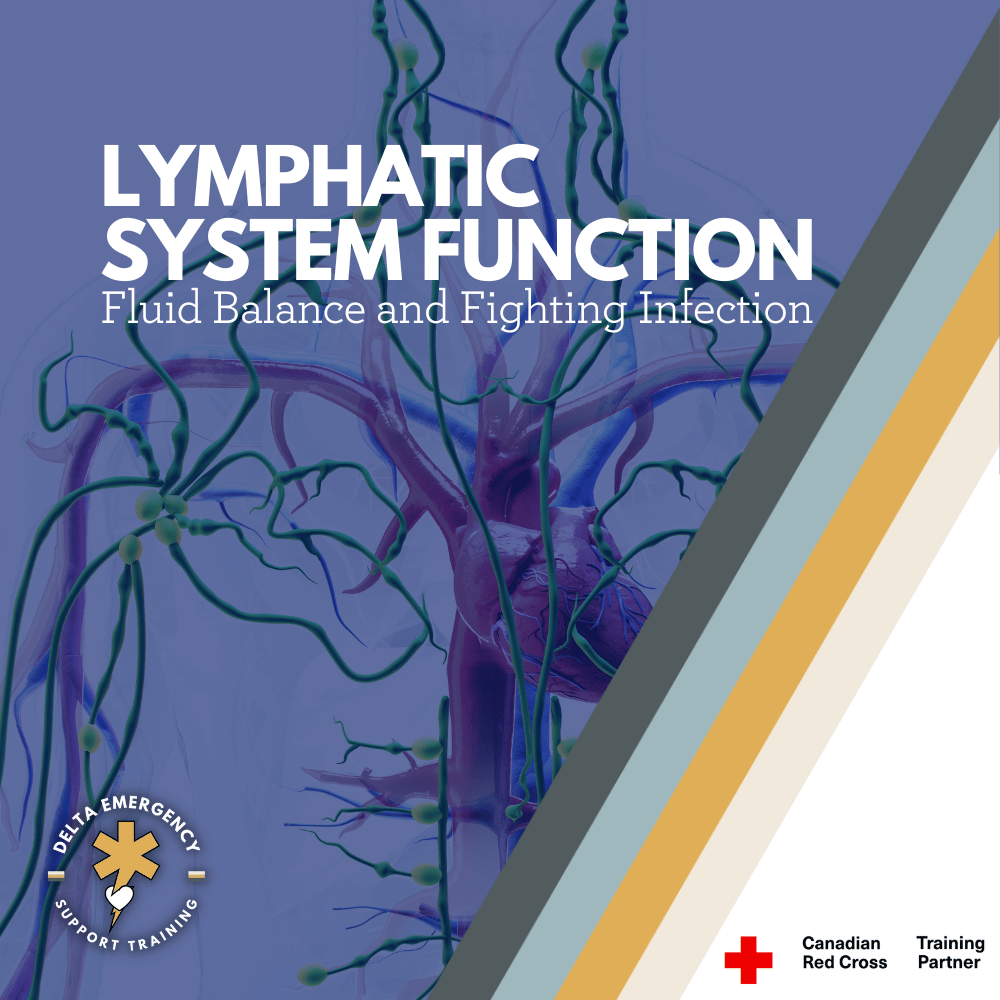
The Lymphatic System: Your Body’s Built-In Defense Network
When most people think about vital systems in the human body, they picture the heart pumping blood or the lungs drawing in oxygen. But behind the scenes, the lymphatic system plays a critical and often overlooked role in keeping us healthy—especially when it comes to fighting infection, maintaining fluid balance, and supporting the immune system.
For first aiders, EMRs, and other frontline responders, understanding the lymphatic system can deepen your knowledge of the body's response to injury, infection, and inflammation. It also helps explain why we sometimes see swollen lymph nodes, fevers, and inflammatory reactions during patient assessments.
🔬 What Is the Lymphatic System?
The lymphatic system is a complex network of vessels, nodes, organs, and tissues that work together to:
Drain excess fluid from tissues and return it to the bloodstream
Filter harmful substances, like bacteria, viruses, and toxins
Produce and transport immune cells, such as lymphocytes
Absorb and transport fats from the digestive system
Think of it as the body’s sanitation and security team, quietly working alongside the circulatory system.
🧠 Key Components of the Lymphatic System
1. Lymph Fluid
A clear or pale yellow fluid made up of water, proteins, white blood cells (especially lymphocytes), and waste products.
Forms from fluid that leaks out of capillaries into tissues (called interstitial fluid) and is then collected by lymphatic vessels.
2. Lymphatic Vessels
A network of thin tubes that run throughout the body, similar to veins.
These vessels carry lymph fluid in one direction—toward the heart—using valves and muscular contractions to keep the fluid moving.
They eventually drain into two major ducts:
Thoracic duct (left side of body)
Right lymphatic duct (right side of head, arm, chest)
3. Lymph Nodes
Small, bean-shaped structures located along lymph vessels.
Filter lymph fluid and trap pathogens, foreign particles, and cancer cells.
Contain immune cells (B cells and T cells) that destroy harmful substances.
Common clusters are found in the neck, armpits, and groin—these may swell during infections.
4. Lymphoid Organs
Spleen: Filters blood, removes old red blood cells, and stores white blood cells.
Thymus: Located in the chest; where T cells mature (especially active in children).
Tonsils and adenoids: Located in the throat; protect against pathogens entering via mouth and nose.
Peyer’s patches: Found in the small intestine; monitor intestinal bacteria and immune responses in the gut.
🛡️ Lymphatic System and Immunity
The lymphatic system is deeply integrated into the immune response. It helps the body recognize, attack, and eliminate threats like viruses, bacteria, and cancer cells.
Key immune system cells found in lymphatic tissues include:
B lymphocytes (B cells): Produce antibodies to neutralize pathogens.
T lymphocytes (T cells): Attack infected cells and coordinate immune responses.
Macrophages: Engulf and digest cellular debris, pathogens, and dead cells.
When the body detects an invader, immune cells gather in nearby lymph nodes—causing localized swelling and tenderness, which you might feel in the neck or armpit during illness.
💉 Lymphatic System in Emergency Medicine and First Aid
While the lymphatic system itself doesn’t often present as a primary emergency, it plays a supporting role in many situations:
1. Infection
Swollen, tender lymph nodes can signal localized or systemic infection.
This is common in throat infections, skin abscesses, or infected wounds.
2. Sepsis
When infection spreads into the bloodstream, the lymphatic system may become overwhelmed.
Understanding its role helps responders recognize systemic responses like fever, elevated heart rate, and altered mental status.
3. Cancer
Lymph nodes are often used in staging cancers, as some malignancies (e.g., lymphoma or breast cancer) spread via the lymphatic system.
Responders may encounter patients with known lymphatic involvement or lymphedema from past cancer treatment.
4. Trauma and Swelling
Impaired lymph drainage can contribute to edema in injured limbs.
Compression injuries, surgical removal of nodes, or severe inflammation may damage lymphatic flow.
🧠 Fast Facts for First Aiders and EMRs
The lymphatic system has no central pump like the heart; it relies on movement, breathing, and muscle contractions.
Swollen lymph nodes are usually not painful unless infected.
Lymph nodes larger than 1 cm that persist for more than a few weeks should be evaluated by a physician.
Lymph fluid eventually returns to the bloodstream, helping maintain fluid balance and blood volume.
Conditions like lymphedema, often seen in cancer survivors, are caused by damage or blockage in lymph vessels.
🩺 Support the System
While you won’t be treating the lymphatic system directly in most emergency calls, here are ways first responders support it indirectly:
Encourage early treatment of infections to reduce the burden on lymph nodes
Recognize swollen lymph nodes as a sign of localized infection
Position patients properly to promote lymph drainage and circulation
Understand underlying conditions like lymphoma or lymphedema when assessing patients
📚 Conclusion: Small System, Big Impact
The lymphatic system may be quiet, but it’s crucial—working around the clock to remove waste, protect against illness, and support your immune defenses. For first responders, a working knowledge of the lymphatic system helps sharpen your assessment skills, especially in cases involving fever, infection, or unexplained swelling.
Whether you’re taking Advanced First Aid or working as an EMR, understanding this system adds another layer to your ability to assess and care for patients holistically.
Essential Acronyms and Medical Terms Every EMS Professional Should Know
Mastering medical acronyms and terminology is essential for every Emergency Medical Services (EMS) professional. From understanding basic patient care concepts like ABCs (Airway, Breathing, Circulation) to advanced procedures and diagnoses, knowing the right terms can make all the difference in high-pressure situations. This guide highlights key acronyms and terms, alongside study aids and tips to help you quickly memorize and apply them in real-life emergency scenarios.
Entering the world of Emergency Medical Services (EMS) can be overwhelming at first — there’s a lot of information to process, and mastering medical terminology is a huge part of the learning curve. One of the most effective ways to communicate in high-pressure situations is by using standardized acronyms and medical terms. Understanding these abbreviations is crucial for providing timely care, collaborating with your team, and ensuring patient safety.
Here, we’ve compiled a list of essential acronyms and terms every EMS professional should know. To make it easier to learn, we’ve divided the terms into categories, and we’ve also provided study aids that can help you retain this critical knowledge.
1. Basic EMS and Patient Care Acronyms
These acronyms are fundamental to understanding the basics of patient care and emergency response.
ABCs
Meaning: Airway, Breathing, Circulation
What It Means: The first steps in any patient assessment to determine if life-threatening issues exist.
SMR
Meaning: Spinal Motion Restriction
What It Means: A method used to stabilize the spine of a trauma patient to prevent further injury.
GCS
Meaning: Glasgow Coma Scale
What It Means: A scoring system used to assess a patient’s level of consciousness based on eye, verbal, and motor responses.
BPM
Meaning: Beats Per Minute
What It Means: A measure of heart rate. Crucial for assessing cardiovascular function.
BP
Meaning: Blood Pressure
What It Means: The force of blood pushing against the walls of the arteries. Monitored to assess cardiovascular health.
SOB
Meaning: Shortness of Breath
What It Means: A common symptom indicating potential respiratory distress or other underlying conditions such as heart failure.
2. Medical History and Symptoms Acronyms
Understanding a patient’s medical history and recognizing symptoms is crucial for accurate diagnosis and treatment.
TIA
Meaning: Transient Ischemic Attack
What It Means: A temporary blockage of blood flow to the brain, often referred to as a "mini-stroke."
LOC
Meaning: Level of Consciousness
What It Means: An assessment of the patient's responsiveness and awareness.
MOI
Meaning: Mechanism of Injury
What It Means: The method or cause of injury (e.g., fall, motor vehicle accident) that helps responders assess potential injuries.
ETOH
Meaning: Ethanol (Alcohol)
What It Means: Refers to alcohol consumption or intoxication, which is important for understanding potential contributing factors to the patient’s condition.
Hx
Meaning: History
What It Means: Refers to a patient’s past medical history, which is critical for accurate diagnosis and treatment.
Tx
Meaning: Treatment
What It Means: Refers to the care given to the patient during the emergency response.
3. Emergency Response and Medical Procedure Acronyms
These terms relate to the actions and procedures performed during an emergency.
MCI
Meaning: Mass Casualty Incident
What It Means: A situation where there are too many casualties for the available resources, requiring triage and coordination.
ROSC
Meaning: Return of Spontaneous Circulation
What It Means: When the heart begins to beat again after being in cardiac arrest, usually following CPR or defibrillation.
EMR
Meaning: Emergency Medical Responder
What It Means: The initial level of EMS provider trained to provide immediate care at the scene of an emergency.
PCP
Meaning: Primary Care Paramedic
What It Means: A level of paramedic providing basic and some advanced care before hospital arrival.
ACP
Meaning: Advanced Care Paramedic
What It Means: Paramedics with additional training in advanced airway management, medication administration, and critical care techniques.
CCP
Meaning: Critical Care Paramedic
What It Means: Paramedics trained to manage patients requiring the highest level of care, including the use of complex equipment and advanced treatments.
4. Common Medical Terminology
These are important medical terms you’ll need to know for a deeper understanding of specific conditions and procedures.
PEARL
Meaning: Pupils Equal and Reactive to Light
What It Means: A quick neurological assessment where the patient's pupils are examined for abnormalities.
HR
Meaning: Heart Rate
What It Means: The number of heartbeats per minute, a crucial indicator of cardiovascular health.
CNS
Meaning: Central Nervous System
What It Means: The brain and spinal cord, responsible for processing information and controlling bodily functions.
MI
Meaning: Myocardial Infarction
What It Means: The medical term for a heart attack, caused by a blockage in one of the coronary arteries.
Syncope
Meaning: Fainting
What It Means: Temporary loss of consciousness, often caused by a drop in blood pressure or inadequate blood flow to the brain.
5. Study Aids for Memorizing Acronyms and Terms
Now that we’ve covered the essential acronyms and medical terms, let’s talk about how to effectively memorize them and apply them in real-world scenarios. Here are some practical study guides and tools that will help you retain this information:
Flashcards
Flashcards are one of the best ways to memorize medical terms and acronyms. Create a set for yourself and quiz yourself regularly. You can make your own flashcards using index cards or use digital apps like Quizlet, where you can search for pre-made sets or create your own.
Example:
Front: "ABCs"
Back: Airway, Breathing, Circulation
Tip: Test yourself or have a study partner quiz you.
Mnemonics
Using mnemonics is an effective way to remember lists of acronyms. For example:
"ABCs": “Always Be Calm” — helps remind you that the first thing to check is Airway, then Breathing, and Circulation.
"PEARL": “Pupils Equal And Reactive Light” — helps remember the steps for checking pupils during a neurological exam.
Quizzes and Practice Exams
Regularly take quizzes and practice exams to reinforce your knowledge. Many EMS training programs offer practice tests that simulate real-life emergency scenarios. Websites like EMTprep.com and MedPage also provide quizzes specifically designed for EMS students.
Group Study
Studying with a group can help reinforce your knowledge and expose you to different ways of remembering terms. Set aside time to review acronyms together and test each other’s knowledge in a quiz format.
Interactive Learning Tools
Apps and websites like Anki (a flashcard app with spaced repetition), Quizlet, and Brainscape can make studying more interactive and help you retain information over time. They can also help you track your progress.
6. Tips for Applying Terminology in Real-Life Scenarios
When you're out in the field, it’s not just about memorizing acronyms — it’s about applying them quickly and accurately under pressure. Here are some ways to put your knowledge into practice:
Practice in Mock Scenarios: Use role-playing and simulations to practice how you'd assess a patient and use these acronyms and terms in real-time.
Team Communication: Use acronyms during team briefings, ensuring that everyone understands the terms. It’s important to speak in the same language for effective communication.
Know When to Ask Questions: Don’t hesitate to ask senior responders or your instructors for clarification if you don’t understand a term or acronym in a particular context. It’s better to ask than risk misunderstanding.
Conclusion: Why Knowing These Acronyms and Terms is Crucial in EMS
Mastering medical acronyms and terms is more than just memorization — it’s about ensuring patient safety, improving communication with your team, and providing high-quality care under pressure. By understanding these critical terms and incorporating them into your EMS training, you’ll be better prepared to act quickly and decisively in any emergency.
At Delta Emergency Support Training, we make sure our students are equipped with the knowledge and skills to perform confidently in any situation. Whether you’re a beginner just learning CPR or an advanced practitioner, mastering medical terminology is a key step toward becoming an effective EMS professional.
Elevating Emergency Response: The Canadian Red Cross Emergency Care for Professional Responders Textbook
The "Canadian Red Cross: Emergency Care for Professional Responders" textbook is a must-have resource for those working in high-pressure environments like emergency medical services, firefighting, and law enforcement. Packed with in-depth medical content and real-world scenarios, this guide equips professionals with the advanced skills needed to handle critical emergencies effectively. Whether you're performing airway management or assessing trauma, this textbook ensures you're ready to respond with confidence in any situation.
Advanced First Aid Knowledge for Those Who Face the Most Demanding Situations
In the fast-paced world of emergency medical services, having the right knowledge can make the difference between life and death. The "Canadian Red Cross: Emergency Care for Professional Responders" textbook is specifically designed for individuals who operate in high-stakes environments where advanced first aid and emergency care are required. This textbook is an indispensable resource for firefighters, police officers, lifeguards, and advanced first aid personnel.
Depth of Medical Content
This textbook dives deep into the complex and critical conditions that professional responders encounter. With chapters written by experts in emergency care, the content covers a broad spectrum of medical emergencies, from trauma to acute medical conditions, providing detailed procedures for each. This comprehensive approach ensures that responders have the depth of knowledge necessary to make informed decisions quickly.
Real-World Scenarios and Techniques
One of the standout features of this guide is its emphasis on practical, real-world application. It includes:
Detailed scenario-based training examples that simulate actual emergency situations.
Step-by-step guides for advanced techniques such as airway management, support for spinal injuries, and emergency childbirth.
Best practices for scene management and patient assessment to ensure effective and efficient care.
These elements are designed to prepare responders not just to perform their duties, but to excel in their roles with confidence and competence.
Tailored for Professional Use
Each section of the textbook is tailored to the needs of professional responders, with considerations for the challenges they face in the field. The material is not only comprehensive but also accessible, with clear diagrams, quick-reference tables, and bullet points that make crucial information easy to locate and recall under pressure.
Why Choose This Textbook?
Expertise: Authored by leading medical professionals with extensive experience in emergency response.
Relevance: Updated regularly to include the latest techniques and best practices in emergency medical care.
Durability: Manufactured to withstand the rigors of field use, ensuring reliability when it’s needed most.
Conclusion
For those in demanding and critical roles, the Canadian Red Cross Emergency Care for Professional Responders textbook is more than just a learning tool—it's a crucial ally in the field. By integrating this textbook into your training program, you ensure that your team is equipped with the knowledge and skills to handle complex emergencies effectively.
Elevate your professional response capabilities today by obtaining your copy from Delta Emergency Support Training at Delta Emergency Support Training. Equip your team with the knowledge that saves lives, enhances safety, and ensures that when the call comes, you are ready to respond with the best care possible.
Essential Gear for the Trail: The Canadian Red Cross Wilderness and Remote Field Guide
The "Canadian Red Cross: Wilderness and Remote Field Guide" is a must-have resource for anyone venturing into the great outdoors. Designed for durability and quick reference, this waterproof and tear-resistant guide covers everything from first aid techniques to survival strategies. Compact and easy to use, it's perfect for outdoor enthusiasts, professionals, and anyone responsible for safety in remote areas. Equip yourself with the knowledge and confidence to handle wilderness emergencies—get your copy today at Delta Emergency Support Training.
The Ultimate Companion for Outdoor Safety and Emergency Preparedness
When venturing into the great outdoors, whether you're an avid hiker, a professional guide, or a part of a search and rescue team, having the right tools at your disposal is crucial. The "Canadian Red Cross: Wilderness and Remote Field Guide" is not just any textbook; it's a vital resource designed for the realities of outdoor challenges and emergencies.
Designed for Durability and Accessibility
Understanding that nature's elements can be unforgiving, this field guide is built to last. With waterproof and tear-resistant pages, it stands up to the toughest conditions, ensuring that you have access to critical information regardless of weather or terrain. Its compact design allows it to easily fit into any backpack or emergency kit, making it a practical choice for any outdoor enthusiast.
Quick Reference for Fast Action
Time is of the essence when dealing with emergencies in remote locations. This field guide is organized for quick access, allowing you to rapidly find the information you need when every moment counts. Detailed yet concise, the guide covers a wide range of situations from minor injuries to critical emergency responses.
A Tool for Every Wilderness Scenario
The guide includes comprehensive sections on:
Basic first aid techniques
Emergency procedures specific to remote settings
Navigation tips for lost or disoriented individuals
Survival strategies for various climates and terrains
These topics are illustrated with clear, easy-to-understand diagrams and instructions, making the guide an indispensable educational tool for anyone responsible for safety in wilderness areas.
Enhancing Your Outdoor Safety Skills
In addition to its practical applications, the Wilderness and Remote Field Guide serves as an educational resource that enhances your skills and confidence. It supports your outdoor activities by providing essential knowledge that can prevent emergencies or help manage them effectively until professional help is available.
Ideal for Both Enthusiasts and Professionals
Whether you're a casual nature lover or a professional working in challenging environments, this field guide is tailored to support your needs. It's an essential part of any safety training for outdoor professionals and a reliable resource for adventurers who take their wilderness activities seriously.
Conclusion
Invest in your safety and preparedness with the Canadian Red Cross Wilderness and Remote Field Guide. Available at Delta Emergency Support Training at competitive prices, this guide is not just a purchase—it's an investment in your ability to handle the unexpected with expertise and confidence.
Prepare for your next adventure by securing your copy today at Delta Emergency Support Training. Equip yourself with the knowledge to navigate the wilderness safely and respond effectively in emergencies. Your adventure awaits, and with the right preparation, you're ready to meet it head-on.
Mastering Entonox: Drug Monograph
Uncover the versatile role of Entonox, commonly known as 'laughing gas,' as a rapid analgesic in emergency response. Delve into the indications for swift pain relief, including its reversible effects and safety advantages. This guide introduces the acronyms DIVINE and SADMC to navigate contraindications and cautions, ensuring precise administration in diverse medical scenarios.
Introduction:
Entonox, colloquially known as "laughing gas" is a valuable tool in the first responder's arsenal, offering rapid analgesic.
In guide, we'll delve into both contraindications and cautions associated with Entonox, using the acronyms DIVINE and SADMC.
How Entonox Works:
When inhaled, Entonox takes approximately 3 to 5 minutes to initiate pain relief, reaching its maximum effect within 5 to 10 minutes. A notable feature of Entonox is its rapid excretion from the body via the lungs upon cessation of inhalation, leading to a prompt reversal of the analgesic effect.
Key Benefits of Entonox:
Rapid Analgesic Effect:
Entonox provides swift pain relief, making it an invaluable tool in emergency situations where quick intervention is paramount.
Reversible Analgesic Effect:
The rapid reversal of the analgesic effect ensures that symptoms are not masked, allowing healthcare providers to assess patients accurately.
Cardiac and Respiratory Safety:
When used properly, Entonox demonstrates no adverse effects on the cardiovascular or respiratory systems, enhancing its safety profile in diverse medical and trauma conditions.
Self-Administration Capability:
Patients can self-administer Entonox, offering a sense of control over their pain management, particularly in situations where immediate assistance may be limited.
Oxygen Enrichment:
With a 50% oxygen concentration, Entonox proves valuable in various medical and trauma scenarios where supplemental oxygen is beneficial, ensuring optimal oxygenation for patients.
Contraindications Acronym
Decompression Sickness (D):
Do not give Entonox to anyone who has recently dived as the nitrous oxide is highly soluble and will increase the inert gas load, making the symptoms of DCI (Decompression Illness) much worse.
Inability to Comply (I):
Patient cooperation is vital; those unable to hold the bite stick and inhale or someone who is in and out of consciousness are not suitable for Entonox
Ventable Space (V):
Proper ventilation is key to prevent gas concentration buildup, ensuring safety in various environments.
Inhalation Injury (I):
Burns to the mouth or throat, or recent exposure to fire and irrigation, warrant avoiding Entonox to prevent respiratory complications.
Nitroglycerin (N):
Caution is needed with recent nitroglycerin use, as combining it with Entonox may lead to fainting.
Embolism/Pneumothorax (E):
Entonox should be avoided with suspected pneumothorax or head injury, given its potential impact on pressure in the body.
Cautions (SADMC):
Shock (S):
Monitor for shock, as Entonox may not work optimally in such cases. It is important to give high flow O2 to a patient with suspected shock.
Abdominal Distention (A):
Similar to concerns with intercranial pressure and pneumothorax, avoid pressurized gas in patients with distended abdomens.
Depressant (D):
Exercise caution when combining Entonox with other depressants like alcohol, ketamine, marijuana, benzodiazepines, or opioids. Synergistic effects can lead to increased depression.
Maxillofacial Injury (M):
Patients with jaw injuries may struggle with the bite stick used in Entonox delivery. Adaptations may be needed for proper administration.
COPD (C):
For patients with COPD that may have alveolar bullae (air pockets or blebs) as nitrous oxide may cause bullae rupture since nitrous oxide enters that closed space more quickly than nitrogen can escape.
Scope of Practice Awareness:
Being attuned to regional scope of practice guidelines is essential for first responders. Variations exist among provinces and private emergency response agencies, emphasizing the need for ongoing education and communication within your team. Stay informed to ensure Entonox is administered safely and effectively, adhering to your specific guidelines.
Practical Application in Training:
As part of our commitment to excellence, our Advanced First Aid courses include practical training in Entonox use. This hands-on experience allows first responders to familiarize themselves with the administration of Entonox in a controlled environment, ensuring confidence and competence in the field.
Conclusion:
By understanding both contraindications and cautions and staying abreast of regional scope of practice guidelines, first responders can navigate the complexities of Entonox administration with precision.
Drug Monographs: The Ultimate Study Guide
As first responders in healthcare, our duty goes beyond quick reactions. Understanding drug monographs is key. They're like essential guides, giving us the lowdown on medications, including what they're for, what to avoid, and when to be cautious. This knowledge is vital – it can mean the difference between helping or accidentally harming our patients."
The Vital Role of Drug Monographs in Patient Care
In the realm of emergency response and healthcare, our responsibility as first responders extends beyond quick reactions to a profound understanding of the medications we administer. Drug monographs serve as indispensable guides, offering a overview of medications, including indications, contraindications, and cautions. This knowledge is paramount, as it can mean the difference between providing effective relief and inadvertently causing harm to our patients.
Lets learn about what indications, contraindications and cautions mean.
Indications:
Understanding the indications of a medication is akin to unlocking its therapeutic potential. It provides crucial insights into the specific conditions or symptoms the drug is designed to address. Armed with this knowledge, first responders can make informed decisions, ensuring that the chosen medication aligns precisely with the patient's needs.
Contraindications:
Equally important are the contraindications outlined in drug monographs. These are specific situations or conditions in which the medication should not be administered due to potential risks or adverse effects. By meticulously adhering to contraindications, first responders mitigate the possibility of exacerbating underlying health issues or causing unintended harm.
Cautions:
Cautions, often nuanced and subtle, represent the middle ground between indications and contraindications. Recognizing these cautionary notes is imperative, as they highlight scenarios where careful consideration and additional monitoring may be required. Cautions serve as a crucial alert system, prompting first responders to tailor their approach based on the patient's unique medical circumstances.
The Gravity of Responsibility:
Knowing drug monographs is not just a professional expectation; it's a moral and ethical responsibility. Our decisions as first responders can profoundly impact the well-being of those under our care. In the absence of a comprehensive understanding of medications, we risk not only compromising the efficacy of our interventions but also exposing patients to potential dangers.
Empowering First Responders:
Our commitment to excellence is reflected in the emphasis we place on drug monograph awareness in our Advanced First Aid class. By equipping first responders with the knowledge to decipher and apply drug monographs effectively, we empower them to make sound, patient-centered decisions. This, in turn, ensures a higher standard of care.
Announcement:
Exploring Drug Monographs in Depth
In our ongoing commitment to enhancing knowledge and fostering continuous learning, we are thrilled to announce the upcoming release of a series of drug monograph blogs. These blogs will delve into the intricacies of various medications, providing valuable insights to further empower first responders in making informed and effective decisions in the field. Stay tuned for this exciting initiative as we continue to prioritize your education and professional growth.

