The Delta Dispatch

Awareness, Babysitter, Parent Training Kumari Malhotra Awareness, Babysitter, Parent Training Kumari Malhotra

Child Poisoning Risks in at Homes: Hidden Dangers Parents Overlook

Modern homes are full of hidden dangers that can lead to child poisoning. From medications to gadgets, parents and babysitters need to know the risks, warning signs, and emergency steps to keep children safe.

Child safety isn’t just about covering electrical outlets or installing safety gates. Modern homes are filled with hidden hazards that can lead to accidental poisoning. Every year, thousands of Canadian children are treated in emergency departments for ingestion of harmful substances, many of which are found in everyday household items.

Parents and babysitters must understand these risks, recognize early warning signs, and know how to respond quickly and effectively if an incident occurs. This knowledge can make the difference between a minor scare and a life-threatening emergency.

⚠️ Why Child Poisoning Is a Real Concern

Children, particularly those under five years old, explore their world by putting things in their mouths. This natural curiosity makes them highly vulnerable to poisoning.

Even products that seem harmless — vitamins, essential oils, or decorative plants — can become dangerous in the wrong hands. While public awareness campaigns and childproofing efforts have reduced some risks, new hazards continue to emerge in modern homes.

🏠 Common Poisoning Hazards in Homes

1. Medications

Medications are the most common source of accidental poisoning in children. This includes:

  • Prescription medications: Painkillers, antidepressants, or blood pressure medications

  • Over-the-counter medications: Cough syrups, antihistamines, pain relievers

  • Vitamins and supplements: Especially chewable or gummy forms

Scenario: A toddler finds a bottle of adult multivitamins on the counter and ingests several gummies. Though they taste like candy, these vitamins can contain iron, which can be toxic in large amounts.

Prevention Tips:

  • Store medications in locked cabinets out of reach.

  • Keep medications in original containers with child-resistant caps.

  • Educate older children about the dangers of consuming pills.

2. Cleaning Products and Chemicals

Everyday cleaning supplies can be deadly if ingested or inhaled. Items such as:

  • Laundry pods and detergents

  • Bleach and disinfectants

  • Oven cleaners and drain openers

  • Antifreeze and automotive chemicals

Scenario: A child playing near the laundry room mistakes a brightly colored laundry pod for candy. The pod bursts in their mouth, causing chemical burns and severe vomiting.

Prevention Tips:

  • Always store chemicals in locked cabinets or high shelves.

  • Keep chemicals in original packaging with labels intact.

  • Never transfer chemicals to food or drink containers — this can confuse children and adults alike.

3. Personal Care Items and Cosmetics

Personal care items may seem harmless, but many contain toxic chemicals:

  • Nail polish and polish remover (contains acetone)

  • Perfumes, essential oils, and aromatherapy products

  • Mouthwash or hand sanitizers (contain alcohol)

Scenario: A young child sprays themselves with a bottle of essential oil or drinks hand sanitizer, leading to alcohol poisoning or chemical burns.

Prevention Tips:

  • Keep small bottles and tubes out of reach.

  • Teach children that cosmetics and oils are not safe to taste or drink.

  • Consider using child-proof caps on accessible items if possible.

4. Batteries and Small Electronics

Modern homes have gadgets everywhere — and many contain button batteries or small parts that pose serious risks:

  • Remote controls, toys, hearing aids, and watches

  • Small battery-powered devices like LED lights or calculators

Why It’s Dangerous: If swallowed, button batteries can cause life-threatening internal burns within hours.

Prevention Tips:

  • Secure battery compartments with tape or screws.

  • Keep spare batteries well out of reach.

  • Supervise children when they are near electronics.

5. Plants and Certain Foods

  • Houseplants: Some common plants, like lilies, philodendrons, or dieffenbachia, are toxic if ingested.

  • Mushrooms: Wild mushrooms growing indoors or in yards can be poisonous.

  • Food hazards: Unripe or green potatoes, caffeine, alcohol, or small hard candies can pose risks.

Scenario: A curious child bites into a decorative houseplant leaf, resulting in mouth swelling, vomiting, or diarrhea.

Prevention Tips:

  • Research houseplants for toxicity before bringing them home.

  • Keep wild mushrooms away from children.

  • Store harmful foods well out of reach.

🧸 Prevention Strategies for Parents and Babysitters

  1. Supervision is Key: Children should never be left unsupervised in kitchens, bathrooms, or laundry rooms.

  2. Safe Storage: Keep medications, chemicals, and small electronics in locked cabinets.

  3. Clear Labeling: Clearly label all hazardous substances.

  4. Educate Older Children: Teach older children about what is safe to touch, eat, or taste.

  5. Regular House Checks: Review new gadgets, cleaning products, or cosmetics as they enter your home.

  6. Emergency Prep: Keep the Poison Control number (1-800-268-9017) handy, and ensure all babysitters know how to respond.

🚨 Recognizing Poisoning Early

Poisoning symptoms vary depending on the substance, but common warning signs include:

  • Nausea, vomiting, or diarrhea

  • Drooling or burns around the mouth

  • Difficulty breathing or wheezing

  • Drowsiness, irritability, or agitation

  • Seizures or loss of consciousness

Tip: Many parents or babysitters may overlook subtle signs. Early recognition and swift action can prevent serious injury.

📞 Emergency Response Steps

  1. Stay calm and assess the scene: Ensure your own safety first.

  2. Call 911 immediately if the child is unresponsive, having seizures, or having trouble breathing.

  3. Contact Canada Poison Centre: 1-800-268-9017 for guidance if the child is stable but has ingested a harmful substance.

  4. Provide detailed information: Substance, amount ingested, time, and child’s age/weight.

  5. Follow instructions exactly: Do not induce vomiting unless directed.

  6. Monitor the child until professional help arrives.

Key Takeaways

  • Poisoning can happen even in well-prepared homes.

  • Everyday items, modern gadgets, and seemingly safe foods can all be dangerous.

  • Prevention, supervision, and education are the most effective strategies.

  • Babysitters and parents should recognize early warning signs and know emergency contacts.

  • Being prepared ensures quick response and better outcomes for children.

❤️ Final Thought

Modern homes are full of hidden hazards, but awareness and preparation can make them safe spaces for children. By understanding child poisoning risks, supervising carefully, and knowing how to respond, parents and babysitters can prevent accidents and protect the next generation.

Read More

Halloween Night Safety: Preventing Accidents and Injuries

Halloween should be about costumes, candy, and community—not accidents. From safe costumes and candy checks to driver awareness and first aid preparedness, here are key safety tips every family needs for a safe and fun Halloween.

Halloween is one of the most exciting nights of the year, filled with costumes, candy, and community fun. But behind the laughter and decorations, this holiday also brings unique safety risks that parents, caregivers, and even drivers should keep in mind. At Delta Emergency Support Training, we know emergencies don’t wait for the right time—being prepared is the key to keeping Halloween safe, fun, and free of unwanted scares.

Costume Safety: More Than Just Dress-Up

Costumes should be fun, but they also need to be safe. The wrong outfit can lead to injuries, trips, or even fire hazards.

  • Visibility first: Add reflective tape or glow sticks to costumes and treat bags. Dark clothing blends into the night, making kids nearly invisible to drivers.

  • Proper fit: Oversized costumes and long capes cause tripping. Hem long outfits and secure loose parts.

  • Mask vs. makeup: Masks often limit vision and peripheral awareness. Non-toxic face paint is a safer option.

  • Flame resistance: Choose costumes made from flame-retardant fabrics, especially since candles are common in jack-o’-lanterns.

Trick-or-Treating Safety: Rules That Save Lives

Excited children often forget about safety, making them more vulnerable to accidents.

  • Adult supervision: Children under 12 should not trick-or-treat alone. Older kids should stay in groups and have a set route.

  • Crosswalks only: Instruct kids to cross at intersections, never mid-block, and to look both ways even if the street looks clear.

  • Stay visible: Equip kids with flashlights, glow bracelets, or reflective gear.

  • Neighborhood awareness: Visit only well-lit homes and avoid houses where walkways are unsafe or unlit.

  • Plan ahead: Set a curfew for older kids and ensure they carry a fully charged cell phone.

Candy Hazards: More Than a Sweet Treat

What’s inside the candy bag can sometimes be risky.

  • Inspect first: Parents should examine all treats. Discard unwrapped or suspicious-looking items.

  • Watch for allergens: With food allergies on the rise, teach children to check labels for peanuts, tree nuts, milk, or gluten. Carry an epinephrine auto-injector if prescribed.

  • Choking hazards: Hard candy, gum, and small toys in treat bags pose risks for children under five. Supervise younger kids while eating.

Driver Awareness: Sharing the Road With Trick-or-Treaters

Halloween is one of the most dangerous nights of the year for pedestrian accidents.

  • Slow down: Reduce speed in residential areas and school zones.

  • Expect the unexpected: Kids may run out between parked cars or cross without warning.

  • Stay alert: Avoid distractions like phones or loud music.

  • Peak hours caution: Most trick-or-treating happens between 5 p.m. and 9 p.m.—be extra cautious during this time.

Home Safety for Hosts

If you’re handing out treats, your home should be as safe as the candy you give out.

  • Clear walkways: Remove garden hoses, decorations, and wet leaves that could cause slips or trips.

  • Lighting matters: Keep paths and porches well-lit to reduce falls and discourage mischief.

  • Pet precautions: Excited pets may scare or injure children. Keep dogs and cats safely indoors during peak hours.

First Aid Preparedness: Responding When Things Go Wrong

Even with precautions, accidents can still happen. Knowing what to do can make the difference between a minor scare and a serious emergency.

  • Cuts and scrapes: Clean with water, cover with a sterile bandage.

  • Burns from candles or lanterns: Cool with clean, cool water for at least 10 minutes and cover with a sterile, non-stick dressing.

  • Choking: For children, know how to perform abdominal thrusts and back blows. For infants, use back blows and chest thrusts.

  • Allergic reactions: Know how to recognize signs of anaphylaxis (difficulty breathing, swelling, hives) and use an epinephrine auto-injector if available.

  • Emergency kit: Carry basic first aid supplies, a flashlight, and a phone to call 911 if needed.

Final Word

Halloween is meant to be a night of joy, not a trip to the emergency room. With a little preparation and awareness, families and communities can enjoy a safe celebration. Costumes, candy, and spooky fun don’t have to come at the cost of safety.

At Delta Emergency Support Training, we believe that prevention and preparedness are the real treats of Halloween.

Stay visible. Stay safe. Stay spooky. 🎃

Read More

Stay Safe 101: Teaching Your Children Safety Basics

Teaching children safety rules helps them make confident choices. This guide covers stranger safety, road and vehicle rules, home hazards, water awareness, first aid, and online safety tips for parents.

Keeping children safe is a top priority for every parent. While accidents can happen, teaching kids simple safety rules can help them make good choices and respond confidently in tricky situations. Here is a guide for parents to help children learn essential safety skills.

1. Personal Information

Children should know how to share essential information if needed:

  • Full name

  • Parent or guardian names

  • Home address

  • Phone number

Practice this regularly in fun ways, like memory games or songs. Repetition helps kids remember under stress.

2. Stranger Safety

Stranger safety is one of the most important lessons for children. Teach them to:

  • Never get into a vehicle with someone they do not know, even if the person says it is an emergency or offers treats.

  • Avoid accepting gifts, candy, or toys from strangers.

  • Use the rule “No, Go, Yell, Tell”: refuse, leave the area, make noise, and tell a trusted adult.

  • Stay close to a parent, guardian, or trusted adult in public spaces.

  • Know which adults are safe to approach for help, such as teachers, police officers, or event staff.

  • Role-play scenarios like someone asking for directions or help so they can practice safe responses.

3. Road and Street Safety

Teach children how to stay safe around traffic:

  • Stop, look both ways, and listen before crossing streets.

  • Use crosswalks whenever possible and obey traffic signals.

  • Wear helmets and protective gear while biking, scootering, or skating.

  • Avoid running into streets or playing near traffic.

4. Vehicle Safety

  • Always buckle seat belts properly in cars or booster seats.

  • Never open doors or get into a car without a parent or trusted adult.

  • Teach children to sit quietly and follow rules in taxis, rideshares, or buses.

  • Make sure children know to ask permission before leaving with anyone, even relatives they do not see often.

5. Home Safety

  • Keep sharp objects, matches, and cleaning supplies out of reach.

  • Teach children not to touch hot surfaces or appliances.

  • Fire safety includes teaching stop, drop, and roll, and explaining the importance of smoke alarms.

  • Practice family escape plans in case of fire or other emergencies.

6. Water Safety

  • Never swim alone; always have adult supervision.

  • Wear life jackets in pools, lakes, or boats.

  • Set rules for pools, beaches, and water parks, like staying within designated areas.

  • Teach children to reach or throw, but not go in, when helping someone in distress.

  • Practice water drills and teach them to recognize dangerous currents or deep water.

7. First Aid Awareness

  • Teach children how to clean minor cuts, apply bandages, and notify an adult.

  • Show them how to recognize emergencies and when to call for help.

  • Encourage calm thinking and step-by-step responses even when nervous.

8. Online Safety

  • Never share personal information online, including full name, address, school, or phone number.

  • Avoid talking to strangers or accepting friend requests from people they do not know.

  • Never agree to meet online acquaintances in person.

  • Encourage children to tell a parent or guardian immediately if something online feels wrong or uncomfortable.

9. Practice and Reinforcement

  • Role-play emergency situations to build confidence.

  • Make drills fun, like fire drills or lost child games.

  • Praise children for following safety rules. Positive reinforcement encourages lasting habits.

Conclusion

Teaching children safety rules is not about scaring them. It is about empowering them to make good decisions. Start with small steps, practice regularly, and introduce more advanced concepts as children grow.

By practicing personal safety, stranger awareness, road and vehicle safety, water safety, and online safety, parents can help children develop habits that last a lifetime.

Prepared children are safer children, and confident children can act wisely in emergencies.

Read More
Awareness, Babysitter, Child Safety, Parent Training Kumari Malhotra Awareness, Babysitter, Child Safety, Parent Training Kumari Malhotra

Stranger Danger: The Tough but Necessary Talks Every Parent Must Have

Talking to kids about stranger danger is never easy, but it’s necessary in today’s world. From identifying unsafe situations to knowing the rule of “never go anywhere without permission,” these conversations can empower children to stay safe and know when to act.
When we were kids, many of us roamed the neighbourhood freely. Today, the world is very different, and parenting has to change with it. Children need real, practical rules to stay safe because strangers are everywhere and danger does not always look obvious.

We are all strangers to someone. The police officer visiting your child’s school is a stranger. The new pediatrician is a stranger. The principal at your child’s new school is a stranger. And yes, the person down the street with bad intentions is also a stranger. There is nothing in a child’s mind that separates the safe from the unsafe.

Society often teaches children that strangers are dangerous and familiar people are safe. Yet statistics show that most cases of child abuse, sexual abuse, and abductions are committed by someone the child knows, such as a family friend, relative, or neighbour. According to the National Society for the Prevention of Cruelty to Children, around 90 percent of child sexual abuse cases involve someone known to the child.

This is why children need to focus on the action, not the person. If someone touches them inappropriately, tries to lure them, or offers rides, money, candy, toys, or clothes to get them to go somewhere, it does not matter if that person seems nice or familiar. Focusing on the behaviour empowers children to report it to a safe adult without confusion or hesitation.

Teach Appropriate vs. Inappropriate Touch

Children should learn to recognize inappropriate touch no matter who it comes from. Even touch from a family member or friend can be wrong. Teaching children to identify unsafe actions rather than judging the person helps them respond correctly.

Prevent Luring and Abduction

Children need clear rules to recognize unsafe situations. One simple, effective rule is:

Never go anywhere with anyone without permission.

No matter who asks them, unless a trusted adult gives explicit permission, children should not leave with anyone. This rule applies to strangers, neighbours, or even family members who might not have current authority. It also applies if someone offers rides, money, clothing, or other gifts. Permission should come from the adult responsible for the child at that moment, such as a parent, daycare worker, or teacher. This puts the judgement where it belongs with the adult.

Practice and Educate

Parents should talk to their children about safety regularly. Role-playing realistic situations helps kids practice saying no, leaving unsafe areas, and telling a trusted adult. Discuss scenarios where strangers may try to tempt them with gifts, rides, or promises. Courses, books, and safety resources can reinforce these lessons in age-appropriate ways.

Children who understand these rules are not scared. They are empowered. Parents who teach these lessons are taking one of the most important steps to protect their children in today’s world.

Read More

Little Patients, Big Impact: Treating Kids as a First Responder

Pediatric emergencies can be emotionally intense and medically complex, but with the right approach, first responders can provide life-saving care while calming young patients and their families. From airway management to emotional connection, this guide covers key strategies for treating children with confidence and compassion.
Responding to a Child in Crisis—What You Need to Know

As first responders, we train to stay calm in chaos. But nothing tests your nerves quite like a pediatric call. Whether it's a toddler who fell from a swing or a child in respiratory distress, pediatric patients can shift the emotional tone of a scene instantly—for responders, bystanders, and families.

It’s not just about the size difference. Children aren’t just small adults—they have unique anatomy, physiology, and emotional needs. Understanding how to approach, assess, and care for pediatric patients is a must-have skill in your responder toolkit.

Why Pediatric Calls Feel Different

For many first responders, pediatric emergencies hit harder. There's a psychological weight to treating children, especially when parents are panicking, or when the injury or illness is serious. This emotional layer can affect even the most seasoned providers.

Add to that the clinical complexity—like differences in vitals, assessment cues, and treatment options—and pediatric care becomes an area that deserves more attention than many training courses provide.

Pediatric Anatomy & Physiology: The Key Differences

When dealing with kids, knowing how their bodies differ from adults can guide your assessment and treatment:

  • Airways are smaller and more flexible → easier to block with swelling or mucus.

  • Bigger heads and weaker necks → higher risk of head and spinal injuries.

  • Faster breathing and heart rates → normal for them, but watch for signs of decompensation.

  • Limited blood volume → small bleeds can have big consequences.

  • Thermoregulation is immature → kids get cold or overheated quickly.

Communication: The Heart of Pediatric Care

🗣️ With the Child:

  • Get to their eye level.

  • Use calm, simple language.

  • Let them hold a comfort item if safe.

  • Be honest—“This might pinch” is better than surprises.

👨‍👩‍👧 With Parents/Caregivers:

  • Quickly gain their trust—introduce yourself and explain what you're doing.

  • Ask about the child’s medical history, medications, and recent events.

  • Use them as a resource—they know their child best.

  • Let them help soothe the child when appropriate.

Pediatric Assessment Tips (ABCs & More)

  • Airway: Look for retractions, grunting, stridor, or wheezing. Use age-appropriate positioning (neutral for infants, slight extension for older children).

  • Breathing: Count respirations for a full 30–60 seconds. Kids tire out fast.

  • Circulation: Check cap refill (under 2 seconds is good), skin color, and mental status.

  • Disability: Use AVPU (Alert, Voice, Pain, Unresponsive) or the Pediatric Glasgow Coma Scale.

  • Exposure: Undress carefully to find hidden injuries, but keep them warm!

Vital Sign Norms Change With Age! Always refer to age-specific charts for HR, RR, BP, and temperature.

Common Pediatric Emergencies and What to Watch For

  • Fever: Especially with seizures (febrile seizures) in toddlers.

  • Respiratory distress: Asthma, croup, bronchiolitis—kids can crash fast.

  • Trauma: Falls, bike accidents, car seats—always suspect head injury.

  • Choking: Common in toddlers—be ready to perform back blows and chest thrusts.

  • Seizures: Stay calm, protect the airway, and monitor closely.

  • Dehydration: Look for dry lips, sunken fontanelles (in infants), decreased urination.

BLS Considerations

  • Use pediatric-sized BVMs and masks.

  • Adjust compression depth and technique in CPR:

    • 1/3 chest depth

    • Two fingers for infants

    • One or two hands for children depending on size

  • AED pads: Use pediatric pads if available. If not, adult pads can still be used (one front, one back).

Emotional Impact on Responders

Pediatric calls can stay with you. It's okay to feel shaken after a tough one. Debrief with your team, access peer support, and take care of your mental health.

Tips for Real-World Calls

  • 🧸 Carry a teddy bear or sticker in your bag. Distraction helps.

  • 🔊 Narrate your actions gently—kids fear the unknown.

  • 🧼 Wash your hands or change gloves in front of them to model safety.

  • 🪑 Where’s your gear going? Avoid putting bags on beds, couches, or play areas.

  • 🪞 Use humor (when appropriate)—kids can surprise you with their bravery.

Final Thought

Caring for kids in emergencies is one of the most challenging—and rewarding—parts of being a first responder. With the right training, empathy, and communication, you can turn fear into comfort and make a lasting difference in a child’s life.

Even when they’re scared and silent, your presence can be the steady, calming force they need.

Read More

Water Safety for Parents: From Swimwear to Supervision

Summer Water Safety: What Every Parent Should Know Before Pool or Lake Days

When the sun is shining, water becomes a natural playground for kids — pools, lakes, rivers, and oceans offer endless summer fun. But for parents, water is also one of the most dangerous environments your child will be exposed to. Drowning is fast, silent, and all too common — especially in Canada, where thousands of natural bodies of water lie just beyond backyard fences and cottage docks.

The Reality: Drowning Is a Leading Cause of Death for Canadian Children

  • Drowning is the second leading cause of preventable death for children under age 10 in Canada.

  • According to the Lifesaving Society of Canada, nearly 500 Canadians die from drowning every year, and almost one-third are under the age of 19.

  • Children aged 1 to 4 are at the highest risk, most often drowning in pools, while older children are more at risk in open water like lakes and rivers.

  • 88% of child drownings happen when a parent or caregiver is supervising — but distracted.

These tragedies are preventable with layers of protection: supervision, swimming skills, proper safety gear, and informed adults.

1. Enroll in Swimming Lessons Early

Formal swimming lessons reduce drowning risk by up to 88% for children ages 1–4, according to the Canadian Pediatric Society. The Red Cross and Lifesaving Society both emphasize the value of age-appropriate water safety education from toddlerhood.

Look for programs that teach:

  • Entering and exiting water safely

  • Floating, treading water, and self-rescue

  • Using lifejackets and understanding currents

  • Knowing when to call for help

Even for strong swimmers, refreshing skills before each summer season helps reinforce safety habits.

2. Supervision Saves Lives — But Only if It’s Active

Drowning happens in as little as 20 seconds. It is quiet — no splashing, no screaming. A child can slip under the water while you're answering a text.

Good supervision means:

  • You're within arm's reach for young or weak swimmers

  • You're not distracted by your phone, books, or alcohol

  • You rotate with other adults every 15–30 minutes if needed

  • You avoid relying on older children to supervise younger siblings

Tip: Use a “Water Watcher” card or lanyard to clearly identify the supervising adult at any given time.

3. Know the Risks in Different Environments

Each setting has unique dangers, especially in Alberta where cold lakes and rivers are common.

Pools

  • Install fences with self-latching gates

  • Use pool alarms or covers when not in use

  • Never rely on inflatable toys or floaties for safety

Lakes and Rivers

  • Use properly fitting lifejackets

  • Be aware of drop-offs, weeds, and sudden cold

  • Water visibility is often poor — stay close and alert

Oceans

  • Only swim in lifeguard-supervised zones

  • Learn to identify rip currents and how to escape (swim parallel to shore)

  • Watch for tides, jellyfish, and sharp shells

4. Dress for Water Safety — Including the Right Colours

Lifejackets:

Always wear Transport Canada-approved lifejackets when boating, paddling, or playing near open water.

Swimwear Colour Matters:

A 2022 study by ALIVE Solutions tested how well different swimsuit colours showed up underwater — especially in murky or sun-glared conditions. Results showed that bright neon colours like orange, pink, and lime green were most visible. Earth tones, blue, and even white blended into water and became invisible within just a few feet.

Best for visibility:

  • Neon orange

  • Hot pink

  • Lime green

  • Bright yellow

Avoid:

  • Blue, grey, white, or pastels (especially in natural water)

5. Take a CPR & First Aid Course

In emergencies, seconds matter. CPR, rescue breathing, and basic first aid skills can make the difference between life and death while you wait for EMS.

We recommend:

  • CPR-C or Emergency First Aid with CPR

  • Child & Infant CPR refresher courses for babysitters, older siblings, and grandparents

  • Courses offered by trusted organizations like the Canadian Red Cross or Lifesaving Society

At Delta Emergency Support Training in Calgary, we offer family-friendly and babysitter-focused Red Cross courses year-round.

6. Teach Kids Water Safety at Every Age

Make water safety part of your regular parenting conversations:

  • Always ask permission before going near water

  • Never swim alone — even with a lifejacket

  • Get out when cold or tired

  • If in trouble: call for help, float, and don’t panic

  • Teach older children how to help safely without jumping in themselves

Water should be fun — but it should also be respected.

Final Thoughts: Don’t Let a Preventable Tragedy Ruin Your Summer

Most childhood drownings are not freak accidents — they are preventable. Supervision, the right gear, swimming skills, and training create the strongest safety net.

This summer, be proactive — and make sure water memories are joyful ones.

Looking for Babysitter or CPR Courses in Calgary?

Delta Emergency Support Training offers:

  • Babysitter Certification (Red Cross)

  • Emergency First Aid & CPR for Families

  • Private bookings for friend groups or community groups

All classes are taught by real paramedics and emergency responders who know what works in real life.

Spots fill fast during summer — contact us today to learn more!

Read More

When the Air Turns Hazardous: Protecting Families During Canada’s 2025 Wildfire Smoke Crisis

Canada’s 2025 wildfire season has brought hazardous air—and with it, serious health risks. This guide equips families and caregivers with practical advice: from setting up a clean room and using N95 masks to monitoring air quality and recognizing smoke-induced illness.
Wildfire season in Canada has been worsened by heat, dry conditions, and climate change—with over 1,985 active firesburning nearly 3.9 million hectares as of June 16, 2025. The result? Widespread "very unhealthy" to "hazardous" air across provinces and even beyond—affecting children, people with respiratory conditions, seniors, and other vulnerable groups.

Understanding Canada’s Air Quality Health Index (AQHI)

In Canada, we don’t use the U.S.-style AQI. Instead, we use the Air Quality Health Index (AQHI) to tell us how the air we breathe affects our health on a scale from 1 to 10+, with higher numbers indicating greater health risks.

How the AQHI Works

AQHI ValueHealth RiskAt-Risk PopulationGeneral Population1–3LowIdeal conditions for outdoor activities.Ideal conditions for outdoor activities.4–6ModerateConsider reducing or rescheduling strenuous activities outdoors.No need to modify usual activities unless symptoms occur.7–10HighReduce or avoid strenuous activities outdoors.Consider reducing strenuous outdoor activity.10+Very HighAvoid all physical outdoor activity. Stay indoors.Reduce or reschedule strenuous outdoor activity.

At-Risk Populations include:

  • Children and infants

  • Seniors

  • People with asthma, heart conditions, or other chronic illnesses

  • Pregnant individuals

🌫️ What Does This Mean for Families?

  • 1–3 (Low): Great time for park visits, walks, or outdoor play.

  • 4–6 (Moderate): Children and people with asthma should limit high-energy outdoor activities.

  • 7–10 (High): Everyone—especially vulnerable groups—should stay indoors and use air filtration.

  • 10+ (Very High): Outdoor exposure can cause serious health effects. Stay inside, seal your home, and consider relocating temporarily if the smoke persists.

📲 Where to Check AQHI

Stay informed using trusted Canadian sources:

  • 🔗 Environment Canada – AQHI Main Page

  • 🔗 AQHI by Province (select your region)

  • Mobile Apps: WeatherCAN, AQHI Canada, or your local weather app

🌫️ Why Wildfire Smoke is Dangerous

  1. Fine Particulate Matter (PM2.5):

    • These tiny particles penetrate deep into the lungs and bloodstream.

    • In 2025, several areas recorded PM2.5 levels over 150 µg/m³—more than 6x the WHO's safe 24-hour limit.

    • US studies confirm that smoke PM2.5 from wildfires can be up to 10x more harmful than typical pollution.

  2. Health Effects:
    Exposure can cause:

    • Immediate symptoms: coughing, wheezing, eye irritation, chest tightness.

    • Aggravation of asthma, COPD, bronchitis, and heart disease.

    • Long-term risks: strokes, heart attacks, developmental issues in children, pregnancy complications.

  3. Canada’s Sharp Increase:

    • In Prairie provinces, air quality reached “Unhealthy to Very Unhealthy” levels in early.

    • Cities like Toronto, Ottawa, and Montreal had some of the worst AQIs globally during June 5–6.

👶 Who’s Most at Risk?

  • Infants and young children with developing lungs.

  • Seniors, particularly those with cardiovascular/respiratory conditions.

  • Individuals with asthma, COPD, heart disease, or compromised immunity.

  • Pregnant women - smoke exposure has been linked to preterm births.

  • Those in low-income or remote communities with limited access to clean air resources.

🛡️ How to Protect Your Family

1. Stay Inside & Seal Your Home

  • Keep doors and windows closed; run HVAC on recirculation.

  • Create a DIY clean room by sealing off one area and running a HEPA filter air purifier.

2. Limit Outdoor Exposure

  • Avoid strenuous outdoor activity.

  • For necessary outdoor time, wear a properly fitted N95 mask—cloth masks don't protect against PM2.5

3. Monitor Air Quality

  • Use apps or websites like FireSmoke.ca, AirNow, or AQI.in.

  • Follow local advisories—on very poor days, avoid outdoor time completely

4. Stay Hydrated & Medically Prepared

  • Children and older adults should drink water regularly.

  • Keep inhalers, medications, and emergency contacts handy.

5. Safe Indoor Air Strategies

  • Continue using air purifiers, keep HVAC maintenance current, and avoid indoor activities that pollute air (like smoking or burning candles).

6. Know the Signs of Smoke-Related Illness

Be alert for:

  • Persistent coughing, wheezing, shortness of breath

  • Chest pain, dizziness, fatigue

  • Severe symptoms like bluish lips, confusion, or altered consciousness – seek medical help immediately.

7. When to Seek Help

Call emergency services if someone experiences:

  • Trouble breathing or chest pain

  • Severe allergic reactions (e.g. from ash or irritants)

  • Symptoms of stroke or heart attack

✅ Bonus Tips for Parents & Caregivers

  • Plan indoor activities: crafts, reading, games on high-risk days.

  • Reduce exposure to dust and pollen indoors—vacuum with HEPA filters.

  • If possible, relocate temporarily to cleaner-air areas.

  • Educate older children about the importance of masks and staying indoors.

Final Takeaway

The 2025 wildfire season has shown us air quality can deteriorate rapidly—even hundreds of kilometers away from the flames. For vulnerable families, proactive planning saves lives.

By staying informed and implementing air protection measures, you can shield your loved ones from the hidden threat of wildfire smoke.

Read More

Lice Infestations: Guide for First Responders Assisting Vulnerable Populations

Navigating the challenges of lice infestations is a crucial aspect of first responder preparedness. In this comprehensive guide, we explore the intricate details of lice types, transmission modes, and preventive strategies. But our focus extends beyond the basics, shedding light on the unique vulnerabilities of specific populations, such as children facing adversity at home and individuals living in housing shelters.

Understanding the nuances of lice infestations within these groups is essential for compassionate and effective response. Whether it's the limited access to hygiene resources for struggling children or the communal living conditions in shelters, our guide equips first responders with insights and strategies tailored to these diverse scenarios. Explore the intersection of lice awareness, prevention, and empathetic care as we strive to create healthier and more resilient communities.
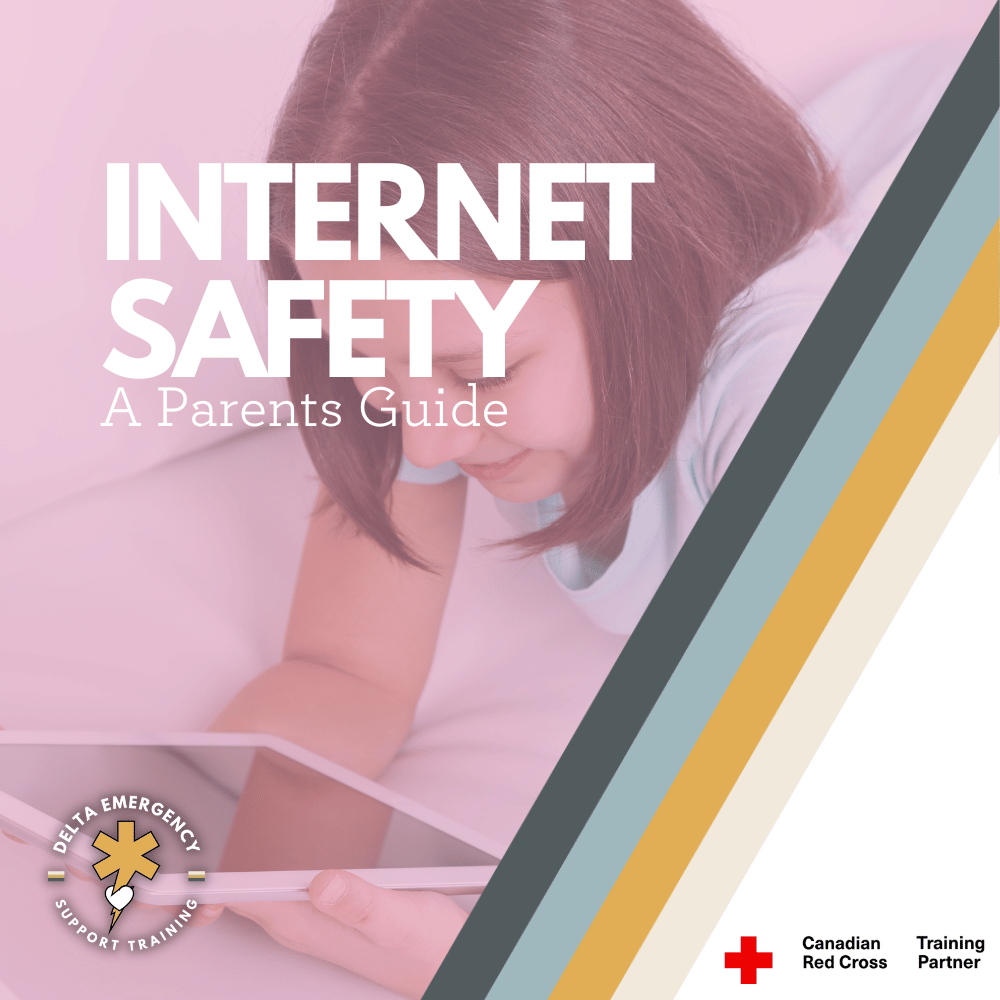
First responder checking VULNERABLE child for lice infestation

Lice infestations, or pediculosis, can be a common challenge that can disproportionately affect vulnerable populations. This guide aims to equip future first responders with knowledge about the types of lice, their modes of transmission, and effective prevention and treatment strategies, with a special focus on children facing challenges at home and individuals residing in housing shelters.

Understanding Lice:

Lice, tiny parasitic insects that exclusively inhabit humans, come in three common types: body lice, head lice, and pubic lice. Adult lice, approximately the size of a sesame seed, have six legs and range in color from tan to greyish-white. The female lice lay eggs, known as nits, and both adults and immature larvae feed on human blood. The small bites from lice cause intense itching, leading to scratching and a potential risk of secondary skin infections from bacteria on the skin.

Types of Lice:

  1. Body Lice:

    • Larger than head or pubic lice.

    • Reside in the seams of clothing.

    • Infestations can be prevented with regular bathing and access to freshly laundered clothing and bedding.

  2. Head Lice:

    • Common in children but can affect individuals of any age.

    • Reside on the scalp, eyebrows, and eyelashes.

    • Not indicative of poor hygiene; standard shampoos may not effectively remove adults or nits.

  3. Pubic Lice:

    • Typically inhabit the pubic area but can be found on coarse hair in armpits or beards.

    • Similar to head lice, transmission is through direct contact.

Mode of Transmission:

Lice are transmitted primarily through direct contact with an infested individual or through contaminated items like clothing, towels, or bedding. Lice crawl and cannot fly, making close personal contact the primary mode of transmission.

Examples of Transmission:

  • Personal Contact:

    • Close interaction with an individual carrying lice.

  • Shared Items:

    • Using infected bedding, towels, or combs.

Prevention Strategies:

  1. Personal Hygiene:

    • Regular bathing.

    • Access to freshly laundered clothing and bedding.

  2. Avoid Sharing Personal Items:

    • Bedding, towels, and combs should not be shared to minimize the risk of transmission.

  3. Laundering Practices:

    • Daily laundering of community linens using hot water helps eliminate lice.

  4. Universal Precautions:

    • Implement proper precautions to reduce the risk of transmission in various situations.

  5. Hand Hygiene:

    • Regular handwashing with soap and water or using alcohol-based hand rubs is crucial for preventing the spread of lice.

  6. Instrument and Clothing Handling:

    • Properly handle and dispose of instruments, devices, and contaminated clothing to prevent further transmission.

Addressing Vulnerable Populations:

Children Facing Challenges at Home:

  1. Limited Access to Hygiene Resources:

    • Regular bathing and access to hygiene resources may be compromised.

    • Lack of consistent resources increases susceptibility to lice.

  2. Unstable Living Conditions:

    • Frequent moves or overcrowded living spaces contribute to lice transmission.

    • Educational outreach to schools and communities is crucial.

  3. Educational Outreach:

    • First responders can provide information on lice prevention to empower parents and guardians.

    • Collaborate with educational institutions for targeted outreach programs.

Individuals Residing in Housing Shelters:

  1. Limited Personal Space:

    • Communal living increases the risk of lice transmission.

    • Education on personal hygiene and preventive measures is crucial.

  2. Mental Health Challenges:

    • Stress and mental health challenges can impact personal care routines.

    • Integrated support systems addressing mental health and hygiene are essential.

  3. Collaborative Solutions:

    • Collaboration between first responders, healthcare providers, and community organizations is essential.

    • Support initiatives providing access to hygiene resources, educational programs, and outreach services.

First Responder's Role:

  1. Sensitivity and Understanding:

    • Approach individuals from vulnerable populations with sensitivity and understanding.

    • Recognize and address the challenges they face.

  2. Educational Programs:

    • Incorporate educational programs into community outreach efforts.

    • Tailor information to the specific needs and challenges of each population group.

  3. Resource Allocation:

    • Advocate for resources and support systems that address the unique needs of vulnerable populations.

    • Collaborate with social services, NGOs, and healthcare organizations for comprehensive solutions.

In conclusion, addressing lice infestations among vulnerable populations requires a holistic and empathetic approach. By understanding the challenges faced by children in struggling homes and individuals in housing shelters, first responders can actively contribute to preventive measures, education, and collaborative solutions that promote the well-being of these communities. Compassionate care and targeted interventions are key elements in ensuring that everyone, regardless of their circumstances, can lead healthier lives.

Read More

A Parent's Guide to Internet Safety for Children

In today's digital world, ensuring your child's safety online is paramount. Our guide offers practical tips to protect against online threats, including the dangers of fake profiles, the risks of video chat rooms, and the importance of controlling shared content. Stay informed and empower your children to navigate the digital landscape safely.
Understanding the Cyber Landscape

Young girl on tablet.

In the age of technology, understanding the Internet is crucial for safeguarding your children. Familiarize yourself with online platforms, apps, and communication channels. Stay informed about the latest trends, apps, and potential risks. This knowledge will empower you to guide your children effectively through the digital world.

Establishing Digital Boundaries

Prevention is key in ensuring your child's online safety. Set clear standards for their online activities, outlining what is and isn't allowed. Establishing rules from the beginning helps create a safe and controlled digital environment. Waiting for a negative incident to occur is not the time to begin establishing guidelines – proactive communication is essential.

Guarding Personal Information

Teach your children the importance of keeping personal information private. Emphasize the potential risks of sharing details such as addresses, phone numbers, and credit card information online. Educate them about the consequences of this information falling into the wrong hands, stressing the need for caution and discretion.

Protecting Against Online Threats

In the digital era, social networking platforms like Facebook offer valuable connections but come with potential dangers, especially concerning online predators. Parents should educate children about the risks of fake profiles and the possibility of predators posing as peers. Emphasize the importance of verifying the identities of online friends and caution against sharing personal information or engaging in private conversations with strangers. Video chat rooms, often seemingly harmless, can be exploited by predators, making it crucial to teach children about setting boundaries and ending conversations if discomfort arises. Highlight the permanence of digital footprints to prevent oversharing, guide them in strict privacy settings, and instill digital literacy to recognize potential threats. Open communication is key, encouraging children to share any concerns without fear of judgment, creating a safer online experience.

Open Communication is Key

Promote an environment where your children feel comfortable coming to you with any online concerns. Highlight that it's okay to make mistakes but crucial to seek help when needed. Discuss potential online threats, such as cyberbullying or inappropriate content, and reassure them that you are there to support and guide them through any challenges.

Regular Conversations about Internet Use

Foster an ongoing dialogue with your children about their internet activities. Regularly check in with them, discussing their online experiences, friends, and any challenges they may be facing. By making these conversations a routine, you build trust and encourage transparency. If your child feels comfortable discussing their online world with you, they are more likely to seek guidance when faced with difficulties.

In conclusion, being actively involved in your child's online life is essential for ensuring their safety in the digital age. By understanding the internet, setting clear rules, teaching privacy measures, guiding safe social networking, fostering open communication, and maintaining regular conversations, you empower yourself as a parent to navigate the digital realm alongside your children.

Read More

Navigating Back-to-School Health: A Parent's Guide

As a parent, the back-to-school season brings not only excitement but also concerns about your child's health. In our guide, we'll help you navigate this crucial period by highlighting the signs of common illnesses, offering effective prevention tips, and guiding you on when it's time to reach out to healthcare professionals. Keep your child healthy and thriving throughout the school year with our expert advice.

The back-to-school season is an exciting time for kids and parents alike. It's a time for new beginnings, fresh supplies, and the promise of a year filled with learning and growth. However, it also brings with it the inevitable return of cold and flu season. As a parent, it's essential to be prepared and vigilant when it comes to your child's health. In this blog, we will discuss the various symptoms and signs of common illnesses that tend to circulate in schools, ways to prevent sickness and transmission, and important conditions to be aware of, including strep throat, the common cold, stomach flu, mono, hand-foot-and-mouth disease, and meningitis.

Children in classroom with their hands up

Recognizing the Symptoms

Cold and Flu:

The cold and flu are perhaps the most common culprits when it comes to illnesses that circulate in schools. Cold symptoms typically include a runny or stuffy nose, sneezing, a sore throat, and a nagging cough. In the case of the flu, your child may experience these symptoms more intensely, accompanied by fever, fatigue, and body aches. If you notice your child feeling sluggish, having a reduced appetite, or seeming generally uncomfortable, these could be signs of a viral infection.

Strep Throat:

Strep throat is a bacterial infection that often affects school-aged children. It presents as a severe sore throat, making swallowing painful. Fever, headache, and swollen lymph nodes in the neck are common accompanying symptoms. One of the telltale signs of strep throat is the presence of white patches or streaks on the tonsils or the back of the throat, which can help distinguish it from a regular sore throat.

Stomach Flu (Gastroenteritis):

Gastroenteritis, often referred to as the stomach flu, can lead to symptoms like nausea, vomiting, diarrhea, abdominal pain, fever, and muscle aches. Frequent trips to the bathroom and the risk of dehydration are key signs to watch for in cases of stomach flu.

Mono (Mononucleosis):

Mono, or mononucleosis, is often dubbed the "kissing disease" because it can spread through close contact. Symptoms include extreme fatigue, a persistent sore throat, fever, swollen lymph nodes, and an enlarged spleen. If your child is experiencing severe fatigue that doesn't seem to improve with rest, mono could be the underlying cause.

Hand-Foot-and-Mouth Disease:

Hand-foot-and-mouth disease primarily affects younger children and is characterized by a fever, a sore throat, and the development of painful sores in the mouth. These sores are often accompanied by a distinctive rash on the hands, feet, and buttocks. If you notice these symptoms along with a fever, it's essential to seek medical advice.

Meningitis:

Meningitis is a rare but potentially life-threatening illness that can occur in school-aged children. Its symptoms can escalate quickly and include a severe headache, high fever, neck stiffness, sensitivity to light, and confusion. If your child exhibits these symptoms, especially in combination, it's crucial to seek immediate medical attention.

Understanding these symptoms and signs is essential for parents to promptly identify and address any potential health issues that may arise during the school year. Keep in mind that early detection and appropriate medical care are crucial in ensuring your child's well-being and preventing the spread of illness to others in the school community.

Seeking Professional Help When Your Child Is Sick

While many common childhood illnesses can be managed at home, there are situations when it's crucial to seek professional medical assistance promptly. Here are some guidelines to help you determine when to reach out to healthcare professionals:

Persistent High Fever:

If your child has a fever that persists for more than a couple of days, especially if it's accompanied by other concerning symptoms, such as difficulty breathing, rash, or extreme lethargy, consult a healthcare provider. High fevers can be a sign of a more severe underlying condition.

Severe Dehydration:

Dehydration can occur quickly in children, especially when they have symptoms like vomiting and diarrhea. Signs of dehydration include dry mouth, sunken eyes, infrequent urination, and extreme thirst. If you notice these symptoms, seek medical attention.

Breathing Difficulties:

Any breathing difficulties, including rapid or labored breathing, wheezing, or a persistent cough, require immediate attention. These symptoms could indicate conditions like asthma or pneumonia.

Seizures: If your child experiences a seizure, even if it's brief and seems to stop, it's essential to consult a healthcare provider immediately.

Severe Pain:

Intense and unrelenting pain, whether in the abdomen, head, or other areas, should not be ignored. It could signify a serious medical issue, such as appendicitis or a migraine.

Difficulty Swallowing or Severe Sore Throat:

If your child struggles to swallow, has severe throat pain, or is unable to eat or drink due to discomfort, it may indicate strep throat or another concerning condition that requires medical evaluation.

Unusual or Persistent Symptoms:

Any unusual or prolonged symptoms that don't improve with rest and over-the-counter treatments should be examined by a healthcare professional. This includes symptoms like severe headaches, joint pain, or skin rashes.

Concerns About Contagious Diseases:

If there is a concern that your child may have been exposed to a contagious disease like COVID-19 or meningitis, contact a healthcare provider for guidance on testing and isolation procedures.

Behavioural Changes:

Significant behavioral changes, such as confusion, disorientation, or extreme irritability, can be indicative of underlying medical conditions, including infections affecting the brain.

Worsening Symptoms:

If your child's symptoms worsen despite at-home care or if they appear to be in severe distress, it's better to err on the side of caution and seek professional medical help.

Remember that as a parent, you know your child best. Trust your instincts. If you're ever in doubt about your child's health or well-being, don't hesitate to reach out to a healthcare provider or seek emergency medical care. Timely intervention can make a significant difference in your child's recovery and overall well-being.

Prevention and Transmission

As a parent, you can take several proactive steps to minimize the risk of your child falling ill or spreading illnesses in their school environment:

Hand Hygiene:

Teaching your child proper hand hygiene is a fundamental step in preventing the spread of illnesses. Encourage them to wash their hands frequently with soap and water for at least 20 seconds. Handwashing should be practiced before eating, after using the restroom, and after sneezing or coughing. When soap and water are not readily available, provide your child with hand sanitizer containing at least 60% alcohol.

Healthy Habits:

Promote healthy habits that support your child's immune system. Encourage them to maintain a balanced diet rich in fruits, vegetables, and whole grains. Ensure they get regular exercise and adequate sleep, as these factors play a significant role in strengthening immunity.

Respiratory Etiquette:

Teach your child the importance of covering their mouth and nose when they sneeze or cough. Encourage them to use a tissue or their elbow, not their hands, to prevent the spread of germs. Discourage them from touching their face, especially their eyes, nose, and mouth, as this can introduce pathogens into their system.

Stay Home When Sick:

If your child exhibits any symptoms of illness, it's crucial to keep them home from school until they are symptom-free for at least 24 hours. This not only aids in their recovery but also prevents the spread of the illness to classmates and teachers. Follow the school's guidelines for returning to class after an illness.

Clean and Disinfect:

Regularly clean and disinfect frequently touched surfaces and objects in your home, such as doorknobs, light switches, countertops, and toys. This practice helps reduce the risk of transmission within your household.

Vaccinations:

Ensuring your child is up-to-date with vaccinations is a powerful tool in preventing contagious diseases. Be sure to schedule routine vaccinations and annual flu shots for your child. These vaccines not only protect them from severe illness but also contribute to community immunity, reducing the risk of outbreaks in school settings.

Limit Exposure:

While it's impossible to completely avoid exposure to germs, you can reduce the risk by limiting your child's contact with sick individuals and crowded places during peak illness seasons. Encourage them to maintain a safe distance from classmates who exhibit symptoms of illness.

By implementing these preventive measures and emphasizing good hygiene practices, you can significantly reduce the likelihood of your child falling ill or transmitting illnesses within the school community. It's essential to foster a sense of responsibility in your child when it comes to their health and the health of those around them, teaching them that taking these precautions is a shared responsibility that helps create a safer and healthier school environment for everyone.

Recognizing the signs of common illnesses like colds, flu, strep throat, mono, stomach flu, hand-foot-and-mouth disease, and meningitis is vital. Equally important are preventive measures.

Teach your child good hygiene, get them vaccinated, and maintain a healthy lifestyle. If they're sick, keep them home until they're symptom-free. Regularly disinfect your home, and limit exposure to illness.

In summary, back to school should be about growth, not sickness. By staying informed and proactive about health, parents can create a safe and productive learning environment for their children.

Read More

Epi-Pens for Babysitters: Safeguarding Children Against Severe Allergic Reactions

Discover How Epi-Pens Save Lives: A Babysitter's Guide and First Aid Training with Delta.

Babysitters, your role in caring for children is a crucial one. Ensuring their safety and well-being is your top priority. Among the essential tools in your caregiving arsenal is the Epi-Pen, a device that can make a life-saving difference in moments of severe allergic reactions. In this blog, we'll explore the significance of carrying an Epi-Pen with you at all times while babysitting, as well as the importance of having a thorough conversation with parents or guardians about everything related to allergies.

Epi-pens laying on eachother in stock photo

What is an Epi-Pen?

An Epi-Pen is an auto-injector device designed to deliver a dose of epinephrine, also known as adrenaline. Epinephrine, a naturally occurring hormone and neurotransmitter, takes on a powerful role as a medication when administered in a concentrated form.

Common Uses: Safeguarding Against Severe Allergic Reactions

Your role as a babysitter includes being prepared for emergencies, especially severe allergic reactions, or anaphylaxis, which can happen unexpectedly. Anaphylaxis can be triggered by various allergens and may manifest through symptoms like:

  1. Difficulty breathing: Indicated by wheezing, shortness of breath, or chest tightness.

  2. Swelling: Rapid swelling, especially of the face, lips, and tongue.

  3. Hives: Raised, itchy welts on the skin.

  4. Rapid or weak pulse: An irregular heartbeat.

  5. Nausea and vomiting: Gastrointestinal symptoms.

  6. Confusion or loss of consciousness: In severe cases, the child may lose consciousness.

Common Allergens and Understanding Allergic Reactions

Allergens are substances capable of triggering an allergic reaction in sensitive individuals. Common allergens encompass:

  • Food: Peanuts, tree nuts, shellfish, dairy, and eggs are among the top food allergens.

  • Insect Stings: Bee stings, wasp stings, and fire ant bites.

  • Medications: Certain medications, like penicillin, can cause allergies.

  • Latex: Latex allergy resulting from exposure to latex gloves, balloons, or medical equipment.

  • Environmental Allergens: Pollen, dust mites, pet dander, and mold.

Understanding the difference between allergies and anaphylaxis is essential. Allergies may cause symptoms such as sneezing, a runny nose, itching, or a rash, which are typically uncomfortable but not life-threatening. In contrast, severe allergic reactions, or anaphylaxis, are rapid and can be life-threatening if not addressed promptly.

"Blue to the Sky, Orange to the Thigh": Administering the Epi-Pen

One crucial aspect of your babysitting toolkit is knowing how to use an Epi-Pen correctly. The simple rhyme "Blue to the Sky, Orange to the Thigh" can serve as your guide:

  • Blue to the Sky: Begin by removing the blue safety cap from the Epi-Pen.

  • Orange to the Thigh: Hold the Epi-Pen as you would a marker, with your thumb on the blue end and your fingers on the orange end, ensuring you avoid accidentally injuring yourself.

  • Firmly jab the orange end into the child's outer thigh, pushing until you hear a click. The needle can penetrate clothing if necessary but cannot go through items like phones or wallets, so ensure they are removed.

  • Hold the Epi-Pen in place for ten seconds to ensure the medication fully dispenses.

  • After use, rub the injection site for thirty seconds to help distribute the medication throughout the child's body.

Epi-Pens are equipped with a needle safety cover that activates automatically after use, safeguarding you from accidental needle sticks.

Important Reminders

  • Carry It Everywhere: When babysitting, always have the child's Epi-Pen with you wherever you go. Allergic reactions can happen unexpectedly, and having it on hand can be a lifesaver.

  • Thorough Conversation: Before babysitting, engage in a thorough conversation with the child's parents or guardians about allergies, allergens, and the child's specific needs. Ensure you understand the child's triggers, the location of the Epi-Pen, and any special instructions.

  • Prescription Only: Epi-Pens cannot be purchased over the counter. They must be prescribed by a doctor, and each Epi-Pen will have a prescription label with the child's name on it.

  • Check Expiration Dates: Epi-Pens typically have a shelf life of 12 to 18 months. Regularly check the expiration date and ensure you have access to refills as needed to remain fully prepared.

In conclusion, as a babysitter, you play an essential role in ensuring the safety and well-being of the children in your care. Carrying an Epi-Pen and being well-versed in its usage, along with maintaining open communication with parents or guardians regarding allergies and emergency protocols, can make a significant difference in handling unforeseen situations.

Additionally, if you're looking to enhance your babysitting skills and knowledge, consider enrolling in Delta's online babysitting course, accessible to individuals across Canada. In the second part of the class, you'll delve into babysitter first aid, which includes life-saving skills like Epi-Pen administration. What sets this course apart is that it is taught by current on-duty emergency medical service professionals, ensuring you receive the most up-to-date and reliable training.

By taking advantage of educational opportunities like this, you not only equip yourself with valuable skills but also contribute to the safety and well-being of the children you care for. Always remember, "Blue to the Sky, Orange to the Thigh" – it might just be the rhyme that saves a child's life when seconds count.

Read More

Emergency Birth as a First Responder: Preparation and assessment Part 1

Emergency births can present first responders with intense and unexpected situations, demanding quick thinking and swift actions. In Part 1 of this series, we delve into the crucial steps involved in preparing expectant mothers for childbirth and guiding them through the delivery process. From addressing fears to creating a clean environment, our guide equips first responders with the knowledge to assist in this pivotal moment.


Welcome to the first installment of a two-part series on emergency births and the crucial role of first responders in managing such situations. In this blog, we'll explore the initial steps involved in preparing the mother for delivery and guiding the childbirth process. From addressing fears to ensuring a safe environment, first responders play a vital role in this intense and impactful moment. Let's delve into the essential aspects of prepping and assisting in an imminent birth scenario. Stay tuned for Part 2, where we'll cover the post-birth care of both the neonate and the mother.

Preparing the Mother for Delivery

In the high-stress situation of an emergency birth, helping the mother feel at ease and well-prepared is essential. Here's how to create a comforting environment and gather important information:

Assess the Situation:

Approach the mother with a calm and reassuring demeanor. Introduce yourself and explain that you're there to assist her during the delivery process.

Ask Important Questions:

While time might be limited, try to ask a few key questions to better understand the situation and the mother's medical history. Some questions to consider include:

  • Is this your first baby, or have you given birth before?

  • How many prior births have you had, if any?

  • Have you received prenatal care during your pregnancy?

Address Fear and Anxiety:

It's natural for the mother to be fearful and anxious during an unplanned delivery. Acknowledge her emotions and reassure her that you are there to help and support her. Use a soothing tone and maintain eye contact to establish a sense of trust.

Provide Information:

Briefly explain the stages of labor and what she might expect during the delivery process. Let her know that her body knows how to give birth, and you're there to assist and guide her through it.

Encourage Breathing Techniques:

Breathing techniques can help manage anxiety and pain. Instruct her to take slow, deep breaths, inhaling through her nose and exhaling through her mouth. This can help her stay focused and calm.

Offer Comfort:

If possible, offer a reassuring touch or hold her hand to provide physical comfort. If she's comfortable, encourage her to find a position that feels right for her, whether sitting, lying down, or even kneeling.

Reiterate Support:

Continuously remind her that you're there to support her, and that her well-being and that of her baby are your top priorities.

Remember, your presence and demeanor can significantly impact the mother's experience during this intense moment. By addressing her fears, gathering important information, and offering a calm and steady presence, you can help create an environment conducive to a safe and successful delivery. Always be ready to adapt your approach based on the mother's needs and the progress of the situation.

Delivery Preparation

As a first responder, recognizing the signs of imminent birth and swiftly creating a clean and supportive environment are critical. Here's how to prepare for the actual delivery:

Recognizing Imminent Birth:

Contractions Less Than 3 Minutes Apart: When contractions are occurring at such a close interval, it's a strong indicator that the birth is imminent. The mother's body is progressing rapidly towards delivery.

Feeling the Need to Push:

The sensation of needing to push indicates that the baby is descending into the birth canal. This is a clear sign that the delivery is approaching.

Urge to Have a Bowel Movement:

This sensation often occurs as the baby's head moves lower in the pelvis. It's a common sign that birth is imminent.

Positioning for Comfort:

Help the mother find a comfortable position that allows her to feel in control. She might choose to sit, squat, or lie down. If she's comfortable with it, use pillows or cushions to support her in the chosen position.

Creating a Clean and Supportive Environment:

If available, throw clean towels in the dryer to warm them up. Warm towels provide comfort to both the mother and the newborn. Lay down clean linen, sheets, and towels on a flat and stable surface to create a clean area for the birth.

Privacy and Dignity:

Place a clean sheet over the mother's legs to provide her with a sense of privacy and dignity during the process.

Familiar Female Presence:

If a female first responder is present, the mother may feel more comfortable having her lead the delivery. The presence of a compassionate and empathetic individual can greatly ease the mother's anxiety.

Essential Supplies Ready:

Ensure you have the necessary supplies within arm's reach, including surgical scissors and clamps for cutting and clamping the cord, abdominal pads to manage potential bleeding, saline solution for cleaning, a neonate suction bulb to clear the baby's airway, and oxygen equipment.

Plastic Bag for Placenta:

Have a plastic bag ready for the placenta, which will be delivered shortly after the baby.

Preparing for an imminent birth involves both recognizing the signs that the delivery is moments away and creating a clean and supportive environment for the mother and newborn. By understanding the indicators of imminent birth and having essential supplies ready, you can ensure that the mother feels as comfortable and safe as possible during this intense experience. Your attentiveness, knowledge, and ability to create a clean and caring space are crucial in facilitating a successful and safe emergency birth.

The Delivery Process

Full PPE:

Before engaging in any medical procedure, including assisting in childbirth, it's crucial to don proper PPE. This typically includes wearing disposable gloves, a sterile gown, and a mask or face shield. PPE helps prevent the spread of infection and maintains a sterile environment for the mother and the newborn.

Dilation and Contractions:

Cervical dilation is a critical indicator of labor progression. A cervix that is fully dilated (10 cm) suggests that the baby is ready to be born. Contractions becoming less than 2 minutes apart indicate an advanced stage of labor, making it important to be prepared for imminent delivery.

Managing Crowning:

As the baby's head begins to crown, you can provide support to prevent rapid expulsion. Placing your hands gently on either side of the baby's head can help guide it out slowly. This controlled approach minimizes the risk of perineal tearing and ensures the mother's comfort.

Guiding the Baby's Head:

As the baby's head emerges, encourage the mother to pant or take shallow breaths. This prevents forceful pushing and allows the perineum to stretch gradually. The perineum is the area between the vagina and the anus, and it needs time to accommodate the baby's head.

Baby's Rotation and Shoulders:

The baby's head turning slightly to one side as it emerges is a natural movement that facilitates the passage of the shoulders through the birth canal. This rotation helps ensure a smoother delivery.

Supporting the Baby:

As the head emerges fully, it's important to provide gentle support to the baby's head and neck. This prevents any sudden movements that could strain the neck or spine. Maintaining a secure grip on the baby's head ensures a controlled delivery. Have a clean warm blanket or towel ready to catch the newborn as they slide out.

Primary Assessment and Documentation:

Conduct a quick assessment of the newborn's breathing, responsiveness, and overall condition. If the baby is breathing and appears healthy, allow the mother to hold the baby skin-to-skin while you continue monitoring.

Delay Cord Clamping:

Delayed cord clamping involves waiting a few minutes before clamping and cutting the umbilical cord. This allows the baby to receive additional blood volume and stem cells from the placenta, which can be beneficial for their health and development. When ready to clamp do so 4 and 6 inches away from the baby and wait for the placenta.

Waiting for the Placenta:

After the baby's birth, the placenta (also known as the afterbirth) is delivered. This usually happens within a few minutes to half an hour. Continue to monitor the mother for any signs of distress or bleeding while you wait for the placenta to be naturally expelled.

Conclusion

In the realm of emergency response, first responders serve as beacons of reassurance and skill during some of life's most intense and unexpected moments. As we conclude Part 1 of this series, we've explored the pivotal role these responders play in preparing expectant mothers for childbirth and guiding them through the delivery process. From addressing fears and creating a safe environment to offering gentle support and maintaining open communication, the steps taken during childbirth assistance are fundamental to ensuring the well-being of both the mother and the newborn.

Remember, each step requires precision, composure, and unwavering dedication to safety. While circumstances may differ, the principles of maintaining sterility, providing comfort, and effective communication stand as pillars of effective emergency birth assistance. Join us in Part 2 as we delve into the critical post-birth care of both the neonate and the mother, completing the comprehensive journey through this remarkable and life-affirming experience.

Read More

Buckle Up: The Importance of Seatbelt Usage and Car Seats for Children

In this blog, we explore the vital role of seat belt usage and appropriate car seats in ensuring road safety. Uncover eye-opening seat belt statistics, understand the legal requirements, and learn how to choose the right car seat for your child's age and size. Discover practical tips to overcome common challenges and establish a culture of safety. Prioritize the protection of your loved ones on every journey with valuable insights and guidance on seat belt usage and car seats for children.

In a world where we rely heavily on cars for transportation, there is one unwavering truth; safety on the road should always be our top priority.

Amidst the hustle and bustle of everyday life, we may overlook the critical importance of seatbelt usage and car seats, but these simple yet powerful safety measures can make all the difference in an accident. According to a Transport Canada report, when worn correctly, seatbelts can reduce the risk of death in a collision by a staggering 47%.

In this blog, we will delve into the significance of wearing seatbelts and using appropriate car seats, emphasizing their indisputable role in preventing injuries, saving lives, and safeguarding the well-being of every occupant in a vehicle. Accidents pose a significant risk to Canadians, especially those under the age of 45, as they are the leading cause of both death and hospitalization within this demographic. Furthermore, for the entire Canadian population, accidents rank fourth among the causes of death. These statistics highlight the critical need to prioritize safety measures, such as wearing seat belts and using car seats, to mitigate the devastating impact of accidents and protect lives on the road.

How to Correctly Wear a Seatbelt

Wearing a seatbelt correctly is essential to maximize its effectiveness in protecting occupants during a collision. Here are the key steps to ensure the proper use of a seatbelt:

  1. Positioning the Lap Belt:

    The lap belt should be secured low and snug across the hips and pelvis, avoiding any contact with the abdomen. This placement helps distribute the force of a sudden impact across the strong pelvic bones, reducing the risk of internal injuries.

  2. Adjusting the Shoulder Belt:

    The shoulder belt should rest diagonally across the chest and shoulder, avoiding contact with the neck or the edge of the shoulder. It should be pulled snugly across the torso without being excessively tight, allowing for a comfortable yet secure fit.

  3. No Twists or Tangles:

    Ensure that the seatbelt is free of twists or tangles, as these can compromise its effectiveness. Straighten the belt and remove any twists to maintain a smooth, uninterrupted path for restraint.

  4. Buckle Up Every Time:

    Regardless of the distance or the speed of travel, it is crucial to buckle up every time you get in a vehicle. Make it a habit to ensure that everyone in the vehicle is wearing their seatbelt before starting the journey.

By following these guidelines and consistently wearing seatbelts correctly, we can significantly reduce the risk of serious injuries and increase the chances of survival in the event of a collision. Remember, seatbelt usage is a simple yet powerful action that can save lives and protect us on the road.

Car Seat Safety

Securing a child properly into a car seat is essential for their safety during travel. Here's a step-by-step guide on how to secure a child into a car seat:

  1. Choose the Right Car Seat:

    Select a car seat that is appropriate for your child's age, height, and weight. Follow the manufacturer's guidelines to ensure you have the correct car seat for your child's specific needs.

  2. Position the Car Seat:

    Install the car seat in the back seat of your vehicle, preferably in the center position. This provides the most protection in the event of a collision. Follow the manufacturer's instructions and use either the vehicle's seat belt or LATCH system to secure the car seat in place.

  3. Harness Adjustments:

    Ensure that the car seat's harness is properly adjusted for your child. The harness straps should be at or just below the child's shoulders for rear-facing seats, and at or just above the shoulders for forward-facing seats.

  4. Buckle Up:

    Place your child in the car seat and buckle the harness. Insert the buckle tongues into the buckle until they click securely in place. Ensure that the harness is snug but not overly tight. You should be able to fit only one or two fingers between the harness and your child's collarbone.

  5. Chest Clip Positioning:

    Slide the chest clip up to the child's armpit level, ensuring it is flat against their chest. The chest clip helps keep the harness straps properly positioned and provides added security.

  6. Final Checks:

    Double-check that the harness straps are not twisted and that they lie flat against your child's body. Ensure that the car seat is securely installed and does not move more than an inch in any direction when tested at the base.

  7. Additional Tips:

  • Avoid bulky clothing or blankets that can interfere with the snugness of the harness. Instead, dress your child in thin layers and use blankets over the harness for warmth.

  • Regularly inspect the car seat to ensure it is in good condition, with no visible signs of damage or wear.

  • Always follow the manufacturer's guidelines and any applicable local regulations for car seat installation and usage.

Securing your child into a car seat properly provides them with the highest level of protection during car travel. Remember, car seat safety is a crucial aspect of ensuring your child's well-being on the road.

Car Seat Help

When it comes to ensuring the safety of your child in a car seat, it's essential to know that you're not alone in facing any difficulties or challenges. If you're experiencing trouble with car seats for children, it's comforting to know that there are professionals, such as first responders, who are willing and trained to provide assistance.

First responders, including police officers, firefighters, and emergency medical personnel, often receive specialized training in child passenger safety. They have in-depth knowledge about the proper installation and usage of car seats, and they understand the intricacies of various car seat models and their compatibility with different vehicles.

If you're having trouble with your child's car seat, don't hesitate to reach out to your local first responders or emergency services. They can offer valuable guidance, answer your questions, and even provide hands-on assistance in properly installing or adjusting the car seat.

Many communities also organize car seat inspection events or clinics where certified child passenger safety technicians are available to check car seat installations and offer expert advice. These technicians have undergone extensive training and certification programs to ensure they can provide accurate and reliable guidance on car seat usage.

Remember, the primary goal of first responders and child passenger safety technicians is to ensure the well-being and safety of your child. They are dedicated to helping parents and caregivers understand the proper techniques for securing children in car seats and addressing any concerns or issues that may arise.

In times of car seat trouble, don't hesitate to seek assistance from these professionals who are trained to help. Their expertise and support can give you the peace of mind that your child is properly protected during car travel. By working together with these professionals, you can overcome any challenges and ensure your child's safety on the road.

Conclusion

As we come to the end of this discussion on seat belt usage and car seat safety, we sincerely hope that the importance of these measures has resonated with you. The statistics and information presented here highlight the critical role that seat belts and proper car seats play in preventing injuries and saving lives on the road.

By prioritizing seat belt usage for yourself and ensuring that your child is securely fastened in an appropriate car seat, you are taking proactive steps towards creating a safer environment during car travel. The impact of these safety measures cannot be overstated, as they significantly reduce the risk of severe injuries or fatalities in the event of a collision.

We urge you to take seat belt and car seat safety seriously, not just for your own sake but also for the well-being of your loved ones. Embrace the responsibility of being a vigilant and responsible driver or caregiver. Set a positive example for others by consistently wearing your seat belt and advocating for the proper use of car seats for children.

Remember, accidents can happen at any time, but by implementing these safety measures, you are taking an active role in minimizing their impact. Stay informed about seat belt laws, seek professional guidance if needed, and regularly inspect and maintain your car seats to ensure their effectiveness.

On behalf of all road safety advocates, we sincerely hope that you will make seat belt usage and car seat safety a priority in your daily life. Let us collectively strive to create a culture of safety on the road, where seat belts are buckled, car seats are properly utilized, and lives are protected.

Stay safe, be cautious, and never underestimate the power of seat belts and car seats in safeguarding your well-being and that of your loved ones.

Read More

Fire Safety for Kids: Teach Your Children to Stay Safe

Protecting your family from the danger of fires is essential. In this blog, we’ll discuss how to teach your children about fire safety, including preventing fires and what to do in case of an emergency. We’ll also cover the importance of smoke detectors and fire extinguishers and how to get additional training from your local fire department.

As parents, one of our top priorities is to protect our children from harm. Whether we're at home or away, we want to ensure that our children are safe and secure at all times. One important aspect of keeping our children safe is teaching them about fire safety. By educating our children about fire safety, we can give them the skills they need to keep themselves safe in case of an emergency.

Family home with a porch ENGULFED in flames.

Fire safety is a topic that can be taught to children of all ages. Even young children can learn the basics of fire safety, such as not playing with matches or lighters and what to do in case of a fire. By teaching our children about fire safety, we can help them to be prepared in case of an emergency and give them the confidence they need to stay safe.

In this blog, we'll explore some essential fire safety tips that parents can teach their children. We'll cover topics such as preventing fires, what to do in case of a fire, and how to stay safe if caught in a fire. By following these tips, parents can ensure that their children are prepared to handle any fire-related situation that may arise, whether they are at home or away.

Fire Prevention

Fire prevention is an essential aspect of fire safety that parents can teach their children. By taking steps to prevent fires from starting, we can greatly reduce the risk of a fire occurring in our homes. Here are some tips on fire prevention that parents can teach their children:

  1. Keep flammable objects away from heat sources:

    Teach your children to keep flammable objects such as curtains, paper, and clothing away from heat sources such as stoves, fireplaces, and heaters.

  2. Avoid leaving cooking unattended:

    Cooking is a common cause of house fires, especially when food is left unattended on the stove or in the oven. Teach your children to never leave cooking food unattended, and to turn off the stove or oven when they're done cooking.

  3. Out of reach:

    Lighters and matches should be stored where children do not have access. Flammable liquids such as gasoline, lighter fluid, and paint thinner should be stored in a cool, dry place away from heat sources and also out of reach of children.

  4. Avoid overloading electrical outlets:

    Overloading electrical outlets can cause them to overheat and start a fire. Teach your children to never plug too many devices into one outlet, and to use extension cords safely.

  5. Use candles safely:

    Candles can be a cozy addition to any home, but they should be used with caution. Teach your children to never leave candles unattended, and to keep them away from flammable objects such as curtains and papers.

By teaching our children about fire prevention, we can greatly reduce the risk of a fire occurring in our homes.

Smoke Detectors and Fire Extinguishers

Smoke detectors and fire extinguishers are two essential tools in protecting your home and family from the dangers of a fire. Here are some reasons why they are so important:

  1. Early detection: Smoke detectors can detect the presence of smoke and fire early, giving you and your family time to evacuate the house before the fire spreads. Early detection can mean the difference between life and death.

  2. Alert others: Smoke detectors can alert other people in the house or nearby, who can also help evacuate the house or call for help.

  3. Fire suppression: Fire extinguishers can help suppress small fires before they become uncontrollable, potentially saving your home and belongings.

  4. Required by law: Smoke detectors and fire extinguishers are often required by law in many areas, and failure to comply with regulations can result in fines or penalties.

When installing smoke detectors in your home, it is important to place them in key areas, such as in or near bedrooms and on every level of the house. Regularly test and replace batteries to ensure that they are working properly. It is also important to have a fire escape plan and to practice it regularly with your family.

When it comes to fire extinguishers, make sure that you have the correct type for the type of fire that could occur in your home. For example, a kitchen fire may require a different type of extinguisher than a fire in the garage. It is also important to have the extinguisher in an easily accessible location and to know how to properly use it.

What to Do in Case of a Fire

Knowing what to do in case of a fire is crucial for ensuring the safety of yourself and your family. Here are some steps that parents can teach their children in case of a fire:

  1. Have a plan:

    Develop a fire escape plan with your family and practice it regularly. Make sure that everyone in the family knows the plan and the designated meeting spot outside.

  2. Check doors for heat:

    Before opening any doors during a fire, teach your children to check the door for heat with the back of their hand. If the door is hot, do not open it, as it could be a sign that there is a fire on the other side.

  3. Stay low and crawl to safety:

    In the event of a fire, smoke can quickly fill a room, making it difficult to see and breathe. Teach your children to stay low to the ground and crawl to the nearest exit. Covering your mouth and nose with a cloth can provide some protection from smoke. If you're trapped in a room, cover any gaps under the door with a blanket or towel to prevent smoke from entering. Open a window and wave a brightly colored cloth to signal for help.

  4. Exit the building immediately:

    If the fire is too large to put out, exit the building immediately and go to the designated meeting spot outside. Do not go back into the building for any reason.

  5. Call for help:

    Call the fire department or 911 to report the fire. Give them your address and a description of the fire, and wait for help to arrive. Do not go back in under any circumstances.

    Don't Wait Until It's Too Late

    Fire safety is an important topic for parents to discuss with their children. By taking steps to prevent fires, such as having smoke detectors and fire extinguishers, and teaching children what to do in case of a fire, families can help keep their homes and loved ones safe. Remember to have a family fire escape plan and practice it regularly. And for more in-depth training, consider contacting your local fire department for in-person training and resources. By working together, we can ensure that our families and communities are prepared in case of a fire emergency.

Read More