The Delta Dispatch
How Babysitters Can Handle Emergencies: When to Call 911 and What to Do
Emergencies can happen unexpectedly, and as a babysitter, knowing how to respond quickly is essential. One of the most important skills is knowing when to call 911. Whether it’s a child choking, having a seizure, or becoming unconscious, your quick action could save a life. It’s crucial to always know the address of the home you’re babysitting at, as this information can help emergency responders reach you faster. Remember, better to call 911 and not need them than to not call and need them—911 call-takers are there to guide you through the process and ensure help arrives as quickly as possible. Stay calm, stay prepared, and always trust your instincts when it comes to emergencies.
Emergencies can happen at any time, and when you're babysitting, it’s important to know how to respond quickly. Whether you're watching kids at home, looking after younger siblings, or taking care of someone else’s children, you have to be prepared for anything. Knowing when and how to call 911 is especially important because your quick action could save a life.
In this blog, we'll talk about common emergencies, how to stay calm, and why knowing your address and how to call 911 is so critical.
Why It’s So Important to Know How to Call 911
As a babysitter, you might be the first person to handle an emergency. If something happens—a child gets hurt, gets sick, or something else goes wrong—you might need to call 911 for help.
One of the most important things to remember when calling 911 is knowing where you are. If you can’t tell the dispatcher your address, it can delay help. That means it’s crucial to always know the address of the home where you’re babysitting, including the apartment number if applicable. Make sure you have this info handy in case you need it quickly!
When to Call 911: What Counts as an Emergency?
Some situations can be handled with basic first aid, but others are more serious and require immediate help. Here are some examples of when you need to call 911 without hesitation:
1. The Child is Unconscious or Not Responding
If the child or anyone you’re caring for becomes unresponsive, it’s a big emergency. If they’re not waking up, won’t talk, or are just unresponsive, you need to get help right away.
What to Do:
Check if the child is breathing. If they are not breathing or are gasping, call 911 immediately. If you're trained in CPR, you may be able to help the child before emergency responders arrive.
If they are breathing but still unconscious, gently lay them on their side (recovery position) and call 911 right away.
2. Serious Bleeding
If the child has a large cut or wound that won’t stop bleeding, that’s a serious emergency. You need to stop the bleeding and get help right away.
What to Do:
Apply a clean cloth or bandage to the wound and press down to stop the bleeding.
If the wound is really deep, or you can’t stop the bleeding, call 911 and keep pressure on the wound until help arrives.
3. Choking
Choking is a life-threatening emergency, especially if the child can’t breathe or speak. If you are trained in back blows and abdominal thrusts, you should perform these techniques as you were taught. If the child becomes unconscious, you should immediately call 911.
What to Do:
If you are trained in abdominal thrusts and back blows (to help expel the object blocking their airway), perform these techniques as you’ve been taught.
If the child becomes unconscious, call 911 immediately. If you are trained to save a choking person, you have a good chance of saving them.
Keep performing your life-saving techniques until the child can breathe or emergency help arrives.
4. Severe Allergic Reaction (Anaphylaxis)
Severe allergic reactions (also known as anaphylaxis) can cause swelling in the throat and make breathing difficult. Common triggers include bee stings, food allergies (like peanuts), or certain medications.
What to Do:
If the child has an epinephrine auto-injector (EpiPen), use it right away.
Then, call 911 immediately to get professional help.
5. Seizures
If the child has a seizure, especially if they’ve never had one before, you should call 911. This is important because first-time seizures can be a sign of something serious, and even if the seizure doesn’t last long, it’s better to get medical help.
What to Do:
Move objects out of the way to prevent injury.
Gently cushion their head and lay them on their side if possible.
If the child has never had a seizure before, or if it lasts more than a minute, call 911 right away.
6. Trouble Breathing or Chest Pain
If the child is having trouble breathing, or complains of chest pain, these could be signs of a serious medical condition like a heart attack or a severe asthma attack.
What to Do:
Help them sit up and stay calm.
If they have an inhaler, help them use it.
If they are still having trouble breathing or in pain, call 911 immediately.
How to Call 911: What You Need to Tell Them
When you call 911, it’s important to speak clearly and calmly. Here’s what to do:
1. Know Your Address
You must know the address where you're babysitting, including the street name, apartment number (if applicable), and any nearby landmarks. Make sure you have this info written down or memorized before the emergency happens so you can give it to 911 right away.
2. Speak Clearly
When you’re panicked, it can be hard to talk clearly. Take a deep breath, stay calm, and explain what’s going on as best as you can. Tell the dispatcher the emergency, the condition of the child, and the address where help is needed.
3. Describe the Situation
Tell the dispatcher what happened and the child’s condition. For example:
“The child is unconscious and not breathing.”
“They’re choking on food and can’t breathe.”
4. Follow the Dispatcher’s Instructions
The dispatcher might give you advice on what to do while you wait for emergency help to arrive. Listen carefully and do your best to follow their instructions.
5. Stay on the Line
Don't hang up until the dispatcher tells you it's okay. They may need more information or updates as emergency responders get closer.
When in Doubt, Call 911
If you're ever unsure whether something is an emergency, it’s always better to call 911. Better to call and not need them than to not call and need them. 911 call-takers are there to help and guide you through the situation. They won’t judge you for calling and are trained to assist you no matter what the emergency is. Trust your instincts—if you feel the child’s health or safety is at risk, don’t hesitate to call for professional help.
Conclusion: Be Prepared, Stay Calm, and Get Help
Babysitting comes with a lot of responsibility. Emergencies can happen quickly, but being prepared can make all the difference. The key is staying calm, knowing when to call 911, and having the information you need to guide emergency responders.
At Delta Emergency Support Training, we offer Red Cross Babysitting courses that cover all the important topics you need to be ready for anything. Our course is taught by paramedics and includes one session on caring for babies and another session dedicated to babysitter first aid, where you’ll learn life-saving techniques like CPR, how to handle injuries, and what to do in different emergency situations. You’ll leave our course with the skills and confidence to handle any emergency that comes your way.
Babysitting Safety Tips: Ensuring the Well-Being of the Children in Your Care
Investing in your education as a babysitter is paramount. Delta Emergency Babysitting classes offer a comprehensive online curriculum designed to equip you with the physical skills, knowledge, and invaluable tricks of the trade needed to excel in your role. These classes, accessible across Canada, go beyond the basics, providing insights into handling emergencies, navigating challenging situations, and fostering a safe and nurturing environment for the children under your care. By enrolling in Delta Emergency Babysitting classes, you'll gain the confidence and competence necessary to handle any scenario that may arise while babysitting, ensuring the well-being and security of the children entrusted to you.
Kids hanging out having a good time
Babysitting is not just about entertaining children; it's also about keeping them safe and secure. Whether you're a seasoned babysitter or just starting out, implementing safety precautions is crucial to ensure a smooth and secure experience for both you and the children you're looking after. Here are some detailed safety tips to help you navigate your babysitting responsibilities with confidence:
1. Familiarize Yourself with the Home Environment
Before the parents or guardians leave, take a tour of the house to familiarize yourself with the layout, potential hazards, and where essential items are kept. This includes knowing where the first aid kit, emergency contact numbers, and fire extinguishers are located.
2. Emergency Contact Information
As mentioned, it's essential to have the address written on a sticky note and placed on the fridge, along with parents' or guardians' phone numbers. In case of an emergency, you'll have immediate access to this vital information without delay.
3. Communication Plan
Have either the family home line or your own cell phone handy to call anyone in case of an emergency. Additionally, keep in touch with the family to update them on activities, changes of plans, or any concerns that arise during your time babysitting.
4. Childproofing Measures
Ensure that the home environment is childproofed to prevent accidents. This includes keeping cleaning supplies, medications, sharp objects, and small choking hazards out of reach of children. Secure cabinets and drawers containing potentially dangerous items.
5. Fire Safety
Familiarize yourself with the home's fire escape plan and ensure that smoke detectors are working correctly. Teach children about fire safety, including the Stop, Drop, and Roll technique, and how to crawl under smoke if necessary.
6. Water Safety
If there's a pool or bathtub in the house, never leave children unattended near water, even for a moment. Make sure children wear appropriate flotation devices if they're swimming and know basic water safety rules.
7. First Aid Skills
It's crucial to have basic first aid knowledge, including CPR and choking rescue techniques. Take a certified first aid and CPR course to prepare yourself for any emergencies that may arise while babysitting.
8. Allergies and Medical Needs
Ask the parents or guardians about any allergies or medical conditions the children have, as well as any medications they may need. Ensure you know where medications are stored and how to administer them if necessary.
9. Stranger Danger
Teach children about stranger danger and the importance of not opening the door to anyone they don't know. Instruct them to always check with you or their parents before answering the door.
10. Safe Play
Encourage safe play by providing age-appropriate toys and activities. Supervise children closely, especially when they're engaging in physical activities or playing outdoors.
11. Safe Sleeping Environment
Ensure that infants and young children have a safe sleeping environment by placing them on their backs in a crib with no loose bedding, pillows, or stuffed animals. Follow safe sleep guidelines to reduce the risk of Sudden Infant Death Syndrome (SIDS).
12. Stay Calm and Collected
In the event of an emergency, it's essential to stay calm and collected. Assess the situation, and if necessary, call emergency services immediately. Follow any first aid procedures you've learned until help arrives.
Conclusion
In addition to these safety tips, consider enrolling in Delta Emergency Babysitting classes, which are available online across Canada. These classes provide not only physical skills but also invaluable knowledge and tricks of the trade to help you become the best babysitter you can be. By investing in your education and preparation, you'll be equipped to handle any situation with confidence and ensure the well-being of the children under your care. Remember, being a babysitter is not just about supervising playtime; it's about safeguarding precious lives and creating a secure environment where children can thrive.
Halloween Safety Tips for Babysitters and Parents
Halloween, with its costumes, candies, and spooky fun, can be an enchanting experience for kids. However, it also presents unique safety challenges. Ensuring a safe Halloween is crucial for making cherished memories without any unwanted scares. In this blog, we will explore essential Halloween safety tips tailored specifically for babysitters and parents. By following these guidelines, you can ensure that the children under your watch have a delightful and secure Halloween celebration.
As a babysitter or a parent, the safety of the little ones in your care is your top priority. Halloween, with its costumes, candies, and spooky fun, can be an enchanting experience for kids. However, it also presents unique safety challenges. Ensuring a safe Halloween is crucial for making cherished memories without any unwanted scares.
Group of four children trick-or-treating in costumes.
In this blog, we will explore essential Halloween safety tips tailored specifically for babysitters and parents. By following these guidelines, you can ensure that the children under your watch have a delightful and secure Halloween celebration.
Costume Safety
The excitement of choosing costumes is one of the most enjoyable aspects of Halloween. To guarantee costume safety:
1. Flame-Resistant Materials:
When selecting or helping children choose their costumes, prioritize outfits made from flame-resistant materials. This precaution will reduce the risk of accidents if they come into contact with open flames, such as candles or Jack-o'-lanterns.
2. Proper Fit:
Ill-fitting costumes can lead to trips and falls. Ensure that costumes are the correct size, with hems that don't drag on the ground. Make adjustments as necessary to prevent accidents.
3. Reflective Elements:
Halloween festivities often take place in dimly lit conditions. To increase visibility, add reflective tape or stickers to costumes and trick-or-treat bags. This will help drivers see the children more easily, reducing the risk of accidents.
4. Mask Alternatives:
Masks can limit a child's vision, making it difficult for them to navigate their surroundings or cross streets safely. Consider using face paint or makeup to create a spooky look instead, leaving the child's vision unobstructed.
5. Weather-Appropriate Costumes:
Check the weather forecast for Halloween night and choose costumes that are suitable for the conditions. If it's chilly, consider adding layers underneath the costume to keep the child warm.
Candy Inspection
Before the little ones dive into their Halloween candy, it's crucial to inspect all treats for safety:
1. Tampering Checks:
Examine all candy for any signs of tampering, such as torn wrappers or unusual packaging. If anything appears suspicious, it's best to err on the side of caution and discard it.
2. Homemade Treats:
While homemade goodies can be delicious, it's safer to consume only those from trusted sources, like family and friends. Advise the children to avoid homemade treats from unfamiliar houses.
3. Allergy Awareness:
If any child under your care has allergies, carefully read ingredient labels on all treats to ensure they are safe to eat. Consider offering alternative treats or non-food items if allergies are a concern.
Age-Appropriate Supervision
Halloween safety measures vary depending on the child's age. Here's how to tailor your supervision:
1. Young Children (Ages 0-7):
For these little trick-or-treaters, they should always be accompanied by a responsible adult. Stick to well-lit, familiar neighborhoods, and stay on the sidewalks.
2. Preteens (Ages 8-10):
Preteens may crave more independence, but it's still advisable for them to go trick-or-treating in groups with at least one trusted adult present. Discuss their planned route and curfew time beforehand.
3. Teenagers (Ages 11+):
Older kids may want to venture out without direct supervision. If they do, encourage them to stay in groups, carry a fully charged cell phone, and check in with you regularly. Ensure they understand the importance of staying in well-lit areas and not deviating from their planned route.
Stick to Well-Lit Areas
Emphasize to the children the importance of visiting houses with proper lighting and Halloween decorations. Staying in well-lit areas helps ensure visibility and safety. Remind them to respect property boundaries and never enter a stranger's home.
Road Safety
Teach the children the significance of road safety during Halloween:
1. Use Crosswalks:
Emphasize the importance of using crosswalks and obeying traffic signals when crossing streets. Encourage them to lift their masks when crossing for better visibility.
2. Reflective Elements:
Ensure that costumes have reflective elements, such as tape or stickers, to make the children more visible to drivers, especially if they'll be out after dark.
Be Mindful of Traffic
On Halloween night, drivers may be distracted by the festivities and may not be accustomed to the increased foot traffic. Both babysitters and parents should remain vigilant when crossing streets and exercise caution when walking near roadways.
Familiarize Kids with Emergency Procedures
In case the children get separated from their group or feel unsafe, make sure they know what to do:
1. Emergency Contact Information:
Share your address, phone number, and any emergency contact numbers with the children. Consider providing them with a written note in their pocket.
2. Dialing 911:
Teach them how to dial 911 in case of an emergency and when it's appropriate to use it. Ensure they understand the importance of providing their location.
Conclusion
Halloween can be an enchanting and memorable experience for children, filled with costumes, candies, and spooky fun. As a babysitter or parent, your commitment to safety ensures that this holiday remains delightful and secure for the little ones under your care. Remember to prioritize costume safety, inspect Halloween treats, supervise based on the child's age, stay in well-lit areas, teach road safety, and familiarize the children with emergency procedures. By following these tailored Halloween safety tips, you can enjoy a magical and worry-free Halloween celebration with the children you cherish.
Babysitter's Guide: What to Do When a Child Breaks Their Arm
Hey there, amazing babysitter! You play a crucial role in keeping kids safe and happy while their parents are away. But sometimes, unexpected accidents happen, like a child breaking their arm. It's essential to stay prepared and know what to do in such situations. In this guide, we'll walk you through the steps to take if a child breaks their arm while you're babysitting.
Introduction
Hey there, amazing babysitter! You play a crucial role in keeping kids safe and happy while their parents are away. But sometimes, unexpected accidents happen, like a child breaking their arm. It's essential to stay prepared and know what to do in such situations. In this guide, we'll walk you through the steps to take if a child breaks their arm while you're babysitting.
A child holding their broken arm in a cast.
How a Child May Break Their Arm
Accidents can happen, especially with active and adventurous children. Understanding how a child may break their arm can help caregivers and babysitters be more vigilant and prepared. Here are some common scenarios in which a child may sustain a broken arm:
1. Falling
Falls are a frequent cause of broken arms in children. A child can trip, slip, or fall from heights while playing on playground equipment, climbing trees, or riding a bicycle. When they attempt to break their fall by extending their arm, it can lead to a fracture.
2. Sports and Play
Children often engage in sports and games that involve physical contact or impact. This can include activities like soccer, basketball, gymnastics, or even roughhousing with friends. Collisions or falls during these activities can result in a broken arm, especially if they land on their outstretched arm.
3. Accidental Collisions
Accidents can occur in everyday situations. A child may accidentally collide with a hard object or another child while running, playing indoors, or participating in organized sports. The impact can lead to a broken arm.
4. Trampoline Mishaps
Trampolines are a common source of childhood injuries. While bouncing or attempting flips, children can land awkwardly on their arms, leading to fractures. It's essential to supervise children closely when they're using a trampoline and follow safety guidelines.
5. Playground Injuries
Playgrounds are a fun and exciting place for children, but they can also be risky. Falls from swings, slides, monkey bars, or other equipment can cause arm fractures if a child lands on their arm while trying to break their fall.
What to do: Stay Calm
Staying calm is absolutely paramount in moments of crisis. When an accident occurs, it can be a scary experience, especially for a child, but your composure becomes a beacon of stability. Children often look to adults for guidance on how to react to challenging situations, so your ability to stay composed is essential. It helps the child feel safer and more secure, creating a reassuring environment amidst the chaos. By taking a deep breath and focusing on what needs to be done, you can gather your thoughts, assess the situation, and make rational decisions quickly. This not only benefits the child but also aids in your own effective response. In summary, maintaining calmness is vital for providing the best care and support during an emergency, ultimately ensuring the child's safety and well-being.
Call for Help
If you suspect that the child's arm is broken or if uncertainty surrounds the severity of the injury, it's absolutely crucial not to delay – call for help immediately. Dialing 911 or your local emergency number is the first step in ensuring the child receives the prompt and professional medical attention they require. While awaiting the arrival of medical professionals, it's essential to stay focused and take the following steps to provide the best possible care for the injured child. Your swift action can be the linchpin in the child's recovery process, as it ensures that the right experts with the necessary equipment and expertise will soon be on the scene to assess, treat, and address the broken arm properly.
Assessing the Injury
Assessing the injury is a crucial step when a child may have a broken arm, and it's important to do so without causing unnecessary pain or discomfort. Begin by gently asking the child if they can wiggle their fingers. If they can do so, it's generally a positive sign that the injury might not be as severe as initially feared. However, it's essential to keep in mind that the fingers may still be injured or swollen, so be gentle. If there are rings on the fingers, watches or bracelets, carefully remove them to prevent constriction as the fingers and wrists may swell after an injury. This initial assessment can provide valuable information while minimizing any further discomfort for the child. Remember, the child's well-being is our top priority during this process.
Provide Comfort and Reassurance
While waiting for the ambulance, comfort and reassure the injured child. Speak to them in a soothing tone, keep them distracted from the pain by chatting or playing a game, and let them know that help is on the way.
Communicate with Parents
As soon as you can, reach out to the child's parents or guardians to inform them of what happened. It is crucial to have a reliable means of contacting parents or guardians in case of emergencies and ensuring that the contact information is accurate and up-to-date. A working phone or communication device is a lifeline that can provide immediate access to parental consent, medical history, emotional support, logistical arrangements, and fulfilling legal and ethical obligations, all of which are essential for the child's safety and well-being. Therefore, always double-check the provided contact information and have a functioning device ready when babysitting, ensuring you can promptly reach out to parents or guardians if an injury occurs.
Conclusion
Being a babysitter comes with a lot of responsibilities, including handling unexpected emergencies like a broken arm. Remember, staying calm, ensuring safety, and taking the right steps to care for the injured child are essential. Your quick and composed response can make a big difference in the child's comfort and recovery. Always prioritize the child's well-being and seek professional medical help to ensure they receive the proper treatment for their broken arm. You've got this, babysitter-extraordinaire!
Epi-Pens for Babysitters: Safeguarding Children Against Severe Allergic Reactions
Discover How Epi-Pens Save Lives: A Babysitter's Guide and First Aid Training with Delta.
Babysitters, your role in caring for children is a crucial one. Ensuring their safety and well-being is your top priority. Among the essential tools in your caregiving arsenal is the Epi-Pen, a device that can make a life-saving difference in moments of severe allergic reactions. In this blog, we'll explore the significance of carrying an Epi-Pen with you at all times while babysitting, as well as the importance of having a thorough conversation with parents or guardians about everything related to allergies.
Epi-pens laying on eachother in stock photo
What is an Epi-Pen?
An Epi-Pen is an auto-injector device designed to deliver a dose of epinephrine, also known as adrenaline. Epinephrine, a naturally occurring hormone and neurotransmitter, takes on a powerful role as a medication when administered in a concentrated form.
Common Uses: Safeguarding Against Severe Allergic Reactions
Your role as a babysitter includes being prepared for emergencies, especially severe allergic reactions, or anaphylaxis, which can happen unexpectedly. Anaphylaxis can be triggered by various allergens and may manifest through symptoms like:
Difficulty breathing: Indicated by wheezing, shortness of breath, or chest tightness.
Swelling: Rapid swelling, especially of the face, lips, and tongue.
Hives: Raised, itchy welts on the skin.
Rapid or weak pulse: An irregular heartbeat.
Nausea and vomiting: Gastrointestinal symptoms.
Confusion or loss of consciousness: In severe cases, the child may lose consciousness.
Common Allergens and Understanding Allergic Reactions
Allergens are substances capable of triggering an allergic reaction in sensitive individuals. Common allergens encompass:
Food: Peanuts, tree nuts, shellfish, dairy, and eggs are among the top food allergens.
Insect Stings: Bee stings, wasp stings, and fire ant bites.
Medications: Certain medications, like penicillin, can cause allergies.
Latex: Latex allergy resulting from exposure to latex gloves, balloons, or medical equipment.
Environmental Allergens: Pollen, dust mites, pet dander, and mold.
Understanding the difference between allergies and anaphylaxis is essential. Allergies may cause symptoms such as sneezing, a runny nose, itching, or a rash, which are typically uncomfortable but not life-threatening. In contrast, severe allergic reactions, or anaphylaxis, are rapid and can be life-threatening if not addressed promptly.
"Blue to the Sky, Orange to the Thigh": Administering the Epi-Pen
One crucial aspect of your babysitting toolkit is knowing how to use an Epi-Pen correctly. The simple rhyme "Blue to the Sky, Orange to the Thigh" can serve as your guide:
Blue to the Sky: Begin by removing the blue safety cap from the Epi-Pen.
Orange to the Thigh: Hold the Epi-Pen as you would a marker, with your thumb on the blue end and your fingers on the orange end, ensuring you avoid accidentally injuring yourself.
Firmly jab the orange end into the child's outer thigh, pushing until you hear a click. The needle can penetrate clothing if necessary but cannot go through items like phones or wallets, so ensure they are removed.
Hold the Epi-Pen in place for ten seconds to ensure the medication fully dispenses.
After use, rub the injection site for thirty seconds to help distribute the medication throughout the child's body.
Epi-Pens are equipped with a needle safety cover that activates automatically after use, safeguarding you from accidental needle sticks.
Important Reminders
Carry It Everywhere: When babysitting, always have the child's Epi-Pen with you wherever you go. Allergic reactions can happen unexpectedly, and having it on hand can be a lifesaver.
Thorough Conversation: Before babysitting, engage in a thorough conversation with the child's parents or guardians about allergies, allergens, and the child's specific needs. Ensure you understand the child's triggers, the location of the Epi-Pen, and any special instructions.
Prescription Only: Epi-Pens cannot be purchased over the counter. They must be prescribed by a doctor, and each Epi-Pen will have a prescription label with the child's name on it.
Check Expiration Dates: Epi-Pens typically have a shelf life of 12 to 18 months. Regularly check the expiration date and ensure you have access to refills as needed to remain fully prepared.
In conclusion, as a babysitter, you play an essential role in ensuring the safety and well-being of the children in your care. Carrying an Epi-Pen and being well-versed in its usage, along with maintaining open communication with parents or guardians regarding allergies and emergency protocols, can make a significant difference in handling unforeseen situations.
Additionally, if you're looking to enhance your babysitting skills and knowledge, consider enrolling in Delta's online babysitting course, accessible to individuals across Canada. In the second part of the class, you'll delve into babysitter first aid, which includes life-saving skills like Epi-Pen administration. What sets this course apart is that it is taught by current on-duty emergency medical service professionals, ensuring you receive the most up-to-date and reliable training.
By taking advantage of educational opportunities like this, you not only equip yourself with valuable skills but also contribute to the safety and well-being of the children you care for. Always remember, "Blue to the Sky, Orange to the Thigh" – it might just be the rhyme that saves a child's life when seconds count.
Fevers in Children: Recognizing, Treating, and Staying Safe
In this comprehensive guide, we provide valuable insights into childhood fevers, equipping you with the knowledge to recognize, treat, and safeguard your child's well-being. Understand the key indicators of a fever, including normal and high temperatures, and why it's crucial to respond promptly and appropriately. Discover practical strategies for managing fevers at home, from promoting rest and hydration to using lukewarm baths for comfort. Empower yourself with the information you need to navigate childhood fevers with confidence, ensuring the health and safety of your little one.
Fevers are common occurrences in children and are often a sign that the body is fighting off an infection. As a parent or caregiver, it's important to understand what a fever is, how to recognize it, and how to respond appropriately. In this blog, we will explore the basics of fevers in children, including normal and high temperatures, the signs of a fever, why fevers can be dangerous, and effective treatment strategies.
mother comforting child with a fever
What is a Fever?
A fever is a temporary increase in body temperature that occurs in response to an infection or illness. It is the body's natural response to fight off harmful pathogens. The normal body temperature for children typically ranges between 97°F (36.1°C) and 99°F (37.2°C). A temperature above this range is considered a fever. It's important to note that fever itself is not an illness but a symptom indicating that the body's immune system is actively responding to an infection.
Recognizing a Fever:
Recognizing the signs of a fever is essential in providing appropriate care for your child. Common indicators of a fever include:
Elevated body temperature: Use a reliable thermometer to measure your child's temperature accurately. A rectal, ear, or temporal artery thermometer is recommended for the most accurate readings.
Warm or flushed skin: Your child's skin may feel warmer than usual or appear flushed. Check for warmth in their forehead, chest, or back.
Chills and shivering: Some children may experience chills and shivering as the body tries to raise its temperature to fight off the infection.
General discomfort: Your child may feel irritable, tired, or experience body aches and headaches. They may appear less active or have a decreased interest in play.
Loss of appetite: During a fever, children may have a reduced desire to eat or drink. It's important to ensure they stay hydrated to prevent dehydration.
Understanding the Risks of Fevers
While most fevers in children are harmless and resolve on their own, it's crucial to be aware of potential risks associated with high temperatures:
Dehydration: Fevers can lead to increased fluid loss through sweating. Encourage your child to drink plenty of fluids such as water, clear soups, and oral rehydration solutions to prevent dehydration.
Febrile seizures: Some children may experience febrile seizures, which are seizures triggered by high fevers. Febrile seizures can be distressing for parents, but they are usually brief and do not cause long-term harm. If your child has a febrile seizure, stay calm, lay them on their side, and ensure their safety. Seek medical attention if it is their first seizure or if it lasts longer than a few minutes.
Underlying infections: Fevers can be a sign of an underlying infection, such as respiratory tract infections, urinary tract infections, or ear infections. It's important to monitor your child's symptoms closely and consult a healthcare professional if necessary for diagnosis and appropriate treatment.
Treating Fevers
When it comes to managing fevers in children, the primary goal is to keep them comfortable and monitor their symptoms. Here are some strategies to consider:
Encourage rest and comfort: Ensure your child gets plenty of rest to support their recovery. Dress them in lightweight clothing and provide a comfortable environment. Use a light blanket if needed to prevent chills.
Maintain hydration: Offer your child frequent small sips of water, clear fluids, or oral rehydration solutions to prevent dehydration. Avoid sugary drinks and caffeinated beverages.
Over-the-counter medications: Consult your child's healthcare professional before giving anyfever-reducing medications, such as acetaminophen or ibuprofen. If approved, follow the recommended dosage and guidelines carefully. Medication should not be given to infants under the age of three months without medical guidance.
Cool compresses: If your child feels uncomfortable due to the fever, you can use cool washcloths or lukewarm sponge baths to help bring down their body temperature. Avoid using cold water or alcohol-based products, as they can cause shivering and make the fever worse.
Monitor symptoms: Keep a close eye on your child's symptoms, including their temperature, behavior, and overall well-being. Make note of any changes or concerns. Seek medical advice if symptoms worsen, persist, or if new symptoms arise.
Seek medical attention: If your child is under three months old and has a fever, contact their healthcare professional immediately. Also, seek medical attention if your child's fever is persistently high (above 102°F or 38.9°C), they appear significantly ill or distressed, or if they exhibit concerning symptoms such as difficulty breathing, severe headache, rash, or stiff neck.
Fevers are common in children and are usually a sign that their body is fighting off an infection. By understanding what a fever is, recognizing the signs, and responding appropriately, you can help manage your child's fever effectively. Remember to focus on keeping your child comfortable, promoting hydration, and monitoring their symptoms closely. Seeking medical advice when necessary ensures the well-being and safety of your child. Always consult with a healthcare professional for proper diagnosis and guidance tailored to your child's specific condition.
When to Call 911: A Guide for Babysitters
Being a babysitter can be both rewarding and challenging, especially when it comes to keeping children safe in emergency situations. As a babysitter, you are responsible for the well-being of the children in your care, and knowing when to call 911 can be a matter of life and death.
In this guide, we will walk you through the common emergency situations that you may encounter as a babysitter and provide you with practical tips on how to handle them. From injuries and illnesses to fires and natural disasters, we'll cover it all so that you can be prepared for any situation.
By the end of this guide, you'll have the knowledge and confidence to act quickly and appropriately in the event of an emergency, ensuring the safety and well-being of the children in your care.
As a babysitter, one of your most important responsibilities is keeping the children you're caring for safe and healthy. While you may take steps to prevent accidents and injuries, emergencies can still happen, and it's important to know when to seek emergency medical attention. In some situations, calling 911 could mean the difference between life and death. But how do you know when to call for help?
babysitter and a child sitting on a rug in a living room. The babysitter is holding a Jenga tower, and the child is carefully removing a wooden block from the tower.
In this blog post, we'll provide a guide for babysitters on when to call 911, including common emergencies that require immediate attention, and tips for staying calm and responding quickly in an emergency situation. By following these guidelines, you can help ensure that the children you're caring for stay safe and healthy, no matter what emergencies may arise.
In the following sections, we'll discuss some of the most common emergencies that may arise while babysitting, and the situations where you should call 911 for immediate medical attention.
Difficulty breathing:
If the child is having difficulty breathing, it could be a sign of a serious respiratory issue, such as asthma or anaphylaxis. If the child is struggling to breathe, has trouble speaking or swallowing, or their lips or face turn blue, call 911. It is good practice as a babysitter to know how to administer an EPI-PEN for sever allergic reactions. Ventolin, often referred to as a puffer can also drastically improve the breathing of a patient who is experiencing a asthma attack.
Loss of consciousness:
If the child becomes unconscious, it's important to call 911. Stay with the child and follow the operator's instructions until help arrives. Keep the child's airway open by lifting the head and tilting the chin back. Check their breathing and pulse, if none is found begin compressions as per the dispatch instruction or previous first aid training.
Severe bleeding:
The first step in controlling bleeding is to apply direct pressure to the wound. Use a clean cloth or bandage and apply firm direct pressure. If the child has severe bleeding that does not stop after applying pressure or soaks through multiple bandages, call 911 immediately. While waiting for help to arrive, continue to apply direct firm pressure to the wound.
Head injury:
If the child hits their head and loses consciousness, vomits, or has seizures, call 911 immediately. Keep the child still and comfortable, avoid moving them unless it's necessary. Moving the child could worsen the injury especially if there is a suspected spinal injury, which may lead to further complications. With all trauma continue to monitor their breathing and update dispatch if anything changes.
Choking:
If the child is choking and cannot breathe, cough, or speak, your first step is to use a combination of 5 abdominal thrusts and 5 back blows, switching between the two, to dislodge the object. If the child becomes unconscious carefully lay them to the ground, call 911 immediately and begin following CPR instructions. A small child may only be able to hold their breath for 30seconds - 1minute, being prepared to call 911 is always good practice.
Seizures:
If the child has a seizure, call 911 immediately. While waiting for help to arrive, clear the area around the child to prevent injury, and do not try to restrain them or put anything in their mouth. Follow directions given by dispatch.
Allergic reactions:
If the child is experiencing an allergic reaction and has difficulty breathing, a swollen tongue or throat, or other severe symptoms, call 911 immediately. While waiting for help to arrive, administer any prescribed medication (such as an epinephrine auto-injector) and keep the child calm.
Poisoning:
If you suspect the child has ingested a poisonous substance, call 911 or poison control immediately. While waiting for help to arrive, try to determine what the child ingested, and if possible, remove any remaining substance from the child's mouth.
Burns:
If the child has a severe burn, call 911 immediately. While waiting for help to arrive, run cool (not cold) water over the affected area for at least 10-20 minutes, and cover the area with a clean, dry cloth or sterile bandage.
Be prepared:
Before starting a babysitting job, make sure you have all the information you need about the children you will be caring for. This includes things like their ages, any medical conditions, and any specific instructions from the parent. Make sure you have a contact number for the parents in case of an emergency.
Stay focused:
When you're caring for children, it's important to stay focused on their needs. Keep an eye on them at all times, and avoid distractions like your phone or television.
Know basic first aid:
Take a child care first aid class or watch online tutorials to learn basic first aid skills such as CPR and how to stop bleeding.
Know your location:
Make sure you know your location and address so that you can provide it to emergency services when you call 911.
By following these tips, you can provide safe and responsible care for the children you're babysitting.
We offer a variety of resources to help you provide excellent care for the children in your charge, including babysitter courses that cover important topics like child development, safety, and communication. These courses are designed to equip you with the skills and knowledge you need to provide top-notch care for children.
In addition, it's essential to know when to call 911 in an emergency situation. If you are ever in doubt about whether or not to call, it's always better to err on the side of caution and make the call. Some situations that may require calling 911 include medical emergencies, fires, and instances of criminal activity. If you have any questions or concerns about when to call 911, please don't hesitate to reach out to us at info@deltaemergency.com. We're here to support you and the children in your care.
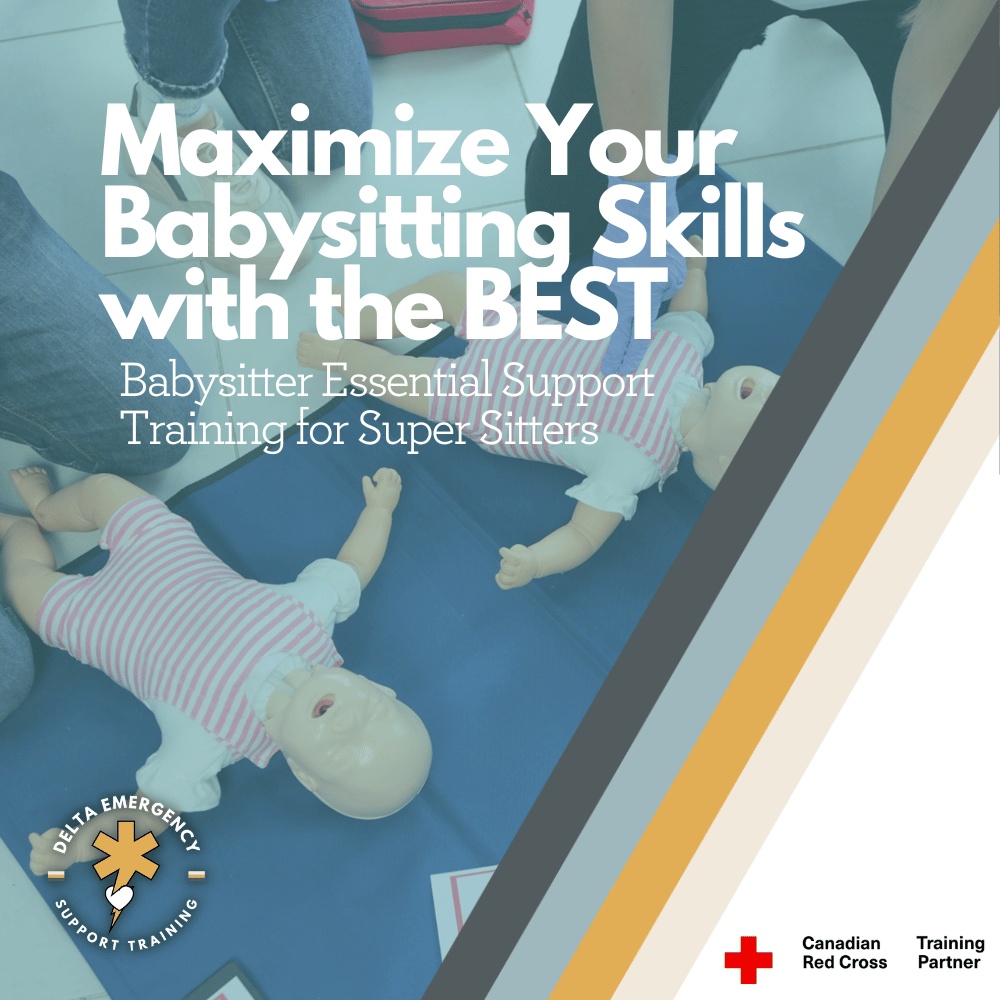
Maximize Your Babysitting Skills with the BEST: Babysitter Essential Support Training for Super Sitters
Sure! Here's an excerpt for "Maximize Your Babysitting Skills with the BEST: Babysitter Essential Support Training for Super Sitters":
As a babysitter, it's important to have the skills and knowledge necessary to provide safe and effective care for children. That's where the BEST program comes in. The Babysitter Essential Support Training (BEST) is a comprehensive training program designed to help sitters maximize their babysitting skills.
The BEST program covers a wide range of topics, including child development, safety, first aid and CPR, discipline, and communication. With the BEST program, you'll learn how to identify and respond to common childhood emergencies, such as choking and allergic reactions. You'll also learn how to manage challenging behavior and communicate effectively with parents.
In addition to the comprehensive training curriculum, the BEST program also provides ongoing support and resources for sitters. This includes access to a community of fellow sitters, as well as tools and resources to help you succeed in your babysitting career.
By completing the BEST program, you'll have the knowledge and confidence to provide exceptional care for children, while also setting yourself apart as a professional and reliable babysitter. So why wait? Enroll in the BEST program today and start maximizing your babysitting skills!
Delta Emergency Support Training’s BEST Babysitter’s Key Concepts:
BEST Babysitter
B - Babysitting Basics
E - Essential Skills
S - Safety Training
T - Tips and Techniques
In this context, Babysitter Essential Support Training, or "BEST" represents the core elements of the course, focusing on fundamental babysitting knowledge and skills, essential safety training, and practical tips and techniques for successful babysitting. This acronym could be used as a catchy and memorable way to promote the course and highlight its key features.
a group of babysitters-in-training gathered around infant dolls on the ground.
The Basics of Babysitting
Welcome to the world of babysitting! Being a babysitter can be a fun and rewarding job where you get to care for and entertain children while their parents are away. However, it also comes with a great deal of responsibility. In this chapter, we'll cover the basics of babysitting, including important skills, safety guidelines, and essential information for being a responsible babysitter.
1.1 The Role of a Babysitter
As a babysitter, your main role is to ensure the safety and well-being of the children in your care. You are responsible for supervising them, providing meals, helping with homework or other activities, and entertaining them. It's important to be attentive, patient, and nurturing to create a positive and enjoyable experience for the children you're looking after.
1.2 Basic Skills for Babysitters
There are several skills that are essential for babysitters to possess. These skills include:
1.2.1 Communication Skills:
As a babysitter, you need to be able to communicate effectively with both the children and their parents. You should be able to listen attentively to the children, understand their needs, and respond appropriately. Additionally, you should be able to communicate clearly with parents about any concerns or updates regarding the children's care.
1.2.2 Problem-Solving Skills:
Babysitting often involves handling unexpected situations, such as a child getting sick or having an emotional meltdown. Being able to think quickly and calmly in these situations and come up with appropriate solutions is crucial.
1.2.3 First Aid and CPR:
Knowing basic first aid and CPR (Cardiopulmonary Resuscitation) is extremely important as a babysitter. You should be able to respond to minor injuries or emergencies and provide appropriate care until professional help arrives.
1.2.4 Time Management Skills:
Babysitting often involves managing multiple tasks simultaneously, such as preparing meals, supervising playtime, and helping with homework. Good time management skills are necessary to ensure that all responsibilities are fulfilled efficiently.
1.2.5 Childcare Experience:
While it's not always a requirement, having previous experience in childcare, such as volunteering at a daycare or babysitting for family and friends, can be helpful in gaining confidence and understanding children's needs.
1.3 Safety Guidelines for Babysitters
Safety should be the top priority for any babysitter. Here are some important safety guidelines to follow:
1.3.1 Childproofing:
Make sure the environment is safe for the children by removing any potential hazards, such as sharp objects, choking hazards, and poisonous substances. Ensure that outlets are covered, cabinets with dangerous items are locked, and that there are no loose cords or wires that could pose a danger.
1.3.2 Emergency Preparedness:
Familiarize yourself with the location of fire extinguishers, first aid kits, and emergency phone numbers. Have a plan in place for emergencies, such as fires, natural disasters, or medical emergencies, and know how to evacuate the home safely.
1.3.3 Stranger Danger:
Teach the children about stranger danger and emphasize the importance of not opening the door to anyone they do not know. Instruct them to never give out personal information or accept gifts from strangers.
1.3.4 Safe Play:
Make sure the children are engaged in age-appropriate activities and supervise them closely during playtime, especially when playing outdoors or near water. Always follow the parents' guidelines regarding screen time, internet usage, and other safety concerns.
1.3.5 Transportation Safety:
If you need to transport the children, always ensure that they are secured in appropriate car seats or seat belts, depending on their age and size. Follow all traffic laws and never leave children unattended
1.1 The Role of a Babysitter
As a babysitter, your role goes beyond just supervising children. You are also responsible for providing emotional support, fostering a safe and nurturing environment, and being a positive role model. Here are some key aspects of the role of a babysitter:
1.1.1 Caregiver:
Your primary responsibility is to care for the well-being of the children in your charge. This includes ensuring their physical needs are met, such as providing meals, helping with hygiene tasks like bathing and changing diapers, and making sure they get enough rest.
1.1.2 Playmate:
Babysitting is not just about keeping children safe; it's also about having fun! Engaging in age-appropriate playtime activities, such as reading, playing games, and doing crafts, can help foster their development and create memorable experiences.
1.1.3 Educator:
Babysitters can also assist with homework or engage in educational activities, such as helping with reading, practicing math skills, or providing guidance on projects. Encouraging a love for learning and supporting their educational goals can be an important aspect of your role.
1.1.4 Mediator:
Children may sometimes have conflicts or disagreements. As a babysitter, you may need to step in and help resolve disputes in a fair and impartial manner. Teaching conflict resolution skills, promoting kindness and empathy, and setting clear boundaries can help establish a peaceful environment.
1.1.5 Communicator:
Effective communication is crucial in babysitting. You need to be able to clearly communicate with the children, understand their needs and emotions, and respond in a compassionate and respectful manner. You also need to communicate with the parents, providing updates on the children's well-being and any issues that may arise.
1.1.6 Safety Advocate:
Ensuring the safety of the children is your top priority. This includes supervising them at all times, being vigilant for potential hazards, and taking appropriate measures to prevent accidents. You should also be knowledgeable about emergency procedures, including knowing when to seek medical attention or contact parents in case of an emergency.
As a babysitter, one of your most crucial roles is to create a safe environment for the children in your care. Safety should be a top priority at all times to prevent accidents and ensure the well-being of the children. Here are some important aspects of safety that a babysitter should be knowledgeable about:
1.1.6.1 Supervision:
It's essential to provide constant supervision to the children, especially for younger children or those with special needs. You should always keep a watchful eye on the children, actively engaging with them and being aware of their activities, to prevent any accidents or injuries.
1.1.6.2 Hazard Prevention:
Identifying potential hazards in the environment and taking appropriate measures to prevent them is crucial. This includes ensuring that sharp objects, toxic substances, and small objects that pose a choking hazard are safely stored and out of reach of children. It also involves keeping doors and windows locked, securing staircases, and ensuring that outdoor play areas are safe and well-maintained.
1.1.6.3 Emergency Preparedness:
Babysitters should be prepared for emergencies and know how to respond appropriately. This includes knowing the location of first aid supplies, fire extinguishers, and emergency contact information. Babysitters should also be trained in basic first aid and CPR, as well as knowing the appropriate steps to take in case of a medical emergency or other emergencies, such as fires, natural disasters, or intruders.
1.1.6.4 Transportation Safety:
If you need to transport the children as part of your babysitting duties, whether it's walking them to school, driving them to activities, or using public transportation, it's important to follow proper safety guidelines. This includes using age-appropriate car seats or seat belts, following traffic rules, and ensuring that the children are always supervised and accounted for during transportation.
1.1.6.5 Internet and Technology Safety:
In today's digital age, babysitters should also be mindful of internet and technology safety. This includes monitoring children's online activities, setting age-appropriate content restrictions, and educating children about safe internet use and potential risks.
1.1.6.6 Communicating with Parents:
Babysitters should establish open and clear communication with parents regarding safety protocols, emergency procedures, and any specific instructions or concerns related to the children's safety. It's important to work collaboratively with parents to ensure that the children's safety is prioritized at all times.
By prioritizing safety and being vigilant in identifying and addressing potential hazards, a babysitter can create a secure environment for the children in their care. Remember, prevention is key, and it's always better to be proactive in ensuring the safety of the children rather than reacting to an emergency situation.
Remember, as a babysitter, you are entrusted with the care and well-being of someone else's precious children. Your role goes beyond just being present; it involves building trust, creating a positive environment, and providing excellent care for the children in your charge.
BABYSITTER QUIZ!
What is the primary responsibility of a babysitter?
A. Providing meals
B. Playing games
C. Teaching conflict resolution skills
D. Ensuring safety
2. Which of the following is NOT a role of a babysitter?
A. Caregiver
B. Mediator
C. Cleaning the house
D. Educator
3. What should a babysitter do in case of an emergency
A. Ignore it and continue with regular activities
B. Contact the parents immediately
C. Panic and call 911
D. Leave the house and go home
4. Why is effective communication important for a babysitter?
A. It helps the babysitter bond with the children
B. It allows the babysitter to understand the children's needs and emotions
C. It helps in resolving conflicts among children
D. All of the above
5. What should a babysitter do to ensure the safety of the children?
A. Supervise the children at all times
B. Be vigilant for potential hazards
C. Follow emergency procedures
D. All of the above
Answers:
D. Ensuring safety
C. Cleaning the house
B. Contact the parents immediately
D. All of the above
D. All of the above
Note: The quiz questions and answers may vary depending on specific guidelines or requirements of the babysitting situation. It's important to always follow the parents' instructions and guidelines when babysitting.
At Delta Emergency Support Training we are happy to answer any questions you may have about Babysitter Skills and Babysitter Certification. We provide training sessions for individuals or classes. We have options for in person, hybrid or online classes for Babysitter’s, Standard First Aid (SFA), Advanced First Aid (AFA), Emergency Medical Responder (EMR), and more courses. For all inquiries please email info@deltaemergency.com
Responding to Mass Casualty Incidents: A Guide for First Responders
Responding to Mass Casualty Incidents is a critical aspect of emergency preparedness and response. Whether it's a natural disaster, a terrorist attack, or an accident, the ability to quickly and effectively manage large numbers of injured victims can mean the difference between life and death. In such situations, emergency responders must work together to triage, treat, and transport the injured to medical facilities. They must also ensure that the scene is secure and that all necessary resources are available to address the needs of those affected.
Mass casualty incidents (MCIs) are situations where a large number of people are injured or killed at the same time. These incidents can be caused by natural disasters such as earthquakes, floods, or hurricanes, as well as by human-made events such as terrorist attacks or shootings. First responders play a crucial role in responding to these incidents and saving lives.
emergency responders in action, tending to multiple injured victims in a mass casualty incident. The responders are wearing protective gear and are working together to triage, treat, and transport the injured to medical facilities. The scene is chaotic, with debris and injured victims scattered around, highlighting the urgency and importance of effective mass casualty incident response.
Ensuring Safety: When responding to an MCI, the first priority for first responders is to ensure their own safety. They should always approach the scene with caution and be aware of potential hazards such as fires, explosions, or collapsing buildings. Once they have determined that it is safe to enter the area, they should quickly assess the situation and determine the number of casualties, the severity of injuries, and the resources needed to provide care.
Establishing Command: The first responders should then establish a command center to coordinate the response efforts. This center should be located in a safe area outside the immediate danger zone and should have clear communication channels with all response teams. The command center should also have access to emergency medical services (EMS) and transportation resources to move patients to hospitals or other care facilities.
Phases of Response: The response efforts should be organized into three main phases: triage, treatment, and transportation. During the triage phase, first responders should quickly assess each patient's condition and assign them to one of four categories: immediate (red), delayed (yellow), minimal (green), or expectant (black). Patients who are classified as immediate require immediate medical attention and should be transported to a hospital as soon as possible. Patients who are classified as delayed require medical attention but can wait for treatment. Patients who are classified as minimal require little or no medical attention, and patients who are classified as expectant are unlikely to survive even with treatment.
During the treatment phase, first responders should provide medical care to patients based on their triage category. Patients who are classified as immediate should receive the most urgent care, such as controlling bleeding, opening airways, or stabilizing fractures. Patients who are classified as delayed should receive medical attention as soon as possible, but their injuries are not life-threatening. Patients who are classified as minimal may receive basic first aid, such as bandages or pain relief. Patients who are classified as expectant should receive comfort care to minimize their suffering. During the treatment phase of a mass casualty incident, first responders should provide medical care to patients based on their triage category, which is determined during the triage phase. The triage categories are immediate (red), delayed (yellow), minimal (green), and expectant (black).
Patients who are classified as immediate require the most urgent care as their injuries are life-threatening and require immediate attention. First responders should prioritize stabilizing these patients by controlling any bleeding, opening their airways to ensure they can breathe properly, and stabilizing fractures or other injuries as quickly as possible. This may include the use of tourniquets, airway management devices, and splints.
Patients who are classified as delayed have injuries that are not immediately life-threatening but still require medical attention. First responders should provide medical care to these patients as soon as possible, but the urgency is not as high as it is for patients classified as immediate. For example, delayed patients may need pain relief, wound care, or treatment for broken bones.
Patients who are classified as minimal have injuries that are minor and may only require basic first aid, such as bandages or pain relief. These patients do not require immediate medical attention and can wait for treatment while more urgent cases are addressed.
Patients who are classified as expectant have injuries that are so severe that they are unlikely to survive even with medical treatment. First responders should provide comfort care to these patients to minimize their suffering, which may include pain relief, emotional support, and communication with family members or loved ones.
In summary, during the treatment phase, first responders should prioritize patients based on their triage category and provide the appropriate level of medical care to each patient. By following these guidelines, first responders can provide efficient and effective care to those in need during a mass casualty incident.
During the transportation phase, first responders should transport patients to hospitals or other care facilities based on their triage category. Patients who are classified as immediate should be transported first, followed by delayed patients. Minimal patients can be transported later or given transportation advice. Patients who are classified as expectant may not be transported, depending on the available resources and the patient's condition.
In conclusion, first responders play a critical role in responding to mass casualty incidents. They should always prioritize their own safety and quickly assess the situation to determine the resources needed to provide care. By following a structured approach that includes triage, treatment, and transportation, first responders can efficiently and effectively provide medical care to patients and save lives.
Get Hired as a Childcare Provider in Calgary: How Childcare First Aid Training Can Boost Your Resume
Training with Delta Emergency Support Training for Red Cross Childcare First Aid and CPR Level B is a valuable investment in the safety and well-being of children. By equipping individuals with the skills and knowledge needed to respond to emergencies in a childcare setting, this training ensures that children receive the best possible care in emergency situations. This is an essential course for anyone who works with children or is responsible for the safety of children.
If you're considering a career change in Calgary and are interested in working as a childcare provider, then completing Red Cross Childcare First Aid training with Delta Emergency Support Training can be an excellent way to prepare for this new career path.
In addition to learning the essential first aid skills needed to respond to medical emergencies and provide immediate care to children, there are several other skills that you can develop during this training to make you the best caretaker for a high paying job.
Communication Skills
One of the most important skills that you can develop as a childcare provider is strong communication skills. This includes being able to communicate effectively with children, their parents, and other caregivers. During the Red Cross Childcare First Aid course, you will learn how to communicate with children in a way that is age-appropriate and easy to understand. You will also learn how to communicate with parents and other caregivers in emergency situations, including how to provide updates on the child's condition and how to work together to provide the best possible care.
Organizational Skills
Another important skill for a childcare provider is strong organizational skills. This includes being able to manage multiple tasks and activities, keep track of important information, and prioritize tasks effectively. During the Red Cross Childcare First Aid course, you will learn how to manage emergency situations and stay calm under pressure. You will also learn how to keep accurate records of the child's medical history and emergency contact information, which is essential for providing the best possible care.
Observation Skills
Observation skills are also critical for a childcare provider. This includes being able to recognize changes in a child's behavior or physical condition and respond appropriately. During the Red Cross Childcare First Aid course, you will learn how to recognize the signs and symptoms of common medical emergencies, such as choking, allergic reactions, and seizures. You will also learn how to monitor a child's vital signs, including their pulse and breathing rate, which is essential for identifying changes in their condition.
Patience and Empathy
Finally, a successful childcare provider needs to be patient and empathetic. This includes being able to understand the child's needs and emotions, and to provide comfort and support when needed. During the Red Cross Childcare First Aid course, you will learn how to provide emotional support to children in emergency situations, including how to reassure them and help them feel safe and secure.
At Delta Emergency Support Training, we dedicate our Childcare courses to Childcare! We don’t make you join a regular First Aid course for adult patient skills, and “tack-on” Childcare information/skills at the end in a hurry (as every other provider does in Calgary).
We are a Canadian Red Cross training provider based in Calgary that offers a wide range of emergency response courses, including Red Cross Childcare First Aid and CPR Level B. The Red Cross Childcare First Aid course covers a range of topics, including how to recognize and respond to emergency situations, providing care for children who are choking, bleeding, or experiencing allergic reactions, and how to perform CPR on infants and children. Participants also learn about injury prevention, basic child development, and the importance of emergency preparedness.
CPR Level B is a component of the Red Cross Childcare First Aid course that focuses on teaching participants how to perform CPR on infants and children, as well as how to use an automated external defibrillator (AED) in emergency situations. Participants are trained to respond to cardiac emergencies, including when a child is not breathing or their heart has stopped.
Training with Delta Emergency Support Training provides a hands-on, interactive learning experience that enables participants to practice their skills and gain confidence in their ability to respond to emergencies. The training is conducted by experienced instructors who are certified by the Alberta College of Paramedics and are committed to providing high-quality, engaging training to participants.
Upon completion of the Red Cross Childcare First Aid and CPR Level B course, participants receive a certification that is valid for three years. This certification is recognized across Canada and is a valuable addition to any resume for those seeking employment in childcare, education, or other industries that involve working with children.
Training with Delta Emergency Support Training for Red Cross Childcare First Aid and CPR Level B is a valuable investment in the safety and well-being of children. By equipping individuals with the skills and knowledge needed to respond to emergencies in a childcare setting, this training ensures that children receive the best possible care in emergency situations. This is an essential course for anyone who works with children or is responsible for the safety of children. The course provides participants with the knowledge and skills necessary to respond to medical emergencies and provide immediate care to children in need. By completing this training, individuals can help ensure the safety and well-being of children in their care.
Delta Emergency Support Training is committed to providing high-quality training that meets the needs of individuals and organizations in Calgary. They offer flexible training options, including on-site training and evening and weekend courses, to accommodate busy schedules.
In conclusion, completing Red Cross Childcare First Aid training with Delta Emergency Support Training can be an excellent way to prepare for a career as a childcare provider. In addition to learning the essential first aid skills needed to provide immediate care to children in emergency situations, you can also develop a range of other skills, including communication, organization, observation, and empathy, which can make you the best caretaker for a high paying job.

