The Delta Dispatch

Staying Safe as a Babysitter: What Every Sitter Should Know Before the Job

Babysitting is a big responsibility — and your safety matters, too. Before your next job, make sure you know who you’re babysitting for, tell a trusted adult where you’ll be, keep emergency numbers close, and trust your instincts. Learn more babysitter safety tips to stay confident and prepared.

Babysitting is an incredible way to gain responsibility, earn income, and build trust — but safety should always come first. Whether you’re caring for a neighbour’s toddler or babysitting for a new family, being aware, prepared, and confident in your decisions is key to keeping both yourself and the children safe.

Here are essential safety tips every babysitter should know before taking a job:

1. Know Who You’re Babysitting For

Before accepting a babysitting job, make sure you (and your parents or guardians, if you’re a minor) know exactly who you’re working for. Babysit only for families you or your family trust. If you’re new to babysitting in your community, start with people you know personally — neighbours, family friends, or families recommended by someone you trust.

If it’s a new family, ask to meet them in person beforehand. Use that opportunity to learn about the children, see the home, and confirm important details like emergency contacts and expectations.

2. Always Tell a Parent or Guardian Where You’re Going

If you’re under 18, always let your parent or a trusted adult know:

  • The address of where you’ll be babysitting

  • Who you’ll be with

  • What time you expect to be home

It’s a good idea to share the parents’ contact information with your own guardians in case of an emergency. Even if it seems like a quick or local job, communication ensures someone always knows where you are and can check in if needed.

3. Have a Way to Contact Help

Keep your phone fully charged and within reach at all times — but remember, your focus should stay on the kids. Save key numbers in your contacts and have them written down on paper in case your phone dies.
Include:

  • The parents’ cell numbers

  • A trusted backup contact (like a neighbour or relative)

  • Local emergency services (911, or the local dispatch number if in a rural area)

If something feels off or unsafe — whether it’s a strange noise, an unexpected visitor, or a medical emergency — never hesitate to call for help.

4. Trust Your Gut

One of the most powerful safety tools you have is your intuition. If something doesn’t feel right about a job, a situation, or even the person offering it — listen to your instincts. It’s always okay to say no to a babysitting job or call for help if you feel uncomfortable.

5. Do a Safety Walkthrough

When you arrive, take a quick look around:

  • Identify exits in case of emergency

  • Find out where first aid supplies and flashlights are kept

  • Ask about any safety hazards (pets, pools, unlocked cabinets, etc.)

  • Confirm bedtime routines and any house rules about doors, screens, or alarms

Knowing these small details helps prevent bigger problems later.

6. Keep Emergency Information Close

Always have a written list of:

  • The child’s medical conditions or allergies

  • Medication instructions (if any)

  • Emergency contacts and the home address (so you can relay it quickly to dispatchers)

This list should be provided by the family before they leave — don’t be afraid to ask for it if they forget.

7. Stay Alert — Not Glued to Your Phone

Once the kids are asleep, it’s tempting to scroll or watch a show. But staying alert is part of your job. Keep the volume low, check in periodically, and avoid distractions that could delay your response if a child wakes up or there’s an emergency.

8. Know Basic First Aid and What to Do in Emergencies

Accidents can happen even in the safest homes. Babysitters who take a Babysitter First Aid course (like those offered by Delta Emergency Support Training) learn how to recognize and respond to emergencies confidently — from choking and burns to allergic reactions and falls.

Training helps you stay calm and capable, giving parents peace of mind and making you a more reliable babysitter overall.

Final Tip: Be Professional and Prepared

Show up on time, bring a small notebook or checklist, and always clarify expectations — like bedtime, snacks, and screen time. It’s not just about safety; it’s about building trust and showing parents you take the role seriously.

Bottom Line

Being a babysitter means more than keeping kids entertained — it means being responsible, aware, and ready for anything. Know who you’re working for, communicate with your guardians, trust your instincts, and get the training that helps you handle emergencies confidently.

Because when you’re prepared, you’re not just a babysitter — you’re a leader, a caregiver, and someone parents can truly rely on.

Read More

Babysitting 101: Emergencies vs. Non-Emergencies — Knowing When to Act

Every babysitter will face unexpected moments — but not every situation is an emergency. Learn how to recognize true emergencies, handle minor issues safely, and respond with confidence during babysitting duties.

When you’re babysitting, you’re the responsible caretaker.
That means when something goes wrong, the child is looking to you — and it’s up to you to decide what to do next.

But not every problem is an emergency. Some situations need calm care and common sense, while others require calling for help immediately. Knowing the difference is one of the most important skills a babysitter can have.

🩹 What’s the Difference?

A non-emergency is a situation that can be handled safely without outside help.
An emergency is any situation that is life-threatening, worsening quickly, or beyond your ability to control.

When in doubt, treat it as an emergency — it’s always better to call for help than to hesitate.

🚨 Examples of Emergencies — and What to Do

Here are common emergencies babysitters might face, and how to respond safely and calmly:

1. The Child Is Unresponsive or Not Breathing

Emergency? Yes — life-threatening.
What to do:

  • Check responsiveness: Tap and shout the child’s name.

  • Call 911 immediately.

  • If trained, start CPR and follow dispatcher instructions.

  • Continue until help arrives.

If you’re babysitting alone, put your phone on speaker so you can listen to instructions while giving care.

2. Choking

Emergency? Yes.
What to do:

  • If the child can cough or speak, encourage them to keep coughing.

  • If the child cannot breathe, speak, or is turning blue, call 911 and begin back blows and abdominal thrusts (if trained).

  • For babies under one year, use five back blows and five chest thrusts.

Stay calm — your training and quick response can save a life.

3. Severe Bleeding

Emergency? Yes.
What to do:

  • Apply firm, direct pressure to the wound with a clean cloth.

  • Call 911 if the bleeding doesn’t stop or the injury is large or deep.

  • Keep pressure on until help arrives.

Never remove large objects stuck in the wound — stabilize them in place.

4. Allergic Reaction or Anaphylaxis

Emergency? Yes — especially if breathing is affected.
What to do:

  • Ask if the child has an epinephrine auto-injector (EpiPen).

  • Use it immediately if they are having trouble breathing, swelling of the lips or throat, or widespread hives.

  • Call 911 right after using the EpiPen.

  • Have the child sit upright to ease breathing.

Even if symptoms improve, they need medical attention — reactions can return.

5. Burns

Emergency? Sometimes.
What to do:

  • For minor burns (red skin, no blisters): Cool the area with cool running water for 10–20 minutes.

  • For severe burns, large areas, or burns on the face, hands, or genitals, call 911.

  • Never pop blisters or apply ice, butter, or creams.

6. Head Injury

Emergency? Possibly.
What to do:

  • If the child loses consciousness, vomits repeatedly, seems confused, or complains of severe headache — call 911.

  • For mild bumps with no serious symptoms, apply a cold compress and monitor closely for changes.

If in doubt, call the parents for guidance — and don’t let the child fall asleep until you’ve spoken to them.

7. Fire or Gas Leak

Emergency? Always.
What to do:

  • Get everyone outside immediately.

  • Do not go back inside.

  • Call 911 from a safe location.

  • Meet parents or emergency responders outside the home.

Remember: your safety and the child’s safety come first.

😌 Non-Emergencies (But Still Important!)

These are situations that babysitters can usually handle without calling 911 — but should still inform parents about.

1. Minor Scrapes and Cuts

  • Wash gently with soap and water.

  • Apply a small bandage.

  • If bleeding continues after 10 minutes, call the parents.

2. Nosebleeds

  • Have the child sit and lean forward, not back.

  • Pinch the soft part of the nose for 10–15 minutes.

  • If bleeding won’t stop or the child hit their head, call the parents.

3. Mild Allergic Reaction (Itchy Skin, Small Rash)

  • Keep the child comfortable.

  • Avoid the trigger if known.

  • Monitor closely for signs of breathing problems — if they develop, call 911 immediately.

4. Stomach Ache or Mild Fever

  • Encourage rest and fluids.

  • Take note of symptoms and temperature.

  • Call the parents to update them and follow their instructions.

If the child vomits repeatedly, becomes very lethargic, or complains of sharp pain — it may be turning into an emergency.

5. Emotional Upset or Tantrums

  • Stay calm, use a soothing voice, and redirect their attention.

  • Offer comfort, but maintain clear boundaries.

  • If the child is inconsolable or asks for their parents, reach out to them — it’s not an emergency, but communication matters.

📞 When to Call 911 vs. When to Call Parents

SituationActionUnresponsive, choking, or not breathingCall 911 first, then parentsSevere bleeding, burns, allergic reaction, head injuryCall 911 firstMinor injury, small cut, nosebleed, upset stomachCall parents firstFire, smoke, gas leakEvacuate and call 911 immediatelyUnsure what to doCall 911 — dispatchers will guide you step-by-step

💡 Pro Tip: Stay Calm, Stay Clear, Stay Connected

During your babysitter training at Delta Emergency Support Training, you’ll learn exactly how to stay composed under pressure, how to communicate clearly with dispatchers, and how to make safe decisions until help arrives.

Remember:

  • Stay calm and confident. Children mirror your emotions.

  • Stay clear on priorities: Safety first, care second.

  • Stay connected: Keep parents informed and never hesitate to call for help.

Final Thought

Emergencies don’t happen often — but when they do, your preparation matters.
Knowing the difference between a small problem and a serious emergency helps you act quickly, correctly, and confidently.

Whether it’s a scraped knee or a choking child, trained babysitters save lives — and that’s what sets you apart.

Read More

Stay Safe 101: Teaching Your Children Safety Basics

Teaching children safety rules helps them make confident choices. This guide covers stranger safety, road and vehicle rules, home hazards, water awareness, first aid, and online safety tips for parents.

Keeping children safe is a top priority for every parent. While accidents can happen, teaching kids simple safety rules can help them make good choices and respond confidently in tricky situations. Here is a guide for parents to help children learn essential safety skills.

1. Personal Information

Children should know how to share essential information if needed:

  • Full name

  • Parent or guardian names

  • Home address

  • Phone number

Practice this regularly in fun ways, like memory games or songs. Repetition helps kids remember under stress.

2. Stranger Safety

Stranger safety is one of the most important lessons for children. Teach them to:

  • Never get into a vehicle with someone they do not know, even if the person says it is an emergency or offers treats.

  • Avoid accepting gifts, candy, or toys from strangers.

  • Use the rule “No, Go, Yell, Tell”: refuse, leave the area, make noise, and tell a trusted adult.

  • Stay close to a parent, guardian, or trusted adult in public spaces.

  • Know which adults are safe to approach for help, such as teachers, police officers, or event staff.

  • Role-play scenarios like someone asking for directions or help so they can practice safe responses.

3. Road and Street Safety

Teach children how to stay safe around traffic:

  • Stop, look both ways, and listen before crossing streets.

  • Use crosswalks whenever possible and obey traffic signals.

  • Wear helmets and protective gear while biking, scootering, or skating.

  • Avoid running into streets or playing near traffic.

4. Vehicle Safety

  • Always buckle seat belts properly in cars or booster seats.

  • Never open doors or get into a car without a parent or trusted adult.

  • Teach children to sit quietly and follow rules in taxis, rideshares, or buses.

  • Make sure children know to ask permission before leaving with anyone, even relatives they do not see often.

5. Home Safety

  • Keep sharp objects, matches, and cleaning supplies out of reach.

  • Teach children not to touch hot surfaces or appliances.

  • Fire safety includes teaching stop, drop, and roll, and explaining the importance of smoke alarms.

  • Practice family escape plans in case of fire or other emergencies.

6. Water Safety

  • Never swim alone; always have adult supervision.

  • Wear life jackets in pools, lakes, or boats.

  • Set rules for pools, beaches, and water parks, like staying within designated areas.

  • Teach children to reach or throw, but not go in, when helping someone in distress.

  • Practice water drills and teach them to recognize dangerous currents or deep water.

7. First Aid Awareness

  • Teach children how to clean minor cuts, apply bandages, and notify an adult.

  • Show them how to recognize emergencies and when to call for help.

  • Encourage calm thinking and step-by-step responses even when nervous.

8. Online Safety

  • Never share personal information online, including full name, address, school, or phone number.

  • Avoid talking to strangers or accepting friend requests from people they do not know.

  • Never agree to meet online acquaintances in person.

  • Encourage children to tell a parent or guardian immediately if something online feels wrong or uncomfortable.

9. Practice and Reinforcement

  • Role-play emergency situations to build confidence.

  • Make drills fun, like fire drills or lost child games.

  • Praise children for following safety rules. Positive reinforcement encourages lasting habits.

Conclusion

Teaching children safety rules is not about scaring them. It is about empowering them to make good decisions. Start with small steps, practice regularly, and introduce more advanced concepts as children grow.

By practicing personal safety, stranger awareness, road and vehicle safety, water safety, and online safety, parents can help children develop habits that last a lifetime.

Prepared children are safer children, and confident children can act wisely in emergencies.

Read More

Bee Stings & EpiPens: A Babysitter’s Guide to Life-Threatening Allergies

Bee stings can turn serious fast—especially if the child you’re babysitting has allergies. This guide teaches babysitters how to spot anaphylaxis, safely use an EpiPen, and stay calm in emergencies. At Delta Emergency Support Training, our Red Cross Babysitter Course includes hands-on EpiPen and first aid training—because when you’re babysitting, knowing what to do makes all the difference.

By Delta Emergency Support Training | In Partnership with Red Cross Babysitter Training

When you’re babysitting, you’re responsible for more than just keeping kids entertained—you’re also their first line of defense in an emergency. One common but serious situation babysitters may face is a bee sting that leads to a severe allergic reaction, called anaphylaxis.

This guide will help you understand how to recognize an allergic reaction, treat bee stings, and confidently use an EpiPen—a life-saving tool in a high-stress moment.

🐝 Bee Stings: First Aid Basics

Most bee stings are just a painful annoyance—but in children with allergies, they can be dangerous. Here’s what to do right away:

🩹 If a Child is Stung by a Bee:

  1. Stay calm and help the child stay still.

  2. Remove the stinger quickly—scrape it out with a flat edge like a credit card.
    🚫 Do not use tweezers or squeeze the stinger—it can inject more venom.

  3. Wash the area with soap and water.

  4. Apply a cold compress to reduce swelling and discomfort.

  5. Watch for signs of an allergic reaction over the next 15–30 minutes.

🚨 What Is Anaphylaxis?

Anaphylaxis is a severe, fast-moving allergic reaction that can affect breathing, circulation, and other body systems. It’s a medical emergency that requires immediate action.

⚠️ Common Triggers Include:

  • Bee or wasp stings

  • Peanuts, nuts, shellfish, milk, eggs

  • Medications

  • Latex

⚠️ Signs of Anaphylaxis

Watch for one or more of these symptoms, especially if they appear within minutes of a sting or exposure to a known allergen:

  • Trouble breathing (wheezing, coughing, gasping)

  • Swelling of the lips, face, throat, or tongue

    🔴 Tongue swelling is one of the most dangerous symptoms—it can block the airway

  • Hives, redness, or itching of the skin

  • Vomiting, diarrhea, or severe stomach cramps

  • Dizziness, fainting, or confusion

  • Child says they feel like something bad is happening

🧠 Important: Anaphylaxis can come in waves. A child might improve briefly, then get worse again. Never delay treatment.

💉 How to Use an EpiPen (Epinephrine Auto-Injector)

If the child has a known allergy or develops symptoms of anaphylaxis after a sting or exposure:

✅ Step-by-Step: EpiPen Use

  1. Use the EpiPen immediately.
    Early epinephrine is the best way to stop the reaction.

  2. Call 9-1-1 immediately after using the EpiPen.
    Even if the child looks better, they may need multiple doses. EMS must assess them.

  3. Administer the EpiPen:

    • Remove the blue safety cap ("blue to the sky").

    • Hold the pen in your fist, orange tip pointing down. (“orange to the thigh”

    • Push the orange tip firmly into the outer thigh (can go through clothing).

    • Hold for 10 seconds.

    • Remove and massage the injection site for 30 seconds.

  4. Stay with the child and monitor their condition.

    • If they’re having trouble breathing, keep them upright.

    • If unconscious or vomiting, turn them on their side to protect the airway.

  5. Do not reuse the EpiPen.
    It is a one-time-use device. If symptoms return and a second pen is available.

👶 Babysitter Safety & Preparedness Tips

  • Ask parents about allergies before they leave.

  • Know where the EpiPen is and check the expiry date.

  • Review instructions with parents before they leave.

  • Always call 911 after using an EpiPen—don’t wait.

  • Stay calm—you’ve been trained, and your response can save a life.

🎓 EpiPen Training Is Included in Our Babysitter Course!

At Delta Emergency Support Training, we don’t just teach games and diaper changes—we teach lifesaving skills. Our Red Cross Babysitting Course includes a first aid component, where babysitters learn how to:

  • Recognize anaphylaxis

  • Use an EpiPen correctly and confidently

  • Respond to bee stings, food allergies, and medical emergencies

  • Stay calm under pressure and take control of the situation

We train babysitters to be ready—not just helpful.

🧠 After the Emergency

Once EMS has arrived or the parents return:

  • Tell them exactly what happened and when you used the EpiPen

  • Take time to debrief with an adult or your own parent—emergencies can be stressful

✅ Final Reminders

  • Always ask about allergies

  • Always locate the EpiPen

  • Always call 911 after EpiPen use

  • Always take every reaction seriously—even “mild” ones can become severe fast

📞 Want to Learn More?
Ready to become a confident, Red Cross–trained babysitter?
Sign up for our next Babysitting & First Aid Course at Delta Emergency Support Training.
Because you’re more than a babysitter—you’re someone’s hero in the making.

Read More

Keeping Your Infant Safe This Summer: A Parent’s Guide

Summer can be wonderful—but it also comes with hidden dangers for infants. From sunburn to overheating, learn how to keep your baby safe with Red Cross-aligned tips from Delta Emergency Support Training.

Summer brings sunshine, fresh air, and outdoor adventures—but for parents of infants, it also brings a unique set of safety challenges. Babies are more vulnerable to heat, sun, dehydration, and environmental hazards, so it's essential to know how to protect your little one during the warmer months.

At Delta Emergency Support Training, we support families and caregivers through Red Cross first aid training. Below are essential summer safety tips for infants, based on Canadian Red Cross recommendations and best practices for infant care.

☀️ 1. Sun Safety: Babies Burn Faster

Infants under six months should be kept out of direct sunlight as much as possible. Their skin is too sensitive for sunscreen and can burn quickly—even on cloudy days.

Red Cross-Recommended Tips:

  • Seek shade whenever possible: under trees, umbrellas, or stroller canopies.

  • Dress babies in lightweight, long-sleeved clothing with a wide-brimmed hat.

  • Avoid peak sun hours between 11 a.m. and 3 p.m.

  • For babies over six months, apply a broad-spectrum, baby-safe sunscreen to small exposed areas (like face and hands).

💧 2. Hydration: Watch for Signs of Dehydration

Babies can’t tell you when they’re thirsty—and because they have a higher surface area-to-body-weight ratio, they’re more prone to dehydration and heat exhaustion.

Tips to Keep Them Hydrated:

  • Breastfeed or bottle-feed more frequently in hot weather.

  • Watch for signs of dehydration: fewer wet diapers, dark yellow urine, dry lips, or lethargy.

  • Never give water to babies under 6 months unless advised by your healthcare provider.

🌡️ 3. Heat Protection: Prevent Overheating

A baby’s body isn’t as efficient at regulating temperature, so they can overheat quickly in hot environments—even indoors.

How to Keep Baby Cool:

  • Dress your baby in light cotton clothing.

  • Use fans or air conditioning to keep the indoor space between 20–22°C.

  • Avoid using heavy blankets during naps or bedtime.

  • Never leave your baby in a parked car, not even for a minute. Temperatures rise quickly and can be fatal.

💦 4. Water Safety: Stay Close, Stay Safe

Infants should never be left unattended near water, even for a second. This includes pools, bathtubs, splash pads, or buckets.

Red Cross Water Safety Advice:

  • Always use designated infant floatation devices with supervision.

  • Be within arm’s reach of your baby in or near water.

  • Empty any buckets or containers with standing water after use.

  • Enroll in Red Cross Baby & Me water orientation classes to introduce water safely.

🦟 5. Bug Bites and Allergies: Watch for Reactions

Mosquitoes, bees, and other summer bugs can pose a danger to babies—especially if they have allergic reactions.

Tips for Protection:

  • Use mosquito netting over strollers and carriers.

  • Avoid using chemical insect repellents on infants under 6 months.

  • Keep baby away from flowering plants, standing water, or places with lots of insects.

  • If a bite causes swelling, trouble breathing, or hives, seek emergency medical help immediately.

🧳 6. Travel and Outdoor Time: Be Prepared

Whether you’re headed to a picnic, hike, or road trip, bring a baby-focused emergency kit with:

  • Diapers and wipes

  • Extra clothing

  • Infant-safe sunscreen (6+ months)

  • Cold packs and a thermometer

  • Emergency contact info

  • A small Red Cross-approved first aid kit

❤️ 7. Know Infant First Aid

Emergencies can happen. Being trained in infant CPR and first aid can give you the confidence to act quickly and correctly.

🔴 At Delta Emergency Support Training:

We offer Red Cross Standard First Aid and CPR courses that include modules on infant and child care, covering topics like:

  • Choking and CPR

  • Allergic reactions

  • Heat-related emergencies

  • Recognizing serious symptoms

These skills are lifesaving and empowering for any parent or caregiver.

Final Takeaway

Summer should be a time of joy and bonding—not stress and emergency. By planning ahead and understanding how to protect your infant from seasonal hazards, you can enjoy the season with peace of mind.

Be prepared. Be informed. Be confident.
Take a Red Cross-certified first aid course with Delta Emergency Support Training and make summer safer for your family.

Read More

Bedwetting: What Babysitters Need to Know

Bedwetting can be tricky, but it’s a normal stage for many kids. This easy guide helps babysitters manage it with confidence and care—plus tips on routines, rewards, and how Delta Emergency Support Training supports certified Red Cross Babysitters.

As a babysitter, bedtime can sometimes come with surprises—like bedwetting. While it might feel a little awkward at first, it’s actually very normal for younger kids. This blog will help you understand why it happens, how to handle it calmly, and even give you a few ideas to make bedtime a more positive experience for the child.

What Is Bedwetting?

Bedwetting (also called nocturnal enuresis) is when a child accidentally pees in their sleep. It’s most common in kids between 4 and 7 years old, but some kids take a bit longer to grow out of it.

Bedwetting is not the child’s fault. They’re not being lazy or bad—it usually happens because:

  • They’re deep sleepers and don’t wake up when their bladder is full.

  • Their body is still learning how to stay dry overnight.

  • They’re feeling nervous, stressed, or in a new routine.

  • It runs in the family (their parents may have done the same thing as kids).

What Babysitters Can Do

Here’s how you can help:

1. Stay Calm and Kind

If a child wets the bed, be gentle. Don’t scold or tease them—just help clean up and move on. It’s already embarrassing for them.

2. Be Prepared

Before bedtime:

  • Ask the parents if the child sometimes wets the bed.

  • Know where clean sheets, pajamas, and towels are kept.

  • Use a mattress protector if one is available.

3. Encourage Good Habits

Some small steps can help reduce bedwetting:

  • Remind the child to use the bathroom right before bed.

  • Limit drinks about an hour before bedtime (especially juice or soda).

  • Keep a nightlight on so they can find the bathroom if they wake up.

Fun and Helpful Ideas

Making nighttime routines positive can really help! Try these babysitter-friendly tips:

🌟 Bedtime Routine Chart

Make a fun checklist with pictures:

  • Go potty

  • Brush teeth

  • Put on PJs

  • Storytime

  • Lights out

Kids love checking things off—it helps them feel in control.

🎯 Reward Jar

Use a simple reward system:

  • One marble or sticker in the jar for every dry night.

  • When the jar is full, they get a small prize or extra storytime!

(Just be sure to check with the parents first before using rewards.)

🧸 Comfort Items

Let the child choose a favorite stuffed animal or bedtime book. Feeling safe and relaxed can make a big difference.

If Bedwetting Happens

  • Stay cool. It’s not a big deal—just help them change clothes and sheets.

  • Don’t make a fuss. The less attention it gets, the better they’ll feel.

  • Say something kind. A simple, “That’s okay, let’s get you comfy again,” goes a long way.

  • Tell the parents after your shift in a calm and respectful way, especially if it’s new behavior.

    Final Thoughts

    Bedwetting is normal and usually goes away with time. As a babysitter, your patience, kindness, and calm attitude can make bedtime easier and help the child feel confident—even after a little accident.

    By using positive routines and being prepared, you’re giving the child a safe space to grow. That’s something parents will really appreciate—and kids will remember.

    At Delta Emergency Support Training, we’re here to support all of our newly certified Red Cross Babysitters! If you have any questions or need help handling tricky situations like bedwetting, don’t hesitate to reach out. And if you’re thinking about becoming a certified babysitter, we’d love to help you get started with one of our friendly, experienced instructors.

    You're never alone—we’ve got your back!

Read More

Top 3 First Aid Skills Every Babysitter Should Know

Prepare for babysitting emergencies with our Red Cross Babysitter Course. Learn life-saving first aid skills such as choking first aid, using an EpiPen, and handling severe bleeds. Our course will teach you how to respond effectively and stay calm in critical situations.

Being a babysitter comes with a lot of responsibility, and while you might be prepared to entertain, play, and feed kids, there’s one crucial skill set that’s often overlooked: first aid training. Children are prone to accidents, and as a babysitter, knowing how to respond effectively can make all the difference in an emergency.

That’s why Red Cross First Aid Training is essential. The Canadian Red Cross offers courses designed to equip you with the skills to handle a wide range of emergencies — ensuring that you’re prepared and capable when a crisis strikes. In this blog, we’ll discuss the top 3 first aid skills that every babysitter should master to ensure the safety and well-being of the children in their care. These skills aren’t just important — they can be life-saving.

1. Choking First Aid: Saving a Child’s Life in Seconds

Choking is one of the most common emergencies a babysitter might encounter. Small children are naturally curious and tend to put things in their mouths, making choking a constant risk. Whether it's food, a small toy, or something else entirely, it’s essential that babysitters know the proper steps to take if a child starts choking.

What to Do:

  • For babies under 1 year old: Hold the baby face-down on your forearm, supporting the head and neck. Give 5 firm back blows between the baby’s shoulder blades. If the object isn’t dislodged, turn the baby over and give 5 chest thrusts with two fingers. Repeat back blows and chest thrusts until the object is expelled or the baby loses consciousness. If the baby loses consciousness, immediately call 911 and begin CPR (compressions and rescue breaths if trained to do so).

  • For children over 2 years old: Place the child over your knee with their head facing down. Support the front of their body with your arm, and give back blows. Repeat back blows then abdominal thrusts until the object is expelled or the child loses consciousness. If the child loses consciousness, immediately call 911 and begin CPR.

Why It’s Important:
A blocked airway can cause suffocation in just a few minutes, so knowing how to clear a child’s airway swiftly is critical. Red Cross First Aid courses will teach you these techniques to ensure that you’re ready to act in an emergency.

2. Administering an EpiPen: Treating Severe Allergic Reactions

Many children have allergies, and some reactions can be severe, even life-threatening. Allergies to food, insect stings, or medication can lead to anaphylaxis, a severe allergic reaction that requires immediate treatment. Babysitters should be familiar with how to use an EpiPen (epinephrine auto-injector) to quickly deliver life-saving medication.

What to Do:

  • Always have the EpiPen with you if you're caring for a child who has a history of severe allergic reactions.

  • Correct EpiPen technique: When ready to use, hold the EpiPen firmly with the orange tip facing the thigh. Blue to the sky, orange to the thigh (this is the phrase to help you remember). Do not place your finger on top of the EpiPen — if you inject yourself, both you and the child will need first aid.

  • Administer the injection: Inject the EpiPen into the lateral thigh (outer thigh) and hold it in place for 10 seconds. After the injection, gently rub the area for 30 seconds to help disperse the medication.

  • Call 911 immediately: After administering the EpiPen, always call 911, as anaphylactic reactions can worseneven after epinephrine is delivered. It’s important to let medical professionals take over.

  • Multiple doses may be required: EpiPens are single-use devices, and many people will need additional doses of epinephrine. If the child’s symptoms do not improve after 10-15 minutes, a second dose may be necessary, so ensure you have another pen on hand if prescribed.

Why It’s Important:
EpiPens can reverse anaphylaxis by constricting blood vessels and opening the airways, but this only offers temporary relief. Quick action is critical, and knowing how to administer the EpiPen correctly could save a child's life. Red Cross First Aid courses teach you the correct steps to safely and effectively use an EpiPen in an emergency.

3. Dealing with Life-Threatening Bleeding: Stop the Blood Flow

Severe bleeding, whether from a fall, a cut, or an accident, can be life-threatening if not managed properly. Knowing how to control bleeding is essential for babysitters, especially when caring for active or adventurous children. Self-protectionis also important, as you should avoid direct contact with blood when possible.

What to Do:

  • First, protect yourself: If possible, wear gloves or use a cloth to shield your hands from contact with blood. This helps protect you from potential bloodborne diseases.

  • Apply direct pressure: Use a clean cloth, towel, or even a shirt to apply direct pressure to the wound. If the bleeding continues and the cloth becomes soaked, add another layer on top without removing the first one. This helps the clotting process continue without disturbing it.

  • Do not remove layers: Once the cloth is applied, do not remove it. If you remove it, it may disrupt the clotting process and cause more bleeding. Simply add more layers of cloth or material if needed.

  • For life-threatening bleeds: If the bleeding doesn’t stop after several minutes of direct pressure, or if you notice signs of shock (pale skin, rapid pulse, dizziness), call 911 immediately and continue to apply pressure.

  • Avoid using a tourniquet unless directed by a professional: A tourniquet is a last resort and should only be used if you are instructed by medical professionals.

Why It’s Important:
Severe bleeding can quickly lead to shock and even death if not controlled. Knowing how to apply direct pressure and protect yourself from exposure to blood ensures that you are helping without putting yourself at risk. Red Cross First Aid courses teach the importance of quick action in controlling bleeding.

Conclusion: Confidence Through Preparation

As a babysitter, your primary responsibility is ensuring the safety and well-being of the children in your care. Accidents can happen in the blink of an eye, and knowing how to respond can make all the difference. By mastering the first three essential skills — choking first aid, administering an EpiPen, and controlling life-threatening bleeds — you’ll be prepared for some of the most common and serious emergencies that may arise.

At the Red Cross Babysitter Course, we equip soon-to-be babysitters with the knowledge and confidence to handle these situations effectively and calmly. Whether it’s a choking incident, a severe allergic reaction, or a bleeding emergency, our course covers essential first aid skills specifically designed for caring for babies and children. We not only teach you how to respond quickly but also guide you on how to stay calm during stressful situations, ensuring that both you and the children remain safe.

The Red Cross Babysitter First Aid course isn’t just about learning skills — it’s about being empowered to act confidently when it matters most. Take the time to invest in this vital training and become the best and most prepared babysitter you can be.

Read More

Red Cross Babysitter's First Aid: Life-Saving Skills Every Child Should Learn

Give your child the confidence to babysit responsibly with a Babysitter’s First Aid course. As a Red Cross Training Partner, we offer nationally recognized certification that provides vital first aid skills, prepares them for emergencies, and looks great on their resume. Sign up today and ensure they are ready for whatever comes their way.
Why Babysitter's First Aid is Essential: Equip Your Child with Life-Saving Skills

As a parent, entrusting someone with the care of your child is a big decision. Whether it’s a trusted friend, family member, or a young babysitter, ensuring they are equipped with the skills to respond to emergencies is crucial. That’s why Babysitter's First Aid courses are essential. These courses don’t just provide life-saving knowledge—they build confidence and responsibility, all while teaching young people how to care for others in their most vulnerable moments.

At Delta Emergency, we are proud to be a Red Cross Training Partner, offering Babysitter’s First Aid courses designed to give your child the practical skills they need to care for babies, toddlers, and young children, and to respond to emergencies with confidence.

In this blog, we’ll explore the importance of Babysitter's First Aid training, why it’s beneficial for kids of all ages, and how it can enhance their resumes whether they want to babysit as a hobby or as a potential job.

Why Every Babysitter Needs First Aid Training

When it comes to caring for young children, accidents can happen quickly. Whether it’s a scraped knee, an allergic reaction, or a more serious situation like choking or a fall, knowing how to respond immediately can make a critical difference. A Babysitter's First Aid course is designed to give young caregivers the tools and knowledge they need to handle medical emergencies effectively and calmly.

As a Red Cross Training Partner, we provide a comprehensive, nationally recognized certification that covers essential first aid techniques such as CPR, how to respond to choking, bleeding control, and much more. With these skills, young babysitters are equipped to handle emergencies with confidence and clarity, providing peace of mind to both parents and children in their care.

Teaching Kids How to Care for Babies and Young Children

A Babysitter’s First Aid course is not just about handling emergencies—it also focuses on the everyday care that children need, especially babies and toddlers. Understanding how to properly care for younger children ensures that babysitters can provide both safety and comfort for children of all ages.

In our course, young babysitters will learn how to:

  • Safely feed, burp, and change diapers for babies

  • Soothe and comfort babies and young children

  • Create safe sleeping environments

  • Recognize and manage signs of illness or discomfort

  • Respond appropriately to common childhood injuries and illnesses

Along with first aid skills, they’ll gain important knowledge about the growth and development of children, ensuring that they provide responsible care that is age-appropriate and safe.

Boosting Confidence, Responsibility, and Employability

One of the biggest benefits of completing a Babysitter’s First Aid course is the confidence it instills in young caregivers. Not only will they know how to respond to emergencies, but they will also understand how to create a safe, nurturing environment for children.

Beyond the skills and confidence they gain, the Babysitter’s First Aid certification looks great on resumes. Whether your child plans to pursue babysitting as a hobby or a more regular job, this certification can help them stand out to potential employers. It demonstrates that they have the training and knowledge to handle emergency situations and care for children responsibly, making them more trustworthy and reliable.

And because this certification is issued through Red Cross, it is recognized nationwide. It’s also valid for life—meaning that it doesn’t expire, so your child can keep their certification indefinitely and use it as they continue to babysit or apply for other roles involving childcare.

Creating a Safe Environment for Children of All Ages

Babysitters are not just responsible for emergency response—they are also responsible for creating a safe environment. In addition to the practical first aid skills they learn, young babysitters will also be trained on:

  • Childproofing the environment: Removing choking hazards, securing dangerous objects, and creating safe spaces for play and sleep.

  • Emergency preparedness: Knowing how to call for help, provide first aid for injuries, and assess the seriousness of different situations.

  • Recognizing signs of distress: From fever to anxiety, babysitters will be taught how to spot signs that a child may need medical attention or emotional support.

By ensuring that babysitters are well-versed in first aid and child care, parents can have peace of mind knowing their children are in capable hands.

Why Now Is the Right Time to Enroll Your Child in a Babysitting Course

It’s never too early to teach your child responsibility and life-saving skills. If your child is at an age where they are ready to start babysitting, now is the perfect time to enroll them in a Babysitter’s First Aid course. Typically designed for children as young as 11 or 12, these courses offer an engaging, hands-on way to help your child learn both first aid techniques and responsible child care.

Additionally, with the skills they gain, they can start babysitting with confidence and are likely to enjoy the experience more, knowing they are prepared for whatever situation might arise. These courses also give parents peace of mind, knowing that the babysitter is equipped to handle both the day-to-day care and potential emergencies.

A Lifesaving Investment for Your Child and Others

By enrolling your child in a Babysitting First Aid course, you are investing in their safety, confidence, and future employability. This training not only gives them the tools to handle emergencies but also teaches them valuable skills for responsible childcare.

At Delta Emergency, we are committed to providing the best training experience. As a Red Cross Training Partner, we offer nationally recognized Babysitter’s First Aid courses taught by certified professionals. Whether your child is preparing for their first babysitting gig or simply wants to be ready for emergencies, our course is the perfect choice.

Sign up today and ensure your child is prepared to provide exceptional care while keeping children safe, happy, and healthy!

Read More

Empowering Young Caregivers: The Canadian Red Cross Babysitter Textbook

Delta Emergency Support Training is excited to offer the "Comprehensive Guide for First Aid & CPR" as a free digital resource, empowering Canadians with the skills to handle emergencies confidently. This guide covers everything from CPR techniques to injury management and legal considerations, making it a vital tool for anyone looking to be better prepared in critical situations. Download your free copy today and help create a safer, more prepared community.

Building Confidence and Skills in Young Babysitters

Babysitting is often a young person's first job, and it comes with big responsibilities. The Canadian Red Cross Babysitter Textbook is specifically designed to equip young caregivers with the knowledge and skills they need to care for children safely and confidently. This guide is an invaluable resource for both aspiring babysitters and parents seeking to ensure their chosen caregivers are well-prepared.

Engaging and Easy-to-Understand Content

The textbook is tailored to be engaging and accessible, making it perfect for young readers who are stepping into the role of a babysitter for the first time. It breaks down essential childcare principles into manageable, easy-to-understand sections, covering everything from basic first aid and handling emergencies to playing creative games and managing bedtime routines.

Key Features of the Babysitter Textbook

  • Safety First: Learn the fundamentals of child safety, emergency responses, and healthy environments to ensure every child remains safe under your watch.

  • Child Care Skills: From feeding toddlers to understanding the needs of children of various ages, this textbook covers practical aspects of day-to-day care in an interactive way.

  • Engagement Activities: It provides numerous ideas for activities that keep children engaged and help babysitters build a rapport with the kids they're caring for.

  • Professional Guidance: With insights drawn from experts in pediatric care and seasoned babysitters, the guide offers reliable advice that builds a strong foundation for effective babysitting.

A Tool for Parents and Young Adults Alike

Parents looking for a reliable resource to help train their chosen babysitters will find this textbook a perfect choice. It's also an excellent gift for teenagers in the family who are looking to earn some extra money through babysitting. By ensuring their babysitters are trained through the Canadian Red Cross program, parents can feel more at ease knowing their children are in capable hands.

Why Opt for a Physical Book?

In a digital age, the tangible benefits of a physical book for training are unmatched. The ability to flip through pages, highlight important information, and make notes directly on the material makes learning more interactive and effective. Plus, no need to worry about screen time or battery life!

Conclusion

Whether you're a teenager looking to start babysitting or a parent in need of a comprehensive resource for your caregiver, the Canadian Red Cross Babysitter Textbook from Delta Emergency Support Training is your go-to guide. Enhance your skills, boost your confidence, and ensure the safety and happiness of the children in your care.

Available now at Delta Emergency Support Training, this textbook is your first step towards becoming a trusted, skilled babysitter. Visit Delta Emergency Support Training to get your copy and start your journey in childcare with the best possible preparation.

Read More

A Babysitter's Guide to Children's Hygiene: Brushing Teeth, Hair, and Bathing

Being a great babysitter means more than just keeping kids entertained — it also includes managing their hygiene. From brushing teeth and hair to bath time, this guide gives babysitters the tools and tips they need to ensure kids are clean, comfortable, and happy.
As a babysitter, one of your most important responsibilities is ensuring the well-being of the children in your care. While play and supervision are crucial, maintaining hygiene habits like brushing teeth, brushing hair, and bathing are equally essential. Not only does good hygiene keep kids healthy, but it also creates a positive, caring environment. Here’s a quick guide on how to tackle these hygiene tasks with ease, even if you're a first-time sitter!

Brushing Teeth: Make It Fun and Effective

Brushing teeth is a non-negotiable daily task for children, but getting kids excited about it can be a challenge. Here’s how to make the process easier and more enjoyable:

  • Set a Routine: Consistency is key. Set a specific time each day for brushing teeth (usually after meals or before bed), so children get used to the habit. A visual cue like a fun calendar with stickers or a special "brushing time" song can help make it a more interactive experience.

  • Make It Fun: Invest in colorful, kid-friendly toothbrushes and toothpaste. Many children’s toothpastes come in fun flavors like bubblegum or fruit, which makes the experience more enjoyable. Some toothbrushes even light up or play music while brushing!

  • Let Them Take the Lead: If the child is old enough, let them try brushing their own teeth, and then offer to help finish the job. You can gently remind them of proper brushing techniques: brushing for at least two minutes, reaching all the surfaces of the teeth, and using a soft, circular motion.

  • Lead by Example: If the child sees you brushing your teeth, it sets a positive example. You can even turn it into a fun “brushing competition” to see who can brush the longest or make silly faces while brushing.

  • Positive Reinforcement: Praise the child for brushing well. You can offer small rewards or stickers for good brushing habits, but be sure to focus on the positive reinforcement, not punishment for skipping brushing.

Brushing Hair: Tangles Don't Have to Be a Struggle

Brushing hair can be an anxiety-inducing task for some children, especially if they have long hair that tends to get tangled. Here’s how to handle it with care:

  • Be Gentle: Always use a wide-tooth comb or detangling brush designed for children’s hair. These tools are gentle on the hair and reduce the risk of pulling or causing discomfort.

  • Start with Wet Hair: If the child’s hair is especially tangled, it can be easier to detangle when it's damp. Apply a detangling spray or leave-in conditioner to make the process smoother. Always start brushing at the ends and work your way up to avoid tugging at the scalp.

  • Distract with a Story or Song: Make hair brushing a more pleasant experience by engaging the child with a fun story or silly song. A little distraction can go a long way in helping them relax during the process.

  • Avoid Forced Brushing: If the child is resistant, try to make it a game instead of a chore. For younger children, letting them brush a doll’s hair first can make them feel more comfortable. Older children may enjoy picking out their own hair accessories or deciding on a fun hairstyle.

  • Create a Hair Care Routine: Encourage the child to help maintain their hair regularly. When they see how much better it feels to have brushed hair, they’ll be more likely to cooperate next time. You can even use fun clips, bands, or bows to make it a creative process!

Bathing: Making It a Calming Experience

Bath time is a crucial part of hygiene and can be a soothing ritual if done right. Here's how to make bathing a calming, enjoyable experience for both you and the child:

  • Safety First: Always ensure the water temperature is safe before the child enters the tub. You can test the water with your wrist or elbow to ensure it’s not too hot. For infants and toddlers, always have one hand on them while they are in the tub.

  • Keep It Playful: If the child is reluctant, make bath time playful. Use bath toys, bubbles, or colorful bath paints to keep the child engaged. Singing songs or letting them “help” wash themselves with a toy sponge can also make them feel more involved.

  • Follow the Child's Lead: Some children enjoy a longer bath, while others want to finish quickly. Observe their comfort level and tailor the experience accordingly. For younger children, bathing can be a sensory experience — be mindful of how they react to the water, soap, and any scents.

  • Use Gentle Products: Choose hypoallergenic, gentle soaps and shampoos designed for children’s sensitive skin. This can prevent irritation and ensure that the child enjoys their bath rather than dreading it.

  • Rinse Carefully: When rinsing the shampoo from the child’s hair, lean them back to avoid water running into their eyes. A cup or small pitcher can be used to pour water gently on their head. Avoid splashing, as it can be unsettling for some children.

  • Drying and Moisturizing: After the bath, help the child dry off with a soft towel, and make sure to moisturize their skin if needed, especially if the child has dry skin. Use a gentle, fragrance-free lotion to keep their skin hydrated.

Always Ask the Parents: Understand Their Comfort Level

Before diving into any hygiene routines with the children you’re babysitting, it’s essential to check in with the parents. Every family has different preferences and comfort levels when it comes to their child’s personal care. Here’s how to make sure you’re aligned with their expectations:

  • Talk About Specific Routines: Ask the parents if they have a specific order for hygiene tasks (for example, do they prefer brushing teeth before or after dinner?) or any preferences for bathing, like temperature or products to use. Knowing what the parents are comfortable with will help you provide the best care for the child.

  • Address Special Needs or Sensitivities: Some children may have specific needs when it comes to hygiene. For example, if the child has sensitive skin, the parents may prefer using a certain brand of soap or lotion. Others may have sensory sensitivities that make certain hygiene tasks, like brushing teeth or washing hair, more challenging. It’s always good to ask in advance about any sensitivities or preferences to ensure the child feels safe and comfortable.

  • Consistency is Key: Children thrive on consistency. If the child is used to a particular hygiene routine or specific products (such as a favorite toothbrush or a certain bubble bath), try to stick to these preferences as much as possible. This will help make the experience feel familiar and less stressful.

  • Get Permission for Extra Care: Sometimes, parents may have preferences regarding certain hygiene tasks that go beyond the basics. For example, if you need to trim the child’s nails or use a specific kind of hair treatment, it’s always best to ask beforehand to avoid stepping outside of their comfort zone.

  • Check for Any New Restrictions or Needs: Children’s needs and routines can change, so always confirm with parents before each sitting session if there have been any new developments. Maybe the child has developed a new dislike for brushing teeth, or there’s a new routine for bathtime you should follow. Staying in touch will ensure you're providing the best care possible.

Conclusion

As a babysitter, ensuring that a child’s hygiene needs are met goes beyond just getting the tasks done — it’s about providing care that aligns with the family’s preferences and the child’s comfort. By discussing routines, preferences, and any special needs with the parents before you start, you’ll ensure that you’re meeting the child’s needs while making the experience as pleasant and stress-free as possible.

Always remember: communication is key. When you know what the parents are comfortable with and what the child enjoys or dislikes, you can approach hygiene tasks with confidence, making your time together not just effective, but also fun and enjoyable for the child.

Read More

Communication Skills for Babysitters: Building Trust and Ensuring Success

Effective communication is key to building trust with parents as a babysitter. This post covers essential skills, including managing schedules, screen time, and behavior expectations. Plus, we offer Red Cross Babysitter Courses that provide first aid training and baby care expertise taught by experienced paramedics.
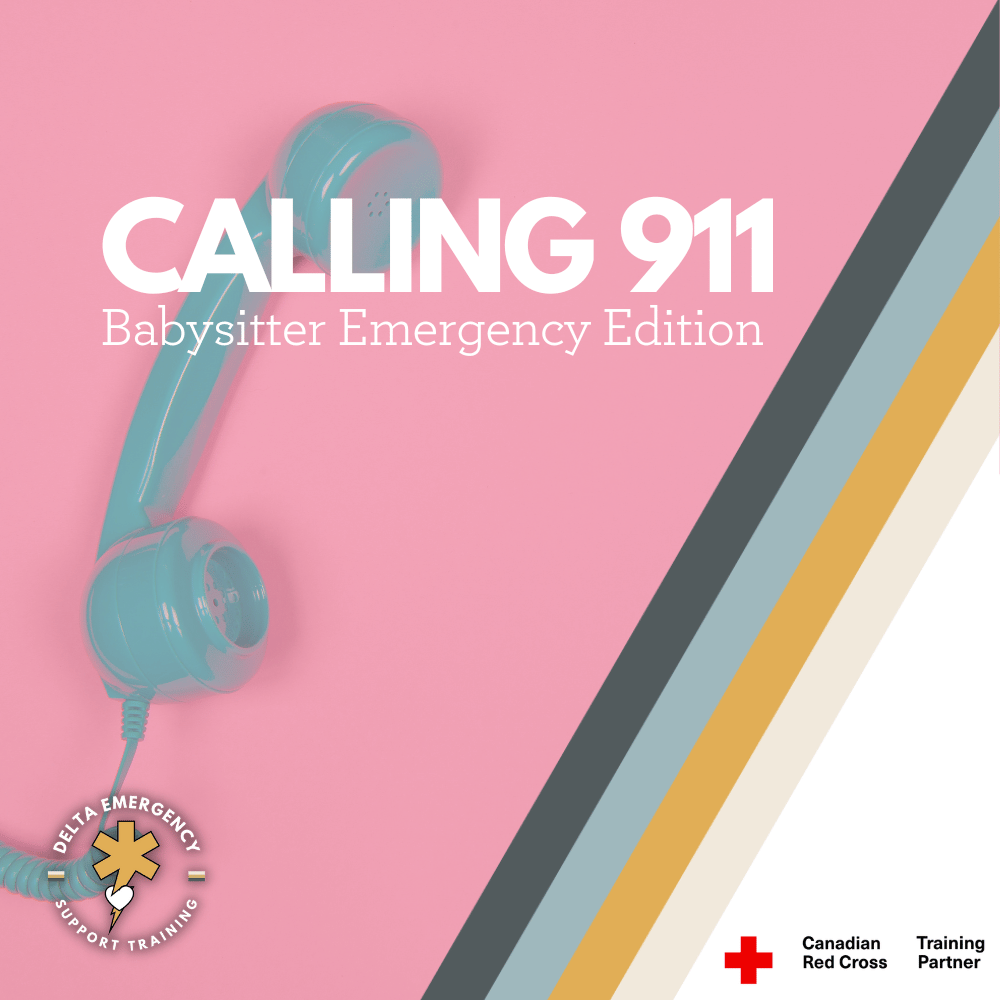
Babysitter and children having a conversation with parents

As a babysitter, one of the most important aspects of your job is establishing clear, open, and respectful communication with parents. Good communication not only helps create a positive environment for the child but also ensures that the parents feel confident and comfortable with you looking after their little one. Whether you're a seasoned sitter or just starting out, developing strong communication skills with parents is key to building trust and ensuring a smooth babysitting experience.

Here are some essential communication skills every babysitter should practice:

1. Be Clear and Transparent from the Start

Before you even begin babysitting, it’s crucial to establish clear expectations with the parents. This includes discussing:

  • Schedule Details: When will you arrive? When will you leave? What time will the child go to bed?

  • Household Rules: Are there any specific rules regarding screen time, snacks, or behavior expectations?

  • Emergency Protocols: Where are the first aid kits? How can you contact the parents in case of an emergency?

  • Location Guidelines: Are there any areas or rooms in the house that are off-limits to the child? Can you take them to the park or on a walk outside?

By laying all this out in advance, you reduce the chances of any misunderstandings down the line. The more information you have, the better prepared you’ll be.

2. Discuss Daily Routines & Schedules

It’s important to ask parents about their child’s daily routines, as these can help you provide a sense of normalcy and comfort for the child. Some key things to discuss include:

  • Sleep Schedules: When does the child normally nap or go to bed? What bedtime routine works best for them (reading a book, playing soft music, etc.)?

  • Meal Times and Snacks: What is the child’s typical eating schedule? Are there any specific foods or snacks they enjoy (or dislike)? Be sure to ask about any allergies or food restrictions.

  • Favorite Activities: Does the child have any favorite toys, games, or hobbies you should engage in? This helps you bond with them and make the experience more enjoyable.

Having a clear understanding of these routines ensures that the child feels secure and is kept on their regular schedule, even when their parents are away.

3. Ask About Screen Time & Digital Entertainment

In today’s digital age, it’s essential to discuss the parents’ preferences for screen time. Some parents may be strict about limiting TV or tablet time, while others may allow more flexibility. Be sure to ask:

  • How much screen time is allowed: Is there a limit on TV shows, movies, or gaming time?

  • Preferred shows or apps: If screen time is allowed, are there specific shows, movies, or educational apps they prefer?

  • Alternatives to screen time: If parents don’t want the child to be on screens too much, what activities do they suggest instead (crafts, puzzles, outdoor play, etc.)?

Being clear on screen time rules helps prevent any misunderstandings and ensures you're following the parents’ guidelines for technology use.

4. Discuss Discipline & Behavior Expectations

Every family has different approaches to discipline, and it’s essential to know the boundaries and strategies they prefer you to use. Some parents may use positive reinforcement (praise and rewards), while others might have specific time-out routines or other methods. Be sure to ask:

  • Discipline methods: What do parents consider acceptable or unacceptable behavior? How should you address any misbehavior?

  • What to do in case of a tantrum: Does the child have specific triggers or ways they prefer to calm down? Should you let them cry it out, or do they need more comfort?

  • Words and phrases to avoid: Some parents may have specific words they prefer you avoid (like “no” or “don’t”), and they may use positive language instead.

Knowing how to handle discipline ensures consistency in how the child is treated, making the transition from parent to babysitter seamless.

5. Know What’s Safe and Where You Can Go

It’s important to get permission for any activities you plan on doing outside the home. Some parents may have strict rules about where their child can go or who they can be around. Discuss:

  • Where you can take the child: Are you allowed to take them to the park, the store, or on a walk?

  • Visitors or friends: Is it okay to have a friend or neighbor come over while you're babysitting?

  • Outdoor activities: Can you play in the yard, or are there any restrictions regarding outdoor play (e.g., no playgrounds, only in the front yard)?

Having clear guidance on this will prevent any potential issues and ensure that both you and the parents are on the same page regarding boundaries.

6. Provide Regular Updates

Parents will appreciate knowing how things are going while they’re away. Depending on the length of the sitting, consider sending short updates on how their child is doing. For example:

  • "Everything is going great! We just finished dinner, and now we’re reading a book before bed."

  • "We’re having a blast! Just wanted to let you know that your little one is settling in well for a nap."

These updates not only reassure parents but also demonstrate that you're attentive and engaged with their child’s needs.

7. Use Positive Language

Even if you encounter challenges or difficult moments during your time babysitting, try to frame them positively. For example, instead of saying, “The child refused to take a nap,” you could say, “It took a little extra time for the child to wind down, but we’re working on a quiet activity in the meantime.”

Positive communication reinforces the idea that you're focused on problem-solving and providing the best care, rather than dwelling on any negative situations.

8. End the Babysitting Session with a Summary

When the parents return, take a few minutes to provide a quick summary of how the day went. Let them know about:

  • What activities you did

  • Any challenges faced and how they were handled

  • Whether the child ate well, took a nap, or had any particular emotional moments

This summary not only helps the parents feel more connected to their child’s day but also opens the door for constructive feedback. It shows that you are committed to improving and learning from every experience.

9. Be Open to Feedback

Finally, one of the most important skills you can develop is the ability to receive feedback. After each sitting, ask the parents how things went and if there’s anything you could do differently. Take note of their preferences and continuously improve your approach.

For example, if a parent says they prefer you to limit screen time more strictly or follow a different bedtime routine, make sure you incorporate that feedback next time.

By following these tips and discussing everything from schedules to screen time and discipline methods, you’ll be on your way to becoming the go-to sitter for many families, fostering great relationships and providing exceptional care every time!

10. Professional Training & Certifications: Red Cross Babysitter Courses

As a babysitter, it’s not only important to communicate well with parents, but also to be prepared for any situation that may arise. That’s why it’s essential to invest in professional training to enhance your babysitting skills.

At Delta Emergency Support Training, we offer Red Cross Babysitter Courses that cover essential topics to ensure you’re ready for any emergency and capable of providing the best care for children of all ages.

Our courses include:

  • Caring for Babies: This portion focuses on the specific needs of infants, including safe sleep practices, diapering, feeding, and understanding baby cues. Learning how to care for newborns and toddlers with confidence is a key skill for any sitter, and our course ensures you're fully equipped to handle these delicate stages of childcare.

  • Babysitter’s First Aid: Accidents can happen, and being able to respond quickly and appropriately is crucial. Our Babysitter’s First Aid class teaches you the fundamentals of first aid, from basic wound care to CPR and choking emergencies. You’ll also learn how to assess injuries, manage common illnesses, and make informed decisions in critical situations.

What sets our courses apart is that they’re taught by paramedics with extensive experience in childcare emergencies. These professionals bring a wealth of real-world knowledge, ensuring that you not only learn theoretical concepts but also practical skills that could save lives. They will guide you through hands-on scenarios and provide you with the knowledge needed to remain calm and effective in high-pressure situations.

By becoming Red Cross certified, you gain parents' trust and demonstrate that you’re committed to providing top-notch care in all situations. Parents will appreciate knowing that their child is in the hands of a qualified sitter who knows how to react if the unexpected happens.

Read More

How Babysitters Can Handle Emergencies: When to Call 911 and What to Do

Emergencies can happen unexpectedly, and as a babysitter, knowing how to respond quickly is essential. One of the most important skills is knowing when to call 911. Whether it’s a child choking, having a seizure, or becoming unconscious, your quick action could save a life. It’s crucial to always know the address of the home you’re babysitting at, as this information can help emergency responders reach you faster. Remember, better to call 911 and not need them than to not call and need them—911 call-takers are there to guide you through the process and ensure help arrives as quickly as possible. Stay calm, stay prepared, and always trust your instincts when it comes to emergencies.
Emergencies can happen at any time, and when you're babysitting, it’s important to know how to respond quickly. Whether you're watching kids at home, looking after younger siblings, or taking care of someone else’s children, you have to be prepared for anything. Knowing when and how to call 911 is especially important because your quick action could save a life.

In this blog, we'll talk about common emergencies, how to stay calm, and why knowing your address and how to call 911 is so critical.

Why It’s So Important to Know How to Call 911

As a babysitter, you might be the first person to handle an emergency. If something happens—a child gets hurt, gets sick, or something else goes wrong—you might need to call 911 for help.

One of the most important things to remember when calling 911 is knowing where you are. If you can’t tell the dispatcher your address, it can delay help. That means it’s crucial to always know the address of the home where you’re babysitting, including the apartment number if applicable. Make sure you have this info handy in case you need it quickly!

When to Call 911: What Counts as an Emergency?

Some situations can be handled with basic first aid, but others are more serious and require immediate help. Here are some examples of when you need to call 911 without hesitation:

1. The Child is Unconscious or Not Responding

If the child or anyone you’re caring for becomes unresponsive, it’s a big emergency. If they’re not waking up, won’t talk, or are just unresponsive, you need to get help right away.

What to Do:

  • Check if the child is breathing. If they are not breathing or are gasping, call 911 immediately. If you're trained in CPR, you may be able to help the child before emergency responders arrive.

  • If they are breathing but still unconscious, gently lay them on their side (recovery position) and call 911 right away.

2. Serious Bleeding

If the child has a large cut or wound that won’t stop bleeding, that’s a serious emergency. You need to stop the bleeding and get help right away.

What to Do:

  • Apply a clean cloth or bandage to the wound and press down to stop the bleeding.

  • If the wound is really deep, or you can’t stop the bleeding, call 911 and keep pressure on the wound until help arrives.

3. Choking

Choking is a life-threatening emergency, especially if the child can’t breathe or speak. If you are trained in back blows and abdominal thrusts, you should perform these techniques as you were taught. If the child becomes unconscious, you should immediately call 911.

What to Do:

  • If you are trained in abdominal thrusts and back blows (to help expel the object blocking their airway), perform these techniques as you’ve been taught.

  • If the child becomes unconscious, call 911 immediately. If you are trained to save a choking person, you have a good chance of saving them.

  • Keep performing your life-saving techniques until the child can breathe or emergency help arrives.

4. Severe Allergic Reaction (Anaphylaxis)

Severe allergic reactions (also known as anaphylaxis) can cause swelling in the throat and make breathing difficult. Common triggers include bee stings, food allergies (like peanuts), or certain medications.

What to Do:

  • If the child has an epinephrine auto-injector (EpiPen), use it right away.

  • Then, call 911 immediately to get professional help.

5. Seizures

If the child has a seizure, especially if they’ve never had one before, you should call 911. This is important because first-time seizures can be a sign of something serious, and even if the seizure doesn’t last long, it’s better to get medical help.

What to Do:

  • Move objects out of the way to prevent injury.

  • Gently cushion their head and lay them on their side if possible.

  • If the child has never had a seizure before, or if it lasts more than a minute, call 911 right away.

6. Trouble Breathing or Chest Pain

If the child is having trouble breathing, or complains of chest pain, these could be signs of a serious medical condition like a heart attack or a severe asthma attack.

What to Do:

  • Help them sit up and stay calm.

  • If they have an inhaler, help them use it.

  • If they are still having trouble breathing or in pain, call 911 immediately.

How to Call 911: What You Need to Tell Them

When you call 911, it’s important to speak clearly and calmly. Here’s what to do:

1. Know Your Address

You must know the address where you're babysitting, including the street name, apartment number (if applicable), and any nearby landmarks. Make sure you have this info written down or memorized before the emergency happens so you can give it to 911 right away.

2. Speak Clearly

When you’re panicked, it can be hard to talk clearly. Take a deep breath, stay calm, and explain what’s going on as best as you can. Tell the dispatcher the emergency, the condition of the child, and the address where help is needed.

3. Describe the Situation

Tell the dispatcher what happened and the child’s condition. For example:

  • “The child is unconscious and not breathing.”

  • “They’re choking on food and can’t breathe.”

4. Follow the Dispatcher’s Instructions

The dispatcher might give you advice on what to do while you wait for emergency help to arrive. Listen carefully and do your best to follow their instructions.

5. Stay on the Line

Don't hang up until the dispatcher tells you it's okay. They may need more information or updates as emergency responders get closer.

When in Doubt, Call 911

If you're ever unsure whether something is an emergency, it’s always better to call 911. Better to call and not need them than to not call and need them. 911 call-takers are there to help and guide you through the situation. They won’t judge you for calling and are trained to assist you no matter what the emergency is. Trust your instincts—if you feel the child’s health or safety is at risk, don’t hesitate to call for professional help.

Conclusion: Be Prepared, Stay Calm, and Get Help

Babysitting comes with a lot of responsibility. Emergencies can happen quickly, but being prepared can make all the difference. The key is staying calm, knowing when to call 911, and having the information you need to guide emergency responders.

At Delta Emergency Support Training, we offer Red Cross Babysitting courses that cover all the important topics you need to be ready for anything. Our course is taught by paramedics and includes one session on caring for babies and another session dedicated to babysitter first aid, where you’ll learn life-saving techniques like CPR, how to handle injuries, and what to do in different emergency situations. You’ll leave our course with the skills and confidence to handle any emergency that comes your way.

Read More
Babysitter Training, Babysitter, Allergies Kumari Malhotra Babysitter Training, Babysitter, Allergies Kumari Malhotra

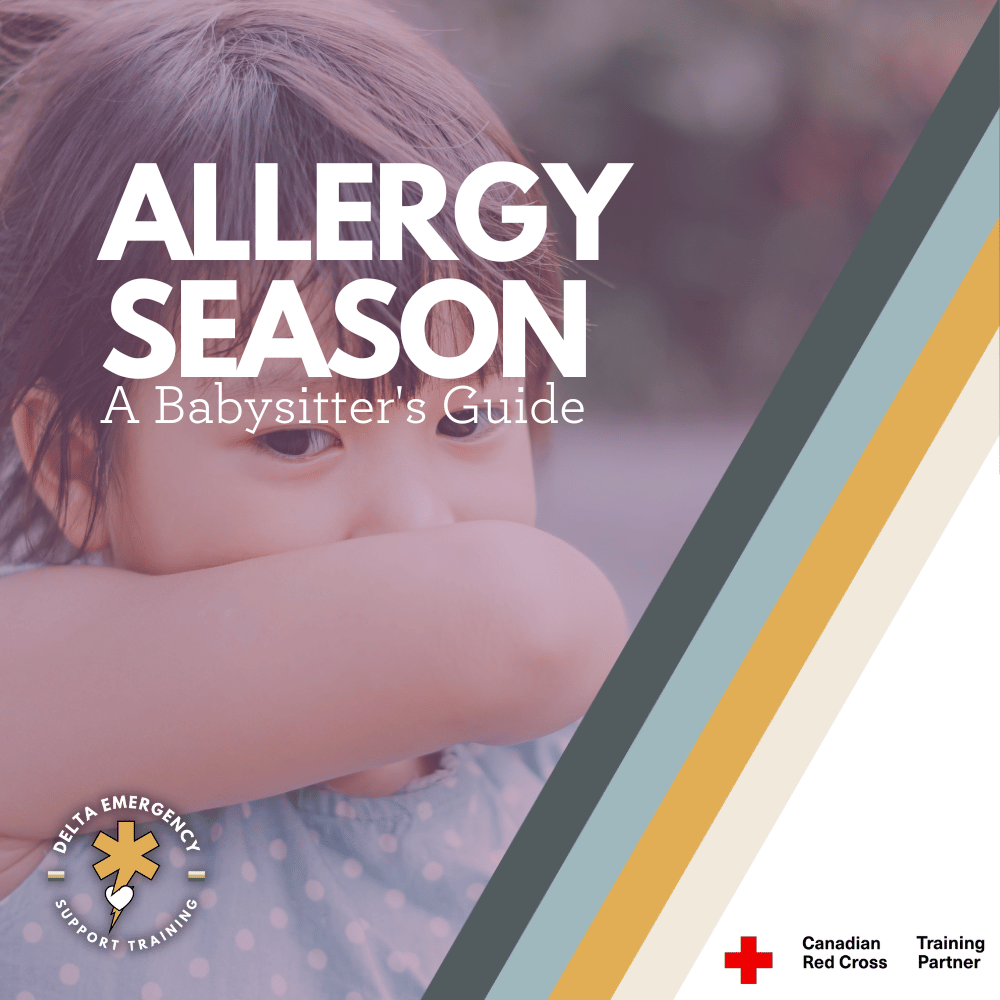
Spring Allergies: A Babysitter's Guide to Keeping Kids Comfortable

For babysitters, spring time can present unique challenges when caring for children who are prone to allergies. Whether you're a seasoned sitter or new to the game, understanding how spring allergies can affect kids and what you can do to help can make a world of difference in keeping both you and your little charges sane and sniffle-free.
Small child with allergies

As spring blooms and the air fills with the scent of flowers, it also brings along something less pleasant: seasonal allergies. For babysitters, this time of year can present unique challenges when caring for children who are prone to allergies. Whether you're a seasoned sitter or new to the game, understanding how spring allergies can affect kids and what you can do to help can make a world of difference in keeping both you and your little charges sane and sniffle-free.

Understanding Spring Allergies

Before diving into strategies for managing spring allergies in children, it's crucial to understand what causes them. Spring allergies, also known as hay fever or allergic rhinitis, are typically triggered by pollen from trees, grasses, and weeds. When these tiny grains are inhaled, they can cause the immune system to overreact, leading to symptoms like sneezing, congestion, itchy eyes, and a runny nose.

Children are not immune to the woes of seasonal allergies, and in fact, they can be more susceptible due to their still-developing immune systems. Additionally, kids tend to spend more time outdoors during the spring months, increasing their exposure to pollen.

Recognizing Symptoms

As a babysitter, it's essential to be able to recognize the signs of spring allergies in the children you're caring for. Symptoms may vary from child to child, but common indicators include:

  • Frequent sneezing

  • Runny or stuffy nose

  • Itchy or watery eyes

  • Coughing

  • Fatigue or irritability

If you notice these symptoms in a child under your care, especially if they seem to worsen when spending time outdoors, it's essential to communicate with their parents and follow any guidance or medication instructions they provide.

Managing Spring Allergies

While you may not be able to control the pollen count outside, there are several steps you can take as a babysitter to help alleviate symptoms and keep kids comfortable:

1. Limit Outdoor Time

On days when pollen counts are high, try to keep outdoor activities to a minimum, especially during the early morning hours when pollen levels tend to peak. Instead, opt for indoor activities like arts and crafts, reading, or playing games.

2. Keep Windows Closed

While it may be tempting to let in the fresh spring air, keeping windows and doors closed can help prevent pollen from entering the home and exacerbating allergy symptoms. If the weather permits, use air conditioning instead.

3. Encourage Handwashing

Encourage frequent handwashing, especially after outdoor playtime. Pollen can easily stick to hands and clothing, so a thorough wash can help remove any allergens and prevent them from being transferred to the face.

4. Create an Allergy-Friendly Environment

Consider using allergy-proof pillow and mattress covers in the child's bedroom to minimize exposure to dust mites and other indoor allergens. Additionally, regularly vacuuming and dusting can help keep indoor allergens at bay.

5. Offer Allergy Medication

If the child's parents have provided allergy medication, make sure to administer it according to their instructions. Antihistamines can help alleviate symptoms like sneezing and itching, but always double-check dosage guidelines and any potential side effects.

6. Stay Informed

Stay up-to-date on local pollen forecasts and be aware of any specific allergens that may be prevalent in your area. This knowledge can help you better anticipate and manage allergy symptoms in the children you're caring for.

Conclusion

Spring allergies can put a damper on outdoor fun, but with the right strategies in place, you can help keep kids comfortable and symptom-free. By understanding the causes and symptoms of seasonal allergies and taking proactive steps to minimize exposure to allergens, you can ensure that your babysitting adventures are filled with laughter and play instead of sneezes and sniffles.

Read More
Babysitter, Babysitter Training, Outdoor Play Kumari Malhotra Babysitter, Babysitter Training, Outdoor Play Kumari Malhotra

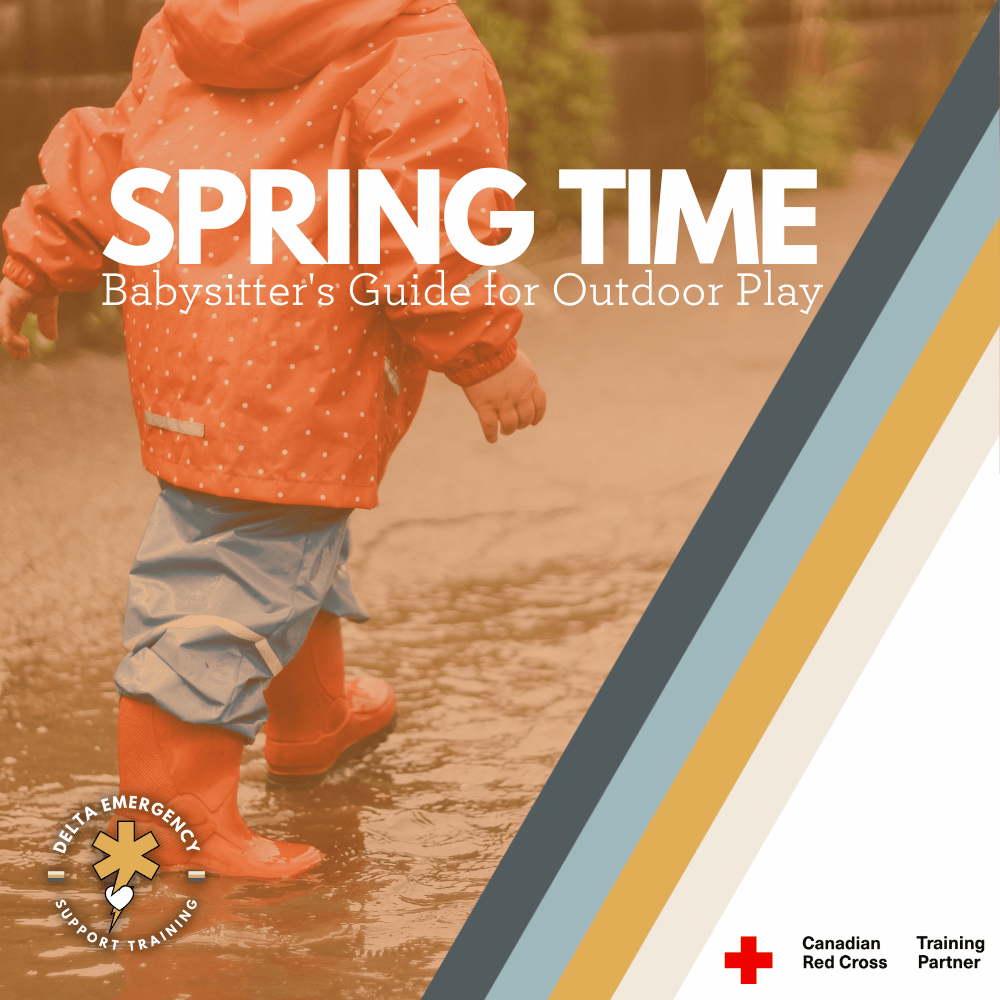
Spring Time: Babysitter's Guide for Outdoor Play

As a babysitter, navigating springtime weather can be a challenge, but with the right preparation, you can ensure that the kids you care for are ready to tackle outdoor play with confidence. From layering clothing strategically to packing essential accessories, this guide equips you with practical tips to handle any weather curveballs that spring may throw your way. Stay tuned for expert advice on empowering kids to embrace the joys of outdoor exploration while staying comfortable and safe under your watchful eye.

CHILD IN RAIN GEAR PLAYING IN PUDDLES

As a babysitter, ensuring that the children you care for are dressed appropriately for outdoor play in spring is crucial. With the weather transitioning from cold to warm, and often unpredictable, it's essential to be prepared for anything Mother Nature throws your way. Here's your go-to guide for dressing children for spring outdoor adventures while keeping them comfortable and safe.

1. Layer Strategically:

When dressing children for spring outdoor play, layering is your best friend. Start with a moisture-wicking base layer to keep them dry and comfortable. Then, add a lightweight, breathable middle layer for insulation. Finally, top it off with a waterproof and wind-resistant outer layer to shield them from rain or chilly winds. This way, if temperatures fluctuate throughout the day, layers can be added or removed accordingly to keep them comfortable.

2. Opt for Practical Fabrics:

Choose clothing made from practical fabrics like polyester blends or merino wool, which offer breathability, moisture-wicking properties, and insulation—all essential for unpredictable spring weather. Avoid heavy cotton fabrics, as they tend to absorb moisture and can leave children feeling damp and uncomfortable. Practicality is key when selecting outfits for outdoor play.

3. Essential Accessories:

Don't forget the accessories! Equip children with a waterproof jacket or raincoat, a pair of sturdy gum boots to keep their feet dry in muddy conditions, and a wide-brimmed hat to shield their faces from the sun and rain. Additionally, ensure they have sunscreen applied, even on overcast days, to protect their skin from harmful UV rays.

4. Be Prepared:

As a babysitter, always be prepared for unexpected weather changes. Pack a spare set of clothes, including socks and shoes, in case they get wet or muddy during outdoor play. Carry a lightweight, packable umbrella in your bag for unexpected showers. Being prepared ensures that you can handle any weather-related challenges that arise during your babysitting adventure.

5. Encourage Independence:

Encourage children to take an active role in dressing themselves for outdoor play. Provide them with clothing options that are easy to put on and take off, such as Velcro-fastening shoes or zip-up jackets. Teaching them to check the weather forecast and choose appropriate clothing fosters independence and responsibility.

6. Stay Flexible and Have Fun:

Remember to stay flexible and adaptable. Spring weather can be unpredictable, and despite your best efforts, children may still get wet or cold during outdoor play. Embrace the opportunity for spontaneous adventures—jumping in puddles, exploring nature, or even building a snowman if it snows unexpectedly. The key is to have fun and make lasting memories together.

In conclusion, dressing children for spring outdoor play as a babysitter requires preparation, practicality, and flexibility. By layering clothing, choosing practical fabrics, providing essential accessories, being prepared for any weather, encouraging independence, and staying flexible, you can ensure that the children you care for stay comfortable, safe, and ready for fun, no matter what spring weather brings. So, gear up, embrace the adventure, and enjoy the beauty of spring outdoors with the children in your care!

Read More

Child Safety: The Essential Guide to Correct Car Seats

In a world where safety is everything, your child is truly precious cargo. That's why our comprehensive guide to child car seats is essential for every parent and caregiver. From understanding the different types of seats to mastering proper installation techniques, we've got you covered. Whether it's selecting the right seat for your child's age and size or ensuring compliance with safety regulations, our expert advice will help you navigate the road with confidence, knowing your little one is protected every mile of the way.
Little girl being buckled into car seat by her father

Ensuring the safety of our children is a responsibility that transcends all others, especially when it comes to travel in vehicles. The choice of car seat and the manner in which it's used can make all the difference in safeguarding our precious passengers. Let's delve into the crucial aspects of selecting and utilizing the right car seat for your child's age, weight, and height.

Understanding the Types of Car Seats

Rear-Facing Car Seat:

For infants, a rear-facing car seat is non-negotiable. It provides optimal protection for delicate heads, necks, and spines during sudden stops or crashes. As your child grows, transitioning to a larger rear-facing seat, and continuing its use until they reach the manufacturer's weight and height limits, ensures their safety until the age of 2, 3, or even 4 years old.

Forward-Facing Car Seat:

Once your child outgrows the rear-facing seat and reaches at least 2 years old, they can graduate to a forward-facing car seat equipped with a 5-point harness. It's crucial to keep them in this harness until they weigh at least 18 kg (40 lb) and can sit upright without slouching or unbuckling—a milestone typically achieved around 4, 5, or even 6 years old.

Booster Seat:

Upon outgrowing the forward-facing seat, usually around 4 years old and at least 18 kg (40 lb), transitioning to a belt-positioning booster seat is the next step. However, it's paramount that your child can sit correctly in the booster seat, ensuring the lap belt rests snugly across their hips and the shoulder belt lies across their chest and collarbone, between the neck and shoulder.

Seat Belt:

Once your child reaches a height of at least 145 cm (4’ 9”), they may be ready to transition to using an adult seat belt. However, it's imperative that the belt fits them properly—knees bent comfortably, lap belt low and snug across the hips, and shoulder belt positioned between the neck and shoulder without causing discomfort.

Installation and Usage Guidelines

Installing a Car Seat with a 5-Point Harness:

  1. Place the car seat in the back seat and secure it using the Universal Anchorage System (UAS) or the vehicle seat belt.

  2. Ensure the seat is tightly secured, with minimal movement.

  3. Follow the manufacturer's instructions for recline angle adjustment (for rear-facing seats) and tether strap usage (for forward-facing seats).

Securing Your Child in a 5-Point Harness:

  • For rear-facing children, adjust harness straps to be level with or just below the shoulders.

  • For forward-facing children, position harness straps at shoulder level or just above.

  • Tighten harness straps snugly, ensuring no slack or twists, and place the chest clip at armpit level.

  • Avoid bulky clothing or snowsuits, as they can interfere with proper harness fit.

Using a Booster Seat:

  • Ensure the lap belt fits low and snug across the hips and the shoulder belt rests over the chest and collarbone.

  • Follow manufacturer instructions for routing the seat belt through any guides or armrests.

Ensuring Safety and Compliance

  • Always check for the National Safety Mark and review age, weight, and height limits specified by the manufacturer.

  • Replace car seats involved in any crash, even minor ones, and be mindful of expiration dates.

  • Regularly check for recalls and register the seat with the manufacturer for updates.

  • Utilize online resources, community car seat clinics, and manufacturer tutorials for guidance and support.

Additional Safety Tips

  • Never leave a child unattended in a car and use memory aids to prevent unintentional forgetfulness.

  • Avoid using unauthorized accessories and ensure the infant carrier is securely placed and never on elevated surfaces.

  • Prioritize safe sleep practices by removing the child from the car seat upon arrival.

In conclusion, correct car seat usage is paramount for ensuring the safety and well-being of our children during travel. By adhering to safety regulations, following installation and usage guidelines, and staying informed about safety updates, we can mitigate risks and provide the highest level of protection for our precious passengers. Let's commit to prioritizing child safety on the road, one journey at a time.

Read More

Babysitting Safety Tips: Ensuring the Well-Being of the Children in Your Care

Investing in your education as a babysitter is paramount. Delta Emergency Babysitting classes offer a comprehensive online curriculum designed to equip you with the physical skills, knowledge, and invaluable tricks of the trade needed to excel in your role. These classes, accessible across Canada, go beyond the basics, providing insights into handling emergencies, navigating challenging situations, and fostering a safe and nurturing environment for the children under your care. By enrolling in Delta Emergency Babysitting classes, you'll gain the confidence and competence necessary to handle any scenario that may arise while babysitting, ensuring the well-being and security of the children entrusted to you.

Kids hanging out having a good time

Babysitting is not just about entertaining children; it's also about keeping them safe and secure. Whether you're a seasoned babysitter or just starting out, implementing safety precautions is crucial to ensure a smooth and secure experience for both you and the children you're looking after. Here are some detailed safety tips to help you navigate your babysitting responsibilities with confidence:

1. Familiarize Yourself with the Home Environment

Before the parents or guardians leave, take a tour of the house to familiarize yourself with the layout, potential hazards, and where essential items are kept. This includes knowing where the first aid kit, emergency contact numbers, and fire extinguishers are located.

2. Emergency Contact Information

As mentioned, it's essential to have the address written on a sticky note and placed on the fridge, along with parents' or guardians' phone numbers. In case of an emergency, you'll have immediate access to this vital information without delay.

3. Communication Plan

Have either the family home line or your own cell phone handy to call anyone in case of an emergency. Additionally, keep in touch with the family to update them on activities, changes of plans, or any concerns that arise during your time babysitting.

4. Childproofing Measures

Ensure that the home environment is childproofed to prevent accidents. This includes keeping cleaning supplies, medications, sharp objects, and small choking hazards out of reach of children. Secure cabinets and drawers containing potentially dangerous items.

5. Fire Safety

Familiarize yourself with the home's fire escape plan and ensure that smoke detectors are working correctly. Teach children about fire safety, including the Stop, Drop, and Roll technique, and how to crawl under smoke if necessary.

6. Water Safety

If there's a pool or bathtub in the house, never leave children unattended near water, even for a moment. Make sure children wear appropriate flotation devices if they're swimming and know basic water safety rules.

7. First Aid Skills

It's crucial to have basic first aid knowledge, including CPR and choking rescue techniques. Take a certified first aid and CPR course to prepare yourself for any emergencies that may arise while babysitting.

8. Allergies and Medical Needs

Ask the parents or guardians about any allergies or medical conditions the children have, as well as any medications they may need. Ensure you know where medications are stored and how to administer them if necessary.

9. Stranger Danger

Teach children about stranger danger and the importance of not opening the door to anyone they don't know. Instruct them to always check with you or their parents before answering the door.

10. Safe Play

Encourage safe play by providing age-appropriate toys and activities. Supervise children closely, especially when they're engaging in physical activities or playing outdoors.

11. Safe Sleeping Environment

Ensure that infants and young children have a safe sleeping environment by placing them on their backs in a crib with no loose bedding, pillows, or stuffed animals. Follow safe sleep guidelines to reduce the risk of Sudden Infant Death Syndrome (SIDS).

12. Stay Calm and Collected

In the event of an emergency, it's essential to stay calm and collected. Assess the situation, and if necessary, call emergency services immediately. Follow any first aid procedures you've learned until help arrives.

Conclusion

In addition to these safety tips, consider enrolling in Delta Emergency Babysitting classes, which are available online across Canada. These classes provide not only physical skills but also invaluable knowledge and tricks of the trade to help you become the best babysitter you can be. By investing in your education and preparation, you'll be equipped to handle any situation with confidence and ensure the well-being of the children under your care. Remember, being a babysitter is not just about supervising playtime; it's about safeguarding precious lives and creating a secure environment where children can thrive.

Read More

Building Bridges: Caring for Kids with Autism

Welcome to the world of superhero babysitting! Whether you're a seasoned childcare professional or a brand-new babysitter, get ready for an adventure like no other. Caring for children with autism is like stepping into a universe of unique abilities, colorful personalities, and incredible strengths.

Just like each superhero has their own superpowers, children with autism have their own extraordinary ways of thinking and processing information. Understanding this spectrum is the key to unlocking a world of joy and connection during your babysitting journey.

Before you embark on this adventure, let's equip you with the superhero toolkit. Think of it as a guide to understanding the quirks, routines, and communication styles that make each child with autism a one-of-a-kind superhero.
wOMAN AND CHILD HOLDING HANDS WHILE WALKING THROUGH A SUNNY FIELD

Babysitting is an adventure, full of laughter and discovery. But when it comes to caring for children with autism, a little extra know-how can make all the difference. Autism spectrum disorder (ASD) is like a puzzle, and each child is a unique piece. In this guide, whether you're a childcare pro or a first-time babysitter, we'll walk you through the journey of making this experience positive, inclusive, and fun for everyone involved.

Understanding Autism

Imagine a rainbow where every color represents a unique way of thinking. That's autism – a spectrum of different abilities, challenges, and strengths. Some kids think in pictures, some love routines, and some might find comfort in specific patterns. Let's explore how you can connect with these incredible children.

Before the Adventure

Before diving into babysitting, let's equip ourselves with the ABCs of autism care.

  1. Learn the Basics:

    • Autism comes with its quirks. Some kids love repeating actions, others need routine like a daily superhero mission.

  2. Quick Facts about Kids with Autism:

    • Repetition is common, routines are superheroes.

    • Simple sentences are like magic spells.

    • Non-verbal communication is a superpower.

  3. Meet and Greet:

    • A pre-babysitting visit is like meeting a new friend. Learn about the child's world, understand their routines, and see the magic unfold.

Getting to Know Your Little Superhero

Now, let's dive into the specifics to ensure you're the best babysitter or childcare pro around!

  1. Super Routines and Rules:

    • Every superhero has a routine. Ask about the child's daily mission and stick to it.

    • Some kids may get upset if their routine is interrupted, so follow their superhero handbook.

  2. Diet Detective:

    • Uncover the secrets of the child's diet. Many have unique tastes – superheroes in training might not like certain textures or colors of food.

  3. Communication Magic:

    • Discover how your little superhero communicates. Some use words, some use signs, and others might be silent superheroes. Adapt to their style.

  4. Problem-Solving Sidekick:

    • Every superhero faces challenges. Learn what triggers their superpowers or makes them feel uneasy. Understand how to calm them down.

  5. Emergency Heroes:

    • Superheroes have backup plans. Know who to call in case of an emergency. Understand any special medical conditions, powers, and how to keep them safe.

Connecting with Your Superhero

Building a connection is the key to a super babysitting experience.

  1. Super Interests:

    • Every superhero has a favorite topic. Discover their passion – it's the gateway to their heart.

  2. Communication Charm:

    • Use your super communication skills. If words are tricky, try signs, pictures, or just being an awesome listener.

  3. Calmness is a Superpower:

    • Help your superhero stay calm with tools like stress balls or fidget toys. You're the superhero sidekick they need.

  4. Power of Play:

    • Engage in activities they love. Be their play partner in crime, whether it's freeze dance or a crafty mission.

  5. Sweet Dreams, Superhero:

    • Ensure a peaceful night's sleep. Bedtime routines and calming stories can be your secret weapon against sleep troubles.

Meltdown Management 101

Even superheroes have tough moments. Here's how you can be their ultimate ally.

  1. Detect and Deflect:

    • Identify triggers and avoid them whenever possible.

  2. Tips for Taming Meltdowns:

    • Distract, stay close, and use calming techniques like breathing exercises or a favorite toy.

    • Always explain your actions to maintain trust.

Conclusion

Babysitting superheroes with autism is a fantastic journey filled with friendship and discovery. By being a flexible and understanding ally, you're not just a babysitter – you're a superhero sidekick, making the world a little brighter for these incredible kids. Embrace the adventure, and let the fun begin!

Read More

Understanding Poison: Recognizing Signs and Taking Action

Attention first aiders! Dive into our comprehensive blog to understand poisoning emergencies and gain the knowledge you need for immediate response. From injection and inhalation to ingestion and skin absorption, equip yourself with essential first aid tips tailored for first aiders. Learn to recognize signs and symptoms, understand common causes, and embark on the journey to a safer, well-prepared home. Your loved ones depend on you – be ready.

When it comes to first aid, knowledge is power. Poisoning is a serious emergency that can occur through various means, including injection, ingestion, inhalation, and absorption. In this blog post, we'll explore the different ways poisons can enter the body and the signs and symptoms associated with each method. Being aware of these indicators is crucial for prompt and effective first aid response.

Cleaning supplies with skull and crossbones logo on bottles.

Injection

Poisoning through injection can happen when a toxic substance is introduced directly into the bloodstream. This could occur through bites, stings, or accidental needle sticks. Common signs and symptoms include localized pain, swelling, redness, and sometimes systemic effects such as dizziness, nausea, and altered level of consciousness (LOC). If you suspect injection poisoning, seek medical attention immediately.

Inhaled Poison

Inhalation of poisonous substances poses a serious threat to the respiratory system. Symptoms may include difficulty breathing, wheezing, coughing, cyanosis (bluish skin), dizziness, nausea, and chest pain. If someone is exhibiting these signs after exposure to a potentially toxic substance, move them to fresh air immediately. Call for emergency medical assistance and perform CPR if necessary.

Absorption

Certain poisons can be absorbed through the skin, leading to symptoms such as itching, irritation, blistering, rashes, and flaky skin. If you suspect someone has come into contact with a poisonous substance, quickly remove contaminated clothing and rinse the affected area with copious amounts of water. Seek medical help promptly.

Ingested Poison

Ingesting poisonous substances is a common way people are exposed to toxins. Signs and symptoms of ingested poisoning include nausea, vomiting, burns around or inside the mouth, unusual breath odor, and abdominal pain. If someone has ingested a toxic substance, call your local poison control center immediately and follow their guidance. In severe cases, seek emergency medical attention.

Common Causes of Poisoning: Identifying and Mitigating the Risks

Carbon Monoxide: The Invisible Threat

Not all poisons are ingested; some are inhaled. Carbon monoxide, an odorless and colorless gas, is a silent killer. Ensure there's a carbon monoxide alarm in every sleeping area of your home to detect this deadly gas and take immediate action.

Button Batteries: Small Devices, Big Danger

Found in musical greeting cards, remote controls, and small electronic devices, button batteries pose a significant threat, especially to young children. Ingestion can lead to serious burns in the esophagus within hours. Parents should be vigilant, and if ingestion is suspected, seek medical attention immediately.

Iron Pills: A Hidden Hazard for Children

Adult-strength iron pills are highly dangerous for children. Ingestion can lead to severe symptoms such as vomiting blood or bloody diarrhea in less than an hour. Keep these pills out of reach of children, and if ingestion occurs, seek emergency medical help.

Chemical Burns from Cleaning Products

Certain cleaning products, including drain openers, toilet bowl cleaners, rust removers, and oven cleaners, can cause chemical burns comparable to those from fire. Inhalation of bleach, toilet bowl cleaner, and other substances can also pose significant poison hazards. Take precautions and store these products safely.

Nail Glue Remover and Nail Primer: Surprising Dangers

Products used for artificial nails, such as nail glue remover and nail primer, can be poisonous. Ingestion may lead to cyanide poisoning or burns to the skin and mouth. Keep these products out of reach of children and use them with caution.

Hydrocarbons: A Broad Category with Hidden Risks

Hydrocarbons, including gasoline, kerosene, and paint thinner, can be easily ingested, posing a risk of choking and lung damage. Inhaling these substances can lead to breathing difficulties and lung inflammation. Proper storage and caution are crucial to prevent accidental ingestion.

Pesticides: Caution in Pest Control

Pesticides used to eliminate bugs and pests must be handled carefully to avoid harm to humans. These chemicals can be absorbed through the skin or inhaled, affecting the nervous system and respiratory function. Follow safety guidelines when using pesticides.

Windshield Washer Solution and Antifreeze: Small Amounts, Big Consequences

Even small amounts of windshield washer solution and antifreeze can be poisonous to humans and pets. Ingestion can lead to blindness (windshield washer solution) or kidney failure (antifreeze). Store these liquids securely and seek immediate medical attention if ingested.

Wild Mushrooms: A Potentially Deadly Harvest

Certain mushrooms can be deadly if ingested. Only experts in mushroom identification can distinguish between poisonous and safe varieties. Exercise extreme caution and avoid consuming wild mushrooms unless verified by a knowledgeable source.

Caustic Cleaners: Devastating Burns

Drain cleaners and toilet bowl cleaners, often strong alkalines or acids, can cause severe burns to the mouth, throat, and stomach if swallowed. Immediate dilution is crucial to limit damage in case of ingestion.

Topical Anesthetics: Unseen Risks

Certain topical anesthetics, found in teething gels, hemorrhoid preparations, anti-itch creams, and sunburn relief agents, can cause seizures or methemoglobinemia, a condition that hinders oxygen transport in the blood. Use these medications cautiously and be aware of potential side effects.

First Aid Tips for Poisoning:

  1. Call for Help: In any poisoning situation, call your local poison control center as well as EMS right away.

  2. Move to Safety: If the poisoning occurred through inhalation, move the affected person to fresh air. If it's ingestion or absorption, ensure the person is in a safe environment.

  3. Provide Comfort: Keep the person calm and reassure them while waiting for professional help.

  4. Do Not Induce Vomiting: Unless directed by a medical professional, avoid inducing vomiting, as it can worsen certain types of poisoning.

  5. Remove Contaminated Clothing: In cases of skin exposure, remove contaminated clothing and rinse the affected area with water.

Conclusion:

Being aware of the common causes of poisoning is the first step in preventing these emergencies. Vigilance, proper storage, and swift action in case of exposure are essential for minimizing the risks associated with various poisonous substances. Always seek professional medical help if poisoning is suspected, and remember, prevention is key.

Read More

Child-Safe Food Guide: Preventing Choking at Every Age

Ensuring child safety during mealtime is crucial. This guide offers age-tailored food safety tips, from mashed veggies for babies to mini sandwiches for preschoolers, minimizing choking hazards. Explore Delta Emergency's Babysitter First Aid Classes, equipping caregivers to handle emergencies and create safer environments.
Safeguarding Our Little Ones

Every parent, caretaker, or babysitter knows the joy and responsibility that comes with nurturing a child. Amidst the laughter, playfulness, and boundless curiosity, ensuring their safety stands as a paramount concern. One of the most prevalent dangers children face, especially during mealtime, is the risk of choking.

Small child eat APPROPRIATE food prepared by a caretaker

However, with vigilance and informed choices, we can significantly reduce this risk. This comprehensive guide focuses on age-appropriate foods, offering a roadmap to safe and enjoyable eating experiences for children of all ages.

For Babies (6-12 months)

The transition to solid foods is a crucial stage in a baby's development. Opt for foods that are not only nutritious but also safe for their delicate systems

Cooked and mashed vegetables

Steamed or boiled vegetables like sweet potatoes, carrots, peas, and squash are rich in essential vitamins and can be easily mashed or pureed for a baby's consumption.

Tip:

Avoid raw vegetables or those that are too hard, as they can pose a choking hazard. Ensure they are cooked until soft enough to mash easily.

Soft fruits

Fruits like bananas, ripe pears, and cooked apples (without skins) are excellent choices. They offer natural sweetness and important nutrients.

Tip:

Remove any seeds or pits, and cut fruits into small, bite-sized pieces to prevent choking.

Soft cereals

Introducing cereals like oatmeal or rice cereal mixed with breast milk or formula can be a gentle way to introduce grains into their diet.

Tip:

Start with a thinner consistency and gradually thicken it as the baby gets used to solid foods.

For Toddlers (1-3 years)

Toddlers are curious and eager to explore different textures and flavors. While expanding their palate, it's crucial to prioritize safety

Cooked pasta

Opt for small pasta shapes like macaroni or penne, and ensure they are cooked until very soft to ease chewing and swallowing.

Tip:

Avoid serving pasta with large amounts of sauce or cheese that can cause choking. Opt for lighter coatings or serve it plain.

Soft cheeses

Cottage cheese, cheese slices or cubes provide a good source of calcium and protein. Choose softer varieties like cheddar or mozzarella.

Tip:

Cut cheese into small, manageable pieces to reduce the risk of choking and ensure easier consumption.

Cooked and diced meats

Lean meats like chicken or turkey, cooked until tender and cut into bite-sized portions, are great sources of protein.

Tip:

Avoid serving meats in large chunks or pieces that may be difficult for toddlers to chew.

For Preschoolers (3-5 years)

As children grow, they become more proficient at eating and handling various types of food. Encourage healthy eating habits while prioritizing safety

Sliced fruits

Offer a variety of fruits cut into manageable slices or cubes, such as watermelon, strawberries, and melon. They're nutritious and easy to handle.

Tip:

Remove any seeds and cut fruits into bite-sized pieces to prevent choking hazards.

Soft cooked vegetables

Broccoli, cauliflower, and carrots are nutritious options that can be steamed or boiled until soft.

Tip:

Cut vegetables into smaller pieces or slices to make them easier to chew and swallow.

Mini sandwiches

Use soft bread and fillings like peanut butter, cream cheese, or thinly sliced deli meats to create small, manageable sandwiches.

Tip:

Cut sandwiches into smaller, bite-sized pieces for easier handling and consumption.

Delta Emergency's Babysitter First Aid

At Delta Emergency, we understand the paramount importance of safeguarding children from choking incidents, especially during mealtime. Our tailored two-day online Babysitter First Aid Classes are designed to equip babysitters, caretakers, and parents with the essential skills and confidence needed to handle emergencies effectively.

Focused Training for Choking Incidents

  • Preventive Measures: Learn food preparation techniques to minimize choking risks.

  • Emergency Response: Acquire step-by-step guidance on swift and effective responses to choking incidents.

Our classes extend beyond choking incidents, covering a spectrum of critical emergency scenarios, ensuring that caregivers are well-prepared for unexpected situations.

Join us in this proactive step towards child safety. Explore age-specific food choices, essential safety tips, and enroll in our Babysitter First Aid Classes to ensure you're equipped to create a safer environment for our beloved children.

To enroll or learn more about our Babysitter First Aid Classes, visit https://deltaemergency.com/advanced-first-aid and take the crucial step towards being prepared for emergencies.

Read More

Halloween Safety Tips for Babysitters and Parents

Halloween, with its costumes, candies, and spooky fun, can be an enchanting experience for kids. However, it also presents unique safety challenges. Ensuring a safe Halloween is crucial for making cherished memories without any unwanted scares. In this blog, we will explore essential Halloween safety tips tailored specifically for babysitters and parents. By following these guidelines, you can ensure that the children under your watch have a delightful and secure Halloween celebration.

As a babysitter or a parent, the safety of the little ones in your care is your top priority. Halloween, with its costumes, candies, and spooky fun, can be an enchanting experience for kids. However, it also presents unique safety challenges. Ensuring a safe Halloween is crucial for making cherished memories without any unwanted scares.

Group of four children trick-or-treating in costumes.

In this blog, we will explore essential Halloween safety tips tailored specifically for babysitters and parents. By following these guidelines, you can ensure that the children under your watch have a delightful and secure Halloween celebration.

Costume Safety

The excitement of choosing costumes is one of the most enjoyable aspects of Halloween. To guarantee costume safety:

1. Flame-Resistant Materials:

When selecting or helping children choose their costumes, prioritize outfits made from flame-resistant materials. This precaution will reduce the risk of accidents if they come into contact with open flames, such as candles or Jack-o'-lanterns.

2. Proper Fit:

Ill-fitting costumes can lead to trips and falls. Ensure that costumes are the correct size, with hems that don't drag on the ground. Make adjustments as necessary to prevent accidents.

3. Reflective Elements:

Halloween festivities often take place in dimly lit conditions. To increase visibility, add reflective tape or stickers to costumes and trick-or-treat bags. This will help drivers see the children more easily, reducing the risk of accidents.

4. Mask Alternatives:

Masks can limit a child's vision, making it difficult for them to navigate their surroundings or cross streets safely. Consider using face paint or makeup to create a spooky look instead, leaving the child's vision unobstructed.

5. Weather-Appropriate Costumes:

Check the weather forecast for Halloween night and choose costumes that are suitable for the conditions. If it's chilly, consider adding layers underneath the costume to keep the child warm.

Candy Inspection

Before the little ones dive into their Halloween candy, it's crucial to inspect all treats for safety:

1. Tampering Checks:

Examine all candy for any signs of tampering, such as torn wrappers or unusual packaging. If anything appears suspicious, it's best to err on the side of caution and discard it.

2. Homemade Treats:

While homemade goodies can be delicious, it's safer to consume only those from trusted sources, like family and friends. Advise the children to avoid homemade treats from unfamiliar houses.

3. Allergy Awareness:

If any child under your care has allergies, carefully read ingredient labels on all treats to ensure they are safe to eat. Consider offering alternative treats or non-food items if allergies are a concern.

Age-Appropriate Supervision

Halloween safety measures vary depending on the child's age. Here's how to tailor your supervision:

1. Young Children (Ages 0-7):

For these little trick-or-treaters, they should always be accompanied by a responsible adult. Stick to well-lit, familiar neighborhoods, and stay on the sidewalks.

2. Preteens (Ages 8-10):

Preteens may crave more independence, but it's still advisable for them to go trick-or-treating in groups with at least one trusted adult present. Discuss their planned route and curfew time beforehand.

3. Teenagers (Ages 11+):

Older kids may want to venture out without direct supervision. If they do, encourage them to stay in groups, carry a fully charged cell phone, and check in with you regularly. Ensure they understand the importance of staying in well-lit areas and not deviating from their planned route.

Stick to Well-Lit Areas

Emphasize to the children the importance of visiting houses with proper lighting and Halloween decorations. Staying in well-lit areas helps ensure visibility and safety. Remind them to respect property boundaries and never enter a stranger's home.

Road Safety

Teach the children the significance of road safety during Halloween:

1. Use Crosswalks:

Emphasize the importance of using crosswalks and obeying traffic signals when crossing streets. Encourage them to lift their masks when crossing for better visibility.

2. Reflective Elements:

Ensure that costumes have reflective elements, such as tape or stickers, to make the children more visible to drivers, especially if they'll be out after dark.

Be Mindful of Traffic

On Halloween night, drivers may be distracted by the festivities and may not be accustomed to the increased foot traffic. Both babysitters and parents should remain vigilant when crossing streets and exercise caution when walking near roadways.

Familiarize Kids with Emergency Procedures

In case the children get separated from their group or feel unsafe, make sure they know what to do:

1. Emergency Contact Information:

Share your address, phone number, and any emergency contact numbers with the children. Consider providing them with a written note in their pocket.

2. Dialing 911:

Teach them how to dial 911 in case of an emergency and when it's appropriate to use it. Ensure they understand the importance of providing their location.

Conclusion

Halloween can be an enchanting and memorable experience for children, filled with costumes, candies, and spooky fun. As a babysitter or parent, your commitment to safety ensures that this holiday remains delightful and secure for the little ones under your care. Remember to prioritize costume safety, inspect Halloween treats, supervise based on the child's age, stay in well-lit areas, teach road safety, and familiarize the children with emergency procedures. By following these tailored Halloween safety tips, you can enjoy a magical and worry-free Halloween celebration with the children you cherish.

Read More