The Delta Dispatch

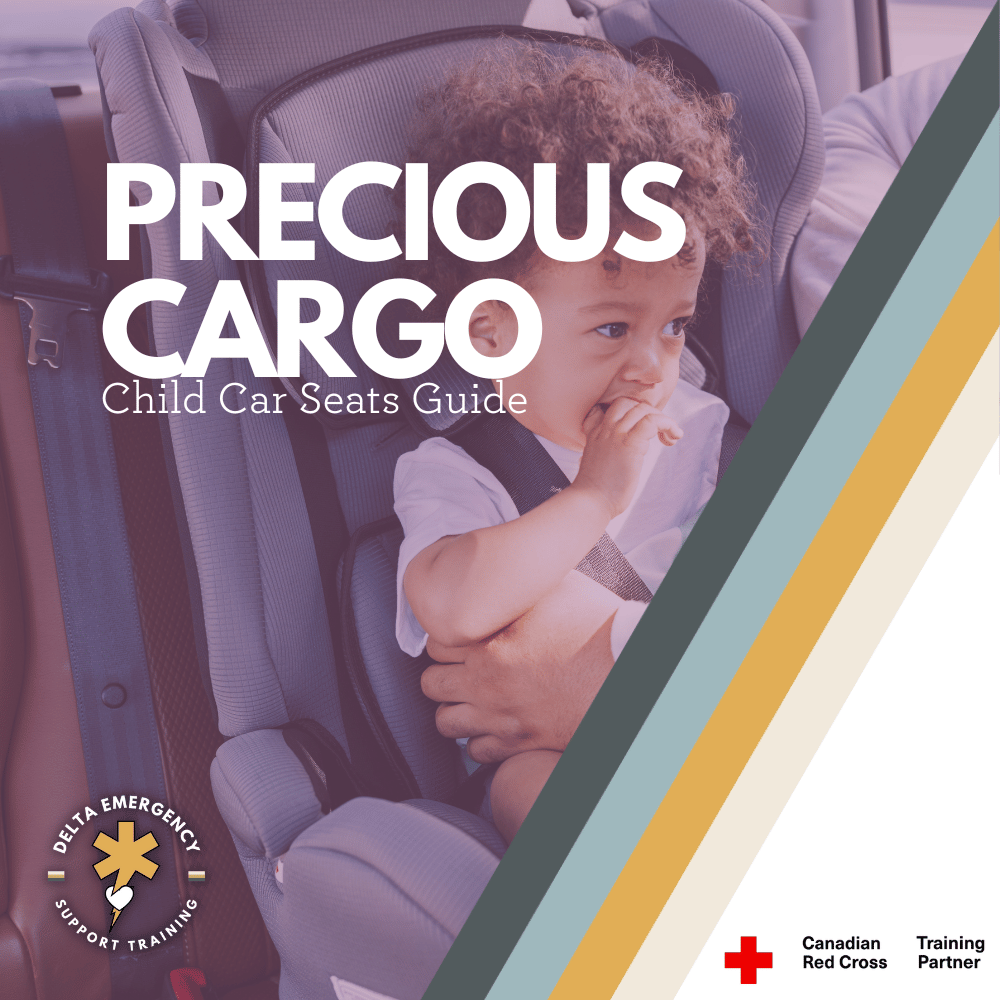
Child Safety: The Essential Guide to Correct Car Seats

In a world where safety is everything, your child is truly precious cargo. That's why our comprehensive guide to child car seats is essential for every parent and caregiver. From understanding the different types of seats to mastering proper installation techniques, we've got you covered. Whether it's selecting the right seat for your child's age and size or ensuring compliance with safety regulations, our expert advice will help you navigate the road with confidence, knowing your little one is protected every mile of the way.
Little girl being buckled into car seat by her father

Ensuring the safety of our children is a responsibility that transcends all others, especially when it comes to travel in vehicles. The choice of car seat and the manner in which it's used can make all the difference in safeguarding our precious passengers. Let's delve into the crucial aspects of selecting and utilizing the right car seat for your child's age, weight, and height.

Understanding the Types of Car Seats

Rear-Facing Car Seat:

For infants, a rear-facing car seat is non-negotiable. It provides optimal protection for delicate heads, necks, and spines during sudden stops or crashes. As your child grows, transitioning to a larger rear-facing seat, and continuing its use until they reach the manufacturer's weight and height limits, ensures their safety until the age of 2, 3, or even 4 years old.

Forward-Facing Car Seat:

Once your child outgrows the rear-facing seat and reaches at least 2 years old, they can graduate to a forward-facing car seat equipped with a 5-point harness. It's crucial to keep them in this harness until they weigh at least 18 kg (40 lb) and can sit upright without slouching or unbuckling—a milestone typically achieved around 4, 5, or even 6 years old.

Booster Seat:

Upon outgrowing the forward-facing seat, usually around 4 years old and at least 18 kg (40 lb), transitioning to a belt-positioning booster seat is the next step. However, it's paramount that your child can sit correctly in the booster seat, ensuring the lap belt rests snugly across their hips and the shoulder belt lies across their chest and collarbone, between the neck and shoulder.

Seat Belt:

Once your child reaches a height of at least 145 cm (4’ 9”), they may be ready to transition to using an adult seat belt. However, it's imperative that the belt fits them properly—knees bent comfortably, lap belt low and snug across the hips, and shoulder belt positioned between the neck and shoulder without causing discomfort.

Installation and Usage Guidelines

Installing a Car Seat with a 5-Point Harness:

  1. Place the car seat in the back seat and secure it using the Universal Anchorage System (UAS) or the vehicle seat belt.

  2. Ensure the seat is tightly secured, with minimal movement.

  3. Follow the manufacturer's instructions for recline angle adjustment (for rear-facing seats) and tether strap usage (for forward-facing seats).

Securing Your Child in a 5-Point Harness:

  • For rear-facing children, adjust harness straps to be level with or just below the shoulders.

  • For forward-facing children, position harness straps at shoulder level or just above.

  • Tighten harness straps snugly, ensuring no slack or twists, and place the chest clip at armpit level.

  • Avoid bulky clothing or snowsuits, as they can interfere with proper harness fit.

Using a Booster Seat:

  • Ensure the lap belt fits low and snug across the hips and the shoulder belt rests over the chest and collarbone.

  • Follow manufacturer instructions for routing the seat belt through any guides or armrests.

Ensuring Safety and Compliance

  • Always check for the National Safety Mark and review age, weight, and height limits specified by the manufacturer.

  • Replace car seats involved in any crash, even minor ones, and be mindful of expiration dates.

  • Regularly check for recalls and register the seat with the manufacturer for updates.

  • Utilize online resources, community car seat clinics, and manufacturer tutorials for guidance and support.

Additional Safety Tips

  • Never leave a child unattended in a car and use memory aids to prevent unintentional forgetfulness.

  • Avoid using unauthorized accessories and ensure the infant carrier is securely placed and never on elevated surfaces.

  • Prioritize safe sleep practices by removing the child from the car seat upon arrival.

In conclusion, correct car seat usage is paramount for ensuring the safety and well-being of our children during travel. By adhering to safety regulations, following installation and usage guidelines, and staying informed about safety updates, we can mitigate risks and provide the highest level of protection for our precious passengers. Let's commit to prioritizing child safety on the road, one journey at a time.

Read More

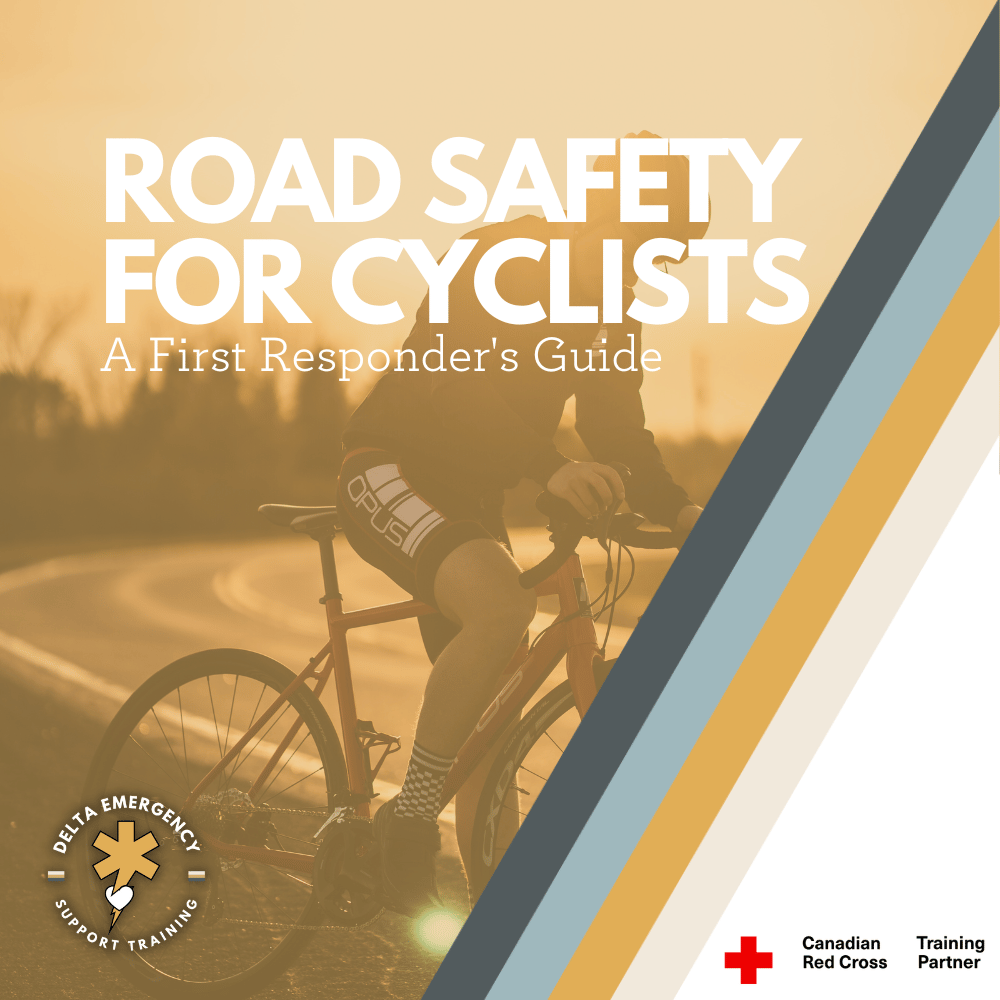
Road Safety Tips for Cyclists: A First Responder's Guide

In our guide for first responders and firefighters, we emphasize crucial road safety tips tailored for cyclists. From the paramount importance of wearing helmets to the necessity of being visible on the road, these insights are indispensable for fostering safer cycling environments. By obeying traffic laws, riding defensively, and utilizing bike lanes effectively, cyclists and motorists can work together to prevent accidents and promote road safety for all.

cyclist riding off to the side of the road

As a first responder, your role in ensuring road safety extends beyond responding to emergencies. It involves proactive measures to prevent accidents and mitigate their impact. When it comes to bicycle safety, understanding the rules of the road and adopting defensive strategies are crucial for both cyclists and motorists. In this guide, we'll explore essential road safety tips for cyclists, equipping first responders and firefighters with knowledge to promote safer roads for everyone.

  1. Wear Your Helmet: The importance of wearing a helmet cannot be overstated. A properly fitted helmet significantly reduces the risk of head injuries in the event of a crash. First responders often witness the devastating consequences of head trauma, making it imperative to stress the importance of helmet use to cyclists. Ensure that your helmet fits snugly and sits level on your head, with the straps securely fastened.

  2. Be Visible: Visibility is key to avoiding collisions, especially in low-light conditions or inclement weather. Cyclists should equip their bikes with front and rear lights, as well as reflectors, to increase visibility to motorists. Wearing brightly colored or reflective clothing further enhances visibility, making it easier for drivers to spot cyclists on the road.

  3. Obey Traffic Laws: Cyclists are subject to the same traffic laws as motorists. This includes obeying traffic signals, yielding to pedestrians, and signaling intentions to turn or stop. By adhering to traffic laws, cyclists can predictably navigate the road, reducing the likelihood of accidents caused by confusion or misinterpretation of cyclist intentions.

  4. Ride Defensively: Defensive cycling involves anticipating potential hazards and taking proactive measures to avoid them. Stay vigilant and alert while riding, scanning the road for obstacles, parked cars, and erratic drivers. Maintain a safe distance from vehicles, especially large trucks or buses, and avoid riding in their blind spots. Additionally, be prepared to react quickly to sudden changes in traffic or road conditions.

  5. Use Bike Lanes and Paths: Whenever possible, utilize designated bike lanes and paths to separate cyclists from vehicular traffic. Bike lanes provide a dedicated space for cyclists, reducing the risk of collisions with motor vehicles. However, remain cautious and watch for obstacles or hazards within bike lanes, such as debris or parked cars.

  6. Communicate Effectively: Communication is essential for safe cycling. Use hand signals to indicate turns, stops, and lane changes, allowing motorists and other cyclists to anticipate your actions. Make eye contact with drivers at intersections to ensure they see you before proceeding. Clear communication enhances mutual understanding on the road, promoting safer interactions between cyclists and motorists.

Conclusion:

As first responders and firefighters, your commitment to road safety extends beyond emergency response to proactive prevention measures. By promoting bicycle safety and educating cyclists and motorists alike, you can help reduce the incidence of accidents and injuries on our roads. Remember, a collective effort to follow the rules of the road and prioritize safety benefits everyone, creating a safer environment for cyclists and motorists alike. Together, we can make our roads safer for all road users.

Read More