The Delta Dispatch
Water Safety for Parents: From Swimwear to Supervision
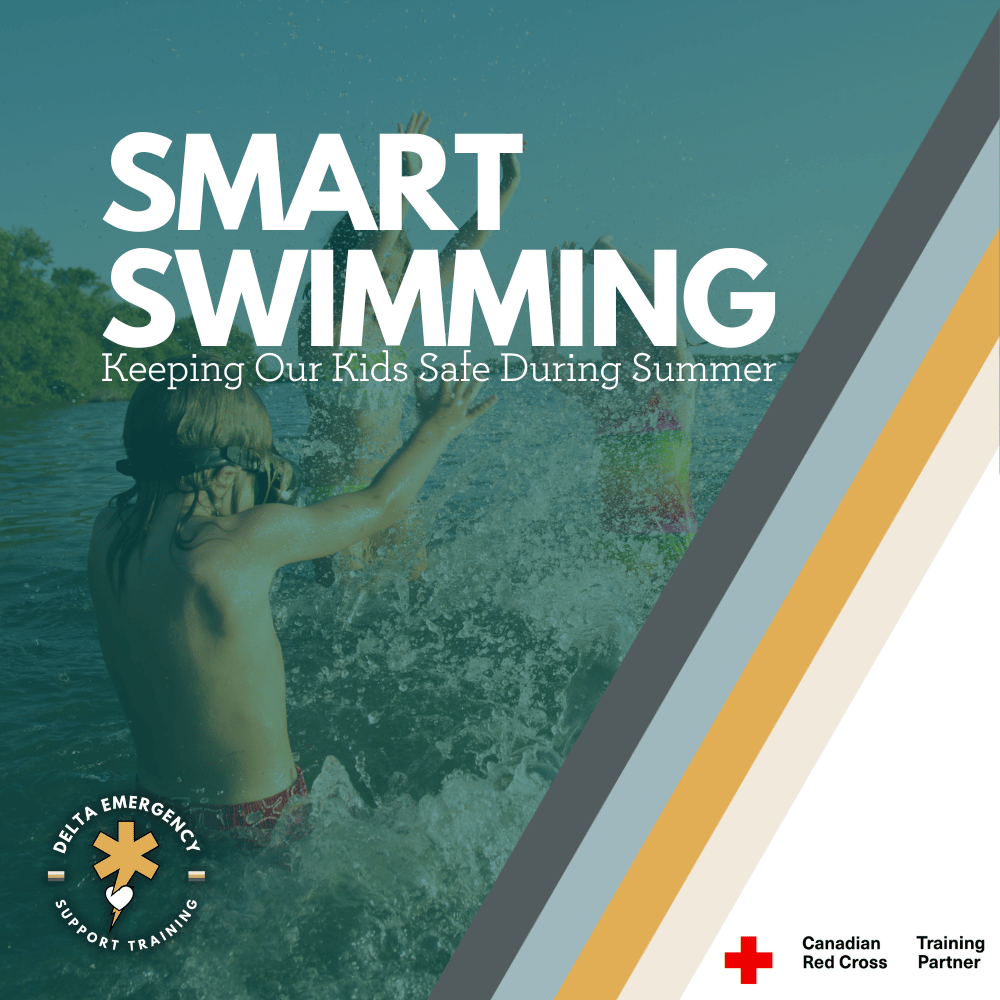
Summer Water Safety: What Every Parent Should Know Before Pool or Lake Days
When the sun is shining, water becomes a natural playground for kids — pools, lakes, rivers, and oceans offer endless summer fun. But for parents, water is also one of the most dangerous environments your child will be exposed to. Drowning is fast, silent, and all too common — especially in Canada, where thousands of natural bodies of water lie just beyond backyard fences and cottage docks.
The Reality: Drowning Is a Leading Cause of Death for Canadian Children
Drowning is the second leading cause of preventable death for children under age 10 in Canada.
According to the Lifesaving Society of Canada, nearly 500 Canadians die from drowning every year, and almost one-third are under the age of 19.
Children aged 1 to 4 are at the highest risk, most often drowning in pools, while older children are more at risk in open water like lakes and rivers.
88% of child drownings happen when a parent or caregiver is supervising — but distracted.
These tragedies are preventable with layers of protection: supervision, swimming skills, proper safety gear, and informed adults.
1. Enroll in Swimming Lessons Early
Formal swimming lessons reduce drowning risk by up to 88% for children ages 1–4, according to the Canadian Pediatric Society. The Red Cross and Lifesaving Society both emphasize the value of age-appropriate water safety education from toddlerhood.
Look for programs that teach:
Entering and exiting water safely
Floating, treading water, and self-rescue
Using lifejackets and understanding currents
Knowing when to call for help
Even for strong swimmers, refreshing skills before each summer season helps reinforce safety habits.
2. Supervision Saves Lives — But Only if It’s Active
Drowning happens in as little as 20 seconds. It is quiet — no splashing, no screaming. A child can slip under the water while you're answering a text.
Good supervision means:
You're within arm's reach for young or weak swimmers
You're not distracted by your phone, books, or alcohol
You rotate with other adults every 15–30 minutes if needed
You avoid relying on older children to supervise younger siblings
Tip: Use a “Water Watcher” card or lanyard to clearly identify the supervising adult at any given time.
3. Know the Risks in Different Environments
Each setting has unique dangers, especially in Alberta where cold lakes and rivers are common.
Pools
Install fences with self-latching gates
Use pool alarms or covers when not in use
Never rely on inflatable toys or floaties for safety
Lakes and Rivers
Use properly fitting lifejackets
Be aware of drop-offs, weeds, and sudden cold
Water visibility is often poor — stay close and alert
Oceans
Only swim in lifeguard-supervised zones
Learn to identify rip currents and how to escape (swim parallel to shore)
Watch for tides, jellyfish, and sharp shells
4. Dress for Water Safety — Including the Right Colours
Lifejackets:
Always wear Transport Canada-approved lifejackets when boating, paddling, or playing near open water.
Swimwear Colour Matters:
A 2022 study by ALIVE Solutions tested how well different swimsuit colours showed up underwater — especially in murky or sun-glared conditions. Results showed that bright neon colours like orange, pink, and lime green were most visible. Earth tones, blue, and even white blended into water and became invisible within just a few feet.
Best for visibility:
Neon orange
Hot pink
Lime green
Bright yellow
Avoid:
Blue, grey, white, or pastels (especially in natural water)
5. Take a CPR & First Aid Course
In emergencies, seconds matter. CPR, rescue breathing, and basic first aid skills can make the difference between life and death while you wait for EMS.
We recommend:
CPR-C or Emergency First Aid with CPR
Child & Infant CPR refresher courses for babysitters, older siblings, and grandparents
Courses offered by trusted organizations like the Canadian Red Cross or Lifesaving Society
At Delta Emergency Support Training in Calgary, we offer family-friendly and babysitter-focused Red Cross courses year-round.
6. Teach Kids Water Safety at Every Age
Make water safety part of your regular parenting conversations:
Always ask permission before going near water
Never swim alone — even with a lifejacket
Get out when cold or tired
If in trouble: call for help, float, and don’t panic
Teach older children how to help safely without jumping in themselves
Water should be fun — but it should also be respected.
Final Thoughts: Don’t Let a Preventable Tragedy Ruin Your Summer
Most childhood drownings are not freak accidents — they are preventable. Supervision, the right gear, swimming skills, and training create the strongest safety net.
This summer, be proactive — and make sure water memories are joyful ones.
Looking for Babysitter or CPR Courses in Calgary?
Delta Emergency Support Training offers:
Babysitter Certification (Red Cross)
Emergency First Aid & CPR for Families
Private bookings for friend groups or community groups
All classes are taught by real paramedics and emergency responders who know what works in real life.
Spots fill fast during summer — contact us today to learn more!
Invisible Danger: Red Cross Guide to CO Poisoning Care for AFA + EMR
Aligned with Red Cross standards, this guide prepares Emergency Medical Responders and Advanced First Aiders to recognize and manage carbon monoxide poisoning effectively—from symptoms to scene safety and oxygen treatment.
Carbon monoxide (CO) is a silent killer. As an Advanced First Aider or Emergency Medical Responder (EMR), you're often the first healthcare contact a patient receives. Early recognition and prompt intervention in CO poisoning are crucial and can save lives—especially in settings where access to definitive care may be delayed.
This blog outlines the causes, signs and symptoms, pathophysiology, field assessment, and pre-hospital care strategies relevant to both Advanced First Aiders and EMRs.
What Is Carbon Monoxide?
Carbon monoxide is a colorless, odorless, tasteless gas produced by the incomplete combustion of carbon-based fuels, such as:
Gasoline
Natural gas
Wood
Coal
Propane
It is often found in:
Malfunctioning furnaces and heaters
Gas-powered generators
Indoor barbecuing or grilling
Exhaust from vehicles in enclosed spaces
Fires (house, structure, or wildland)
Because CO is undetectable without special equipment, individuals can be poisoned without any obvious warning signs.
Why Is It Dangerous?
CO binds to hemoglobin in red blood cells with 200 to 250 times greater affinity than oxygen, forming carboxyhemoglobin (COHb). This reduces the amount of oxygen that can be transported through the bloodstream and delivered to vital organs. As a result, even small exposures can lead to significant tissue hypoxia, especially in high-demand organs like the brain and heart.
Common Risk Scenarios for First Responders
You may encounter CO poisoning in any of the following situations:
Residential emergencies involving fuel-burning appliances
People found unconscious in a running vehicle (especially in enclosed garages)
Victims rescued from structure fires or enclosed-space fires
Use of charcoal grills or fuel heaters indoors
Power outages leading to indoor generator use
Your scene awareness and understanding of environmental risks are essential in raising suspicion early.
Signs and Symptoms of CO Poisoning
Mild to Moderate Exposure
Headache (often described as dull or pressure-like)
Dizziness or lightheadedness
Nausea and vomiting
Fatigue or weakness
Confusion or difficulty concentrating
Shortness of breath with minimal exertion
Severe Exposure
Altered level of consciousness or unresponsiveness
Chest pain (especially in individuals with cardiac history)
Tachycardia, hypotension
Seizures
Loss of coordination or balance
Respiratory distress
Coma or death
Children, elderly individuals, and pregnant patients are particularly vulnerable, and may deteriorate more quickly.
What About Pulse Oximeter (SpO₂) Readings?
This is a critical point for both EMRs and Advanced First Aiders:
Pulse oximeters are unreliable in carbon monoxide poisoning.
Why?
Pulse oximeters measure the percentage of hemoglobin saturated with something, but they cannot distinguish between:
Oxyhemoglobin (HbO₂): hemoglobin bound with oxygen
Carboxyhemoglobin (COHb): hemoglobin bound with carbon monoxide
Since COHb absorbs light in a similar way to HbO₂, the device will often display a falsely normal or high oxygen saturation (SpO₂), even if the patient is severely hypoxic.
Example:
A patient may have:
A pulse oximeter reading of 98–100%
But a COHb level of 30–40%, meaning oxygen delivery is critically impaired
Key Takeaway
Do not rely on SpO₂ readings in suspected carbon monoxide poisoning.
Instead:
Focus on the scene context and presenting symptoms
Administer high-flow oxygen regardless of oximeter reading
Prioritize transport to definitive medical care
Pre-Hospital Management
Your early actions can dramatically improve outcomes. Here's what to do:
1. Ensure Scene Safety
Before entering a potentially contaminated area, ensure it is safe. Never enter confined spaces without proper PPE and backup support.
2. Remove the Patient from Exposure
Move the patient to fresh air immediately, but only if it is safe to do so.
3. Administer High-Flow Oxygen
Use a non-rebreather mask at 15 L/min
Oxygen accelerates the dissociation of carbon monoxide from hemoglobin:
Room air: COHb half-life ~5 hours
100% oxygen: COHb half-life ~1.5 hours
Hyperbaric oxygen: COHb half-life ~30 minutes
4. Monitor Vital Signs
Expect signs of hypoxia, even with normal SpO₂
Monitor for respiratory distress, altered LOC, or shock
5. Rapid Transport
Any symptomatic patient requires prompt transfer to advanced medical care, especially if:
They have altered mental status
Are pregnant
Exhibit neurological or cardiac symptoms
Have been exposed for a prolonged period
Notify receiving EMS crews or hospitals of the potential CO exposure.
Special Considerations
Pregnant Patients
Fetal hemoglobin binds CO more readily than adult hemoglobin. CO exposure poses serious risks to the fetus, even if the mother appears only mildly symptomatic.
Pediatric Patients
Children may develop symptoms more quickly due to higher metabolic rates and smaller reserves.
Multiple Casualties
If several people in the same environment report similar symptoms (e.g., headache, dizziness), strongly suspect environmental CO exposure. Treat all individuals as potentially poisoned, even if some are asymptomatic.
Field Clues for CO Exposure
Use this quick field checklist:
Is there a fuel-burning device involved?
Are multiple people feeling sick in the same location?
Do symptoms improve once outdoors?
Is there poor ventilation or signs of combustion indoors?
Does the patient seem "too sick" for their SpO₂ reading?
If yes to any of the above: suspect carbon monoxide poisoning and treat accordingly.
Quick Reference Table: SpO₂ in CO Poisoning
FactorNormal PatientCO Poisoning PatientPulse Oximeter (SpO₂)97–100%97–100% (falsely normal)Actual Oxygen DeliveryAdequateCritically impairedAppropriate ActionMonitorHigh-flow O₂ + transport
Prevention and Education
As a first responder, you also play a vital role in prevention. Encourage the public to:
Install and maintain carbon monoxide detectors
Keep fuel-burning appliances properly ventilated
Never use outdoor cooking equipment indoors
Avoid idling vehicles in enclosed spaces
Seek medical attention after any CO alarm activation, especially with symptoms
Carbon monoxide poisoning is a critical medical emergency that demands rapid recognition and decisive care. Both Advanced First Aiders and Emergency Medical Responders must understand that a normal SpO₂ reading doesn’t rule out danger. Situational awareness, oxygen administration, and timely transport are your most effective tools in the field.
At our training center, we specialize in Advanced First Aid and EMR education, equipping students with the real-world skills needed to respond confidently to medical emergencies—including CO poisoning. If you're interested in becoming a firefighter or pursuing a career in emergency services, our programs are a strong first step.
Many of our instructors are experienced paramedics and active-duty firefighters, bringing first-hand insights from the front lines directly into the classroom. You'll learn from professionals who live what they teach—preparing you not only to pass your course but to thrive in high-stakes environments.
Ready to take the next step? Join a course that goes beyond the textbook.

