Leduc / EMR to AFA + BLS
Dec 3, 2026
In person · 1 session
Leduc, AB, 4810 50th Ave Suite 100
Bridge an existing Emergency Medical Responder certificate to Advanced First Aid.
 EMR to AFA
Approx. 9 hours (1 day). Certification needs full attendance.
A current Canadian Red Cross EMR certificate.
Advanced First Aid is valid for 3 years, and Basic Life Support for 1 year.
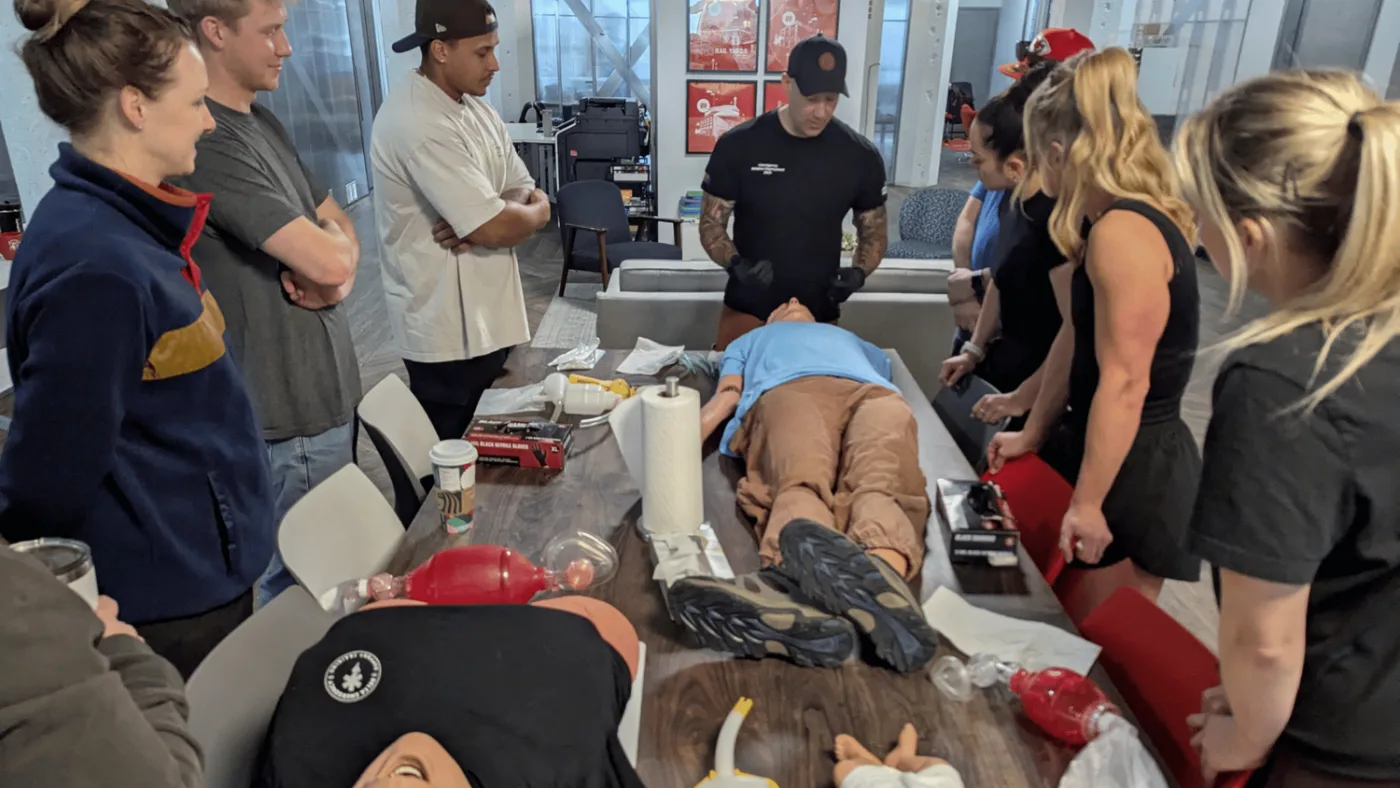
Five of the 54 skills you practise on this course. Choose one to see it.
Safety and assessment
Ongoing assessment
Until you hand over care, you keep going back to the person's breathing, pulse and skin, writing down what you find each time. Comparing each set with the last is how a slow change shows up early.
Airway and breathing
Assisted ventilations
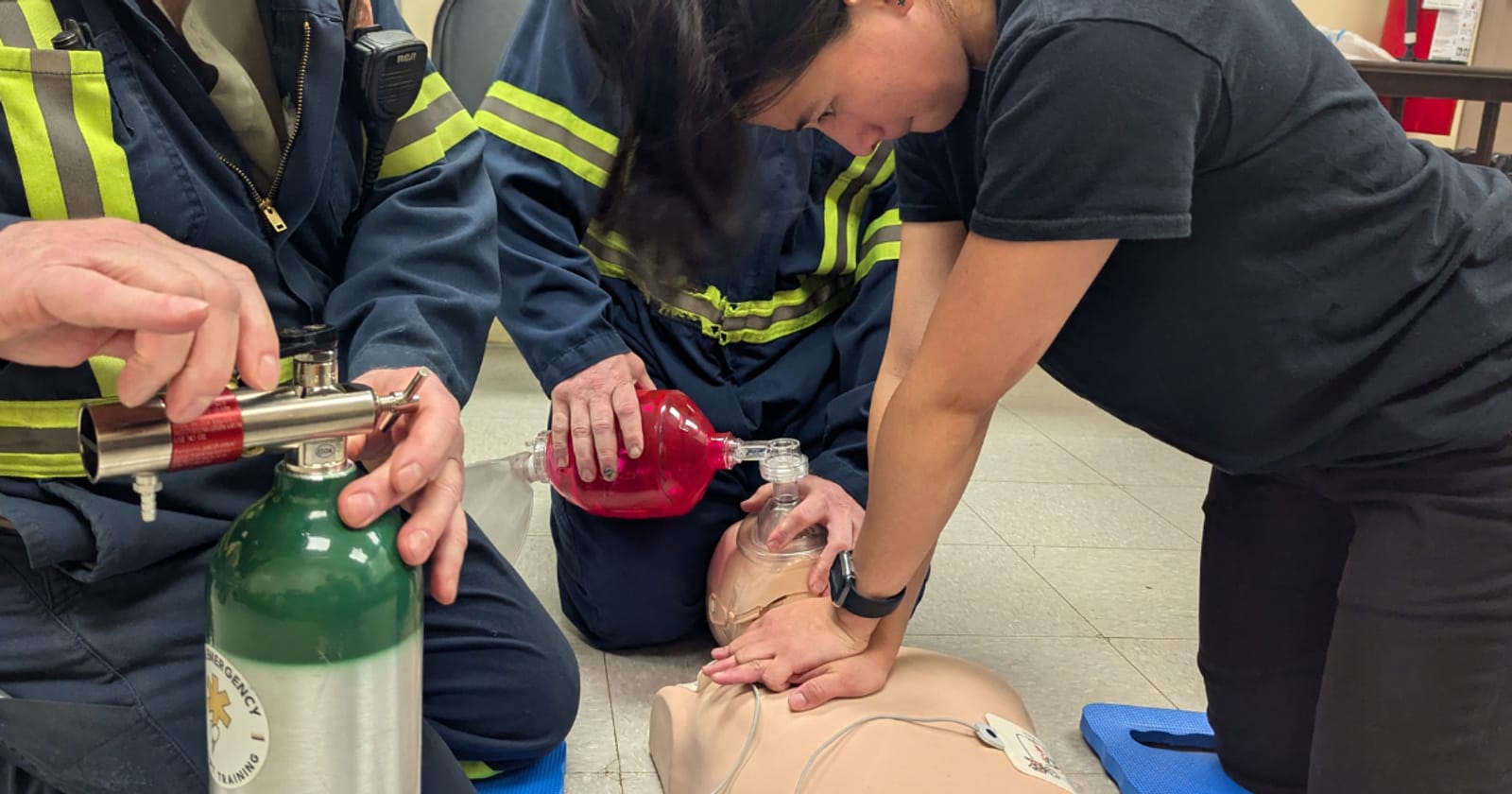
When someone is breathing but not well enough, you support their breathing with a mask or a bag-valve-mask, timing your breaths with theirs. You judge whether it is working by watching the chest rise.
Airway and breathing
Oxygen therapy
You set up an oxygen cylinder and regulator yourself and choose the right mask or nasal cannula for the person in front of you. You learn to give it when your findings call for it.
Bones and joints
Pelvic injuries
You practise keeping a suspected broken pelvis still with a partner, using padding and bandages or a folded sheet, and moving the person as little as possible. A broken pelvis can bleed heavily inside, so less movement matters.
Head and spine
Head and spine injuries
When you suspect a head, neck or spine injury, you keep the person still and steady their head with your hands. You practise the hold on a partner, because it may need to last a long time.
Included certificates
Basic Life Support
Basic Life Support is part of this course and comes with its own Red Cross certificate. It is the provider level of CPR: adults, children, babies and newborns, with a bag valve mask and an AED.
What it covers
“Jarret was highly responsive, providing clear and thorough information over the phone prior to the course, which made the entire process seamless.”
Everything below comes with your seat, in your Delta student portal. The online tools open when you register, so you can start before your first class.
Your course opens in the Delta student portal the day you register, as a step-by-step path through each chapter, with a readiness view so you walk into class knowing where you stand.
Chapter flashcards that unlock as you finish each chapter, and a Needs improvement deck built from the cards you miss.
598 flashcards across 26 chapters
Video slides you can watch before class.
PDFs you can download and keep.
Access to Delta Tutor, our online practice tools, so you can keep practising between classes.
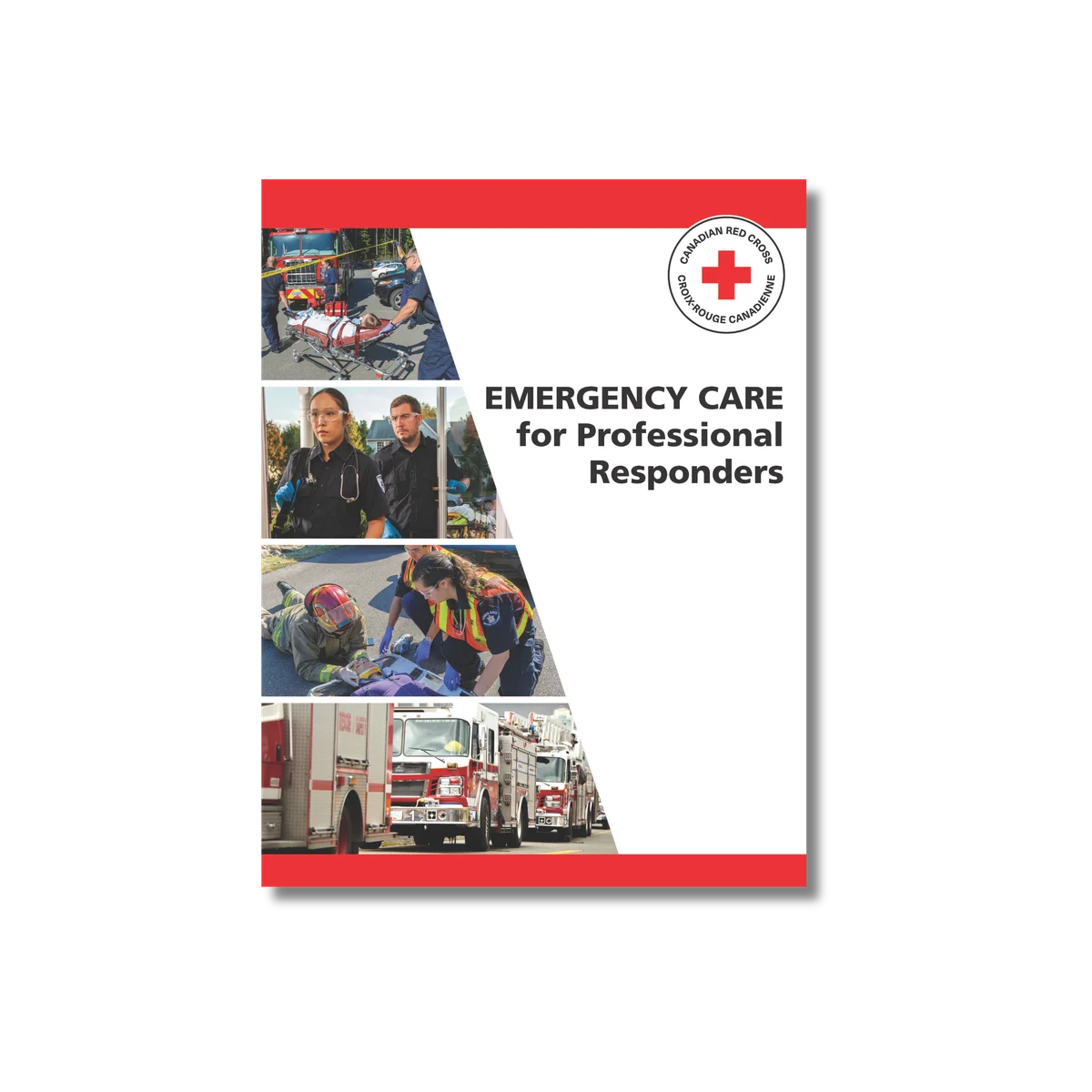
Canadian Red Cross Emergency Care for Professional Responders as a digital textbook, in your Delta student portal.
Includes the full decks for The Delta Model, Advanced First Aid, Emergency Medical Responder. The material builds on itself, so you get every level under the one you registered for.
Study material is part of your enrolment and opens in your portal when you register.
BLS is Basic Life Support CPR, also known as Healthcare Provider CPR. It covers adults, children, babies and neonates.
It is a professional level CPR course, used by firefighters, nurses, paramedics, doctors and other healthcare workers.
More about the ages this coversDigital access to these books comes with your course, in your Delta student portal. Printed manuals are in our classroom library to use in class.
Printed copy to keep: $197.96 10% off at registration Regular price $219.95
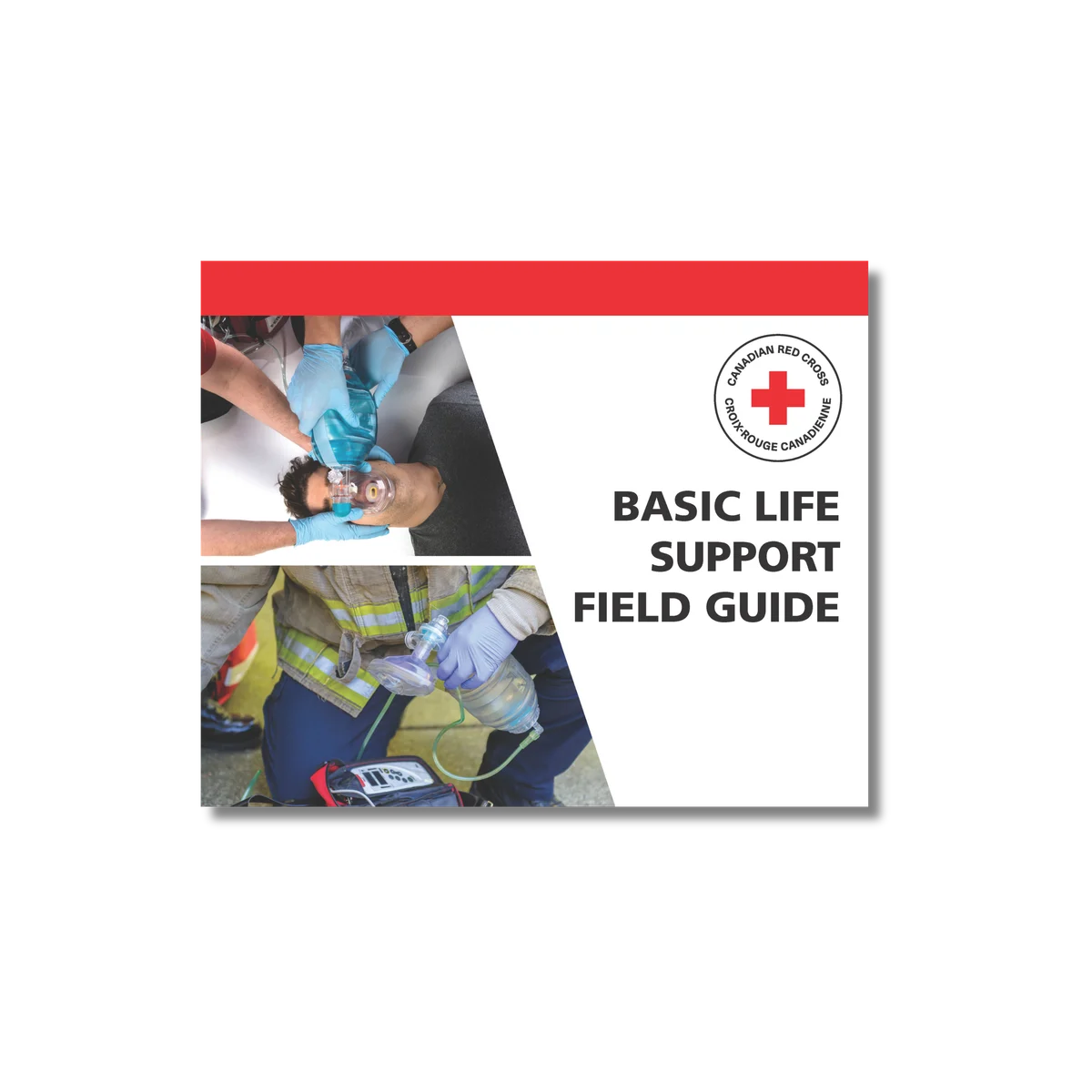
Printed copy to keep: $35.96 10% off at registration Regular price $39.95
Bought on their own from the shop, the books ship to you at full price. The discount exists only at registration.
Important, check before you register:
This bridge issues a Canadian Red Cross Advanced First Aid certificate. It does not change the status of your EMR certificate. Advanced First Aid is an advanced first aid credential, not a licence to practise.
Public sessions run in Calgary, with dates in Leduc through the year.
In person · 1 session
Leduc, AB, 4810 50th Ave Suite 100In person · 1 session
Calgary, AB, 1550 5 St SW #300In person · 1 session · Waitlist only
Leduc, AB, 4810 50th Ave Suite 100In person · 1 session
Calgary, AB, 1550 5 St SW #300In person · 1 session
Calgary, AB, 1550 5 St SW #300In person · 1 session · Waitlist only
Leduc, AB, 4810 50th Ave Suite 100In person · 1 session · Waitlist only
Leduc, AB, 4810 50th Ave Suite 100In person · 1 session · Waitlist only
Leduc, AB, 4810 50th Ave Suite 100In person · 1 session · Waitlist only
Leduc, AB, 4810 50th Ave Suite 100In person · 1 session · Waitlist only
Leduc, AB, 4810 50th Ave Suite 100In person · 1 session
Calgary, AB, 1550 5 St SW #300In person · 1 session · Waitlist only
Leduc, AB, 4810 50th Ave Suite 100Public sessions run in Calgary, with dates in Leduc through the year.
We also deliver this course at your worksite for groups, useful for crews who can’t release staff to travel. Onsite delivery carries an additional fee on top of per-person pricing. Request an onsite quote.
We travel for private and group training across Canada, and internationally by arrangement. If you’re outside Alberta, tell us where you are and we’ll price it.
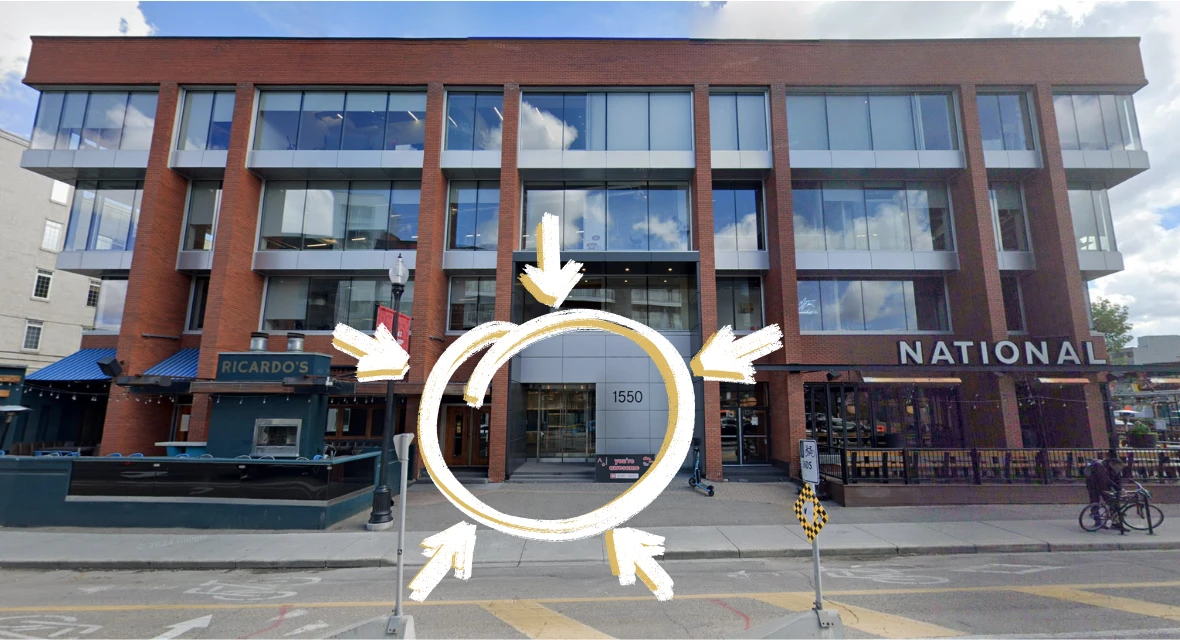
1550 5 St SW #300, Calgary
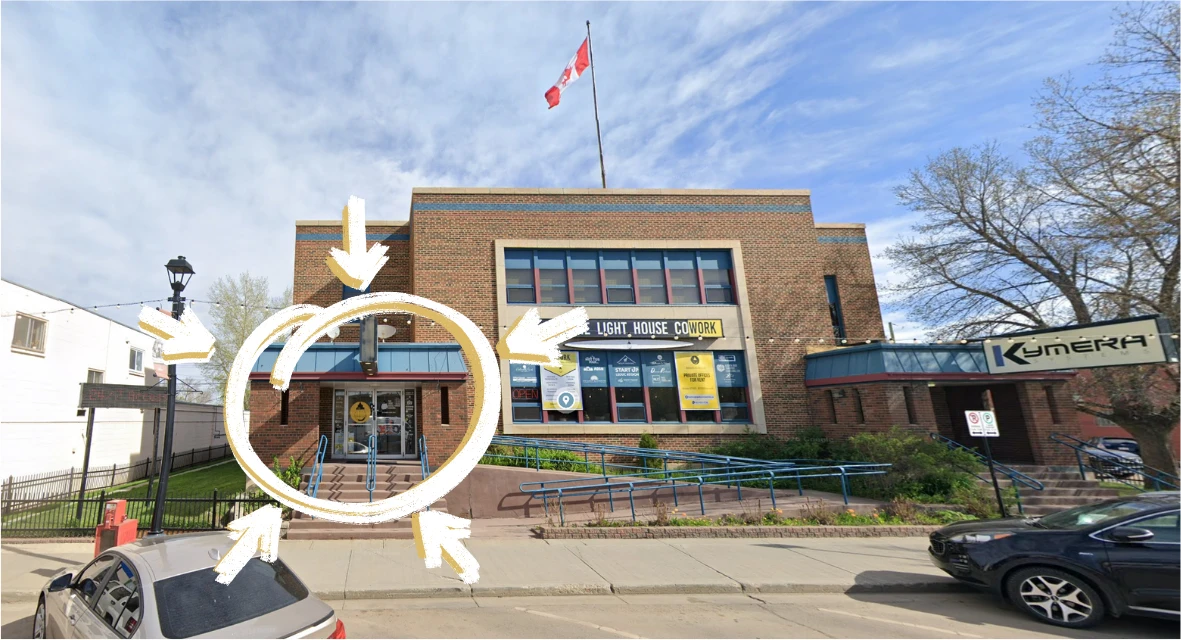
4810 50th Ave Suite 100, Leduc
The bridge is a nine-hour, one-day in-person Calgary course that leads to a Canadian Red Cross Advanced First Aid certificate for someone who already holds a current Canadian Red Cross Emergency Medical Responder certificate. That current EMR certificate is the prerequisite. It is not a suggestion or a nice-to-have, it is the thing the shortened format is built on, and it is the first thing we check when you register.
It is scheduled as a single nine-hour day rather than the full Advanced First Aid course, which runs at 80 hours. The seventy-one hours you are not repeating are the hours your EMR training already covered, and that overlap is the entire reason a one-day format is defensible here rather than a corner being cut. The Canadian Red Cross sets the hour requirement for both, and it can change, so check the exact hours, date and start time published with the run you are booking rather than working from a figure you read months ago.
Basic Life Support is included, so you finish holding a current BLS credential as well as the Advanced First Aid certificate. Certificate validity is set by the Canadian Red Cross and printed on the certificates you receive. At the time of writing that is three years for Advanced First Aid and one year for the BLS component. Read the dates on your own paper rather than trusting a webpage, including this one.
The curriculum is the Red Cross's, not ours, so the official outline is theirs to publish. If a safety manager or a hiring file needs the current official outline, ask us and we will point you at the official Red Cross course description rather than at our summary of it. What we can tell you is the shape of the day: with nine hours to work in, this is not a lecture on material you already know. It is scenario work and skills evaluated to the Advanced First Aid standard, run by instructors who work on ambulances and fire apparatus and who will treat you like someone who has done this before.
Start with the thing people worry about. Taking Advanced First Aid when you already hold EMR is not a step backwards for you, even though the AFA course itself sits a level below EMR on our pathway chart. These are two different credentials with two different names, issued for two different purposes. The training overlaps heavily. The paperwork does not overlap at all, and paperwork is usually what brought you here.
The common trigger is a document. A site safety manual, a contractor prequalification portal, a tender package, a job posting, an HR checklist, a client's own audit form. It says Advanced First Aid, and the person reading your file is reading it literally. They frequently have no authority to decide that your EMR is equivalent, even when they privately agree that it is. When the form names a certificate, the checker is matching text to text. We cannot tell you their decision. Send us the exact wording and we will tell you honestly whether this bridge is what it is describing, including when it is not.
There is a second, less obvious reason. Advanced First Aid is an advanced workplace first aid credential. Emergency Medical Responder is a pre-hospital responder credential. Some organizations specify workplace first aid deliberately, because that is the language their safety system is written in. Neither certificate makes the other worthless, and holding both is common for people who move between site medical work and responder roles.
Now the honest part. Before you spend anything, ask the person who set the requirement whether they will accept your current EMR certificate. Send them a copy of it. If the answer is yes, you do not need this course and we would rather you kept your money. If the answer is no, or if they will not put an answer in writing, the bridge is the short route to the certificate they named. And if you cannot get a straight answer out of anybody, tell us what you were sent and what you already hold, and we will say plainly what we would do in your position, including when that is nothing.
A Canadian Red Cross EMR certificate may meet selected admission requirements at some Primary Care Paramedic schools. This bridge does not add to that. The qualifiers in that sentence are load-bearing: may, selected, some. Admission rules differ between institutions and can change between intakes, so contact the exact school and the exact intake you are applying to, ask specifically whether a Canadian Red Cross EMR certificate is accepted for the requirement in question, and get the answer in writing before you build a plan around it.
This bridge changes none of that. It does not upgrade, extend or re-badge your EMR status. What it does is add an Advanced First Aid certificate to your file. Advanced First Aid is itself a workplace first aid credential, not a licence to practise medicine, and it does not authorize restricted activities. Your actual scope at work is set by your employer, your site medical direction and any applicable regulation, never by a course certificate.
We put this in the middle of the page rather than burying it at the bottom because the alternative is somebody paying for training and later discovering it does not do the one thing they assumed it did. The skills are real and the training is genuinely good. The credentials simply have defined scopes, and you deserve to know both of them before you register.
It fits people whose work is already medical in nature but whose file is being read by someone with a form. Industrial and oilfield medics on remote leases and camps, security supervisors and event medical staff working under a contract that names a workplace first aid certificate, safety coordinators assembling a training file ahead of an audit, and contractors filling in prequalification paperwork for a client who wrote the requirement years ago and has not revisited it since. It fits people around Leduc and the greater Edmonton region for the same reasons, and we run it there for groups.
It also fits people whose situation changed. You took EMR to test whether pre-hospital work suited you, or to build toward a paramedic program, and you have since taken a site role where the requirement is written differently. Your training did not go to waste. You just need the other certificate as well, and there is no reason to sit through the full 80-hour course to get it when a single nine-hour day will do the same job.
Here is who should not book it. If your EMR certificate has already expired, the bridge is not your route, because it is built on a current one, and EMR recertification is not open to you either, because it is only for a certificate that has not expired. The full 80-hour Advanced First Aid course is the way in. If you are not sure of your date, send us your certificate before you pay for anything and we will check it. If you have never held EMR, this is not the door in for you either, and the full 80-hour Advanced First Aid course is the honest starting point. If you are moving in the other direction and want to reach EMR from a first aid background, that is a different bridge entirely.
And if nobody has actually asked for Advanced First Aid by name, and you simply want more training, say so and we will point you at something that is a better use of the money. A responder who already holds EMR often gets more out of a focused add-on such as oxygen therapy or airway management than out of a second general certificate. We would rather send you to the right course than take payment for a redundant one.
Delivery is in person in Calgary, with group and onsite delivery available at your own worksite for an additional fee covering travel and setup, in Leduc and the greater Edmonton region, elsewhere in Alberta and across Canada, and internationally on request. Onsite is the same course with the same evaluations. A camp classroom and a Calgary one are marked the same way. Because this is a single nine-hour day scheduled around demand rather than a standing 80-hour cohort, contact us with your deadline and we will tell you what is realistic rather than leaving you guessing at a calendar. One day is also the reason a crew can often be certified without anyone losing a week of production.
Tuition is $200 plus GST at the time of writing. Treat that as a reference figure only, not a final price. Confirm the current amount, what is included, and the refund and transfer terms with us or on the run listing before you register, and confirm them again if your employer is paying and needs a quote in writing.
Nobody is certified for showing up. You have to be there for the full nine hours and pass the evaluations, which include written and hands-on components demonstrated to an instructor. A one-day format has no slack in it, so a late start or an early departure is not a missed hour you can make up on another day, it is the certificate. Coming in with EMR training does not exempt you from being evaluated, and the fact that you have done a skill before is not the same as doing it correctly today in front of someone who is marking it.
Two practical things at registration. Have your current EMR certificate ready so we can confirm the prerequisite before you pay rather than after. And enter your legal name spelled exactly as an employer or a hiring file expects to see it, because that spelling goes on the certificate, and a reissue takes longer than getting it right at registration.
Come dressed to kneel, crawl and lift, and tell us in advance about any injury, mobility limitation or accessibility need so we can plan around it instead of improvising on the day.
Once you finish you are tracking three expiry dates, not one: the Advanced First Aid certificate, the annual BLS component inside it, and your EMR certificate, which keeps its own expiry date. This bridge does not extend it, renew it, or fold it into the new certificate.
That leaves you a decision worth making deliberately rather than by accident, and the week you finish is the right time to make it. Do you keep renewing both, or does one of them stop being useful to you? If your work is now entirely site-based and the AFA certificate is the one being asked for, you may choose to renew that and the annual BLS component and let the EMR go. If you are still heading toward a pre-hospital career, keep both current. Either way, put every date in your calendar now.
Advanced First Aid can be renewed through a shorter recertification course only while the certificate is still valid on the day of that course. Once it has expired, the way back is the full 80-hour course, so book the recertification before your expiry date. The BLS component is annual and it is the one people forget, because it expires long before anything else on the wall.
Finally, keep copies of everything and file them where your employer can actually find them. Requirements get rewritten. The wording that sent you to this page may change again in two years, and the fastest way to answer the next version of that question is to have both certificates, both expiry dates and the issuing body in one place. If a new requirement lands on your desk and you are not sure what it is asking for, send it to us and we will give you a straight answer.
Oxygen is taught with equipment that is yours: a nasal cannula and a non-rebreather mask, opened from the packaging in front of you. You work with them through the course, and you wear them when you play the patient in scenarios, so nobody trains with a mask that has been on someone else's face.
They go home with you afterwards. Keep them with your kit; you have already fitted them once.
80-100 hours over a multi-week cohort
Renew while your certificate is still current. Once it lapses, it is the full course again.
This course is taught and assessed in English. Professional responder training involves extensive medical terminology, clinical abbreviations, patient assessment, rapid communication, and complex practical scenarios.
Live classroom translation is not offered for this program.
Students must be able to understand instructions, communicate effectively during practical scenarios, and complete the required assessments in English.
Contact us before registering if you have questions about the language requirements.

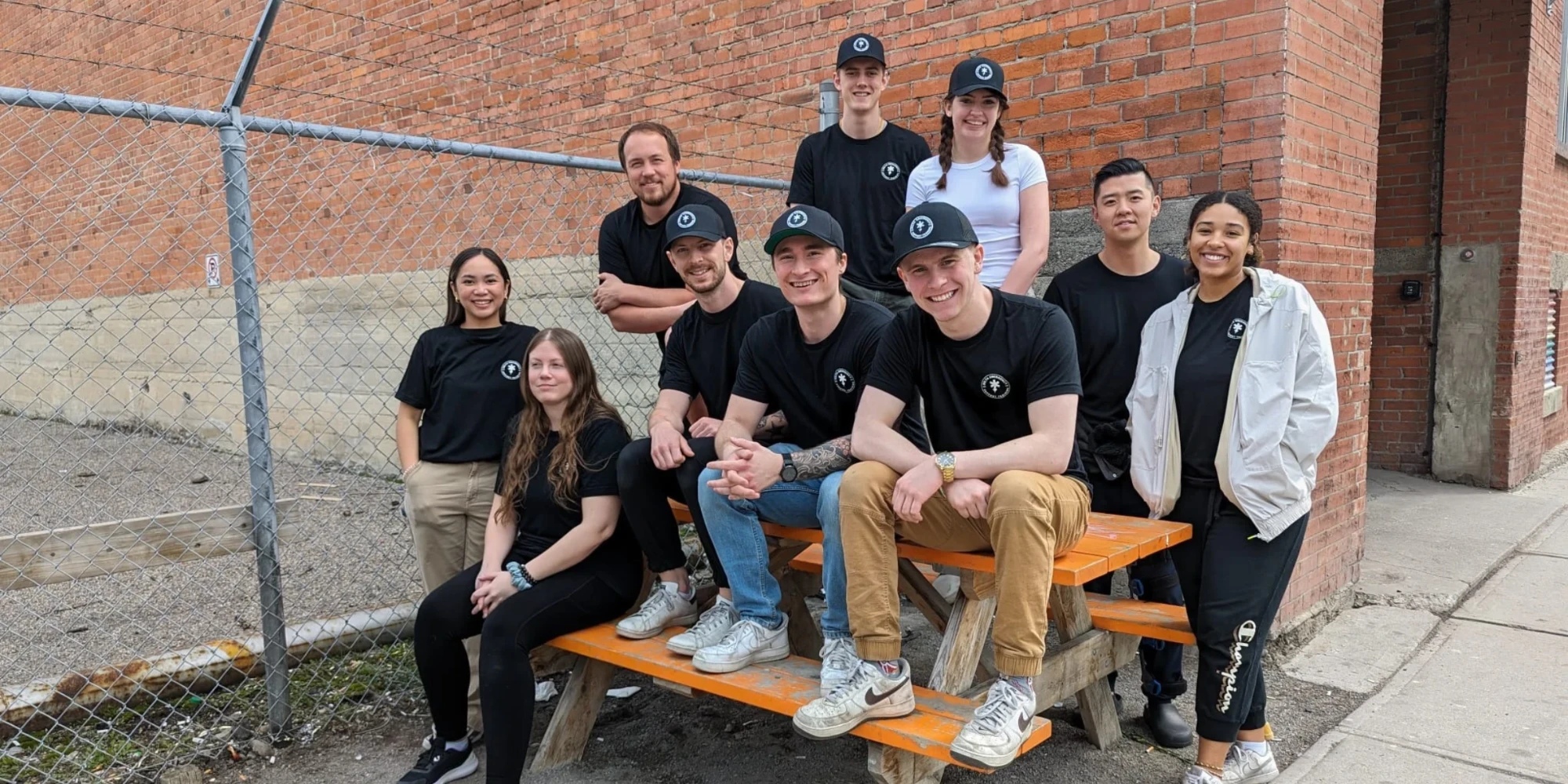
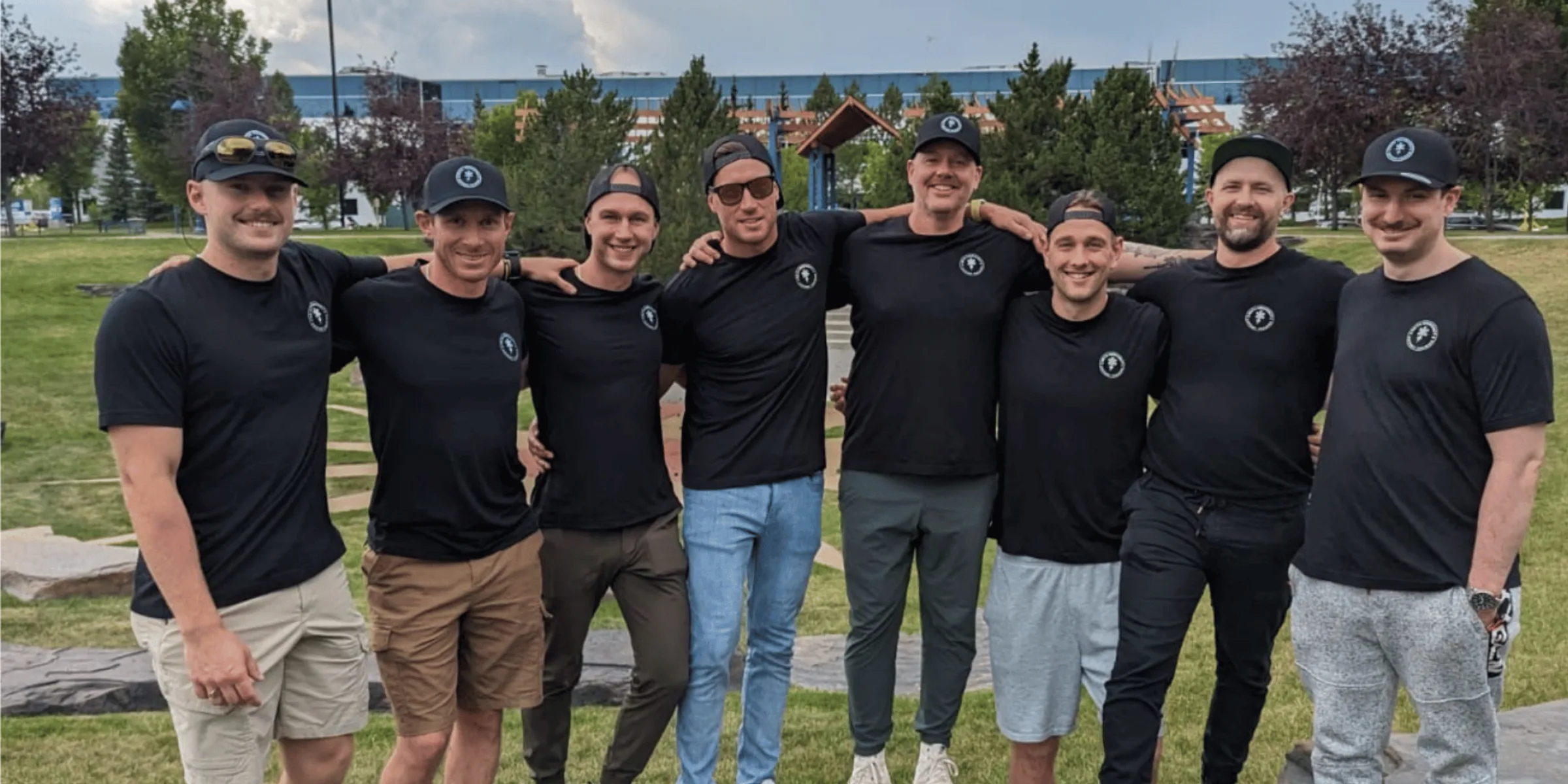
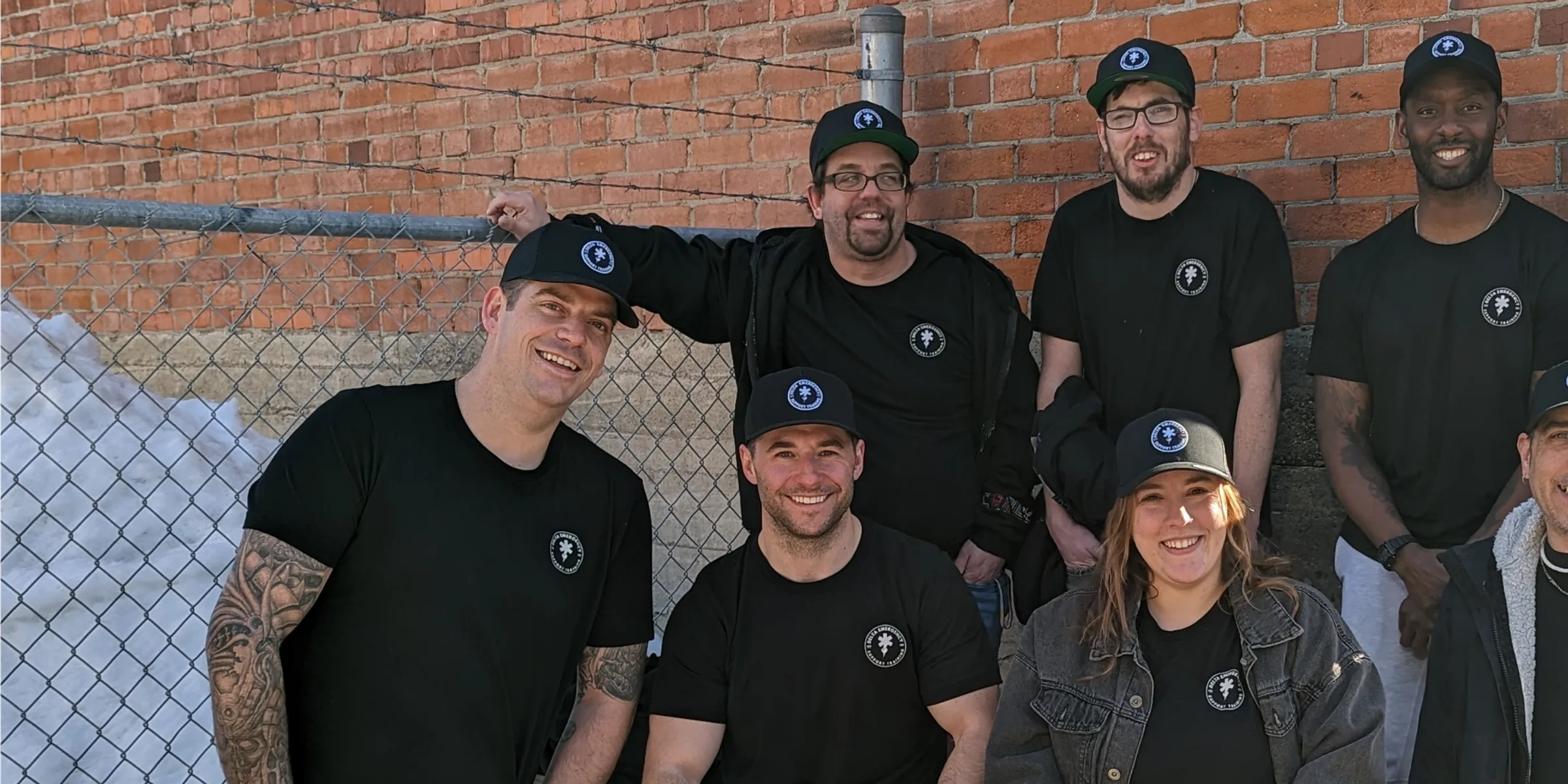
Our instructors are working paramedics and firefighters who keep training in their own fields.
Meet the team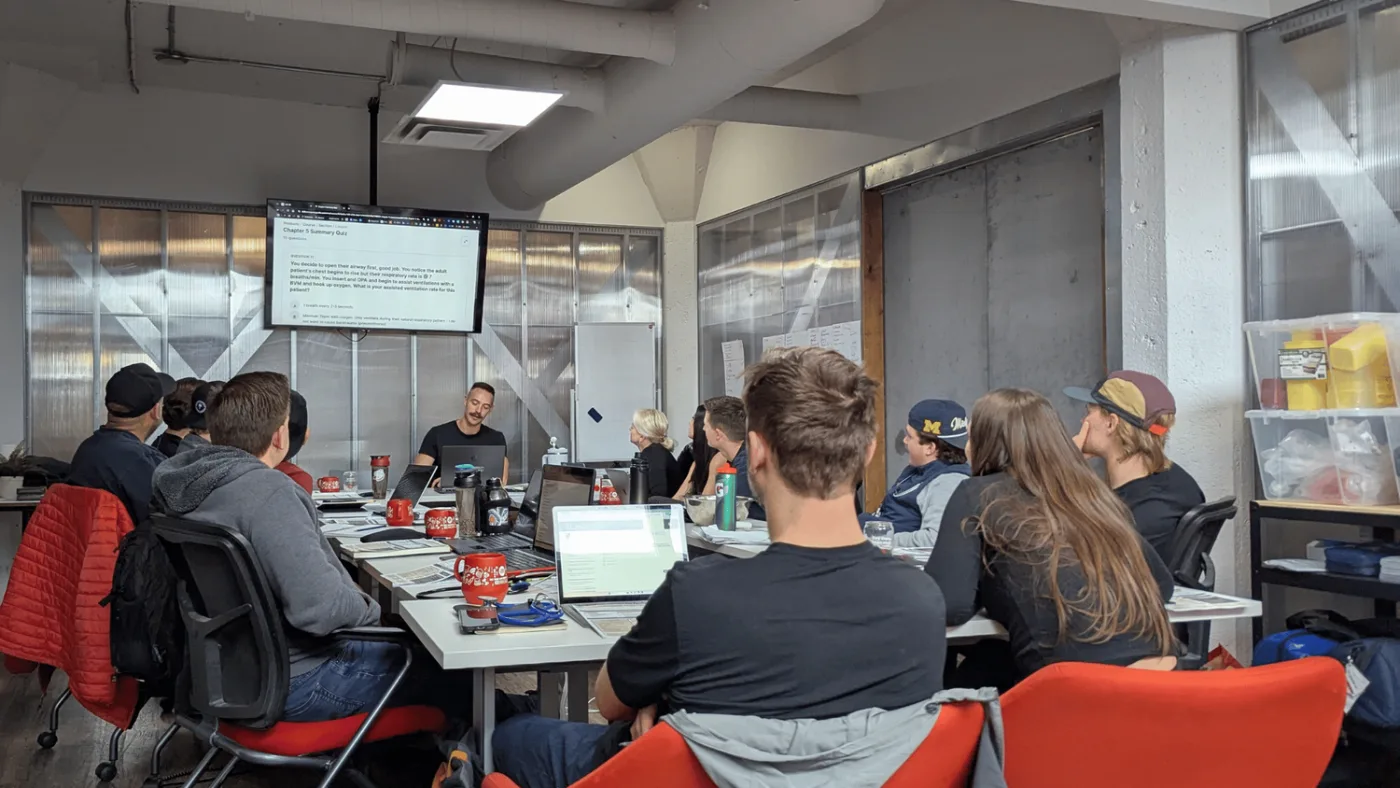
Ready to take this course? $200.00 + GST & applicable taxes
No, though it is worth being precise: our course chart does place Advanced First Aid one level below EMR on the responder pathway, because EMR covers more pre-hospital ground. That ordering is about course depth, not about you, and you keep your EMR certificate either way. The bridge exists because safety manuals, prequalification portals and job postings often name Advanced First Aid specifically, and the person checking your file matches the certificate name to the words on the form.
A current Canadian Red Cross Emergency Medical Responder certificate. That is the prerequisite for the shortened bridge format, and we confirm it before you pay rather than after. Have a copy ready at registration.
Then this is not your route, because the bridge is built on a current EMR certificate. EMR recertification cannot bring it back either, because recertification is only for a certificate that has not expired. The full 80-hour Advanced First Aid course is the way in. If you are not sure of your date, send us your certificate before you book anything and we will check it. We would rather redirect you than take payment for a course you cannot be certified in.
It runs in person in Calgary as one nine-hour day, rather than the 80 hours of the full Advanced First Aid course. Tuition is $200 plus GST at the time of writing, which is a reference figure and not a final price. The Canadian Red Cross sets the hour requirement and it can change, so check the exact hours, date and current cost published with the run you are booking, along with the refund and transfer terms, before you register.
We will not promise that, and you should be wary of any provider who does. Requirements in Alberta come from occupational health and safety rules, prime contractors, clients and individual employers, and they are worded differently everywhere. Send us the exact wording you were given and we will tell you honestly whether this bridge matches it, including when the answer is that you do not need it.
BLS is included, so you finish holding a current BLS credential as well. The Canadian Red Cross sets the validity periods and prints them on the certificates you receive, currently three years for Advanced First Aid and one year for the BLS component. Your EMR certificate keeps its own separate expiry date, which this bridge does not extend.
Yes. We deliver to groups in Leduc and the greater Edmonton region, at client worksites across Alberta and elsewhere in Canada, and internationally on request. Onsite delivery carries an additional fee covering travel and setup, and it is the same course with the same attendance and evaluation requirements. Send us your crew size, location and target window and we will tell you what is workable.
This course carries BLS (Basic Life Support), which covers adults, children, infants and neonates. The Canadian Red Cross 2025 standards set the age groups this way. A baby is under 1 year old. A child is 1 year old up to the onset of puberty. An adult is anyone from the onset of puberty on. Puberty does not happen on a set birthday, so you judge it on the person in front of you. A 13 year old who has started puberty gets adult CPR, and one who has not is still a child. For an AED, use child pads on a child up to the onset of puberty or under 55 pounds (about 25 kg), and baby pads on a baby if the AED has them. If baby pads are not there, use child or adult pads. If child pads are not there, use adult pads. The Red Cross says adult pads are safe on a child or a baby, so do not wait for the right size. If you are training for a specific person, tell us their age and we will tell you which course fits.
No. This course is taught and assessed in English, without live classroom translation. You need to understand instructions, communicate during practical scenarios and complete the assessments in English. Contact us before registering if you have questions.
Online registration closes at 11:59 PM the night before an in-person course. If you need training today, call or text 825-883-3582 before class starts. We may be able to fit you in, depending on space and the instructor's approval. It is not guaranteed.
No. Closed online only means the online booking window has ended. A seat may still be open, or open up if someone cancels. Call or text 825-883-3582 to check.
Certification needs full attendance and every required skill. Arriving late can mean we cannot certify you that day. If you are running late, call or text as early as you can so we can tell you what is possible.
Cancellation, transfer, and refund terms are shown before payment and confirmed at registration. Not sure which course fits? Email us and we’ll help.
All coursesLast reviewed 2026-07-23