The Delta Dispatch
The Red Cross: Everything Aspiring First Responders Need to Know Introduction
Thinking about becoming a first responder? The Red Cross provides essential training, from Standard First Aid (SFA) with CPR/AED Level C to Advanced First Aid (AFA), Basic Life Support (BLS), and Emergency Medical Responder (EMR). At Delta Emergency Support Training, we offer all these courses, including bridge programs and recertifications, helping you stay certified and ready to respond. 🚑
If you’re looking to become a first responder or expand your emergency care knowledge, the Red Cross is one of the most recognized and respected organizations for first aid and lifesaving training. Whether you’re starting with Standard First Aid (SFA) with CPR and AED Level C or progressing to Advanced First Aid (AFA) and Basic Life Support (BLS), understanding the training pathway is essential for anyone serious about emergency response.
At Delta Emergency Support Training, we offer all of these courses, including Emergency Medical Responder (EMR), bridge courses, and recertifications to help you stay up to date and advance your skills.
Standard First Aid (SFA) – The Essential Foundation
Before you can progress to advanced emergency medical training, you’ll need a strong foundational knowledge of first aid. Standard First Aid (SFA) with CPR/AED Level C is a prerequisite for more advanced training, making it the first step for aspiring first responders.
What Does Standard First Aid (SFA) Include?
This course covers the essential lifesaving skills needed to respond to common emergencies, including:
CPR and AED (Level C): Learn how to perform Cardiopulmonary Resuscitation (CPR) on adults, children, and infants and how to use an Automated External Defibrillator (AED).
Choking Response: Techniques for assisting choking victims of all ages.
Bleeding Control: Proper wound care, including bandaging, applying direct pressure, and using tourniquets.
Shock Management: Recognizing and responding to different types of shock.
Burns and Environmental Emergencies: First aid for burns, heat exhaustion, hypothermia, and frostbite.
Head, Neck, and Spinal Injuries: How to stabilize an injured person and prevent further harm.
Medical Emergencies: Recognizing and responding to diabetic emergencies, seizures, strokes, and allergic reactions.
Why Is Standard First Aid Important?
It is a prerequisite for Advanced First Aid and EMR (AFA).
It meets workplace safety requirements for many jobs, including healthcare, security, and childcare.
It provides practical, hands-on training to build confidence in emergency situations.
At Delta Emergency Support Training, we offer recertification courses to help you maintain your certification and stay prepared.
Advanced First Aid (AFA) vs. Emergency Medical Responder (EMR)
Once you have completed Standard First Aid, you may want to continue with Advanced First Aid (AFA) or Emergency Medical Responder (EMR). Understanding the differences between these two courses is important for choosing the right path.
Advanced First Aid (AFA)
Designed for those interested in becoming a first responder as well as workplace first responders, security personnel, and safety officers.
Includes oxygen therapy, airway management, and advanced bleeding control.
Covers spinal immobilization, fractures, and extended care skills.
Focuses on scene management and multi-casualty incidents.
Emergency Medical Responder (EMR)
A more advanced course designed for those looking to work in EMS, firefighting, or law enforcement.
Includes all AFA content plus advanced medical care, such as patient assessments, pharmacology, and vital signs monitoring.
Prepares students to assist paramedics in emergency medical situations.
Required for those pursuing a career in emergency services.
At Delta Emergency Support Training, we offer both AFA and EMR, as well as bridge courses to help transition between certifications.
Basic Life Support (BLS) – For Medical Professionals and First Responders
For those pursuing a career in healthcare, paramedicine, or emergency response, Basic Life Support (BLS) is an essential certification. BLS is more intensive than standard CPR training and focuses on high-performance resuscitation techniques used by medical professionals and first responders.
What Does Basic Life Support (BLS) Cover?
High-performance CPR with a focus on teamwork.
Bag-valve mask (BVM) ventilation for respiratory support.
Two-rescuer resuscitation techniques.
Management of choking in unresponsive individuals.
Use of oxygen equipment and suctioning.
AED use in complex medical settings.
Who Needs BLS Certification?
Paramedics and emergency medical responders.
Nurses, doctors, dental hygenists and other healthcare providers.
Firefighters and law enforcement officers.
First responders working in high-risk settings.
At Delta Emergency Support Training, we offer BLS courses and recertifications to ensure first responders stay up to date with the latest life-saving techniques.
Choosing the Right Course for Your Goals
If you’re unsure which course is right for you, consider the following pathway:
Start with Standard First Aid (SFA) + CPR/AED Level C → For general emergency preparedness and workplace safety.
Move to Advanced First Aid (AFA) → If you need a higher level of training for emergency response roles.
Complete Basic Life Support (BLS) → If you are pursuing a healthcare or first responder career.
Pursue Emergency Medical Responder (EMR) → If you are looking to work in EMS
Each step builds upon the previous one, ensuring that first responders develop both knowledge and practical skills to handle a wide range of emergencies.
Conclusion
The Red Cross provides essential training for aspiring first responders, workplace safety officers, and healthcare professionals. Whether you’re beginning with Standard First Aid or advancing to AFA, BLS, or EMR, every step prepares you for real-world emergencies where your skills can make a life-saving difference.
At Delta Emergency Support Training, we offer all of these courses, including bridge programs and recertifications, ensuring that you stay trained and ready. Whether you need SFA, AFA, BLS, or EMR, we have the right course for you!
🚑 Be prepared. Get trained. Save lives.
Basic Life Support Training Series: Part 2
Are you prepared to save lives during emergencies? Mastering Basic Life Support (BLS) is crucial, and understanding the key steps for assessing airway, breathing, and circulation is essential. Discover effective techniques like the head tilt-chin lift and jaw thrust for opening the airway, and learn about devices such as oropharyngeal airways (OPA) and nasal cannulas for maintaining clear breathing passages. Find out how to assess circulation through pulse checks, capillary refill, and extremity warmth. Explore these vital BLS skills and be ready to make a difference when it matters most. Boost your life-saving capabilities now!
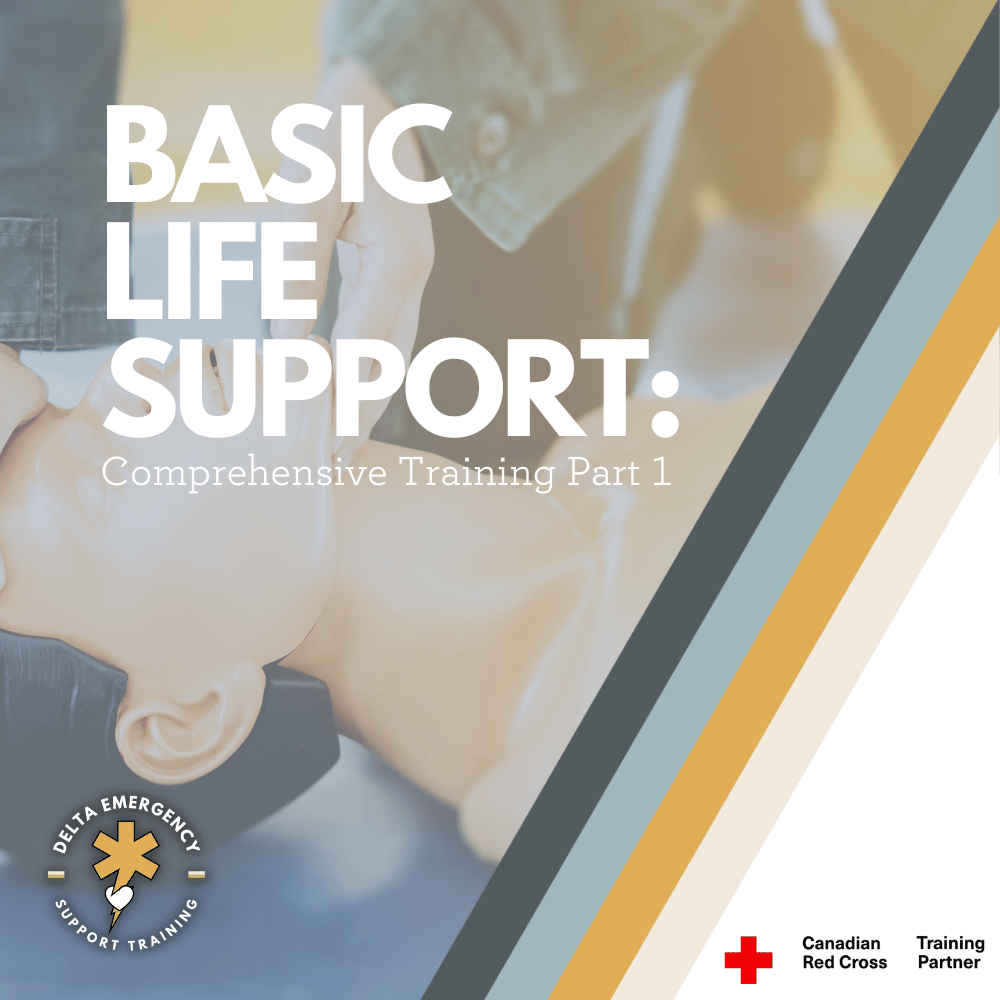
Welcome back to the second part of our blog series on Basic Life Support (BLS). In the first blog, we discussed scene assessment, the ABC check (Airway, Breathing, and Circulation), and the proper use of CPR and AED. Now, in part two, we will delve into life-saving interventions and devices used within each step of the ABC check. Let's explore the crucial steps that can make a significant difference in saving lives.
Head tilt chin lift in basic life support training class
Life Saving Interventions: Airway
Airway management is a critical component of Basic Life Support (BLS) and plays a crucial role in ensuring the patient's ability to breathe effectively. In addition to the manual maneuvers we discussed earlier, such as the head tilt-chin lift and jaw thrust, there are other devices that can be used to secure and protect the airway. Let's explore two commonly used devices: the Oropharyngeal Airway (OPA) and the Nasopharyngeal Airway (NPA).
Oropharyngeal Airway (OPA):
The oropharyngeal airway, is a curved plastic tube that is inserted into the patient's mouth to maintain the patency of the airway. It serves two main purposes:
a) Clearing Obstructions: The OPA helps to displace the tongue from the back of the throat, preventing it from obstructing the airway and impeding the passage of air. This is used for unconscious patients or those with decreased consciousness.
b) Facilitating Manual Stabilization: By providing a firm structure, the OPA allows rescuers to perform manual stabilization of the patient's head and neck, as it helps maintain the alignment of the airway.
When using an OPA, it is important to select the correct size for the patient to ensure proper placement and prevent complications. Insert the device upside down, rotating it 180 degrees as it reaches the back of the throat. Proper placement should allow the device to sit between the teeth or lips and the base of the tongue.
Nasopharyngeal Airway (NPA):
The nasopharyngeal airway, or nasal airway, is a flexible tube inserted through the nostril into the back of the throat. It is particularly useful in patients who have an intact gag reflex or clenched teeth, making oral insertion difficult or risky. The NPA has several advantages:
1) Improved Comfort: The NPA is generally better tolerated by conscious or semi-conscious patients as it avoids stimulation of the gag reflex.
2) Unobstructed Oral Access: By securing the airway through the nasal passage, the mouth remains free and accessible for other procedures, such as suctioning or oral medication administration.
To insert an NPA, select the appropriate size by measuring from the tip of the nostril to the earlobe or the angle of the jaw. Lubricate the device before gently inserting it along the floor of the nasal passage, aiming towards the back of the throat. Monitor for signs of discomfort or obstruction during insertion and adjust if necessary.
It is important to note that the use of OPAs and NPAs requires proper training and an understanding of the patient's anatomy and potential contraindications. Rescuers should be cautious and attentive to the patient's response while using these devices.
By employing manual maneuvers like the head tilt-chin lift and jaw thrust, along with the use of OPAs and NPAs, rescuers can effectively secure and maintain an open airway for patients in need of Basic Life Support. Remember, accurate assessment and regular practice are essential to ensure proper airway management in emergency situations.
Life Saving Interventions: Breathing
Various devices can be used to provide oxygenation and ventilation support. Let's explore the different devices commonly used in BLS:
Nasal Cannula:
The nasal cannula is a lightweight device that delivers supplemental oxygen through two small prongs inserted into the patient's nostrils. It provides a low to moderate flow rate of 1-4 liters per minute (LPM) with an oxygen concentration ranging from 25% to 45%. The nasal cannula is comfortable and allows patients to speak, and move freely while receiving oxygen.
Simple Face Mask:
The simple face mask is a mask that covers the patient's nose and mouth, delivering oxygen at a flow rate of 6-10 LPM. It provides a higher oxygen concentration compared to the nasal cannula, ranging from 40% to 60%. The simple face mask is commonly used in patients who require higher oxygen levels or when a more precise oxygen concentration is not required. However, it may impede communication and patient comfort.
Non-Rebreather:
The non-rebreather is a mask with a reservoir bag attached, ensuring the delivery of high concentrations of oxygen. It has one-way valves that prevent the patient from inhaling exhaled air and allow for a flow rate of 10-15 LPM. The non-rebreather mask can deliver an oxygen concentration of 90% or higher. It is particularly useful in patients with severe hypoxia or in cases where precise oxygen titration is necessary.
Bag-Valve-Mask (BVM):
The bag-valve-mask (BVM) device, is a manually operated resuscitator used to provide positive pressure ventilation. It consists of a self-inflating bag, a one-way valve, and a mask. The BVM is connected to an oxygen tank with a flow rate of 15 LPM, providing an oxygen concentration close to 100%. The BVM is often used in cases of respiratory distress or respiratory arrest, when the patient is not breathing adequately or requires assisted ventilation.
During assisted ventilation with a BVM, 1/3 of the bag should be compressed once every 5-6 seconds to achieve a target ventilation rate of 10-12 breaths per minute.
Newer BVM’s include a safety valve that makes a noise if you are compressing the bag too hard or fast, allowing for user friendly use.
As you provide assisted ventilation using a BVM, pay close attention to the patient's response. Look for chest rise and fall with each breath delivered. The presence of chest rise indicates that the ventilation is effectively reaching the patient's lungs.
Additionally, observe the patient's overall color. Effective ventilation should help improve the patient's skin color, with a return to a more normal or healthier appearance. If the patient's color improves, it is a positive sign that oxygenation and ventilation are being adequately supported.
It is important to note that when administering oxygen, the flow rate should be carefully adjusted based on the patient's condition and oxygen saturation levels. Oxygen therapy should be monitored closely.
Circulation assessment
Circulation assessment is a crucial step in Basic Life Support (BLS) to determine the adequacy of blood flow. While CPR remains the life-saving intervention when a pulse is not detected, let's explore other methods to assess circulation when a pulse is present.
Capillary Refill: To assess capillary refill, gently press down on the patient's nail bed or the tip of their finger. Upon releasing the pressure, observe how quickly the color returns to the area. A normal capillary refill time is around 2 seconds. If color returns within this timeframe, it indicates good capillary refill and suggests adequate peripheral circulation.
Extremity Warmth: Feeling the temperature of the patient's extremities, such as their hands and feet, can provide valuable information about circulation. Warm extremities indicate good blood flow, while cold extremities may suggest impaired circulation.
It's important to note that these assessments are complementary to the presence of a pulse. If there are concerns about circulation or any signs of poor perfusion, prompt medical attention should be sought.
Circulatory Obstruction: Major blood loss from an injury can obstruct circulation and pose a life-threatening situation. In such cases, immediate action is crucial. If the hemorrhage is external, apply direct pressure to the bleeding site using PPE always. Maintaining pressure helps control the bleeding and promotes clot formation, thereby restoring circulation. If available, consider the use of a tourniquet for severe hemorrhage that cannot be controlled by direct pressure alone.
Remember, it is important to prioritize personal safety and seek professional medical help as soon as possible in cases of significant bleeding or other circulatory emergencies. Timely intervention can make a significant difference in patient outcomes.
Training
Mastering Basic Life Support (BLS) is crucial for healthcare professionals, including nurses, doctors, dentists, firefighters, and other first responders. Understanding the key steps for assessing and applying critical interventions for airway, breathing, and circulation is essential to deliver timely and effective care during emergencies. At Delta, we recognize the importance of BLS training, as it is often required to be completed yearly for professionals in various fields. We are dedicated to providing frequent BLS courses to equip individuals with the life-saving skills they need. Enroll in our BLS courses today and stay prepared to make a difference when it matters most.
Basic Life Support Training Series: Part 1
In part 1 of our BLS training series, we'll cover the essentials: scene survey, ABC check, CPR, and AED usage. Here's a quick overview:
Scene Survey: Assess the emergency scene for safety and determine the nature of the situation.
ABC Check: Evaluate the victim's Airway, Breathing, and Circulation. Ensure the airway is clear, check for normal breathing, and assess signs of circulation.
CPR: Perform chest compressions and rescue breaths to maintain blood flow and oxygenation. Proper technique is vital for effective compressions and oxygen delivery.
AED Usage: Learn to use an AED, a device that analyzes heart rhythm and delivers shocks if needed. Follow clear instructions and visual prompts for proper AED application.
By mastering these skills, you'll be better prepared to respond confidently during emergencies. Remember to practice regularly and stay updated on BLS guidelines for optimal readiness.
Note: BLS training equips you with life-saving techniques. Obtain proper certification and training for comprehensive proficiency.
Basic Life Support (BLS) training encompasses a wide range of essential skills, and there's so much to cover! In this multi-part series, we'll explore the extensive world of BLS in-depth. Part 1 includes scene assessment, ABC check as well as CPR + AED use.
A student is practicing their Basic Life Support (BLS) skills on a mannequin. The student is performing the head tilt-chin lift maneuver to secure the airway. They are carefully holding the mannequin's head and gently tilting it back while lifting the chin upward.
In critical situations where every second counts, having the knowledge and skills of Basic Life Support (BLS) can make all the difference. Whether you're a nurse, dental hygienist, or anyone involved in healthcare or emergency response, mastering BLS is essential.
What is Basic Life Support (BLS)?
BLS (Basic Life Support) encompasses a comprehensive set of life-saving techniques and interventions performed on individuals facing various medical emergencies. These emergencies can range from airway obstructions and respiratory distress to cardiac arrest and more. The goal of BLS is to provide immediate recognition of emergency situations, administer primary assessment, perform CPR, utilize automated external defibrillators (AEDs), manage airway obstructions, provide assisted ventilation, and consider special circumstances that may require tailored approaches.
When it comes to BLS, quick recognition of emergency situations is crucial. Once the emergency is recognized, primary assessment is performed to evaluate the patient's condition, including responsiveness, breathing, and circulation. This assessment helps determine the appropriate course of action and guides subsequent interventions.
Primary Assessment
During a medical emergency, conducting a primary assessment is vital to quickly evaluate a patient's condition and determine the appropriate course of action. This assessment involves checking the patient's level of responsiveness (LOR), assessing the airway, breathing, and circulation (ABCs). Let's break down each step to ensure a thorough primary assessment.
Level of Responsiveness (LOR):
To determine the patient's level of responsiveness, start by verbally asking them if they are okay. If there is no response, gently tap the patient's shoulder and ask again. It's important to assess the patient's conscious state as it helps gauge the severity of the situation.
Airway:
If the patient is unconscious or unresponsive, assessing and securing the airway becomes crucial. The goal is to ensure that the airway is open and unobstructed. For an unconscious patient without suspected spinal injury, utilize the head tilt chin lift technique. Place one hand on the patient's forehead, gently tilt their head back, and lift the chin upward. This helps maintain an open airway by lifting the tongue away from the back of the throat.
However, if there is a possibility of a spinal injury, such as from a traumatic incident, use the jaw thrust technique instead. Place both hands on either side of the patient's jaw and lift it forward, while keeping the neck in a neutral position. This technique ensures the airway is protected while minimizing movement of the cervical spine.
Breathing and Circulation:
Once the airway is secured, it's crucial to assess breathing and circulation simultaneously. Spend about ten seconds observing the patient's chest rise and fall while listening and feeling for breath. Look for signs of normal breathing, such as chest rise and fall, and listen for any abnormal sounds like gasping or gurgling.
While assessing breathing, also check for the carotid pulse. Place your index and middle fingers on the patient's neck, alongside the windpipe, and feel for the pulse. Assessing circulation in conjunction with breathing helps determine if the patient's heart is pumping effectively.
CPR + AED
BLS (Basic Life Support) training goes hand in hand with comprehensive CPR (Cardiopulmonary Resuscitation) techniques, including the use of an AED (Automated External Defibrillator). Let's explore this essential aspect of BLS training in more detail.
CPR (Cardiopulmonary Resuscitation):
CPR is a crucial component of BLS, focusing on maintaining blood circulation and oxygenation when the heart has stopped or is not functioning properly. BLS training provides in-depth instruction on performing CPR effectively, including the following steps:
Chest Compressions:
BLS teaches the correct technique for performing chest compressions. This involves placing the heel of one hand on the center of the victim's chest (lower half of the sternum), stacking the other hand on top, interlocking the fingers, and keeping the arms straight. BLS emphasizes the importance of delivering compressions at the proper depth, typically about 2 inches for adults, with a rate of around 100-120 compressions per minute.
Rescue Breaths:
BLS training also covers rescue breaths, which involve delivering breaths into the victim's airway to supply oxygen. The ratio of chest compressions to rescue breaths may vary depending on the age group being treated. For adults, the ratio is typically 30 compressions to 2 breaths.
Chest Recoil:
BLS emphasizes the significance of allowing for complete chest recoil between compressions. This allows the heart to refill with blood before the next compression, improving the effectiveness of CPR.
AED (Automated External Defibrillator) Usage:
BLS training includes instruction on the proper use of an AED, a portable device that can analyze the heart's rhythm and deliver electrical shocks if necessary. Here's how AED usage is typically incorporated into BLS training:
AED Placement: BLS teaches the importance of quickly accessing an AED and placing it near the victim. AEDs are typically equipped with easy-to-follow visual and auditory prompts to guide the user through the process.
Electrode Pad Placement: BLS training covers the correct placement of the AED electrode pads on the victim's bare chest. One pad is usually placed on the upper right chest, just below the collarbone, while the other pad is positioned on the lower left side of the chest.
Analysis and Shock Delivery: The AED will analyze the victim's heart rhythm and prompt the user to stand clear while it delivers an electric shock if it detects a shockable rhythm such as ventricular fibrillation or ventricular tachycardia.
CPR Integration: BLS emphasizes the integration of CPR with AED usage. After each shock, it is essential to immediately resume CPR, beginning with chest compressions, as directed by the AED.
Congratulations on completing Part 1 of our comprehensive BLS training series! By exploring the foundational elements of scene survey, ABC check, CPR and AED usage, you've taken significant steps towards becoming a skilled responder in life-threatening situations. But don't worry, our BLS journey is far from over!
Stay tuned for Part 2, where we'll delve into life-saving interventions for airway obstruction, airway management, assisted ventilations, and oxygen therapy. These critical techniques will equip you with the knowledge and skills to tackle a broader range of medical emergencies confidently.
BLS Training and Certification
To take your BLS training to the next level, consider enrolling in our Delta Emergency Support Training BLS course. Our experienced instructors will guide you through hands-on training, ensuring you gain the confidence and expertise needed to make a positive impact in emergency situations. Whether you're a healthcare professional, dental hygienist, or anyone seeking to enhance their emergency response skills, our courses are tailored to meet your needs.
Don't delay in becoming a certified BLS practitioner with Delta Emergency Support Training. Reach out to us today at info@deltaemergency.com to learn more about our courses and take the first step towards becoming a capable and confident lifesaver.
Becoming Proficient in Oxygen Therapy: A Guide to Canadian Red Cross Oxygen Admiration Training with Delta Emergency in Calgary
If you're looking to become proficient in oxygen therapy, the Canadian Red Cross Oxygen Therapy course is the perfect choice. With Delta Emergency in Calgary, you'll get comprehensive training on how to safely administer supplemental oxygen in various emergency scenarios. Their experienced instructors bring real-world expertise and practical insights to the course, ensuring you receive the best education possible. Plus, with flexible scheduling options and on-site training available, you can easily fit the training into your busy schedule. Learn more about the Canadian Red Cross Oxygen Therapy course with Delta Emergency and take the first step towards enhancing your emergency response skills.
Are you ready to become proficient in oxygen therapy? Look no further than the Canadian Red Cross Oxygen Therapy course, offered by Delta Emergency in Calgary. Whether you're an industrial first aid worker, a health care provider, or part of a pre-hospital care group, this training will equip you with the essential knowledge and skills to confidently administer supplemental oxygen when needed. In this blog post, we'll delve into the details of the Canadian Red Cross Oxygen Therapy course and how Delta Emergency is your go-to expert for O2 training in Calgary. Let's get started!
close-up view of an oxygen tank with a non-rebreather mask attached to it. The tank has a pressure gauge, flow meter, and a regulator attached to it.
What is the Canadian Red Cross Oxygen Therapy Course?
The Canadian Red Cross Oxygen Therapy course is designed to provide participants with comprehensive training on how to properly and safely administer supplemental oxygen. The course covers a wide range of topics, including pulse oximetry, handling and assembly of oxygen equipment, oxygen delivery devices, and administering oxygen. Participants will learn the correct techniques for delivering oxygen to patients of different ages and conditions, and how to monitor its effectiveness. The course is based on the guidelines and standards set by the Canadian Red Cross, a trusted organization with a long history of providing high-quality first aid and emergency response training.
Why Choose Delta Emergency for O2 Training in Calgary?
Delta Emergency is a leading provider of first aid and emergency response training in Calgary, and their expertise extends to oxygen therapy training as well. Here are some reasons why Delta Emergency is the go-to choice for O2 training in Calgary:
Experienced Instructors: Delta Emergency instructors are highly experienced and knowledgeable in oxygen therapy and other emergency response techniques. They bring real-world expertise and practical insights to their training, ensuring participants receive the best education possible.
Comprehensive Course Content: Delta Emergency's Canadian Red Cross Oxygen Therapy course covers all the essential topics needed to master oxygen therapy, including pulse oximetry, handling and assembly of equipment, oxygen delivery devices, and administering oxygen. The course is designed to be comprehensive and relevant to various professional settings.
Flexibility and Convenience: Delta Emergency offers flexible scheduling options for their courses, making it easy for participants to find a training session that fits their busy schedule. They also provide training at their state-of-the-art training facility in Calgary or can arrange on-site training at your location for added convenience.
Customized Training Solutions: Delta Emergency understands that different professionals have different needs, and they can customize their training to meet specific requirements. Whether you're part of an industrial first aid team or a health care provider, Delta Emergency can tailor their training to suit your needs and ensure you get the most out of the course.
Accreditation and Certification: Upon successful completion of the Canadian Red Cross Oxygen Therapy course with Delta Emergency, participants will receive certification that is recognized nationally and meets industry standards. This certification can enhance your professional credentials and give you a competitive edge in your field.
How long will my Oxygen Tank last?
Oxygen tanks have a specific numeric value called a factor, that correlates with the tank size. There is a simple calculation that tells us how long a tank of oxygen will last before it is empty - based on the liter flow of the oxygen regulator. A “D tank” (the common used in EMS/Fire) has a factor of 0.16.
Oxygen Calculation Samples:
Here are some sample calculations for a D tank with 2000 psi, using different devices and flow rates, to estimate the minutes left in the tank:
With a Nasal Cannula at 2 LPM: The flow rate for a nasal cannula is typically between 1-6 LPM. Let's calculate for 2 LPM.
Formula: (Tank Pressure in psi / Flow rate in LPM) x Constant Factor = Minutes Left
Calculation: (2000 psi / 2 LPM) x 0.16 = 160 minutes
So, with a nasal cannula at 2 LPM, you can estimate that the D tank will last approximately 160 minutes or 2 hours and 40 minutes.
With a Non-Rebreather Mask at 10 LPM: The flow rate for a non-rebreather mask is typically between 10-15 LPM. Let's calculate for 10 LPM.
Formula: (Tank Pressure in psi / Flow rate in LPM) x Constant Factor = Minutes Left
Calculation: (2000 psi / 10 LPM) x 0.16 = 32 minutes
So, with a non-rebreather mask at 10 LPM, you can estimate that the D tank will last approximately 32 minutes.
With a Bag-Valve-Mask (BVM) at 15 LPM: The flow rate for a BVM is typically between 10-15 LPM, depending on the specific device and oxygen concentration desired. Let's calculate for 15 LPM.
Formula: (Tank Pressure in psi / Flow rate in LPM) x Constant Factor = Minutes Left
Calculation: (2000 psi / 15 LPM) x 0.16 = 21.33 minutes
So, with a BVM at 15 LPM, you can estimate that the D tank will last approximately 21.33 minutes or approximately 21 minutes and 20 seconds.
Note: The constant factor of 0.16 is an estimated conversion factor used to convert tank pressure (psi) to minutes of oxygen supply remaining. It may vary slightly depending on factors such as temperature, altitude, and type of oxygen delivery device used. It's always important to refer to the manufacturer's guidelines and consult with a healthcare professional for accurate calculations and usage of oxygen therapy.
The Tank Factor
Tank factor, also known as the constant factor, is a value used to estimate the remaining minutes of oxygen supply in a compressed gas cylinder based on its pressure and the flow rate of oxygen being administered. The tank factor is specific to the type of gas cylinder being used and is determined by the manufacturer.
The tank factor is used in the formula:
Minutes Left = (Tank Pressure in psi / Flow rate in LPM) x Tank Factor
The tank factor is a constant value that is multiplied by the ratio of the tank pressure to the flow rate to estimate the remaining minutes of oxygen supply. It takes into account the volume of gas stored in the cylinder and the flow rate of oxygen being delivered to the patient.
For example, a tank factor of 0.16 means that for every 1 psi decrease in tank pressure, approximately 0.16 minutes (or 9.6 seconds) of oxygen supply is used when delivering oxygen at a flow rate of 1 LPM. So, if you have a tank pressure of 2000 psi and you are delivering oxygen at a flow rate of 1 LPM, the estimated time remaining in the tank would be approximately 320 minutes (or 5 hours and 20 minutes) using the tank factor of 0.16.
It's important to note that the tank factor may vary depending on factors such as temperature, altitude, and type of oxygen delivery device used. Therefore, it's crucial to refer to the manufacturer's guidelines and consult with a healthcare professional for accurate calculations and usage of oxygen therapy.
If you're looking to master oxygen therapy and enhance your emergency response skills, the Canadian Red Cross Oxygen Therapy course with Delta Emergency in Calgary is the perfect choice. With experienced instructors, comprehensive course content, flexibility, customization options, and accreditation, Delta Emergency is your trusted expert in O2 training. Enroll in their course today and take a step towards becoming a pro in oxygen therapy. You can breathe easy knowing you're in capable hands with Delta Emergency.
At Delta Emergency Support Training we are happy to answer any questions you may have about oxygen training. We provide training sessions for individuals or classes. We have options for in person, hybrid or online classes for Oxygen Therapy, Standard First Aid (SFA), Advanced First Aid (AFA), Emergency Medical Responder (EMR), and more courses. For all inquiries please email info@deltaemergency.com

