The Delta Dispatch

Advanced First Aid, BLS, BLS CPR, Cardiac Kumari Malhotra Advanced First Aid, BLS, BLS CPR, Cardiac Kumari Malhotra

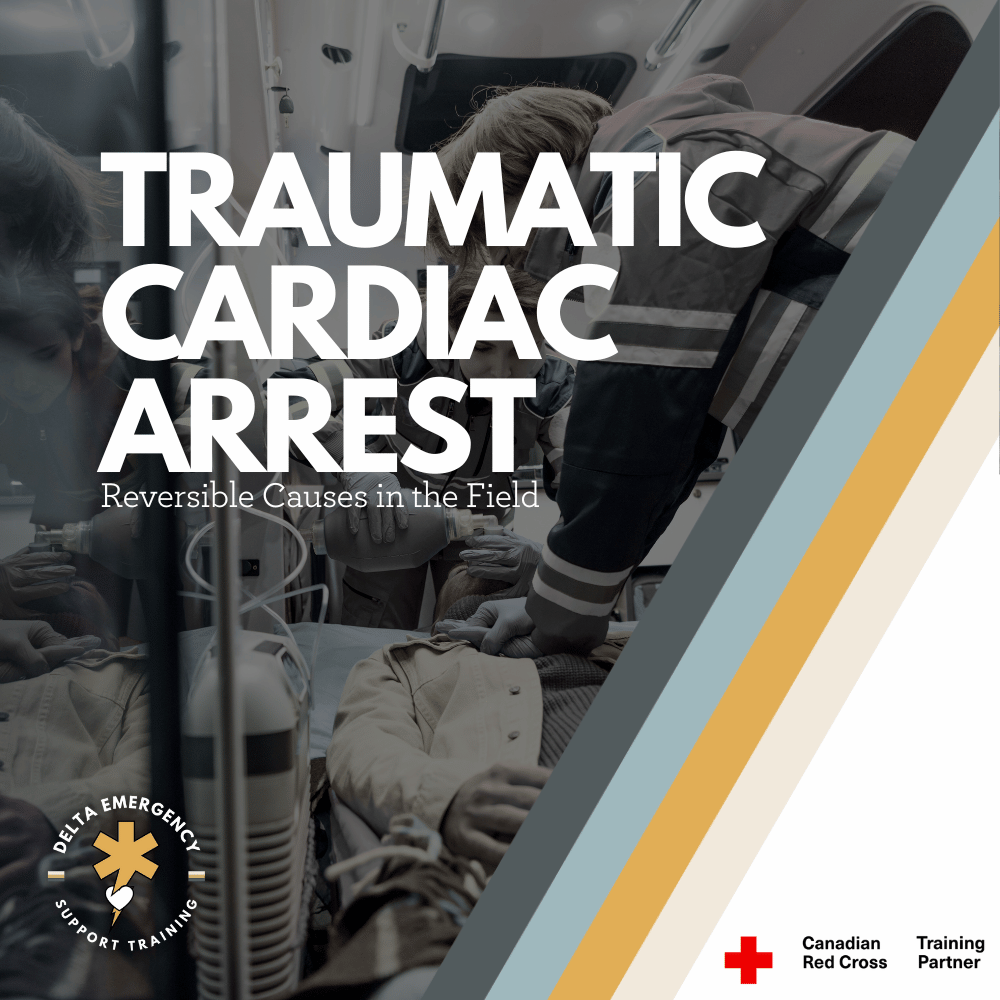
Traumatic Cardiac Arrest: What Every Professional Responder Should Know

Traumatic cardiac arrest is one of the most demanding situations a responder can face. This in-depth guide explains how to rapidly identify reversible causes, manage airway and bleeding, and provide effective field care to improve survival chances in severe trauma cases.
Traumatic cardiac arrest (TCA) represents one of the most challenging situations in prehospital care. Outcomes are often poor, but when managed rapidly and effectively, survival with good neurological recovery is possible. This blog explores what TCA is, its causes, assessment and treatment priorities, and best practices for professional responders in Canada.

What Is Traumatic Cardiac Arrest?

A traumatic cardiac arrest occurs when a patient’s heart stops as a direct result of major trauma. This trauma can be blunt (such as falls or motor vehicle collisions) or penetrating (such as gunshots or stab wounds).

Unlike medical cardiac arrests, TCA often stems from reversible physical causes rather than primary heart dysfunction. The most common reversible causes include:

  • Severe hemorrhage (uncontrolled bleeding)

  • Hypovolemia (loss of circulating volume)

  • Hypoxia (insufficient oxygen supply)

  • Tension pneumothorax (collapsed lung causing pressure on the heart)

  • Cardiac tamponade (blood filling the pericardial sac and compressing the heart)

How Common Is TCA and What Are the Survival Trends?

Traumatic cardiac arrests are less common than medical arrests but are often more complex. Historically, survival rates have been extremely low—typically below 2%. However, in cases where the underlying cause is rapidly identified and corrected, patients can and do survive, especially when there are early signs of life or immediate advanced care.

Outcomes tend to be more favorable in penetrating trauma compared to blunt trauma, largely due to the speed at which reversible causes can be treated.

Key Priorities in Managing TCA

When seconds matter, responders must focus on interventions that directly address reversible causes. The following priorities guide professional care:

PriorityActionPurposeControl Hemorrhage / HypovolemiaApply direct pressure, tourniquets, wound packing, or pelvic binders.Prevent further blood loss and restore perfusion.Airway and OxygenationClear the airway and ventilate effectively. Use supraglottic or advanced airways if trained and authorized.Correct hypoxia, one of the leading causes of TCA.Relieve Mechanical ObstructionsPerform needle decompression for tension pneumothorax or use a chest seal for open chest wounds.Restore normal breathing and heart function.High-Quality CPROnly once reversible causes are being managed. Focus on effective compressions with minimal interruptions.Maintain perfusion if reversible causes have been addressed.Rapid TransportTransport quickly to a trauma centre if signs of life are present.Definitive care is essential for survival.

Trauma Type and Approach

Penetrating Trauma

Penetrating injuries, such as gunshots or stabbings, can cause localized damage but often have a shorter timeline to intervention. Quick chest decompression, bleeding control, and airway management can make a significant difference in survival outcomes.

Blunt Trauma

Blunt trauma, such as from high-impact collisions or falls, often causes widespread internal injuries and massive bleeding. Survival rates are generally lower, and early recognition of futility is crucial when there are no signs of life and prolonged downtime.

Canadian Best Practices and Field Considerations

Canadian EMS and paramedic protocols emphasize a systematic, cause-driven approach to TCA management:

  • Address all reversible causes simultaneously.
    Control bleeding, relieve pneumothorax, and manage airway without delay.

  • Obtain IV/IO access and administer fluids as indicated for hypovolemia.

  • Perform bilateral needle decompressions if chest trauma is suspected.

  • Apply pelvic binders when pelvic fractures or major lower-body trauma are likely.

  • Minimize scene time. Rapid transport to a trauma centre remains a priority.

  • Epinephrine is often deprioritized, as it offers limited benefit when the heart has stopped due to physical injury rather than electrical failure.

  • Termination of Resuscitation (TOR) may be considered if there are no signs of life, asystole, and extended downtime with no reversible cause found.

Common Challenges for Responders

Traumatic cardiac arrests demand rapid thinking and precise teamwork. Common challenges include:

  • Identifying reversible vs. irreversible causes. It can be difficult to determine whether the arrest is trauma-induced or secondary to a medical event.

  • Time pressure. Every second counts, especially when massive hemorrhage or tension pneumothorax is suspected.

  • Limited prehospital tools. Not all regions permit advanced procedures like thoracotomy or pericardiocentesis.

  • Balancing interventions. CPR may worsen bleeding if hemorrhage is uncontrolled, so priorities must be reassessed continually.

  • Transport logistics. Long transport times may influence whether resuscitation efforts continue.

Step-By-Step Approach to Traumatic Cardiac Arrest

  1. Ensure scene safety and don PPE.

  2. Rapidly assess mechanism and timeline (blunt vs. penetrating, time of arrest, signs of life).

  3. Control massive bleeding immediately. Use direct pressure, tourniquets, or wound packing.

  4. Manage the airway and ventilate. Provide oxygen and ensure adequate chest rise.

  5. Relieve chest pressure. Perform needle decompression and apply chest seals as indicated.

  6. Provide fluid resuscitation. Administer IV or IO fluids per protocol.

  7. Perform CPR if appropriate. Begin once reversible causes are actively addressed.

  8. Transport rapidly to a trauma facility if ROSC occurs or if the patient shows any signs of life.

  9. Consider termination if no response and all reversible causes have been managed.

Why TCA Differs from Medical Cardiac Arrest

In medical cardiac arrest, the primary issue is usually electrical or metabolic failure of the heart. In TCA, the heart often stops because of physical factors such as massive bleeding or chest injury. As a result, standard interventions like defibrillation or epinephrine are secondary to correcting the underlying mechanical or circulatory issues.

In short — treat the cause, not just the rhythm.

Realistic Scenarios

  • Penetrating Chest Trauma: A patient with a gunshot wound to the chest is pulseless on arrival. Responders immediately apply a chest seal, decompress the chest, manage the airway, and control external bleeding.

  • Blunt Pelvic Trauma: Following a vehicle collision, the patient has severe pelvic instability and no pulse. A pelvic binder is applied, external bleeding controlled, airway secured, and fluids initiated during transport.

Final Thoughts

Traumatic cardiac arrest demands composure, coordination, and deep understanding of trauma physiology. While survival rates remain low, outcomes improve significantly when responders rapidly identify and correct reversible causes.

Every second counts — and with the right interventions, professional responders can give trauma patients their best chance at survival.

Read More

Planning to Apply to Edmonton or Calgary Fire? Why Advanced First Aid Recertification Matters

Planning to apply to Calgary or Edmonton Fire? Delta Emergency Support Training in Calgary offers Advanced First Aid recertification taught by paramedics and firefighters. Choose from weekday or weekend formats between September and November. Build your resume and keep your skills current with this Red Cross-certified course.

If you’re preparing to apply to Calgary or Edmonton Fire Department, you already know how competitive the process can be. These fire services are among the most respected in the country, and applicants are expected to show up well-prepared—both physically and professionally. One key credential that helps you stand out? Advanced First Aid (AFA) certification.

At Delta Emergency Support Training, located in Calgary, Alberta, we offer Advanced First Aid recertification courses taught by experienced paramedics and firefighters. Whether you’re updating your qualifications or preparing for pre-employment testing, our Red Cross-certified courses are designed to build the skills today’s fire services expect.

Why Advanced First Aid Is So Important

Advanced First Aid is not just a requirement—it’s a critical part of the emergency toolkit for any aspiring firefighter. It equips you to respond effectively to medical emergencies in both isolated and urban environments.

Departments like Calgary and Edmonton Fire often look for applicants who:

  • Hold a current Red Cross Advanced First Aid certification

  • Can demonstrate hands-on medical response experience

  • Have up-to-date knowledge of patient care, trauma management, and scene safety

Even if you've already taken the course before, recertifying ensures your skills meet current standards. Red Cross AFA certificates are valid for three years, but many departments recommend recertifying every two years to stay sharp and competitive.

What You’ll Learn in the Red Cross AFA Recertification Course

Our Advanced First Aid recertification course follows the Canadian Red Cross curriculum, providing practical training rooted in the latest national guidelines. Course content includes:

  • Scene assessment and patient surveys (primary and secondary)

  • Airway management and oxygen therapy

  • CPR Level C and AED usage

  • Treatment of traumatic injuries: spinal, chest, head, abdominal, and limb injuries

  • Medical emergencies: diabetic crises, seizures, allergic reactions, strokes, and more

  • Environmental emergencies: heat-related illnesses, cold exposure, poisonings

  • Multiple casualty management and triage

  • Legal considerations and documentation

  • Assisting with emergency medications

This course is designed for individuals who need advanced-level first aid for employment, volunteer service, or career advancement in emergency services.

Course Formats That Fit Your Schedule

We understand that many of our students are working professionals or balancing training, volunteering, and job applications. That’s why we offer two course delivery options:

Weekday Intensive Option

  • Monday to Friday

  • 09:00 to 18:00

  • Complete your recertification in just one week

Weekend Format

  • Friday evenings 18:00 to 22:00

  • Saturdays and Sundays 09:00 to 18:00

  • Spread across multiple weekends

Both formats offer full Red Cross certification and the same high-quality instruction led by frontline emergency responders.

Course Dates: September to November

We offer recurring Advanced First Aid recertification courses from September through November. All upcoming course dates are posted on our registration page. Early registration is recommended as seats fill quickly—especially ahead of common firefighter application and testing periods.

Build Your Resume While You Prepare

Recertifying in Advanced First Aid is one of many ways to strengthen your application. Other ways to build your fire service resume include:

  • Volunteering with local Search and Rescue, Fire Cadet, or community safety programs

  • Completing relevant certifications like NFPA 1001, ICS-100, Wildland Firefighter Training, or CPR Instructor

  • Gaining experience in related jobs such as lifeguarding, EMS, security, or industrial safety

  • Preparing for CPAT or A-PREP testing

Ready to Take the Next Step?

Whether you’re applying this year or planning ahead, Delta Emergency Support Training in Calgary is here to help you meet your goals. Our Advanced First Aid recertification courses are built to help aspiring firefighters like you gain the knowledge, confidence, and credentials you need to succeed.

Spots are limited and fill quickly as fire recruitment ramps up each fall.

Read More

The Red Cross: Everything Aspiring First Responders Need to Know Introduction

Thinking about becoming a first responder? The Red Cross provides essential training, from Standard First Aid (SFA) with CPR/AED Level C to Advanced First Aid (AFA), Basic Life Support (BLS), and Emergency Medical Responder (EMR). At Delta Emergency Support Training, we offer all these courses, including bridge programs and recertifications, helping you stay certified and ready to respond. 🚑
If you’re looking to become a first responder or expand your emergency care knowledge, the Red Cross is one of the most recognized and respected organizations for first aid and lifesaving training. Whether you’re starting with Standard First Aid (SFA) with CPR and AED Level C or progressing to Advanced First Aid (AFA) and Basic Life Support (BLS), understanding the training pathway is essential for anyone serious about emergency response.

At Delta Emergency Support Training, we offer all of these courses, including Emergency Medical Responder (EMR), bridge courses, and recertifications to help you stay up to date and advance your skills.

Standard First Aid (SFA) – The Essential Foundation

Before you can progress to advanced emergency medical training, you’ll need a strong foundational knowledge of first aid. Standard First Aid (SFA) with CPR/AED Level C is a prerequisite for more advanced training, making it the first step for aspiring first responders.

What Does Standard First Aid (SFA) Include?

This course covers the essential lifesaving skills needed to respond to common emergencies, including:

  • CPR and AED (Level C): Learn how to perform Cardiopulmonary Resuscitation (CPR) on adults, children, and infants and how to use an Automated External Defibrillator (AED).

  • Choking Response: Techniques for assisting choking victims of all ages.

  • Bleeding Control: Proper wound care, including bandaging, applying direct pressure, and using tourniquets.

  • Shock Management: Recognizing and responding to different types of shock.

  • Burns and Environmental Emergencies: First aid for burns, heat exhaustion, hypothermia, and frostbite.

  • Head, Neck, and Spinal Injuries: How to stabilize an injured person and prevent further harm.

  • Medical Emergencies: Recognizing and responding to diabetic emergencies, seizures, strokes, and allergic reactions.

Why Is Standard First Aid Important?

  • It is a prerequisite for Advanced First Aid and EMR (AFA).

  • It meets workplace safety requirements for many jobs, including healthcare, security, and childcare.

  • It provides practical, hands-on training to build confidence in emergency situations.

At Delta Emergency Support Training, we offer recertification courses to help you maintain your certification and stay prepared.

Advanced First Aid (AFA) vs. Emergency Medical Responder (EMR)

Once you have completed Standard First Aid, you may want to continue with Advanced First Aid (AFA) or Emergency Medical Responder (EMR). Understanding the differences between these two courses is important for choosing the right path.

Advanced First Aid (AFA)

  • Designed for those interested in becoming a first responder as well as workplace first responders, security personnel, and safety officers.

  • Includes oxygen therapy, airway management, and advanced bleeding control.

  • Covers spinal immobilization, fractures, and extended care skills.

  • Focuses on scene management and multi-casualty incidents.

Emergency Medical Responder (EMR)

  • A more advanced course designed for those looking to work in EMS, firefighting, or law enforcement.

  • Includes all AFA content plus advanced medical care, such as patient assessments, pharmacology, and vital signs monitoring.

  • Prepares students to assist paramedics in emergency medical situations.

  • Required for those pursuing a career in emergency services.

At Delta Emergency Support Training, we offer both AFA and EMR, as well as bridge courses to help transition between certifications.

Basic Life Support (BLS) – For Medical Professionals and First Responders

For those pursuing a career in healthcare, paramedicine, or emergency response, Basic Life Support (BLS) is an essential certification. BLS is more intensive than standard CPR training and focuses on high-performance resuscitation techniques used by medical professionals and first responders.

What Does Basic Life Support (BLS) Cover?

  • High-performance CPR with a focus on teamwork.

  • Bag-valve mask (BVM) ventilation for respiratory support.

  • Two-rescuer resuscitation techniques.

  • Management of choking in unresponsive individuals.

  • Use of oxygen equipment and suctioning.

  • AED use in complex medical settings.

Who Needs BLS Certification?

  • Paramedics and emergency medical responders.

  • Nurses, doctors, dental hygenists and other healthcare providers.

  • Firefighters and law enforcement officers.

  • First responders working in high-risk settings.

At Delta Emergency Support Training, we offer BLS courses and recertifications to ensure first responders stay up to date with the latest life-saving techniques.

Choosing the Right Course for Your Goals

If you’re unsure which course is right for you, consider the following pathway:

  1. Start with Standard First Aid (SFA) + CPR/AED Level C → For general emergency preparedness and workplace safety.

  2. Move to Advanced First Aid (AFA) → If you need a higher level of training for emergency response roles.

  3. Complete Basic Life Support (BLS) → If you are pursuing a healthcare or first responder career.

  4. Pursue Emergency Medical Responder (EMR) → If you are looking to work in EMS

Each step builds upon the previous one, ensuring that first responders develop both knowledge and practical skills to handle a wide range of emergencies.

Conclusion

The Red Cross provides essential training for aspiring first responders, workplace safety officers, and healthcare professionals. Whether you’re beginning with Standard First Aid or advancing to AFA, BLS, or EMR, every step prepares you for real-world emergencies where your skills can make a life-saving difference.

At Delta Emergency Support Training, we offer all of these courses, including bridge programs and recertifications, ensuring that you stay trained and ready. Whether you need SFA, AFA, BLS, or EMR, we have the right course for you!

🚑 Be prepared. Get trained. Save lives.

Read More

Quick Response, Confident Action: Canadian Red Cross Basic Life Support Field Guide

The "Canadian Red Cross: Basic Life Support Field Guide" is an essential tool for anyone trained in Basic Life Support (BLS). Designed for quick reference, this compact guide provides actionable steps for CPR, choking management, and AED use, ensuring you’re ready to respond in high-pressure situations. With clear illustrations and practical examples, this guide is a must-have for healthcare professionals and anyone certified in BLS.
A Lifesaver in Your Pocket: Essential for Every Responder

In the critical moments of a medical emergency, every second counts. The "Canadian Red Cross: Basic Life Support Field Guide" is an essential resource for anyone certified in Basic Life Support (BLS), from healthcare professionals to lay responders. This compact, easy-to-use guide is designed to be a quick reference in high-pressure situations, ensuring that the fundamental skills of life support are always within reach.

Tailored for Quick Reference and Rapid Recall

This field guide distills complex CPR techniques and emergency responses into concise, actionable steps. It's structured to help you quickly refresh your memory on essential procedures, including:

  • High-quality chest compressions

  • Ventilation skills

  • Management of choking for adults, children, and infants

  • Use of automated external defibrillators (AEDs)

Each section of the guide is accompanied by clear, instructive illustrations that enhance understanding and recall, making it easier to apply the techniques in real-life scenarios.

A Must-Have for a Wide Range of Responders

Whether you're a nurse on the front lines, a paramedic in the field, or a designated first aid provider at your workplace, this guide is made for you. Its comprehensive coverage makes it invaluable not only for professional use but also for anyone trained in BLS who might need to act swiftly to save a life.

Enhancing Skills with Reliable Information

The Basic Life Support Field Guide is more than just a manual; it's a training companion that reinforces your skills through:

  • Scenario-based practice examples

  • Step-by-step guides for both expected and unexpected situations

  • Quick tips for maintaining composure and efficiency in emergency situations

Why Physical Copies Matter

In emergency situations, technology can fail. A physical guide ensures that the information you need is available without concern for battery life, signal, or functionality. Its durable design means it can withstand the rigors of any environment, from a hospital ward to an outdoor adventure.

Conclusion

Ready to enhance your readiness and confidence in critical situations? The Canadian Red Cross Basic Life Support Field Guide is available now at Delta Emergency Support Training. Equip yourself with the knowledge and skills that make a difference when it matters most. Visit Delta Emergency Support Training to get your copy today and stay prepared for any emergency with the best CPR techniques, emergency response tips, and life-saving skills at your fingertips.

Read More

Become a Confident Emergency Responder: EMR & AFA Training for Aspiring Firefighters

Looking to become a firefighter in Alberta? Delta Emergency Support Training provides top-tier EMR and AFA coursesto help you meet the medical prerequisites for fire departments. With hands-on learning from experienced paramedics and firefighters, you’ll leave our courses feeling confident and ready for any emergency response role

Take Your First Step Toward Becoming a Firefighter with Delta Emergency Support Training’s Advanced First Aid & Emergency Medical Responder Courses

Becoming a firefighter is a calling. It’s about being ready for any emergency and making critical decisions when lives are on the line. If you’re looking to join the ranks of Alberta’s fire departments, one key requirement is completing Advanced First Aid (AFA) training. At Delta Emergency Support Training, we offer Emergency Medical Responder (EMR) and Advanced First Aid (AFA) courses that go beyond the basics to help you build the skills you need to succeed in firefighting and emergency medical services.

We don’t just teach first aid, we create confident, well-rounded professionals. When you leave our course, you’ll not only meet the medical requirements but also feel fully prepared to handle emergencies in the real world.

Why EMR & AFA Training is Crucial for Aspiring Firefighters

To become a firefighter in Alberta, you need to meet specific medical training requirements. Our EMR and AFA coursesare designed to ensure you meet these requirements and walk away feeling confident in your ability to respond to any medical emergency.

Here’s why our training is crucial:

  • Essential for Firefighter Certification: Alberta fire departments, including Calgary Fire, Edmonton Fire, and others, require advanced first aid as part of the firefighter qualification process. Our EMR courses are built specifically to meet these requirements and provide you with the foundational knowledge and hands-on skills you need to excel.

  • In Demand Across Multiple Industries: While firefighting is our primary focus, EMRs are also in high demand in the oil and gas sector, construction, and other high-risk industries. Completing our course opens doors to a wide range of career opportunities, giving you the flexibility to work in various emergency response roles.

  • Real-World, Hands-On Training: In firefighting, every second counts. Our EMR and AFA courses are designed to give you more than just theoretical knowledge — you’ll get practical, real-world training. You’ll practice everything from patient assessment to trauma care and advanced life-saving techniques in realistic, high-pressure scenarios, so you’re prepared to face anything that comes your way.

  • Flexible Learning Options: We know life is busy. That’s why we offer flexible training options to suit your schedule. Whether you prefer in-person sessions for a more hands-on approach or hybrid learning for more flexibility, we’ve got you covered.

What You’ll Learn in Our EMR & AFA Courses

When you train with Delta Emergency Support Training, you’re not just learning techniques; you’re building the confidence to apply them in real emergencies. Our courses are structured to provide you with the skills needed to become a capable, confident medical professional. Here’s what you’ll learn:

  • Patient Assessment & Treatment: You’ll learn how to quickly and accurately assess a patient’s condition and determine the best course of action. From airway management to oxygen administration, you’ll be trained to provide high-quality care in a variety of medical and trauma situations.

  • Trauma & Medical Expertise: Our training covers essential skills like spinal injury management, using spinal boards, scoop stretchers, and KEDs (Kendrick Extrication Devices), as well as pelvic binding for trauma. You’ll also learn how to manage critical medical emergencies, giving you the knowledge to treat a wide range of injuries and illnesses.

  • Advanced Life-Saving Techniques: Our courses focus heavily on high-efficiency CPR, Basic Life Support (BLS), and advanced trauma care. You’ll also gain experience with tools like SAGER (Self-Adjusting Gurney Extrication) to stabilize and extricate patients effectively and safely.

  • Scene Safety & Scene Management: Firefighting and emergency medical care require you to work in chaotic, high-stress environments. We teach you how to assess and manage scenes safely, make critical decisions quickly, and always put your safety — and your patient's — first.

  • Instructor Expertise: Led by an experienced Critical Care Paramedic with 17 years of experience in EMS, including his work with STARS Air Ambulance, we provide top-notch training from instructors who have been in the field and understand exactly what you’ll face as a first responder.

What Sets Us Apart

At Delta Emergency Support Training, we’re not just about meeting certification requirements — we’re about making sure you walk away feeling like a confident, capable medical professional. We pride ourselves on giving you the skills and knowledge to excel in the field, and here’s what makes our training different:

  • Proven Success: Many of our students have gone on to secure positions with leading fire departments like Calgary Fire, Edmonton Fire, and beyond. Our high success rate speaks to the effectiveness of our training — and the caliber of professionals we help develop.

  • Hands-On, Practical Learning: Theory is important, but practical experience is what will make you excel in real-world situations. You’ll get plenty of hands-on practice with the techniques and tools you’ll use in the field, ensuring you leave our course feeling ready for anything.

  • Tailored to Your Career Path: Whether you’re focused on firefighting or exploring opportunities as a site medic in high-risk industries, we offer comprehensive training that prepares you for the specific demands of your role. We also provide bridge courses and refresher courses to keep your skills sharp throughout your career.

  • Support Every Step of the Way: We’re here to support you not just in the classroom, but throughout your career journey. Whether it’s job placement assistance, career advice, or industry connections, we’re committed to helping you take the next step in your emergency response career.

  • Flexible Payment Options: We understand the financial commitment involved in training. Ask about our payment plans and discounts for groups to make your education more accessible.

Start Your Journey Today

If you’re ready to take the next step in your firefighting career or want to gain valuable emergency medical skills, Delta Emergency Support Training is here to help. We’re committed to providing training that goes beyond certification — we want you to leave our courses feeling confident and prepared for any emergency.

Contact us today to learn more about our EMR and AFA courses, find the perfect class for your schedule, and start your journey toward becoming a capable, confident emergency medical responder.

Read More
Basic Life Support, BLS, BLS CPR, Work Place First Aid Jarrett Chisholm Basic Life Support, BLS, BLS CPR, Work Place First Aid Jarrett Chisholm

High-Performance CPR: Alberta's New Life-Saving Standards

The landscape of Cardiopulmonary Resuscitation (CPR) has evolved significantly with the introduction of high-performance CPR techniques. Guided by the latest ILCOR (International Liaison Committee on Resuscitation) guidelines, the Alberta Health Services (AHS) Emergency Medical Services (EMS) has updated its training and protocols to enhance the effectiveness of CPR. This blog post delves into these changes, the rationale behind them, and the benefits they offer to patients experiencing cardiac emergencies.

Understanding High-Performance CPR

High-performance CPR emphasizes minimizing interruptions during chest compressions, ensuring adequate depth and rate of compressions, and optimizing ventilation. Key changes include:

  1. Reduced Time Off the Chest: Minimizing pauses in chest compressions is critical. Studies have shown that for every 10-second pause in chest compressions, the chance of survival decreases by 11%.

  2. CPR During AED Charging: Performing chest compressions while the Automated External Defibrillator (AED) is charging helps maintain circulation and increases the likelihood of a successful defibrillation. Research indicates that this practice can improve survival rates by up to 23%.
The landscape of Cardiopulmonary Resuscitation (CPR) has evolved significantly with the introduction of high-performance CPR techniques. Guided by the latest ILCOR (International Liaison Committee on Resuscitation) guidelines, the Alberta Health Services (AHS) Emergency Medical Services (EMS) has updated its training and protocols to enhance the effectiveness of CPR. This blog post delves into these changes, the rationale behind them, and the benefits they offer to patients experiencing cardiac emergencies.

Understanding High-Performance CPR

High-performance CPR emphasizes minimizing interruptions during chest compressions, ensuring adequate depth and rate of compressions, and optimizing ventilation. Key changes include:

  1. Reduced Time Off the Chest: Minimizing pauses in chest compressions is critical. Studies have shown that for every 10-second pause in chest compressions, the chance of survival decreases by 11%.

  2. CPR During AED Charging: Performing chest compressions while the Automated External Defibrillator (AED) is charging helps maintain circulation and increases the likelihood of a successful defibrillation. Research indicates that this practice can improve survival rates by up to 23%.

Why the Changes?

ILCOR's updated guidelines stem from extensive research and evidence-based studies aimed at improving cardiac arrest survival rates. The primary goals are to enhance the quality of CPR and ensure that rescuers can deliver life-saving interventions more effectively. Some of the critical reasons for these changes include:

  • Improved Coronary Perfusion: Continuous chest compressions help maintain coronary perfusion pressure, which is crucial for the return of spontaneous circulation (ROSC). Studies show that maintaining adequate coronary perfusion pressure can double the chances of ROSC.

  • Increased Survival Rates: High-performance CPR techniques have been associated with higher survival rates and better neurological outcomes in cardiac arrest patients. For instance, survival rates with favorable neurological outcomes can increase by up to 50% with continuous high-quality CPR.

  • Consistent Performance: Training rescuers to minimize pauses and perform CPR during AED charging ensures more consistent and effective CPR delivery, reducing variability in the quality of care provided.

Old CPR Effectiveness Statistics

Historically, the effectiveness of CPR has been lower than desired, with several challenges affecting outcomes:

  • Overall Survival Rates: The overall survival rate for out-of-hospital cardiac arrests (OHCA) has been relatively low, typically ranging from 5% to 10%.

  • Quality Variability: The quality of CPR varied significantly, affecting survival rates. Inconsistent compression depth and rate, frequent interruptions, and delayed defibrillation contributed to lower success rates.

  • Neurological Outcomes: Only about 8% of OHCA patients survived with good neurological outcomes, often due to inadequate cerebral perfusion during resuscitation efforts.

New Statistics Supporting High-Performance CPR

Research and real-world data have demonstrated the effectiveness of high-performance CPR, showcasing significant improvements:

  • Higher Survival Rates: Implementation of high-performance CPR techniques has increased survival rates for OHCA to 15%-20%. In some high-performing EMS systems, survival rates have reached up to 40%.

  • Improved ROSC Rates: Continuous high-quality chest compressions and minimal interruptions have been shown to improve ROSC rates by 20%-30%.

  • Enhanced Neurological Outcomes: The focus on maintaining coronary and cerebral perfusion has led to better neurological outcomes, with favorable neurological survival increasing to 25%-30%.

AHS EMS Implementation

The Alberta Health Services EMS has adopted these guidelines and integrated them into their CPR training programs across Alberta, including major centers like Calgary, Edmonton, and Red Deer. Here's how the updated course is structured:

1. Comprehensive Training Modules

AHS EMS training includes detailed modules on high-performance CPR techniques, focusing on:

  • Chest Compression Quality: Emphasizing the importance of compression depth (5-6 cm) and rate (100-120 compressions per minute). Research highlights that correct compression depth can increase survival rates by up to 30%.

  • Minimizing Interruptions: Techniques to reduce pauses, including immediate resumption of compressions after defibrillation. Studies have shown that minimizing interruptions can improve survival rates by 25%.

  • Team Coordination: Ensuring seamless transitions and communication among rescuers to maintain continuous chest compressions.

2. Hands-On Practice

Trainees undergo extensive hands-on practice sessions to perfect their skills. Scenarios are designed to simulate real-life cardiac arrest situations, allowing participants to practice:

  • Performing CPR during AED charging

  • Quickly switching roles without interruptions

  • Effective ventilation techniques with minimal delays

3. Performance Evaluation

Regular assessments are conducted to evaluate the rescuers' proficiency in high-performance CPR. Feedback is provided to ensure continuous improvement and adherence to the guidelines.

Professions That Benefit

The updated CPR training is crucial for a variety of professions, including:

  • Emergency Medical Services: Primary Care Paramedics (PCP) and Advanced Care Paramedics (ACP) are often the first responders in cardiac emergencies and need to be adept at performing high-quality CPR.

  • Firefighters: Frequently the first on the scene in urban areas, firefighters play a critical role in providing immediate care before EMS arrival.

  • Police Officers: First responders who may arrive before EMS and need to perform CPR in critical moments.

  • Healthcare Professionals: Nurses, doctors, dentists, physical therapists, and other healthcare staff must be proficient in high-performance CPR to provide the best care in emergencies.

  • Lifeguards: Responsible for the immediate care of drowning victims and other emergencies in aquatic environments.

  • Teachers and Coaches: In schools and sports settings, teachers and coaches trained in CPR can save lives during athletic events or other activities.

Why Choose Delta Emergency Support Training?

Delta Emergency Support Training stands out as a leader in CPR training for several reasons:

  • Expert Instructors: Our trainers are highly experienced professionals who work in EMS and Fire, and stay updated with the latest guidelines and techniques.

  • Comprehensive Curriculum: We offer a thorough training program that covers all aspects of high-performance CPR, ensuring that participants are well-prepared for real-life emergencies.

  • State-of-the-Art Facilities: Our training centers are equipped with the latest technology and tools to provide the best hands-on learning experience.

  • Proven Track Record: Delta Emergency Support Training has a strong reputation for delivering high-quality training that meets the highest standards of care.

Benefits of High-Performance CPR

Implementing these updated CPR techniques offers several benefits:

  1. Higher Survival Rates: Consistent high-quality CPR improves the chances of survival and favorable outcomes for cardiac arrest patients. Research indicates that high-performance CPR can increase survival rates by up to 60%.

  2. Enhanced Efficiency: Rescuers can deliver more effective interventions, increasing the likelihood of ROSC. Efficient CPR delivery has been shown to improve ROSC rates by 20%.

  3. Better Training Outcomes: EMS personnel trained in high-performance CPR are more prepared and confident in handling cardiac emergencies.

Conclusion

The adoption of high-performance CPR techniques, as per the ILCOR guidelines, marks a significant advancement in cardiac emergency care. Alberta Health Services EMS is at the forefront of this transformation, ensuring that their training equips rescuers with the skills needed to save lives effectively. By minimizing interruptions and performing CPR during AED charging, we can significantly improve survival rates and outcomes for cardiac arrest patients.

Stay informed and updated with the latest in CPR techniques by attending certified training programs. Remember, your ability to perform high-quality CPR can make a crucial difference in an emergency. For more information on CPR training and certification, visit Delta Emergency Support Training.

Read More

Basic Life Support Training Series: Part 1

In part 1 of our BLS training series, we'll cover the essentials: scene survey, ABC check, CPR, and AED usage. Here's a quick overview:

  • Scene Survey: Assess the emergency scene for safety and determine the nature of the situation.

  • ABC Check: Evaluate the victim's Airway, Breathing, and Circulation. Ensure the airway is clear, check for normal breathing, and assess signs of circulation.

  • CPR: Perform chest compressions and rescue breaths to maintain blood flow and oxygenation. Proper technique is vital for effective compressions and oxygen delivery.

  • AED Usage: Learn to use an AED, a device that analyzes heart rhythm and delivers shocks if needed. Follow clear instructions and visual prompts for proper AED application.

By mastering these skills, you'll be better prepared to respond confidently during emergencies. Remember to practice regularly and stay updated on BLS guidelines for optimal readiness.

Note: BLS training equips you with life-saving techniques. Obtain proper certification and training for comprehensive proficiency.
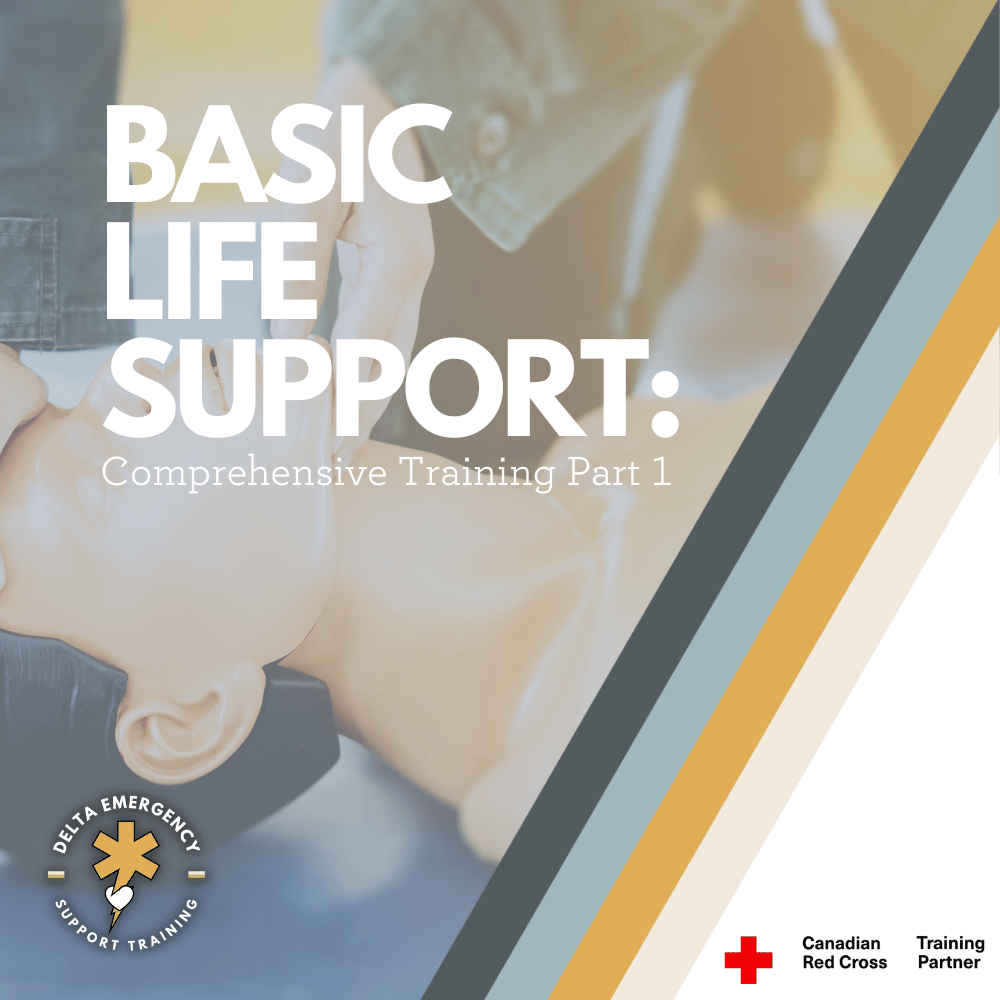
Basic Life Support (BLS) training encompasses a wide range of essential skills, and there's so much to cover! In this multi-part series, we'll explore the extensive world of BLS in-depth. Part 1 includes scene assessment, ABC check as well as CPR + AED use.

A student is practicing their Basic Life Support (BLS) skills on a mannequin. The student is performing the head tilt-chin lift maneuver to secure the airway. They are carefully holding the mannequin's head and gently tilting it back while lifting the chin upward.

In critical situations where every second counts, having the knowledge and skills of Basic Life Support (BLS) can make all the difference. Whether you're a nurse, dental hygienist, or anyone involved in healthcare or emergency response, mastering BLS is essential.

What is Basic Life Support (BLS)?

BLS (Basic Life Support) encompasses a comprehensive set of life-saving techniques and interventions performed on individuals facing various medical emergencies. These emergencies can range from airway obstructions and respiratory distress to cardiac arrest and more. The goal of BLS is to provide immediate recognition of emergency situations, administer primary assessment, perform CPR, utilize automated external defibrillators (AEDs), manage airway obstructions, provide assisted ventilation, and consider special circumstances that may require tailored approaches.

When it comes to BLS, quick recognition of emergency situations is crucial. Once the emergency is recognized, primary assessment is performed to evaluate the patient's condition, including responsiveness, breathing, and circulation. This assessment helps determine the appropriate course of action and guides subsequent interventions.

Primary Assessment

During a medical emergency, conducting a primary assessment is vital to quickly evaluate a patient's condition and determine the appropriate course of action. This assessment involves checking the patient's level of responsiveness (LOR), assessing the airway, breathing, and circulation (ABCs). Let's break down each step to ensure a thorough primary assessment.

Level of Responsiveness (LOR):

To determine the patient's level of responsiveness, start by verbally asking them if they are okay. If there is no response, gently tap the patient's shoulder and ask again. It's important to assess the patient's conscious state as it helps gauge the severity of the situation.

Airway:

If the patient is unconscious or unresponsive, assessing and securing the airway becomes crucial. The goal is to ensure that the airway is open and unobstructed. For an unconscious patient without suspected spinal injury, utilize the head tilt chin lift technique. Place one hand on the patient's forehead, gently tilt their head back, and lift the chin upward. This helps maintain an open airway by lifting the tongue away from the back of the throat.

However, if there is a possibility of a spinal injury, such as from a traumatic incident, use the jaw thrust technique instead. Place both hands on either side of the patient's jaw and lift it forward, while keeping the neck in a neutral position. This technique ensures the airway is protected while minimizing movement of the cervical spine.

Breathing and Circulation:

Once the airway is secured, it's crucial to assess breathing and circulation simultaneously. Spend about ten seconds observing the patient's chest rise and fall while listening and feeling for breath. Look for signs of normal breathing, such as chest rise and fall, and listen for any abnormal sounds like gasping or gurgling.

While assessing breathing, also check for the carotid pulse. Place your index and middle fingers on the patient's neck, alongside the windpipe, and feel for the pulse. Assessing circulation in conjunction with breathing helps determine if the patient's heart is pumping effectively.

CPR + AED

BLS (Basic Life Support) training goes hand in hand with comprehensive CPR (Cardiopulmonary Resuscitation) techniques, including the use of an AED (Automated External Defibrillator). Let's explore this essential aspect of BLS training in more detail.

CPR (Cardiopulmonary Resuscitation):

CPR is a crucial component of BLS, focusing on maintaining blood circulation and oxygenation when the heart has stopped or is not functioning properly. BLS training provides in-depth instruction on performing CPR effectively, including the following steps:

Chest Compressions:

BLS teaches the correct technique for performing chest compressions. This involves placing the heel of one hand on the center of the victim's chest (lower half of the sternum), stacking the other hand on top, interlocking the fingers, and keeping the arms straight. BLS emphasizes the importance of delivering compressions at the proper depth, typically about 2 inches for adults, with a rate of around 100-120 compressions per minute.

Rescue Breaths:

BLS training also covers rescue breaths, which involve delivering breaths into the victim's airway to supply oxygen. The ratio of chest compressions to rescue breaths may vary depending on the age group being treated. For adults, the ratio is typically 30 compressions to 2 breaths.

Chest Recoil:

BLS emphasizes the significance of allowing for complete chest recoil between compressions. This allows the heart to refill with blood before the next compression, improving the effectiveness of CPR.

AED (Automated External Defibrillator) Usage:

BLS training includes instruction on the proper use of an AED, a portable device that can analyze the heart's rhythm and deliver electrical shocks if necessary. Here's how AED usage is typically incorporated into BLS training:

  1. AED Placement: BLS teaches the importance of quickly accessing an AED and placing it near the victim. AEDs are typically equipped with easy-to-follow visual and auditory prompts to guide the user through the process.

  2. Electrode Pad Placement: BLS training covers the correct placement of the AED electrode pads on the victim's bare chest. One pad is usually placed on the upper right chest, just below the collarbone, while the other pad is positioned on the lower left side of the chest.

  3. Analysis and Shock Delivery: The AED will analyze the victim's heart rhythm and prompt the user to stand clear while it delivers an electric shock if it detects a shockable rhythm such as ventricular fibrillation or ventricular tachycardia.

  4. CPR Integration: BLS emphasizes the integration of CPR with AED usage. After each shock, it is essential to immediately resume CPR, beginning with chest compressions, as directed by the AED.

Congratulations on completing Part 1 of our comprehensive BLS training series! By exploring the foundational elements of scene survey, ABC check, CPR and AED usage, you've taken significant steps towards becoming a skilled responder in life-threatening situations. But don't worry, our BLS journey is far from over!

Stay tuned for Part 2, where we'll delve into life-saving interventions for airway obstruction, airway management, assisted ventilations, and oxygen therapy. These critical techniques will equip you with the knowledge and skills to tackle a broader range of medical emergencies confidently.

BLS Training and Certification

To take your BLS training to the next level, consider enrolling in our Delta Emergency Support Training BLS course. Our experienced instructors will guide you through hands-on training, ensuring you gain the confidence and expertise needed to make a positive impact in emergency situations. Whether you're a healthcare professional, dental hygienist, or anyone seeking to enhance their emergency response skills, our courses are tailored to meet your needs.

Don't delay in becoming a certified BLS practitioner with Delta Emergency Support Training. Reach out to us today at info@deltaemergency.com to learn more about our courses and take the first step towards becoming a capable and confident lifesaver.

Read More
AED trainer, BLS CPR, Cardiac, First Aid, Online Course Kumari Malhotra AED trainer, BLS CPR, Cardiac, First Aid, Online Course Kumari Malhotra

AEDs: The Basics

Sudden cardiac arrest (SCA) is a leading cause of death worldwide, with millions of people experiencing it each year. AEDs, or Automated External Defibrillators, are critical in treating SCA because they can deliver a life-saving shock within minutes of the onset of symptoms. This blog post will cover the basics of AEDs, including how they work, why they're important, and how to use them.

Automated External Defibrillators (AED): What You Need to Know

An Automated External Defibrillator, or AED, is a portable electronic device used to treat sudden cardiac arrest (SCA) in conjunction with Cardiopulmonary Resuscitation (CPR). AEDs are designed to be used by anyone, regardless of their level of training or experience, to help save lives in emergency situations.

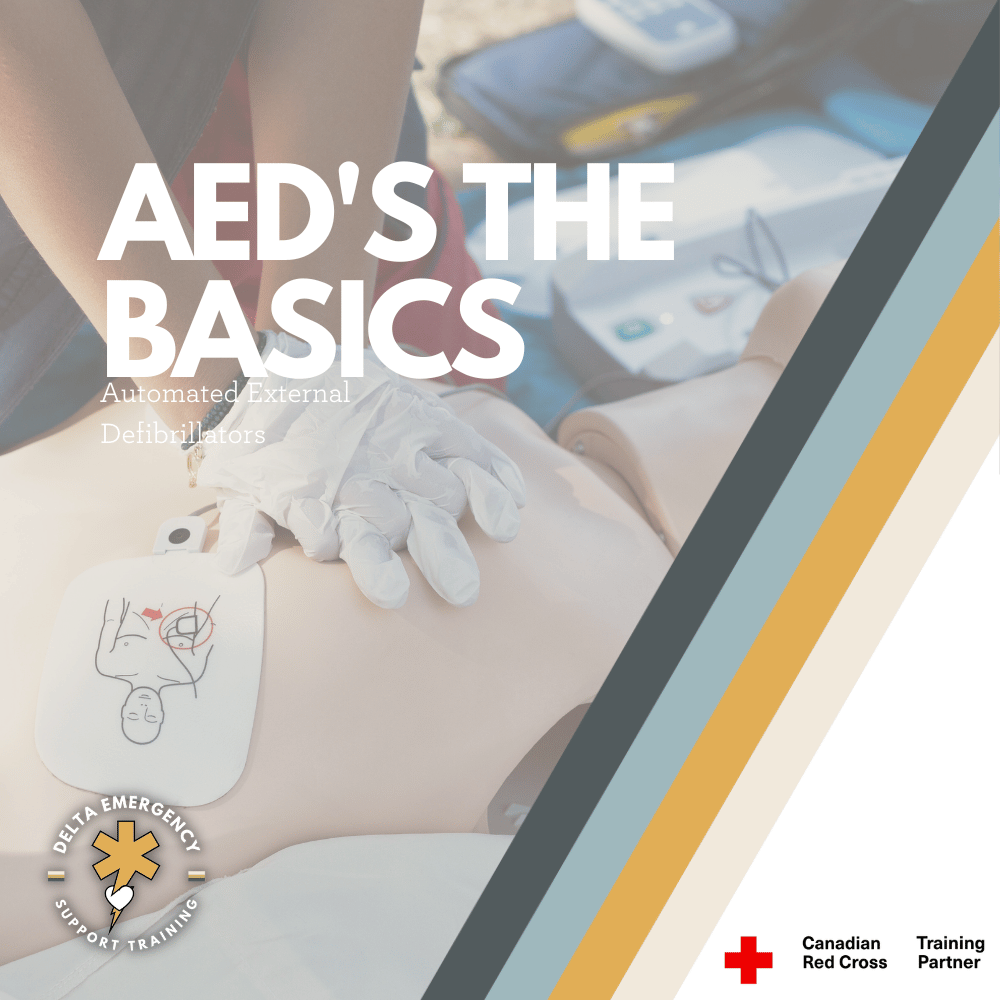
A person wearing gloves is performing first aid on a CPR dummy, while following AED directions. The person's hands are on the chest of the dummy, as if performing chest compressions. There is an AED device next to the dummy, with the pads attached to the dummy's chest.

How Does An AED Work?

AEDs work by analyzing the heart rhythm of a person experiencing SCA, and then delivering an electric shock to restore the heart's natural rhythm. The device comes with two sticky pads with attached wires, called electrodes. These pads are placed on the person's chest, and the AED's computer analyzes the heart rhythm through the electrodes. If the AED determines that the person's heart is in ventricular fibrillation or another treatable rhythm, it will prompt the user to deliver a shock. However, if the person's heart is in asystole, which is the absence of any heart rhythm, the AED will not deliver a shock. It's important to note that the use of an AED on a person with no heart rhythm (asystole) is not recommended because it is unlikely to be effective.

AED + CPR

CPR, or cardiopulmonary resuscitation, is a life-saving technique used to help someone who is in cardiac arrest. It involves a combination of chest compressions and rescue breaths to manually circulate oxygen-rich blood through the body when the heart is not beating effectively. CPR is performed when someone is unconscious, not breathing, and has no pulse.

When someone experiences sudden cardiac arrest (SCA), CPR should be performed while waiting for an AED to arrive or be retrieved. The combination of CPR and AED can significantly increase the chances of survival.

Why Are AED’s Important

Sudden cardiac arrest (SCA) is a leading cause of death worldwide, with millions of people experiencing it each year. AEDs, or Automated External Defibrillators, are critical in treating SCA because they can deliver a life-saving shock within minutes of the onset of symptoms. AEDs are easy to use, portable, and equipped with clear instructions and voice prompts. They can be stored in public places, homes, and businesses to provide quick access in case of an emergency.

Where Can I Find An AED?

AEDs are becoming more common in public places, such as airports, shopping centers, and schools. Many workplaces are also beginning to invest in AEDs for their employees and customers. It's important to know where the nearest AED is located in case of an emergency. Look for AEDs in clearly marked cabinets, often mounted on the wall. Some AEDs come with an audible alarm or flashing light to make them easier to find in an emergency. If you are unsure where an AED is located, ask your employer or contact your local fire department or ambulance service for more information.

How Can You Use An AED?

AEDs are designed to be simple and easy to use. Most devices come with clear verbal instructions and visual prompts that guide the user through the steps of using the device. Here is a brief overview of how to place AED pads on adults and children:

  • For adults: Place one pad on the upper right side of the chest and the other pad on the lower left side of the chest, as shown in the diagram on the AED or in the instructions. It's important to make sure the pads are placed correctly and securely on the skin.

  • For children: Pediatric pads should be used for children under the age of eight or weighing less than 55 pounds. These pads have a lower energy setting to avoid harm to the child. Place one pad on the center of the child's chest and the other pad on the child's back, just below the shoulder blades.

It's important to note that AEDs should not be used on a wet surface or in water. The chest should be shaved and dried if necessary to ensure good contact with the electrode pads. Sweat and other moisture can interfere with the proper function of the device.

Automated External Defibrillators are an important tool in treating sudden cardiac arrest. These devices can be used by anyone, regardless of their level of training or experience, to help save lives in emergency situations.

Read More
Airway, Healthcare, BLS CPR Jarrett Chisholm Airway, Healthcare, BLS CPR Jarrett Chisholm

Mastering Airway Management: Dental Professionals stay Certified with Canadian Red Cross Airway Management Course with Delta Emergency Support Training

Airway emergencies can be critical situations that require prompt and efficient management to ensure the safety and well-being of patients. For dental professionals, being well-prepared to handle such emergencies is crucial, and that's where the Canadian Red Cross Airway Management course in collaboration with Delta Emergency Support Training comes in. With expert instructors who have years of experience as Advanced Care Paramedics, and certified instructors in ACLS, PALS, advanced airway management, intravenous sedation, and utilizing Simulaids airway trainers, dental professionals can trust in the comprehensive training provided. The course covers a wide range of topics, including airway assessment, ventilation techniques, oxygen administration, and the use of airway adjuncts, equipping dental professionals with the knowledge and skills to effectively manage airway emergencies in their practice.

Dental Professionals Mastering Airway Management

As a dental professional, ensuring the safety and well-being of your patients is of utmost importance. One crucial aspect of patient care in dental practice is managing airway emergencies effectively. Whether it's a patient experiencing difficulty breathing, choking, or other airway obstructions, dental professionals must be prepared to handle such situations promptly and efficiently. To equip dental professionals with the necessary skills and knowledge, the Canadian Red Cross Airway Management course in collaboration with Delta Emergency Support Training offers comprehensive training tailored specifically for dental professionals.

Airway Management is a 1 hour course and can be taught on any day, at any location.

What is the Canadian Red Cross Airway Management Course?

The Canadian Red Cross Airway Management course is a specialized training program designed to enhance the skills and competencies of dental professionals in managing airway emergencies. This course focuses on providing dental professionals with the knowledge and practical skills necessary to recognize and manage common airway emergencies that may occur in dental practice settings. The course covers a wide range of topics, including airway anatomy and physiology, assessment and management of airway obstructions, use of airway adjuncts, and techniques for providing effective ventilations.

Why Choose Delta Emergency Support Training?

Delta Emergency Support Training is a respected training company that uses Advanced Care Paramedics to teach airway management, BLS CPR, ACLS, and Calgary Fire applicants. The instructors at Delta Emergency Support Training are experienced professionals with years of expertise in advanced airway management, including the use of various airway adjuncts, intravenous sedation, and Simulaids airway trainers that accept every type of airway adjunct for competency assessments (OPA, NPA, SGA, LMA, iGel, ETT.) This ensures that dental professionals receive the latest and most up-to-date information on best practices in airway management.

Furthermore, Delta Emergency Support Training offers the convenience of traveling to dental professionals' locations to deliver the Canadian Red Cross Airway Management course, BLS CPR, and ACLS training. This eliminates the need for dental professionals to travel to a training center, making it easier for them to fit the training into their busy schedules.

Benefits of Canadian Red Cross Airway Management Course for Dental Professionals

Participating in the Canadian Red Cross Airway Management course in collaboration with Delta Emergency Support Training offers numerous benefits for dental professionals:

  1. Enhanced Skills: The course provides dental professionals with advanced skills and competencies in airway management, including the use of airway adjuncts, assessment and management of airway obstructions, and techniques for providing effective ventilations. This allows dental professionals to confidently handle airway emergencies in their practice and provide timely and appropriate care to their patients.

  2. Professional Certification: Successful completion of the course results in an Airway Management certification from the Canadian Red Cross, which is recognized for Dentists in Alberta, and Canada. This certification demonstrates dental professionals' commitment to ongoing professional development and maintaining the highest standards of patient care.

  3. Convenience and Flexibility: Delta Emergency Support Training's on-site training at dental professionals' locations offers convenience and flexibility, allowing them to schedule the training at their preferred time and location without the need for additional travel.

  4. Expert Instructors: The experienced instructors at Delta Emergency Support Training bring years of Advanced Care Paramedic and Critical Care expertise in advanced airway management and provide practical, hands-on training using various airway adjuncts and Simulaids airway trainers, ensuring dental professionals receive the latest and most comprehensive training.

  5. Patient Safety: By gaining advanced skills in airway management, dental professionals can effectively manage airway emergencies, ensuring the safety and well-being of their patients. Prompt and efficient management of airway emergencies can potentially save lives and prevent complications.


As a dental professional, it is essential to be prepared to handle airway emergencies effectively in your practice. The Canadian Red Cross Airway Management course in collaboration with Delta Emergency Support Training offers comprehensive training that enhances the skills and competencies of dental professionals in managing airway emergencies. With expert instructors, convenient on-site training, and a focus on advanced airway management, including the use of airway adjuncts, dental professionals can confidently handle airway emergencies in their practice, ensuring the safety and well-being of their patients.

Investing in the Canadian Red Cross Airway Management course in collaboration with Delta Emergency Support Training is a valuable opportunity for dental professionals to enhance their skills and maintain their certification. By staying up-to-date with the latest best practices in airway management, dental professionals can provide the highest standard of care to their patients and ensure that their practice is well-equipped to handle any airway emergency that may arise.

Don't wait until an airway emergency occurs in your practice. Take proactive steps to enhance your skills and preparedness by enrolling yourself and all your staff in the Canadian Red Cross Airway Management course with Delta Emergency Support Training. With expert instructors, comprehensive training, and professional certification, this course is a valuable investment in the safety and well-being of your patients and the success of your dental practice.

Contact Delta Emergency Support Training today to learn more about their on-site training options and how you can benefit from the Canadian Red Cross Airway Management course. Don't compromise on patient safety – equip yourself with the knowledge and skills to effectively manage airway emergencies in your dental practice.

At Delta Emergency Support Training we are happy to answer any questions you may have about Airway Management. We provide training sessions for individuals or group classes. Airway Management and Oxygen Therapy is delivered in-person over 1 hour (for 1 certificate). We have options for in person, hybrid or online classes for Standard First Aid (SFA) Advanced First Aid (AFA) and Emergency Medical Responder (EMR) courses. For all inquiries please email info@deltaemergency.com

Read More