The Delta Dispatch

Understanding Blood Pressure: A Critical Guide for Advanced First Aiders & EMRs

Blood pressure isn’t just a number—it’s a key clue to what’s happening inside your patient’s body. Whether it’s shock, stroke, or dehydration, knowing how to take and interpret blood pressure can guide better decisions and faster interventions. This guide walks AFA and EMR students through practical skills, critical signs, and scene-ready tips to sharpen your response.
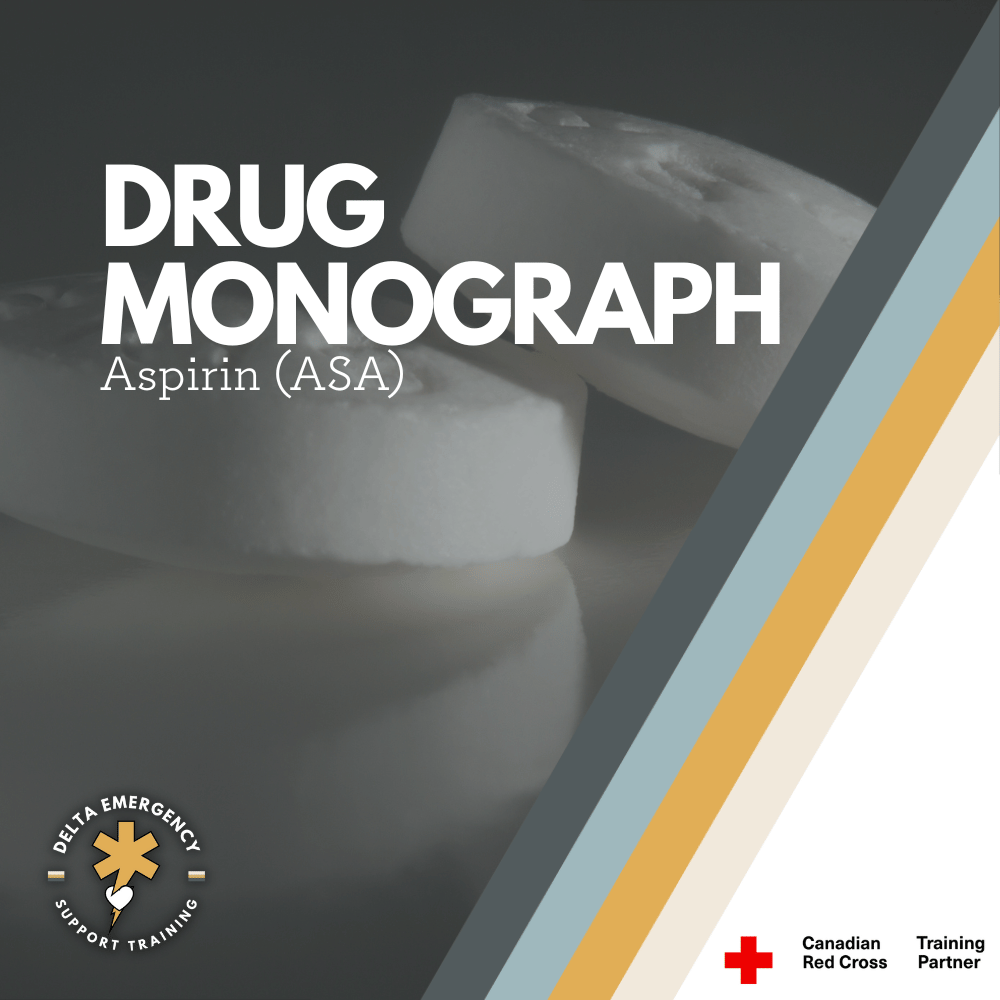
Blood pressure is one of the most foundational yet powerful tools we have in emergency medical response. For Advanced First Aiders (AFA) and Emergency Medical Responders (EMRs), knowing how to assess and interpret blood pressure can directly influence your patient care decisions and the urgency of interventions.

Whether you're the first responder at a vehicle collision or assisting someone feeling faint at a public event, blood pressure is a window into the circulatory system—and sometimes, the first clue that something critical is happening.

🧠 What Is Blood Pressure, Really?

Blood pressure (BP) measures the force of circulating blood against the artery walls. It reflects two key phases of the heart's cycle:

  • Systolic (top number): The pressure when the heart contracts and pumps blood out.

  • Diastolic (bottom number): The pressure when the heart relaxes and fills with blood.

📊 Standard Ranges (for Adults):

ClassificationSystolicDiastolicNormal90–120 mmHg60–80 mmHgElevated120–129 mmHg<80 mmHgHypertension Stage 1130–139 mmHg80–89 mmHgHypertension Stage 2≥140 mmHg≥90 mmHgHypotension<90 mmHg<60 mmHg

⚠️ Context is everything. A BP of 90/60 might be perfectly normal for one patient, but a sign of decompensated shock in another.

🔍 Why Blood Pressure Is Vital in Prehospital Care

As an AFA or EMR, you rely on vital signs to tell a story. Blood pressure, especially when taken alongside LOC, skin signs, RR, and pulse, can help you:

  • Detect early signs of shock or internal bleeding

  • Monitor for stroke or cardiac complications

  • Differentiate between syncope and seizure

  • Recognize toxic exposure or overdose

  • Identify heat exhaustion or dehydration

  • Understand trends during ongoing assessment

BP is especially important during ongoing monitoring, not just initial assessment.

🛠️ How to Take an Accurate BP (Manual Method)

While digital monitors are useful, manual BP skills are essential for field readiness and clinical accuracy.

✔️ Equipment:

  • Sphygmomanometer (BP cuff)

  • Stethoscope

🧾 Step-by-Step:

  1. Position the patient: Seated or supine with arm supported at heart level.

  2. Wrap the cuff snugly around the upper arm, 2–3 cm above the elbow crease.

  3. Locate the brachial artery and place the stethoscope over it.

  4. Inflate cuff until the pulse is no longer audible (~180–200 mmHg, or 30 above normal).

  5. Slowly deflate the cuff (~2 mmHg/sec).

  6. First sound = Systolic, last sound = Diastolic.

  7. Fully deflate and record the reading with time and side taken (e.g., L arm, 10:05 a.m.).

🔄 Reassess BP every 5 mins for unstable patients, and 10–15 mins for stable ones.

🧠 Interpretation in the Field: What Do Abnormal BPs Tell Us?

⬇️ Low BP (Hypotension)

May indicate:

  • Hemorrhagic or hypovolemic shock

  • Sepsis

  • Dehydration

  • Anaphylaxis

  • Overdose (narcotics, sedatives)

  • Heart failure

Clinical clues:

  • Cool, clammy, pale skin

  • Confusion or altered LOC

  • Weak, thready pulse

  • Increased RR

  • Cap refill >2 seconds

🛑 Action:

  • Lay patient supine

  • Keep warm

  • Provide oxygen (if trained)

  • Activate EMS

  • Monitor vitals and ABCs frequently

⬆️ High BP (Hypertension)

Could indicate:

  • Stroke

  • Head injury

  • Cardiac crisis (e.g., MI)

  • Pain or anxiety

  • Certain toxins or drugs

Clinical clues:

  • Headache

  • Blurred vision

  • Bounding pulse

  • Facial flushing

  • Unequal pupils or confusion

🛑 Action:

  • Keep patient calm and seated

  • Avoid sudden position changes

  • Support ABCs

  • Monitor for neuro signs

  • Rapid transport if stroke is suspected

🛑 Common BP Mistakes to Avoid

  • Cuff too small or too loose = falsely high reading

  • Arm unsupported or above/below heart level = inaccurate reading

  • Talking or moving during reading = unreliable results

  • Only taking one reading = no trend to compare

📎 Always pair BP with a full set of vitals: HR, RR, skin signs, LOC, SpO₂ (if available).

🧰 Practice Tips for AFA/EMR Students

  • Practice BP on real people during calm and active states

  • Use scenario-based learning (e.g., trauma, medical, overdose)

  • Compare manual and digital readings for training purposes

  • Note how BP trends with treatment and patient position

🌡️ BP in Specific Situations

🧓 Elderly:

  • May have higher baseline BPs due to reduced arterial elasticity

  • Monitor for postural hypotension

👶 Children:

  • Use appropriate cuff size

  • Hypotension is a late sign of shock

🤕 Trauma:

  • A falling BP with rising pulse = shock

  • Suspect internal bleeding or volume loss

🧠 Stroke:

  • BP may rise to preserve cerebral perfusion—don’t treat unless trained and authorized

✅ Final Takeaways for First Responders

  • Blood pressure is a critical diagnostic tool, not just a number.

  • Always take it in context with other vitals and the patient’s presentation.

  • Practice often, document clearly, and reassess regularly.

  • Know the red flags and escalate care early if something doesn’t feel right.

Want to sharpen your blood pressure skills?

Join our Advanced First Aid or EMR courses for hands-on practice, real-world scenarios, and guidance from experienced instructors.

Read More

Understanding Aspirin (ASA) in Cardiac First Response: A Drug Monograph Overview

Discover how aspirin, a stalwart in medicine, actively intervenes in cardiac emergencies by impeding platelet aggregation, safeguarding against clot progression in coronary arteries. Explore its multifaceted benefits and proactive role in managing cardiovascular conditions effectively.
Two ASPRIN PILLS LEANING AGAINST EACHOTHER.

In the realm of first response having a comprehensive understanding of the medications we administer is crucial. Among these medications, aspirin, also known as acetylsalicylic acid (ASA), holds a significant place, particularly in addressing cardiac-style chest pain. Let's delve into the depths of ASA through a drug monograph lens to comprehend its indications, contraindications, and cautions.

Introduction to Drug Monograph

Drug monographs are like compasses guiding us through the vast sea of medications. They offer a detailed overview, covering everything from why a medication is used to when it should be avoided. Understanding these monographs is paramount as they can make the difference between effective relief and unintentional harm to our patients.

Indications for Aspirin (ASA)

Aspirin is primarily used to address a range of cardiovascular issues. In the realm of emergency response, ASA is particularly crucial for addressing cardiac-style chest pain, commonly linked with heart attacks. Its mechanism of action involves inhibiting platelet aggregation, thereby preventing the exacerbation of clots in coronary arteries rather than directly alleviating pain. This proactive approach reduces the risk of clot enlargement, which could worsen the underlying condition causing the pain.

Contraindications PAAADI

To ensure safe administration of aspirin, it's imperative to heed its contraindications:

  1. Paediatric: Aspirin is not given to children and adolescents due to the risk of Reye's syndrome, a rare but serious condition affecting the brain and liver.

  2. Allergy: Individuals with a known allergy to aspirin or other nonsteroidal anti-inflammatory drugs (NSAIDs) should steer clear of ASA to prevent allergic reactions.

  3. Asthma: Patients with asthma that is exasperated upon taking aspirin should steer clear. Taking ASA may lead to bronchospasm and respiratory distress in our already distressed patients. The last thing we want to do is make it hard to breath for these patients.

  4. Acute bleeds: Aspirin's antiplatelet properties increase the risk of bleeding, making it unsuitable for individuals experiencing acute bleeding episodes.

  5. Dose: Administering aspirin beyond recommended doses can heighten the risk of adverse effects. Adhere to local guideline administration protocols.

  6. Inability to Comply: Patients who cannot comprehend or follow instructions for aspirin use should avoid its administration to prevent misuse or adverse outcomes.

Adhering to these contraindications ensures safe and effective utilization of aspirin in the management of cardiac emergencies.

Cautions PABIS

While aspirin holds immense therapeutic value, certain precautions must be taken into account:

  1. Pregnancy: Aspirin should be used cautiously during pregnancy, especially in the third trimester, as it may increase the risk of bleeding and complications for both the mother and the fetus.

  2. Anticoagulants: Concurrent use of aspirin with anticoagulant medications can potentiate the risk of bleeding, necessitating close monitoring and dose adjustments.

  3. Bleeds: Patients with a history of gastrointestinal ulcers or other bleeding disorders should exercise caution while using aspirin to minimize the risk of bleeding complications.

  4. Internal Bleeds: Individuals with a predisposition to internal bleeding, such as cerebral hemorrhage, should avoid aspirin due to its antithrombotic effects.

  5. Surgery: Aspirin use before surgical procedures may increase the risk of perioperative bleeding, necessitating temporary discontinuation and consultation with healthcare providers.

By adhering to these cautionary measures, healthcare providers can mitigate the risks associated with aspirin use and ensure patient safety.

In conclusion, aspirin, with its potent antiplatelet properties, plays a pivotal role in the management of cardiac-style chest pain during emergencies. However, a thorough understanding of its indications, contraindications, and cautions is essential to ensure safe and effective administration. By heeding these guidelines, we can navigate the complexities of first aid with confidence, knowing that we are equipped to provide optimal care to those in need.

Read More

Aspirin: Understanding Its Uses, Indications, and Contraindications

In the blog post, "Aspirin (ASA): Understanding Its Uses, Indications, and Contraindications," we delve into the versatile applications of Aspirin and shed light on its primary uses in pain management and reducing fever. Additionally, we explore the significant role that Aspirin plays in preventing heart attacks and strokes, highlighting its blood-thinning properties and ability to mitigate blood clots. However, it's crucial to understand the potential risks and contraindications associated with Aspirin usage, particularly for individuals with specific medical conditions or on certain medications. Join us as we navigate the comprehensive landscape of Aspirin, equipping you with essential knowledge to make informed decisions regarding its usage.

Aspirin (ASA): Understanding Its Uses, Indications, and Contraindications

Lady holding a handful of pills

Patient holding mutiple pills in hand

Introduction

Aspirin, also known as acetylsalicylic acid (ASA), is a widely used medication with diverse applications. It is primarily known for its antiplatelet aggregation properties, making it effective in various medical conditions. In this blog, we will explore what aspirin is, its indications, and contraindications to provide a comprehensive understanding of this versatile medication.

What is Aspirin (ASA)?

Aspirin, or ASA, belongs to a class of drugs known as nonsteroidal anti-inflammatory drugs (NSAIDs). Its primary mechanism of action is inhibiting the production of certain substances in the body that cause pain, inflammation, and fever. Additionally, aspirin functions as an antiplatelet agent, meaning it prevents the clumping of blood cells called platelets, reducing the risk of blood clot formation.

Indications for Aspirin

Aspirin has several important indications across different medical fields. Some common uses include:

Prevention of Cardiovascular Events

  • Aspirin is prescribed to individuals at high risk of cardiovascular diseases, such as heart attack or stroke. It helps reduce the likelihood of blood clot formation and subsequent blockages in the blood vessels.

  • Pain Relief: Aspirin is effective in alleviating mild to moderate pain, including headaches, toothaches, muscle aches, and menstrual cramps.

  • Fever Reduction: Aspirin is commonly used to lower fever caused by infections or other factors.

  • Rheumatic Conditions: It may be recommended for individuals with certain rheumatic conditions, such as rheumatoid arthritis or systemic lupus erythematosus, to relieve pain and reduce inflammation.

Contraindications and Precautions

While aspirin has numerous benefits, there are certain situations in which its use is contraindicated or requires caution. These include:

  • Allergy or Sensitivity: Individuals who have known allergies or sensitivities to aspirin or other NSAIDs should avoid its use.

  • Bleeding Disorders: Aspirin can interfere with blood clotting, so individuals with bleeding disorders or those taking anticoagulant medications should use aspirin with caution or under medical supervision.

  • Peptic Ulcers: Aspirin can irritate the stomach lining and worsen peptic ulcers. Individuals with a history of ulcers or gastrointestinal bleeding should exercise caution or avoid its use.

  • Children and Teens: Aspirin should not be administered to children or teenagers with viral illnesses, as it may lead to a rare but serious condition called Reye's syndrome.

  • Pregnancy and Breastfeeding: Aspirin use during pregnancy and breastfeeding should be discussed with a healthcare professional due to potential risks.

Additional Considerations

It's essential to follow proper dosage instructions and consult a healthcare professional before initiating aspirin therapy. They will consider your medical history, current medications, and individual circumstances to determine the appropriate dosage and duration of treatment.

Moreover, it's crucial to be aware of potential side effects, such as stomach upset, heartburn, and increased bleeding risk. If you experience any adverse reactions or concerns, seek medical advice promptly.

Conclusion

Aspirin, or ASA, is a versatile medication widely used for its antiplatelet and anti-inflammatory properties. From preventing cardiovascular events to providing pain relief and reducing fever, aspirin has numerous applications. However, it is crucial to understand its indications, contraindications, and precautions to ensure safe and effective use. Consult with a healthcare professional for personalized guidance regarding aspirin therapy and to address any concerns or specific medical conditions.

Read More
Awareness, Cardiac, Healthcare, Heart Disease Kumari Malhotra Awareness, Cardiac, Healthcare, Heart Disease Kumari Malhotra

Understanding Heart Disease: Protecting Your Most Vital Organ

Heart disease is a leading cause of mortality worldwide, affecting individuals of all ages and backgrounds. In this comprehensive blog, we delve into the world of cardiovascular conditions, exploring their causes, symptoms, and management strategies. Whether you want to understand the importance of heart health, prevent heart disease, or find ways to effectively manage existing conditions, this blog provides valuable insights and actionable steps. Empower yourself with knowledge and embrace a heart-healthy lifestyle to protect your most vital organ and live a vibrant, fulfilling life.

Heart disease remains a pressing and formidable health concern in Canada, demanding our utmost attention and action. Within the landscape of healthcare, cardiovascular complications persistently rank as the leading cause of death among Canadaians.The profound impact of heart disease extends far beyond mere statistics—it touches individuals, families, and communities, reminding us of the paramount importance of safeguarding heart health.

Animation of a medically accurate heart.

Heart health serves as the foundation for overall well-being, as the heart tirelessly pumps blood and vital oxygen to every organ and tissue in our bodies. It is the lifeline that sustains our existence, making it imperative to prioritize its care and protection. By understanding the crucial role of heart health and the profound impact of heart disease, we can empower ourselves to take proactive measures in combatting this pervasive condition.

The significance of heart health cannot be overstated. A healthy heart enables us to pursue our passions, nurture relationships, and embrace life's adventures. It allows us to enjoy moments both big and small, from the exhilaration of physical activity to the tender joy of holding a loved one close. A healthy heart is the cornerstone of vitality, resilience, and longevity.

Heart disease, with its various forms and manifestations, poses a significant threat to our well-being. It encompasses a range of conditions such as coronary artery disease, heart failure, arrhythmias, and valvular disorders. These ailments can lead to heart attacks, strokes, and a diminished quality of life if left unaddressed. However, the silver lining lies in the fact that many cases of heart disease are preventable through early intervention and the adoption of healthy lifestyle choices.

As we explore the multifaceted landscape of heart disease prevention and management, it becomes apparent that our choices hold the key to mitigating its impact. By adopting a heart-healthy diet, engaging in regular physical activity, managing stress levels, avoiding tobacco, and attending regular check-ups, we can make significant strides in safeguarding our hearts.

The path to heart health is a shared journey, with communities, healthcare professionals, and individuals all playing crucial roles. Through education, awareness, and collective action, we can foster an environment that nurtures heart health, promotes early detection, and empowers individuals to make informed decisions.

In the following sections, we will delve deeper into the intricate web of heart disease prevention and management. We will explore the impact of lifestyle choices on heart health, examine common cardiovascular conditions, and provide practical insights into prevention and mitigation strategies.

Common Cardiovascular Diseases

Heart problems have a profound impact on an individual's quality of life, making it crucial to understand and address common cardiovascular diseases. These conditions can disrupt daily activities, limit physical abilities, and pose significant health risks. By expanding our knowledge of these diseases, we can better recognize their symptoms, seek appropriate medical attention, and take proactive steps towards prevention and management. In this section, we will explore some of the most prevalent cardiovascular diseases, shedding light on their effects and emphasizing the importance of early intervention.

  1. Coronary Artery Disease (CAD):

    Coronary artery disease is a condition characterized by the buildup of plaque inside the coronary arteries, which supply oxygen-rich blood to the heart. The narrowed or blocked arteries restrict blood flow, leading to various symptoms and potentially causing a heart attack. CAD can be influenced by factors such as high blood pressure, high cholesterol levels, smoking, diabetes, obesity, and a sedentary lifestyle. Lifestyle modifications, medications, and medical procedures like angioplasty or bypass surgery are common treatments for CAD.

  2. Congestive Heart Failure (CHF):

    Congestive heart failure occurs when the heart is unable to pump enough blood to meet the body's needs. It can result from various conditions that weaken or damage the heart, such as coronary artery disease, heart attacks, high blood pressure, heart valve problems, or certain heart muscle diseases. Symptoms of heart failure include shortness of breath, fatigue, fluid retention (swelling in the legs, ankles, or abdomen), and reduced exercise tolerance. Treatment approaches for heart failure may include lifestyle changes, medications, implanted devices like pacemakers or defibrillators, or, in severe cases, heart transplantation.

  3. Arrhythmias:

    Arrhythmias are irregular heart rhythms that can occur due to abnormalities in the heart's electrical system. They can manifest as a heart beating too fast (tachycardia), too slow (bradycardia), or irregularly. Common symptoms of arrhythmias include palpitations (awareness of a rapid or irregular heartbeat), dizziness, lightheadedness, fainting, chest discomfort, and shortness of breath. Treatment options for arrhythmias may include medications, lifestyle modifications, catheter-based procedures like ablation, or implantation of devices like pacemakers or implantable cardioverter-defibrillators (ICDs).

  4. Valvular Heart Disease:

    Valvular heart disease involves abnormalities or damage to the heart valves, which regulate blood flow between different chambers of the heart. Examples of valvular heart diseases include aortic stenosis (narrowing of the aortic valve), mitral regurgitation (leaking of the mitral valve), or mitral valve prolapse (improper closure of the mitral valve). Symptoms can include fatigue, shortness of breath, chest pain, palpitations, and swelling in the ankles or feet. Treatment approaches for valvular heart disease may involve medications, lifestyle modifications, and surgical procedures such as valve repair or replacement.

  5. Myocardial Infarction (Heart Attack):

    A heart attack, also known as a myocardial infarction, occurs when the blood flow to a part of the heart muscle is blocked, usually due to a blood clot in a coronary artery. This blockage deprives the heart muscle of oxygen and nutrients, leading to tissue damage or cell death. Symptoms of a heart attack include chest pain or discomfort, shortness of breath, lightheadedness, nausea, and pain or discomfort in the arms, back, jaw, or neck. Immediate medical attention is crucial to minimize heart muscle damage and improve outcomes.

  6. Hypertensive Heart Disease:

    Hypertensive heart disease refers to heart conditions caused by long-term high blood pressure. The increased pressure puts strain on the heart, leading to conditions such as thickened or weakened heart muscle (left ventricular hypertrophy or dilated cardiomyopathy) or heart failure. Controlling blood pressure through lifestyle modifications and medications is essential in managing hypertensive heart disease.

  7. Congenital Heart Disease:

    Congenital heart disease refers to structural heart defects present at birth. These defects can affect the heart's walls, valves, or blood vessels, impairing proper blood flow. The severity of congenital heart disease can range from minor abnormalities that require no treatment to complex conditions that require surgical intervention during infancy or childhood. Treatment options depend on the specific defect and its impact on the individual's health.

  8. Cardiomyopathy:

    Cardiomyopathy is a disease that affects the heart muscle, causing it to become enlarged, thickened, or rigid. This condition can be inherited or acquired and can lead to heart failure, arrhythmias, or other complications. Treatment for cardiomyopathy may include medications, lifestyle changes, implanted devices, or, in severe cases, heart transplantation.

  9. Pericardial Disease:

    Pericardial disease refers to conditions affecting the pericardium, the protective sac surrounding the heart. It can include inflammation of the pericardium (pericarditis), accumulation of fluid in the pericardial space (pericardial effusion), or scarring of the pericardium (constrictive pericarditis). Symptoms can include chest pain, shortness of breath, and fatigue. Treatment depends on the specific condition and may involve medications or, in some cases, surgical intervention.

  10. Aortic Aneurysm and Dissection:

    Aortic aneurysm is a condition characterized by the abnormal dilation or ballooning of the aorta, the main artery that carries blood from the heart to the rest of the body. If left untreated, an aneurysm can rupture, leading to life-threatening internal bleeding. Aortic dissection occurs when a tear develops in the inner lining of the aorta, causing the layers of the artery to separate. Both conditions require immediate medical attention and can be treated with medications or surgical interventions, depending on the severity.

It's important to note that the management and treatment options for these heart diseases can vary depending on individual circumstances. Seeking prompt medical advice and working closely with healthcare professionals are crucial for appropriate diagnosis and tailored treatment plans.

Lifestyle Choices and Heart Health

Diet and Nutrition:

A heart-healthy diet serves as a cornerstone for maintaining optimal heart health. Emphasize the importance of adopting a balanced eating plan that includes a variety of nutrient-dense foods:

  • Fruits and Vegetables: Encourage the consumption of a colorful array of fruits and vegetables, as they are rich in vitamins, minerals, and antioxidants that protect against heart disease.

  • Whole Grains: Highlight the benefits of incorporating whole grains like oats, quinoa, and brown rice into meals, as they are high in fiber and can help lower cholesterol levels.

  • Lean Proteins: Recommend lean protein sources such as skinless poultry, fish, legumes, and tofu while reducing the intake of red meat, which is associated with an increased risk of heart disease.

  • Healthy Fats: Educate readers about the importance of incorporating sources of healthy fats, such as avocados, nuts, seeds, and olive oil, which can help reduce LDL (bad) cholesterol levels.

Regular Physical Activity:

Regular exercise is crucial for maintaining heart health and reducing the risk of cardiovascular disease. Provide guidance on incorporating physical activity into daily routines:

  • Aerobic Exercise: Explain the benefits of aerobic activities like brisk walking, jogging, cycling, or swimming, which help strengthen the heart and improve overall cardiovascular fitness.

  • Strength Training: Emphasize the importance of incorporating strength training exercises, such as lifting weights or bodyweight exercises, to enhance muscle tone, support healthy weight management, and improve overall cardiovascular function.

  • Moderate Intensity: Encourage at least 150 minutes of moderate-intensity exercise per week, which can be achieved through activities like dancing, gardening, or taking fitness classes.

Stress Management:

Chronic stress can contribute to heart disease. Provide strategies for managing stress effectively:

  • Mindfulness and Meditation: Encourage readers to practice mindfulness and meditation techniques to reduce stress and promote relaxation.

  • Stress-Relieving Activities: Highlight the importance of engaging in activities that bring joy and relaxation, such as hobbies, spending time in nature, practicing yoga, or listening to music.

  • Healthy Work-Life Balance: Emphasize the significance of maintaining a healthy work-life balance and setting boundaries to reduce stress levels.

Tobacco and Alcohol:

Smoking and excessive alcohol consumption are detrimental to heart health. Address these factors and offer guidance on making healthier choices:

  • Smoking Cessation: Provide resources and strategies to quit smoking, including nicotine replacement therapy, support groups, and professional guidance.

  • Moderate Alcohol Consumption: Educate readers about the potential risks of excessive alcohol consumption and encourage moderation by adhering to recommended limits.

Conclusion

In conclusion, heart health is of paramount importance in maintaining a high quality of life. The prevalence and impact of cardiovascular diseases, such as coronary artery disease, heart failure, arrhythmias, and valvular heart disease, underscore the need for prevention and effective management strategies.

By adopting healthy lifestyle choices, including a balanced diet, regular exercise, stress management, and avoidance of harmful habits like smoking and excessive alcohol consumption, we can significantly reduce the risk of developing heart diseases. Moreover, controlling risk factors such as high blood pressure, high cholesterol levels, diabetes, and obesity can further contribute to maintaining optimal heart health.

For those already diagnosed with heart disease, managing the condition through medication adherence, lifestyle modifications, and regular medical check-ups is crucial. Implementing treatment plans that may involve medications, implantable devices, surgical interventions, or cardiac rehabilitation can improve symptoms, slow disease progression, and enhance overall well-being.

Ultimately, the journey to heart health is a lifelong commitment that requires proactive efforts, education, and awareness. By prioritizing our cardiovascular well-being and making informed choices, we empower ourselves to live vibrant, fulfilling lives while minimizing the burden of heart disease.

Let us embrace the importance of heart health, both individually and as a community, and work together to create a future where heart diseases are prevented, managed effectively, and their impact on our lives is greatly reduced.

Read More

Treating Chest Pain: Aspirin and Nitroglycerin

Aspirin and nitroglycerin are two medications that are commonly used by first responders to treat chest pain or suspected heart attack. Aspirin is a platelet inhibitor that helps to prevent blood clots from forming and reduces the risk of further damage to the heart. Nitroglycerin is a vasodilator that helps to increase blood flow to the heart by dilating blood vessels, which reduces the workload on the heart muscle.

While these medications can be effective in treating chest pain or suspected heart attack, it's important for first responders to be familiar with their uses, risks, and benefits, and to follow established protocols and guidelines when administering them. Aspirin and nitroglycerin can have potential side effects and contraindications, so it's important to use them only as directed and under the guidance of a healthcare professional.

To ensure the safety and well-being of their patients, first responders should also educate patients about the benefits and risks of aspirin and nitroglycerin, and the importance of seeking medical follow-up after receiving these medications. By working closely with healthcare professionals and following established protocols and guidelines, first responders can provide effective care and help ensure the safety and well-being of their patients.

When it comes to treating chest pain or suspected heart attack, aspirin and nitroglycerin are two medications that first responders may use to help their patients depending on scope of practice. But what are these medications, how do they work, and what do first responders need to know about their use?

man sitting down and clutching his chest in pain. He appears to be experiencing a heart attack. Calgary Fire Fighters on the way.

Aspirin:

What is Aspirin, and How Does it Work?

Aspirin, also known as acetylsalicylic acid (ASA), is a medication that's commonly used to treat pain, fever, and inflammation. Aspirin works by inhibiting the activity of platelets, which are small blood cells that play a key role in blood clotting. When a blood vessel is damaged, platelets are activated and begin to stick to the damaged area to form a plug, which helps to stop bleeding. However, when a blood clot forms inside an artery supplying the heart, it can block blood flow and cause a heart attack.

As a platelet inhibitor, aspirin helps to prevent blood clots from forming and reduces the risk of further damage to the heart.

How is Aspirin Used in Emergency Situations?

Aspirin is an important medication for first responders to use in emergency situations, particularly for patients experiencing chest pain or suspected heart attack also know as a myocardial infarction. To speed up its onset of action, chewing aspirin is often recommended. The recommended dose of aspirin for patients with suspected heart attack is typically between 160-325 mg.

Contraindications:

There are certain situations where aspirin use may not be appropriate or may need to be used with caution.

Some common contraindications for aspirin use include:

  • Allergy or hypersensitivity to aspirin or other non-steroidal anti-inflammatory drugs (NSAIDs)

  • Active bleeding or bleeding disorders

  • Suspected stroke

  • ASA exacerbated asthma

  • Children with viral infection

    Nitroglycerin:

    What is Nitroglycerin, and How Does it Work?

    Nitroglycerin is a medication used to treat chest pain or angina, which is often a symptom of heart disease. Nitroglycerin is a vasodilator, which means that it relaxes and widens blood vessels throughout the body, including the coronary arteries that supply blood to the heart muscle.

    By dilating the blood vessels, nitroglycerin helps to increase blood flow to the heart, which reduces the workload on the heart muscle and can relieve chest pain or angina. Nitroglycerin works by releasing nitric oxide, which is a gas that relaxes the smooth muscle cells in the walls of blood vessels.

    In addition to its effects on the coronary arteries, nitroglycerin can also cause vasodilation in other blood vessels, which can lead to a drop in blood pressure or hypotension. This is why nitroglycerin should not be given to patients with low blood pressure or hypotension.

    It is administered as a sublingual spray with a recommended dose of 0.4 mg.

    Contrindications:

    While nitroglycerin is a useful medication, there are some precautions to keep in mind. PASS is an acronym to help you remember nitroglycerin’s contraindications.

  • Prescription: Making sure the nitro is prescribed to the patient.

  • Allergy: Confirming the patient does not have an allergy to nitro or other nitrates.

  • Systolic: Taking vitals to confirm their systolic blood pressure is above 100.

  • Sex drugs: A brief history of the patients medication use, Viagra, Levitra and Cialis in the last 24hr are all contraindicated for nitro.

    Aspirin and Nitro

    Aspirin and nitroglycerin are two medications that first responders will encounter in emergency situations for patients experiencing chest pain or suspected heart attack. While both medications can be effective in treating these conditions, they work in different ways and have different indications and contraindications.

    Aspirin is a platelet inhibitor that helps to prevent blood clots from forming and reduces the risk of further damage to the heart. It is often used as a long-term treatment to reduce the risk of recurrent heart attacks or stroke. Nitroglycerin, on the other hand, is a vasodilator that helps to increase blood flow to the heart by dilating blood vessels, which reduces the workload on the heart muscle. It is typically used as a short-term treatment to relieve chest pain or angina.

    By understanding their uses, risks, and benefits, first responders can provide effective care and help ensure the safety and well-being of their patients.

    Training

    In our advanced first aid training class, we cover topics such as heart disease and the use of aspirin and nitroglycerin to equip you with the knowledge and skills to provide excellent care in emergency situations. Calgary Fire, for example, is one of the many organizations that uses these medications as part of their protocols for responding to chest pain and suspected heart attack.

    At Delta Emergency, we are dedicated to providing you with the tools you need to confidently handle any emergency situation involving chest pain or suspected heart attack. Our training programs are designed to teach you about the uses, risks, and benefits of aspirin and nitroglycerin, as well as the proper administration and monitoring of these medications.

    If you have any questions or concerns about our training programs or the use of aspirin and nitroglycerin in emergency situations, please don't hesitate to contact us at info@deltaemergency.com. We're here to support you every step of the way in providing effective care to patients experiencing chest pain or suspected heart attack, just like Calgary Fire and other first responders do on a daily basis.

Read More