The Delta Dispatch
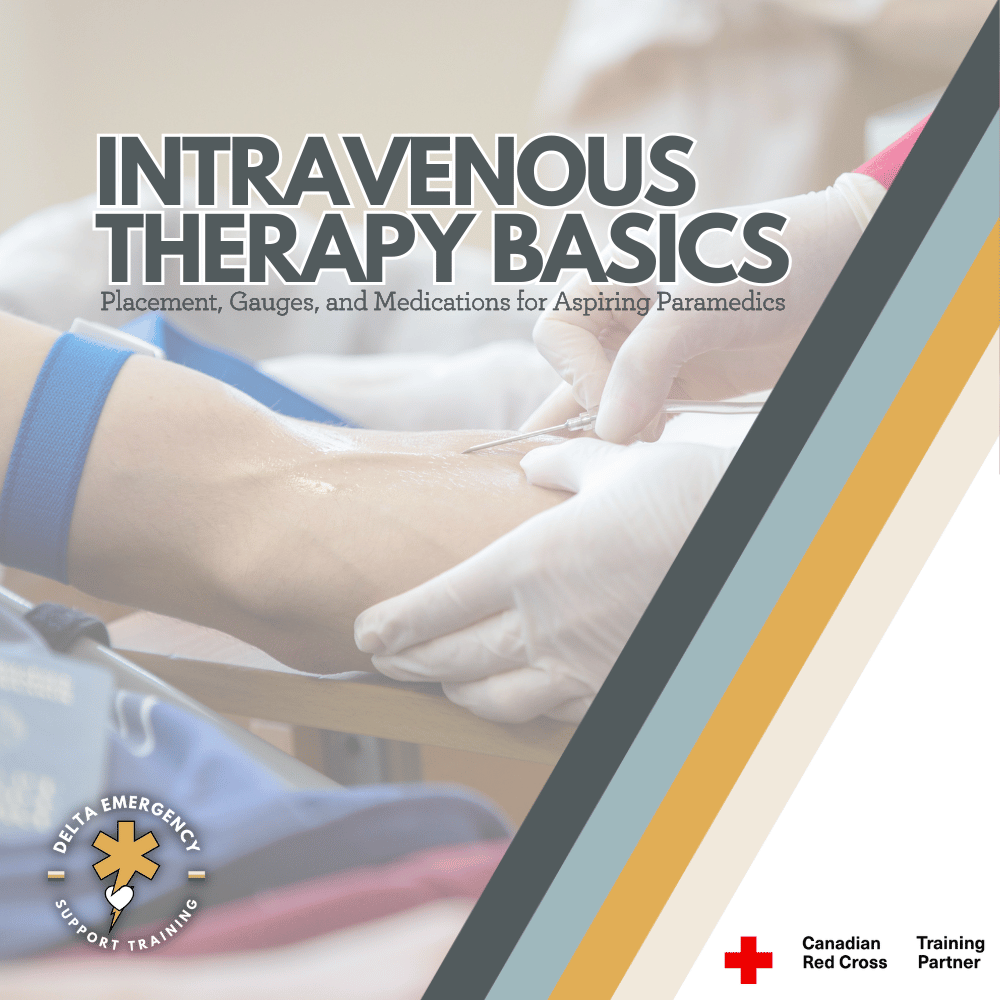
Intravenous Therapy for Beginners: Placement, Gauges & Medications
Intravenous (IV) therapy is a key skill for future paramedics and advanced responders. This beginner’s guide covers vein selection, catheter sizes, and common medications, helping you prepare for PCP training and real-world prehospital care.
For many first responders, advancing from Advanced First Aid or Emergency Medical Responder certification to Primary Care Paramedic training is an exciting milestone. It’s where your skills evolve from basic emergency management to a more advanced approach to prehospital medical care.
One of the essential new skills taught in PCP programs is intravenous (IV) therapy, a procedure that allows responders to deliver fluids and medications directly into the bloodstream for rapid, controlled treatment.
While IV initiation is not within the EMR or AFA scope of practice, understanding what it involves — and how it supports patient care — gives you a valuable head start.
What Is IV Therapy?
IV therapy involves inserting a sterile catheter into a patient’s vein to establish direct access to the circulatory system. This line can then be used to deliver fluids, medications, or draw blood samples. IV access is one of the fastest, most reliable ways to stabilize a patient in critical or emergent situations.
When Are IVs Needed?
Paramedics and advanced responders use IVs in a wide range of medical and trauma calls, such as:
Fluid resuscitation: Treating dehydration, burns, or blood loss
Medication delivery: For cardiac, allergic, or diabetic emergencies
Pain or nausea management: In controlled, monitored settings
Cardiac arrest care: To administer life-saving drugs quickly
Trauma management: When oral or intramuscular routes aren’t viable
Learning to Start an IV in PCP School
During PCP training, students learn the anatomy of veins, infection control, and catheterization techniques through classroom instruction, practice labs, and clinical placements. You’ll first work on training arms to master vein palpation, needle handling, and aseptic technique before performing supervised IV starts in clinical settings.
The process includes:
Gathering and preparing sterile equipment
Identifying a suitable vein
Cleansing the site
Inserting the catheter bevel-up
Confirming flashback and advancing the catheter
Securing the line and beginning the infusion
Common IV Insertion Sites (and Why They’re Chosen)
Vein selection is critical. Choosing the right site helps reduce complications, ensures proper flow, and keeps the patient comfortable.
Here are the most common IV entry sites used in prehospital and clinical settings:
1. Dorsal Hand Veins
These include the cephalic, basilic, and dorsal metacarpal veins on the back of the hand.
Pros: Easy to visualize and access; great for smaller catheters.
Cons: More sensitive; can be uncomfortable during movement or fluid administration.
Common Uses: General medication or fluid delivery when other veins are less accessible.
2. Forearm Veins
The cephalic and basilic veins along the forearm are often the first choice for IV starts.
Pros: Straight path, good flow rate, and easier stabilization with tape.
Cons: May roll or collapse if dehydrated; limited space for reattempts.
Common Uses: General medical and trauma patients, fluid resuscitation, medication administration.
3. Antecubital Fossa (Inner Elbow)
The median cubital, cephalic, and basilic veins in the crook of the arm are popular for rapid access.
Pros: Large veins, high flow rates — ideal for trauma or blood draws.
Cons: Restricts arm movement; prone to kinking if patient bends the elbow.
Common Uses: Emergency IV access, large-bore lines, or when rapid administration is needed.
4. External Jugular Vein (Neck)
Used in some prehospital or critical care settings when peripheral access isn’t possible.
Pros: Easy to locate in patients with difficult peripheral veins; high flow.
Cons: Requires skill and patient cooperation; greater risk if improperly managed.
Common Uses: Trauma, shock, cardiac arrest, or situations where arm veins are inaccessible.
5. Lower Extremity Veins (Dorsal Foot or Great Saphenous)
Used mainly when upper extremities are unavailable.
Pros: Alternative access in infants or patients with poor upper body veins.
Cons: Slower flow, higher infection risk, limited mobility.
Common Uses: Pediatrics, last-resort adult IV access.
Understanding IV Gauge Sizes
The gauge of an IV catheter refers to its diameter. Smaller numbers mean larger catheters.
14–16G: For trauma or massive fluid resuscitation
18G: For blood administration or major fluid replacement
20G: General adult use; medications and moderate fluid therapy
22–24G: Pediatrics, elderly, or fragile veins
Gauge choice depends on patient size, vein condition, and the urgency of the situation.
Common IV Medications in Paramedic Practice
While specific drug use depends on provincial protocols, IV therapy often supports:
Normal Saline (0.9% NaCl) – Fluid replacement or line maintenance
Dextrose (D10, D50) – Hypoglycemia management
Epinephrine – Cardiac arrest or anaphylaxis (specific concentrations)
Morphine / Fentanyl – Pain management (under standing orders)
Ondansetron – Nausea control
Nitroglycerin (IV form) – Chest pain management (advanced protocols)
Each medication requires strict dosage control, monitoring, and adherence to medical direction — something you’ll master in paramedic pharmacology.
Why IV Skills Matter
For professional responders, starting an IV isn’t just about inserting a catheter — it’s about stabilizing patients efficiently, safely, and confidently. In trauma, shock, or medical crises, IV access can mean the difference between life and death.
If you’re currently an EMR or AFA graduate considering the PCP path, familiarizing yourself with IV principles now will make your transition smoother and your training easier.
Final Thoughts
Learning to start an IV marks a major step forward in your responder journey. Though outside the AFA and EMR scope, it’s a skill that defines advanced prehospital care. As you move toward your Primary Care Paramedic program, understanding IV therapy — from vein anatomy to gauge selection — gives you a solid foundation for success.
Gestational Diabetes Explained: Prehospital Care for Expectant Mothers
Gestational diabetes isn’t just a medical term — it’s a serious condition that can affect both mother and baby. For first responders, understanding the signs, complications, and emergency care priorities can make all the difference during a call involving a pregnant patient.
When called to assist a pregnant patient, responders must recognize that not all complications are immediately visible. One condition that often hides beneath the surface — yet poses significant risk — is gestational diabetes mellitus (GDM).
While it typically develops during the second or third trimester, its effects can influence both maternal stability and fetal well-being, especially in medical emergencies. Recognizing the signs, risk factors, and potential complications can help first responders make better decisions in the field.
🚨 Understanding Gestational Diabetes
Gestational diabetes occurs when the body cannot produce enough insulin to manage the increased glucose demands during pregnancy. Placental hormones naturally create some insulin resistance, but when this becomes excessive, blood sugar levels rise.
The condition usually appears between 24 and 28 weeks of pregnancy and resolves after childbirth. However, it can still cause acute or secondary emergencies requiring prehospital attention.
⚠️ Why It Matters for First Responders
For most of pregnancy, gestational diabetes remains well managed under medical supervision. But when blood glucose levels shift too far in either direction — hypoglycemia or hyperglycemia — both the mother and the fetus are at risk.
Responders may encounter gestational diabetes as:
A primary medical call (e.g., dizziness, confusion, syncope)
A secondary complication during another event (e.g., trauma, labor)
An underlying condition worsening another emergency (e.g., dehydration, infection)
Understanding how to identify, assess, and communicate these findings can make a major difference in patient outcomes.
🧠 Scene Awareness and History Gathering
Early recognition begins with observation and questioning. If the patient is pregnant, always consider gestational diabetes as a possible factor in altered presentations.
Ask or note the following:
Gestational age (how far along is she?)
Known diagnosis of gestational diabetes
Use of insulin or oral diabetic medication
Timing of last meal and fluid intake
Recent changes in behavior or consciousness
Other complications (pre-eclampsia, infection, dehydration, trauma)
Check for medical alert jewelry, glucose monitoring equipment, or insulin pens in the patient’s bag or purse. These clues often confirm a pre-existing diagnosis.
🩸 Recognizing Abnormal Blood Glucose Presentations
Hypoglycemia (Low Blood Sugar)
Can occur due to missed meals, overuse of insulin, or increased physical activity.
Signs and symptoms may include:
Pale, cool, clammy skin
Shakiness, weakness, or dizziness
Headache or blurred vision
Confusion, irritability, or unusual behavior
Rapid pulse or diaphoresis
Possible decreased level of consciousness or seizures
Immediate care:
If the patient is alert and able to swallow, administer oral glucose as per local protocol.
If unresponsive, manage the airway, check for breathing and circulation, and prepare for rapid transport.
Notify receiving staff of the pregnancy and suspected diabetic episode.
Hyperglycemia (High Blood Sugar)
May result from missed insulin doses, illness, infection, or poor dietary control.
Signs and symptoms may include:
Warm, dry skin
Excessive thirst and urination
Nausea and vomiting
Weakness or fatigue
Fruity or acetone-like breath odor (late sign)
Altered level of consciousness
Immediate care:
Perform a full primary and secondary assessment.
Ensure airway, oxygenation, and hydration as appropriate.
Do not administer insulin in the field unless authorized under medical direction.
Transport promptly, monitoring vitals closely.
🤰 Possible Complications You May Encounter
Gestational diabetes increases the risk of several emergencies:
Pre-eclampsia (high blood pressure, headache, visual changes, edema)
Preterm labor
Fetal distress
Large-for-gestational-age infant (macrosomia) leading to labor complications
Neonatal hypoglycemia after delivery
When responding to a pregnancy-related emergency, these background risks should always inform your assessment and report to the hospital.
🧭 Responder Considerations
Monitor vitals regularly, especially blood pressure, pulse, respiratory rate, and LOC.
Check blood glucose if permitted under your scope of practice.
Position the patient on her left side to improve circulation and reduce pressure on the vena cava.
Be cautious during transport — supine positioning can worsen hypotension and fetal oxygenation.
Always consider dual patient care — every pregnant call involves both mother and baby.
🩺 Communication and Handover
Provide a thorough report that includes:
Gestational age
Known gestational diabetes diagnosis
Any glucose readings or observed symptoms
Medications taken (insulin, oral agents)
Any complications or abnormal fetal movement reports
Clear, concise information ensures continuity of care and helps hospital staff intervene quickly.
✅ Key Takeaways
Gestational diabetes is a temporary diabetic condition that develops during pregnancy.
It can cause hypoglycemia or hyperglycemia, each with distinct field presentations.
Assessment, airway management, and rapid transport are key responsibilities for first responders.
Always consider both maternal and fetal safety in decision-making.
Early recognition and communication can prevent serious complications for both patients.
🚑 Final Thought
For first responders, every pregnant patient requires careful observation and informed assessment. Gestational diabetes may not always be obvious, but understanding its potential impact — and knowing how to recognize subtle signs — can mean the difference between a routine call and a critical save.
Understanding Basic, Intermediate, and Advanced Airway Adjuncts in Prehospital Care
Airway management is the cornerstone of emergency care. From simple oropharyngeal and nasopharyngeal airways to supraglottic devices and endotracheal intubation, prehospital providers need to know when—and how—to use each tool. This guide explains the essential skills and decision-making strategies for basic, intermediate, and advanced airway adjuncts to help responders keep patients breathing and safe.
Securing and maintaining a patient’s airway is the cornerstone of prehospital medicine. Whether you are an Emergency Medical Responder (EMR), Primary Care Paramedic (PCP), or Advanced Care Paramedic (ACP), understanding the range of airway adjuncts—and when to use them—is critical for optimal patient outcomes. Airway adjuncts are commonly grouped into three categories: basic, intermediate, and advanced.
1. Basic Airway Adjuncts
These devices are non-invasive and require minimal training, yet they can be lifesaving.
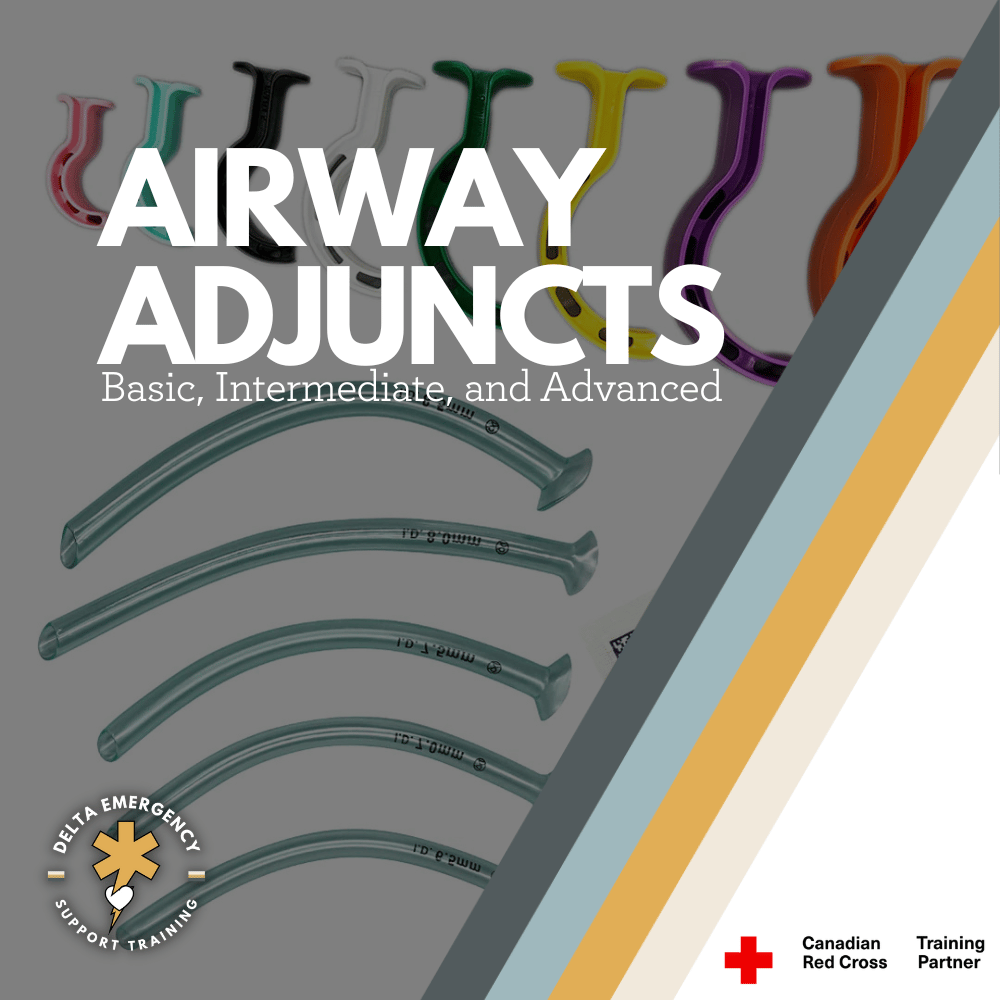
Oropharyngeal Airway (OPA)
Use: Unconscious patients without a gag reflex to keep the tongue from obstructing the airway.
Key Points: Measure from the corner of the mouth to the angle of the jaw; insert upside down then rotate 180° (or sideways with a tongue depressor in children).Nasopharyngeal Airway (NPA)
Use: Patients with an intact gag reflex or trismus (jaw clenching).
Key Points: Lubricate well; size from nostril to earlobe. Contraindicated in suspected basilar skull fractures.Suction Equipment
Use: Clears secretions, blood, or vomit to maintain a patent airway.
Clinical Pearl: Basic adjuncts buy time. Always reassess and be ready to escalate if ventilation or oxygenation remains inadequate.
2. Intermediate Airway Adjuncts
These devices provide more definitive control without requiring endotracheal intubation skills.
Supraglottic Airway Devices (SADs) such as:
Laryngeal Mask Airway (LMA)
King LT or i-gel
Use: For unconscious patients when bag-valve-mask (BVM) ventilation is inadequate or prolonged transport is expected.
Key Points: Rapid insertion, minimal training compared to intubation, and useful when laryngoscopy is not feasible.
3. Advanced Airway Adjuncts
These procedures require specialized training and are often reserved for paramedics with advanced certification or physicians.
Endotracheal Intubation (ETI)
Use: To provide definitive airway protection and control ventilation.
Key Points: Requires laryngoscopy, confirmation of tube placement (capnography is gold standard), and ongoing monitoring for dislodgement.Surgical Airway (Cricothyrotomy or Needle Cricothyrotomy)
Use: “Cannot ventilate, cannot intubate” scenarios such as severe facial trauma or airway obstruction.
Key Points: High-stakes, last-resort procedure with strict indications.
Airway Decision-Making in the Field
When deciding which airway adjunct to use, consider:
Level of provider certification and local protocols.
Patient condition: Consciousness, gag reflex, trauma, and potential for rapid deterioration.
Environment: Limited space, lighting, or access may guide your choice.
Tip: Airway management is dynamic. Start with the least invasive method and escalate as needed while continually reassessing breathing and oxygenation.
Training and Maintenance
Regular Practice: Skills such as BVM ventilation and intubation degrade quickly without use.
Equipment Checks: Verify availability, integrity, and proper sizes of adjuncts at the start of every shift.
Bottom Line
From OPAs and NPAs to supraglottic devices and endotracheal tubes, airway adjuncts form a spectrum of tools for professional responders. Mastery of their indications, insertion techniques, and limitations ensures that you can match the right device to the right patient, improving survival and reducing complications in the prehospital setting.

