The Delta Dispatch

The Most Overlooked First Aid Skills—And Why They Matter in Real Emergencies

First aid isn’t just CPR and bandages. Learn why overlooked skills like scene assessment, gaining consent, and offering emotional support are often the most important actions in an emergency—and how they can save lives before you even touch a patient.

It's not just about CPR and bandages—it's about what you do before you even touch the patient.

When people think of first aid, they often imagine chest compressions, gauze pads, or applying a splint. And yes—those technical skills matter. But the truth is, some of the most important first aid actions happen before any physical care begins. Whether you're a parent, a coach, a bystander, or someone with formal training, these lesser-known skills can make all the difference in how well an emergency is handled.

At Delta Emergency Support Training, we teach more than just the hands-on techniques. We train you to think, assess, and respond with confidence, clarity, and care—because the decisions you make in the first 30 seconds often shape the entire outcome.

Let’s talk about the three most overlooked first aid skills—and why every responder, no matter their experience level, should master them.

1. 🧠 Scene Assessment: The First Skill That Saves Lives

Before you rush to help, you need to stop, look, and listen.

Scene assessment is the skill of surveying your environment quickly and safely. It's the very first step in the Check, Call, Care model taught by the Canadian Red Cross, and it can prevent you from becoming the next casualty.

Why it matters:

  • Hazards like live wires, traffic, fire, or aggressive animals can put you in danger.

  • Understanding what happened helps determine what kind of help the person may need (e.g., fall, electrocution, overdose).

  • Identifying how many people are involved helps you plan your next steps.

What to look for:

  • Is it safe for me to enter?

  • What caused the injury or illness?

  • How many people are hurt?

  • Are there bystanders who can help?

Real-world example:
A lineman falls from a bucket after being electrocuted. Before you touch him, you need to consider: Is the power line still live? Is there a risk of arc flash or fire? Should you wait for the utility crew? Your instinct to help is noble—but your ability to pause and assess might be what truly saves lives.

2. 🗣️ Consent: The Ethical and Legal Foundation of First Aid

You might be surprised to learn that you can't legally just walk up and start treating someone—even if they're bleeding or unconscious. Consent is critical. It protects the rights of the injured person and the legal liability of the responder.

Types of consent:

  • Expressed consent: The person says yes or nods when you ask, “Can I help you?”

  • Implied consent: If the person is unconscious, confused, or unable to respond—and a reasonable person would accept help—you are legally allowed to proceed.

Why it matters:

  • It respects the autonomy and dignity of the patient.

  • It builds trust between you and the injured person.

  • It protects you under Canadian Good Samaritan laws.

Teaching tip: Always introduce yourself with your level of training:
“Hi, my name is Alex. I’m trained in first aid. Can I help you?”

In a crisis, this calm, respectful approach can lower panic and allow better cooperation.

3. 🤝 Emotional Support: The Human Side of First Response

First aid isn’t just physical. Emergencies can be terrifying, disorienting, and traumatic—for both the injured person and those around them. Your ability to provide calm, emotional reassurance is just as important as your ability to stop bleeding.

What emotional support looks like:

  • Making eye contact and speaking in a calm, steady voice.

  • Acknowledging the person’s fear: “I know this is scary, but you’re not alone. I’m here to help.”

  • Guiding them through what’s happening: “I’m checking your breathing. Help is on the way.”

Why it matters:

  • It reduces panic and shock, which improves outcomes.

  • It builds trust between the patient and responder.

  • It helps you stay calm and focused.

Bonus: This is especially important with children, elderly individuals, or people with cognitive or language barriers. A calm presence can make all the difference.

💡 So Why Are These Skills Overlooked?

Because they aren’t flashy. They’re not on TV dramas. They don’t involve gadgets or gear. But these are the moments that create safety, consent, and connection. These are the skills that turn someone with training into someone truly effective.

👩‍⚕️ Want to Learn These Skills—and So Much More?

At Delta Emergency Support Training, we believe first aid training should be real, relatable, and relevant. Whether you're taking Standard First Aid, Advanced First Aid / EMR, or Basic Life Support, you’ll gain both the clinical and human skills needed to respond with confidence.

We train with current Red Cross standards, and our instructors include experienced Advanced Care Paramedics who share what actually happens in the field.

🧭 Final Takeaway

It’s not just what you do—it’s how you do it.
Scene safety, consent, and emotional support might not be the first skills you think of—but they’re often the first ones that count.

📅 Ready to learn? Register for a course today and start your journey as a confident, capable responder.

Read More

When the Air Turns Hazardous: Protecting Families During Canada’s 2025 Wildfire Smoke Crisis

Canada’s 2025 wildfire season has brought hazardous air—and with it, serious health risks. This guide equips families and caregivers with practical advice: from setting up a clean room and using N95 masks to monitoring air quality and recognizing smoke-induced illness.

Wildfire season in Canada has been worsened by heat, dry conditions, and climate change—with over 1,985 active firesburning nearly 3.9 million hectares as of June 16, 2025. The result? Widespread "very unhealthy" to "hazardous" air across provinces and even beyond—affecting children, people with respiratory conditions, seniors, and other vulnerable groups.

Understanding Canada’s Air Quality Health Index (AQHI)

In Canada, we don’t use the U.S.-style AQI. Instead, we use the Air Quality Health Index (AQHI) to tell us how the air we breathe affects our health on a scale from 1 to 10+, with higher numbers indicating greater health risks.

How the AQHI Works

AQHI ValueHealth RiskAt-Risk PopulationGeneral Population1–3LowIdeal conditions for outdoor activities.Ideal conditions for outdoor activities.4–6ModerateConsider reducing or rescheduling strenuous activities outdoors.No need to modify usual activities unless symptoms occur.7–10HighReduce or avoid strenuous activities outdoors.Consider reducing strenuous outdoor activity.10+Very HighAvoid all physical outdoor activity. Stay indoors.Reduce or reschedule strenuous outdoor activity.

At-Risk Populations include:

  • Children and infants

  • Seniors

  • People with asthma, heart conditions, or other chronic illnesses

  • Pregnant individuals

🌫️ What Does This Mean for Families?

  • 1–3 (Low): Great time for park visits, walks, or outdoor play.

  • 4–6 (Moderate): Children and people with asthma should limit high-energy outdoor activities.

  • 7–10 (High): Everyone—especially vulnerable groups—should stay indoors and use air filtration.

  • 10+ (Very High): Outdoor exposure can cause serious health effects. Stay inside, seal your home, and consider relocating temporarily if the smoke persists.

📲 Where to Check AQHI

Stay informed using trusted Canadian sources:

  • 🔗 Environment Canada – AQHI Main Page

  • 🔗 AQHI by Province (select your region)

  • Mobile Apps: WeatherCAN, AQHI Canada, or your local weather app

🌫️ Why Wildfire Smoke is Dangerous

  1. Fine Particulate Matter (PM2.5):

    • These tiny particles penetrate deep into the lungs and bloodstream.

    • In 2025, several areas recorded PM2.5 levels over 150 µg/m³—more than 6x the WHO's safe 24-hour limit.

    • US studies confirm that smoke PM2.5 from wildfires can be up to 10x more harmful than typical pollution.

  2. Health Effects:
    Exposure can cause:

    • Immediate symptoms: coughing, wheezing, eye irritation, chest tightness.

    • Aggravation of asthma, COPD, bronchitis, and heart disease.

    • Long-term risks: strokes, heart attacks, developmental issues in children, pregnancy complications.

  3. Canada’s Sharp Increase:

    • In Prairie provinces, air quality reached “Unhealthy to Very Unhealthy” levels in early.

    • Cities like Toronto, Ottawa, and Montreal had some of the worst AQIs globally during June 5–6.

👶 Who’s Most at Risk?

  • Infants and young children with developing lungs.

  • Seniors, particularly those with cardiovascular/respiratory conditions.

  • Individuals with asthma, COPD, heart disease, or compromised immunity.

  • Pregnant women - smoke exposure has been linked to preterm births.

  • Those in low-income or remote communities with limited access to clean air resources.

🛡️ How to Protect Your Family

1. Stay Inside & Seal Your Home

  • Keep doors and windows closed; run HVAC on recirculation.

  • Create a DIY clean room by sealing off one area and running a HEPA filter air purifier.

2. Limit Outdoor Exposure

  • Avoid strenuous outdoor activity.

  • For necessary outdoor time, wear a properly fitted N95 mask—cloth masks don't protect against PM2.5

3. Monitor Air Quality

  • Use apps or websites like FireSmoke.ca, AirNow, or AQI.in.

  • Follow local advisories—on very poor days, avoid outdoor time completely

4. Stay Hydrated & Medically Prepared

  • Children and older adults should drink water regularly.

  • Keep inhalers, medications, and emergency contacts handy.

5. Safe Indoor Air Strategies

  • Continue using air purifiers, keep HVAC maintenance current, and avoid indoor activities that pollute air (like smoking or burning candles).

6. Know the Signs of Smoke-Related Illness

Be alert for:

  • Persistent coughing, wheezing, shortness of breath

  • Chest pain, dizziness, fatigue

  • Severe symptoms like bluish lips, confusion, or altered consciousness – seek medical help immediately.

7. When to Seek Help

Call emergency services if someone experiences:

  • Trouble breathing or chest pain

  • Severe allergic reactions (e.g. from ash or irritants)

  • Symptoms of stroke or heart attack

✅ Bonus Tips for Parents & Caregivers

  • Plan indoor activities: crafts, reading, games on high-risk days.

  • Reduce exposure to dust and pollen indoors—vacuum with HEPA filters.

  • If possible, relocate temporarily to cleaner-air areas.

  • Educate older children about the importance of masks and staying indoors.

Final Takeaway

The 2025 wildfire season has shown us air quality can deteriorate rapidly—even hundreds of kilometers away from the flames. For vulnerable families, proactive planning saves lives.

By staying informed and implementing air protection measures, you can shield your loved ones from the hidden threat of wildfire smoke.

Read More

Keeping Your Infant Safe This Summer: A Parent’s Guide

Summer can be wonderful—but it also comes with hidden dangers for infants. From sunburn to overheating, learn how to keep your baby safe with Red Cross-aligned tips from Delta Emergency Support Training.

Summer brings sunshine, fresh air, and outdoor adventures—but for parents of infants, it also brings a unique set of safety challenges. Babies are more vulnerable to heat, sun, dehydration, and environmental hazards, so it's essential to know how to protect your little one during the warmer months.

At Delta Emergency Support Training, we support families and caregivers through Red Cross first aid training. Below are essential summer safety tips for infants, based on Canadian Red Cross recommendations and best practices for infant care.

☀️ 1. Sun Safety: Babies Burn Faster

Infants under six months should be kept out of direct sunlight as much as possible. Their skin is too sensitive for sunscreen and can burn quickly—even on cloudy days.

Red Cross-Recommended Tips:

  • Seek shade whenever possible: under trees, umbrellas, or stroller canopies.

  • Dress babies in lightweight, long-sleeved clothing with a wide-brimmed hat.

  • Avoid peak sun hours between 11 a.m. and 3 p.m.

  • For babies over six months, apply a broad-spectrum, baby-safe sunscreen to small exposed areas (like face and hands).

💧 2. Hydration: Watch for Signs of Dehydration

Babies can’t tell you when they’re thirsty—and because they have a higher surface area-to-body-weight ratio, they’re more prone to dehydration and heat exhaustion.

Tips to Keep Them Hydrated:

  • Breastfeed or bottle-feed more frequently in hot weather.

  • Watch for signs of dehydration: fewer wet diapers, dark yellow urine, dry lips, or lethargy.

  • Never give water to babies under 6 months unless advised by your healthcare provider.

🌡️ 3. Heat Protection: Prevent Overheating

A baby’s body isn’t as efficient at regulating temperature, so they can overheat quickly in hot environments—even indoors.

How to Keep Baby Cool:

  • Dress your baby in light cotton clothing.

  • Use fans or air conditioning to keep the indoor space between 20–22°C.

  • Avoid using heavy blankets during naps or bedtime.

  • Never leave your baby in a parked car, not even for a minute. Temperatures rise quickly and can be fatal.

💦 4. Water Safety: Stay Close, Stay Safe

Infants should never be left unattended near water, even for a second. This includes pools, bathtubs, splash pads, or buckets.

Red Cross Water Safety Advice:

  • Always use designated infant floatation devices with supervision.

  • Be within arm’s reach of your baby in or near water.

  • Empty any buckets or containers with standing water after use.

  • Enroll in Red Cross Baby & Me water orientation classes to introduce water safely.

🦟 5. Bug Bites and Allergies: Watch for Reactions

Mosquitoes, bees, and other summer bugs can pose a danger to babies—especially if they have allergic reactions.

Tips for Protection:

  • Use mosquito netting over strollers and carriers.

  • Avoid using chemical insect repellents on infants under 6 months.

  • Keep baby away from flowering plants, standing water, or places with lots of insects.

  • If a bite causes swelling, trouble breathing, or hives, seek emergency medical help immediately.

🧳 6. Travel and Outdoor Time: Be Prepared

Whether you’re headed to a picnic, hike, or road trip, bring a baby-focused emergency kit with:

  • Diapers and wipes

  • Extra clothing

  • Infant-safe sunscreen (6+ months)

  • Cold packs and a thermometer

  • Emergency contact info

  • A small Red Cross-approved first aid kit

❤️ 7. Know Infant First Aid

Emergencies can happen. Being trained in infant CPR and first aid can give you the confidence to act quickly and correctly.

🔴 At Delta Emergency Support Training:

We offer Red Cross Standard First Aid and CPR courses that include modules on infant and child care, covering topics like:

  • Choking and CPR

  • Allergic reactions

  • Heat-related emergencies

  • Recognizing serious symptoms

These skills are lifesaving and empowering for any parent or caregiver.

Final Takeaway

Summer should be a time of joy and bonding—not stress and emergency. By planning ahead and understanding how to protect your infant from seasonal hazards, you can enjoy the season with peace of mind.

Be prepared. Be informed. Be confident.
Take a Red Cross-certified first aid course with Delta Emergency Support Training and make summer safer for your family.

Read More

Essential First Aid Supplies for Backcountry & Wilderness Adventures

Heading into the backcountry this summer? Don’t go unprepared. This Red Cross-informed guide breaks down the essential first aid items every outdoor enthusiast should pack — from splints and bandages to water purification. Whether you're hiking alone, with friends, or just want to be ready to help, this blog equips you with smart packing tips and survival insight, backed by expert instruction from paramedics and firefighters.

Be Prepared for the Unexpected — A Guide for Outdoor Enthusiasts and Future First Responders

backpacker hiking through forest

The Value of Preparedness in the Outdoors

As we move into the warmer months, more people head into the backcountry for hiking, paddling, camping, and exploration. While the outdoors can be incredibly rewarding, it also brings real risks — injuries, illness, environmental exposure, or getting stranded far from help.

When you’re hours or days from emergency services, your first aid kit — and your ability to use it — becomes your lifeline. Whether you’re solo, with a group, or come across someone in distress, having the right supplies and wilderness first aid knowledge is critical.

At Delta Emergency Support Training, we encourage all outdoor adventurers to be equipped with a kit based on Red Cross Wilderness First Aid standards, and to pursue formal training if you plan to spend time off-grid.

🧭 What to Pack: Wilderness First Aid Essentials

Here’s a practical, space-efficient list of items to pack. It covers a wide range of common outdoor emergencies without weighing down your pack. Every item is selected for its usefulness, multi-purpose capability, and portability.

🩹 Wound & Injury Management

  • Adhesive bandages (various sizes): For cuts, blisters, and scrapes.

  • Sterile gauze pads & medical tape: To dress and protect larger wounds.

  • Antiseptic spray or wipes: To clean wounds and reduce infection risk.

  • Antibacterial ointment (e.g., Polysporin): Helps with healing and infection prevention.

  • Butterfly bandages or wound closure strips: For minor lacerations.

  • SAM splint: Lightweight, moldable aluminum splint for fractures or sprains.

  • Triangular bandage: Versatile for slings, head wraps, pressure dressings, or tying splints.

  • Elastic (tensor) bandage: For wrapping sprains or compressing joints.

  • Nitrile gloves (2 pairs): Essential for infection control when treating others.

🧰 Tools & Utilities

  • Tweezers: For removing ticks, splinters, or debris.

  • Trauma shears or compact scissors: For cutting bandages or clothing.

  • Safety pins: For securing triangular bandages or improvised gear.

  • CPR mask or face shield: If you're trained to give rescue breaths.

  • Emergency blanket (Mylar): For warmth, treating shock, or creating shelter.

  • Whistle: For signaling help in low-visibility areas.

  • Headlamp or flashlight (with extra batteries): For nighttime first aid or navigation.

💊 Medications & Health

  • Ibuprofen or acetaminophen: For pain, inflammation, or fever.

  • Antihistamines (e.g., diphenhydramine/Benadryl): For allergic reactions to bites, plants, or foods.

  • Anti-diarrheal tablets: For managing dehydration-related illness.

  • Oral rehydration salts or electrolyte tabs: Prevents dehydration during exertion or illness.

  • Personal medications: In clearly labeled containers (e.g., epinephrine auto-injector, asthma inhaler).

🌿 Environmental Care

  • Sunscreen (small tube): Prevents burns and overheating.

  • Lip balm with SPF: Protects lips from wind and sun.

  • Bug repellent wipes or spray: Helps prevent bites and insect-borne illness.

  • Aloe vera gel or hydrocortisone cream: Treats sunburns or itchy skin.

💧 Survival & Hydration

  • Water purification tablets or mini filter straw: For treating questionable water sources.

  • Ziploc bags or dry bag: To keep supplies dry and organized.

  • Duct tape (small roll or wrapped around water bottle): Useful for gear repair or even medical splinting.

🧠 Field Use Tips: Improvising with What You Have

In the wilderness, you may not have every tool — but you likely have items that can double as medical gear in a pinch. Here’s how:

Everyday ItemEmergency UseBandana or BuffSling, tourniquet, or head wrapDuct tapeSplinting, securing bandages, sealing woundsCredit cardScraping insect stingersT-shirt or towelPressure dressing, padding, or bandageZip-tie or cordSecuring splints or gearTampons/sanitary padAbsorbing blood from wounds or nosebleeds

🧭 Why All of This Matters

When you're out of cell range or deep in remote areas, help isn't minutes away — it could be hours or days. You could be:

  • Alone and injured

  • Caring for a friend or family member in distress

  • Stumbling across a stranger in need of help

Without service, your training and your kit are your best tools.

📚 Train with the Red Cross & Delta Emergency Support Training

Want to be ready for emergencies in the outdoors — or even take the first step toward a career as a paramedic or firefighter? We offer:

  • Red Cross Wilderness & Remote First Aid

  • Advanced First Aid (AFA)

  • Emergency Medical Responder (EMR)
    Led by active paramedics and firefighters, our programs go beyond the basics and prepare you for real-world emergencies.

🚑 Be the Help Until Help Arrives

You don’t need to carry a hospital in your backpack. But with a smartly packed kit and the right training, you can respond confidently in critical moments — until rescue arrives or help is found.

Read More

Scene Assessment for AFA & EMR: A Step-by-Step Guide

Discover how first responders assess scenes in seconds using real tools like HEMPPA, PWCATS, and SCORTS. We teach it in our EMR course — with real-world scenarios to make it stick.
In emergency medical care, scene assessment is your first critical move. It ensures your safety, guides your approach to the patient, and sets the foundation for triage, treatment, and transport. Whether you’re first on the scene or part of a larger response team, a systematic assessment process helps you stay focused and effective.

🚨 Step 1: Scene Overview – HEMPPA

The acronym HEMPPA helps responders quickly assess for overall scene safety and initial priorities:

H – Hazards

  • Look for anything that could harm you, the patient, or bystanders.

  • Examples: traffic, fire, electricity, gas, violence, sharp objects.

  • Why it matters: A dead rescuer helps no one. Always protect yourself first.

E – Environment

  • Assess conditions like weather, lighting, terrain, and location access.

  • Slippery roads, tight spaces, or poor visibility can impact patient care and evacuation.

M – Mechanism of Injury (MOI) / Nature of Illness (NOI)

  • MOI: What caused the injury? (e.g., fall from height, motor vehicle crash)

  • NOI: For medical calls, what’s wrong? (e.g., chest pain, shortness of breath)

P – Patients (Number)

  • Are there multiple patients?

  • Call for more resources if needed (e.g., MVC with multiple occupants).

P – PPE (Personal Protective Equipment)

  • Gloves, eye protection, masks — wear what’s appropriate to protect from bodily fluids or contaminants.

A – Additional Resources

  • Fire, police, ALS units, specialized rescue — ask early.

  • Helps control the scene, provide support, or manage large-scale incidents.

🧠 Step 2: What Else Should You Ask or Observe?

Here are key scene-based questions that build context before you even touch the patient:

  • Position of the patient: Supine, seated, slumped, or ejected from vehicle?

  • Witness reports: What did bystanders or family see? Events leading up to the incident?

  • Chief complaint: What is bothering the patient most right now?

  • Age & gender: Helps form medical differentials quickly.

  • Is the patient tracking/responding? (Eye contact, awareness)

  • Skin colour and condition: Pale, cyanotic, flushed? Cool, clammy, hot? Clues for perfusion.

🔤 PWCATS: For Immediate Patient Impressions

PWCATS helps EMRs gather critical info during the primary assessment.

P – Position

  • Are they standing, lying, slumped, or fetal?

  • Can indicate level of distress or unconsciousness.

W – Witnesses

  • Ask what happened, timing, onset of symptoms, seizure activity, etc.

  • Helps reconstruct events and guide priorities.

C – Chief Complaint

  • What’s their main issue? Chest pain, difficulty breathing, pain scale?

  • Directs your initial focus and treatment.

A – Age

  • Children and elderly present differently.

  • Age affects vital signs, resilience, and urgency of care.

T – Tracking (eye contact/alertness)

  • Are they focused? Following your movements?

  • Quick check of neurologic status or altered mental state.

S – Skin (colour, condition, temperature)

  • Pale, cool, clammy = shock.

  • Flushed, hot = fever or heat stroke.

  • Cyanosis (blue lips/nails) = hypoxia.

⚠️ SCORTS: Scene-Specific Red Flags

Use SCORTS to identify serious, time-sensitive conditions or complicating factors:

S – Stridor / SOB (Shortness of Breath)

  • Upper airway obstruction or respiratory distress?

  • High priority for airway intervention or oxygenation.

C – C-Spine

  • Suspect spinal injury if trauma involved (falls, MVCs).

  • Apply manual stabilization early if indicated.

O – Obvious Bleeding

  • Life-threatening external bleeds need immediate control — pressure, tourniquet, or dressing.

R – Rural / Remote

  • Consider access to definitive care, transport time, or need for air medevac.

  • Distance may increase urgency for certain interventions.

T – Time from ER

  • How far are you from advanced care?

  • May influence treatment decisions, especially in critical cases.

S – Stable / Unstable

  • Is the patient deteriorating? ABCs intact?

  • Helps you determine the transport priority and whether to initiate rapid extrication.

🧭 Scene Assessment in Action: Example Workflow

  1. Pull up, pause, and scan: Use HEMPPA.

  2. Approach safely with PPE on.

  3. Identify number of patients, call for help if needed.

  4. Walk up, observe PWCATS.

  5. Start ABC assessment and initiate any urgent interventions.

  6. Consider SCORTS: look for red flags or complicating factors.

  7. Report findings and updates using structured handover (e.g., ISBAR or CHART).

📋 Summary Cheat Sheet

AcronymStands ForPurpose HEMPPA Hazards, Environment, MOI/NOI, Patients, PPE, Additional ResourcesScene safety & setup PWCATSPosition, Witness, Chief Complaint, Age, Tracking, SkinInitial impression & focused questioning SCORTS Stridor/SOB, C-Spine, Obvious Bleeding, Rural, Time from ER, Stability Red flags & transport factors

🧑‍🏫 Learn Scene Assessment with Us

We teach all of this — and more — in our AFA and EMR classes. You'll learn to apply these acronyms like HEMPPA, PWCATS, and SCORTS in realistic emergency scenarios, helping you build the confidence to assess any scene quickly and safely. Scene assessment is one of the most critical skills a first responder can have, and we make sure you understand why it matters — not just in theory, but in action.

Read More

How to Prevent Spinal Injuries: Essential Steps for Safety

Spinal injuries can have devastating consequences, from paralysis to lifelong medical complications. Fortunately, many of these injuries are preventable. In this blog, we explore the top causes of spinal injuries, shocking statistics, and expert-approved safety measures to help you stay protected. Whether it’s safe driving, fall prevention, or sports safety, taking proactive steps can make all the difference. Plus, learn how Delta Emergency Support Training, a Red Cross Training Partner, provides essential first aid training to equip you with life-saving skills.
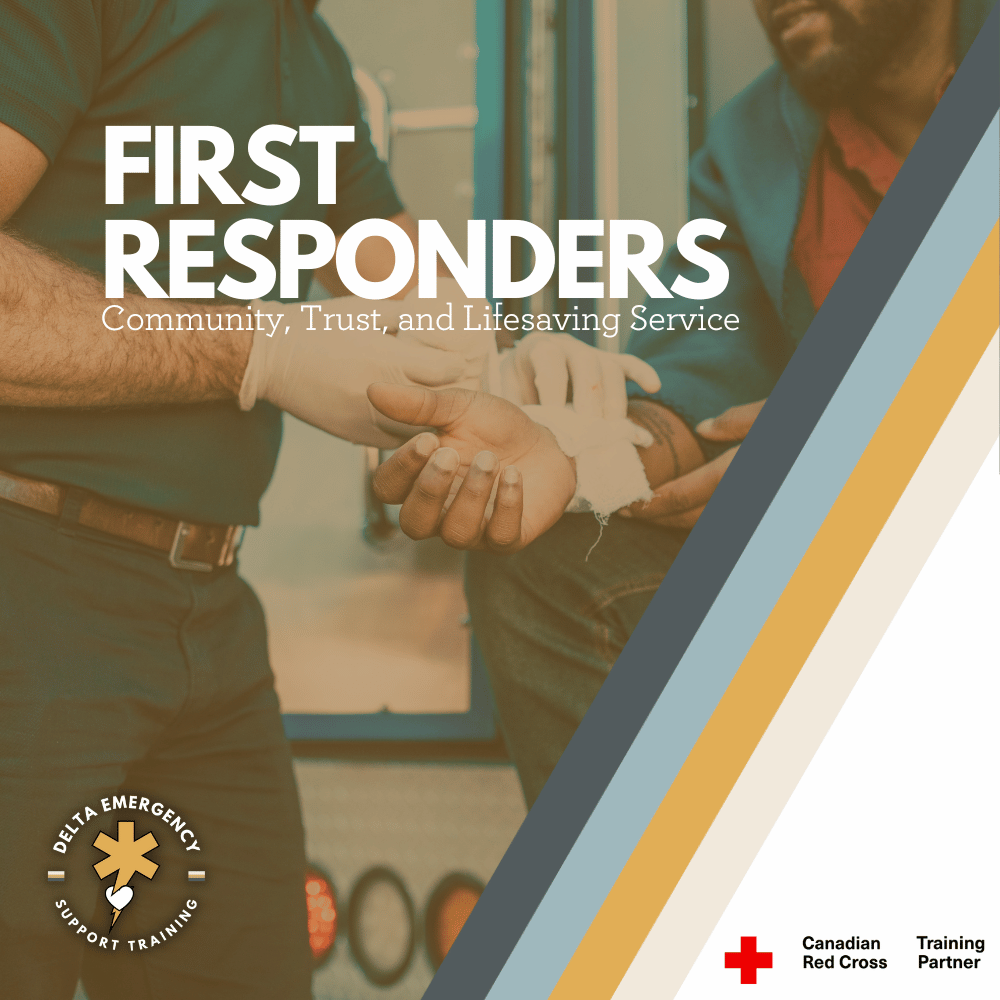
Preventing Spinal Injuries: Facts, Stats, and Essential Safety Measures

Spinal injuries are among the most severe and life-altering injuries a person can experience. Damage to the spinal cord can result in permanent paralysis, loss of sensation, and significant lifestyle changes. Understanding how these injuries occur and taking steps to prevent them is crucial for personal safety and public health.

In this blog, we will explore the causes, statistics, and preventive measures related to spinal injuries, helping you stay informed and protected.

Understanding Spinal Injuries

The spine is a complex structure made up of vertebrae, nerves, muscles, and ligaments that provide support and mobility to the body. When the spinal cord sustains damage, it can disrupt communication between the brain and the rest of the body, potentially leading to temporary or permanent disability.

Common Causes of Spinal Injuries

Spinal injuries can result from various traumatic and non-traumatic events, including:

  • Motor Vehicle Accidents – The leading cause of spinal cord injuries worldwide, accounting for nearly 38% of cases.

  • Falls – Responsible for about 32% of spinal injuries, particularly among older adults.

  • Sports and Recreation Accidents – Diving into shallow water, high-impact sports, and extreme activities contribute to 14% of spinal injuries.

  • Violence and Assaults – Gunshot wounds, stabbings, and physical attacks lead to approximately 13% of spinal cord injuries.

  • Medical Conditions and Diseases – Arthritis, osteoporosis, cancer, and infections can also cause spinal damage over time.

Spinal Injury Statistics

  • An estimated 17,900 new spinal cord injuries occur in the United States every year (National Spinal Cord Injury Statistical Center).

  • Males account for about 78% of spinal cord injury cases, often due to high-risk behaviors and sports activities.

  • The average age of a spinal injury patient has increased from 29 in the 1970s to 43 today, due to longer life expectancy and aging populations.

  • Lifetime costs for a spinal cord injury can range from $1.2 million to over $5 million, depending on the severity and level of paralysis.

  • Wearing a seatbelt and using proper vehicle restraints reduce the risk of spinal injuries in crashes by 60%.

How to Prevent Spinal Injuries

While some accidents are unavoidable, many spinal injuries can be prevented by taking proper precautions. Here are some essential strategies:

1. Safe Driving Practices

  • Always wear a seatbelt when driving or riding in a vehicle.

  • Never drive under the influence of alcohol or drugs.

  • Avoid distracted driving, such as texting or using a phone.

  • Ensure children are in proper car seats or booster seats.

2. Fall Prevention

  • Use handrails on stairs and install grab bars in bathrooms.

  • Remove tripping hazards like loose rugs and clutter.

  • Wear appropriate footwear with good grip.

  • Older adults should have regular vision check-ups and use mobility aids as needed.

3. Sports and Recreation Safety

  • Always wear protective gear such as helmets and padding in contact sports.

  • Avoid diving into shallow or unknown waters.

  • Use proper techniques and training for high-impact sports like football, gymnastics, and wrestling.

  • Follow safety rules when engaging in outdoor activities like rock climbing and skiing.

4. Workplace Safety

  • Use ergonomic lifting techniques to avoid back injuries.

  • Wear appropriate safety harnesses when working at heights.

  • Ensure workplaces follow OSHA safety regulations.

5. Preventing Violence-Related Injuries

  • Be aware of your surroundings and personal security.

  • Avoid high-risk areas and de-escalate confrontations when possible.

  • Support anti-violence initiatives and gun safety laws.

What to Do If You Suspect a Spinal Injury

If you suspect someone has a spinal injury, follow these emergency steps:

  1. Do Not Move the Person unless they are in immediate danger.

  2. Call 911 immediately.

  3. Keep the Person Still by placing your hands on either side of their head to prevent movement.

  4. Monitor Breathing and provide CPR if necessary.

  5. Provide Comfort and Reassurance until professional help arrives.

Delta Emergency Support Training – A Red Cross Training Partner

At Delta Emergency Support Training, we provide Standard First Aid training as a Red Cross Training Partner. Our courses teach essential lifesaving skills, including how to recognize and respond to spinal injuries safely.

By taking a first aid course, you can gain hands-on experience and certified knowledge to protect yourself and others in emergencies.

Conclusion

Spinal injuries can have life-changing consequences, but many of them are preventable with proper precautions and awareness. By following safe driving habits, fall prevention strategies, and sports safety guidelines, you can significantly reduce your risk.

To be fully prepared, consider taking a first aid and injury prevention course with Delta Emergency Support Training. Being informed and trained can help you protect lives and prevent serious injuries.

Read More

What It Means to Be a First Responder: A Lifelong Commitment to Service, Compassion, and Community

Being a first responder is a calling to serve your community during times of crisis. It's about earning the trust of the people you help, offering support during their worst days, and making life-saving decisions under pressure. In this blog, we explore the profound responsibility and emotional commitment that comes with being a first responder, and how these professionals are the heart of their communities.
What It Means to Be a First Responder: A Commitment to Service, Compassion, and Community

Being a first responder is much more than a job—it’s a calling. It’s about showing up for people when they need it the most, often on their worst day, and providing the care, support, and attention they need during a crisis. Whether you’re an EMR, paramedic, firefighter, or law enforcement officer, first responders are the first line of defense in emergencies, and their impact on the community is immeasurable.

In this blog, we’ll explore what it truly means to be a first responder, the deep responsibility that comes with the role, and how first responders are integral to the communities they serve.

Being Part of the Community

First responders are the heart and soul of the communities they serve. They are often the first people to arrive during times of need—whether it’s a medical emergency, a natural disaster, or a traumatic accident. But it’s not just about responding to emergencies; being a first responder means being present, accountable, and connected to the people you serve.

As a first responder, you’re not just a worker or a service provider; you are a trusted member of the community. People rely on you when they’re facing their toughest moments. That trust is something you work hard to earn and carry with you throughout your career. Your role is about providing both expert care and human compassion when it matters most.

The Trust of the Community

As a first responder, you hold the trust of the people you serve. This trust is built over time, often during moments of crisis, when your skills, calm demeanor, and ability to act swiftly can make the difference between life and death.

When someone calls 911, they are not just asking for help—they are placing their trust in your hands. They trust that you will handle the situation with expertise, compassion, and efficiency, no matter how chaotic or intense it may be. You have their trust in your ability to make the right decisions, stay calm under pressure, and act swiftly and decisively.

This trust extends beyond the patient to their families and loved ones. When you arrive at a scene, whether it’s a car accident, heart attack, or house fire, families rely on you to provide care, comfort, and clear communication. For many, you are the first face of help and hope in an otherwise overwhelming situation.

Helping People on Their Worst Days

One of the most profound aspects of being a first responder is being present for people during their worst days. Whether it’s the aftermath of an accident, a sudden medical emergency, or a devastating natural disaster, first responders are there to provide critical care, emotional support, and reassurance.

In these high-stress moments, first responders do more than just diagnose and treat injuries. They offer emotional care, providing comfort to patients and their families who may be in shock, fear, or despair. Sometimes, a few comforting words or simply holding someone's hand can make all the difference when everything feels uncertain.

Your role goes beyond just providing medical care—it’s about offering people a sense of safety and stability when they are at their most vulnerable. You are there to reassure them, guide them through the trauma, and do everything possible to ease their pain and suffering.

Being a Medical Professional with a Unique Role

First responders are highly trained medical professionals, but what sets them apart is the environment in which they work. Unlike hospital settings, where resources are readily available, first responders work in high-pressure, fast-paced environments, often with limited equipment and time.

First responders must be prepared to make life-or-death decisions in the field, with limited support. Whether it’s providing CPR, stabilizing a critical patient, or managing complex trauma, the skills and knowledge you apply in these moments can save lives. Every decision you make counts, and the ability to stay calm, focused, and clear-headed is vital.

But it’s not just about technical skills—it’s about empathy, too. Being able to connect with patients, their families, and your team members in moments of intense stress requires compassion, active listening, and emotional intelligence. This balance of medical expertise and human connection is what makes a first responder truly exceptional.

Facing Challenges: The Emotional Side of the Job

While the privilege of helping others is a core aspect of being a first responder, there is an emotional toll that comes with it. First responders often witness situations that are traumatic—severe injuries, death, suffering, and emotional pain. Over time, these experiences can build up and affect mental health.

That’s why it’s critical for first responders to prioritize their own mental health. Support systems within teams, including colleagues, supervisors, and mental health professionals, are essential. Many agencies now provide resources and counseling for first responders to help them process the challenges of their role and prevent burnout.

Self-care and mental well-being are just as important as physical health when it comes to sustaining a long and healthy career in emergency services.

A Lifelong Commitment to Service

Being a first responder is a commitment that goes beyond the uniform or the hours worked. It’s a commitment to serve your community, to always be ready when someone needs you, and to carry the responsibility of life-saving decisionsevery day.

It’s a commitment to resilience, empathy, and duty, knowing that your role is essential in preserving life and well-being. Being a first responder is not just about responding to emergencies—it’s about making a difference, one person at a time.

At Delta Emergency, we understand the responsibility of being a first responder, and we’re here to equip you with the training and knowledge you need to rise to the challenge. Our team of experienced paramedics provides hands-on, real-life training so you can be prepared for anything. We don’t just teach skills; we prepare you for the moments when it counts the most.

Read More

How to Manage Delirium in Geriatric Patients: Essential Skills for EMRs and Firefighters

Delirium is an acute medical condition that often affects geriatric patients, causing confusion, disorganized thinking, and altered levels of awareness. As an EMR or firefighter, it's crucial to identify delirium early and manage it effectively. This guide explains how to assess, treat, and respond to elderly patients showing signs of delirium, ensuring optimal care in critical situations.
Delirium in the Geriatric Patient: How EMRs and Firefighters Can Identify and Respond

Delirium is a serious medical condition, particularly in the elderly, and as an EMR or firefighter, it’s crucial to recognize the signs early and act swiftly. Unlike dementia, which progresses slowly over time, delirium can develop acutely and rapidly change the patient’s mental status, presenting significant challenges for first responders. In geriatric patients, delirium is a medical emergency that often requires urgent intervention.

This blog will guide you on how to recognize delirium, understand its underlying causes, and effectively manage geriatric patients experiencing it.

What is Delirium?

Delirium is defined as an acute and fluctuating onset of inattention, disorganized thinking, and/or altered levels of awareness. It differs from dementia in that it is temporary and occurs suddenly, often in response to an underlying medical condition or environmental trigger.

The symptoms of delirium typically appear suddenly and may fluctuate throughout the day. Common signs include:

  • Inattention: Difficulty maintaining focus, distracted, or unable to follow a conversation.

  • Disorganized Thinking: Incoherent or illogical speech, trouble forming coherent thoughts.

  • Altered Awareness: The patient may be either overly drowsy (hypoactive) or agitated (hyperactive). In many elderly patients, hypoactive delirium is most common and can often go undetected in emergency situations.

Why is Delirium Common in Geriatric Patients?

The elderly population is particularly susceptible to delirium for several reasons, including:

  • Age-Related Physical Changes: Aging can cause changes in the brain that make older adults more vulnerable to confusion and mental disturbances.

  • Underlying Medical Conditions: Chronic health issues like heart disease, diabetes, or kidney failure may predispose the elderly to developing delirium.

  • Medications: Certain medications, especially in combination, can trigger delirium in older patients. Common culprits include sedatives, narcotics, and anticholinergics.

  • Infections: Conditions like urinary tract infections (UTIs) and pneumonia are known triggers of delirium in the elderly.

  • Environmental Factors: Hospitalizations, changes in routine, or unfamiliar environments (e.g., new settings after an injury) can exacerbate confusion and lead to delirium.

Recognizing Delirium in the Elderly

As an EMR or firefighter, recognizing delirium is a crucial skill that can improve patient outcomes. Delirium may not be as obvious as other acute conditions, especially since the elderly are often at risk of hypoactive delirium, which can manifest as lethargy or withdrawal rather than agitation.

Key Symptoms to Look For:

  • Inability to focus: The patient may appear "spacey," unable to follow a conversation, or may forget what they were just talking about.

  • Confusion: They may be disoriented, unable to recall where they are, or confused about the time and date.

  • Fluctuating alertness: The patient's level of awareness may change rapidly, ranging from excessive sleepiness to periods of hyperactivity or aggression.

  • Hallucinations or Delusions: While less common, some patients may see or hear things that aren’t there, or they may have false beliefs (e.g., believing they’re in a completely different location).

Hypoactive Delirium: A Hidden Danger

It’s important to note that 70% of delirium cases in elderly patients are hypoactive, meaning the patient may seem unusually drowsy, withdrawn, or lethargic. This subtle form can often go undiagnosed in the emergency department (ED) or in the field because the patient may not exhibit the typical signs of agitation. As a first responder, you must be aware that any older adult exhibiting lethargy or confusion after a recent trauma or medical event could be suffering from delirium.

Common Causes of Delirium in the Geriatric Patient

Several medical conditions or factors may trigger delirium in older adults, making them more vulnerable to changes in their cognitive state. As an EMR or firefighter, understanding these causes can help you quickly identify potential underlying issues:

  1. Infections: UTIs, pneumonia, or sepsis can quickly lead to delirium in elderly patients.

  2. Dehydration and Malnutrition: Inadequate fluid or nutrition intake can significantly affect brain function.

  3. Medications: Polypharmacy, or the use of multiple medications, is common in elderly patients and can interact to cause confusion or delirium. Pay special attention to narcotics, sedatives, and antihistamines.

  4. Pain or Injury: Trauma, especially head injuries, can trigger delirium, as can untreated pain.

  5. Hospitalization: Elderly patients who are hospitalized for an acute illness or injury may experience delirium due to the stress of hospitalization, changes in routine, and medication side effects.

  6. Alcohol Withdrawal: If the elderly patient has a history of alcohol use and suddenly stops drinking, delirium may occur.

How EMRs and Firefighters Can Respond to Delirium in the Elderly

When faced with a patient exhibiting signs of delirium, quick and effective action is critical. Below are steps for managing these patients:

1. Initial Assessment

  • Ensure Safety: The first priority is ensuring the safety of the patient. Patients experiencing delirium may be disoriented or agitated, so they could put themselves or others at risk. Ensure a safe environment and avoid sudden movements that might escalate confusion.

  • Take a Comprehensive History: If possible, gather a thorough history from caregivers, family, or bystanders. Ask about the patient’s recent health changes, medications, and any prior cognitive issues.

  • Rule Out Life-Threatening Causes: Delirium can be a sign of a serious condition such as an infection, stroke, or head injury. Check vital signs and assess for any signs of a critical underlying cause (e.g., hypotension, fever, abnormal heart rate, etc.).

2. Address Underlying Causes

  • If the delirium is due to a known cause (e.g., an infection), it is critical to treat the underlying issue as soon as possible.

  • Consider the possibility of hypoxia, hypoglycemia, or medication-related causes, which can often be quickly addressed in the field.

  • If the patient is in pain or has a known medical condition that could be contributing to confusion (like dehydration), take steps to manage it immediately.

3. Monitor the Patient

  • If the patient is not yet stable, keep a close watch on their mental status. Delirium can fluctuate, so continuous assessment is key.

  • Stay calm and provide reassurance to the patient. If they are agitated, offer clear explanations and avoid confrontational responses.

  • Transport to the hospital promptly, ensuring that the medical team is aware of the patient’s delirium so they can investigate and treat the underlying cause quickly.

4. Engage Family or Caregivers

  • When possible, engage family members or caregivers to help assess the patient's baseline mental status and to provide relevant medical history, including recent changes or new medications.

Conclusion

Delirium in geriatric patients is a common, often undiagnosed condition that presents a unique challenge for EMRs and firefighters. Because it can rapidly change from one moment to the next, it's essential to recognize the signs of delirium early and manage the underlying causes. Prompt action, effective communication with medical teams, and ensuring patient safety are key components in improving patient outcomes.

As a first responder, your ability to identify delirium and intervene early can mean the difference between a successful recovery and long-term complications. By staying vigilant and informed, you can ensure that older patients receive the timely, life-saving care they need.

Delta Emergency is taught by a well-versed group of instructors and owners who are experienced paramedics. We teach you not only the necessary skills but also how to be prepared for real-life emergencies. Our hands-on training ensures you're equipped to handle any critical situation with confidence, improving both your ability to respond and your patient outcomes.

Read More

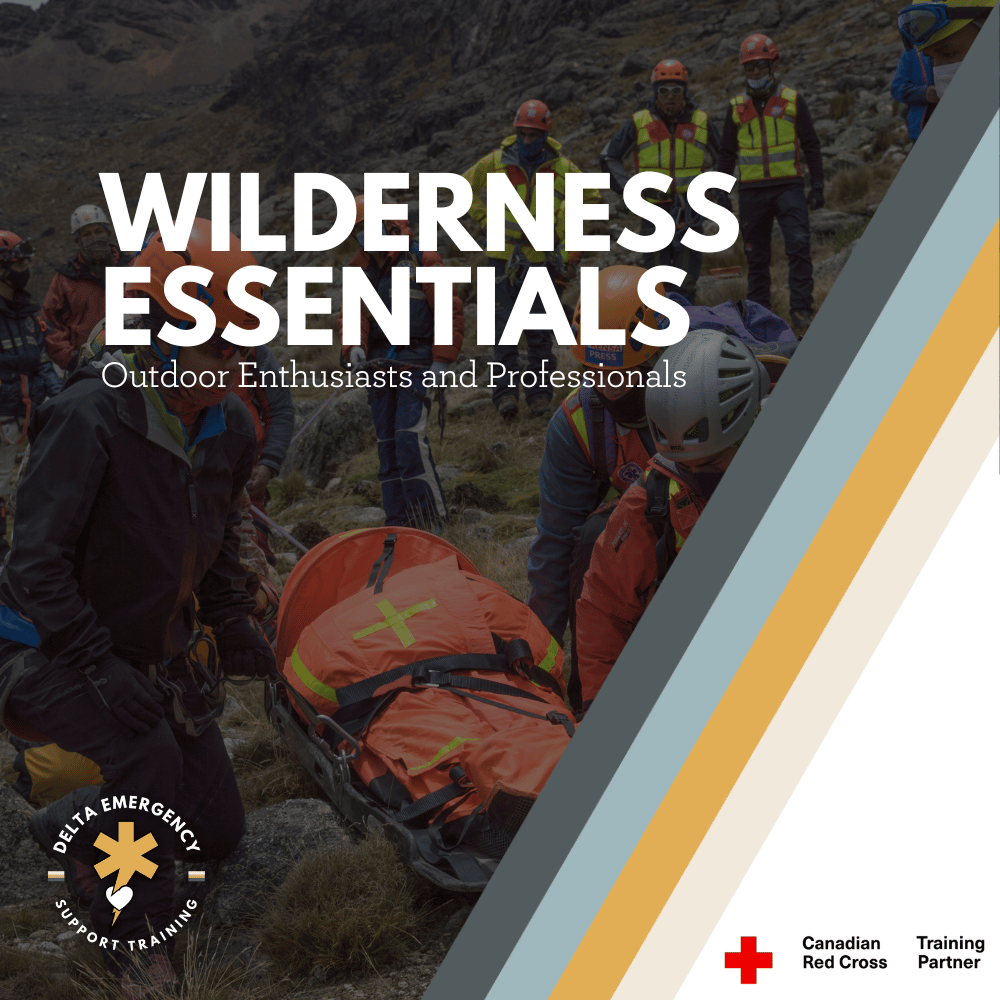
Unlocking the Great Outdoors: Mastering Wilderness First Response with Delta Emergency Support Training

The Wilderness First Responder Course is a must for outdoor enthusiasts and professionals who venture into remote areas. Whether you're hiking, camping, or leading outdoor adventures, this course provides the essential skills to respond to medical emergencies in the wilderness. Learn to assess, treat, and manage injuries, illnesses, and life-threatening situations when help is far away. Equip yourself with the knowledge to handle emergencies confidently and safely.
Why the Wilderness First Responder Course Package is Essential for Outdoor Enthusiasts and Professionals

The wilderness is unpredictable, and those who brave its untouched landscapes know that preparation is key—not just in gear but in knowledge and skills. Delta Emergency Support Training offers the "Canadian Red Cross: Wilderness First Responder Course Package," a comprehensive trio of textbooks designed specifically for those who find themselves as first responders in remote and rugged environments. This package isn't just a set of books; it's an essential toolkit for saving lives where traditional medical help may be hours away.

Three Textbooks, One Mission: Comprehensive Preparedness

  1. The Core Manual: This textbook covers a broad range of topics necessary for a solid foundation in wilderness medicine, including patient assessment and emergency response strategies tailored to the unique challenges of the wilderness.

  2. The Scenario Guide: Packed with realistic scenarios, this guide pushes you to apply what you've learned in dynamic and challenging situations, enhancing decision-making skills under pressure.

  3. The Quick Reference Handbook: When time is critical, this handbook is your go-to for quick checks and reminders, ensuring you have the right information at your fingertips when every second counts.

Designed for Depth and Durability

Each book in the Wilderness First Responder Course Package is crafted to withstand the elements, making them perfect for outdoor use. Water-resistant and tear-resistant pages mean that whether you're caught in a downpour or navigating rough terrain, your source of critical information remains intact.

Affordably Priced, Invaluable Investment

At Delta Emergency Support Training, we understand the importance of accessibility to quality education. That's why we offer these textbooks at prices well below standard retail costs. Investing in this package means investing in the safety of your team and the individuals you'll have the skills to assist, making it invaluable to any professional or agency involved in wilderness activities.

Why Choose a Physical Book Over Digital?

While digital devices are ubiquitous, in the wilderness, they are often unreliable. A physical book doesn’t require battery power or signal reception. It becomes not just a tool, but a reliable companion that ensures information is always available, no matter where your journey takes you.

Conclusion

Whether you're leading expeditions, embarking on solo wilderness adventures, or providing professional training, the Canadian Red Cross: Wilderness First Responder Course Package from Delta Emergency Support Training is your essential companion. By equipping yourself with this knowledge, you prepare to face the wilderness not just with confidence, but with competence.

Ready to take your wilderness preparedness to the next level? Visit our website at Delta Emergency Support Training to purchase your course package today and step confidently into your next adventure, knowing you are trained to handle whatever comes your way.

Read More

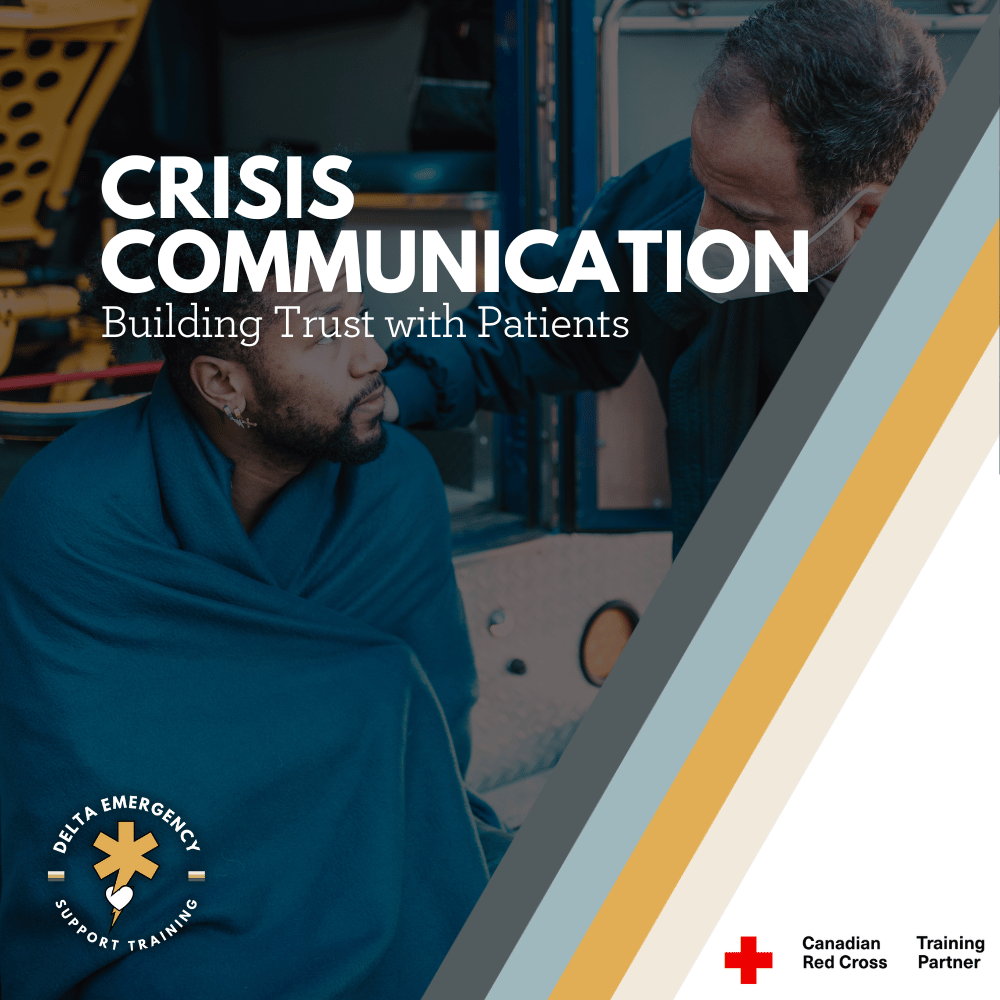
The Importance of Patient Communication for First Responders: A Guide to Effective, Compassionate Care

In the critical moments following an emergency, the way first responders communicate with patients can make all the difference. Good communication not only helps calm patients and build trust but also ensures more effective care. In this article, we’ll explore why patient communication matters, what to say to reassure and educate patients, and what to avoid in order to prevent escalating anxiety or confusion. By using clear, empathetic communication, first responders can enhance patient outcomes and foster a deeper sense of security.

First responder comforting patient.

As first responders, your job extends beyond providing medical care. You are often the first point of contact in a crisis, and your communication skills can significantly impact the patient’s experience. Whether the person you’re helping is conscious or in distress, calm and effective communication can not only reassure them but also improve their overall outcome. In this blog, we will explore the significance of patient communication, what you should say, and what you should avoid saying when interacting with patients.

Why Communication Matters

When a person is injured, ill, or in an emergency situation, they are often frightened, confused, and uncertain. As a first responder, you are not just a medical professional—you are a source of comfort and security. Strong communication skills can help calm anxious patients, build trust, and ensure that you can gather the critical information needed to provide effective care.

Here are a few key reasons why good communication is essential:

  1. Reassures the Patient: Effective communication can reduce anxiety and fear. A patient who feels heard and understood is more likely to trust you and follow your instructions.

  2. Informs and Educates: Patients may not understand the severity of their situation. Explaining procedures and what is happening helps them feel more in control and informed.

  3. Builds Trust: When patients sense your professionalism and empathy through your words, they are more likely to feel safe and cooperate, allowing you to deliver care efficiently.

  4. Improves Health Outcomes: A patient who is actively involved in their care is more likely to comply with necessary procedures and instructions, leading to better outcomes.

What to Say: Key Elements of Effective Communication

In high-stress situations, it’s easy to forget the fundamentals of clear communication. Here are some essential tips to ensure you communicate well with patients:

  1. Introduce Yourself and Explain Your Role: It’s important to let the patient know who you are and what you’re doing. For instance, you could say:

    • “Hi, I’m [Your Name], and I’m an EMT. I’m here to help you today.”

    This immediately sets the stage for trust, as it lets the patient know that they are in professional hands.

  2. Stay Calm and Confident: Patients take emotional cues from you. If you appear calm and in control, they are more likely to mirror those emotions. If you’re uncertain or panicked, it may escalate their fear. Use a calm, steady voice and be confident in your actions.

  3. Use Simple, Clear Language: Avoid medical jargon that may confuse your patient. Instead, explain procedures and information in simple, easy-to-understand terms.

    • “I’m going to check your heart rate now. This will help us understand how your body is reacting.”

    Keeping things clear prevents confusion and fosters trust.

  4. Give Clear Instructions: Patients may not know what to do in an emergency. Be clear in your instructions, but also use positive language that emphasizes what they can do.

    • “Can you please take slow, deep breaths with me?”

    Avoid telling them what not to do, as this may be confusing or create a sense of urgency. Positive phrasing helps guide their actions.

  5. Empathy and Reassurance: Let the patient know that you understand how difficult their situation is. Even a simple statement can go a long way in creating rapport.

    • “I know this is scary, but you’re not alone. We’re here to take care of you.”

  6. Provide Information About What’s Happening: It’s important to keep the patient informed about what you’re doing and why. In emergencies, patients may feel out of control, so explaining things step-by-step helps them stay grounded.

    • “I’m going to put an IV in to give you fluids. It might feel a little uncomfortable, but it’s important for your recovery.”

  7. Listen Actively: Communication is a two-way street. Make sure to listen attentively to the patient’s concerns, and acknowledge their feelings. If they have questions, answer them as clearly and calmly as possible. This shows that you care about their well-being and helps maintain a strong connection.

What NOT to Say: Common Pitfalls to Avoid

While there is much to say in terms of effective communication, there are also many things that should be avoided. First responders need to be mindful of how their words can affect a patient’s emotional state. Here are a few things to keep in mind:

  1. Avoid False Reassurance: Telling a patient that everything is going to be “fine” when you aren’t sure is not helpful. While you want to reassure, it’s important to remain honest about what you know and what’s uncertain.

    • Instead of saying, “You’ll be fine,” try, “We’re doing everything we can to help you right now.”

  2. Don’t Make Assumptions: Avoid making statements that assume the patient’s condition or needs without knowing the facts. For example, saying “This will hurt, but it’s necessary” can cause unnecessary anxiety.

    • Instead, phrase it more carefully: “You may feel some discomfort as we do this, but it will help us get you the treatment you need.”

  3. Don’t Rush or Overwhelm: In fast-paced emergencies, it’s easy to get caught up in the urgency, but avoid overwhelming the patient with too much information too quickly. Try to break things down into manageable steps.

    • Instead of saying, “We need to get you to the hospital, start an IV, monitor your vitals, and administer fluids—all at once,” you could say, “We’re going to start by getting an IV in so we can give you fluids. Then we’ll check your vitals and get you ready for transport.”

  4. Don’t Dismiss Concerns: Never trivialize the patient’s feelings or complaints. What may seem minor to you could feel significant to the patient.

    • If a patient expresses worry, avoid saying things like, “It’s not that bad.” Instead, listen, acknowledge their feelings, and reassure them.

  5. Avoid Overloading with Technical Details: While patients deserve information, keep in mind that too much medical detail can be overwhelming. Focus on what’s necessary for their immediate understanding.

Building Trust: The Role of Empathy in Patient Communication

Empathy is at the core of good patient communication. Demonstrating that you care about the patient’s well-being can make all the difference, especially in high-stress situations. Showing empathy doesn’t mean solving all their problems—it means showing that you understand their fears and frustrations.

Empathetic phrases to use:

  • “I know you’re in pain, and I’m here to help you through this.”

  • “It’s okay to feel scared; we’re going to take good care of you.”

  • “I can imagine this is really tough right now. We’re doing everything we can to help.”

Empathy fosters a connection that can make patients feel more comfortable, even in dire situations.

Final Thoughts

In the demanding role of a first responder, you play a pivotal part in both the physical and emotional care of patients. Effective communication can build trust, ease anxiety, and improve the overall care experience. By using clear, compassionate, and thoughtful communication techniques, you can ensure that your patients feel heard, cared for, and more at ease during some of the most vulnerable moments of their lives.

Mastering patient communication not only helps provide better care but strengthens the bonds between first responders and the communities they serve. When it comes to saving lives, it’s not just the physical interventions that matter—it’s the way we communicate with those who need us most.

Read More

Meningitis: What Every First Responder Needs to Know

Meningitis is a serious infection that can escalate rapidly. As a medical first responder, understanding the types and symptoms of meningitis is essential for effective care. At Delta Emergency, we provide advanced first aid training across Canada, particularly in Edmonton and Calgary, to equip fire fighters and emergency responders with life-saving knowledge.
At Delta Emergency, we train individuals in advanced first aid as an essential step in preparing them for fire fighting and other high-pressure, life-threatening situations. As part of our training, we emphasize the importance of being well-versed in a variety of medical conditions, including those that can escalate rapidly and require swift, decisive action. One such condition is meningitis, a serious infection that can affect the brain and spinal cord and may require urgent intervention.

In this post, we’ll delve into what meningitis is, the different types, and why understanding this condition is critical for medical first responders.

What is Meningitis?

Meningitis is the inflammation of the meninges, the protective membranes covering the brain and spinal cord. It is a potentially life-threatening condition because it can cause permanent damage to the nervous system if not treated quickly. The inflammation is usually caused by infection, but it can also be a result of other factors, such as certain medications or illnesses.

Symptoms of meningitis can develop suddenly, and in many cases, they resemble the flu. However, if left untreated, it can rapidly progress to more severe complications, including seizures, brain damage, and even death.

Types of Meningitis

Meningitis is classified into several different types based on the cause of the infection. The most common types are bacterial, viral, and fungal, but there are also other rarer causes that require different treatments.

1. Bacterial Meningitis

Bacterial meningitis is the most severe form and can be fatal if not treated immediately. It is caused by a bacterial infection that typically enters the bloodstream and spreads to the brain and spinal cord. The most common bacteria that cause meningitis are Neisseria meningitidis (meningococcal), Streptococcus pneumoniae (pneumococcal), and Haemophilus influenzae.

Symptoms:

  • Sudden high fever

  • Severe headache

  • Stiff neck

  • Nausea or vomiting

  • Sensitivity to light

  • Skin rashes (in some cases)

Bacterial meningitis requires immediate medical attention and is usually treated with intravenous antibiotics. Early intervention is key to preventing life-threatening complications.

2. Viral Meningitis

Viral meningitis is less severe than bacterial meningitis but can still be serious, particularly in infants and those with weakened immune systems. It is typically caused by viruses such as enteroviruses, herpes simplex virus, and the mumps virus.

Symptoms:

  • Mild fever

  • Headache

  • Stiff neck

  • Nausea

  • Sensitivity to light

  • Fatigue

Viral meningitis often resolves on its own without the need for specific treatment, although antiviral medications may be used in certain cases. Rest and supportive care are the mainstay of treatment.

3. Fungal Meningitis

Fungal meningitis is relatively rare and occurs when a fungal infection spreads to the meninges, usually in individuals with weakened immune systems, such as those with HIV/AIDS or who are undergoing chemotherapy. It is caused by fungi like Cryptococcus and Histoplasma.

Symptoms:

  • Headache

  • Fever

  • Nausea and vomiting

  • Sensitivity to light

  • Neck stiffness

  • Confusion

Fungal meningitis is treated with antifungal medications, but early detection is critical due to its potential to cause severe damage.

4. Parasitic Meningitis

Parasitic meningitis is a rare but serious type of infection caused by parasites. The most common example is Naegleria fowleri, a brain-eating amoeba found in warm freshwater environments. Though rare, this type of meningitis is almost always fatal.

Symptoms:

  • Severe headache

  • Nausea and vomiting

  • Stiff neck

  • Seizures

Why Is Meningitis Important for Medical First Responders to Recognize?

As a medical first responder, understanding meningitis is vital for several reasons:

  1. Rapid Assessment: When faced with a potential case of meningitis, especially bacterial meningitis, the symptoms can escalate quickly. The faster a first responder can assess and recognize the condition, the quicker they can initiate life-saving interventions and transport the patient to a medical facility.

  2. Preventing Spread: Certain types of meningitis, particularly bacterial meningitis, are contagious. First responders need to take immediate precautions to prevent the spread of the infection to others, especially in crowded environments like schools, hospitals, or emergency scenes.

  3. Accurate Communication with Medical Teams: As an advanced first aider, you’ll need to provide accurate and detailed information to the hospital staff or paramedics. Recognizing the key symptoms of meningitis will help ensure that the patient receives the correct treatment as soon as possible.

  4. Prevention Measures: In some cases, such as viral meningitis, vaccinations or antiviral medications may be available. Being able to educate the public on these prevention measures is also a critical aspect of first aid training.

  5. Making Informed Decisions in High-Pressure Situations: In emergency situations, especially during a fire or rescue operation, medical first responders often need to make quick decisions. Having a solid understanding of conditions like meningitis allows responders to make informed choices about treatment and triage priorities.

Meningitis and Fire Fighting: Why This Matters for You

For fire fighters and other emergency personnel, the ability to recognize and respond to meningitis is particularly important. Fire fighters often work in high-risk environments where exposure to infectious diseases is a possibility. Additionally, the physical and mental stress of responding to emergencies, including traumatic events, can weaken the immune system, making individuals more susceptible to infections.

Training in advanced first aid equips fire fighters with the tools they need to recognize signs of meningitis, protect themselves from exposure, and provide immediate care to victims. Knowing when to initiate emergency treatment, when to call for higher medical support, and how to prevent cross-contamination is essential in keeping both responders and the community safe.

Conclusion

Meningitis is a serious and potentially life-threatening infection that can affect anyone, but with the right knowledge and preparation, medical first responders can make a significant difference in the outcomes of those affected. At Delta Emergency, we ensure that our trainees are well-prepared to recognize the signs and symptoms of meningitis and take the appropriate action. Whether you are responding to an emergency as a fire fighter or any other medical first responder, being equipped with the knowledge of how to handle meningitis could save lives.

If you're looking to advance your first aid training or get involved in fire fighting, understanding the signs and treatments for conditions like meningitis should be a key part of your learning journey. Stay prepared, stay safe, and always be ready to respond with confidence.

Read More

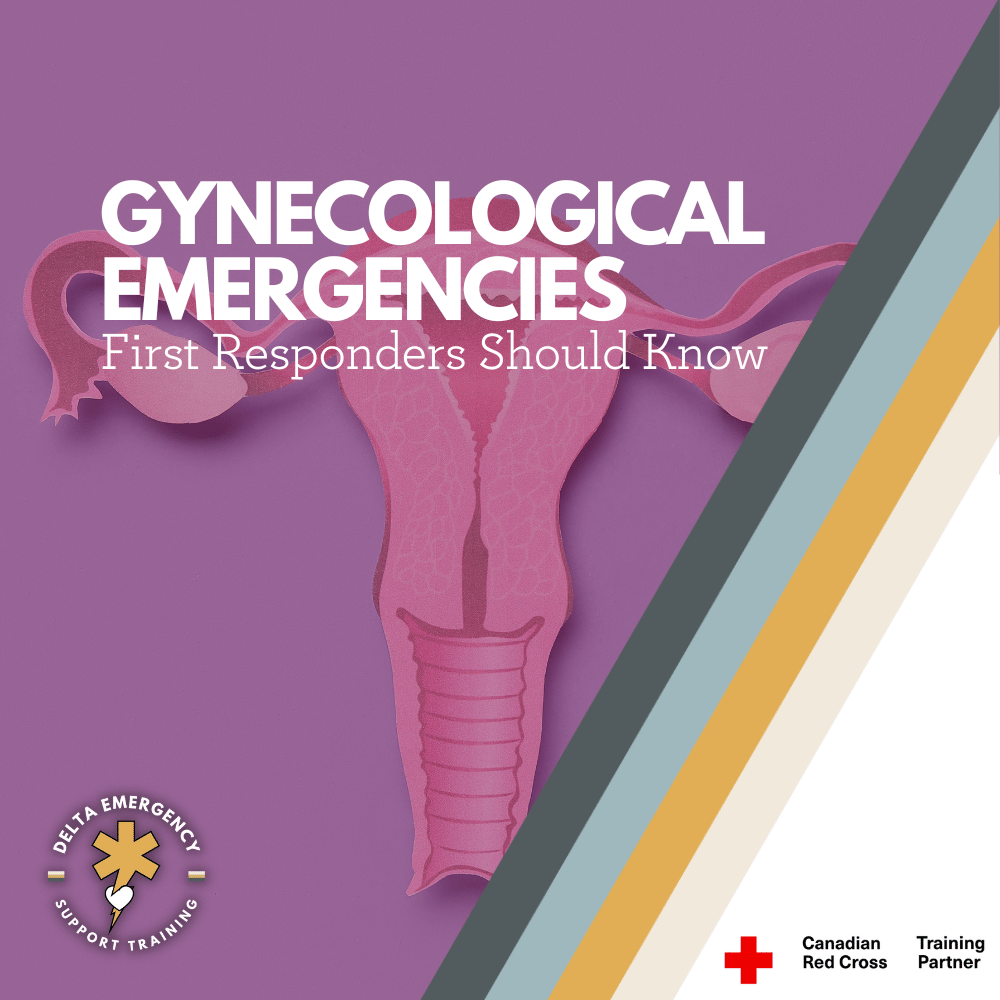
Common Gynecological Medical Emergencies Every First Responder Should Know

Gynecological emergencies, such as ovarian torsion, ectopic pregnancy, and toxic shock syndrome, require quick action and careful handling. For first responders, understanding the symptoms, knowing how to prioritize care, and maintaining patient comfort and dignity are essential. This blog explores common gynecological emergencies, providing essential information for responders to manage these situations with professionalism, especially when male responders are involved. Learn how to respond effectively and respectfully to ensure the best outcomes for your patients.
Gynecological emergencies require quick assessments, clear decision-making, and fast intervention. For first responders, understanding these conditions is essential for providing the right care and support. While some gynecological issues may seem daunting, being knowledgeable about these emergencies can make all the difference in saving lives and minimizing long-term complications.

In this blog, we’ll dive deeper into some of the most common gynecological emergencies, including endometriosis, ovarian torsion, ectopic pregnancy, toxic shock syndrome, and more. Additionally, we’ll discuss how first responders can handle these situations efficiently, with a focus on maintaining patient comfort and professionalism, particularly when male responders are involved.

1. Endometriosis: Managing Acute Flare-Ups

What It Is:
Endometriosis is a chronic condition where tissue similar to the lining of the uterus grows outside of it, often affecting the ovaries, fallopian tubes, or other organs in the pelvic region. While it’s usually a long-term condition, flare-ups can create acute pain and other complications.

Emergency Symptoms:

  • Intense pelvic pain, especially during menstruation

  • Nausea, vomiting, or dizziness

  • Heavy menstrual bleeding

  • Pain during intercourse

What to Do:
First responders should focus on pain management, as the acute pain associated with endometriosis flare-ups can be overwhelming. Administer analgesics as per protocol and assess vital signs. If bleeding is severe, treat for shock and prepare for transport to the nearest medical facility for further treatment, including possible imaging and evaluation by a gynecologist.

2. Ovarian Torsion: A Time-Sensitive Surgical Emergency

What It Is:
Ovarian torsion occurs when an ovary twists on its supporting ligaments, cutting off its blood supply. This is a surgical emergency and, if not treated promptly, can lead to ovarian necrosis (death of the ovary).

Emergency Symptoms:

  • Sudden, severe pelvic pain, often localized to one side

  • Nausea or vomiting

  • Abdominal tenderness

  • Possible fever

What to Do:
Time is critical in ovarian torsion. The primary action for first responders is pain management and stabilization. Administer pain relief (IV or oral as per protocol) and monitor for signs of shock. Rapid transport to a surgical facility is essential for surgical intervention to save the ovary. Delaying treatment could result in permanent damage or loss of the ovary.

3. Miscarriage: Spontaneous Pregnancy Loss

What It Is:
A miscarriage refers to the loss of a pregnancy before the 20th week. Miscarriages are often associated with heavy bleeding and pain, and they can lead to emotional distress for the patient.

Emergency Symptoms:

  • Heavy bleeding or passing of tissue

  • Cramping or abdominal pain

  • Lower back pain

  • Dizziness or fainting

What to Do:
For first responders, it’s important to manage bleeding and monitor for signs of shock. Heavy bleeding can result in hypovolemic shock, so maintaining the patient’s blood volume with IV fluids is critical. Emotional support is also key—be compassionate and empathetic, as this is often a traumatic experience. Transport the patient to a medical facility for further evaluation, including an ultrasound to confirm the miscarriage and assess for any retained tissue.

4. Ectopic Pregnancy: A Life-Threatening Condition

What It Is:
An ectopic pregnancy occurs when a fertilized egg implants outside the uterus, usually in a fallopian tube. This is a dangerous condition because the fallopian tube can rupture, leading to significant internal bleeding.

Emergency Symptoms:

  • Severe abdominal pain, often on one side

  • Vaginal bleeding or spotting

  • Dizziness, fainting, or low blood pressure

  • Shoulder pain (referred pain due to internal bleeding)

What to Do:
Ectopic pregnancy is a medical emergency that requires immediate transport to the hospital. First responders should stabilize the patient, monitor vitals, and treat for shock if necessary. If an ectopic pregnancy is suspected, it is critical to get the patient to a surgical facility as quickly as possible, as a ruptured ectopic pregnancy can be fatal.

5. Uterine Fibroids: Managing Complications from Benign Tumors

What It Is:
Uterine fibroids are non-cancerous growths in the muscle of the uterus. In many cases, they don’t cause symptoms, but in some women, they can result in heavy menstrual bleeding or pain, especially during pregnancy or menopause.

Emergency Symptoms:

  • Heavy vaginal bleeding, potentially leading to shock

  • Pelvic or abdominal pain

  • Pressure on the bladder or rectum

  • Painful intercourse

What to Do:
If a patient with uterine fibroids presents with heavy bleeding, assess the degree of bleeding and treat for shock if necessary. Administer fluids to maintain blood pressure and transport the patient to a medical facility for further evaluation and treatment. In severe cases, surgical intervention may be needed to manage bleeding or remove the fibroids.

6. Vulvar Abscess: Infection and Inflammation of the Vulva

What It Is:
A vulvar abscess is a localized collection of pus caused by infection. It may occur due to bacteria entering the vulvar glands, leading to swelling, pain, and tenderness.

Emergency Symptoms:

  • Painful swelling or tenderness in the vulva

  • Redness and warmth in the affected area

  • Fever

  • Drainage of pus

What to Do:
While vulvar abscesses typically require drainage and antibiotics, first responders should focus on pain relief and preventing the infection from spreading. Administer pain relief and fluids as per protocol and prepare for rapid transport to a hospital where surgical drainage may be needed.

7. Toxic Shock Syndrome (TSS): A Severe Bacterial Infection

What It Is:
Toxic Shock Syndrome is caused by bacterial toxins, usually from Staphylococcus aureus or Streptococcus pyogenes. Though it’s rare, it can progress rapidly and lead to organ failure and death.

Emergency Symptoms:

  • Sudden high fever

  • Vomiting and diarrhea

  • A red, sunburn-like rash

  • Low blood pressure, confusion, or shock

What to Do:
TSS is a critical emergency requiring immediate intervention. First responders should administer fluids to combat shock, manage the fever, and prepare for transport to a medical facility. Treatment typically includes IV antibiotics and supportive care to prevent organ failure.

8. The Challenges of Responding to Gynecological Emergencies, Especially for Male Responders

Patient Comfort and Professionalism:
Handling gynecological emergencies can be particularly sensitive, especially if the responding team is composed of male responders. As a first responder, it’s essential to be aware of the patient’s emotional and physical comfort while still prioritizing their care.

Key Considerations for Male Responders:

  • Maintain Decency: Ensure that the patient’s privacy is respected at all times. Use blankets or gowns to cover them as much as possible, especially during transport or examination.

  • Provide Clear Communication: Always explain the procedures you’re performing and why they are necessary. Patients may feel vulnerable during gynecological emergencies, so explaining what is happening at each stage can help reduce anxiety.

  • Offer Emotional Support: Gynecological emergencies often come with an emotional component. Be compassionate and understanding, offering reassurance and support throughout the process.

  • If Possible, Involve Female Responders: If you’re a male responder and the situation involves intimate care, offer the patient the option to be attended to by a female responder, if available, to maintain comfort and dignity.

First responders should always prioritize patient safety and dignity. Being sensitive to these issues helps build trust and ensures that you are providing the best care possible, especially in potentially traumatic situations.

Conclusion: Efficient, Respectful Care for Gynecological Emergencies

Gynecological emergencies can present unique challenges for first responders, but with the right knowledge and skills, you can manage these situations effectively and compassionately. Whether dealing with ovarian torsion, toxic shock syndrome, or ectopic pregnancy, understanding the symptoms and knowing the right actions to take will ensure better patient outcomes. Responding with professionalism, sensitivity, and respect for the patient’s dignity is just as important as delivering medical care.

At Delta Emergency Support Training, we equip first responders with the knowledge and skills necessary to handle all types of emergencies, including gynecological ones. Our comprehensive training prepares you to respond with confidence, ensuring you provide the best care in critical situations.

Read More

How Babysitters Can Handle Emergencies: When to Call 911 and What to Do

Emergencies can happen unexpectedly, and as a babysitter, knowing how to respond quickly is essential. One of the most important skills is knowing when to call 911. Whether it’s a child choking, having a seizure, or becoming unconscious, your quick action could save a life. It’s crucial to always know the address of the home you’re babysitting at, as this information can help emergency responders reach you faster. Remember, better to call 911 and not need them than to not call and need them—911 call-takers are there to guide you through the process and ensure help arrives as quickly as possible. Stay calm, stay prepared, and always trust your instincts when it comes to emergencies.
Emergencies can happen at any time, and when you're babysitting, it’s important to know how to respond quickly. Whether you're watching kids at home, looking after younger siblings, or taking care of someone else’s children, you have to be prepared for anything. Knowing when and how to call 911 is especially important because your quick action could save a life.

In this blog, we'll talk about common emergencies, how to stay calm, and why knowing your address and how to call 911 is so critical.

Why It’s So Important to Know How to Call 911

As a babysitter, you might be the first person to handle an emergency. If something happens—a child gets hurt, gets sick, or something else goes wrong—you might need to call 911 for help.

One of the most important things to remember when calling 911 is knowing where you are. If you can’t tell the dispatcher your address, it can delay help. That means it’s crucial to always know the address of the home where you’re babysitting, including the apartment number if applicable. Make sure you have this info handy in case you need it quickly!

When to Call 911: What Counts as an Emergency?

Some situations can be handled with basic first aid, but others are more serious and require immediate help. Here are some examples of when you need to call 911 without hesitation:

1. The Child is Unconscious or Not Responding

If the child or anyone you’re caring for becomes unresponsive, it’s a big emergency. If they’re not waking up, won’t talk, or are just unresponsive, you need to get help right away.

What to Do:

  • Check if the child is breathing. If they are not breathing or are gasping, call 911 immediately. If you're trained in CPR, you may be able to help the child before emergency responders arrive.

  • If they are breathing but still unconscious, gently lay them on their side (recovery position) and call 911 right away.

2. Serious Bleeding

If the child has a large cut or wound that won’t stop bleeding, that’s a serious emergency. You need to stop the bleeding and get help right away.

What to Do:

  • Apply a clean cloth or bandage to the wound and press down to stop the bleeding.

  • If the wound is really deep, or you can’t stop the bleeding, call 911 and keep pressure on the wound until help arrives.

3. Choking

Choking is a life-threatening emergency, especially if the child can’t breathe or speak. If you are trained in back blows and abdominal thrusts, you should perform these techniques as you were taught. If the child becomes unconscious, you should immediately call 911.

What to Do:

  • If you are trained in abdominal thrusts and back blows (to help expel the object blocking their airway), perform these techniques as you’ve been taught.

  • If the child becomes unconscious, call 911 immediately. If you are trained to save a choking person, you have a good chance of saving them.

  • Keep performing your life-saving techniques until the child can breathe or emergency help arrives.

4. Severe Allergic Reaction (Anaphylaxis)

Severe allergic reactions (also known as anaphylaxis) can cause swelling in the throat and make breathing difficult. Common triggers include bee stings, food allergies (like peanuts), or certain medications.

What to Do:

  • If the child has an epinephrine auto-injector (EpiPen), use it right away.

  • Then, call 911 immediately to get professional help.

5. Seizures

If the child has a seizure, especially if they’ve never had one before, you should call 911. This is important because first-time seizures can be a sign of something serious, and even if the seizure doesn’t last long, it’s better to get medical help.

What to Do:

  • Move objects out of the way to prevent injury.

  • Gently cushion their head and lay them on their side if possible.

  • If the child has never had a seizure before, or if it lasts more than a minute, call 911 right away.

6. Trouble Breathing or Chest Pain

If the child is having trouble breathing, or complains of chest pain, these could be signs of a serious medical condition like a heart attack or a severe asthma attack.

What to Do:

  • Help them sit up and stay calm.

  • If they have an inhaler, help them use it.

  • If they are still having trouble breathing or in pain, call 911 immediately.

How to Call 911: What You Need to Tell Them

When you call 911, it’s important to speak clearly and calmly. Here’s what to do:

1. Know Your Address

You must know the address where you're babysitting, including the street name, apartment number (if applicable), and any nearby landmarks. Make sure you have this info written down or memorized before the emergency happens so you can give it to 911 right away.

2. Speak Clearly

When you’re panicked, it can be hard to talk clearly. Take a deep breath, stay calm, and explain what’s going on as best as you can. Tell the dispatcher the emergency, the condition of the child, and the address where help is needed.

3. Describe the Situation

Tell the dispatcher what happened and the child’s condition. For example:

  • “The child is unconscious and not breathing.”

  • “They’re choking on food and can’t breathe.”

4. Follow the Dispatcher’s Instructions

The dispatcher might give you advice on what to do while you wait for emergency help to arrive. Listen carefully and do your best to follow their instructions.

5. Stay on the Line

Don't hang up until the dispatcher tells you it's okay. They may need more information or updates as emergency responders get closer.

When in Doubt, Call 911

If you're ever unsure whether something is an emergency, it’s always better to call 911. Better to call and not need them than to not call and need them. 911 call-takers are there to help and guide you through the situation. They won’t judge you for calling and are trained to assist you no matter what the emergency is. Trust your instincts—if you feel the child’s health or safety is at risk, don’t hesitate to call for professional help.

Conclusion: Be Prepared, Stay Calm, and Get Help

Babysitting comes with a lot of responsibility. Emergencies can happen quickly, but being prepared can make all the difference. The key is staying calm, knowing when to call 911, and having the information you need to guide emergency responders.

At Delta Emergency Support Training, we offer Red Cross Babysitting courses that cover all the important topics you need to be ready for anything. Our course is taught by paramedics and includes one session on caring for babies and another session dedicated to babysitter first aid, where you’ll learn life-saving techniques like CPR, how to handle injuries, and what to do in different emergency situations. You’ll leave our course with the skills and confidence to handle any emergency that comes your way.

Read More

Skin Anatomy Overview for First Responders: Layers and Functions

Understanding the anatomy of the skin is essential for first responders. The skin serves as the body’s first line of defense, regulating temperature and protecting against infection. In this blog, we’ll break down the three layers of skin—epidermis, dermis, and hypodermis—and explore their functions, common injuries, and how this knowledge can help you provide better care in emergency situations.
As a first responder, you're trained to respond to a variety of emergencies, from burns and cuts to more complex trauma situations. Understanding the anatomy of the skin is crucial, as it plays a vital role in protecting the body from infection, regulating temperature, and healing injuries. In this blog, we’ll break down the layers of the skin, their functions, and how this knowledge helps you in your critical role as a first responder.

medical skin layer model

The Basics of Skin Anatomy

The skin is the body's largest organ, serving as the primary barrier between the internal systems and the outside world. It protects against physical damage, pathogens, and dehydration, while also playing a key role in temperature regulation. The skin is made up of three main layers, each with its own distinct function:

  1. Epidermis (Outer Layer)

  2. Dermis (Middle Layer)

  3. Hypodermis (Subcutaneous Layer)

1. The Epidermis: The Body’s First Line of Defense

The epidermis is the outermost layer of skin, providing a waterproof barrier that shields the body from harmful substances, bacteria, and UV radiation. As a first responder, you will often encounter patients with injuries to the epidermis, such as cuts, abrasions, burns, or rashes.

Functions of the Epidermis:

  • Protection: The epidermis acts as the first line of defense against pathogens, chemicals, and physical damage.

  • Barrier to Water Loss: It helps prevent excessive loss of moisture, maintaining hydration in the body.

  • Skin Pigmentation: Melanin, produced in the epidermis, helps protect deeper layers from UV damage.

  • Sensation: The epidermis contains nerve endings that allow the skin to respond to environmental stimuli, like heat or pressure.

Important Considerations for First Responders:

  • Burns: Since the epidermis contains no blood vessels, burns typically affect this layer first, causing redness, swelling, and pain. In severe cases, it may also affect the dermis, leading to more serious injuries.

  • Infections: When the epidermis is compromised (such as in open wounds), there’s a higher risk of infection. Proper cleaning and dressing of wounds are essential to avoid bacterial infiltration.

2. The Dermis: The Skin’s Strength and Support

The dermis lies beneath the epidermis and is responsible for most of the skin's strength, elasticity, and sensation. This layer contains blood vessels, nerves, hair follicles, sweat glands, and connective tissue.

Functions of the Dermis:

  • Structural Support: The dermis contains collagen and elastin, proteins that provide strength and elasticity to the skin, allowing it to stretch and return to its original shape.

  • Temperature Regulation: Blood vessels in the dermis help regulate body temperature by constricting to conserve heat or dilating to release heat.

  • Sensation: The dermis is rich in nerve endings that detect pain, pressure, temperature, and touch.

  • Wound Healing: The dermis plays a critical role in healing skin wounds, as it contains the blood vessels and connective tissue that support tissue repair.

Important Considerations for First Responders:

  • Deep Cuts and Lacerations: When treating deep cuts or lacerations, you may encounter injury to the dermis, which could result in more severe bleeding due to the presence of blood vessels.

  • Blisters and Burns: Severe friction or thermal injuries can cause fluid buildup between the epidermis and dermis, leading to blisters. Burns can also extend into the dermis, causing damage to blood vessels and deeper tissues.

3. The Hypodermis: The Body’s Cushion and Insulator

The hypodermis, or subcutaneous layer, lies below the dermis and is primarily made of fat and connective tissue. This layer plays a significant role in protecting internal organs, insulating the body, and storing energy.

Functions of the Hypodermis:

  • Insulation: The fatty tissue helps regulate body temperature by providing insulation against heat loss.

  • Cushioning: It acts as a shock absorber, protecting bones and organs from injury by absorbing impact.

  • Energy Storage: The hypodermis stores fat, which serves as an energy reserve for the body.

  • Anchoring the Skin: It helps anchor the skin to underlying muscles and bones, giving the skin its flexibility and strength.

Important Considerations for First Responders:

  • Severe Trauma: In cases of deep trauma, such as blunt force injuries, the hypodermis may be damaged. This could lead to bruising or deeper tissue damage, as blood vessels in the hypodermis may rupture.

  • Frostbite: The hypodermis is the most affected area during frostbite, as it is the deepest layer. Severe cold temperatures can cause the fat cells to freeze, potentially leading to tissue death and the need for immediate medical intervention.

Skin Injuries and First Aid: Key Points for First Responders

As a first responder, understanding the anatomy of the skin helps you assess injuries more effectively and provide better care. Here are some common skin injuries and how they relate to the skin’s structure:

  1. Abrasions: These involve damage to the epidermis, often caused by friction. While they are generally not severe, they can lead to infection if not properly cleaned and dressed.

  2. Lacerations: Deep cuts can damage both the epidermis and dermis, leading to bleeding and pain. Proper wound care includes stopping the bleeding, cleaning the wound, and applying appropriate dressings.

  3. Burns: Burns can range from superficial (affecting only the epidermis) to severe (penetrating the dermis and hypodermis). First-degree burns may cause redness and pain, while second-degree burns result in blisters and more intense pain. Third-degree burns involve damage to all layers of the skin and require immediate medical attention.

  4. Frostbite: Exposure to extreme cold can lead to frostbite, which damages the skin, particularly the hypodermis. Treatment includes gradual rewarming and protecting the affected areas from further damage.

  5. Infections: Skin wounds, especially when the epidermis is broken, are susceptible to infection. As a first responder, it’s critical to clean wounds thoroughly, apply sterile dressings, and monitor for signs of infection.

Conclusion: Why Skin Anatomy Matters for First Responders

The skin may seem like a simple barrier, but its structure and functions are far more complex and essential to maintaining overall health. As first responders, understanding the layers of the skin, their functions, and how injuries affect them helps you provide better care to patients. Whether you're dealing with a simple abrasion or a severe burn, this knowledge can guide your decisions on how to treat injuries quickly and effectively, reducing the risk of complications and promoting faster recovery.

By applying this understanding of skin anatomy to your daily work, you can ensure that your patients receive the best care possible in emergency situations.

Read More

Winter Driving: Tips for First Responders and Everyday Drivers

Winter driving poses unique challenges, especially for future firefighters and first responders. From hidden black ice to snow-covered roads, understanding the risks and knowing how to prepare your vehicle are essential for staying safe on the road. In this blog, we’ll cover key winter driving hazards, share essential tips for safe navigation in harsh conditions, and provide guidance on vehicle maintenance to ensure you're always ready—whether you're heading to an emergency or simply commuting. Stay prepared, stay safe, and learn how to handle winter weather like a pro.
Winter Driving Tips for Future First Responders: Stay Safe and Prepared in Harsh Conditions

Overturned vehicle from driving in icy winter conditions

Winter driving can be treacherous, especially when you’re out on the road in snowy, icy conditions. As a future firefighter, paramedic, or emergency responder, it’s crucial to understand how these winter weather hazards can impact your ability to drive safely and respond effectively in an emergency. Whether you're heading to a call or navigating daily commutes, this guide will provide you with the knowledge and practical tips you need to stay safe during the winter months.

1. Understanding the Risks of Black Ice

Black ice is one of the most insidious dangers of winter driving. It forms when moisture freezes on the road surface, creating a nearly invisible layer of ice that can cause vehicles to lose traction unexpectedly. Black ice is most commonly found on bridges, overpasses, and shaded parts of the road. For first responders, who may need to drive in these conditions during urgent situations, it’s vital to recognize the signs of black ice and respond accordingly.

What to Watch Out For:

  • Bridges and Overpasses: These areas freeze more quickly than regular roads due to their exposure to the air above and below.

  • Shaded Areas: Roads that are shaded by trees, buildings, or mountains are more likely to have black ice, especially early in the morning or after sunset.

  • Intersections and Curves: These areas are more prone to slick conditions as the traffic flow can prevent melting during the day.

How to Drive on Black Ice:

  • Slow Down: Reduce your speed when driving on bridges, overpasses, or during the early morning hours.

  • Gentle Maneuvers: Avoid quick or sharp turns. Steer gently if you begin to slide.

  • Keep a Safe Distance: Maintain extra space between your vehicle and others, as it can take longer to stop on icy surfaces.

2. Snow and Slippery Road Conditions

Snow accumulation not only reduces visibility, but it can also make roads slippery, increasing the likelihood of losing control of your vehicle. Thick snowdrifts and patches of snow can obscure lane markings, making it difficult to navigate the road properly. For firefighters and other emergency personnel, this is particularly hazardous, as getting stuck in the snow or skidding off the road can delay emergency responses.

What to Watch Out For:

  • Snowdrifts: These can accumulate quickly, especially on less-traveled roads.

  • Hidden Potholes: Snow can cover potholes, creating unexpected hazards beneath the snow’s surface.

  • Lack of Lane Visibility: Snow accumulation can hide lane markings, making it difficult to stay in your lane.

Winter Driving Tips for Snowy Roads:

  • Drive Below the Speed Limit: Adapt your speed to the road conditions, not the posted speed limit. Keep your distance from other vehicles, as stopping distances will be much longer.

  • Increase Visibility: Use your headlights during snowfall to make sure other drivers can see you. Avoid high beams, which can reflect off the snow and reduce your visibility.

  • Stay in Tracks: If driving in heavy snow, try to drive in the tracks of other vehicles to avoid becoming stuck in deep snow.

3. Cold Weather and Vehicle Maintenance

Winter driving isn’t just about adjusting your behavior on the road; it’s also about ensuring your vehicle is properly prepared for the cold conditions. The freezing temperatures of winter can cause issues that make your vehicle more susceptible to mechanical failure or an accident. For first responders, this can lead to delays or even dangerous breakdowns.

Winter Vehicle Checklist:

  • Check Tire Pressure and Tread: Cold temperatures cause tire pressure to drop. Check your tire pressure regularly, and ensure that your tires have sufficient tread to maintain grip on icy or snow-covered roads.

  • Battery Health: Batteries lose power in cold weather, so test your battery before winter sets in. Consider replacing older batteries that might fail in the cold.

  • Engine Fluids: Ensure your vehicle is filled with winter-grade oil and coolant. The correct engine fluid prevents freezing and ensures proper functioning.

  • Windshield Wipers: Replace windshield wipers if they are worn. Stock up on windshield washer fluid that won’t freeze at low temperatures, ensuring good visibility in snowy conditions.

Emergency Kit Essentials:

  • Blankets and Warm Clothing: In case of a breakdown or emergency situation, having extra clothing and thermal blankets in your vehicle can be lifesaving.

  • First Aid Kit: Always carry a basic first aid kit, including bandages, antiseptic wipes, and gloves, for addressing minor injuries on the go.

  • Food and Water: Pack non-perishable snacks and bottled water, especially if you're traveling long distances or to remote areas.

4. Responding to Accidents in Winter Conditions

As a future first responder, you may need to respond to emergency calls involving accidents on snowy or icy roads. It's crucial to stay aware of the unique dangers that come with operating in these environments, both for your safety and the safety of the victims.

Hazards to Be Aware Of:

  • Additional Collisions: If the road is icy, there’s a higher likelihood of secondary accidents, so always approach accident scenes cautiously.

  • Cold Weather Injuries: Accidents involving cold temperatures can cause hypothermia, frostbite, or other cold-related injuries, especially if victims are exposed to the elements for long periods.

  • Limited Access: Snow and ice can make it difficult to reach accident scenes or maneuver vehicles into position for a rescue. Be prepared for delays or challenging access.

Tips for First Responders:

  • Slow Approach: Always slow down as you approach the scene of an accident, and be mindful of other vehicles on the road.

  • Road Safety: Set up safety cones or warning lights to alert other drivers and prevent further collisions.

  • Protect Victims: If the victims are in cold conditions, prioritize keeping them warm with blankets or by moving them to a safer location away from the elements.

5. Stay Prepared for Winter Emergencies

The unpredictable nature of winter weather means that being prepared is more important than ever. Having an emergency kit, knowing how to handle various road conditions, and understanding the importance of vehicle maintenance can make a huge difference in staying safe.

Winter Emergency Kit Checklist:

  • Jumper cables and portable power banks

  • Flashlight with extra batteries

  • Shovel, sand, or kitty litter (for traction if you’re stuck)

  • Thermal blankets and extra gloves/hats

  • Non-perishable snacks and water

  • Basic first aid supplies

Conclusion: Be Prepared and Drive Safely This Winter

Winter driving conditions can be dangerous, especially for first responders who need to travel quickly and efficiently to emergencies. By understanding the hazards posed by snow, ice, and freezing temperatures, and by taking proactive steps to maintain your vehicle and adjust your driving behavior, you can reduce the risks associated with winter driving.

For future firefighters and first responders, staying prepared means more than just understanding emergency procedures—it also means staying safe on the road. Drive carefully, maintain your vehicle, and always be prepared for the unexpected.

Read More

Alcohol-Related Emergencies: A First Responder's Guide

Encountering alcohol-related emergencies as a first responder demands a comprehensive understanding of the signs of severe intoxication and the skills to manage them effectively. From volatile behavior to the critical signs of alcohol overdose, being prepared to intervene promptly can mean the difference between life and death. By recognizing the need for airway management and implementing techniques such as the recovery position and manual clearance, first responders can mitigate the risks of aspiration and respiratory compromise. Moreover, fostering community education on responsible drinking practices and promoting peer support programs within the first responder community are essential steps toward prevention and support. As we navigate the complexities of alcohol-related emergencies, let us remain vigilant, compassionate, and committed to saving lives. Through our collective efforts, we can make a meaningful impact in ensuring the safety and well-being of those affected by alcohol intoxication.
As first responders, we are frequently called upon to handle alcohol-related emergencies. These situations require a delicate balance of compassion, skill, and quick thinking. Understanding the signs of severe intoxication and knowing how to respond effectively can make a significant difference in the outcome for the individual involved. In this blog, we'll explore the complexities of managing alcohol-related emergencies, including recognizing critical signs of alcohol overdose and providing timely intervention to prevent potentially life-threatening complications.

Recognizing Critical Signs of Alcohol Overdose:

  1. Inability to Rouse: In severe cases of alcohol intoxication, individuals may be unresponsive to loud shouting or vigorous shaking. This inability to rouse the person can be a red flag indicating a dangerous level of intoxication.

  2. Inability to Stay Awake: If a person who was previously passed out cannot stay awake for more than 2-3 minutes after being roused, it suggests a profound level of intoxication that requires immediate attention.

  3. Vomiting While Unconscious: Vomiting while unconscious is a particularly concerning sign, as it increases the risk of choking or suffocation on vomit.

  4. Not Waking Up After Vomiting: Failure to wake up after vomiting is a critical indicator of alcohol poisoning. It signifies a compromised level of consciousness and a heightened risk of respiratory distress.

  5. Incoherent While Vomiting: Incoherent speech or confusion while vomiting indicates a significant impairment of cognitive function, further highlighting the severity of the situation.

Understanding the Dangers of Alcohol Overdose:

Alcohol overdose, also known as alcohol poisoning, is a life-threatening condition that requires immediate medical attention. Left untreated, it can lead to:

  • Choking or suffocation on vomit

  • Respiratory depression or cessation of breathing

  • Seizures

  • Brain damage

  • Death

Managing the Airway in Alcohol Overdose:

1. Recovery Position: In cases where an individual is unconscious but breathing, placing them in the recovery position is crucial for preventing aspiration of vomit and maintaining a clear airway. The recovery position involves the following steps:

  • Roll the person onto their side, facing you.

  • Ensure that their head is tilted back slightly to keep the airway open.

  • Bend the top leg at the knee and place it in front of the bottom leg for stability.

  • Position the bottom arm under their head to support it and prevent it from falling forward.

  • Monitor the person's breathing and vital signs while in the recovery position.

2. Manual Airway Clearance: If the individual is unconscious and there is evidence of vomit in the mouth, it may be necessary to manually clear the airway to prevent obstruction. This can be done using a side scooping finger technique or a suction device such as a Yankauer suction catheter:

  • Side Scooping Finger Technique: Gently insert your gloved finger into the person's mouth and sweep any vomit or debris from the back of the throat using a side-to-side motion. Be careful not to push the material further back into the throat.

  • Yankauer Suction: If available, use a Yankauer suction catheter to suction vomit from the mouth and upper airway. Insert the suction catheter into the mouth and carefully remove any fluid or debris while being cautious not to obstruct the airway further.

3. Continuous Monitoring: After clearing the airway and placing the individual in the recovery position, continue to monitor their breathing, pulse, and level of consciousness closely. Be prepared to intervene further if there are signs of respiratory distress or deterioration.

Conclusion:

Encountering alcohol-related emergencies as a first responder demands a comprehensive understanding of the signs of severe intoxication and the skills to manage them effectively. From volatile behavior to the critical signs of alcohol overdose, being prepared to intervene promptly can mean the difference between life and death. By recognizing the need for airway management and implementing techniques such as the recovery position and manual clearance, first responders can mitigate the risks of aspiration and respiratory compromise. Moreover, fostering community education on responsible drinking practices and promoting peer support programs within the first responder community are essential steps toward prevention and support. As we navigate the complexities of alcohol-related emergencies, let us remain vigilant, compassionate, and committed to saving lives. Through our collective efforts, we can make a meaningful impact in ensuring the safety and well-being of those affected by alcohol intoxication.

Read More
Alberta, Awareness, Canada, Wilderness Kumari Malhotra Alberta, Awareness, Canada, Wilderness Kumari Malhotra

Emergency Go Bag: Essentials for Every Season

In uncertain times, having a well-prepared go bag can be a lifesaver. Emergencies like natural disasters, power outages, or sudden evacuations can strike without warning, necessitating swift action to ensure the safety and well-being of yourself and your loved ones. Learn what to pack and how to stay ready with our detailed checklist.
In uncertain times, having a well-prepared go bag can be a lifesaver. Emergencies like natural disasters, power outages, or sudden evacuations can strike without warning, necessitating swift action to ensure the safety and well-being of yourself and your loved ones. A go bag is a carefully curated collection of essential items tailored to your specific needs and circumstances, providing you with the necessary resources to navigate challenging situations with confidence. In the event of an emergency that requires evacuation, everyone in your household should have a Go Bag packed and ready to go. Your Go Bag should be a sturdy and easy-to-carry backpack or duffle bag containing things you would want to have with you if you have to leave in a hurry.

Specific Evacuation Scenarios

  1. Fire Evacuation:

    • In the event of a wildfire or structural fire, evacuation may be necessary to ensure safety. Pack your go bag if authorities issue evacuation orders or if you perceive imminent danger.

    • Be prepared to leave immediately and follow designated evacuation routes. Prioritize safety over belongings and adhere to instructions from emergency responders.

  2. Tornado Warning:

    • During a tornado warning, seek shelter in a sturdy building or designated tornado shelter. If evacuation is advised due to the severity of the storm, grab your go bag and proceed to the nearest safe location.

    • Monitor weather alerts and heed evacuation orders from local authorities to minimize the risk of injury or loss of life.

  3. Flooding:

    • In flood-prone areas, be vigilant for flood warnings or flash flood alerts. If evacuation becomes necessary due to rising waters or compromised infrastructure, secure your go bag and evacuate to higher ground.

    • Avoid driving through flooded areas, as water depth and currents can be deceptive and pose significant hazards to both occupants and vehicles.

Core Essentials

  1. Water:

    • Carry at least one gallon of water per person per day for drinking and sanitation purposes. Dehydration is a significant risk during emergencies, especially in situations where access to clean water may be compromised.

    • Consider portable water purification tablets or filters for additional water sources, ensuring access to safe drinking water even in challenging conditions.

  2. Food:

    • Pack a 3-day supply of non-perishable, high-energy foods such as granola bars, canned goods, and dried fruits. These items provide sustenance without requiring refrigeration or cooking, essential during prolonged periods away from home.

    • Include a manual can opener and utensils for food consumption, ensuring you can access canned goods without difficulty even in the absence of electricity.

  3. Medication and First Aid Supplies:

    • Gather a sufficient supply of prescription medications and over-the-counter remedies, ensuring you have an ample stock to last through any potential disruption in access to healthcare services.

    • Include a comprehensive first aid kit containing bandages, antiseptic wipes, pain relievers, and any personal medical supplies specific to your household's needs. Injuries and illnesses can occur unexpectedly, making prompt medical attention critical.

  4. Clothing:

    • Rotate clothing based on seasonal needs, including sturdy shoes, socks, and weather-appropriate outerwear. Hypothermia and heat-related illnesses are significant concerns during emergencies, necessitating proper attire for protection.

    • Pack spare underwear and comfortable layers for extended periods away from home, prioritizing moisture-wicking materials to manage sweat and maintain comfort in fluctuating temperatures.

Additional Essentials

  1. Flashlight and Batteries:

    • Include a reliable flashlight with extra batteries to provide illumination in dark or low-light conditions.

  2. Whistle:

    • Carry a whistle to attract attention and signal for help in case of emergencies, especially if you become trapped or injured.

  3. Dust Mask:

    • Protect yourself from airborne particles and contaminants with a dust mask, essential for situations involving smoke, dust, or debris.

  4. Local Maps:

    • Keep local maps in your go bag to navigate unfamiliar areas or evacuation routes, especially if GPS or electronic devices are unavailable.

  5. Manual Can Opener:

    • Ensure access to canned food supplies with a manual can opener, as electricity may be unavailable during emergencies.

  6. Battery-Powered or Hand-Cranked Radio:

    • Stay informed about emergency updates and developments with a battery-powered or hand-cranked radio, providing access to news and information even in the absence of electricity.

  7. Entertainment for Children:

    • Include books, games, puzzles, or other activities for children to help keep them occupied and alleviate stress during evacuation or sheltering.

Conclusion:

A well-prepared go bag tailored to your specific needs and environment can provide peace of mind during emergencies. By including core essentials like water, food, medication, and clothing, along with consideration of specific evacuation scenarios and additional essentials, you can ensure readiness for any situation. Remember to periodically review and update your go bag to maintain its effectiveness. Stay safe, stay prepared!

Read More

Proactive Strategies for De-escalating Mental Health Crisis Calls as a First Responder

Building a rapport is essential in establishing a foundation for successful de-escalation. Approach the individual calmly and respectfully, maintaining a non-confrontational demeanor. Use open-ended questions to encourage dialogue and facilitate a deeper understanding of the situation. Establishing common ground and demonstrating genuine concern for their well-being can help alleviate anxiety and defensiveness.
In the realm of emergency response, encounters with individuals experiencing mental health crises demand a unique blend of professionalism, empathy, and strategic intervention. Addressing such situations requires not only swift action but also a nuanced approach to de-escalation aimed at diffusing tension, building rapport, and ensuring the safety and well-being of all parties involved. As first responders, it is incumbent upon us to equip ourselves with the necessary tools and techniques to navigate these complex scenarios effectively.

1. Assessing for Safety

Prioritize the safety of both the individual in crisis and yourself and your team. Conduct a thorough assessment of the immediate environment for potential hazards or weapons. If the situation poses an imminent risk of harm, take necessary precautions to ensure everyone's safety, including calling for backup or additional resources as needed. Communicate clearly and assertively, setting clear boundaries and expectations while maintaining a respectful tone.

2. Active Listening

Effective communication begins with active listening. When engaging with an individual in crisis, prioritize attentive listening to understand their concerns, emotions, and underlying needs. Demonstrate empathy and validate their experiences, fostering a sense of trust and rapport. Reflective listening techniques, such as paraphrasing and summarizing, can convey understanding and empathy while clarifying any misunderstandings.

3. Establishing Rapport

Building a rapport is essential in establishing a foundation for successful de-escalation. Approach the individual calmly and respectfully, maintaining a non-confrontational demeanor. Use open-ended questions to encourage dialogue and facilitate a deeper understanding of the situation. Establishing common ground and demonstrating genuine concern for their well-being can help alleviate anxiety and defensiveness.

4. Providing Reassurance and Validation

Individuals in crisis often experience overwhelming feelings of distress, hopelessness, and isolation. Offer reassurance and validation, acknowledging their emotions without judgment. Assure them that help is available and that their well-being is a priority. Avoid minimizing or dismissing their feelings; instead, validate their experiences and express confidence in their ability to cope and overcome challenges.

5. Collaborative Problem-Solving

Engage the individual in collaborative problem-solving to explore potential solutions and coping strategies. Empower them to identify their needs and preferences, encouraging autonomy and self-efficacy. Offer support and guidance in exploring alternative perspectives and developing adaptive coping mechanisms. Utilize your training and expertise to provide practical assistance and connect them with appropriate resources, such as mental health services or crisis hotlines.

6. Maintaining Calm and Composure

As a first responder, your demeanor sets the tone for the interaction. Remain calm, composed, and professional, even in the face of challenging circumstances. Manage your own stress reactions and emotions, utilizing mindfulness techniques and self-regulation strategies to maintain a clear and focused mindset. Your ability to remain grounded and composed can instill a sense of stability and reassurance in the individual, facilitating effective communication and de-escalation.

Conclusion

De-escalating mental health crisis calls requires a multifaceted approach rooted in empathy, communication, and proactive intervention. By prioritizing active listening, rapport-building, and collaborative problem-solving, first responders can effectively navigate these complex situations while ensuring the safety and well-being of all parties involved. Through compassionate and strategic intervention, we can provide individuals in crisis with the support and resources they need to navigate difficult times and foster pathways to recovery.

Read More

Understanding Aspirin (ASA) in Cardiac First Response: A Drug Monograph Overview

Discover how aspirin, a stalwart in medicine, actively intervenes in cardiac emergencies by impeding platelet aggregation, safeguarding against clot progression in coronary arteries. Explore its multifaceted benefits and proactive role in managing cardiovascular conditions effectively.
Two ASPRIN PILLS LEANING AGAINST EACHOTHER.

In the realm of first response having a comprehensive understanding of the medications we administer is crucial. Among these medications, aspirin, also known as acetylsalicylic acid (ASA), holds a significant place, particularly in addressing cardiac-style chest pain. Let's delve into the depths of ASA through a drug monograph lens to comprehend its indications, contraindications, and cautions.

Introduction to Drug Monograph

Drug monographs are like compasses guiding us through the vast sea of medications. They offer a detailed overview, covering everything from why a medication is used to when it should be avoided. Understanding these monographs is paramount as they can make the difference between effective relief and unintentional harm to our patients.

Indications for Aspirin (ASA)

Aspirin is primarily used to address a range of cardiovascular issues. In the realm of emergency response, ASA is particularly crucial for addressing cardiac-style chest pain, commonly linked with heart attacks. Its mechanism of action involves inhibiting platelet aggregation, thereby preventing the exacerbation of clots in coronary arteries rather than directly alleviating pain. This proactive approach reduces the risk of clot enlargement, which could worsen the underlying condition causing the pain.

Contraindications PAAADI

To ensure safe administration of aspirin, it's imperative to heed its contraindications:

  1. Paediatric: Aspirin is not given to children and adolescents due to the risk of Reye's syndrome, a rare but serious condition affecting the brain and liver.

  2. Allergy: Individuals with a known allergy to aspirin or other nonsteroidal anti-inflammatory drugs (NSAIDs) should steer clear of ASA to prevent allergic reactions.

  3. Asthma: Patients with asthma that is exasperated upon taking aspirin should steer clear. Taking ASA may lead to bronchospasm and respiratory distress in our already distressed patients. The last thing we want to do is make it hard to breath for these patients.

  4. Acute bleeds: Aspirin's antiplatelet properties increase the risk of bleeding, making it unsuitable for individuals experiencing acute bleeding episodes.

  5. Dose: Administering aspirin beyond recommended doses can heighten the risk of adverse effects. Adhere to local guideline administration protocols.

  6. Inability to Comply: Patients who cannot comprehend or follow instructions for aspirin use should avoid its administration to prevent misuse or adverse outcomes.

Adhering to these contraindications ensures safe and effective utilization of aspirin in the management of cardiac emergencies.

Cautions PABIS

While aspirin holds immense therapeutic value, certain precautions must be taken into account:

  1. Pregnancy: Aspirin should be used cautiously during pregnancy, especially in the third trimester, as it may increase the risk of bleeding and complications for both the mother and the fetus.

  2. Anticoagulants: Concurrent use of aspirin with anticoagulant medications can potentiate the risk of bleeding, necessitating close monitoring and dose adjustments.

  3. Bleeds: Patients with a history of gastrointestinal ulcers or other bleeding disorders should exercise caution while using aspirin to minimize the risk of bleeding complications.

  4. Internal Bleeds: Individuals with a predisposition to internal bleeding, such as cerebral hemorrhage, should avoid aspirin due to its antithrombotic effects.

  5. Surgery: Aspirin use before surgical procedures may increase the risk of perioperative bleeding, necessitating temporary discontinuation and consultation with healthcare providers.

By adhering to these cautionary measures, healthcare providers can mitigate the risks associated with aspirin use and ensure patient safety.

In conclusion, aspirin, with its potent antiplatelet properties, plays a pivotal role in the management of cardiac-style chest pain during emergencies. However, a thorough understanding of its indications, contraindications, and cautions is essential to ensure safe and effective administration. By heeding these guidelines, we can navigate the complexities of first aid with confidence, knowing that we are equipped to provide optimal care to those in need.

Read More

Road Safety Tips for Cyclists: A First Responder's Guide

In our guide for first responders and firefighters, we emphasize crucial road safety tips tailored for cyclists. From the paramount importance of wearing helmets to the necessity of being visible on the road, these insights are indispensable for fostering safer cycling environments. By obeying traffic laws, riding defensively, and utilizing bike lanes effectively, cyclists and motorists can work together to prevent accidents and promote road safety for all.

cyclist riding off to the side of the road

As a first responder, your role in ensuring road safety extends beyond responding to emergencies. It involves proactive measures to prevent accidents and mitigate their impact. When it comes to bicycle safety, understanding the rules of the road and adopting defensive strategies are crucial for both cyclists and motorists. In this guide, we'll explore essential road safety tips for cyclists, equipping first responders and firefighters with knowledge to promote safer roads for everyone.

  1. Wear Your Helmet: The importance of wearing a helmet cannot be overstated. A properly fitted helmet significantly reduces the risk of head injuries in the event of a crash. First responders often witness the devastating consequences of head trauma, making it imperative to stress the importance of helmet use to cyclists. Ensure that your helmet fits snugly and sits level on your head, with the straps securely fastened.

  2. Be Visible: Visibility is key to avoiding collisions, especially in low-light conditions or inclement weather. Cyclists should equip their bikes with front and rear lights, as well as reflectors, to increase visibility to motorists. Wearing brightly colored or reflective clothing further enhances visibility, making it easier for drivers to spot cyclists on the road.

  3. Obey Traffic Laws: Cyclists are subject to the same traffic laws as motorists. This includes obeying traffic signals, yielding to pedestrians, and signaling intentions to turn or stop. By adhering to traffic laws, cyclists can predictably navigate the road, reducing the likelihood of accidents caused by confusion or misinterpretation of cyclist intentions.

  4. Ride Defensively: Defensive cycling involves anticipating potential hazards and taking proactive measures to avoid them. Stay vigilant and alert while riding, scanning the road for obstacles, parked cars, and erratic drivers. Maintain a safe distance from vehicles, especially large trucks or buses, and avoid riding in their blind spots. Additionally, be prepared to react quickly to sudden changes in traffic or road conditions.

  5. Use Bike Lanes and Paths: Whenever possible, utilize designated bike lanes and paths to separate cyclists from vehicular traffic. Bike lanes provide a dedicated space for cyclists, reducing the risk of collisions with motor vehicles. However, remain cautious and watch for obstacles or hazards within bike lanes, such as debris or parked cars.

  6. Communicate Effectively: Communication is essential for safe cycling. Use hand signals to indicate turns, stops, and lane changes, allowing motorists and other cyclists to anticipate your actions. Make eye contact with drivers at intersections to ensure they see you before proceeding. Clear communication enhances mutual understanding on the road, promoting safer interactions between cyclists and motorists.

Conclusion:

As first responders and firefighters, your commitment to road safety extends beyond emergency response to proactive prevention measures. By promoting bicycle safety and educating cyclists and motorists alike, you can help reduce the incidence of accidents and injuries on our roads. Remember, a collective effort to follow the rules of the road and prioritize safety benefits everyone, creating a safer environment for cyclists and motorists alike. Together, we can make our roads safer for all road users.

Read More