The Delta Dispatch
CFD Application Guide for Aspiring Firefighters
Dreaming of becoming a Calgary firefighter? This guide walks you through the CFD application process, including essential certifications, physical fitness tips, suggested courses, and how Delta Emergency Support Training can help you succeed.
If you’ve ever dreamed of wearing the Calgary Fire Department uniform, you’re not alone. Every year, countless motivated individuals from all walks of life apply to join one of Canada’s most respected firefighting teams. Whether you’re coming off the rigs, working in the trades, or ready for a meaningful career that serves your community, the CFD recruitment process is both challenging and rewarding.
At Delta Emergency Support Training, we’ve helped many students prepare for that next step, and several of our instructors are currently serving with CFD. So, if you’re serious about applying, here’s what you need to know about the process and how to set yourself up for success.
Step 1: Meeting the Basic Requirements
Before applying, make sure you meet the minimum qualifications. Applicants must:
Be at least 18 years old
Be legally entitled to work in Canada
Have a high school diploma or equivalent
Hold a valid Class 5 driver’s licence (with a clean record)
Medical fitness is crucial — you’ll need to pass a comprehensive medical assessment that ensures you can safely perform the physical demands of the job. Strong cardiovascular health, vision, and hearing are essential for operational readiness.
Step 2: Educational and Certification Requirements
To apply for CFD, you’ll need a few essential certifications. One of the most important is Advanced First Aid (AFA), which you can earn through Delta Emergency Support Training.
Our AFA course provides the hands-on medical foundation you’ll rely on every day as a firefighter — from patient assessment and airway management to emergency scene care. We’ve even built rotation-friendly schedules for those still working in camp or on the rigs, so you don’t have to put your career on hold to train.
It’s important to note that CFD does not require applicants to hold NFPA 1001 Level I and II firefighter training, which is often mandatory for many other departments across Canada. This makes CFD an ideal opportunity for motivated individuals looking to make the leap into firefighting without already having that certification.
Step 3: The Application and Testing Process
The CFD recruitment process typically includes several stages:
Online Application: Submit your resume, certifications, and supporting documentation.
Written Exam: Designed to assess problem-solving, mechanical reasoning, and situational judgment.
Physical Fitness Test: A demanding, firefighter-specific test that measures endurance, strength, and agility.
Interview: You’ll discuss your motivations, teamwork experience, and understanding of community service.
Background Check: Ensures candidates uphold the integrity and professionalism expected of CFD members.
The process is competitive, but with the right preparation and attitude, it’s absolutely achievable.
Step 4: How to Stand Out as an Applicant
Want to stand out in the hiring process? Focus on building the qualities that CFD values most: teamwork, communication, leadership, and resilience.
Physical Conditioning: Prioritize strength, endurance, and functional fitness — firefighting is demanding work.
Community Involvement: Volunteer with local emergency services, community programs, or charities. It demonstrates commitment and service-mindedness.
Communication and Leadership: Practice staying calm under pressure and leading effectively in high-stress situations.
CFD is looking for individuals who bring heart, reliability, and the willingness to learn — not just technical skill.
Step 5: Suggested Courses to Strengthen Your Resume
While CFD doesn’t require NFPA 1001 firefighter certification, there are plenty of valuable courses that can give you a competitive edge and help you hit the ground running once you’re accepted.
Consider training in areas such as:
Confined Space Awareness and Rescue – Learn safe entry, monitoring, and rescue techniques.
Rope Rescue (Basic & Advanced) – Develop technical rope-handling skills used in high-angle and low-angle rescues.
Hazardous Materials Awareness (HAZMAT) – Understand how to recognize and safely respond to dangerous goods incidents.
Transportation of Dangerous Goods (TDG) – An important credential for anyone working around hazardous substances.
ICS (Incident Command System) Training – Build your understanding of emergency scene management and structure.
Many of these courses are available through technical safety providers or emergency training academies — and they all show CFD that you take professional development seriously.
Step 6: Training and Career Development
Once selected, recruits undergo an intensive 16-week CFD Fire Training Academy program, covering everything from fire suppression and rescue techniques to hazardous materials response and medical care.
Graduation isn’t the end of learning — CFD firefighters continue developing through specialized courses, leadership tracks, and ongoing professional education.
How Delta Can Help You Get There
We know what it takes to succeed in the CFD process because our team has been there. At Delta Emergency Support Training, we’ve helped countless students earn their Advanced First Aid certification and gain the skills and confidence they need to take the next step.
Several of our instructors are active CFD members, offering insider guidance, mentorship, and firsthand insights into the realities of the job. Many of our graduates have successfully transitioned from oilfield work or trades into full-time firefighting careers — proving it’s never too late to make the change.
Your Firefighter Journey Starts Here
Applying for the Calgary Fire Department is a big step, but it’s one that can lead to an incredible career of purpose, teamwork, and community impact.
If you’re ready to make a change — to trade in your rotation schedule for a fire hall shift and a new sense of purpose — start today.
At Delta Emergency Support Training, we offer Advanced First Aid courses, including camp rotation-friendly schedules that fit your lifestyle. You bring the dedication — we’ll help you build the foundation.
Planning to Apply to Edmonton or Calgary Fire? Why Advanced First Aid Recertification Matters
Planning to apply to Calgary or Edmonton Fire? Delta Emergency Support Training in Calgary offers Advanced First Aid recertification taught by paramedics and firefighters. Choose from weekday or weekend formats between September and November. Build your resume and keep your skills current with this Red Cross-certified course.
If you’re preparing to apply to Calgary or Edmonton Fire Department, you already know how competitive the process can be. These fire services are among the most respected in the country, and applicants are expected to show up well-prepared—both physically and professionally. One key credential that helps you stand out? Advanced First Aid (AFA) certification.
At Delta Emergency Support Training, located in Calgary, Alberta, we offer Advanced First Aid recertification courses taught by experienced paramedics and firefighters. Whether you’re updating your qualifications or preparing for pre-employment testing, our Red Cross-certified courses are designed to build the skills today’s fire services expect.
Why Advanced First Aid Is So Important
Advanced First Aid is not just a requirement—it’s a critical part of the emergency toolkit for any aspiring firefighter. It equips you to respond effectively to medical emergencies in both isolated and urban environments.
Departments like Calgary and Edmonton Fire often look for applicants who:
Hold a current Red Cross Advanced First Aid certification
Can demonstrate hands-on medical response experience
Have up-to-date knowledge of patient care, trauma management, and scene safety
Even if you've already taken the course before, recertifying ensures your skills meet current standards. Red Cross AFA certificates are valid for three years, but many departments recommend recertifying every two years to stay sharp and competitive.
What You’ll Learn in the Red Cross AFA Recertification Course
Our Advanced First Aid recertification course follows the Canadian Red Cross curriculum, providing practical training rooted in the latest national guidelines. Course content includes:
Scene assessment and patient surveys (primary and secondary)
Airway management and oxygen therapy
CPR Level C and AED usage
Treatment of traumatic injuries: spinal, chest, head, abdominal, and limb injuries
Medical emergencies: diabetic crises, seizures, allergic reactions, strokes, and more
Environmental emergencies: heat-related illnesses, cold exposure, poisonings
Multiple casualty management and triage
Legal considerations and documentation
Assisting with emergency medications
This course is designed for individuals who need advanced-level first aid for employment, volunteer service, or career advancement in emergency services.
Course Formats That Fit Your Schedule
We understand that many of our students are working professionals or balancing training, volunteering, and job applications. That’s why we offer two course delivery options:
Weekday Intensive Option
Monday to Friday
09:00 to 18:00
Complete your recertification in just one week
Weekend Format
Friday evenings 18:00 to 22:00
Saturdays and Sundays 09:00 to 18:00
Spread across multiple weekends
Both formats offer full Red Cross certification and the same high-quality instruction led by frontline emergency responders.
Course Dates: September to November
We offer recurring Advanced First Aid recertification courses from September through November. All upcoming course dates are posted on our registration page. Early registration is recommended as seats fill quickly—especially ahead of common firefighter application and testing periods.
Build Your Resume While You Prepare
Recertifying in Advanced First Aid is one of many ways to strengthen your application. Other ways to build your fire service resume include:
Volunteering with local Search and Rescue, Fire Cadet, or community safety programs
Completing relevant certifications like NFPA 1001, ICS-100, Wildland Firefighter Training, or CPR Instructor
Gaining experience in related jobs such as lifeguarding, EMS, security, or industrial safety
Preparing for CPAT or A-PREP testing
Ready to Take the Next Step?
Whether you’re applying this year or planning ahead, Delta Emergency Support Training in Calgary is here to help you meet your goals. Our Advanced First Aid recertification courses are built to help aspiring firefighters like you gain the knowledge, confidence, and credentials you need to succeed.
Spots are limited and fill quickly as fire recruitment ramps up each fall.
Meningitis: What Every First Responder Needs to Know
Meningitis is a serious infection that can escalate rapidly. As a medical first responder, understanding the types and symptoms of meningitis is essential for effective care. At Delta Emergency, we provide advanced first aid training across Canada, particularly in Edmonton and Calgary, to equip fire fighters and emergency responders with life-saving knowledge.
At Delta Emergency, we train individuals in advanced first aid as an essential step in preparing them for fire fighting and other high-pressure, life-threatening situations. As part of our training, we emphasize the importance of being well-versed in a variety of medical conditions, including those that can escalate rapidly and require swift, decisive action. One such condition is meningitis, a serious infection that can affect the brain and spinal cord and may require urgent intervention.
In this post, we’ll delve into what meningitis is, the different types, and why understanding this condition is critical for medical first responders.
What is Meningitis?
Meningitis is the inflammation of the meninges, the protective membranes covering the brain and spinal cord. It is a potentially life-threatening condition because it can cause permanent damage to the nervous system if not treated quickly. The inflammation is usually caused by infection, but it can also be a result of other factors, such as certain medications or illnesses.
Symptoms of meningitis can develop suddenly, and in many cases, they resemble the flu. However, if left untreated, it can rapidly progress to more severe complications, including seizures, brain damage, and even death.
Types of Meningitis
Meningitis is classified into several different types based on the cause of the infection. The most common types are bacterial, viral, and fungal, but there are also other rarer causes that require different treatments.
1. Bacterial Meningitis
Bacterial meningitis is the most severe form and can be fatal if not treated immediately. It is caused by a bacterial infection that typically enters the bloodstream and spreads to the brain and spinal cord. The most common bacteria that cause meningitis are Neisseria meningitidis (meningococcal), Streptococcus pneumoniae (pneumococcal), and Haemophilus influenzae.
Symptoms:
Sudden high fever
Severe headache
Stiff neck
Nausea or vomiting
Sensitivity to light
Skin rashes (in some cases)
Bacterial meningitis requires immediate medical attention and is usually treated with intravenous antibiotics. Early intervention is key to preventing life-threatening complications.
2. Viral Meningitis
Viral meningitis is less severe than bacterial meningitis but can still be serious, particularly in infants and those with weakened immune systems. It is typically caused by viruses such as enteroviruses, herpes simplex virus, and the mumps virus.
Symptoms:
Mild fever
Headache
Stiff neck
Nausea
Sensitivity to light
Fatigue
Viral meningitis often resolves on its own without the need for specific treatment, although antiviral medications may be used in certain cases. Rest and supportive care are the mainstay of treatment.
3. Fungal Meningitis
Fungal meningitis is relatively rare and occurs when a fungal infection spreads to the meninges, usually in individuals with weakened immune systems, such as those with HIV/AIDS or who are undergoing chemotherapy. It is caused by fungi like Cryptococcus and Histoplasma.
Symptoms:
Headache
Fever
Nausea and vomiting
Sensitivity to light
Neck stiffness
Confusion
Fungal meningitis is treated with antifungal medications, but early detection is critical due to its potential to cause severe damage.
4. Parasitic Meningitis
Parasitic meningitis is a rare but serious type of infection caused by parasites. The most common example is Naegleria fowleri, a brain-eating amoeba found in warm freshwater environments. Though rare, this type of meningitis is almost always fatal.
Symptoms:
Severe headache
Nausea and vomiting
Stiff neck
Seizures
Why Is Meningitis Important for Medical First Responders to Recognize?
As a medical first responder, understanding meningitis is vital for several reasons:
Rapid Assessment: When faced with a potential case of meningitis, especially bacterial meningitis, the symptoms can escalate quickly. The faster a first responder can assess and recognize the condition, the quicker they can initiate life-saving interventions and transport the patient to a medical facility.
Preventing Spread: Certain types of meningitis, particularly bacterial meningitis, are contagious. First responders need to take immediate precautions to prevent the spread of the infection to others, especially in crowded environments like schools, hospitals, or emergency scenes.
Accurate Communication with Medical Teams: As an advanced first aider, you’ll need to provide accurate and detailed information to the hospital staff or paramedics. Recognizing the key symptoms of meningitis will help ensure that the patient receives the correct treatment as soon as possible.
Prevention Measures: In some cases, such as viral meningitis, vaccinations or antiviral medications may be available. Being able to educate the public on these prevention measures is also a critical aspect of first aid training.
Making Informed Decisions in High-Pressure Situations: In emergency situations, especially during a fire or rescue operation, medical first responders often need to make quick decisions. Having a solid understanding of conditions like meningitis allows responders to make informed choices about treatment and triage priorities.
Meningitis and Fire Fighting: Why This Matters for You
For fire fighters and other emergency personnel, the ability to recognize and respond to meningitis is particularly important. Fire fighters often work in high-risk environments where exposure to infectious diseases is a possibility. Additionally, the physical and mental stress of responding to emergencies, including traumatic events, can weaken the immune system, making individuals more susceptible to infections.
Training in advanced first aid equips fire fighters with the tools they need to recognize signs of meningitis, protect themselves from exposure, and provide immediate care to victims. Knowing when to initiate emergency treatment, when to call for higher medical support, and how to prevent cross-contamination is essential in keeping both responders and the community safe.
Conclusion
Meningitis is a serious and potentially life-threatening infection that can affect anyone, but with the right knowledge and preparation, medical first responders can make a significant difference in the outcomes of those affected. At Delta Emergency, we ensure that our trainees are well-prepared to recognize the signs and symptoms of meningitis and take the appropriate action. Whether you are responding to an emergency as a fire fighter or any other medical first responder, being equipped with the knowledge of how to handle meningitis could save lives.
If you're looking to advance your first aid training or get involved in fire fighting, understanding the signs and treatments for conditions like meningitis should be a key part of your learning journey. Stay prepared, stay safe, and always be ready to respond with confidence.
Understanding Medical Terminology: A Guide to Prefixes, Suffixes, and Roots for First Responders
Mastering medical terminology is essential for first responders. Understanding common prefixes, suffixes, and roots will help you communicate more effectively, make informed decisions, and provide quicker, more effective care. In this guide, we break down essential medical terms that will boost your confidence on the job and improve patient outcomes.
In the fast-paced world of Emergency Medical Services (EMS), effective communication and quick thinking are crucial. One way to improve both is by mastering medical terminology. As a first responder, understanding the building blocks of medical terms — prefixes, suffixes, and roots — will allow you to interpret unfamiliar terms quickly, leading to better patient care and more effective communication with other healthcare professionals.
In this guide, we’ll break down the most common prefixes, suffixes, and roots in medical terminology, with a focus on how these parts come together to help you understand the language of medicine. By familiarizing yourself with these building blocks, you’ll be equipped to navigate the world of medical terminology with confidence.
What Are Prefixes, Suffixes, and Roots?
Medical terms often seem complex, but most are built from smaller components that convey specific meanings. Understanding how these components work will help you quickly decode medical terms.
Prefix: A prefix is added at the beginning of a word to modify its meaning. It typically indicates time, location, quantity, or status.
Suffix: A suffix is placed at the end of a word to alter its meaning. It often refers to a condition, disease, procedure, or part of the body.
Root Word: The root is the central part of the word that provides the core meaning. It typically refers to a body part, function, or medical concept.
By breaking down terms into these components, you can understand what a word means without needing to memorize every single term.
Why EMS Professionals Need to Understand Prefixes, Suffixes, and Roots
As a first responder, you’ll often encounter long, unfamiliar medical terms during patient care. Breaking these terms down into their prefixes, suffixes, and roots helps you:
Interpret Symptoms Faster: For example, recognizing terms like “tachypnea” (rapid breathing) or “bradycardia” (slow heart rate) allows you to quickly assess the situation and respond accordingly.
Improve Communication: Whether you’re talking to a doctor, paramedic, or other healthcare professionals, using the correct medical terminology ensures clear, efficient communication, which leads to better patient outcomes.
Streamline Documentation: Accurate medical documentation is essential in EMS. Knowing medical terms ensures you can write reports that are both precise and comprehensive.
Common Medical Prefixes Every First Responder Should Know
Here are some of the most common prefixes you’ll encounter in EMS. These prefixes provide important information about the patient's condition and can help you make quicker decisions in the field.
1. “Hyper-”
Meaning: Excessive, above normal
Example: Hypertension (high blood pressure)
2. “Hypo-”
Meaning: Below normal, deficient
Example: Hypoglycemia (low blood sugar)
3. “Brady-”
Meaning: Slow
Example: Bradycardia (slow heart rate)
4. “Tachy-”
Meaning: Fast
Example: Tachypnea (rapid breathing)
5. “Pre-”
Meaning: Before
Example: Preoperative (before surgery)
6. “Post-”
Meaning: After
Example: Post-traumatic (after trauma)
7. “Sub-”
Meaning: Under, beneath
Example: Subcutaneous (beneath the skin)
8. “Inter-”
Meaning: Between
Example: Intercostal (between the ribs)
9. “Intra-”
Meaning: Within
Example: Intravenous (within the vein)
10. “Exo-”
Meaning: Outside, outward
Example: Exoskeleton (external skeleton)
Common Medical Suffixes for EMS Professionals
Suffixes are essential for understanding the nature of a medical condition, procedure, or diagnosis. Below are key suffixes that are frequently used in EMS:
1. “-itis”
Meaning: Inflammation
Example: Arthritis (inflammation of the joints)
2. “-ectomy”
Meaning: Surgical removal
Example: Appendectomy (removal of the appendix)
3. “-algia”
Meaning: Pain
Example: Neuralgia (nerve pain)
4. “-pathy”
Meaning: Disease or condition
Example: Neuropathy (nerve disease)
5. “-emia”
Meaning: Blood condition
Example: Anemia (low red blood cell count)
6. “-plasty”
Meaning: Surgical repair
Example: Rhinoplasty (surgical repair of the nose)
7. “-scopy”
Meaning: Viewing or examination using a scope
Example: Endoscopy (examination of a body cavity)
8. “-logy”
Meaning: The study of
Example: Cardiology (study of the heart)
9. “-osis”
Meaning: Abnormal condition or disease
Example: Cirrhosis (a liver disease)
10. “-graphy”
Meaning: The process of recording
Example: Cardiography (recording heart activity)
Common Medical Roots in EMS Terminology
Roots form the core of medical terms and typically describe body parts, organs, or functions. Here are some important roots you’ll encounter in your training and practice:
1. “Cardi/o”
Meaning: Heart
Example: Cardiology (study of the heart)
2. “Gastr/o”
Meaning: Stomach
Example: Gastritis (inflammation of the stomach lining)
3. “Hemat/o”
Meaning: Blood
Example: Hemorrhage (excessive bleeding)
4. “Neuro/o”
Meaning: Nerve, nervous system
Example: Neurology (study of the nervous system)
5. “Oste/o”
Meaning: Bone
Example: Osteoarthritis (arthritis of the bone)
6. “Pulmon/o”
Meaning: Lungs
Example: Pulmonary edema (fluid buildup in the lungs)
7. “My/o”
Meaning: Muscle
Example: Myocardial (related to the heart muscle)
8. “Derm/a”
Meaning: Skin
Example: Dermatitis (inflammation of the skin)
9. “Ren/o”
Meaning: Kidney
Example: Renal failure (kidney failure)
10. “Rhin/o”
Meaning: Nose
Example: Rhinoplasty (surgical procedure on the nose)
Study Strategies for Mastering Medical Terminology
While learning prefixes, suffixes, and roots can seem overwhelming, there are several effective study techniques to help you retain and apply these concepts:
1. Use Flashcards
Flashcards are an excellent way to reinforce your understanding of prefixes, suffixes, and roots. Use physical cards or apps like Quizlet to test your knowledge on the go. Write the term on one side and its meaning on the other.
2. Create Mnemonics
To help remember terms, create memorable associations. For example, remember “tachy-” by thinking of “tachometer,” which measures speed (fast). For “brady-” (slow), think of Brady the tortoise from the classic story.
3. Break Down Terms
Whenever you encounter an unfamiliar term, break it down. Start with the root word, then look at the prefix and suffix. For example, Tachycardia:
Tachy- = fast
Cardi/o = heart
-ia = condition So, Tachycardia = a condition of a fast heart rate.
4. Group Study and Practice
Group study sessions help reinforce what you've learned. Discuss terms with classmates or colleagues and quiz each other regularly to ensure you understand the material.
5. Use Interactive Tools
Interactive quizzes and apps can make learning more engaging. Tools like Anki or MedTerm offer practice exercises that reinforce your understanding of medical terminology in a fun, interactive way.
Conclusion: Mastering Medical Terminology for EMS Professionals
In EMS, quick decision-making and clear communication can save lives. Understanding medical terminology, including prefixes, suffixes, and roots, allows you to decode complex terms on the fly and makes you a more effective responder. It’s a skill that will improve your ability to assess patients, document care, and work with your team efficiently.
At Delta Emergency Support Training, we understand the importance of a solid foundation in medical terminology. Our comprehensive Red Cross Babysitting course and First Aid training cover essential medical concepts that will set you up for success in the field. Whether you're just getting started or looking to advance your skills, mastering medical terminology is a key step in becoming a top-tier first responder.
Skin Anatomy Overview for First Responders: Layers and Functions
Understanding the anatomy of the skin is essential for first responders. The skin serves as the body’s first line of defense, regulating temperature and protecting against infection. In this blog, we’ll break down the three layers of skin—epidermis, dermis, and hypodermis—and explore their functions, common injuries, and how this knowledge can help you provide better care in emergency situations.
As a first responder, you're trained to respond to a variety of emergencies, from burns and cuts to more complex trauma situations. Understanding the anatomy of the skin is crucial, as it plays a vital role in protecting the body from infection, regulating temperature, and healing injuries. In this blog, we’ll break down the layers of the skin, their functions, and how this knowledge helps you in your critical role as a first responder.
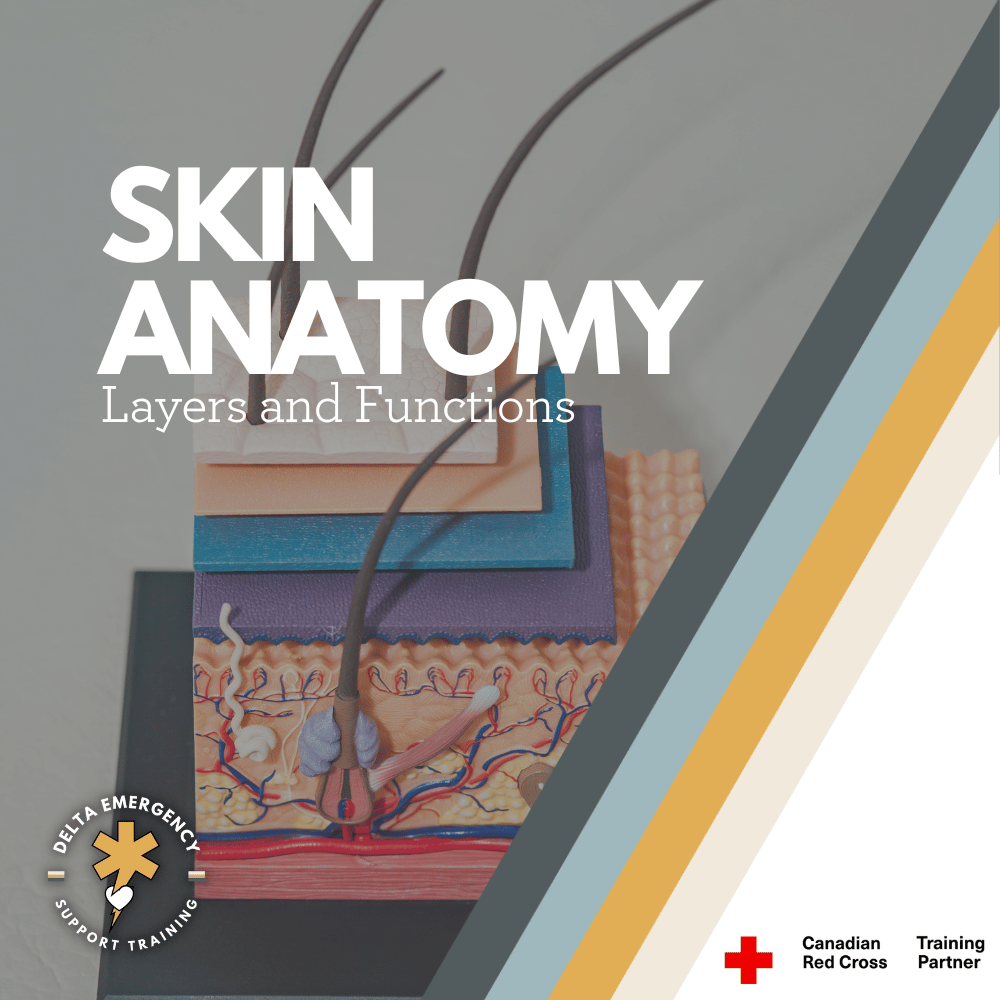
medical skin layer model
The Basics of Skin Anatomy
The skin is the body's largest organ, serving as the primary barrier between the internal systems and the outside world. It protects against physical damage, pathogens, and dehydration, while also playing a key role in temperature regulation. The skin is made up of three main layers, each with its own distinct function:
Epidermis (Outer Layer)
Dermis (Middle Layer)
Hypodermis (Subcutaneous Layer)
1. The Epidermis: The Body’s First Line of Defense
The epidermis is the outermost layer of skin, providing a waterproof barrier that shields the body from harmful substances, bacteria, and UV radiation. As a first responder, you will often encounter patients with injuries to the epidermis, such as cuts, abrasions, burns, or rashes.
Functions of the Epidermis:
Protection: The epidermis acts as the first line of defense against pathogens, chemicals, and physical damage.
Barrier to Water Loss: It helps prevent excessive loss of moisture, maintaining hydration in the body.
Skin Pigmentation: Melanin, produced in the epidermis, helps protect deeper layers from UV damage.
Sensation: The epidermis contains nerve endings that allow the skin to respond to environmental stimuli, like heat or pressure.
Important Considerations for First Responders:
Burns: Since the epidermis contains no blood vessels, burns typically affect this layer first, causing redness, swelling, and pain. In severe cases, it may also affect the dermis, leading to more serious injuries.
Infections: When the epidermis is compromised (such as in open wounds), there’s a higher risk of infection. Proper cleaning and dressing of wounds are essential to avoid bacterial infiltration.
2. The Dermis: The Skin’s Strength and Support
The dermis lies beneath the epidermis and is responsible for most of the skin's strength, elasticity, and sensation. This layer contains blood vessels, nerves, hair follicles, sweat glands, and connective tissue.
Functions of the Dermis:
Structural Support: The dermis contains collagen and elastin, proteins that provide strength and elasticity to the skin, allowing it to stretch and return to its original shape.
Temperature Regulation: Blood vessels in the dermis help regulate body temperature by constricting to conserve heat or dilating to release heat.
Sensation: The dermis is rich in nerve endings that detect pain, pressure, temperature, and touch.
Wound Healing: The dermis plays a critical role in healing skin wounds, as it contains the blood vessels and connective tissue that support tissue repair.
Important Considerations for First Responders:
Deep Cuts and Lacerations: When treating deep cuts or lacerations, you may encounter injury to the dermis, which could result in more severe bleeding due to the presence of blood vessels.
Blisters and Burns: Severe friction or thermal injuries can cause fluid buildup between the epidermis and dermis, leading to blisters. Burns can also extend into the dermis, causing damage to blood vessels and deeper tissues.
3. The Hypodermis: The Body’s Cushion and Insulator
The hypodermis, or subcutaneous layer, lies below the dermis and is primarily made of fat and connective tissue. This layer plays a significant role in protecting internal organs, insulating the body, and storing energy.
Functions of the Hypodermis:
Insulation: The fatty tissue helps regulate body temperature by providing insulation against heat loss.
Cushioning: It acts as a shock absorber, protecting bones and organs from injury by absorbing impact.
Energy Storage: The hypodermis stores fat, which serves as an energy reserve for the body.
Anchoring the Skin: It helps anchor the skin to underlying muscles and bones, giving the skin its flexibility and strength.
Important Considerations for First Responders:
Severe Trauma: In cases of deep trauma, such as blunt force injuries, the hypodermis may be damaged. This could lead to bruising or deeper tissue damage, as blood vessels in the hypodermis may rupture.
Frostbite: The hypodermis is the most affected area during frostbite, as it is the deepest layer. Severe cold temperatures can cause the fat cells to freeze, potentially leading to tissue death and the need for immediate medical intervention.
Skin Injuries and First Aid: Key Points for First Responders
As a first responder, understanding the anatomy of the skin helps you assess injuries more effectively and provide better care. Here are some common skin injuries and how they relate to the skin’s structure:
Abrasions: These involve damage to the epidermis, often caused by friction. While they are generally not severe, they can lead to infection if not properly cleaned and dressed.
Lacerations: Deep cuts can damage both the epidermis and dermis, leading to bleeding and pain. Proper wound care includes stopping the bleeding, cleaning the wound, and applying appropriate dressings.
Burns: Burns can range from superficial (affecting only the epidermis) to severe (penetrating the dermis and hypodermis). First-degree burns may cause redness and pain, while second-degree burns result in blisters and more intense pain. Third-degree burns involve damage to all layers of the skin and require immediate medical attention.
Frostbite: Exposure to extreme cold can lead to frostbite, which damages the skin, particularly the hypodermis. Treatment includes gradual rewarming and protecting the affected areas from further damage.
Infections: Skin wounds, especially when the epidermis is broken, are susceptible to infection. As a first responder, it’s critical to clean wounds thoroughly, apply sterile dressings, and monitor for signs of infection.
Conclusion: Why Skin Anatomy Matters for First Responders
The skin may seem like a simple barrier, but its structure and functions are far more complex and essential to maintaining overall health. As first responders, understanding the layers of the skin, their functions, and how injuries affect them helps you provide better care to patients. Whether you're dealing with a simple abrasion or a severe burn, this knowledge can guide your decisions on how to treat injuries quickly and effectively, reducing the risk of complications and promoting faster recovery.
By applying this understanding of skin anatomy to your daily work, you can ensure that your patients receive the best care possible in emergency situations.
High-Performance CPR: Alberta's New Life-Saving Standards
The landscape of Cardiopulmonary Resuscitation (CPR) has evolved significantly with the introduction of high-performance CPR techniques. Guided by the latest ILCOR (International Liaison Committee on Resuscitation) guidelines, the Alberta Health Services (AHS) Emergency Medical Services (EMS) has updated its training and protocols to enhance the effectiveness of CPR. This blog post delves into these changes, the rationale behind them, and the benefits they offer to patients experiencing cardiac emergencies.
Understanding High-Performance CPR
High-performance CPR emphasizes minimizing interruptions during chest compressions, ensuring adequate depth and rate of compressions, and optimizing ventilation. Key changes include:
Reduced Time Off the Chest: Minimizing pauses in chest compressions is critical. Studies have shown that for every 10-second pause in chest compressions, the chance of survival decreases by 11%.
CPR During AED Charging: Performing chest compressions while the Automated External Defibrillator (AED) is charging helps maintain circulation and increases the likelihood of a successful defibrillation. Research indicates that this practice can improve survival rates by up to 23%.
The landscape of Cardiopulmonary Resuscitation (CPR) has evolved significantly with the introduction of high-performance CPR techniques. Guided by the latest ILCOR (International Liaison Committee on Resuscitation) guidelines, the Alberta Health Services (AHS) Emergency Medical Services (EMS) has updated its training and protocols to enhance the effectiveness of CPR. This blog post delves into these changes, the rationale behind them, and the benefits they offer to patients experiencing cardiac emergencies.
Understanding High-Performance CPR
High-performance CPR emphasizes minimizing interruptions during chest compressions, ensuring adequate depth and rate of compressions, and optimizing ventilation. Key changes include:
Reduced Time Off the Chest: Minimizing pauses in chest compressions is critical. Studies have shown that for every 10-second pause in chest compressions, the chance of survival decreases by 11%.
CPR During AED Charging: Performing chest compressions while the Automated External Defibrillator (AED) is charging helps maintain circulation and increases the likelihood of a successful defibrillation. Research indicates that this practice can improve survival rates by up to 23%.
Why the Changes?
ILCOR's updated guidelines stem from extensive research and evidence-based studies aimed at improving cardiac arrest survival rates. The primary goals are to enhance the quality of CPR and ensure that rescuers can deliver life-saving interventions more effectively. Some of the critical reasons for these changes include:
Improved Coronary Perfusion: Continuous chest compressions help maintain coronary perfusion pressure, which is crucial for the return of spontaneous circulation (ROSC). Studies show that maintaining adequate coronary perfusion pressure can double the chances of ROSC.
Increased Survival Rates: High-performance CPR techniques have been associated with higher survival rates and better neurological outcomes in cardiac arrest patients. For instance, survival rates with favorable neurological outcomes can increase by up to 50% with continuous high-quality CPR.
Consistent Performance: Training rescuers to minimize pauses and perform CPR during AED charging ensures more consistent and effective CPR delivery, reducing variability in the quality of care provided.
Old CPR Effectiveness Statistics
Historically, the effectiveness of CPR has been lower than desired, with several challenges affecting outcomes:
Overall Survival Rates: The overall survival rate for out-of-hospital cardiac arrests (OHCA) has been relatively low, typically ranging from 5% to 10%.
Quality Variability: The quality of CPR varied significantly, affecting survival rates. Inconsistent compression depth and rate, frequent interruptions, and delayed defibrillation contributed to lower success rates.
Neurological Outcomes: Only about 8% of OHCA patients survived with good neurological outcomes, often due to inadequate cerebral perfusion during resuscitation efforts.
New Statistics Supporting High-Performance CPR
Research and real-world data have demonstrated the effectiveness of high-performance CPR, showcasing significant improvements:
Higher Survival Rates: Implementation of high-performance CPR techniques has increased survival rates for OHCA to 15%-20%. In some high-performing EMS systems, survival rates have reached up to 40%.
Improved ROSC Rates: Continuous high-quality chest compressions and minimal interruptions have been shown to improve ROSC rates by 20%-30%.
Enhanced Neurological Outcomes: The focus on maintaining coronary and cerebral perfusion has led to better neurological outcomes, with favorable neurological survival increasing to 25%-30%.
AHS EMS Implementation
The Alberta Health Services EMS has adopted these guidelines and integrated them into their CPR training programs across Alberta, including major centers like Calgary, Edmonton, and Red Deer. Here's how the updated course is structured:
1. Comprehensive Training Modules
AHS EMS training includes detailed modules on high-performance CPR techniques, focusing on:
Chest Compression Quality: Emphasizing the importance of compression depth (5-6 cm) and rate (100-120 compressions per minute). Research highlights that correct compression depth can increase survival rates by up to 30%.
Minimizing Interruptions: Techniques to reduce pauses, including immediate resumption of compressions after defibrillation. Studies have shown that minimizing interruptions can improve survival rates by 25%.
Team Coordination: Ensuring seamless transitions and communication among rescuers to maintain continuous chest compressions.
2. Hands-On Practice
Trainees undergo extensive hands-on practice sessions to perfect their skills. Scenarios are designed to simulate real-life cardiac arrest situations, allowing participants to practice:
Performing CPR during AED charging
Quickly switching roles without interruptions
Effective ventilation techniques with minimal delays
3. Performance Evaluation
Regular assessments are conducted to evaluate the rescuers' proficiency in high-performance CPR. Feedback is provided to ensure continuous improvement and adherence to the guidelines.
Professions That Benefit
The updated CPR training is crucial for a variety of professions, including:
Emergency Medical Services: Primary Care Paramedics (PCP) and Advanced Care Paramedics (ACP) are often the first responders in cardiac emergencies and need to be adept at performing high-quality CPR.
Firefighters: Frequently the first on the scene in urban areas, firefighters play a critical role in providing immediate care before EMS arrival.
Police Officers: First responders who may arrive before EMS and need to perform CPR in critical moments.
Healthcare Professionals: Nurses, doctors, dentists, physical therapists, and other healthcare staff must be proficient in high-performance CPR to provide the best care in emergencies.
Lifeguards: Responsible for the immediate care of drowning victims and other emergencies in aquatic environments.
Teachers and Coaches: In schools and sports settings, teachers and coaches trained in CPR can save lives during athletic events or other activities.
Why Choose Delta Emergency Support Training?
Delta Emergency Support Training stands out as a leader in CPR training for several reasons:
Expert Instructors: Our trainers are highly experienced professionals who work in EMS and Fire, and stay updated with the latest guidelines and techniques.
Comprehensive Curriculum: We offer a thorough training program that covers all aspects of high-performance CPR, ensuring that participants are well-prepared for real-life emergencies.
State-of-the-Art Facilities: Our training centers are equipped with the latest technology and tools to provide the best hands-on learning experience.
Proven Track Record: Delta Emergency Support Training has a strong reputation for delivering high-quality training that meets the highest standards of care.
Benefits of High-Performance CPR
Implementing these updated CPR techniques offers several benefits:
Higher Survival Rates: Consistent high-quality CPR improves the chances of survival and favorable outcomes for cardiac arrest patients. Research indicates that high-performance CPR can increase survival rates by up to 60%.
Enhanced Efficiency: Rescuers can deliver more effective interventions, increasing the likelihood of ROSC. Efficient CPR delivery has been shown to improve ROSC rates by 20%.
Better Training Outcomes: EMS personnel trained in high-performance CPR are more prepared and confident in handling cardiac emergencies.
Conclusion
The adoption of high-performance CPR techniques, as per the ILCOR guidelines, marks a significant advancement in cardiac emergency care. Alberta Health Services EMS is at the forefront of this transformation, ensuring that their training equips rescuers with the skills needed to save lives effectively. By minimizing interruptions and performing CPR during AED charging, we can significantly improve survival rates and outcomes for cardiac arrest patients.
Stay informed and updated with the latest in CPR techniques by attending certified training programs. Remember, your ability to perform high-quality CPR can make a crucial difference in an emergency. For more information on CPR training and certification, visit Delta Emergency Support Training.
Mastering Entonox: Drug Monograph
Uncover the versatile role of Entonox, commonly known as 'laughing gas,' as a rapid analgesic in emergency response. Delve into the indications for swift pain relief, including its reversible effects and safety advantages. This guide introduces the acronyms DIVINE and SADMC to navigate contraindications and cautions, ensuring precise administration in diverse medical scenarios.
Introduction:
Entonox, colloquially known as "laughing gas" is a valuable tool in the first responder's arsenal, offering rapid analgesic.
In guide, we'll delve into both contraindications and cautions associated with Entonox, using the acronyms DIVINE and SADMC.
How Entonox Works:
When inhaled, Entonox takes approximately 3 to 5 minutes to initiate pain relief, reaching its maximum effect within 5 to 10 minutes. A notable feature of Entonox is its rapid excretion from the body via the lungs upon cessation of inhalation, leading to a prompt reversal of the analgesic effect.
Key Benefits of Entonox:
Rapid Analgesic Effect:
Entonox provides swift pain relief, making it an invaluable tool in emergency situations where quick intervention is paramount.
Reversible Analgesic Effect:
The rapid reversal of the analgesic effect ensures that symptoms are not masked, allowing healthcare providers to assess patients accurately.
Cardiac and Respiratory Safety:
When used properly, Entonox demonstrates no adverse effects on the cardiovascular or respiratory systems, enhancing its safety profile in diverse medical and trauma conditions.
Self-Administration Capability:
Patients can self-administer Entonox, offering a sense of control over their pain management, particularly in situations where immediate assistance may be limited.
Oxygen Enrichment:
With a 50% oxygen concentration, Entonox proves valuable in various medical and trauma scenarios where supplemental oxygen is beneficial, ensuring optimal oxygenation for patients.
Contraindications Acronym
Decompression Sickness (D):
Do not give Entonox to anyone who has recently dived as the nitrous oxide is highly soluble and will increase the inert gas load, making the symptoms of DCI (Decompression Illness) much worse.
Inability to Comply (I):
Patient cooperation is vital; those unable to hold the bite stick and inhale or someone who is in and out of consciousness are not suitable for Entonox
Ventable Space (V):
Proper ventilation is key to prevent gas concentration buildup, ensuring safety in various environments.
Inhalation Injury (I):
Burns to the mouth or throat, or recent exposure to fire and irrigation, warrant avoiding Entonox to prevent respiratory complications.
Nitroglycerin (N):
Caution is needed with recent nitroglycerin use, as combining it with Entonox may lead to fainting.
Embolism/Pneumothorax (E):
Entonox should be avoided with suspected pneumothorax or head injury, given its potential impact on pressure in the body.
Cautions (SADMC):
Shock (S):
Monitor for shock, as Entonox may not work optimally in such cases. It is important to give high flow O2 to a patient with suspected shock.
Abdominal Distention (A):
Similar to concerns with intercranial pressure and pneumothorax, avoid pressurized gas in patients with distended abdomens.
Depressant (D):
Exercise caution when combining Entonox with other depressants like alcohol, ketamine, marijuana, benzodiazepines, or opioids. Synergistic effects can lead to increased depression.
Maxillofacial Injury (M):
Patients with jaw injuries may struggle with the bite stick used in Entonox delivery. Adaptations may be needed for proper administration.
COPD (C):
For patients with COPD that may have alveolar bullae (air pockets or blebs) as nitrous oxide may cause bullae rupture since nitrous oxide enters that closed space more quickly than nitrogen can escape.
Scope of Practice Awareness:
Being attuned to regional scope of practice guidelines is essential for first responders. Variations exist among provinces and private emergency response agencies, emphasizing the need for ongoing education and communication within your team. Stay informed to ensure Entonox is administered safely and effectively, adhering to your specific guidelines.
Practical Application in Training:
As part of our commitment to excellence, our Advanced First Aid courses include practical training in Entonox use. This hands-on experience allows first responders to familiarize themselves with the administration of Entonox in a controlled environment, ensuring confidence and competence in the field.
Conclusion:
By understanding both contraindications and cautions and staying abreast of regional scope of practice guidelines, first responders can navigate the complexities of Entonox administration with precision.
Why Medical Knowledge Is Essential for Aspiring Firefighters
In the ever-changing world of emergency response, the role of a firefighter is undergoing a profound transformation. Gone are the days when battling blazes was the primary focus; today, the majority of emergency calls involve medical situations. This shift, fueled by an unstable healthcare system and advancements in building technology, demands a new breed of firefighters – ones armed not only with traditional firefighting prowess but also with comprehensive medical training. Join us on this exploration of why the future of firefighting requires a mastery of both flames and first aid, and how adapting to these changing dynamics is crucial for those ready to answer the call of duty.
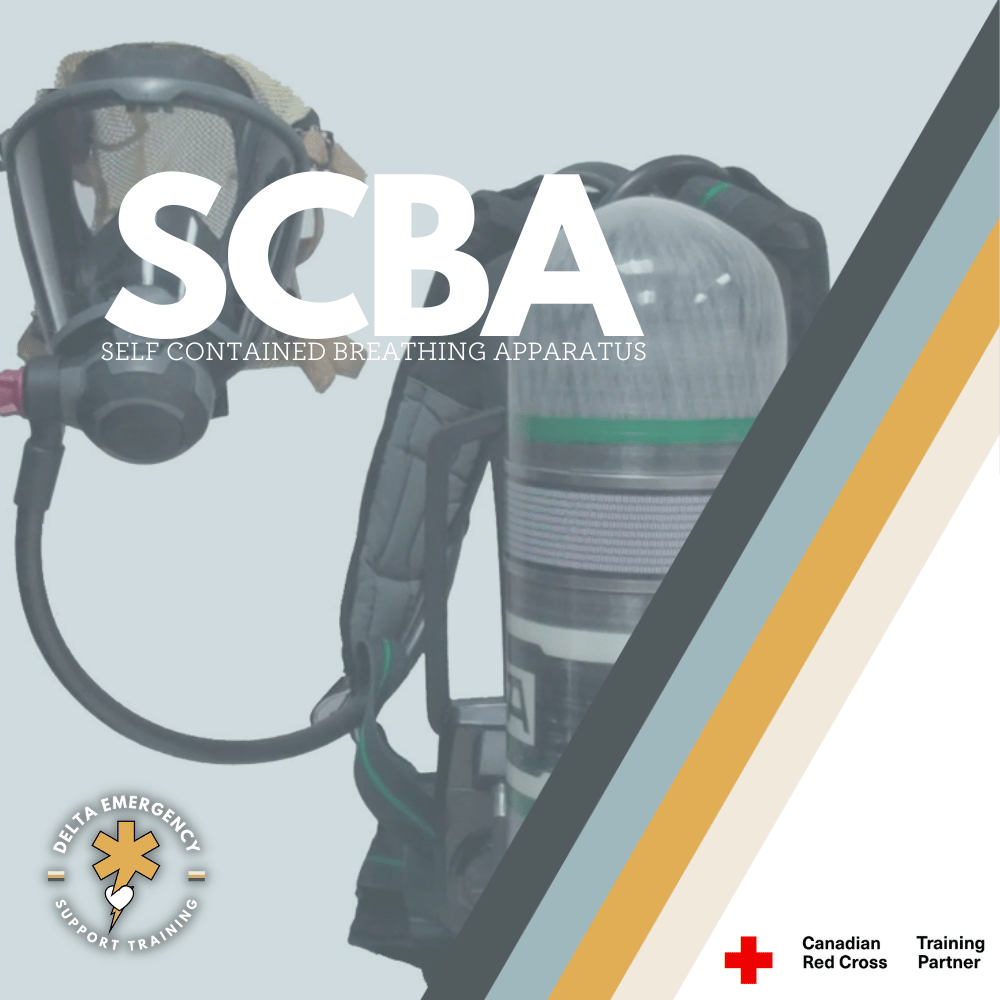
Aspiring firefighters often envision themselves tackling roaring blazes, but the landscape of emergency calls is rapidly changing. In today's world, the majority of calls received by fire departments are related to medical emergencies. This shift means that the skills needed to handle medical crises are just as crucial as those required for traditional firefighting scenarios. Recognizing this shift early on can better prepare aspiring firefighters for the dynamic nature of the job.
Firefighters assisting in medical emergency.
This article delves into the indispensable role of medical knowledge for future firefighters, with a focus on practical training options such as Delta Emergency Support Training's advanced first aid course.
Rising Demand for Medical Assistance
The traditional role of firefighting has transformed, emphasizing a greater focus on medical emergency responses. Aspiring firefighters must recognize the imperative need for a comprehensive understanding of medical emergencies. The escalating demand for emergency medical services stems from an unstable healthcare system, underfunded and understaffed paramedics.
Simultaneously, the frequency of fire-related calls has significantly decreased compared to four decades ago. The changing landscape highlights the necessity for future firefighters to adapt to the prevalence of medical emergencies. Understanding the complex factors influencing this shift is crucial for those entering the firefighting profession.
The Need for Speed in Response
One of the most compelling reasons for aspiring firefighters to invest in medical knowledge is the advantage of rapid response. Picture this: you're 40 miles from the nearest ambulance base, but the fire department is just 10 miles away. Geographically, the fire department can arrive at the scene significantly faster. This underscores the critical role firefighters play as first responders in medical emergencies, often getting there before EMS personnel.
Adapting to a Diversifying Role
As the role of a firefighter evolves beyond traditional expectations, it's not just a shift in duty; it's a personal evolution. Specialized training recognizes this, and programs developed by seasoned professionals, such as Delta's, ensure that you're not just learning; you're growing. You're becoming someone who can adapt to the changing face of emergencies, someone who can handle the unexpected with grace and skill.
Addressing Skepticism Towards Medical Training
Acknowledging skepticism towards medical training among aspiring firefighters, Delta's approach is rooted in practicality. The advanced first aid program bridges the gap between firefighting and medical expertise without compromising professional standards. The course is designed to instill confidence and competence in those who may initially harbor reservations towards the medical aspect of the profession.
Training and Dedication
Achieving mastery in firefighting requires a dedication to honing a diverse skill set with precision and professionalism. Delta Emergency Support Training's Advanced First Aid course embodies this ethos, serving as the prerequisite for firefighters in Alberta. Taught by seasoned first responders, this program is the brainchild of an Advanced Care Paramedic with over 15 years of experience in Emergency Medical Services. Through Delta's advanced first aid course, aspiring firefighters undergo a rigorous training regimen that emphasizes a professional approach to skill mastery. The course seamlessly integrates traditional firefighting responsibilities with the adept administration of medical interventions, ensuring that graduates emerge as well-rounded and highly capable first responders equipped to navigate the complexities of modern emergency response with confidence and proficiency.
Conclusion:
As the firefighting profession continues to evolve, aspiring firefighters must recognize the intrinsic connection between medical competence and their efficacy as first responders. Training programs like Delta Emergency Support Training's advanced first aid course epitomize a professional and strategic approach to acquiring the essential skills for contemporary emergency response. In a landscape where versatility is paramount, aspiring firefighters are encouraged to embrace a holistic training regimen that encompasses both traditional firefighting prowess and advanced medical knowledge, positioning themselves as adept and adaptable professionals in an ever-changing field.
The Crucial Role of SCBA in Firefighting: Navigating Hazards with Confidence
For those aspiring to become firefighters, understanding the crucial role played by SCBA, or Self-Contained Breathing Apparatus, is paramount. In hazardous environments, where smoke, toxic gases, and oxygen deficiency pose significant risks, SCBA serves as a lifeline. It provides a continuous supply of clean, filtered air, enabling firefighters to navigate these perilous conditions while prioritizing their safety.
In this blog post, we delve into the significance of SCBA in firefighting operations. We explore how SCBA empowers firefighters to operate effectively and confidently in hazardous environments. From toxic gases and hazardous chemicals to oxygen-deficient atmospheres and unknown airborne substances, we shed light on the potential hazards that demand the use of SCBA.
By recognizing the importance of SCBA and its essential components, such as the facepiece, breathing regulator, compressed air cylinder, harness, integrated communication systems, monitoring and alarm systems, and air supply hoses, aspiring firefighters gain a deeper understanding of this life-saving respiratory protection equipment.
Join us as we explore the critical role of SCBA in ensuring the safety and well-being of firefighters in the face of potential hazards. Discover how SCBA equips these brave professionals with the necessary tools to navigate hazardous environments and carry out their duties with confidence and effectiveness.
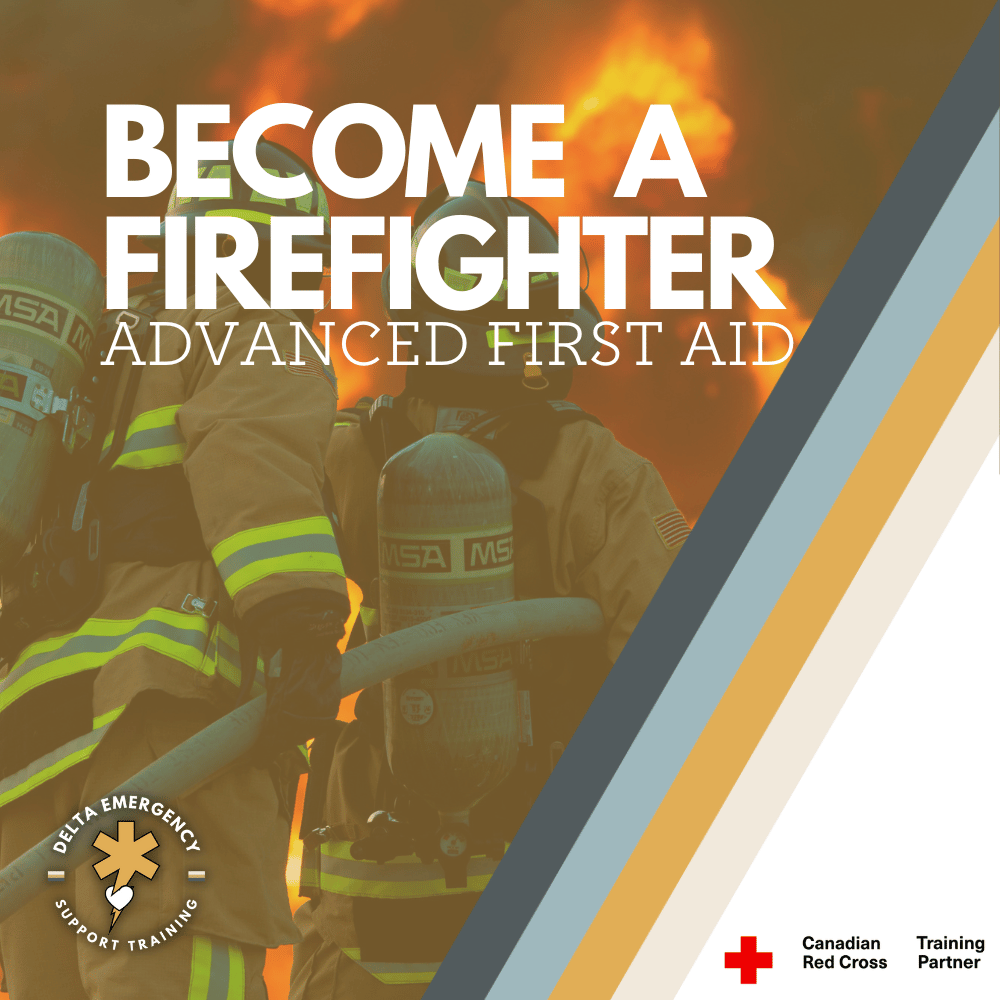
For those aspiring to become firefighters, it's essential to understand the crucial role played by SCBA, or Self-Contained Breathing Apparatus. In this blog post, we will explore the significance of SCBA in firefighting operations and how it empowers firefighters to navigate hazardous environments while prioritizing their safety.
a firefighter dressed in full protective gear, including a helmet, turnout gear, and an SCBA (Self-Contained Breathing Apparatus). They are standing on a rig platform in the middle of the ocean, prepared to enter a hazardous environment.
The Life-Saving Importance of SCBA
Respiratory Protection:
Firefighters face numerous risks, including smoke, toxic gases, and lack of oxygen in the line of duty. SCBA serves as a lifeline, providing firefighters with a continuous supply of clean, filtered air, protecting them from inhaling dangerous substances and ensuring their ability to breathe safely.
Extended Operational Time:
Firefighters often require extended periods inside hazardous environments to perform critical tasks. SCBA systems are equipped with high-capacity air cylinders, enabling firefighters to work for longer durations without interruption. This ensures they have sufficient air supply to carry out rescue operations and firefighting tasks effectively.
Enhanced Visibility:
SCBA facepieces are designed with wide viewing lenses to improve visibility in smoke-filled environments. This enables firefighters to navigate through low-visibility conditions with more clarity enabling them to identify potential hazards and locating victims more effectively.
Essential components of an SCBA system
Self-Contained Breathing Apparatus (SCBA) comprises several integral pieces that work together to provide firefighters and other professionals with reliable and life-saving respiratory protection in hazardous environments.
Face piece:
The facepiece is a critical component of the SCBA, serving as the interface between the user and the surrounding atmosphere. It is designed to create an airtight seal around the face, preventing the entry of harmful gases, smoke, or particulates. Facepieces are typically constructed from durable materials. In accordance with NFPA (National Fire Protection Association) regulation standards the face piece should withstand heat up to 500°F.
Breathing Regulator:
The breathing regulator regulates the flow of compressed air from the SCBA cylinder to the user. It ensures a consistent and controlled supply of breathable air, enabling smooth and effortless breathing. The regulator may include features like adjustable air flow rates and audible or visual alarms to notify the user of low air supply or other critical conditions.
Compressed Air Cylinder:
The compressed air cylinder is a high-pressure vessel that stores the air supply for the SCBA system. It is typically made from lightweight materials, such as carbon fiber or aluminum, to minimize the overall weight of the SCBA. The cylinder is refillable and can be replaced or refilled as needed. Different sizes of cylinders are available to accommodate varying durations of operation.
Harness and Straps:
The harness and straps secure the SCBA system to the user's body. They are designed to distribute the weight of the system evenly and provide a comfortable and secure fit. The harness usually consists of adjustable shoulder straps, waist belts, and chest straps, ensuring stability and preventing excessive movement during operation.
Integrated Communication Systems:
Many modern SCBA systems feature integrated communication systems. These systems allow firefighters to maintain constant communication with their team members, improving coordination, situational awareness, and operational efficiency. Integrated microphones, speakers, and radio interfaces enable effective communication while wearing the SCBA facepiece.
Monitoring and Alarm Systems:
SCBA units incorporate monitoring and alarm systems to provide critical information to the user. These systems may include visual displays, audible alarms, or vibrating alerts to indicate remaining air supply, battery life, and other important parameters. Real-time monitoring helps users stay informed about their equipment status and take appropriate actions as needed.
Air Supply Hoses:
Air supply hoses connect the facepiece to the breathing regulator, allowing the flow of air from the cylinder to the user's respiratory system. These hoses are designed to be flexible and durable, facilitating ease of movement and ensuring uninterrupted air supply during operation.
Each component of an SCBA system plays a crucial role in providing reliable and life-saving respiratory protection. The face piece, breathing regulator, compressed air cylinder, harness, integrated communication systems, monitoring and alarm systems, and air supply hoses work together seamlessly to ensure firefighters and other professionals can operate safely and effectively in hazardous environments. By understanding the functionality and importance of each component, users can maximize the benefits of SCBA technology and confidently face the challenges of their critical roles.
Hazardous Environments
In hazardous environments, various potential hazards, including different types of gases, necessitate the use of SCBA to ensure personal safety. Let's explore some of these hazards and understand why SCBA is essential in mitigating the risks associated with them.
Toxic Gases:
Toxic gases pose a significant threat in various industries, such as firefighting, chemical manufacturing, and industrial operations. Examples of toxic gases include carbon monoxide (CO), hydrogen sulfide (H2S), ammonia (NH3), chlorine (Cl2), and many others. These gases are highly dangerous when inhaled in high concentrations, as they can cause severe respiratory distress, loss of consciousness, and even death. SCBA provides a reliable supply of clean, filtered air, ensuring that individuals working in environments contaminated with toxic gases can breathe safely and carry out their tasks without compromising their health.
Hazardous Chemicals:
Industries dealing with hazardous chemicals, such as laboratories, refineries, and chemical processing plants, face the risk of exposure to harmful vapors, fumes, and airborne contaminants. Many chemicals used in these industries can have acute or chronic health effects when inhaled.
Oxygen-Deficient Atmospheres:
Certain work environments, such as confined spaces or areas with poor ventilation, can have oxygen-deficient atmospheres. Oxygen levels below the safe threshold of around 19.5% can lead to dizziness, loss of consciousness, and asphyxiation. In these situations, SCBA becomes essential to supply the wearer with an independent source of breathable air, allowing them to operate safely.
Unknown or Unidentified Gases:
In emergency response situations or hazardous material incidents, first responders and hazmat teams often encounter unknown or unidentified gases. SCBA is indispensable in these scenarios since it offers a level of protection against any potentially harmful airborne substances.
By understanding the critical role of SCBA and its importance in mitigating potential hazards, aspiring firefighters and professionals in various industries can appreciate the significance of this life-saving respiratory protection equipment. SCBA empowers individuals to navigate hazardous environments with confidence while prioritizing their safety and well-being. With SCBA as their lifeline, firefighters and professionals can face the challenges of their critical roles, protecting lives and property with the assurance of respiratory protection in the most demanding situations.
Becoming a Firefighter: Advanced First Aid with Delta
As a firefighter, you will be called upon to respond to a variety of emergency situations, ranging from minor injuries to life-threatening illnesses. That's why AFA training is so important for firefighters - it equips them with the skills and knowledge they need to handle these emergencies effectively and provide the best possible care to patients. AFA training covers a wide range of topics, including scene safety, basic life support, airway management, breathing management, in-depth CPR training, thorough body survey, packaging patients onto spine boards, dealing with life-threatening injuries, taking vitals, administering life-saving medications, and running calls from start to finish.
Becoming a firefighter is a career path that is both challenging and rewarding. It requires a unique set of skills and qualifications to effectively protect the public and their property from the dangers of fire, natural disasters, and other emergencies. One of the essential prerequisites for Calgary Fire Department or Edmonton Fire Rescue Services, is having advanced first aid (AFA) training.
Two firefighters with advanced first aid training, in full gear fighting a fire, with their backs turned to the camera.
AFA training equips firefighters with the skills and knowledge they need to handle these emergencies effectively and provide the best possible care to patients. As a firefighter, you may be required to perform advanced procedures such as administering medication, bagging patients, and providing advanced airway management. AFA training provides firefighters with the advanced skills and knowledge necessary to perform these procedures safely and effectively, ensuring the best possible outcomes for patients.
In this blog, we'll take a closer look at AFA training and why it's a must for firefighters. We'll explore what AFA training is, why it's important for firefighters to have, and how to obtain this training.
If you're considering a career as a firefighter or are already working in this field, read on to learn more about how AFA training can make you a better responder in medical emergencies.
Scene Safety
The first step in any emergency situation is to ensure scene safety. As part of AFA training, firefighters learn how to assess a scene for potential hazards and risks, ensuring that they can safely and effectively provide care to patients. Using Delta’s acronyms to assist in efficient learning.
C-Spine
AFA students will learn about C-spine and Spinal Motion Restriction (SMR). What mechanisms of injury indicates the use of SMR, how to apply a cervical collar as well as packaging a patient with a suspected spinal injury.
Basic Life Support
Basic life support (BLS) is a critical component of AFA training. Firefighters learn how to perform cardiopulmonary resuscitation (CPR) and use automated external defibrillators (AEDs) to help patients in cardiac arrest. Within the completion of AFA, students will receive a BLS certificate.
Airway Management
Maintaining a patient's airway is essential in emergency situations. AFA training covers a range of airway management techniques, including using oropharyngeal and nasopharyngeal airways, as well as different manual airway management maneuvers.
Breathing Management
In addition to airway management, AFA training covers breathing management techniques. Firefighters learn how to use nasal cannulas, non-rebreather masks and bag-valve-masks as well as how to correlate each apparatus to the oxygen tank while regulating flow rate.
In-Depth CPR Training
CPR is a critical life-saving skill that all firefighters must be proficient in. AFA training covers CPR in-depth, including chest compressions, rescue breathing, and AED use.
Rapid Body Survey
As part of AFA training, firefighters learn how to conduct a thorough rapid body survey, which checks for injuries that require immediate attention. This includes checking and treating for life-threatening injuries such as bleeding, flail chest, and broken pelvis.
Vital Signs
AFA training covers how to take vital signs, including manual blood pressure, heart rate, respiratory rate, pupils, blood glucose, Glasgow Coma Scale, skin and temperature. Firefighters learn what the normal and abnormal ranges are and how to interpret vital sign readings to assess a patient's condition.
Life-Saving Medications
Firefighters may need to administer life-saving medications in emergency situations. AFA training covers how to administer medications such as naloxone, aspirin, and epinephrine, as well as how to assist with administering other medications as needed.
Patient Packaging
Packaging a patient for transport is a critical part of providing advanced first aid. AFA training covers how to package a patient onto a spine board or scoop.
Running a Call
AFA training also covers how to run a call as the primary responder from start to finish. This includes assessing the scene, providing care to patients, communicating with and delegating other responders and medical personnel.
Act FAST: Stroke Identification for Advanced First Aiders
As an advanced first aider, it's important to be prepared for a wide range of emergency situations, including strokes. Delta Emergency Support Training offers advanced first aid courses that can help you recognize the signs and symptoms of a stroke and provide basic care until professional medical assistance arrives. While there are limitations to what an advanced first aider can do in treating strokes, being able to recognize the signs and act quickly can make a significant difference in the chances of a positive outcome. Discover how Delta Emergency Support Training can help prepare you to respond effectively in emergency situations like strokes.
Understanding Strokes
Strokes, also know as Cerebrovascular Accident (CVA) occur when the blood supply to the brain is interrupted, either due to a blocked blood vessel or a bleeding blood vessel. This interruption can cause brain cells to die, leading to a range of symptoms and complications. Strokes can be caused by a variety of factors, including high blood pressure, smoking, diabetes, and heart disease, among others.
an older man holding his head in his hand, as if he is experiencing discomfort or pain.
There are two main types of strokes: ischemic strokes and hemorrhagic strokes. Ischemic strokes occur when a blood clot blocks a blood vessel in the brain, while hemorrhagic strokes occur when a blood vessel in the brain ruptures and bleeds into the surrounding tissue. Symptoms of a stroke can vary depending on the location and severity of the damage, but can include sudden weakness or numbness on one side of the body, difficulty speaking or understanding speech, vision problems, severe headache, and dizziness or loss of balance.
Risk Factors for Strokes
There are several factors that can increase the risk of strokes, including high blood pressure, high cholesterol, smoking, obesity, and a family history of strokes. Certain medical conditions, such as diabetes and heart disease, can also increase the risk of strokes. To reduce the risk of strokes, it's important to maintain a healthy lifestyle, eat a balanced diet, exercise regularly, and manage any underlying medical conditions.
Responding To a Suspected Stroke
Recognizing the signs of a stroke and responding quickly is essential in improving the chances of a positive outcome for stroke patients. Taking a full set of vitals including BGL to rule out possible stroke mimics.
Some of the most common symptoms of a stroke include:
Severe headache
Altered LOC
Numbness or weakness in the face, arm, or leg, especially on one side of the body
Vision problems in one or both eyes
Sudden trouble walking, dizziness, or loss of balance or coordination
It's important to note that these symptoms can occur suddenly and without warning, and that not all symptoms may be present in every stroke. Additionally, some strokes may cause more subtle symptoms that are not immediately noticeable, such as weakness or numbness that comes and goes, or changes in mood or behavior.
FAST
As an AFA, you should be familiar with the acronym FAST to help you remember the signs and symptoms of a stroke and respond quickly. Here's what it stands for:
F: Face drooping or numbness
A: Arm weakness or numbness
S: Speech difficulty or confusion
T: Time symptoms started
By asking the following questions you can quickly assess if the patient is FAST positive, which is indicative of a stroke.
F: Smile big for me, I want to see all your teeth.
A: Lift patients arms in the air and ask them to hold them up for 5 seconds.
S: Repeat after me, the early bird gets the worm.
T: Ask the patient when the symptoms started.
Treatment
As an advanced first aider, it's important to recognize the limitations of our scope of practice when it comes to treating strokes in the prehospital world. While we can provide basic care such as administering oxygen and preparing the patient for rapid transport to a medical facility, there are few treatments that we can provide beyond that. It's crucial to act quickly and call for emergency medical assistance when someone is experiencing a stroke, as prompt medical treatment at a hospital facility is key to improving the chances of a positive outcome. As an advanced first aider, it's our role to recognize the signs and symptoms of a stroke and act quickly.
Advanced First Aid Training
At Delta Emergency Support Training, we understand the importance of being prepared for emergency situations, including strokes. That's why we offer a range of training sessions, including Advanced First Aid (AFA), to help individuals and classes develop the skills and knowledge they need to respond effectively. Our AFA training includes instruction on recognizing the signs and symptoms of a stroke, as well as providing basic care until professional medical assistance arrives. Our courses are available in-person and hybrid formats to accommodate different schedules and learning styles.
If you have any questions about our AFA training, including stroke-related topics, please don't hesitate to reach out to us. You can contact us at info@deltaemergency.com and our knowledgeable instructors will be happy to assist you. We're committed to helping you develop the skills and confidence you need to respond effectively in emergency situations.
Alberta Wildfires: Evacuation Preparedness Guide
With the unprecedented hot and dry weather, high winds, and the prevalence of wildfires in Alberta, being prepared for fire evacuations is crucial. This blog provides valuable information on understanding the current extreme weather conditions, mitigating fire hazards, staying informed with the Alberta Wildfire app, and assembling an evacuation bag with essential items. Familiarize yourself with fire-prone areas, adopt fire-smart practices, and know the importance of emergency notifications and evacuation routes. Let's stay informed, prepared, and grateful for the dedicated firefighters working tirelessly to keep us safe.
Summer brings excitement and outdoor activities, but it also brings an increased risk of wildfires. With the unprecedented hot, dry weather, high winds, and the prevalence of wildfires in the region, being prepared for fire evacuations is crucial.
In this blog, we will explore fire evacuation preparedness, focusing on weather conditions, safe summer practices, staying informed, and essential items to include in your evacuation bag.
a summer day with a raging wildfire in the background. Thick plumes of smoke fill the air. The flames can be seen engulfing trees and vegetation, emitting a fiery glow. The image portrays the destructive power and danger associated with wildfires.
Understanding Alberta's Wildfire Risks
Extreme Weather Conditions
Alberta experiences hot and dry weather during the summer months, creating a conducive environment for wildfires to ignite and spread quickly. The combination of high temperatures and low humidity dries out vegetation, turning it into fuel for fires. This dry fuel allows wildfires to burn more intensely and cover larger areas.
Impact of Recent Excessive High Winds:
The recent excessive high winds have exacerbated the wildfires throughout western Alberta, contributing to their growth and rapid spread. Strong winds can significantly impact fire behaviour in several ways.
Increased Fire Spread: High winds can push flames forward, causing the fire front to advance rapidly. The strong gusts carry burning embers and ignite new spot fires ahead of the main fire, making containment efforts more challenging.
Spotting and Fire Jumping: The powerful winds can carry burning embers over long distances, sometimes miles away from the main fire. These embers can ignite new fires when they land on dry vegetation or flammable structures, leading to the rapid expansion of the fire perimeter.
Fire Direction Changes: Winds can shift the direction in which a fire is moving, making it difficult to predict and control the fire's path. This unpredictability poses significant challenges for firefighters and emergency responders.
Increased Fire Intensity: Strong winds provide a continuous supply of oxygen to the fire, enhancing its intensity. This intensified burning can result in faster rates of spread, increased flame height, and more challenging firefighting conditions.
Fire-Prone Areas
Familiarize yourself with areas in Alberta that are prone to wildfires and take extra precautions if you live or vacation in these regions. Wildfire-prone areas can include:
Forested Regions:
Alberta has vast forests, including boreal forests and mountainous regions, which are more susceptible to wildfires. These areas often have abundant vegetation and dry undergrowth, making them more prone to ignition and rapid fire spread.
Grasslands and Prairie Regions:
Alberta is also home to expansive grasslands and prairie regions, which can be susceptible to wildfires, especially during dry periods. The dry grasses and shrubs provide ample fuel for fires to ignite and spread quickly across these open landscapes.
Interface Areas:
Interface areas refer to regions where human settlements meet natural wildlands, such as residential areas close to forests or grasslands. These areas are at a higher risk as wildfires can directly threaten homes, structures, and communities.
Mitigating Fire Hazards
Mitigating fire hazards is crucial in preventing wildfires and ensuring the safety of communities and natural environments. Here are some important practices to follow.
Fire-Smart Practices
It is essential to adopt fire-smart practices in your daily life.
Properly Extinguishing Cigarettes:
Ensure that cigarettes are completely extinguished in designated ashtrays or containers. Avoid discarding them in dry vegetation or areas where they can easily ignite.
Avoiding Open Burning:
Respect local fire regulations and avoid open burning, especially during dry and windy conditions. Dispose of waste materials appropriately and consider alternative methods for waste management, such as recycling or composting.
Using Fireworks Responsibly:
If fireworks are permitted in your area, use them only in designated areas and follow all safety guidelines. Avoid launching fireworks near dry grasses or wooded areas, and always have a water source nearby to extinguish them properly.
Campfire Safety:
When allowed to have campfires in designated areas, it is crucial to prioritize safety. Maintain small and contained campfires using designated fire rings or pits, avoiding dry or flammable surfaces. Always fully extinguish the campfire before leaving the site or going to bed. Drown the fire with water, stir the ashes, and repeat until no hot embers remain. Monitoring the campfire and never leaving it unattended is essential.
Equipment Safety:
When using machinery and tools outdoors avoid sparks, be mindful of activities that could generate sparks, especially in dry vegetation. Refrain from using equipment during peak heat and windy hours, as this increases the risk of fire ignition. If possible, schedule outdoor tasks during cooler and less windy periods.
Staying Informed and Prepared
When it comes to wildfires or any emergency situation, staying informed helps ensure your safety and well-being. Timely and accurate information allows you to make informed decisions, take necessary precautions, and respond appropriately to changing conditions.
Alberta Wildfire App
Download the Alberta Wildfire app or visit the Alberta Wildfire website to stay updated on current wildfire conditions, evacuation orders, and road closures.
Emergency Notifications
Sign up for emergency alert systems in your area to receive timely evacuation notices and critical updates.
Emergency Evacuation Routes
Familiarize yourself with the evacuation routes in your vicinity and have alternative routes in mind. Stay informed about road conditions and closures.
Building an Evacuation Bag
Important Documents:
Keep identification papers, passports, insurance documents, and medical records in a waterproof container or digitally stored for quick access.
Emergency Supplies:
Pack a three-day supply of non-perishable food, water, medications, first aid supplies, and personal hygiene items. Include a battery-operated radio, flashlight, extra batteries, and a portable phone charger.
Clothing and Comfort:
Pack extra clothing, sturdy footwear, blankets, and comfort items to help endure potential extended stays in evacuation centers.
Firefighter Appreciation
We extend our heartfelt gratitude and appreciation to all the wildland, urban and rural firefighters who tirelessly work to keep us safe. Their unwavering commitment, courage, and expertise are instrumental in combating wildfires and protecting our communities and natural landscapes. These brave men and women put their lives on the line, facing extreme heat, challenging terrain, and unpredictable conditions to contain and extinguish fires. Their selfless dedication and teamwork inspire us all.
By following fire-smart guidelines, staying informed, and taking necessary precautions, we can contribute to wildfire prevention and support the efforts of our firefighters.
Let us also recognize the invaluable support systems, including incident management teams, support personnel, and volunteers, who work behind the scenes to ensure the effectiveness and safety of firefighting operations. Their collective efforts and coordination contribute to the successful containment and suppression of wildfires. Together, we can prevent and mitigate the impact of wildfires and express our sincere appreciation.
Treating Chest Pain: Aspirin and Nitroglycerin
Aspirin and nitroglycerin are two medications that are commonly used by first responders to treat chest pain or suspected heart attack. Aspirin is a platelet inhibitor that helps to prevent blood clots from forming and reduces the risk of further damage to the heart. Nitroglycerin is a vasodilator that helps to increase blood flow to the heart by dilating blood vessels, which reduces the workload on the heart muscle.
While these medications can be effective in treating chest pain or suspected heart attack, it's important for first responders to be familiar with their uses, risks, and benefits, and to follow established protocols and guidelines when administering them. Aspirin and nitroglycerin can have potential side effects and contraindications, so it's important to use them only as directed and under the guidance of a healthcare professional.
To ensure the safety and well-being of their patients, first responders should also educate patients about the benefits and risks of aspirin and nitroglycerin, and the importance of seeking medical follow-up after receiving these medications. By working closely with healthcare professionals and following established protocols and guidelines, first responders can provide effective care and help ensure the safety and well-being of their patients.
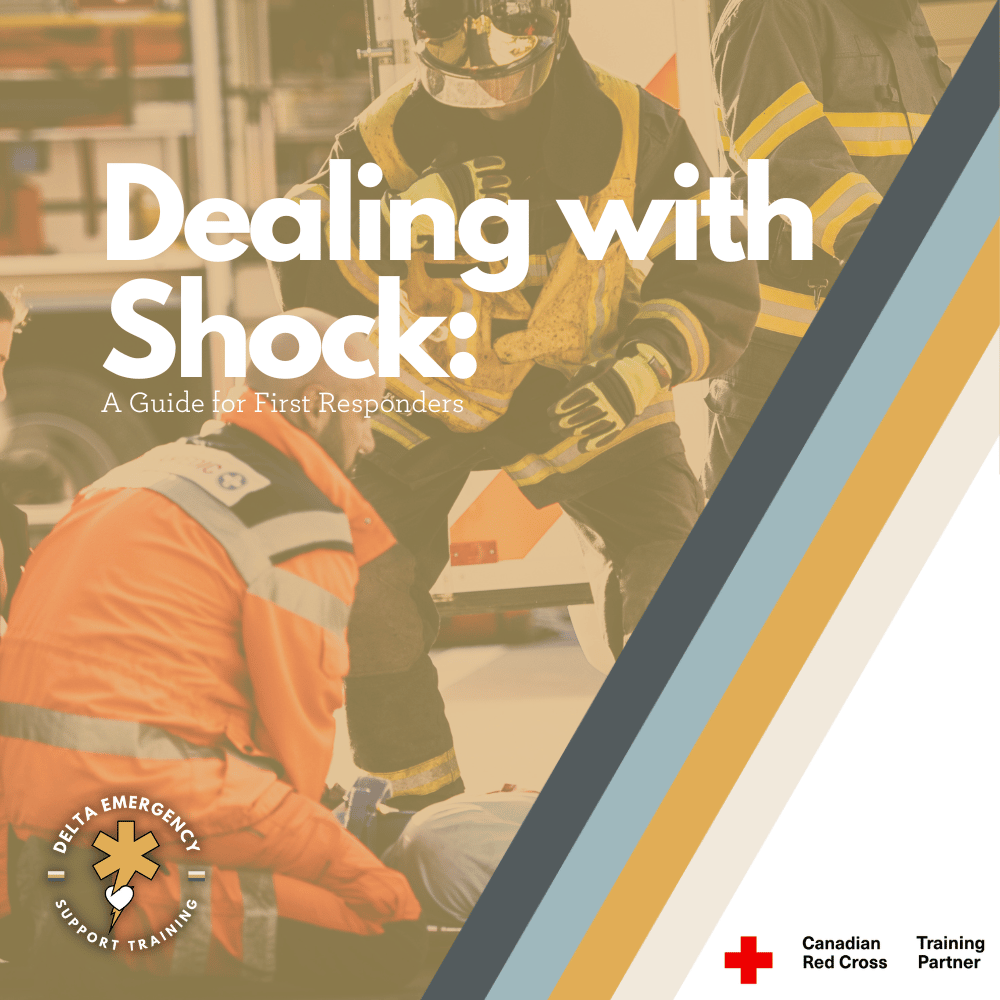
When it comes to treating chest pain or suspected heart attack, aspirin and nitroglycerin are two medications that first responders may use to help their patients depending on scope of practice. But what are these medications, how do they work, and what do first responders need to know about their use?
man sitting down and clutching his chest in pain. He appears to be experiencing a heart attack. Calgary Fire Fighters on the way.
Aspirin:
What is Aspirin, and How Does it Work?
Aspirin, also known as acetylsalicylic acid (ASA), is a medication that's commonly used to treat pain, fever, and inflammation. Aspirin works by inhibiting the activity of platelets, which are small blood cells that play a key role in blood clotting. When a blood vessel is damaged, platelets are activated and begin to stick to the damaged area to form a plug, which helps to stop bleeding. However, when a blood clot forms inside an artery supplying the heart, it can block blood flow and cause a heart attack.
As a platelet inhibitor, aspirin helps to prevent blood clots from forming and reduces the risk of further damage to the heart.
How is Aspirin Used in Emergency Situations?
Aspirin is an important medication for first responders to use in emergency situations, particularly for patients experiencing chest pain or suspected heart attack also know as a myocardial infarction. To speed up its onset of action, chewing aspirin is often recommended. The recommended dose of aspirin for patients with suspected heart attack is typically between 160-325 mg.
Contraindications:
There are certain situations where aspirin use may not be appropriate or may need to be used with caution.
Some common contraindications for aspirin use include:
Allergy or hypersensitivity to aspirin or other non-steroidal anti-inflammatory drugs (NSAIDs)
Active bleeding or bleeding disorders
Suspected stroke
ASA exacerbated asthma
Children with viral infection
Nitroglycerin:
What is Nitroglycerin, and How Does it Work?
Nitroglycerin is a medication used to treat chest pain or angina, which is often a symptom of heart disease. Nitroglycerin is a vasodilator, which means that it relaxes and widens blood vessels throughout the body, including the coronary arteries that supply blood to the heart muscle.
By dilating the blood vessels, nitroglycerin helps to increase blood flow to the heart, which reduces the workload on the heart muscle and can relieve chest pain or angina. Nitroglycerin works by releasing nitric oxide, which is a gas that relaxes the smooth muscle cells in the walls of blood vessels.
In addition to its effects on the coronary arteries, nitroglycerin can also cause vasodilation in other blood vessels, which can lead to a drop in blood pressure or hypotension. This is why nitroglycerin should not be given to patients with low blood pressure or hypotension.
It is administered as a sublingual spray with a recommended dose of 0.4 mg.
Contrindications:
While nitroglycerin is a useful medication, there are some precautions to keep in mind. PASS is an acronym to help you remember nitroglycerin’s contraindications.
Prescription: Making sure the nitro is prescribed to the patient.
Allergy: Confirming the patient does not have an allergy to nitro or other nitrates.
Systolic: Taking vitals to confirm their systolic blood pressure is above 100.
Sex drugs: A brief history of the patients medication use, Viagra, Levitra and Cialis in the last 24hr are all contraindicated for nitro.
Aspirin and Nitro
Aspirin and nitroglycerin are two medications that first responders will encounter in emergency situations for patients experiencing chest pain or suspected heart attack. While both medications can be effective in treating these conditions, they work in different ways and have different indications and contraindications.
Aspirin is a platelet inhibitor that helps to prevent blood clots from forming and reduces the risk of further damage to the heart. It is often used as a long-term treatment to reduce the risk of recurrent heart attacks or stroke. Nitroglycerin, on the other hand, is a vasodilator that helps to increase blood flow to the heart by dilating blood vessels, which reduces the workload on the heart muscle. It is typically used as a short-term treatment to relieve chest pain or angina.
By understanding their uses, risks, and benefits, first responders can provide effective care and help ensure the safety and well-being of their patients.
Training
In our advanced first aid training class, we cover topics such as heart disease and the use of aspirin and nitroglycerin to equip you with the knowledge and skills to provide excellent care in emergency situations. Calgary Fire, for example, is one of the many organizations that uses these medications as part of their protocols for responding to chest pain and suspected heart attack.
At Delta Emergency, we are dedicated to providing you with the tools you need to confidently handle any emergency situation involving chest pain or suspected heart attack. Our training programs are designed to teach you about the uses, risks, and benefits of aspirin and nitroglycerin, as well as the proper administration and monitoring of these medications.
If you have any questions or concerns about our training programs or the use of aspirin and nitroglycerin in emergency situations, please don't hesitate to contact us at info@deltaemergency.com. We're here to support you every step of the way in providing effective care to patients experiencing chest pain or suspected heart attack, just like Calgary Fire and other first responders do on a daily basis.
Dealing with Shock: A Guide for First Responders
Shock is a serious and potentially life-threatening condition that occurs when there is inadequate blood flow to the body's tissues and organs. There are several different types of shock, including hypovolemic shock (caused by severe blood loss), cardiogenic shock (caused by heart failure), obstructive shock (caused by a physical obstruction), and distributive shock (caused by a loss of blood vessel tone).
Common symptoms of shock include rapid breathing, rapid heart rate, low blood pressure, confusion or disorientation, and pale or cool skin. If left untreated, shock can lead to organ failure and even death.
Effective treatment of shock depends on identifying the underlying cause and quickly providing appropriate interventions. This may include providing high-flow oxygen, addressing the underlying cause (such as stopping severe bleeding), and closely monitoring the patient's vital signs.
Shock is a life-threatening medical condition that can occur in a variety of situations, including trauma, infection, and severe bleeding. It's important for firefighters and other first responders to be able to recognize the signs and symptoms of shock and to know how to treat it effectively.
First responders at a car crash scene attending to a patient in shock.
What is shock
When the body enters a state of shock, it undergoes a process called vasoconstriction. This is where the blood vessels throughout the body narrow and constrict in an attempt to redirect blood flow to the body's core organs, such as the heart, lungs, and brain. This is a protective mechanism that allows the body to prioritize blood flow to the most vital organs during times of stress or injury.
However, this process of vasoconstriction can have negative effects on other parts of the body. Blood flow to the extremities, such as the arms and legs, can be significantly reduced, which can lead to cold, clammy skin and impaired wound healing. The kidneys may also be affected, as decreased blood flow to the kidneys can lead to decreased urine output and impaired kidney function.
If shock is not addressed and blood flow to the body's core organs is not restored, the body's compensatory mechanisms may become overwhelmed and ineffective. This can lead to a state of decompensation, where the body's vital organs begin to fail and serious complications can occur.
What does shock look like?
Shock is characterized by a lack of oxygen and nutrients to the body's tissues and organs. This can cause a range of symptoms, including:
Rapid heart rate and breathing
Low blood pressure
Cold, clammy skin
Confusion or disorientation
Weakness or fatigue
Nausea or vomiting
Different types of shock
There are several different types of shock, each with their own unique causes and characteristics:
Hypovolemic shock occurs when there is a significant loss of blood or other fluids from the body, such as from a severe injury or dehydration.
Cardiogenic shock is caused by a heart that is unable to pump blood effectively due to damage or disease.
Obstructive shock occurs when there is a physical blockage that prevents blood from circulating properly, such as from a blood clot or a collapsed lung.
Distributive shock is caused by a disruption of the body's natural balance of fluids and can be the result of severe infection, an allergic reaction, or neurological damage.
Treatment
Administering high-flow oxygen:
One of the first steps in treating someone in shock is to provide high-flow oxygen. This can help improve oxygen delivery to the body's tissues and organs.
Addressing the underlying cause:
Depending on the type of shock, there may be an underlying cause that needs to be addressed. For example, if the shock is caused by severe bleeding, the bleeding must be stopped in order to effectively treat the shock.
Monitoring vital signs:
It's important to monitor the patient's vital signs, including their heart rate, blood pressure, and oxygen saturation levels, in order to determine the effectiveness of treatment and make any necessary adjustments.
It's important to note that the specific treatment for shock will vary depending on the underlying cause and the patient's individual needs. Therefore, it's crucial for first responders to be properly trained and equipped to identify and treat shock in a timely and effective manner.
Training
At Delta Emergency Support Training, we understand the importance of being prepared for emergency situation. We offer a range of training sessions to help individuals and classes develop the skills and knowledge they need to respond to emergency situations. Our courses include Standard First Aid (SFA), Advanced First Aid (AFA), and Emergency Medical Responder (EMR), and we offer in-person, hybrid, and online options to suit different needs.
If you have any questions about our training sessions or shock, please don't hesitate to reach out to us. You can contact us at info@deltaemergency.com and we'll be happy to assist you.
Understanding Hypoxia: A Firefighters guide
Hypoxia is a serious medical condition that can be caused by a range of factors, including respiratory conditions, cardiac emergencies, trauma, and drug overdose. However, one potential cause that is often overlooked is smoke inhalation and carbon monoxide (CO) poisoning.
Inhaling smoke from a fire can expose individuals to high levels of CO, a poisonous gas that can cause hypoxia by binding to hemoglobin in the blood and reducing the amount of oxygen that can be carried to the body's tissues. It's important to note that carbon monoxide poisoning can cause the SpO2 monitor to read a normal oxygen saturation level, even when the individual is experiencing hypoxia. Therefore, administering high-flow oxygen is crucial for any fire patient, as it can help displace carbon monoxide and increase the amount of oxygen available to the body's tissues.
As an advanced first aider, it's important to be familiar with the signs and symptoms of hypoxia, particularly in cases of smoke inhalation and CO poisoning. Symptoms may include cyanosis, shortness of breath, and altered mental status. Administering high-flow oxygen and working closely with emergency medical services personnel and hospital staff can help ensure that individuals receive appropriate care and follow-up treatment for their condition.
Overall, understanding the potential for hypoxia in smoke inhalation and carbon monoxide poisoning is critical for providing effective care in the prehospital setting. Administering high-flow oxygen and working closely with other healthcare providers can help ensure that individuals receive timely and effective treatment for their condition.
What is Hypoxia?
Hypoxia is a condition where there is a decrease in the amount of oxygen reaching the body's tissues.
a small medical device that is used to measure oxygen saturation levels in the blood. The device features a digital display screen and clips onto a person's finger. The screen displays a 98% SPO2 reading.
Causes of Hypoxia
Hypoxia can be caused by a variety of factors, including pulmonary disorders, cardiovascular disease, trauma, carbon monoxide poisoning, and drug overdose. Given the frequency of these causes in their work, firefighters must be prepared to recognize and manage hypoxia in emergency situations.
Overall, understanding the potential causes of hypoxia and being prepared to manage this potentially life-threatening condition is critical for firefighters and other first responders.
Respiratory emergencies:
Conditions such as asthma, chronic obstructive pulmonary disease (COPD), and pneumonia can impair the lungs' ability to transfer oxygen to the blood, leading to hypoxia.
Individuals with respiratory conditions may experience shortness of breath, rapid breathing, and wheezing, which can indicate a lack of oxygen in the body. These symptoms can worsen during periods of physical exertion, stress, or exposure to environmental triggers such as allergens or pollutants.
Cardiac emergencies:
Cardiac emergencies are another potential cause of hypoxia in the prehospital setting. Conditions such as heart failure, heart attack, and pulmonary embolism can reduce blood flow to the body's tissues, leading to hypoxia.
When the heart is unable to pump blood effectively, the body may not receive sufficient oxygen, resulting in hypoxia. Individuals with cardiac emergencies may experience symptoms such as chest pain, shortness of breath, and rapid or irregular heartbeat, which can indicate a lack of oxygen to the tissues.
Trauma:
When an individual experiences severe trauma, such as from a motor vehicle accident or a fall, they may sustain injuries that impede their ability to breathe and deliver oxygen to their tissues.
Injuries such as broken ribs or a collapsed lung can interfere with the normal mechanics of breathing, preventing sufficient oxygen intake. Additionally, traumatic injuries can cause significant bleeding, reducing the body's ability to transport oxygen to the tissues. In some cases, trauma can also lead to shock, which can result in decreased oxygen delivery to the tissues.
Carbon monoxide poisoning:
When individuals inhale smoke from a fire, they may be exposed to high levels of carbon monoxide, a poisonous gas that can cause hypoxia by binding to the hemoglobin in the blood, reducing the amount of oxygen that can be carried to the body's tissues.
A complication with carbon monoxide poisoning is that it can lead to a false readings when using an SpO2 monitor. This is because carbon monoxide can bind to hemoglobin in a similar way to oxygen, which can cause the SpO2 monitor to read a normal oxygen saturation level, such as 99%. However, even if the SpO2 reading appears normal, the individual may still be experiencing hypoxia due to carbon monoxide poisoning.
Therefore, it's important to always administer high-flow oxygen to any fire patient, including those who have potentially been exposed to carbon monoxide. Providing high-flow oxygen can help to displace carbon monoxide from hemoglobin and increase the amount of oxygen available to the body's tissues.
Drug overdose:
Many drugs, particularly opioids and sedatives, can cause respiratory depression, which means that an individual's breathing rate is reduced and they may not receive enough oxygen.
Symptoms of Hypoxia
The symptoms of hypoxia can vary depending on the severity of the condition and the underlying cause. Some common symptoms of hypoxia include shortness of breath, rapid or shallow laboured breathing, cyanosis (bluish tint to the skin), confusion or disorientation, headache, fatigue, nausea, rapid heartbeat, and dizziness or lightheadedness.
How to Check for Hypoxia Using an SpO2 Monitor
As an advanced first aider who is allowed to treat with oxygen, it's important to understand how to check for hypoxia using an SpO2 monitor. An SpO2 monitor measures the oxygen saturation in the blood, which can help determine if an individual is experiencing hypoxia.
To use an SpO2 monitor, follow these steps:
Turn on the monitor and place the sensor on the individual's fingertip.
Wait for the monitor to display the oxygen saturation percentage.
Take note of the percentage and compare it to normal levels.
What Percentage of Oxygen on the Monitor Indicates Different Severities of Hypoxia?
Normal oxygen saturation levels are typically between 95-100%. If the oxygen saturation level is below 95%, it may indicate hypoxia. The severity of hypoxia can be determined by the following percentage ranges:
Mild hypoxia: Oxygen saturation level between 90-94%.
Moderate hypoxia: Oxygen saturation level between 80-89%.
Severe hypoxia: Oxygen saturation level below 80%.
It's important to note that an SpO2 monitor is not a definitive diagnosis of hypoxia and should be used in conjunction with other symptoms and clinical assessments.
Treatment of Hypoxia
As an advanced first aider who is allowed to treat with oxygen, your first step in treating hypoxia is to administer high flow O2 via NRB (Non Rebreather) or BVM (Bag Valve Mask).
Administering supplemental oxygen is a key treatment measure for hypoxia, but it's also important to address the underlying condition that is causing the hypoxia. This may involve working closely with other healthcare providers, such as respiratory therapists or emergency medical services personnel, to provide comprehensive care.
Overall, as an advanced firefighter, being familiar with the causes, symptoms, treatment, and prevention of hypoxia can help you provide effective care and support to individuals who are experiencing this potentially life-threatening condition.
Managing Respiratory Distress: Essential Techniques for First Responders
First responders play a critical role in emergency situations, including managing the breathing of patients. In this blog, we will discuss the importance of breathing management for first responders and provide tips for ensuring the best possible outcomes for patients.
As a first responder, proper breathing management is essential for providing effective care to patients in respiratory distress. Understanding the anatomy of the respiratory system, recognizing signs and symptoms of respiratory distress, and maintaining normal breathing rates are all important aspects of breathing management. In this post, we'll explore these topics in the context of first responders.
The first responder has placed an oxygen mask, known as a non-rebreather, over the patient's nose and mouth. The non-rebreather has a bag that fills with oxygen, which allows the patient to receive a high concentration of oxygen with each breath. The non-rebreather mask is used to treat patients who are experiencing respiratory distress or who require high levels of oxygen.
Anatomy of the Respiratory System
As a first responder, it's important to have a basic understanding of the anatomy of the respiratory system. The respiratory system consists of several parts that work together to facilitate breathing. The main organs involved in breathing are the lungs, which are located in the chest. The lungs are made up of millions of tiny air sacs called alveoli, which are responsible for exchanging gases with the blood. The trachea, or windpipe, connects the lungs to the mouth and nose, while the diaphragm is a muscle that helps with breathing by contracting and relaxing. The bronchi are the tubes that branch off from the trachea and lead to the lungs, and the bronchioles are smaller tubes that branch off from the bronchi and lead to the alveoli.
Signs and Symptoms of Respiratory Distress
As a first responder, it's important to recognize the signs and symptoms of respiratory distress. These may include:
Shortness of breath:
Feeling like you can't get enough air, or struggling to breathe, is a common symptom of respiratory distress.
Rapid breathing:
Breathing faster than normal, or taking shallow breaths, may be a sign of respiratory distress.
Chest pain:
Pain or discomfort in the chest can be a sign of a serious respiratory problem.
Wheezing/Stridor:
A high-pitched whistling sound when breathing may indicate narrowing of the airways.
Cyanosis:
This can indicate a lack of oxygen in the blood.
Confusion:
Lack of oxygen can cause confusion or disorientation.
Fatigue:
Difficulty breathing can cause fatigue or weakness.
Maintaining Normal Breathing Rates
As a first responder, it's important to know the normal breathing rates for adults and children. The normal breathing rate for an adult is around 12-20 breaths per minute, while the normal breathing rate for a child is higher, around 20-40 breaths per minute. However, certain conditions can cause abnormal breathing rates. For example, respiratory distress can cause rapid, shallow breathing, while other conditions, such as sleep apnea, can cause periods of slowed or paused breathing.
Breathing Management
Proper breathing management is essential for providing effective care to patients in respiratory distress. As a first responder, here are some tips for managing breathing:
Administer oxygen:
Depending on the severity of the patient's respiratory distress, administering oxygen may be necessary. The appropriate oxygen delivery device should be used based on the patient's level of respiratory distress.
Position the patient:
Positioning the patient in a way that maximizes their breathing capacity can be helpful. For example, placing the patient in a sitting position with their head slightly elevated may make it easier for them to breathe.
Provide assisted ventilation:
In some cases, conscious bagging with a bag valve mask may be necessary to help the patient normalize their breathing rate.
Transport the patient to a medical facility:
If the patient's respiratory distress is severe, transport them to a medical facility for further treatment.
Oxygen masks and flow rates
Breathing masks are a crucial piece of equipment for first responders, as they allow them to provide oxygen to patients in respiratory distress. There are several types of breathing masks available, each with its own specific use and oxygen flow rate. In this post, we'll explore the different types of breathing masks commonly used by first responders, including the nasal cannula, simple face mask, non-rebreather mask, and bag valve mask.
Nasal Cannula
The nasal cannula is a type of oxygen delivery device that is used to provide oxygen to patients with mild to moderate respiratory distress. It is a thin tube that is inserted into the nostrils and is held in place by a strap that goes around the patient's head. The nasal cannula is typically used to deliver low to medium oxygen flow rates, typically ranging from 1 to 6 liters per minute (LPM).
Simple Face Mask
The simple face mask is another type of oxygen delivery device that is used to provide oxygen to patients with respiratory distress. It covers the nose and mouth and is held in place by an elastic strap that goes around the patient's head. The simple face mask is typically used to deliver medium to high oxygen flow rates, typically ranging from 5 to 10 LPM.
Non-Rebreather Mask
The non-rebreather mask is a type of face mask that is used to deliver high concentrations of oxygen to patients with severe respiratory distress. It covers both the nose and mouth and has a one-way valve that allows the patient to inhale oxygen from a reservoir bag. The non-rebreather mask is typically used to deliver high oxygen flow rates, ranging from 10 to 15 LPM.
Bag Valve Mask
The bag valve mask, also known as a manual resuscitator, is a handheld device that is used to provide positive pressure ventilation to patients in respiratory distress. It consists of a bag that is attached to a mask and is used to deliver oxygen to the patient's lungs. The bag valve mask is typically used to deliver high oxygen flow rates, ranging from 10 to 15 LPM.
By following proper breathing management techniques, first responders can help ensure that patients receive the oxygen they need to survive, while also ensuring their own safety in emergency situations.
At Delta Emergency Support Training, we understand the importance of being prepared for medical emergencies. We offer a range of training sessions to help individuals and classes develop the skills and knowledge they need to respond to emergency situations. Our courses include Standard First Aid (SFA), Advanced First Aid (AFA), and Emergency Medical Responder (EMR), and we offer in-person, hybrid, and online options to suit different needs.
If you have any questions about our training sessions or medical emergencies in general, please don't hesitate to reach out to us. You can contact us at info@deltaemergency.com and we'll be happy to assist you.
Responding to Mass Casualty Incidents: A Guide for First Responders
Responding to Mass Casualty Incidents is a critical aspect of emergency preparedness and response. Whether it's a natural disaster, a terrorist attack, or an accident, the ability to quickly and effectively manage large numbers of injured victims can mean the difference between life and death. In such situations, emergency responders must work together to triage, treat, and transport the injured to medical facilities. They must also ensure that the scene is secure and that all necessary resources are available to address the needs of those affected.
Mass casualty incidents (MCIs) are situations where a large number of people are injured or killed at the same time. These incidents can be caused by natural disasters such as earthquakes, floods, or hurricanes, as well as by human-made events such as terrorist attacks or shootings. First responders play a crucial role in responding to these incidents and saving lives.
emergency responders in action, tending to multiple injured victims in a mass casualty incident. The responders are wearing protective gear and are working together to triage, treat, and transport the injured to medical facilities. The scene is chaotic, with debris and injured victims scattered around, highlighting the urgency and importance of effective mass casualty incident response.
Ensuring Safety: When responding to an MCI, the first priority for first responders is to ensure their own safety. They should always approach the scene with caution and be aware of potential hazards such as fires, explosions, or collapsing buildings. Once they have determined that it is safe to enter the area, they should quickly assess the situation and determine the number of casualties, the severity of injuries, and the resources needed to provide care.
Establishing Command: The first responders should then establish a command center to coordinate the response efforts. This center should be located in a safe area outside the immediate danger zone and should have clear communication channels with all response teams. The command center should also have access to emergency medical services (EMS) and transportation resources to move patients to hospitals or other care facilities.
Phases of Response: The response efforts should be organized into three main phases: triage, treatment, and transportation. During the triage phase, first responders should quickly assess each patient's condition and assign them to one of four categories: immediate (red), delayed (yellow), minimal (green), or expectant (black). Patients who are classified as immediate require immediate medical attention and should be transported to a hospital as soon as possible. Patients who are classified as delayed require medical attention but can wait for treatment. Patients who are classified as minimal require little or no medical attention, and patients who are classified as expectant are unlikely to survive even with treatment.
During the treatment phase, first responders should provide medical care to patients based on their triage category. Patients who are classified as immediate should receive the most urgent care, such as controlling bleeding, opening airways, or stabilizing fractures. Patients who are classified as delayed should receive medical attention as soon as possible, but their injuries are not life-threatening. Patients who are classified as minimal may receive basic first aid, such as bandages or pain relief. Patients who are classified as expectant should receive comfort care to minimize their suffering. During the treatment phase of a mass casualty incident, first responders should provide medical care to patients based on their triage category, which is determined during the triage phase. The triage categories are immediate (red), delayed (yellow), minimal (green), and expectant (black).
Patients who are classified as immediate require the most urgent care as their injuries are life-threatening and require immediate attention. First responders should prioritize stabilizing these patients by controlling any bleeding, opening their airways to ensure they can breathe properly, and stabilizing fractures or other injuries as quickly as possible. This may include the use of tourniquets, airway management devices, and splints.
Patients who are classified as delayed have injuries that are not immediately life-threatening but still require medical attention. First responders should provide medical care to these patients as soon as possible, but the urgency is not as high as it is for patients classified as immediate. For example, delayed patients may need pain relief, wound care, or treatment for broken bones.
Patients who are classified as minimal have injuries that are minor and may only require basic first aid, such as bandages or pain relief. These patients do not require immediate medical attention and can wait for treatment while more urgent cases are addressed.
Patients who are classified as expectant have injuries that are so severe that they are unlikely to survive even with medical treatment. First responders should provide comfort care to these patients to minimize their suffering, which may include pain relief, emotional support, and communication with family members or loved ones.
In summary, during the treatment phase, first responders should prioritize patients based on their triage category and provide the appropriate level of medical care to each patient. By following these guidelines, first responders can provide efficient and effective care to those in need during a mass casualty incident.
During the transportation phase, first responders should transport patients to hospitals or other care facilities based on their triage category. Patients who are classified as immediate should be transported first, followed by delayed patients. Minimal patients can be transported later or given transportation advice. Patients who are classified as expectant may not be transported, depending on the available resources and the patient's condition.
In conclusion, first responders play a critical role in responding to mass casualty incidents. They should always prioritize their own safety and quickly assess the situation to determine the resources needed to provide care. By following a structured approach that includes triage, treatment, and transportation, first responders can efficiently and effectively provide medical care to patients and save lives.
On the Frontline: Mastering Scene Assessment for AFA with Calgary & Edmonton Fire Departments
During an emergency, AFAs are trained to conduct thorough scene assessments to gather crucial information that informs the appropriate course of action. This includes assessing the safety of the scene, identifying hazards, evaluating the mechanism of injury or nature of illness, and determining the number of patients and their condition. By working closely with Calgary & Edmonton Fire Departments, we (EMS) can collaborate on scene management strategies, coordinate resources, and prioritize patient care based on the severity of injuries or illnesses.
Mastering AFA Scene Assessment with Calgary & Edmonton Fire Departments.
The safety of the AFA and the team is the top priority. Before entering the scene, the AFA should carefully assess for potential hazards, such as traffic, fire, hazardous materials, or violence. This may involve observing the scene from a safe distance to determine if it's safe to approach. If there are any immediate dangers, the AFA should take appropriate precautions, such as wearing PPE, using caution signs, and calling for assistance from, Police, EMS, Calgary Fire or Edmonton Fire departments, if needed.
as Advanced first aiders, Calgary FIRE & Edmonton Fire Departments always perform scene assessments during an emergency response.
Scene Size-Up: The AFA should assess the overall size and nature of the scene. This includes identifying the location, type of setting (e.g., residential area, workplace, public location), and any specific details that may impact the response, such as the presence of bystanders, vehicles, or potential sources of danger. This information helps the AFA get a general understanding of the situation and plan their approach accordingly, while coordinating with the Calgary or Edmonton fire department if necessary.
Mechanism of Injury or Nature of Illness: The AFA should observe and gather information about the mechanism of injury or nature of illness. This includes identifying how the injury or illness occurred, such as a motor vehicle accident, a fall, a medical emergency, or a traumatic injury. Understanding the mechanism of injury or nature of illness can help the AFA anticipate potential injuries or illnesses and determine the appropriate course of action for care, while keeping the Calgary or Edmonton fire department informed as needed.
Number of Patients: The AFA should assess the number of patients involved in the incident. This may include identifying if there are multiple patients or just one. This information helps the AFA determine the need for additional resources and prioritize care, while coordinating with the Calgary or Edmonton fire department to ensure adequate care for all patients.
Initial Impressions: The AFA should formulate an initial impression of the patients' condition(s) based on their observations from a distance. This includes looking for obvious signs of life-threatening conditions, such as unresponsiveness, difficulty breathing, severe bleeding, or obvious deformities. This initial impression can help the AFA prioritize care and initiate appropriate interventions, while keeping the Calgary or Edmonton fire department updated on the patients' status.
Additional Resources: The AFA should determine if additional resources are needed, such as additional EMS units, the Calgary or Edmonton fire department, or law enforcement. This may involve communicating with dispatch or calling for assistance from the Calgary or Edmonton fire department as necessary. The AFA should ensure that appropriate resources are enroute to the scene to provide timely and effective care.
Personal Protective Equipment (PPE): The AFA and the team should ensure that they are wearing appropriate PPE for the situation. This includes gloves, mask, goggles, and other protective gear as needed, to prevent exposure to potential hazards or communicable diseases. Wearing PPE is crucial to protect the AFA and the team from any potential risks during the response, while coordinating with the Calgary or Edmonton fire department for additional support if required.
Consideration of C-Spine: If there is a possibility of a spinal injury, the AFA should consider and maintain cervical spine precautions until further assessment can be performed. This may involve stabilizing the head and neck and avoiding any unnecessary movement that could worsen a potential spinal injury, while coordinating with the Calgary or Edmonton fire department for specialized assistance if needed.
Approach to Patients: The AFA should approach patients with care, assess their level of consciousness, and initiate appropriate care based on their assessment findings and protocols. This may include checking for responsiveness, assessing airway, breathing, circulation, and any obvious injuries. The AFA should provide care based on their training and protocols, while coordinating with the Calgary or Edmonton fire department for any additional support or specialized care that may be required.
Ongoing Assessment: The AFA should continuously reassess patients' conditions and monitor their vital signs, symptoms, and response to interventions. This includes checking for any changes in the patients' condition, identifying any new injuries or symptoms, and adjusting the care plan as needed. The AFA should communicate any changes or updates to the Calgary or Edmonton fire department and coordinate any necessary interventions or transport arrangements.
Documentation: The AFA should document their findings, assessments, interventions, and any communication with the Calgary or Edmonton fire department. This includes recording vital signs, patient information, and any other relevant details in the appropriate format or system. Accurate and thorough documentation is essential for continuity of care, communication with other healthcare providers, and potential legal purposes.
Handover to Higher Level of Care: If the patients require a higher level of care beyond the scope of the AFA's training or capabilities, the AFA should initiate handover to the Calgary or Edmonton fire department or other appropriate healthcare providers. This may involve providing a concise and accurate report of the patients' condition, care provided, and any pertinent details to ensure a smooth transition of care.
Scene Management: The AFA should actively manage the scene throughout the response, ensuring the safety of all individuals involved and coordinating with the Calgary or Edmonton fire department and other responding agencies as needed. This may include establishing a safe zone, controlling traffic, managing bystanders, and coordinating resources and logistics to ensure an efficient and effective response.
Follow-up: After the response, the AFA should debrief with the team, review the incident, and identify any areas for improvement. The AFA should also complete any necessary paperwork, reports, or documentation related to the incident, and follow any relevant protocols or procedures for reporting and follow-up. This may also include communicating with the Calgary or Edmonton fire department for any necessary follow-up or information sharing.
In conclusion, mastering scene assessment is a critical skill for Advanced First Aid (AFA) responders, and depending on your location, collaboration with Calgary Fire & Edmonton Fire Departments is crucial for efficient and effective emergency response. Through meticulous scene assessments, patient assessments, and accurate documentation, AFAs can work for fire departments and ensure scene safety and provide timely and appropriate medical care to those in need.
The partnership between AFAs and fire departments is vital in delivering excellence in emergency response on the frontline in Alberta. By continuously honing their skills and working together, AFAs and fire departments strive to provide the highest level of care to patients in emergency situations. It's important to remember that the roles and responsibilities of an AFA may vary depending on local regulations, protocols, and training. It's essential to always work within your scope of practice and seek appropriate guidance from your Fire department or other healthcare providers as needed.
At Delta Emergency Support Training we are happy to answer any questions you may have about Scene Assessments and Advanced First Aid. We provide training sessions for individuals or classes. We have options for in person, hybrid or online classes for Standard First Aid (SFA), Advanced First Aid (AFA), Emergency Medical Responder (EMR), and more courses. For all inquiries please email info@deltaemergency.com
Calgary and Edmonton Fire Applications Opening in 2022 and 2023!
So you meet the minimum requirements to apply for Calgary and Edmonton Fire. What certifications do you need before you’re given a job offer? Canadian Red Cross Advanced First Aid is one of the certification requirements, and at Delta Emergency, we fully certify you to Alberta Fire Department standards.
Are you looking to change careers and apply with Calgary Fire or Edmonton Fire? Calgary Fire opened their recruitment on November 1, 2022 and it closes on November 30, 2022! Edmonton Fire will be opening their recruitment process from January 1-31, 2023.
If you haven’t taken Advanced First Aid (AFA) within the last 3 years, you will need to certify in an AFA course prior to a conditional job offer from either fire department. Here at Delta Emergency Support Training, we certify you as a Canadian Red Cross Advanced First Aider with Basic Life Support (BLS CPR) in one course.
Our AFA course is a hybrid version, perfect for individuals with full-time jobs, families, or busy schedules. There are 40 hours of online virtual sessions/online work to complete, and 40 hours of in-person skill days.
We typically run an AFA Cohort over the course of 4-6 weeks, and you attend 2 Friday nights and 2 weekends with our full-time active duty Advanced Care Paramedic instructors. We have real experience, real equipment, and exceptional student feedback.
Be one of our next students and become a Professional Responder.
Calgary Fire: Do you meet the minimum requirements to apply?
Be 18 years of age or older
Be a Canadian citizen or permanent resident
Have a high school diploma or equivalency
Have a valid Class 5 driver's license or provincial/territorial equivalent without a Graduated Driver’s License (GDL) status and with less than 7 demerit points
Have been granted a pardon or record suspension for any criminal convictions.
Meet all immunization requirements
Have a maximum of one illegal soft drug use in the past year and a maximum of three illegal soft drug uses in the past 3 years. Candidates must have had zero hard drug use in the past three years.
Edmonton Fire: Do you meet the minimum requirements to apply?
Applicant must be at least 18 years of age
Applicant embraces and actively promotes the behaviour and values of an inclusive, diverse and respectful work environment.
It is a requirement to obtain and maintain a City Driver's permit.
An overall satisfactory driver's record is required upon hire.
Hire is dependent upon a satisfactory Vulnerable Sector Police Information Check.
Good physical fitness is required and is evaluated at the fitness test stage.
Ability to understand and communicate clearly and concisely in English under stressful conditions.
Delta Emergency Hybrid Red Cross Advanced First Aid
We started teaching this new version of Hybrid Advanced First Aid in June 2021. Every student has rated our program with 5 stars and they all recommend it to their peers. 60 hours of at home learning and 24 hours in-class over 1 Friday night, Saturday and Sunday. Certify as an Advanced First Aider through online content such as videos, skill sheets, quizzes, written group discussions, 1:1 video instructor video sessions, weekly workbooks - more than multiple choice questions, games and repeatable tests to test your comprehension. Real instructors with real emergency experience. Skill sessions that deliver quality scenarios. Group scenarios to develop real world teamwork.
Delta Emergency Canadian Red Cross Hybrid Advanced First Aid
We started teaching this new version of Hybrid Advanced First Aid in June 2021. Every student has rated our program with 5 stars and they all recommend it to their peers. 60 hours of at home learning and 24 hours in-class over 1 Friday night, Saturday and Sunday. Certify as an Advanced First Aider through online content such as videos, skill sheets, quizzes, written group discussions, 1:1 video instructor video sessions, weekly workbooks - more than multiple choice questions, games and repeatable tests to test your comprehension. Real instructors with real emergency experience. Skill sessions that deliver quality scenarios. Group scenarios to develop real world teamwork. We’re a smaller business of like-minded emergency professionals and we’re not listed on Google, yet.
Traditional Canadian Red Cross Advanced First Aid
What does 80 hours in the classroom look like? Sitting in a classroom for 10 days straight. Taking vacation days or quitting your job. Past Red Cross Advanced First Aid students with other providers have let us know they feel they're being kept in class just to hit that 80 hour requirement and feel the in-person course is too long. The other downside is that the first 5-6 hours of each day are focused on the didactic training and PowerPoint, then you practice 1 or 2 skills at the end of the day. Traditional classroom works for some people. We are here to accommodate the people that need a true Hybrid Learning Format with 1 weekend of in-person skills.
Friday Night Session
Here's how Friday looks:
Arrive at weekend training facility. Give an overview of classroom setup. Student and instructor introductions.
Review quizzes, exams, answer questions from online course. Jeopardy style game for course content review.
Review any skills sheets that were unclear. Speak about skill indications + contraindications.
Practice taking vital signs - pulse, blood pressure, respiratory rate, lung sounds, SpO2, etc.
Discuss Week 3 verbal scenario, verbal scenario performed as a group.
Saturday + Sunday Session
Here’s a brief overview of Saturday:
All other AFA skills are demonstrated by the instructor and then performed by each student.
Individual and group scenarios are given throughout the day.
Group skills such as spinal motion restriction will require the student the participate in the skill at least 4 times.
Once to run the skill, and other times being part of a team member running the skill.
Every skill learned is applied to scenarios on Sunday.
Here’s a brief overview of Sunday:
Scenario day. Every scenario is graded. You need 1 successful scenario where you are the primary attendant to pass the course.
Scenarios will build in complexity. Basic ones at first to solidify the Scene/Primary assessments. Memorization of Assessment Acronyms is key.
Scenarios then progress in patient severity, where all team members work together to apply skills/equipment.
You will use more than 1 piece of equipment and skill as scenarios progress. The goal is to use the equipment realistically every single time.
You will be asked key knowledge points about each piece of equipment when you utilize them.
Key points were taught through the online course, textbook reading, the workbooks, quizzes, skill sheets, and Friday/Saturday.
Private Video Session with an Instructor
Does every student recommend the video session? Yep.
Does any other AFA provider offer 1:1 video sessions with their students? Nope, just Delta Emergency.
There are virtual time-slots for everyone to have a 1+ hour session with an instructor prior to the in-person course. It is capped at 1 student per session. It is not required, but recommended. Sometimes they go to 90+ minutes, but we've had great feedback from students that have signed up for the video session. In the session, we can review your course progress, review mid-terms/quizzes, and clarify any questions.
Then, we review how in-person scenarios are structured and we give you a basic verbal scenario during the hour. It will help you understand the format of what we are looking for during your scenarios. Availability will be on weeknights after 18:00. The online scheduler for this will be available within the online course. There will be as many spots open as there are students in each cohort.
Weekly Written Scenarios
At the start of Week 1 and Week 2 we release a scenario writeup that describes an emergency call and some basic scene and patient information.
All students will read the scenario and reply to the scenario. Students think about the first steps they would take and their initial treatments. They type what they would do from Scene Assessment -> Treatments.
Students write their own reply, can format is however they like, and do not reply with "I'd do what she did, and add..."
Instructors will read each students answer but not reply until everyone has completed the assignment. Students have 1 week to writeup a reply to each week.
The goal is to see what you prioritize and what you visualize as potential treatment/patient pathways. We give feedback on what you wrote. It doesn't matter if you forgot C-Spine, or didn't think about shock, etc. It is used as a learning tool and is a great way to see the priorities you fellow classmates think about.
We release a formal writeup and answer to the scenario 10 days after one is posted. It contains all the things a student could consider with that particular emergency. There are actually some key points to take away as you work in the real world and encounter similar patients.
The Future
We want to be the first Red Cross provider that stays connected to their past students. Delta Emergency Professional Responder Community Forum. The goal is to make it a space for students to connect, make a concise list of emergency medical pathways for programs/colleges/provinces, share volunteering opportunities, career postings, first responder discounts, real-call talk, scenarios, etc. It will be a place that only past students can access, so there won't be any internet trolls - unless you are one. We just wanted to make a dedicated training spot for you to come and reflect on different emergency calls.
Want to use a BVM again? SMR a patient to a backboard? The Delta Community Forum will also keep you informed of joining in-person skill days. There will be a small fee to cover some basic costs, but it will allow you to come for the full weekend, or just 1 day of scenarios on Sunday. After class registration closes for a cohort we will contact past students through our LMS and invite them to come back for some risk-free, stress-free training.
The Delta Community Forum will also be a perfect way to introduce yourself to other students, network, and possibly exchange information about training, volunteering, or job opportunities. It's up to you. A network of Professional Responders lifting one another up. What could be better?
Update Nov 19, 2021: We are currently modifying our format and more details will be released in January 2022.