

The Delta Dispatch

Essential Acronyms and Medical Terms Every EMS Professional Should Know
Mastering medical acronyms and terminology is essential for every Emergency Medical Services (EMS) professional. From understanding basic patient care concepts like ABCs (Airway, Breathing, Circulation) to advanced procedures and diagnoses, knowing the right terms can make all the difference in high-pressure situations. This guide highlights key acronyms and terms, alongside study aids and tips to help you quickly memorize and apply them in real-life emergency scenarios.
Entering the world of Emergency Medical Services (EMS) can be overwhelming at first — there’s a lot of information to process, and mastering medical terminology is a huge part of the learning curve. One of the most effective ways to communicate in high-pressure situations is by using standardized acronyms and medical terms. Understanding these abbreviations is crucial for providing timely care, collaborating with your team, and ensuring patient safety.

Here, we’ve compiled a list of essential acronyms and terms every EMS professional should know. To make it easier to learn, we’ve divided the terms into categories, and we’ve also provided study aids that can help you retain this critical knowledge.
1. Basic EMS and Patient Care Acronyms
These acronyms are fundamental to understanding the basics of patient care and emergency response.
ABCs
Meaning: Airway, Breathing, Circulation
What It Means: The first steps in any patient assessment to determine if life-threatening issues exist.
SMR
Meaning: Spinal Motion Restriction
What It Means: A method used to stabilize the spine of a trauma patient to prevent further injury.
GCS
Meaning: Glasgow Coma Scale
What It Means: A scoring system used to assess a patient’s level of consciousness based on eye, verbal, and motor responses.
BPM
Meaning: Beats Per Minute
What It Means: A measure of heart rate. Crucial for assessing cardiovascular function.
BP
Meaning: Blood Pressure
What It Means: The force of blood pushing against the walls of the arteries. Monitored to assess cardiovascular health.
SOB
Meaning: Shortness of Breath
What It Means: A common symptom indicating potential respiratory distress or other underlying conditions such as heart failure.
2. Medical History and Symptoms Acronyms
Understanding a patient’s medical history and recognizing symptoms is crucial for accurate diagnosis and treatment.
TIA
Meaning: Transient Ischemic Attack
What It Means: A temporary blockage of blood flow to the brain, often referred to as a "mini-stroke."
LOC
Meaning: Level of Consciousness
What It Means: An assessment of the patient's responsiveness and awareness.
MOI
Meaning: Mechanism of Injury
What It Means: The method or cause of injury (e.g., fall, motor vehicle accident) that helps responders assess potential injuries.
ETOH
Meaning: Ethanol (Alcohol)
What It Means: Refers to alcohol consumption or intoxication, which is important for understanding potential contributing factors to the patient’s condition.
Hx
Meaning: History
What It Means: Refers to a patient’s past medical history, which is critical for accurate diagnosis and treatment.
Tx
Meaning: Treatment
What It Means: Refers to the care given to the patient during the emergency response.
3. Emergency Response and Medical Procedure Acronyms
These terms relate to the actions and procedures performed during an emergency.
MCI
Meaning: Mass Casualty Incident
What It Means: A situation where there are too many casualties for the available resources, requiring triage and coordination.
ROSC
Meaning: Return of Spontaneous Circulation
What It Means: When the heart begins to beat again after being in cardiac arrest, usually following CPR or defibrillation.
EMR
Meaning: Emergency Medical Responder
What It Means: The initial level of EMS provider trained to provide immediate care at the scene of an emergency.
PCP
Meaning: Primary Care Paramedic
What It Means: A level of paramedic providing basic and some advanced care before hospital arrival.
ACP
Meaning: Advanced Care Paramedic
What It Means: Paramedics with additional training in advanced airway management, medication administration, and critical care techniques.
CCP
Meaning: Critical Care Paramedic
What It Means: Paramedics trained to manage patients requiring the highest level of care, including the use of complex equipment and advanced treatments.
4. Common Medical Terminology
These are important medical terms you’ll need to know for a deeper understanding of specific conditions and procedures.
PEARL
Meaning: Pupils Equal and Reactive to Light
What It Means: A quick neurological assessment where the patient's pupils are examined for abnormalities.
HR
Meaning: Heart Rate
What It Means: The number of heartbeats per minute, a crucial indicator of cardiovascular health.
CNS
Meaning: Central Nervous System
What It Means: The brain and spinal cord, responsible for processing information and controlling bodily functions.
MI
Meaning: Myocardial Infarction
What It Means: The medical term for a heart attack, caused by a blockage in one of the coronary arteries.
Syncope
Meaning: Fainting
What It Means: Temporary loss of consciousness, often caused by a drop in blood pressure or inadequate blood flow to the brain.
5. Study Aids for Memorizing Acronyms and Terms
Now that we’ve covered the essential acronyms and medical terms, let’s talk about how to effectively memorize them and apply them in real-world scenarios. Here are some practical study guides and tools that will help you retain this information:
Flashcards
Flashcards are one of the best ways to memorize medical terms and acronyms. Create a set for yourself and quiz yourself regularly. You can make your own flashcards using index cards or use digital apps like Quizlet, where you can search for pre-made sets or create your own.
Example:
Front: "ABCs"
Back: Airway, Breathing, Circulation
Tip: Test yourself or have a study partner quiz you.
Mnemonics
Using mnemonics is an effective way to remember lists of acronyms. For example:
"ABCs": “Always Be Calm” — helps remind you that the first thing to check is Airway, then Breathing, and Circulation.
"PEARL": “Pupils Equal And Reactive Light” — helps remember the steps for checking pupils during a neurological exam.
Quizzes and Practice Exams
Regularly take quizzes and practice exams to reinforce your knowledge. Many EMS training programs offer practice tests that simulate real-life emergency scenarios. Websites like EMTprep.com and MedPage also provide quizzes specifically designed for EMS students.
Group Study
Studying with a group can help reinforce your knowledge and expose you to different ways of remembering terms. Set aside time to review acronyms together and test each other’s knowledge in a quiz format.
Interactive Learning Tools
Apps and websites like Anki (a flashcard app with spaced repetition), Quizlet, and Brainscape can make studying more interactive and help you retain information over time. They can also help you track your progress.
6. Tips for Applying Terminology in Real-Life Scenarios
When you're out in the field, it’s not just about memorizing acronyms — it’s about applying them quickly and accurately under pressure. Here are some ways to put your knowledge into practice:
Practice in Mock Scenarios: Use role-playing and simulations to practice how you'd assess a patient and use these acronyms and terms in real-time.
Team Communication: Use acronyms during team briefings, ensuring that everyone understands the terms. It’s important to speak in the same language for effective communication.
Know When to Ask Questions: Don’t hesitate to ask senior responders or your instructors for clarification if you don’t understand a term or acronym in a particular context. It’s better to ask than risk misunderstanding.
Conclusion: Why Knowing These Acronyms and Terms is Crucial in EMS
Mastering medical acronyms and terms is more than just memorization — it’s about ensuring patient safety, improving communication with your team, and providing high-quality care under pressure. By understanding these critical terms and incorporating them into your EMS training, you’ll be better prepared to act quickly and decisively in any emergency.
At Delta Emergency Support Training, we make sure our students are equipped with the knowledge and skills to perform confidently in any situation. Whether you’re a beginner just learning CPR or an advanced practitioner, mastering medical terminology is a key step toward becoming an effective EMS professional.
Quick Response, Confident Action: Canadian Red Cross Basic Life Support Field Guide
The "Canadian Red Cross: Basic Life Support Field Guide" is an essential tool for anyone trained in Basic Life Support (BLS). Designed for quick reference, this compact guide provides actionable steps for CPR, choking management, and AED use, ensuring you’re ready to respond in high-pressure situations. With clear illustrations and practical examples, this guide is a must-have for healthcare professionals and anyone certified in BLS.
A Lifesaver in Your Pocket: Essential for Every Responder

In the critical moments of a medical emergency, every second counts. The "Canadian Red Cross: Basic Life Support Field Guide" is an essential resource for anyone certified in Basic Life Support (BLS), from healthcare professionals to lay responders. This compact, easy-to-use guide is designed to be a quick reference in high-pressure situations, ensuring that the fundamental skills of life support are always within reach.
Tailored for Quick Reference and Rapid Recall
This field guide distills complex CPR techniques and emergency responses into concise, actionable steps. It's structured to help you quickly refresh your memory on essential procedures, including:
High-quality chest compressions
Ventilation skills
Management of choking for adults, children, and infants
Use of automated external defibrillators (AEDs)
Each section of the guide is accompanied by clear, instructive illustrations that enhance understanding and recall, making it easier to apply the techniques in real-life scenarios.
A Must-Have for a Wide Range of Responders
Whether you're a nurse on the front lines, a paramedic in the field, or a designated first aid provider at your workplace, this guide is made for you. Its comprehensive coverage makes it invaluable not only for professional use but also for anyone trained in BLS who might need to act swiftly to save a life.
Enhancing Skills with Reliable Information
The Basic Life Support Field Guide is more than just a manual; it's a training companion that reinforces your skills through:
Scenario-based practice examples
Step-by-step guides for both expected and unexpected situations
Quick tips for maintaining composure and efficiency in emergency situations
Why Physical Copies Matter
In emergency situations, technology can fail. A physical guide ensures that the information you need is available without concern for battery life, signal, or functionality. Its durable design means it can withstand the rigors of any environment, from a hospital ward to an outdoor adventure.
Conclusion
Ready to enhance your readiness and confidence in critical situations? The Canadian Red Cross Basic Life Support Field Guide is available now at Delta Emergency Support Training. Equip yourself with the knowledge and skills that make a difference when it matters most. Visit Delta Emergency Support Training to get your copy today and stay prepared for any emergency with the best CPR techniques, emergency response tips, and life-saving skills at your fingertips.
Empowering Young Caregivers: The Canadian Red Cross Babysitter Textbook
Delta Emergency Support Training is excited to offer the "Comprehensive Guide for First Aid & CPR" as a free digital resource, empowering Canadians with the skills to handle emergencies confidently. This guide covers everything from CPR techniques to injury management and legal considerations, making it a vital tool for anyone looking to be better prepared in critical situations. Download your free copy today and help create a safer, more prepared community.
Building Confidence and Skills in Young Babysitters

Babysitting is often a young person's first job, and it comes with big responsibilities. The Canadian Red Cross Babysitter Textbook is specifically designed to equip young caregivers with the knowledge and skills they need to care for children safely and confidently. This guide is an invaluable resource for both aspiring babysitters and parents seeking to ensure their chosen caregivers are well-prepared.
Engaging and Easy-to-Understand Content
The textbook is tailored to be engaging and accessible, making it perfect for young readers who are stepping into the role of a babysitter for the first time. It breaks down essential childcare principles into manageable, easy-to-understand sections, covering everything from basic first aid and handling emergencies to playing creative games and managing bedtime routines.
Key Features of the Babysitter Textbook
Safety First: Learn the fundamentals of child safety, emergency responses, and healthy environments to ensure every child remains safe under your watch.
Child Care Skills: From feeding toddlers to understanding the needs of children of various ages, this textbook covers practical aspects of day-to-day care in an interactive way.
Engagement Activities: It provides numerous ideas for activities that keep children engaged and help babysitters build a rapport with the kids they're caring for.
Professional Guidance: With insights drawn from experts in pediatric care and seasoned babysitters, the guide offers reliable advice that builds a strong foundation for effective babysitting.
A Tool for Parents and Young Adults Alike
Parents looking for a reliable resource to help train their chosen babysitters will find this textbook a perfect choice. It's also an excellent gift for teenagers in the family who are looking to earn some extra money through babysitting. By ensuring their babysitters are trained through the Canadian Red Cross program, parents can feel more at ease knowing their children are in capable hands.
Why Opt for a Physical Book?
In a digital age, the tangible benefits of a physical book for training are unmatched. The ability to flip through pages, highlight important information, and make notes directly on the material makes learning more interactive and effective. Plus, no need to worry about screen time or battery life!
Conclusion
Whether you're a teenager looking to start babysitting or a parent in need of a comprehensive resource for your caregiver, the Canadian Red Cross Babysitter Textbook from Delta Emergency Support Training is your go-to guide. Enhance your skills, boost your confidence, and ensure the safety and happiness of the children in your care.
Available now at Delta Emergency Support Training, this textbook is your first step towards becoming a trusted, skilled babysitter. Visit Delta Emergency Support Training to get your copy and start your journey in childcare with the best possible preparation.
Free Lifesaving Knowledge at Your Fingertips: Introducing Our Comprehensive Guide for First Aid & CPR
Delta Emergency Support Training is excited to offer the "Comprehensive Guide for First Aid & CPR" as a free digital resource, empowering Canadians with the skills to handle emergencies confidently. This guide covers everything from CPR techniques to injury management and legal considerations, making it a vital tool for anyone looking to be better prepared in critical situations. Download your free copy today and help create a safer, more prepared community.
Ensuring Safety and Preparedness Across Canada

In our commitment to fostering a safer and more prepared community, Delta Emergency Support Training is proud to introduce a groundbreaking resource: the "Comprehensive Guide for First Aid & CPR." This extensive, digital book is offered entirely free of charge, aimed at equipping Canadians from all walks of life with the essential skills needed to respond effectively to emergencies.
What's Inside the Guide?
Our digital guide is a thorough compilation covering all aspects of first aid and CPR. Here are just a few sections that could make a critical difference in an emergency situation:
Emergency Preparedness: Learn how to equip your home and office to handle emergencies, from basic first aid kits to understanding the signs of medical distress.
CPR Techniques: Our guide provides step-by-step instructions for performing CPR on adults, children, and infants, ensuring you can act confidently when seconds count.
Managing Medical Emergencies: Whether it's dealing with severe allergic reactions, cardiac arrests, or other medical emergencies, our guide has you covered with expert advice.
Injury Prevention and Management: From treating burns to handling fractures, learn the most effective techniques to manage and mitigate injuries.
Legal Considerations: Understand the Good Samaritan laws that protect you when providing emergency aid and the responsibilities you hold as a caregiver or first responder.
Why a Free Digital Book?
Accessibility is key in emergency preparedness. By making this guide available digitally at no cost, we ensure that every individual, family, and organization in Canada has the opportunity to learn lifesaving techniques. This initiative is part of our mission to enhance community safety and empower individuals through education.
How to Access the Guide
Getting your copy of the "Comprehensive Guide for First Aid & CPR" is easy and instant. Simply visit our website at Delta Emergency Support Training, navigate to our resources section, and download your free copy today. Keep it on your mobile devices, computers, or print it out for quick reference.
Conclusion
We believe that knowledge is power, especially when it comes to saving lives. That's why we are thrilled to offer this valuable resource for free. Whether you're a parent, teacher, professional responder, or a concerned citizen, this guide is for you. Download your free copy today, and take a significant step toward becoming a more prepared, capable, and confident member of your community. Let's work together to keep Canada safe, one informed individual at a time!

Elevating Emergency Response: The Canadian Red Cross Emergency Care for Professional Responders Textbook
The "Canadian Red Cross: Emergency Care for Professional Responders" textbook is a must-have resource for those working in high-pressure environments like emergency medical services, firefighting, and law enforcement. Packed with in-depth medical content and real-world scenarios, this guide equips professionals with the advanced skills needed to handle critical emergencies effectively. Whether you're performing airway management or assessing trauma, this textbook ensures you're ready to respond with confidence in any situation.
Advanced First Aid Knowledge for Those Who Face the Most Demanding Situations

In the fast-paced world of emergency medical services, having the right knowledge can make the difference between life and death. The "Canadian Red Cross: Emergency Care for Professional Responders" textbook is specifically designed for individuals who operate in high-stakes environments where advanced first aid and emergency care are required. This textbook is an indispensable resource for firefighters, police officers, lifeguards, and advanced first aid personnel.
Depth of Medical Content
This textbook dives deep into the complex and critical conditions that professional responders encounter. With chapters written by experts in emergency care, the content covers a broad spectrum of medical emergencies, from trauma to acute medical conditions, providing detailed procedures for each. This comprehensive approach ensures that responders have the depth of knowledge necessary to make informed decisions quickly.
Real-World Scenarios and Techniques
One of the standout features of this guide is its emphasis on practical, real-world application. It includes:
Detailed scenario-based training examples that simulate actual emergency situations.
Step-by-step guides for advanced techniques such as airway management, support for spinal injuries, and emergency childbirth.
Best practices for scene management and patient assessment to ensure effective and efficient care.
These elements are designed to prepare responders not just to perform their duties, but to excel in their roles with confidence and competence.
Tailored for Professional Use
Each section of the textbook is tailored to the needs of professional responders, with considerations for the challenges they face in the field. The material is not only comprehensive but also accessible, with clear diagrams, quick-reference tables, and bullet points that make crucial information easy to locate and recall under pressure.
Why Choose This Textbook?
Expertise: Authored by leading medical professionals with extensive experience in emergency response.
Relevance: Updated regularly to include the latest techniques and best practices in emergency medical care.
Durability: Manufactured to withstand the rigors of field use, ensuring reliability when it’s needed most.
Conclusion
For those in demanding and critical roles, the Canadian Red Cross Emergency Care for Professional Responders textbook is more than just a learning tool—it's a crucial ally in the field. By integrating this textbook into your training program, you ensure that your team is equipped with the knowledge and skills to handle complex emergencies effectively.
Elevate your professional response capabilities today by obtaining your copy from Delta Emergency Support Training at Delta Emergency Support Training. Equip your team with the knowledge that saves lives, enhances safety, and ensures that when the call comes, you are ready to respond with the best care possible.

Essential Gear for the Trail: The Canadian Red Cross Wilderness and Remote Field Guide
The "Canadian Red Cross: Wilderness and Remote Field Guide" is a must-have resource for anyone venturing into the great outdoors. Designed for durability and quick reference, this waterproof and tear-resistant guide covers everything from first aid techniques to survival strategies. Compact and easy to use, it's perfect for outdoor enthusiasts, professionals, and anyone responsible for safety in remote areas. Equip yourself with the knowledge and confidence to handle wilderness emergencies—get your copy today at Delta Emergency Support Training.
The Ultimate Companion for Outdoor Safety and Emergency Preparedness
When venturing into the great outdoors, whether you're an avid hiker, a professional guide, or a part of a search and rescue team, having the right tools at your disposal is crucial. The "Canadian Red Cross: Wilderness and Remote Field Guide" is not just any textbook; it's a vital resource designed for the realities of outdoor challenges and emergencies.
Designed for Durability and Accessibility
Understanding that nature's elements can be unforgiving, this field guide is built to last. With waterproof and tear-resistant pages, it stands up to the toughest conditions, ensuring that you have access to critical information regardless of weather or terrain. Its compact design allows it to easily fit into any backpack or emergency kit, making it a practical choice for any outdoor enthusiast.
Quick Reference for Fast Action
Time is of the essence when dealing with emergencies in remote locations. This field guide is organized for quick access, allowing you to rapidly find the information you need when every moment counts. Detailed yet concise, the guide covers a wide range of situations from minor injuries to critical emergency responses.
A Tool for Every Wilderness Scenario
The guide includes comprehensive sections on:
Basic first aid techniques
Emergency procedures specific to remote settings
Navigation tips for lost or disoriented individuals
Survival strategies for various climates and terrains
These topics are illustrated with clear, easy-to-understand diagrams and instructions, making the guide an indispensable educational tool for anyone responsible for safety in wilderness areas.
Enhancing Your Outdoor Safety Skills
In addition to its practical applications, the Wilderness and Remote Field Guide serves as an educational resource that enhances your skills and confidence. It supports your outdoor activities by providing essential knowledge that can prevent emergencies or help manage them effectively until professional help is available.
Ideal for Both Enthusiasts and Professionals
Whether you're a casual nature lover or a professional working in challenging environments, this field guide is tailored to support your needs. It's an essential part of any safety training for outdoor professionals and a reliable resource for adventurers who take their wilderness activities seriously.
Conclusion
Invest in your safety and preparedness with the Canadian Red Cross Wilderness and Remote Field Guide. Available at Delta Emergency Support Training at competitive prices, this guide is not just a purchase—it's an investment in your ability to handle the unexpected with expertise and confidence.
Prepare for your next adventure by securing your copy today at Delta Emergency Support Training. Equip yourself with the knowledge to navigate the wilderness safely and respond effectively in emergencies. Your adventure awaits, and with the right preparation, you're ready to meet it head-on.
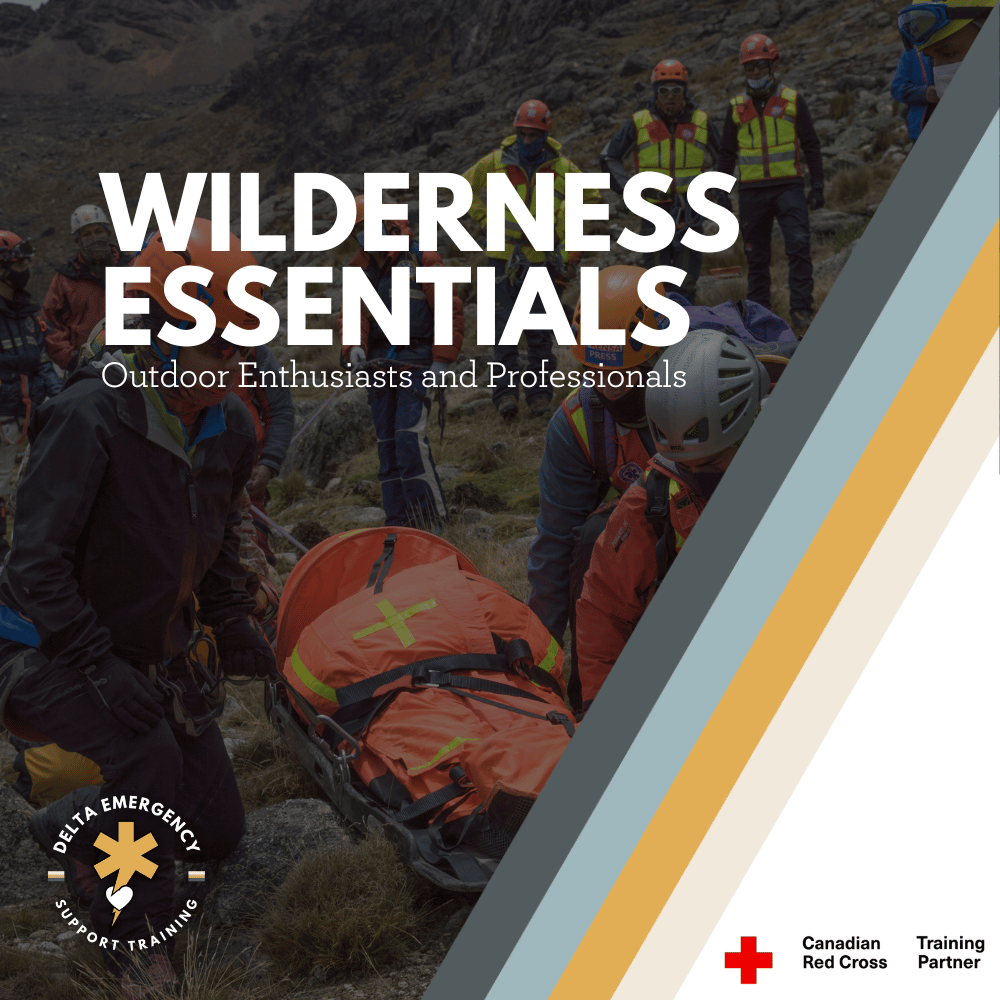
Unlocking the Great Outdoors: Mastering Wilderness First Response with Delta Emergency Support Training
The Wilderness First Responder Course is a must for outdoor enthusiasts and professionals who venture into remote areas. Whether you're hiking, camping, or leading outdoor adventures, this course provides the essential skills to respond to medical emergencies in the wilderness. Learn to assess, treat, and manage injuries, illnesses, and life-threatening situations when help is far away. Equip yourself with the knowledge to handle emergencies confidently and safely.
Why the Wilderness First Responder Course Package is Essential for Outdoor Enthusiasts and Professionals

The wilderness is unpredictable, and those who brave its untouched landscapes know that preparation is key—not just in gear but in knowledge and skills. Delta Emergency Support Training offers the "Canadian Red Cross: Wilderness First Responder Course Package," a comprehensive trio of textbooks designed specifically for those who find themselves as first responders in remote and rugged environments. This package isn't just a set of books; it's an essential toolkit for saving lives where traditional medical help may be hours away.
Three Textbooks, One Mission: Comprehensive Preparedness
The Core Manual: This textbook covers a broad range of topics necessary for a solid foundation in wilderness medicine, including patient assessment and emergency response strategies tailored to the unique challenges of the wilderness.
The Scenario Guide: Packed with realistic scenarios, this guide pushes you to apply what you've learned in dynamic and challenging situations, enhancing decision-making skills under pressure.
The Quick Reference Handbook: When time is critical, this handbook is your go-to for quick checks and reminders, ensuring you have the right information at your fingertips when every second counts.
Designed for Depth and Durability
Each book in the Wilderness First Responder Course Package is crafted to withstand the elements, making them perfect for outdoor use. Water-resistant and tear-resistant pages mean that whether you're caught in a downpour or navigating rough terrain, your source of critical information remains intact.
Affordably Priced, Invaluable Investment
At Delta Emergency Support Training, we understand the importance of accessibility to quality education. That's why we offer these textbooks at prices well below standard retail costs. Investing in this package means investing in the safety of your team and the individuals you'll have the skills to assist, making it invaluable to any professional or agency involved in wilderness activities.
Why Choose a Physical Book Over Digital?
While digital devices are ubiquitous, in the wilderness, they are often unreliable. A physical book doesn’t require battery power or signal reception. It becomes not just a tool, but a reliable companion that ensures information is always available, no matter where your journey takes you.
Conclusion
Whether you're leading expeditions, embarking on solo wilderness adventures, or providing professional training, the Canadian Red Cross: Wilderness First Responder Course Package from Delta Emergency Support Training is your essential companion. By equipping yourself with this knowledge, you prepare to face the wilderness not just with confidence, but with competence.
Ready to take your wilderness preparedness to the next level? Visit our website at Delta Emergency Support Training to purchase your course package today and step confidently into your next adventure, knowing you are trained to handle whatever comes your way.
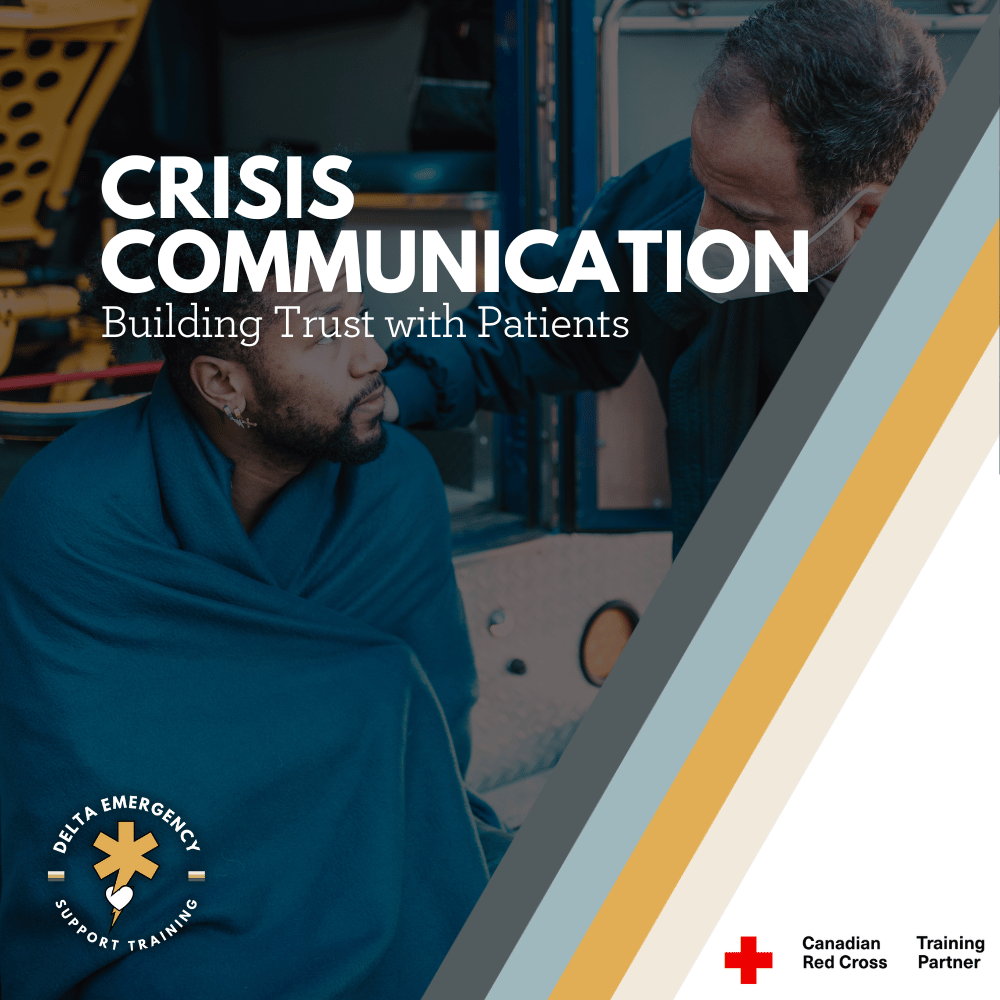
The Importance of Patient Communication for First Responders: A Guide to Effective, Compassionate Care
In the critical moments following an emergency, the way first responders communicate with patients can make all the difference. Good communication not only helps calm patients and build trust but also ensures more effective care. In this article, we’ll explore why patient communication matters, what to say to reassure and educate patients, and what to avoid in order to prevent escalating anxiety or confusion. By using clear, empathetic communication, first responders can enhance patient outcomes and foster a deeper sense of security.

First responder comforting patient.
As first responders, your job extends beyond providing medical care. You are often the first point of contact in a crisis, and your communication skills can significantly impact the patient’s experience. Whether the person you’re helping is conscious or in distress, calm and effective communication can not only reassure them but also improve their overall outcome. In this blog, we will explore the significance of patient communication, what you should say, and what you should avoid saying when interacting with patients.
Why Communication Matters
When a person is injured, ill, or in an emergency situation, they are often frightened, confused, and uncertain. As a first responder, you are not just a medical professional—you are a source of comfort and security. Strong communication skills can help calm anxious patients, build trust, and ensure that you can gather the critical information needed to provide effective care.
Here are a few key reasons why good communication is essential:
Reassures the Patient: Effective communication can reduce anxiety and fear. A patient who feels heard and understood is more likely to trust you and follow your instructions.
Informs and Educates: Patients may not understand the severity of their situation. Explaining procedures and what is happening helps them feel more in control and informed.
Builds Trust: When patients sense your professionalism and empathy through your words, they are more likely to feel safe and cooperate, allowing you to deliver care efficiently.
Improves Health Outcomes: A patient who is actively involved in their care is more likely to comply with necessary procedures and instructions, leading to better outcomes.
What to Say: Key Elements of Effective Communication
In high-stress situations, it’s easy to forget the fundamentals of clear communication. Here are some essential tips to ensure you communicate well with patients:
Introduce Yourself and Explain Your Role: It’s important to let the patient know who you are and what you’re doing. For instance, you could say:
“Hi, I’m [Your Name], and I’m an EMT. I’m here to help you today.”
This immediately sets the stage for trust, as it lets the patient know that they are in professional hands.
Stay Calm and Confident: Patients take emotional cues from you. If you appear calm and in control, they are more likely to mirror those emotions. If you’re uncertain or panicked, it may escalate their fear. Use a calm, steady voice and be confident in your actions.
Use Simple, Clear Language: Avoid medical jargon that may confuse your patient. Instead, explain procedures and information in simple, easy-to-understand terms.
“I’m going to check your heart rate now. This will help us understand how your body is reacting.”
Keeping things clear prevents confusion and fosters trust.
Give Clear Instructions: Patients may not know what to do in an emergency. Be clear in your instructions, but also use positive language that emphasizes what they can do.
“Can you please take slow, deep breaths with me?”
Avoid telling them what not to do, as this may be confusing or create a sense of urgency. Positive phrasing helps guide their actions.
Empathy and Reassurance: Let the patient know that you understand how difficult their situation is. Even a simple statement can go a long way in creating rapport.
“I know this is scary, but you’re not alone. We’re here to take care of you.”
Provide Information About What’s Happening: It’s important to keep the patient informed about what you’re doing and why. In emergencies, patients may feel out of control, so explaining things step-by-step helps them stay grounded.
“I’m going to put an IV in to give you fluids. It might feel a little uncomfortable, but it’s important for your recovery.”
Listen Actively: Communication is a two-way street. Make sure to listen attentively to the patient’s concerns, and acknowledge their feelings. If they have questions, answer them as clearly and calmly as possible. This shows that you care about their well-being and helps maintain a strong connection.
What NOT to Say: Common Pitfalls to Avoid
While there is much to say in terms of effective communication, there are also many things that should be avoided. First responders need to be mindful of how their words can affect a patient’s emotional state. Here are a few things to keep in mind:
Avoid False Reassurance: Telling a patient that everything is going to be “fine” when you aren’t sure is not helpful. While you want to reassure, it’s important to remain honest about what you know and what’s uncertain.
Instead of saying, “You’ll be fine,” try, “We’re doing everything we can to help you right now.”
Don’t Make Assumptions: Avoid making statements that assume the patient’s condition or needs without knowing the facts. For example, saying “This will hurt, but it’s necessary” can cause unnecessary anxiety.
Instead, phrase it more carefully: “You may feel some discomfort as we do this, but it will help us get you the treatment you need.”
Don’t Rush or Overwhelm: In fast-paced emergencies, it’s easy to get caught up in the urgency, but avoid overwhelming the patient with too much information too quickly. Try to break things down into manageable steps.
Instead of saying, “We need to get you to the hospital, start an IV, monitor your vitals, and administer fluids—all at once,” you could say, “We’re going to start by getting an IV in so we can give you fluids. Then we’ll check your vitals and get you ready for transport.”
Don’t Dismiss Concerns: Never trivialize the patient’s feelings or complaints. What may seem minor to you could feel significant to the patient.
If a patient expresses worry, avoid saying things like, “It’s not that bad.” Instead, listen, acknowledge their feelings, and reassure them.
Avoid Overloading with Technical Details: While patients deserve information, keep in mind that too much medical detail can be overwhelming. Focus on what’s necessary for their immediate understanding.
Building Trust: The Role of Empathy in Patient Communication
Empathy is at the core of good patient communication. Demonstrating that you care about the patient’s well-being can make all the difference, especially in high-stress situations. Showing empathy doesn’t mean solving all their problems—it means showing that you understand their fears and frustrations.
Empathetic phrases to use:
“I know you’re in pain, and I’m here to help you through this.”
“It’s okay to feel scared; we’re going to take good care of you.”
“I can imagine this is really tough right now. We’re doing everything we can to help.”
Empathy fosters a connection that can make patients feel more comfortable, even in dire situations.
Final Thoughts
In the demanding role of a first responder, you play a pivotal part in both the physical and emotional care of patients. Effective communication can build trust, ease anxiety, and improve the overall care experience. By using clear, compassionate, and thoughtful communication techniques, you can ensure that your patients feel heard, cared for, and more at ease during some of the most vulnerable moments of their lives.
Mastering patient communication not only helps provide better care but strengthens the bonds between first responders and the communities they serve. When it comes to saving lives, it’s not just the physical interventions that matter—it’s the way we communicate with those who need us most.
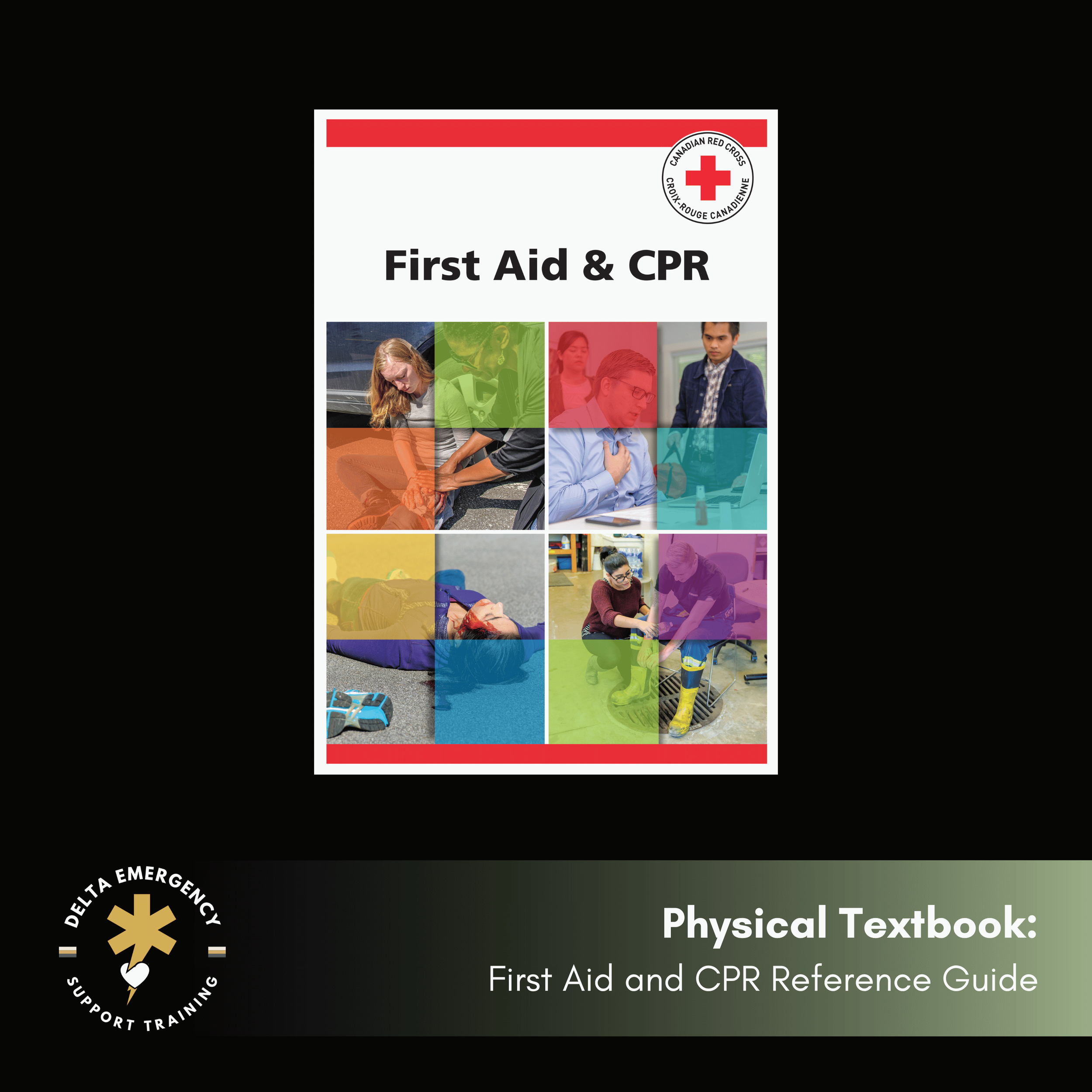
Essential Skills for Everyone: The Canadian Red Cross First Aid and CPR Textbook
Emergencies can happen anywhere—at home, at work, or in public spaces. Being prepared is key, and the Canadian Red Cross: First Aid and CPR textbook is the essential guide for anyone who wants to gain that preparedness.
The Ultimate Guide to Lifesaving Techniques
Emergencies can happen anywhere—at home, at work, or in public spaces. Being prepared is key, and the Canadian Red Cross: First Aid and CPR textbook is the essential guide for anyone who wants to gain that preparedness. Whether you're a family looking to enhance home safety, an educator responsible for students, or a business ensuring workplace readiness, this textbook is your comprehensive resource for learning how to handle common medical emergencies and perform lifesaving CPR.

The Canadian Red Cross First Aid and CPR Textbook for all Core First Aid Certification Programs
Comprehensive Coverage of First Aid and CPR
This manual covers a wide range of topics crucial for effective emergency response, including:
Techniques for performing CPR on adults, children, and infants
Step-by-step guidance on dealing with choking, burns, fractures, bleeding, and more
Strategies for responding to emergencies involving poisoning, stroke, and heart attacks
Preventative measures to maintain safety in homes and workplaces
Each topic is presented with clear, concise instructions and supported by high-quality illustrations and diagrams that make learning both easy and effective.
Designed for Quick Access in Emergency Situations
One of the standout features of this textbook is its design for quick access:
Tabbed sections allow for fast navigation to the needed information during an emergency.
Durable, spill-proof pages ensure the book can be used in a variety of settings, including during actual emergency situations where quick reference is vital.
A Reliable Resource at Your Fingertips
The physical format of the First Aid and CPR textbook offers several advantages over digital alternatives, especially in emergency scenarios:
No dependency on electronic devices or internet access, which might be unavailable or unreliable during emergencies.
Easier to handle, especially for those who are less comfortable with technology, which can be an added stressor in a high-pressure situation.
Ideal for a Wide Audience
This textbook isn't just for medical professionals—it's designed for anyone who wants to have lifesaving knowledge. It's an excellent resource for:
Families wanting to ensure a safe home environment
Teachers and school staff responsible for the well-being of students
Corporate health and safety officers tasked with workplace safety training
Community centers and non-profit organizations providing health and safety education
Conclusion
Prepare yourself to respond confidently to medical emergencies with the Canadian Red Cross First Aid and CPR Textbook. Available now at Delta Emergency Support Training, this guide is an invaluable addition to any home, school, or workplace.
Secure your copy today from Delta Emergency Support Training and empower yourself with the skills to save lives and maintain safety, wherever you are.
First Aid and CPR Manual

Meningitis: What Every First Responder Needs to Know
Meningitis is a serious infection that can escalate rapidly. As a medical first responder, understanding the types and symptoms of meningitis is essential for effective care. At Delta Emergency, we provide advanced first aid training across Canada, particularly in Edmonton and Calgary, to equip fire fighters and emergency responders with life-saving knowledge.

At Delta Emergency, we train individuals in advanced first aid as an essential step in preparing them for fire fighting and other high-pressure, life-threatening situations. As part of our training, we emphasize the importance of being well-versed in a variety of medical conditions, including those that can escalate rapidly and require swift, decisive action. One such condition is meningitis, a serious infection that can affect the brain and spinal cord and may require urgent intervention.
In this post, we’ll delve into what meningitis is, the different types, and why understanding this condition is critical for medical first responders.
What is Meningitis?
Meningitis is the inflammation of the meninges, the protective membranes covering the brain and spinal cord. It is a potentially life-threatening condition because it can cause permanent damage to the nervous system if not treated quickly. The inflammation is usually caused by infection, but it can also be a result of other factors, such as certain medications or illnesses.
Symptoms of meningitis can develop suddenly, and in many cases, they resemble the flu. However, if left untreated, it can rapidly progress to more severe complications, including seizures, brain damage, and even death.
Types of Meningitis
Meningitis is classified into several different types based on the cause of the infection. The most common types are bacterial, viral, and fungal, but there are also other rarer causes that require different treatments.
1. Bacterial Meningitis
Bacterial meningitis is the most severe form and can be fatal if not treated immediately. It is caused by a bacterial infection that typically enters the bloodstream and spreads to the brain and spinal cord. The most common bacteria that cause meningitis are Neisseria meningitidis (meningococcal), Streptococcus pneumoniae (pneumococcal), and Haemophilus influenzae.
Symptoms:
Sudden high fever
Severe headache
Stiff neck
Nausea or vomiting
Sensitivity to light
Skin rashes (in some cases)
Bacterial meningitis requires immediate medical attention and is usually treated with intravenous antibiotics. Early intervention is key to preventing life-threatening complications.
2. Viral Meningitis
Viral meningitis is less severe than bacterial meningitis but can still be serious, particularly in infants and those with weakened immune systems. It is typically caused by viruses such as enteroviruses, herpes simplex virus, and the mumps virus.
Symptoms:
Mild fever
Headache
Stiff neck
Nausea
Sensitivity to light
Fatigue
Viral meningitis often resolves on its own without the need for specific treatment, although antiviral medications may be used in certain cases. Rest and supportive care are the mainstay of treatment.
3. Fungal Meningitis
Fungal meningitis is relatively rare and occurs when a fungal infection spreads to the meninges, usually in individuals with weakened immune systems, such as those with HIV/AIDS or who are undergoing chemotherapy. It is caused by fungi like Cryptococcus and Histoplasma.
Symptoms:
Headache
Fever
Nausea and vomiting
Sensitivity to light
Neck stiffness
Confusion
Fungal meningitis is treated with antifungal medications, but early detection is critical due to its potential to cause severe damage.
4. Parasitic Meningitis
Parasitic meningitis is a rare but serious type of infection caused by parasites. The most common example is Naegleria fowleri, a brain-eating amoeba found in warm freshwater environments. Though rare, this type of meningitis is almost always fatal.
Symptoms:
Severe headache
Nausea and vomiting
Stiff neck
Seizures
Why Is Meningitis Important for Medical First Responders to Recognize?
As a medical first responder, understanding meningitis is vital for several reasons:
Rapid Assessment: When faced with a potential case of meningitis, especially bacterial meningitis, the symptoms can escalate quickly. The faster a first responder can assess and recognize the condition, the quicker they can initiate life-saving interventions and transport the patient to a medical facility.
Preventing Spread: Certain types of meningitis, particularly bacterial meningitis, are contagious. First responders need to take immediate precautions to prevent the spread of the infection to others, especially in crowded environments like schools, hospitals, or emergency scenes.
Accurate Communication with Medical Teams: As an advanced first aider, you’ll need to provide accurate and detailed information to the hospital staff or paramedics. Recognizing the key symptoms of meningitis will help ensure that the patient receives the correct treatment as soon as possible.
Prevention Measures: In some cases, such as viral meningitis, vaccinations or antiviral medications may be available. Being able to educate the public on these prevention measures is also a critical aspect of first aid training.
Making Informed Decisions in High-Pressure Situations: In emergency situations, especially during a fire or rescue operation, medical first responders often need to make quick decisions. Having a solid understanding of conditions like meningitis allows responders to make informed choices about treatment and triage priorities.
Meningitis and Fire Fighting: Why This Matters for You
For fire fighters and other emergency personnel, the ability to recognize and respond to meningitis is particularly important. Fire fighters often work in high-risk environments where exposure to infectious diseases is a possibility. Additionally, the physical and mental stress of responding to emergencies, including traumatic events, can weaken the immune system, making individuals more susceptible to infections.
Training in advanced first aid equips fire fighters with the tools they need to recognize signs of meningitis, protect themselves from exposure, and provide immediate care to victims. Knowing when to initiate emergency treatment, when to call for higher medical support, and how to prevent cross-contamination is essential in keeping both responders and the community safe.
Conclusion
Meningitis is a serious and potentially life-threatening infection that can affect anyone, but with the right knowledge and preparation, medical first responders can make a significant difference in the outcomes of those affected. At Delta Emergency, we ensure that our trainees are well-prepared to recognize the signs and symptoms of meningitis and take the appropriate action. Whether you are responding to an emergency as a fire fighter or any other medical first responder, being equipped with the knowledge of how to handle meningitis could save lives.
If you're looking to advance your first aid training or get involved in fire fighting, understanding the signs and treatments for conditions like meningitis should be a key part of your learning journey. Stay prepared, stay safe, and always be ready to respond with confidence.

Ejections from Vehicles: What Every First Responder Should Know
Vehicle ejections are one of the most dangerous and traumatic incidents first responders encounter. This blog provides vital insights into the causes, injuries, and best practices for responding to ejections, as well as how advanced first aid training can help firefighters and emergency responders handle these high-risk situations effectively.

Ejections from vehicles are among the most traumatic and severe incidents that first responders—including advanced first aid professionals—encounter. These types of accidents are especially dangerous for both the ejected individual and the responders who must navigate potentially hazardous environments. In Alberta, advanced first aid training is a prerequisite for firefighters and emergency medical responders (EMRs), equipping them with the skills needed to handle these high-risk emergencies effectively.
In this blog, we’ll explore what vehicle ejections are, why they happen, the injuries that often result, and how firefighters and first responders should approach such incidents. We’ll also highlight the importance of advanced first aid training in such high-stakes situations.
What is a Vehicle Ejection?
A vehicle ejection occurs when a person is thrown from their vehicle during a crash. This can happen in a variety of ways: high-speed crashes, rollovers, or when seatbelts aren’t used or fail. Ejections are dangerous because victims often land on hard surfaces, like the road, which increases the risk of life-threatening injuries. Immediate and proper intervention is critical to give these victims the best chance of survival and recovery.
Injuries caused by ejections can range from head trauma and spinal injuries to broken bones and internal bleeding. The consequences of such injuries can be catastrophic without timely and professional care.
Causes of Ejections
Lack of Seatbelt Use: A major cause of ejections is the failure to wear seatbelts. Seatbelts significantly reduce the risk of ejection by keeping passengers securely in place during a crash.
Rollover Accidents: In rollover crashes, passengers are more likely to be ejected as the vehicle tumbles, increasing the chances of being thrown out.
High-Speed Collisions: High-speed crashes, especially when hitting stationary objects, create enough force to propel occupants out of the vehicle.
Side-Impact (T-Bone) Collisions: When a vehicle is struck from the side, particularly with high impact, the risk of ejection increases as the side windows may shatter and the force can throw an occupant from the car.
Injuries from Ejections
Ejected vehicle victims can suffer a range of injuries, many of which are life-threatening:
Head and Brain Injuries: Traumatic brain injuries (TBI) are common and can range from concussions to severe skull fractures, leading to long-term disabilities or death.
Spinal Cord Injuries: Damage to the spine can result in paralysis or death, especially if the spinal cord is compromised during the ejection.
Internal Injuries: Blunt force trauma can cause internal bleeding, ruptured organs, and significant damage to internal structures. Rapid recognition and treatment of internal injuries are essential.
Fractures and Limb Injuries: Broken limbs, ribs, and pelvis are frequent in ejected patients, especially as they come into contact with the road or surrounding objects.
Soft Tissue Injuries: Scrapes, cuts, and bruises from the force of ejection and contact with surfaces are common and can add to the patient’s overall trauma.
How to Approach Vehicle Ejections: First Responder Steps
1. Start Your Size-Up at Dispatch
The time to start assessing the situation is before you even arrive on the scene. The dispatch information provides vital clues about the nature of the crash, the type of road (residential or highway), the speed of the impact, and any hazards that may be present, like industrial vehicles or hazardous materials. This early information helps responders prepare mentally and strategically for what lies ahead.
2. Perform an Inner Circle Survey
Upon arriving at the scene, conduct a quick 360-degree assessment of the incident—what we call the "inner circle survey." Walk around the wreckage to gather information about the number of victims, vehicle conditions (engine running, fluids leaking), and possible hazards (e.g., fuel, electrical lines, airbags). Noticing these details early will help guide your approach and ensure responder safety.
Safety systems such as airbags, rollover protection devices, and seatbelt pretensioners may have deployed, which can present both advantages and hazards during rescue operations. Recognizing these features will help prevent accidental injury to responders.
3. Stabilize the Victim and the Scene
Severe Bleeding Control: Ejected victims often suffer significant blood loss due to trauma. Controlling bleeding should be your first priority. Apply direct pressure to visible wounds and use tourniquets if needed to control extremity bleeding. Hemorrhage control is vital to prevent shock and further complications.
Spinal Stabilization: Always assume spinal injury in ejected patients until proven otherwise. Quickly immobilize the head and neck using cervical collars and spinal boards, ensuring minimal movement to prevent further damage.
Treat for Shock: Victims of vehicle ejections are at a high risk for shock, due to the trauma they’ve sustained. Keep the victim warm, elevate their legs (unless there’s suspected spinal injury), and monitor their vital signs.
4. Coordinate with EMS for Transport
Once the victim has been stabilized, prepare for rapid transport. Ensure that EMS has been notified, and keep in mind that time is critical in cases involving vehicle ejections. While waiting for EMS, continue to monitor the victim and provide necessary care.
Why Advanced First Aid Is Crucial for Firefighters
In Alberta, firefighters must undergo advanced first aid training as part of their professional certification. This training is invaluable when responding to high-risk incidents like vehicle ejections, where rapid, effective care can significantly impact patient outcomes.
Advanced first aid courses equip firefighters with skills such as:
Trauma assessment and management
Spinal immobilization techniques
CPR and airway management
Hemorrhage control and shock management
Having this expertise ensures that firefighters are prepared to handle the complex and often dangerous nature of vehicle ejection incidents. The ability to recognize signs of serious injury, apply the right interventions, and work safely around hazards can be the difference between life and death for the patient.
Conclusion
Vehicle ejections are some of the most challenging and dangerous situations first responders will face. Understanding how to assess, stabilize, and transport these patients is essential for their survival and recovery. With advanced first aid training, firefighters and emergency responders are better equipped to handle the complexities of vehicle ejections, ensuring they provide the best care possible in high-pressure situations.
At Delta Emergency Support Training, we offer specialized advanced first aid courses designed to prepare firefighters, paramedics, and emergency responders for these high-stakes incidents. Our training is hands-on, scenario-based, and tailored to the specific challenges you face in the field. Reach out to us today to find out how we can help your team be prepared for anything.
About Us
At Delta Emergency Support Training, we specialize in providing advanced first aid training for firefighters and emergency responders in Alberta. Our training ensures that you have the knowledge and hands-on experience to handle complex medical emergencies, from vehicle ejections to cardiac arrest. Contact us to learn more about our training programs and how we can help you be prepared for any emergency.

A Babysitter's Guide to Children's Hygiene: Brushing Teeth, Hair, and Bathing
Being a great babysitter means more than just keeping kids entertained — it also includes managing their hygiene. From brushing teeth and hair to bath time, this guide gives babysitters the tools and tips they need to ensure kids are clean, comfortable, and happy.

As a babysitter, one of your most important responsibilities is ensuring the well-being of the children in your care. While play and supervision are crucial, maintaining hygiene habits like brushing teeth, brushing hair, and bathing are equally essential. Not only does good hygiene keep kids healthy, but it also creates a positive, caring environment. Here’s a quick guide on how to tackle these hygiene tasks with ease, even if you're a first-time sitter!
Brushing Teeth: Make It Fun and Effective
Brushing teeth is a non-negotiable daily task for children, but getting kids excited about it can be a challenge. Here’s how to make the process easier and more enjoyable:
Set a Routine: Consistency is key. Set a specific time each day for brushing teeth (usually after meals or before bed), so children get used to the habit. A visual cue like a fun calendar with stickers or a special "brushing time" song can help make it a more interactive experience.
Make It Fun: Invest in colorful, kid-friendly toothbrushes and toothpaste. Many children’s toothpastes come in fun flavors like bubblegum or fruit, which makes the experience more enjoyable. Some toothbrushes even light up or play music while brushing!
Let Them Take the Lead: If the child is old enough, let them try brushing their own teeth, and then offer to help finish the job. You can gently remind them of proper brushing techniques: brushing for at least two minutes, reaching all the surfaces of the teeth, and using a soft, circular motion.
Lead by Example: If the child sees you brushing your teeth, it sets a positive example. You can even turn it into a fun “brushing competition” to see who can brush the longest or make silly faces while brushing.
Positive Reinforcement: Praise the child for brushing well. You can offer small rewards or stickers for good brushing habits, but be sure to focus on the positive reinforcement, not punishment for skipping brushing.
Brushing Hair: Tangles Don't Have to Be a Struggle
Brushing hair can be an anxiety-inducing task for some children, especially if they have long hair that tends to get tangled. Here’s how to handle it with care:
Be Gentle: Always use a wide-tooth comb or detangling brush designed for children’s hair. These tools are gentle on the hair and reduce the risk of pulling or causing discomfort.
Start with Wet Hair: If the child’s hair is especially tangled, it can be easier to detangle when it's damp. Apply a detangling spray or leave-in conditioner to make the process smoother. Always start brushing at the ends and work your way up to avoid tugging at the scalp.
Distract with a Story or Song: Make hair brushing a more pleasant experience by engaging the child with a fun story or silly song. A little distraction can go a long way in helping them relax during the process.
Avoid Forced Brushing: If the child is resistant, try to make it a game instead of a chore. For younger children, letting them brush a doll’s hair first can make them feel more comfortable. Older children may enjoy picking out their own hair accessories or deciding on a fun hairstyle.
Create a Hair Care Routine: Encourage the child to help maintain their hair regularly. When they see how much better it feels to have brushed hair, they’ll be more likely to cooperate next time. You can even use fun clips, bands, or bows to make it a creative process!
Bathing: Making It a Calming Experience
Bath time is a crucial part of hygiene and can be a soothing ritual if done right. Here's how to make bathing a calming, enjoyable experience for both you and the child:
Safety First: Always ensure the water temperature is safe before the child enters the tub. You can test the water with your wrist or elbow to ensure it’s not too hot. For infants and toddlers, always have one hand on them while they are in the tub.
Keep It Playful: If the child is reluctant, make bath time playful. Use bath toys, bubbles, or colorful bath paints to keep the child engaged. Singing songs or letting them “help” wash themselves with a toy sponge can also make them feel more involved.
Follow the Child's Lead: Some children enjoy a longer bath, while others want to finish quickly. Observe their comfort level and tailor the experience accordingly. For younger children, bathing can be a sensory experience — be mindful of how they react to the water, soap, and any scents.
Use Gentle Products: Choose hypoallergenic, gentle soaps and shampoos designed for children’s sensitive skin. This can prevent irritation and ensure that the child enjoys their bath rather than dreading it.
Rinse Carefully: When rinsing the shampoo from the child’s hair, lean them back to avoid water running into their eyes. A cup or small pitcher can be used to pour water gently on their head. Avoid splashing, as it can be unsettling for some children.
Drying and Moisturizing: After the bath, help the child dry off with a soft towel, and make sure to moisturize their skin if needed, especially if the child has dry skin. Use a gentle, fragrance-free lotion to keep their skin hydrated.
Always Ask the Parents: Understand Their Comfort Level
Before diving into any hygiene routines with the children you’re babysitting, it’s essential to check in with the parents. Every family has different preferences and comfort levels when it comes to their child’s personal care. Here’s how to make sure you’re aligned with their expectations:
Talk About Specific Routines: Ask the parents if they have a specific order for hygiene tasks (for example, do they prefer brushing teeth before or after dinner?) or any preferences for bathing, like temperature or products to use. Knowing what the parents are comfortable with will help you provide the best care for the child.
Address Special Needs or Sensitivities: Some children may have specific needs when it comes to hygiene. For example, if the child has sensitive skin, the parents may prefer using a certain brand of soap or lotion. Others may have sensory sensitivities that make certain hygiene tasks, like brushing teeth or washing hair, more challenging. It’s always good to ask in advance about any sensitivities or preferences to ensure the child feels safe and comfortable.
Consistency is Key: Children thrive on consistency. If the child is used to a particular hygiene routine or specific products (such as a favorite toothbrush or a certain bubble bath), try to stick to these preferences as much as possible. This will help make the experience feel familiar and less stressful.
Get Permission for Extra Care: Sometimes, parents may have preferences regarding certain hygiene tasks that go beyond the basics. For example, if you need to trim the child’s nails or use a specific kind of hair treatment, it’s always best to ask beforehand to avoid stepping outside of their comfort zone.
Check for Any New Restrictions or Needs: Children’s needs and routines can change, so always confirm with parents before each sitting session if there have been any new developments. Maybe the child has developed a new dislike for brushing teeth, or there’s a new routine for bathtime you should follow. Staying in touch will ensure you're providing the best care possible.
Conclusion
As a babysitter, ensuring that a child’s hygiene needs are met goes beyond just getting the tasks done — it’s about providing care that aligns with the family’s preferences and the child’s comfort. By discussing routines, preferences, and any special needs with the parents before you start, you’ll ensure that you’re meeting the child’s needs while making the experience as pleasant and stress-free as possible.
Always remember: communication is key. When you know what the parents are comfortable with and what the child enjoys or dislikes, you can approach hygiene tasks with confidence, making your time together not just effective, but also fun and enjoyable for the child.
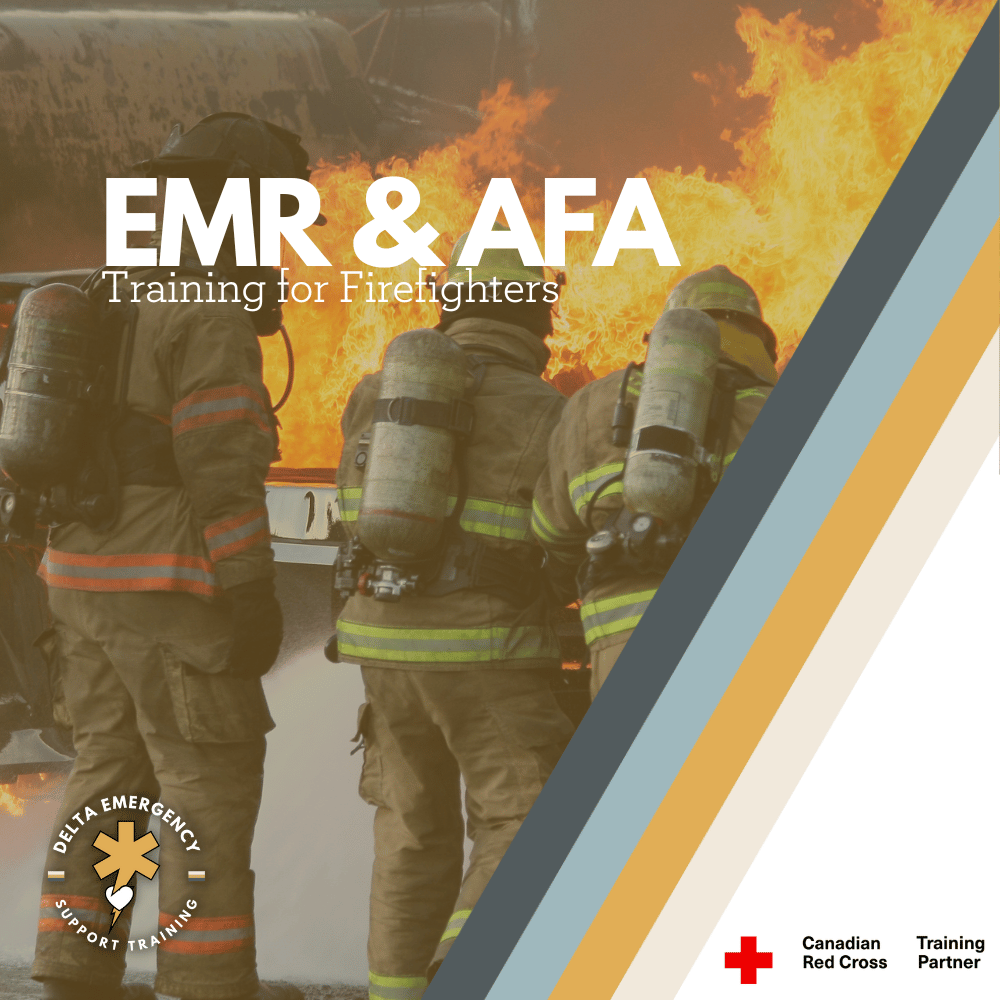
Become a Confident Emergency Responder: EMR & AFA Training for Aspiring Firefighters
Looking to become a firefighter in Alberta? Delta Emergency Support Training provides top-tier EMR and AFA coursesto help you meet the medical prerequisites for fire departments. With hands-on learning from experienced paramedics and firefighters, you’ll leave our courses feeling confident and ready for any emergency response role
Take Your First Step Toward Becoming a Firefighter with Delta Emergency Support Training’s Advanced First Aid & Emergency Medical Responder Courses

Becoming a firefighter is a calling. It’s about being ready for any emergency and making critical decisions when lives are on the line. If you’re looking to join the ranks of Alberta’s fire departments, one key requirement is completing Advanced First Aid (AFA) training. At Delta Emergency Support Training, we offer Emergency Medical Responder (EMR) and Advanced First Aid (AFA) courses that go beyond the basics to help you build the skills you need to succeed in firefighting and emergency medical services.
We don’t just teach first aid, we create confident, well-rounded professionals. When you leave our course, you’ll not only meet the medical requirements but also feel fully prepared to handle emergencies in the real world.
Why EMR & AFA Training is Crucial for Aspiring Firefighters
To become a firefighter in Alberta, you need to meet specific medical training requirements. Our EMR and AFA coursesare designed to ensure you meet these requirements and walk away feeling confident in your ability to respond to any medical emergency.
Here’s why our training is crucial:
Essential for Firefighter Certification: Alberta fire departments, including Calgary Fire, Edmonton Fire, and others, require advanced first aid as part of the firefighter qualification process. Our EMR courses are built specifically to meet these requirements and provide you with the foundational knowledge and hands-on skills you need to excel.
In Demand Across Multiple Industries: While firefighting is our primary focus, EMRs are also in high demand in the oil and gas sector, construction, and other high-risk industries. Completing our course opens doors to a wide range of career opportunities, giving you the flexibility to work in various emergency response roles.
Real-World, Hands-On Training: In firefighting, every second counts. Our EMR and AFA courses are designed to give you more than just theoretical knowledge — you’ll get practical, real-world training. You’ll practice everything from patient assessment to trauma care and advanced life-saving techniques in realistic, high-pressure scenarios, so you’re prepared to face anything that comes your way.
Flexible Learning Options: We know life is busy. That’s why we offer flexible training options to suit your schedule. Whether you prefer in-person sessions for a more hands-on approach or hybrid learning for more flexibility, we’ve got you covered.
What You’ll Learn in Our EMR & AFA Courses
When you train with Delta Emergency Support Training, you’re not just learning techniques; you’re building the confidence to apply them in real emergencies. Our courses are structured to provide you with the skills needed to become a capable, confident medical professional. Here’s what you’ll learn:
Patient Assessment & Treatment: You’ll learn how to quickly and accurately assess a patient’s condition and determine the best course of action. From airway management to oxygen administration, you’ll be trained to provide high-quality care in a variety of medical and trauma situations.
Trauma & Medical Expertise: Our training covers essential skills like spinal injury management, using spinal boards, scoop stretchers, and KEDs (Kendrick Extrication Devices), as well as pelvic binding for trauma. You’ll also learn how to manage critical medical emergencies, giving you the knowledge to treat a wide range of injuries and illnesses.
Advanced Life-Saving Techniques: Our courses focus heavily on high-efficiency CPR, Basic Life Support (BLS), and advanced trauma care. You’ll also gain experience with tools like SAGER (Self-Adjusting Gurney Extrication) to stabilize and extricate patients effectively and safely.
Scene Safety & Scene Management: Firefighting and emergency medical care require you to work in chaotic, high-stress environments. We teach you how to assess and manage scenes safely, make critical decisions quickly, and always put your safety — and your patient's — first.
Instructor Expertise: Led by an experienced Critical Care Paramedic with 17 years of experience in EMS, including his work with STARS Air Ambulance, we provide top-notch training from instructors who have been in the field and understand exactly what you’ll face as a first responder.
What Sets Us Apart
At Delta Emergency Support Training, we’re not just about meeting certification requirements — we’re about making sure you walk away feeling like a confident, capable medical professional. We pride ourselves on giving you the skills and knowledge to excel in the field, and here’s what makes our training different:
Proven Success: Many of our students have gone on to secure positions with leading fire departments like Calgary Fire, Edmonton Fire, and beyond. Our high success rate speaks to the effectiveness of our training — and the caliber of professionals we help develop.
Hands-On, Practical Learning: Theory is important, but practical experience is what will make you excel in real-world situations. You’ll get plenty of hands-on practice with the techniques and tools you’ll use in the field, ensuring you leave our course feeling ready for anything.
Tailored to Your Career Path: Whether you’re focused on firefighting or exploring opportunities as a site medic in high-risk industries, we offer comprehensive training that prepares you for the specific demands of your role. We also provide bridge courses and refresher courses to keep your skills sharp throughout your career.
Support Every Step of the Way: We’re here to support you not just in the classroom, but throughout your career journey. Whether it’s job placement assistance, career advice, or industry connections, we’re committed to helping you take the next step in your emergency response career.
Flexible Payment Options: We understand the financial commitment involved in training. Ask about our payment plans and discounts for groups to make your education more accessible.
Start Your Journey Today
If you’re ready to take the next step in your firefighting career or want to gain valuable emergency medical skills, Delta Emergency Support Training is here to help. We’re committed to providing training that goes beyond certification — we want you to leave our courses feeling confident and prepared for any emergency.
Contact us today to learn more about our EMR and AFA courses, find the perfect class for your schedule, and start your journey toward becoming a capable, confident emergency medical responder.
Communication Skills for Babysitters: Building Trust and Ensuring Success
Effective communication is key to building trust with parents as a babysitter. This post covers essential skills, including managing schedules, screen time, and behavior expectations. Plus, we offer Red Cross Babysitter Courses that provide first aid training and baby care expertise taught by experienced paramedics.
Babysitter and children having a conversation with parents
As a babysitter, one of the most important aspects of your job is establishing clear, open, and respectful communication with parents. Good communication not only helps create a positive environment for the child but also ensures that the parents feel confident and comfortable with you looking after their little one. Whether you're a seasoned sitter or just starting out, developing strong communication skills with parents is key to building trust and ensuring a smooth babysitting experience.
Here are some essential communication skills every babysitter should practice:
1. Be Clear and Transparent from the Start
Before you even begin babysitting, it’s crucial to establish clear expectations with the parents. This includes discussing:
Schedule Details: When will you arrive? When will you leave? What time will the child go to bed?
Household Rules: Are there any specific rules regarding screen time, snacks, or behavior expectations?
Emergency Protocols: Where are the first aid kits? How can you contact the parents in case of an emergency?
Location Guidelines: Are there any areas or rooms in the house that are off-limits to the child? Can you take them to the park or on a walk outside?
By laying all this out in advance, you reduce the chances of any misunderstandings down the line. The more information you have, the better prepared you’ll be.
2. Discuss Daily Routines & Schedules
It’s important to ask parents about their child’s daily routines, as these can help you provide a sense of normalcy and comfort for the child. Some key things to discuss include:
Sleep Schedules: When does the child normally nap or go to bed? What bedtime routine works best for them (reading a book, playing soft music, etc.)?
Meal Times and Snacks: What is the child’s typical eating schedule? Are there any specific foods or snacks they enjoy (or dislike)? Be sure to ask about any allergies or food restrictions.
Favorite Activities: Does the child have any favorite toys, games, or hobbies you should engage in? This helps you bond with them and make the experience more enjoyable.
Having a clear understanding of these routines ensures that the child feels secure and is kept on their regular schedule, even when their parents are away.
3. Ask About Screen Time & Digital Entertainment
In today’s digital age, it’s essential to discuss the parents’ preferences for screen time. Some parents may be strict about limiting TV or tablet time, while others may allow more flexibility. Be sure to ask:
How much screen time is allowed: Is there a limit on TV shows, movies, or gaming time?
Preferred shows or apps: If screen time is allowed, are there specific shows, movies, or educational apps they prefer?
Alternatives to screen time: If parents don’t want the child to be on screens too much, what activities do they suggest instead (crafts, puzzles, outdoor play, etc.)?
Being clear on screen time rules helps prevent any misunderstandings and ensures you're following the parents’ guidelines for technology use.
4. Discuss Discipline & Behavior Expectations
Every family has different approaches to discipline, and it’s essential to know the boundaries and strategies they prefer you to use. Some parents may use positive reinforcement (praise and rewards), while others might have specific time-out routines or other methods. Be sure to ask:
Discipline methods: What do parents consider acceptable or unacceptable behavior? How should you address any misbehavior?
What to do in case of a tantrum: Does the child have specific triggers or ways they prefer to calm down? Should you let them cry it out, or do they need more comfort?
Words and phrases to avoid: Some parents may have specific words they prefer you avoid (like “no” or “don’t”), and they may use positive language instead.
Knowing how to handle discipline ensures consistency in how the child is treated, making the transition from parent to babysitter seamless.
5. Know What’s Safe and Where You Can Go
It’s important to get permission for any activities you plan on doing outside the home. Some parents may have strict rules about where their child can go or who they can be around. Discuss:
Where you can take the child: Are you allowed to take them to the park, the store, or on a walk?
Visitors or friends: Is it okay to have a friend or neighbor come over while you're babysitting?
Outdoor activities: Can you play in the yard, or are there any restrictions regarding outdoor play (e.g., no playgrounds, only in the front yard)?
Having clear guidance on this will prevent any potential issues and ensure that both you and the parents are on the same page regarding boundaries.
6. Provide Regular Updates
Parents will appreciate knowing how things are going while they’re away. Depending on the length of the sitting, consider sending short updates on how their child is doing. For example:
"Everything is going great! We just finished dinner, and now we’re reading a book before bed."
"We’re having a blast! Just wanted to let you know that your little one is settling in well for a nap."
These updates not only reassure parents but also demonstrate that you're attentive and engaged with their child’s needs.
7. Use Positive Language
Even if you encounter challenges or difficult moments during your time babysitting, try to frame them positively. For example, instead of saying, “The child refused to take a nap,” you could say, “It took a little extra time for the child to wind down, but we’re working on a quiet activity in the meantime.”
Positive communication reinforces the idea that you're focused on problem-solving and providing the best care, rather than dwelling on any negative situations.
8. End the Babysitting Session with a Summary
When the parents return, take a few minutes to provide a quick summary of how the day went. Let them know about:
What activities you did
Any challenges faced and how they were handled
Whether the child ate well, took a nap, or had any particular emotional moments
This summary not only helps the parents feel more connected to their child’s day but also opens the door for constructive feedback. It shows that you are committed to improving and learning from every experience.
9. Be Open to Feedback
Finally, one of the most important skills you can develop is the ability to receive feedback. After each sitting, ask the parents how things went and if there’s anything you could do differently. Take note of their preferences and continuously improve your approach.
For example, if a parent says they prefer you to limit screen time more strictly or follow a different bedtime routine, make sure you incorporate that feedback next time.
By following these tips and discussing everything from schedules to screen time and discipline methods, you’ll be on your way to becoming the go-to sitter for many families, fostering great relationships and providing exceptional care every time!
10. Professional Training & Certifications: Red Cross Babysitter Courses
As a babysitter, it’s not only important to communicate well with parents, but also to be prepared for any situation that may arise. That’s why it’s essential to invest in professional training to enhance your babysitting skills.
At Delta Emergency Support Training, we offer Red Cross Babysitter Courses that cover essential topics to ensure you’re ready for any emergency and capable of providing the best care for children of all ages.
Our courses include:
Caring for Babies: This portion focuses on the specific needs of infants, including safe sleep practices, diapering, feeding, and understanding baby cues. Learning how to care for newborns and toddlers with confidence is a key skill for any sitter, and our course ensures you're fully equipped to handle these delicate stages of childcare.
Babysitter’s First Aid: Accidents can happen, and being able to respond quickly and appropriately is crucial. Our Babysitter’s First Aid class teaches you the fundamentals of first aid, from basic wound care to CPR and choking emergencies. You’ll also learn how to assess injuries, manage common illnesses, and make informed decisions in critical situations.
What sets our courses apart is that they’re taught by paramedics with extensive experience in childcare emergencies. These professionals bring a wealth of real-world knowledge, ensuring that you not only learn theoretical concepts but also practical skills that could save lives. They will guide you through hands-on scenarios and provide you with the knowledge needed to remain calm and effective in high-pressure situations.
By becoming Red Cross certified, you gain parents' trust and demonstrate that you’re committed to providing top-notch care in all situations. Parents will appreciate knowing that their child is in the hands of a qualified sitter who knows how to react if the unexpected happens.
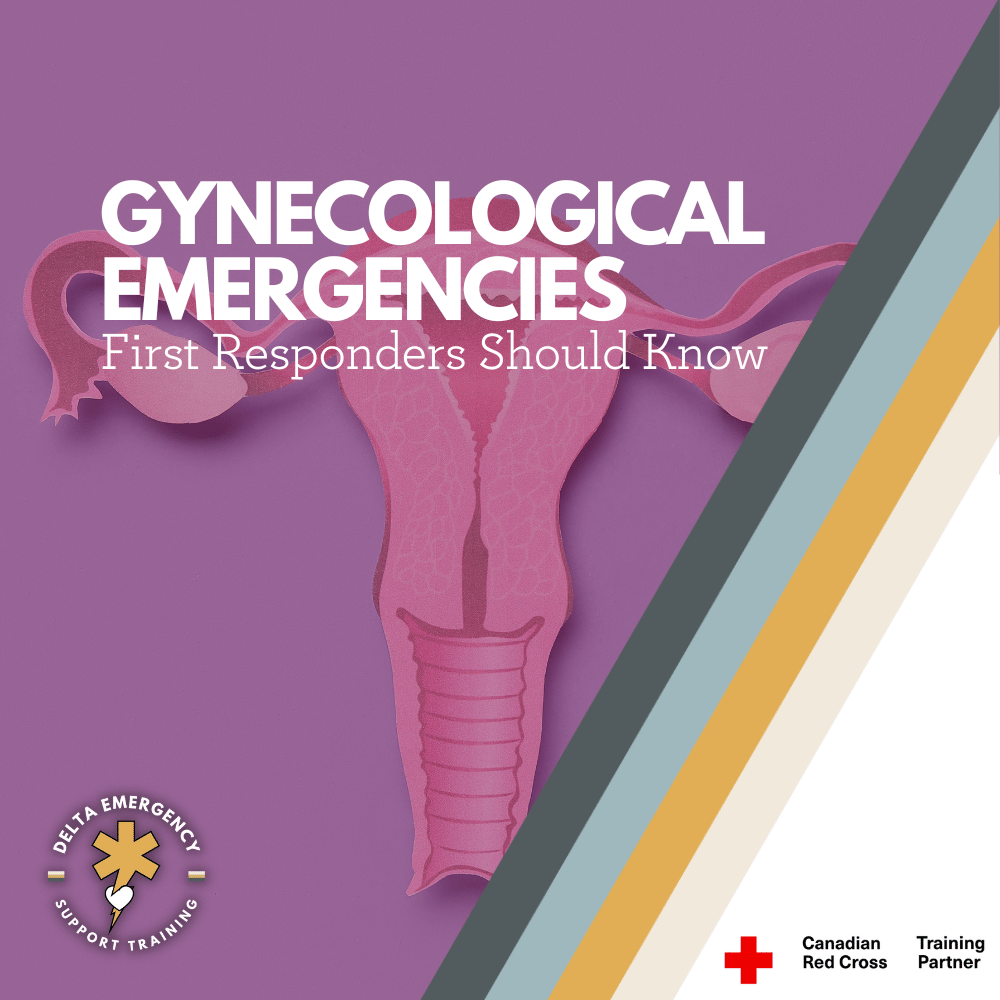
Common Gynecological Medical Emergencies Every First Responder Should Know
Gynecological emergencies, such as ovarian torsion, ectopic pregnancy, and toxic shock syndrome, require quick action and careful handling. For first responders, understanding the symptoms, knowing how to prioritize care, and maintaining patient comfort and dignity are essential. This blog explores common gynecological emergencies, providing essential information for responders to manage these situations with professionalism, especially when male responders are involved. Learn how to respond effectively and respectfully to ensure the best outcomes for your patients.

Gynecological emergencies require quick assessments, clear decision-making, and fast intervention. For first responders, understanding these conditions is essential for providing the right care and support. While some gynecological issues may seem daunting, being knowledgeable about these emergencies can make all the difference in saving lives and minimizing long-term complications.
In this blog, we’ll dive deeper into some of the most common gynecological emergencies, including endometriosis, ovarian torsion, ectopic pregnancy, toxic shock syndrome, and more. Additionally, we’ll discuss how first responders can handle these situations efficiently, with a focus on maintaining patient comfort and professionalism, particularly when male responders are involved.
1. Endometriosis: Managing Acute Flare-Ups
What It Is:
Endometriosis is a chronic condition where tissue similar to the lining of the uterus grows outside of it, often affecting the ovaries, fallopian tubes, or other organs in the pelvic region. While it’s usually a long-term condition, flare-ups can create acute pain and other complications.
Emergency Symptoms:
Intense pelvic pain, especially during menstruation
Nausea, vomiting, or dizziness
Heavy menstrual bleeding
Pain during intercourse
What to Do:
First responders should focus on pain management, as the acute pain associated with endometriosis flare-ups can be overwhelming. Administer analgesics as per protocol and assess vital signs. If bleeding is severe, treat for shock and prepare for transport to the nearest medical facility for further treatment, including possible imaging and evaluation by a gynecologist.
2. Ovarian Torsion: A Time-Sensitive Surgical Emergency
What It Is:
Ovarian torsion occurs when an ovary twists on its supporting ligaments, cutting off its blood supply. This is a surgical emergency and, if not treated promptly, can lead to ovarian necrosis (death of the ovary).
Emergency Symptoms:
Sudden, severe pelvic pain, often localized to one side
Nausea or vomiting
Abdominal tenderness
Possible fever
What to Do:
Time is critical in ovarian torsion. The primary action for first responders is pain management and stabilization. Administer pain relief (IV or oral as per protocol) and monitor for signs of shock. Rapid transport to a surgical facility is essential for surgical intervention to save the ovary. Delaying treatment could result in permanent damage or loss of the ovary.
3. Miscarriage: Spontaneous Pregnancy Loss
What It Is:
A miscarriage refers to the loss of a pregnancy before the 20th week. Miscarriages are often associated with heavy bleeding and pain, and they can lead to emotional distress for the patient.
Emergency Symptoms:
Heavy bleeding or passing of tissue
Cramping or abdominal pain
Lower back pain
Dizziness or fainting
What to Do:
For first responders, it’s important to manage bleeding and monitor for signs of shock. Heavy bleeding can result in hypovolemic shock, so maintaining the patient’s blood volume with IV fluids is critical. Emotional support is also key—be compassionate and empathetic, as this is often a traumatic experience. Transport the patient to a medical facility for further evaluation, including an ultrasound to confirm the miscarriage and assess for any retained tissue.
4. Ectopic Pregnancy: A Life-Threatening Condition
What It Is:
An ectopic pregnancy occurs when a fertilized egg implants outside the uterus, usually in a fallopian tube. This is a dangerous condition because the fallopian tube can rupture, leading to significant internal bleeding.
Emergency Symptoms:
Severe abdominal pain, often on one side
Vaginal bleeding or spotting
Dizziness, fainting, or low blood pressure
Shoulder pain (referred pain due to internal bleeding)
What to Do:
Ectopic pregnancy is a medical emergency that requires immediate transport to the hospital. First responders should stabilize the patient, monitor vitals, and treat for shock if necessary. If an ectopic pregnancy is suspected, it is critical to get the patient to a surgical facility as quickly as possible, as a ruptured ectopic pregnancy can be fatal.
5. Uterine Fibroids: Managing Complications from Benign Tumors
What It Is:
Uterine fibroids are non-cancerous growths in the muscle of the uterus. In many cases, they don’t cause symptoms, but in some women, they can result in heavy menstrual bleeding or pain, especially during pregnancy or menopause.
Emergency Symptoms:
Heavy vaginal bleeding, potentially leading to shock
Pelvic or abdominal pain
Pressure on the bladder or rectum
Painful intercourse
What to Do:
If a patient with uterine fibroids presents with heavy bleeding, assess the degree of bleeding and treat for shock if necessary. Administer fluids to maintain blood pressure and transport the patient to a medical facility for further evaluation and treatment. In severe cases, surgical intervention may be needed to manage bleeding or remove the fibroids.
6. Vulvar Abscess: Infection and Inflammation of the Vulva
What It Is:
A vulvar abscess is a localized collection of pus caused by infection. It may occur due to bacteria entering the vulvar glands, leading to swelling, pain, and tenderness.
Emergency Symptoms:
Painful swelling or tenderness in the vulva
Redness and warmth in the affected area
Fever
Drainage of pus
What to Do:
While vulvar abscesses typically require drainage and antibiotics, first responders should focus on pain relief and preventing the infection from spreading. Administer pain relief and fluids as per protocol and prepare for rapid transport to a hospital where surgical drainage may be needed.
7. Toxic Shock Syndrome (TSS): A Severe Bacterial Infection
What It Is:
Toxic Shock Syndrome is caused by bacterial toxins, usually from Staphylococcus aureus or Streptococcus pyogenes. Though it’s rare, it can progress rapidly and lead to organ failure and death.
Emergency Symptoms:
Sudden high fever
Vomiting and diarrhea
A red, sunburn-like rash
Low blood pressure, confusion, or shock
What to Do:
TSS is a critical emergency requiring immediate intervention. First responders should administer fluids to combat shock, manage the fever, and prepare for transport to a medical facility. Treatment typically includes IV antibiotics and supportive care to prevent organ failure.
8. The Challenges of Responding to Gynecological Emergencies, Especially for Male Responders
Patient Comfort and Professionalism:
Handling gynecological emergencies can be particularly sensitive, especially if the responding team is composed of male responders. As a first responder, it’s essential to be aware of the patient’s emotional and physical comfort while still prioritizing their care.
Key Considerations for Male Responders:
Maintain Decency: Ensure that the patient’s privacy is respected at all times. Use blankets or gowns to cover them as much as possible, especially during transport or examination.
Provide Clear Communication: Always explain the procedures you’re performing and why they are necessary. Patients may feel vulnerable during gynecological emergencies, so explaining what is happening at each stage can help reduce anxiety.
Offer Emotional Support: Gynecological emergencies often come with an emotional component. Be compassionate and understanding, offering reassurance and support throughout the process.
If Possible, Involve Female Responders: If you’re a male responder and the situation involves intimate care, offer the patient the option to be attended to by a female responder, if available, to maintain comfort and dignity.
First responders should always prioritize patient safety and dignity. Being sensitive to these issues helps build trust and ensures that you are providing the best care possible, especially in potentially traumatic situations.
Conclusion: Efficient, Respectful Care for Gynecological Emergencies
Gynecological emergencies can present unique challenges for first responders, but with the right knowledge and skills, you can manage these situations effectively and compassionately. Whether dealing with ovarian torsion, toxic shock syndrome, or ectopic pregnancy, understanding the symptoms and knowing the right actions to take will ensure better patient outcomes. Responding with professionalism, sensitivity, and respect for the patient’s dignity is just as important as delivering medical care.
At Delta Emergency Support Training, we equip first responders with the knowledge and skills necessary to handle all types of emergencies, including gynecological ones. Our comprehensive training prepares you to respond with confidence, ensuring you provide the best care in critical situations.
Understanding Medical Terminology: A Guide to Prefixes, Suffixes, and Roots for First Responders
Mastering medical terminology is essential for first responders. Understanding common prefixes, suffixes, and roots will help you communicate more effectively, make informed decisions, and provide quicker, more effective care. In this guide, we break down essential medical terms that will boost your confidence on the job and improve patient outcomes.

In the fast-paced world of Emergency Medical Services (EMS), effective communication and quick thinking are crucial. One way to improve both is by mastering medical terminology. As a first responder, understanding the building blocks of medical terms — prefixes, suffixes, and roots — will allow you to interpret unfamiliar terms quickly, leading to better patient care and more effective communication with other healthcare professionals.
In this guide, we’ll break down the most common prefixes, suffixes, and roots in medical terminology, with a focus on how these parts come together to help you understand the language of medicine. By familiarizing yourself with these building blocks, you’ll be equipped to navigate the world of medical terminology with confidence.
What Are Prefixes, Suffixes, and Roots?
Medical terms often seem complex, but most are built from smaller components that convey specific meanings. Understanding how these components work will help you quickly decode medical terms.
Prefix: A prefix is added at the beginning of a word to modify its meaning. It typically indicates time, location, quantity, or status.
Suffix: A suffix is placed at the end of a word to alter its meaning. It often refers to a condition, disease, procedure, or part of the body.
Root Word: The root is the central part of the word that provides the core meaning. It typically refers to a body part, function, or medical concept.
By breaking down terms into these components, you can understand what a word means without needing to memorize every single term.
Why EMS Professionals Need to Understand Prefixes, Suffixes, and Roots
As a first responder, you’ll often encounter long, unfamiliar medical terms during patient care. Breaking these terms down into their prefixes, suffixes, and roots helps you:
Interpret Symptoms Faster: For example, recognizing terms like “tachypnea” (rapid breathing) or “bradycardia” (slow heart rate) allows you to quickly assess the situation and respond accordingly.
Improve Communication: Whether you’re talking to a doctor, paramedic, or other healthcare professionals, using the correct medical terminology ensures clear, efficient communication, which leads to better patient outcomes.
Streamline Documentation: Accurate medical documentation is essential in EMS. Knowing medical terms ensures you can write reports that are both precise and comprehensive.
Common Medical Prefixes Every First Responder Should Know
Here are some of the most common prefixes you’ll encounter in EMS. These prefixes provide important information about the patient's condition and can help you make quicker decisions in the field.
1. “Hyper-”
Meaning: Excessive, above normal
Example: Hypertension (high blood pressure)
2. “Hypo-”
Meaning: Below normal, deficient
Example: Hypoglycemia (low blood sugar)
3. “Brady-”
Meaning: Slow
Example: Bradycardia (slow heart rate)
4. “Tachy-”
Meaning: Fast
Example: Tachypnea (rapid breathing)
5. “Pre-”
Meaning: Before
Example: Preoperative (before surgery)
6. “Post-”
Meaning: After
Example: Post-traumatic (after trauma)
7. “Sub-”
Meaning: Under, beneath
Example: Subcutaneous (beneath the skin)
8. “Inter-”
Meaning: Between
Example: Intercostal (between the ribs)
9. “Intra-”
Meaning: Within
Example: Intravenous (within the vein)
10. “Exo-”
Meaning: Outside, outward
Example: Exoskeleton (external skeleton)
Common Medical Suffixes for EMS Professionals
Suffixes are essential for understanding the nature of a medical condition, procedure, or diagnosis. Below are key suffixes that are frequently used in EMS:
1. “-itis”
Meaning: Inflammation
Example: Arthritis (inflammation of the joints)
2. “-ectomy”
Meaning: Surgical removal
Example: Appendectomy (removal of the appendix)
3. “-algia”
Meaning: Pain
Example: Neuralgia (nerve pain)
4. “-pathy”
Meaning: Disease or condition
Example: Neuropathy (nerve disease)
5. “-emia”
Meaning: Blood condition
Example: Anemia (low red blood cell count)
6. “-plasty”
Meaning: Surgical repair
Example: Rhinoplasty (surgical repair of the nose)
7. “-scopy”
Meaning: Viewing or examination using a scope
Example: Endoscopy (examination of a body cavity)
8. “-logy”
Meaning: The study of
Example: Cardiology (study of the heart)
9. “-osis”
Meaning: Abnormal condition or disease
Example: Cirrhosis (a liver disease)
10. “-graphy”
Meaning: The process of recording
Example: Cardiography (recording heart activity)
Common Medical Roots in EMS Terminology
Roots form the core of medical terms and typically describe body parts, organs, or functions. Here are some important roots you’ll encounter in your training and practice:
1. “Cardi/o”
Meaning: Heart
Example: Cardiology (study of the heart)
2. “Gastr/o”
Meaning: Stomach
Example: Gastritis (inflammation of the stomach lining)
3. “Hemat/o”
Meaning: Blood
Example: Hemorrhage (excessive bleeding)
4. “Neuro/o”
Meaning: Nerve, nervous system
Example: Neurology (study of the nervous system)
5. “Oste/o”
Meaning: Bone
Example: Osteoarthritis (arthritis of the bone)
6. “Pulmon/o”
Meaning: Lungs
Example: Pulmonary edema (fluid buildup in the lungs)
7. “My/o”
Meaning: Muscle
Example: Myocardial (related to the heart muscle)
8. “Derm/a”
Meaning: Skin
Example: Dermatitis (inflammation of the skin)
9. “Ren/o”
Meaning: Kidney
Example: Renal failure (kidney failure)
10. “Rhin/o”
Meaning: Nose
Example: Rhinoplasty (surgical procedure on the nose)
Study Strategies for Mastering Medical Terminology
While learning prefixes, suffixes, and roots can seem overwhelming, there are several effective study techniques to help you retain and apply these concepts:
1. Use Flashcards
Flashcards are an excellent way to reinforce your understanding of prefixes, suffixes, and roots. Use physical cards or apps like Quizlet to test your knowledge on the go. Write the term on one side and its meaning on the other.
2. Create Mnemonics
To help remember terms, create memorable associations. For example, remember “tachy-” by thinking of “tachometer,” which measures speed (fast). For “brady-” (slow), think of Brady the tortoise from the classic story.
3. Break Down Terms
Whenever you encounter an unfamiliar term, break it down. Start with the root word, then look at the prefix and suffix. For example, Tachycardia:
Tachy- = fast
Cardi/o = heart
-ia = condition So, Tachycardia = a condition of a fast heart rate.
4. Group Study and Practice
Group study sessions help reinforce what you've learned. Discuss terms with classmates or colleagues and quiz each other regularly to ensure you understand the material.
5. Use Interactive Tools
Interactive quizzes and apps can make learning more engaging. Tools like Anki or MedTerm offer practice exercises that reinforce your understanding of medical terminology in a fun, interactive way.
Conclusion: Mastering Medical Terminology for EMS Professionals
In EMS, quick decision-making and clear communication can save lives. Understanding medical terminology, including prefixes, suffixes, and roots, allows you to decode complex terms on the fly and makes you a more effective responder. It’s a skill that will improve your ability to assess patients, document care, and work with your team efficiently.
At Delta Emergency Support Training, we understand the importance of a solid foundation in medical terminology. Our comprehensive Red Cross Babysitting course and First Aid training cover essential medical concepts that will set you up for success in the field. Whether you're just getting started or looking to advance your skills, mastering medical terminology is a key step in becoming a top-tier first responder.
How Babysitters Can Handle Emergencies: When to Call 911 and What to Do
Emergencies can happen unexpectedly, and as a babysitter, knowing how to respond quickly is essential. One of the most important skills is knowing when to call 911. Whether it’s a child choking, having a seizure, or becoming unconscious, your quick action could save a life. It’s crucial to always know the address of the home you’re babysitting at, as this information can help emergency responders reach you faster. Remember, better to call 911 and not need them than to not call and need them—911 call-takers are there to guide you through the process and ensure help arrives as quickly as possible. Stay calm, stay prepared, and always trust your instincts when it comes to emergencies.
Emergencies can happen at any time, and when you're babysitting, it’s important to know how to respond quickly. Whether you're watching kids at home, looking after younger siblings, or taking care of someone else’s children, you have to be prepared for anything. Knowing when and how to call 911 is especially important because your quick action could save a life.
In this blog, we'll talk about common emergencies, how to stay calm, and why knowing your address and how to call 911 is so critical.
Why It’s So Important to Know How to Call 911
As a babysitter, you might be the first person to handle an emergency. If something happens—a child gets hurt, gets sick, or something else goes wrong—you might need to call 911 for help.
One of the most important things to remember when calling 911 is knowing where you are. If you can’t tell the dispatcher your address, it can delay help. That means it’s crucial to always know the address of the home where you’re babysitting, including the apartment number if applicable. Make sure you have this info handy in case you need it quickly!
When to Call 911: What Counts as an Emergency?
Some situations can be handled with basic first aid, but others are more serious and require immediate help. Here are some examples of when you need to call 911 without hesitation:
1. The Child is Unconscious or Not Responding
If the child or anyone you’re caring for becomes unresponsive, it’s a big emergency. If they’re not waking up, won’t talk, or are just unresponsive, you need to get help right away.
What to Do:
Check if the child is breathing. If they are not breathing or are gasping, call 911 immediately. If you're trained in CPR, you may be able to help the child before emergency responders arrive.
If they are breathing but still unconscious, gently lay them on their side (recovery position) and call 911 right away.
2. Serious Bleeding
If the child has a large cut or wound that won’t stop bleeding, that’s a serious emergency. You need to stop the bleeding and get help right away.
What to Do:
Apply a clean cloth or bandage to the wound and press down to stop the bleeding.
If the wound is really deep, or you can’t stop the bleeding, call 911 and keep pressure on the wound until help arrives.
3. Choking
Choking is a life-threatening emergency, especially if the child can’t breathe or speak. If you are trained in back blows and abdominal thrusts, you should perform these techniques as you were taught. If the child becomes unconscious, you should immediately call 911.
What to Do:
If you are trained in abdominal thrusts and back blows (to help expel the object blocking their airway), perform these techniques as you’ve been taught.
If the child becomes unconscious, call 911 immediately. If you are trained to save a choking person, you have a good chance of saving them.
Keep performing your life-saving techniques until the child can breathe or emergency help arrives.
4. Severe Allergic Reaction (Anaphylaxis)
Severe allergic reactions (also known as anaphylaxis) can cause swelling in the throat and make breathing difficult. Common triggers include bee stings, food allergies (like peanuts), or certain medications.
What to Do:
If the child has an epinephrine auto-injector (EpiPen), use it right away.
Then, call 911 immediately to get professional help.
5. Seizures
If the child has a seizure, especially if they’ve never had one before, you should call 911. This is important because first-time seizures can be a sign of something serious, and even if the seizure doesn’t last long, it’s better to get medical help.
What to Do:
Move objects out of the way to prevent injury.
Gently cushion their head and lay them on their side if possible.
If the child has never had a seizure before, or if it lasts more than a minute, call 911 right away.
6. Trouble Breathing or Chest Pain
If the child is having trouble breathing, or complains of chest pain, these could be signs of a serious medical condition like a heart attack or a severe asthma attack.
What to Do:
Help them sit up and stay calm.
If they have an inhaler, help them use it.
If they are still having trouble breathing or in pain, call 911 immediately.
How to Call 911: What You Need to Tell Them
When you call 911, it’s important to speak clearly and calmly. Here’s what to do:
1. Know Your Address
You must know the address where you're babysitting, including the street name, apartment number (if applicable), and any nearby landmarks. Make sure you have this info written down or memorized before the emergency happens so you can give it to 911 right away.
2. Speak Clearly
When you’re panicked, it can be hard to talk clearly. Take a deep breath, stay calm, and explain what’s going on as best as you can. Tell the dispatcher the emergency, the condition of the child, and the address where help is needed.
3. Describe the Situation
Tell the dispatcher what happened and the child’s condition. For example:
“The child is unconscious and not breathing.”
“They’re choking on food and can’t breathe.”
4. Follow the Dispatcher’s Instructions
The dispatcher might give you advice on what to do while you wait for emergency help to arrive. Listen carefully and do your best to follow their instructions.
5. Stay on the Line
Don't hang up until the dispatcher tells you it's okay. They may need more information or updates as emergency responders get closer.
When in Doubt, Call 911
If you're ever unsure whether something is an emergency, it’s always better to call 911. Better to call and not need them than to not call and need them. 911 call-takers are there to help and guide you through the situation. They won’t judge you for calling and are trained to assist you no matter what the emergency is. Trust your instincts—if you feel the child’s health or safety is at risk, don’t hesitate to call for professional help.
Conclusion: Be Prepared, Stay Calm, and Get Help
Babysitting comes with a lot of responsibility. Emergencies can happen quickly, but being prepared can make all the difference. The key is staying calm, knowing when to call 911, and having the information you need to guide emergency responders.
At Delta Emergency Support Training, we offer Red Cross Babysitting courses that cover all the important topics you need to be ready for anything. Our course is taught by paramedics and includes one session on caring for babies and another session dedicated to babysitter first aid, where you’ll learn life-saving techniques like CPR, how to handle injuries, and what to do in different emergency situations. You’ll leave our course with the skills and confidence to handle any emergency that comes your way.
Skin Anatomy Overview for First Responders: Layers and Functions
Understanding the anatomy of the skin is essential for first responders. The skin serves as the body’s first line of defense, regulating temperature and protecting against infection. In this blog, we’ll break down the three layers of skin—epidermis, dermis, and hypodermis—and explore their functions, common injuries, and how this knowledge can help you provide better care in emergency situations.
As a first responder, you're trained to respond to a variety of emergencies, from burns and cuts to more complex trauma situations. Understanding the anatomy of the skin is crucial, as it plays a vital role in protecting the body from infection, regulating temperature, and healing injuries. In this blog, we’ll break down the layers of the skin, their functions, and how this knowledge helps you in your critical role as a first responder.

medical skin layer model
The Basics of Skin Anatomy
The skin is the body's largest organ, serving as the primary barrier between the internal systems and the outside world. It protects against physical damage, pathogens, and dehydration, while also playing a key role in temperature regulation. The skin is made up of three main layers, each with its own distinct function:
Epidermis (Outer Layer)
Dermis (Middle Layer)
Hypodermis (Subcutaneous Layer)
1. The Epidermis: The Body’s First Line of Defense
The epidermis is the outermost layer of skin, providing a waterproof barrier that shields the body from harmful substances, bacteria, and UV radiation. As a first responder, you will often encounter patients with injuries to the epidermis, such as cuts, abrasions, burns, or rashes.
Functions of the Epidermis:
Protection: The epidermis acts as the first line of defense against pathogens, chemicals, and physical damage.
Barrier to Water Loss: It helps prevent excessive loss of moisture, maintaining hydration in the body.
Skin Pigmentation: Melanin, produced in the epidermis, helps protect deeper layers from UV damage.
Sensation: The epidermis contains nerve endings that allow the skin to respond to environmental stimuli, like heat or pressure.
Important Considerations for First Responders:
Burns: Since the epidermis contains no blood vessels, burns typically affect this layer first, causing redness, swelling, and pain. In severe cases, it may also affect the dermis, leading to more serious injuries.
Infections: When the epidermis is compromised (such as in open wounds), there’s a higher risk of infection. Proper cleaning and dressing of wounds are essential to avoid bacterial infiltration.
2. The Dermis: The Skin’s Strength and Support
The dermis lies beneath the epidermis and is responsible for most of the skin's strength, elasticity, and sensation. This layer contains blood vessels, nerves, hair follicles, sweat glands, and connective tissue.
Functions of the Dermis:
Structural Support: The dermis contains collagen and elastin, proteins that provide strength and elasticity to the skin, allowing it to stretch and return to its original shape.
Temperature Regulation: Blood vessels in the dermis help regulate body temperature by constricting to conserve heat or dilating to release heat.
Sensation: The dermis is rich in nerve endings that detect pain, pressure, temperature, and touch.
Wound Healing: The dermis plays a critical role in healing skin wounds, as it contains the blood vessels and connective tissue that support tissue repair.
Important Considerations for First Responders:
Deep Cuts and Lacerations: When treating deep cuts or lacerations, you may encounter injury to the dermis, which could result in more severe bleeding due to the presence of blood vessels.
Blisters and Burns: Severe friction or thermal injuries can cause fluid buildup between the epidermis and dermis, leading to blisters. Burns can also extend into the dermis, causing damage to blood vessels and deeper tissues.
3. The Hypodermis: The Body’s Cushion and Insulator
The hypodermis, or subcutaneous layer, lies below the dermis and is primarily made of fat and connective tissue. This layer plays a significant role in protecting internal organs, insulating the body, and storing energy.
Functions of the Hypodermis:
Insulation: The fatty tissue helps regulate body temperature by providing insulation against heat loss.
Cushioning: It acts as a shock absorber, protecting bones and organs from injury by absorbing impact.
Energy Storage: The hypodermis stores fat, which serves as an energy reserve for the body.
Anchoring the Skin: It helps anchor the skin to underlying muscles and bones, giving the skin its flexibility and strength.
Important Considerations for First Responders:
Severe Trauma: In cases of deep trauma, such as blunt force injuries, the hypodermis may be damaged. This could lead to bruising or deeper tissue damage, as blood vessels in the hypodermis may rupture.
Frostbite: The hypodermis is the most affected area during frostbite, as it is the deepest layer. Severe cold temperatures can cause the fat cells to freeze, potentially leading to tissue death and the need for immediate medical intervention.
Skin Injuries and First Aid: Key Points for First Responders
As a first responder, understanding the anatomy of the skin helps you assess injuries more effectively and provide better care. Here are some common skin injuries and how they relate to the skin’s structure:
Abrasions: These involve damage to the epidermis, often caused by friction. While they are generally not severe, they can lead to infection if not properly cleaned and dressed.
Lacerations: Deep cuts can damage both the epidermis and dermis, leading to bleeding and pain. Proper wound care includes stopping the bleeding, cleaning the wound, and applying appropriate dressings.
Burns: Burns can range from superficial (affecting only the epidermis) to severe (penetrating the dermis and hypodermis). First-degree burns may cause redness and pain, while second-degree burns result in blisters and more intense pain. Third-degree burns involve damage to all layers of the skin and require immediate medical attention.
Frostbite: Exposure to extreme cold can lead to frostbite, which damages the skin, particularly the hypodermis. Treatment includes gradual rewarming and protecting the affected areas from further damage.
Infections: Skin wounds, especially when the epidermis is broken, are susceptible to infection. As a first responder, it’s critical to clean wounds thoroughly, apply sterile dressings, and monitor for signs of infection.
Conclusion: Why Skin Anatomy Matters for First Responders
The skin may seem like a simple barrier, but its structure and functions are far more complex and essential to maintaining overall health. As first responders, understanding the layers of the skin, their functions, and how injuries affect them helps you provide better care to patients. Whether you're dealing with a simple abrasion or a severe burn, this knowledge can guide your decisions on how to treat injuries quickly and effectively, reducing the risk of complications and promoting faster recovery.
By applying this understanding of skin anatomy to your daily work, you can ensure that your patients receive the best care possible in emergency situations.
Winter Driving: Tips for First Responders and Everyday Drivers
Winter driving poses unique challenges, especially for future firefighters and first responders. From hidden black ice to snow-covered roads, understanding the risks and knowing how to prepare your vehicle are essential for staying safe on the road. In this blog, we’ll cover key winter driving hazards, share essential tips for safe navigation in harsh conditions, and provide guidance on vehicle maintenance to ensure you're always ready—whether you're heading to an emergency or simply commuting. Stay prepared, stay safe, and learn how to handle winter weather like a pro.
Winter Driving Tips for Future First Responders: Stay Safe and Prepared in Harsh Conditions

Overturned vehicle from driving in icy winter conditions
Winter driving can be treacherous, especially when you’re out on the road in snowy, icy conditions. As a future firefighter, paramedic, or emergency responder, it’s crucial to understand how these winter weather hazards can impact your ability to drive safely and respond effectively in an emergency. Whether you're heading to a call or navigating daily commutes, this guide will provide you with the knowledge and practical tips you need to stay safe during the winter months.
1. Understanding the Risks of Black Ice
Black ice is one of the most insidious dangers of winter driving. It forms when moisture freezes on the road surface, creating a nearly invisible layer of ice that can cause vehicles to lose traction unexpectedly. Black ice is most commonly found on bridges, overpasses, and shaded parts of the road. For first responders, who may need to drive in these conditions during urgent situations, it’s vital to recognize the signs of black ice and respond accordingly.
What to Watch Out For:
Bridges and Overpasses: These areas freeze more quickly than regular roads due to their exposure to the air above and below.
Shaded Areas: Roads that are shaded by trees, buildings, or mountains are more likely to have black ice, especially early in the morning or after sunset.
Intersections and Curves: These areas are more prone to slick conditions as the traffic flow can prevent melting during the day.
How to Drive on Black Ice:
Slow Down: Reduce your speed when driving on bridges, overpasses, or during the early morning hours.
Gentle Maneuvers: Avoid quick or sharp turns. Steer gently if you begin to slide.
Keep a Safe Distance: Maintain extra space between your vehicle and others, as it can take longer to stop on icy surfaces.
2. Snow and Slippery Road Conditions
Snow accumulation not only reduces visibility, but it can also make roads slippery, increasing the likelihood of losing control of your vehicle. Thick snowdrifts and patches of snow can obscure lane markings, making it difficult to navigate the road properly. For firefighters and other emergency personnel, this is particularly hazardous, as getting stuck in the snow or skidding off the road can delay emergency responses.
What to Watch Out For:
Snowdrifts: These can accumulate quickly, especially on less-traveled roads.
Hidden Potholes: Snow can cover potholes, creating unexpected hazards beneath the snow’s surface.
Lack of Lane Visibility: Snow accumulation can hide lane markings, making it difficult to stay in your lane.
Winter Driving Tips for Snowy Roads:
Drive Below the Speed Limit: Adapt your speed to the road conditions, not the posted speed limit. Keep your distance from other vehicles, as stopping distances will be much longer.
Increase Visibility: Use your headlights during snowfall to make sure other drivers can see you. Avoid high beams, which can reflect off the snow and reduce your visibility.
Stay in Tracks: If driving in heavy snow, try to drive in the tracks of other vehicles to avoid becoming stuck in deep snow.
3. Cold Weather and Vehicle Maintenance
Winter driving isn’t just about adjusting your behavior on the road; it’s also about ensuring your vehicle is properly prepared for the cold conditions. The freezing temperatures of winter can cause issues that make your vehicle more susceptible to mechanical failure or an accident. For first responders, this can lead to delays or even dangerous breakdowns.
Winter Vehicle Checklist:
Check Tire Pressure and Tread: Cold temperatures cause tire pressure to drop. Check your tire pressure regularly, and ensure that your tires have sufficient tread to maintain grip on icy or snow-covered roads.
Battery Health: Batteries lose power in cold weather, so test your battery before winter sets in. Consider replacing older batteries that might fail in the cold.
Engine Fluids: Ensure your vehicle is filled with winter-grade oil and coolant. The correct engine fluid prevents freezing and ensures proper functioning.
Windshield Wipers: Replace windshield wipers if they are worn. Stock up on windshield washer fluid that won’t freeze at low temperatures, ensuring good visibility in snowy conditions.
Emergency Kit Essentials:
Blankets and Warm Clothing: In case of a breakdown or emergency situation, having extra clothing and thermal blankets in your vehicle can be lifesaving.
First Aid Kit: Always carry a basic first aid kit, including bandages, antiseptic wipes, and gloves, for addressing minor injuries on the go.
Food and Water: Pack non-perishable snacks and bottled water, especially if you're traveling long distances or to remote areas.
4. Responding to Accidents in Winter Conditions
As a future first responder, you may need to respond to emergency calls involving accidents on snowy or icy roads. It's crucial to stay aware of the unique dangers that come with operating in these environments, both for your safety and the safety of the victims.
Hazards to Be Aware Of:
Additional Collisions: If the road is icy, there’s a higher likelihood of secondary accidents, so always approach accident scenes cautiously.
Cold Weather Injuries: Accidents involving cold temperatures can cause hypothermia, frostbite, or other cold-related injuries, especially if victims are exposed to the elements for long periods.
Limited Access: Snow and ice can make it difficult to reach accident scenes or maneuver vehicles into position for a rescue. Be prepared for delays or challenging access.
Tips for First Responders:
Slow Approach: Always slow down as you approach the scene of an accident, and be mindful of other vehicles on the road.
Road Safety: Set up safety cones or warning lights to alert other drivers and prevent further collisions.
Protect Victims: If the victims are in cold conditions, prioritize keeping them warm with blankets or by moving them to a safer location away from the elements.
5. Stay Prepared for Winter Emergencies
The unpredictable nature of winter weather means that being prepared is more important than ever. Having an emergency kit, knowing how to handle various road conditions, and understanding the importance of vehicle maintenance can make a huge difference in staying safe.
Winter Emergency Kit Checklist:
Jumper cables and portable power banks
Flashlight with extra batteries
Shovel, sand, or kitty litter (for traction if you’re stuck)
Thermal blankets and extra gloves/hats
Non-perishable snacks and water
Basic first aid supplies
Conclusion: Be Prepared and Drive Safely This Winter
Winter driving conditions can be dangerous, especially for first responders who need to travel quickly and efficiently to emergencies. By understanding the hazards posed by snow, ice, and freezing temperatures, and by taking proactive steps to maintain your vehicle and adjust your driving behavior, you can reduce the risks associated with winter driving.
For future firefighters and first responders, staying prepared means more than just understanding emergency procedures—it also means staying safe on the road. Drive carefully, maintain your vehicle, and always be prepared for the unexpected.

High-Performance CPR: Alberta's New Life-Saving Standards
The landscape of Cardiopulmonary Resuscitation (CPR) has evolved significantly with the introduction of high-performance CPR techniques. Guided by the latest ILCOR (International Liaison Committee on Resuscitation) guidelines, the Alberta Health Services (AHS) Emergency Medical Services (EMS) has updated its training and protocols to enhance the effectiveness of CPR. This blog post delves into these changes, the rationale behind them, and the benefits they offer to patients experiencing cardiac emergencies.
Understanding High-Performance CPR
High-performance CPR emphasizes minimizing interruptions during chest compressions, ensuring adequate depth and rate of compressions, and optimizing ventilation. Key changes include:
Reduced Time Off the Chest: Minimizing pauses in chest compressions is critical. Studies have shown that for every 10-second pause in chest compressions, the chance of survival decreases by 11%.
CPR During AED Charging: Performing chest compressions while the Automated External Defibrillator (AED) is charging helps maintain circulation and increases the likelihood of a successful defibrillation. Research indicates that this practice can improve survival rates by up to 23%.

The landscape of Cardiopulmonary Resuscitation (CPR) has evolved significantly with the introduction of high-performance CPR techniques. Guided by the latest ILCOR (International Liaison Committee on Resuscitation) guidelines, the Alberta Health Services (AHS) Emergency Medical Services (EMS) has updated its training and protocols to enhance the effectiveness of CPR. This blog post delves into these changes, the rationale behind them, and the benefits they offer to patients experiencing cardiac emergencies.
Understanding High-Performance CPR
High-performance CPR emphasizes minimizing interruptions during chest compressions, ensuring adequate depth and rate of compressions, and optimizing ventilation. Key changes include:
Reduced Time Off the Chest: Minimizing pauses in chest compressions is critical. Studies have shown that for every 10-second pause in chest compressions, the chance of survival decreases by 11%.
CPR During AED Charging: Performing chest compressions while the Automated External Defibrillator (AED) is charging helps maintain circulation and increases the likelihood of a successful defibrillation. Research indicates that this practice can improve survival rates by up to 23%.
Why the Changes?
ILCOR's updated guidelines stem from extensive research and evidence-based studies aimed at improving cardiac arrest survival rates. The primary goals are to enhance the quality of CPR and ensure that rescuers can deliver life-saving interventions more effectively. Some of the critical reasons for these changes include:
Improved Coronary Perfusion: Continuous chest compressions help maintain coronary perfusion pressure, which is crucial for the return of spontaneous circulation (ROSC). Studies show that maintaining adequate coronary perfusion pressure can double the chances of ROSC.
Increased Survival Rates: High-performance CPR techniques have been associated with higher survival rates and better neurological outcomes in cardiac arrest patients. For instance, survival rates with favorable neurological outcomes can increase by up to 50% with continuous high-quality CPR.
Consistent Performance: Training rescuers to minimize pauses and perform CPR during AED charging ensures more consistent and effective CPR delivery, reducing variability in the quality of care provided.
Old CPR Effectiveness Statistics
Historically, the effectiveness of CPR has been lower than desired, with several challenges affecting outcomes:
Overall Survival Rates: The overall survival rate for out-of-hospital cardiac arrests (OHCA) has been relatively low, typically ranging from 5% to 10%.
Quality Variability: The quality of CPR varied significantly, affecting survival rates. Inconsistent compression depth and rate, frequent interruptions, and delayed defibrillation contributed to lower success rates.
Neurological Outcomes: Only about 8% of OHCA patients survived with good neurological outcomes, often due to inadequate cerebral perfusion during resuscitation efforts.
New Statistics Supporting High-Performance CPR
Research and real-world data have demonstrated the effectiveness of high-performance CPR, showcasing significant improvements:
Higher Survival Rates: Implementation of high-performance CPR techniques has increased survival rates for OHCA to 15%-20%. In some high-performing EMS systems, survival rates have reached up to 40%.
Improved ROSC Rates: Continuous high-quality chest compressions and minimal interruptions have been shown to improve ROSC rates by 20%-30%.
Enhanced Neurological Outcomes: The focus on maintaining coronary and cerebral perfusion has led to better neurological outcomes, with favorable neurological survival increasing to 25%-30%.
AHS EMS Implementation
The Alberta Health Services EMS has adopted these guidelines and integrated them into their CPR training programs across Alberta, including major centers like Calgary, Edmonton, and Red Deer. Here's how the updated course is structured:
1. Comprehensive Training Modules
AHS EMS training includes detailed modules on high-performance CPR techniques, focusing on:
Chest Compression Quality: Emphasizing the importance of compression depth (5-6 cm) and rate (100-120 compressions per minute). Research highlights that correct compression depth can increase survival rates by up to 30%.
Minimizing Interruptions: Techniques to reduce pauses, including immediate resumption of compressions after defibrillation. Studies have shown that minimizing interruptions can improve survival rates by 25%.
Team Coordination: Ensuring seamless transitions and communication among rescuers to maintain continuous chest compressions.
2. Hands-On Practice
Trainees undergo extensive hands-on practice sessions to perfect their skills. Scenarios are designed to simulate real-life cardiac arrest situations, allowing participants to practice:
Performing CPR during AED charging
Quickly switching roles without interruptions
Effective ventilation techniques with minimal delays
3. Performance Evaluation
Regular assessments are conducted to evaluate the rescuers' proficiency in high-performance CPR. Feedback is provided to ensure continuous improvement and adherence to the guidelines.
Professions That Benefit
The updated CPR training is crucial for a variety of professions, including:
Emergency Medical Services: Primary Care Paramedics (PCP) and Advanced Care Paramedics (ACP) are often the first responders in cardiac emergencies and need to be adept at performing high-quality CPR.
Firefighters: Frequently the first on the scene in urban areas, firefighters play a critical role in providing immediate care before EMS arrival.
Police Officers: First responders who may arrive before EMS and need to perform CPR in critical moments.
Healthcare Professionals: Nurses, doctors, dentists, physical therapists, and other healthcare staff must be proficient in high-performance CPR to provide the best care in emergencies.
Lifeguards: Responsible for the immediate care of drowning victims and other emergencies in aquatic environments.
Teachers and Coaches: In schools and sports settings, teachers and coaches trained in CPR can save lives during athletic events or other activities.
Why Choose Delta Emergency Support Training?
Delta Emergency Support Training stands out as a leader in CPR training for several reasons:
Expert Instructors: Our trainers are highly experienced professionals who work in EMS and Fire, and stay updated with the latest guidelines and techniques.
Comprehensive Curriculum: We offer a thorough training program that covers all aspects of high-performance CPR, ensuring that participants are well-prepared for real-life emergencies.
State-of-the-Art Facilities: Our training centers are equipped with the latest technology and tools to provide the best hands-on learning experience.
Proven Track Record: Delta Emergency Support Training has a strong reputation for delivering high-quality training that meets the highest standards of care.
Benefits of High-Performance CPR
Implementing these updated CPR techniques offers several benefits:
Higher Survival Rates: Consistent high-quality CPR improves the chances of survival and favorable outcomes for cardiac arrest patients. Research indicates that high-performance CPR can increase survival rates by up to 60%.
Enhanced Efficiency: Rescuers can deliver more effective interventions, increasing the likelihood of ROSC. Efficient CPR delivery has been shown to improve ROSC rates by 20%.
Better Training Outcomes: EMS personnel trained in high-performance CPR are more prepared and confident in handling cardiac emergencies.
Conclusion
The adoption of high-performance CPR techniques, as per the ILCOR guidelines, marks a significant advancement in cardiac emergency care. Alberta Health Services EMS is at the forefront of this transformation, ensuring that their training equips rescuers with the skills needed to save lives effectively. By minimizing interruptions and performing CPR during AED charging, we can significantly improve survival rates and outcomes for cardiac arrest patients.
Stay informed and updated with the latest in CPR techniques by attending certified training programs. Remember, your ability to perform high-quality CPR can make a crucial difference in an emergency. For more information on CPR training and certification, visit Delta Emergency Support Training.