

The Delta Dispatch
Essential First Aid Certifications for Different Job Roles in Alberta
In Alberta, the Canadian Red Cross offers a range of certifications tailored to different job types and industries. Here's an overview of the certification requirements for various professions:
Emergency Medical Responder (EMR)
Description:
The EMR course is the most advanced level of first aid training before becoming a Primary Care Paramedic. It covers a wide range of medical emergencies and more advanced patient care techniques. Participants learn to provide pre-hospital care, perform medical procedures, and manage critical patient conditions.
Duration: 80-96 hours.
Skills Learned:
- Advanced patient assessment and care
- Administering medications
- Managing cardiac and resp

Certification Requirements in Alberta
When it comes to ensuring safety and preparedness in the workplace, having the appropriate first aid certification is crucial. In Alberta, the Canadian Red Cross offers a range of certifications tailored to different job types and industries. Here's an overview of the certification requirements for various professions:
825-88-DELTA (825-883-3582)
Intermediate First Aid
Description:
Intermediate First Aid, also known as Standard First Aid, is a comprehensive course covering a wide range of first aid and CPR skills. It's ideal for those who require more in-depth knowledge than basic first aid. Participants learn to recognize and respond to cardiovascular emergencies, choking, airway and breathing emergencies, and severe bleeding.
Duration: 16 hours
Skills Learned:
- CPR and AED usage
- Managing shock and severe bleeding
- Recognizing and treating bone, joint, and muscle injuries
- Handling environmental emergencies such as hypothermia and heat stroke
- Providing care for burns and poisoning
Industries and Jobs:
- Construction
- Manufacturing
- Office Environments
- Retail
Child Care First Aid
Description:
Child Care First Aid is designed for individuals who work with children, including daycare workers, teachers, and early childhood educators. This course focuses on childhood illnesses, injuries, and prevention techniques. Participants learn to manage respiratory and cardiac emergencies in children and infants, as well as other common childhood emergencies.
Duration: 16 hours
Skills Learned:
- Infant and child CPR
- Managing choking emergencies
- Treating common injuries such as falls and cuts
- Recognizing and managing allergic reactions and asthma
- Providing care for common illnesses and infections
Industries and Jobs:
- Daycares
- Schools
- Early Childhood Education Centers
First Responder
Description:
The First Responder course is designed for professionals who are often the first to arrive at the scene of an emergency. This course provides advanced first aid and CPR skills, including the management of trauma and medical emergencies. Participants learn to perform patient assessments, manage airways, and handle life-threatening situations.
Duration: 40 hours
Skills Learned:
- Advanced CPR and AED usage
- Managing trauma and fractures
- Conducting detailed patient assessments
- Handling medical emergencies such as heart attacks and strokes
- Managing spinal injuries and head trauma
Industries and Jobs:
- Massage Therapist
- Physiotherapist
- Athletic Therapist
- Fire Services
- Law Enforcement
- Security Personnel
Advanced First Aid
Description:
Advanced First Aid offers a higher level of training, focusing on complex emergency situations. This course is suitable for those who need to manage critical care until advanced medical help arrives. Participants learn advanced trauma management, emergency childbirth, and advanced airway management techniques.
Duration: 80 hours
Skills Learned:
- Airway management
- Handling multiple casualty incidents
- Performing emergency childbirth
- Managing serious medical conditions such as seizures and diabetic emergencies
- Providing extended care in remote settings
Industries and Jobs:
- Calgary Fire Department
- Edmonton Fire Department
- Remote Work Locations
- Industrial Sites
- Large Corporations
Emergency Medical Responder (EMR)
Description:
The EMR course is the most advanced level of first aid training before becoming a Primary Care Paramedic. It covers a wide range of medical emergencies and more advanced patient care techniques. Participants learn to provide pre-hospital care, perform medical procedures, and manage critical patient conditions.
Duration: 80-96 hours
Skills Learned:
- Advanced patient assessment and care
- Administering medications
- Managing cardiac and respiratory emergencies
- Performing advanced trauma care
- Providing care during transport
Industries and Jobs:
- Ambulance Services
- Fire Departments
- Industrial Safety Teams
Basic Life Support (BLS) CPR
Description:
BLS CPR is a specialized course focusing on cardiopulmonary resuscitation and other lifesaving techniques. It's essential for healthcare professionals and others who may need to perform CPR in a medical setting. Participants learn to perform high-quality CPR, use an AED, and manage airway obstructions.
Duration: 4 hours
Skills Learned:
- Team dynamics and communication in resuscitation
- High-quality team CPR for adults, children, and infants
- Use of an automated external defibrillator (AED)
- Managing airway obstructions
- Administering Oxygen Therapy
- Providing effective ventilations using a Bag-Valve-Mask
Industries and Jobs:
- Hospitals
- Dental Clinics
- Physiotherapy Clinics
- Sports Facilities
At Delta Emergency Support Training, we provide Canadian Red Cross certifications in all these courses, ensuring that you are well-prepared and certified for the workplace. We are dedicated to guiding you to the right course that meets your specific needs, and we do not mislead or exaggerate the requirements. Whether you are a childcare worker, a professional responder, or work in an industrial setting, we have the right course for you. For those pursuing a career pathway to becoming a firefighter or paramedic in Alberta, we will guide you accordingly. As industry experts, your safety and preparedness are our top priorities.
For more information and to register for a course:
Call or Text us: 825-88-DELTA (825-883-3582)
Visit our website: Delta Emergency Support Training!
Alcohol-Related Emergencies: A First Responder's Guide
Encountering alcohol-related emergencies as a first responder demands a comprehensive understanding of the signs of severe intoxication and the skills to manage them effectively. From volatile behavior to the critical signs of alcohol overdose, being prepared to intervene promptly can mean the difference between life and death. By recognizing the need for airway management and implementing techniques such as the recovery position and manual clearance, first responders can mitigate the risks of aspiration and respiratory compromise. Moreover, fostering community education on responsible drinking practices and promoting peer support programs within the first responder community are essential steps toward prevention and support. As we navigate the complexities of alcohol-related emergencies, let us remain vigilant, compassionate, and committed to saving lives. Through our collective efforts, we can make a meaningful impact in ensuring the safety and well-being of those affected by alcohol intoxication.

As first responders, we are frequently called upon to handle alcohol-related emergencies. These situations require a delicate balance of compassion, skill, and quick thinking. Understanding the signs of severe intoxication and knowing how to respond effectively can make a significant difference in the outcome for the individual involved. In this blog, we'll explore the complexities of managing alcohol-related emergencies, including recognizing critical signs of alcohol overdose and providing timely intervention to prevent potentially life-threatening complications.
Recognizing Critical Signs of Alcohol Overdose:
Inability to Rouse: In severe cases of alcohol intoxication, individuals may be unresponsive to loud shouting or vigorous shaking. This inability to rouse the person can be a red flag indicating a dangerous level of intoxication.
Inability to Stay Awake: If a person who was previously passed out cannot stay awake for more than 2-3 minutes after being roused, it suggests a profound level of intoxication that requires immediate attention.
Vomiting While Unconscious: Vomiting while unconscious is a particularly concerning sign, as it increases the risk of choking or suffocation on vomit.
Not Waking Up After Vomiting: Failure to wake up after vomiting is a critical indicator of alcohol poisoning. It signifies a compromised level of consciousness and a heightened risk of respiratory distress.
Incoherent While Vomiting: Incoherent speech or confusion while vomiting indicates a significant impairment of cognitive function, further highlighting the severity of the situation.
Understanding the Dangers of Alcohol Overdose:
Alcohol overdose, also known as alcohol poisoning, is a life-threatening condition that requires immediate medical attention. Left untreated, it can lead to:
Choking or suffocation on vomit
Respiratory depression or cessation of breathing
Seizures
Brain damage
Death
Managing the Airway in Alcohol Overdose:
1. Recovery Position: In cases where an individual is unconscious but breathing, placing them in the recovery position is crucial for preventing aspiration of vomit and maintaining a clear airway. The recovery position involves the following steps:
Roll the person onto their side, facing you.
Ensure that their head is tilted back slightly to keep the airway open.
Bend the top leg at the knee and place it in front of the bottom leg for stability.
Position the bottom arm under their head to support it and prevent it from falling forward.
Monitor the person's breathing and vital signs while in the recovery position.
2. Manual Airway Clearance: If the individual is unconscious and there is evidence of vomit in the mouth, it may be necessary to manually clear the airway to prevent obstruction. This can be done using a side scooping finger technique or a suction device such as a Yankauer suction catheter:
Side Scooping Finger Technique: Gently insert your gloved finger into the person's mouth and sweep any vomit or debris from the back of the throat using a side-to-side motion. Be careful not to push the material further back into the throat.
Yankauer Suction: If available, use a Yankauer suction catheter to suction vomit from the mouth and upper airway. Insert the suction catheter into the mouth and carefully remove any fluid or debris while being cautious not to obstruct the airway further.
3. Continuous Monitoring: After clearing the airway and placing the individual in the recovery position, continue to monitor their breathing, pulse, and level of consciousness closely. Be prepared to intervene further if there are signs of respiratory distress or deterioration.
Conclusion:
Encountering alcohol-related emergencies as a first responder demands a comprehensive understanding of the signs of severe intoxication and the skills to manage them effectively. From volatile behavior to the critical signs of alcohol overdose, being prepared to intervene promptly can mean the difference between life and death. By recognizing the need for airway management and implementing techniques such as the recovery position and manual clearance, first responders can mitigate the risks of aspiration and respiratory compromise. Moreover, fostering community education on responsible drinking practices and promoting peer support programs within the first responder community are essential steps toward prevention and support. As we navigate the complexities of alcohol-related emergencies, let us remain vigilant, compassionate, and committed to saving lives. Through our collective efforts, we can make a meaningful impact in ensuring the safety and well-being of those affected by alcohol intoxication.
Spring Allergies: A Babysitter's Guide to Keeping Kids Comfortable
For babysitters, spring time can present unique challenges when caring for children who are prone to allergies. Whether you're a seasoned sitter or new to the game, understanding how spring allergies can affect kids and what you can do to help can make a world of difference in keeping both you and your little charges sane and sniffle-free.
Small child with allergies
As spring blooms and the air fills with the scent of flowers, it also brings along something less pleasant: seasonal allergies. For babysitters, this time of year can present unique challenges when caring for children who are prone to allergies. Whether you're a seasoned sitter or new to the game, understanding how spring allergies can affect kids and what you can do to help can make a world of difference in keeping both you and your little charges sane and sniffle-free.
Understanding Spring Allergies
Before diving into strategies for managing spring allergies in children, it's crucial to understand what causes them. Spring allergies, also known as hay fever or allergic rhinitis, are typically triggered by pollen from trees, grasses, and weeds. When these tiny grains are inhaled, they can cause the immune system to overreact, leading to symptoms like sneezing, congestion, itchy eyes, and a runny nose.
Children are not immune to the woes of seasonal allergies, and in fact, they can be more susceptible due to their still-developing immune systems. Additionally, kids tend to spend more time outdoors during the spring months, increasing their exposure to pollen.
Recognizing Symptoms
As a babysitter, it's essential to be able to recognize the signs of spring allergies in the children you're caring for. Symptoms may vary from child to child, but common indicators include:
Frequent sneezing
Runny or stuffy nose
Itchy or watery eyes
Coughing
Fatigue or irritability
If you notice these symptoms in a child under your care, especially if they seem to worsen when spending time outdoors, it's essential to communicate with their parents and follow any guidance or medication instructions they provide.
Managing Spring Allergies
While you may not be able to control the pollen count outside, there are several steps you can take as a babysitter to help alleviate symptoms and keep kids comfortable:
1. Limit Outdoor Time
On days when pollen counts are high, try to keep outdoor activities to a minimum, especially during the early morning hours when pollen levels tend to peak. Instead, opt for indoor activities like arts and crafts, reading, or playing games.
2. Keep Windows Closed
While it may be tempting to let in the fresh spring air, keeping windows and doors closed can help prevent pollen from entering the home and exacerbating allergy symptoms. If the weather permits, use air conditioning instead.
3. Encourage Handwashing
Encourage frequent handwashing, especially after outdoor playtime. Pollen can easily stick to hands and clothing, so a thorough wash can help remove any allergens and prevent them from being transferred to the face.
4. Create an Allergy-Friendly Environment
Consider using allergy-proof pillow and mattress covers in the child's bedroom to minimize exposure to dust mites and other indoor allergens. Additionally, regularly vacuuming and dusting can help keep indoor allergens at bay.
5. Offer Allergy Medication
If the child's parents have provided allergy medication, make sure to administer it according to their instructions. Antihistamines can help alleviate symptoms like sneezing and itching, but always double-check dosage guidelines and any potential side effects.
6. Stay Informed
Stay up-to-date on local pollen forecasts and be aware of any specific allergens that may be prevalent in your area. This knowledge can help you better anticipate and manage allergy symptoms in the children you're caring for.
Conclusion
Spring allergies can put a damper on outdoor fun, but with the right strategies in place, you can help keep kids comfortable and symptom-free. By understanding the causes and symptoms of seasonal allergies and taking proactive steps to minimize exposure to allergens, you can ensure that your babysitting adventures are filled with laughter and play instead of sneezes and sniffles.
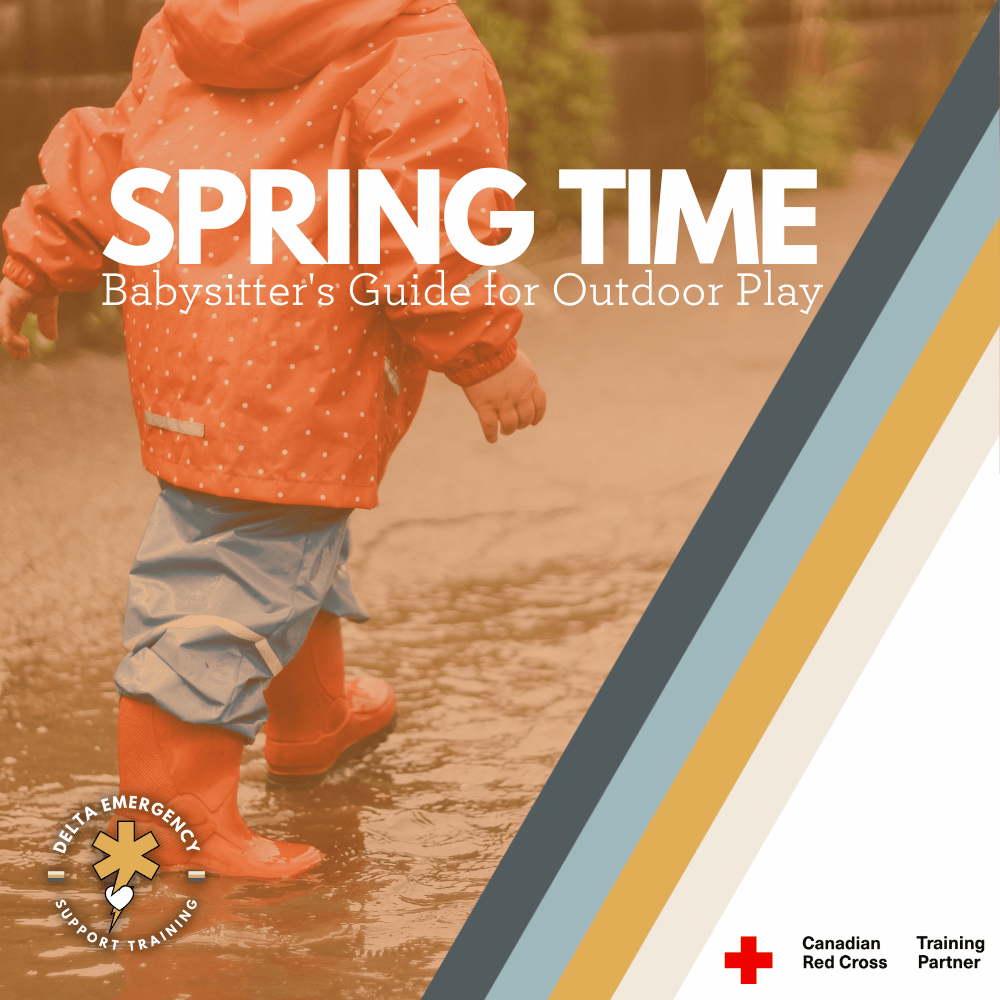
Spring Time: Babysitter's Guide for Outdoor Play
As a babysitter, navigating springtime weather can be a challenge, but with the right preparation, you can ensure that the kids you care for are ready to tackle outdoor play with confidence. From layering clothing strategically to packing essential accessories, this guide equips you with practical tips to handle any weather curveballs that spring may throw your way. Stay tuned for expert advice on empowering kids to embrace the joys of outdoor exploration while staying comfortable and safe under your watchful eye.
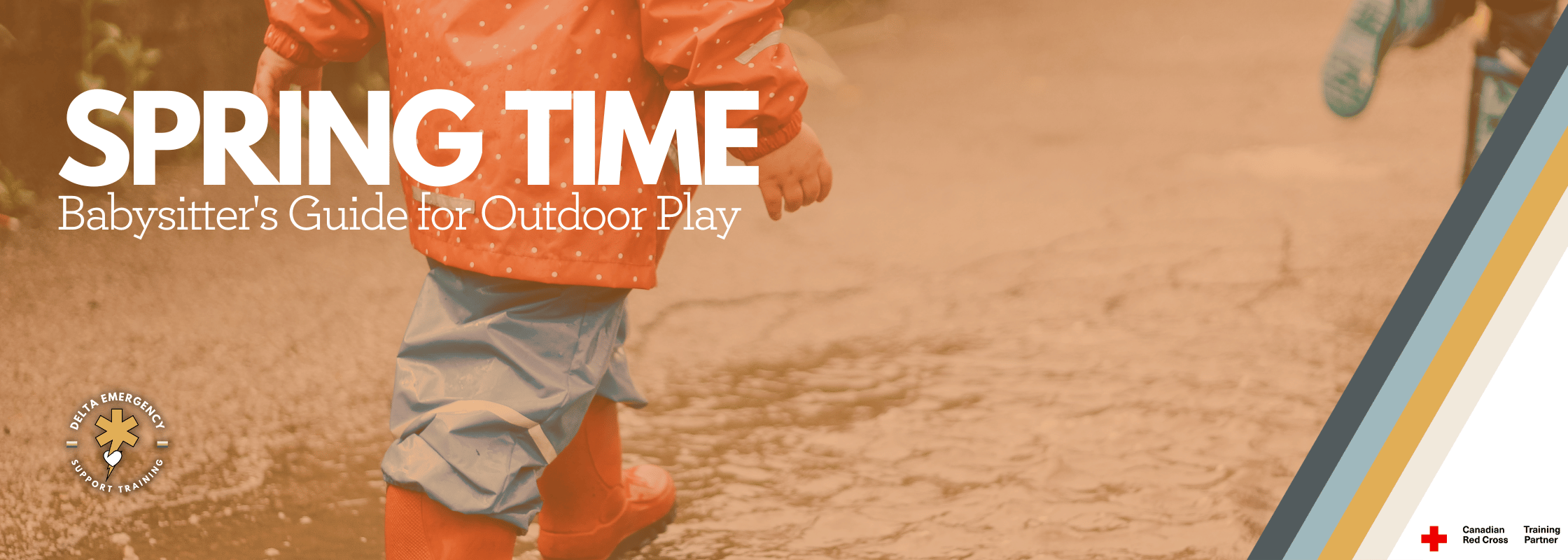
CHILD IN RAIN GEAR PLAYING IN PUDDLES
As a babysitter, ensuring that the children you care for are dressed appropriately for outdoor play in spring is crucial. With the weather transitioning from cold to warm, and often unpredictable, it's essential to be prepared for anything Mother Nature throws your way. Here's your go-to guide for dressing children for spring outdoor adventures while keeping them comfortable and safe.
1. Layer Strategically:
When dressing children for spring outdoor play, layering is your best friend. Start with a moisture-wicking base layer to keep them dry and comfortable. Then, add a lightweight, breathable middle layer for insulation. Finally, top it off with a waterproof and wind-resistant outer layer to shield them from rain or chilly winds. This way, if temperatures fluctuate throughout the day, layers can be added or removed accordingly to keep them comfortable.
2. Opt for Practical Fabrics:
Choose clothing made from practical fabrics like polyester blends or merino wool, which offer breathability, moisture-wicking properties, and insulation—all essential for unpredictable spring weather. Avoid heavy cotton fabrics, as they tend to absorb moisture and can leave children feeling damp and uncomfortable. Practicality is key when selecting outfits for outdoor play.
3. Essential Accessories:
Don't forget the accessories! Equip children with a waterproof jacket or raincoat, a pair of sturdy gum boots to keep their feet dry in muddy conditions, and a wide-brimmed hat to shield their faces from the sun and rain. Additionally, ensure they have sunscreen applied, even on overcast days, to protect their skin from harmful UV rays.
4. Be Prepared:
As a babysitter, always be prepared for unexpected weather changes. Pack a spare set of clothes, including socks and shoes, in case they get wet or muddy during outdoor play. Carry a lightweight, packable umbrella in your bag for unexpected showers. Being prepared ensures that you can handle any weather-related challenges that arise during your babysitting adventure.
5. Encourage Independence:
Encourage children to take an active role in dressing themselves for outdoor play. Provide them with clothing options that are easy to put on and take off, such as Velcro-fastening shoes or zip-up jackets. Teaching them to check the weather forecast and choose appropriate clothing fosters independence and responsibility.
6. Stay Flexible and Have Fun:
Remember to stay flexible and adaptable. Spring weather can be unpredictable, and despite your best efforts, children may still get wet or cold during outdoor play. Embrace the opportunity for spontaneous adventures—jumping in puddles, exploring nature, or even building a snowman if it snows unexpectedly. The key is to have fun and make lasting memories together.
In conclusion, dressing children for spring outdoor play as a babysitter requires preparation, practicality, and flexibility. By layering clothing, choosing practical fabrics, providing essential accessories, being prepared for any weather, encouraging independence, and staying flexible, you can ensure that the children you care for stay comfortable, safe, and ready for fun, no matter what spring weather brings. So, gear up, embrace the adventure, and enjoy the beauty of spring outdoors with the children in your care!
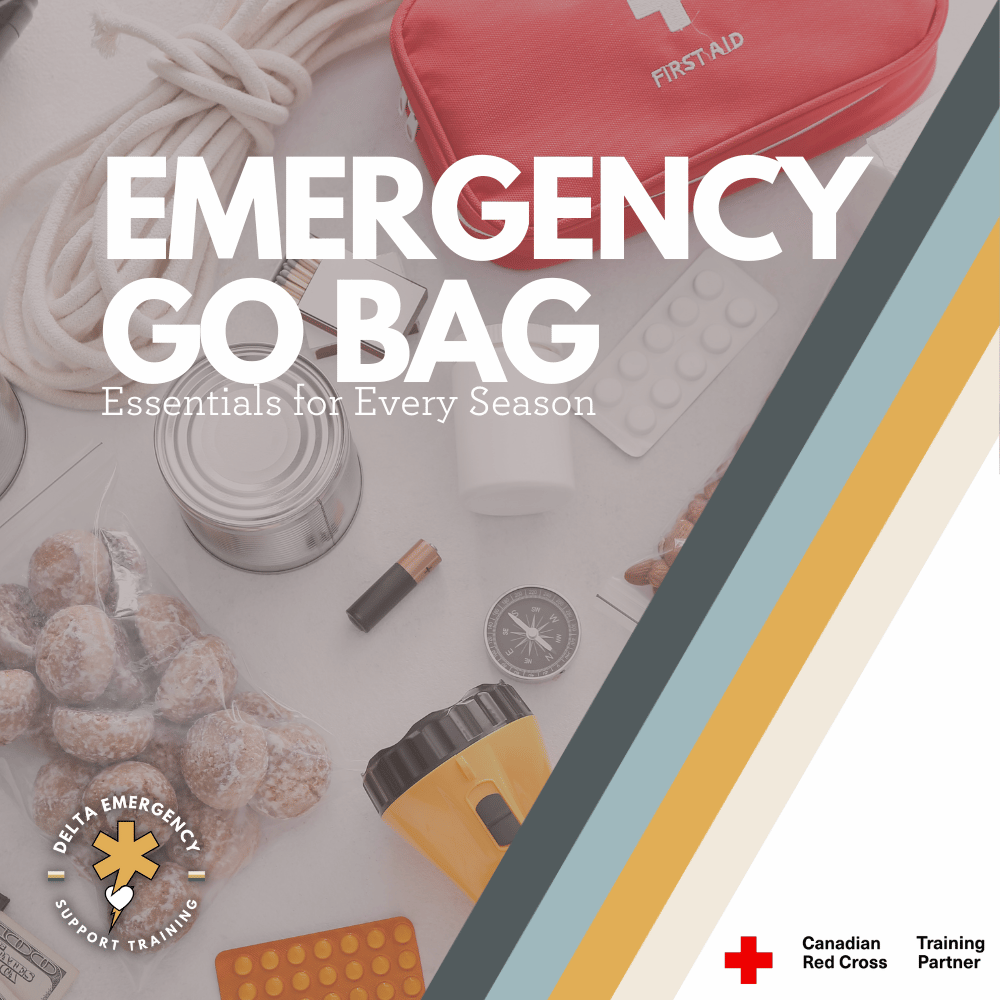
Emergency Go Bag: Essentials for Every Season
In uncertain times, having a well-prepared go bag can be a lifesaver. Emergencies like natural disasters, power outages, or sudden evacuations can strike without warning, necessitating swift action to ensure the safety and well-being of yourself and your loved ones. Learn what to pack and how to stay ready with our detailed checklist.

In uncertain times, having a well-prepared go bag can be a lifesaver. Emergencies like natural disasters, power outages, or sudden evacuations can strike without warning, necessitating swift action to ensure the safety and well-being of yourself and your loved ones. A go bag is a carefully curated collection of essential items tailored to your specific needs and circumstances, providing you with the necessary resources to navigate challenging situations with confidence. In the event of an emergency that requires evacuation, everyone in your household should have a Go Bag packed and ready to go. Your Go Bag should be a sturdy and easy-to-carry backpack or duffle bag containing things you would want to have with you if you have to leave in a hurry.
Specific Evacuation Scenarios
Fire Evacuation:
In the event of a wildfire or structural fire, evacuation may be necessary to ensure safety. Pack your go bag if authorities issue evacuation orders or if you perceive imminent danger.
Be prepared to leave immediately and follow designated evacuation routes. Prioritize safety over belongings and adhere to instructions from emergency responders.
Tornado Warning:
During a tornado warning, seek shelter in a sturdy building or designated tornado shelter. If evacuation is advised due to the severity of the storm, grab your go bag and proceed to the nearest safe location.
Monitor weather alerts and heed evacuation orders from local authorities to minimize the risk of injury or loss of life.
Flooding:
In flood-prone areas, be vigilant for flood warnings or flash flood alerts. If evacuation becomes necessary due to rising waters or compromised infrastructure, secure your go bag and evacuate to higher ground.
Avoid driving through flooded areas, as water depth and currents can be deceptive and pose significant hazards to both occupants and vehicles.
Core Essentials
Water:
Carry at least one gallon of water per person per day for drinking and sanitation purposes. Dehydration is a significant risk during emergencies, especially in situations where access to clean water may be compromised.
Consider portable water purification tablets or filters for additional water sources, ensuring access to safe drinking water even in challenging conditions.
Food:
Pack a 3-day supply of non-perishable, high-energy foods such as granola bars, canned goods, and dried fruits. These items provide sustenance without requiring refrigeration or cooking, essential during prolonged periods away from home.
Include a manual can opener and utensils for food consumption, ensuring you can access canned goods without difficulty even in the absence of electricity.
Medication and First Aid Supplies:
Gather a sufficient supply of prescription medications and over-the-counter remedies, ensuring you have an ample stock to last through any potential disruption in access to healthcare services.
Include a comprehensive first aid kit containing bandages, antiseptic wipes, pain relievers, and any personal medical supplies specific to your household's needs. Injuries and illnesses can occur unexpectedly, making prompt medical attention critical.
Clothing:
Rotate clothing based on seasonal needs, including sturdy shoes, socks, and weather-appropriate outerwear. Hypothermia and heat-related illnesses are significant concerns during emergencies, necessitating proper attire for protection.
Pack spare underwear and comfortable layers for extended periods away from home, prioritizing moisture-wicking materials to manage sweat and maintain comfort in fluctuating temperatures.
Additional Essentials
Flashlight and Batteries:
Include a reliable flashlight with extra batteries to provide illumination in dark or low-light conditions.
Whistle:
Carry a whistle to attract attention and signal for help in case of emergencies, especially if you become trapped or injured.
Dust Mask:
Protect yourself from airborne particles and contaminants with a dust mask, essential for situations involving smoke, dust, or debris.
Local Maps:
Keep local maps in your go bag to navigate unfamiliar areas or evacuation routes, especially if GPS or electronic devices are unavailable.
Manual Can Opener:
Ensure access to canned food supplies with a manual can opener, as electricity may be unavailable during emergencies.
Battery-Powered or Hand-Cranked Radio:
Stay informed about emergency updates and developments with a battery-powered or hand-cranked radio, providing access to news and information even in the absence of electricity.
Entertainment for Children:
Include books, games, puzzles, or other activities for children to help keep them occupied and alleviate stress during evacuation or sheltering.
Conclusion:
A well-prepared go bag tailored to your specific needs and environment can provide peace of mind during emergencies. By including core essentials like water, food, medication, and clothing, along with consideration of specific evacuation scenarios and additional essentials, you can ensure readiness for any situation. Remember to periodically review and update your go bag to maintain its effectiveness. Stay safe, stay prepared!
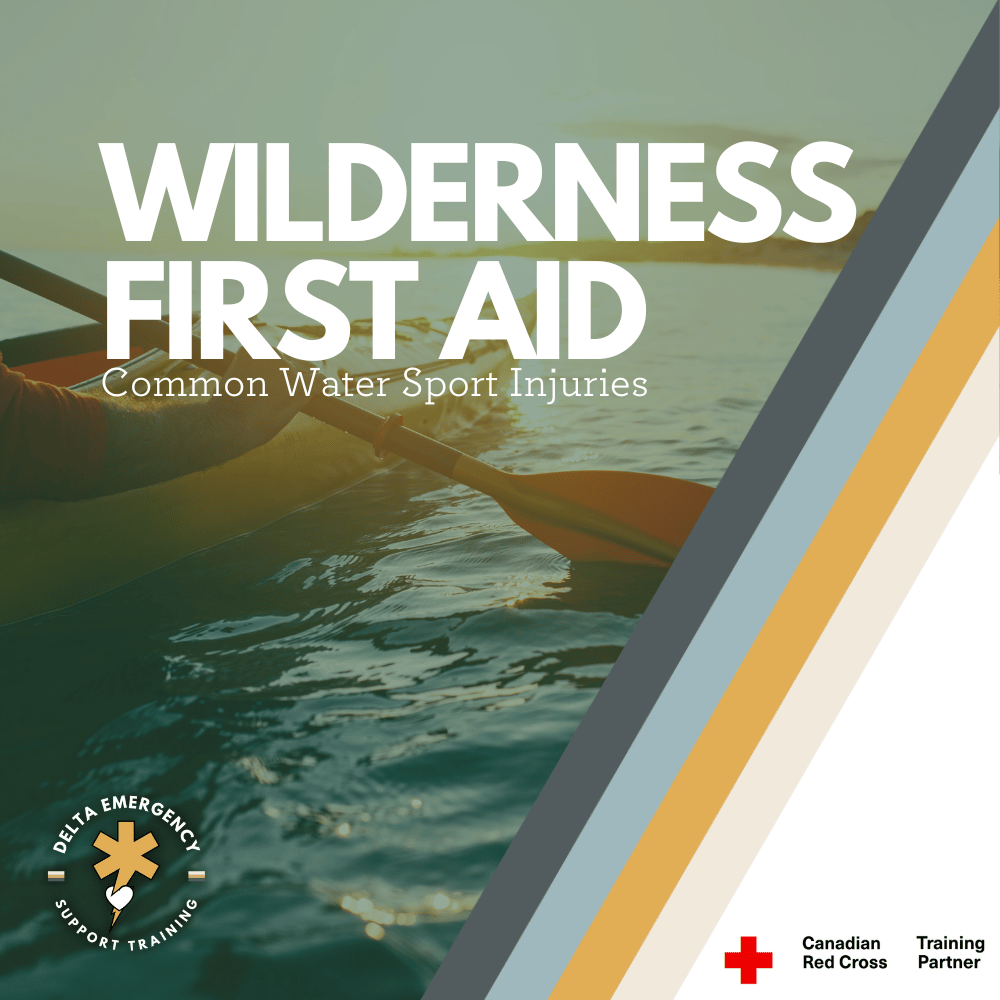
First Aid Essentials for Water Sports Enthusiasts: Handling Common Injuries
Are you an avid water sports enthusiast? Whether you're gliding through waves on a surfboard, paddling down a scenic river in a kayak, windsurfing across a lake, or navigating whitewater rapids in a raft, water sports offer exhilarating experiences in nature. However, along with the thrills come the risks of injury. In this blog series, we'll explore common injuries associated with various water sports and provide essential first aid tips to help you stay safe and prepared for any unexpected situations.

Kyaker on the open water at sunrise
Kayaking
Kayaking offers a serene way to explore waterways while providing a great upper body workout. However, it's essential to be prepared for potential injuries. Here are some common ones and how to manage them:
Capsizing: Capsizing is a common occurrence in kayaking, especially for beginners. If you capsize, stay calm and try to re-enter your kayak or swim to shore if necessary. If someone in your group capsizes, assist them by providing a flotation device and helping them back into their kayak.
Muscle Strains: Paddling requires repetitive motion, which can strain muscles in your arms, shoulders, and back. If you experience muscle strain, take a break from paddling, stretch gently, and apply ice packs to reduce inflammation. Over-the-counter pain relievers can also help alleviate discomfort.
Hypothermia: Cold water can quickly lead to hypothermia, especially in colder climates or during long paddling sessions. Dress appropriately for the water temperature, wear a wetsuit or drysuit if needed, and carry spare clothes in a waterproof bag. If you or someone in your group shows signs of hypothermia (such as shivering, confusion, or numbness), get out of the water, remove wet clothing, and wrap them in warm, dry blankets or clothing.
By being prepared and knowing how to respond to common injuries, kayakers can enjoy their time on the water safely.
Surfing
Surfing is an exhilarating water sport that challenges both body and mind. While riding the waves, surfers may encounter various injuries. Here's how to address some common ones:
Surfboard Injuries: Surfboards can cause cuts, bruises, and lacerations if surfers fall or collide with them. Clean the wound with antiseptic wipes or soap and water, apply pressure to stop any bleeding, and cover it with a sterile bandage or gauze. Seek medical attention for deep cuts or wounds that won't stop bleeding.
Surfer's Ear: Prolonged exposure to cold water and wind can lead to surfer's ear, a condition where bony growths develop in the ear canal. To prevent surfer's ear, wear earplugs while surfing, especially in cold or windy conditions. If you experience symptoms such as ear pain, water trapped in the ear, or hearing loss, consult a doctor for proper diagnosis and treatment.
Drowning: While rare, drowning is a serious risk associated with surfing, particularly in rough seas or strong currents. Practice water safety by surfing within your skill level, never surfing alone, and being aware of your surroundings. If you or someone else is struggling in the water, call for help immediately and attempt a rescue if it's safe to do so.
Stay tuned for the next part of our series where we'll explore injuries in windsurfing!
Windsurfing
Windsurfing combines elements of sailing and surfing, offering a thrilling experience on the water. However, it also comes with its share of potential injuries. Here's how to manage some common ones:
Windsurfing Equipment Injuries: Windsurfing gear, including the board, mast, and sail, can cause injuries if mishandled or if there's a collision with other surfers or objects in the water. If you sustain an injury from windsurfing equipment, assess the severity of the injury, administer first aid as needed, and seek medical attention if the injury is severe or if there's any doubt.
Sunburn: Spending hours on the water under the sun can lead to painful sunburns. Protect your skin by wearing sunscreen with a high SPF, covering up with rash guards or wetsuits, and wearing a hat and sunglasses to shield your face and eyes from the sun's rays.
Hypothermia: Cold water and wind can lead to hypothermia, especially in cooler climates or during prolonged sessions on the water. Dress appropriately for the conditions, wear a wetsuit or drysuit if needed, and take regular breaks to warm up if you start feeling cold.
By being aware of the risks and taking precautions, windsurfers can enjoy their time on the water safely.
Rafting
Rafting offers an adrenaline-filled adventure as you navigate through rapids and cascading waterfalls. While it's an exciting activity, it's essential to be prepared for potential injuries. Here are some common ones and how to address them:
Strains and Sprains: Maneuvering the raft and paddling through rough waters can strain muscles and ligaments. If you sustain a strain or sprain, rest the affected area, apply ice packs to reduce swelling, and elevate the injured limb if possible. Over-the-counter pain relievers can help alleviate discomfort.
Whitewater Rafting Injuries: Rafting in whitewater rivers carries inherent risks, including collisions with rocks, overturning the raft, and getting pinned under the water. If you're thrown from the raft, try to stay calm, float on your back with your feet downstream, and swim towards the shore if possible. Follow your guide's instructions and use proper safety equipment, including helmets and life jackets, to minimize the risk of injury.
Dehydration: Spending hours on the water under the sun can lead to dehydration, especially in warmer climates. Drink plenty of water before, during, and after your rafting trip to stay hydrated. Consider bringing electrolyte-rich drinks or snacks to replenish lost fluids and minerals.
By being prepared and knowing how to respond to common injuries, rafters can enjoy their time on the water safely.
With these first aid tips in mind, water sports enthusiasts can navigate the challenges of their chosen activities while staying safe and prepared for any unexpected situations. Stay tuned for more articles in our First Aid Essentials series, where we'll continue to explore safety tips and injury management for various outdoor activities.

Child Safety: The Essential Guide to Correct Car Seats
In a world where safety is everything, your child is truly precious cargo. That's why our comprehensive guide to child car seats is essential for every parent and caregiver. From understanding the different types of seats to mastering proper installation techniques, we've got you covered. Whether it's selecting the right seat for your child's age and size or ensuring compliance with safety regulations, our expert advice will help you navigate the road with confidence, knowing your little one is protected every mile of the way.
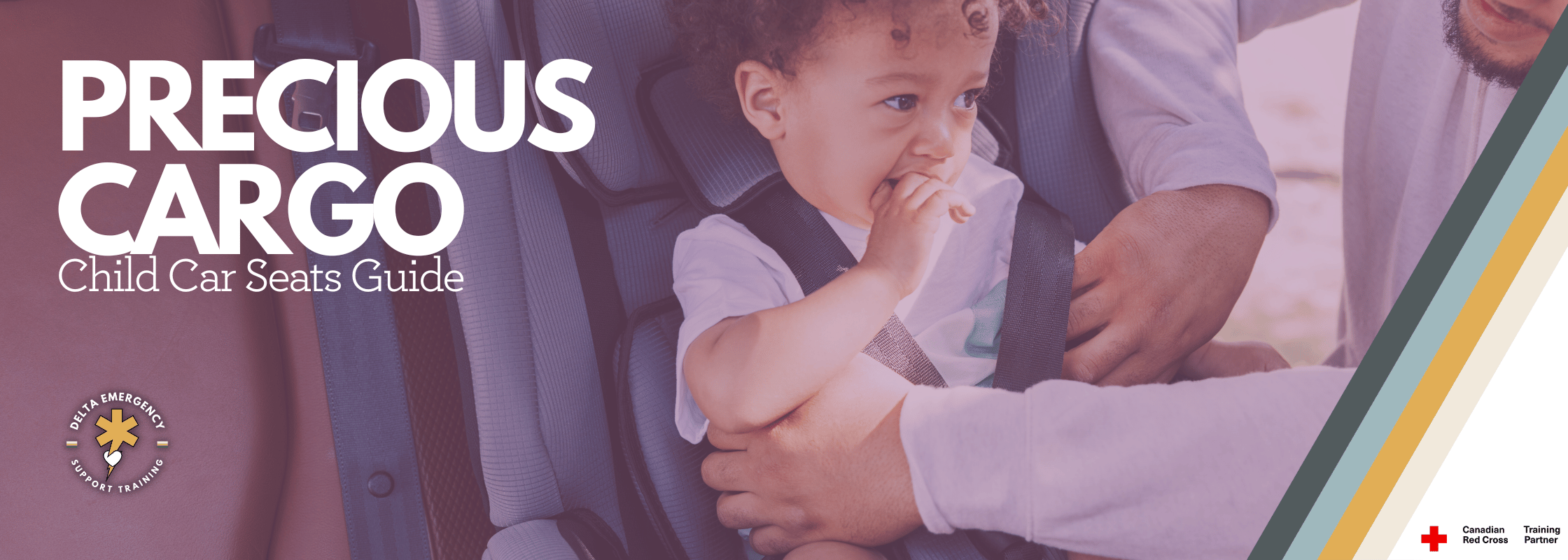
Little girl being buckled into car seat by her father
Ensuring the safety of our children is a responsibility that transcends all others, especially when it comes to travel in vehicles. The choice of car seat and the manner in which it's used can make all the difference in safeguarding our precious passengers. Let's delve into the crucial aspects of selecting and utilizing the right car seat for your child's age, weight, and height.
Understanding the Types of Car Seats
Rear-Facing Car Seat:
For infants, a rear-facing car seat is non-negotiable. It provides optimal protection for delicate heads, necks, and spines during sudden stops or crashes. As your child grows, transitioning to a larger rear-facing seat, and continuing its use until they reach the manufacturer's weight and height limits, ensures their safety until the age of 2, 3, or even 4 years old.
Forward-Facing Car Seat:
Once your child outgrows the rear-facing seat and reaches at least 2 years old, they can graduate to a forward-facing car seat equipped with a 5-point harness. It's crucial to keep them in this harness until they weigh at least 18 kg (40 lb) and can sit upright without slouching or unbuckling—a milestone typically achieved around 4, 5, or even 6 years old.
Booster Seat:
Upon outgrowing the forward-facing seat, usually around 4 years old and at least 18 kg (40 lb), transitioning to a belt-positioning booster seat is the next step. However, it's paramount that your child can sit correctly in the booster seat, ensuring the lap belt rests snugly across their hips and the shoulder belt lies across their chest and collarbone, between the neck and shoulder.
Seat Belt:
Once your child reaches a height of at least 145 cm (4’ 9”), they may be ready to transition to using an adult seat belt. However, it's imperative that the belt fits them properly—knees bent comfortably, lap belt low and snug across the hips, and shoulder belt positioned between the neck and shoulder without causing discomfort.
Installation and Usage Guidelines
Installing a Car Seat with a 5-Point Harness:
Place the car seat in the back seat and secure it using the Universal Anchorage System (UAS) or the vehicle seat belt.
Ensure the seat is tightly secured, with minimal movement.
Follow the manufacturer's instructions for recline angle adjustment (for rear-facing seats) and tether strap usage (for forward-facing seats).
Securing Your Child in a 5-Point Harness:
For rear-facing children, adjust harness straps to be level with or just below the shoulders.
For forward-facing children, position harness straps at shoulder level or just above.
Tighten harness straps snugly, ensuring no slack or twists, and place the chest clip at armpit level.
Avoid bulky clothing or snowsuits, as they can interfere with proper harness fit.
Using a Booster Seat:
Ensure the lap belt fits low and snug across the hips and the shoulder belt rests over the chest and collarbone.
Follow manufacturer instructions for routing the seat belt through any guides or armrests.
Ensuring Safety and Compliance
Always check for the National Safety Mark and review age, weight, and height limits specified by the manufacturer.
Replace car seats involved in any crash, even minor ones, and be mindful of expiration dates.
Regularly check for recalls and register the seat with the manufacturer for updates.
Utilize online resources, community car seat clinics, and manufacturer tutorials for guidance and support.
Additional Safety Tips
Never leave a child unattended in a car and use memory aids to prevent unintentional forgetfulness.
Avoid using unauthorized accessories and ensure the infant carrier is securely placed and never on elevated surfaces.
Prioritize safe sleep practices by removing the child from the car seat upon arrival.
In conclusion, correct car seat usage is paramount for ensuring the safety and well-being of our children during travel. By adhering to safety regulations, following installation and usage guidelines, and staying informed about safety updates, we can mitigate risks and provide the highest level of protection for our precious passengers. Let's commit to prioritizing child safety on the road, one journey at a time.
Proactive Strategies for De-escalating Mental Health Crisis Calls as a First Responder
Building a rapport is essential in establishing a foundation for successful de-escalation. Approach the individual calmly and respectfully, maintaining a non-confrontational demeanor. Use open-ended questions to encourage dialogue and facilitate a deeper understanding of the situation. Establishing common ground and demonstrating genuine concern for their well-being can help alleviate anxiety and defensiveness.

In the realm of emergency response, encounters with individuals experiencing mental health crises demand a unique blend of professionalism, empathy, and strategic intervention. Addressing such situations requires not only swift action but also a nuanced approach to de-escalation aimed at diffusing tension, building rapport, and ensuring the safety and well-being of all parties involved. As first responders, it is incumbent upon us to equip ourselves with the necessary tools and techniques to navigate these complex scenarios effectively.
1. Assessing for Safety
Prioritize the safety of both the individual in crisis and yourself and your team. Conduct a thorough assessment of the immediate environment for potential hazards or weapons. If the situation poses an imminent risk of harm, take necessary precautions to ensure everyone's safety, including calling for backup or additional resources as needed. Communicate clearly and assertively, setting clear boundaries and expectations while maintaining a respectful tone.
2. Active Listening
Effective communication begins with active listening. When engaging with an individual in crisis, prioritize attentive listening to understand their concerns, emotions, and underlying needs. Demonstrate empathy and validate their experiences, fostering a sense of trust and rapport. Reflective listening techniques, such as paraphrasing and summarizing, can convey understanding and empathy while clarifying any misunderstandings.
3. Establishing Rapport
Building a rapport is essential in establishing a foundation for successful de-escalation. Approach the individual calmly and respectfully, maintaining a non-confrontational demeanor. Use open-ended questions to encourage dialogue and facilitate a deeper understanding of the situation. Establishing common ground and demonstrating genuine concern for their well-being can help alleviate anxiety and defensiveness.
4. Providing Reassurance and Validation
Individuals in crisis often experience overwhelming feelings of distress, hopelessness, and isolation. Offer reassurance and validation, acknowledging their emotions without judgment. Assure them that help is available and that their well-being is a priority. Avoid minimizing or dismissing their feelings; instead, validate their experiences and express confidence in their ability to cope and overcome challenges.
5. Collaborative Problem-Solving
Engage the individual in collaborative problem-solving to explore potential solutions and coping strategies. Empower them to identify their needs and preferences, encouraging autonomy and self-efficacy. Offer support and guidance in exploring alternative perspectives and developing adaptive coping mechanisms. Utilize your training and expertise to provide practical assistance and connect them with appropriate resources, such as mental health services or crisis hotlines.
6. Maintaining Calm and Composure
As a first responder, your demeanor sets the tone for the interaction. Remain calm, composed, and professional, even in the face of challenging circumstances. Manage your own stress reactions and emotions, utilizing mindfulness techniques and self-regulation strategies to maintain a clear and focused mindset. Your ability to remain grounded and composed can instill a sense of stability and reassurance in the individual, facilitating effective communication and de-escalation.
Conclusion
De-escalating mental health crisis calls requires a multifaceted approach rooted in empathy, communication, and proactive intervention. By prioritizing active listening, rapport-building, and collaborative problem-solving, first responders can effectively navigate these complex situations while ensuring the safety and well-being of all parties involved. Through compassionate and strategic intervention, we can provide individuals in crisis with the support and resources they need to navigate difficult times and foster pathways to recovery.

Understanding Aspirin (ASA) in Cardiac First Response: A Drug Monograph Overview
Discover how aspirin, a stalwart in medicine, actively intervenes in cardiac emergencies by impeding platelet aggregation, safeguarding against clot progression in coronary arteries. Explore its multifaceted benefits and proactive role in managing cardiovascular conditions effectively.

Two ASPRIN PILLS LEANING AGAINST EACHOTHER.
In the realm of first response having a comprehensive understanding of the medications we administer is crucial. Among these medications, aspirin, also known as acetylsalicylic acid (ASA), holds a significant place, particularly in addressing cardiac-style chest pain. Let's delve into the depths of ASA through a drug monograph lens to comprehend its indications, contraindications, and cautions.
Introduction to Drug Monograph
Drug monographs are like compasses guiding us through the vast sea of medications. They offer a detailed overview, covering everything from why a medication is used to when it should be avoided. Understanding these monographs is paramount as they can make the difference between effective relief and unintentional harm to our patients.
Indications for Aspirin (ASA)
Aspirin is primarily used to address a range of cardiovascular issues. In the realm of emergency response, ASA is particularly crucial for addressing cardiac-style chest pain, commonly linked with heart attacks. Its mechanism of action involves inhibiting platelet aggregation, thereby preventing the exacerbation of clots in coronary arteries rather than directly alleviating pain. This proactive approach reduces the risk of clot enlargement, which could worsen the underlying condition causing the pain.
Contraindications PAAADI
To ensure safe administration of aspirin, it's imperative to heed its contraindications:
Paediatric: Aspirin is not given to children and adolescents due to the risk of Reye's syndrome, a rare but serious condition affecting the brain and liver.
Allergy: Individuals with a known allergy to aspirin or other nonsteroidal anti-inflammatory drugs (NSAIDs) should steer clear of ASA to prevent allergic reactions.
Asthma: Patients with asthma that is exasperated upon taking aspirin should steer clear. Taking ASA may lead to bronchospasm and respiratory distress in our already distressed patients. The last thing we want to do is make it hard to breath for these patients.
Acute bleeds: Aspirin's antiplatelet properties increase the risk of bleeding, making it unsuitable for individuals experiencing acute bleeding episodes.
Dose: Administering aspirin beyond recommended doses can heighten the risk of adverse effects. Adhere to local guideline administration protocols.
Inability to Comply: Patients who cannot comprehend or follow instructions for aspirin use should avoid its administration to prevent misuse or adverse outcomes.
Adhering to these contraindications ensures safe and effective utilization of aspirin in the management of cardiac emergencies.
Cautions PABIS
While aspirin holds immense therapeutic value, certain precautions must be taken into account:
Pregnancy: Aspirin should be used cautiously during pregnancy, especially in the third trimester, as it may increase the risk of bleeding and complications for both the mother and the fetus.
Anticoagulants: Concurrent use of aspirin with anticoagulant medications can potentiate the risk of bleeding, necessitating close monitoring and dose adjustments.
Bleeds: Patients with a history of gastrointestinal ulcers or other bleeding disorders should exercise caution while using aspirin to minimize the risk of bleeding complications.
Internal Bleeds: Individuals with a predisposition to internal bleeding, such as cerebral hemorrhage, should avoid aspirin due to its antithrombotic effects.
Surgery: Aspirin use before surgical procedures may increase the risk of perioperative bleeding, necessitating temporary discontinuation and consultation with healthcare providers.
By adhering to these cautionary measures, healthcare providers can mitigate the risks associated with aspirin use and ensure patient safety.
In conclusion, aspirin, with its potent antiplatelet properties, plays a pivotal role in the management of cardiac-style chest pain during emergencies. However, a thorough understanding of its indications, contraindications, and cautions is essential to ensure safe and effective administration. By heeding these guidelines, we can navigate the complexities of first aid with confidence, knowing that we are equipped to provide optimal care to those in need.
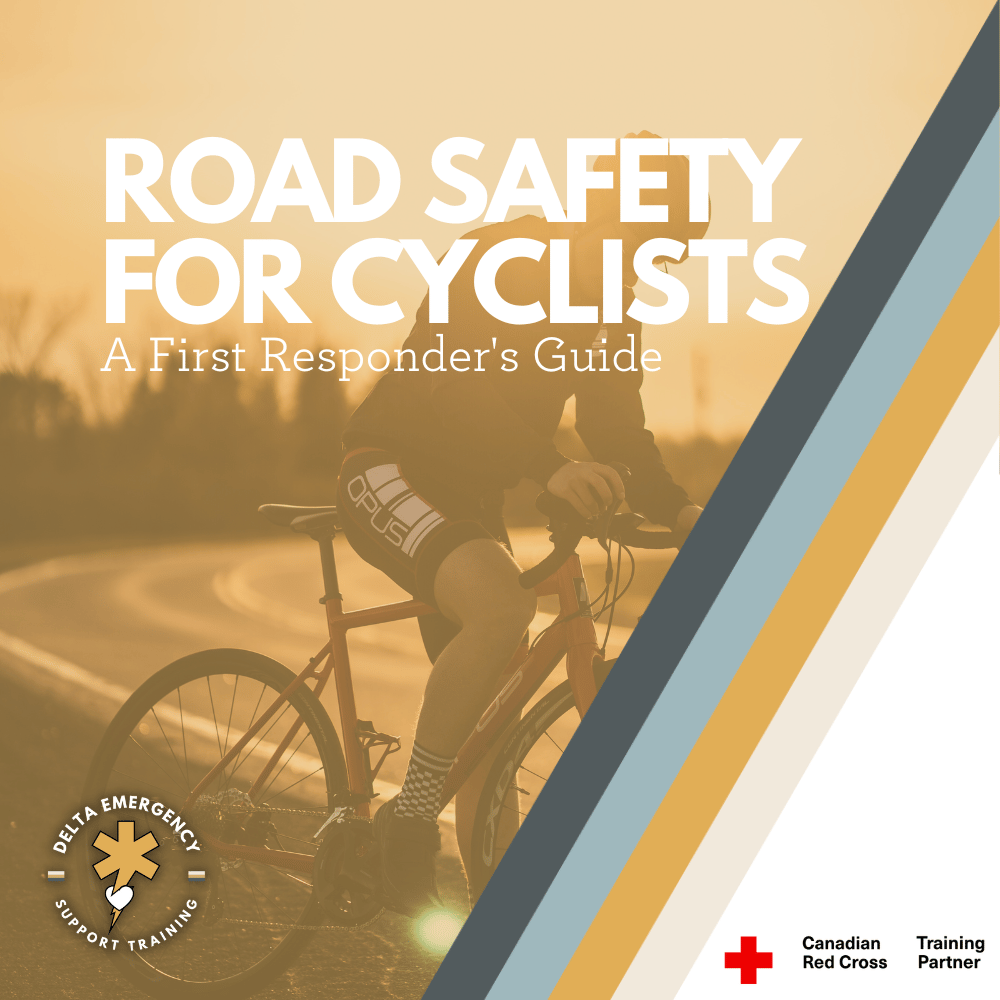
Road Safety Tips for Cyclists: A First Responder's Guide
In our guide for first responders and firefighters, we emphasize crucial road safety tips tailored for cyclists. From the paramount importance of wearing helmets to the necessity of being visible on the road, these insights are indispensable for fostering safer cycling environments. By obeying traffic laws, riding defensively, and utilizing bike lanes effectively, cyclists and motorists can work together to prevent accidents and promote road safety for all.

cyclist riding off to the side of the road
As a first responder, your role in ensuring road safety extends beyond responding to emergencies. It involves proactive measures to prevent accidents and mitigate their impact. When it comes to bicycle safety, understanding the rules of the road and adopting defensive strategies are crucial for both cyclists and motorists. In this guide, we'll explore essential road safety tips for cyclists, equipping first responders and firefighters with knowledge to promote safer roads for everyone.
Wear Your Helmet: The importance of wearing a helmet cannot be overstated. A properly fitted helmet significantly reduces the risk of head injuries in the event of a crash. First responders often witness the devastating consequences of head trauma, making it imperative to stress the importance of helmet use to cyclists. Ensure that your helmet fits snugly and sits level on your head, with the straps securely fastened.
Be Visible: Visibility is key to avoiding collisions, especially in low-light conditions or inclement weather. Cyclists should equip their bikes with front and rear lights, as well as reflectors, to increase visibility to motorists. Wearing brightly colored or reflective clothing further enhances visibility, making it easier for drivers to spot cyclists on the road.
Obey Traffic Laws: Cyclists are subject to the same traffic laws as motorists. This includes obeying traffic signals, yielding to pedestrians, and signaling intentions to turn or stop. By adhering to traffic laws, cyclists can predictably navigate the road, reducing the likelihood of accidents caused by confusion or misinterpretation of cyclist intentions.
Ride Defensively: Defensive cycling involves anticipating potential hazards and taking proactive measures to avoid them. Stay vigilant and alert while riding, scanning the road for obstacles, parked cars, and erratic drivers. Maintain a safe distance from vehicles, especially large trucks or buses, and avoid riding in their blind spots. Additionally, be prepared to react quickly to sudden changes in traffic or road conditions.
Use Bike Lanes and Paths: Whenever possible, utilize designated bike lanes and paths to separate cyclists from vehicular traffic. Bike lanes provide a dedicated space for cyclists, reducing the risk of collisions with motor vehicles. However, remain cautious and watch for obstacles or hazards within bike lanes, such as debris or parked cars.
Communicate Effectively: Communication is essential for safe cycling. Use hand signals to indicate turns, stops, and lane changes, allowing motorists and other cyclists to anticipate your actions. Make eye contact with drivers at intersections to ensure they see you before proceeding. Clear communication enhances mutual understanding on the road, promoting safer interactions between cyclists and motorists.
Conclusion:
As first responders and firefighters, your commitment to road safety extends beyond emergency response to proactive prevention measures. By promoting bicycle safety and educating cyclists and motorists alike, you can help reduce the incidence of accidents and injuries on our roads. Remember, a collective effort to follow the rules of the road and prioritize safety benefits everyone, creating a safer environment for cyclists and motorists alike. Together, we can make our roads safer for all road users.
Navigating Spring's Wild Weather: Road Safety Essentials
As spring breathes new life into the world, travelers are lured by the promise of warmer days and blooming landscapes. Yet, amidst the beauty of this season's renewal lies a dynamic interplay of weather patterns that can catch even the most seasoned adventurers off guard. From the lingering threat of late-season snowstorms to the sudden deluge of spring rains, navigating the hazards of spring demands vigilance and preparation. In this excerpt, we'll delve into essential tips to ensure your safety on the road during this transitional season.

As the grip of winter begins to loosen and the vibrant colors of spring emerge, travelers are drawn to explore the ever-changing landscape with anticipation. However, amidst the beauty of this season's renewal, spring brings forth a myriad of potential hazards that can catch even the most seasoned adventurers off guard. From unpredictable snowstorms to flash floods and unexpected encounters with wildlife, navigating the challenges of spring demands not only preparedness but also a sharp awareness of first aid and safety protocols.
Unpredictable Weather Fluctuations
Spring's transitionary nature brings about a mix of weather conditions, often surprising even the most experienced adventurers. While the days may grow warmer, the lingering presence of snow and the onset of rainstorms underscore the need for caution on the roads. Here are some essential tips to ensure safe travels during this dynamic season:
Monitor Weather Forecasts: Stay informed about upcoming weather patterns and road conditions before setting out on your journey. Be prepared for sudden changes in weather and adjust your plans accordingly.
Pack a Comprehensive First Aid Kit: Equip your vehicle with a well-stocked first aid kit containing essentials such as bandages, antiseptic wipes, pain relievers, emergency blankets, and any necessary medications.
Dress Appropriately: Despite the promise of warmer days, keep rain gear and snow coats in your vehicle. Spring weather can be unpredictable, and having these items on hand can provide crucial protection in unexpected downpours or sudden snowfall.
Maintain Vehicle Readiness: Ensure your vehicle is in optimal condition for spring travel. Check tire tread and pressure regularly, and inspect brakes, lights, and wiper blades for proper functionality. Consider fitting your vehicle with all-weather tires for enhanced traction in varying conditions.
Watch for Wildlife: Be vigilant for wildlife crossing signs, especially in rural or wooded areas. Reduce your speed and exercise caution to avoid collisions with animals on the road. If a collision occurs, assess the situation carefully and provide assistance as needed, while prioritizing safety for all parties involved.
Plan for Emergencies: Prepare for unforeseen circumstances by carrying essential emergency supplies in your vehicle, such as a flashlight, batteries, a multipurpose tool, a portable phone charger, and non-perishable snacks.
Stay Connected: Keep a fully charged mobile phone with you at all times and inform someone of your travel plans, including your route and expected arrival time. In the event of an emergency, having communication and a designated contact can expedite assistance.
Flash Floods and Mudslides:
Spring's thaw brings melting snow and heavy rains, increasing the risk of flash floods and mudslides, particularly in areas with steep terrain or poor drainage systems. If you encounter a flooded road while driving, do not attempt to cross it. Even shallow water can sweep vehicles away, putting you and your passengers in grave danger. Instead, turn around and find an alternate route to safety. If you find yourself trapped in a mudslide, stay inside your vehicle and await rescue, using your first aid kit to address any injuries sustained during the ordeal.
Wildlife Encounters:
As spring arrives, wildlife emerges from hibernation and begins to roam in search of food and mates. This increased activity can lead to more frequent encounters between animals and vehicles, posing a risk to both drivers and animals alike. If you encounter wildlife while driving, reduce your speed and use caution, particularly in areas known for animal crossings. If a collision occurs, assess the situation carefully and use your first aid skills to provide assistance to any injured parties, including both humans and animals.
In conclusion, navigating spring's hazards requires a combination of preparedness, awareness, and first aid skills. By staying informed about potential dangers, packing a well-stocked first aid kit, and remaining vigilant behind the wheel, travelers can minimize the risks associated with springtime travel and enjoy a safe and memorable journey. Remember, when it comes to road safety, being prepared can make all the difference in the world. Safe travels!
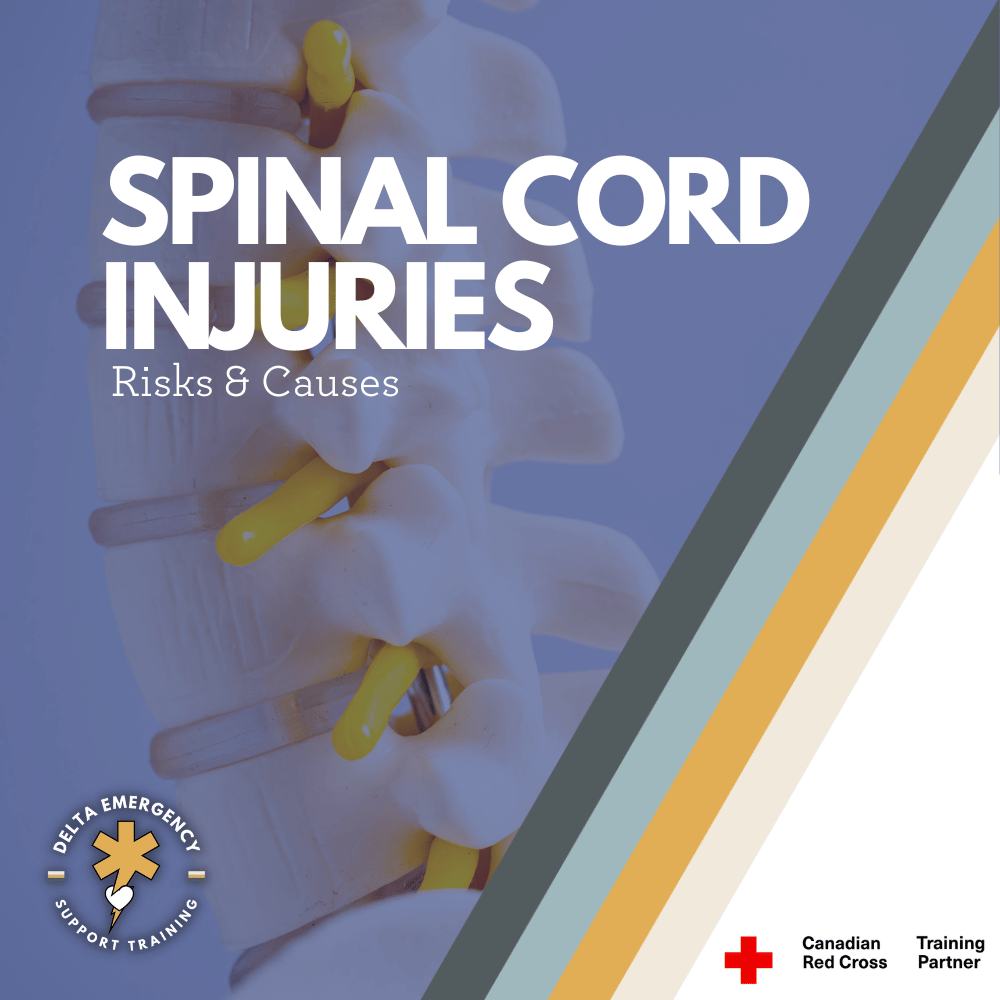
Spinal Cord Injuries: Risks, Causes, and Implications
The spinal cord serves as the central pathway for transmitting signals between the brain and the body, regulating movement, sensation, and autonomic functions. Damage to the spinal cord disrupts these essential functions, leading to impairments. Certain factors increase the likelihood of SCIs, including traumatic incidents like motor vehicle accidents and falls. Underlying medical conditions such as spondylitis, scoliosis, and spinal tumors can also predispose individuals to spinal cord injuries. Understanding these factors informs preventive measures, timely interventions, and rehabilitation strategies, optimizing outcomes for those affected.

Spinal cord injuries (SCIs) represent a significant challenge in the medical landscape, with far-reaching impacts on physical, emotional, and social well-being. While traumatic incidents such as accidents and falls are common causes, various underlying medical conditions can also predispose individuals to spinal cord injuries. In this comprehensive medical blog, we delve into the intricacies of SCIs, identifying who is at risk, what factors increase susceptibility, and the implications for affected individuals, including those with conditions like spondylitis, scoliosis, and others.
Anatomy and Function of the Spinal Cord
The spinal cord serves as the central pathway for transmitting signals between the brain and the rest of the body, regulating movement, sensation, and autonomic functions. Encased within the vertebral column, it consists of nerve fibers and tissues crucial for relaying sensory information and coordinating motor responses. Damage to the spinal cord disrupts these essential functions, leading to a spectrum of impairments depending on the severity and location of the injury.
Risk Factors for Spinal Cord Injuries
While SCIs can occur in anyone, certain factors increase the likelihood of sustaining such injuries:
Traumatic Incidents: Motor vehicle accidents, falls, sports-related injuries, and acts of violence are common causes of traumatic SCIs. Engaging in high-risk behaviors, such as reckless driving or participation in contact sports without proper protective gear, elevates the risk.
Age: Young adults between the ages of 16 and 30 are more susceptible to traumatic SCIs due to engaging in risky behaviors. Conversely, individuals aged 65 and older face an increased risk of SCIs resulting from falls, often due to age-related declines in balance and mobility.
Existing Medical Conditions: Certain medical conditions affecting the spine can predispose individuals to spinal cord injuries:
Spondylitis: An inflammatory condition affecting the vertebrae, spondylitis can weaken the spinal column, increasing susceptibility to injury.
Scoliosis: Abnormal curvature of the spine, such as scoliosis, can alter spinal alignment and increase the risk of spinal cord compression or injury.
Degenerative Disc Disease: The natural aging process can lead to degeneration of spinal discs, compromising the stability of the spine and contributing to SCI risk.
Spinal Tumors: Benign or malignant tumors in the spinal cord or surrounding tissues can exert pressure on the spinal cord, leading to compression and potential injury.
Alcohol and Substance Abuse: Alcohol consumption and substance abuse contribute to a significant proportion of traumatic SCIs, impairing judgment and coordination and increasing the likelihood of accidents.
Complications and Implications
Spinal cord injuries can lead to a myriad of complications and long-term implications, including paralysis, bladder and bowel dysfunction, respiratory complications, and psychological and social impact. Prevention and management strategies encompass education, injury prevention measures, timely medical intervention, and comprehensive rehabilitation programs.
Conclusion
By understanding the diverse array of risk factors, causes, and implications associated with spinal cord injuries, healthcare professionals can tailor preventive measures, interventions, and rehabilitation strategies to address the specific needs of individuals at risk or affected by SCIs. Through ongoing research, education, and multidisciplinary collaboration, we strive to mitigate the impact of SCIs and enhance the quality of life for those affected by these injuries, including those with underlying medical conditions affecting the spine.
Babysitting Safety Tips: Ensuring the Well-Being of the Children in Your Care
Investing in your education as a babysitter is paramount. Delta Emergency Babysitting classes offer a comprehensive online curriculum designed to equip you with the physical skills, knowledge, and invaluable tricks of the trade needed to excel in your role. These classes, accessible across Canada, go beyond the basics, providing insights into handling emergencies, navigating challenging situations, and fostering a safe and nurturing environment for the children under your care. By enrolling in Delta Emergency Babysitting classes, you'll gain the confidence and competence necessary to handle any scenario that may arise while babysitting, ensuring the well-being and security of the children entrusted to you.

Kids hanging out having a good time
Babysitting is not just about entertaining children; it's also about keeping them safe and secure. Whether you're a seasoned babysitter or just starting out, implementing safety precautions is crucial to ensure a smooth and secure experience for both you and the children you're looking after. Here are some detailed safety tips to help you navigate your babysitting responsibilities with confidence:
1. Familiarize Yourself with the Home Environment
Before the parents or guardians leave, take a tour of the house to familiarize yourself with the layout, potential hazards, and where essential items are kept. This includes knowing where the first aid kit, emergency contact numbers, and fire extinguishers are located.
2. Emergency Contact Information
As mentioned, it's essential to have the address written on a sticky note and placed on the fridge, along with parents' or guardians' phone numbers. In case of an emergency, you'll have immediate access to this vital information without delay.
3. Communication Plan
Have either the family home line or your own cell phone handy to call anyone in case of an emergency. Additionally, keep in touch with the family to update them on activities, changes of plans, or any concerns that arise during your time babysitting.
4. Childproofing Measures
Ensure that the home environment is childproofed to prevent accidents. This includes keeping cleaning supplies, medications, sharp objects, and small choking hazards out of reach of children. Secure cabinets and drawers containing potentially dangerous items.
5. Fire Safety
Familiarize yourself with the home's fire escape plan and ensure that smoke detectors are working correctly. Teach children about fire safety, including the Stop, Drop, and Roll technique, and how to crawl under smoke if necessary.
6. Water Safety
If there's a pool or bathtub in the house, never leave children unattended near water, even for a moment. Make sure children wear appropriate flotation devices if they're swimming and know basic water safety rules.
7. First Aid Skills
It's crucial to have basic first aid knowledge, including CPR and choking rescue techniques. Take a certified first aid and CPR course to prepare yourself for any emergencies that may arise while babysitting.
8. Allergies and Medical Needs
Ask the parents or guardians about any allergies or medical conditions the children have, as well as any medications they may need. Ensure you know where medications are stored and how to administer them if necessary.
9. Stranger Danger
Teach children about stranger danger and the importance of not opening the door to anyone they don't know. Instruct them to always check with you or their parents before answering the door.
10. Safe Play
Encourage safe play by providing age-appropriate toys and activities. Supervise children closely, especially when they're engaging in physical activities or playing outdoors.
11. Safe Sleeping Environment
Ensure that infants and young children have a safe sleeping environment by placing them on their backs in a crib with no loose bedding, pillows, or stuffed animals. Follow safe sleep guidelines to reduce the risk of Sudden Infant Death Syndrome (SIDS).
12. Stay Calm and Collected
In the event of an emergency, it's essential to stay calm and collected. Assess the situation, and if necessary, call emergency services immediately. Follow any first aid procedures you've learned until help arrives.
Conclusion
In addition to these safety tips, consider enrolling in Delta Emergency Babysitting classes, which are available online across Canada. These classes provide not only physical skills but also invaluable knowledge and tricks of the trade to help you become the best babysitter you can be. By investing in your education and preparation, you'll be equipped to handle any situation with confidence and ensure the well-being of the children under your care. Remember, being a babysitter is not just about supervising playtime; it's about safeguarding precious lives and creating a secure environment where children can thrive.
Stress Management for First Responders
In the turbulent world of first response, stress manifests in subtle yet insidious ways, often eluding detection amidst the chaos of the job. For firefighters, EMTs, and police officers alike, irritability, frustration, and emotional distance from loved ones serve as silent signals of mounting stress. Recognizing these signs is paramount, as they herald the onset of burnout and jeopardize both mental and physical well-being. By acknowledging these warning signs and proactively seeking support, first responders can navigate the relentless demands of their profession with resilience and grace, ensuring their ability to continue serving their communities with unwavering dedication.

Mans head handing heavy in his hands
Dealing with Stress as a First Responder
In the realm of first response, the pressures are unparalleled, the stakes are sky-high, and the toll on mental and physical well-being is often underestimated. Whether you're a firefighter rushing into blazing infernos, an EMT navigating chaotic emergency scenes, or a police officer confronting danger head-on, the weight of the job can be overwhelming. In the relentless pursuit of saving lives and ensuring public safety, first responders frequently find themselves grappling with an insidious adversary: stress.
The Heavy Burden of High-Stress Professions:
First responders operate in an environment where stress is not just a companion but a constant presence. The intensity of their roles, combined with the unpredictability of emergencies, creates a perfect storm for burnout. Witnessing traumatic incidents, experiencing life-threatening situations, and confronting human suffering on a daily basis can inflict deep wounds on the psyche. These wounds, though not always visible, leave an indelible mark that can linger long after the sirens have faded.
Recognizing the Signs:
Identifying the signs of stress is crucial for first responders to address their well-being proactively. Symptoms may manifest in various forms, such as irritability, frustration, emotional numbness, and distancing oneself from loved ones. Recognizing these warning signs early on can pave the way for timely intervention and support.
Managing Stress: Finding Solace Amidst the Chaos:
Amidst the chaos of their demanding professions, first responders must carve out moments of respite to safeguard their mental and physical health. Embracing the healing power of nature can serve as a potent antidote to stress. Studies have shown that spending time outdoors can lower cortisol levels, promote relaxation, and rejuvenate the mind.
In addition to reconnecting with nature, first responders can explore various stress management techniques to regain equilibrium:
Mindfulness and Meditation:
Cultivating mindfulness practices can help first responders anchor themselves in the present moment, fostering a sense of calm amidst turmoil.
Physical Exercise:
Engaging in regular exercise not only enhances physical fitness but also releases endorphins, the body's natural stress relievers.
Seeking Support:
Building a robust support network comprising colleagues, friends, and mental health professionals can provide a crucial safety net during challenging times.
Setting Boundaries:
Establishing clear boundaries between work and personal life is essential to prevent burnout and maintain a healthy work-life balance.
The Silent Toll: Impact on Mental and Physical Health
The ramifications of unmanaged stress extend far beyond the confines of the workplace, seeping into every facet of a first responder's life. Prolonged exposure to high levels of stress can lead to a myriad of adverse health outcomes, including anxiety disorders, depression, insomnia, hypertension, and cardiovascular diseases. Ignoring the warning signs of stress not only jeopardizes the well-being of first responders but also compromises their ability to serve and protect the community effectively.
In conclusion, the journey of a first responder is fraught with challenges, but it is also imbued with purpose and meaning. By acknowledging the reality of stress, recognizing its manifestations, and implementing effective coping strategies, first responders can navigate the turbulent waters of their profession with resilience and grace. Together, let us shine a light on the silent struggle of those who dedicate their lives to keeping us safe and honor their unwavering commitment with unwavering support.
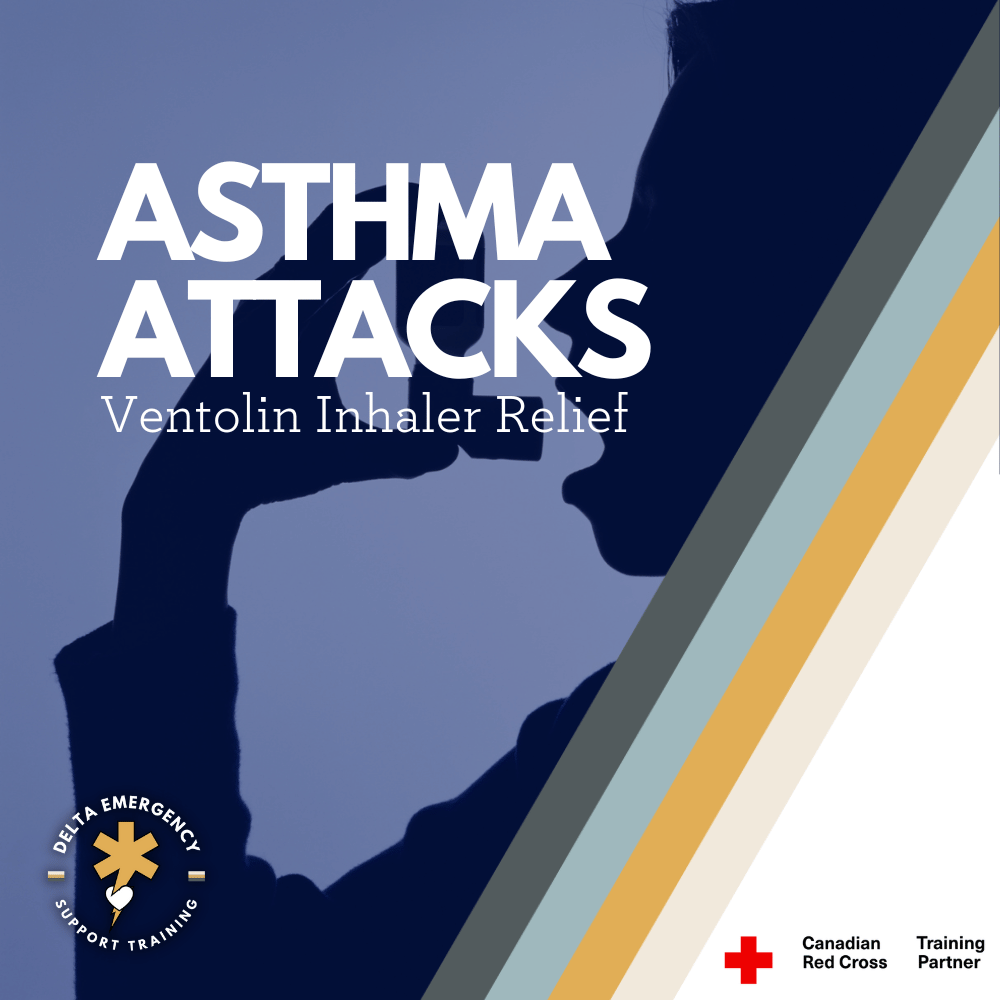
Managing Asthma Attacks: Quick Relief with Ventolin Inhaler
Picture a serene moment shattered by the sudden tightness in your chest, each breath a struggle against an unseen adversary. For those living with asthma, this scenario is all too familiar. Yet, in the midst of such turmoil, Ventolin emerges as a steadfast companion. As a short-acting beta-agonist, it swiftly eases the constriction of airways, offering rapid relief during asthma flare-ups. Recognizing the telltale signs – wheezing, coughing, shortness of breath, and chest tightness – is crucial. Swift action, including the timely administration of Ventolin, can make all the difference in reclaiming control over breathing.

Child using ventolin puffer during asthma attack
During an asthma attack, the airways in the lungs become inflamed, swollen, and narrowed, making it difficult for air to pass through. This results in symptoms such as wheezing, coughing, shortness of breath, and tightness in the chest. Asthma attacks can be triggered by various factors including allergens, exercise, cold air, respiratory infections, and stress.
Ventolin (also known as albuterol) is a commonly used medication for treating asthma attacks. It belongs to a class of drugs called short-acting beta-agonists, which work by relaxing the muscles around the airways, thus opening them up and allowing for easier breathing. Ventolin is typically administered via an inhaler, which delivers the medication directly to the lungs where it is needed most.
When responding to an asthma attack, it's crucial to act quickly to alleviate symptoms and prevent further complications. Here's a step-by-step guide to managing an asthma attack with Ventolin:
Recognize the Symptoms: It's important to be able to recognize the signs of an asthma attack, which may include wheezing, coughing, shortness of breath, chest tightness, and difficulty speaking.
Stay Calm: Panic can worsen asthma symptoms, so try to stay calm and reassure the person experiencing the attack.
Assist the Person to Sit Upright: Sitting upright can help ease breathing by allowing the chest to expand fully.
Administer Ventolin: If the person has a prescribed Ventolin inhaler, help them use it according to the prescribed dosage. Typically, this involves shaking the inhaler, exhaling fully, placing the inhaler mouthpiece in the mouth, pressing down on the inhaler to release a dose of medication, and then inhaling deeply. Hold the breath for a few seconds before exhaling slowly.
Wait and Repeat: After administering the Ventolin, wait for a few minutes to see if the symptoms improve. If symptoms persist or worsen, the dose can be repeated as directed by a healthcare professional.
Seek Medical Assistance if Necessary: If the asthma symptoms do not improve after using Ventolin or if the person's condition deteriorates rapidly, seek emergency medical help immediately.
Follow Up: After the asthma attack has been resolved, it's important for the person to follow up with their healthcare provider to discuss the episode, review their asthma management plan, and make any necessary adjustments to their treatment regimen.
In addition to using Ventolin during an asthma attack, it's essential for individuals with asthma to have a comprehensive asthma management plan developed in conjunction with their healthcare provider. This plan may include strategies for avoiding triggers, taking long-term control medications, and knowing when to use rescue medications like Ventolin. Regular follow-up appointments with a healthcare provider are also important for monitoring asthma control and adjusting treatment as needed.
The Perils of the Firefighter: Understanding Common Injuries
Exploring the realm of firefighter injuries reveals the array of risks they encounter daily, from physical strains to the insidious threat of smoke inhalation. Navigating debris-laden spaces in heavy gear can lead to sprains and strains, compromising mobility and performance. Meanwhile, exposure to toxic smoke presents respiratory hazards with potential long-term effects. Thermal burns, ranging from superficial to deep tissue damage, underscore the necessity of protective gear and adherence to safety protocols. Furthermore, navigating through smoke-filled environments increases the risk of cuts, lacerations, and puncture wounds, emphasizing the importance of prompt medical attention. Proactive safety measures are crucial in mitigating these risks and ensuring the well-being of our firefighters as they courageously serve our communities.
FIREFIGHTER silhouette AGAINST THE BREAK LIGHTS OF THE ENGINE
When we think of firefighters, we often conjure images of heroism, rushing into burning buildings to save lives and property. But behind the valor and the bravery lies a stark reality—firefighting is a hazardous profession. Beyond the flames and smoke, firefighters face a myriad of dangers that put their health and safety at risk every time they respond to a call. In this article, we'll delve into the most common injuries associated with being a firefighter, drawing insights from the National Fire Protection Association's (NFPA) annual statistics released in September 2021.
Sprains and Strains:
One of the most prevalent types of injuries among firefighters is sprains and strains. Picture the chaotic scene of a structure fire—the debris, the obstacles, the unpredictability. Firefighters, weighed down by heavy gear, often maneuver through treacherous environments where a wrong step or a sudden twist can lead to painful consequences. Sprains, which involve the tearing or stretching of ligaments, and strains, which affect muscles or tendons, are almost inevitable in such scenarios. From twisted ankles to strained backs, these injuries can range from mild discomfort to debilitating pain, hampering a firefighter's ability to perform their duties effectively.
Smoke Inhalation:
Inhaling smoke is an occupational hazard that firefighters encounter on a regular basis. Beyond the immediate discomfort of itchy eyes and a scratchy throat, smoke inhalation can have serious consequences. As fires rage, they release a toxic cocktail of particles and gases, including carbon monoxide, cyanide, and other harmful substances. These toxins can infiltrate a firefighter's lungs, causing respiratory distress, pulmonary damage, and in extreme cases, even death. The insidious nature of toxic smoke underscores the importance of proper respiratory protection and vigilant monitoring during firefighting operations.
Thermal Burns:
Perhaps the most visually apparent risk of firefighting is thermal burns. Exposed to extreme heat, firefighters are susceptible to burns of varying degrees, each with its own set of implications. First-degree burns may cause redness and pain, while third and fourth-degree burns penetrate deeper layers of skin, potentially leading to permanent tissue damage and requiring immediate medical attention. The severity of thermal burns underscores the critical need for firefighters to prioritize protective gear and adhere to established safety protocols to minimize exposure to heat and flames.
Cuts or Lacerations:
Navigating through smoke-filled environments littered with debris poses a significant risk of cuts and lacerations for firefighters. Sharp objects, jagged edges, and protruding obstacles can cause skin tears ranging from minor cuts to more severe lacerations. Puncture wounds, in particular, carry the added risk of infection, as foreign objects introduce harmful bacteria into the body. Additionally, avulsions—where skin is completely torn away from underlying tissue—represent a particularly severe form of injury that requires prompt medical intervention to prevent further complications.
In conclusion, firefighting is a demanding and perilous profession that exposes individuals to a multitude of hazards and injuries. From sprains and strains to smoke inhalation, thermal burns, and cuts, firefighters confront a range of risks in the line of duty. While these injuries are an inherent part of the job, proactive measures such as rigorous training, proper equipment maintenance, and adherence to safety protocols can mitigate their occurrence and ensure the health and well-being of those who bravely serve our communities. As we salute the courage and sacrifice of firefighters, let us also recognize the importance of prioritizing their safety and supporting initiatives aimed at minimizing the risks they face on a daily basis.

Mastering the Babysitting Challenge: Navigating Challenging Behaviors with Ease
As a teenage babysitter, encountering challenging behaviors is inevitable. However, with the right strategies, you can transform any situation into a triumph. Explore expert tips and techniques to handle tantrums, disobedience, and more with confidence. Get trained with Delta Emergency Support Training for invaluable skills in childcare.

TWO YOUNG GIRLS COVERING THEIR EARS TO AVOID BABYSITTERS INSTRUCTIONS
As a teenage babysitter, embarking on the adventure of caring for children can be both rewarding and challenging. Amidst the laughter and games, you may encounter behaviors that test your patience and creativity. Fear not! With the right strategies up your sleeve, you can transform any challenging situation into a triumph. Let's dive into some practical tips and tricks to navigate the realm of challenging behaviors like a seasoned pro.
Decoding Challenging Behaviors
Picture this: You're in the midst of babysitting bliss when suddenly, chaos ensues. Understanding the nature of challenging behaviors is your first step towards mastering them.
Aggression: When tiny fists fly or high-pitched screams pierce the air, it's likely a sign of frustration or unexpressed needs. Take a deep breath and remember, you're the calm in their storm.
Disobedience: Ah, the classic battle of wills. Whether it's a defiant glare or outright refusal to comply, remember to stay firm yet empathetic. Setting clear boundaries and offering choices can work wonders.
Tantrums: Cue the tears and dramatics! Tantrums, though exasperating, are often a child's way of coping with big emotions. Stay patient, validate their feelings, and offer comfort until the storm passes.
Attention-Seeking: "Look at me, I'm here!" Children crave attention like plants crave sunlight. Redirect their energy towards positive activities and shower them with praise when they exhibit desirable behavior.
Fearfulness: From monsters under the bed to the boogeyman in the closet, fear can manifest in many forms. Create a safe space, offer reassurance, and tackle fears together with empathy and understanding.
Pro Tips for Success
Now that you've cracked the code on challenging behaviors, let's sprinkle in some pro tips to elevate your babysitting game to legendary status:
Stay Cool, Calm, and Collected: Your demeanor sets the tone for the entire babysitting experience. Embrace your inner Zen master, breathe deeply, and approach each situation with a level head.
Communication is Key: Foster open communication with both the children and their parents. Keep them informed about any challenges or triumphs during your babysitting escapades.
Flexibility is Your Superpower: Plans may go awry, and that's okay! Embrace the unpredictability of childcare with a flexible mindset and a dash of spontaneity.
Creative Problem-Solving: Channel your inner MacGyver and get creative when faced with unexpected hurdles. A little ingenuity goes a long way in the world of babysitting.
Self-Care is Non-Negotiable: Remember to prioritize your own well-being amidst the chaos of childcare. Take breaks, recharge your batteries, and indulge in a bit of self-care to maintain your sanity.
Delta Emergency Support Training: Building Future Babysitters
At Delta Emergency Support Training, we believe in equipping future babysitters with the skills and confidence to manage challenging behaviors effectively. Through our comprehensive training programs, aspiring babysitters learn invaluable techniques for handling a variety of situations, from tantrums to emergencies. With a focus on empathy, communication, and problem-solving, our training prepares babysitters to create a positive and nurturing environment for the children in their care.
Armed with these strategies and a sprinkle of magic, you're ready to conquer any challenge that comes your way. So, go forth, fearless babysitter, and may your adventures be filled with laughter, learning, and endless joy!
The underestimated danger of lighting strikes
Lightning strikes are often underestimated and overlooked when it comes to assessing the dangers of thunderstorms. Yet, they pose a significant threat, capable of causing fatalities and injuries every year. In this article, we'll delve into the risks associated with lightning strikes, including the devastating effects on individuals, and discuss practical measures to stay safe.

single lighting striking into a field
Lightning strikes are often underestimated and overlooked when it comes to assessing the dangers of thunderstorms. Yet, they pose a significant threat, capable of causing fatalities and injuries every year. In this article, we'll delve into the risks associated with lightning strikes, including the devastating effects on individuals, and discuss practical measures to stay safe.
Understanding the Threat:
Every thunderstorm, no matter its intensity, harbors the potential for lightning strikes. Lightning is not only lethal but also unpredictable, making it a formidable hazard. In the United States alone, lightning claims the lives of 20-30 individuals annually and injures hundreds more. Unlike other storm-related dangers like tornadoes or hail, lightning can extend beyond the storm itself, making it the first to arrive and the last to depart.
Safe Shelter:
When thunder roars, seeking shelter becomes imperative. Large enclosed structures with plumbing and electrical wiring offer the safest refuge during thunderstorms. These include buildings like shopping centers, schools, offices, and homes. The presence of plumbing and wiring ensures a more efficient conduction of electricity, reducing the risk to individuals inside. Enclosed metal vehicles such as cars, vans, or buses also provide a viable alternative if no buildings are available.
Unsafe Locations:
Not all structures or vehicles are safe havens during lightning storms. Buildings with exposed openings, like beach shacks, metal sheds, or picnic shelters, pose significant risks. Convertible vehicles, despite having their tops up, offer no protection against lightning. Similarly, vehicles with open cabs, such as golf carts or tractors, should be avoided during thunderstorms.
Developing a Lightning Safety Plan:
Planning ahead is crucial for outdoor events to mitigate the risks posed by lightning. Event coordinators should incorporate a lightning safety plan into their preparations. This plan should address key questions such as identifying the safest shelter, assessing the distance to it, and estimating the time needed to reach it. Having these answers beforehand enhances preparedness and reduces the likelihood of lightning-related incidents.
Acting Promptly:
Studies have revealed that most lightning-related injuries occur before or after the peak of a thunderstorm. Lightning strikes can occur even when the storm is several miles away, emphasizing the importance of swift action. As a rule of thumb, if thunder is audible, you're within striking distance and should seek shelter immediately. Remember, "When thunder roars, go indoors," and remain there until 30 minutes after the last clap of thunder.
Understanding the Devastating Effects:
When lightning strikes a person, the consequences can be catastrophic. Immediate risks include cardiac arrest, severe burns, and damage to the nervous system and brain. The high voltage of a lightning bolt can disrupt the heart's rhythm, leading to sudden cardiac arrest. Lightning generates intense heat, causing severe burns both externally and internally. It can also disrupt the nervous system, leading to symptoms such as numbness, tingling, or paralysis. In severe cases, lightning strikes can cause traumatic brain injury (TBI), resulting in cognitive deficits or permanent disability.
Conclusion:
Lightning strikes may seem remote or rare, but they present a real and significant danger during thunderstorms. By understanding the risks associated with lightning and adhering to safety guidelines, individuals can protect themselves and others from potential harm. Remember, prioritizing safety and taking proactive measures are essential when confronted with the silent killer that is lightning. Stay informed, stay prepared, and stay safe.

Building Bridges: Caring for Kids with Autism
Welcome to the world of superhero babysitting! Whether you're a seasoned childcare professional or a brand-new babysitter, get ready for an adventure like no other. Caring for children with autism is like stepping into a universe of unique abilities, colorful personalities, and incredible strengths.
Just like each superhero has their own superpowers, children with autism have their own extraordinary ways of thinking and processing information. Understanding this spectrum is the key to unlocking a world of joy and connection during your babysitting journey.
Before you embark on this adventure, let's equip you with the superhero toolkit. Think of it as a guide to understanding the quirks, routines, and communication styles that make each child with autism a one-of-a-kind superhero.

wOMAN AND CHILD HOLDING HANDS WHILE WALKING THROUGH A SUNNY FIELD
Babysitting is an adventure, full of laughter and discovery. But when it comes to caring for children with autism, a little extra know-how can make all the difference. Autism spectrum disorder (ASD) is like a puzzle, and each child is a unique piece. In this guide, whether you're a childcare pro or a first-time babysitter, we'll walk you through the journey of making this experience positive, inclusive, and fun for everyone involved.
Understanding Autism
Imagine a rainbow where every color represents a unique way of thinking. That's autism – a spectrum of different abilities, challenges, and strengths. Some kids think in pictures, some love routines, and some might find comfort in specific patterns. Let's explore how you can connect with these incredible children.
Before the Adventure
Before diving into babysitting, let's equip ourselves with the ABCs of autism care.
Learn the Basics:
Autism comes with its quirks. Some kids love repeating actions, others need routine like a daily superhero mission.
Quick Facts about Kids with Autism:
Repetition is common, routines are superheroes.
Simple sentences are like magic spells.
Non-verbal communication is a superpower.
Meet and Greet:
A pre-babysitting visit is like meeting a new friend. Learn about the child's world, understand their routines, and see the magic unfold.
Getting to Know Your Little Superhero
Now, let's dive into the specifics to ensure you're the best babysitter or childcare pro around!
Super Routines and Rules:
Every superhero has a routine. Ask about the child's daily mission and stick to it.
Some kids may get upset if their routine is interrupted, so follow their superhero handbook.
Diet Detective:
Uncover the secrets of the child's diet. Many have unique tastes – superheroes in training might not like certain textures or colors of food.
Communication Magic:
Discover how your little superhero communicates. Some use words, some use signs, and others might be silent superheroes. Adapt to their style.
Problem-Solving Sidekick:
Every superhero faces challenges. Learn what triggers their superpowers or makes them feel uneasy. Understand how to calm them down.
Emergency Heroes:
Superheroes have backup plans. Know who to call in case of an emergency. Understand any special medical conditions, powers, and how to keep them safe.
Connecting with Your Superhero
Building a connection is the key to a super babysitting experience.
Super Interests:
Every superhero has a favorite topic. Discover their passion – it's the gateway to their heart.
Communication Charm:
Use your super communication skills. If words are tricky, try signs, pictures, or just being an awesome listener.
Calmness is a Superpower:
Help your superhero stay calm with tools like stress balls or fidget toys. You're the superhero sidekick they need.
Power of Play:
Engage in activities they love. Be their play partner in crime, whether it's freeze dance or a crafty mission.
Sweet Dreams, Superhero:
Ensure a peaceful night's sleep. Bedtime routines and calming stories can be your secret weapon against sleep troubles.
Meltdown Management 101
Even superheroes have tough moments. Here's how you can be their ultimate ally.
Detect and Deflect:
Identify triggers and avoid them whenever possible.
Tips for Taming Meltdowns:
Distract, stay close, and use calming techniques like breathing exercises or a favorite toy.
Always explain your actions to maintain trust.
Conclusion
Babysitting superheroes with autism is a fantastic journey filled with friendship and discovery. By being a flexible and understanding ally, you're not just a babysitter – you're a superhero sidekick, making the world a little brighter for these incredible kids. Embrace the adventure, and let the fun begin!
Lice Infestations: Guide for First Responders Assisting Vulnerable Populations
Navigating the challenges of lice infestations is a crucial aspect of first responder preparedness. In this comprehensive guide, we explore the intricate details of lice types, transmission modes, and preventive strategies. But our focus extends beyond the basics, shedding light on the unique vulnerabilities of specific populations, such as children facing adversity at home and individuals living in housing shelters.
Understanding the nuances of lice infestations within these groups is essential for compassionate and effective response. Whether it's the limited access to hygiene resources for struggling children or the communal living conditions in shelters, our guide equips first responders with insights and strategies tailored to these diverse scenarios. Explore the intersection of lice awareness, prevention, and empathetic care as we strive to create healthier and more resilient communities.

First responder checking VULNERABLE child for lice infestation
Lice infestations, or pediculosis, can be a common challenge that can disproportionately affect vulnerable populations. This guide aims to equip future first responders with knowledge about the types of lice, their modes of transmission, and effective prevention and treatment strategies, with a special focus on children facing challenges at home and individuals residing in housing shelters.
Understanding Lice:
Lice, tiny parasitic insects that exclusively inhabit humans, come in three common types: body lice, head lice, and pubic lice. Adult lice, approximately the size of a sesame seed, have six legs and range in color from tan to greyish-white. The female lice lay eggs, known as nits, and both adults and immature larvae feed on human blood. The small bites from lice cause intense itching, leading to scratching and a potential risk of secondary skin infections from bacteria on the skin.
Types of Lice:
Body Lice:
Larger than head or pubic lice.
Reside in the seams of clothing.
Infestations can be prevented with regular bathing and access to freshly laundered clothing and bedding.
Head Lice:
Common in children but can affect individuals of any age.
Reside on the scalp, eyebrows, and eyelashes.
Not indicative of poor hygiene; standard shampoos may not effectively remove adults or nits.
Pubic Lice:
Typically inhabit the pubic area but can be found on coarse hair in armpits or beards.
Similar to head lice, transmission is through direct contact.
Mode of Transmission:
Lice are transmitted primarily through direct contact with an infested individual or through contaminated items like clothing, towels, or bedding. Lice crawl and cannot fly, making close personal contact the primary mode of transmission.
Examples of Transmission:
Personal Contact:
Close interaction with an individual carrying lice.
Shared Items:
Using infected bedding, towels, or combs.
Prevention Strategies:
Personal Hygiene:
Regular bathing.
Access to freshly laundered clothing and bedding.
Avoid Sharing Personal Items:
Bedding, towels, and combs should not be shared to minimize the risk of transmission.
Laundering Practices:
Daily laundering of community linens using hot water helps eliminate lice.
Universal Precautions:
Implement proper precautions to reduce the risk of transmission in various situations.
Hand Hygiene:
Regular handwashing with soap and water or using alcohol-based hand rubs is crucial for preventing the spread of lice.
Instrument and Clothing Handling:
Properly handle and dispose of instruments, devices, and contaminated clothing to prevent further transmission.
Addressing Vulnerable Populations:
Children Facing Challenges at Home:
Limited Access to Hygiene Resources:
Regular bathing and access to hygiene resources may be compromised.
Lack of consistent resources increases susceptibility to lice.
Unstable Living Conditions:
Frequent moves or overcrowded living spaces contribute to lice transmission.
Educational outreach to schools and communities is crucial.
Educational Outreach:
First responders can provide information on lice prevention to empower parents and guardians.
Collaborate with educational institutions for targeted outreach programs.
Individuals Residing in Housing Shelters:
Limited Personal Space:
Communal living increases the risk of lice transmission.
Education on personal hygiene and preventive measures is crucial.
Mental Health Challenges:
Stress and mental health challenges can impact personal care routines.
Integrated support systems addressing mental health and hygiene are essential.
Collaborative Solutions:
Collaboration between first responders, healthcare providers, and community organizations is essential.
Support initiatives providing access to hygiene resources, educational programs, and outreach services.
First Responder's Role:
Sensitivity and Understanding:
Approach individuals from vulnerable populations with sensitivity and understanding.
Recognize and address the challenges they face.
Educational Programs:
Incorporate educational programs into community outreach efforts.
Tailor information to the specific needs and challenges of each population group.
Resource Allocation:
Advocate for resources and support systems that address the unique needs of vulnerable populations.
Collaborate with social services, NGOs, and healthcare organizations for comprehensive solutions.
In conclusion, addressing lice infestations among vulnerable populations requires a holistic and empathetic approach. By understanding the challenges faced by children in struggling homes and individuals in housing shelters, first responders can actively contribute to preventive measures, education, and collaborative solutions that promote the well-being of these communities. Compassionate care and targeted interventions are key elements in ensuring that everyone, regardless of their circumstances, can lead healthier lives.