

The Delta Dispatch

5 Life-Saving First Aid Techniques Everyone Should Know
In a world where emergencies can strike at any moment, being equipped with life-saving skills is crucial. Delta Emergency Support Training's First Aid Classes in Calgary, Alberta, go beyond the basics, offering comprehensive training in CPR, back blows, Stop the Bleed, the recovery position, and AED use. With hands-on experience and expert guidance, participants gain the confidence to act decisively in critical situations. Enroll today and become a confident, capable first responder – because your quick response might just save a life.

First aider attends to unconscious man who has AED PADS PLACED ON CHEST
When faced with a medical emergency, having a solid understanding of basic first aid techniques can be the difference between life and death. Whether at home, work, or in public spaces, possessing fundamental first aid skills can empower you to respond effectively and decisively. In this blog, we'll explore five common life-saving first aid techniques that everyone should know.
Cardiopulmonary Resuscitation (CPR):
Cardiopulmonary Resuscitation, or CPR, is a critical skill used to revive individuals experiencing cardiac arrest. By combining chest compressions and rescue breaths, you can maintain blood flow and oxygenation to vital organs until professional medical help arrives. CPR training is widely accessible, and mastering this technique can significantly increase the chances of survival in emergencies.
Back Blows and Abdominal Thrusts:
Choking is a prevalent emergency that can happen anywhere, and knowing how to respond is crucial. The combination of back blows and abdominal thrusts is a technique used to dislodge a foreign object obstructing the airway. Begin with five sharp back blows between the shoulder blades, followed by five abdominal thrusts to force air from the lungs and expel the obstruction. This method can be a lifesaver in situations where swift action is necessary.
Stop the Bleed:
Uncontrolled bleeding is a leading cause of preventable death in emergencies. The "Stop the Bleed" technique focuses on controlling external bleeding until professional medical assistance arrives. Applying direct pressure to the wound with sterile bandages or clothing, using tourniquets when necessary, and elevating the injured limb are essential components of this life-saving skill.
Recovery Position:
The recovery position is a simple yet vital technique used to maintain an open airway for an unconscious person who is breathing. Placing the individual on their side helps prevent choking on vomit or other fluids and promotes proper breathing. This technique is particularly useful in cases of alcohol or drug overdose, where maintaining a clear airway is critical until medical help arrives.
AED (Automated External Defibrillator) Use:
AEDs are portable devices that deliver an electric shock to restore the heart's normal rhythm in cases of sudden cardiac arrest. Learning how to use an AED, in conjunction with CPR, can significantly increase the chances of survival for someone experiencing a cardiac emergency. Many public places and workplaces are equipped with AEDs, making understanding their proper use invaluable in time-sensitive situations.
Delta Emergency Support Training's First Aid Classes in Calgary, Alberta, offer a comprehensive approach to life-saving techniques. By enrolling in these courses, participants gain the skills and confidence to respond effectively to emergencies. From CPR to back blows and abdominal thrusts, Stop the Bleed, the recovery position, and AED use, Delta Emergency Support Training ensures that individuals are well-prepared to make a positive impact in critical situations. Empower yourself with the knowledge that can make a difference – enroll in Delta Emergency Support Training's First Aid Classes today. Your quick response and expertise could be the key to saving lives.
Mastering Entonox: Drug Monograph
Uncover the versatile role of Entonox, commonly known as 'laughing gas,' as a rapid analgesic in emergency response. Delve into the indications for swift pain relief, including its reversible effects and safety advantages. This guide introduces the acronyms DIVINE and SADMC to navigate contraindications and cautions, ensuring precise administration in diverse medical scenarios.
Introduction:
Entonox, colloquially known as "laughing gas" is a valuable tool in the first responder's arsenal, offering rapid analgesic.
In guide, we'll delve into both contraindications and cautions associated with Entonox, using the acronyms DIVINE and SADMC.
How Entonox Works:
When inhaled, Entonox takes approximately 3 to 5 minutes to initiate pain relief, reaching its maximum effect within 5 to 10 minutes. A notable feature of Entonox is its rapid excretion from the body via the lungs upon cessation of inhalation, leading to a prompt reversal of the analgesic effect.
Key Benefits of Entonox:
Rapid Analgesic Effect:
Entonox provides swift pain relief, making it an invaluable tool in emergency situations where quick intervention is paramount.
Reversible Analgesic Effect:
The rapid reversal of the analgesic effect ensures that symptoms are not masked, allowing healthcare providers to assess patients accurately.
Cardiac and Respiratory Safety:
When used properly, Entonox demonstrates no adverse effects on the cardiovascular or respiratory systems, enhancing its safety profile in diverse medical and trauma conditions.
Self-Administration Capability:
Patients can self-administer Entonox, offering a sense of control over their pain management, particularly in situations where immediate assistance may be limited.
Oxygen Enrichment:
With a 50% oxygen concentration, Entonox proves valuable in various medical and trauma scenarios where supplemental oxygen is beneficial, ensuring optimal oxygenation for patients.
Contraindications Acronym
Decompression Sickness (D):
Do not give Entonox to anyone who has recently dived as the nitrous oxide is highly soluble and will increase the inert gas load, making the symptoms of DCI (Decompression Illness) much worse.
Inability to Comply (I):
Patient cooperation is vital; those unable to hold the bite stick and inhale or someone who is in and out of consciousness are not suitable for Entonox
Ventable Space (V):
Proper ventilation is key to prevent gas concentration buildup, ensuring safety in various environments.
Inhalation Injury (I):
Burns to the mouth or throat, or recent exposure to fire and irrigation, warrant avoiding Entonox to prevent respiratory complications.
Nitroglycerin (N):
Caution is needed with recent nitroglycerin use, as combining it with Entonox may lead to fainting.
Embolism/Pneumothorax (E):
Entonox should be avoided with suspected pneumothorax or head injury, given its potential impact on pressure in the body.
Cautions (SADMC):
Shock (S):
Monitor for shock, as Entonox may not work optimally in such cases. It is important to give high flow O2 to a patient with suspected shock.
Abdominal Distention (A):
Similar to concerns with intercranial pressure and pneumothorax, avoid pressurized gas in patients with distended abdomens.
Depressant (D):
Exercise caution when combining Entonox with other depressants like alcohol, ketamine, marijuana, benzodiazepines, or opioids. Synergistic effects can lead to increased depression.
Maxillofacial Injury (M):
Patients with jaw injuries may struggle with the bite stick used in Entonox delivery. Adaptations may be needed for proper administration.
COPD (C):
For patients with COPD that may have alveolar bullae (air pockets or blebs) as nitrous oxide may cause bullae rupture since nitrous oxide enters that closed space more quickly than nitrogen can escape.
Scope of Practice Awareness:
Being attuned to regional scope of practice guidelines is essential for first responders. Variations exist among provinces and private emergency response agencies, emphasizing the need for ongoing education and communication within your team. Stay informed to ensure Entonox is administered safely and effectively, adhering to your specific guidelines.
Practical Application in Training:
As part of our commitment to excellence, our Advanced First Aid courses include practical training in Entonox use. This hands-on experience allows first responders to familiarize themselves with the administration of Entonox in a controlled environment, ensuring confidence and competence in the field.
Conclusion:
By understanding both contraindications and cautions and staying abreast of regional scope of practice guidelines, first responders can navigate the complexities of Entonox administration with precision.
Drug Monographs: The Ultimate Study Guide
As first responders in healthcare, our duty goes beyond quick reactions. Understanding drug monographs is key. They're like essential guides, giving us the lowdown on medications, including what they're for, what to avoid, and when to be cautious. This knowledge is vital – it can mean the difference between helping or accidentally harming our patients."
The Vital Role of Drug Monographs in Patient Care
In the realm of emergency response and healthcare, our responsibility as first responders extends beyond quick reactions to a profound understanding of the medications we administer. Drug monographs serve as indispensable guides, offering a overview of medications, including indications, contraindications, and cautions. This knowledge is paramount, as it can mean the difference between providing effective relief and inadvertently causing harm to our patients.
Lets learn about what indications, contraindications and cautions mean.
Indications:
Understanding the indications of a medication is akin to unlocking its therapeutic potential. It provides crucial insights into the specific conditions or symptoms the drug is designed to address. Armed with this knowledge, first responders can make informed decisions, ensuring that the chosen medication aligns precisely with the patient's needs.
Contraindications:
Equally important are the contraindications outlined in drug monographs. These are specific situations or conditions in which the medication should not be administered due to potential risks or adverse effects. By meticulously adhering to contraindications, first responders mitigate the possibility of exacerbating underlying health issues or causing unintended harm.
Cautions:
Cautions, often nuanced and subtle, represent the middle ground between indications and contraindications. Recognizing these cautionary notes is imperative, as they highlight scenarios where careful consideration and additional monitoring may be required. Cautions serve as a crucial alert system, prompting first responders to tailor their approach based on the patient's unique medical circumstances.
The Gravity of Responsibility:
Knowing drug monographs is not just a professional expectation; it's a moral and ethical responsibility. Our decisions as first responders can profoundly impact the well-being of those under our care. In the absence of a comprehensive understanding of medications, we risk not only compromising the efficacy of our interventions but also exposing patients to potential dangers.
Empowering First Responders:
Our commitment to excellence is reflected in the emphasis we place on drug monograph awareness in our Advanced First Aid class. By equipping first responders with the knowledge to decipher and apply drug monographs effectively, we empower them to make sound, patient-centered decisions. This, in turn, ensures a higher standard of care.
Announcement:
Exploring Drug Monographs in Depth
In our ongoing commitment to enhancing knowledge and fostering continuous learning, we are thrilled to announce the upcoming release of a series of drug monograph blogs. These blogs will delve into the intricacies of various medications, providing valuable insights to further empower first responders in making informed and effective decisions in the field. Stay tuned for this exciting initiative as we continue to prioritize your education and professional growth.
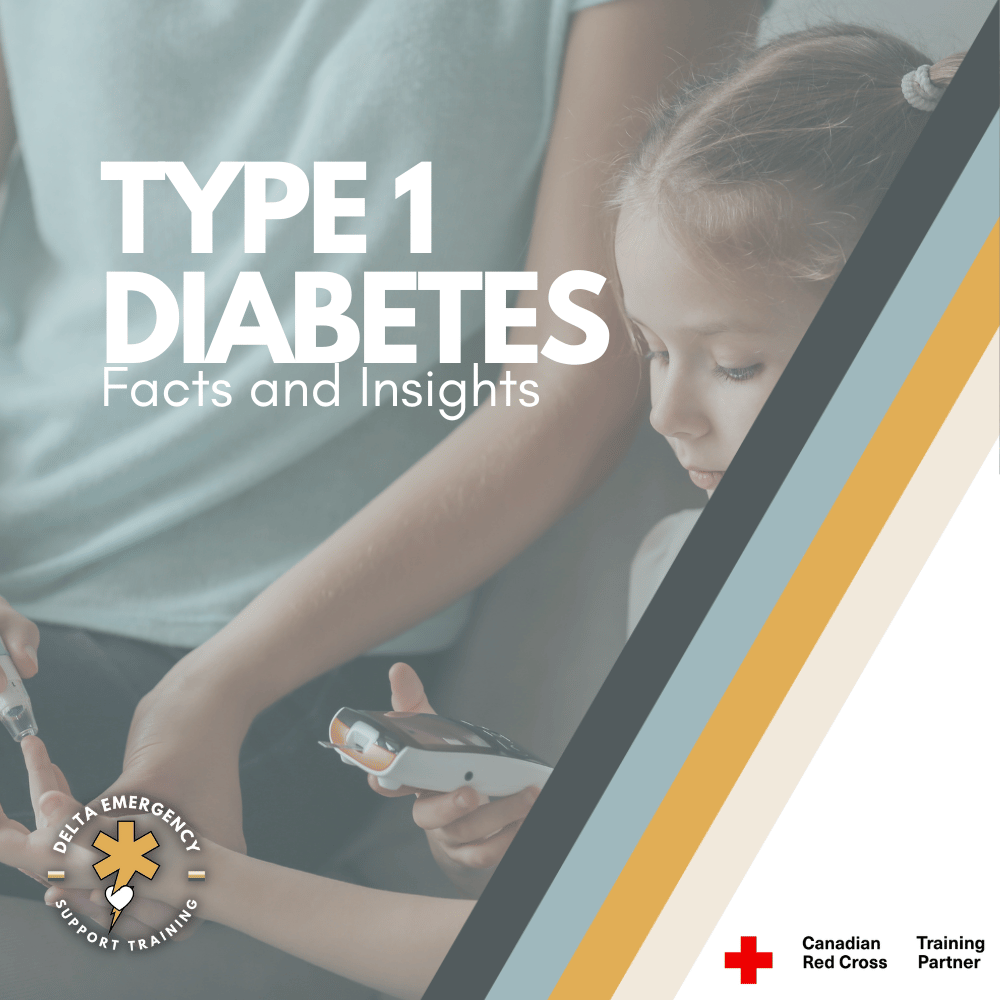
Type 1 Diabetes: Insights into its Origins, Signs, and Challenges
Type 1 diabetes, where the pancreas's struggle with insulin production takes center stage. This blog peels back the layers to reveal the mysterious causes behind this chronic condition, providing valuable insights into recognizing symptoms early. As we navigate the complications that can arise if left unchecked, we also explore the ongoing research endeavors aiming to usher in a new era of preventive strategies. Join us in decoding the intricacies of Type 1 diabetes, empowering individuals and their families with the knowledge needed to navigate this journey with resilience and hope.
Introduction:

LITTLE GIRL HAVING BLOOD SUGAR CHECKED BY HER MOTHER.
In our exploration of Type 1 diabetes, previously recognized as juvenile diabetes or insulin-dependent diabetes, we uncover a complex chronic condition where the pancreas produces insufficient insulin. Insulin, a key player in energy production, allows glucose to enter cells. This blog aims to delve into the intricacies of Type 1 diabetes, examining its causes, symptoms, complications, risk factors, and the ongoing quest for preventive strategies.
Unraveling Causes and Risk Factors:
The mystery behind the onset of Type 1 diabetes persists, with researchers pointing towards a potential glitch in the immune system. Rather than safeguarding the body, the immune system turns on the insulin-producing cells in the pancreas. Genetic factors, exposure to certain viruses, and environmental elements may contribute to the development of Type 1 diabetes. Risk factors include a familial history of the condition, specific genetic predispositions, geographical factors, and age, with noticeable peaks in children aged 4-7 and 10-14.
Insulin and Glucose Symphony:
The pivotal hormone, insulin, originating from the pancreas, orchestrates the delicate balance of blood sugar levels. In the absence of insulin, as seen in Type 1 diabetes, glucose remains stranded outside cells, leading to elevated blood sugar levels. Glucose, sourced from food and the liver, serves as the primary energy provider for cells. In Type 1 diabetes, the dearth of insulin results in the buildup of sugar in the bloodstream, presenting a potential hazard of life-threatening complications.
Recognizing Symptoms and Diagnosis:
Type 1 diabetes is characterized by abrupt symptoms such as increased thirst, frequent urination, unexpected weight loss, irritability, and blurry vision. Seeking prompt medical attention is crucial if these symptoms manifest. Diagnosis involves thorough blood tests to measure blood sugar levels and assess other critical parameters.
Unveiling Complications:
Untamed Type 1 diabetes can lead to severe complications impacting vital organs:
Heart and Blood Vessel Disease: Elevates the risk of coronary artery disease, heart attack, stroke, atherosclerosis, and high blood pressure.
Nerve Damage (Neuropathy): Can induce tingling, numbness, burning, or pain, particularly in the extremities. Digestive system nerves' damage may result in gastrointestinal issues.
Kidney Damage (Nephropathy): Poses a risk of kidney failure or end-stage kidney disease.
Eye Damage: May result in diabetic retinopathy, cataracts, glaucoma, and potential blindness.
Foot Damage: Increases the risk of severe foot complications, potentially leading to amputation if untreated.
Skin and Mouth Conditions: Enhances susceptibility to skin and mouth infections, including bacterial and fungal infections, gum disease, and dry mouth.
Pregnancy Complications: Poorly controlled diabetes during pregnancy heightens the risk of various complications.
Preventive Measures and Management:
Currently, no foolproof method exists to prevent Type 1 diabetes. Nevertheless, ongoing research endeavors to thwart the disease or mitigate islet cell damage in newly diagnosed individuals. Clinical trials exploring preventive measures offer hope, and individuals diagnosed with Type 1 diabetes should discuss potential participation with their healthcare providers.
Conclusion:
Type 1 diabetes poses a unique set of challenges necessitating lifelong management. By comprehending its origins, symptoms, complications, and ongoing research initiatives, individuals and their families can navigate this journey with resilience. Collaboration between healthcare providers and individuals is crucial for effective management, and as research progresses, optimism grows for advancements in treatment and prevention strategies.
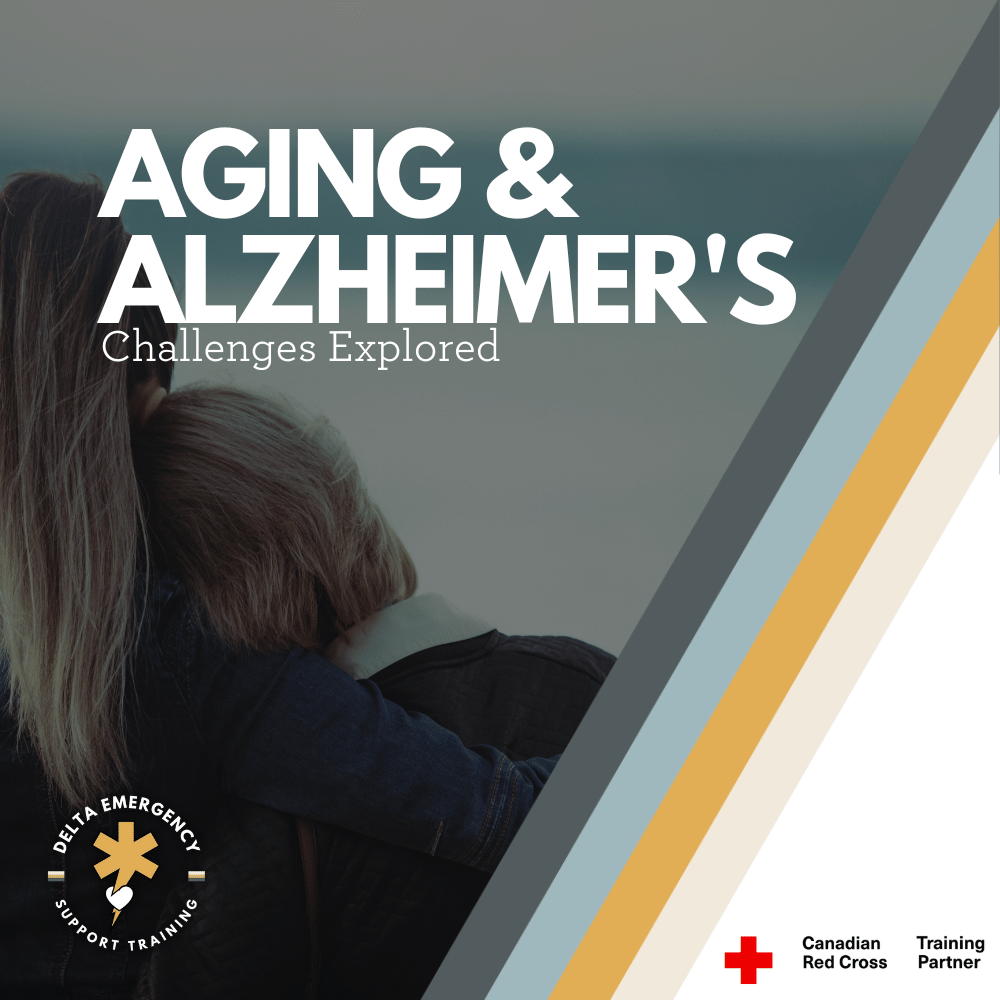
Alzheimer's Unveiled: Navigating Challenges for First Responders and Families
Alzheimer's stands as a formidable challenge, gradually eroding the fabric of memory, reasoning, and daily functioning. This blog unveils the layers of Alzheimer's, focusing on its profound effects on individuals and families. For first responders, understanding the complexities becomes crucial as they navigate situations where patients may be unable to provide vital information. Join us on a journey to decode Alzheimer's, exploring insights for compassionate care and addressing the rising tide of this silent epidemic.
Alzheimer's disease is a complex and devastating neurological condition that significantly impacts individuals, families, and communities. As the most common form of dementia, Alzheimer's poses unique challenges for both patients and those providing care, including first responders. In this blog, we will delve into the intricacies of Alzheimer's disease, its effects on individuals, and the implications for caregivers and first responders.

Senior mother and adult daughter hugging.
Understanding Alzheimer's Disease:
Alzheimer's disease is a chronic neurodegenerative disorder characterized by the gradual loss of cognitive functions, including memory, reasoning, and the ability to perform daily activities. It is not a normal part of aging, but age is a significant risk factor. Changes in the brain, such as the accumulation of abnormal protein deposits called plaques and tangles, can start years before the onset of noticeable symptoms.
Effects on Individuals:
Memory problems are often the first warning signs of Alzheimer's disease. In addition to memory loss, individuals may experience:
Disorientation:
Getting lost in familiar places or repeating questions.
Financial challenges:
Trouble handling money and paying bills.
Difficulty with tasks:
Struggling to complete familiar activities at home, work, or leisure.
Judgment issues:
Decreased or poor decision-making.
Implications for First Responders:
First responders face unique challenges when dealing with individuals affected by Alzheimer's disease. Patients may be unable to provide essential information about their medical history, current medications, or the severity of their condition. Moreover, the disease might cause confusion, fear, and agitation, making patient care more challenging. Effective communication and a compassionate approach become crucial in managing such situations.
Risk Factors:
Age remains the most well-known risk factor for Alzheimer's disease. However, genetics also play a role, with family history influencing susceptibility. While genes contribute, they are not the sole determinant, as a healthy lifestyle, including regular physical activity, a nutritious diet, limited alcohol consumption, and not smoking, may help reduce the risk.
Impact on Families:
The burden of Alzheimer's extends beyond the affected individual to their families. Caregivers often face emotional, physical, and financial challenges in providing support. As the disease progresses, the need for intensive care and supervision increases, adding strain to familial relationships.
Alarming Statistics:
The prevalence of Alzheimer's disease is rising, making it one of the top 10 leading causes of death in the United States. It is the 6th leading cause of death among US adults and the 5th among adults aged 65 or older. The number of affected Americans aged 65 or older is projected to triple to 14 million by 2060. The associated costs are also escalating, with projections estimating annual expenses to surpass $500 billion by 2040.
Conclusion:
Alzheimer's disease presents a multifaceted challenge that demands a comprehensive approach from healthcare professionals, caregivers, and first responders. As research continues to explore the links between education, diet, environment, and the development of Alzheimer's, a collective effort is required to enhance awareness, support affected individuals and families, and work towards finding effective treatments and, ultimately, a cure for this devastating disease.
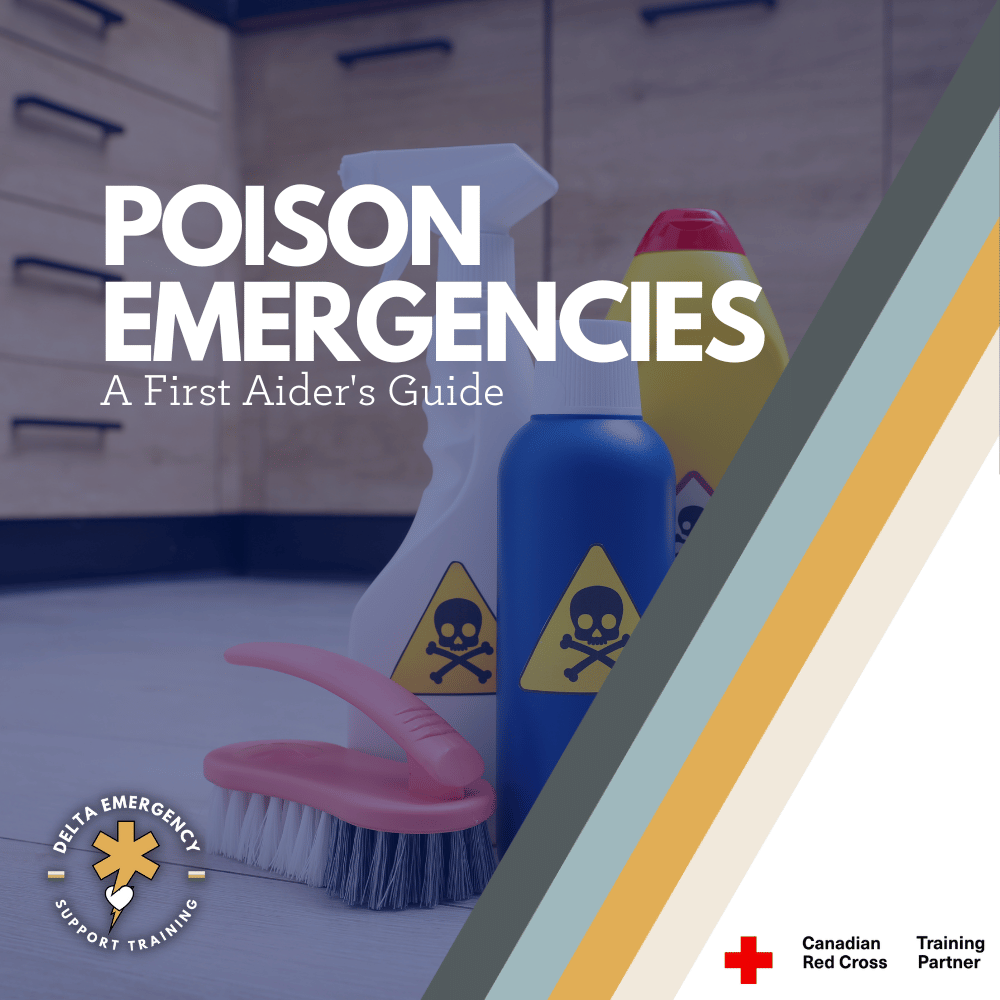
Understanding Poison: Recognizing Signs and Taking Action
Attention first aiders! Dive into our comprehensive blog to understand poisoning emergencies and gain the knowledge you need for immediate response. From injection and inhalation to ingestion and skin absorption, equip yourself with essential first aid tips tailored for first aiders. Learn to recognize signs and symptoms, understand common causes, and embark on the journey to a safer, well-prepared home. Your loved ones depend on you – be ready.
When it comes to first aid, knowledge is power. Poisoning is a serious emergency that can occur through various means, including injection, ingestion, inhalation, and absorption. In this blog post, we'll explore the different ways poisons can enter the body and the signs and symptoms associated with each method. Being aware of these indicators is crucial for prompt and effective first aid response.
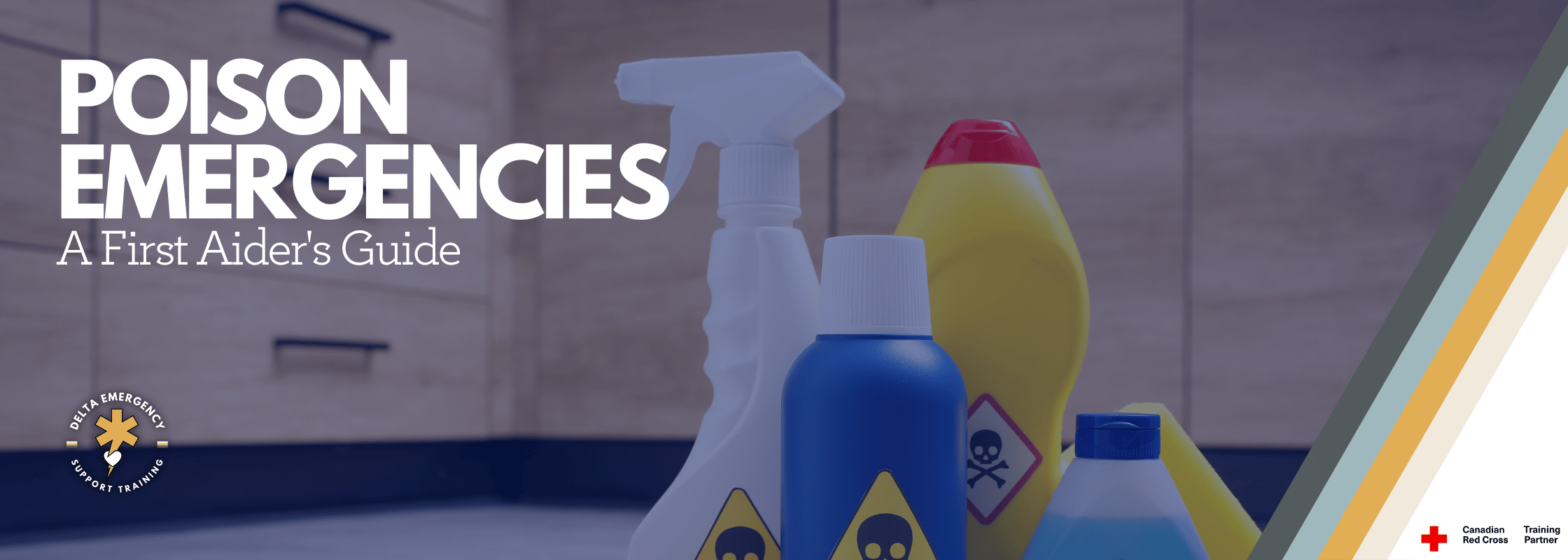
Cleaning supplies with skull and crossbones logo on bottles.
Injection
Poisoning through injection can happen when a toxic substance is introduced directly into the bloodstream. This could occur through bites, stings, or accidental needle sticks. Common signs and symptoms include localized pain, swelling, redness, and sometimes systemic effects such as dizziness, nausea, and altered level of consciousness (LOC). If you suspect injection poisoning, seek medical attention immediately.
Inhaled Poison
Inhalation of poisonous substances poses a serious threat to the respiratory system. Symptoms may include difficulty breathing, wheezing, coughing, cyanosis (bluish skin), dizziness, nausea, and chest pain. If someone is exhibiting these signs after exposure to a potentially toxic substance, move them to fresh air immediately. Call for emergency medical assistance and perform CPR if necessary.
Absorption
Certain poisons can be absorbed through the skin, leading to symptoms such as itching, irritation, blistering, rashes, and flaky skin. If you suspect someone has come into contact with a poisonous substance, quickly remove contaminated clothing and rinse the affected area with copious amounts of water. Seek medical help promptly.
Ingested Poison
Ingesting poisonous substances is a common way people are exposed to toxins. Signs and symptoms of ingested poisoning include nausea, vomiting, burns around or inside the mouth, unusual breath odor, and abdominal pain. If someone has ingested a toxic substance, call your local poison control center immediately and follow their guidance. In severe cases, seek emergency medical attention.
Common Causes of Poisoning: Identifying and Mitigating the Risks
Carbon Monoxide: The Invisible Threat
Not all poisons are ingested; some are inhaled. Carbon monoxide, an odorless and colorless gas, is a silent killer. Ensure there's a carbon monoxide alarm in every sleeping area of your home to detect this deadly gas and take immediate action.
Button Batteries: Small Devices, Big Danger
Found in musical greeting cards, remote controls, and small electronic devices, button batteries pose a significant threat, especially to young children. Ingestion can lead to serious burns in the esophagus within hours. Parents should be vigilant, and if ingestion is suspected, seek medical attention immediately.
Iron Pills: A Hidden Hazard for Children
Adult-strength iron pills are highly dangerous for children. Ingestion can lead to severe symptoms such as vomiting blood or bloody diarrhea in less than an hour. Keep these pills out of reach of children, and if ingestion occurs, seek emergency medical help.
Chemical Burns from Cleaning Products
Certain cleaning products, including drain openers, toilet bowl cleaners, rust removers, and oven cleaners, can cause chemical burns comparable to those from fire. Inhalation of bleach, toilet bowl cleaner, and other substances can also pose significant poison hazards. Take precautions and store these products safely.
Nail Glue Remover and Nail Primer: Surprising Dangers
Products used for artificial nails, such as nail glue remover and nail primer, can be poisonous. Ingestion may lead to cyanide poisoning or burns to the skin and mouth. Keep these products out of reach of children and use them with caution.
Hydrocarbons: A Broad Category with Hidden Risks
Hydrocarbons, including gasoline, kerosene, and paint thinner, can be easily ingested, posing a risk of choking and lung damage. Inhaling these substances can lead to breathing difficulties and lung inflammation. Proper storage and caution are crucial to prevent accidental ingestion.
Pesticides: Caution in Pest Control
Pesticides used to eliminate bugs and pests must be handled carefully to avoid harm to humans. These chemicals can be absorbed through the skin or inhaled, affecting the nervous system and respiratory function. Follow safety guidelines when using pesticides.
Windshield Washer Solution and Antifreeze: Small Amounts, Big Consequences
Even small amounts of windshield washer solution and antifreeze can be poisonous to humans and pets. Ingestion can lead to blindness (windshield washer solution) or kidney failure (antifreeze). Store these liquids securely and seek immediate medical attention if ingested.
Wild Mushrooms: A Potentially Deadly Harvest
Certain mushrooms can be deadly if ingested. Only experts in mushroom identification can distinguish between poisonous and safe varieties. Exercise extreme caution and avoid consuming wild mushrooms unless verified by a knowledgeable source.
Caustic Cleaners: Devastating Burns
Drain cleaners and toilet bowl cleaners, often strong alkalines or acids, can cause severe burns to the mouth, throat, and stomach if swallowed. Immediate dilution is crucial to limit damage in case of ingestion.
Topical Anesthetics: Unseen Risks
Certain topical anesthetics, found in teething gels, hemorrhoid preparations, anti-itch creams, and sunburn relief agents, can cause seizures or methemoglobinemia, a condition that hinders oxygen transport in the blood. Use these medications cautiously and be aware of potential side effects.
First Aid Tips for Poisoning:
Call for Help: In any poisoning situation, call your local poison control center as well as EMS right away.
Move to Safety: If the poisoning occurred through inhalation, move the affected person to fresh air. If it's ingestion or absorption, ensure the person is in a safe environment.
Provide Comfort: Keep the person calm and reassure them while waiting for professional help.
Do Not Induce Vomiting: Unless directed by a medical professional, avoid inducing vomiting, as it can worsen certain types of poisoning.
Remove Contaminated Clothing: In cases of skin exposure, remove contaminated clothing and rinse the affected area with water.
Conclusion:
Being aware of the common causes of poisoning is the first step in preventing these emergencies. Vigilance, proper storage, and swift action in case of exposure are essential for minimizing the risks associated with various poisonous substances. Always seek professional medical help if poisoning is suspected, and remember, prevention is key.
A Parent's Guide to Internet Safety for Children
In today's digital world, ensuring your child's safety online is paramount. Our guide offers practical tips to protect against online threats, including the dangers of fake profiles, the risks of video chat rooms, and the importance of controlling shared content. Stay informed and empower your children to navigate the digital landscape safely.
Understanding the Cyber Landscape

Young girl on tablet.
In the age of technology, understanding the Internet is crucial for safeguarding your children. Familiarize yourself with online platforms, apps, and communication channels. Stay informed about the latest trends, apps, and potential risks. This knowledge will empower you to guide your children effectively through the digital world.
Establishing Digital Boundaries
Prevention is key in ensuring your child's online safety. Set clear standards for their online activities, outlining what is and isn't allowed. Establishing rules from the beginning helps create a safe and controlled digital environment. Waiting for a negative incident to occur is not the time to begin establishing guidelines – proactive communication is essential.
Guarding Personal Information
Teach your children the importance of keeping personal information private. Emphasize the potential risks of sharing details such as addresses, phone numbers, and credit card information online. Educate them about the consequences of this information falling into the wrong hands, stressing the need for caution and discretion.
Protecting Against Online Threats
In the digital era, social networking platforms like Facebook offer valuable connections but come with potential dangers, especially concerning online predators. Parents should educate children about the risks of fake profiles and the possibility of predators posing as peers. Emphasize the importance of verifying the identities of online friends and caution against sharing personal information or engaging in private conversations with strangers. Video chat rooms, often seemingly harmless, can be exploited by predators, making it crucial to teach children about setting boundaries and ending conversations if discomfort arises. Highlight the permanence of digital footprints to prevent oversharing, guide them in strict privacy settings, and instill digital literacy to recognize potential threats. Open communication is key, encouraging children to share any concerns without fear of judgment, creating a safer online experience.
Open Communication is Key
Promote an environment where your children feel comfortable coming to you with any online concerns. Highlight that it's okay to make mistakes but crucial to seek help when needed. Discuss potential online threats, such as cyberbullying or inappropriate content, and reassure them that you are there to support and guide them through any challenges.
Regular Conversations about Internet Use
Foster an ongoing dialogue with your children about their internet activities. Regularly check in with them, discussing their online experiences, friends, and any challenges they may be facing. By making these conversations a routine, you build trust and encourage transparency. If your child feels comfortable discussing their online world with you, they are more likely to seek guidance when faced with difficulties.
In conclusion, being actively involved in your child's online life is essential for ensuring their safety in the digital age. By understanding the internet, setting clear rules, teaching privacy measures, guiding safe social networking, fostering open communication, and maintaining regular conversations, you empower yourself as a parent to navigate the digital realm alongside your children.

Understanding the Unique Challenges of Bariatric Patients
Navigate the distinctive challenges presented by bariatric patients within Emergency Medical Services (EMS). From defining the characteristics of these patients to unraveling the daily struggles faced by EMS providers, this blog takes a comprehensive dive into the critical aspects of specialized transporting training, tailoring medical care for larger patients, and implementing efficient patient loading strategies. Discover the indispensable role played by specialized lifts and transfer devices in addressing the burgeoning need for heightened capacity, ensuring the utmost safety for both patients and EMS professionals. Join us on this exploration of a comprehensive approach to bariatric patient care in EMS, setting the stage for part 2 where common health concerns are meticulously examined.
Defining Bariatric Patients

Bariatric Patient sitting in a wheelchair
Bariatric patients, characterized by obesity, present unique challenges for EMS providers. Obesity, a growing concern globally, requires a nuanced approach in healthcare delivery. This section explores the prevalence of obesity, its root causes, and the heightened demand for specialized care within Emergency Medical Services.
The Daily Struggle
Communities served by EMS witness a daily surge in calls for patients weighing 350 pounds or more. The escalating frequency of these calls underscores the necessity for EMS providers to equip themselves with specialized training and equipment to meet the challenges posed by bariatric patients.
The Critical Role of Specialized Transporting Training
Patients surpassing 500 pounds necessitate a heightened level of expertise, equipment, and procedural knowledge. This section delves into the specifics of providing proper patient care, including the use of specialized equipment, large-sized gowns, and fabric devices designed to facilitate safe patient movement.
Tailoring Medical Care for Larger Patients
Adjusting equipment and supplies for delivering medical care to bariatric patients involves adapting to their unique physical requirements. There are necessary adjustments in equipment and supplies, from the use of appropriately sized blood pressure cuffs to employing longer needles for intramuscular injections to ensure proper care.
Extrication and Immobilization
Efficient Patient Loading and Stabilization Strategies for Bariatric Patients
Loading a bariatric patient onto a cot poses unique challenges that demand a meticulous and strategic approach from Emergency Medical Services (EMS) providers. Ensuring the safety and comfort of both the patient and the EMS team requires a nuanced understanding of the intricacies involved in patient loading and stabilization.
Strategic Considerations for Efficient Loading:
Efficient patient loading begins with a thorough assessment of the immediate environment. EMS providers must strategize the positioning of the cot to facilitate seamless patient transfer. The cot, equipped with the necessary weight-bearing capacity, becomes a crucial tool in ensuring a safe and controlled loading process.
Maintaining the Cot in the Down Position:
Emphasizing the maintenance of the cot in the down position throughout the loading process is essential. This not only provides a stable foundation for the patient but also minimizes the risk of injury during the transfer. The down position ensures a lower center of gravity, enhancing stability and reducing the chances of the cot tipping.
Innovative Solutions for Spinal Stabilization:
Stabilizing the spine of bariatric patients requires innovative solutions that go beyond traditional methods. Specialized backboards designed to accommodate larger body sizes play a pivotal role in providing effective spinal support. Additionally, blanket or towel rolls strategically placed can offer supplemental stabilization, adapting to the unique contours of the patient's body.
Lateral Head Pillows for Enhanced Comfort:
Recognizing the challenges posed by the sheer size and weight of bariatric patients, the use of lateral head pillows becomes imperative. These specialized pillows not only provide additional support for the patient's head and neck but also contribute to maintaining proper alignment during loading. This extra layer of comfort is crucial for ensuring a smooth and trauma-free transfer.
Specialized Lifts and Transfer Devices
The need for specialized transfer devices tailored for bariatric patients, the focal point revolving around addressing the burgeoning need for heightened capacity. The array of lifting solutions encompasses specialized textile sheets and soft sling devices, meticulously crafted to adeptly manage weights surpassing 1,000 pounds. These technological innovations stand out as critical assets, navigating the challenges unique to bariatric patients. However, their effectiveness hinges on the depth of training provided to EMS providers. Thorough comprehension and hands-on training are essential for ensuring the secure and efficient deployment of these devices. This training not only guarantees the safe lifting and transfer of bariatric patients but also prioritizes the safety and well-being of EMS professionals engaged in these critical maneuvers.
Conclusion
Embracing a comprehensive approach in the face of the changing nature of body habits in Canada, EMS providers must adopt a comprehensive approach to care for bariatric patients. By addressing the challenges in equipment, training, and patient care, EMS can ensure the safety and well-being of both patients and providers in this critical aspect of emergency medical services. Join us for part 2 where we discuss the common health concerns our bariatric patients face.

Ectopic Pregnancy : First Responders Guide
In the dynamic world of first response, awareness and preparedness are paramount. Aspiring firefighters, your ability to recognize and respond to complex medical conditions, including ectopic pregnancies, can be a game-changer. Our blog takes you on a journey through the causes, symptoms, and emergency response protocols specific to severe lower abdominal pain in women of childbearing age. Delve into the intricacies of ectopic pregnancies, learn the risk factors that elevate the stakes, and empower yourself to make split-second decisions that can save lives. Elevate your knowledge and be the first responder with the expertise needed in the face of this critical medical emergency.
As a first responder, your role in emergency situations can be crucial, especially when faced with complex medical conditions. One such condition that requires immediate attention is ectopic pregnancy. In this blog, we'll delve into the causes, symptoms, and treatments of ectopic pregnancy, with a focus on what aspiring firefighters should be aware of when responding to an emergency call involving severe lower abdominal pain in females of childbearing age.

Young woman with lower abdominal pain
Understanding Ectopic Pregnancy
What is Ectopic Pregnancy? Ectopic pregnancy occurs when a fertilized egg implants itself outside the womb, typically in one of the fallopian tubes. This can pose serious risks to the woman's health and requires prompt medical intervention.
Complications of Ectopic Pregnancy
Rupture of the Fallopian Tube:
As the fertilized egg develops, the fallopian tube does not stretch as the uterus does. This can lead to the rupture of the fallopian tube, causing severe, life-threatening internal bleeding.
The rupture is a critical complication that demands immediate medical attention to prevent further harm.
Internal Bleeding:
Rupture of the fallopian tube can result in significant internal bleeding, posing a serious threat to the woman's health.
Internal bleeding can lead to hypovolemic shock, characterized by a rapid heart rate, low blood pressure, and a potential loss of consciousness.
Injury to Reproductive Organs:
If not promptly addressed, an ectopic pregnancy can cause damage to the fallopian tube and other reproductive organs.
The affected fallopian tube may need to be surgically removed to prevent ongoing health risks and future ectopic pregnancies.
Peritonitis:
Rupture of the fallopian tube can introduce fetal tissue and blood into the abdominal cavity, leading to peritonitis—an inflammation of the peritoneum (the lining of the abdominal cavity).
Peritonitis is a serious infection that requires immediate medical intervention.
Psychological Impact:
Coping with the loss of a pregnancy, along with the potential for surgical intervention and complications, can have a profound psychological impact on the woman.
Emotional support and counseling may be necessary to help the individual navigate through the emotional challenges associated with ectopic pregnancies.
Death:
In extreme cases where the ectopic pregnancy is not promptly diagnosed and treated, the resulting complications such as severe internal bleeding can lead to death.
Recognizing Risk Factors
How to know if your patient is at risk of an ectopic pregnancy?
Understanding the risk factors associated with ectopic pregnancies is essential for both healthcare providers and first responders. Individuals may be at a higher risk if they have the following.
Previous Ectopic Pregnancy:
Having experienced an ectopic pregnancy in the past increases the risk of recurrence. It's crucial for healthcare providers to consider this history when assessing a woman's condition.
Pelvic Inflammatory Disease (PID):
A history of PID, an infection causing scar tissue in the fallopian tubes, uterus, ovaries, and cervix, raises the risk of ectopic pregnancy. PID can result from untreated sexually transmitted infections (STIs) and may contribute to fertility issues.
Surgery on Fallopian Tubes or Pelvic Organs:
Any surgical procedure on the fallopian tubes, including tubal ligation, or other pelvic organs can increase the likelihood of ectopic pregnancy. Scar tissue from these surgeries may affect the normal passage of the fertilized egg.
History of Infertility:
Individuals with a history of infertility are at an elevated risk. Fertility issues may be linked to conditions such as endometriosis, which can disrupt the normal reproductive process.
In Vitro Fertilization (IVF) Treatment:
Treatment for infertility with IVF can increase the chances of an ectopic pregnancy. The assisted reproductive technology involves transferring fertilized eggs into the uterus, potentially affecting their implantation.
Endometriosis:
Endometriosis, a condition where tissue similar to the lining of the uterus grows outside the uterus, can contribute to the risk of ectopic pregnancy.
Sexually Transmitted Infections (STIs):
Certain STIs, if left untreated, can lead to PID and increase the risk of ectopic pregnancy.
Intrauterine Device (IUD) in Place at Conception:
Having an IUD in place at the time of conception raises the risk of ectopic pregnancy. In such cases, immediate medical attention is crucial.
History of Smoking Tobacco:
Smoking is associated with an increased risk of ectopic pregnancy. The harmful effects of tobacco on reproductive health should be considered in the assessment of potential cases.
Age:
Advanced maternal age, particularly those over 35, is a risk factor for ectopic pregnancy. Healthcare providers and first responders should be attentive to age-related considerations.
It's important to note that up to 50% of individuals who experience an ectopic pregnancy may not have any of the mentioned risk factors. Therefore, maintaining a high level of suspicion and awareness, especially when responding to cases of severe lower abdominal pain in women of childbearing age, is crucial for timely intervention.
Recognizing Symptoms
Signs of an Ectopic Pregnancy
When responding to a call involving severe lower abdominal pain in a woman of childbearing age, it's crucial to be alert to potential signs of an ectopic pregnancy.
Early Symptoms: The early symptoms of an ectopic pregnancy can be deceptive, closely resembling typical pregnancy symptoms. However, additional symptoms may include:
Vaginal bleeding.
Pain in your lower abdomen, pelvis, and lower back.
Dizziness, weakness, syncope.
Rupture Symptoms: If the fallopian tube ruptures, the pain and bleeding could be severe enough to cause additional symptoms, such as:
Fainting
Hypotension
Shoulder pain.
Rectal pressure or bowel problems.
Recognizing these signs early can expedite the emergency response.
Navigating Care
When faced with a potential ectopic pregnancy emergency, follow these steps:
Gather information about the patient's medical history, including previous pregnancies and any known reproductive health issues.
Primary Assessment:
Prioritize airway, breathing, and circulation (ABC).
Monitor vital signs and be attentive to signs of shock.
Focused Abdominal Exam
Gently palpate the abdomen, noting any tenderness or rigidity.
In case of severe lower abdominal pain, maintain a high index of suspicion for ectopic pregnancy.
Assess for signs of internal bleeding, such as a distended abdomen.
Rapid Transport:
Arrange for immediate transportation to a medical facility equipped to handle obstetric emergencies.
Treatment Options
Medical Intervention
Once at the hospital, medical professionals may use ultrasound to confirm the diagnosis. Treatment options include medication or surgical intervention to remove the ectopic pregnancy.
Recognize the emotional toll an ectopic pregnancy can take on the patient.
Offer reassurance and empathy while maintaining a professional demeanor.
Conclusion
Medical professionals such as firefighter or paramedics equipped with knowledge about ectopic pregnancies play a vital role in ensuring swift and effective emergency responses. By understanding the causes, recognizing symptoms, and following the appropriate protocols, first responders can contribute to the timely and compassionate care of women experiencing this potentially life-threatening condition.
Why Medical Knowledge Is Essential for Aspiring Firefighters
In the ever-changing world of emergency response, the role of a firefighter is undergoing a profound transformation. Gone are the days when battling blazes was the primary focus; today, the majority of emergency calls involve medical situations. This shift, fueled by an unstable healthcare system and advancements in building technology, demands a new breed of firefighters – ones armed not only with traditional firefighting prowess but also with comprehensive medical training. Join us on this exploration of why the future of firefighting requires a mastery of both flames and first aid, and how adapting to these changing dynamics is crucial for those ready to answer the call of duty.
Aspiring firefighters often envision themselves tackling roaring blazes, but the landscape of emergency calls is rapidly changing. In today's world, the majority of calls received by fire departments are related to medical emergencies. This shift means that the skills needed to handle medical crises are just as crucial as those required for traditional firefighting scenarios. Recognizing this shift early on can better prepare aspiring firefighters for the dynamic nature of the job.

Firefighters assisting in medical emergency.
This article delves into the indispensable role of medical knowledge for future firefighters, with a focus on practical training options such as Delta Emergency Support Training's advanced first aid course.
Rising Demand for Medical Assistance
The traditional role of firefighting has transformed, emphasizing a greater focus on medical emergency responses. Aspiring firefighters must recognize the imperative need for a comprehensive understanding of medical emergencies. The escalating demand for emergency medical services stems from an unstable healthcare system, underfunded and understaffed paramedics.
Simultaneously, the frequency of fire-related calls has significantly decreased compared to four decades ago. The changing landscape highlights the necessity for future firefighters to adapt to the prevalence of medical emergencies. Understanding the complex factors influencing this shift is crucial for those entering the firefighting profession.
The Need for Speed in Response
One of the most compelling reasons for aspiring firefighters to invest in medical knowledge is the advantage of rapid response. Picture this: you're 40 miles from the nearest ambulance base, but the fire department is just 10 miles away. Geographically, the fire department can arrive at the scene significantly faster. This underscores the critical role firefighters play as first responders in medical emergencies, often getting there before EMS personnel.
Adapting to a Diversifying Role
As the role of a firefighter evolves beyond traditional expectations, it's not just a shift in duty; it's a personal evolution. Specialized training recognizes this, and programs developed by seasoned professionals, such as Delta's, ensure that you're not just learning; you're growing. You're becoming someone who can adapt to the changing face of emergencies, someone who can handle the unexpected with grace and skill.
Addressing Skepticism Towards Medical Training
Acknowledging skepticism towards medical training among aspiring firefighters, Delta's approach is rooted in practicality. The advanced first aid program bridges the gap between firefighting and medical expertise without compromising professional standards. The course is designed to instill confidence and competence in those who may initially harbor reservations towards the medical aspect of the profession.
Training and Dedication
Achieving mastery in firefighting requires a dedication to honing a diverse skill set with precision and professionalism. Delta Emergency Support Training's Advanced First Aid course embodies this ethos, serving as the prerequisite for firefighters in Alberta. Taught by seasoned first responders, this program is the brainchild of an Advanced Care Paramedic with over 15 years of experience in Emergency Medical Services. Through Delta's advanced first aid course, aspiring firefighters undergo a rigorous training regimen that emphasizes a professional approach to skill mastery. The course seamlessly integrates traditional firefighting responsibilities with the adept administration of medical interventions, ensuring that graduates emerge as well-rounded and highly capable first responders equipped to navigate the complexities of modern emergency response with confidence and proficiency.
Conclusion:
As the firefighting profession continues to evolve, aspiring firefighters must recognize the intrinsic connection between medical competence and their efficacy as first responders. Training programs like Delta Emergency Support Training's advanced first aid course epitomize a professional and strategic approach to acquiring the essential skills for contemporary emergency response. In a landscape where versatility is paramount, aspiring firefighters are encouraged to embrace a holistic training regimen that encompasses both traditional firefighting prowess and advanced medical knowledge, positioning themselves as adept and adaptable professionals in an ever-changing field.

Bunker Gear: Face the Flames
In the high-stakes realm of firefighting, the shield that stands between a firefighter and the inferno is known as bunker gear. Explore the intricate layers of this crucial personal protective equipment, from the resilient outer shell to the dual-duty moisture barrier and the inferno-confronting thermal barrier. Discover the materials shaping today's bunker gear, offering a blend of strength, flame resistance, and flexibility.
Modern personal protective equipment (PPE) for firefighters is a sophisticated three-layer system, encompassing an outer shell, moisture barrier, and thermal barrier. The unity of these components forms what is commonly referred to as bunker gear or turnout gear, a comprehensive defense mechanism crucial for the safety of those facing extreme heat and hazardous environments.

Outer Shell: Your First Line of Defense
The outer shell, akin to a shield, plays a pivotal role in safeguarding firefighters from hostile environments. Beyond defending against heat and flames, it must resist water, dangerous chemicals, and potential abrasions. Qualities such as flame resistance, resistance to embrittlement, and dye sublimation are essential considerations when evaluating the outer shell. Its robust design not only protects the firefighter but also safeguards the internal components of the bunker gear.
Moisture Barrier: Double-Duty Defender
The moisture barrier operates on a dual front, shielding against hazardous liquids and managing moisture. This layer protects the firefighter's skin from a range of substances encountered during firefighting, from battery acid to fire-resistant hydraulic fluids. Simultaneously, it lessens the impact of extreme temperatures by efficiently wicking away sweat. Although a critical component, the moisture barrier requires regular testing and inspection due to its delicate nature.
Thermal Barrier: Confronting Extreme Heat
The thermal barrier, often referred to as the thermal liner, is tasked with the primary responsibility of protecting firefighters from extreme heat in their environment. Collaborating with the moisture barrier, it contributes around 75% of the bunker gear's heat protection by trapping air between layers of nonwoven material. The ideal thermal barrier goes beyond heat protection, offering moisture management, wickability, flexibility, and a smooth feel for comfort against the face and skin. Manufacturers increasingly turn to multiple layers of woven material to enhance heat protection without compromising breathability.
What Is Bunker Gear Made Of?
Today's personal protective equipment incorporates scientific breakthroughs unimaginable to turn-of-the-century firefighters. Bunker gear typically comprises a jacket or coat, trousers, gloves, boots, hood, helmet, and a self-contained breathing apparatus. Each element serves a distinct purpose and is crafted from various materials.
Outer Shell (Coat and Trousers)
Materials such as Kevlar, aramid, and Nomex dominate the construction of the outer shell. Nomex's ability to carbonize and thicken in extreme heat adds an extra layer of protection against burns. The combination of Nomex and Kevlar is favored for its flame resistance, toughness, lightweight nature, and thermal protection. Trousers often feature leather reinforcement along cuffs and knees for added protection and durability.
Additional Considerations
When selecting turnout coats and trousers, factors such as visibility, storage capacity, and custom features are vital. Bright colors and reflective strips enhance visibility, while added storage ensures quick access to tools. Recognizing that bunker gear is not one-size-fits-all, manufacturers cater to various preferences and needs based on factors like crew experience, types of calls, and local weather conditions.
Boots, Helmet, and Hand Protection
Foot protection is paramount, with fire-resistant leather and steel toe inserts in boots. Helmets, constructed with hard shells of plastic, fiberglass, or carbon fiber, include additional layers of Kevlar for strength and non-conductive materials to prevent electric shock. Hand protection is ensured through gloves featuring layers of leather, Nomex, and breathable barriers.
Additional Protective Gear
Beyond the basic elements, firefighters may require additional gear such as goggles, hearing protection, flash hoods, breathing apparatuses, and specialty gear like hazmat suits or proximity suits. Undergarments, made from a blend of synthetic aramid fibers and strengthening fibers like nylon or spandex, provide superior cooling and wicking properties.
This comprehensive ensemble represents the core components of a firefighter's bunker gear, each meticulously designed to offer the highest level of protection in the face of diverse and challenging situations.

Navigating the Depths of Firefighter Bunker Gear: Care and NFPA Standards
Embark on a NFPA-guided journey into the world of firefighter bunker gear maintenance. In Part 1, we lay the foundation, offering insights into crucial elements such as record-keeping, selection, routine and advanced inspections, exposure reduction, and advanced cleaning. Discover strategies to minimize exposure to contaminants during operations and delve into advanced cleaning techniques vital for preserving the protective qualities of this second skin. Join us as we unveil the shield, safeguarding the heroes who selflessly protect our communities.
Unveiling Firefighter Bunker Gear
A Comprehensive NFPA-Compliant Maintenance Guide (Part 1)
Firefighter in bunker gear
Welcome to the frontline of firefighting, where heroes don their second skin—firefighter bunker gear. This guide, inspired by the National Fire Protection Association (NFPA) standards, is your go-to resource for understanding, selecting, and maintaining gear that protects those who rush towards danger. Part 1 explores critical aspects, from meticulous record-keeping to routine inspections.
NFPA Standards, Records, and Selection
In 1896, the NFPA set the gold standard for firefighter safety. Part 1 emphasizes the vital role of NFPA standards in shaping the comprehensive documentation required for bunker gear. Records cover issuance, manufacturer details, inspections, cleanings, repairs, and retirement methods. Simultaneously, we delve into selecting the right bunker gear, emphasizing sizing, material specifications, and adherence to NFPA standards.
Routine and Advanced Inspections
Routine inspections form the frontline defense against potential gear failures. This chapter outlines procedures for regular check-ups, addressing wear, tear, and loose components. Building on routine inspections, we explore advanced inspection techniques, involving in-depth evaluations and specialized equipment. Knowing when and how to conduct these assessments is crucial for maintaining the highest level of safety for firefighters.
Minimizing Exposure to Contaminants: Strategies for Firefighters
Firefighters operate in dynamic and hazardous environments, exposing them to various contaminants that can pose serious health risks. To mitigate these risks, strategies for minimizing exposure are crucial. This involves both preliminary measures taken at the scene and advanced cleaning methods to ensure that bunker gear maintains its protective qualities.
Preliminary Exposure Reduction
Decontamination Zones
Establishing designated decontamination zones at incident scenes is essential. Firefighters can use these zones to remove contaminants from their gear before leaving the scene, preventing the spread of hazardous materials.
Quick Removal of Gear
Promptly removing contaminated gear is vital. Firefighters are trained to efficiently disrobe in a systematic manner to minimize contact with potentially harmful substances.
Wet Decontamination
Using water or wet wipes for immediate decontamination can be effective. This preliminary step helps remove surface contaminants before they can be absorbed into the gear or transferred elsewhere.
Disposable Covers
Using disposable covers for helmets, gloves, and boots provides an additional layer of protection. These covers can be discarded after each use, preventing cross-contamination.
Advanced Cleaning Methods
Advanced Decontamination Procedures
Specialized cleaning procedures are employed to address contaminants that may compromise the integrity of bunker gear. This involves thorough cleaning of gear using specific cleaning agents and techniques.
Industrial Washing Machines
Bunker gear is often subjected to industrial washing machines designed to handle the specific materials used in its construction. These machines use detergents and high water pressure to remove contaminants effectively.
Routine Inspection During Cleaning
Cleaning sessions are not just for removing visible contaminants; they are also opportunities for routine inspections. Firefighters or gear maintenance personnel should inspect the gear for any damage or wear during the cleaning process.
Drying Procedures
Proper drying is critical to preventing the growth of mold and maintaining the gear's effectiveness. Drying rooms with controlled humidity and temperature are often used to ensure that the gear is thoroughly dried without compromising its structural integrity.
Regular Training
Firefighters receive ongoing training on the latest decontamination and cleaning protocols. Staying informed about best practices is essential for maintaining the effectiveness of the cleaning process.
Conclusion
Join us on this NFPA-guided journey as we delve into the intricacies of firefighter bunker gear maintenance. Part 1 establishes the foundation, offering insights into crucial elements like record-keeping, selection, routine and advanced inspections, preliminary exposure reduction, and advanced cleaning. In Part 2, we will delve even deeper, exploring the specifics of each gear component—helmets, coats, pants, gloves, and boots—unveiling their unique roles and importance. Together, let's ensure the shield remains unyielding, safeguarding those brave individuals who stand between danger and the communities they serve.

Eye Injury Response: A Guide for First Aiders
In the world of advanced first aid, the ability to respond swiftly and effectively to eye injuries is paramount. Our comprehensive guide delves into the nuances of addressing diverse eye injuries, providing advanced responders with the knowledge and confidence needed to navigate these critical situations. From understanding the causes to mastering the essential steps, this guide is your go-to resource for safeguarding vision in emergency scenarios.

Man’s dark brown eye with a broken blood vessle staining the white of his eye.
In this edition of our first aid blog, we sharpen our focus on a critical aspect of emergency medical response – effectively addressing eye injuries. The eyes, being a vital sensory organ, demand swift and informed action from those trained in advanced first aid. Your knowledge and intervention can make a substantial difference in preserving vision and mitigating further harm. Join us as we navigate through the common types of eye injuries, their origins, and the indispensable steps to be taken in the event of a medical emergency.
Foreign Objects in the Eye
Causes
Foreign objects such as small debris, dust, sand, wood chips, or metal particles can easily enter the eyes during various activities. Working in construction, gardening, or simply being outdoors on a windy day increases the risk of encountering these particles.
Response: If a foreign object enters the eye
Do not rub the eye: Rubbing can potentially cause corneal abrasions or embed the foreign object further.
Blink repeatedly: Natural blinking can help stimulate tears, aiding in the removal of small particles.
Flush the eye with water: Use a sterile saline solution or clean, lukewarm water to rinse the eye gently. Tilting your head to the side can help prevent contamination of the unaffected eye.
Additional Tips
If the foreign object persists or the pain continues, do not attempt to remove it yourself. Seek professional medical help promptly.
Wearing protective eyewear during activities with a high risk of eye injury can significantly reduce the chances of foreign objects entering the eyes.
Chemical Burns
Causes:
Chemical burns to the eyes can occur from exposure to household cleaning products, industrial chemicals, or contact with substances like bleach or acids.
Response: If a chemical comes into contact with the eyes
Flush the eye immediately: Begin rinsing the affected eye with copious amounts of water for at least 15 minutes. Use a gentle stream to avoid splashing.
Hold the eyelids open: This ensures thorough flushing, helping to remove the chemical from all parts of the eye.
Seek immediate medical attention: Even if symptoms appear to improve during the rinsing process, professional evaluation is crucial to prevent potential long-term damage.
Additional Tips
Know the location of emergency eyewash stations in workplaces where exposure to chemicals is possible.
When handling chemicals, always wear appropriate protective eyewear to minimize the risk of accidental splashes or spills.
Subconjunctival Hemorrhage
Causes
A subconjunctival hemorrhage, often referred to as a broken blood vessel in the eye, manifests as a bright red patch on the sclera. This condition may result from various factors, such as eye trauma, a sudden increase in pressure, or underlying medical conditions.
Response
Stay calm: While alarming in appearance, a subconjunctival hemorrhage is typically painless and harmless.
Avoid rubbing the eye: To prevent further irritation or damage.
Monitor for changes: While spontaneous, if the subconjunctival hemorrhage is recurrent or accompanied by other symptoms, seek medical advice.
Blows to the Eye
Causes
Blows to the eye can result from accidents, falls, or injuries sustained during sports activities.
Response: If a person experiences a blow to the eye
Apply a cold compress: Use a clean cloth or ice pack wrapped in a thin towel to reduce swelling and alleviate pain.
Avoid placing pressure: Refrain from pressing on the eye directly; instead, gently apply the compress around the eye.
Seek medical attention: If there is significant swelling, double vision, or changes in vision, it's essential to consult a healthcare professional promptly.
Additional Tips
Use protective eyewear during sports or activities with an increased risk of eye injuries, such as racquet sports, paintball, or construction work.
Regular eye check-ups can help identify underlying issues that may increase the susceptibility to eye injuries.
Corneal Abrasions
Causes
Corneal abrasions result from scratches on the cornea, often caused by foreign objects like fingernails, contact lenses, or airborne particles.
Response: When dealing with a corneal abrasion
Avoid rubbing the eye: Rubbing may exacerbate the abrasion and hinder the healing process.
Keep the eye closed: This protects the eye from further irritation and reduces the chance of infection.
Seek medical attention: Even seemingly minor abrasions can lead to infections or other complications, making it crucial to consult a healthcare provider for appropriate treatment.
Additional Tips
If you wear contact lenses, follow proper hygiene practices, and avoid wearing lenses when your eyes are irritated or red.
Protective eyewear, such as safety glasses or goggles, can provide an additional layer of defense against potential corneal abrasions in various situations.
Conclusion
Eye injuries require immediate attention and proper care. Understanding the specific responses to different types of injuries is crucial for preserving vision and preventing long-term complications. Remember, early intervention and seeking professional medical help when needed are key components of effective eye injury first aid. By staying informed and taking preventive measures, you can play a pivotal role in protecting your vision and that of others. Stay safe, stay informed, and safeguard your vision.

Understanding Harm Reduction: A Balanced Approach to Substance-Related Challenges
Harm reduction is a nuanced approach aiming to minimize the negative consequences of high-risk behaviors like substance abuse. From controversial methods like safe injection sites to providing essential tools like naloxone, this blog dives into the practical aspects and debates surrounding this progressive approach. Discover how emergency response training, including naloxone education, is becoming an integral part of preparing future first responders to handle opioid-related emergencies effectively.
Navigating the Complexities of Minimizing Harm in Substance Use
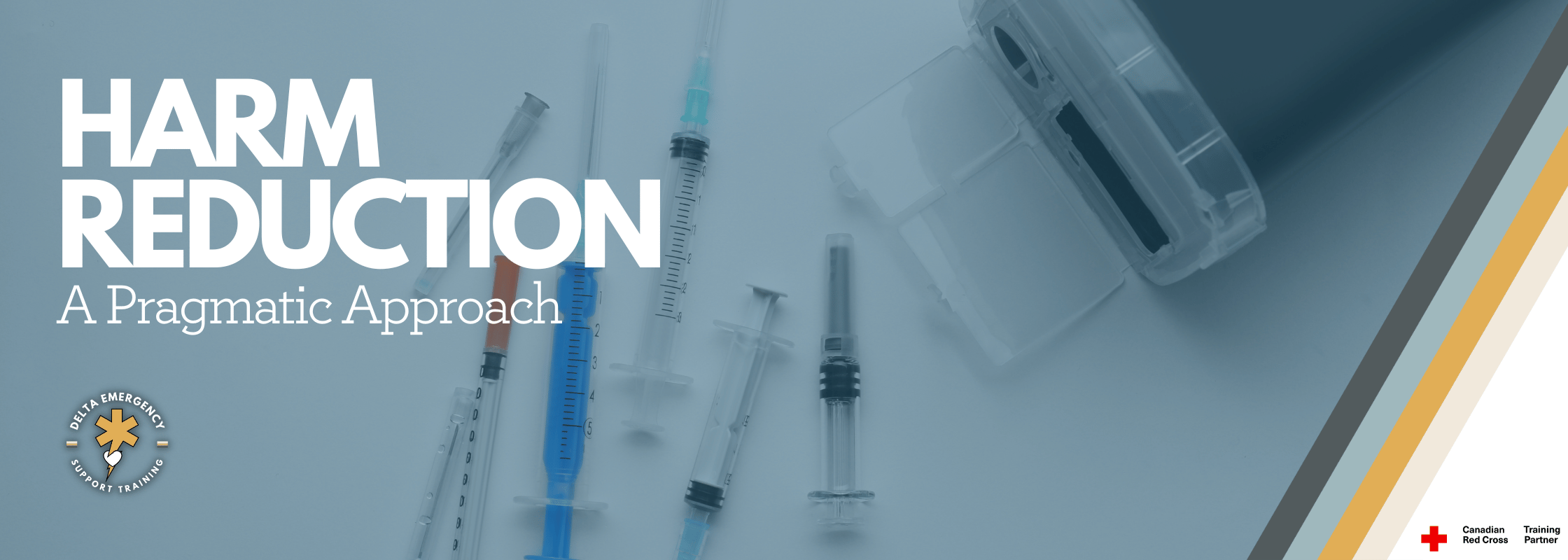
6 NEEDLES ON A WHITE TABLE NEXT TO A SHARPS BIN USED TO HOLD DIRTY NEEDLES
Introduction to Harm Reduction
Defining Harm Reduction Harm reduction represents a pragmatic approach aimed at mitigating the negative consequences associated with high-risk behaviors, especially substance abuse, by promoting safety and minimizing harm.
The Diverse Landscape This approach acknowledges that individuals may continue substance use and seeks to offer strategies that prioritize harm reduction over abstinence alone.
Addressing Controversies Surrounding Harm Reduction
Contested Perspectives Harm reduction methodologies, such as providing clean needles and safe injection sites, prompt debates around balancing compassion with concerns about enabling substance use.
A Spectrum of Opinions Different viewpoints exist within the discourse on harm reduction, from those who advocate for its compassion-driven initiatives to those who prioritize strict abstinence-based models.
Key Components and Practical Aspects of Harm Reduction
Naloxone:
A Life-Saving Tool The wide distribution and use of naloxone, an opioid antagonist that reverses overdoses, have been instrumental in preventing fatalities associated with opioid misuse.
Naloxone training within Emergency Response programs is essential. Delta Emergency Support Training incorporates this vital component into courses like Advanced First Aid and Standard First Aid. These courses empower future first responders with the necessary knowledge and expertise to effectively administer naloxone during emergency situations associated with opioid overdoses.
Safe Injection Sites:
These supervised spaces offer a controlled environment for substance use, aiming to reduce fatal overdoses and limit the transmission of diseases while providing immediate medical assistance if needed.
Clean Supplies and Disease Prevention
Minimizing Health Risks Providing clean tools like needles and pipes significantly reduces the transmission of blood-borne infections, such as HIV/AIDS and hepatitis, among individuals who inject drugs.
Public Health Initiatives Various organizations, including the CDC, implement evidence-based drug prevention programs in communities and schools to mitigate the spread of infectious diseases related to substance abuse.
Empowering Access to Prevention Services
Comprehensive Support Systems Ensuring access to a range of prevention services is crucial for individuals involved in substance use. Harm reduction programs offer education, support, and resources for enhanced safety and well-being.
A Pragmatic Approach Recognizing the reality of substance use, harm reduction offers pathways to reduce harm and prioritize health without exclusively emphasizing abstinence-based approaches.
Embracing a Balanced Perspective
Harm reduction represents a multifaceted approach to addressing substance-related challenges, acknowledging the complexities without strictly advocating for any singular viewpoint. By prioritizing safety and health, it offers pragmatic solutions to minimize harm within communities grappling with substance use issues.

Prioritizing Health for Aspiring First Responders: Fitness and Nutrition Essentials
Step into the world of first responders with a comprehensive guide to prioritizing health. From essential fitness routines to meal prep mastery, uncover the core elements crucial for readiness in this demanding role. Explore the secrets behind endurance, strength-building, and managing nutrition amidst unpredictable schedules. Prioritizing health isn’t just a choice; it’s the foundation for success in the impactful realm of first responders.
Stepping into the world of first responders is an incredible journey that demands not just courage and dedication but a commitment to maintaining your physical well-being. Here’s a comprehensive look at why prioritizing health is key for those aiming to become a part of this impactful community.

Running shoes, weights and bowl of healthy fruits and VEGETABLES
Fitness Foundations: The Backbone of Readiness
Physical fitness encompasses various aspects crucial for a first responder's preparedness. It includes:
Cardiovascular Health
Cardio exercises are vital for maintaining a healthy heart and improving endurance. Consider activities such as:
Running or jogging:
Excellent for building stamina and cardiovascular endurance.
Cycling:
Both outdoor biking and stationary cycling are effective for heart health.
Swimming:
Provides a full-body workout while being gentle on joints.
High-intensity interval training (HIIT):
Alternating between bursts of high-intensity exercise and rest periods for cardiovascular fitness.
Strength Training:
Building strength is essential for handling the physical demands of the job. Activities for strength training include:
Weightlifting:
Involves lifting weights to build muscle strength and endurance.
Bodyweight exercises:
Push-ups, pull-ups, squats, and planks are effective without the need for equipment.
Resistance band workouts:
Use bands to add resistance to exercises and strengthen muscles.
Functional training:
Mimicking movements needed in your role as a first responder, such as carrying equipment or lifting patients.
Fueling Success: The Power of Nutrition
Challenges of On-the-Go Nutrition
The unpredictable nature of a first responder's work schedule often poses challenges for regular, balanced meals. Long shifts and urgent calls may limit access to healthy food options, making it difficult to maintain proper nutrition. This emphasizes the importance of planning and preparation to ensure adequate fuel during demanding work hours.
Meal Prepping for Success:
Meal prepping becomes a valuable strategy for first responders. Setting aside time to prepare and pack balanced meals in advance ensures access to nutritious food during hectic schedules. Opt for meals rich in:
Lean proteins (chicken, fish, tofu)
Complex carbohydrates (whole grains, fruits, vegetables)
Healthy fats (avocado, nuts, seeds)
Eating Right for Endurance:
Proper nutrition is the cornerstone of sustained energy. Consuming balanced meals before shifts and carrying nutrient-dense snacks can help maintain energy levels. Emphasize foods that release energy steadily, avoiding rapid sugar crashes. Incorporating small, frequent meals rich in fiber, protein, and healthy fats supports lasting energy.
Managing Caffeine Intake:
Caffeine can be a go-to for a quick energy boost, but reliance on energy drinks or excessive coffee consumption may lead to dependency and energy crashes. Exploring alternative sources like caffeinated teas—such as matcha or Yerba mate—can provide sustained energy without the abrupt spikes and crashes associated with energy drinks.
Balancing Nutrition and Work:
Adopting a mindful approach to nutrition amidst a demanding schedule is crucial. Prioritizing meal prepping and choosing nutrient-dense options ensure a consistent intake of essential nutrients, supporting sustained energy and optimal performance during long shifts.
Conclusion
Aspiring first responders must recognize that prioritizing health isn’t just a personal commitment—it's a commitment to the community they serve. By nurturing their physical fitness and prioritizing balanced nutrition, individuals prepare themselves not just for the physical demands but also for the mental resilience necessary in their crucial roles.
In embracing a comprehensive approach to health, aspiring first responders are better equipped to serve their communities effectively, ensuring they can respond with strength, agility, and unwavering dedication.

Child-Safe Food Guide: Preventing Choking at Every Age
Ensuring child safety during mealtime is crucial. This guide offers age-tailored food safety tips, from mashed veggies for babies to mini sandwiches for preschoolers, minimizing choking hazards. Explore Delta Emergency's Babysitter First Aid Classes, equipping caregivers to handle emergencies and create safer environments.
Safeguarding Our Little Ones
Every parent, caretaker, or babysitter knows the joy and responsibility that comes with nurturing a child. Amidst the laughter, playfulness, and boundless curiosity, ensuring their safety stands as a paramount concern. One of the most prevalent dangers children face, especially during mealtime, is the risk of choking.

Small child eat APPROPRIATE food prepared by a caretaker
However, with vigilance and informed choices, we can significantly reduce this risk. This comprehensive guide focuses on age-appropriate foods, offering a roadmap to safe and enjoyable eating experiences for children of all ages.
For Babies (6-12 months)
The transition to solid foods is a crucial stage in a baby's development. Opt for foods that are not only nutritious but also safe for their delicate systems
Cooked and mashed vegetables
Steamed or boiled vegetables like sweet potatoes, carrots, peas, and squash are rich in essential vitamins and can be easily mashed or pureed for a baby's consumption.
Tip:
Avoid raw vegetables or those that are too hard, as they can pose a choking hazard. Ensure they are cooked until soft enough to mash easily.
Soft fruits
Fruits like bananas, ripe pears, and cooked apples (without skins) are excellent choices. They offer natural sweetness and important nutrients.
Tip:
Remove any seeds or pits, and cut fruits into small, bite-sized pieces to prevent choking.
Soft cereals
Introducing cereals like oatmeal or rice cereal mixed with breast milk or formula can be a gentle way to introduce grains into their diet.
Tip:
Start with a thinner consistency and gradually thicken it as the baby gets used to solid foods.
For Toddlers (1-3 years)
Toddlers are curious and eager to explore different textures and flavors. While expanding their palate, it's crucial to prioritize safety
Cooked pasta
Opt for small pasta shapes like macaroni or penne, and ensure they are cooked until very soft to ease chewing and swallowing.
Tip:
Avoid serving pasta with large amounts of sauce or cheese that can cause choking. Opt for lighter coatings or serve it plain.
Soft cheeses
Cottage cheese, cheese slices or cubes provide a good source of calcium and protein. Choose softer varieties like cheddar or mozzarella.
Tip:
Cut cheese into small, manageable pieces to reduce the risk of choking and ensure easier consumption.
Cooked and diced meats
Lean meats like chicken or turkey, cooked until tender and cut into bite-sized portions, are great sources of protein.
Tip:
Avoid serving meats in large chunks or pieces that may be difficult for toddlers to chew.
For Preschoolers (3-5 years)
As children grow, they become more proficient at eating and handling various types of food. Encourage healthy eating habits while prioritizing safety
Sliced fruits
Offer a variety of fruits cut into manageable slices or cubes, such as watermelon, strawberries, and melon. They're nutritious and easy to handle.
Tip:
Remove any seeds and cut fruits into bite-sized pieces to prevent choking hazards.
Soft cooked vegetables
Broccoli, cauliflower, and carrots are nutritious options that can be steamed or boiled until soft.
Tip:
Cut vegetables into smaller pieces or slices to make them easier to chew and swallow.
Mini sandwiches
Use soft bread and fillings like peanut butter, cream cheese, or thinly sliced deli meats to create small, manageable sandwiches.
Tip:
Cut sandwiches into smaller, bite-sized pieces for easier handling and consumption.
Delta Emergency's Babysitter First Aid
At Delta Emergency, we understand the paramount importance of safeguarding children from choking incidents, especially during mealtime. Our tailored two-day online Babysitter First Aid Classes are designed to equip babysitters, caretakers, and parents with the essential skills and confidence needed to handle emergencies effectively.
Focused Training for Choking Incidents
Preventive Measures: Learn food preparation techniques to minimize choking risks.
Emergency Response: Acquire step-by-step guidance on swift and effective responses to choking incidents.
Our classes extend beyond choking incidents, covering a spectrum of critical emergency scenarios, ensuring that caregivers are well-prepared for unexpected situations.
Join us in this proactive step towards child safety. Explore age-specific food choices, essential safety tips, and enroll in our Babysitter First Aid Classes to ensure you're equipped to create a safer environment for our beloved children.
To enroll or learn more about our Babysitter First Aid Classes, visit https://deltaemergency.com/advanced-first-aid and take the crucial step towards being prepared for emergencies.

Winter Flames: Fire Safety During the Holidays
As winter blankets our homes in warmth, it's crucial to understand the unique fire safety challenges this season brings. Our comprehensive guide, tailored for both first responders and families, covers everything from candle safety to wood stove maintenance. Embrace the holiday season with confidence, knowing you have the knowledge to keep your home cozy and secure. Read on for a winter filled with warmth, joy, and safety.
As winter approaches, the warmth of holiday celebrations often coincides with an increased risk of fire hazards. This comprehensive guide delves into specific winter dangers, equipping everyone with the knowledge to prevent potential risks during festive times.

1. Candles Safety
Winter often sees the cozy glow of candles, but their allure comes with potential dangers. For firefighters and civilians, a meticulous approach to candle safety is imperative:
Never leave candles unattended:
Stress the importance of creating a habit of extinguishing candles before leaving a room or going to bed.
Recommend the use of flameless LED candles, especially in environments where the risk is elevated.
Keep candles away from flammable items:
Emphasize the necessity of maintaining a significant distance between candles and potentially flammable materials like curtains or decorations.
Encourage the use of stable candle holders on non-combustible surfaces.
2. Wood Stove Fireplaces
Wood stoves add a rustic charm to winter nights, but their use requires careful attention. In-depth safety guidelines are crucial:
Regular maintenance:
Advocate for annual professional inspections of chimneys and wood stoves, highlighting the risks of creosote buildup.
Emphasize the safe disposal of ashes in metal containers, stored away from flammable materials.
Safe fueling practices:
Educate on the importance of using only seasoned wood to minimize creosote accumulation.
Reinforce the significance of not overloading the stove and strictly adhering to manufacturer guidelines for fuel capacity.
3. Twinkling Lights and Dry Trees
Decorative lights on dry Christmas trees can turn festivities into emergencies. A detailed look at safety measures is vital:
Choose the right lights:
Highlight the use of lights labeled for indoor Christmas tree use.
Encourage a meticulous pre-use inspection for frayed wires or damaged sockets.
Keep the tree hydrated:
Stress the importance of consistent tree watering to prevent it from drying out and becoming a fire hazard.
Advocate for prompt tree disposal after the holidays or when it shows signs of dryness.
4. Space Heater Safety
Space heaters provide warmth but require cautious use:
Proper Placement:
Emphasize keeping space heaters at least three feet away from flammable materials.
Educate on the importance of placing heaters on a level, flat surface.
Regular Maintenance:
Stress the need for regular inspection, cleaning, and maintenance of space heaters.
Encourage the use of newer models with safety features like tip-over switches.
5. Holiday Cooking Safety
Festive cooking can be a source of joy and potential hazards
Safe Kitchen Habits:
Stress the importance of never leaving cooking unattended, especially with open flames or hot surfaces.
Advocate for the use of timers and monitoring devices to prevent kitchen fires.
Appliance Safety:
Emphasize proper usage of kitchen appliances, especially stovetops and ovens.
Encourage regular inspection of cooking equipment for potential issues.
6. Other Winter Hazards
Electric heaters:
Reinforce maintaining a safe distance between heaters and flammable materials.
Emphasize the habit of turning off heaters when leaving the room or going to bed.
Generators:
Stress the necessity of placing generators outside and away from windows to prevent carbon monoxide poisoning.
Advocate for strict adherence to manufacturer guidelines for safe operation.
Conclusion:
This winter, the joint efforts of firefighters and civilians are paramount in ensuring a season filled with warmth, joy, and, above all, safety. By understanding the nuances of winter fire safety, we can collectively transform the holiday season into a celebration marked by security and peace of mind. Stay informed, stay vigilant, and make this winter a season to remember for all the right reasons. Wishing you a safe and joyous holiday season!

Substance Use and Mental Health Challenges: As a First Responder
Delve into the multifaceted world of healthcare for individuals dealing with substance use and mental health challenges. From addressing overdose emergencies to providing support for those with psychiatric conditions, learn how advanced first aid training plays a crucial role in offering comprehensive care.
Introduction
When it comes to working with individuals who use substances, such as drugs and alcohol, healthcare professionals and support workers face a unique set of challenges. People with substance use disorders often require medical services, experience various health problems, and need additional support to break free from addiction. This blog will delve into the complexities of working with this population, including the risk factors for diseases like Hepatitis C and HIV, poor living conditions, the physical toll of withdrawal symptoms, and the challenges of dealing with overdoses in areas near shelters.

CLOSE UP OF A LIGHTER HEATING UP DRUGS ON A SPOON
Substance Use and Medical Services
Many individuals who use substances find themselves in situations where they require immediate or frequent medical attention. Opioid overdoses, alcohol poisoning, and adverse reactions to drugs are common reasons for paramedic and emergency room visits. The availability of medical services is crucial in saving lives and helping individuals take their first steps towards recovery.
Health Problems and the Need for Additional Support
Substance use often takes a toll on one's physical and mental health. Drug addiction can lead to a range of health problems, including cardiovascular issues, respiratory diseases, and neurological complications. To address these issues effectively, individuals require additional support from healthcare providers, social workers, and counselors.
Risk of Disease Transmission
For those who are drug addicts and engage in risky behaviors like sharing needles or pipes, the risk of contracting bloodborne diseases like Hepatitis C and HIV significantly increases. Unsafe injection practices and sharing equipment contribute to the transmission of these infections. Healthcare professionals play a crucial role in educating and providing harm reduction strategies to reduce the risk of disease transmission among substance users.
Poor Living Conditions and Sanitation
The living conditions of individuals struggling with substance use often contribute to their health problems. Homelessness, overcrowded living spaces, and poor sanitation increase the likelihood of infection from small wounds turning into severe, infected sores. Compromised immune systems among drug users further amplify their susceptibility to infections.
Withdrawal Symptoms: A Painful Reality
When patients addicted to drugs or alcohol decide to quit or face periods of forced abstinence, they often experience severe withdrawal symptoms. These symptoms can be excruciating and include nausea, vomiting, anxiety, tremors, sweating, and seizures. The intensity of withdrawal varies depending on the substance, the level of addiction, and individual factors. Addressing withdrawal is a crucial aspect of addiction treatment, and it requires careful monitoring and support from healthcare professionals.
Overdosing and High Call Volumes
In areas with a high concentration of shelters or where homelessness is prevalent, healthcare professionals often face increased call volumes related to overdoses. This is a grim reality of the opioid epidemic and substance abuse crisis. Overdoses, especially from opioids like heroin or fentanyl, can be life-threatening. Quick access to naloxone, an opioid overdose-reversal medication, is essential to prevent fatalities. The presence of shelters and support services in these areas often makes them hotspots for overdose incidents, requiring immediate intervention and access to medical services.
Substance Use and Mental Health
The interplay between substance use and mental health is intricate. Many individuals turn to substances as a means of self-medication, attempting to alleviate the symptoms of psychiatric conditions, PTSD, or depression. This dual challenge underscores the importance of integrated care that addresses both the substance use and the underlying mental health issues.
Risk of Suicide and Self-Harm
Individuals grappling with co-occurring disorders often face a significantly higher risk of suicide and self-harm. The struggle with substance use amplifies the emotional and psychological burden, making them more vulnerable. Healthcare professionals must be well-prepared to handle mental health calls and provide support for individuals experiencing suicidal ideation or self-harming behaviors.
Conclusion
Working with individuals who use substances is a complex and multifaceted task. Healthcare professionals and support workers must address not only the immediate medical needs of these individuals but also the underlying health problems, risk factors, and the arduous process of withdrawal. Moreover, the challenges of dealing with overdoses in areas near shelters highlight the urgency of harm reduction and access to life-saving interventions.
In this context, organizations like Delta Emergency play a crucial role in addressing these challenges. Delta Emergency is dedicated to advancing first aid training and preparing individuals for a first responder career. Their programs are taught by experienced paramedics who have spent over a decade in the field, bringing real-life experiences and expertise to their training. By basing their instruction on real-life medical scenarios, Delta Emergency ensures that future healthcare professionals are well-prepared to face the complexities of working with substance users and providing the necessary support and care.
It is through comprehensive care, harm reduction strategies, and a commitment to compassionate support, combined with advanced training and real-world experience, that we can help individuals struggling with substance use disorders on their path to recovery and better health.
Facing the Flames: The Perils and Triumphs of Firefighting
Being a firefighter is not just a job; it's a calling for the brave and the selfless. These public servants sacrifice their own safety and well-being to protect their communities, and they do so with unwavering courage. They face the relentless heat of flames, the silent threat of inhaling toxic smoke, and the persistent risk of cancer, all while being the first to respond to the most harrowing scenes of accidents and disasters. In this demanding role, they grapple not only with physical pain but also with the heavy emotional burden of their experiences, making them true heroes who exemplify the values of courage, selflessness, and determination, even in the face of the most formidable adversities.
Facing the Flames: The Perils and Triumphs of Firefighting
Introduction
Being a firefighter is a career that commands respect and admiration from all corners of society. These brave individuals run towards danger, risking their lives to save others. However, beneath the heroic facade lies a world rife with dangers, both physical and mental. In this blog post, we will delve into the multifaceted challenges faced by firefighters, from battling the inferno to grappling with the psychological toll.

Three fire fighter SILHOUETTEs AGAINST the flames of a fire
Fire-Related Dangers
Burns: A Fiery Menace
One of the most immediate and visceral dangers firefighters face is the risk of burns. The heat of a fire can reach temperatures that can melt steel and cause severe burns in seconds. Their protective gear is essential, consisting of specialized suits, helmets, and breathing apparatus. However, even with these safeguards, firefighters can still suffer burns, particularly in situations where the fire's intensity escalates rapidly. The danger becomes even more apparent when you consider the unpredictable nature of fire, which can create flashovers and backdrafts, putting firefighters directly in the line of fire.
Inhaled Smoke: A Silent Killer
The thick, acrid smoke that billows from a fire is a deadly combination of toxic chemicals and gases that can prove lethal. Firefighters often inhale these toxins while working, which can lead to various respiratory issues. Prolonged exposure can even cause chronic illnesses, such as bronchitis or asthma. The masks they wear help filter out some of the harmful particles, but the intense heat and exertion can make wearing them for extended periods challenging.
Cancer: A Silent and Pervasive Threat
One of the lesser-known dangers faced by firefighters is the risk of developing cancer. The toxins and carcinogens present in burning buildings can contaminate gear and equipment, exposing firefighters to a heightened risk of various types of cancer. Research has shown that firefighters have a significantly higher rate of cancer compared to the general population. This insidious danger lingers long after the flames are extinguished and the smoke has cleared.
The Mental Struggles
First Responders to Trauma
Firefighters are not just tasked with extinguishing flames; they are often the first on the scene in the aftermath of accidents, medical emergencies, or disasters. This means they regularly witness the trauma of people seriously injured, dying, or already dead. They provide crucial support and care in these moments of crisis, but the emotional toll of these experiences can be profound. These encounters can be both physically and mentally draining, as firefighters strive to save lives under intense pressure.
Mental Health Struggles
The cumulative stress of dealing with trauma and the constant threat to life can take a significant toll on firefighters' mental health. Many suffer from post-traumatic stress disorder (PTSD), depression, and anxiety. The stigma associated with mental health in this profession can make it even more challenging for firefighters to seek help. Addressing these mental health issues is crucial to ensure that firefighters can continue to perform their vital duties and maintain their own well-being.
The Physical and Mental Toll
Juggling Physical and Emotional Pain
Firefighters often find themselves navigating a precarious balance between physical and emotional pain. On one hand, they may be recovering from burns, smoke inhalation, or other injuries sustained on the job. These injuries can be painful and may require extended periods of recovery, impacting their ability to work. On the other hand, they may be dealing with the emotional weight of their experiences. This dual burden can be overwhelming, as physical pain compounds emotional trauma, and vice versa.
The Need for Support and Resilience
In the face of these challenges, support systems and resilience-building strategies become crucial. Many fire departments are recognizing the importance of mental health support for their firefighters, providing resources and counseling to help them cope with the traumas they encounter on the job. Peer support networks within fire departments are increasingly common, allowing firefighters to share their experiences and help each other process the challenges they face.
Conclusion
Being a firefighter is not just a job; it's a calling for the brave and the selfless. These public servants sacrifice their own safety and well-being to protect their communities, and they do so with unwavering courage. They face the relentless heat of flames, the silent threat of inhaling toxic smoke, and the persistent risk of cancer, all while being the first to respond to the most harrowing scenes of accidents and disasters. In this demanding role, they grapple not only with physical pain but also with the heavy emotional burden of their experiences.
Despite these immense challenges, firefighters embody the essence of bravery, resilience, and selflessness. They make profound sacrifices to hold their duty as public servants. It is imperative that we, as a society, acknowledge and appreciate the sacrifices they make. Firefighters are true heroes who exemplify the values of courage, selflessness, and determination, even in the face of the most formidable adversities. Their commitment to their duty and the well-being of their communities is a testament to the strength of the human spirit.
Halloween Safety Tips for Babysitters and Parents
Halloween, with its costumes, candies, and spooky fun, can be an enchanting experience for kids. However, it also presents unique safety challenges. Ensuring a safe Halloween is crucial for making cherished memories without any unwanted scares. In this blog, we will explore essential Halloween safety tips tailored specifically for babysitters and parents. By following these guidelines, you can ensure that the children under your watch have a delightful and secure Halloween celebration.
As a babysitter or a parent, the safety of the little ones in your care is your top priority. Halloween, with its costumes, candies, and spooky fun, can be an enchanting experience for kids. However, it also presents unique safety challenges. Ensuring a safe Halloween is crucial for making cherished memories without any unwanted scares.

Group of four children trick-or-treating in costumes.
In this blog, we will explore essential Halloween safety tips tailored specifically for babysitters and parents. By following these guidelines, you can ensure that the children under your watch have a delightful and secure Halloween celebration.
Costume Safety
The excitement of choosing costumes is one of the most enjoyable aspects of Halloween. To guarantee costume safety:
1. Flame-Resistant Materials:
When selecting or helping children choose their costumes, prioritize outfits made from flame-resistant materials. This precaution will reduce the risk of accidents if they come into contact with open flames, such as candles or Jack-o'-lanterns.
2. Proper Fit:
Ill-fitting costumes can lead to trips and falls. Ensure that costumes are the correct size, with hems that don't drag on the ground. Make adjustments as necessary to prevent accidents.
3. Reflective Elements:
Halloween festivities often take place in dimly lit conditions. To increase visibility, add reflective tape or stickers to costumes and trick-or-treat bags. This will help drivers see the children more easily, reducing the risk of accidents.
4. Mask Alternatives:
Masks can limit a child's vision, making it difficult for them to navigate their surroundings or cross streets safely. Consider using face paint or makeup to create a spooky look instead, leaving the child's vision unobstructed.
5. Weather-Appropriate Costumes:
Check the weather forecast for Halloween night and choose costumes that are suitable for the conditions. If it's chilly, consider adding layers underneath the costume to keep the child warm.
Candy Inspection
Before the little ones dive into their Halloween candy, it's crucial to inspect all treats for safety:
1. Tampering Checks:
Examine all candy for any signs of tampering, such as torn wrappers or unusual packaging. If anything appears suspicious, it's best to err on the side of caution and discard it.
2. Homemade Treats:
While homemade goodies can be delicious, it's safer to consume only those from trusted sources, like family and friends. Advise the children to avoid homemade treats from unfamiliar houses.
3. Allergy Awareness:
If any child under your care has allergies, carefully read ingredient labels on all treats to ensure they are safe to eat. Consider offering alternative treats or non-food items if allergies are a concern.
Age-Appropriate Supervision
Halloween safety measures vary depending on the child's age. Here's how to tailor your supervision:
1. Young Children (Ages 0-7):
For these little trick-or-treaters, they should always be accompanied by a responsible adult. Stick to well-lit, familiar neighborhoods, and stay on the sidewalks.
2. Preteens (Ages 8-10):
Preteens may crave more independence, but it's still advisable for them to go trick-or-treating in groups with at least one trusted adult present. Discuss their planned route and curfew time beforehand.
3. Teenagers (Ages 11+):
Older kids may want to venture out without direct supervision. If they do, encourage them to stay in groups, carry a fully charged cell phone, and check in with you regularly. Ensure they understand the importance of staying in well-lit areas and not deviating from their planned route.
Stick to Well-Lit Areas
Emphasize to the children the importance of visiting houses with proper lighting and Halloween decorations. Staying in well-lit areas helps ensure visibility and safety. Remind them to respect property boundaries and never enter a stranger's home.
Road Safety
Teach the children the significance of road safety during Halloween:
1. Use Crosswalks:
Emphasize the importance of using crosswalks and obeying traffic signals when crossing streets. Encourage them to lift their masks when crossing for better visibility.
2. Reflective Elements:
Ensure that costumes have reflective elements, such as tape or stickers, to make the children more visible to drivers, especially if they'll be out after dark.
Be Mindful of Traffic
On Halloween night, drivers may be distracted by the festivities and may not be accustomed to the increased foot traffic. Both babysitters and parents should remain vigilant when crossing streets and exercise caution when walking near roadways.
Familiarize Kids with Emergency Procedures
In case the children get separated from their group or feel unsafe, make sure they know what to do:
1. Emergency Contact Information:
Share your address, phone number, and any emergency contact numbers with the children. Consider providing them with a written note in their pocket.
2. Dialing 911:
Teach them how to dial 911 in case of an emergency and when it's appropriate to use it. Ensure they understand the importance of providing their location.
Conclusion
Halloween can be an enchanting and memorable experience for children, filled with costumes, candies, and spooky fun. As a babysitter or parent, your commitment to safety ensures that this holiday remains delightful and secure for the little ones under your care. Remember to prioritize costume safety, inspect Halloween treats, supervise based on the child's age, stay in well-lit areas, teach road safety, and familiarize the children with emergency procedures. By following these tailored Halloween safety tips, you can enjoy a magical and worry-free Halloween celebration with the children you cherish.