

The Delta Dispatch
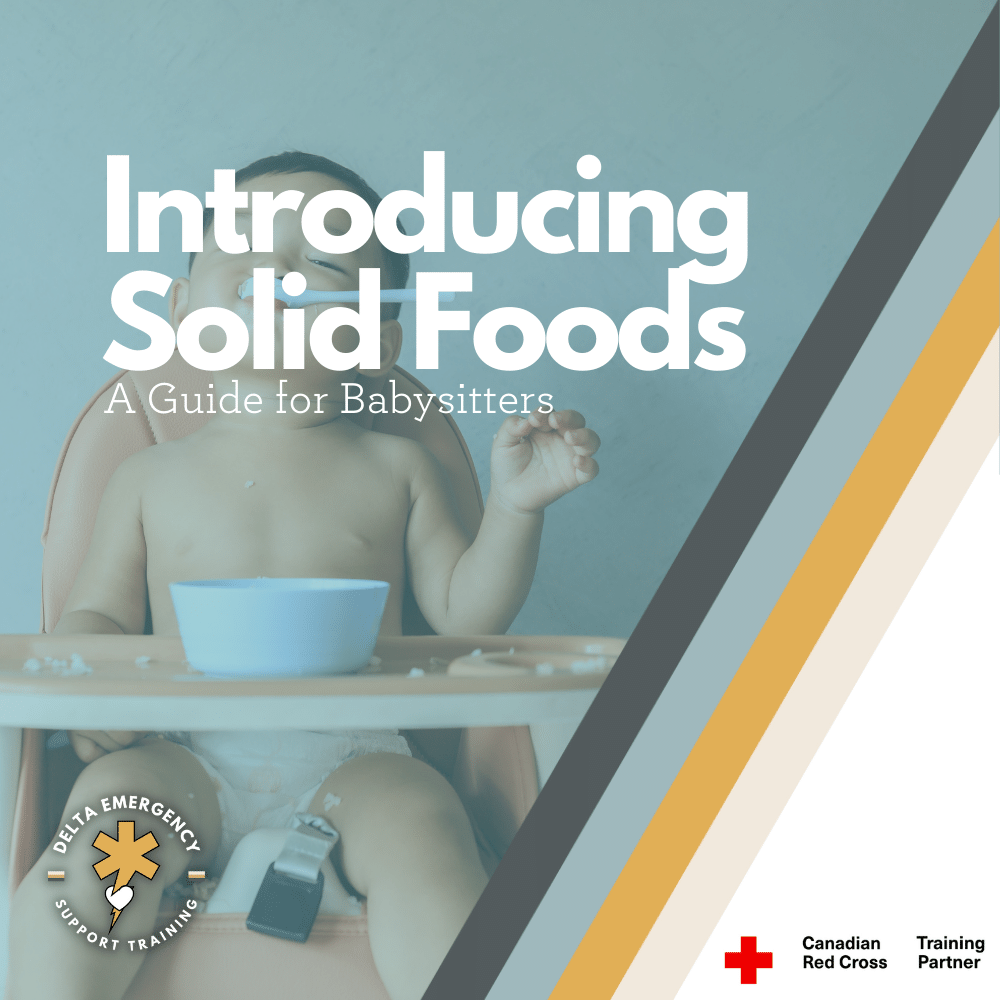
Introducing Solid Foods: A Guide for Babies Under One Year Old
The first year of a baby's life is an exciting journey filled with milestones, and one of the most significant transitions is the introduction of solid foods. Up until around the age of six months, babies rely solely on breast milk or formula for their nutritional needs. But as they grow and develop, their bodies undergo changes that make them ready to explore the world of solid foods. In this blog, we will delve into the reasons why babies under one year old should only consume breast milk or formula and then explore the exciting phase of introducing new foods to your little one.
The first year of a baby's life is a remarkable journey filled with numerous developmental milestones, and one of the most significant transitions during this period is the introduction of solid foods. For the initial six months, babies primarily rely on breast milk or formula for their nutritional needs. In this blog, we will explore the reasons behind this, as well as the exciting phase of introducing new foods to your growing infant.

Child eating MESSILY in high chair.
Breast Milk and Formula
The Essential Nutritional Foundation
Before we delve into the world of solid foods, let's understand why breast milk or formula is the nutritional backbone for babies under one year old:
Nutritional Completeness:
Breast milk and infant formula are specially formulated to provide a perfect balance of essential nutrients, vitamins, and minerals required for a baby's healthy growth and development. They contain all the necessary components in the right proportions.
Easy Digestion:
The digestive system of a newborn is incredibly delicate and continues to develop during the first six months of life. Breast milk and formula are gentle on the stomach and intestines, making them easy to digest without causing undue stress or discomfort.
Immune System Support:
Breast milk, in particular, is rich in antibodies and other immune-boosting factors. These substances help protect your baby from infections and illnesses during the critical early months when their immune system is still maturing.
Optimal Growth:
Both breast milk and formula are designed to ensure that your baby gains weight at a healthy rate while achieving appropriate developmental milestones.
The Developmental Milestones Around Six Months
Around the age of six months, babies reach several important developmental milestones that signal their readiness to start exploring solid foods. Identifying these signs is crucial to ensure a smooth and successful transition:
Improved Head Control:
By six months, most babies can sit up with some support and have developed better control over their head and neck movements. This newfound stability is crucial for safe and comfortable eating.
Lost Tongue Thrust Reflex:
Babies are born with a reflex that causes them to push anything placed on their tongue out. Around six months, this reflex begins to diminish, making it easier for them to swallow food rather than instinctively expelling it.
Increased Appetite:
Babies may start showing a keen interest in the foods you are eating and even mimic chewing motions. This eagerness to participate in mealtime activities is a clear indicator of readiness for new textures and tastes.
Growing Teeth:
While not all babies will have teeth at six months, some may start teething around this time. The presence of even a few teeth can make chewing food more comfortable and effective.
Introducing Solids: The Exciting Phase
Once your baby exhibits these signs of readiness, it's time to embark on the thrilling journey of introducing solid foods. Here are some key steps and tips for a successful transition:
Start Slowly:
Begin with single-ingredient, smooth, and well-mashed foods such as rice cereal, mashed bananas, or pureed sweet potatoes. These foods are easy on the baby's palate and digestive system, reducing the risk of digestive discomfort or allergies.
Offer Variety:
As your baby becomes more accustomed to eating solids, gradually introduce a diverse range of fruits, vegetables, and grains. This practice helps expose them to different flavors and nutrients, fostering a well-rounded palate.
Pay Attention to Allergens:
When introducing common allergenic foods like peanuts, tree nuts, eggs, and seafood, it's essential to consult with your pediatrician for guidance on when and how to incorporate them into your baby's diet. Allergies can be a concern, and professional advice can help mitigate risks.
Monitor for Allergic Reactions:
Keep a vigilant eye on your baby for any signs of allergic reactions, such as hives, facial swelling, or difficulty breathing. If you suspect an allergy, contact your pediatrician immediately for further evaluation and guidance.
Maintain a Consistent Schedule:
Continue offering solids at regular intervals while keeping breast milk or formula as a vital part of your baby's diet. A gradual shift to solid foods ensures your baby receives both the benefits of these new foods and the continued nutrition and comfort provided by breast milk or formula.
Conclusion and Training
As your baby embarks on the exciting journey of transitioning to solid foods, it's essential to remember that each child is unique, and this process may unfold at different rates for every baby. Always consult with your pediatrician for personalized guidance, as they can provide valuable insights into your baby's specific nutritional needs and developmental progress.
At Delta Emergency Support Training, we recognize the importance of providing caregivers and babysitters with the knowledge and skills necessary to ensure the safety and well-being of infants and children. Our Babysitter courses, available to anyone across Canada, are taught by medical professionals with a strong emphasis on essential topics like choking safety. These courses empower caregivers with the confidence and expertise needed to navigate the challenges of infant care, including the introduction of solid foods.
As you guide your baby through this period of growth and exploration, you are laying the foundation for a lifelong relationship with food and nutrition. These early experiences will shape your baby's preferences and habits for years to come, fostering a healthy and nourishing approach to eating that will serve them well throughout their lives. Enjoy this remarkable journey of discovery and development with your little one!

Navigating the Storm: Dealing with Combative Patients as a First Responder
In the realm of first responders, the challenges are many, and the stakes are high. They are the heroes who rush to the scenes of emergencies, offering crucial medical assistance to individuals in their most vulnerable moments. Yet, within this high-stress environment, first responders often encounter patients who are not just physically unwell but also emotionally distressed, agitated, and combative.
In the realm of first responders, the challenges are many, and the stakes are high. They are the heroes who rush to the scenes of emergencies, offering crucial medical assistance to individuals in their most vulnerable moments. Yet, within this high-stress environment, first responders often encounter patients who are not just physically unwell but also emotionally distressed, agitated, and combative. In this blog, we will delve into the world of first responders, explore the reasons behind patient agitation, and unravel the essential art of deescalation techniques. We'll also emphasize the significance of adhering to local protocols to ensure a seamless and safe response.

Hand reaching out for help.
Understanding the Storm
First responders often find themselves in situations where emotions run high and tensions soar. To navigate these turbulent waters effectively, it's essential to understand why some individuals become combative in these challenging circumstances:
Fear and Anxiety:
It's no surprise that the fear of the unknown, pain, or invasive medical procedures can trigger intense anxiety. For many patients, it's the fear of the unseen that sends them into a frenzy.
Loss of Control:
The loss of control over their situation can make patients feel helpless and agitated. This loss of power can manifest as anger or aggression.
Past Trauma:
Some individuals carry the scars of previous negative experiences with healthcare providers or traumatic medical incidents. These past traumas can lead to a deep-seated fear of doctors, medical procedures, or paramedics.
Mental Health Challenges:
For patients with underlying mental health conditions, managing emotions can be a daunting task. In these cases, agitation may be a manifestation of their struggles.
Mastering the Art of Deescalation
First responders are not just skilled in providing medical care; they are also trained in the art of deescalation. Their ability to defuse tense situations is crucial to ensure the safety of both themselves and their patients. Here are some invaluable deescalation techniques they employ:
Stay Calm and Composed:
In the midst of chaos, first responders maintain a demeanor of calm and composure. Their emotional stability can have a profound impact on the patient's emotional state.
Active Listening:
Listening attentively to the patient's concerns and fears is the first step in deescalation. Empathetic listening goes a long way in acknowledging their feelings.
Use Verbal Communication:
They communicate clearly and concisely, avoiding medical jargon and explaining procedures in simple terms.
Respect Personal Space:
A safe distance is maintained to prevent patients from feeling threatened. Respecting their physical boundaries is crucial.
Non-Threatening Body Language:
First responders employ open and non-threatening body language, with open palms and a relaxed posture.
Offer Choices:
Whenever possible, patients are given choices to make them feel more in control of their situation.
Assess for Pain:
Addressing pain promptly is vital, as it can exacerbate agitation. First responders aim to alleviate pain as part of their deescalation strategy.
Involve Family and Friends:
If appropriate, they involve loved ones to provide emotional support and comfort.
Reinforce Positive Behavior:
Praising the patient for cooperation and positive behavior can be a powerful deescalation tool.
Seek Backup:
If the situation escalates beyond their control, first responders are not afraid to call for additional assistance, whether from law enforcement or psychiatric professionals.
The Role of Local Protocols
In the unpredictable world of first response, adherence to local protocols is a guiding star. These protocols are the compass that ensures first responders are on course. Here's why they are crucial:
Legal and Ethical Compliance:
Local protocols are rooted in legal and ethical standards, ensuring that first responders operate within the boundaries of the law while upholding ethical principles.
Consistency in Care:
Standardized protocols guarantee consistency in patient care, a vital factor in maintaining quality and minimizing risks associated with combative behavior.
Patient Safety:
Protocols prioritize patient safety, providing a structured framework for responding to emergencies while minimizing harm.
Minimizing Liability:
Following protocols can protect first responders and their agencies from potential legal liability, offering a robust defense in the event of adverse outcomes.
Effective Communication:
Protocols include guidelines for effective communication with other healthcare professionals, law enforcement, and dispatchers, facilitating a coordinated response.
Training and Preparedness:
Protocols are integrated into training programs, ensuring that first responders are well-prepared to navigate high-stress situations with confidence.
Patient Rights and Dignity:
Protocols often emphasize respecting patient rights and maintaining their dignity, even in the most challenging circumstances.
Conclusion
First responders are the unsung heroes who brave the storm of emergencies to provide critical medical assistance. In doing so, they often encounter patients who are emotionally distressed and combative. By mastering the art of deescalation, they transform these tumultuous situations into opportunities for healing and reassurance. With calm, empathetic communication and adherence to local protocols, first responders ensure the safety and well-being of both patients and themselves. They embody the essence of compassion and professionalism, making a difference in people's lives during their most vulnerable moments.
Babysitter's Guide: What to Do When a Child Breaks Their Arm
Hey there, amazing babysitter! You play a crucial role in keeping kids safe and happy while their parents are away. But sometimes, unexpected accidents happen, like a child breaking their arm. It's essential to stay prepared and know what to do in such situations. In this guide, we'll walk you through the steps to take if a child breaks their arm while you're babysitting.
Introduction
Hey there, amazing babysitter! You play a crucial role in keeping kids safe and happy while their parents are away. But sometimes, unexpected accidents happen, like a child breaking their arm. It's essential to stay prepared and know what to do in such situations. In this guide, we'll walk you through the steps to take if a child breaks their arm while you're babysitting.

A child holding their broken arm in a cast.
How a Child May Break Their Arm
Accidents can happen, especially with active and adventurous children. Understanding how a child may break their arm can help caregivers and babysitters be more vigilant and prepared. Here are some common scenarios in which a child may sustain a broken arm:
1. Falling
Falls are a frequent cause of broken arms in children. A child can trip, slip, or fall from heights while playing on playground equipment, climbing trees, or riding a bicycle. When they attempt to break their fall by extending their arm, it can lead to a fracture.
2. Sports and Play
Children often engage in sports and games that involve physical contact or impact. This can include activities like soccer, basketball, gymnastics, or even roughhousing with friends. Collisions or falls during these activities can result in a broken arm, especially if they land on their outstretched arm.
3. Accidental Collisions
Accidents can occur in everyday situations. A child may accidentally collide with a hard object or another child while running, playing indoors, or participating in organized sports. The impact can lead to a broken arm.
4. Trampoline Mishaps
Trampolines are a common source of childhood injuries. While bouncing or attempting flips, children can land awkwardly on their arms, leading to fractures. It's essential to supervise children closely when they're using a trampoline and follow safety guidelines.
5. Playground Injuries
Playgrounds are a fun and exciting place for children, but they can also be risky. Falls from swings, slides, monkey bars, or other equipment can cause arm fractures if a child lands on their arm while trying to break their fall.
What to do: Stay Calm
Staying calm is absolutely paramount in moments of crisis. When an accident occurs, it can be a scary experience, especially for a child, but your composure becomes a beacon of stability. Children often look to adults for guidance on how to react to challenging situations, so your ability to stay composed is essential. It helps the child feel safer and more secure, creating a reassuring environment amidst the chaos. By taking a deep breath and focusing on what needs to be done, you can gather your thoughts, assess the situation, and make rational decisions quickly. This not only benefits the child but also aids in your own effective response. In summary, maintaining calmness is vital for providing the best care and support during an emergency, ultimately ensuring the child's safety and well-being.
Call for Help
If you suspect that the child's arm is broken or if uncertainty surrounds the severity of the injury, it's absolutely crucial not to delay – call for help immediately. Dialing 911 or your local emergency number is the first step in ensuring the child receives the prompt and professional medical attention they require. While awaiting the arrival of medical professionals, it's essential to stay focused and take the following steps to provide the best possible care for the injured child. Your swift action can be the linchpin in the child's recovery process, as it ensures that the right experts with the necessary equipment and expertise will soon be on the scene to assess, treat, and address the broken arm properly.
Assessing the Injury
Assessing the injury is a crucial step when a child may have a broken arm, and it's important to do so without causing unnecessary pain or discomfort. Begin by gently asking the child if they can wiggle their fingers. If they can do so, it's generally a positive sign that the injury might not be as severe as initially feared. However, it's essential to keep in mind that the fingers may still be injured or swollen, so be gentle. If there are rings on the fingers, watches or bracelets, carefully remove them to prevent constriction as the fingers and wrists may swell after an injury. This initial assessment can provide valuable information while minimizing any further discomfort for the child. Remember, the child's well-being is our top priority during this process.
Provide Comfort and Reassurance
While waiting for the ambulance, comfort and reassure the injured child. Speak to them in a soothing tone, keep them distracted from the pain by chatting or playing a game, and let them know that help is on the way.
Communicate with Parents
As soon as you can, reach out to the child's parents or guardians to inform them of what happened. It is crucial to have a reliable means of contacting parents or guardians in case of emergencies and ensuring that the contact information is accurate and up-to-date. A working phone or communication device is a lifeline that can provide immediate access to parental consent, medical history, emotional support, logistical arrangements, and fulfilling legal and ethical obligations, all of which are essential for the child's safety and well-being. Therefore, always double-check the provided contact information and have a functioning device ready when babysitting, ensuring you can promptly reach out to parents or guardians if an injury occurs.
Conclusion
Being a babysitter comes with a lot of responsibilities, including handling unexpected emergencies like a broken arm. Remember, staying calm, ensuring safety, and taking the right steps to care for the injured child are essential. Your quick and composed response can make a big difference in the child's comfort and recovery. Always prioritize the child's well-being and seek professional medical help to ensure they receive the proper treatment for their broken arm. You've got this, babysitter-extraordinaire!

Understanding HIV and AIDS: Facts, Myths, and Prevention
In a world filled with information, it's essential to separate truth from fiction, especially when it comes to matters as critical as HIV and AIDS. This comprehensive blog aims to be your guide, shedding light on the intricacies of these infections, the myths that surround them, and the crucial strategies for prevention.
HIV (Human Immunodeficiency Virus) is a viral infection that affects the immune system. It is a global health concern that has led to the development of Acquired Immunodeficiency Syndrome (AIDS) in many individuals. In this blog, we will explore what HIV is, how it is transmitted, the stigma surrounding it, methods of protection, at-risk populations, and more.

What is HIV?
HIV is a virus that primarily targets and weakens the immune system, specifically the CD4 cells (T cells), which are crucial for fighting infections. There are two main types of HIV: HIV-1 and HIV-2, with HIV-1 being the most common and virulent strain.
Symptoms and Signs of HIV Infection:
Acute HIV Infection:
This stage occurs within the first few weeks of HIV exposure. Symptoms are often flu-like and may include:
Fever
Fatigue
Swollen lymph nodes
Sore throat
Rash
Muscle and joint pain
Headache
Diarrhea
Night sweats
Asymptomatic Stage:
After the acute stage, HIV often enters a period of clinical latency where it replicates at low levels. During this phase, which can last for years, there may be no noticeable symptoms. However, the virus is still active and can be transmitted to others.
Progression to AIDS:
Without treatment, HIV infection will eventually progress to AIDS. At this stage, the immune system is significantly compromised, and the person becomes vulnerable to a range of opportunistic infections and cancers.
AIDS-defining illnesses may include:
Tuberculosis (TB)
Pneumocystis jirovecii pneumonia (PCP)
Cytomegalovirus (CMV) infection
Kaposi's sarcoma
Cryptococcal meningitis
Lymphoma
Toxoplasmosis
General Symptoms:
As HIV progresses, symptoms may become more severe and include:
Persistent fever
Unexplained weight loss
Chronic diarrhea
Fatigue
Swollen lymph nodes
Recurrent infections
Skin problems (rashes, lesions)
Neurological Symptoms:
HIV can also affect the nervous system, leading to:
Memory problems
Cognitive impairment
Difficulty concentrating
Coordination and balance issues
Neuropathy (numbness or tingling in the extremities)
Understanding AIDS
AIDS, or Acquired Immunodeficiency Syndrome, is the final stage of HIV infection. It occurs when the immune system is severely damaged, and the individual becomes susceptible to a wide range of opportunistic infections and certain cancers. AIDS is diagnosed when the CD4 cell count drops below 200 cells per microliter of blood, or when the person experiences one or more AIDS-defining illnesses.
Misconceptions and Myths
Misconceptions and myths about AIDS (Acquired Immunodeficiency Syndrome) have persisted since the early days of the epidemic. It's essential to dispel these myths to promote accurate information and reduce stigma. Here are some common myths about AIDS:
Myth: AIDS Can Be Transmitted through Casual Contact:
This is one of the most enduring and harmful myths. HIV is not transmitted through everyday social interactions like hugging, kissing, shaking hands, using public restrooms, or sharing utensils.
Myth: You Can Get HIV from Mosquito Bites:
HIV is not transmitted by mosquitoes or other insects. The virus cannot survive in the digestive system of insects and is not present in their saliva.
Myth: You Can Get HIV from Saliva, Tears, or Sweat:
HIV is not typically found in saliva, tears, or sweat in amounts sufficient to transmit the virus. Transmission requires direct contact with specific body fluids like blood, semen, vaginal fluids, rectal fluids, and breast milk.
Myth: Only Certain Groups Can Get HIV:
HIV can affect anyone, regardless of age, gender, sexual orientation, or race. While certain groups may have a higher prevalence, such as men who have sex with men or people who inject drugs, HIV does not discriminate.
Myth: You Can Tell if Someone Has HIV by Their Appearance:
HIV does not have a specific "look." Many people living with HIV have no visible symptoms or physical signs. You cannot determine someone's HIV status by their appearance.
Myth: HIV Is a Death Sentence:
With advances in medical treatments, HIV has become a manageable chronic condition. When diagnosed early and managed with antiretroviral therapy (ART), people with HIV can live long, healthy lives. AIDS-related deaths have significantly decreased in many parts of the world due to effective treatment.
Routes of Transmission
HIV can be transmitted through various routes:
Unprotected Sexual Contact:
Sexual intercourse without a condom with an infected person is a common mode of transmission.
Sharing Needles:
Sharing needles or syringes with an infected person can transmit the virus.
Mother-to-Child Transmission:
HIV can be transmitted during childbirth, breastfeeding, or during pregnancy if the mother is infected.
Blood Transfusions and Organ Transplants:
Although rare in developed countries due to stringent screening, HIV can be transmitted through contaminated blood products or organ transplants.
Occupational Exposure:
Healthcare workers are at risk if they come into contact with infected blood or body fluids without proper precautions.
Stigma Surrounding HIV
Stigma and discrimination surrounding HIV and AIDS remain significant challenges. People living with HIV often face social isolation, rejection, and even violence. Myths and misconceptions about the virus perpetuate fear and prejudice. It is crucial to combat HIV-related stigma to ensure that individuals receive proper care, support, and treatment.
Protecting Yourself
Preventing HIV transmission is essential for public health. Here are some measures you can take to protect yourself.
Safe Sex:
Consistently using condoms during sexual intercourse can reduce the risk of transmission.
Know Your Partner:
Being aware of your partner's HIV status and practicing mutual monogamy can lower your risk.
Pre-Exposure Prophylaxis (PrEP):
PrEP is a medication taken by individuals at high risk of HIV to prevent infection.
Use Clean Needles:
If you use needles for drugs or medical purposes, ensure they are sterile and not shared.
Get Tested:
Regular HIV testing is essential, as early detection and treatment can significantly improve outcomes.
At-Risk Populations
Certain groups are at higher risk of HIV infection:
Men who have sex with men (MSM):
This group has a higher prevalence of HIV due to risk factors associated with their sexual practices.
Injection Drug Users (IDUs):
Sharing needles and engaging in risky behaviors put IDUs at a greater risk.
Sex Workers:
Those involved in sex work often face increased risk due to multiple sexual partners and limited control over condom use.
Transgender Individuals:
Stigma, discrimination, and limited access to healthcare contribute to higher HIV rates among transgender individuals.
People from High-Prevalence Regions:
Individuals from areas with high HIV prevalence are at greater risk.
Conclusion
HIV is a complex and challenging virus that affects millions of people worldwide. Combating HIV/AIDS requires not only medical advances but also a commitment to education, reducing stigma, and ensuring access to prevention, testing, and treatment. By understanding the virus, practicing safe behaviors, and supporting those affected, we can work towards a world where HIV is no longer a global health crisis.

Body Substance Isolation for First Responders
In the high-stakes world of first response, safety is paramount. This blog dives deep into Body Substance Isolation (BSI) and its indispensable role in safeguarding the lives of first responders. We'll uncover how BSI practices have significantly reduced disease transmission rates, look back in history to understand the risks before BSI, and examine the pivotal role it plays in protecting both responders and the communities they serve. Join us on a journey through time and protocols as we explore the critical importance of BSI for those who rush to the scene of emergencies, preventing infections, and ultimately saving lives.
Introduction
First responders, the brave men and women who rush to the scene of emergencies, accidents, and disasters, face a multitude of hazards every day. While their primary goal is to save lives and provide immediate assistance, they must also protect themselves from potential dangers. Body Substance Isolation (BSI) is a set of precautions and practices that are absolutely crucial for first responders. In this blog, we will delve into the significance of BSI in ensuring the safety and well-being of those on the front lines of emergency response.

Medical professional applying gown and gloves as bsi
Understanding Body Substance Isolation (BSI)
Body Substance Isolation (BSI) is a comprehensive approach to infection control that involves the proper handling and protection from bodily fluids, tissues, and other potentially infectious materials. BSI is not limited to any particular type of emergency response but is relevant across the board, including medical emergencies, accidents, natural disasters, and hazardous material incidents.
The Core Principles of BSI
Personal Protective Equipment (PPE):
The foundation of BSI is the use of appropriate PPE. This includes gloves, masks, gowns, eye protection, and respirators when necessary. The use of PPE acts as a barrier between the responder and potentially infectious materials, preventing direct contact.
Hand Hygiene:
First responders must maintain excellent hand hygiene. Regular and thorough handwashing, or the use of hand sanitizers, is essential to minimize the risk of disease transmission.
Safe Handling and Disposal:
Proper techniques for the safe handling, packaging, and disposal of contaminated materials are fundamental to BSI. Sharps (such as needles) must be disposed of in puncture-resistant containers, while contaminated clothing and equipment must be handled carefully to prevent the spread of pathogens.
Respiratory Hygiene/Cough Etiquette:
Responders should follow respiratory hygiene practices to reduce the risk of inhaling airborne pathogens or spreading respiratory illnesses.
Masks, gloves, gowns, and eye protective equipment
Masks: Shielding the Respiratory System
Masks are a fundamental piece of personal protective equipment (PPE) for first responders, serving as a crucial shield for the respiratory system. These masks come in various types, each designed to address specific risks:
N95 Respirators:
N95 respirators are highly effective at filtering out airborne particles and are commonly used in situations where responders may be exposed to infectious agents, dust, or hazardous fumes. They provide an airtight seal around the nose and mouth, preventing the inhalation of harmful substances.
Surgical Masks:
Surgical masks are primarily used in medical settings. They protect both the wearer and those in close proximity from respiratory droplets and splashes. While they offer less filtration than N95 respirators, they are still essential for preventing disease transmission.
Proper mask usage is crucial. Responders must be trained in how to don and doff masks correctly to minimize the risk of contamination. A secure fit, regular replacements, and adherence to guidelines for extended use are all critical aspects of mask safety.
Gloves:
The Barrier Against Direct Contact
Gloves are the frontline defense against direct contact with potentially infectious materials. First responders use disposable gloves made from various materials, including latex, nitrile, and vinyl. The choice of glove material depends on individual preferences and potential allergies.
Proper glove usage involves:
Selecting the appropriate glove type for the task.
Ensuring gloves are the right size for a snug fit.
Changing gloves between tasks and after potential contamination.
Avoiding touching the face, adjusting masks, or handling personal items while wearing gloves.
Safely removing and disposing of gloves to prevent cross-contamination.
Failure to follow these guidelines can lead to accidental contamination and defeat the purpose of wearing gloves.
Gowns:
Protecting Against Splashes and Contamination
Gowns provide an additional layer of protection, especially in situations where responders may encounter bodily fluids or other potentially infectious materials. These disposable garments are typically made of non-porous materials like polyethylene or polypropylene.
Responders should don gowns before entering potentially contaminated areas.
Ensure gowns cover their entire body and are secured at the neck and wrists.
Remove gowns carefully to prevent contamination when exiting hazardous areas.
Dispose of gowns properly in designated containers.
Gowns are essential for minimizing the risk of contamination when working in close proximity to patients or in environments with a high potential for splashes.
Eye Protective Equipment:
Safeguarding Vision
Eye protective equipment, including goggles and face shields, shields the eyes from splashes, flying debris, or other hazards that could cause eye injuries or contamination. In healthcare and emergency response settings, eye protection is crucial, especially when dealing with patients exhibiting symptoms of infectious diseases.
Proper eye protection:
Shields the eyes completely, with no gaps for contaminants to enter.
Should be worn in conjunction with masks and other PPE, ensuring full facial coverage.
Eye protective equipment not only safeguards vision but also prevents potential disease transmission through the mucous membranes of the eyes.
Disease Transmission Rates
Historical Impact of BSI
Before the widespread adoption of BSI practices, first responders faced alarmingly high disease transmission rates. In the early days of modern medicine, the lack of standardized protective measures exposed them to severe risks. Diseases like tuberculosis, hepatitis, and HIV were known to spread readily among healthcare and emergency response personnel.
HIV/AIDS:
The HIV/AIDS epidemic in the 1980s and 1990s raised serious concerns about disease transmission among healthcare workers. Before the implementation of strict BSI measures, there were instances of HIV transmission in healthcare settings due to inadequate precautions.
Hepatitis B and C:
Hepatitis B and C viruses posed significant threats to first responders. These infections, transmitted through contact with contaminated blood and bodily fluids, were relatively common among healthcare workers before BSI guidelines were established.
Impact of BSI on Disease Transmission Rates:
The introduction of BSI protocols marked a turning point in the safety of first responders. These measures significantly reduced the risk of disease transmission, protecting the lives and health of those on the front lines.
HIV/AIDS:
With the implementation of universal precautions, including the use of gloves and safe disposal practices, the risk of HIV transmission to healthcare workers decreased dramatically. The incidence of occupational HIV infections among first responders dropped substantially.
Hepatitis B and C:
BSI guidelines, including vaccination, proper use of PPE, and strict handling and disposal procedures, led to a significant decline in the transmission of hepatitis B and C among first responders.
A Look Back in History
Pre-BSI Era:
Before the formalization of BSI, first responders operated in a much riskier environment. The lack of standardized precautions left them vulnerable to infections and contributed to disease outbreaks.
Infectious Disease Outbreaks:
Historical records show that outbreaks of diseases like tuberculosis, smallpox, and influenza often spread within healthcare and emergency response settings. The lack of protective measures not only endangered responders but also allowed diseases to propagate unchecked.
Post-BSI Era:
The development and implementation of BSI practices transformed emergency response and healthcare. Here's how:
Reduction in Occupational Infections:
BSI measures, such as the use of PPE, strict hand hygiene, and safe handling of contaminated materials, significantly reduced the incidence of occupational infections among first responders. This led to a safer working environment.
Protection of Patients:
BSI not only protects first responders but also safeguards the health of patients. The prevention of cross-contamination ensures that patients receive care in a safe and sanitary environment.
Improved Public Health:
By preventing the spread of infectious diseases at their source, BSI contributes to broader public health efforts. It helps limit the scope of disease outbreaks, reduces the burden on healthcare systems, and saves lives.
Conclusion
Body Substance Isolation is not merely a set of guidelines; it is a lifeline for first responders. It ensures their personal safety, prevents disease transmission, and ultimately saves lives. In a world where emergencies and crises are an unfortunate reality, BSI stands as a critical shield that allows first responders to carry out their noble mission while protecting themselves and the communities they serve. Every responder should be well-trained in BSI practices and consistently apply them, for their safety, the safety of those they help, and the greater good of society. The history of BSI underscores its pivotal role in stopping the spears of infectious diseases, making the world a safer and healthier place for all.
Navigating Back-to-School Health: A Parent's Guide
As a parent, the back-to-school season brings not only excitement but also concerns about your child's health. In our guide, we'll help you navigate this crucial period by highlighting the signs of common illnesses, offering effective prevention tips, and guiding you on when it's time to reach out to healthcare professionals. Keep your child healthy and thriving throughout the school year with our expert advice.
The back-to-school season is an exciting time for kids and parents alike. It's a time for new beginnings, fresh supplies, and the promise of a year filled with learning and growth. However, it also brings with it the inevitable return of cold and flu season. As a parent, it's essential to be prepared and vigilant when it comes to your child's health. In this blog, we will discuss the various symptoms and signs of common illnesses that tend to circulate in schools, ways to prevent sickness and transmission, and important conditions to be aware of, including strep throat, the common cold, stomach flu, mono, hand-foot-and-mouth disease, and meningitis.

Children in classroom with their hands up
Recognizing the Symptoms
Cold and Flu:
The cold and flu are perhaps the most common culprits when it comes to illnesses that circulate in schools. Cold symptoms typically include a runny or stuffy nose, sneezing, a sore throat, and a nagging cough. In the case of the flu, your child may experience these symptoms more intensely, accompanied by fever, fatigue, and body aches. If you notice your child feeling sluggish, having a reduced appetite, or seeming generally uncomfortable, these could be signs of a viral infection.
Strep Throat:
Strep throat is a bacterial infection that often affects school-aged children. It presents as a severe sore throat, making swallowing painful. Fever, headache, and swollen lymph nodes in the neck are common accompanying symptoms. One of the telltale signs of strep throat is the presence of white patches or streaks on the tonsils or the back of the throat, which can help distinguish it from a regular sore throat.
Stomach Flu (Gastroenteritis):
Gastroenteritis, often referred to as the stomach flu, can lead to symptoms like nausea, vomiting, diarrhea, abdominal pain, fever, and muscle aches. Frequent trips to the bathroom and the risk of dehydration are key signs to watch for in cases of stomach flu.
Mono (Mononucleosis):
Mono, or mononucleosis, is often dubbed the "kissing disease" because it can spread through close contact. Symptoms include extreme fatigue, a persistent sore throat, fever, swollen lymph nodes, and an enlarged spleen. If your child is experiencing severe fatigue that doesn't seem to improve with rest, mono could be the underlying cause.
Hand-Foot-and-Mouth Disease:
Hand-foot-and-mouth disease primarily affects younger children and is characterized by a fever, a sore throat, and the development of painful sores in the mouth. These sores are often accompanied by a distinctive rash on the hands, feet, and buttocks. If you notice these symptoms along with a fever, it's essential to seek medical advice.
Meningitis:
Meningitis is a rare but potentially life-threatening illness that can occur in school-aged children. Its symptoms can escalate quickly and include a severe headache, high fever, neck stiffness, sensitivity to light, and confusion. If your child exhibits these symptoms, especially in combination, it's crucial to seek immediate medical attention.
Understanding these symptoms and signs is essential for parents to promptly identify and address any potential health issues that may arise during the school year. Keep in mind that early detection and appropriate medical care are crucial in ensuring your child's well-being and preventing the spread of illness to others in the school community.
Seeking Professional Help When Your Child Is Sick
While many common childhood illnesses can be managed at home, there are situations when it's crucial to seek professional medical assistance promptly. Here are some guidelines to help you determine when to reach out to healthcare professionals:
Persistent High Fever:
If your child has a fever that persists for more than a couple of days, especially if it's accompanied by other concerning symptoms, such as difficulty breathing, rash, or extreme lethargy, consult a healthcare provider. High fevers can be a sign of a more severe underlying condition.
Severe Dehydration:
Dehydration can occur quickly in children, especially when they have symptoms like vomiting and diarrhea. Signs of dehydration include dry mouth, sunken eyes, infrequent urination, and extreme thirst. If you notice these symptoms, seek medical attention.
Breathing Difficulties:
Any breathing difficulties, including rapid or labored breathing, wheezing, or a persistent cough, require immediate attention. These symptoms could indicate conditions like asthma or pneumonia.
Seizures: If your child experiences a seizure, even if it's brief and seems to stop, it's essential to consult a healthcare provider immediately.
Severe Pain:
Intense and unrelenting pain, whether in the abdomen, head, or other areas, should not be ignored. It could signify a serious medical issue, such as appendicitis or a migraine.
Difficulty Swallowing or Severe Sore Throat:
If your child struggles to swallow, has severe throat pain, or is unable to eat or drink due to discomfort, it may indicate strep throat or another concerning condition that requires medical evaluation.
Unusual or Persistent Symptoms:
Any unusual or prolonged symptoms that don't improve with rest and over-the-counter treatments should be examined by a healthcare professional. This includes symptoms like severe headaches, joint pain, or skin rashes.
Concerns About Contagious Diseases:
If there is a concern that your child may have been exposed to a contagious disease like COVID-19 or meningitis, contact a healthcare provider for guidance on testing and isolation procedures.
Behavioural Changes:
Significant behavioral changes, such as confusion, disorientation, or extreme irritability, can be indicative of underlying medical conditions, including infections affecting the brain.
Worsening Symptoms:
If your child's symptoms worsen despite at-home care or if they appear to be in severe distress, it's better to err on the side of caution and seek professional medical help.
Remember that as a parent, you know your child best. Trust your instincts. If you're ever in doubt about your child's health or well-being, don't hesitate to reach out to a healthcare provider or seek emergency medical care. Timely intervention can make a significant difference in your child's recovery and overall well-being.
Prevention and Transmission
As a parent, you can take several proactive steps to minimize the risk of your child falling ill or spreading illnesses in their school environment:
Hand Hygiene:
Teaching your child proper hand hygiene is a fundamental step in preventing the spread of illnesses. Encourage them to wash their hands frequently with soap and water for at least 20 seconds. Handwashing should be practiced before eating, after using the restroom, and after sneezing or coughing. When soap and water are not readily available, provide your child with hand sanitizer containing at least 60% alcohol.
Healthy Habits:
Promote healthy habits that support your child's immune system. Encourage them to maintain a balanced diet rich in fruits, vegetables, and whole grains. Ensure they get regular exercise and adequate sleep, as these factors play a significant role in strengthening immunity.
Respiratory Etiquette:
Teach your child the importance of covering their mouth and nose when they sneeze or cough. Encourage them to use a tissue or their elbow, not their hands, to prevent the spread of germs. Discourage them from touching their face, especially their eyes, nose, and mouth, as this can introduce pathogens into their system.
Stay Home When Sick:
If your child exhibits any symptoms of illness, it's crucial to keep them home from school until they are symptom-free for at least 24 hours. This not only aids in their recovery but also prevents the spread of the illness to classmates and teachers. Follow the school's guidelines for returning to class after an illness.
Clean and Disinfect:
Regularly clean and disinfect frequently touched surfaces and objects in your home, such as doorknobs, light switches, countertops, and toys. This practice helps reduce the risk of transmission within your household.
Vaccinations:
Ensuring your child is up-to-date with vaccinations is a powerful tool in preventing contagious diseases. Be sure to schedule routine vaccinations and annual flu shots for your child. These vaccines not only protect them from severe illness but also contribute to community immunity, reducing the risk of outbreaks in school settings.
Limit Exposure:
While it's impossible to completely avoid exposure to germs, you can reduce the risk by limiting your child's contact with sick individuals and crowded places during peak illness seasons. Encourage them to maintain a safe distance from classmates who exhibit symptoms of illness.
By implementing these preventive measures and emphasizing good hygiene practices, you can significantly reduce the likelihood of your child falling ill or transmitting illnesses within the school community. It's essential to foster a sense of responsibility in your child when it comes to their health and the health of those around them, teaching them that taking these precautions is a shared responsibility that helps create a safer and healthier school environment for everyone.
Recognizing the signs of common illnesses like colds, flu, strep throat, mono, stomach flu, hand-foot-and-mouth disease, and meningitis is vital. Equally important are preventive measures.
Teach your child good hygiene, get them vaccinated, and maintain a healthy lifestyle. If they're sick, keep them home until they're symptom-free. Regularly disinfect your home, and limit exposure to illness.
In summary, back to school should be about growth, not sickness. By staying informed and proactive about health, parents can create a safe and productive learning environment for their children.

Epi-Pens for Babysitters: Safeguarding Children Against Severe Allergic Reactions
Discover How Epi-Pens Save Lives: A Babysitter's Guide and First Aid Training with Delta.
Babysitters, your role in caring for children is a crucial one. Ensuring their safety and well-being is your top priority. Among the essential tools in your caregiving arsenal is the Epi-Pen, a device that can make a life-saving difference in moments of severe allergic reactions. In this blog, we'll explore the significance of carrying an Epi-Pen with you at all times while babysitting, as well as the importance of having a thorough conversation with parents or guardians about everything related to allergies.

Epi-pens laying on eachother in stock photo
What is an Epi-Pen?
An Epi-Pen is an auto-injector device designed to deliver a dose of epinephrine, also known as adrenaline. Epinephrine, a naturally occurring hormone and neurotransmitter, takes on a powerful role as a medication when administered in a concentrated form.
Common Uses: Safeguarding Against Severe Allergic Reactions
Your role as a babysitter includes being prepared for emergencies, especially severe allergic reactions, or anaphylaxis, which can happen unexpectedly. Anaphylaxis can be triggered by various allergens and may manifest through symptoms like:
Difficulty breathing: Indicated by wheezing, shortness of breath, or chest tightness.
Swelling: Rapid swelling, especially of the face, lips, and tongue.
Hives: Raised, itchy welts on the skin.
Rapid or weak pulse: An irregular heartbeat.
Nausea and vomiting: Gastrointestinal symptoms.
Confusion or loss of consciousness: In severe cases, the child may lose consciousness.
Common Allergens and Understanding Allergic Reactions
Allergens are substances capable of triggering an allergic reaction in sensitive individuals. Common allergens encompass:
Food: Peanuts, tree nuts, shellfish, dairy, and eggs are among the top food allergens.
Insect Stings: Bee stings, wasp stings, and fire ant bites.
Medications: Certain medications, like penicillin, can cause allergies.
Latex: Latex allergy resulting from exposure to latex gloves, balloons, or medical equipment.
Environmental Allergens: Pollen, dust mites, pet dander, and mold.
Understanding the difference between allergies and anaphylaxis is essential. Allergies may cause symptoms such as sneezing, a runny nose, itching, or a rash, which are typically uncomfortable but not life-threatening. In contrast, severe allergic reactions, or anaphylaxis, are rapid and can be life-threatening if not addressed promptly.
"Blue to the Sky, Orange to the Thigh": Administering the Epi-Pen
One crucial aspect of your babysitting toolkit is knowing how to use an Epi-Pen correctly. The simple rhyme "Blue to the Sky, Orange to the Thigh" can serve as your guide:
Blue to the Sky: Begin by removing the blue safety cap from the Epi-Pen.
Orange to the Thigh: Hold the Epi-Pen as you would a marker, with your thumb on the blue end and your fingers on the orange end, ensuring you avoid accidentally injuring yourself.
Firmly jab the orange end into the child's outer thigh, pushing until you hear a click. The needle can penetrate clothing if necessary but cannot go through items like phones or wallets, so ensure they are removed.
Hold the Epi-Pen in place for ten seconds to ensure the medication fully dispenses.
After use, rub the injection site for thirty seconds to help distribute the medication throughout the child's body.
Epi-Pens are equipped with a needle safety cover that activates automatically after use, safeguarding you from accidental needle sticks.
Important Reminders
Carry It Everywhere: When babysitting, always have the child's Epi-Pen with you wherever you go. Allergic reactions can happen unexpectedly, and having it on hand can be a lifesaver.
Thorough Conversation: Before babysitting, engage in a thorough conversation with the child's parents or guardians about allergies, allergens, and the child's specific needs. Ensure you understand the child's triggers, the location of the Epi-Pen, and any special instructions.
Prescription Only: Epi-Pens cannot be purchased over the counter. They must be prescribed by a doctor, and each Epi-Pen will have a prescription label with the child's name on it.
Check Expiration Dates: Epi-Pens typically have a shelf life of 12 to 18 months. Regularly check the expiration date and ensure you have access to refills as needed to remain fully prepared.
In conclusion, as a babysitter, you play an essential role in ensuring the safety and well-being of the children in your care. Carrying an Epi-Pen and being well-versed in its usage, along with maintaining open communication with parents or guardians regarding allergies and emergency protocols, can make a significant difference in handling unforeseen situations.
Additionally, if you're looking to enhance your babysitting skills and knowledge, consider enrolling in Delta's online babysitting course, accessible to individuals across Canada. In the second part of the class, you'll delve into babysitter first aid, which includes life-saving skills like Epi-Pen administration. What sets this course apart is that it is taught by current on-duty emergency medical service professionals, ensuring you receive the most up-to-date and reliable training.
By taking advantage of educational opportunities like this, you not only equip yourself with valuable skills but also contribute to the safety and well-being of the children you care for. Always remember, "Blue to the Sky, Orange to the Thigh" – it might just be the rhyme that saves a child's life when seconds count.
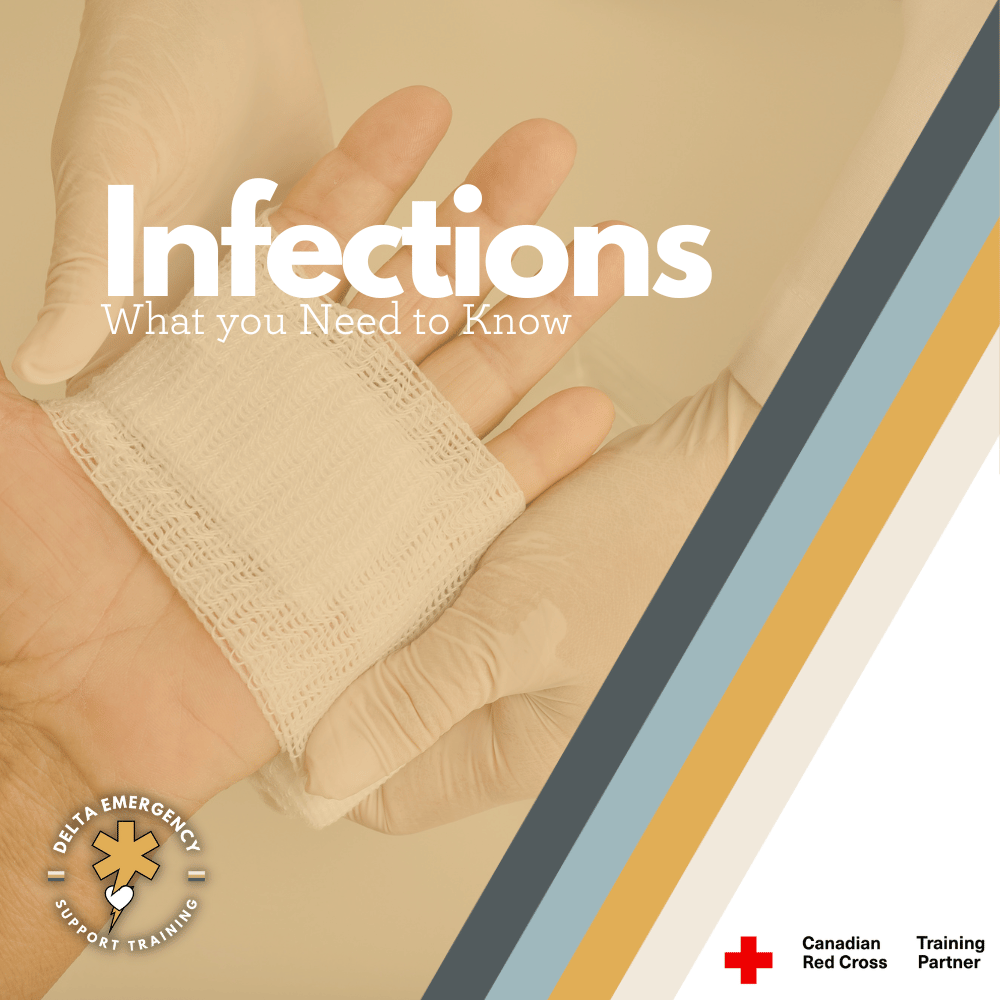
Infections: What you Need to Know
Infections can strike when you least expect them, but with the right knowledge and precautions, you can fortify your defenses. From the basics of wound care to identifying the early signs of infection, this guide has you covered. Explore the lurking danger of tetanus and the grave consequences of gangrene, and learn how to protect yourself and your loved ones. Your health is your most valuable asset, and understanding infections is the first step in defending it.
1. Wound Infections: A Common Threat

Medical professional wrapping a patients hand wound in steril bandages.
Any Wound is at Risk for Infection:
Whether it's a minor paper cut, a scraped knee, or a deep gash, any wound presents an opportunity for infection. Bacteria, viruses, and other pathogens are present everywhere, and they can easily enter the body through an open wound.
Cleaning the Wound:
Proper wound cleaning is critical. Use mild soap and clean, lukewarm water to gently wash the wound. Rinse thoroughly to remove any debris or foreign particles. Avoid harsh scrubbing, as this can damage delicate tissues.
Avoid Touching the Wound:
Always handle wounds with clean, sterile hands or instruments. Even a brief touch with unsterile hands can introduce harmful microbes, increasing the risk of infection.
Hemorrhage Control:
In cases of severe bleeding or extensive tissue damage, controlling the bleed is a priority. Apply pressure using a clean cloth or bandage and seek immediate transportation to a medical center.
Medical Care:
Once at a medical facility, healthcare professionals will perform a more thorough cleaning of the wound. They may also prescribe antibiotics to prevent or treat infection, especially if the wound is deep, contaminated, or at risk of infection.
2. Recognizing Infection Signs
Redness:
Infection often manifests as redness around the wound. This redness may gradually spread if the infection is left untreated.
Swelling:
Inflammation and swelling are natural responses to infection. The infected area might become noticeably larger than usual.
Increased Temperature:
An infected wound can feel warm or hot to the touch due to increased blood flow and inflammation in the area.
Throbbing Sensation:
Pain associated with an infected wound can intensify and take on a throbbing quality. This pain is typically more persistent than the initial injury-related pain.
Pus Formation:
Pus, a thick fluid, is a sign that the body is trying to fight off infection. The color of pus can vary (white, yellow, or green) and often indicates the presence of bacteria.
If an infection is not addressed promptly, it can extend to surrounding tissues and, in severe cases, even reach bones. In some instances, the infection can enter the circulatory system, leading to a systemic infection.
3. Systemic Infections: A Serious Threat
Red Streaks:
If you notice red streaks extending from the wound site, it's a sign that the infection might be spreading systemically. This is a crucial warning sign.
Flu-Like Symptoms:
Systemic infections often present with flu-like symptoms, including fever, muscle aches, fatigue, and chills. These symptoms indicate that the infection has reached the bloodstream and is affecting the entire body.
Prompt medical attention is essential if you suspect a systemic infection, as these can become life-threatening if left untreated.
4. Tetanus: A Lurking Danger
Tetanus:
Tetanus is caused by the bacterium Clostridium tetani, which is commonly found in soil and on rusty metal objects. This bacterium produces a potent toxin that affects the central nervous system and specific muscles.
Symptoms:
Tetanus can lead to difficulty swallowing, irritability, persistent headaches, fever, and muscle spasms, often near the infected area. It's sometimes referred to as "lockjaw" because facial muscles can contract severely.
Prevention:
The most effective way to protect against tetanus is vaccination, which typically provides immunity for 5-10 years. Ensure you stay up-to-date with tetanus shots, especially if you sustain a wound that may expose you to the bacterium.
5. Gangrene: A Grave Consequence
Bacterial Thriving:
Gangrene is caused by bacteria that thrive in environments lacking oxygen. It can also occur when blood flow to an area is compromised, leading to tissue death.
Symptoms:
Gangrene often presents with sudden, intense pain, swelling of the affected area, discolored tissues (which can range from black to blue to green), a foul-smelling discharge that is highly infectious, and sometimes a slight fever.
Necrotizing Fasciitis:
In rare cases, gangrene can progress to necrotizing fasciitis, a rapidly progressing and extremely painful infection often referred to as "flesh-eating disease." A distinctive characteristic is the presence of air bubbles beneath the skin.
If you suspect gangrene or experience symptoms associated with it, seek immediate medical help. Prompt treatment is essential to prevent further tissue damage and complications.
Conclusion
At Delta Emergency Support Training, we take your health seriously. In our first aid and advanced first aid classes, we provide comprehensive education on infections and wound care. Our courses are designed to equip you with the skills and knowledge needed to handle these situations effectively. Whether it's understanding the nuances of wound care, recognizing the early signs of infection, or learning about the specific risks associated with conditions like tetanus and gangrene, we've got you covered.
Infections can strike at any time, and being prepared is your best defense. Stay informed, proactive, and confident in your ability to protect your health. Join Delta Emergency Support Training today and take the first step towards becoming a health-conscious guardian of your well-being.
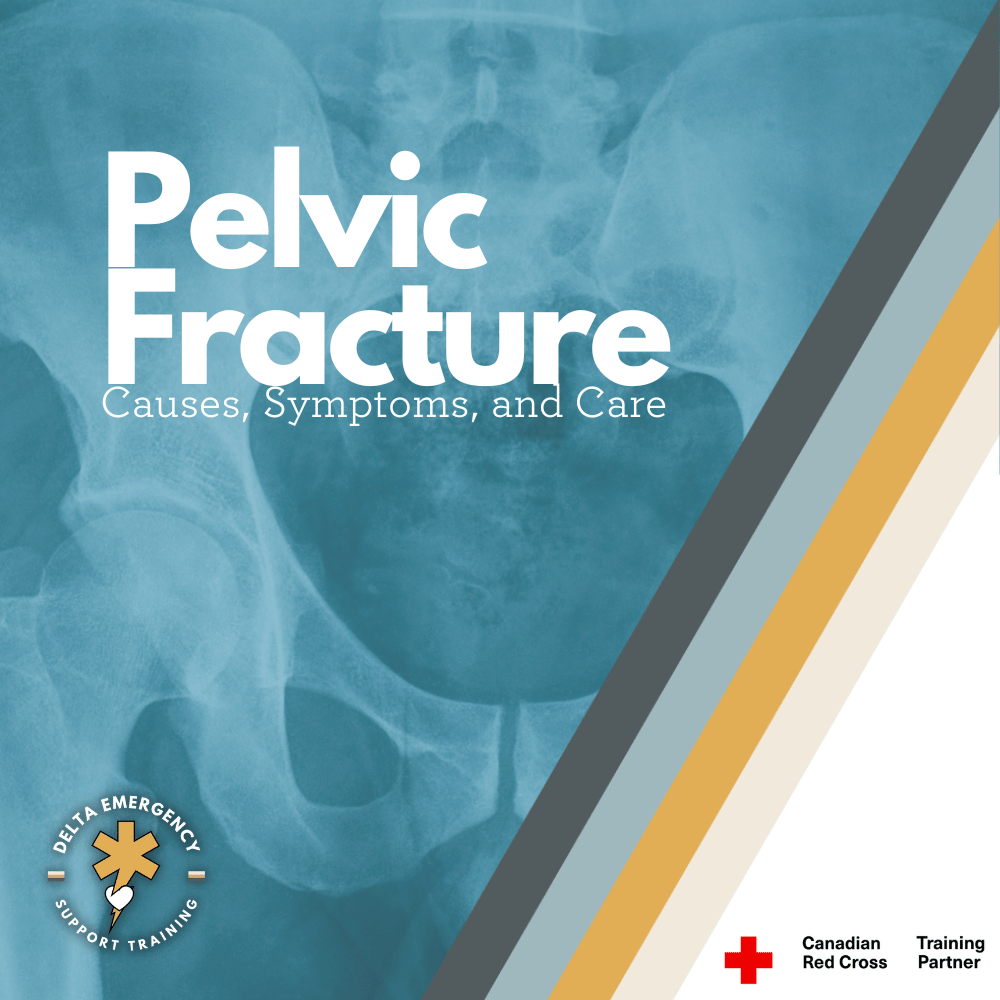
Navigating the Complexity of Broken Pelvis: Causes, Symptoms, and Care
In our comprehensive guide, we unveil the intricacies of pelvic fractures, shedding light on their causes, recognizing vital symptoms, and offering essential tips for immediate care. Unlock the secrets of this often-underestimated injury and empower yourself to make a difference in emergencies.
The pelvis, often overlooked in our daily lives, plays a pivotal role in our body's structure and stability. Yet, when a pelvic fracture occurs, it thrusts this often-neglected region into the spotlight as a site of pain, danger, and potential life-threatening complications. In this comprehensive blog, we embark on a journey to demystify pelvic fractures, exploring their origins, the subtle signs that signal their presence, and the crucial steps to provide immediate care. Join us as we uncover the intricacies of pelvic fractures, enabling you to recognize, respond to, and support those affected by this serious and often underestimated injury.

X-Ray of the pelvic region.
High-Impact Mechanisms of Injury (MOI) Leading to Pelvic Fractures
Pelvic fractures often arise from high-impact mechanisms of injury (MOI), which can deliver a devastating blow to the body's central support structure. It's essential to grasp the specific scenarios where these fractures commonly occur to take preventive measures and promptly address them. Here, we explore three prominent MOIs associated with pelvic fractures:
1. Car Accidents with Intrusion:
Car accidents, especially those involving intrusion into the passenger compartment, pose a significant risk of pelvic fractures. When a vehicle collides with another object or experiences a sudden deceleration, the forces involved can be transferred to the occupants. In such cases, the pelvis may absorb a substantial portion of the impact, leading to fractures. The use of seatbelts and properly installed airbags is crucial in reducing this risk.
2. Being Struck as a Pedestrian:
Pedestrians involved in accidents with moving vehicles face a heightened risk of pelvic fractures. When a pedestrian is struck by a vehicle, the impact forces are directed towards the pelvis, which can result in fractures. The severity of the injury depends on various factors, including the speed of the vehicle, point of impact, and the pedestrian's position. Awareness, adherence to traffic rules, and practicing safe pedestrian behaviors are essential in preventing these accidents.
3. High-Impact Sports, such as Horse Riding:
Engaging in high-impact sports like horse riding, skiing, or contact sports increases the likelihood of experiencing pelvic fractures. These activities expose individuals to abrupt movements, falls, or collisions with considerable force. In horse riding, for instance, an unexpected fall from a galloping horse can generate enough energy to fracture the pelvis. Proper safety gear, training, and adhering to safety guidelines can mitigate the risk associated with these sports.
Recognizing Indications of a Pelvic Fracture
When it comes to pelvic fractures, understanding the potential indications is paramount for swift intervention and treatment. These fractures often manifest with a combination of alarming symptoms, each serving as a red flag to signal the severity of the injury. Here, we explore some of the most common and telling indications:
1. Pelvic Instability:
One of the hallmark signs of a pelvic fracture is pelvic instability. This instability can cause a profound sense of discomfort and difficulty in maintaining balance and mobility. Individuals may experience a noticeable shift or misalignment of the pelvic bones, which can be felt when gently pressing on both sides of the pelvis. This instability can be particularly unsettling, making even simple movements a challenge.
2. Excruciating Pain:
Pelvic fractures are often accompanied by excruciating pain in the pelvic region. This pain is typically sharp, intense, and may radiate to the lower back or down the legs. The severity of the pain can vary depending on the extent and location of the fracture. It is important to note that the intensity of the pain may not correlate directly with the severity of the fracture, making it imperative to seek medical attention regardless of the perceived pain level.
3. Splayed Legs:
Another telltale sign of a pelvic fracture is the positioning of the legs. In many cases, the legs may appear splayed or twisted unnaturally due to the disruption of the pelvic bones. This visual indication can be distressing and further underscores the need for immediate medical evaluation.
4. Bruising Indicative of Internal Bleeding:
Bruising around the pelvic area can be indicative of internal bleeding, a critical concern associated with pelvic fractures. As the fractured bones can damage blood vessels within the pelvis, blood may accumulate in the surrounding tissues, causing visible bruising. This external sign of internal bleeding should not be overlooked, as it necessitates urgent medical attention.
Treatment of Pelvic Fractures
When a suspected pelvic fracture is encountered, the immediate goal is to provide stabilization and support while minimizing the risk of further injury. Proper treatment is essential to optimize outcomes and reduce complications. Here is a step-by-step guide to treating pelvic fractures:
1. Manual Stabilization:
The first and most crucial step in managing a suspected pelvic fracture is to provide manual stabilization. This involves gently supporting the pelvis with your hands to minimize movement. Care must be taken to avoid putting pressure directly on the fractured area to prevent exacerbating the injury. Manual stabilization helps in reducing pain and the risk of further damage.
2. Binding the Feet Together:
To address the splayed legs often associated with pelvic fractures and return them to a more anatomically aligned position, binding the feet together is recommended. This can be achieved by using a bandage or cloth to secure the ankles together. The goal is to maintain alignment and prevent further displacement of the fractured bones.
3. Application of a Commercial Pelvic Binder:
Commercial pelvic binders, such as the T-pod, are specially designed to provide effective stabilization for pelvic fractures. These devices are easy to apply and can help bring the fractured pelvic bones together, reducing pain and the risk of internal bleeding. Properly positioning and securing the pelvic binder is essential for its effectiveness.
4. Improvised Binding with a Sheet and Clips:
In situations where a commercial pelvic binder is not available, improvising with a sheet or any strong fabric, along with clips or other fasteners, can provide temporary stabilization. The sheet is wrapped tightly around the pelvis and secured in place to minimize movement and maintain alignment. While not as effective as commercial binders, this method can still be valuable in emergencies.
5. Administering High-Flow Oxygen:
The shock that often accompanies pelvic fractures can be life-threatening. Administering high-flow oxygen is a critical measure to help the body compensate and mitigate the effects of shock. Oxygen supplementation ensures that vital organs receive adequate oxygenation, reducing the risk of organ failure and improving the patient's chances of survival.
In Conclusion: Empowering Knowledge, Saving Lives, and Joining Delta Emergency
Our journey through pelvic fractures has highlighted the critical need for understanding this injury. Recognizing the signs, providing immediate care, and seeking prompt medical attention are paramount. Knowledge is power, and here, it can be lifesaving.
Pelvic fractures are complex, with hidden dangers such as internal bleeding and shock. Armed with this information, you're better prepared to respond effectively.
Joining Delta Emergency for your professional responder needs ensures you have access to comprehensive training, cutting-edge equipment, and a community committed to making a difference. Together, we can minimize the impact of pelvic fractures and provide the support and care that individuals deserve on their path to recovery.

Pain Assessments for Patients: A Crucial Skill for Professional Responders
In the high-stress world of professional emergency response, the ability to assess and manage pain effectively is paramount. Every second counts, and understanding a patient's pain is often the first step towards providing the right care. In this blog, we delve into the OPQRRRST format for pain assessments, breaking down each component to equip you with the skills needed to excel in roles like firefighting, paramedicine, and more. Pain assessment isn't just about addressing discomfort; it's about saving lives. Read on to discover why it matters, how to do it, and why Delta Emergency is your partner in authentic, hands-on training.
Professional responders, your ability to assess and manage pain effectively can make a profound difference in a patient's experience and outcome. While your primary focus is on providing immediate care and stabilizing the patient's condition, it's important to remember that pain assessments are a critical component of your secondary assessment. These assessments not only offer insights into the patient's discomfort but also guide your decision-making process in providing timely and appropriate interventions.

Paramedic preforming a secondary assessment including a OPQRRRST pain assessment.
In the dynamic and often high-stress environment of professional response, a structured approach to pain assessment, such as the OPQRRRST format, becomes an invaluable tool. It empowers you to gather crucial information efficiently, ensuring that no vital detail is overlooked in the midst of urgency and complexity. Through this blog, we will embark on a comprehensive journey through each component of the OPQRRRST format, equipping you with the knowledge and skills necessary to master this essential aspect of your role as a professional responder.
Onset - "When Did the Pain Start?"
When a patient experiences pain, it's essential to understand when it first began. This information can help differentiate between acute and chronic pain. Acute pain typically has a sudden onset and is often related to a specific event or injury, such as a fall or an accident. On the other hand, chronic pain persists over a longer period, often months or even years, and may develop gradually.
Ask the patient about the circumstances surrounding the pain's onset. Did it start after a particular incident or activity? Did it come on suddenly without any apparent cause? Knowing when the pain started can provide critical clues about its origin and potential causes.
Provocation - "What Makes It Worse?"
To gain a deeper understanding of the pain, inquire about factors that worsen it. Patients may have specific triggers or actions that exacerbate their discomfort. For example, for a patient with a musculoskeletal injury, movements or certain positions might worsen the pain. For a patient with gastrointestinal issues, eating certain foods might aggravate abdominal pain.
Identifying provocation factors is crucial for managing the patient's immediate comfort and for determining whether further medical investigations or interventions are necessary.
Quality - "Can You Describe Your Pain in Your Own Words?"
Pain quality is a subjective aspect that can provide valuable insights into the nature of the pain. Encourage the patient to describe their pain using descriptive terms. For instance, they might use words like "stabbing," "burning," "throbbing," "aching," or "cramping" to characterize their pain.
Understanding the pain's quality can help you differentiate between various types of pain. For example, sharp, stabbing pain might indicate nerve involvement, while a dull, aching sensation could be indicative of inflammation or muscle strain.
Region - "Can You Draw a Circle Around the Painful Area?"
Identifying the precise location of pain is crucial for pinpointing the source of the issue. Ask the patient to point to or mark the specific area where they feel pain. This can help you visually assess if there are any visible signs of injury, swelling, or redness in that region.
In cases of referred pain, where the pain is felt in a different area than its source, this step can aid in identifying the primary cause. For example, pain in the left arm could be referred pain from a heart issue.
Radiation - "Does the Pain Radiate Anywhere?"
Pain often doesn't stay localized; it can radiate or spread to other areas of the body. Ask the patient if they feel discomfort in areas adjacent to the primary pain site. Radiation patterns can provide valuable diagnostic clues.
For instance, if a patient with a herniated disc reports back pain that radiates down one leg (sciatica), it suggests nerve compression in the spine as the source of pain.
Relief - "Does Anything Provide You Relief?"
Identifying what alleviates the patient's pain is crucial for managing their discomfort effectively. Inquire if there are specific actions, medications, or interventions that provide relief. This information helps you determine appropriate pain management strategies.
For example, if a patient with a headache mentions that lying in a dark, quiet room provides relief, you can recommend this as a non-pharmacological intervention.
Severity - "Rate Your Pain on a 0-10 Scale"
Quantifying pain severity on a scale of 0 to 10 allows for a standardized assessment. It helps you understand the intensity of the patient's pain and track changes over time. This numerical rating also assists in evaluating the effectiveness of pain management interventions.
Patients should be encouraged to provide an honest assessment of their pain level, as this aids in tailoring treatment plans to their specific needs.
Time - "Is the Pain Constant or Does It Come and Go?"
Understanding the temporal characteristics of pain is essential. Inquire whether the pain is constant or intermittent. Does it have a specific pattern, such as occurring at certain times of the day or in response to specific activities or movements?
For example, pain that occurs only during physical activity but subsides at rest could indicate a musculoskeletal issue. Conversely, constant, unrelenting pain might be suggestive of an ongoing medical condition.
In the challenging and dynamic realm of professional response, mastering the OPQRRRST format for pain assessment is an indispensable skill that can significantly impact patient care and outcomes. As a professional responder, your commitment to providing compassionate and effective care begins with your ability to understand and manage pain.
At Delta Emergency, we understand the importance of equipping new professional responders, whether they are entering the world of firefighting, paramedicine, or other critical roles, with the knowledge and skills needed to excel in their mission of saving lives. Our advanced first aid classes are meticulously designed to provide comprehensive training in pain assessment and various aspects of emergency response.
We invite you to join our community of dedicated professionals and embark on a journey toward excellence in patient care. Sign up with Delta today for an authentic and immersive training experience that will prepare you to face the challenges of the field with confidence and competence. Together, we can make a difference when it matters most.

Empowering Lives Through Training: Delta Emergency as a Red Cross Training Partner
The Red Cross, an emblem of humanitarian aid, has been at the forefront of disaster response and readiness for generations. They offer an array of training programs designed to equip individuals with essential skills for emergencies and crises. A Red Cross Training Partner is an organization that joins forces with the Red Cross to deliver certified training courses to individuals, workplaces, schools, and communities. This partnership ensures consistent, accurate, and up-to-date training aligned with the latest guidelines and best practices. One such partner, Delta Emergency, exemplifies this commitment through their collaboration, enriching lives with essential knowledge and empowering individuals to navigate emergencies with confidence.
In a world where emergencies can strike unexpectedly, being equipped with life-saving skills becomes paramount. This is where organizations like Delta Emergency step in, playing a pivotal role in preparing individuals to respond effectively during crises. As a Red Cross Training Partner, Delta Emergency takes its commitment to emergency preparedness to the next level.
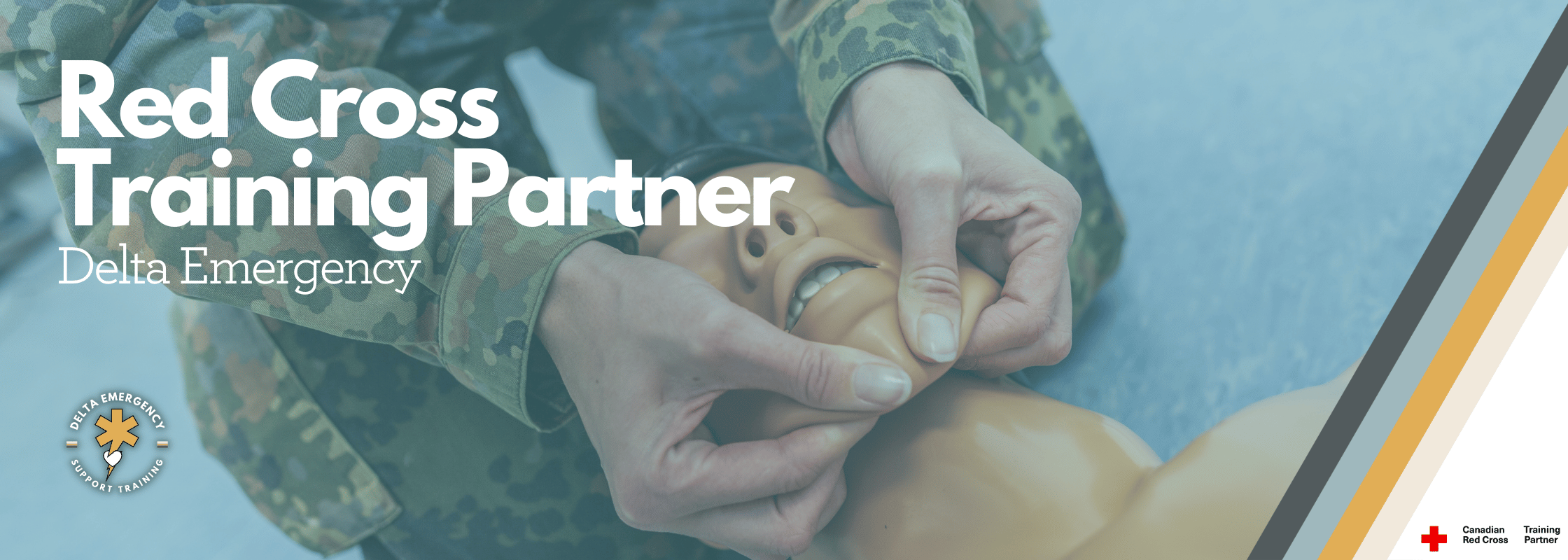
Person wearing military uniform holding a jaw thrust on a manikin.
What is a Red Cross Training Partner?
The Red Cross, an internationally recognized humanitarian organization, has been at the forefront of disaster response and preparedness for over a century. They offer a wide range of training programs that empower individuals with essential skills to respond to emergencies, provide first aid, and support communities in times of crisis.
A Red Cross Training Partner is an organization that collaborates closely with the Red Cross to deliver certified training courses to individuals, workplaces, schools, and communities. These partners uphold the highest standards set by the Red Cross, ensuring that training is consistent, accurate, and aligned with the latest guidelines and best practices.
Delta Emergency: Empowering Lives Through Training
Delta Emergency, as a Red Cross Training Partner, embodies a commitment to excellence in emergency preparedness and response training. Through this partnership, Delta Emergency gains access to the Red Cross's wealth of knowledge, resources, and training materials. This collaboration enables Delta Emergency to offer a comprehensive range of Red Cross-certified courses, empowering individuals and organizations to be well-prepared when emergencies strike.
Benefits of Red Cross-Certified Training:
Credibility:
Red Cross certification is globally recognized and trusted. Courses offered by Delta Emergency carry the weight of a respected humanitarian organization, enhancing the credibility of the training.
Quality Assurance:
Red Cross training courses are meticulously designed by experts, ensuring that participants receive accurate, up-to-date, and reliable information. This quality assurance is crucial for building effective emergency response skills.
Comprehensive Curriculum:
Delta Emergency's Red Cross-certified courses cover a wide spectrum of topics, including Advanced First Aid, Standard First Aid, and the Babysitting course. From first aid and CPR to disaster response and psychological support, participants gain a well-rounded understanding of how to handle various emergency situations.
Life-Saving Skills:
Delta Emergency's partnership with the Red Cross equips individuals with practical skills that can make a life-saving difference. These skills can be applied not only in emergencies but also in daily life situations.
The Path to Empowerment:
By partnering with the Red Cross, Delta Emergency is enabling individuals and communities to be proactive in their approach to emergencies. Through these certified training courses, Delta Emergency is not only imparting essential skills but also fostering a culture of preparedness, resilience, and compassion.
Our Dedicated Team: Critical Care Paramedics, Advanced Care Paramedics, and Fire-Trained Instructors
At Delta Emergency, our commitment to excellence is upheld by our dedicated team. Our staff includes critical care paramedics, advanced care paramedics, and fire-trained instructors. Their expertise, combined with our Red Cross Training Partner status, ensures that our courses, including Advanced First Aid, Standard First Aid, and the Babysitting course, are taught with the highest level of professionalism and practical knowledge.
In conclusion, Delta Emergency's role as a Red Cross Training Partner underscores their dedication to equipping people with the tools needed to respond effectively in emergencies. This collaboration amplifies the impact of their training programs, ensuring that individuals are empowered to make a positive difference when it matters most. Through the combined efforts of Delta Emergency and the Red Cross, communities can face the unpredictable future with greater confidence and readiness.
Breaking the Silence: Empowering First Responders in the Battle Against Suicide
In the face of rising suicide rates, first responders are stepping up as champions of change. Through open discussions on mental health and the dismantling of societal stigma, they are reshaping the landscape of support and prevention. Join us as we delve into their pivotal role in battling suicide head-on, offering hope, understanding, and a path toward healing.
Trigger warning: Discussion of suicide and mental health crisis

Patient holding hands and being CONSOLED by a medical professional
Impact of Suicide in Canada
Suicide casts a wide-reaching shadow over people of all ages and backgrounds in Canada. The sobering statistics underscore the urgency of addressing this crisis
Annually, approximately 4,500 individuals in Canada succumb to suicide, translating to an average of 12 lives lost each day.
For each person lost to suicide, numerous others grapple with thoughts of suicide or engage in suicide attempts.
Every day witnesses over 200 suicide attempts across Canada.
Tragically, every death by suicide impacts at least 7 to 10 individuals as survivors, significantly affected by the loss.
Higher-Risk Populations:
Certain segments of the Canadian population are particularly susceptible to higher rates of suicide:
Men and Boys: This demographic experiences heightened rates of suicide.
Individuals Serving Federal Sentences: Those within this group are also at an increased vulnerability to suicide.
Survivors of Suicide Loss and Attempts: Individuals who have lost a loved one to suicide or have personally attempted suicide face an elevated level of risk.
Specific Indigenous Communities: Certain First Nation and Métis communities, particularly among youth, alongside all Inuit regions in Canada, contend with elevated rates of suicide.
Addressing the Crisis of Suicide:
The crisis of suicide reverberates across Canadian society, impacting families, communities, and responders alike. Remarkably, it stands as a leading cause of death among individuals aged 15-19. In the face of such distressing statistics, first responders rise to the challenge with a profound understanding of the urgency and intricacy inherent in these situations.
The Trauma of Responding to Suicide:
For first responders, answering a suicide call is far more than a task; it's a deeply emotional and challenging responsibility. Beyond the immediate turmoil lies an emotionally charged atmosphere that can have a lasting impact on those who bear witness. This impact intensifies when friends or family members are present, creating intricate layers of complexity and heightened emotions.
Navigating Emotional Turmoil:
When friends or family members are on the scene of a suicide, their anguish is palpable. Their grief, shock, and anguish can infuse the environment with heightened intensity. First responders must skillfully navigate this emotional turmoil, balancing the urgency of intervention with the compassionate acknowledgment of others' crises.
Caring for the Caregivers Amidst Crisis:
Responding to suicide scenes exacts a heavy toll on first responders, burdening them with emotional weight. Prioritizing self-care and mental health support becomes imperative. Regular debriefing sessions, access to counseling, and trauma management guidance equip responders to navigate the aftermath of these incidents while safeguarding their own well-being.
The Ripple Effect:
Compassionate Response for Lasting Change: The profound impact of first responders extends well beyond the immediate scene. By offering empathy, resources, and essential support, they become beacons of hope during times of darkness. Their role in connecting survivors with counseling and resources creates a pathway to healing, not just for the survivors but also for the responders who extend a lifeline of compassion.
Conclusion:
Illuminating the Path to Healing. Within the grim landscape of suicide scenes, first responders assume dual roles as witnesses to tragedy and agents of healing. Through compassionate intervention, they offer solace to those directly affected and contribute to the broader mission of suicide prevention. Their actions not only rescue lives in the moment but also illuminate the path toward healing and resilience for survivors and responders alike.
If you or someone you know is considering suicide, remember that help is always available. Reach out to a crisis hotline such as 1.833.456.4566, where trained professionals can provide the support you need during this challenging time. Remember, you are not alone, and there are people ready to listen and help guide you toward healing.
Emergency Birth as a First Responder: Postpartum Care
Dive into the realm of postpartum care during emergency births, where first responders play a vital role. Explore expert techniques, bleeding management strategies, and firsthand insights from seasoned paramedics. Elevate your capabilities as a first responder with invaluable knowledge on ensuring the well-being of both newborns and mothers in these critical moments.
Caring for the Newborn
Welcome to the second part of our comprehensive two-part series, where we continue our exploration of emergency births and the invaluable contributions of first responders. In the initial segment, we delved into the preparations and assistance offered during the childbirth process. Now, as we progress into Part 2, our focus intensifies on the pivotal steps undertaken by first responders to ensure the immediate well-being of both the newborn and the mother post-delivery.

Mother postpartum holding neonate on her chest.
This installment delves deeper into the critical aspects of post-birth care, revealing the intricate measures that first responders execute to stabilize the newborn and provide essential support to the mother. We'll navigate through the essential processes of promoting the newborn's well-being, utilizing tools like the APGAR scale to assess their condition. Simultaneously, we address the importance of postpartum care for the mother, emphasizing vigilant monitoring and timely interventions to manage postpartum bleeding.
With these multifaceted actions, first responders display their unwavering commitment to preserving life and fostering well-being during the immediate aftermath of childbirth. Join us on this journey as we uncover the intricacies of post-birth care, shedding light on the dedication and expertise that first responders bring to these unforeseen situations.
Vigorous Drying Techniques:
If the newborn does not exhibit signs of breathing or crying, immediate action is essential. Begin by employing vigorous drying techniques. Take a clean, soft towel and gently rub the baby's back, arms, and legs. This tactile stimulation often prompts a response by initiating their reflexes.
Assessing the Response:
After performing vigorous drying for approximately 30 seconds, pause and closely observe the baby's reaction. Look for any movements, breathing, or vocalizations. This assessment helps determine the baby's level of responsiveness and guides further intervention.
Using a Bag-Valve-Mask (BVM):
If the newborn remains unresponsive, it's time to provide assisted ventilation using a BVM. Ensure a proper seal by placing the mask over the baby's nose and mouth. Administer gentle breaths at a rate of 1 ventilation every 3 seconds. This method delivers a controlled supply of oxygen to the baby's lungs.
Ventilation and Pulse Assessment:
During the 30-second period of ventilation using the BVM, closely monitor the newborn's response. Afterward, assess the baby's pulse. If the pulse is below 60 BPM, it's an indication that immediate intervention is necessary.
Neonate CPR Protocol:
When the pulse remains below 60 BPM, initiate neonate CPR. Begin with 3 gentle chest compressions, followed by 1 breath using the BVM. Continue this cycle, maintaining a ratio of 3 compressions to 1 breath. As you administer CPR, be vigilant about monitoring the baby's heart rate.
Optimal Heart Rate:
A newborn's optimal heart rate typically falls between 140 and 160 BPM. Continuous heart rate monitoring informs you about the baby's response to the resuscitative efforts. Continue with primary assessment once neonates ABC’s are considered stable. Begin conducting a baseline set of vitals if possible.
APGAR Scale
The APGAR scale is a valuable tool used to assess the overall condition of a newborn immediately after birth. Named after its creator, Dr. Virginia Apgar, this assessment helps medical professionals and first responders quickly evaluate the baby's physical status and determine if any immediate interventions are required. The APGAR scale evaluates five key factors:
Appearance (Skin Color):
The baby's skin color is assessed. A newborn with a pink or rosy skin tone receives a score of 2, while pale or bluish skin results in a lower score.
Pulse (Heart Rate):
The baby's heart rate is evaluated. A heart rate of 100 to 140 BPM is considered normal and receives a score of 2. A lower heart rate receives a score of 1, and a heart rate of less than 100 BPM gets a score of 0.
Grimace Response (Reflexes):
The baby's reflexes are tested by gently stimulating their nose or feet. A newborn who responds with a sneeze, cough, or grimace (frowning) gets a score of 2. A sluggish response results in a score of 1, and no response gets a score of 0.
Activity (Muscle Tone):
The baby's muscle tone is assessed. If the baby exhibits active movement and flexion, they receive a score of 2. If the limbs are partially flexed, the score is 1. If there is minimal or no movement, the score is 0.
Respiration ( Rate and Effort):
The baby's breathing rate and effort are observed. If the baby is crying and breathing normally, they receive a score of 2. Irregular or slow breathing results in a score of 1, and no breathing receives a score of 0.
When and How the APGAR Scale is Conducted:
The APGAR assessment is typically performed twice: at 1 minute after birth and again at 5 minutes after birth. Each factor is assigned a numerical rating of 0, 1, or 2. The scores are then added together to yield a total score out of 10. The assessment helps medical professionals and first responders quickly identify any issues that require immediate attention and determine if the baby is adapting well to life outside the womb.
Caring for the Mother Post Delivery
After stabilizing the newborn, it's essential to provide comprehensive care to the mother, addressing both physical and emotional needs. Here's a closer look at postpartum care for the mother:
Encouraging Breastfeeding:
Following the stabilization of the newborn, encouraging the mother to breastfeed is a vital step. Breastfeeding stimulates the uterus to contract, which in turn helps reduce bleeding. This process, known as uterine involution, assists the mother's body in returning to its pre-pregnancy state. Moreover, breastfeeding establishes a strong bond between mother and baby and offers a multitude of benefits for both.
Placenta Handling:
In line with recommended practices, refrain from cutting the placenta from the newborn unless local protocols or medical direction dictate otherwise. Instead, carefully wrap the placenta in a plastic bag and towel for transport with the family. This approach respects the physiological connection between the placenta and the newborn and ensures a smooth transition.
Managing Postpartum Bleeding:
In cases where postpartum bleeding is a concern, gentle and non-invasive techniques are employed. Use sterile gauze or a clean towel to gently clean the mother's perineal area. This process helps slow down bleeding without resorting to any interventions that may pose risks.
Monitoring and Recognizing Excessive Bleeding:
Keeping a vigilant eye on postpartum bleeding is crucial. Differentiating between normal and excessive bleeding is essential for the mother's well-being. Excessive bleeding may result from the uterus not contracting as it should. This information will be instrumental in determining the appropriate interventions.
Addressing Shock Symptoms:
It's important to be aware that mothers might present symptoms similar to shock, which can include pale skin, rapid heartbeat, and altered mental state. In cases where these symptoms persist or worsen, rapid transportation to a medical facility becomes imperative. This is particularly crucial if bleeding remains a concern.
Through these measures, first responders offer a holistic approach to postpartum care for the mother. From promoting uterine contraction through breastfeeding to respecting placenta connection, these actions contribute to the mother's comfort and well-being. Vigilant monitoring, appropriate interventions, and the utmost sensitivity to the mother's condition reflect the dedicated commitment of first responders in ensuring the holistic health and safety of both the newborn and the mother during this critical phase.
Conclusion
Throughout this enlightening two-part series, we've unveiled the crucial role that first responders undertake in emergency births. From cultivating a sterile environment to aiding childbirth and offering essential postpartum care.
Join us in our advanced first aid class where we offer comprehensive obstetrics training. Collaborate with seasoned paramedics who have delivered babies in the field, gaining practical insights that prepare you to confidently assist during emergency births.

Emergency Birth as a First Responder: Preparation and assessment Part 1
Emergency births can present first responders with intense and unexpected situations, demanding quick thinking and swift actions. In Part 1 of this series, we delve into the crucial steps involved in preparing expectant mothers for childbirth and guiding them through the delivery process. From addressing fears to creating a clean environment, our guide equips first responders with the knowledge to assist in this pivotal moment.
Welcome to the first installment of a two-part series on emergency births and the crucial role of first responders in managing such situations. In this blog, we'll explore the initial steps involved in preparing the mother for delivery and guiding the childbirth process. From addressing fears to ensuring a safe environment, first responders play a vital role in this intense and impactful moment. Let's delve into the essential aspects of prepping and assisting in an imminent birth scenario. Stay tuned for Part 2, where we'll cover the post-birth care of both the neonate and the mother.
Preparing the Mother for Delivery
In the high-stress situation of an emergency birth, helping the mother feel at ease and well-prepared is essential. Here's how to create a comforting environment and gather important information:
Assess the Situation:
Approach the mother with a calm and reassuring demeanor. Introduce yourself and explain that you're there to assist her during the delivery process.
Ask Important Questions:
While time might be limited, try to ask a few key questions to better understand the situation and the mother's medical history. Some questions to consider include:
Is this your first baby, or have you given birth before?
How many prior births have you had, if any?
Have you received prenatal care during your pregnancy?
Address Fear and Anxiety:
It's natural for the mother to be fearful and anxious during an unplanned delivery. Acknowledge her emotions and reassure her that you are there to help and support her. Use a soothing tone and maintain eye contact to establish a sense of trust.
Provide Information:
Briefly explain the stages of labor and what she might expect during the delivery process. Let her know that her body knows how to give birth, and you're there to assist and guide her through it.
Encourage Breathing Techniques:
Breathing techniques can help manage anxiety and pain. Instruct her to take slow, deep breaths, inhaling through her nose and exhaling through her mouth. This can help her stay focused and calm.
Offer Comfort:
If possible, offer a reassuring touch or hold her hand to provide physical comfort. If she's comfortable, encourage her to find a position that feels right for her, whether sitting, lying down, or even kneeling.
Reiterate Support:
Continuously remind her that you're there to support her, and that her well-being and that of her baby are your top priorities.
Remember, your presence and demeanor can significantly impact the mother's experience during this intense moment. By addressing her fears, gathering important information, and offering a calm and steady presence, you can help create an environment conducive to a safe and successful delivery. Always be ready to adapt your approach based on the mother's needs and the progress of the situation.
Delivery Preparation
As a first responder, recognizing the signs of imminent birth and swiftly creating a clean and supportive environment are critical. Here's how to prepare for the actual delivery:
Recognizing Imminent Birth:
Contractions Less Than 3 Minutes Apart: When contractions are occurring at such a close interval, it's a strong indicator that the birth is imminent. The mother's body is progressing rapidly towards delivery.
Feeling the Need to Push:
The sensation of needing to push indicates that the baby is descending into the birth canal. This is a clear sign that the delivery is approaching.
Urge to Have a Bowel Movement:
This sensation often occurs as the baby's head moves lower in the pelvis. It's a common sign that birth is imminent.
Positioning for Comfort:
Help the mother find a comfortable position that allows her to feel in control. She might choose to sit, squat, or lie down. If she's comfortable with it, use pillows or cushions to support her in the chosen position.
Creating a Clean and Supportive Environment:
If available, throw clean towels in the dryer to warm them up. Warm towels provide comfort to both the mother and the newborn. Lay down clean linen, sheets, and towels on a flat and stable surface to create a clean area for the birth.
Privacy and Dignity:
Place a clean sheet over the mother's legs to provide her with a sense of privacy and dignity during the process.
Familiar Female Presence:
If a female first responder is present, the mother may feel more comfortable having her lead the delivery. The presence of a compassionate and empathetic individual can greatly ease the mother's anxiety.
Essential Supplies Ready:
Ensure you have the necessary supplies within arm's reach, including surgical scissors and clamps for cutting and clamping the cord, abdominal pads to manage potential bleeding, saline solution for cleaning, a neonate suction bulb to clear the baby's airway, and oxygen equipment.
Plastic Bag for Placenta:
Have a plastic bag ready for the placenta, which will be delivered shortly after the baby.
Preparing for an imminent birth involves both recognizing the signs that the delivery is moments away and creating a clean and supportive environment for the mother and newborn. By understanding the indicators of imminent birth and having essential supplies ready, you can ensure that the mother feels as comfortable and safe as possible during this intense experience. Your attentiveness, knowledge, and ability to create a clean and caring space are crucial in facilitating a successful and safe emergency birth.
The Delivery Process
Full PPE:
Before engaging in any medical procedure, including assisting in childbirth, it's crucial to don proper PPE. This typically includes wearing disposable gloves, a sterile gown, and a mask or face shield. PPE helps prevent the spread of infection and maintains a sterile environment for the mother and the newborn.
Dilation and Contractions:
Cervical dilation is a critical indicator of labor progression. A cervix that is fully dilated (10 cm) suggests that the baby is ready to be born. Contractions becoming less than 2 minutes apart indicate an advanced stage of labor, making it important to be prepared for imminent delivery.
Managing Crowning:
As the baby's head begins to crown, you can provide support to prevent rapid expulsion. Placing your hands gently on either side of the baby's head can help guide it out slowly. This controlled approach minimizes the risk of perineal tearing and ensures the mother's comfort.
Guiding the Baby's Head:
As the baby's head emerges, encourage the mother to pant or take shallow breaths. This prevents forceful pushing and allows the perineum to stretch gradually. The perineum is the area between the vagina and the anus, and it needs time to accommodate the baby's head.
Baby's Rotation and Shoulders:
The baby's head turning slightly to one side as it emerges is a natural movement that facilitates the passage of the shoulders through the birth canal. This rotation helps ensure a smoother delivery.
Supporting the Baby:
As the head emerges fully, it's important to provide gentle support to the baby's head and neck. This prevents any sudden movements that could strain the neck or spine. Maintaining a secure grip on the baby's head ensures a controlled delivery. Have a clean warm blanket or towel ready to catch the newborn as they slide out.
Primary Assessment and Documentation:
Conduct a quick assessment of the newborn's breathing, responsiveness, and overall condition. If the baby is breathing and appears healthy, allow the mother to hold the baby skin-to-skin while you continue monitoring.
Delay Cord Clamping:
Delayed cord clamping involves waiting a few minutes before clamping and cutting the umbilical cord. This allows the baby to receive additional blood volume and stem cells from the placenta, which can be beneficial for their health and development. When ready to clamp do so 4 and 6 inches away from the baby and wait for the placenta.
Waiting for the Placenta:
After the baby's birth, the placenta (also known as the afterbirth) is delivered. This usually happens within a few minutes to half an hour. Continue to monitor the mother for any signs of distress or bleeding while you wait for the placenta to be naturally expelled.
Conclusion
In the realm of emergency response, first responders serve as beacons of reassurance and skill during some of life's most intense and unexpected moments. As we conclude Part 1 of this series, we've explored the pivotal role these responders play in preparing expectant mothers for childbirth and guiding them through the delivery process. From addressing fears and creating a safe environment to offering gentle support and maintaining open communication, the steps taken during childbirth assistance are fundamental to ensuring the well-being of both the mother and the newborn.
Remember, each step requires precision, composure, and unwavering dedication to safety. While circumstances may differ, the principles of maintaining sterility, providing comfort, and effective communication stand as pillars of effective emergency birth assistance. Join us in Part 2 as we delve into the critical post-birth care of both the neonate and the mother, completing the comprehensive journey through this remarkable and life-affirming experience.
Empowering Learning Through Essential Textbooks: Continuing Education
Discover a World of Learning with Our Essential Textbooks
At Delta Emergency, we're thrilled to present our diverse collection of textbooks, each crafted to meet unique learning needs. Whether you're embarking on wilderness adventures, nurturing young minds as a babysitter, mastering life-saving techniques, or aiming to elevate your emergency care skills, our textbooks are here to empower and educate. The tactile pleasure of flipping through the pages of our physical copies enhances the learning experience, making each topic come to life. Dive into our range and unlock a wealth of knowledge today.
At Delta Emergency Support Training, we're excited to offer a versatile collection of textbooks that cater to a wide array of learning needs. Whether you're a wilderness explorer, an aspiring babysitter, a medical professional, or someone seeking vital lifesaving skills, our textbooks are thoughtfully designed to impart knowledge and empower individuals.For those who appreciate the feel of physical paper copies, we have just the thing for you. Let's dive into our selection:

Woman using a textbook to take notes and study.
Wilderness First Aid: Navigating Nature's Challenges with Confidence
Embark on outdoor adventures fully equipped with our "Wilderness First Aid" textbook. Priced at CA$74.97, this guide not only covers emergency response but also emphasizes safeguarding patients from the elements. From creating basic shelters to regulating body temperature, this resource ensures patient well-being in harsh environments. Learn to assess the ABCs (Airway, Breathing, Circulation) and identify and treat life-threatening emergencies. With a focus on both patient safety and effective response, this guide prepares you for the unexpected challenges of the wild.
Babysitter First Aid: Nurturing Safety and Confidence
Designed for young caregivers, our "Babysitter First Aid" textbook is a crucial resource that is a great tool for babysitters. Priced at CA$31.45 (Original Price: CA$34.95), this guide empowers budding babysitters with engaging activities, game ideas, and practical checklists. It equips you with the confidence and knowledge necessary to ensure children's safety and well-being. Not only does it cover babysitting essentials, but it also imparts vital babysitter first aid skills, expanding your capabilities and making you a trusted and reliable caregiver.
Basic Life Support: Mastering Lifesaving Techniques
BLS goes beyond the basics, offering practical insights such as oxygen flow rates for different levels of hypoxia, airway adjunct techniques, and CPR rates and compression depths. Whether you're familiarizing yourself with ventilation devices or learning the intricacies of CPR, this guide provides invaluable information to ensure your readiness in critical situations. Priced at CA$31.45, this comprehensive guide delves into the art of preserving life.
Professional Responder: Elevate Your Emergency Care Skills
Tailored for First Responders, Advanced First Aid, and Emergency Medical Responder courses, this comprehensive resource leaves no stone unturned. This textbook will give you the knowledge, skills and confidence to pursue your career as a firefighter, paramedic or any other professional responder. Encompassing topics from anatomy to physiology, this guide equips you with real-life scenarios, intricate charts, diagrams, and photographic illustrations. Designed to elevate your capabilities, it readies you for a gamut of challenging scenarios, ensuring your competence in emergency situations. Elevate your expertise with the "Professional Responder" textbook, available for CA$212.35 (Original Price: CA$235.95).
The Power of Knowledge
At Delta, we recognize the power of a physical textbook in an increasingly digital era. Our textbooks are carefully curated to enrich your understanding, bolster your skills, and guide you toward mastery. Seize the opportunity to learn, grow, and excel. Your transformative journey starts here.

Wilderness First Aid: Navigating the Great Outdoors Safely
When the call of the wild beckons, adventurers set forth to explore the breathtaking landscapes and untamed terrains of the great outdoors. But amidst the beauty lies the unpredictability of nature, where accidents and emergencies can occur. This is where wilderness first aid becomes a beacon of preparedness and care, offering the essential skills to ensure the safety and wellbeing of both adventurers and companions. In this article, we delve into the core principles of wilderness first aid, emphasizing the critical importance of keeping patients warm, dry, and stable while awaiting professional medical assistance. Additionally, we explore the undeniable necessity of proper training before embarking on any backcountry adventure. Embark on a journey to discover how wilderness first aid knowledge can be your ultimate companion in the heart of the wilderness.
The great outdoors, with its untouched landscapes and captivating beauty, beckons adventurers to explore its depths. Yet, amidst the allure of the wild, lies the potential for unexpected challenges. Nature's serenity can swiftly transform into a daunting arena where survival skills become paramount. Wilderness first aid, a skill set that merges compassion with preparedness, acts as a guiding light when venturing into the remote corners of the world.

Understanding Wilderness First Aid
Wilderness first aid is more than just a set of techniques; it's a lifeline in situations where immediate access to professional medical care is a distant promise. This specialized knowledge empowers you to provide effective medical assistance in the absence of conventional facilities. The wild, with its unpredictable terrain and distance from help, underscores the significance of being proficient in wilderness first aid.
Key Principles of Wilderness First Aid
Assessment and Prioritization:
Nature's beauty often hides potential dangers. The first step in wilderness first aid is to calmly and methodically assess the situation, considering hazards and prioritizing care based on the severity of injuries. This approach ensures that resources are allocated where they are most needed.
Stabilization:
The wilderness amplifies the impact of injuries. Stabilizing the patient's condition is crucial to prevent it from worsening until professional help arrives. Techniques such as immobilizing fractures, controlling bleeding, and managing shock are vital tools in your arsenal.
Communication:
In the wild, communication can mean the difference between life and death. Carrying communication devices such as satellite phones or personal locator beacons ensures that you can summon help when faced with emergencies.
Resourcefulness:
The absence of medical supplies demands creativity. Wilderness first aid requires the ability to fashion splints from branches, create makeshift bandages from clothing, and construct shelters from natural materials, proving your resourcefulness in challenging situations.
Hygiene and Infection Control:
Preventing infection is crucial when medical facilities are distant. Mastering wound cleaning, dressing techniques, and maintaining hygiene standards are essential to avert complications.
Environmental Considerations:
The wild introduces unique environmental factors that impact health. Understanding how temperature, altitude, and other elements affect the body empowers you to take preventative measures against conditions such as hypothermia and altitude sickness.
Essential Wilderness First Aid Skills
Basic First Aid:
The foundation of wilderness first aid rests on basic first aid skills. Knowledge of CPR, wound care, and managing burns, bites, and stings forms the cornerstone of effective wilderness care.
Fracture and Sprain Management:
The remoteness of the wilderness magnifies the importance of fracture and sprain management. Creating splints from available resources and minimizing movement to prevent further damage are critical skills.
Bleeding Control:
Swift and effective bleeding control is imperative in the wilderness. Techniques like direct pressure, elevation, and pressure points are essential tools to combat severe bleeding.
Anaphylaxis and Allergic Reactions:
The wild is teeming with potential allergens. Recognizing and responding to severe allergic reactions, including administering epinephrine, can be life-saving.
Hypothermia and Hyperthermia Management: Extreme temperatures pose significant risks. Learning to manage hypothermia through warmth and shelter and addressing hyperthermia by staying hydrated and seeking shade are vital skills.
Waterborne Illnesses:
Clean water sources are invaluable. Acquiring knowledge of water purification methods and remaining vigilant against waterborne illnesses is essential for preventing dehydration and infections.
Importance of Proper Care Until Help Arrives
In the wilderness, every minute counts. Keeping the patient in the best possible condition until professional help arrives is a cornerstone of wilderness first aid. This involves:
Stabilizing Injuries:
Immobilize fractures and minimize movement to prevent further harm.
Maintaining Warmth:
Insulate the patient from the ground to prevent hypothermia. Cover them with blankets or clothing and create a sheltered environment to shield against the elements.
Hydration and Nutrition:
If possible, provide water and basic sustenance to keep the patient's energy levels stable.
Reassurance:
Emotional support is as vital as physical care. Calmly communicate with the patient to reduce anxiety and stress.
The Need for Proper Training
Venturing into the backcountry without proper wilderness first aid training is akin to embarking on a journey without a map. The complexities of outdoor environments demand a comprehensive understanding of medical care in remote settings. Training courses, offered by certified organizations, equip you with the skills to handle emergencies effectively, ensuring that you can provide the best possible care until professional help arrives.
Conclusion
As you tread the untamed paths of the wilderness, remember that adventure goes hand in hand with responsibility. Wilderness first aid isn't just about administering medical care; it's a testament to your commitment to both the thrill of exploration and the well-being of yourself and others. Mastering wilderness first aid is not just a skill; it's a way of life – a life that embraces the call of the wild while ensuring that safety and preparedness stand as the bedrock of your outdoor endeavors.

Unraveling Traumatic Brain Injuries: Causes, Effects, and Signs
Unravel the complex terrain of traumatic brain injuries, where the immediate impact is just the beginning. Explore the hidden consequences as we delve into the intricate aftermath of these injuries. From internal bleeding that disrupts brain function to bruised brain tissue and the delicate damage to nerve cells, discover how hemorrhaging, contusions, and axonal injury cast a far-reaching impact. Our exploration not only sheds light on the physiological intricacies but also emphasizes the critical need for comprehensive care and healing strategies. Join us in uncovering the hidden layers of traumatic brain injuries and understanding their profound implications on both the brain and the individual's well-being.
Within the intricate realm of human health, traumatic brain injuries (TBIs) stand as complex and potentially life-altering events that can reshape the course of an individual's existence. These injuries, often stemming from accidents and unforeseen incidents, cast a broad shadow of consequences affecting cognitive, physical, and emotional well-being. In this comprehensive exploration, we delve deeply into the intricate landscape of TBIs, unearthing their causes, effects, and telltale signs. Moreover, we'll embark on an illuminating journey into the biomechanics of coup and counter coup injuries, while also delving into the internal trauma that accompanies these impactful events.
Understanding Traumatic Brain Injuries
At the heart of traumatic brain injuries lies the abrupt and forceful interaction between the brain and external forces. Such interactions lead to damage within the delicate structures of the brain, triggering a cascade of physiological and neurological disturbances. These injuries can vary in severity, ranging from the seemingly minor effects of a concussion to the profound and enduring consequences of severe brain damage.
Coup and Counter Coup: Unraveling the Mechanics
Underlying the mechanics of TBIs are phenomena known as coup and counter coup injuries. During rapid deceleration or impact, the brain can collide with the inner surfaces of the skull. This initial impact, known as coup injury, occurs at the point of contact. However, the brain's momentum doesn't cease abruptly; it continues to travel within the skull, resulting in a secondary impact on the opposite side—this is the counter coup injury. The intricate interplay between coup and counter coup impacts can lead to widespread damage and potentially severe traumatic brain injury.
Common Causes of TBI
Falls:
Everyday scenarios like falls from heights, slips on slippery surfaces, and stumbling down stairs contribute significantly to TBIs.
Motor Vehicle Accidents:
High-speed collisions, rollovers, and direct blows to the head during vehicular accidents are among the leading causes of traumatic brain injuries.
Sports-Related Injuries:
Contact sports like football, soccer, and hockey pose a notable risk of TBIs, particularly without adequate protective gear.
Assaults:
Violent incidents, physical altercations, and intentional blows to the head can culminate in traumatic brain injuries.
Signs and Symptoms of TBI
Physical Symptoms:
Common physical indicators of a TBI encompass persistent headaches, nausea, vomiting, dizziness, and sensitivity to light or noise.
Cognitive Changes:
Traumatic brain injuries frequently bring about cognitive alterations, such as confusion, memory problems, difficulty concentrating, and shifts in thinking patterns.
Emotional and Mood Alterations:
TBI sufferers often grapple with emotional shifts including irritability, mood swings, heightened anxiety, depression, and intensified emotional responses to stimuli.
Internal Hemorrhaging, Contusions, and TBI
The far-reaching consequences of TBIs often extend to internal injuries that exacerbate the damage:
Hemorrhaging:
Hemorrhaging, a serious consequence of traumatic brain injuries, emerges as a result of the forceful impact that the brain endures. The sheer intensity of the trauma can cause blood vessels within the brain to rupture, initiating internal bleeding that reverberates throughout the delicate neural terrain. This internal bleeding is not only a physical disruption but also a cascading event that disrupts the brain's intricate balance and functionality.
As blood pools within the brain, it creates pressure, a phenomenon referred to as elevated intracranial pressure. This heightened pressure exerts strain on the surrounding brain tissue, inhibiting normal circulation and potentially leading to ischemia—a lack of oxygen and nutrients for brain cells. The disrupted blood flow and accumulated blood can also trigger inflammation, exacerbating the injury's impact and hindering the brain's attempts to heal itself.
Contusions:
Contusions, akin to bruises on the brain, manifest as a direct result of the brain colliding with the unyielding bony structures of the skull. This collision leads to localized areas of brain tissue sustaining damage and becoming compromised. Similar to how a bruise forms on the skin's surface after an impact, contusions arise within the brain tissue due to the abrupt and forceful contact.
The aftermath of a contusion involves a complex interplay of cellular responses. The damaged tissue swells in response to the trauma, leading to localized swelling that can further compress adjacent brain areas. Neural pathways, responsible for transmitting signals and facilitating communication between different regions of the brain, can be disrupted due to this swelling. This disruption can lead to impairments in cognitive, sensory, and motor functions, depending on the location of the contusion.
Axonal Injury:
The swift movement of the brain within the confines of the skull can result in a phenomenon known as axonal injury—a condition where nerve cells, or axons, endure stretching, twisting, or even shearing. These axons serve as the communication highways of the nervous system, transmitting electrical impulses that enable various bodily functions and cognitive processes.
In cases of axonal injury, these vital communication pathways become compromised. The structural integrity of the axons is disrupted, leading to a range of neurological impairments. Depending on the severity of the injury and the extent of axonal damage, individuals may experience motor deficits, cognitive dysfunction, and sensory disturbances. The complexities of axonal injuries are further compounded by the fact that these microscopic structures are challenging to repair, necessitating innovative approaches to encourage nerve cell regeneration and functional recovery.
Seeking Medical Attention and the Road to Recovery
Recognizing the signs of a TBI and swiftly seeking professional medical attention are pivotal steps in the journey toward effective diagnosis and treatment. The path to recovery from a traumatic brain injury is as diverse as the injuries themselves. Factors such as the severity of the injury and the effectiveness of medical interventions all contribute to the healing process. Rehabilitation therapies, cognitive exercises, and supportive care all play a pivotal role in aiding recovery and restoring quality of life.
Conclusion
Traumatic brain injuries stand as complex events with multifaceted implications for both the individual and their support network. By cultivating a deep understanding of the causes, effects, and signs of TBIs, we are empowered to advocate for enhanced safety measures and expedient medical intervention. The intricate biomechanics of coup and counter coup injuries underscore the dynamic relationship between the brain and the protective skull. As we strive for safer environments and heightened awareness, we take significant strides in diminishing the impact of TBIs on lives, while fostering a culture of brain health and holistic well-being.

Nitroglycerin: Relieving Angina with
Angina, a distressing sensation of chest pain or discomfort, can be a daunting reality for individuals living with heart conditions. Thankfully, medical science has paved the way for innovative solutions to alleviate this cardiac discomfort. Nitroglycerin, in the form of a sublingual spray, emerges as a beacon of relief. By harnessing its vasodilating prowess, nitroglycerin sublingual spray not only provides respite from angina but also offers insights into the intricate connection between chemistry and cardiovascular health. In this article, we explore the mechanism behind nitroglycerin's effectiveness, its strategic sublingual administration, dosing precision, and the role it plays in modern cardiovascular care. Whether you're a patient seeking relief or a healthcare enthusiast, join us in unraveling the science behind managing angina with nitroglycerin.
In the realm of medical science, there are compounds that stand out for their transformative impact on patient care, particularly in the realm of cardiovascular health. Nitroglycerin, a compound with a rich history, has emerged as a true medical marvel, primarily due to its remarkable ability to alleviate cardiac pain, commonly known as angina. This blog will delve into the fascinating world of nitroglycerin's vasodilation mechanism, its pivotal role in managing angina, and the significance of its sublingual administration. Additionally, we'll explore key administration details, including dosing precision and the crucial priming step.

Woman using Nitroglycerin spray
Vasodilation
At the heart of nitroglycerin's medical efficacy lies its remarkable capacity to function as a vasodilator. Vasodilation, the widening of blood vessels, increases blood flow and reduces resistance within the circulatory system. Nitroglycerin accomplishes this by liberating nitric oxide (NO) upon entering the bloodstream.
Nitric Oxide
Nitric oxide, a signaling molecule, plays a pivotal role in regulating numerous physiological processes, including blood vessel dilation. Once nitroglycerin enters the bloodstream, it metamorphoses into nitric oxide. This wondrous molecule prompts smooth muscle cells within blood vessel walls to relax, culminating in vessel dilation. This relaxation orchestrates augmented blood flow and diminished pressure within arteries, offering particularly favorable outcomes for individuals grappling with angina or heart failure.
Blood Pressure
While the vasodilation advantages of nitroglycerin are profound, they can also precipitate a notable decline in blood pressure, a phenomenon termed hypotension. It's for this reason that nitroglycerin spray is contraindicated for systolic blood pressure under 110 mm Hg. Individuals with lower blood pressure may encounter an excessive drop, which could lead to sensations of faintness or dizziness or syncope.
Sublingual Administration: A Strategic Approach
Nitroglycerin's sublingual administration is a strategic maneuver that leverages the sublingual blood vessels, located beneath the tongue. This route ensures rapid absorption and delivery of the compound into the bloodstream. The patient administers the spray by aiming it under the tongue, allowing the nitroglycerin to be absorbed directly into the circulation through the rich network of blood vessels present in the sublingual area.
Dosing Precision
A standard dose of nitroglycerin sublingual spray typically involves a single spray, releasing approximately 0.4 mg of nitroglycerin. This dosage is meticulously calibrated to yield the desired vasodilation effects while mitigating the risk of pronounced blood pressure drops.
Priming
Before administering nitroglycerin sublingual spray, it is crucial to prime the bottle. Priming involves releasing a small amount of the spray to ensure the nozzle is functional and to guarantee accurate dosing during use.
Conclusion
Nitroglycerin sublingual spray stands as a testament to the potential of medical compounds to revolutionize cardiovascular care. Its unique ability to trigger vasodilation through the release of nitric oxide offers a lifeline to individuals grappling with heart-related conditions. As we continue to uncover the synergies between chemistry and human health, nitroglycerin remains an exemplary agent that has reshaped the landscape of cardiovascular medicine, improving lives one spray at a time.
First Responder's Guide to Success
In the fast-paced world of first responders, achieving excellence is not just a goal; it's a continuous journey. This comprehensive guide explores the vital practices that empower first responders to excel in their roles. From studying practices that enhance knowledge to prioritizing mental and physical health, this guide equips first responders with the tools they need to be effective, resilient, and compassionate in the face of adversity.
First responders are the unsung heroes of our communities, bravely facing crises and emergencies to protect and serve others. The demanding nature of their work requires not only courage and skills but also a strong focus on personal development. In this blog, we will explore the essential good practices that first responders can embrace to excel in their roles, including studying practices to enhance their knowledge, mental health practices to cope with stress and trauma, and maintaining good physical health to sustain their well-being.

Fire fighters bonding at the station after a call
Studying Practices - Empowering Knowledge for Effective Response
The fast-paced and ever-evolving nature of emergency response demands that first responders remain adaptable, well-informed, and capable of making split-second decisions under pressure. By embracing a mindset of continuous learning and improvement, first responders can elevate their effectiveness, response capabilities, and overall impact on the communities they serve.
1. Regular Training:
Take advantage of the training opportunities provided by your organization. Regularly attend workshops, seminars, and skill-building sessions to stay updated on the latest techniques, equipment, and protocols.
Participate in mandatory training, as well as optional advanced courses, to enhance your capabilities and adapt to evolving challenges.
2. Scenario-Based Learning:
Engage in realistic simulations that mimic potential emergency situations. These simulations can help you develop quick thinking, problem-solving skills, and teamwork.
Learn from experienced mentors who can guide you through complex scenarios, offering valuable insights into decision-making and critical actions.
3. Research and Read:
Stay informed by reading industry publications, research papers, and reputable online sources. Subscribe to newsletters or podcasts that discuss current trends and advancements in your field.
Develop a habit of reading case studies or success stories to learn from real-life incidents and best practices.
4. Collaborate and Share:
Participate in regular knowledge-sharing sessions with your colleagues. Create a culture of open communication where experiences and lessons learned are shared freely.
Engage in interdisciplinary training or joint exercises with other emergency response teams, fostering cross-team collaboration and synergy.
5. Pursue Higher Education:
Consider enrolling in formal education programs related to emergency response, such as emergency management or paramedic training.
Higher education can provide a deeper understanding of the theoretical foundations of your field, complementing your practical experiences.
6. Utilize Technology and Online Resources:
Leverage online platforms and e-learning resources to access a vast array of educational materials, webinars, and interactive courses.
Explore virtual reality (VR) training scenarios that immerse you in realistic emergency situations, allowing for hands-on practice in a safe environment.
7. Continuous Self-Assessment:
Regularly evaluate your own performance and areas for improvement. Seek feedback from supervisors, colleagues, and mentors to identify blind spots.
Set personal learning goals and track your progress to ensure continuous development.
8. Specialize in Key Areas:
Identify specific areas of interest or expertise within your field and specialize in them. This can make you an invaluable resource in critical situations.
Pursue certifications or advanced training in specialized fields such as hazardous materials response, search and rescue, or medical specialties.
The Importance of Good Mental Health for First Responders
Being a first responder is a calling that demands courage, resilience, and unwavering dedication to serving others. However, the nature of the job exposes first responders to highly stressful and often traumatic situations, putting their mental well-being at risk. The importance of good mental health for first responders cannot be overstated, as it directly impacts their ability to provide effective and compassionate care, maintain personal well-being, and cope with the challenges they face daily. Here are some key reasons why prioritizing mental health is crucial for first responders:
1. Resilience in the Face of Stress and Trauma:
First responders frequently encounter distressing and emotionally challenging situations. Witnessing accidents, violence, loss of life, and suffering can take a toll on their mental well-being. Good mental health practices help build resilience, enabling them to cope with these difficult experiences and bounce back from adversity more effectively.
2. Decision-Making and Critical Thinking:
In high-pressure situations, clear and quick decision-making is essential. Maintaining good mental health enhances cognitive functions, including critical thinking, problem-solving, and judgment. A balanced and focused mind can lead to better on-the-spot decisions, which are crucial in emergency response scenarios.
3. Communication and Teamwork:
Effective communication and teamwork are paramount in the success of any emergency response operation. When first responders prioritize mental health, they are better equipped to communicate clearly, collaborate seamlessly with their team, and coordinate efforts efficiently, ensuring a cohesive response to emergencies.
4. Compassionate and Empathetic Care:
A mentally healthy first responder is better equipped to provide compassionate and empathetic care to those in distress. Mental well-being allows them to connect with individuals on a deeper level, demonstrating understanding and empathy even in challenging situations, thereby positively impacting the emotional recovery of those they assist.
5. Reduced Risk of Burnout and Compassion Fatigue:
The demanding nature of the job, coupled with exposure to traumatic events, can lead to burnout and compassion fatigue. Prioritizing mental health can act as a protective measure, reducing the risk of emotional exhaustion, cynicism, and disengagement from work.
6. Improved Work-Life Balance:
Maintaining good mental health supports a healthier work-life balance. First responders who are mentally well are more likely to effectively separate work-related stress from their personal lives, fostering stronger connections with their families, friends, and communities outside of work.
7. Positive Organizational Culture:
Organizations that prioritize mental health create a positive work environment where first responders feel supported, valued, and encouraged to seek help when needed. This promotes a culture of openness, reducing the stigma around mental health issues and encouraging individuals to proactively manage their well-being.
8. Enhancing Coping Mechanisms:
Good mental health equips first responders with healthier coping mechanisms to deal with stress. Instead of resorting to unhealthy ways of coping, such as substance abuse or avoidance, they can employ constructive strategies to manage stress effectively.
The Importance of Good Physical Health for First Responders
As first responders, the physically demanding and high-stress nature of the job requires peak physical fitness to perform effectively and safely. Prioritizing good physical health is essential for first responders, as it directly impacts their ability to carry out their duties, respond to emergencies, and maintain overall well-being. Here are some key reasons why focusing on physical health is crucial for first responders:
1. Enhanced Performance and Efficiency:
Being physically fit allows first responders to perform their duties efficiently and effectively. Improved cardiovascular health, strength, and endurance enable them to respond quickly and navigate challenging environments with agility, which is critical during emergencies.
2. Quick and Timely Responses:
Emergencies often require swift action, and physical fitness is vital for first responders to arrive at the scene promptly. Maintaining good physical health ensures that they can respond rapidly, potentially making a life-saving difference in critical situations.
3. Reduced Risk of Injuries:
The physically demanding nature of emergency response can lead to injuries if the body is not properly conditioned. Regular exercise and physical training help reduce the risk of musculoskeletal injuries and support a quicker recovery if injuries do occur.
4. Mental Clarity and Focus:
Physical activity has a positive impact on mental health. Engaging in regular exercise releases endorphins, which can improve mood, reduce stress, and enhance mental clarity and focus. This mental boost is invaluable for first responders, especially during high-stress situations.
5. Improved Stamina During Prolonged Operations:
Emergency response operations can be prolonged and physically taxing. Being in good physical condition enables first responders to sustain their energy levels during extended shifts, ensuring that they can perform at their best throughout the duration of an operation.
6. Team Cohesion and Trust:
A physically fit team builds trust and cohesion among its members. Knowing that each team member is capable of handling the physical demands of the job fosters a sense of confidence and mutual reliance, strengthening the team's overall performance.
7. Healthy Work-Life Balance:
Prioritizing physical health supports a healthier work-life balance for first responders. Regular exercise and fitness routines can serve as stress-relieving activities and provide an opportunity for them to disconnect from work and focus on personal well-being.
8. Increased Resilience to Stress:
Physical fitness enhances the body's ability to cope with stress. Regular exercise can help reduce the physiological effects of stress, making first responders more resilient and better able to manage the mental and emotional challenges they face on the job.
9. Positive Role Models for the Community:
First responders who prioritize their physical health can serve as positive role models for the community they serve. Demonstrating commitment to fitness not only inspires others to lead healthier lifestyles but also reinforces the image of a capable and prepared emergency response force.
In the demanding world of first responders, excellence is not just a goal; it's a continuous journey. This guide explores vital practices, from studying to mental and physical health, empowering them to excel in their roles. By prioritizing continuous learning, mental well-being, and physical fitness, first responders become effective, resilient, and compassionate in serving their communities. Together, let's support and appreciate these brave individuals as they continue to shine as beacons of hope and strength in the face of adversity.
Aspirin: Understanding Its Uses, Indications, and Contraindications
In the blog post, "Aspirin (ASA): Understanding Its Uses, Indications, and Contraindications," we delve into the versatile applications of Aspirin and shed light on its primary uses in pain management and reducing fever. Additionally, we explore the significant role that Aspirin plays in preventing heart attacks and strokes, highlighting its blood-thinning properties and ability to mitigate blood clots. However, it's crucial to understand the potential risks and contraindications associated with Aspirin usage, particularly for individuals with specific medical conditions or on certain medications. Join us as we navigate the comprehensive landscape of Aspirin, equipping you with essential knowledge to make informed decisions regarding its usage.
Aspirin (ASA): Understanding Its Uses, Indications, and Contraindications

Patient holding mutiple pills in hand
Introduction
Aspirin, also known as acetylsalicylic acid (ASA), is a widely used medication with diverse applications. It is primarily known for its antiplatelet aggregation properties, making it effective in various medical conditions. In this blog, we will explore what aspirin is, its indications, and contraindications to provide a comprehensive understanding of this versatile medication.
What is Aspirin (ASA)?
Aspirin, or ASA, belongs to a class of drugs known as nonsteroidal anti-inflammatory drugs (NSAIDs). Its primary mechanism of action is inhibiting the production of certain substances in the body that cause pain, inflammation, and fever. Additionally, aspirin functions as an antiplatelet agent, meaning it prevents the clumping of blood cells called platelets, reducing the risk of blood clot formation.
Indications for Aspirin
Aspirin has several important indications across different medical fields. Some common uses include:
Prevention of Cardiovascular Events
Aspirin is prescribed to individuals at high risk of cardiovascular diseases, such as heart attack or stroke. It helps reduce the likelihood of blood clot formation and subsequent blockages in the blood vessels.
Pain Relief: Aspirin is effective in alleviating mild to moderate pain, including headaches, toothaches, muscle aches, and menstrual cramps.
Fever Reduction: Aspirin is commonly used to lower fever caused by infections or other factors.
Rheumatic Conditions: It may be recommended for individuals with certain rheumatic conditions, such as rheumatoid arthritis or systemic lupus erythematosus, to relieve pain and reduce inflammation.
Contraindications and Precautions
While aspirin has numerous benefits, there are certain situations in which its use is contraindicated or requires caution. These include:
Allergy or Sensitivity: Individuals who have known allergies or sensitivities to aspirin or other NSAIDs should avoid its use.
Bleeding Disorders: Aspirin can interfere with blood clotting, so individuals with bleeding disorders or those taking anticoagulant medications should use aspirin with caution or under medical supervision.
Peptic Ulcers: Aspirin can irritate the stomach lining and worsen peptic ulcers. Individuals with a history of ulcers or gastrointestinal bleeding should exercise caution or avoid its use.
Children and Teens: Aspirin should not be administered to children or teenagers with viral illnesses, as it may lead to a rare but serious condition called Reye's syndrome.
Pregnancy and Breastfeeding: Aspirin use during pregnancy and breastfeeding should be discussed with a healthcare professional due to potential risks.
Additional Considerations
It's essential to follow proper dosage instructions and consult a healthcare professional before initiating aspirin therapy. They will consider your medical history, current medications, and individual circumstances to determine the appropriate dosage and duration of treatment.
Moreover, it's crucial to be aware of potential side effects, such as stomach upset, heartburn, and increased bleeding risk. If you experience any adverse reactions or concerns, seek medical advice promptly.
Conclusion
Aspirin, or ASA, is a versatile medication widely used for its antiplatelet and anti-inflammatory properties. From preventing cardiovascular events to providing pain relief and reducing fever, aspirin has numerous applications. However, it is crucial to understand its indications, contraindications, and precautions to ensure safe and effective use. Consult with a healthcare professional for personalized guidance regarding aspirin therapy and to address any concerns or specific medical conditions.