
The Delta Dispatch

Canada, EMR, Environmental Illness, Firefighter, Gear Kumari Malhotra Canada, EMR, Environmental Illness, Firefighter, Gear Kumari Malhotra

Weathering the Storm: Responding to Emergencies in Harsh Conditions

Bad weather doesn’t stop emergencies, and it shouldn’t stop responders from being ready. From icy roads to scorching heat, first responders face unique challenges that affect both their safety and their patients’ well-being. This guide explores how weather impacts patient care, what responders can do to prepare, and key strategies to ensure safety when working in rain, snow, heat, or storms.
When emergencies happen, they rarely wait for good weather. For first responders, answering a call in the middle of a snowstorm, torrential rain, blistering heat, or icy wind is all part of the job. But harsh weather does more than just make your job uncomfortable — it can directly affect your safety, your ability to provide care, and the condition of your patient. Responding effectively requires preparation, adaptability, and a clear understanding of how environmental conditions influence both rescuer and patient.

The Impact of Weather on Emergency Response

  1. Heat and Humidity

    • Responders face the risk of dehydration, heat exhaustion, and heat stroke while working outdoors in full PPE.

    • Patients may present with worsened medical conditions such as heat stroke, dehydration, cardiac stress, or exacerbations of chronic illness.

    • Equipment like defibrillator pads may struggle to stick in high humidity or sweaty environments.

  2. Cold and Snow

    • Hypothermia and frostbite can develop quickly in patients exposed to freezing temperatures.

    • Cold weather can mask shock symptoms, as pale, cool skin may be overlooked.

    • Snow and ice increase response times, limit vehicle access, and create hazardous conditions for both responders and patients.

  3. Rain and Flooding

    • Roads may be blocked or unsafe, delaying response times.

    • Hypothermia can occur even in above-freezing temperatures if patients are wet for prolonged periods.

    • Rain complicates wound care, bandaging, and spinal immobilization by making surfaces slippery and gear harder to handle.

  4. Wind and Storms

    • Strong winds can scatter debris, down power lines, and create unsafe working environments.

    • Patient extrication in windy conditions can become dangerous, requiring constant vigilance for falling hazards.

Patient Care Considerations

  • Thermal Management: Keep patients warm in cold weather with blankets, heat packs, and by minimizing exposure. In hot weather, prioritize shade, cooling, and hydration.

  • Airway Protection: Wind, dust, or heavy rain may obstruct airways or complicate breathing. Position patients to minimize exposure and suction as needed.

  • Mobility & Evacuation: Moving patients on icy ground, through mud, or during high heat requires extra teamwork and slower, more controlled movements.

  • Prolonged Care: Severe weather can delay transport. Be prepared to provide extended on-scene care, monitoring vitals, and reassessing frequently until transport is possible.

Safety Tips for First Responders

  1. Dress and Gear for the Environment

    • Layered clothing, moisture-wicking fabrics, and insulated gear for cold weather.

    • Hydration packs, cooling towels, and shade structures in extreme heat.

    • Waterproof bags for medical equipment during rain or snow.

  2. Scene Safety First

    • Assess for weather-related hazards like icy ground, floodwaters, or falling debris.

    • Ensure vehicles are parked safely and not at risk of becoming immobilized.

  3. Team Communication

    • Radios may cut out in storms — establish clear communication protocols.

    • Always check in with command when operating in remote or high-risk environments.

  4. Self-Care is Patient Care

    • Monitor your own hydration, nutrition, and fatigue levels.

    • Remember, a responder who becomes a patient adds strain to the whole scene.

How Weather Affects Patients Differently

  • Children and elderly are more vulnerable to heat stress and hypothermia.

  • Cardiac patients may experience more strain in cold environments where vasoconstriction elevates blood pressure.

  • Diabetics may be more prone to hypoglycemia during prolonged exposure in extreme conditions.

  • Trauma patients can deteriorate rapidly if environmental exposure worsens shock.

Final Thoughts

Unfavorable weather will always be a factor in emergency response. First responders who understand how to adapt their approach — from personal preparation to patient care — are better equipped to handle the added challenges of rain, snow, heat, or storms. At the end of the day, staying safe and anticipating the impact of the environment is just as important as the medical care you provide.

Read More

Little Patients, Big Impact: Treating Kids as a First Responder

Pediatric emergencies can be emotionally intense and medically complex, but with the right approach, first responders can provide life-saving care while calming young patients and their families. From airway management to emotional connection, this guide covers key strategies for treating children with confidence and compassion.
Responding to a Child in Crisis—What You Need to Know

As first responders, we train to stay calm in chaos. But nothing tests your nerves quite like a pediatric call. Whether it's a toddler who fell from a swing or a child in respiratory distress, pediatric patients can shift the emotional tone of a scene instantly—for responders, bystanders, and families.

It’s not just about the size difference. Children aren’t just small adults—they have unique anatomy, physiology, and emotional needs. Understanding how to approach, assess, and care for pediatric patients is a must-have skill in your responder toolkit.

Why Pediatric Calls Feel Different

For many first responders, pediatric emergencies hit harder. There's a psychological weight to treating children, especially when parents are panicking, or when the injury or illness is serious. This emotional layer can affect even the most seasoned providers.

Add to that the clinical complexity—like differences in vitals, assessment cues, and treatment options—and pediatric care becomes an area that deserves more attention than many training courses provide.

Pediatric Anatomy & Physiology: The Key Differences

When dealing with kids, knowing how their bodies differ from adults can guide your assessment and treatment:

  • Airways are smaller and more flexible → easier to block with swelling or mucus.

  • Bigger heads and weaker necks → higher risk of head and spinal injuries.

  • Faster breathing and heart rates → normal for them, but watch for signs of decompensation.

  • Limited blood volume → small bleeds can have big consequences.

  • Thermoregulation is immature → kids get cold or overheated quickly.

Communication: The Heart of Pediatric Care

🗣️ With the Child:

  • Get to their eye level.

  • Use calm, simple language.

  • Let them hold a comfort item if safe.

  • Be honest—“This might pinch” is better than surprises.

👨‍👩‍👧 With Parents/Caregivers:

  • Quickly gain their trust—introduce yourself and explain what you're doing.

  • Ask about the child’s medical history, medications, and recent events.

  • Use them as a resource—they know their child best.

  • Let them help soothe the child when appropriate.

Pediatric Assessment Tips (ABCs & More)

  • Airway: Look for retractions, grunting, stridor, or wheezing. Use age-appropriate positioning (neutral for infants, slight extension for older children).

  • Breathing: Count respirations for a full 30–60 seconds. Kids tire out fast.

  • Circulation: Check cap refill (under 2 seconds is good), skin color, and mental status.

  • Disability: Use AVPU (Alert, Voice, Pain, Unresponsive) or the Pediatric Glasgow Coma Scale.

  • Exposure: Undress carefully to find hidden injuries, but keep them warm!

Vital Sign Norms Change With Age! Always refer to age-specific charts for HR, RR, BP, and temperature.

Common Pediatric Emergencies and What to Watch For

  • Fever: Especially with seizures (febrile seizures) in toddlers.

  • Respiratory distress: Asthma, croup, bronchiolitis—kids can crash fast.

  • Trauma: Falls, bike accidents, car seats—always suspect head injury.

  • Choking: Common in toddlers—be ready to perform back blows and chest thrusts.

  • Seizures: Stay calm, protect the airway, and monitor closely.

  • Dehydration: Look for dry lips, sunken fontanelles (in infants), decreased urination.

BLS Considerations

  • Use pediatric-sized BVMs and masks.

  • Adjust compression depth and technique in CPR:

    • 1/3 chest depth

    • Two fingers for infants

    • One or two hands for children depending on size

  • AED pads: Use pediatric pads if available. If not, adult pads can still be used (one front, one back).

Emotional Impact on Responders

Pediatric calls can stay with you. It's okay to feel shaken after a tough one. Debrief with your team, access peer support, and take care of your mental health.

Tips for Real-World Calls

  • 🧸 Carry a teddy bear or sticker in your bag. Distraction helps.

  • 🔊 Narrate your actions gently—kids fear the unknown.

  • 🧼 Wash your hands or change gloves in front of them to model safety.

  • 🪑 Where’s your gear going? Avoid putting bags on beds, couches, or play areas.

  • 🪞 Use humor (when appropriate)—kids can surprise you with their bravery.

Final Thought

Caring for kids in emergencies is one of the most challenging—and rewarding—parts of being a first responder. With the right training, empathy, and communication, you can turn fear into comfort and make a lasting difference in a child’s life.

Even when they’re scared and silent, your presence can be the steady, calming force they need.

Read More

Cultural Differences and Language Barriers: A First Responder’s Guide to Respectful, Effective Care

Emergency calls often involve diverse cultures and languages. First responders face unique challenges in communication and cultural understanding that can impact patient care. This guide offers essential strategies to navigate language barriers respectfully, recognize cultural differences, and deliver compassionate, effective emergency care. Improve your skills and confidence with our practical tips.

As a first responder, you’re trained to act swiftly and decisively—but every emergency call is unique. One of the most important factors that can affect your response is cultural diversity. From language barriers to differing customs, beliefs, and expectations, understanding and respecting cultural differences is essential to providing compassionate and effective emergency care.

This guide explores common challenges you may encounter and offers practical strategies for navigating language barriers and cultural nuances with respect and professionalism.

1. Recognizing the Impact of Cultural Differences

Culture shapes how people perceive health, illness, pain, and emergency care. For example:

  • Some cultures prefer family involvement in medical decisions, while others expect individual autonomy.

  • Eye contact, physical touch, and personal space norms vary widely.

  • Certain gestures, language, or uniforms may be misunderstood or viewed differently.

  • Religious or cultural practices may affect treatment preferences (e.g., gender considerations, modesty, dietary restrictions).

Being aware of these factors helps you approach each situation with sensitivity.

2. Language Barriers: Challenges and Solutions

Language differences can hinder communication, delay treatment, or cause misunderstandings. Common challenges include:

  • Difficulty understanding symptoms or medical history.

  • Inability to explain procedures or gain informed consent.

  • Stress and fear amplified by lack of clear communication.

How to Overcome Language Barriers:

  • Use clear, simple language. Avoid jargon, speak slowly, and use short sentences.

  • Use non-verbal communication. Gestures, facial expressions, and demonstration can help convey meaning.

  • Employ translation tools such as phone interpretation services or translation apps if available.

  • Involve bilingual family members or community members cautiously—ensure they understand medical confidentiality.

  • Be patient and give time for responses. Don’t rush; encourage questions.

3. Showing Respect for Cultural Beliefs and Practices

Respect is the foundation of effective care. To show respect:

  • Ask permission before touching the patient—especially with cultural or religious sensitivities.

  • Respect privacy and modesty. Use same-gender responders when possible.

  • Be mindful of dietary or medical restrictions related to religion or culture.

  • Avoid assumptions or stereotypes. Every individual is unique, even within cultural groups.

  • Listen actively and validate concerns. Even if you can’t fully accommodate, acknowledging beliefs builds trust.

4. Practical Tips for First Responders

  • Prepare ahead: Learn about cultural demographics in your service area and common practices.

  • Use cultural competence training to build awareness and skills.

  • Maintain a calm and compassionate demeanor. Non-verbal cues can ease tension.

  • Clarify understanding: Repeat key information back to ensure comprehension.

  • Document any cultural considerations relevant to treatment or care.

  • Be adaptable: Some situations require flexibility while maintaining safety and protocol.

5. The Role of Empathy and Patience

Responding with empathy can bridge gaps where words fall short. Simple acts—like a reassuring tone, gentle touch (when appropriate), or attentive listening—can make a huge difference. Patience helps you navigate confusion or fear, especially when communication is tough.

6. When to Call for Assistance

If language barriers severely impair communication and immediate care decisions, or if cultural concerns affect treatment, don’t hesitate to:

  • Request professional medical interpreters.

  • Consult supervisors or cultural liaison officers if available.

  • Involve community health workers who understand cultural contexts.

7. Why Cultural Competence Matters

Respectful, culturally aware care leads to:

  • Better patient cooperation and outcomes.

  • Reduced stress and fear for patients and families.

  • Stronger community trust in emergency services.

  • Enhanced professional confidence and effectiveness.

Final Thoughts

Every call is more than just a medical emergency—it’s a human moment shaped by diverse stories and backgrounds. As a first responder, your cultural sensitivity and ability to navigate language barriers not only save lives but honor the dignity of every individual you serve.

By embracing respect, patience, and continuous learning, you make your emergency care truly inclusive and effective.

Read More

The Critical Role of BSI: Protecting Yourself First as a First Responder

Body Substance Isolation (BSI) is more than just wearing gloves—it's a life-saving habit for every first responder. From bloodborne pathogens to airborne illnesses, BSI protects you from invisible threats on every call. At Delta Emergency Support Training, we emphasize BSI in every scenario because your safety comes first. Learn what PPE to wear, how to use it, and why BSI is essential in every emergency situation.

When responding to emergencies, your focus is naturally on saving others. But as a first responder, your own safety must come first. That’s where Body Substance Isolation (BSI) comes in—a fundamental part of emergency medical care that often gets overlooked, especially by new responders.

BSI is more than just gloves—it's a mindset, a habit, and a crucial layer of protection against invisible but dangerous threats like bloodborne pathogens, bacteria, and bodily fluids.

At Delta Emergency Support Training, we emphasize BSI in every scenario because if you’re not safe, you can’t help anyone else.

🚨 What Is BSI?

Body Substance Isolation (BSI) is a set of precautions used to prevent contact with potentially infectious body fluids. This includes blood, vomit, saliva, urine, feces, and respiratory secretions.

BSI is part of Standard Precautions, a cornerstone of infection control recommended by health authorities and the Canadian Red Cross. BSI assumes that anyone could be carrying an infectious disease, whether or not symptoms are visible.

🦠 Diseases & Infections That Can Be Transmitted

Here are some of the infections you risk exposure to during first aid or emergency response:

Bloodborne Pathogens

  • Hepatitis B (HBV): Can survive in dried blood for up to a week

  • Hepatitis C (HCV): No vaccine, often leads to chronic liver issues

  • HIV/AIDS: Though lower risk, exposure via blood or sexual fluids can occur

Airborne & Droplet Diseases

  • COVID-19

  • Influenza

  • Tuberculosis

Contact-Transmissible Infections

  • MRSA (Methicillin-resistant Staphylococcus aureus)

  • Norovirus

  • C. difficile

These diseases can be transmitted through:

  • Cuts or broken skin

  • Mucous membranes (eyes, mouth)

  • Inhalation (coughs, sneezes)

  • Contaminated surfaces or medical equipment

🧰 What BSI Gear to Use—and When

🔹 Gloves (Always)

Used on every call. Always don gloves before patient contact, even when no fluids are visible. Use nitrile gloves for latex-sensitive patients and for better chemical resistance.

🔹 Eye Protection & Face Shield

For any situation involving splash risk (e.g., severe bleeding, childbirth, vomiting). Goggles or a full face shield help protect your mucous membranes from exposure.

🔹 Gowns/Aprons

For major trauma, childbirth, or mass-casualty events with heavy blood loss or body fluid exposure.

🔹 Masks (Surgical/N95)

  • Surgical Mask: For droplet protection during coughing, vomiting, or respiratory distress.

  • N95 Respirator: Use during airborne illness calls (e.g., suspected TB, COVID-19) and when performing aerosol-generating procedures like CPR or suctioning.

🧠 Scenario-Based BSI Examples

Scenario 1: Motor Vehicle Collision

  • Patient bleeding heavily from the scalp and face.

  • You wear: Gloves, goggles/face shield, gown if time permits.

  • Tip: Be cautious kneeling near broken glass or on spilled fuel.

Scenario 2: Unconscious Overdose

  • Risk of vomit, saliva, or needle sticks.

  • You wear: Gloves, mask, eye protection.

  • Tip: Never blindly reach into pockets or under the person—use tools and visual checks.

Scenario 3: Respiratory Distress in a Child

  • Coughing, drooling, rapid breathing.

  • You wear: Gloves, surgical or N95 mask, eye protection.

  • Tip: Keep your face out of the line of the patient’s airway.

Scenario 4: Diabetic Emergency with Vomiting

  • Patient is responsive but disoriented and vomiting.

  • You wear: Gloves, eye protection.

  • Tip: Position yourself behind or to the side—not in front—when managing vomiting to avoid splash.

⚠️ Hidden Dangers: BSI Tips from the Field

🔸 Where You Put Your Bag Matters

  • Keep gear off the ground and away from pools of fluid.

  • Use tarps, bags with plastic bottoms, or place equipment on elevated surfaces like a bench or chair.

🔸 Watch Where You Kneel

  • Glass, needles, body fluids, and animal waste can all be on the ground.

  • Wear durable, washable uniforms and clean gear after every shift.

🔸 Double Glove for Safety

  • In high-risk situations (e.g., trauma, unknown environment), wear two pairs of gloves and peel the outer layer off after initial contact.

🔸 Avoid Touching Your Face

  • It's a reflex, but it’s dangerous. You could unknowingly transfer pathogens to your eyes, nose, or mouth.

🔸 Proper Doffing Technique

  • Removing PPE incorrectly can contaminate you. Practice safe removal: gloves off first, then goggles, then gown, then mask.

🔸 Use a Buddy System

  • Have a partner check you for contamination before you remove gear or re-enter a clean zone.

🧽 After the Call: BSI Doesn’t End on Scene

  • Disinfect your equipment: Stethoscopes, trauma shears, radios, pens, and patient monitors all carry pathogens.

  • Change uniforms: Always bring an extra change of clothing. Launder contaminated items ASAP.

  • Hand hygiene: Wash thoroughly or use alcohol-based sanitizer (60–90%) after glove removal—even if your hands “feel clean.”

👩‍⚕️ Why BSI Isn’t Optional—It’s Life-Saving

BSI isn’t about paranoia—it’s about routine protection in an unpredictable world. Even minor exposures can result in career-altering infections, transmission to loved ones, or weeks of medical follow-up.

At Delta Emergency Support Training, we train first responders to treat every scene like it matters—because it does. From our Standard First Aid and Advanced First Aid/EMR courses to BLS and professional response training, we focus on real-world practices that protect you and your patients.

✅ Final Reminder

  • Always wear gloves.

  • Always assess the scene for fluid or sharp hazards.

  • Always treat every person as potentially infectious.

🩺 You’re no help to anyone if you’re not protected. BSI is not just protocol—it’s your first layer of survival on every call.

Read More

Scene Assessment for AFA & EMR: A Step-by-Step Guide

Discover how first responders assess scenes in seconds using real tools like HEMPPA, PWCATS, and SCORTS. We teach it in our EMR course — with real-world scenarios to make it stick.
In emergency medical care, scene assessment is your first critical move. It ensures your safety, guides your approach to the patient, and sets the foundation for triage, treatment, and transport. Whether you’re first on the scene or part of a larger response team, a systematic assessment process helps you stay focused and effective.

🚨 Step 1: Scene Overview – HEMPPA

The acronym HEMPPA helps responders quickly assess for overall scene safety and initial priorities:

H – Hazards

  • Look for anything that could harm you, the patient, or bystanders.

  • Examples: traffic, fire, electricity, gas, violence, sharp objects.

  • Why it matters: A dead rescuer helps no one. Always protect yourself first.

E – Environment

  • Assess conditions like weather, lighting, terrain, and location access.

  • Slippery roads, tight spaces, or poor visibility can impact patient care and evacuation.

M – Mechanism of Injury (MOI) / Nature of Illness (NOI)

  • MOI: What caused the injury? (e.g., fall from height, motor vehicle crash)

  • NOI: For medical calls, what’s wrong? (e.g., chest pain, shortness of breath)

P – Patients (Number)

  • Are there multiple patients?

  • Call for more resources if needed (e.g., MVC with multiple occupants).

P – PPE (Personal Protective Equipment)

  • Gloves, eye protection, masks — wear what’s appropriate to protect from bodily fluids or contaminants.

A – Additional Resources

  • Fire, police, ALS units, specialized rescue — ask early.

  • Helps control the scene, provide support, or manage large-scale incidents.

🧠 Step 2: What Else Should You Ask or Observe?

Here are key scene-based questions that build context before you even touch the patient:

  • Position of the patient: Supine, seated, slumped, or ejected from vehicle?

  • Witness reports: What did bystanders or family see? Events leading up to the incident?

  • Chief complaint: What is bothering the patient most right now?

  • Age & gender: Helps form medical differentials quickly.

  • Is the patient tracking/responding? (Eye contact, awareness)

  • Skin colour and condition: Pale, cyanotic, flushed? Cool, clammy, hot? Clues for perfusion.

🔤 PWCATS: For Immediate Patient Impressions

PWCATS helps EMRs gather critical info during the primary assessment.

P – Position

  • Are they standing, lying, slumped, or fetal?

  • Can indicate level of distress or unconsciousness.

W – Witnesses

  • Ask what happened, timing, onset of symptoms, seizure activity, etc.

  • Helps reconstruct events and guide priorities.

C – Chief Complaint

  • What’s their main issue? Chest pain, difficulty breathing, pain scale?

  • Directs your initial focus and treatment.

A – Age

  • Children and elderly present differently.

  • Age affects vital signs, resilience, and urgency of care.

T – Tracking (eye contact/alertness)

  • Are they focused? Following your movements?

  • Quick check of neurologic status or altered mental state.

S – Skin (colour, condition, temperature)

  • Pale, cool, clammy = shock.

  • Flushed, hot = fever or heat stroke.

  • Cyanosis (blue lips/nails) = hypoxia.

⚠️ SCORTS: Scene-Specific Red Flags

Use SCORTS to identify serious, time-sensitive conditions or complicating factors:

S – Stridor / SOB (Shortness of Breath)

  • Upper airway obstruction or respiratory distress?

  • High priority for airway intervention or oxygenation.

C – C-Spine

  • Suspect spinal injury if trauma involved (falls, MVCs).

  • Apply manual stabilization early if indicated.

O – Obvious Bleeding

  • Life-threatening external bleeds need immediate control — pressure, tourniquet, or dressing.

R – Rural / Remote

  • Consider access to definitive care, transport time, or need for air medevac.

  • Distance may increase urgency for certain interventions.

T – Time from ER

  • How far are you from advanced care?

  • May influence treatment decisions, especially in critical cases.

S – Stable / Unstable

  • Is the patient deteriorating? ABCs intact?

  • Helps you determine the transport priority and whether to initiate rapid extrication.

🧭 Scene Assessment in Action: Example Workflow

  1. Pull up, pause, and scan: Use HEMPPA.

  2. Approach safely with PPE on.

  3. Identify number of patients, call for help if needed.

  4. Walk up, observe PWCATS.

  5. Start ABC assessment and initiate any urgent interventions.

  6. Consider SCORTS: look for red flags or complicating factors.

  7. Report findings and updates using structured handover (e.g., ISBAR or CHART).

📋 Summary Cheat Sheet

AcronymStands ForPurpose HEMPPA Hazards, Environment, MOI/NOI, Patients, PPE, Additional ResourcesScene safety & setup PWCATSPosition, Witness, Chief Complaint, Age, Tracking, SkinInitial impression & focused questioning SCORTS Stridor/SOB, C-Spine, Obvious Bleeding, Rural, Time from ER, Stability Red flags & transport factors

🧑‍🏫 Learn Scene Assessment with Us

We teach all of this — and more — in our AFA and EMR classes. You'll learn to apply these acronyms like HEMPPA, PWCATS, and SCORTS in realistic emergency scenarios, helping you build the confidence to assess any scene quickly and safely. Scene assessment is one of the most critical skills a first responder can have, and we make sure you understand why it matters — not just in theory, but in action.

Read More

First Responder’s Guide: Medical Calls Involving Cancer Patients

Responding to medical calls involving cancer patients requires both clinical expertise and compassionate care. This guide provides first responders with essential knowledge on managing cancer-related emergencies, from understanding treatment side effects to providing emotional support in high-stress situations.
Responding to Medical Calls Involving Patients with Cancer: Key Considerations for First Responders

Introduction

When responding to medical calls involving patients with cancer, first responders play a crucial role in providing timely, compassionate, and competent care. Cancer patients often have unique medical needs, and responding to emergencies in these situations requires both clinical knowledge and emotional sensitivity. Whether it's a cancer-related emergency, side effects from treatment, or a complication related to the disease, understanding how to approach these situations is key to delivering the best care possible.

At Delta Emergency Support Training, we offer training that prepares first responders to handle a wide range of medical emergencies, including those involving cancer patients. Here's a guide on how to approach these situations.

Understanding Cancer and Its Impact on the Body

Cancer is a broad term used to describe a range of diseases where abnormal cells divide and grow uncontrollably. The disease can affect various parts of the body, leading to complications like pain, fatigue, immune suppression, and organ dysfunction. The type of cancer and the stage of the disease greatly influence how patients present medically.

Common Types of Cancer:

  • Breast cancer

  • Lung cancer

  • Leukemia

  • Lymphoma

  • Colorectal cancer

  • Prostate cancer

Each cancer type can affect patients in different ways, and treatment regimens such as chemotherapy, radiation therapy, and immunotherapy also have their own side effects, which can exacerbate existing conditions or create new health challenges.

Key Considerations When Responding to a Cancer Patient's Emergency

1. Be Aware of Treatment Side Effects

Patients undergoing cancer treatments often experience side effects that can complicate their condition, including:

  • Nausea, vomiting, and dehydration from chemotherapy.

  • Fatigue and weakness due to the impact of treatment on the body.

  • Infections due to immune suppression from chemotherapy or other treatments.

  • Pain associated with the cancer itself or as a side effect of treatment.

When responding to an emergency call, ask patients or caregivers about their treatment history, as this will help you understand potential side effects and offer appropriate care.

2. Pain Management

Cancer patients often suffer from chronic pain, which can be exacerbated during medical emergencies. It’s essential to manage pain appropriately while providing care. Pain relief protocols can vary based on the patient’s condition and medical history, so be prepared to:

  • Administer pain relief medications if authorized by medical protocols.

  • Use comfort measures, such as positioning or providing emotional support.

  • Monitor pain levels and adjust your response based on the patient’s feedback.

3. Complications from Cancer

Some cancer patients may face complications such as bleeding disorders, respiratory issues, or organ failure. For example, leukemia patients may have low platelet counts, leading to a higher risk of bleeding. It’s important to:

  • Be prepared to manage bleeding with direct pressure or appropriate dressing techniques.

  • Monitor for respiratory distress, especially if the cancer has spread to the lungs.

  • Support cardiac function, particularly if the patient has heart-related issues caused by cancer or its treatments.

4. Managing the Emotional Impact

Cancer patients may experience fear, anxiety, or even depression related to their diagnosis. Being a compassionate and empathetic first responder is critical in these situations:

  • Listen actively and provide reassurance.

  • Avoid making promises about treatment outcomes or the future.

  • Respect patient wishes, especially if they are nearing the end of their life.

5. Handling Medical Devices and Port Access

Many cancer patients have medical devices like central venous catheters (CVC), ports, or peripheral intravenous (IV) lines for chemotherapy or other treatments. Understanding how to manage these devices is essential:

  • Never attempt to remove or adjust a port unless specifically trained.

  • Ensure sterile techniques are used when handling devices to prevent infections.

  • Be mindful that some devices may be used for pain management, nutritional support, or drug delivery.

Emergency Scenarios in Cancer Patients

Cancer patients can experience a range of emergencies that may require immediate attention from first responders:

  1. Respiratory Distress

    • Cancer types affecting the lungs (e.g., lung cancer) or metastasis to the lungs may cause shortness of breath, labored breathing, or coughing up blood. Use of oxygen and positioning for optimal breathing is important.

  2. Severe Bleeding

    • If the patient has leukemia or other conditions affecting blood clotting, they are more prone to bleeding. Apply pressure and elevate the injured area if necessary, and be prepared for potential internal bleeding or bruising.

  3. Sepsis

    • Cancer patients undergoing chemotherapy or with low immune function are particularly vulnerable to sepsis, which is a life-threatening infection. Symptoms can include fever, chills, confusion, and rapid heart rate. Quick intervention with fluids, antibiotics, and airway management can save lives.

  4. Spinal Cord Compression

    • In some cancers, such as breast cancer and lung cancer, the tumor can press on the spinal cord, causing severe pain, weakness, or loss of movement. Immediate stabilization and transfer to a medical facility are critical.

  5. Hypercalcemia

    • Elevated calcium levels in the blood can occur with certain types of cancer and lead to confusion, weakness, or cardiac issues. Recognizing this and providing supportive care can prevent further complications.

Conclusion

Responding to medical calls involving cancer patients requires a balance of clinical knowledge and compassionate care. First responders must be prepared to handle the complex medical needs of cancer patients, from managing side effects and complications to addressing the emotional impact of the disease. By understanding the types of cancer, recognizing potential complications, and providing effective, empathetic care, you can make a significant difference in the lives of patients facing cancer.

At Delta Emergency Support Training, we equip first responders with the training they need to handle a variety of emergency scenarios, including those involving cancer patients. By providing Standard First Aid (SFA), Advanced First Aid (AFA), and other specialized training, we ensure responders are ready to deliver life-saving care in any situation.

Read More

Can I be a First Responder? The Skills and Traits You Need

Being a first responder requires more than just medical knowledge—it’s about having the right qualities. From staying calm under pressure to having a deep desire to help others, discover the traits that make someone a good fit for this rewarding career.

Being a first responder is not just a job—it’s a commitment to saving lives, helping others in crisis, and staying calm under pressure. Whether you’re considering a career in emergency medical services (EMS), firefighting, law enforcement, or emergency response, it’s essential to understand what it takes to succeed in this demanding yet rewarding field.

At Delta Emergency Support Training, we offer Standard First Aid (SFA), Advanced First Aid/Emergency Medical Responder (AFA/EMR), and Basic Life Support (BLS) training—all essential steps for those looking to enter the world of emergency response. But beyond training, what kind of person thrives in this role?

Let’s break down the qualities, skills, and career options available for first responders.

What is a First Responder?

A first responder is someone trained to provide immediate medical care and assistance at the scene of an emergency. This includes stabilizing patients, administering life-saving procedures, and preparing them for transport to a hospital.

Common First Responder Careers:

  • Emergency Medical Responder (EMR) – First on the scene in pre-hospital settings, providing basic medical care before paramedics arrive.

  • Paramedic – Performs advanced medical procedures, including airway management, IV therapy, and medication administration.

  • Firefighter – Responds to fires, medical emergencies, and rescues.

  • Police Officer – Handles emergency situations, often providing basic medical assistance until EMS arrives.

  • Search and Rescue (SAR) Team Member – Locates and rescues individuals in distress in urban, wilderness, and disaster settings.

Who is a Good Fit for a First Responder Role?

1. You Stay Calm Under Pressure

Emergencies are high-stress, high-intensity situations. A first responder must remain level-headed, focused, and decisive, even when dealing with serious injuries or life-threatening circumstances.

2. You Have Strong Problem-Solving Skills

Every emergency is different, and responders must think on their feet, making quick decisions that can mean the difference between life and death.

3. You Work Well in a Team

First responders don’t work alone—they are part of a highly coordinated team. Effective communication and collaboration are essential, whether you’re in an ambulance, a fire truck, or on a search-and-rescue mission.

4. You Are Physically and Mentally Resilient

The job can be physically demanding—lifting patients, performing CPR, and carrying heavy equipment. Mental resilience is just as important, as responders often witness traumatic and stressful situations.

5. You Have a Strong Sense of Duty and Compassion

First responders are driven by a desire to help others. Whether treating an injured patient, rescuing someone from danger, or providing reassurance in a crisis, compassion and empathy are at the core of what they do.

6. You Have Strong Communication Skills

First responders must be able to quickly and clearly communicate with team members, medical professionals, and those in distress. Good listening skills and the ability to give clear instructions can make all the difference in an emergency.

7. You Are Adaptable and Quick to Learn

The field of emergency response is always evolving, and first responders must stay up to date with the latest protocols, medical advancements, and response techniques. That’s why continuous training and recertifications are crucial.

8. You Can Handle High-Stakes Situations

The reality of emergency response work is that lives are at stake. A first responder must be able to handle pressure, process information quickly, and take decisive action—even when situations are unpredictable.

Training and Certifications Required

At Delta Emergency Support Training, we offer a clear pathway for those looking to become first responders. Here’s what you’ll need:

1. Standard First Aid (SFA) + CPR/AED Level C

  • The foundational certification for emergency response.

  • Covers CPR, choking response, bleeding control, and medical emergencies.

  • A prerequisite for Advanced First Aid/Emergency Medical Responder (AFA/EMR).

2. Advanced First Aid (AFA) / Emergency Medical Responder (EMR)

  • AFA and EMR provide more in-depth training than Standard First Aid.

  • Covers oxygen therapy, airway management, patient assessment, spinal immobilization, and emergency scene management.

  • Required for many workplace first responders and those entering EMS or firefighting.

3. Basic Life Support (BLS)

  • Essential for healthcare providers and first responders.

  • Focuses on high-performance CPR, airway management, and resuscitation techniques.

Conclusion

A career as a first responder is challenging but deeply rewarding. It requires courage, resilience, teamwork, and a strong desire to help others. If you’re ready to take the first step, start with Standard First Aid (SFA) and CPR/AED Level C, then progress through AFA/EMR and BLS.

At Delta Emergency Support Training, we provide all of these courses and recertifications, ensuring you’re well-prepared for this critical role.

🚑 Are you ready to answer the call? Get trained, get certified, and start your journey as a first responder today!

Read More

The Red Cross: Everything Aspiring First Responders Need to Know Introduction

Thinking about becoming a first responder? The Red Cross provides essential training, from Standard First Aid (SFA) with CPR/AED Level C to Advanced First Aid (AFA), Basic Life Support (BLS), and Emergency Medical Responder (EMR). At Delta Emergency Support Training, we offer all these courses, including bridge programs and recertifications, helping you stay certified and ready to respond. 🚑
If you’re looking to become a first responder or expand your emergency care knowledge, the Red Cross is one of the most recognized and respected organizations for first aid and lifesaving training. Whether you’re starting with Standard First Aid (SFA) with CPR and AED Level C or progressing to Advanced First Aid (AFA) and Basic Life Support (BLS), understanding the training pathway is essential for anyone serious about emergency response.

At Delta Emergency Support Training, we offer all of these courses, including Emergency Medical Responder (EMR), bridge courses, and recertifications to help you stay up to date and advance your skills.

Standard First Aid (SFA) – The Essential Foundation

Before you can progress to advanced emergency medical training, you’ll need a strong foundational knowledge of first aid. Standard First Aid (SFA) with CPR/AED Level C is a prerequisite for more advanced training, making it the first step for aspiring first responders.

What Does Standard First Aid (SFA) Include?

This course covers the essential lifesaving skills needed to respond to common emergencies, including:

  • CPR and AED (Level C): Learn how to perform Cardiopulmonary Resuscitation (CPR) on adults, children, and infants and how to use an Automated External Defibrillator (AED).

  • Choking Response: Techniques for assisting choking victims of all ages.

  • Bleeding Control: Proper wound care, including bandaging, applying direct pressure, and using tourniquets.

  • Shock Management: Recognizing and responding to different types of shock.

  • Burns and Environmental Emergencies: First aid for burns, heat exhaustion, hypothermia, and frostbite.

  • Head, Neck, and Spinal Injuries: How to stabilize an injured person and prevent further harm.

  • Medical Emergencies: Recognizing and responding to diabetic emergencies, seizures, strokes, and allergic reactions.

Why Is Standard First Aid Important?

  • It is a prerequisite for Advanced First Aid and EMR (AFA).

  • It meets workplace safety requirements for many jobs, including healthcare, security, and childcare.

  • It provides practical, hands-on training to build confidence in emergency situations.

At Delta Emergency Support Training, we offer recertification courses to help you maintain your certification and stay prepared.

Advanced First Aid (AFA) vs. Emergency Medical Responder (EMR)

Once you have completed Standard First Aid, you may want to continue with Advanced First Aid (AFA) or Emergency Medical Responder (EMR). Understanding the differences between these two courses is important for choosing the right path.

Advanced First Aid (AFA)

  • Designed for those interested in becoming a first responder as well as workplace first responders, security personnel, and safety officers.

  • Includes oxygen therapy, airway management, and advanced bleeding control.

  • Covers spinal immobilization, fractures, and extended care skills.

  • Focuses on scene management and multi-casualty incidents.

Emergency Medical Responder (EMR)

  • A more advanced course designed for those looking to work in EMS, firefighting, or law enforcement.

  • Includes all AFA content plus advanced medical care, such as patient assessments, pharmacology, and vital signs monitoring.

  • Prepares students to assist paramedics in emergency medical situations.

  • Required for those pursuing a career in emergency services.

At Delta Emergency Support Training, we offer both AFA and EMR, as well as bridge courses to help transition between certifications.

Basic Life Support (BLS) – For Medical Professionals and First Responders

For those pursuing a career in healthcare, paramedicine, or emergency response, Basic Life Support (BLS) is an essential certification. BLS is more intensive than standard CPR training and focuses on high-performance resuscitation techniques used by medical professionals and first responders.

What Does Basic Life Support (BLS) Cover?

  • High-performance CPR with a focus on teamwork.

  • Bag-valve mask (BVM) ventilation for respiratory support.

  • Two-rescuer resuscitation techniques.

  • Management of choking in unresponsive individuals.

  • Use of oxygen equipment and suctioning.

  • AED use in complex medical settings.

Who Needs BLS Certification?

  • Paramedics and emergency medical responders.

  • Nurses, doctors, dental hygenists and other healthcare providers.

  • Firefighters and law enforcement officers.

  • First responders working in high-risk settings.

At Delta Emergency Support Training, we offer BLS courses and recertifications to ensure first responders stay up to date with the latest life-saving techniques.

Choosing the Right Course for Your Goals

If you’re unsure which course is right for you, consider the following pathway:

  1. Start with Standard First Aid (SFA) + CPR/AED Level C → For general emergency preparedness and workplace safety.

  2. Move to Advanced First Aid (AFA) → If you need a higher level of training for emergency response roles.

  3. Complete Basic Life Support (BLS) → If you are pursuing a healthcare or first responder career.

  4. Pursue Emergency Medical Responder (EMR) → If you are looking to work in EMS

Each step builds upon the previous one, ensuring that first responders develop both knowledge and practical skills to handle a wide range of emergencies.

Conclusion

The Red Cross provides essential training for aspiring first responders, workplace safety officers, and healthcare professionals. Whether you’re beginning with Standard First Aid or advancing to AFA, BLS, or EMR, every step prepares you for real-world emergencies where your skills can make a life-saving difference.

At Delta Emergency Support Training, we offer all of these courses, including bridge programs and recertifications, ensuring that you stay trained and ready. Whether you need SFA, AFA, BLS, or EMR, we have the right course for you!

🚑 Be prepared. Get trained. Save lives.

Read More

What It Means to Be a First Responder: A Lifelong Commitment to Service, Compassion, and Community

Being a first responder is a calling to serve your community during times of crisis. It's about earning the trust of the people you help, offering support during their worst days, and making life-saving decisions under pressure. In this blog, we explore the profound responsibility and emotional commitment that comes with being a first responder, and how these professionals are the heart of their communities.
What It Means to Be a First Responder: A Commitment to Service, Compassion, and Community

Being a first responder is much more than a job—it’s a calling. It’s about showing up for people when they need it the most, often on their worst day, and providing the care, support, and attention they need during a crisis. Whether you’re an EMR, paramedic, firefighter, or law enforcement officer, first responders are the first line of defense in emergencies, and their impact on the community is immeasurable.

In this blog, we’ll explore what it truly means to be a first responder, the deep responsibility that comes with the role, and how first responders are integral to the communities they serve.

Being Part of the Community

First responders are the heart and soul of the communities they serve. They are often the first people to arrive during times of need—whether it’s a medical emergency, a natural disaster, or a traumatic accident. But it’s not just about responding to emergencies; being a first responder means being present, accountable, and connected to the people you serve.

As a first responder, you’re not just a worker or a service provider; you are a trusted member of the community. People rely on you when they’re facing their toughest moments. That trust is something you work hard to earn and carry with you throughout your career. Your role is about providing both expert care and human compassion when it matters most.

The Trust of the Community

As a first responder, you hold the trust of the people you serve. This trust is built over time, often during moments of crisis, when your skills, calm demeanor, and ability to act swiftly can make the difference between life and death.

When someone calls 911, they are not just asking for help—they are placing their trust in your hands. They trust that you will handle the situation with expertise, compassion, and efficiency, no matter how chaotic or intense it may be. You have their trust in your ability to make the right decisions, stay calm under pressure, and act swiftly and decisively.

This trust extends beyond the patient to their families and loved ones. When you arrive at a scene, whether it’s a car accident, heart attack, or house fire, families rely on you to provide care, comfort, and clear communication. For many, you are the first face of help and hope in an otherwise overwhelming situation.

Helping People on Their Worst Days

One of the most profound aspects of being a first responder is being present for people during their worst days. Whether it’s the aftermath of an accident, a sudden medical emergency, or a devastating natural disaster, first responders are there to provide critical care, emotional support, and reassurance.

In these high-stress moments, first responders do more than just diagnose and treat injuries. They offer emotional care, providing comfort to patients and their families who may be in shock, fear, or despair. Sometimes, a few comforting words or simply holding someone's hand can make all the difference when everything feels uncertain.

Your role goes beyond just providing medical care—it’s about offering people a sense of safety and stability when they are at their most vulnerable. You are there to reassure them, guide them through the trauma, and do everything possible to ease their pain and suffering.

Being a Medical Professional with a Unique Role

First responders are highly trained medical professionals, but what sets them apart is the environment in which they work. Unlike hospital settings, where resources are readily available, first responders work in high-pressure, fast-paced environments, often with limited equipment and time.

First responders must be prepared to make life-or-death decisions in the field, with limited support. Whether it’s providing CPR, stabilizing a critical patient, or managing complex trauma, the skills and knowledge you apply in these moments can save lives. Every decision you make counts, and the ability to stay calm, focused, and clear-headed is vital.

But it’s not just about technical skills—it’s about empathy, too. Being able to connect with patients, their families, and your team members in moments of intense stress requires compassion, active listening, and emotional intelligence. This balance of medical expertise and human connection is what makes a first responder truly exceptional.

Facing Challenges: The Emotional Side of the Job

While the privilege of helping others is a core aspect of being a first responder, there is an emotional toll that comes with it. First responders often witness situations that are traumatic—severe injuries, death, suffering, and emotional pain. Over time, these experiences can build up and affect mental health.

That’s why it’s critical for first responders to prioritize their own mental health. Support systems within teams, including colleagues, supervisors, and mental health professionals, are essential. Many agencies now provide resources and counseling for first responders to help them process the challenges of their role and prevent burnout.

Self-care and mental well-being are just as important as physical health when it comes to sustaining a long and healthy career in emergency services.

A Lifelong Commitment to Service

Being a first responder is a commitment that goes beyond the uniform or the hours worked. It’s a commitment to serve your community, to always be ready when someone needs you, and to carry the responsibility of life-saving decisionsevery day.

It’s a commitment to resilience, empathy, and duty, knowing that your role is essential in preserving life and well-being. Being a first responder is not just about responding to emergencies—it’s about making a difference, one person at a time.

At Delta Emergency, we understand the responsibility of being a first responder, and we’re here to equip you with the training and knowledge you need to rise to the challenge. Our team of experienced paramedics provides hands-on, real-life training so you can be prepared for anything. We don’t just teach skills; we prepare you for the moments when it counts the most.

Read More

The Importance of Patient Communication for First Responders: A Guide to Effective, Compassionate Care

In the critical moments following an emergency, the way first responders communicate with patients can make all the difference. Good communication not only helps calm patients and build trust but also ensures more effective care. In this article, we’ll explore why patient communication matters, what to say to reassure and educate patients, and what to avoid in order to prevent escalating anxiety or confusion. By using clear, empathetic communication, first responders can enhance patient outcomes and foster a deeper sense of security.

First responder comforting patient.

As first responders, your job extends beyond providing medical care. You are often the first point of contact in a crisis, and your communication skills can significantly impact the patient’s experience. Whether the person you’re helping is conscious or in distress, calm and effective communication can not only reassure them but also improve their overall outcome. In this blog, we will explore the significance of patient communication, what you should say, and what you should avoid saying when interacting with patients.

Why Communication Matters

When a person is injured, ill, or in an emergency situation, they are often frightened, confused, and uncertain. As a first responder, you are not just a medical professional—you are a source of comfort and security. Strong communication skills can help calm anxious patients, build trust, and ensure that you can gather the critical information needed to provide effective care.

Here are a few key reasons why good communication is essential:

  1. Reassures the Patient: Effective communication can reduce anxiety and fear. A patient who feels heard and understood is more likely to trust you and follow your instructions.

  2. Informs and Educates: Patients may not understand the severity of their situation. Explaining procedures and what is happening helps them feel more in control and informed.

  3. Builds Trust: When patients sense your professionalism and empathy through your words, they are more likely to feel safe and cooperate, allowing you to deliver care efficiently.

  4. Improves Health Outcomes: A patient who is actively involved in their care is more likely to comply with necessary procedures and instructions, leading to better outcomes.

What to Say: Key Elements of Effective Communication

In high-stress situations, it’s easy to forget the fundamentals of clear communication. Here are some essential tips to ensure you communicate well with patients:

  1. Introduce Yourself and Explain Your Role: It’s important to let the patient know who you are and what you’re doing. For instance, you could say:

    • “Hi, I’m [Your Name], and I’m an EMT. I’m here to help you today.”

    This immediately sets the stage for trust, as it lets the patient know that they are in professional hands.

  2. Stay Calm and Confident: Patients take emotional cues from you. If you appear calm and in control, they are more likely to mirror those emotions. If you’re uncertain or panicked, it may escalate their fear. Use a calm, steady voice and be confident in your actions.

  3. Use Simple, Clear Language: Avoid medical jargon that may confuse your patient. Instead, explain procedures and information in simple, easy-to-understand terms.

    • “I’m going to check your heart rate now. This will help us understand how your body is reacting.”

    Keeping things clear prevents confusion and fosters trust.

  4. Give Clear Instructions: Patients may not know what to do in an emergency. Be clear in your instructions, but also use positive language that emphasizes what they can do.

    • “Can you please take slow, deep breaths with me?”

    Avoid telling them what not to do, as this may be confusing or create a sense of urgency. Positive phrasing helps guide their actions.

  5. Empathy and Reassurance: Let the patient know that you understand how difficult their situation is. Even a simple statement can go a long way in creating rapport.

    • “I know this is scary, but you’re not alone. We’re here to take care of you.”

  6. Provide Information About What’s Happening: It’s important to keep the patient informed about what you’re doing and why. In emergencies, patients may feel out of control, so explaining things step-by-step helps them stay grounded.

    • “I’m going to put an IV in to give you fluids. It might feel a little uncomfortable, but it’s important for your recovery.”

  7. Listen Actively: Communication is a two-way street. Make sure to listen attentively to the patient’s concerns, and acknowledge their feelings. If they have questions, answer them as clearly and calmly as possible. This shows that you care about their well-being and helps maintain a strong connection.

What NOT to Say: Common Pitfalls to Avoid

While there is much to say in terms of effective communication, there are also many things that should be avoided. First responders need to be mindful of how their words can affect a patient’s emotional state. Here are a few things to keep in mind:

  1. Avoid False Reassurance: Telling a patient that everything is going to be “fine” when you aren’t sure is not helpful. While you want to reassure, it’s important to remain honest about what you know and what’s uncertain.

    • Instead of saying, “You’ll be fine,” try, “We’re doing everything we can to help you right now.”

  2. Don’t Make Assumptions: Avoid making statements that assume the patient’s condition or needs without knowing the facts. For example, saying “This will hurt, but it’s necessary” can cause unnecessary anxiety.

    • Instead, phrase it more carefully: “You may feel some discomfort as we do this, but it will help us get you the treatment you need.”

  3. Don’t Rush or Overwhelm: In fast-paced emergencies, it’s easy to get caught up in the urgency, but avoid overwhelming the patient with too much information too quickly. Try to break things down into manageable steps.

    • Instead of saying, “We need to get you to the hospital, start an IV, monitor your vitals, and administer fluids—all at once,” you could say, “We’re going to start by getting an IV in so we can give you fluids. Then we’ll check your vitals and get you ready for transport.”

  4. Don’t Dismiss Concerns: Never trivialize the patient’s feelings or complaints. What may seem minor to you could feel significant to the patient.

    • If a patient expresses worry, avoid saying things like, “It’s not that bad.” Instead, listen, acknowledge their feelings, and reassure them.

  5. Avoid Overloading with Technical Details: While patients deserve information, keep in mind that too much medical detail can be overwhelming. Focus on what’s necessary for their immediate understanding.

Building Trust: The Role of Empathy in Patient Communication

Empathy is at the core of good patient communication. Demonstrating that you care about the patient’s well-being can make all the difference, especially in high-stress situations. Showing empathy doesn’t mean solving all their problems—it means showing that you understand their fears and frustrations.

Empathetic phrases to use:

  • “I know you’re in pain, and I’m here to help you through this.”

  • “It’s okay to feel scared; we’re going to take good care of you.”

  • “I can imagine this is really tough right now. We’re doing everything we can to help.”

Empathy fosters a connection that can make patients feel more comfortable, even in dire situations.

Final Thoughts

In the demanding role of a first responder, you play a pivotal part in both the physical and emotional care of patients. Effective communication can build trust, ease anxiety, and improve the overall care experience. By using clear, compassionate, and thoughtful communication techniques, you can ensure that your patients feel heard, cared for, and more at ease during some of the most vulnerable moments of their lives.

Mastering patient communication not only helps provide better care but strengthens the bonds between first responders and the communities they serve. When it comes to saving lives, it’s not just the physical interventions that matter—it’s the way we communicate with those who need us most.

Read More

Meningitis: What Every First Responder Needs to Know

Meningitis is a serious infection that can escalate rapidly. As a medical first responder, understanding the types and symptoms of meningitis is essential for effective care. At Delta Emergency, we provide advanced first aid training across Canada, particularly in Edmonton and Calgary, to equip fire fighters and emergency responders with life-saving knowledge.
At Delta Emergency, we train individuals in advanced first aid as an essential step in preparing them for fire fighting and other high-pressure, life-threatening situations. As part of our training, we emphasize the importance of being well-versed in a variety of medical conditions, including those that can escalate rapidly and require swift, decisive action. One such condition is meningitis, a serious infection that can affect the brain and spinal cord and may require urgent intervention.

In this post, we’ll delve into what meningitis is, the different types, and why understanding this condition is critical for medical first responders.

What is Meningitis?

Meningitis is the inflammation of the meninges, the protective membranes covering the brain and spinal cord. It is a potentially life-threatening condition because it can cause permanent damage to the nervous system if not treated quickly. The inflammation is usually caused by infection, but it can also be a result of other factors, such as certain medications or illnesses.

Symptoms of meningitis can develop suddenly, and in many cases, they resemble the flu. However, if left untreated, it can rapidly progress to more severe complications, including seizures, brain damage, and even death.

Types of Meningitis

Meningitis is classified into several different types based on the cause of the infection. The most common types are bacterial, viral, and fungal, but there are also other rarer causes that require different treatments.

1. Bacterial Meningitis

Bacterial meningitis is the most severe form and can be fatal if not treated immediately. It is caused by a bacterial infection that typically enters the bloodstream and spreads to the brain and spinal cord. The most common bacteria that cause meningitis are Neisseria meningitidis (meningococcal), Streptococcus pneumoniae (pneumococcal), and Haemophilus influenzae.

Symptoms:

  • Sudden high fever

  • Severe headache

  • Stiff neck

  • Nausea or vomiting

  • Sensitivity to light

  • Skin rashes (in some cases)

Bacterial meningitis requires immediate medical attention and is usually treated with intravenous antibiotics. Early intervention is key to preventing life-threatening complications.

2. Viral Meningitis

Viral meningitis is less severe than bacterial meningitis but can still be serious, particularly in infants and those with weakened immune systems. It is typically caused by viruses such as enteroviruses, herpes simplex virus, and the mumps virus.

Symptoms:

  • Mild fever

  • Headache

  • Stiff neck

  • Nausea

  • Sensitivity to light

  • Fatigue

Viral meningitis often resolves on its own without the need for specific treatment, although antiviral medications may be used in certain cases. Rest and supportive care are the mainstay of treatment.

3. Fungal Meningitis

Fungal meningitis is relatively rare and occurs when a fungal infection spreads to the meninges, usually in individuals with weakened immune systems, such as those with HIV/AIDS or who are undergoing chemotherapy. It is caused by fungi like Cryptococcus and Histoplasma.

Symptoms:

  • Headache

  • Fever

  • Nausea and vomiting

  • Sensitivity to light

  • Neck stiffness

  • Confusion

Fungal meningitis is treated with antifungal medications, but early detection is critical due to its potential to cause severe damage.

4. Parasitic Meningitis

Parasitic meningitis is a rare but serious type of infection caused by parasites. The most common example is Naegleria fowleri, a brain-eating amoeba found in warm freshwater environments. Though rare, this type of meningitis is almost always fatal.

Symptoms:

  • Severe headache

  • Nausea and vomiting

  • Stiff neck

  • Seizures

Why Is Meningitis Important for Medical First Responders to Recognize?

As a medical first responder, understanding meningitis is vital for several reasons:

  1. Rapid Assessment: When faced with a potential case of meningitis, especially bacterial meningitis, the symptoms can escalate quickly. The faster a first responder can assess and recognize the condition, the quicker they can initiate life-saving interventions and transport the patient to a medical facility.

  2. Preventing Spread: Certain types of meningitis, particularly bacterial meningitis, are contagious. First responders need to take immediate precautions to prevent the spread of the infection to others, especially in crowded environments like schools, hospitals, or emergency scenes.

  3. Accurate Communication with Medical Teams: As an advanced first aider, you’ll need to provide accurate and detailed information to the hospital staff or paramedics. Recognizing the key symptoms of meningitis will help ensure that the patient receives the correct treatment as soon as possible.

  4. Prevention Measures: In some cases, such as viral meningitis, vaccinations or antiviral medications may be available. Being able to educate the public on these prevention measures is also a critical aspect of first aid training.

  5. Making Informed Decisions in High-Pressure Situations: In emergency situations, especially during a fire or rescue operation, medical first responders often need to make quick decisions. Having a solid understanding of conditions like meningitis allows responders to make informed choices about treatment and triage priorities.

Meningitis and Fire Fighting: Why This Matters for You

For fire fighters and other emergency personnel, the ability to recognize and respond to meningitis is particularly important. Fire fighters often work in high-risk environments where exposure to infectious diseases is a possibility. Additionally, the physical and mental stress of responding to emergencies, including traumatic events, can weaken the immune system, making individuals more susceptible to infections.

Training in advanced first aid equips fire fighters with the tools they need to recognize signs of meningitis, protect themselves from exposure, and provide immediate care to victims. Knowing when to initiate emergency treatment, when to call for higher medical support, and how to prevent cross-contamination is essential in keeping both responders and the community safe.

Conclusion

Meningitis is a serious and potentially life-threatening infection that can affect anyone, but with the right knowledge and preparation, medical first responders can make a significant difference in the outcomes of those affected. At Delta Emergency, we ensure that our trainees are well-prepared to recognize the signs and symptoms of meningitis and take the appropriate action. Whether you are responding to an emergency as a fire fighter or any other medical first responder, being equipped with the knowledge of how to handle meningitis could save lives.

If you're looking to advance your first aid training or get involved in fire fighting, understanding the signs and treatments for conditions like meningitis should be a key part of your learning journey. Stay prepared, stay safe, and always be ready to respond with confidence.

Read More

Common Gynecological Medical Emergencies Every First Responder Should Know

Gynecological emergencies, such as ovarian torsion, ectopic pregnancy, and toxic shock syndrome, require quick action and careful handling. For first responders, understanding the symptoms, knowing how to prioritize care, and maintaining patient comfort and dignity are essential. This blog explores common gynecological emergencies, providing essential information for responders to manage these situations with professionalism, especially when male responders are involved. Learn how to respond effectively and respectfully to ensure the best outcomes for your patients.
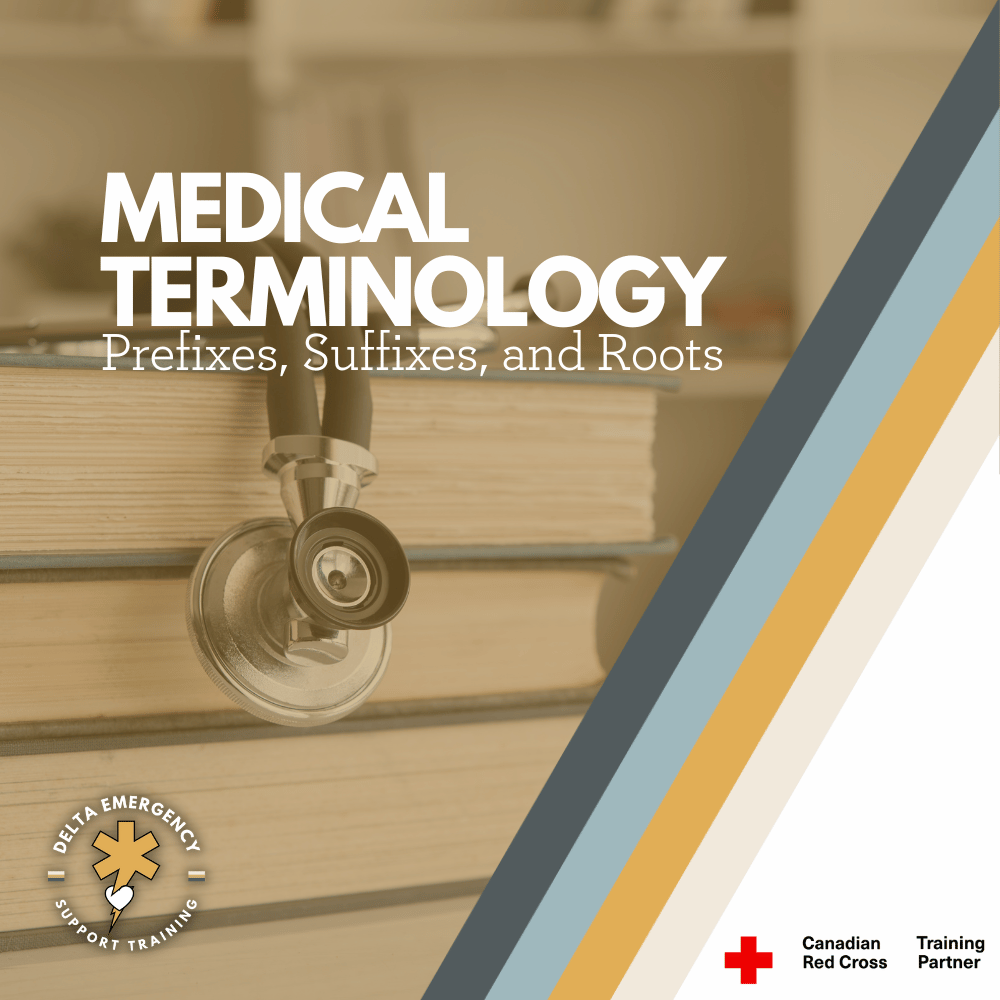
Gynecological emergencies require quick assessments, clear decision-making, and fast intervention. For first responders, understanding these conditions is essential for providing the right care and support. While some gynecological issues may seem daunting, being knowledgeable about these emergencies can make all the difference in saving lives and minimizing long-term complications.

In this blog, we’ll dive deeper into some of the most common gynecological emergencies, including endometriosis, ovarian torsion, ectopic pregnancy, toxic shock syndrome, and more. Additionally, we’ll discuss how first responders can handle these situations efficiently, with a focus on maintaining patient comfort and professionalism, particularly when male responders are involved.

1. Endometriosis: Managing Acute Flare-Ups

What It Is:
Endometriosis is a chronic condition where tissue similar to the lining of the uterus grows outside of it, often affecting the ovaries, fallopian tubes, or other organs in the pelvic region. While it’s usually a long-term condition, flare-ups can create acute pain and other complications.

Emergency Symptoms:

  • Intense pelvic pain, especially during menstruation

  • Nausea, vomiting, or dizziness

  • Heavy menstrual bleeding

  • Pain during intercourse

What to Do:
First responders should focus on pain management, as the acute pain associated with endometriosis flare-ups can be overwhelming. Administer analgesics as per protocol and assess vital signs. If bleeding is severe, treat for shock and prepare for transport to the nearest medical facility for further treatment, including possible imaging and evaluation by a gynecologist.

2. Ovarian Torsion: A Time-Sensitive Surgical Emergency

What It Is:
Ovarian torsion occurs when an ovary twists on its supporting ligaments, cutting off its blood supply. This is a surgical emergency and, if not treated promptly, can lead to ovarian necrosis (death of the ovary).

Emergency Symptoms:

  • Sudden, severe pelvic pain, often localized to one side

  • Nausea or vomiting

  • Abdominal tenderness

  • Possible fever

What to Do:
Time is critical in ovarian torsion. The primary action for first responders is pain management and stabilization. Administer pain relief (IV or oral as per protocol) and monitor for signs of shock. Rapid transport to a surgical facility is essential for surgical intervention to save the ovary. Delaying treatment could result in permanent damage or loss of the ovary.

3. Miscarriage: Spontaneous Pregnancy Loss

What It Is:
A miscarriage refers to the loss of a pregnancy before the 20th week. Miscarriages are often associated with heavy bleeding and pain, and they can lead to emotional distress for the patient.

Emergency Symptoms:

  • Heavy bleeding or passing of tissue

  • Cramping or abdominal pain

  • Lower back pain

  • Dizziness or fainting

What to Do:
For first responders, it’s important to manage bleeding and monitor for signs of shock. Heavy bleeding can result in hypovolemic shock, so maintaining the patient’s blood volume with IV fluids is critical. Emotional support is also key—be compassionate and empathetic, as this is often a traumatic experience. Transport the patient to a medical facility for further evaluation, including an ultrasound to confirm the miscarriage and assess for any retained tissue.

4. Ectopic Pregnancy: A Life-Threatening Condition

What It Is:
An ectopic pregnancy occurs when a fertilized egg implants outside the uterus, usually in a fallopian tube. This is a dangerous condition because the fallopian tube can rupture, leading to significant internal bleeding.

Emergency Symptoms:

  • Severe abdominal pain, often on one side

  • Vaginal bleeding or spotting

  • Dizziness, fainting, or low blood pressure

  • Shoulder pain (referred pain due to internal bleeding)

What to Do:
Ectopic pregnancy is a medical emergency that requires immediate transport to the hospital. First responders should stabilize the patient, monitor vitals, and treat for shock if necessary. If an ectopic pregnancy is suspected, it is critical to get the patient to a surgical facility as quickly as possible, as a ruptured ectopic pregnancy can be fatal.

5. Uterine Fibroids: Managing Complications from Benign Tumors

What It Is:
Uterine fibroids are non-cancerous growths in the muscle of the uterus. In many cases, they don’t cause symptoms, but in some women, they can result in heavy menstrual bleeding or pain, especially during pregnancy or menopause.

Emergency Symptoms:

  • Heavy vaginal bleeding, potentially leading to shock

  • Pelvic or abdominal pain

  • Pressure on the bladder or rectum

  • Painful intercourse

What to Do:
If a patient with uterine fibroids presents with heavy bleeding, assess the degree of bleeding and treat for shock if necessary. Administer fluids to maintain blood pressure and transport the patient to a medical facility for further evaluation and treatment. In severe cases, surgical intervention may be needed to manage bleeding or remove the fibroids.

6. Vulvar Abscess: Infection and Inflammation of the Vulva

What It Is:
A vulvar abscess is a localized collection of pus caused by infection. It may occur due to bacteria entering the vulvar glands, leading to swelling, pain, and tenderness.

Emergency Symptoms:

  • Painful swelling or tenderness in the vulva

  • Redness and warmth in the affected area

  • Fever

  • Drainage of pus

What to Do:
While vulvar abscesses typically require drainage and antibiotics, first responders should focus on pain relief and preventing the infection from spreading. Administer pain relief and fluids as per protocol and prepare for rapid transport to a hospital where surgical drainage may be needed.

7. Toxic Shock Syndrome (TSS): A Severe Bacterial Infection

What It Is:
Toxic Shock Syndrome is caused by bacterial toxins, usually from Staphylococcus aureus or Streptococcus pyogenes. Though it’s rare, it can progress rapidly and lead to organ failure and death.

Emergency Symptoms:

  • Sudden high fever

  • Vomiting and diarrhea

  • A red, sunburn-like rash

  • Low blood pressure, confusion, or shock

What to Do:
TSS is a critical emergency requiring immediate intervention. First responders should administer fluids to combat shock, manage the fever, and prepare for transport to a medical facility. Treatment typically includes IV antibiotics and supportive care to prevent organ failure.

8. The Challenges of Responding to Gynecological Emergencies, Especially for Male Responders

Patient Comfort and Professionalism:
Handling gynecological emergencies can be particularly sensitive, especially if the responding team is composed of male responders. As a first responder, it’s essential to be aware of the patient’s emotional and physical comfort while still prioritizing their care.

Key Considerations for Male Responders:

  • Maintain Decency: Ensure that the patient’s privacy is respected at all times. Use blankets or gowns to cover them as much as possible, especially during transport or examination.

  • Provide Clear Communication: Always explain the procedures you’re performing and why they are necessary. Patients may feel vulnerable during gynecological emergencies, so explaining what is happening at each stage can help reduce anxiety.

  • Offer Emotional Support: Gynecological emergencies often come with an emotional component. Be compassionate and understanding, offering reassurance and support throughout the process.

  • If Possible, Involve Female Responders: If you’re a male responder and the situation involves intimate care, offer the patient the option to be attended to by a female responder, if available, to maintain comfort and dignity.

First responders should always prioritize patient safety and dignity. Being sensitive to these issues helps build trust and ensures that you are providing the best care possible, especially in potentially traumatic situations.

Conclusion: Efficient, Respectful Care for Gynecological Emergencies

Gynecological emergencies can present unique challenges for first responders, but with the right knowledge and skills, you can manage these situations effectively and compassionately. Whether dealing with ovarian torsion, toxic shock syndrome, or ectopic pregnancy, understanding the symptoms and knowing the right actions to take will ensure better patient outcomes. Responding with professionalism, sensitivity, and respect for the patient’s dignity is just as important as delivering medical care.

At Delta Emergency Support Training, we equip first responders with the knowledge and skills necessary to handle all types of emergencies, including gynecological ones. Our comprehensive training prepares you to respond with confidence, ensuring you provide the best care in critical situations.

Read More

Understanding Medical Terminology: A Guide to Prefixes, Suffixes, and Roots for First Responders

Mastering medical terminology is essential for first responders. Understanding common prefixes, suffixes, and roots will help you communicate more effectively, make informed decisions, and provide quicker, more effective care. In this guide, we break down essential medical terms that will boost your confidence on the job and improve patient outcomes.
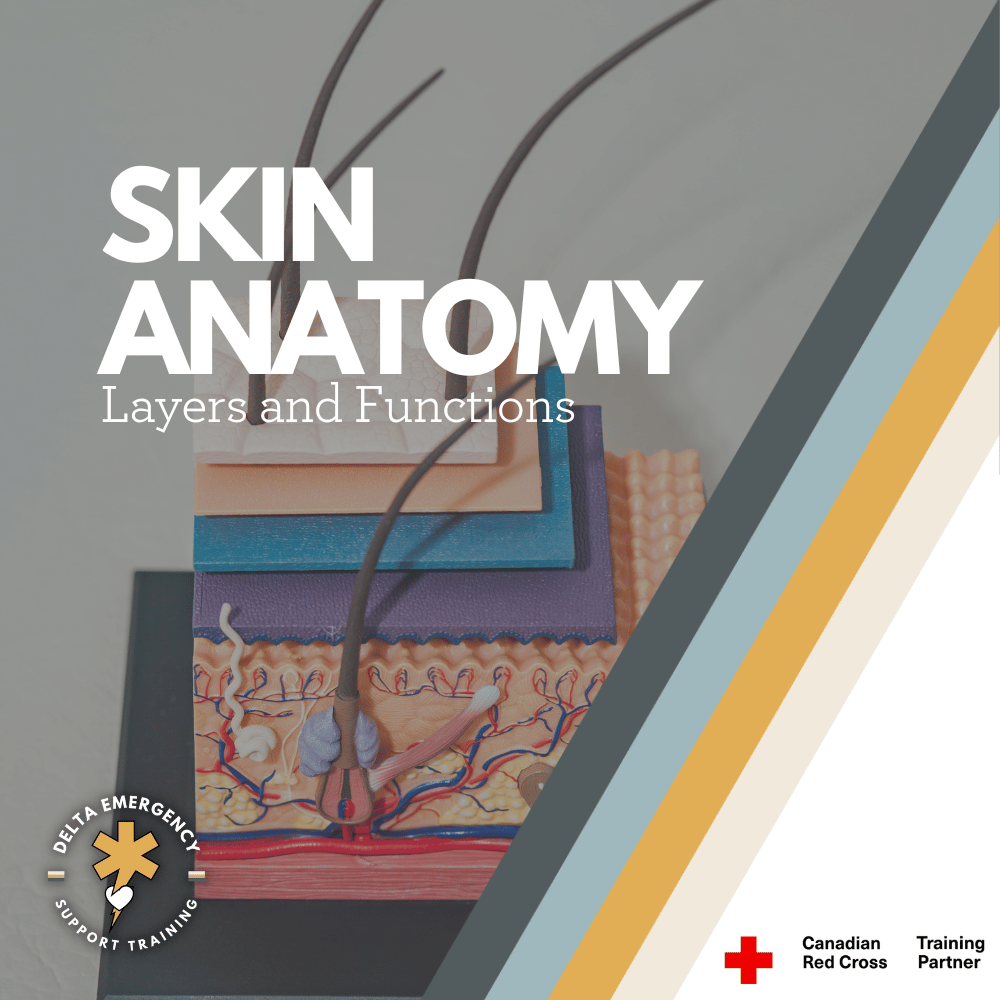
In the fast-paced world of Emergency Medical Services (EMS), effective communication and quick thinking are crucial. One way to improve both is by mastering medical terminology. As a first responder, understanding the building blocks of medical terms — prefixes, suffixes, and roots — will allow you to interpret unfamiliar terms quickly, leading to better patient care and more effective communication with other healthcare professionals.

In this guide, we’ll break down the most common prefixes, suffixes, and roots in medical terminology, with a focus on how these parts come together to help you understand the language of medicine. By familiarizing yourself with these building blocks, you’ll be equipped to navigate the world of medical terminology with confidence.

What Are Prefixes, Suffixes, and Roots?

Medical terms often seem complex, but most are built from smaller components that convey specific meanings. Understanding how these components work will help you quickly decode medical terms.

  • Prefix: A prefix is added at the beginning of a word to modify its meaning. It typically indicates time, location, quantity, or status.

  • Suffix: A suffix is placed at the end of a word to alter its meaning. It often refers to a condition, disease, procedure, or part of the body.

  • Root Word: The root is the central part of the word that provides the core meaning. It typically refers to a body part, function, or medical concept.

By breaking down terms into these components, you can understand what a word means without needing to memorize every single term.

Why EMS Professionals Need to Understand Prefixes, Suffixes, and Roots

As a first responder, you’ll often encounter long, unfamiliar medical terms during patient care. Breaking these terms down into their prefixes, suffixes, and roots helps you:

  1. Interpret Symptoms Faster: For example, recognizing terms like “tachypnea” (rapid breathing) or “bradycardia” (slow heart rate) allows you to quickly assess the situation and respond accordingly.

  2. Improve Communication: Whether you’re talking to a doctor, paramedic, or other healthcare professionals, using the correct medical terminology ensures clear, efficient communication, which leads to better patient outcomes.

  3. Streamline Documentation: Accurate medical documentation is essential in EMS. Knowing medical terms ensures you can write reports that are both precise and comprehensive.

Common Medical Prefixes Every First Responder Should Know

Here are some of the most common prefixes you’ll encounter in EMS. These prefixes provide important information about the patient's condition and can help you make quicker decisions in the field.

1. “Hyper-”

  • Meaning: Excessive, above normal

  • Example: Hypertension (high blood pressure)

2. “Hypo-”

  • Meaning: Below normal, deficient

  • Example: Hypoglycemia (low blood sugar)

3. “Brady-”

  • Meaning: Slow

  • Example: Bradycardia (slow heart rate)

4. “Tachy-”

  • Meaning: Fast

  • Example: Tachypnea (rapid breathing)

5. “Pre-”

  • Meaning: Before

  • Example: Preoperative (before surgery)

6. “Post-”

  • Meaning: After

  • Example: Post-traumatic (after trauma)

7. “Sub-”

  • Meaning: Under, beneath

  • Example: Subcutaneous (beneath the skin)

8. “Inter-”

  • Meaning: Between

  • Example: Intercostal (between the ribs)

9. “Intra-”

  • Meaning: Within

  • Example: Intravenous (within the vein)

10. “Exo-”

  • Meaning: Outside, outward

  • Example: Exoskeleton (external skeleton)

Common Medical Suffixes for EMS Professionals

Suffixes are essential for understanding the nature of a medical condition, procedure, or diagnosis. Below are key suffixes that are frequently used in EMS:

1. “-itis”

  • Meaning: Inflammation

  • Example: Arthritis (inflammation of the joints)

2. “-ectomy”

  • Meaning: Surgical removal

  • Example: Appendectomy (removal of the appendix)

3. “-algia”

  • Meaning: Pain

  • Example: Neuralgia (nerve pain)

4. “-pathy”

  • Meaning: Disease or condition

  • Example: Neuropathy (nerve disease)

5. “-emia”

  • Meaning: Blood condition

  • Example: Anemia (low red blood cell count)

6. “-plasty”

  • Meaning: Surgical repair

  • Example: Rhinoplasty (surgical repair of the nose)

7. “-scopy”

  • Meaning: Viewing or examination using a scope

  • Example: Endoscopy (examination of a body cavity)

8. “-logy”

  • Meaning: The study of

  • Example: Cardiology (study of the heart)

9. “-osis”

  • Meaning: Abnormal condition or disease

  • Example: Cirrhosis (a liver disease)

10. “-graphy”

  • Meaning: The process of recording

  • Example: Cardiography (recording heart activity)

Common Medical Roots in EMS Terminology

Roots form the core of medical terms and typically describe body parts, organs, or functions. Here are some important roots you’ll encounter in your training and practice:

1. “Cardi/o”

  • Meaning: Heart

  • Example: Cardiology (study of the heart)

2. “Gastr/o”

  • Meaning: Stomach

  • Example: Gastritis (inflammation of the stomach lining)

3. “Hemat/o”

  • Meaning: Blood

  • Example: Hemorrhage (excessive bleeding)

4. “Neuro/o”

  • Meaning: Nerve, nervous system

  • Example: Neurology (study of the nervous system)

5. “Oste/o”

  • Meaning: Bone

  • Example: Osteoarthritis (arthritis of the bone)

6. “Pulmon/o”

  • Meaning: Lungs

  • Example: Pulmonary edema (fluid buildup in the lungs)

7. “My/o”

  • Meaning: Muscle

  • Example: Myocardial (related to the heart muscle)

8. “Derm/a”

  • Meaning: Skin

  • Example: Dermatitis (inflammation of the skin)

9. “Ren/o”

  • Meaning: Kidney

  • Example: Renal failure (kidney failure)

10. “Rhin/o”

  • Meaning: Nose

  • Example: Rhinoplasty (surgical procedure on the nose)

Study Strategies for Mastering Medical Terminology

While learning prefixes, suffixes, and roots can seem overwhelming, there are several effective study techniques to help you retain and apply these concepts:

1. Use Flashcards

Flashcards are an excellent way to reinforce your understanding of prefixes, suffixes, and roots. Use physical cards or apps like Quizlet to test your knowledge on the go. Write the term on one side and its meaning on the other.

2. Create Mnemonics

To help remember terms, create memorable associations. For example, remember “tachy-” by thinking of “tachometer,” which measures speed (fast). For “brady-” (slow), think of Brady the tortoise from the classic story.

3. Break Down Terms

Whenever you encounter an unfamiliar term, break it down. Start with the root word, then look at the prefix and suffix. For example, Tachycardia:

  • Tachy- = fast

  • Cardi/o = heart

  • -ia = condition So, Tachycardia = a condition of a fast heart rate.

4. Group Study and Practice

Group study sessions help reinforce what you've learned. Discuss terms with classmates or colleagues and quiz each other regularly to ensure you understand the material.

5. Use Interactive Tools

Interactive quizzes and apps can make learning more engaging. Tools like Anki or MedTerm offer practice exercises that reinforce your understanding of medical terminology in a fun, interactive way.

Conclusion: Mastering Medical Terminology for EMS Professionals

In EMS, quick decision-making and clear communication can save lives. Understanding medical terminology, including prefixes, suffixes, and roots, allows you to decode complex terms on the fly and makes you a more effective responder. It’s a skill that will improve your ability to assess patients, document care, and work with your team efficiently.

At Delta Emergency Support Training, we understand the importance of a solid foundation in medical terminology. Our comprehensive Red Cross Babysitting course and First Aid training cover essential medical concepts that will set you up for success in the field. Whether you're just getting started or looking to advance your skills, mastering medical terminology is a key step in becoming a top-tier first responder.

Read More

Skin Anatomy Overview for First Responders: Layers and Functions

Understanding the anatomy of the skin is essential for first responders. The skin serves as the body’s first line of defense, regulating temperature and protecting against infection. In this blog, we’ll break down the three layers of skin—epidermis, dermis, and hypodermis—and explore their functions, common injuries, and how this knowledge can help you provide better care in emergency situations.
As a first responder, you're trained to respond to a variety of emergencies, from burns and cuts to more complex trauma situations. Understanding the anatomy of the skin is crucial, as it plays a vital role in protecting the body from infection, regulating temperature, and healing injuries. In this blog, we’ll break down the layers of the skin, their functions, and how this knowledge helps you in your critical role as a first responder.

medical skin layer model

The Basics of Skin Anatomy

The skin is the body's largest organ, serving as the primary barrier between the internal systems and the outside world. It protects against physical damage, pathogens, and dehydration, while also playing a key role in temperature regulation. The skin is made up of three main layers, each with its own distinct function:

  1. Epidermis (Outer Layer)

  2. Dermis (Middle Layer)

  3. Hypodermis (Subcutaneous Layer)

1. The Epidermis: The Body’s First Line of Defense

The epidermis is the outermost layer of skin, providing a waterproof barrier that shields the body from harmful substances, bacteria, and UV radiation. As a first responder, you will often encounter patients with injuries to the epidermis, such as cuts, abrasions, burns, or rashes.

Functions of the Epidermis:

  • Protection: The epidermis acts as the first line of defense against pathogens, chemicals, and physical damage.

  • Barrier to Water Loss: It helps prevent excessive loss of moisture, maintaining hydration in the body.

  • Skin Pigmentation: Melanin, produced in the epidermis, helps protect deeper layers from UV damage.

  • Sensation: The epidermis contains nerve endings that allow the skin to respond to environmental stimuli, like heat or pressure.

Important Considerations for First Responders:

  • Burns: Since the epidermis contains no blood vessels, burns typically affect this layer first, causing redness, swelling, and pain. In severe cases, it may also affect the dermis, leading to more serious injuries.

  • Infections: When the epidermis is compromised (such as in open wounds), there’s a higher risk of infection. Proper cleaning and dressing of wounds are essential to avoid bacterial infiltration.

2. The Dermis: The Skin’s Strength and Support

The dermis lies beneath the epidermis and is responsible for most of the skin's strength, elasticity, and sensation. This layer contains blood vessels, nerves, hair follicles, sweat glands, and connective tissue.

Functions of the Dermis:

  • Structural Support: The dermis contains collagen and elastin, proteins that provide strength and elasticity to the skin, allowing it to stretch and return to its original shape.

  • Temperature Regulation: Blood vessels in the dermis help regulate body temperature by constricting to conserve heat or dilating to release heat.

  • Sensation: The dermis is rich in nerve endings that detect pain, pressure, temperature, and touch.

  • Wound Healing: The dermis plays a critical role in healing skin wounds, as it contains the blood vessels and connective tissue that support tissue repair.

Important Considerations for First Responders:

  • Deep Cuts and Lacerations: When treating deep cuts or lacerations, you may encounter injury to the dermis, which could result in more severe bleeding due to the presence of blood vessels.

  • Blisters and Burns: Severe friction or thermal injuries can cause fluid buildup between the epidermis and dermis, leading to blisters. Burns can also extend into the dermis, causing damage to blood vessels and deeper tissues.

3. The Hypodermis: The Body’s Cushion and Insulator

The hypodermis, or subcutaneous layer, lies below the dermis and is primarily made of fat and connective tissue. This layer plays a significant role in protecting internal organs, insulating the body, and storing energy.

Functions of the Hypodermis:

  • Insulation: The fatty tissue helps regulate body temperature by providing insulation against heat loss.

  • Cushioning: It acts as a shock absorber, protecting bones and organs from injury by absorbing impact.

  • Energy Storage: The hypodermis stores fat, which serves as an energy reserve for the body.

  • Anchoring the Skin: It helps anchor the skin to underlying muscles and bones, giving the skin its flexibility and strength.

Important Considerations for First Responders:

  • Severe Trauma: In cases of deep trauma, such as blunt force injuries, the hypodermis may be damaged. This could lead to bruising or deeper tissue damage, as blood vessels in the hypodermis may rupture.

  • Frostbite: The hypodermis is the most affected area during frostbite, as it is the deepest layer. Severe cold temperatures can cause the fat cells to freeze, potentially leading to tissue death and the need for immediate medical intervention.

Skin Injuries and First Aid: Key Points for First Responders

As a first responder, understanding the anatomy of the skin helps you assess injuries more effectively and provide better care. Here are some common skin injuries and how they relate to the skin’s structure:

  1. Abrasions: These involve damage to the epidermis, often caused by friction. While they are generally not severe, they can lead to infection if not properly cleaned and dressed.

  2. Lacerations: Deep cuts can damage both the epidermis and dermis, leading to bleeding and pain. Proper wound care includes stopping the bleeding, cleaning the wound, and applying appropriate dressings.

  3. Burns: Burns can range from superficial (affecting only the epidermis) to severe (penetrating the dermis and hypodermis). First-degree burns may cause redness and pain, while second-degree burns result in blisters and more intense pain. Third-degree burns involve damage to all layers of the skin and require immediate medical attention.

  4. Frostbite: Exposure to extreme cold can lead to frostbite, which damages the skin, particularly the hypodermis. Treatment includes gradual rewarming and protecting the affected areas from further damage.

  5. Infections: Skin wounds, especially when the epidermis is broken, are susceptible to infection. As a first responder, it’s critical to clean wounds thoroughly, apply sterile dressings, and monitor for signs of infection.

Conclusion: Why Skin Anatomy Matters for First Responders

The skin may seem like a simple barrier, but its structure and functions are far more complex and essential to maintaining overall health. As first responders, understanding the layers of the skin, their functions, and how injuries affect them helps you provide better care to patients. Whether you're dealing with a simple abrasion or a severe burn, this knowledge can guide your decisions on how to treat injuries quickly and effectively, reducing the risk of complications and promoting faster recovery.

By applying this understanding of skin anatomy to your daily work, you can ensure that your patients receive the best care possible in emergency situations.

Read More

Winter Driving: Tips for First Responders and Everyday Drivers

Winter driving poses unique challenges, especially for future firefighters and first responders. From hidden black ice to snow-covered roads, understanding the risks and knowing how to prepare your vehicle are essential for staying safe on the road. In this blog, we’ll cover key winter driving hazards, share essential tips for safe navigation in harsh conditions, and provide guidance on vehicle maintenance to ensure you're always ready—whether you're heading to an emergency or simply commuting. Stay prepared, stay safe, and learn how to handle winter weather like a pro.
Winter Driving Tips for Future First Responders: Stay Safe and Prepared in Harsh Conditions

Overturned vehicle from driving in icy winter conditions

Winter driving can be treacherous, especially when you’re out on the road in snowy, icy conditions. As a future firefighter, paramedic, or emergency responder, it’s crucial to understand how these winter weather hazards can impact your ability to drive safely and respond effectively in an emergency. Whether you're heading to a call or navigating daily commutes, this guide will provide you with the knowledge and practical tips you need to stay safe during the winter months.

1. Understanding the Risks of Black Ice

Black ice is one of the most insidious dangers of winter driving. It forms when moisture freezes on the road surface, creating a nearly invisible layer of ice that can cause vehicles to lose traction unexpectedly. Black ice is most commonly found on bridges, overpasses, and shaded parts of the road. For first responders, who may need to drive in these conditions during urgent situations, it’s vital to recognize the signs of black ice and respond accordingly.

What to Watch Out For:

  • Bridges and Overpasses: These areas freeze more quickly than regular roads due to their exposure to the air above and below.

  • Shaded Areas: Roads that are shaded by trees, buildings, or mountains are more likely to have black ice, especially early in the morning or after sunset.

  • Intersections and Curves: These areas are more prone to slick conditions as the traffic flow can prevent melting during the day.

How to Drive on Black Ice:

  • Slow Down: Reduce your speed when driving on bridges, overpasses, or during the early morning hours.

  • Gentle Maneuvers: Avoid quick or sharp turns. Steer gently if you begin to slide.

  • Keep a Safe Distance: Maintain extra space between your vehicle and others, as it can take longer to stop on icy surfaces.

2. Snow and Slippery Road Conditions

Snow accumulation not only reduces visibility, but it can also make roads slippery, increasing the likelihood of losing control of your vehicle. Thick snowdrifts and patches of snow can obscure lane markings, making it difficult to navigate the road properly. For firefighters and other emergency personnel, this is particularly hazardous, as getting stuck in the snow or skidding off the road can delay emergency responses.

What to Watch Out For:

  • Snowdrifts: These can accumulate quickly, especially on less-traveled roads.

  • Hidden Potholes: Snow can cover potholes, creating unexpected hazards beneath the snow’s surface.

  • Lack of Lane Visibility: Snow accumulation can hide lane markings, making it difficult to stay in your lane.

Winter Driving Tips for Snowy Roads:

  • Drive Below the Speed Limit: Adapt your speed to the road conditions, not the posted speed limit. Keep your distance from other vehicles, as stopping distances will be much longer.

  • Increase Visibility: Use your headlights during snowfall to make sure other drivers can see you. Avoid high beams, which can reflect off the snow and reduce your visibility.

  • Stay in Tracks: If driving in heavy snow, try to drive in the tracks of other vehicles to avoid becoming stuck in deep snow.

3. Cold Weather and Vehicle Maintenance

Winter driving isn’t just about adjusting your behavior on the road; it’s also about ensuring your vehicle is properly prepared for the cold conditions. The freezing temperatures of winter can cause issues that make your vehicle more susceptible to mechanical failure or an accident. For first responders, this can lead to delays or even dangerous breakdowns.

Winter Vehicle Checklist:

  • Check Tire Pressure and Tread: Cold temperatures cause tire pressure to drop. Check your tire pressure regularly, and ensure that your tires have sufficient tread to maintain grip on icy or snow-covered roads.

  • Battery Health: Batteries lose power in cold weather, so test your battery before winter sets in. Consider replacing older batteries that might fail in the cold.

  • Engine Fluids: Ensure your vehicle is filled with winter-grade oil and coolant. The correct engine fluid prevents freezing and ensures proper functioning.

  • Windshield Wipers: Replace windshield wipers if they are worn. Stock up on windshield washer fluid that won’t freeze at low temperatures, ensuring good visibility in snowy conditions.

Emergency Kit Essentials:

  • Blankets and Warm Clothing: In case of a breakdown or emergency situation, having extra clothing and thermal blankets in your vehicle can be lifesaving.

  • First Aid Kit: Always carry a basic first aid kit, including bandages, antiseptic wipes, and gloves, for addressing minor injuries on the go.

  • Food and Water: Pack non-perishable snacks and bottled water, especially if you're traveling long distances or to remote areas.

4. Responding to Accidents in Winter Conditions

As a future first responder, you may need to respond to emergency calls involving accidents on snowy or icy roads. It's crucial to stay aware of the unique dangers that come with operating in these environments, both for your safety and the safety of the victims.

Hazards to Be Aware Of:

  • Additional Collisions: If the road is icy, there’s a higher likelihood of secondary accidents, so always approach accident scenes cautiously.

  • Cold Weather Injuries: Accidents involving cold temperatures can cause hypothermia, frostbite, or other cold-related injuries, especially if victims are exposed to the elements for long periods.

  • Limited Access: Snow and ice can make it difficult to reach accident scenes or maneuver vehicles into position for a rescue. Be prepared for delays or challenging access.

Tips for First Responders:

  • Slow Approach: Always slow down as you approach the scene of an accident, and be mindful of other vehicles on the road.

  • Road Safety: Set up safety cones or warning lights to alert other drivers and prevent further collisions.

  • Protect Victims: If the victims are in cold conditions, prioritize keeping them warm with blankets or by moving them to a safer location away from the elements.

5. Stay Prepared for Winter Emergencies

The unpredictable nature of winter weather means that being prepared is more important than ever. Having an emergency kit, knowing how to handle various road conditions, and understanding the importance of vehicle maintenance can make a huge difference in staying safe.

Winter Emergency Kit Checklist:

  • Jumper cables and portable power banks

  • Flashlight with extra batteries

  • Shovel, sand, or kitty litter (for traction if you’re stuck)

  • Thermal blankets and extra gloves/hats

  • Non-perishable snacks and water

  • Basic first aid supplies

Conclusion: Be Prepared and Drive Safely This Winter

Winter driving conditions can be dangerous, especially for first responders who need to travel quickly and efficiently to emergencies. By understanding the hazards posed by snow, ice, and freezing temperatures, and by taking proactive steps to maintain your vehicle and adjust your driving behavior, you can reduce the risks associated with winter driving.

For future firefighters and first responders, staying prepared means more than just understanding emergency procedures—it also means staying safe on the road. Drive carefully, maintain your vehicle, and always be prepared for the unexpected.

Read More

Alcohol-Related Emergencies: A First Responder's Guide

Encountering alcohol-related emergencies as a first responder demands a comprehensive understanding of the signs of severe intoxication and the skills to manage them effectively. From volatile behavior to the critical signs of alcohol overdose, being prepared to intervene promptly can mean the difference between life and death. By recognizing the need for airway management and implementing techniques such as the recovery position and manual clearance, first responders can mitigate the risks of aspiration and respiratory compromise. Moreover, fostering community education on responsible drinking practices and promoting peer support programs within the first responder community are essential steps toward prevention and support. As we navigate the complexities of alcohol-related emergencies, let us remain vigilant, compassionate, and committed to saving lives. Through our collective efforts, we can make a meaningful impact in ensuring the safety and well-being of those affected by alcohol intoxication.
As first responders, we are frequently called upon to handle alcohol-related emergencies. These situations require a delicate balance of compassion, skill, and quick thinking. Understanding the signs of severe intoxication and knowing how to respond effectively can make a significant difference in the outcome for the individual involved. In this blog, we'll explore the complexities of managing alcohol-related emergencies, including recognizing critical signs of alcohol overdose and providing timely intervention to prevent potentially life-threatening complications.

Recognizing Critical Signs of Alcohol Overdose:

  1. Inability to Rouse: In severe cases of alcohol intoxication, individuals may be unresponsive to loud shouting or vigorous shaking. This inability to rouse the person can be a red flag indicating a dangerous level of intoxication.

  2. Inability to Stay Awake: If a person who was previously passed out cannot stay awake for more than 2-3 minutes after being roused, it suggests a profound level of intoxication that requires immediate attention.

  3. Vomiting While Unconscious: Vomiting while unconscious is a particularly concerning sign, as it increases the risk of choking or suffocation on vomit.

  4. Not Waking Up After Vomiting: Failure to wake up after vomiting is a critical indicator of alcohol poisoning. It signifies a compromised level of consciousness and a heightened risk of respiratory distress.

  5. Incoherent While Vomiting: Incoherent speech or confusion while vomiting indicates a significant impairment of cognitive function, further highlighting the severity of the situation.

Understanding the Dangers of Alcohol Overdose:

Alcohol overdose, also known as alcohol poisoning, is a life-threatening condition that requires immediate medical attention. Left untreated, it can lead to:

  • Choking or suffocation on vomit

  • Respiratory depression or cessation of breathing

  • Seizures

  • Brain damage

  • Death

Managing the Airway in Alcohol Overdose:

1. Recovery Position: In cases where an individual is unconscious but breathing, placing them in the recovery position is crucial for preventing aspiration of vomit and maintaining a clear airway. The recovery position involves the following steps:

  • Roll the person onto their side, facing you.

  • Ensure that their head is tilted back slightly to keep the airway open.

  • Bend the top leg at the knee and place it in front of the bottom leg for stability.

  • Position the bottom arm under their head to support it and prevent it from falling forward.

  • Monitor the person's breathing and vital signs while in the recovery position.

2. Manual Airway Clearance: If the individual is unconscious and there is evidence of vomit in the mouth, it may be necessary to manually clear the airway to prevent obstruction. This can be done using a side scooping finger technique or a suction device such as a Yankauer suction catheter:

  • Side Scooping Finger Technique: Gently insert your gloved finger into the person's mouth and sweep any vomit or debris from the back of the throat using a side-to-side motion. Be careful not to push the material further back into the throat.

  • Yankauer Suction: If available, use a Yankauer suction catheter to suction vomit from the mouth and upper airway. Insert the suction catheter into the mouth and carefully remove any fluid or debris while being cautious not to obstruct the airway further.

3. Continuous Monitoring: After clearing the airway and placing the individual in the recovery position, continue to monitor their breathing, pulse, and level of consciousness closely. Be prepared to intervene further if there are signs of respiratory distress or deterioration.

Conclusion:

Encountering alcohol-related emergencies as a first responder demands a comprehensive understanding of the signs of severe intoxication and the skills to manage them effectively. From volatile behavior to the critical signs of alcohol overdose, being prepared to intervene promptly can mean the difference between life and death. By recognizing the need for airway management and implementing techniques such as the recovery position and manual clearance, first responders can mitigate the risks of aspiration and respiratory compromise. Moreover, fostering community education on responsible drinking practices and promoting peer support programs within the first responder community are essential steps toward prevention and support. As we navigate the complexities of alcohol-related emergencies, let us remain vigilant, compassionate, and committed to saving lives. Through our collective efforts, we can make a meaningful impact in ensuring the safety and well-being of those affected by alcohol intoxication.

Read More

Road Safety Tips for Cyclists: A First Responder's Guide

In our guide for first responders and firefighters, we emphasize crucial road safety tips tailored for cyclists. From the paramount importance of wearing helmets to the necessity of being visible on the road, these insights are indispensable for fostering safer cycling environments. By obeying traffic laws, riding defensively, and utilizing bike lanes effectively, cyclists and motorists can work together to prevent accidents and promote road safety for all.
cyclist riding off to the side of the road

As a first responder, your role in ensuring road safety extends beyond responding to emergencies. It involves proactive measures to prevent accidents and mitigate their impact. When it comes to bicycle safety, understanding the rules of the road and adopting defensive strategies are crucial for both cyclists and motorists. In this guide, we'll explore essential road safety tips for cyclists, equipping first responders and firefighters with knowledge to promote safer roads for everyone.

  1. Wear Your Helmet: The importance of wearing a helmet cannot be overstated. A properly fitted helmet significantly reduces the risk of head injuries in the event of a crash. First responders often witness the devastating consequences of head trauma, making it imperative to stress the importance of helmet use to cyclists. Ensure that your helmet fits snugly and sits level on your head, with the straps securely fastened.

  2. Be Visible: Visibility is key to avoiding collisions, especially in low-light conditions or inclement weather. Cyclists should equip their bikes with front and rear lights, as well as reflectors, to increase visibility to motorists. Wearing brightly colored or reflective clothing further enhances visibility, making it easier for drivers to spot cyclists on the road.

  3. Obey Traffic Laws: Cyclists are subject to the same traffic laws as motorists. This includes obeying traffic signals, yielding to pedestrians, and signaling intentions to turn or stop. By adhering to traffic laws, cyclists can predictably navigate the road, reducing the likelihood of accidents caused by confusion or misinterpretation of cyclist intentions.

  4. Ride Defensively: Defensive cycling involves anticipating potential hazards and taking proactive measures to avoid them. Stay vigilant and alert while riding, scanning the road for obstacles, parked cars, and erratic drivers. Maintain a safe distance from vehicles, especially large trucks or buses, and avoid riding in their blind spots. Additionally, be prepared to react quickly to sudden changes in traffic or road conditions.

  5. Use Bike Lanes and Paths: Whenever possible, utilize designated bike lanes and paths to separate cyclists from vehicular traffic. Bike lanes provide a dedicated space for cyclists, reducing the risk of collisions with motor vehicles. However, remain cautious and watch for obstacles or hazards within bike lanes, such as debris or parked cars.

  6. Communicate Effectively: Communication is essential for safe cycling. Use hand signals to indicate turns, stops, and lane changes, allowing motorists and other cyclists to anticipate your actions. Make eye contact with drivers at intersections to ensure they see you before proceeding. Clear communication enhances mutual understanding on the road, promoting safer interactions between cyclists and motorists.

Conclusion:

As first responders and firefighters, your commitment to road safety extends beyond emergency response to proactive prevention measures. By promoting bicycle safety and educating cyclists and motorists alike, you can help reduce the incidence of accidents and injuries on our roads. Remember, a collective effort to follow the rules of the road and prioritize safety benefits everyone, creating a safer environment for cyclists and motorists alike. Together, we can make our roads safer for all road users.

Read More

Stress Management for First Responders

In the turbulent world of first response, stress manifests in subtle yet insidious ways, often eluding detection amidst the chaos of the job. For firefighters, EMTs, and police officers alike, irritability, frustration, and emotional distance from loved ones serve as silent signals of mounting stress. Recognizing these signs is paramount, as they herald the onset of burnout and jeopardize both mental and physical well-being. By acknowledging these warning signs and proactively seeking support, first responders can navigate the relentless demands of their profession with resilience and grace, ensuring their ability to continue serving their communities with unwavering dedication.
Mans head handing heavy in his hands

Dealing with Stress as a First Responder

In the realm of first response, the pressures are unparalleled, the stakes are sky-high, and the toll on mental and physical well-being is often underestimated. Whether you're a firefighter rushing into blazing infernos, an EMT navigating chaotic emergency scenes, or a police officer confronting danger head-on, the weight of the job can be overwhelming. In the relentless pursuit of saving lives and ensuring public safety, first responders frequently find themselves grappling with an insidious adversary: stress.

The Heavy Burden of High-Stress Professions:

First responders operate in an environment where stress is not just a companion but a constant presence. The intensity of their roles, combined with the unpredictability of emergencies, creates a perfect storm for burnout. Witnessing traumatic incidents, experiencing life-threatening situations, and confronting human suffering on a daily basis can inflict deep wounds on the psyche. These wounds, though not always visible, leave an indelible mark that can linger long after the sirens have faded.

Recognizing the Signs:

Identifying the signs of stress is crucial for first responders to address their well-being proactively. Symptoms may manifest in various forms, such as irritability, frustration, emotional numbness, and distancing oneself from loved ones. Recognizing these warning signs early on can pave the way for timely intervention and support.

Managing Stress: Finding Solace Amidst the Chaos:

Amidst the chaos of their demanding professions, first responders must carve out moments of respite to safeguard their mental and physical health. Embracing the healing power of nature can serve as a potent antidote to stress. Studies have shown that spending time outdoors can lower cortisol levels, promote relaxation, and rejuvenate the mind.

In addition to reconnecting with nature, first responders can explore various stress management techniques to regain equilibrium:

  1. Mindfulness and Meditation:

    Cultivating mindfulness practices can help first responders anchor themselves in the present moment, fostering a sense of calm amidst turmoil.

  2. Physical Exercise:

    Engaging in regular exercise not only enhances physical fitness but also releases endorphins, the body's natural stress relievers.

  3. Seeking Support:

    Building a robust support network comprising colleagues, friends, and mental health professionals can provide a crucial safety net during challenging times.

  4. Setting Boundaries:

    Establishing clear boundaries between work and personal life is essential to prevent burnout and maintain a healthy work-life balance.

The Silent Toll: Impact on Mental and Physical Health

The ramifications of unmanaged stress extend far beyond the confines of the workplace, seeping into every facet of a first responder's life. Prolonged exposure to high levels of stress can lead to a myriad of adverse health outcomes, including anxiety disorders, depression, insomnia, hypertension, and cardiovascular diseases. Ignoring the warning signs of stress not only jeopardizes the well-being of first responders but also compromises their ability to serve and protect the community effectively.

In conclusion, the journey of a first responder is fraught with challenges, but it is also imbued with purpose and meaning. By acknowledging the reality of stress, recognizing its manifestations, and implementing effective coping strategies, first responders can navigate the turbulent waters of their profession with resilience and grace. Together, let us shine a light on the silent struggle of those who dedicate their lives to keeping us safe and honor their unwavering commitment with unwavering support.

Read More

Lice Infestations: Guide for First Responders Assisting Vulnerable Populations

Navigating the challenges of lice infestations is a crucial aspect of first responder preparedness. In this comprehensive guide, we explore the intricate details of lice types, transmission modes, and preventive strategies. But our focus extends beyond the basics, shedding light on the unique vulnerabilities of specific populations, such as children facing adversity at home and individuals living in housing shelters.

Understanding the nuances of lice infestations within these groups is essential for compassionate and effective response. Whether it's the limited access to hygiene resources for struggling children or the communal living conditions in shelters, our guide equips first responders with insights and strategies tailored to these diverse scenarios. Explore the intersection of lice awareness, prevention, and empathetic care as we strive to create healthier and more resilient communities.

First responder checking VULNERABLE child for lice infestation

Lice infestations, or pediculosis, can be a common challenge that can disproportionately affect vulnerable populations. This guide aims to equip future first responders with knowledge about the types of lice, their modes of transmission, and effective prevention and treatment strategies, with a special focus on children facing challenges at home and individuals residing in housing shelters.

Understanding Lice:

Lice, tiny parasitic insects that exclusively inhabit humans, come in three common types: body lice, head lice, and pubic lice. Adult lice, approximately the size of a sesame seed, have six legs and range in color from tan to greyish-white. The female lice lay eggs, known as nits, and both adults and immature larvae feed on human blood. The small bites from lice cause intense itching, leading to scratching and a potential risk of secondary skin infections from bacteria on the skin.

Types of Lice:

  1. Body Lice:

    • Larger than head or pubic lice.

    • Reside in the seams of clothing.

    • Infestations can be prevented with regular bathing and access to freshly laundered clothing and bedding.

  2. Head Lice:

    • Common in children but can affect individuals of any age.

    • Reside on the scalp, eyebrows, and eyelashes.

    • Not indicative of poor hygiene; standard shampoos may not effectively remove adults or nits.

  3. Pubic Lice:

    • Typically inhabit the pubic area but can be found on coarse hair in armpits or beards.

    • Similar to head lice, transmission is through direct contact.

Mode of Transmission:

Lice are transmitted primarily through direct contact with an infested individual or through contaminated items like clothing, towels, or bedding. Lice crawl and cannot fly, making close personal contact the primary mode of transmission.

Examples of Transmission:

  • Personal Contact:

    • Close interaction with an individual carrying lice.

  • Shared Items:

    • Using infected bedding, towels, or combs.

Prevention Strategies:

  1. Personal Hygiene:

    • Regular bathing.

    • Access to freshly laundered clothing and bedding.

  2. Avoid Sharing Personal Items:

    • Bedding, towels, and combs should not be shared to minimize the risk of transmission.

  3. Laundering Practices:

    • Daily laundering of community linens using hot water helps eliminate lice.

  4. Universal Precautions:

    • Implement proper precautions to reduce the risk of transmission in various situations.

  5. Hand Hygiene:

    • Regular handwashing with soap and water or using alcohol-based hand rubs is crucial for preventing the spread of lice.

  6. Instrument and Clothing Handling:

    • Properly handle and dispose of instruments, devices, and contaminated clothing to prevent further transmission.

Addressing Vulnerable Populations:

Children Facing Challenges at Home:

  1. Limited Access to Hygiene Resources:

    • Regular bathing and access to hygiene resources may be compromised.

    • Lack of consistent resources increases susceptibility to lice.

  2. Unstable Living Conditions:

    • Frequent moves or overcrowded living spaces contribute to lice transmission.

    • Educational outreach to schools and communities is crucial.

  3. Educational Outreach:

    • First responders can provide information on lice prevention to empower parents and guardians.

    • Collaborate with educational institutions for targeted outreach programs.

Individuals Residing in Housing Shelters:

  1. Limited Personal Space:

    • Communal living increases the risk of lice transmission.

    • Education on personal hygiene and preventive measures is crucial.

  2. Mental Health Challenges:

    • Stress and mental health challenges can impact personal care routines.

    • Integrated support systems addressing mental health and hygiene are essential.

  3. Collaborative Solutions:

    • Collaboration between first responders, healthcare providers, and community organizations is essential.

    • Support initiatives providing access to hygiene resources, educational programs, and outreach services.

First Responder's Role:

  1. Sensitivity and Understanding:

    • Approach individuals from vulnerable populations with sensitivity and understanding.

    • Recognize and address the challenges they face.

  2. Educational Programs:

    • Incorporate educational programs into community outreach efforts.

    • Tailor information to the specific needs and challenges of each population group.

  3. Resource Allocation:

    • Advocate for resources and support systems that address the unique needs of vulnerable populations.

    • Collaborate with social services, NGOs, and healthcare organizations for comprehensive solutions.

In conclusion, addressing lice infestations among vulnerable populations requires a holistic and empathetic approach. By understanding the challenges faced by children in struggling homes and individuals in housing shelters, first responders can actively contribute to preventive measures, education, and collaborative solutions that promote the well-being of these communities. Compassionate care and targeted interventions are key elements in ensuring that everyone, regardless of their circumstances, can lead healthier lives.

Read More

Mastering Entonox: Drug Monograph

Uncover the versatile role of Entonox, commonly known as 'laughing gas,' as a rapid analgesic in emergency response. Delve into the indications for swift pain relief, including its reversible effects and safety advantages. This guide introduces the acronyms DIVINE and SADMC to navigate contraindications and cautions, ensuring precise administration in diverse medical scenarios.

Introduction:

Entonox, colloquially known as "laughing gas" is a valuable tool in the first responder's arsenal, offering rapid analgesic.

In guide, we'll delve into both contraindications and cautions associated with Entonox, using the acronyms DIVINE and SADMC.

How Entonox Works:

When inhaled, Entonox takes approximately 3 to 5 minutes to initiate pain relief, reaching its maximum effect within 5 to 10 minutes. A notable feature of Entonox is its rapid excretion from the body via the lungs upon cessation of inhalation, leading to a prompt reversal of the analgesic effect.

Key Benefits of Entonox:

  1. Rapid Analgesic Effect:

    • Entonox provides swift pain relief, making it an invaluable tool in emergency situations where quick intervention is paramount.

  2. Reversible Analgesic Effect:

    • The rapid reversal of the analgesic effect ensures that symptoms are not masked, allowing healthcare providers to assess patients accurately.

  3. Cardiac and Respiratory Safety:

    • When used properly, Entonox demonstrates no adverse effects on the cardiovascular or respiratory systems, enhancing its safety profile in diverse medical and trauma conditions.

  4. Self-Administration Capability:

    • Patients can self-administer Entonox, offering a sense of control over their pain management, particularly in situations where immediate assistance may be limited.

  5. Oxygen Enrichment:

    • With a 50% oxygen concentration, Entonox proves valuable in various medical and trauma scenarios where supplemental oxygen is beneficial, ensuring optimal oxygenation for patients.

Contraindications Acronym

  1. Decompression Sickness (D):

    • Do not give Entonox to anyone who has recently dived as the nitrous oxide is highly soluble and will increase the inert gas load, making the symptoms of DCI (Decompression Illness) much worse.

  2. Inability to Comply (I):

    • Patient cooperation is vital; those unable to hold the bite stick and inhale or someone who is in and out of consciousness are not suitable for Entonox

  3. Ventable Space (V):

    • Proper ventilation is key to prevent gas concentration buildup, ensuring safety in various environments.

  4. Inhalation Injury (I):

    • Burns to the mouth or throat, or recent exposure to fire and irrigation, warrant avoiding Entonox to prevent respiratory complications.

  5. Nitroglycerin (N):

    • Caution is needed with recent nitroglycerin use, as combining it with Entonox may lead to fainting.

  6. Embolism/Pneumothorax (E):

    • Entonox should be avoided with suspected pneumothorax or head injury, given its potential impact on pressure in the body.

Cautions (SADMC):

  1. Shock (S):

    • Monitor for shock, as Entonox may not work optimally in such cases. It is important to give high flow O2 to a patient with suspected shock.

  2. Abdominal Distention (A):

    • Similar to concerns with intercranial pressure and pneumothorax, avoid pressurized gas in patients with distended abdomens.

  3. Depressant (D):

    • Exercise caution when combining Entonox with other depressants like alcohol, ketamine, marijuana, benzodiazepines, or opioids. Synergistic effects can lead to increased depression.

  4. Maxillofacial Injury (M):

    • Patients with jaw injuries may struggle with the bite stick used in Entonox delivery. Adaptations may be needed for proper administration.

  5. COPD (C):

    • For patients with COPD that may have alveolar bullae (air pockets or blebs) as nitrous oxide may cause bullae rupture since nitrous oxide enters that closed space more quickly than nitrogen can escape.

Scope of Practice Awareness:

Being attuned to regional scope of practice guidelines is essential for first responders. Variations exist among provinces and private emergency response agencies, emphasizing the need for ongoing education and communication within your team. Stay informed to ensure Entonox is administered safely and effectively, adhering to your specific guidelines.

Practical Application in Training:

As part of our commitment to excellence, our Advanced First Aid courses include practical training in Entonox use. This hands-on experience allows first responders to familiarize themselves with the administration of Entonox in a controlled environment, ensuring confidence and competence in the field.

Conclusion:

By understanding both contraindications and cautions and staying abreast of regional scope of practice guidelines, first responders can navigate the complexities of Entonox administration with precision.

Read More