The Delta Dispatch
The Importance of Patient Communication for First Responders: A Guide to Effective, Compassionate Care
In the critical moments following an emergency, the way first responders communicate with patients can make all the difference. Good communication not only helps calm patients and build trust but also ensures more effective care. In this article, we’ll explore why patient communication matters, what to say to reassure and educate patients, and what to avoid in order to prevent escalating anxiety or confusion. By using clear, empathetic communication, first responders can enhance patient outcomes and foster a deeper sense of security.
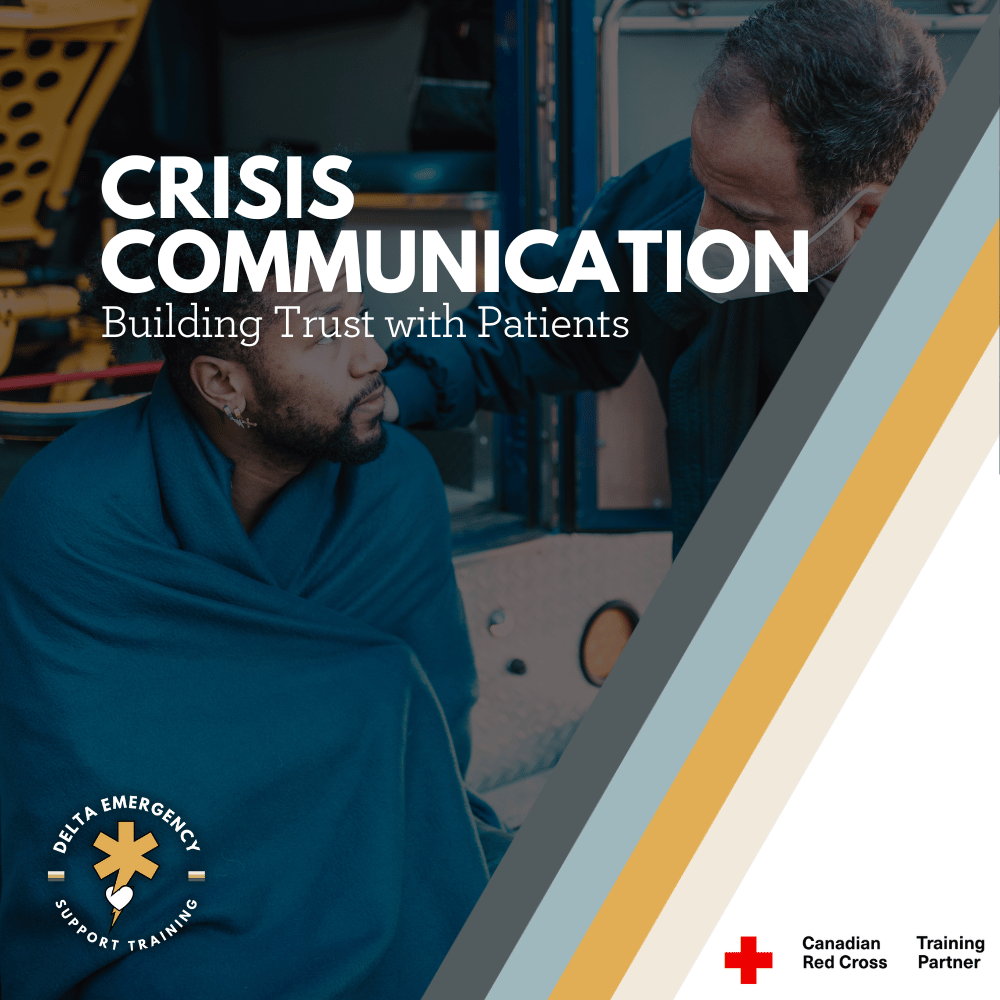
First responder comforting patient.
As first responders, your job extends beyond providing medical care. You are often the first point of contact in a crisis, and your communication skills can significantly impact the patient’s experience. Whether the person you’re helping is conscious or in distress, calm and effective communication can not only reassure them but also improve their overall outcome. In this blog, we will explore the significance of patient communication, what you should say, and what you should avoid saying when interacting with patients.
Why Communication Matters
When a person is injured, ill, or in an emergency situation, they are often frightened, confused, and uncertain. As a first responder, you are not just a medical professional—you are a source of comfort and security. Strong communication skills can help calm anxious patients, build trust, and ensure that you can gather the critical information needed to provide effective care.
Here are a few key reasons why good communication is essential:
Reassures the Patient: Effective communication can reduce anxiety and fear. A patient who feels heard and understood is more likely to trust you and follow your instructions.
Informs and Educates: Patients may not understand the severity of their situation. Explaining procedures and what is happening helps them feel more in control and informed.
Builds Trust: When patients sense your professionalism and empathy through your words, they are more likely to feel safe and cooperate, allowing you to deliver care efficiently.
Improves Health Outcomes: A patient who is actively involved in their care is more likely to comply with necessary procedures and instructions, leading to better outcomes.
What to Say: Key Elements of Effective Communication
In high-stress situations, it’s easy to forget the fundamentals of clear communication. Here are some essential tips to ensure you communicate well with patients:
Introduce Yourself and Explain Your Role: It’s important to let the patient know who you are and what you’re doing. For instance, you could say:
“Hi, I’m [Your Name], and I’m an EMT. I’m here to help you today.”
This immediately sets the stage for trust, as it lets the patient know that they are in professional hands.
Stay Calm and Confident: Patients take emotional cues from you. If you appear calm and in control, they are more likely to mirror those emotions. If you’re uncertain or panicked, it may escalate their fear. Use a calm, steady voice and be confident in your actions.
Use Simple, Clear Language: Avoid medical jargon that may confuse your patient. Instead, explain procedures and information in simple, easy-to-understand terms.
“I’m going to check your heart rate now. This will help us understand how your body is reacting.”
Keeping things clear prevents confusion and fosters trust.
Give Clear Instructions: Patients may not know what to do in an emergency. Be clear in your instructions, but also use positive language that emphasizes what they can do.
“Can you please take slow, deep breaths with me?”
Avoid telling them what not to do, as this may be confusing or create a sense of urgency. Positive phrasing helps guide their actions.
Empathy and Reassurance: Let the patient know that you understand how difficult their situation is. Even a simple statement can go a long way in creating rapport.
“I know this is scary, but you’re not alone. We’re here to take care of you.”
Provide Information About What’s Happening: It’s important to keep the patient informed about what you’re doing and why. In emergencies, patients may feel out of control, so explaining things step-by-step helps them stay grounded.
“I’m going to put an IV in to give you fluids. It might feel a little uncomfortable, but it’s important for your recovery.”
Listen Actively: Communication is a two-way street. Make sure to listen attentively to the patient’s concerns, and acknowledge their feelings. If they have questions, answer them as clearly and calmly as possible. This shows that you care about their well-being and helps maintain a strong connection.
What NOT to Say: Common Pitfalls to Avoid
While there is much to say in terms of effective communication, there are also many things that should be avoided. First responders need to be mindful of how their words can affect a patient’s emotional state. Here are a few things to keep in mind:
Avoid False Reassurance: Telling a patient that everything is going to be “fine” when you aren’t sure is not helpful. While you want to reassure, it’s important to remain honest about what you know and what’s uncertain.
Instead of saying, “You’ll be fine,” try, “We’re doing everything we can to help you right now.”
Don’t Make Assumptions: Avoid making statements that assume the patient’s condition or needs without knowing the facts. For example, saying “This will hurt, but it’s necessary” can cause unnecessary anxiety.
Instead, phrase it more carefully: “You may feel some discomfort as we do this, but it will help us get you the treatment you need.”
Don’t Rush or Overwhelm: In fast-paced emergencies, it’s easy to get caught up in the urgency, but avoid overwhelming the patient with too much information too quickly. Try to break things down into manageable steps.
Instead of saying, “We need to get you to the hospital, start an IV, monitor your vitals, and administer fluids—all at once,” you could say, “We’re going to start by getting an IV in so we can give you fluids. Then we’ll check your vitals and get you ready for transport.”
Don’t Dismiss Concerns: Never trivialize the patient’s feelings or complaints. What may seem minor to you could feel significant to the patient.
If a patient expresses worry, avoid saying things like, “It’s not that bad.” Instead, listen, acknowledge their feelings, and reassure them.
Avoid Overloading with Technical Details: While patients deserve information, keep in mind that too much medical detail can be overwhelming. Focus on what’s necessary for their immediate understanding.
Building Trust: The Role of Empathy in Patient Communication
Empathy is at the core of good patient communication. Demonstrating that you care about the patient’s well-being can make all the difference, especially in high-stress situations. Showing empathy doesn’t mean solving all their problems—it means showing that you understand their fears and frustrations.
Empathetic phrases to use:
“I know you’re in pain, and I’m here to help you through this.”
“It’s okay to feel scared; we’re going to take good care of you.”
“I can imagine this is really tough right now. We’re doing everything we can to help.”
Empathy fosters a connection that can make patients feel more comfortable, even in dire situations.
Final Thoughts
In the demanding role of a first responder, you play a pivotal part in both the physical and emotional care of patients. Effective communication can build trust, ease anxiety, and improve the overall care experience. By using clear, compassionate, and thoughtful communication techniques, you can ensure that your patients feel heard, cared for, and more at ease during some of the most vulnerable moments of their lives.
Mastering patient communication not only helps provide better care but strengthens the bonds between first responders and the communities they serve. When it comes to saving lives, it’s not just the physical interventions that matter—it’s the way we communicate with those who need us most.
Meningitis: What Every First Responder Needs to Know
Meningitis is a serious infection that can escalate rapidly. As a medical first responder, understanding the types and symptoms of meningitis is essential for effective care. At Delta Emergency, we provide advanced first aid training across Canada, particularly in Edmonton and Calgary, to equip fire fighters and emergency responders with life-saving knowledge.
At Delta Emergency, we train individuals in advanced first aid as an essential step in preparing them for fire fighting and other high-pressure, life-threatening situations. As part of our training, we emphasize the importance of being well-versed in a variety of medical conditions, including those that can escalate rapidly and require swift, decisive action. One such condition is meningitis, a serious infection that can affect the brain and spinal cord and may require urgent intervention.
In this post, we’ll delve into what meningitis is, the different types, and why understanding this condition is critical for medical first responders.
What is Meningitis?
Meningitis is the inflammation of the meninges, the protective membranes covering the brain and spinal cord. It is a potentially life-threatening condition because it can cause permanent damage to the nervous system if not treated quickly. The inflammation is usually caused by infection, but it can also be a result of other factors, such as certain medications or illnesses.
Symptoms of meningitis can develop suddenly, and in many cases, they resemble the flu. However, if left untreated, it can rapidly progress to more severe complications, including seizures, brain damage, and even death.
Types of Meningitis
Meningitis is classified into several different types based on the cause of the infection. The most common types are bacterial, viral, and fungal, but there are also other rarer causes that require different treatments.
1. Bacterial Meningitis
Bacterial meningitis is the most severe form and can be fatal if not treated immediately. It is caused by a bacterial infection that typically enters the bloodstream and spreads to the brain and spinal cord. The most common bacteria that cause meningitis are Neisseria meningitidis (meningococcal), Streptococcus pneumoniae (pneumococcal), and Haemophilus influenzae.
Symptoms:
Sudden high fever
Severe headache
Stiff neck
Nausea or vomiting
Sensitivity to light
Skin rashes (in some cases)
Bacterial meningitis requires immediate medical attention and is usually treated with intravenous antibiotics. Early intervention is key to preventing life-threatening complications.
2. Viral Meningitis
Viral meningitis is less severe than bacterial meningitis but can still be serious, particularly in infants and those with weakened immune systems. It is typically caused by viruses such as enteroviruses, herpes simplex virus, and the mumps virus.
Symptoms:
Mild fever
Headache
Stiff neck
Nausea
Sensitivity to light
Fatigue
Viral meningitis often resolves on its own without the need for specific treatment, although antiviral medications may be used in certain cases. Rest and supportive care are the mainstay of treatment.
3. Fungal Meningitis
Fungal meningitis is relatively rare and occurs when a fungal infection spreads to the meninges, usually in individuals with weakened immune systems, such as those with HIV/AIDS or who are undergoing chemotherapy. It is caused by fungi like Cryptococcus and Histoplasma.
Symptoms:
Headache
Fever
Nausea and vomiting
Sensitivity to light
Neck stiffness
Confusion
Fungal meningitis is treated with antifungal medications, but early detection is critical due to its potential to cause severe damage.
4. Parasitic Meningitis
Parasitic meningitis is a rare but serious type of infection caused by parasites. The most common example is Naegleria fowleri, a brain-eating amoeba found in warm freshwater environments. Though rare, this type of meningitis is almost always fatal.
Symptoms:
Severe headache
Nausea and vomiting
Stiff neck
Seizures
Why Is Meningitis Important for Medical First Responders to Recognize?
As a medical first responder, understanding meningitis is vital for several reasons:
Rapid Assessment: When faced with a potential case of meningitis, especially bacterial meningitis, the symptoms can escalate quickly. The faster a first responder can assess and recognize the condition, the quicker they can initiate life-saving interventions and transport the patient to a medical facility.
Preventing Spread: Certain types of meningitis, particularly bacterial meningitis, are contagious. First responders need to take immediate precautions to prevent the spread of the infection to others, especially in crowded environments like schools, hospitals, or emergency scenes.
Accurate Communication with Medical Teams: As an advanced first aider, you’ll need to provide accurate and detailed information to the hospital staff or paramedics. Recognizing the key symptoms of meningitis will help ensure that the patient receives the correct treatment as soon as possible.
Prevention Measures: In some cases, such as viral meningitis, vaccinations or antiviral medications may be available. Being able to educate the public on these prevention measures is also a critical aspect of first aid training.
Making Informed Decisions in High-Pressure Situations: In emergency situations, especially during a fire or rescue operation, medical first responders often need to make quick decisions. Having a solid understanding of conditions like meningitis allows responders to make informed choices about treatment and triage priorities.
Meningitis and Fire Fighting: Why This Matters for You
For fire fighters and other emergency personnel, the ability to recognize and respond to meningitis is particularly important. Fire fighters often work in high-risk environments where exposure to infectious diseases is a possibility. Additionally, the physical and mental stress of responding to emergencies, including traumatic events, can weaken the immune system, making individuals more susceptible to infections.
Training in advanced first aid equips fire fighters with the tools they need to recognize signs of meningitis, protect themselves from exposure, and provide immediate care to victims. Knowing when to initiate emergency treatment, when to call for higher medical support, and how to prevent cross-contamination is essential in keeping both responders and the community safe.
Conclusion
Meningitis is a serious and potentially life-threatening infection that can affect anyone, but with the right knowledge and preparation, medical first responders can make a significant difference in the outcomes of those affected. At Delta Emergency, we ensure that our trainees are well-prepared to recognize the signs and symptoms of meningitis and take the appropriate action. Whether you are responding to an emergency as a fire fighter or any other medical first responder, being equipped with the knowledge of how to handle meningitis could save lives.
If you're looking to advance your first aid training or get involved in fire fighting, understanding the signs and treatments for conditions like meningitis should be a key part of your learning journey. Stay prepared, stay safe, and always be ready to respond with confidence.
Ejections from Vehicles: What Every First Responder Should Know
Vehicle ejections are one of the most dangerous and traumatic incidents first responders encounter. This blog provides vital insights into the causes, injuries, and best practices for responding to ejections, as well as how advanced first aid training can help firefighters and emergency responders handle these high-risk situations effectively.
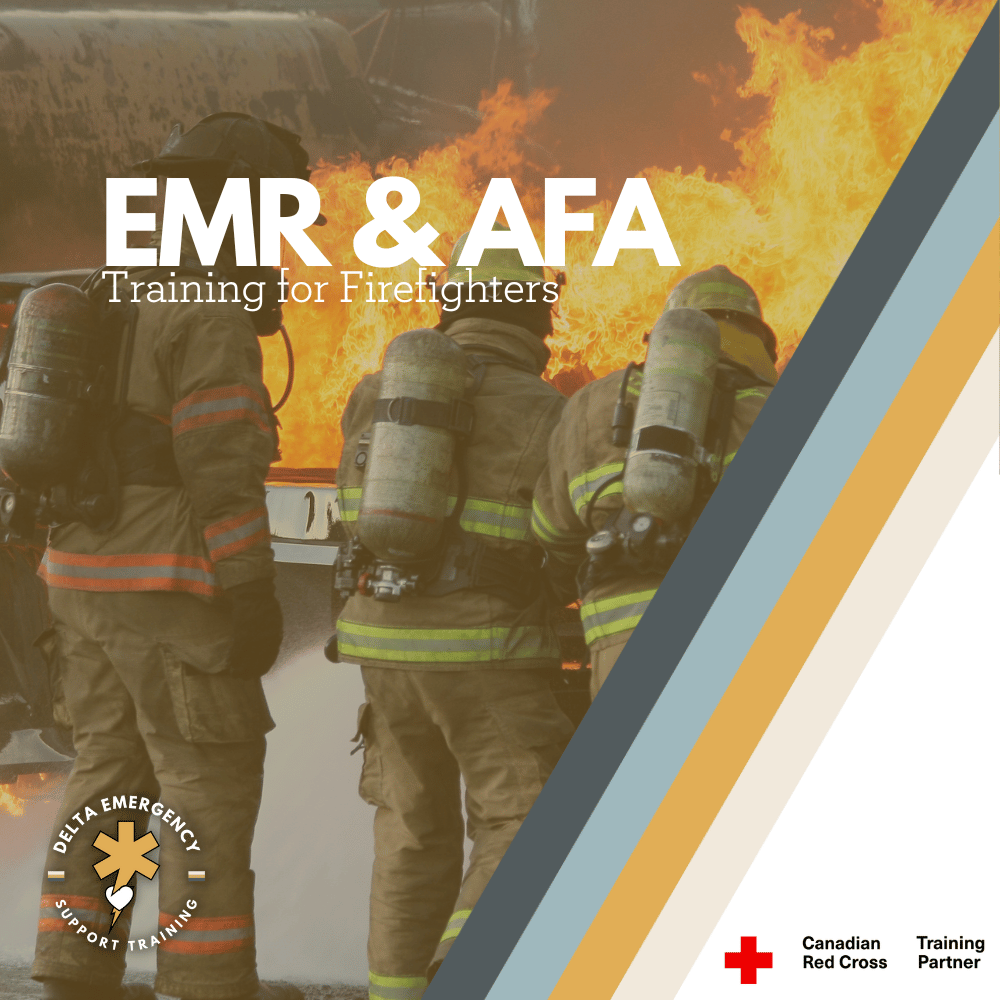
Ejections from vehicles are among the most traumatic and severe incidents that first responders—including advanced first aid professionals—encounter. These types of accidents are especially dangerous for both the ejected individual and the responders who must navigate potentially hazardous environments. In Alberta, advanced first aid training is a prerequisite for firefighters and emergency medical responders (EMRs), equipping them with the skills needed to handle these high-risk emergencies effectively.
In this blog, we’ll explore what vehicle ejections are, why they happen, the injuries that often result, and how firefighters and first responders should approach such incidents. We’ll also highlight the importance of advanced first aid training in such high-stakes situations.
What is a Vehicle Ejection?
A vehicle ejection occurs when a person is thrown from their vehicle during a crash. This can happen in a variety of ways: high-speed crashes, rollovers, or when seatbelts aren’t used or fail. Ejections are dangerous because victims often land on hard surfaces, like the road, which increases the risk of life-threatening injuries. Immediate and proper intervention is critical to give these victims the best chance of survival and recovery.
Injuries caused by ejections can range from head trauma and spinal injuries to broken bones and internal bleeding. The consequences of such injuries can be catastrophic without timely and professional care.
Causes of Ejections
Lack of Seatbelt Use: A major cause of ejections is the failure to wear seatbelts. Seatbelts significantly reduce the risk of ejection by keeping passengers securely in place during a crash.
Rollover Accidents: In rollover crashes, passengers are more likely to be ejected as the vehicle tumbles, increasing the chances of being thrown out.
High-Speed Collisions: High-speed crashes, especially when hitting stationary objects, create enough force to propel occupants out of the vehicle.
Side-Impact (T-Bone) Collisions: When a vehicle is struck from the side, particularly with high impact, the risk of ejection increases as the side windows may shatter and the force can throw an occupant from the car.
Injuries from Ejections
Ejected vehicle victims can suffer a range of injuries, many of which are life-threatening:
Head and Brain Injuries: Traumatic brain injuries (TBI) are common and can range from concussions to severe skull fractures, leading to long-term disabilities or death.
Spinal Cord Injuries: Damage to the spine can result in paralysis or death, especially if the spinal cord is compromised during the ejection.
Internal Injuries: Blunt force trauma can cause internal bleeding, ruptured organs, and significant damage to internal structures. Rapid recognition and treatment of internal injuries are essential.
Fractures and Limb Injuries: Broken limbs, ribs, and pelvis are frequent in ejected patients, especially as they come into contact with the road or surrounding objects.
Soft Tissue Injuries: Scrapes, cuts, and bruises from the force of ejection and contact with surfaces are common and can add to the patient’s overall trauma.
How to Approach Vehicle Ejections: First Responder Steps
1. Start Your Size-Up at Dispatch
The time to start assessing the situation is before you even arrive on the scene. The dispatch information provides vital clues about the nature of the crash, the type of road (residential or highway), the speed of the impact, and any hazards that may be present, like industrial vehicles or hazardous materials. This early information helps responders prepare mentally and strategically for what lies ahead.
2. Perform an Inner Circle Survey
Upon arriving at the scene, conduct a quick 360-degree assessment of the incident—what we call the "inner circle survey." Walk around the wreckage to gather information about the number of victims, vehicle conditions (engine running, fluids leaking), and possible hazards (e.g., fuel, electrical lines, airbags). Noticing these details early will help guide your approach and ensure responder safety.
Safety systems such as airbags, rollover protection devices, and seatbelt pretensioners may have deployed, which can present both advantages and hazards during rescue operations. Recognizing these features will help prevent accidental injury to responders.
3. Stabilize the Victim and the Scene
Severe Bleeding Control: Ejected victims often suffer significant blood loss due to trauma. Controlling bleeding should be your first priority. Apply direct pressure to visible wounds and use tourniquets if needed to control extremity bleeding. Hemorrhage control is vital to prevent shock and further complications.
Spinal Stabilization: Always assume spinal injury in ejected patients until proven otherwise. Quickly immobilize the head and neck using cervical collars and spinal boards, ensuring minimal movement to prevent further damage.
Treat for Shock: Victims of vehicle ejections are at a high risk for shock, due to the trauma they’ve sustained. Keep the victim warm, elevate their legs (unless there’s suspected spinal injury), and monitor their vital signs.
4. Coordinate with EMS for Transport
Once the victim has been stabilized, prepare for rapid transport. Ensure that EMS has been notified, and keep in mind that time is critical in cases involving vehicle ejections. While waiting for EMS, continue to monitor the victim and provide necessary care.
Why Advanced First Aid Is Crucial for Firefighters
In Alberta, firefighters must undergo advanced first aid training as part of their professional certification. This training is invaluable when responding to high-risk incidents like vehicle ejections, where rapid, effective care can significantly impact patient outcomes.
Advanced first aid courses equip firefighters with skills such as:
Trauma assessment and management
Spinal immobilization techniques
CPR and airway management
Hemorrhage control and shock management
Having this expertise ensures that firefighters are prepared to handle the complex and often dangerous nature of vehicle ejection incidents. The ability to recognize signs of serious injury, apply the right interventions, and work safely around hazards can be the difference between life and death for the patient.
Conclusion
Vehicle ejections are some of the most challenging and dangerous situations first responders will face. Understanding how to assess, stabilize, and transport these patients is essential for their survival and recovery. With advanced first aid training, firefighters and emergency responders are better equipped to handle the complexities of vehicle ejections, ensuring they provide the best care possible in high-pressure situations.
At Delta Emergency Support Training, we offer specialized advanced first aid courses designed to prepare firefighters, paramedics, and emergency responders for these high-stakes incidents. Our training is hands-on, scenario-based, and tailored to the specific challenges you face in the field. Reach out to us today to find out how we can help your team be prepared for anything.
About Us
At Delta Emergency Support Training, we specialize in providing advanced first aid training for firefighters and emergency responders in Alberta. Our training ensures that you have the knowledge and hands-on experience to handle complex medical emergencies, from vehicle ejections to cardiac arrest. Contact us to learn more about our training programs and how we can help you be prepared for any emergency.
Become a Confident Emergency Responder: EMR & AFA Training for Aspiring Firefighters
Looking to become a firefighter in Alberta? Delta Emergency Support Training provides top-tier EMR and AFA coursesto help you meet the medical prerequisites for fire departments. With hands-on learning from experienced paramedics and firefighters, you’ll leave our courses feeling confident and ready for any emergency response role
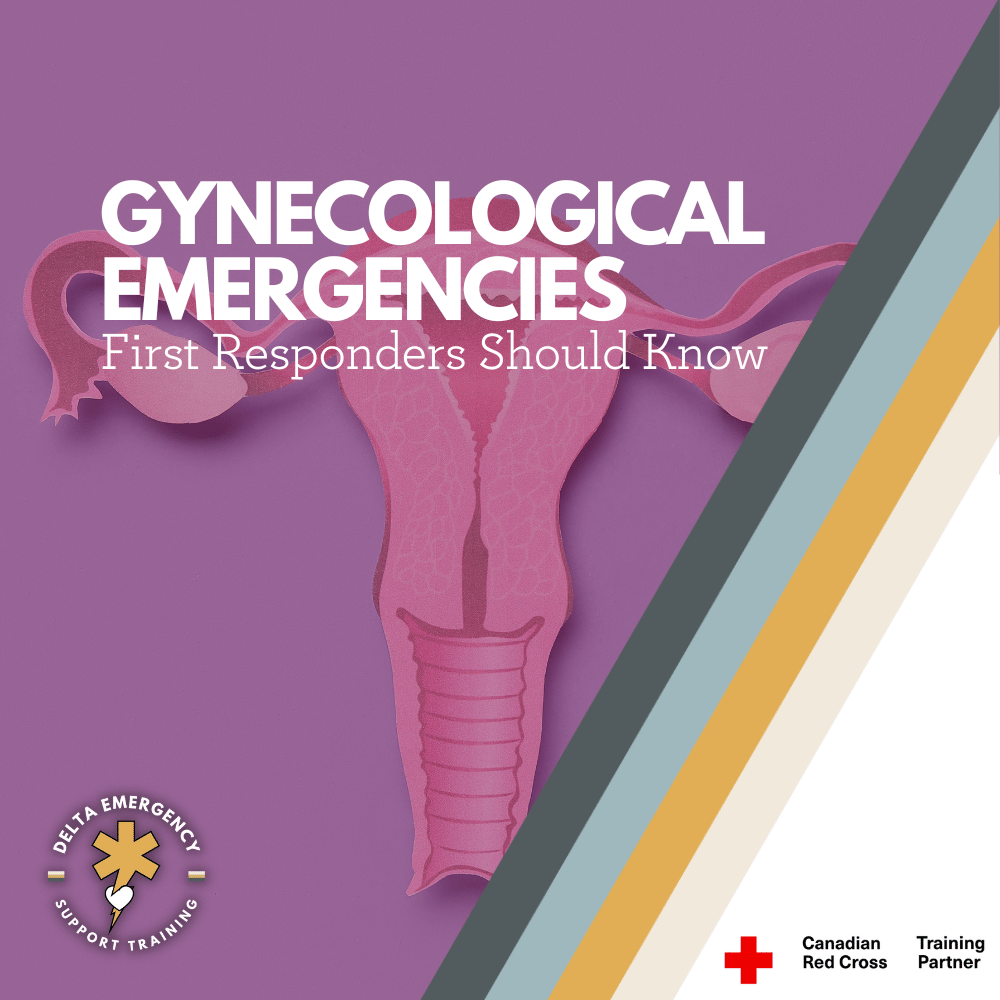
Take Your First Step Toward Becoming a Firefighter with Delta Emergency Support Training’s Advanced First Aid & Emergency Medical Responder Courses
Becoming a firefighter is a calling. It’s about being ready for any emergency and making critical decisions when lives are on the line. If you’re looking to join the ranks of Alberta’s fire departments, one key requirement is completing Advanced First Aid (AFA) training. At Delta Emergency Support Training, we offer Emergency Medical Responder (EMR) and Advanced First Aid (AFA) courses that go beyond the basics to help you build the skills you need to succeed in firefighting and emergency medical services.
We don’t just teach first aid, we create confident, well-rounded professionals. When you leave our course, you’ll not only meet the medical requirements but also feel fully prepared to handle emergencies in the real world.
Why EMR & AFA Training is Crucial for Aspiring Firefighters
To become a firefighter in Alberta, you need to meet specific medical training requirements. Our EMR and AFA coursesare designed to ensure you meet these requirements and walk away feeling confident in your ability to respond to any medical emergency.
Here’s why our training is crucial:
Essential for Firefighter Certification: Alberta fire departments, including Calgary Fire, Edmonton Fire, and others, require advanced first aid as part of the firefighter qualification process. Our EMR courses are built specifically to meet these requirements and provide you with the foundational knowledge and hands-on skills you need to excel.
In Demand Across Multiple Industries: While firefighting is our primary focus, EMRs are also in high demand in the oil and gas sector, construction, and other high-risk industries. Completing our course opens doors to a wide range of career opportunities, giving you the flexibility to work in various emergency response roles.
Real-World, Hands-On Training: In firefighting, every second counts. Our EMR and AFA courses are designed to give you more than just theoretical knowledge — you’ll get practical, real-world training. You’ll practice everything from patient assessment to trauma care and advanced life-saving techniques in realistic, high-pressure scenarios, so you’re prepared to face anything that comes your way.
Flexible Learning Options: We know life is busy. That’s why we offer flexible training options to suit your schedule. Whether you prefer in-person sessions for a more hands-on approach or hybrid learning for more flexibility, we’ve got you covered.
What You’ll Learn in Our EMR & AFA Courses
When you train with Delta Emergency Support Training, you’re not just learning techniques; you’re building the confidence to apply them in real emergencies. Our courses are structured to provide you with the skills needed to become a capable, confident medical professional. Here’s what you’ll learn:
Patient Assessment & Treatment: You’ll learn how to quickly and accurately assess a patient’s condition and determine the best course of action. From airway management to oxygen administration, you’ll be trained to provide high-quality care in a variety of medical and trauma situations.
Trauma & Medical Expertise: Our training covers essential skills like spinal injury management, using spinal boards, scoop stretchers, and KEDs (Kendrick Extrication Devices), as well as pelvic binding for trauma. You’ll also learn how to manage critical medical emergencies, giving you the knowledge to treat a wide range of injuries and illnesses.
Advanced Life-Saving Techniques: Our courses focus heavily on high-efficiency CPR, Basic Life Support (BLS), and advanced trauma care. You’ll also gain experience with tools like SAGER (Self-Adjusting Gurney Extrication) to stabilize and extricate patients effectively and safely.
Scene Safety & Scene Management: Firefighting and emergency medical care require you to work in chaotic, high-stress environments. We teach you how to assess and manage scenes safely, make critical decisions quickly, and always put your safety — and your patient's — first.
Instructor Expertise: Led by an experienced Critical Care Paramedic with 17 years of experience in EMS, including his work with STARS Air Ambulance, we provide top-notch training from instructors who have been in the field and understand exactly what you’ll face as a first responder.
What Sets Us Apart
At Delta Emergency Support Training, we’re not just about meeting certification requirements — we’re about making sure you walk away feeling like a confident, capable medical professional. We pride ourselves on giving you the skills and knowledge to excel in the field, and here’s what makes our training different:
Proven Success: Many of our students have gone on to secure positions with leading fire departments like Calgary Fire, Edmonton Fire, and beyond. Our high success rate speaks to the effectiveness of our training — and the caliber of professionals we help develop.
Hands-On, Practical Learning: Theory is important, but practical experience is what will make you excel in real-world situations. You’ll get plenty of hands-on practice with the techniques and tools you’ll use in the field, ensuring you leave our course feeling ready for anything.
Tailored to Your Career Path: Whether you’re focused on firefighting or exploring opportunities as a site medic in high-risk industries, we offer comprehensive training that prepares you for the specific demands of your role. We also provide bridge courses and refresher courses to keep your skills sharp throughout your career.
Support Every Step of the Way: We’re here to support you not just in the classroom, but throughout your career journey. Whether it’s job placement assistance, career advice, or industry connections, we’re committed to helping you take the next step in your emergency response career.
Flexible Payment Options: We understand the financial commitment involved in training. Ask about our payment plans and discounts for groups to make your education more accessible.
Start Your Journey Today
If you’re ready to take the next step in your firefighting career or want to gain valuable emergency medical skills, Delta Emergency Support Training is here to help. We’re committed to providing training that goes beyond certification — we want you to leave our courses feeling confident and prepared for any emergency.
Contact us today to learn more about our EMR and AFA courses, find the perfect class for your schedule, and start your journey toward becoming a capable, confident emergency medical responder.
Common Gynecological Medical Emergencies Every First Responder Should Know
Gynecological emergencies, such as ovarian torsion, ectopic pregnancy, and toxic shock syndrome, require quick action and careful handling. For first responders, understanding the symptoms, knowing how to prioritize care, and maintaining patient comfort and dignity are essential. This blog explores common gynecological emergencies, providing essential information for responders to manage these situations with professionalism, especially when male responders are involved. Learn how to respond effectively and respectfully to ensure the best outcomes for your patients.
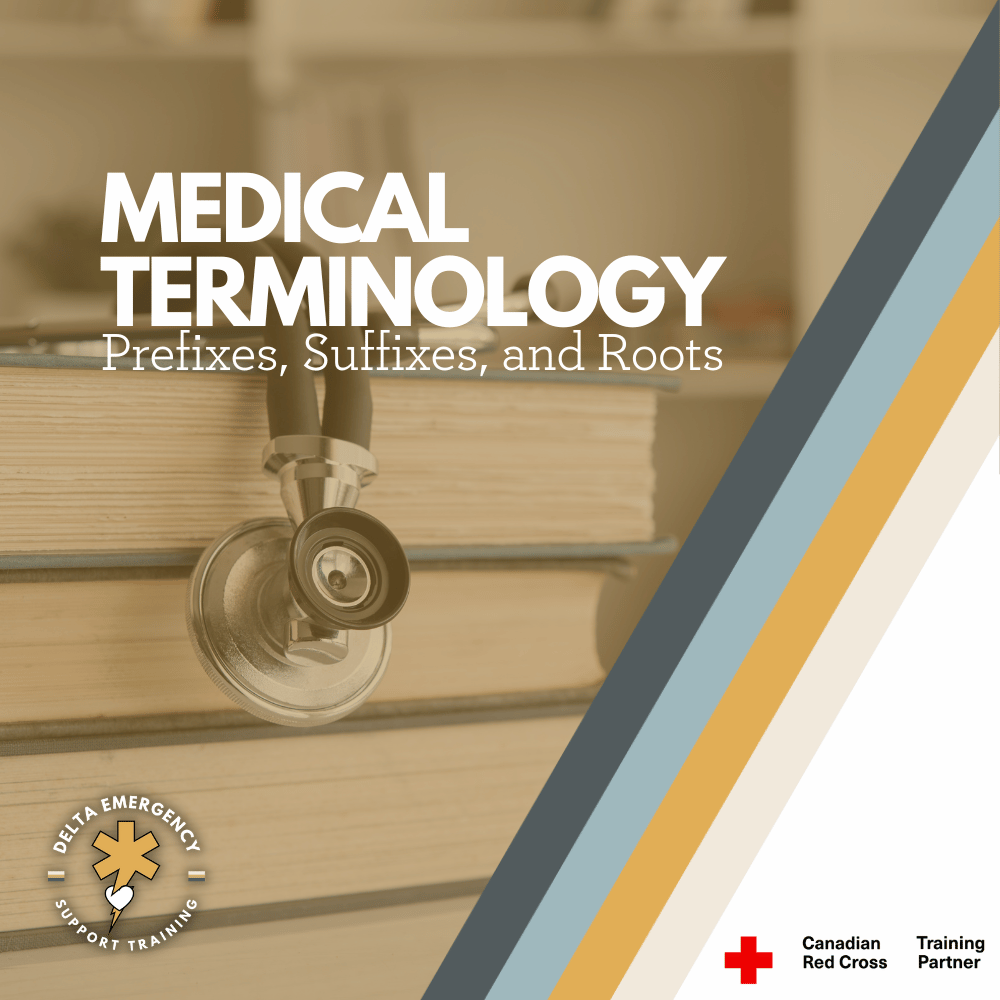
Gynecological emergencies require quick assessments, clear decision-making, and fast intervention. For first responders, understanding these conditions is essential for providing the right care and support. While some gynecological issues may seem daunting, being knowledgeable about these emergencies can make all the difference in saving lives and minimizing long-term complications.
In this blog, we’ll dive deeper into some of the most common gynecological emergencies, including endometriosis, ovarian torsion, ectopic pregnancy, toxic shock syndrome, and more. Additionally, we’ll discuss how first responders can handle these situations efficiently, with a focus on maintaining patient comfort and professionalism, particularly when male responders are involved.
1. Endometriosis: Managing Acute Flare-Ups
What It Is:
Endometriosis is a chronic condition where tissue similar to the lining of the uterus grows outside of it, often affecting the ovaries, fallopian tubes, or other organs in the pelvic region. While it’s usually a long-term condition, flare-ups can create acute pain and other complications.
Emergency Symptoms:
Intense pelvic pain, especially during menstruation
Nausea, vomiting, or dizziness
Heavy menstrual bleeding
Pain during intercourse
What to Do:
First responders should focus on pain management, as the acute pain associated with endometriosis flare-ups can be overwhelming. Administer analgesics as per protocol and assess vital signs. If bleeding is severe, treat for shock and prepare for transport to the nearest medical facility for further treatment, including possible imaging and evaluation by a gynecologist.
2. Ovarian Torsion: A Time-Sensitive Surgical Emergency
What It Is:
Ovarian torsion occurs when an ovary twists on its supporting ligaments, cutting off its blood supply. This is a surgical emergency and, if not treated promptly, can lead to ovarian necrosis (death of the ovary).
Emergency Symptoms:
Sudden, severe pelvic pain, often localized to one side
Nausea or vomiting
Abdominal tenderness
Possible fever
What to Do:
Time is critical in ovarian torsion. The primary action for first responders is pain management and stabilization. Administer pain relief (IV or oral as per protocol) and monitor for signs of shock. Rapid transport to a surgical facility is essential for surgical intervention to save the ovary. Delaying treatment could result in permanent damage or loss of the ovary.
3. Miscarriage: Spontaneous Pregnancy Loss
What It Is:
A miscarriage refers to the loss of a pregnancy before the 20th week. Miscarriages are often associated with heavy bleeding and pain, and they can lead to emotional distress for the patient.
Emergency Symptoms:
Heavy bleeding or passing of tissue
Cramping or abdominal pain
Lower back pain
Dizziness or fainting
What to Do:
For first responders, it’s important to manage bleeding and monitor for signs of shock. Heavy bleeding can result in hypovolemic shock, so maintaining the patient’s blood volume with IV fluids is critical. Emotional support is also key—be compassionate and empathetic, as this is often a traumatic experience. Transport the patient to a medical facility for further evaluation, including an ultrasound to confirm the miscarriage and assess for any retained tissue.
4. Ectopic Pregnancy: A Life-Threatening Condition
What It Is:
An ectopic pregnancy occurs when a fertilized egg implants outside the uterus, usually in a fallopian tube. This is a dangerous condition because the fallopian tube can rupture, leading to significant internal bleeding.
Emergency Symptoms:
Severe abdominal pain, often on one side
Vaginal bleeding or spotting
Dizziness, fainting, or low blood pressure
Shoulder pain (referred pain due to internal bleeding)
What to Do:
Ectopic pregnancy is a medical emergency that requires immediate transport to the hospital. First responders should stabilize the patient, monitor vitals, and treat for shock if necessary. If an ectopic pregnancy is suspected, it is critical to get the patient to a surgical facility as quickly as possible, as a ruptured ectopic pregnancy can be fatal.
5. Uterine Fibroids: Managing Complications from Benign Tumors
What It Is:
Uterine fibroids are non-cancerous growths in the muscle of the uterus. In many cases, they don’t cause symptoms, but in some women, they can result in heavy menstrual bleeding or pain, especially during pregnancy or menopause.
Emergency Symptoms:
Heavy vaginal bleeding, potentially leading to shock
Pelvic or abdominal pain
Pressure on the bladder or rectum
Painful intercourse
What to Do:
If a patient with uterine fibroids presents with heavy bleeding, assess the degree of bleeding and treat for shock if necessary. Administer fluids to maintain blood pressure and transport the patient to a medical facility for further evaluation and treatment. In severe cases, surgical intervention may be needed to manage bleeding or remove the fibroids.
6. Vulvar Abscess: Infection and Inflammation of the Vulva
What It Is:
A vulvar abscess is a localized collection of pus caused by infection. It may occur due to bacteria entering the vulvar glands, leading to swelling, pain, and tenderness.
Emergency Symptoms:
Painful swelling or tenderness in the vulva
Redness and warmth in the affected area
Fever
Drainage of pus
What to Do:
While vulvar abscesses typically require drainage and antibiotics, first responders should focus on pain relief and preventing the infection from spreading. Administer pain relief and fluids as per protocol and prepare for rapid transport to a hospital where surgical drainage may be needed.
7. Toxic Shock Syndrome (TSS): A Severe Bacterial Infection
What It Is:
Toxic Shock Syndrome is caused by bacterial toxins, usually from Staphylococcus aureus or Streptococcus pyogenes. Though it’s rare, it can progress rapidly and lead to organ failure and death.
Emergency Symptoms:
Sudden high fever
Vomiting and diarrhea
A red, sunburn-like rash
Low blood pressure, confusion, or shock
What to Do:
TSS is a critical emergency requiring immediate intervention. First responders should administer fluids to combat shock, manage the fever, and prepare for transport to a medical facility. Treatment typically includes IV antibiotics and supportive care to prevent organ failure.
8. The Challenges of Responding to Gynecological Emergencies, Especially for Male Responders
Patient Comfort and Professionalism:
Handling gynecological emergencies can be particularly sensitive, especially if the responding team is composed of male responders. As a first responder, it’s essential to be aware of the patient’s emotional and physical comfort while still prioritizing their care.
Key Considerations for Male Responders:
Maintain Decency: Ensure that the patient’s privacy is respected at all times. Use blankets or gowns to cover them as much as possible, especially during transport or examination.
Provide Clear Communication: Always explain the procedures you’re performing and why they are necessary. Patients may feel vulnerable during gynecological emergencies, so explaining what is happening at each stage can help reduce anxiety.
Offer Emotional Support: Gynecological emergencies often come with an emotional component. Be compassionate and understanding, offering reassurance and support throughout the process.
If Possible, Involve Female Responders: If you’re a male responder and the situation involves intimate care, offer the patient the option to be attended to by a female responder, if available, to maintain comfort and dignity.
First responders should always prioritize patient safety and dignity. Being sensitive to these issues helps build trust and ensures that you are providing the best care possible, especially in potentially traumatic situations.
Conclusion: Efficient, Respectful Care for Gynecological Emergencies
Gynecological emergencies can present unique challenges for first responders, but with the right knowledge and skills, you can manage these situations effectively and compassionately. Whether dealing with ovarian torsion, toxic shock syndrome, or ectopic pregnancy, understanding the symptoms and knowing the right actions to take will ensure better patient outcomes. Responding with professionalism, sensitivity, and respect for the patient’s dignity is just as important as delivering medical care.
At Delta Emergency Support Training, we equip first responders with the knowledge and skills necessary to handle all types of emergencies, including gynecological ones. Our comprehensive training prepares you to respond with confidence, ensuring you provide the best care in critical situations.
Understanding Medical Terminology: A Guide to Prefixes, Suffixes, and Roots for First Responders
Mastering medical terminology is essential for first responders. Understanding common prefixes, suffixes, and roots will help you communicate more effectively, make informed decisions, and provide quicker, more effective care. In this guide, we break down essential medical terms that will boost your confidence on the job and improve patient outcomes.
In the fast-paced world of Emergency Medical Services (EMS), effective communication and quick thinking are crucial. One way to improve both is by mastering medical terminology. As a first responder, understanding the building blocks of medical terms — prefixes, suffixes, and roots — will allow you to interpret unfamiliar terms quickly, leading to better patient care and more effective communication with other healthcare professionals.
In this guide, we’ll break down the most common prefixes, suffixes, and roots in medical terminology, with a focus on how these parts come together to help you understand the language of medicine. By familiarizing yourself with these building blocks, you’ll be equipped to navigate the world of medical terminology with confidence.
What Are Prefixes, Suffixes, and Roots?
Medical terms often seem complex, but most are built from smaller components that convey specific meanings. Understanding how these components work will help you quickly decode medical terms.
Prefix: A prefix is added at the beginning of a word to modify its meaning. It typically indicates time, location, quantity, or status.
Suffix: A suffix is placed at the end of a word to alter its meaning. It often refers to a condition, disease, procedure, or part of the body.
Root Word: The root is the central part of the word that provides the core meaning. It typically refers to a body part, function, or medical concept.
By breaking down terms into these components, you can understand what a word means without needing to memorize every single term.
Why EMS Professionals Need to Understand Prefixes, Suffixes, and Roots
As a first responder, you’ll often encounter long, unfamiliar medical terms during patient care. Breaking these terms down into their prefixes, suffixes, and roots helps you:
Interpret Symptoms Faster: For example, recognizing terms like “tachypnea” (rapid breathing) or “bradycardia” (slow heart rate) allows you to quickly assess the situation and respond accordingly.
Improve Communication: Whether you’re talking to a doctor, paramedic, or other healthcare professionals, using the correct medical terminology ensures clear, efficient communication, which leads to better patient outcomes.
Streamline Documentation: Accurate medical documentation is essential in EMS. Knowing medical terms ensures you can write reports that are both precise and comprehensive.
Common Medical Prefixes Every First Responder Should Know
Here are some of the most common prefixes you’ll encounter in EMS. These prefixes provide important information about the patient's condition and can help you make quicker decisions in the field.
1. “Hyper-”
Meaning: Excessive, above normal
Example: Hypertension (high blood pressure)
2. “Hypo-”
Meaning: Below normal, deficient
Example: Hypoglycemia (low blood sugar)
3. “Brady-”
Meaning: Slow
Example: Bradycardia (slow heart rate)
4. “Tachy-”
Meaning: Fast
Example: Tachypnea (rapid breathing)
5. “Pre-”
Meaning: Before
Example: Preoperative (before surgery)
6. “Post-”
Meaning: After
Example: Post-traumatic (after trauma)
7. “Sub-”
Meaning: Under, beneath
Example: Subcutaneous (beneath the skin)
8. “Inter-”
Meaning: Between
Example: Intercostal (between the ribs)
9. “Intra-”
Meaning: Within
Example: Intravenous (within the vein)
10. “Exo-”
Meaning: Outside, outward
Example: Exoskeleton (external skeleton)
Common Medical Suffixes for EMS Professionals
Suffixes are essential for understanding the nature of a medical condition, procedure, or diagnosis. Below are key suffixes that are frequently used in EMS:
1. “-itis”
Meaning: Inflammation
Example: Arthritis (inflammation of the joints)
2. “-ectomy”
Meaning: Surgical removal
Example: Appendectomy (removal of the appendix)
3. “-algia”
Meaning: Pain
Example: Neuralgia (nerve pain)
4. “-pathy”
Meaning: Disease or condition
Example: Neuropathy (nerve disease)
5. “-emia”
Meaning: Blood condition
Example: Anemia (low red blood cell count)
6. “-plasty”
Meaning: Surgical repair
Example: Rhinoplasty (surgical repair of the nose)
7. “-scopy”
Meaning: Viewing or examination using a scope
Example: Endoscopy (examination of a body cavity)
8. “-logy”
Meaning: The study of
Example: Cardiology (study of the heart)
9. “-osis”
Meaning: Abnormal condition or disease
Example: Cirrhosis (a liver disease)
10. “-graphy”
Meaning: The process of recording
Example: Cardiography (recording heart activity)
Common Medical Roots in EMS Terminology
Roots form the core of medical terms and typically describe body parts, organs, or functions. Here are some important roots you’ll encounter in your training and practice:
1. “Cardi/o”
Meaning: Heart
Example: Cardiology (study of the heart)
2. “Gastr/o”
Meaning: Stomach
Example: Gastritis (inflammation of the stomach lining)
3. “Hemat/o”
Meaning: Blood
Example: Hemorrhage (excessive bleeding)
4. “Neuro/o”
Meaning: Nerve, nervous system
Example: Neurology (study of the nervous system)
5. “Oste/o”
Meaning: Bone
Example: Osteoarthritis (arthritis of the bone)
6. “Pulmon/o”
Meaning: Lungs
Example: Pulmonary edema (fluid buildup in the lungs)
7. “My/o”
Meaning: Muscle
Example: Myocardial (related to the heart muscle)
8. “Derm/a”
Meaning: Skin
Example: Dermatitis (inflammation of the skin)
9. “Ren/o”
Meaning: Kidney
Example: Renal failure (kidney failure)
10. “Rhin/o”
Meaning: Nose
Example: Rhinoplasty (surgical procedure on the nose)
Study Strategies for Mastering Medical Terminology
While learning prefixes, suffixes, and roots can seem overwhelming, there are several effective study techniques to help you retain and apply these concepts:
1. Use Flashcards
Flashcards are an excellent way to reinforce your understanding of prefixes, suffixes, and roots. Use physical cards or apps like Quizlet to test your knowledge on the go. Write the term on one side and its meaning on the other.
2. Create Mnemonics
To help remember terms, create memorable associations. For example, remember “tachy-” by thinking of “tachometer,” which measures speed (fast). For “brady-” (slow), think of Brady the tortoise from the classic story.
3. Break Down Terms
Whenever you encounter an unfamiliar term, break it down. Start with the root word, then look at the prefix and suffix. For example, Tachycardia:
Tachy- = fast
Cardi/o = heart
-ia = condition So, Tachycardia = a condition of a fast heart rate.
4. Group Study and Practice
Group study sessions help reinforce what you've learned. Discuss terms with classmates or colleagues and quiz each other regularly to ensure you understand the material.
5. Use Interactive Tools
Interactive quizzes and apps can make learning more engaging. Tools like Anki or MedTerm offer practice exercises that reinforce your understanding of medical terminology in a fun, interactive way.
Conclusion: Mastering Medical Terminology for EMS Professionals
In EMS, quick decision-making and clear communication can save lives. Understanding medical terminology, including prefixes, suffixes, and roots, allows you to decode complex terms on the fly and makes you a more effective responder. It’s a skill that will improve your ability to assess patients, document care, and work with your team efficiently.
At Delta Emergency Support Training, we understand the importance of a solid foundation in medical terminology. Our comprehensive Red Cross Babysitting course and First Aid training cover essential medical concepts that will set you up for success in the field. Whether you're just getting started or looking to advance your skills, mastering medical terminology is a key step in becoming a top-tier first responder.
Skin Anatomy Overview for First Responders: Layers and Functions
Understanding the anatomy of the skin is essential for first responders. The skin serves as the body’s first line of defense, regulating temperature and protecting against infection. In this blog, we’ll break down the three layers of skin—epidermis, dermis, and hypodermis—and explore their functions, common injuries, and how this knowledge can help you provide better care in emergency situations.
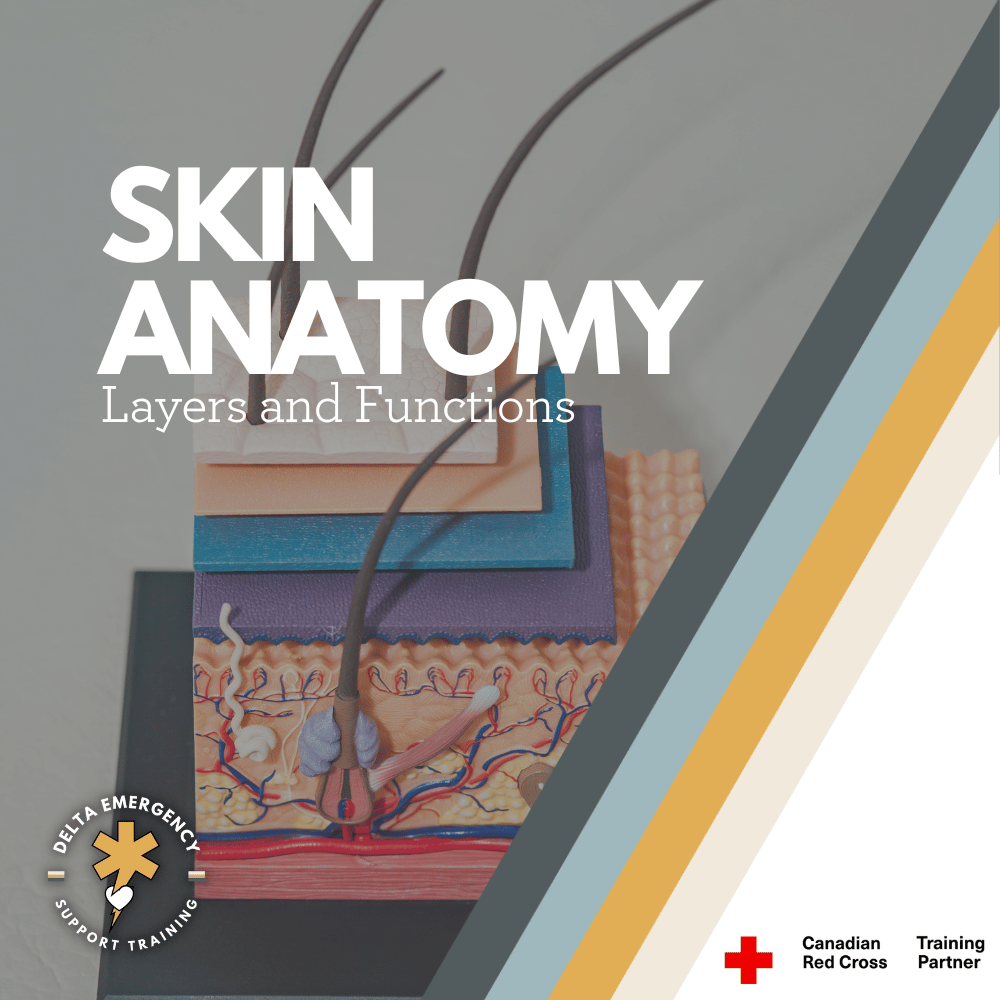
As a first responder, you're trained to respond to a variety of emergencies, from burns and cuts to more complex trauma situations. Understanding the anatomy of the skin is crucial, as it plays a vital role in protecting the body from infection, regulating temperature, and healing injuries. In this blog, we’ll break down the layers of the skin, their functions, and how this knowledge helps you in your critical role as a first responder.
medical skin layer model
The Basics of Skin Anatomy
The skin is the body's largest organ, serving as the primary barrier between the internal systems and the outside world. It protects against physical damage, pathogens, and dehydration, while also playing a key role in temperature regulation. The skin is made up of three main layers, each with its own distinct function:
Epidermis (Outer Layer)
Dermis (Middle Layer)
Hypodermis (Subcutaneous Layer)
1. The Epidermis: The Body’s First Line of Defense
The epidermis is the outermost layer of skin, providing a waterproof barrier that shields the body from harmful substances, bacteria, and UV radiation. As a first responder, you will often encounter patients with injuries to the epidermis, such as cuts, abrasions, burns, or rashes.
Functions of the Epidermis:
Protection: The epidermis acts as the first line of defense against pathogens, chemicals, and physical damage.
Barrier to Water Loss: It helps prevent excessive loss of moisture, maintaining hydration in the body.
Skin Pigmentation: Melanin, produced in the epidermis, helps protect deeper layers from UV damage.
Sensation: The epidermis contains nerve endings that allow the skin to respond to environmental stimuli, like heat or pressure.
Important Considerations for First Responders:
Burns: Since the epidermis contains no blood vessels, burns typically affect this layer first, causing redness, swelling, and pain. In severe cases, it may also affect the dermis, leading to more serious injuries.
Infections: When the epidermis is compromised (such as in open wounds), there’s a higher risk of infection. Proper cleaning and dressing of wounds are essential to avoid bacterial infiltration.
2. The Dermis: The Skin’s Strength and Support
The dermis lies beneath the epidermis and is responsible for most of the skin's strength, elasticity, and sensation. This layer contains blood vessels, nerves, hair follicles, sweat glands, and connective tissue.
Functions of the Dermis:
Structural Support: The dermis contains collagen and elastin, proteins that provide strength and elasticity to the skin, allowing it to stretch and return to its original shape.
Temperature Regulation: Blood vessels in the dermis help regulate body temperature by constricting to conserve heat or dilating to release heat.
Sensation: The dermis is rich in nerve endings that detect pain, pressure, temperature, and touch.
Wound Healing: The dermis plays a critical role in healing skin wounds, as it contains the blood vessels and connective tissue that support tissue repair.
Important Considerations for First Responders:
Deep Cuts and Lacerations: When treating deep cuts or lacerations, you may encounter injury to the dermis, which could result in more severe bleeding due to the presence of blood vessels.
Blisters and Burns: Severe friction or thermal injuries can cause fluid buildup between the epidermis and dermis, leading to blisters. Burns can also extend into the dermis, causing damage to blood vessels and deeper tissues.
3. The Hypodermis: The Body’s Cushion and Insulator
The hypodermis, or subcutaneous layer, lies below the dermis and is primarily made of fat and connective tissue. This layer plays a significant role in protecting internal organs, insulating the body, and storing energy.
Functions of the Hypodermis:
Insulation: The fatty tissue helps regulate body temperature by providing insulation against heat loss.
Cushioning: It acts as a shock absorber, protecting bones and organs from injury by absorbing impact.
Energy Storage: The hypodermis stores fat, which serves as an energy reserve for the body.
Anchoring the Skin: It helps anchor the skin to underlying muscles and bones, giving the skin its flexibility and strength.
Important Considerations for First Responders:
Severe Trauma: In cases of deep trauma, such as blunt force injuries, the hypodermis may be damaged. This could lead to bruising or deeper tissue damage, as blood vessels in the hypodermis may rupture.
Frostbite: The hypodermis is the most affected area during frostbite, as it is the deepest layer. Severe cold temperatures can cause the fat cells to freeze, potentially leading to tissue death and the need for immediate medical intervention.
Skin Injuries and First Aid: Key Points for First Responders
As a first responder, understanding the anatomy of the skin helps you assess injuries more effectively and provide better care. Here are some common skin injuries and how they relate to the skin’s structure:
Abrasions: These involve damage to the epidermis, often caused by friction. While they are generally not severe, they can lead to infection if not properly cleaned and dressed.
Lacerations: Deep cuts can damage both the epidermis and dermis, leading to bleeding and pain. Proper wound care includes stopping the bleeding, cleaning the wound, and applying appropriate dressings.
Burns: Burns can range from superficial (affecting only the epidermis) to severe (penetrating the dermis and hypodermis). First-degree burns may cause redness and pain, while second-degree burns result in blisters and more intense pain. Third-degree burns involve damage to all layers of the skin and require immediate medical attention.
Frostbite: Exposure to extreme cold can lead to frostbite, which damages the skin, particularly the hypodermis. Treatment includes gradual rewarming and protecting the affected areas from further damage.
Infections: Skin wounds, especially when the epidermis is broken, are susceptible to infection. As a first responder, it’s critical to clean wounds thoroughly, apply sterile dressings, and monitor for signs of infection.
Conclusion: Why Skin Anatomy Matters for First Responders
The skin may seem like a simple barrier, but its structure and functions are far more complex and essential to maintaining overall health. As first responders, understanding the layers of the skin, their functions, and how injuries affect them helps you provide better care to patients. Whether you're dealing with a simple abrasion or a severe burn, this knowledge can guide your decisions on how to treat injuries quickly and effectively, reducing the risk of complications and promoting faster recovery.
By applying this understanding of skin anatomy to your daily work, you can ensure that your patients receive the best care possible in emergency situations.
Essential First Aid Certifications for Different Job Roles in Alberta
In Alberta, the Canadian Red Cross offers a range of certifications tailored to different job types and industries. Here's an overview of the certification requirements for various professions:
Emergency Medical Responder (EMR)
Description:
The EMR course is the most advanced level of first aid training before becoming a Primary Care Paramedic. It covers a wide range of medical emergencies and more advanced patient care techniques. Participants learn to provide pre-hospital care, perform medical procedures, and manage critical patient conditions.
Duration: 80-96 hours.
Skills Learned:
- Advanced patient assessment and care
- Administering medications
- Managing cardiac and resp
Certification Requirements in Alberta
When it comes to ensuring safety and preparedness in the workplace, having the appropriate first aid certification is crucial. In Alberta, the Canadian Red Cross offers a range of certifications tailored to different job types and industries. Here's an overview of the certification requirements for various professions:
825-88-DELTA (825-883-3582)
Intermediate First Aid
Description:
Intermediate First Aid, also known as Standard First Aid, is a comprehensive course covering a wide range of first aid and CPR skills. It's ideal for those who require more in-depth knowledge than basic first aid. Participants learn to recognize and respond to cardiovascular emergencies, choking, airway and breathing emergencies, and severe bleeding.
Duration: 16 hours
Skills Learned:
- CPR and AED usage
- Managing shock and severe bleeding
- Recognizing and treating bone, joint, and muscle injuries
- Handling environmental emergencies such as hypothermia and heat stroke
- Providing care for burns and poisoning
Industries and Jobs:
- Construction
- Manufacturing
- Office Environments
- Retail
Child Care First Aid
Description:
Child Care First Aid is designed for individuals who work with children, including daycare workers, teachers, and early childhood educators. This course focuses on childhood illnesses, injuries, and prevention techniques. Participants learn to manage respiratory and cardiac emergencies in children and infants, as well as other common childhood emergencies.
Duration: 16 hours
Skills Learned:
- Infant and child CPR
- Managing choking emergencies
- Treating common injuries such as falls and cuts
- Recognizing and managing allergic reactions and asthma
- Providing care for common illnesses and infections
Industries and Jobs:
- Daycares
- Schools
- Early Childhood Education Centers
First Responder
Description:
The First Responder course is designed for professionals who are often the first to arrive at the scene of an emergency. This course provides advanced first aid and CPR skills, including the management of trauma and medical emergencies. Participants learn to perform patient assessments, manage airways, and handle life-threatening situations.
Duration: 40 hours
Skills Learned:
- Advanced CPR and AED usage
- Managing trauma and fractures
- Conducting detailed patient assessments
- Handling medical emergencies such as heart attacks and strokes
- Managing spinal injuries and head trauma
Industries and Jobs:
- Massage Therapist
- Physiotherapist
- Athletic Therapist
- Fire Services
- Law Enforcement
- Security Personnel
Advanced First Aid
Description:
Advanced First Aid offers a higher level of training, focusing on complex emergency situations. This course is suitable for those who need to manage critical care until advanced medical help arrives. Participants learn advanced trauma management, emergency childbirth, and advanced airway management techniques.
Duration: 80 hours
Skills Learned:
- Airway management
- Handling multiple casualty incidents
- Performing emergency childbirth
- Managing serious medical conditions such as seizures and diabetic emergencies
- Providing extended care in remote settings
Industries and Jobs:
- Calgary Fire Department
- Edmonton Fire Department
- Remote Work Locations
- Industrial Sites
- Large Corporations
Emergency Medical Responder (EMR)
Description:
The EMR course is the most advanced level of first aid training before becoming a Primary Care Paramedic. It covers a wide range of medical emergencies and more advanced patient care techniques. Participants learn to provide pre-hospital care, perform medical procedures, and manage critical patient conditions.
Duration: 80-96 hours
Skills Learned:
- Advanced patient assessment and care
- Administering medications
- Managing cardiac and respiratory emergencies
- Performing advanced trauma care
- Providing care during transport
Industries and Jobs:
- Ambulance Services
- Fire Departments
- Industrial Safety Teams
Basic Life Support (BLS) CPR
Description:
BLS CPR is a specialized course focusing on cardiopulmonary resuscitation and other lifesaving techniques. It's essential for healthcare professionals and others who may need to perform CPR in a medical setting. Participants learn to perform high-quality CPR, use an AED, and manage airway obstructions.
Duration: 4 hours
Skills Learned:
- Team dynamics and communication in resuscitation
- High-quality team CPR for adults, children, and infants
- Use of an automated external defibrillator (AED)
- Managing airway obstructions
- Administering Oxygen Therapy
- Providing effective ventilations using a Bag-Valve-Mask
Industries and Jobs:
- Hospitals
- Dental Clinics
- Physiotherapy Clinics
- Sports Facilities
At Delta Emergency Support Training, we provide Canadian Red Cross certifications in all these courses, ensuring that you are well-prepared and certified for the workplace. We are dedicated to guiding you to the right course that meets your specific needs, and we do not mislead or exaggerate the requirements. Whether you are a childcare worker, a professional responder, or work in an industrial setting, we have the right course for you. For those pursuing a career pathway to becoming a firefighter or paramedic in Alberta, we will guide you accordingly. As industry experts, your safety and preparedness are our top priorities.
For more information and to register for a course:
Call or Text us: 825-88-DELTA (825-883-3582)
Visit our website: Delta Emergency Support Training!
Understanding Aspirin (ASA) in Cardiac First Response: A Drug Monograph Overview
Discover how aspirin, a stalwart in medicine, actively intervenes in cardiac emergencies by impeding platelet aggregation, safeguarding against clot progression in coronary arteries. Explore its multifaceted benefits and proactive role in managing cardiovascular conditions effectively.
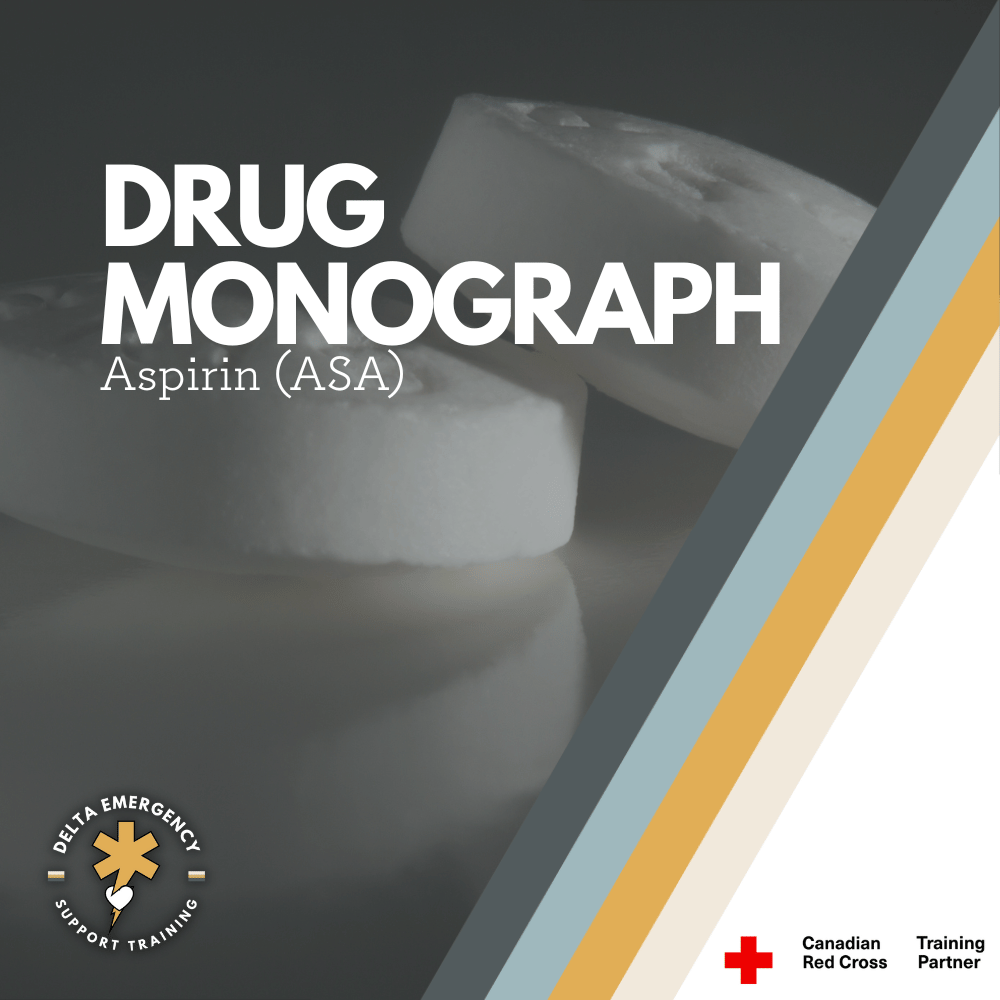
Two ASPRIN PILLS LEANING AGAINST EACHOTHER.
In the realm of first response having a comprehensive understanding of the medications we administer is crucial. Among these medications, aspirin, also known as acetylsalicylic acid (ASA), holds a significant place, particularly in addressing cardiac-style chest pain. Let's delve into the depths of ASA through a drug monograph lens to comprehend its indications, contraindications, and cautions.
Introduction to Drug Monograph
Drug monographs are like compasses guiding us through the vast sea of medications. They offer a detailed overview, covering everything from why a medication is used to when it should be avoided. Understanding these monographs is paramount as they can make the difference between effective relief and unintentional harm to our patients.
Indications for Aspirin (ASA)
Aspirin is primarily used to address a range of cardiovascular issues. In the realm of emergency response, ASA is particularly crucial for addressing cardiac-style chest pain, commonly linked with heart attacks. Its mechanism of action involves inhibiting platelet aggregation, thereby preventing the exacerbation of clots in coronary arteries rather than directly alleviating pain. This proactive approach reduces the risk of clot enlargement, which could worsen the underlying condition causing the pain.
Contraindications PAAADI
To ensure safe administration of aspirin, it's imperative to heed its contraindications:
Paediatric: Aspirin is not given to children and adolescents due to the risk of Reye's syndrome, a rare but serious condition affecting the brain and liver.
Allergy: Individuals with a known allergy to aspirin or other nonsteroidal anti-inflammatory drugs (NSAIDs) should steer clear of ASA to prevent allergic reactions.
Asthma: Patients with asthma that is exasperated upon taking aspirin should steer clear. Taking ASA may lead to bronchospasm and respiratory distress in our already distressed patients. The last thing we want to do is make it hard to breath for these patients.
Acute bleeds: Aspirin's antiplatelet properties increase the risk of bleeding, making it unsuitable for individuals experiencing acute bleeding episodes.
Dose: Administering aspirin beyond recommended doses can heighten the risk of adverse effects. Adhere to local guideline administration protocols.
Inability to Comply: Patients who cannot comprehend or follow instructions for aspirin use should avoid its administration to prevent misuse or adverse outcomes.
Adhering to these contraindications ensures safe and effective utilization of aspirin in the management of cardiac emergencies.
Cautions PABIS
While aspirin holds immense therapeutic value, certain precautions must be taken into account:
Pregnancy: Aspirin should be used cautiously during pregnancy, especially in the third trimester, as it may increase the risk of bleeding and complications for both the mother and the fetus.
Anticoagulants: Concurrent use of aspirin with anticoagulant medications can potentiate the risk of bleeding, necessitating close monitoring and dose adjustments.
Bleeds: Patients with a history of gastrointestinal ulcers or other bleeding disorders should exercise caution while using aspirin to minimize the risk of bleeding complications.
Internal Bleeds: Individuals with a predisposition to internal bleeding, such as cerebral hemorrhage, should avoid aspirin due to its antithrombotic effects.
Surgery: Aspirin use before surgical procedures may increase the risk of perioperative bleeding, necessitating temporary discontinuation and consultation with healthcare providers.
By adhering to these cautionary measures, healthcare providers can mitigate the risks associated with aspirin use and ensure patient safety.
In conclusion, aspirin, with its potent antiplatelet properties, plays a pivotal role in the management of cardiac-style chest pain during emergencies. However, a thorough understanding of its indications, contraindications, and cautions is essential to ensure safe and effective administration. By heeding these guidelines, we can navigate the complexities of first aid with confidence, knowing that we are equipped to provide optimal care to those in need.
Road Safety Tips for Cyclists: A First Responder's Guide
In our guide for first responders and firefighters, we emphasize crucial road safety tips tailored for cyclists. From the paramount importance of wearing helmets to the necessity of being visible on the road, these insights are indispensable for fostering safer cycling environments. By obeying traffic laws, riding defensively, and utilizing bike lanes effectively, cyclists and motorists can work together to prevent accidents and promote road safety for all.
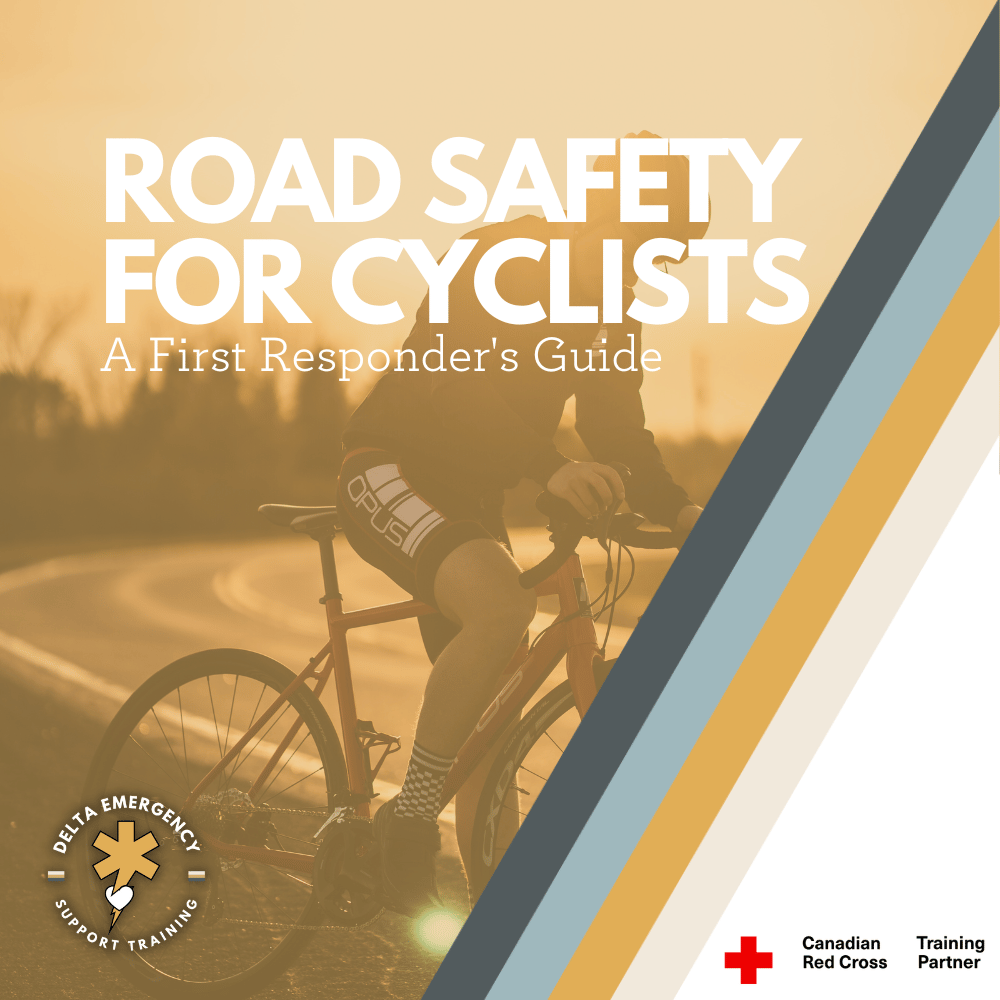
cyclist riding off to the side of the road
As a first responder, your role in ensuring road safety extends beyond responding to emergencies. It involves proactive measures to prevent accidents and mitigate their impact. When it comes to bicycle safety, understanding the rules of the road and adopting defensive strategies are crucial for both cyclists and motorists. In this guide, we'll explore essential road safety tips for cyclists, equipping first responders and firefighters with knowledge to promote safer roads for everyone.
Wear Your Helmet: The importance of wearing a helmet cannot be overstated. A properly fitted helmet significantly reduces the risk of head injuries in the event of a crash. First responders often witness the devastating consequences of head trauma, making it imperative to stress the importance of helmet use to cyclists. Ensure that your helmet fits snugly and sits level on your head, with the straps securely fastened.
Be Visible: Visibility is key to avoiding collisions, especially in low-light conditions or inclement weather. Cyclists should equip their bikes with front and rear lights, as well as reflectors, to increase visibility to motorists. Wearing brightly colored or reflective clothing further enhances visibility, making it easier for drivers to spot cyclists on the road.
Obey Traffic Laws: Cyclists are subject to the same traffic laws as motorists. This includes obeying traffic signals, yielding to pedestrians, and signaling intentions to turn or stop. By adhering to traffic laws, cyclists can predictably navigate the road, reducing the likelihood of accidents caused by confusion or misinterpretation of cyclist intentions.
Ride Defensively: Defensive cycling involves anticipating potential hazards and taking proactive measures to avoid them. Stay vigilant and alert while riding, scanning the road for obstacles, parked cars, and erratic drivers. Maintain a safe distance from vehicles, especially large trucks or buses, and avoid riding in their blind spots. Additionally, be prepared to react quickly to sudden changes in traffic or road conditions.
Use Bike Lanes and Paths: Whenever possible, utilize designated bike lanes and paths to separate cyclists from vehicular traffic. Bike lanes provide a dedicated space for cyclists, reducing the risk of collisions with motor vehicles. However, remain cautious and watch for obstacles or hazards within bike lanes, such as debris or parked cars.
Communicate Effectively: Communication is essential for safe cycling. Use hand signals to indicate turns, stops, and lane changes, allowing motorists and other cyclists to anticipate your actions. Make eye contact with drivers at intersections to ensure they see you before proceeding. Clear communication enhances mutual understanding on the road, promoting safer interactions between cyclists and motorists.
Conclusion:
As first responders and firefighters, your commitment to road safety extends beyond emergency response to proactive prevention measures. By promoting bicycle safety and educating cyclists and motorists alike, you can help reduce the incidence of accidents and injuries on our roads. Remember, a collective effort to follow the rules of the road and prioritize safety benefits everyone, creating a safer environment for cyclists and motorists alike. Together, we can make our roads safer for all road users.
Spinal Cord Injuries: Risks, Causes, and Implications
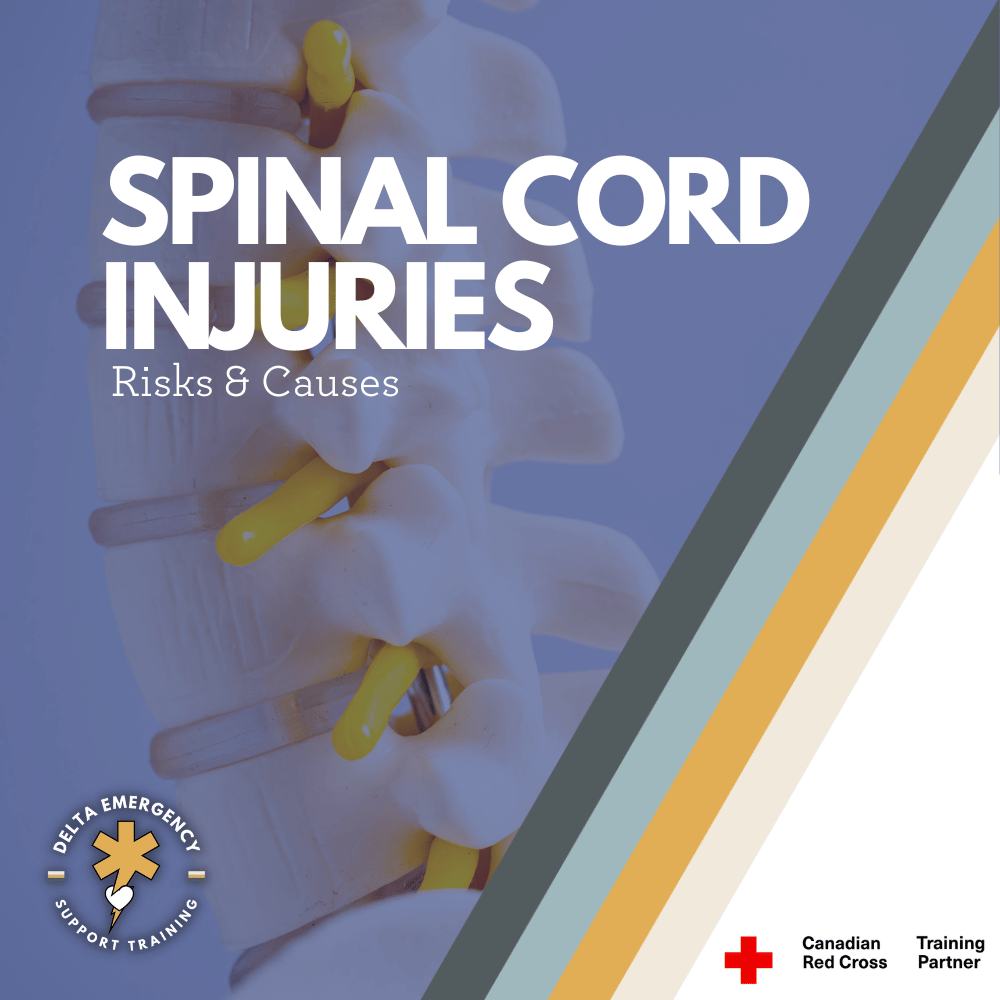
The spinal cord serves as the central pathway for transmitting signals between the brain and the body, regulating movement, sensation, and autonomic functions. Damage to the spinal cord disrupts these essential functions, leading to impairments. Certain factors increase the likelihood of SCIs, including traumatic incidents like motor vehicle accidents and falls. Underlying medical conditions such as spondylitis, scoliosis, and spinal tumors can also predispose individuals to spinal cord injuries. Understanding these factors informs preventive measures, timely interventions, and rehabilitation strategies, optimizing outcomes for those affected.
Spinal cord injuries (SCIs) represent a significant challenge in the medical landscape, with far-reaching impacts on physical, emotional, and social well-being. While traumatic incidents such as accidents and falls are common causes, various underlying medical conditions can also predispose individuals to spinal cord injuries. In this comprehensive medical blog, we delve into the intricacies of SCIs, identifying who is at risk, what factors increase susceptibility, and the implications for affected individuals, including those with conditions like spondylitis, scoliosis, and others.
Anatomy and Function of the Spinal Cord
The spinal cord serves as the central pathway for transmitting signals between the brain and the rest of the body, regulating movement, sensation, and autonomic functions. Encased within the vertebral column, it consists of nerve fibers and tissues crucial for relaying sensory information and coordinating motor responses. Damage to the spinal cord disrupts these essential functions, leading to a spectrum of impairments depending on the severity and location of the injury.
Risk Factors for Spinal Cord Injuries
While SCIs can occur in anyone, certain factors increase the likelihood of sustaining such injuries:
Traumatic Incidents: Motor vehicle accidents, falls, sports-related injuries, and acts of violence are common causes of traumatic SCIs. Engaging in high-risk behaviors, such as reckless driving or participation in contact sports without proper protective gear, elevates the risk.
Age: Young adults between the ages of 16 and 30 are more susceptible to traumatic SCIs due to engaging in risky behaviors. Conversely, individuals aged 65 and older face an increased risk of SCIs resulting from falls, often due to age-related declines in balance and mobility.
Existing Medical Conditions: Certain medical conditions affecting the spine can predispose individuals to spinal cord injuries:
Spondylitis: An inflammatory condition affecting the vertebrae, spondylitis can weaken the spinal column, increasing susceptibility to injury.
Scoliosis: Abnormal curvature of the spine, such as scoliosis, can alter spinal alignment and increase the risk of spinal cord compression or injury.
Degenerative Disc Disease: The natural aging process can lead to degeneration of spinal discs, compromising the stability of the spine and contributing to SCI risk.
Spinal Tumors: Benign or malignant tumors in the spinal cord or surrounding tissues can exert pressure on the spinal cord, leading to compression and potential injury.
Alcohol and Substance Abuse: Alcohol consumption and substance abuse contribute to a significant proportion of traumatic SCIs, impairing judgment and coordination and increasing the likelihood of accidents.
Complications and Implications
Spinal cord injuries can lead to a myriad of complications and long-term implications, including paralysis, bladder and bowel dysfunction, respiratory complications, and psychological and social impact. Prevention and management strategies encompass education, injury prevention measures, timely medical intervention, and comprehensive rehabilitation programs.
Conclusion
By understanding the diverse array of risk factors, causes, and implications associated with spinal cord injuries, healthcare professionals can tailor preventive measures, interventions, and rehabilitation strategies to address the specific needs of individuals at risk or affected by SCIs. Through ongoing research, education, and multidisciplinary collaboration, we strive to mitigate the impact of SCIs and enhance the quality of life for those affected by these injuries, including those with underlying medical conditions affecting the spine.
The Perils of the Firefighter: Understanding Common Injuries
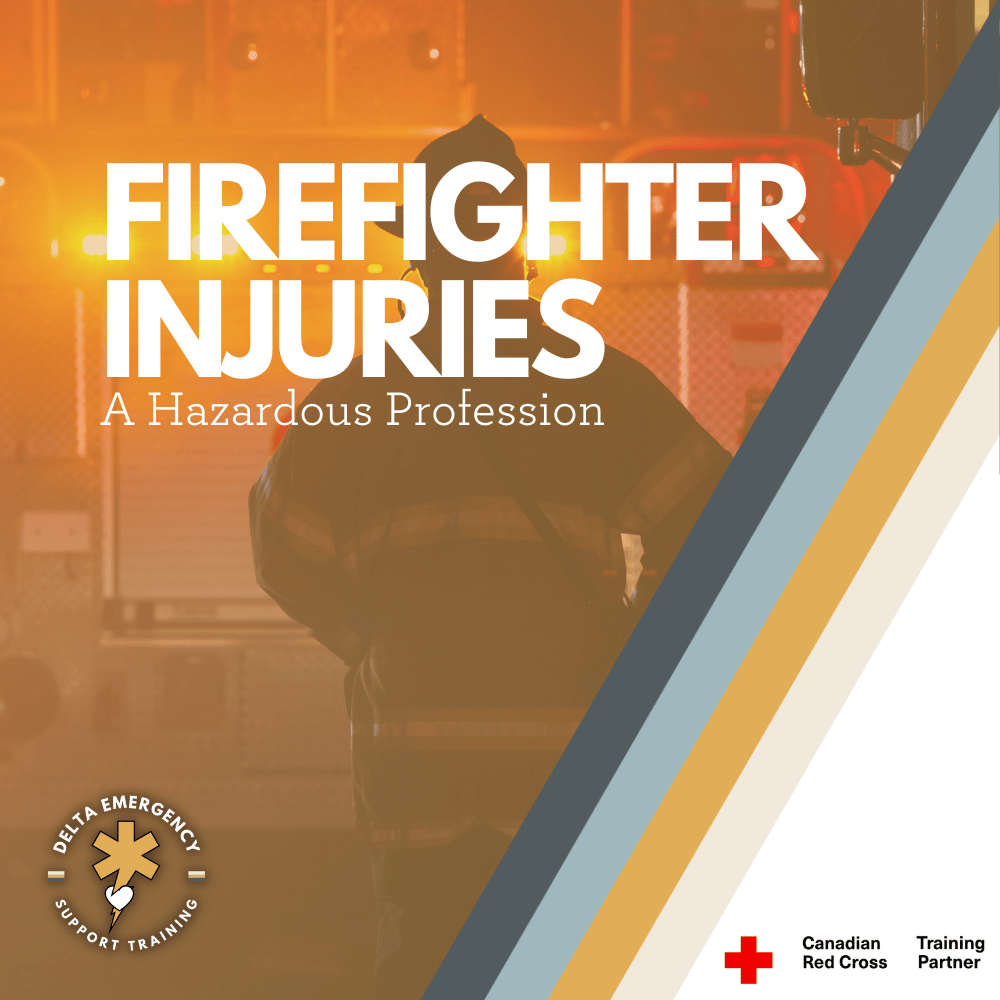
Exploring the realm of firefighter injuries reveals the array of risks they encounter daily, from physical strains to the insidious threat of smoke inhalation. Navigating debris-laden spaces in heavy gear can lead to sprains and strains, compromising mobility and performance. Meanwhile, exposure to toxic smoke presents respiratory hazards with potential long-term effects. Thermal burns, ranging from superficial to deep tissue damage, underscore the necessity of protective gear and adherence to safety protocols. Furthermore, navigating through smoke-filled environments increases the risk of cuts, lacerations, and puncture wounds, emphasizing the importance of prompt medical attention. Proactive safety measures are crucial in mitigating these risks and ensuring the well-being of our firefighters as they courageously serve our communities.
FIREFIGHTER silhouette AGAINST THE BREAK LIGHTS OF THE ENGINE
When we think of firefighters, we often conjure images of heroism, rushing into burning buildings to save lives and property. But behind the valor and the bravery lies a stark reality—firefighting is a hazardous profession. Beyond the flames and smoke, firefighters face a myriad of dangers that put their health and safety at risk every time they respond to a call. In this article, we'll delve into the most common injuries associated with being a firefighter, drawing insights from the National Fire Protection Association's (NFPA) annual statistics released in September 2021.
Sprains and Strains:
One of the most prevalent types of injuries among firefighters is sprains and strains. Picture the chaotic scene of a structure fire—the debris, the obstacles, the unpredictability. Firefighters, weighed down by heavy gear, often maneuver through treacherous environments where a wrong step or a sudden twist can lead to painful consequences. Sprains, which involve the tearing or stretching of ligaments, and strains, which affect muscles or tendons, are almost inevitable in such scenarios. From twisted ankles to strained backs, these injuries can range from mild discomfort to debilitating pain, hampering a firefighter's ability to perform their duties effectively.
Smoke Inhalation:
Inhaling smoke is an occupational hazard that firefighters encounter on a regular basis. Beyond the immediate discomfort of itchy eyes and a scratchy throat, smoke inhalation can have serious consequences. As fires rage, they release a toxic cocktail of particles and gases, including carbon monoxide, cyanide, and other harmful substances. These toxins can infiltrate a firefighter's lungs, causing respiratory distress, pulmonary damage, and in extreme cases, even death. The insidious nature of toxic smoke underscores the importance of proper respiratory protection and vigilant monitoring during firefighting operations.
Thermal Burns:
Perhaps the most visually apparent risk of firefighting is thermal burns. Exposed to extreme heat, firefighters are susceptible to burns of varying degrees, each with its own set of implications. First-degree burns may cause redness and pain, while third and fourth-degree burns penetrate deeper layers of skin, potentially leading to permanent tissue damage and requiring immediate medical attention. The severity of thermal burns underscores the critical need for firefighters to prioritize protective gear and adhere to established safety protocols to minimize exposure to heat and flames.
Cuts or Lacerations:
Navigating through smoke-filled environments littered with debris poses a significant risk of cuts and lacerations for firefighters. Sharp objects, jagged edges, and protruding obstacles can cause skin tears ranging from minor cuts to more severe lacerations. Puncture wounds, in particular, carry the added risk of infection, as foreign objects introduce harmful bacteria into the body. Additionally, avulsions—where skin is completely torn away from underlying tissue—represent a particularly severe form of injury that requires prompt medical intervention to prevent further complications.
In conclusion, firefighting is a demanding and perilous profession that exposes individuals to a multitude of hazards and injuries. From sprains and strains to smoke inhalation, thermal burns, and cuts, firefighters confront a range of risks in the line of duty. While these injuries are an inherent part of the job, proactive measures such as rigorous training, proper equipment maintenance, and adherence to safety protocols can mitigate their occurrence and ensure the health and well-being of those who bravely serve our communities. As we salute the courage and sacrifice of firefighters, let us also recognize the importance of prioritizing their safety and supporting initiatives aimed at minimizing the risks they face on a daily basis.
Mastering Entonox: Drug Monograph
Uncover the versatile role of Entonox, commonly known as 'laughing gas,' as a rapid analgesic in emergency response. Delve into the indications for swift pain relief, including its reversible effects and safety advantages. This guide introduces the acronyms DIVINE and SADMC to navigate contraindications and cautions, ensuring precise administration in diverse medical scenarios.
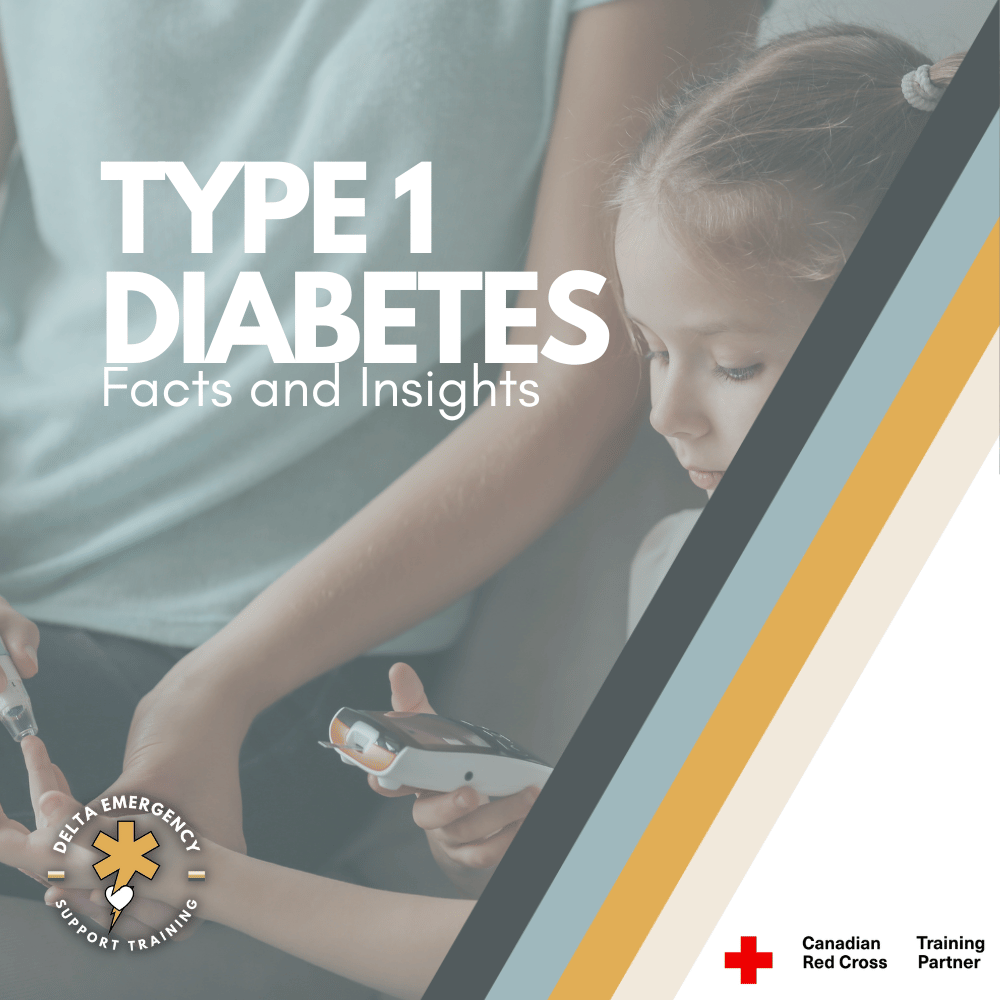
Introduction:
Entonox, colloquially known as "laughing gas" is a valuable tool in the first responder's arsenal, offering rapid analgesic.
In guide, we'll delve into both contraindications and cautions associated with Entonox, using the acronyms DIVINE and SADMC.
How Entonox Works:
When inhaled, Entonox takes approximately 3 to 5 minutes to initiate pain relief, reaching its maximum effect within 5 to 10 minutes. A notable feature of Entonox is its rapid excretion from the body via the lungs upon cessation of inhalation, leading to a prompt reversal of the analgesic effect.
Key Benefits of Entonox:
Rapid Analgesic Effect:
Entonox provides swift pain relief, making it an invaluable tool in emergency situations where quick intervention is paramount.
Reversible Analgesic Effect:
The rapid reversal of the analgesic effect ensures that symptoms are not masked, allowing healthcare providers to assess patients accurately.
Cardiac and Respiratory Safety:
When used properly, Entonox demonstrates no adverse effects on the cardiovascular or respiratory systems, enhancing its safety profile in diverse medical and trauma conditions.
Self-Administration Capability:
Patients can self-administer Entonox, offering a sense of control over their pain management, particularly in situations where immediate assistance may be limited.
Oxygen Enrichment:
With a 50% oxygen concentration, Entonox proves valuable in various medical and trauma scenarios where supplemental oxygen is beneficial, ensuring optimal oxygenation for patients.
Contraindications Acronym
Decompression Sickness (D):
Do not give Entonox to anyone who has recently dived as the nitrous oxide is highly soluble and will increase the inert gas load, making the symptoms of DCI (Decompression Illness) much worse.
Inability to Comply (I):
Patient cooperation is vital; those unable to hold the bite stick and inhale or someone who is in and out of consciousness are not suitable for Entonox
Ventable Space (V):
Proper ventilation is key to prevent gas concentration buildup, ensuring safety in various environments.
Inhalation Injury (I):
Burns to the mouth or throat, or recent exposure to fire and irrigation, warrant avoiding Entonox to prevent respiratory complications.
Nitroglycerin (N):
Caution is needed with recent nitroglycerin use, as combining it with Entonox may lead to fainting.
Embolism/Pneumothorax (E):
Entonox should be avoided with suspected pneumothorax or head injury, given its potential impact on pressure in the body.
Cautions (SADMC):
Shock (S):
Monitor for shock, as Entonox may not work optimally in such cases. It is important to give high flow O2 to a patient with suspected shock.
Abdominal Distention (A):
Similar to concerns with intercranial pressure and pneumothorax, avoid pressurized gas in patients with distended abdomens.
Depressant (D):
Exercise caution when combining Entonox with other depressants like alcohol, ketamine, marijuana, benzodiazepines, or opioids. Synergistic effects can lead to increased depression.
Maxillofacial Injury (M):
Patients with jaw injuries may struggle with the bite stick used in Entonox delivery. Adaptations may be needed for proper administration.
COPD (C):
For patients with COPD that may have alveolar bullae (air pockets or blebs) as nitrous oxide may cause bullae rupture since nitrous oxide enters that closed space more quickly than nitrogen can escape.
Scope of Practice Awareness:
Being attuned to regional scope of practice guidelines is essential for first responders. Variations exist among provinces and private emergency response agencies, emphasizing the need for ongoing education and communication within your team. Stay informed to ensure Entonox is administered safely and effectively, adhering to your specific guidelines.
Practical Application in Training:
As part of our commitment to excellence, our Advanced First Aid courses include practical training in Entonox use. This hands-on experience allows first responders to familiarize themselves with the administration of Entonox in a controlled environment, ensuring confidence and competence in the field.
Conclusion:
By understanding both contraindications and cautions and staying abreast of regional scope of practice guidelines, first responders can navigate the complexities of Entonox administration with precision.
Type 1 Diabetes: Insights into its Origins, Signs, and Challenges
Type 1 diabetes, where the pancreas's struggle with insulin production takes center stage. This blog peels back the layers to reveal the mysterious causes behind this chronic condition, providing valuable insights into recognizing symptoms early. As we navigate the complications that can arise if left unchecked, we also explore the ongoing research endeavors aiming to usher in a new era of preventive strategies. Join us in decoding the intricacies of Type 1 diabetes, empowering individuals and their families with the knowledge needed to navigate this journey with resilience and hope.
Introduction:
LITTLE GIRL HAVING BLOOD SUGAR CHECKED BY HER MOTHER.
In our exploration of Type 1 diabetes, previously recognized as juvenile diabetes or insulin-dependent diabetes, we uncover a complex chronic condition where the pancreas produces insufficient insulin. Insulin, a key player in energy production, allows glucose to enter cells. This blog aims to delve into the intricacies of Type 1 diabetes, examining its causes, symptoms, complications, risk factors, and the ongoing quest for preventive strategies.
Unraveling Causes and Risk Factors:
The mystery behind the onset of Type 1 diabetes persists, with researchers pointing towards a potential glitch in the immune system. Rather than safeguarding the body, the immune system turns on the insulin-producing cells in the pancreas. Genetic factors, exposure to certain viruses, and environmental elements may contribute to the development of Type 1 diabetes. Risk factors include a familial history of the condition, specific genetic predispositions, geographical factors, and age, with noticeable peaks in children aged 4-7 and 10-14.
Insulin and Glucose Symphony:
The pivotal hormone, insulin, originating from the pancreas, orchestrates the delicate balance of blood sugar levels. In the absence of insulin, as seen in Type 1 diabetes, glucose remains stranded outside cells, leading to elevated blood sugar levels. Glucose, sourced from food and the liver, serves as the primary energy provider for cells. In Type 1 diabetes, the dearth of insulin results in the buildup of sugar in the bloodstream, presenting a potential hazard of life-threatening complications.
Recognizing Symptoms and Diagnosis:
Type 1 diabetes is characterized by abrupt symptoms such as increased thirst, frequent urination, unexpected weight loss, irritability, and blurry vision. Seeking prompt medical attention is crucial if these symptoms manifest. Diagnosis involves thorough blood tests to measure blood sugar levels and assess other critical parameters.
Unveiling Complications:
Untamed Type 1 diabetes can lead to severe complications impacting vital organs:
Heart and Blood Vessel Disease: Elevates the risk of coronary artery disease, heart attack, stroke, atherosclerosis, and high blood pressure.
Nerve Damage (Neuropathy): Can induce tingling, numbness, burning, or pain, particularly in the extremities. Digestive system nerves' damage may result in gastrointestinal issues.
Kidney Damage (Nephropathy): Poses a risk of kidney failure or end-stage kidney disease.
Eye Damage: May result in diabetic retinopathy, cataracts, glaucoma, and potential blindness.
Foot Damage: Increases the risk of severe foot complications, potentially leading to amputation if untreated.
Skin and Mouth Conditions: Enhances susceptibility to skin and mouth infections, including bacterial and fungal infections, gum disease, and dry mouth.
Pregnancy Complications: Poorly controlled diabetes during pregnancy heightens the risk of various complications.
Preventive Measures and Management:
Currently, no foolproof method exists to prevent Type 1 diabetes. Nevertheless, ongoing research endeavors to thwart the disease or mitigate islet cell damage in newly diagnosed individuals. Clinical trials exploring preventive measures offer hope, and individuals diagnosed with Type 1 diabetes should discuss potential participation with their healthcare providers.
Conclusion:
Type 1 diabetes poses a unique set of challenges necessitating lifelong management. By comprehending its origins, symptoms, complications, and ongoing research initiatives, individuals and their families can navigate this journey with resilience. Collaboration between healthcare providers and individuals is crucial for effective management, and as research progresses, optimism grows for advancements in treatment and prevention strategies.
Understanding the Unique Challenges of Bariatric Patients
Navigate the distinctive challenges presented by bariatric patients within Emergency Medical Services (EMS). From defining the characteristics of these patients to unraveling the daily struggles faced by EMS providers, this blog takes a comprehensive dive into the critical aspects of specialized transporting training, tailoring medical care for larger patients, and implementing efficient patient loading strategies. Discover the indispensable role played by specialized lifts and transfer devices in addressing the burgeoning need for heightened capacity, ensuring the utmost safety for both patients and EMS professionals. Join us on this exploration of a comprehensive approach to bariatric patient care in EMS, setting the stage for part 2 where common health concerns are meticulously examined.
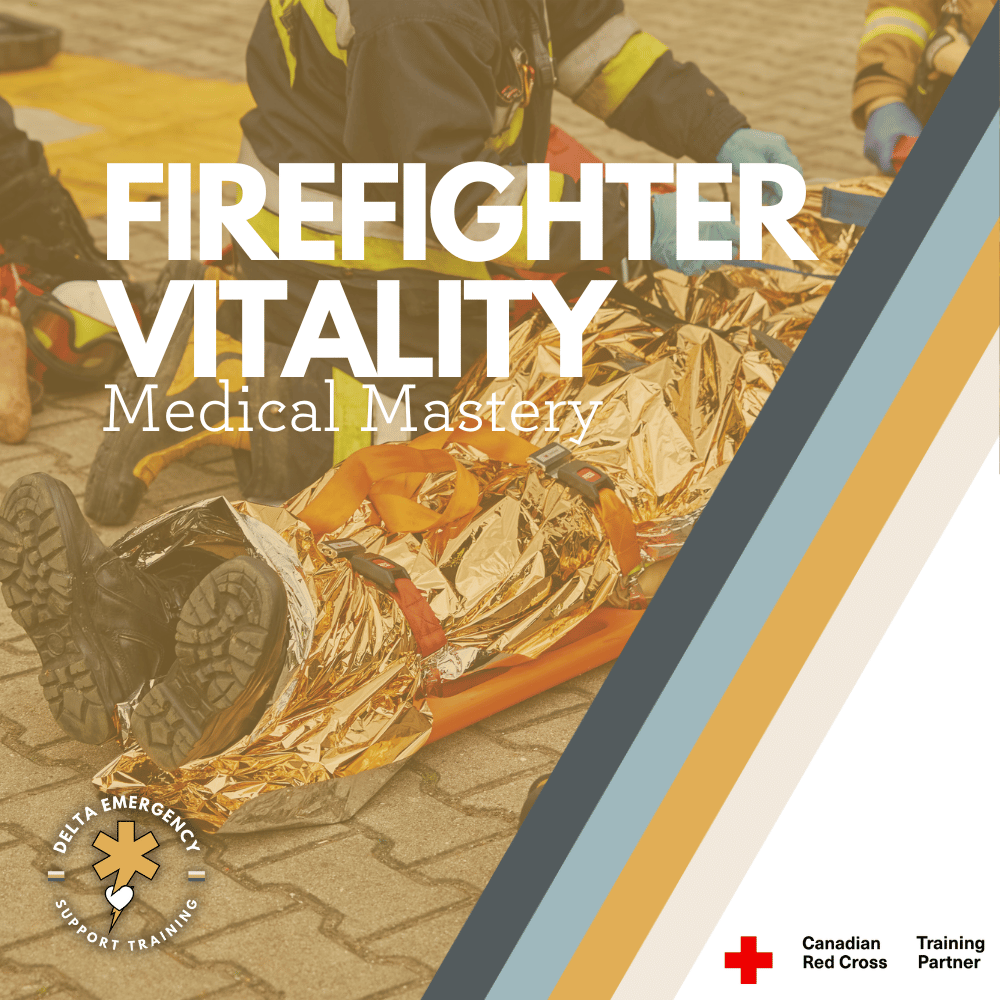
Defining Bariatric Patients
Bariatric Patient sitting in a wheelchair
Bariatric patients, characterized by obesity, present unique challenges for EMS providers. Obesity, a growing concern globally, requires a nuanced approach in healthcare delivery. This section explores the prevalence of obesity, its root causes, and the heightened demand for specialized care within Emergency Medical Services.
The Daily Struggle
Communities served by EMS witness a daily surge in calls for patients weighing 350 pounds or more. The escalating frequency of these calls underscores the necessity for EMS providers to equip themselves with specialized training and equipment to meet the challenges posed by bariatric patients.
The Critical Role of Specialized Transporting Training
Patients surpassing 500 pounds necessitate a heightened level of expertise, equipment, and procedural knowledge. This section delves into the specifics of providing proper patient care, including the use of specialized equipment, large-sized gowns, and fabric devices designed to facilitate safe patient movement.
Tailoring Medical Care for Larger Patients
Adjusting equipment and supplies for delivering medical care to bariatric patients involves adapting to their unique physical requirements. There are necessary adjustments in equipment and supplies, from the use of appropriately sized blood pressure cuffs to employing longer needles for intramuscular injections to ensure proper care.
Extrication and Immobilization
Efficient Patient Loading and Stabilization Strategies for Bariatric Patients
Loading a bariatric patient onto a cot poses unique challenges that demand a meticulous and strategic approach from Emergency Medical Services (EMS) providers. Ensuring the safety and comfort of both the patient and the EMS team requires a nuanced understanding of the intricacies involved in patient loading and stabilization.
Strategic Considerations for Efficient Loading:
Efficient patient loading begins with a thorough assessment of the immediate environment. EMS providers must strategize the positioning of the cot to facilitate seamless patient transfer. The cot, equipped with the necessary weight-bearing capacity, becomes a crucial tool in ensuring a safe and controlled loading process.
Maintaining the Cot in the Down Position:
Emphasizing the maintenance of the cot in the down position throughout the loading process is essential. This not only provides a stable foundation for the patient but also minimizes the risk of injury during the transfer. The down position ensures a lower center of gravity, enhancing stability and reducing the chances of the cot tipping.
Innovative Solutions for Spinal Stabilization:
Stabilizing the spine of bariatric patients requires innovative solutions that go beyond traditional methods. Specialized backboards designed to accommodate larger body sizes play a pivotal role in providing effective spinal support. Additionally, blanket or towel rolls strategically placed can offer supplemental stabilization, adapting to the unique contours of the patient's body.
Lateral Head Pillows for Enhanced Comfort:
Recognizing the challenges posed by the sheer size and weight of bariatric patients, the use of lateral head pillows becomes imperative. These specialized pillows not only provide additional support for the patient's head and neck but also contribute to maintaining proper alignment during loading. This extra layer of comfort is crucial for ensuring a smooth and trauma-free transfer.
Specialized Lifts and Transfer Devices
The need for specialized transfer devices tailored for bariatric patients, the focal point revolving around addressing the burgeoning need for heightened capacity. The array of lifting solutions encompasses specialized textile sheets and soft sling devices, meticulously crafted to adeptly manage weights surpassing 1,000 pounds. These technological innovations stand out as critical assets, navigating the challenges unique to bariatric patients. However, their effectiveness hinges on the depth of training provided to EMS providers. Thorough comprehension and hands-on training are essential for ensuring the secure and efficient deployment of these devices. This training not only guarantees the safe lifting and transfer of bariatric patients but also prioritizes the safety and well-being of EMS professionals engaged in these critical maneuvers.
Conclusion
Embracing a comprehensive approach in the face of the changing nature of body habits in Canada, EMS providers must adopt a comprehensive approach to care for bariatric patients. By addressing the challenges in equipment, training, and patient care, EMS can ensure the safety and well-being of both patients and providers in this critical aspect of emergency medical services. Join us for part 2 where we discuss the common health concerns our bariatric patients face.
Why Medical Knowledge Is Essential for Aspiring Firefighters
In the ever-changing world of emergency response, the role of a firefighter is undergoing a profound transformation. Gone are the days when battling blazes was the primary focus; today, the majority of emergency calls involve medical situations. This shift, fueled by an unstable healthcare system and advancements in building technology, demands a new breed of firefighters – ones armed not only with traditional firefighting prowess but also with comprehensive medical training. Join us on this exploration of why the future of firefighting requires a mastery of both flames and first aid, and how adapting to these changing dynamics is crucial for those ready to answer the call of duty.
Aspiring firefighters often envision themselves tackling roaring blazes, but the landscape of emergency calls is rapidly changing. In today's world, the majority of calls received by fire departments are related to medical emergencies. This shift means that the skills needed to handle medical crises are just as crucial as those required for traditional firefighting scenarios. Recognizing this shift early on can better prepare aspiring firefighters for the dynamic nature of the job.
Firefighters assisting in medical emergency.
This article delves into the indispensable role of medical knowledge for future firefighters, with a focus on practical training options such as Delta Emergency Support Training's advanced first aid course.
Rising Demand for Medical Assistance
The traditional role of firefighting has transformed, emphasizing a greater focus on medical emergency responses. Aspiring firefighters must recognize the imperative need for a comprehensive understanding of medical emergencies. The escalating demand for emergency medical services stems from an unstable healthcare system, underfunded and understaffed paramedics.
Simultaneously, the frequency of fire-related calls has significantly decreased compared to four decades ago. The changing landscape highlights the necessity for future firefighters to adapt to the prevalence of medical emergencies. Understanding the complex factors influencing this shift is crucial for those entering the firefighting profession.
The Need for Speed in Response
One of the most compelling reasons for aspiring firefighters to invest in medical knowledge is the advantage of rapid response. Picture this: you're 40 miles from the nearest ambulance base, but the fire department is just 10 miles away. Geographically, the fire department can arrive at the scene significantly faster. This underscores the critical role firefighters play as first responders in medical emergencies, often getting there before EMS personnel.
Adapting to a Diversifying Role
As the role of a firefighter evolves beyond traditional expectations, it's not just a shift in duty; it's a personal evolution. Specialized training recognizes this, and programs developed by seasoned professionals, such as Delta's, ensure that you're not just learning; you're growing. You're becoming someone who can adapt to the changing face of emergencies, someone who can handle the unexpected with grace and skill.
Addressing Skepticism Towards Medical Training
Acknowledging skepticism towards medical training among aspiring firefighters, Delta's approach is rooted in practicality. The advanced first aid program bridges the gap between firefighting and medical expertise without compromising professional standards. The course is designed to instill confidence and competence in those who may initially harbor reservations towards the medical aspect of the profession.
Training and Dedication
Achieving mastery in firefighting requires a dedication to honing a diverse skill set with precision and professionalism. Delta Emergency Support Training's Advanced First Aid course embodies this ethos, serving as the prerequisite for firefighters in Alberta. Taught by seasoned first responders, this program is the brainchild of an Advanced Care Paramedic with over 15 years of experience in Emergency Medical Services. Through Delta's advanced first aid course, aspiring firefighters undergo a rigorous training regimen that emphasizes a professional approach to skill mastery. The course seamlessly integrates traditional firefighting responsibilities with the adept administration of medical interventions, ensuring that graduates emerge as well-rounded and highly capable first responders equipped to navigate the complexities of modern emergency response with confidence and proficiency.
Conclusion:
As the firefighting profession continues to evolve, aspiring firefighters must recognize the intrinsic connection between medical competence and their efficacy as first responders. Training programs like Delta Emergency Support Training's advanced first aid course epitomize a professional and strategic approach to acquiring the essential skills for contemporary emergency response. In a landscape where versatility is paramount, aspiring firefighters are encouraged to embrace a holistic training regimen that encompasses both traditional firefighting prowess and advanced medical knowledge, positioning themselves as adept and adaptable professionals in an ever-changing field.
Eye Injury Response: A Guide for First Aiders
In the world of advanced first aid, the ability to respond swiftly and effectively to eye injuries is paramount. Our comprehensive guide delves into the nuances of addressing diverse eye injuries, providing advanced responders with the knowledge and confidence needed to navigate these critical situations. From understanding the causes to mastering the essential steps, this guide is your go-to resource for safeguarding vision in emergency scenarios.
Man’s dark brown eye with a broken blood vessle staining the white of his eye.
In this edition of our first aid blog, we sharpen our focus on a critical aspect of emergency medical response – effectively addressing eye injuries. The eyes, being a vital sensory organ, demand swift and informed action from those trained in advanced first aid. Your knowledge and intervention can make a substantial difference in preserving vision and mitigating further harm. Join us as we navigate through the common types of eye injuries, their origins, and the indispensable steps to be taken in the event of a medical emergency.
Foreign Objects in the Eye
Causes
Foreign objects such as small debris, dust, sand, wood chips, or metal particles can easily enter the eyes during various activities. Working in construction, gardening, or simply being outdoors on a windy day increases the risk of encountering these particles.
Response: If a foreign object enters the eye
Do not rub the eye: Rubbing can potentially cause corneal abrasions or embed the foreign object further.
Blink repeatedly: Natural blinking can help stimulate tears, aiding in the removal of small particles.
Flush the eye with water: Use a sterile saline solution or clean, lukewarm water to rinse the eye gently. Tilting your head to the side can help prevent contamination of the unaffected eye.
Additional Tips
If the foreign object persists or the pain continues, do not attempt to remove it yourself. Seek professional medical help promptly.
Wearing protective eyewear during activities with a high risk of eye injury can significantly reduce the chances of foreign objects entering the eyes.
Chemical Burns
Causes:
Chemical burns to the eyes can occur from exposure to household cleaning products, industrial chemicals, or contact with substances like bleach or acids.
Response: If a chemical comes into contact with the eyes
Flush the eye immediately: Begin rinsing the affected eye with copious amounts of water for at least 15 minutes. Use a gentle stream to avoid splashing.
Hold the eyelids open: This ensures thorough flushing, helping to remove the chemical from all parts of the eye.
Seek immediate medical attention: Even if symptoms appear to improve during the rinsing process, professional evaluation is crucial to prevent potential long-term damage.
Additional Tips
Know the location of emergency eyewash stations in workplaces where exposure to chemicals is possible.
When handling chemicals, always wear appropriate protective eyewear to minimize the risk of accidental splashes or spills.
Subconjunctival Hemorrhage
Causes
A subconjunctival hemorrhage, often referred to as a broken blood vessel in the eye, manifests as a bright red patch on the sclera. This condition may result from various factors, such as eye trauma, a sudden increase in pressure, or underlying medical conditions.
Response
Stay calm: While alarming in appearance, a subconjunctival hemorrhage is typically painless and harmless.
Avoid rubbing the eye: To prevent further irritation or damage.
Monitor for changes: While spontaneous, if the subconjunctival hemorrhage is recurrent or accompanied by other symptoms, seek medical advice.
Blows to the Eye
Causes
Blows to the eye can result from accidents, falls, or injuries sustained during sports activities.
Response: If a person experiences a blow to the eye
Apply a cold compress: Use a clean cloth or ice pack wrapped in a thin towel to reduce swelling and alleviate pain.
Avoid placing pressure: Refrain from pressing on the eye directly; instead, gently apply the compress around the eye.
Seek medical attention: If there is significant swelling, double vision, or changes in vision, it's essential to consult a healthcare professional promptly.
Additional Tips
Use protective eyewear during sports or activities with an increased risk of eye injuries, such as racquet sports, paintball, or construction work.
Regular eye check-ups can help identify underlying issues that may increase the susceptibility to eye injuries.
Corneal Abrasions
Causes
Corneal abrasions result from scratches on the cornea, often caused by foreign objects like fingernails, contact lenses, or airborne particles.
Response: When dealing with a corneal abrasion
Avoid rubbing the eye: Rubbing may exacerbate the abrasion and hinder the healing process.
Keep the eye closed: This protects the eye from further irritation and reduces the chance of infection.
Seek medical attention: Even seemingly minor abrasions can lead to infections or other complications, making it crucial to consult a healthcare provider for appropriate treatment.
Additional Tips
If you wear contact lenses, follow proper hygiene practices, and avoid wearing lenses when your eyes are irritated or red.
Protective eyewear, such as safety glasses or goggles, can provide an additional layer of defense against potential corneal abrasions in various situations.
Conclusion
Eye injuries require immediate attention and proper care. Understanding the specific responses to different types of injuries is crucial for preserving vision and preventing long-term complications. Remember, early intervention and seeking professional medical help when needed are key components of effective eye injury first aid. By staying informed and taking preventive measures, you can play a pivotal role in protecting your vision and that of others. Stay safe, stay informed, and safeguard your vision.
Understanding Harm Reduction: A Balanced Approach to Substance-Related Challenges
Harm reduction is a nuanced approach aiming to minimize the negative consequences of high-risk behaviors like substance abuse. From controversial methods like safe injection sites to providing essential tools like naloxone, this blog dives into the practical aspects and debates surrounding this progressive approach. Discover how emergency response training, including naloxone education, is becoming an integral part of preparing future first responders to handle opioid-related emergencies effectively.
Navigating the Complexities of Minimizing Harm in Substance Use
6 NEEDLES ON A WHITE TABLE NEXT TO A SHARPS BIN USED TO HOLD DIRTY NEEDLES
Introduction to Harm Reduction
Defining Harm Reduction Harm reduction represents a pragmatic approach aimed at mitigating the negative consequences associated with high-risk behaviors, especially substance abuse, by promoting safety and minimizing harm.
The Diverse Landscape This approach acknowledges that individuals may continue substance use and seeks to offer strategies that prioritize harm reduction over abstinence alone.
Addressing Controversies Surrounding Harm Reduction
Contested Perspectives Harm reduction methodologies, such as providing clean needles and safe injection sites, prompt debates around balancing compassion with concerns about enabling substance use.
A Spectrum of Opinions Different viewpoints exist within the discourse on harm reduction, from those who advocate for its compassion-driven initiatives to those who prioritize strict abstinence-based models.
Key Components and Practical Aspects of Harm Reduction
Naloxone:
A Life-Saving Tool The wide distribution and use of naloxone, an opioid antagonist that reverses overdoses, have been instrumental in preventing fatalities associated with opioid misuse.
Naloxone training within Emergency Response programs is essential. Delta Emergency Support Training incorporates this vital component into courses like Advanced First Aid and Standard First Aid. These courses empower future first responders with the necessary knowledge and expertise to effectively administer naloxone during emergency situations associated with opioid overdoses.
Safe Injection Sites:
These supervised spaces offer a controlled environment for substance use, aiming to reduce fatal overdoses and limit the transmission of diseases while providing immediate medical assistance if needed.
Clean Supplies and Disease Prevention
Minimizing Health Risks Providing clean tools like needles and pipes significantly reduces the transmission of blood-borne infections, such as HIV/AIDS and hepatitis, among individuals who inject drugs.
Public Health Initiatives Various organizations, including the CDC, implement evidence-based drug prevention programs in communities and schools to mitigate the spread of infectious diseases related to substance abuse.
Empowering Access to Prevention Services
Comprehensive Support Systems Ensuring access to a range of prevention services is crucial for individuals involved in substance use. Harm reduction programs offer education, support, and resources for enhanced safety and well-being.
A Pragmatic Approach Recognizing the reality of substance use, harm reduction offers pathways to reduce harm and prioritize health without exclusively emphasizing abstinence-based approaches.
Embracing a Balanced Perspective
Harm reduction represents a multifaceted approach to addressing substance-related challenges, acknowledging the complexities without strictly advocating for any singular viewpoint. By prioritizing safety and health, it offers pragmatic solutions to minimize harm within communities grappling with substance use issues.
Substance Use and Mental Health Challenges: As a First Responder
Delve into the multifaceted world of healthcare for individuals dealing with substance use and mental health challenges. From addressing overdose emergencies to providing support for those with psychiatric conditions, learn how advanced first aid training plays a crucial role in offering comprehensive care.
Introduction
When it comes to working with individuals who use substances, such as drugs and alcohol, healthcare professionals and support workers face a unique set of challenges. People with substance use disorders often require medical services, experience various health problems, and need additional support to break free from addiction. This blog will delve into the complexities of working with this population, including the risk factors for diseases like Hepatitis C and HIV, poor living conditions, the physical toll of withdrawal symptoms, and the challenges of dealing with overdoses in areas near shelters.
CLOSE UP OF A LIGHTER HEATING UP DRUGS ON A SPOON
Substance Use and Medical Services
Many individuals who use substances find themselves in situations where they require immediate or frequent medical attention. Opioid overdoses, alcohol poisoning, and adverse reactions to drugs are common reasons for paramedic and emergency room visits. The availability of medical services is crucial in saving lives and helping individuals take their first steps towards recovery.
Health Problems and the Need for Additional Support
Substance use often takes a toll on one's physical and mental health. Drug addiction can lead to a range of health problems, including cardiovascular issues, respiratory diseases, and neurological complications. To address these issues effectively, individuals require additional support from healthcare providers, social workers, and counselors.
Risk of Disease Transmission
For those who are drug addicts and engage in risky behaviors like sharing needles or pipes, the risk of contracting bloodborne diseases like Hepatitis C and HIV significantly increases. Unsafe injection practices and sharing equipment contribute to the transmission of these infections. Healthcare professionals play a crucial role in educating and providing harm reduction strategies to reduce the risk of disease transmission among substance users.
Poor Living Conditions and Sanitation
The living conditions of individuals struggling with substance use often contribute to their health problems. Homelessness, overcrowded living spaces, and poor sanitation increase the likelihood of infection from small wounds turning into severe, infected sores. Compromised immune systems among drug users further amplify their susceptibility to infections.
Withdrawal Symptoms: A Painful Reality
When patients addicted to drugs or alcohol decide to quit or face periods of forced abstinence, they often experience severe withdrawal symptoms. These symptoms can be excruciating and include nausea, vomiting, anxiety, tremors, sweating, and seizures. The intensity of withdrawal varies depending on the substance, the level of addiction, and individual factors. Addressing withdrawal is a crucial aspect of addiction treatment, and it requires careful monitoring and support from healthcare professionals.
Overdosing and High Call Volumes
In areas with a high concentration of shelters or where homelessness is prevalent, healthcare professionals often face increased call volumes related to overdoses. This is a grim reality of the opioid epidemic and substance abuse crisis. Overdoses, especially from opioids like heroin or fentanyl, can be life-threatening. Quick access to naloxone, an opioid overdose-reversal medication, is essential to prevent fatalities. The presence of shelters and support services in these areas often makes them hotspots for overdose incidents, requiring immediate intervention and access to medical services.
Substance Use and Mental Health
The interplay between substance use and mental health is intricate. Many individuals turn to substances as a means of self-medication, attempting to alleviate the symptoms of psychiatric conditions, PTSD, or depression. This dual challenge underscores the importance of integrated care that addresses both the substance use and the underlying mental health issues.
Risk of Suicide and Self-Harm
Individuals grappling with co-occurring disorders often face a significantly higher risk of suicide and self-harm. The struggle with substance use amplifies the emotional and psychological burden, making them more vulnerable. Healthcare professionals must be well-prepared to handle mental health calls and provide support for individuals experiencing suicidal ideation or self-harming behaviors.
Conclusion
Working with individuals who use substances is a complex and multifaceted task. Healthcare professionals and support workers must address not only the immediate medical needs of these individuals but also the underlying health problems, risk factors, and the arduous process of withdrawal. Moreover, the challenges of dealing with overdoses in areas near shelters highlight the urgency of harm reduction and access to life-saving interventions.
In this context, organizations like Delta Emergency play a crucial role in addressing these challenges. Delta Emergency is dedicated to advancing first aid training and preparing individuals for a first responder career. Their programs are taught by experienced paramedics who have spent over a decade in the field, bringing real-life experiences and expertise to their training. By basing their instruction on real-life medical scenarios, Delta Emergency ensures that future healthcare professionals are well-prepared to face the complexities of working with substance users and providing the necessary support and care.
It is through comprehensive care, harm reduction strategies, and a commitment to compassionate support, combined with advanced training and real-world experience, that we can help individuals struggling with substance use disorders on their path to recovery and better health.
Facing the Flames: The Perils and Triumphs of Firefighting
Being a firefighter is not just a job; it's a calling for the brave and the selfless. These public servants sacrifice their own safety and well-being to protect their communities, and they do so with unwavering courage. They face the relentless heat of flames, the silent threat of inhaling toxic smoke, and the persistent risk of cancer, all while being the first to respond to the most harrowing scenes of accidents and disasters. In this demanding role, they grapple not only with physical pain but also with the heavy emotional burden of their experiences, making them true heroes who exemplify the values of courage, selflessness, and determination, even in the face of the most formidable adversities.
Facing the Flames: The Perils and Triumphs of Firefighting
Introduction
Being a firefighter is a career that commands respect and admiration from all corners of society. These brave individuals run towards danger, risking their lives to save others. However, beneath the heroic facade lies a world rife with dangers, both physical and mental. In this blog post, we will delve into the multifaceted challenges faced by firefighters, from battling the inferno to grappling with the psychological toll.
Three fire fighter SILHOUETTEs AGAINST the flames of a fire
Fire-Related Dangers
Burns: A Fiery Menace
One of the most immediate and visceral dangers firefighters face is the risk of burns. The heat of a fire can reach temperatures that can melt steel and cause severe burns in seconds. Their protective gear is essential, consisting of specialized suits, helmets, and breathing apparatus. However, even with these safeguards, firefighters can still suffer burns, particularly in situations where the fire's intensity escalates rapidly. The danger becomes even more apparent when you consider the unpredictable nature of fire, which can create flashovers and backdrafts, putting firefighters directly in the line of fire.
Inhaled Smoke: A Silent Killer
The thick, acrid smoke that billows from a fire is a deadly combination of toxic chemicals and gases that can prove lethal. Firefighters often inhale these toxins while working, which can lead to various respiratory issues. Prolonged exposure can even cause chronic illnesses, such as bronchitis or asthma. The masks they wear help filter out some of the harmful particles, but the intense heat and exertion can make wearing them for extended periods challenging.
Cancer: A Silent and Pervasive Threat
One of the lesser-known dangers faced by firefighters is the risk of developing cancer. The toxins and carcinogens present in burning buildings can contaminate gear and equipment, exposing firefighters to a heightened risk of various types of cancer. Research has shown that firefighters have a significantly higher rate of cancer compared to the general population. This insidious danger lingers long after the flames are extinguished and the smoke has cleared.
The Mental Struggles
First Responders to Trauma
Firefighters are not just tasked with extinguishing flames; they are often the first on the scene in the aftermath of accidents, medical emergencies, or disasters. This means they regularly witness the trauma of people seriously injured, dying, or already dead. They provide crucial support and care in these moments of crisis, but the emotional toll of these experiences can be profound. These encounters can be both physically and mentally draining, as firefighters strive to save lives under intense pressure.
Mental Health Struggles
The cumulative stress of dealing with trauma and the constant threat to life can take a significant toll on firefighters' mental health. Many suffer from post-traumatic stress disorder (PTSD), depression, and anxiety. The stigma associated with mental health in this profession can make it even more challenging for firefighters to seek help. Addressing these mental health issues is crucial to ensure that firefighters can continue to perform their vital duties and maintain their own well-being.
The Physical and Mental Toll
Juggling Physical and Emotional Pain
Firefighters often find themselves navigating a precarious balance between physical and emotional pain. On one hand, they may be recovering from burns, smoke inhalation, or other injuries sustained on the job. These injuries can be painful and may require extended periods of recovery, impacting their ability to work. On the other hand, they may be dealing with the emotional weight of their experiences. This dual burden can be overwhelming, as physical pain compounds emotional trauma, and vice versa.
The Need for Support and Resilience
In the face of these challenges, support systems and resilience-building strategies become crucial. Many fire departments are recognizing the importance of mental health support for their firefighters, providing resources and counseling to help them cope with the traumas they encounter on the job. Peer support networks within fire departments are increasingly common, allowing firefighters to share their experiences and help each other process the challenges they face.
Conclusion
Being a firefighter is not just a job; it's a calling for the brave and the selfless. These public servants sacrifice their own safety and well-being to protect their communities, and they do so with unwavering courage. They face the relentless heat of flames, the silent threat of inhaling toxic smoke, and the persistent risk of cancer, all while being the first to respond to the most harrowing scenes of accidents and disasters. In this demanding role, they grapple not only with physical pain but also with the heavy emotional burden of their experiences.
Despite these immense challenges, firefighters embody the essence of bravery, resilience, and selflessness. They make profound sacrifices to hold their duty as public servants. It is imperative that we, as a society, acknowledge and appreciate the sacrifices they make. Firefighters are true heroes who exemplify the values of courage, selflessness, and determination, even in the face of the most formidable adversities. Their commitment to their duty and the well-being of their communities is a testament to the strength of the human spirit.

