The Delta Dispatch

Planning to Apply to Edmonton or Calgary Fire? Why Advanced First Aid Recertification Matters

Planning to apply to Calgary or Edmonton Fire? Delta Emergency Support Training in Calgary offers Advanced First Aid recertification taught by paramedics and firefighters. Choose from weekday or weekend formats between September and November. Build your resume and keep your skills current with this Red Cross-certified course.

If you’re preparing to apply to Calgary or Edmonton Fire Department, you already know how competitive the process can be. These fire services are among the most respected in the country, and applicants are expected to show up well-prepared—both physically and professionally. One key credential that helps you stand out? Advanced First Aid (AFA) certification.

At Delta Emergency Support Training, located in Calgary, Alberta, we offer Advanced First Aid recertification courses taught by experienced paramedics and firefighters. Whether you’re updating your qualifications or preparing for pre-employment testing, our Red Cross-certified courses are designed to build the skills today’s fire services expect.

Why Advanced First Aid Is So Important

Advanced First Aid is not just a requirement—it’s a critical part of the emergency toolkit for any aspiring firefighter. It equips you to respond effectively to medical emergencies in both isolated and urban environments.

Departments like Calgary and Edmonton Fire often look for applicants who:

  • Hold a current Red Cross Advanced First Aid certification

  • Can demonstrate hands-on medical response experience

  • Have up-to-date knowledge of patient care, trauma management, and scene safety

Even if you've already taken the course before, recertifying ensures your skills meet current standards. Red Cross AFA certificates are valid for three years, but many departments recommend recertifying every two years to stay sharp and competitive.

What You’ll Learn in the Red Cross AFA Recertification Course

Our Advanced First Aid recertification course follows the Canadian Red Cross curriculum, providing practical training rooted in the latest national guidelines. Course content includes:

  • Scene assessment and patient surveys (primary and secondary)

  • Airway management and oxygen therapy

  • CPR Level C and AED usage

  • Treatment of traumatic injuries: spinal, chest, head, abdominal, and limb injuries

  • Medical emergencies: diabetic crises, seizures, allergic reactions, strokes, and more

  • Environmental emergencies: heat-related illnesses, cold exposure, poisonings

  • Multiple casualty management and triage

  • Legal considerations and documentation

  • Assisting with emergency medications

This course is designed for individuals who need advanced-level first aid for employment, volunteer service, or career advancement in emergency services.

Course Formats That Fit Your Schedule

We understand that many of our students are working professionals or balancing training, volunteering, and job applications. That’s why we offer two course delivery options:

Weekday Intensive Option

  • Monday to Friday

  • 09:00 to 18:00

  • Complete your recertification in just one week

Weekend Format

  • Friday evenings 18:00 to 22:00

  • Saturdays and Sundays 09:00 to 18:00

  • Spread across multiple weekends

Both formats offer full Red Cross certification and the same high-quality instruction led by frontline emergency responders.

Course Dates: September to November

We offer recurring Advanced First Aid recertification courses from September through November. All upcoming course dates are posted on our registration page. Early registration is recommended as seats fill quickly—especially ahead of common firefighter application and testing periods.

Build Your Resume While You Prepare

Recertifying in Advanced First Aid is one of many ways to strengthen your application. Other ways to build your fire service resume include:

  • Volunteering with local Search and Rescue, Fire Cadet, or community safety programs

  • Completing relevant certifications like NFPA 1001, ICS-100, Wildland Firefighter Training, or CPR Instructor

  • Gaining experience in related jobs such as lifeguarding, EMS, security, or industrial safety

  • Preparing for CPAT or A-PREP testing

Ready to Take the Next Step?

Whether you’re applying this year or planning ahead, Delta Emergency Support Training in Calgary is here to help you meet your goals. Our Advanced First Aid recertification courses are built to help aspiring firefighters like you gain the knowledge, confidence, and credentials you need to succeed.

Spots are limited and fill quickly as fire recruitment ramps up each fall.

Read More

Advanced First Aid for Dog Bites: A Firefighter & EMS Responder’s Guide

Dog bites demand swift, skilled care from first responders. Our Red Cross Advanced First Aid & EMR course trains firefighters and EMS personnel in critical skills—from scene safety to wound management and emotional support. Learn to confidently handle dog bite emergencies and more with hands-on training that prepares you for real-world situations.

Dog bites are common and can range from minor injuries to life-threatening wounds. As an advanced first aider—often a firefighter or EMS responder—you’re frequently the first healthcare professional on scene. Your response can significantly impact the victim’s recovery, infection risk, and emotional well-being.

This guide provides an in-depth approach to managing dog bites, emphasizing scene safety, injury treatment, wound care, and patient support with your advanced training and EMS protocols in mind.

1. Scene Safety: Your First Priority

As firefighters and EMS responders, scene safety is non-negotiable. Before attending to the victim:

  • Ensure the dog is secured or removed from the scene.

  • Coordinate with police or animal control if the dog is aggressive or unrestrained.

  • Use situational awareness to spot hazards like traffic, bystanders, or multiple animals.

  • Wear appropriate personal protective equipment (PPE), including gloves and eye protection.

  • Brief your team on potential risks and establish safe zones.

Remember: your safety is critical. You cannot assist others if injured.

2. Rapid Assessment of Injury and Vital Signs

Upon approaching the patient:

  • Perform a quick but thorough assessment:

    • Identify bite locations, wound depth, and bleeding severity.

    • Assess airway, breathing, circulation (ABCs), especially if bites are on the face or neck.

    • Look for signs of shock or distress.

  • Evaluate distal circulation and neurological status if extremities are involved.

  • Prepare for rapid transport if injury severity or patient condition warrants.

3. Managing Bleeding and Stabilizing the Wound

  • Apply direct pressure with sterile dressings to control bleeding.

  • Elevate the injured limb if it does not exacerbate pain or injury.

  • Use hemostatic dressings or pressure bandages if standard methods fail and bleeding is life-threatening.

  • Avoid closing wounds—leave that to hospital staff.

  • If bones are exposed or fractures suspected, immobilize the limb appropriately.

4. Cleaning and Infection Control in the Field

  • Use available clean water or saline to gently irrigate wounds, flushing away debris and contaminants.

  • Avoid harsh scrubbing to prevent tissue damage.

  • Apply sterile, non-adherent dressings loosely to reduce infection risk.

  • Maintain standard precautions—dog bites pose high infection risk from mixed bacterial flora.

5. Addressing Emotional Trauma and Providing Reassurance

  • Understand that dog bite victims, especially children, often experience intense fear or shock.

  • Use your training in crisis intervention to calm and reassure patients and caregivers.

  • Maintain eye contact, speak in a calm voice, and explain procedures as you go.

  • If a child is involved, engage a parent or guardian for comfort, and use age-appropriate communication.

6. Differences in Treatment: Adults vs. Children

  • Children’s smaller anatomy and thinner skin increase risk of deeper injuries. Facial and neck bites require immediate airway assessment.

  • Children may be less cooperative; use gentle distraction and clear, comforting language.

  • Monitor for airway obstruction and signs of respiratory distress in both adults and children, but be especially vigilant with pediatric patients.

  • Adults may underreport pain or injury severity—conduct thorough assessments.

7. When to Activate Advanced Care and Transport

Immediately initiate rapid transport and notify receiving facility if:

  • Bleeding is uncontrolled or severe

  • Patient shows signs of shock or compromised airway

  • Wounds involve face, neck, hands, or joints

  • Suspected fractures or nerve injuries are present

  • Signs of infection or systemic illness are evident

  • Pediatric patients require specialized care

Coordinate transport with EMS and hospital staff for optimal continuity of care.

8. Documentation and Reporting

  • Record detailed information on the bite incident, dog description, and circumstances.

  • Document patient’s vital signs, treatment provided, and response to interventions.

  • Share info with receiving medical personnel and law enforcement/animal control as needed.

  • Proper documentation supports patient care and public safety.

9. Post-Incident Patient Education

  • Advise victims to seek follow-up care for tetanus boosters, rabies prophylaxis, and wound management.

  • Educate on signs of infection to watch for at home.

  • Stress importance of reporting dog bites to local health authorities.

10. Summary for Firefighters & EMS Responders

StepKey ActionsScene SafetySecure environment, coordinate with animal control, PPE use.AssessmentRapid injury and ABC evaluation, assess for shock.Bleeding ControlDirect pressure, elevation, hemostatic dressings if needed.Wound CareGentle irrigation, sterile dressing, infection prevention.Emotional SupportCalm communication, involve caregivers, monitor for shock.Pediatric CareAirway vigilance, gentle approach, watch for distress signs.TransportRapid evacuation for severe cases, notify hospital.DocumentationAccurate records for care and reporting.

As a firefighter or EMS advanced first aider, your training equips you to manage the complex needs of dog bite victims with confidence and professionalism. Your timely intervention saves lives, prevents complications, and supports recovery—physically and emotionally.

Read More
Alberta, Advanced First Aid, 911, EMR, Home Safety Kumari Malhotra Alberta, Advanced First Aid, 911, EMR, Home Safety Kumari Malhotra

Invisible Danger: Red Cross Guide to CO Poisoning Care for AFA + EMR

Aligned with Red Cross standards, this guide prepares Emergency Medical Responders and Advanced First Aiders to recognize and manage carbon monoxide poisoning effectively—from symptoms to scene safety and oxygen treatment.
Carbon monoxide (CO) is a silent killer. As an Advanced First Aider or Emergency Medical Responder (EMR), you're often the first healthcare contact a patient receives. Early recognition and prompt intervention in CO poisoning are crucial and can save lives—especially in settings where access to definitive care may be delayed.

This blog outlines the causes, signs and symptoms, pathophysiology, field assessment, and pre-hospital care strategies relevant to both Advanced First Aiders and EMRs.

What Is Carbon Monoxide?

Carbon monoxide is a colorless, odorless, tasteless gas produced by the incomplete combustion of carbon-based fuels, such as:

  • Gasoline

  • Natural gas

  • Wood

  • Coal

  • Propane

It is often found in:

  • Malfunctioning furnaces and heaters

  • Gas-powered generators

  • Indoor barbecuing or grilling

  • Exhaust from vehicles in enclosed spaces

  • Fires (house, structure, or wildland)

Because CO is undetectable without special equipment, individuals can be poisoned without any obvious warning signs.

Why Is It Dangerous?

CO binds to hemoglobin in red blood cells with 200 to 250 times greater affinity than oxygen, forming carboxyhemoglobin (COHb). This reduces the amount of oxygen that can be transported through the bloodstream and delivered to vital organs. As a result, even small exposures can lead to significant tissue hypoxia, especially in high-demand organs like the brain and heart.

Common Risk Scenarios for First Responders

You may encounter CO poisoning in any of the following situations:

  • Residential emergencies involving fuel-burning appliances

  • People found unconscious in a running vehicle (especially in enclosed garages)

  • Victims rescued from structure fires or enclosed-space fires

  • Use of charcoal grills or fuel heaters indoors

  • Power outages leading to indoor generator use

Your scene awareness and understanding of environmental risks are essential in raising suspicion early.

Signs and Symptoms of CO Poisoning

Mild to Moderate Exposure

  • Headache (often described as dull or pressure-like)

  • Dizziness or lightheadedness

  • Nausea and vomiting

  • Fatigue or weakness

  • Confusion or difficulty concentrating

  • Shortness of breath with minimal exertion

Severe Exposure

  • Altered level of consciousness or unresponsiveness

  • Chest pain (especially in individuals with cardiac history)

  • Tachycardia, hypotension

  • Seizures

  • Loss of coordination or balance

  • Respiratory distress

  • Coma or death

Children, elderly individuals, and pregnant patients are particularly vulnerable, and may deteriorate more quickly.

What About Pulse Oximeter (SpO₂) Readings?

This is a critical point for both EMRs and Advanced First Aiders:

Pulse oximeters are unreliable in carbon monoxide poisoning.

Why?

Pulse oximeters measure the percentage of hemoglobin saturated with something, but they cannot distinguish between:

  • Oxyhemoglobin (HbO₂): hemoglobin bound with oxygen

  • Carboxyhemoglobin (COHb): hemoglobin bound with carbon monoxide

Since COHb absorbs light in a similar way to HbO₂, the device will often display a falsely normal or high oxygen saturation (SpO₂), even if the patient is severely hypoxic.

Example:

A patient may have:

  • A pulse oximeter reading of 98–100%

  • But a COHb level of 30–40%, meaning oxygen delivery is critically impaired

Key Takeaway

Do not rely on SpO₂ readings in suspected carbon monoxide poisoning.

Instead:

  • Focus on the scene context and presenting symptoms

  • Administer high-flow oxygen regardless of oximeter reading

  • Prioritize transport to definitive medical care

Pre-Hospital Management

Your early actions can dramatically improve outcomes. Here's what to do:

1. Ensure Scene Safety

Before entering a potentially contaminated area, ensure it is safe. Never enter confined spaces without proper PPE and backup support.

2. Remove the Patient from Exposure

Move the patient to fresh air immediately, but only if it is safe to do so.

3. Administer High-Flow Oxygen

  • Use a non-rebreather mask at 15 L/min

  • Oxygen accelerates the dissociation of carbon monoxide from hemoglobin:

    • Room air: COHb half-life ~5 hours

    • 100% oxygen: COHb half-life ~1.5 hours

    • Hyperbaric oxygen: COHb half-life ~30 minutes

4. Monitor Vital Signs

  • Expect signs of hypoxia, even with normal SpO₂

  • Monitor for respiratory distress, altered LOC, or shock

5. Rapid Transport

Any symptomatic patient requires prompt transfer to advanced medical care, especially if:

  • They have altered mental status

  • Are pregnant

  • Exhibit neurological or cardiac symptoms

  • Have been exposed for a prolonged period

Notify receiving EMS crews or hospitals of the potential CO exposure.

Special Considerations

Pregnant Patients

Fetal hemoglobin binds CO more readily than adult hemoglobin. CO exposure poses serious risks to the fetus, even if the mother appears only mildly symptomatic.

Pediatric Patients

Children may develop symptoms more quickly due to higher metabolic rates and smaller reserves.

Multiple Casualties

If several people in the same environment report similar symptoms (e.g., headache, dizziness), strongly suspect environmental CO exposure. Treat all individuals as potentially poisoned, even if some are asymptomatic.

Field Clues for CO Exposure

Use this quick field checklist:

  • Is there a fuel-burning device involved?

  • Are multiple people feeling sick in the same location?

  • Do symptoms improve once outdoors?

  • Is there poor ventilation or signs of combustion indoors?

  • Does the patient seem "too sick" for their SpO₂ reading?

If yes to any of the above: suspect carbon monoxide poisoning and treat accordingly.

Quick Reference Table: SpO₂ in CO Poisoning

FactorNormal PatientCO Poisoning PatientPulse Oximeter (SpO₂)97–100%97–100% (falsely normal)Actual Oxygen DeliveryAdequateCritically impairedAppropriate ActionMonitorHigh-flow O₂ + transport

Prevention and Education

As a first responder, you also play a vital role in prevention. Encourage the public to:

  • Install and maintain carbon monoxide detectors

  • Keep fuel-burning appliances properly ventilated

  • Never use outdoor cooking equipment indoors

  • Avoid idling vehicles in enclosed spaces

  • Seek medical attention after any CO alarm activation, especially with symptoms

    Carbon monoxide poisoning is a critical medical emergency that demands rapid recognition and decisive care. Both Advanced First Aiders and Emergency Medical Responders must understand that a normal SpO₂ reading doesn’t rule out danger. Situational awareness, oxygen administration, and timely transport are your most effective tools in the field.

    At our training center, we specialize in Advanced First Aid and EMR education, equipping students with the real-world skills needed to respond confidently to medical emergencies—including CO poisoning. If you're interested in becoming a firefighter or pursuing a career in emergency services, our programs are a strong first step.

    Many of our instructors are experienced paramedics and active-duty firefighters, bringing first-hand insights from the front lines directly into the classroom. You'll learn from professionals who live what they teach—preparing you not only to pass your course but to thrive in high-stakes environments.

    Ready to take the next step? Join a course that goes beyond the textbook.

Read More

Understanding Blood Pressure: A Critical Guide for Advanced First Aiders & EMRs

Blood pressure isn’t just a number—it’s a key clue to what’s happening inside your patient’s body. Whether it’s shock, stroke, or dehydration, knowing how to take and interpret blood pressure can guide better decisions and faster interventions. This guide walks AFA and EMR students through practical skills, critical signs, and scene-ready tips to sharpen your response.

Blood pressure is one of the most foundational yet powerful tools we have in emergency medical response. For Advanced First Aiders (AFA) and Emergency Medical Responders (EMRs), knowing how to assess and interpret blood pressure can directly influence your patient care decisions and the urgency of interventions.

Whether you're the first responder at a vehicle collision or assisting someone feeling faint at a public event, blood pressure is a window into the circulatory system—and sometimes, the first clue that something critical is happening.

🧠 What Is Blood Pressure, Really?

Blood pressure (BP) measures the force of circulating blood against the artery walls. It reflects two key phases of the heart's cycle:

  • Systolic (top number): The pressure when the heart contracts and pumps blood out.

  • Diastolic (bottom number): The pressure when the heart relaxes and fills with blood.

📊 Standard Ranges (for Adults):

ClassificationSystolicDiastolicNormal90–120 mmHg60–80 mmHgElevated120–129 mmHg<80 mmHgHypertension Stage 1130–139 mmHg80–89 mmHgHypertension Stage 2≥140 mmHg≥90 mmHgHypotension<90 mmHg<60 mmHg

⚠️ Context is everything. A BP of 90/60 might be perfectly normal for one patient, but a sign of decompensated shock in another.

🔍 Why Blood Pressure Is Vital in Prehospital Care

As an AFA or EMR, you rely on vital signs to tell a story. Blood pressure, especially when taken alongside LOC, skin signs, RR, and pulse, can help you:

  • Detect early signs of shock or internal bleeding

  • Monitor for stroke or cardiac complications

  • Differentiate between syncope and seizure

  • Recognize toxic exposure or overdose

  • Identify heat exhaustion or dehydration

  • Understand trends during ongoing assessment

BP is especially important during ongoing monitoring, not just initial assessment.

🛠️ How to Take an Accurate BP (Manual Method)

While digital monitors are useful, manual BP skills are essential for field readiness and clinical accuracy.

✔️ Equipment:

  • Sphygmomanometer (BP cuff)

  • Stethoscope

🧾 Step-by-Step:

  1. Position the patient: Seated or supine with arm supported at heart level.

  2. Wrap the cuff snugly around the upper arm, 2–3 cm above the elbow crease.

  3. Locate the brachial artery and place the stethoscope over it.

  4. Inflate cuff until the pulse is no longer audible (~180–200 mmHg, or 30 above normal).

  5. Slowly deflate the cuff (~2 mmHg/sec).

  6. First sound = Systolic, last sound = Diastolic.

  7. Fully deflate and record the reading with time and side taken (e.g., L arm, 10:05 a.m.).

🔄 Reassess BP every 5 mins for unstable patients, and 10–15 mins for stable ones.

🧠 Interpretation in the Field: What Do Abnormal BPs Tell Us?

⬇️ Low BP (Hypotension)

May indicate:

  • Hemorrhagic or hypovolemic shock

  • Sepsis

  • Dehydration

  • Anaphylaxis

  • Overdose (narcotics, sedatives)

  • Heart failure

Clinical clues:

  • Cool, clammy, pale skin

  • Confusion or altered LOC

  • Weak, thready pulse

  • Increased RR

  • Cap refill >2 seconds

🛑 Action:

  • Lay patient supine

  • Keep warm

  • Provide oxygen (if trained)

  • Activate EMS

  • Monitor vitals and ABCs frequently

⬆️ High BP (Hypertension)

Could indicate:

  • Stroke

  • Head injury

  • Cardiac crisis (e.g., MI)

  • Pain or anxiety

  • Certain toxins or drugs

Clinical clues:

  • Headache

  • Blurred vision

  • Bounding pulse

  • Facial flushing

  • Unequal pupils or confusion

🛑 Action:

  • Keep patient calm and seated

  • Avoid sudden position changes

  • Support ABCs

  • Monitor for neuro signs

  • Rapid transport if stroke is suspected

🛑 Common BP Mistakes to Avoid

  • Cuff too small or too loose = falsely high reading

  • Arm unsupported or above/below heart level = inaccurate reading

  • Talking or moving during reading = unreliable results

  • Only taking one reading = no trend to compare

📎 Always pair BP with a full set of vitals: HR, RR, skin signs, LOC, SpO₂ (if available).

🧰 Practice Tips for AFA/EMR Students

  • Practice BP on real people during calm and active states

  • Use scenario-based learning (e.g., trauma, medical, overdose)

  • Compare manual and digital readings for training purposes

  • Note how BP trends with treatment and patient position

🌡️ BP in Specific Situations

🧓 Elderly:

  • May have higher baseline BPs due to reduced arterial elasticity

  • Monitor for postural hypotension

👶 Children:

  • Use appropriate cuff size

  • Hypotension is a late sign of shock

🤕 Trauma:

  • A falling BP with rising pulse = shock

  • Suspect internal bleeding or volume loss

🧠 Stroke:

  • BP may rise to preserve cerebral perfusion—don’t treat unless trained and authorized

✅ Final Takeaways for First Responders

  • Blood pressure is a critical diagnostic tool, not just a number.

  • Always take it in context with other vitals and the patient’s presentation.

  • Practice often, document clearly, and reassess regularly.

  • Know the red flags and escalate care early if something doesn’t feel right.

Want to sharpen your blood pressure skills?

Join our Advanced First Aid or EMR courses for hands-on practice, real-world scenarios, and guidance from experienced instructors.

Read More

How to Handle Eviscerations in Trauma: A Guide for EMRs and AFA Responders

Evisceration is a serious, life-threatening injury where internal organs protrude through an abdominal wound. As an EMR or AFA responder, it's crucial to provide immediate care by controlling bleeding, protecting exposed organs, and stabilizing the patient for transport. This blog outlines key steps and considerations to manage eviscerations effectively.

Evisceration: How EMRs and AFA Responders Should Handle Traumatic Abdominal Injuries

Evisceration is a severe and life-threatening injury that occurs when internal organs are displaced and protrude through a wound in the abdomen. As an EMR or AFA responder, managing eviscerations is critical to preventing further complications, such as infection, shock, or organ damage. Understanding how to assess and treat these injuries quickly and effectively is vital in preserving life and improving patient outcomes.

This blog will guide you through what evisceration is, how to recognize it, and how to manage the situation as a first responder.

What is Evisceration?

Evisceration refers to the protrusion of internal organs (such as the intestines or stomach) through an open wound in the abdominal area. This injury is often caused by trauma, such as:

  • Motor vehicle accidents

  • Stabbing or gunshot wounds

  • Blunt force trauma

  • Falls or industrial accidents

Unlike hernia injuries, where tissue bulges through a weak spot in the abdominal wall, evisceration involves the complete displacement of organs outside of the body. This type of injury is not only physically traumatic but also life-threatening.

Signs and Symptoms of Evisceration

The most significant sign of evisceration is the visible protrusion of internal organs through the abdominal wound. Some additional symptoms may include:

  • Visible intestines, stomach, or other organs outside the body.

  • Pain in the abdominal area.

  • Severe bleeding or a blood-soaked wound.

  • Signs of shock, such as pale skin, rapid heartbeat, and low blood pressure.

It is important to note that the presence of evisceration does not always indicate internal bleeding; however, trauma-related injuries often involve bleeding internally and externally, making it a critical condition to address.

Immediate Actions for EMRs and AFA Responders

As an EMR or AFA responder, your primary objective when managing evisceration is to prevent further harm and stabilize the patient for transport to a medical facility. Here are the key steps you should take:

1. Ensure Scene Safety

Before you begin treatment, always ensure that the scene is safe for both you and the patient. Assess any potential hazards, such as traffic, fire, or other dangerous conditions.

2. Assess Airway, Breathing, and Circulation (ABCs)

Perform a primary assessment of the patient’s airway, breathing, and circulation:

  • Airway: Make sure the patient’s airway is open and clear. If the patient is unconscious or struggling to breathe, perform the necessary airway interventions (e.g., head-tilt-chin-lift, suction, or intubation if trained).

  • Breathing: Ensure the patient is breathing effectively. If the patient is in respiratory distress, provide supplemental oxygen as needed.

  • Circulation: Check for signs of shock, such as weak pulse, low blood pressure, or cool, clammy skin. Severe blood loss from the abdominal organs can lead to shock, which requires immediate intervention.

3. Control Bleeding

If there is significant bleeding, it’s critical to control the hemorrhage:

  • Apply sterile dressings or clean cloths to the open wound. Do not attempt to push the exposed organs back into the body, as this can cause additional damage and increase the risk of infection.

  • Apply direct pressure around the edges of the wound to control bleeding, but do not apply pressure directly to the exposed organs.

  • Keep the organs moist. If sterile saline or clean water is available, dampen a sterile dressing or clean cloth and place it over the exposed organs to prevent them from drying out. Dry organs are more vulnerable to infection and damage.

4. Protect the Exposed Organs

It is crucial to protect the exposed organs from contamination, injury, and environmental elements:

  • Cover the organs with a sterile dressing or clean cloth moistened with sterile saline or clean water. Avoid using dry materials, which could dehydrate the organs.

  • Do not attempt to reinsert the organs into the body. This could cause more harm and increase the risk of further damage.

5. Position the Patient

Proper positioning is key in minimizing additional trauma:

  • Place the patient flat on their back (supine position) to prevent movement that could worsen the injury. Ensure the patient's head is slightly elevated if they are conscious and experiencing difficulty breathing.

  • If the patient is in shock, elevate their legs slightly to promote blood flow to vital organs, unless contraindicated by spinal or head injury concerns.

6. Monitor Vital Signs

Monitor the patient's vital signs closely, including pulse, blood pressure, and respiratory rate. Watch for signs of shock, such as a rapid or weak pulse, pale skin, and altered mental status. Shock is a common complication in evisceration cases, especially due to blood loss or damage to vital organs.

7. Prepare for Transport

Eviscerations require immediate transport to a hospital for surgical intervention. The patient should be rapidly transported to a trauma center or medical facility with surgical capabilities:

  • Alert the receiving facility about the patient’s condition, so the trauma team can be prepared for immediate action upon arrival.

  • Keep the patient warm to prevent hypothermia, a common complication of trauma. Use blankets or any available materials to maintain body temperature.

Complications to Watch For

Eviscerations often occur in conjunction with other serious injuries, such as:

  • Internal bleeding: Blood loss from damaged internal organs or blood vessels can lead to hypovolemic shock, where there is insufficient blood volume to maintain circulation.

  • Infection: Exposed organs are highly susceptible to infection. Keeping the wound sterile and moist is essential to minimize this risk.

  • Severe pain: Due to the nature of the injury, patients may experience extreme pain. If trained, provide pain relief in accordance with your scope of practice.

Conclusion

Evisceration is a traumatic and potentially fatal injury that requires quick and effective action from EMRs and AFA responders. By following the steps outlined above—controlling bleeding, protecting the exposed organs, and stabilizing the patient for transport—you can provide life-saving care and improve patient outcomes.

At Delta Emergency, our EMR and AFA training equips you with the skills needed to respond to critical injuries like evisceration. Led by experienced paramedics, we offer hands-on training to ensure you are prepared to handle any emergency situation with confidence and competence.

Read More

Meningitis: What Every First Responder Needs to Know

Meningitis is a serious infection that can escalate rapidly. As a medical first responder, understanding the types and symptoms of meningitis is essential for effective care. At Delta Emergency, we provide advanced first aid training across Canada, particularly in Edmonton and Calgary, to equip fire fighters and emergency responders with life-saving knowledge.
At Delta Emergency, we train individuals in advanced first aid as an essential step in preparing them for fire fighting and other high-pressure, life-threatening situations. As part of our training, we emphasize the importance of being well-versed in a variety of medical conditions, including those that can escalate rapidly and require swift, decisive action. One such condition is meningitis, a serious infection that can affect the brain and spinal cord and may require urgent intervention.

In this post, we’ll delve into what meningitis is, the different types, and why understanding this condition is critical for medical first responders.

What is Meningitis?

Meningitis is the inflammation of the meninges, the protective membranes covering the brain and spinal cord. It is a potentially life-threatening condition because it can cause permanent damage to the nervous system if not treated quickly. The inflammation is usually caused by infection, but it can also be a result of other factors, such as certain medications or illnesses.

Symptoms of meningitis can develop suddenly, and in many cases, they resemble the flu. However, if left untreated, it can rapidly progress to more severe complications, including seizures, brain damage, and even death.

Types of Meningitis

Meningitis is classified into several different types based on the cause of the infection. The most common types are bacterial, viral, and fungal, but there are also other rarer causes that require different treatments.

1. Bacterial Meningitis

Bacterial meningitis is the most severe form and can be fatal if not treated immediately. It is caused by a bacterial infection that typically enters the bloodstream and spreads to the brain and spinal cord. The most common bacteria that cause meningitis are Neisseria meningitidis (meningococcal), Streptococcus pneumoniae (pneumococcal), and Haemophilus influenzae.

Symptoms:

  • Sudden high fever

  • Severe headache

  • Stiff neck

  • Nausea or vomiting

  • Sensitivity to light

  • Skin rashes (in some cases)

Bacterial meningitis requires immediate medical attention and is usually treated with intravenous antibiotics. Early intervention is key to preventing life-threatening complications.

2. Viral Meningitis

Viral meningitis is less severe than bacterial meningitis but can still be serious, particularly in infants and those with weakened immune systems. It is typically caused by viruses such as enteroviruses, herpes simplex virus, and the mumps virus.

Symptoms:

  • Mild fever

  • Headache

  • Stiff neck

  • Nausea

  • Sensitivity to light

  • Fatigue

Viral meningitis often resolves on its own without the need for specific treatment, although antiviral medications may be used in certain cases. Rest and supportive care are the mainstay of treatment.

3. Fungal Meningitis

Fungal meningitis is relatively rare and occurs when a fungal infection spreads to the meninges, usually in individuals with weakened immune systems, such as those with HIV/AIDS or who are undergoing chemotherapy. It is caused by fungi like Cryptococcus and Histoplasma.

Symptoms:

  • Headache

  • Fever

  • Nausea and vomiting

  • Sensitivity to light

  • Neck stiffness

  • Confusion

Fungal meningitis is treated with antifungal medications, but early detection is critical due to its potential to cause severe damage.

4. Parasitic Meningitis

Parasitic meningitis is a rare but serious type of infection caused by parasites. The most common example is Naegleria fowleri, a brain-eating amoeba found in warm freshwater environments. Though rare, this type of meningitis is almost always fatal.

Symptoms:

  • Severe headache

  • Nausea and vomiting

  • Stiff neck

  • Seizures

Why Is Meningitis Important for Medical First Responders to Recognize?

As a medical first responder, understanding meningitis is vital for several reasons:

  1. Rapid Assessment: When faced with a potential case of meningitis, especially bacterial meningitis, the symptoms can escalate quickly. The faster a first responder can assess and recognize the condition, the quicker they can initiate life-saving interventions and transport the patient to a medical facility.

  2. Preventing Spread: Certain types of meningitis, particularly bacterial meningitis, are contagious. First responders need to take immediate precautions to prevent the spread of the infection to others, especially in crowded environments like schools, hospitals, or emergency scenes.

  3. Accurate Communication with Medical Teams: As an advanced first aider, you’ll need to provide accurate and detailed information to the hospital staff or paramedics. Recognizing the key symptoms of meningitis will help ensure that the patient receives the correct treatment as soon as possible.

  4. Prevention Measures: In some cases, such as viral meningitis, vaccinations or antiviral medications may be available. Being able to educate the public on these prevention measures is also a critical aspect of first aid training.

  5. Making Informed Decisions in High-Pressure Situations: In emergency situations, especially during a fire or rescue operation, medical first responders often need to make quick decisions. Having a solid understanding of conditions like meningitis allows responders to make informed choices about treatment and triage priorities.

Meningitis and Fire Fighting: Why This Matters for You

For fire fighters and other emergency personnel, the ability to recognize and respond to meningitis is particularly important. Fire fighters often work in high-risk environments where exposure to infectious diseases is a possibility. Additionally, the physical and mental stress of responding to emergencies, including traumatic events, can weaken the immune system, making individuals more susceptible to infections.

Training in advanced first aid equips fire fighters with the tools they need to recognize signs of meningitis, protect themselves from exposure, and provide immediate care to victims. Knowing when to initiate emergency treatment, when to call for higher medical support, and how to prevent cross-contamination is essential in keeping both responders and the community safe.

Conclusion

Meningitis is a serious and potentially life-threatening infection that can affect anyone, but with the right knowledge and preparation, medical first responders can make a significant difference in the outcomes of those affected. At Delta Emergency, we ensure that our trainees are well-prepared to recognize the signs and symptoms of meningitis and take the appropriate action. Whether you are responding to an emergency as a fire fighter or any other medical first responder, being equipped with the knowledge of how to handle meningitis could save lives.

If you're looking to advance your first aid training or get involved in fire fighting, understanding the signs and treatments for conditions like meningitis should be a key part of your learning journey. Stay prepared, stay safe, and always be ready to respond with confidence.

Read More

Why Medical Knowledge Is Essential for Aspiring Firefighters

In the ever-changing world of emergency response, the role of a firefighter is undergoing a profound transformation. Gone are the days when battling blazes was the primary focus; today, the majority of emergency calls involve medical situations. This shift, fueled by an unstable healthcare system and advancements in building technology, demands a new breed of firefighters – ones armed not only with traditional firefighting prowess but also with comprehensive medical training. Join us on this exploration of why the future of firefighting requires a mastery of both flames and first aid, and how adapting to these changing dynamics is crucial for those ready to answer the call of duty.

Aspiring firefighters often envision themselves tackling roaring blazes, but the landscape of emergency calls is rapidly changing. In today's world, the majority of calls received by fire departments are related to medical emergencies. This shift means that the skills needed to handle medical crises are just as crucial as those required for traditional firefighting scenarios. Recognizing this shift early on can better prepare aspiring firefighters for the dynamic nature of the job.

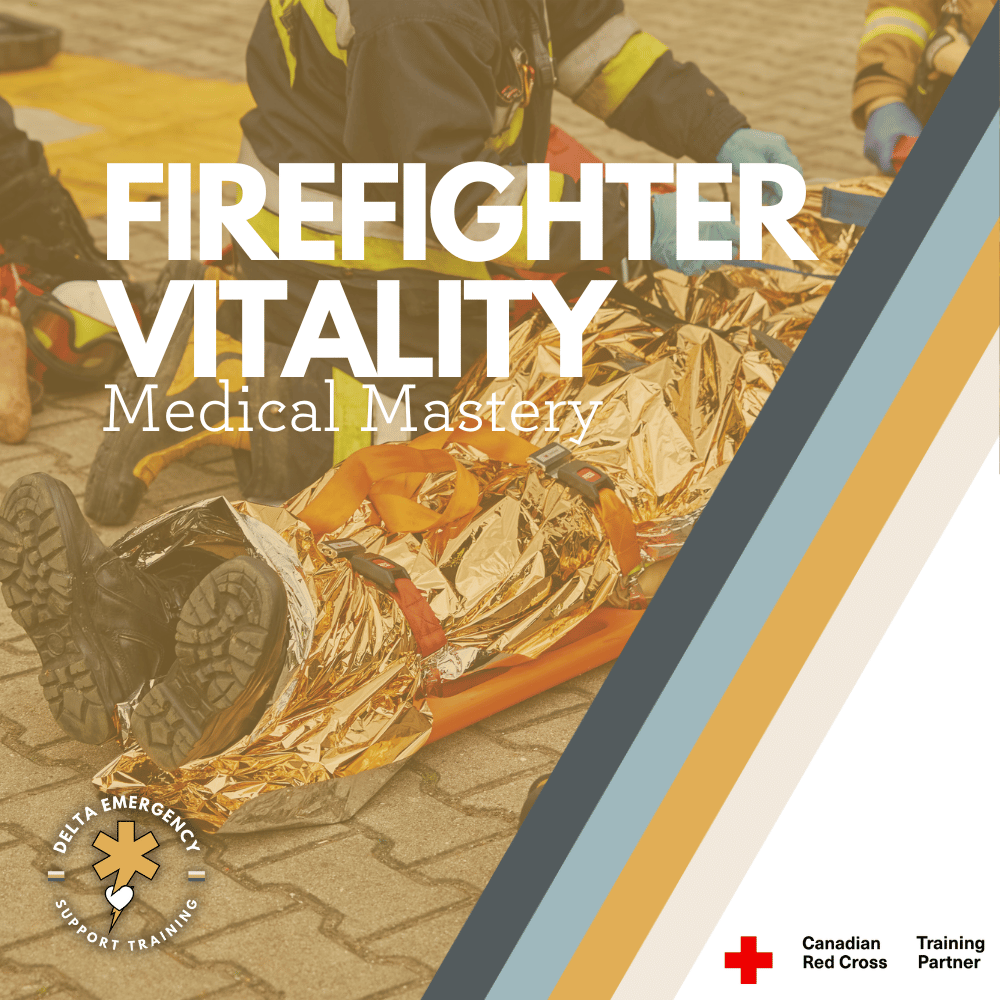
Firefighters assisting in medical emergency.

This article delves into the indispensable role of medical knowledge for future firefighters, with a focus on practical training options such as Delta Emergency Support Training's advanced first aid course.

Rising Demand for Medical Assistance

The traditional role of firefighting has transformed, emphasizing a greater focus on medical emergency responses. Aspiring firefighters must recognize the imperative need for a comprehensive understanding of medical emergencies. The escalating demand for emergency medical services stems from an unstable healthcare system, underfunded and understaffed paramedics.

Simultaneously, the frequency of fire-related calls has significantly decreased compared to four decades ago. The changing landscape highlights the necessity for future firefighters to adapt to the prevalence of medical emergencies. Understanding the complex factors influencing this shift is crucial for those entering the firefighting profession.

The Need for Speed in Response

One of the most compelling reasons for aspiring firefighters to invest in medical knowledge is the advantage of rapid response. Picture this: you're 40 miles from the nearest ambulance base, but the fire department is just 10 miles away. Geographically, the fire department can arrive at the scene significantly faster. This underscores the critical role firefighters play as first responders in medical emergencies, often getting there before EMS personnel.

Adapting to a Diversifying Role

As the role of a firefighter evolves beyond traditional expectations, it's not just a shift in duty; it's a personal evolution. Specialized training recognizes this, and programs developed by seasoned professionals, such as Delta's, ensure that you're not just learning; you're growing. You're becoming someone who can adapt to the changing face of emergencies, someone who can handle the unexpected with grace and skill.

Addressing Skepticism Towards Medical Training

Acknowledging skepticism towards medical training among aspiring firefighters, Delta's approach is rooted in practicality. The advanced first aid program bridges the gap between firefighting and medical expertise without compromising professional standards. The course is designed to instill confidence and competence in those who may initially harbor reservations towards the medical aspect of the profession.

Training and Dedication

Achieving mastery in firefighting requires a dedication to honing a diverse skill set with precision and professionalism. Delta Emergency Support Training's Advanced First Aid course embodies this ethos, serving as the prerequisite for firefighters in Alberta. Taught by seasoned first responders, this program is the brainchild of an Advanced Care Paramedic with over 15 years of experience in Emergency Medical Services. Through Delta's advanced first aid course, aspiring firefighters undergo a rigorous training regimen that emphasizes a professional approach to skill mastery. The course seamlessly integrates traditional firefighting responsibilities with the adept administration of medical interventions, ensuring that graduates emerge as well-rounded and highly capable first responders equipped to navigate the complexities of modern emergency response with confidence and proficiency.

Conclusion:

As the firefighting profession continues to evolve, aspiring firefighters must recognize the intrinsic connection between medical competence and their efficacy as first responders. Training programs like Delta Emergency Support Training's advanced first aid course epitomize a professional and strategic approach to acquiring the essential skills for contemporary emergency response. In a landscape where versatility is paramount, aspiring firefighters are encouraged to embrace a holistic training regimen that encompasses both traditional firefighting prowess and advanced medical knowledge, positioning themselves as adept and adaptable professionals in an ever-changing field.

Read More

Prioritizing Health for Aspiring First Responders: Fitness and Nutrition Essentials

Step into the world of first responders with a comprehensive guide to prioritizing health. From essential fitness routines to meal prep mastery, uncover the core elements crucial for readiness in this demanding role. Explore the secrets behind endurance, strength-building, and managing nutrition amidst unpredictable schedules. Prioritizing health isn’t just a choice; it’s the foundation for success in the impactful realm of first responders.

Stepping into the world of first responders is an incredible journey that demands not just courage and dedication but a commitment to maintaining your physical well-being. Here’s a comprehensive look at why prioritizing health is key for those aiming to become a part of this impactful community.

Running shoes, weights and bowl of healthy fruits and VEGETABLES

Fitness Foundations: The Backbone of Readiness

Physical fitness encompasses various aspects crucial for a first responder's preparedness. It includes:

Cardiovascular Health

Cardio exercises are vital for maintaining a healthy heart and improving endurance. Consider activities such as:

Running or jogging:

Excellent for building stamina and cardiovascular endurance.

Cycling:

Both outdoor biking and stationary cycling are effective for heart health.

Swimming:

Provides a full-body workout while being gentle on joints.

High-intensity interval training (HIIT):

Alternating between bursts of high-intensity exercise and rest periods for cardiovascular fitness.

Strength Training:

Building strength is essential for handling the physical demands of the job. Activities for strength training include:

Weightlifting:

Involves lifting weights to build muscle strength and endurance.

Bodyweight exercises:

Push-ups, pull-ups, squats, and planks are effective without the need for equipment.

Resistance band workouts:

Use bands to add resistance to exercises and strengthen muscles.

Functional training:

Mimicking movements needed in your role as a first responder, such as carrying equipment or lifting patients.

Fueling Success: The Power of Nutrition

Challenges of On-the-Go Nutrition

The unpredictable nature of a first responder's work schedule often poses challenges for regular, balanced meals. Long shifts and urgent calls may limit access to healthy food options, making it difficult to maintain proper nutrition. This emphasizes the importance of planning and preparation to ensure adequate fuel during demanding work hours.

Meal Prepping for Success:

Meal prepping becomes a valuable strategy for first responders. Setting aside time to prepare and pack balanced meals in advance ensures access to nutritious food during hectic schedules. Opt for meals rich in:

  • Lean proteins (chicken, fish, tofu)

  • Complex carbohydrates (whole grains, fruits, vegetables)

  • Healthy fats (avocado, nuts, seeds)

Eating Right for Endurance:

Proper nutrition is the cornerstone of sustained energy. Consuming balanced meals before shifts and carrying nutrient-dense snacks can help maintain energy levels. Emphasize foods that release energy steadily, avoiding rapid sugar crashes. Incorporating small, frequent meals rich in fiber, protein, and healthy fats supports lasting energy.

Managing Caffeine Intake:

Caffeine can be a go-to for a quick energy boost, but reliance on energy drinks or excessive coffee consumption may lead to dependency and energy crashes. Exploring alternative sources like caffeinated teas—such as matcha or Yerba mate—can provide sustained energy without the abrupt spikes and crashes associated with energy drinks.

Balancing Nutrition and Work:

Adopting a mindful approach to nutrition amidst a demanding schedule is crucial. Prioritizing meal prepping and choosing nutrient-dense options ensure a consistent intake of essential nutrients, supporting sustained energy and optimal performance during long shifts.

Conclusion

Aspiring first responders must recognize that prioritizing health isn’t just a personal commitment—it's a commitment to the community they serve. By nurturing their physical fitness and prioritizing balanced nutrition, individuals prepare themselves not just for the physical demands but also for the mental resilience necessary in their crucial roles.

In embracing a comprehensive approach to health, aspiring first responders are better equipped to serve their communities effectively, ensuring they can respond with strength, agility, and unwavering dedication.

Read More

Substance Use and Mental Health Challenges: As a First Responder

Delve into the multifaceted world of healthcare for individuals dealing with substance use and mental health challenges. From addressing overdose emergencies to providing support for those with psychiatric conditions, learn how advanced first aid training plays a crucial role in offering comprehensive care.

Introduction

When it comes to working with individuals who use substances, such as drugs and alcohol, healthcare professionals and support workers face a unique set of challenges. People with substance use disorders often require medical services, experience various health problems, and need additional support to break free from addiction. This blog will delve into the complexities of working with this population, including the risk factors for diseases like Hepatitis C and HIV, poor living conditions, the physical toll of withdrawal symptoms, and the challenges of dealing with overdoses in areas near shelters.

CLOSE UP OF A LIGHTER HEATING UP DRUGS ON A SPOON

Substance Use and Medical Services

Many individuals who use substances find themselves in situations where they require immediate or frequent medical attention. Opioid overdoses, alcohol poisoning, and adverse reactions to drugs are common reasons for paramedic and emergency room visits. The availability of medical services is crucial in saving lives and helping individuals take their first steps towards recovery.

Health Problems and the Need for Additional Support

Substance use often takes a toll on one's physical and mental health. Drug addiction can lead to a range of health problems, including cardiovascular issues, respiratory diseases, and neurological complications. To address these issues effectively, individuals require additional support from healthcare providers, social workers, and counselors.

Risk of Disease Transmission

For those who are drug addicts and engage in risky behaviors like sharing needles or pipes, the risk of contracting bloodborne diseases like Hepatitis C and HIV significantly increases. Unsafe injection practices and sharing equipment contribute to the transmission of these infections. Healthcare professionals play a crucial role in educating and providing harm reduction strategies to reduce the risk of disease transmission among substance users.

Poor Living Conditions and Sanitation

The living conditions of individuals struggling with substance use often contribute to their health problems. Homelessness, overcrowded living spaces, and poor sanitation increase the likelihood of infection from small wounds turning into severe, infected sores. Compromised immune systems among drug users further amplify their susceptibility to infections.

Withdrawal Symptoms: A Painful Reality

When patients addicted to drugs or alcohol decide to quit or face periods of forced abstinence, they often experience severe withdrawal symptoms. These symptoms can be excruciating and include nausea, vomiting, anxiety, tremors, sweating, and seizures. The intensity of withdrawal varies depending on the substance, the level of addiction, and individual factors. Addressing withdrawal is a crucial aspect of addiction treatment, and it requires careful monitoring and support from healthcare professionals.

Overdosing and High Call Volumes

In areas with a high concentration of shelters or where homelessness is prevalent, healthcare professionals often face increased call volumes related to overdoses. This is a grim reality of the opioid epidemic and substance abuse crisis. Overdoses, especially from opioids like heroin or fentanyl, can be life-threatening. Quick access to naloxone, an opioid overdose-reversal medication, is essential to prevent fatalities. The presence of shelters and support services in these areas often makes them hotspots for overdose incidents, requiring immediate intervention and access to medical services.

Substance Use and Mental Health

The interplay between substance use and mental health is intricate. Many individuals turn to substances as a means of self-medication, attempting to alleviate the symptoms of psychiatric conditions, PTSD, or depression. This dual challenge underscores the importance of integrated care that addresses both the substance use and the underlying mental health issues.

Risk of Suicide and Self-Harm

Individuals grappling with co-occurring disorders often face a significantly higher risk of suicide and self-harm. The struggle with substance use amplifies the emotional and psychological burden, making them more vulnerable. Healthcare professionals must be well-prepared to handle mental health calls and provide support for individuals experiencing suicidal ideation or self-harming behaviors.

Conclusion

Working with individuals who use substances is a complex and multifaceted task. Healthcare professionals and support workers must address not only the immediate medical needs of these individuals but also the underlying health problems, risk factors, and the arduous process of withdrawal. Moreover, the challenges of dealing with overdoses in areas near shelters highlight the urgency of harm reduction and access to life-saving interventions.

In this context, organizations like Delta Emergency play a crucial role in addressing these challenges. Delta Emergency is dedicated to advancing first aid training and preparing individuals for a first responder career. Their programs are taught by experienced paramedics who have spent over a decade in the field, bringing real-life experiences and expertise to their training. By basing their instruction on real-life medical scenarios, Delta Emergency ensures that future healthcare professionals are well-prepared to face the complexities of working with substance users and providing the necessary support and care.

It is through comprehensive care, harm reduction strategies, and a commitment to compassionate support, combined with advanced training and real-world experience, that we can help individuals struggling with substance use disorders on their path to recovery and better health.

Read More

Empowering Lives Through Training: Delta Emergency as a Red Cross Training Partner

The Red Cross, an emblem of humanitarian aid, has been at the forefront of disaster response and readiness for generations. They offer an array of training programs designed to equip individuals with essential skills for emergencies and crises. A Red Cross Training Partner is an organization that joins forces with the Red Cross to deliver certified training courses to individuals, workplaces, schools, and communities. This partnership ensures consistent, accurate, and up-to-date training aligned with the latest guidelines and best practices. One such partner, Delta Emergency, exemplifies this commitment through their collaboration, enriching lives with essential knowledge and empowering individuals to navigate emergencies with confidence.
In a world where emergencies can strike unexpectedly, being equipped with life-saving skills becomes paramount. This is where organizations like Delta Emergency step in, playing a pivotal role in preparing individuals to respond effectively during crises. As a Red Cross Training Partner, Delta Emergency takes its commitment to emergency preparedness to the next level.

Person wearing military uniform holding a jaw thrust on a manikin.

What is a Red Cross Training Partner?

The Red Cross, an internationally recognized humanitarian organization, has been at the forefront of disaster response and preparedness for over a century. They offer a wide range of training programs that empower individuals with essential skills to respond to emergencies, provide first aid, and support communities in times of crisis.

A Red Cross Training Partner is an organization that collaborates closely with the Red Cross to deliver certified training courses to individuals, workplaces, schools, and communities. These partners uphold the highest standards set by the Red Cross, ensuring that training is consistent, accurate, and aligned with the latest guidelines and best practices.

Delta Emergency: Empowering Lives Through Training

Delta Emergency, as a Red Cross Training Partner, embodies a commitment to excellence in emergency preparedness and response training. Through this partnership, Delta Emergency gains access to the Red Cross's wealth of knowledge, resources, and training materials. This collaboration enables Delta Emergency to offer a comprehensive range of Red Cross-certified courses, empowering individuals and organizations to be well-prepared when emergencies strike.

Benefits of Red Cross-Certified Training:

  1. Credibility:

    Red Cross certification is globally recognized and trusted. Courses offered by Delta Emergency carry the weight of a respected humanitarian organization, enhancing the credibility of the training.

  2. Quality Assurance:

    Red Cross training courses are meticulously designed by experts, ensuring that participants receive accurate, up-to-date, and reliable information. This quality assurance is crucial for building effective emergency response skills.

  3. Comprehensive Curriculum:

    Delta Emergency's Red Cross-certified courses cover a wide spectrum of topics, including Advanced First Aid, Standard First Aid, and the Babysitting course. From first aid and CPR to disaster response and psychological support, participants gain a well-rounded understanding of how to handle various emergency situations.

  4. Life-Saving Skills:

    Delta Emergency's partnership with the Red Cross equips individuals with practical skills that can make a life-saving difference. These skills can be applied not only in emergencies but also in daily life situations.

The Path to Empowerment:

By partnering with the Red Cross, Delta Emergency is enabling individuals and communities to be proactive in their approach to emergencies. Through these certified training courses, Delta Emergency is not only imparting essential skills but also fostering a culture of preparedness, resilience, and compassion.

Our Dedicated Team: Critical Care Paramedics, Advanced Care Paramedics, and Fire-Trained Instructors

At Delta Emergency, our commitment to excellence is upheld by our dedicated team. Our staff includes critical care paramedics, advanced care paramedics, and fire-trained instructors. Their expertise, combined with our Red Cross Training Partner status, ensures that our courses, including Advanced First Aid, Standard First Aid, and the Babysitting course, are taught with the highest level of professionalism and practical knowledge.

In conclusion, Delta Emergency's role as a Red Cross Training Partner underscores their dedication to equipping people with the tools needed to respond effectively in emergencies. This collaboration amplifies the impact of their training programs, ensuring that individuals are empowered to make a positive difference when it matters most. Through the combined efforts of Delta Emergency and the Red Cross, communities can face the unpredictable future with greater confidence and readiness.

Read More

Breaking the Silence: Empowering First Responders in the Battle Against Suicide

In the face of rising suicide rates, first responders are stepping up as champions of change. Through open discussions on mental health and the dismantling of societal stigma, they are reshaping the landscape of support and prevention. Join us as we delve into their pivotal role in battling suicide head-on, offering hope, understanding, and a path toward healing.
Trigger warning: Discussion of suicide and mental health crisis

Patient holding hands and being CONSOLED by a medical professional

Impact of Suicide in Canada

Suicide casts a wide-reaching shadow over people of all ages and backgrounds in Canada. The sobering statistics underscore the urgency of addressing this crisis

  • Annually, approximately 4,500 individuals in Canada succumb to suicide, translating to an average of 12 lives lost each day.

  • For each person lost to suicide, numerous others grapple with thoughts of suicide or engage in suicide attempts.

  • Every day witnesses over 200 suicide attempts across Canada.

  • Tragically, every death by suicide impacts at least 7 to 10 individuals as survivors, significantly affected by the loss.

Higher-Risk Populations:

Certain segments of the Canadian population are particularly susceptible to higher rates of suicide:

  • Men and Boys: This demographic experiences heightened rates of suicide.

  • Individuals Serving Federal Sentences: Those within this group are also at an increased vulnerability to suicide.

  • Survivors of Suicide Loss and Attempts: Individuals who have lost a loved one to suicide or have personally attempted suicide face an elevated level of risk.

  • Specific Indigenous Communities: Certain First Nation and Métis communities, particularly among youth, alongside all Inuit regions in Canada, contend with elevated rates of suicide.

Addressing the Crisis of Suicide:

The crisis of suicide reverberates across Canadian society, impacting families, communities, and responders alike. Remarkably, it stands as a leading cause of death among individuals aged 15-19. In the face of such distressing statistics, first responders rise to the challenge with a profound understanding of the urgency and intricacy inherent in these situations.

The Trauma of Responding to Suicide:

For first responders, answering a suicide call is far more than a task; it's a deeply emotional and challenging responsibility. Beyond the immediate turmoil lies an emotionally charged atmosphere that can have a lasting impact on those who bear witness. This impact intensifies when friends or family members are present, creating intricate layers of complexity and heightened emotions.

Navigating Emotional Turmoil:

When friends or family members are on the scene of a suicide, their anguish is palpable. Their grief, shock, and anguish can infuse the environment with heightened intensity. First responders must skillfully navigate this emotional turmoil, balancing the urgency of intervention with the compassionate acknowledgment of others' crises.

Caring for the Caregivers Amidst Crisis:

Responding to suicide scenes exacts a heavy toll on first responders, burdening them with emotional weight. Prioritizing self-care and mental health support becomes imperative. Regular debriefing sessions, access to counseling, and trauma management guidance equip responders to navigate the aftermath of these incidents while safeguarding their own well-being.

The Ripple Effect:

Compassionate Response for Lasting Change: The profound impact of first responders extends well beyond the immediate scene. By offering empathy, resources, and essential support, they become beacons of hope during times of darkness. Their role in connecting survivors with counseling and resources creates a pathway to healing, not just for the survivors but also for the responders who extend a lifeline of compassion.


Conclusion:

Illuminating the Path to Healing. Within the grim landscape of suicide scenes, first responders assume dual roles as witnesses to tragedy and agents of healing. Through compassionate intervention, they offer solace to those directly affected and contribute to the broader mission of suicide prevention. Their actions not only rescue lives in the moment but also illuminate the path toward healing and resilience for survivors and responders alike.

If you or someone you know is considering suicide, remember that help is always available. Reach out to a crisis hotline such as 1.833.456.4566, where trained professionals can provide the support you need during this challenging time. Remember, you are not alone, and there are people ready to listen and help guide you toward healing.

Read More

Empowering Learning Through Essential Textbooks: Continuing Education

Discover a World of Learning with Our Essential Textbooks

At Delta Emergency, we're thrilled to present our diverse collection of textbooks, each crafted to meet unique learning needs. Whether you're embarking on wilderness adventures, nurturing young minds as a babysitter, mastering life-saving techniques, or aiming to elevate your emergency care skills, our textbooks are here to empower and educate. The tactile pleasure of flipping through the pages of our physical copies enhances the learning experience, making each topic come to life. Dive into our range and unlock a wealth of knowledge today.

At Delta Emergency Support Training, we're excited to offer a versatile collection of textbooks that cater to a wide array of learning needs. Whether you're a wilderness explorer, an aspiring babysitter, a medical professional, or someone seeking vital lifesaving skills, our textbooks are thoughtfully designed to impart knowledge and empower individuals.For those who appreciate the feel of physical paper copies, we have just the thing for you. Let's dive into our selection:

Woman using a textbook to take notes and study.

Wilderness First Aid: Navigating Nature's Challenges with Confidence

Embark on outdoor adventures fully equipped with our "Wilderness First Aid" textbook. Priced at CA$74.97, this guide not only covers emergency response but also emphasizes safeguarding patients from the elements. From creating basic shelters to regulating body temperature, this resource ensures patient well-being in harsh environments. Learn to assess the ABCs (Airway, Breathing, Circulation) and identify and treat life-threatening emergencies. With a focus on both patient safety and effective response, this guide prepares you for the unexpected challenges of the wild.

Babysitter First Aid: Nurturing Safety and Confidence

Designed for young caregivers, our "Babysitter First Aid" textbook is a crucial resource that is a great tool for babysitters. Priced at CA$31.45 (Original Price: CA$34.95), this guide empowers budding babysitters with engaging activities, game ideas, and practical checklists. It equips you with the confidence and knowledge necessary to ensure children's safety and well-being. Not only does it cover babysitting essentials, but it also imparts vital babysitter first aid skills, expanding your capabilities and making you a trusted and reliable caregiver.

Basic Life Support: Mastering Lifesaving Techniques

BLS goes beyond the basics, offering practical insights such as oxygen flow rates for different levels of hypoxia, airway adjunct techniques, and CPR rates and compression depths. Whether you're familiarizing yourself with ventilation devices or learning the intricacies of CPR, this guide provides invaluable information to ensure your readiness in critical situations. Priced at CA$31.45, this comprehensive guide delves into the art of preserving life.

Professional Responder: Elevate Your Emergency Care Skills

Tailored for First Responders, Advanced First Aid, and Emergency Medical Responder courses, this comprehensive resource leaves no stone unturned. This textbook will give you the knowledge, skills and confidence to pursue your career as a firefighter, paramedic or any other professional responder. Encompassing topics from anatomy to physiology, this guide equips you with real-life scenarios, intricate charts, diagrams, and photographic illustrations. Designed to elevate your capabilities, it readies you for a gamut of challenging scenarios, ensuring your competence in emergency situations. Elevate your expertise with the "Professional Responder" textbook, available for CA$212.35 (Original Price: CA$235.95).

The Power of Knowledge

At Delta, we recognize the power of a physical textbook in an increasingly digital era. Our textbooks are carefully curated to enrich your understanding, bolster your skills, and guide you toward mastery. Seize the opportunity to learn, grow, and excel. Your transformative journey starts here.

Read More
Backcountry, Wildfire, Wilderness, Untreated Water Kumari Malhotra Backcountry, Wildfire, Wilderness, Untreated Water Kumari Malhotra

Wilderness First Aid: Navigating the Great Outdoors Safely

When the call of the wild beckons, adventurers set forth to explore the breathtaking landscapes and untamed terrains of the great outdoors. But amidst the beauty lies the unpredictability of nature, where accidents and emergencies can occur. This is where wilderness first aid becomes a beacon of preparedness and care, offering the essential skills to ensure the safety and wellbeing of both adventurers and companions. In this article, we delve into the core principles of wilderness first aid, emphasizing the critical importance of keeping patients warm, dry, and stable while awaiting professional medical assistance. Additionally, we explore the undeniable necessity of proper training before embarking on any backcountry adventure. Embark on a journey to discover how wilderness first aid knowledge can be your ultimate companion in the heart of the wilderness.

The great outdoors, with its untouched landscapes and captivating beauty, beckons adventurers to explore its depths. Yet, amidst the allure of the wild, lies the potential for unexpected challenges. Nature's serenity can swiftly transform into a daunting arena where survival skills become paramount. Wilderness first aid, a skill set that merges compassion with preparedness, acts as a guiding light when venturing into the remote corners of the world.

Understanding Wilderness First Aid

Wilderness first aid is more than just a set of techniques; it's a lifeline in situations where immediate access to professional medical care is a distant promise. This specialized knowledge empowers you to provide effective medical assistance in the absence of conventional facilities. The wild, with its unpredictable terrain and distance from help, underscores the significance of being proficient in wilderness first aid.

Key Principles of Wilderness First Aid

  1. Assessment and Prioritization:

    Nature's beauty often hides potential dangers. The first step in wilderness first aid is to calmly and methodically assess the situation, considering hazards and prioritizing care based on the severity of injuries. This approach ensures that resources are allocated where they are most needed.

  2. Stabilization:

    The wilderness amplifies the impact of injuries. Stabilizing the patient's condition is crucial to prevent it from worsening until professional help arrives. Techniques such as immobilizing fractures, controlling bleeding, and managing shock are vital tools in your arsenal.

  3. Communication:

    In the wild, communication can mean the difference between life and death. Carrying communication devices such as satellite phones or personal locator beacons ensures that you can summon help when faced with emergencies.

  4. Resourcefulness:

    The absence of medical supplies demands creativity. Wilderness first aid requires the ability to fashion splints from branches, create makeshift bandages from clothing, and construct shelters from natural materials, proving your resourcefulness in challenging situations.

  5. Hygiene and Infection Control:

    Preventing infection is crucial when medical facilities are distant. Mastering wound cleaning, dressing techniques, and maintaining hygiene standards are essential to avert complications.

  6. Environmental Considerations:

    The wild introduces unique environmental factors that impact health. Understanding how temperature, altitude, and other elements affect the body empowers you to take preventative measures against conditions such as hypothermia and altitude sickness.

Essential Wilderness First Aid Skills

  1. Basic First Aid:

    The foundation of wilderness first aid rests on basic first aid skills. Knowledge of CPR, wound care, and managing burns, bites, and stings forms the cornerstone of effective wilderness care.

  2. Fracture and Sprain Management:

    The remoteness of the wilderness magnifies the importance of fracture and sprain management. Creating splints from available resources and minimizing movement to prevent further damage are critical skills.

  3. Bleeding Control:

    Swift and effective bleeding control is imperative in the wilderness. Techniques like direct pressure, elevation, and pressure points are essential tools to combat severe bleeding.

  4. Anaphylaxis and Allergic Reactions:

    The wild is teeming with potential allergens. Recognizing and responding to severe allergic reactions, including administering epinephrine, can be life-saving.

  5. Hypothermia and Hyperthermia Management: Extreme temperatures pose significant risks. Learning to manage hypothermia through warmth and shelter and addressing hyperthermia by staying hydrated and seeking shade are vital skills.

  6. Waterborne Illnesses:

    Clean water sources are invaluable. Acquiring knowledge of water purification methods and remaining vigilant against waterborne illnesses is essential for preventing dehydration and infections.

Importance of Proper Care Until Help Arrives

In the wilderness, every minute counts. Keeping the patient in the best possible condition until professional help arrives is a cornerstone of wilderness first aid. This involves:

  • Stabilizing Injuries:

    Immobilize fractures and minimize movement to prevent further harm.

  • Maintaining Warmth:

    Insulate the patient from the ground to prevent hypothermia. Cover them with blankets or clothing and create a sheltered environment to shield against the elements.

  • Hydration and Nutrition:

    If possible, provide water and basic sustenance to keep the patient's energy levels stable.

  • Reassurance:

    Emotional support is as vital as physical care. Calmly communicate with the patient to reduce anxiety and stress.

The Need for Proper Training

Venturing into the backcountry without proper wilderness first aid training is akin to embarking on a journey without a map. The complexities of outdoor environments demand a comprehensive understanding of medical care in remote settings. Training courses, offered by certified organizations, equip you with the skills to handle emergencies effectively, ensuring that you can provide the best possible care until professional help arrives.

Conclusion

As you tread the untamed paths of the wilderness, remember that adventure goes hand in hand with responsibility. Wilderness first aid isn't just about administering medical care; it's a testament to your commitment to both the thrill of exploration and the well-being of yourself and others. Mastering wilderness first aid is not just a skill; it's a way of life – a life that embraces the call of the wild while ensuring that safety and preparedness stand as the bedrock of your outdoor endeavors.

Read More

Rapid Body Survey: Uncovering Hidden Injuries

In emergency medical situations, conducting a Rapid Body Survey (RBS) is crucial to identify hidden injuries and rule out life-threatening conditions. This comprehensive head-to-toe examination allows healthcare providers to quickly assess patients and provide prompt interventions. By systematically examining each body part, from head and neck to pelvis, legs, and arms, healthcare providers can detect visible signs of trauma, assess stability, and ensure the well-being of patients in critical situations.
What is a Rapid Body Survey

In emergency medical situations, time is of the essence, and healthcare providers must quickly assess patients to identify and address any immediate threats to their well-being. The Rapid Body Survey (RBS), also known as a head-to-toe examination, is a vital component of the initial assessment process. Its primary goal is to rule out significant or life-threatening injuries that may be hidden due to distracting injuries or the patient's unconsciousness.

Unconscious woman having a rapid body survey being done by professional responders.

During emergencies, patients may present with obvious injuries that demand immediate attention. However, these apparent injuries can sometimes mask more critical underlying conditions that require urgent intervention. By performing a systematic and comprehensive RBS, healthcare providers can thoroughly evaluate the patient's entire body, ensuring that no potentially dangerous injuries go unnoticed.

Conducting an RBS requires hands-on physical examination, allowing healthcare providers to assess stability, palpate for tenderness or deformities, and check for specific signs indicative of serious injuries. While respecting the patient's privacy and dignity, healthcare providers must obtain consent before initiating the physical examination.


If there are any signs of traumatic injury or if the patient reports pain or tenderness in specific areas, it is essential to remove the clothing covering those regions for a more thorough assessment. Removing clothing allows healthcare providers to visually inspect the affected areas, assess for visible wounds, bruising, or deformities, and palpate for tenderness, instability, or other signs of significant injury. While ensuring patient comfort and maintaining their privacy, the removal of clothing enables healthcare providers to gain a clearer understanding of the extent of the trauma and provides valuable information for making informed treatment decisions.

Now, let's delve into what a Rapid Body Survey (RBS) entails and explore the different components of this comprehensive examination.

Rapid Body Survey Components

Head and Face:

  1. Bleeding: Look for any signs of bleeding, both externally and internally, on the head or face. Pay close attention to wounds or lacerations that may indicate significant trauma.

  2. Facial or skull deformities: Inspect the face and skull for any abnormal shapes or contours, which may suggest fractures or dislocations.

  3. Nosebleeds: Note the presence of nosebleeds, as they can indicate trauma to the nasal area or potential underlying skull fractures.

  4. Pupil size: Assess the size of the pupils in both eyes. Unequal pupil size, known as anisocoria, can be an indication of head trauma or underlying neurological issues.

  5. Cerebrospinal fluid (CSF) leakage from the ears: Check for any clear fluid draining from the ears, as it may be cerebrospinal fluid. This could be a sign of a basal skull fracture, requiring immediate medical attention.

  6. Raccoon eyes: Observe for periorbital bruising or discoloration, commonly referred to as raccoon eyes. This bruising around the eyes can be an indicator of a skull fracture or other significant head injury.

  7. Battle signs: Look for bruising behind the ears, known as battle signs. These bruises can be a sign of skull base fractures and should raise concerns about potential head trauma.

  8. Missing teeth: Take note of any missing teeth, which may indicate facial trauma or injuries to the oral cavity.

  9. Cyanosed lips: Check for lips that appear bluish or cyanotic, which may suggest inadequate oxygenation or circulation, potentially related to respiratory or cardiovascular issues.

Neck

  1. Midline trachea: Observe the position of the trachea in the center of the neck. A trachea deviated to one side may indicate an injury or obstruction in the airway.

  2. Jugular Vein Distention (JVD): Look for distention or engorgement of the jugular veins in the neck. JVD can be a sign of increased pressure in the chest or heart failure.

  3. Obvious injuries: Check for any visible injuries, such as lacerations, abrasions, or swelling, which may require immediate attention.

Chest

  1. Chief complaint of chest pain: If the patient's chief complaint involves chest pain (not of cardiac origin), it is essential to remove their shirt to allow for a closer examination.

  2. Medication patches and surgical scars: Inspect the chest for the presence of medication patches or surgical scars, which may provide valuable information about the patient's medical history or recent interventions.

  3. Trauma and obvious injuries: Look for any obvious signs of trauma, such as bruises, lacerations, or swelling, which may indicate a significant injury or potential internal damage.

  4. Stability of collarbone and sternum: Physically assess the stability of the clavicle (collarbone) and sternum by gently applying pressure and checking for any abnormal movement or tenderness.

  5. Rib stability and paradoxical movement: Palpate along the sides of the ribcage, asking the patient to take deep breaths if applicable. Evaluate for equal chest rise and fall and look for paradoxical chest movement, which is a characteristic inward movement of the chest during inhalation and outward movement during exhalation. Paradoxical chest movement may suggest a flail chest, a serious condition that requires immediate attention.

  6. Signs of contusions: Check for contusions (bruises) on the chest, as they may indicate internal hemorrhaging or injuries to underlying organs.

Abdomen

  1. Distention, rigidity, and tenderness (DRT): Use a wave-like motion with both hands to palpate the abdomen over the four quadrants. Assess for any abnormal distention (swelling), rigidity (stiffness), or tenderness, as these may indicate underlying trauma or internal organ damage.

  2. Signs of contusions: Look for contusions or bruises on the abdomen, as they may suggest internal bleeding or injuries to organs.

  3. Rebound tenderness: Gently press on the abdomen and release, observing if the patient experiences increased pain upon release. This rebound tenderness could indicate inflammation or injury in the abdominal cavity.

  4. Organ-specific assessments: Depending on the patient's complaints or mechanism of injury, healthcare providers may focus on specific areas of the abdomen. For example, they may perform a focused examination to assess the liver, spleen, kidneys, or other organs based on the patient's symptoms and clinical indications.

  5. Abdominal distension: Observe for any visible distension or swelling of the abdomen, as it may indicate fluid accumulation, organ enlargement, or other underlying conditions.

    Pelvis

    1. Pelvic stability assessment: Stand at the patient's side and place your hands on both sides of the pelvis. Apply upward and inward pressure to assess for any instability or abnormal movement. Instability or crepitus (grating sensation) may indicate a potential pelvic fracture, which can be a life-threatening injury.

    2. Signs of pelvic trauma: Look for visible signs of pelvic trauma, such as bruising, swelling, or deformities. External signs may suggest the possibility of internal injuries or fractures.

    3. Pelvic tenderness: Gently palpate the pelvic region, including the iliac crests and the pubic symphysis, for tenderness or pain. Localized tenderness may indicate an injury to the pelvic structures.

    4. Note incontinence: While assessing the pelvis, be observant for any signs of incontinence, such as urinary or fecal leakage. Incontinence can indicate a neurological or structural injury and should be documented.

Legs

  1. Femur, patella, tibia, and fibula stability: Using both hands, assess the stability and integrity of the major leg bones, including the femur (thigh bone), patella (kneecap), tibia, and fibula. Gently apply pressure and check for any abnormal movement, tenderness, or deformities.

  2. Assess for fractures: Look for any visible signs of fractures, such as deformities, swelling, or bruising. Fractured femurs, in particular, can be life-threatening injuries if not promptly managed.

  3. Proximal injury assessment: If there is an injury closer to the feet, such as ankle or foot trauma, remove the shoes and socks to examine the affected area more closely. Assess for swelling, deformities, tenderness, and neurovascular status.

  4. Dorsal pedal pulse: Check the presence of the dorsal pedal pulse by palpating the top of the foot. The absence of the pulse may suggest compromised blood flow to the foot, requiring further investigation.

  5. Mobility test: Perform a quick mobility test, such as the "gas pedal" test, to evaluate the patient's ability to move the affected leg. Assess the range of motion and observe for any pain, instability, or limitations in movement.

Spine

  1. Crepitus: Pay attention to any grating or popping sensations (crepitus) during the palpation of the spine. Crepitus may indicate underlying spinal abnormalities or degenerative conditions.

  2. Midline tenderness: Assess for tenderness along the midline of the back, as it may indicate a potential spinal injury or fracture.

  3. Range of motion: Ask the patient to perform gentle movements, such as bending forward, backward, and sideways. Observe for any limitations, pain, or discomfort during these motions, which may suggest spinal issues.

  4. Assess for back injuries: Look for visible signs of trauma on the back, such as bruises, lacerations, or swelling. External signs may indicate potential underlying spinal or soft tissue injuries.


    During the Rapid Body Survey (RBS), the examination of the back may vary depending on the position of the patient. If the patient is lying supine, the back examination is typically performed after assessing other body parts. In situations where the patient is already positioned in the three-quarter prone position, the back examination can be initiated earlier. This allows for early detection of any visible signs of trauma or abnormalities in the back region.

Arms

  1. Stability and tenderness: Using both hands, assess the stability and integrity of the arms. Gently apply pressure and check for any abnormal movement, tenderness, or deformities.

  2. Range of motion: Ask the patient to move their arms in various directions, assessing the range of motion and noting any limitations, pain, or discomfort during movement.

  3. Vascular assessment: While examining the arms, it is important to check the radial pulses, located on the wrist, to evaluate the vascular status. Absent or weak pulses may indicate compromised blood flow to the extremities.

  4. Signs of self-harm: Observe the arms for any track marks, scars, or signs of self-harm, which may provide important information about the patient's history or current mental health concerns.

  5. External injuries: Look for any visible signs of trauma, such as bruises, lacerations, or swelling, which may indicate fractures, dislocations, or other injuries.

Conclusion

In emergency medical situations, time is of the essence, and the Rapid Body Survey (RBS) is a vital tool in swiftly identifying hidden injuries and ruling out life-threatening conditions. This systematic examination technique is extensively covered in advanced first aid classes, including those required for firefighters in Alberta and as a recommended course before Emergency Medical Responder (EMR) training. By incorporating the RBS into their assessment protocols, healthcare providers can provide comprehensive and effective care, maximizing the chances of positive outcomes for patients in urgent need.

At our organization, we prioritize the importance of the RBS and offer advanced first aid classes that cover this critical assessment technique. Our courses are designed to equip individuals with the necessary skills to perform the RBS confidently and accurately. Whether you are pursuing a career in emergency services or simply seeking to enhance your first aid knowledge, our classes provide valuable training that can make a significant difference in emergency situations.

We are dedicated to supporting healthcare providers and individuals interested in emergency medical training. If you have any questions about the RBS or any other aspects of emergency care, please don't hesitate to reach out to us. Our team is here to provide guidance and assist you in your journey towards providing comprehensive and effective care to those in need. Together, we can make a difference and help save lives in emergency situations.

Read More

Becoming a Firefighter: Advanced First Aid with Delta

As a firefighter, you will be called upon to respond to a variety of emergency situations, ranging from minor injuries to life-threatening illnesses. That's why AFA training is so important for firefighters - it equips them with the skills and knowledge they need to handle these emergencies effectively and provide the best possible care to patients. AFA training covers a wide range of topics, including scene safety, basic life support, airway management, breathing management, in-depth CPR training, thorough body survey, packaging patients onto spine boards, dealing with life-threatening injuries, taking vitals, administering life-saving medications, and running calls from start to finish.

Becoming a firefighter is a career path that is both challenging and rewarding. It requires a unique set of skills and qualifications to effectively protect the public and their property from the dangers of fire, natural disasters, and other emergencies. One of the essential prerequisites for Calgary Fire Department or Edmonton Fire Rescue Services, is having advanced first aid (AFA) training.

Two firefighters certified in aAdvanced First Aid battling a blaze.

Two firefighters with advanced first aid training, in full gear fighting a fire, with their backs turned to the camera.

AFA training equips firefighters with the skills and knowledge they need to handle these emergencies effectively and provide the best possible care to patients. As a firefighter, you may be required to perform advanced procedures such as administering medication, bagging patients, and providing advanced airway management. AFA training provides firefighters with the advanced skills and knowledge necessary to perform these procedures safely and effectively, ensuring the best possible outcomes for patients.

In this blog, we'll take a closer look at AFA training and why it's a must for firefighters. We'll explore what AFA training is, why it's important for firefighters to have, and how to obtain this training.

If you're considering a career as a firefighter or are already working in this field, read on to learn more about how AFA training can make you a better responder in medical emergencies.

Scene Safety

The first step in any emergency situation is to ensure scene safety. As part of AFA training, firefighters learn how to assess a scene for potential hazards and risks, ensuring that they can safely and effectively provide care to patients. Using Delta’s acronyms to assist in efficient learning.

C-Spine

AFA students will learn about C-spine and Spinal Motion Restriction (SMR). What mechanisms of injury indicates the use of SMR, how to apply a cervical collar as well as packaging a patient with a suspected spinal injury.

Basic Life Support

Basic life support (BLS) is a critical component of AFA training. Firefighters learn how to perform cardiopulmonary resuscitation (CPR) and use automated external defibrillators (AEDs) to help patients in cardiac arrest. Within the completion of AFA, students will receive a BLS certificate.

Airway Management

Maintaining a patient's airway is essential in emergency situations. AFA training covers a range of airway management techniques, including using oropharyngeal and nasopharyngeal airways, as well as different manual airway management maneuvers.

Breathing Management

In addition to airway management, AFA training covers breathing management techniques. Firefighters learn how to use nasal cannulas, non-rebreather masks and bag-valve-masks as well as how to correlate each apparatus to the oxygen tank while regulating flow rate.

In-Depth CPR Training

CPR is a critical life-saving skill that all firefighters must be proficient in. AFA training covers CPR in-depth, including chest compressions, rescue breathing, and AED use.

Rapid Body Survey

As part of AFA training, firefighters learn how to conduct a thorough rapid body survey, which checks for injuries that require immediate attention. This includes checking and treating for life-threatening injuries such as bleeding, flail chest, and broken pelvis.

Vital Signs

AFA training covers how to take vital signs, including manual blood pressure, heart rate, respiratory rate, pupils, blood glucose, Glasgow Coma Scale, skin and temperature. Firefighters learn what the normal and abnormal ranges are and how to interpret vital sign readings to assess a patient's condition.

Life-Saving Medications

Firefighters may need to administer life-saving medications in emergency situations. AFA training covers how to administer medications such as naloxone, aspirin, and epinephrine, as well as how to assist with administering other medications as needed.

Patient Packaging

Packaging a patient for transport is a critical part of providing advanced first aid. AFA training covers how to package a patient onto a spine board or scoop.

Running a Call

AFA training also covers how to run a call as the primary responder from start to finish. This includes assessing the scene, providing care to patients, communicating with and delegating other responders and medical personnel.

Read More

Act FAST: Stroke Identification for Advanced First Aiders

As an advanced first aider, it's important to be prepared for a wide range of emergency situations, including strokes. Delta Emergency Support Training offers advanced first aid courses that can help you recognize the signs and symptoms of a stroke and provide basic care until professional medical assistance arrives. While there are limitations to what an advanced first aider can do in treating strokes, being able to recognize the signs and act quickly can make a significant difference in the chances of a positive outcome. Discover how Delta Emergency Support Training can help prepare you to respond effectively in emergency situations like strokes.

Understanding Strokes

Strokes, also know as Cerebrovascular Accident (CVA) occur when the blood supply to the brain is interrupted, either due to a blocked blood vessel or a bleeding blood vessel. This interruption can cause brain cells to die, leading to a range of symptoms and complications. Strokes can be caused by a variety of factors, including high blood pressure, smoking, diabetes, and heart disease, among others.

Elderly man experiencing head pain

an older man holding his head in his hand, as if he is experiencing discomfort or pain.

There are two main types of strokes: ischemic strokes and hemorrhagic strokes. Ischemic strokes occur when a blood clot blocks a blood vessel in the brain, while hemorrhagic strokes occur when a blood vessel in the brain ruptures and bleeds into the surrounding tissue. Symptoms of a stroke can vary depending on the location and severity of the damage, but can include sudden weakness or numbness on one side of the body, difficulty speaking or understanding speech, vision problems, severe headache, and dizziness or loss of balance.

Risk Factors for Strokes

There are several factors that can increase the risk of strokes, including high blood pressure, high cholesterol, smoking, obesity, and a family history of strokes. Certain medical conditions, such as diabetes and heart disease, can also increase the risk of strokes. To reduce the risk of strokes, it's important to maintain a healthy lifestyle, eat a balanced diet, exercise regularly, and manage any underlying medical conditions.

Responding To a Suspected Stroke

Recognizing the signs of a stroke and responding quickly is essential in improving the chances of a positive outcome for stroke patients. Taking a full set of vitals including BGL to rule out possible stroke mimics.

Some of the most common symptoms of a stroke include:

  • Severe headache

  • Altered LOC

  • Numbness or weakness in the face, arm, or leg, especially on one side of the body

  • Vision problems in one or both eyes

  • Sudden trouble walking, dizziness, or loss of balance or coordination

It's important to note that these symptoms can occur suddenly and without warning, and that not all symptoms may be present in every stroke. Additionally, some strokes may cause more subtle symptoms that are not immediately noticeable, such as weakness or numbness that comes and goes, or changes in mood or behavior.

FAST

As an AFA, you should be familiar with the acronym FAST to help you remember the signs and symptoms of a stroke and respond quickly. Here's what it stands for:

  • F: Face drooping or numbness

  • A: Arm weakness or numbness

  • S: Speech difficulty or confusion

  • T: Time symptoms started

    By asking the following questions you can quickly assess if the patient is FAST positive, which is indicative of a stroke.

  • F: Smile big for me, I want to see all your teeth.

  • A: Lift patients arms in the air and ask them to hold them up for 5 seconds.

  • S: Repeat after me, the early bird gets the worm.

  • T: Ask the patient when the symptoms started.

    Treatment

    As an advanced first aider, it's important to recognize the limitations of our scope of practice when it comes to treating strokes in the prehospital world. While we can provide basic care such as administering oxygen and preparing the patient for rapid transport to a medical facility, there are few treatments that we can provide beyond that. It's crucial to act quickly and call for emergency medical assistance when someone is experiencing a stroke, as prompt medical treatment at a hospital facility is key to improving the chances of a positive outcome. As an advanced first aider, it's our role to recognize the signs and symptoms of a stroke and act quickly.

    Advanced First Aid Training

    At Delta Emergency Support Training, we understand the importance of being prepared for emergency situations, including strokes. That's why we offer a range of training sessions, including Advanced First Aid (AFA), to help individuals and classes develop the skills and knowledge they need to respond effectively. Our AFA training includes instruction on recognizing the signs and symptoms of a stroke, as well as providing basic care until professional medical assistance arrives. Our courses are available in-person and hybrid formats to accommodate different schedules and learning styles.

    If you have any questions about our AFA training, including stroke-related topics, please don't hesitate to reach out to us. You can contact us at info@deltaemergency.com and our knowledgeable instructors will be happy to assist you. We're committed to helping you develop the skills and confidence you need to respond effectively in emergency situations.

Read More

Tourniquets: A Crucial Tool for Managing Severe Bleeding

As a first aider or advanced first aider, being prepared to manage severe bleeding is essential. Tourniquets are a critical tool in managing severe bleeding and can be the difference between life and death in emergency situations. In this blog post, we'll explain what a tourniquet is, when and why to use one, how to properly apply one, and why it's crucial not to remove it once it's on.
As a first aider or advanced first aider, it's important to be prepared to handle a wide range of emergency situations, including severe bleeding that can be life-threatening if not managed quickly and effectively. Tourniquets are an important tool in the first aider's toolkit for managing severe bleeding in emergency situations. In this blog post, we'll explain what a tourniquet is, why and when we might use one, and how to properly apply one. We'll also cover how to make an improvised tourniquet if a commercial one is not available.

Two first aiders are seen applying a tourniquet to a patient's limb in this image. The first aiders are wearing blue gloves, which are an essential part of their personal protective equipment (PPE) when providing medical care in emergency situations.

What is a tourniquet?

A tourniquet is a device used to control bleeding from a limb, typically a long bone. It can be made of a variety of materials such as fabric, rubber or nylon. Modern tourniquets are typically designed to be self-administered and easy to use in high-pressure situations, making them a valuable tool for first aiders and other medical professionals.

When is using a tourniquet warranted?

Tourniquets are used in emergency situations where a person is experiencing a life threatening bleed that cannot be controlled through other means, such as direct pressure. Indication for the use of tourniquet includes soaking through multiple dressings with no slow of blood loss.

It is important to remember that a tourniquet is a last resort and should only be used when direct pressure and other measures have failed to control bleeding.

How does it work?

The tourniquet works by compressing the blood vessels in the limb, which reduces or stops the flow of blood to the area below the device. This helps to prevent further blood loss and can save the patient's life.

Tourniquet application

When applying a tourniquet, it's important to locate the injury and apply the tourniquet at least 2 inches above the injury site or joint. This will ensure that the tourniquet is applied to the correct location and will effectively control the bleeding.

Once the tourniquet is in place, it must be tightened until the blood flow dramatically lessens or stops completely. It's important to monitor the patient closely and record the time the tourniquet was applied. If possible, mark the tourniquet with the time it was applied.

In some cases, multiple tourniquets may need to be applied to control severe bleeding. This may be necessary if the bleeding is occurring in multiple locations or if a single tourniquet is not effective in stopping the bleeding. After a tourniquet is applied it must not be removed.

Removing a tourniquet

Once a tourniquet is applied, it is important not to remove it until medical professionals can take over. Removing a tourniquet prematurely can cause the bleeding to resume and lead to further injury or even death. Instead, note the time that the tourniquet was applied and communicate this information to medical professionals when they arrive on the scene.

Improvised tourniquet

When a commercial tourniquet is unavailable you can create your own with simple everyday items. One method of creating an improvised tourniquet involves using a bandana, scarf, or strip of fabric. The fabric should be about two inches wide and long enough to wrap around the limb at least twice. Place the fabric around the limb, above the wound, and tie a knot to create a loose loop. Then, tie a second knot on top of the first, and continue tying knots until the fabric is snug and there is no more bleeding from the wound. Use a stick or similar object to tighten the knot by twisting it, until the fabric is tight enough to stop the bleeding.

Conclusion

In conclusion, tourniquets are an important tool in managing severe bleeding in emergency situations. As a first aider or advanced first aider, it's important to be prepared to use a tourniquet effectively and efficiently in emergency situations. By understanding what a tourniquet is, why and when we might use one, and how to properly apply one, we can help save lives and prevent further injury.

Training opportunities

At Delta Emergency Support Training, we understand the importance of being prepared for emergency situation. We offer a range of training sessions to help individuals and classes develop the skills and knowledge they need to respond to emergency situations. Our courses include Standard First Aid (SFA), Advanced First Aid (AFA), and Emergency Medical Responder (EMR), and we offer in-person, hybrid, and online options to suit different needs.

If you have any questions about our training sessions, please don't hesitate to reach out to us. You can contact us at info@deltaemergency.com and we'll be happy to assist you.

Read More

Managing Respiratory Distress: Essential Techniques for First Responders

First responders play a critical role in emergency situations, including managing the breathing of patients. In this blog, we will discuss the importance of breathing management for first responders and provide tips for ensuring the best possible outcomes for patients.

As a first responder, proper breathing management is essential for providing effective care to patients in respiratory distress. Understanding the anatomy of the respiratory system, recognizing signs and symptoms of respiratory distress, and maintaining normal breathing rates are all important aspects of breathing management. In this post, we'll explore these topics in the context of first responders.

The first responder has placed an oxygen mask, known as a non-rebreather, over the patient's nose and mouth. The non-rebreather has a bag that fills with oxygen, which allows the patient to receive a high concentration of oxygen with each breath. The non-rebreather mask is used to treat patients who are experiencing respiratory distress or who require high levels of oxygen.

Anatomy of the Respiratory System

As a first responder, it's important to have a basic understanding of the anatomy of the respiratory system. The respiratory system consists of several parts that work together to facilitate breathing. The main organs involved in breathing are the lungs, which are located in the chest. The lungs are made up of millions of tiny air sacs called alveoli, which are responsible for exchanging gases with the blood. The trachea, or windpipe, connects the lungs to the mouth and nose, while the diaphragm is a muscle that helps with breathing by contracting and relaxing. The bronchi are the tubes that branch off from the trachea and lead to the lungs, and the bronchioles are smaller tubes that branch off from the bronchi and lead to the alveoli.

Signs and Symptoms of Respiratory Distress

As a first responder, it's important to recognize the signs and symptoms of respiratory distress. These may include:

  1. Shortness of breath:

    Feeling like you can't get enough air, or struggling to breathe, is a common symptom of respiratory distress.

  2. Rapid breathing:

    Breathing faster than normal, or taking shallow breaths, may be a sign of respiratory distress.

  3. Chest pain:

    Pain or discomfort in the chest can be a sign of a serious respiratory problem.

  4. Wheezing/Stridor:

    A high-pitched whistling sound when breathing may indicate narrowing of the airways.

  5. Cyanosis:

    This can indicate a lack of oxygen in the blood.

  6. Confusion:

    Lack of oxygen can cause confusion or disorientation.

  7. Fatigue:

    Difficulty breathing can cause fatigue or weakness.

Maintaining Normal Breathing Rates

As a first responder, it's important to know the normal breathing rates for adults and children. The normal breathing rate for an adult is around 12-20 breaths per minute, while the normal breathing rate for a child is higher, around 20-40 breaths per minute. However, certain conditions can cause abnormal breathing rates. For example, respiratory distress can cause rapid, shallow breathing, while other conditions, such as sleep apnea, can cause periods of slowed or paused breathing.

Breathing Management

Proper breathing management is essential for providing effective care to patients in respiratory distress. As a first responder, here are some tips for managing breathing:

  1. Administer oxygen:

    Depending on the severity of the patient's respiratory distress, administering oxygen may be necessary. The appropriate oxygen delivery device should be used based on the patient's level of respiratory distress.

  2. Position the patient:

    Positioning the patient in a way that maximizes their breathing capacity can be helpful. For example, placing the patient in a sitting position with their head slightly elevated may make it easier for them to breathe.

  3. Provide assisted ventilation:

    In some cases, conscious bagging with a bag valve mask may be necessary to help the patient normalize their breathing rate.

  4. Transport the patient to a medical facility:

    If the patient's respiratory distress is severe, transport them to a medical facility for further treatment.

Oxygen masks and flow rates

Breathing masks are a crucial piece of equipment for first responders, as they allow them to provide oxygen to patients in respiratory distress. There are several types of breathing masks available, each with its own specific use and oxygen flow rate. In this post, we'll explore the different types of breathing masks commonly used by first responders, including the nasal cannula, simple face mask, non-rebreather mask, and bag valve mask.

Nasal Cannula

The nasal cannula is a type of oxygen delivery device that is used to provide oxygen to patients with mild to moderate respiratory distress. It is a thin tube that is inserted into the nostrils and is held in place by a strap that goes around the patient's head. The nasal cannula is typically used to deliver low to medium oxygen flow rates, typically ranging from 1 to 6 liters per minute (LPM).

Simple Face Mask

The simple face mask is another type of oxygen delivery device that is used to provide oxygen to patients with respiratory distress. It covers the nose and mouth and is held in place by an elastic strap that goes around the patient's head. The simple face mask is typically used to deliver medium to high oxygen flow rates, typically ranging from 5 to 10 LPM.

Non-Rebreather Mask

The non-rebreather mask is a type of face mask that is used to deliver high concentrations of oxygen to patients with severe respiratory distress. It covers both the nose and mouth and has a one-way valve that allows the patient to inhale oxygen from a reservoir bag. The non-rebreather mask is typically used to deliver high oxygen flow rates, ranging from 10 to 15 LPM.

Bag Valve Mask

The bag valve mask, also known as a manual resuscitator, is a handheld device that is used to provide positive pressure ventilation to patients in respiratory distress. It consists of a bag that is attached to a mask and is used to deliver oxygen to the patient's lungs. The bag valve mask is typically used to deliver high oxygen flow rates, ranging from 10 to 15 LPM.

By following proper breathing management techniques, first responders can help ensure that patients receive the oxygen they need to survive, while also ensuring their own safety in emergency situations.

At Delta Emergency Support Training, we understand the importance of being prepared for medical emergencies. We offer a range of training sessions to help individuals and classes develop the skills and knowledge they need to respond to emergency situations. Our courses include Standard First Aid (SFA), Advanced First Aid (AFA), and Emergency Medical Responder (EMR), and we offer in-person, hybrid, and online options to suit different needs.

If you have any questions about our training sessions or medical emergencies in general, please don't hesitate to reach out to us. You can contact us at info@deltaemergency.com and we'll be happy to assist you.

Read More
Jarrett Chisholm Jarrett Chisholm

First Aid Providers pay for Google Reviews?

5 Stars!: When a company has only 5-star reviews, that’s a red flag. Every company, no matter how good, is likely to have a few negative reviews. Elevate your career with honesty. Are the reviews spread over a considerable amount of time or are they compressed in a very short period of time?

Is this review for real?

You’re about to click the “Buy” button, but before you open your wallet, it’s probably a good idea to read some online consumer reviews, right? Whether it's booking a vacation, buying an audiobook or hiring a contractor, many of us look to online reviews to help us with our buying decisions. Online consumer reviews  help both consumers and businesses – they provide a wealth of “unbiased” product information to help you shop smart, and they reward businesses that provide a great product or service.

Companies may encourage their employees to post reviews, they might give customers incentives to leave positive reviews, and they can even hire a firm to post fake reviews for them.

Consumer reviews often strike at the heart of a consumer’s buying decision. Shoppers trust that these reviews are from real customers, just like them. Posting fake reviews online can damage that trust and seriously erode consumer confidence.

And the scope is wide -- if you shop online, you’re a potential victim.

So, here are some ways to help you recognize, reject and report fake reviews and protect your pocket book.

How to recognize fake reviews:

  • Sudden spike or dip: Watch out for a sudden spike in very positive reviews or a sudden dip in very bad reviews. Are the reviews spread over a considerable amount of time or are they compressed in a very short period of time?

  • New reviewer: Be on the lookout for reviewers who have only recently created a user profile or have been providing positive feedback on select products or services over a short period of time. These reviewers may work for the company and they may be getting reimbursed for posting fake reviews.

  • Beware when a reviewer says, “It’s the best ever!!!”: Don’t always trust reviews with an overly positive or gushing tone, especially if the review does not offer specific details about why it’s so good. If a review claims a service or product is “the best ever,” the review may be fake.

  • And beware when a reviewer says, “It’s the worst ever!!!”: You also shouldn’t always trust very negative reviews. These could be fake reviews from a competitor, discouraging shoppers from buying one product or service and suggesting another.

  • 5 Stars!: When a company has only 5-star reviews, that’s a red flag. Every company, no matter how good, is likely to have a few negative reviews.

  • Does this sound familiar? Watch out for multiple different reviewers using the same language to describe how good or bad something is. Some companies provide scripts to reviewers with suggested phrases and key words. Be cautious if you see the same buzz words coming up over and over again in reviews.

How to reject fake reviews:

  • Shop around: Just like you shopped for the right product or service, you should also consult several sources for independent, unbiased reviews.

  • Go back in time: Be sure to look at reviews over a long period of time. This will help you to spot potential patterns like a spike in positive or negative reviews.

  • The meat is in the middle: Read the 2-, 3- and 4-star reviews too. Someone writing a fake review is more likely to assign a rating of 1 or 5 stars, meaning you’re more likely to find balanced critique in the middle range.

  • Diversify: Online reviews are just one way to assess a product or service. Branch out -- ask trusted friends and family about their experiences. Consider asking the company for references.

How to report fake reviews

Source: The Government of Canada.

Advanced First Aid and BLS CPR in Calgary and Edmonton. Trusted Professionals, learn from our experience. and watch out for fake reviews.

elevate your career with honesty. Learn babysitting, take standard first aid, certify in advanced first aid, train to be a first responder, become an emr with a real emergency medical services instructors.

Read More
Advanced First Aid, Online Course Jarrett Chisholm Advanced First Aid, Online Course Jarrett Chisholm

Calgary and Edmonton Fire Applications Opening in 2022 and 2023!

So you meet the minimum requirements to apply for Calgary and Edmonton Fire. What certifications do you need before you’re given a job offer? Canadian Red Cross Advanced First Aid is one of the certification requirements, and at Delta Emergency, we fully certify you to Alberta Fire Department standards.

Are you looking to change careers and apply with Calgary Fire or Edmonton Fire? Calgary Fire opened their recruitment on November 1, 2022 and it closes on November 30, 2022! Edmonton Fire will be opening their recruitment process from January 1-31, 2023.

If you haven’t taken Advanced First Aid (AFA) within the last 3 years, you will need to certify in an AFA course prior to a conditional job offer from either fire department. Here at Delta Emergency Support Training, we certify you as a Canadian Red Cross Advanced First Aider with Basic Life Support (BLS CPR) in one course.

Our AFA course is a hybrid version, perfect for individuals with full-time jobs, families, or busy schedules. There are 40 hours of online virtual sessions/online work to complete, and 40 hours of in-person skill days.

We typically run an AFA Cohort over the course of 4-6 weeks, and you attend 2 Friday nights and 2 weekends with our full-time active duty Advanced Care Paramedic instructors. We have real experience, real equipment, and exceptional student feedback.

Be one of our next students and become a Professional Responder.


Calgary Fire: Do you meet the minimum requirements to apply?

  • Be 18 years of age or older

  • Be a Canadian citizen or permanent resident

  • Have a high school diploma or equivalency

  • Have a valid Class 5 driver's license or provincial/territorial equivalent without a Graduated Driver’s License (GDL) status and with less than 7 demerit points

  • Have been granted a pardon or record suspension for any criminal convictions.

  • Meet all immunization requirements

  • Have a maximum of one illegal soft drug use in the past year and a maximum of three illegal soft drug uses in the past 3 years. Candidates must have had zero hard drug use in the past three years.

Edmonton Fire: Do you meet the minimum requirements to apply?

  • Applicant must be at least 18 years of age

  • Applicant embraces and actively promotes the behaviour and values of an inclusive, diverse and respectful work environment.

  • It is a requirement to obtain and maintain a City Driver's permit.

  • An overall satisfactory driver's record is required upon hire.

  • Hire is dependent upon a satisfactory Vulnerable Sector Police Information Check.

  • Good physical fitness is required and is evaluated at the fitness test stage.

  • Ability to understand and communicate clearly and concisely in English under stressful conditions.

Read More