

The Delta Dispatch
Lice Infestations: Guide for First Responders Assisting Vulnerable Populations
Navigating the challenges of lice infestations is a crucial aspect of first responder preparedness. In this comprehensive guide, we explore the intricate details of lice types, transmission modes, and preventive strategies. But our focus extends beyond the basics, shedding light on the unique vulnerabilities of specific populations, such as children facing adversity at home and individuals living in housing shelters.
Understanding the nuances of lice infestations within these groups is essential for compassionate and effective response. Whether it's the limited access to hygiene resources for struggling children or the communal living conditions in shelters, our guide equips first responders with insights and strategies tailored to these diverse scenarios. Explore the intersection of lice awareness, prevention, and empathetic care as we strive to create healthier and more resilient communities.
Why Medical Knowledge Is Essential for Aspiring Firefighters
In the ever-changing world of emergency response, the role of a firefighter is undergoing a profound transformation. Gone are the days when battling blazes was the primary focus; today, the majority of emergency calls involve medical situations. This shift, fueled by an unstable healthcare system and advancements in building technology, demands a new breed of firefighters – ones armed not only with traditional firefighting prowess but also with comprehensive medical training. Join us on this exploration of why the future of firefighting requires a mastery of both flames and first aid, and how adapting to these changing dynamics is crucial for those ready to answer the call of duty.

Substance Use and Mental Health Challenges: As a First Responder
Delve into the multifaceted world of healthcare for individuals dealing with substance use and mental health challenges. From addressing overdose emergencies to providing support for those with psychiatric conditions, learn how advanced first aid training plays a crucial role in offering comprehensive care.
Facing the Flames: The Perils and Triumphs of Firefighting
Being a firefighter is not just a job; it's a calling for the brave and the selfless. These public servants sacrifice their own safety and well-being to protect their communities, and they do so with unwavering courage. They face the relentless heat of flames, the silent threat of inhaling toxic smoke, and the persistent risk of cancer, all while being the first to respond to the most harrowing scenes of accidents and disasters. In this demanding role, they grapple not only with physical pain but also with the heavy emotional burden of their experiences, making them true heroes who exemplify the values of courage, selflessness, and determination, even in the face of the most formidable adversities.

Understanding HIV and AIDS: Facts, Myths, and Prevention
In a world filled with information, it's essential to separate truth from fiction, especially when it comes to matters as critical as HIV and AIDS. This comprehensive blog aims to be your guide, shedding light on the intricacies of these infections, the myths that surround them, and the crucial strategies for prevention.
Breaking the Silence: Empowering First Responders in the Battle Against Suicide
In the face of rising suicide rates, first responders are stepping up as champions of change. Through open discussions on mental health and the dismantling of societal stigma, they are reshaping the landscape of support and prevention. Join us as we delve into their pivotal role in battling suicide head-on, offering hope, understanding, and a path toward healing.
Emergency Birth as a First Responder: Postpartum Care
Dive into the realm of postpartum care during emergency births, where first responders play a vital role. Explore expert techniques, bleeding management strategies, and firsthand insights from seasoned paramedics. Elevate your capabilities as a first responder with invaluable knowledge on ensuring the well-being of both newborns and mothers in these critical moments.
First Responder's Guide to Success
In the fast-paced world of first responders, achieving excellence is not just a goal; it's a continuous journey. This comprehensive guide explores the vital practices that empower first responders to excel in their roles. From studying practices that enhance knowledge to prioritizing mental and physical health, this guide equips first responders with the tools they need to be effective, resilient, and compassionate in the face of adversity.

Treating Chest Pain: Aspirin and Nitroglycerin
Aspirin and nitroglycerin are two medications that are commonly used by first responders to treat chest pain or suspected heart attack. Aspirin is a platelet inhibitor that helps to prevent blood clots from forming and reduces the risk of further damage to the heart. Nitroglycerin is a vasodilator that helps to increase blood flow to the heart by dilating blood vessels, which reduces the workload on the heart muscle.
While these medications can be effective in treating chest pain or suspected heart attack, it's important for first responders to be familiar with their uses, risks, and benefits, and to follow established protocols and guidelines when administering them. Aspirin and nitroglycerin can have potential side effects and contraindications, so it's important to use them only as directed and under the guidance of a healthcare professional.
To ensure the safety and well-being of their patients, first responders should also educate patients about the benefits and risks of aspirin and nitroglycerin, and the importance of seeking medical follow-up after receiving these medications. By working closely with healthcare professionals and following established protocols and guidelines, first responders can provide effective care and help ensure the safety and well-being of their patients.
Dealing with Shock: A Guide for First Responders
Shock is a serious and potentially life-threatening condition that occurs when there is inadequate blood flow to the body's tissues and organs. There are several different types of shock, including hypovolemic shock (caused by severe blood loss), cardiogenic shock (caused by heart failure), obstructive shock (caused by a physical obstruction), and distributive shock (caused by a loss of blood vessel tone).
Common symptoms of shock include rapid breathing, rapid heart rate, low blood pressure, confusion or disorientation, and pale or cool skin. If left untreated, shock can lead to organ failure and even death.
Effective treatment of shock depends on identifying the underlying cause and quickly providing appropriate interventions. This may include providing high-flow oxygen, addressing the underlying cause (such as stopping severe bleeding), and closely monitoring the patient's vital signs.

The Impact of COPD: Symptoms and Strategies for Management
COPD is a chronic respiratory disease that affects millions of people worldwide, causing damage to the lungs and making it increasingly difficult to breathe. In this post, we will discuss the causes of COPD, the symptoms associated with the condition, and the available treatments that can help manage its symptoms.

Firefighter Training: OPA's and NPA's for Airway Management
Nasopharyngeal airways (NPA) and oropharyngeal airways (OPA) are commonly used in healthcare settings to maintain a patient's airway and assist with breathing.When used correctly, NPAs can help clients who may be experiencing respiratory distress during certain treatments. However, it's important to have the necessary knowledge and protocols in place to safely insert and monitor the device. At Delta Emergency Support Training, we can help you learn how to safely use NPAs in spa settings and beyond. Our training sessions include a range of courses, including Standard First Aid (SFA), Advanced First Aid (AFA), and Emergency Medical Responder (EMR), and we offer in-person, hybrid, and online options to suit different needs. Contact us at info@deltaemergency.com to learn more about our training sessions and how we can help you develop the skills and knowledge you need to respond to emergency situations effectively.
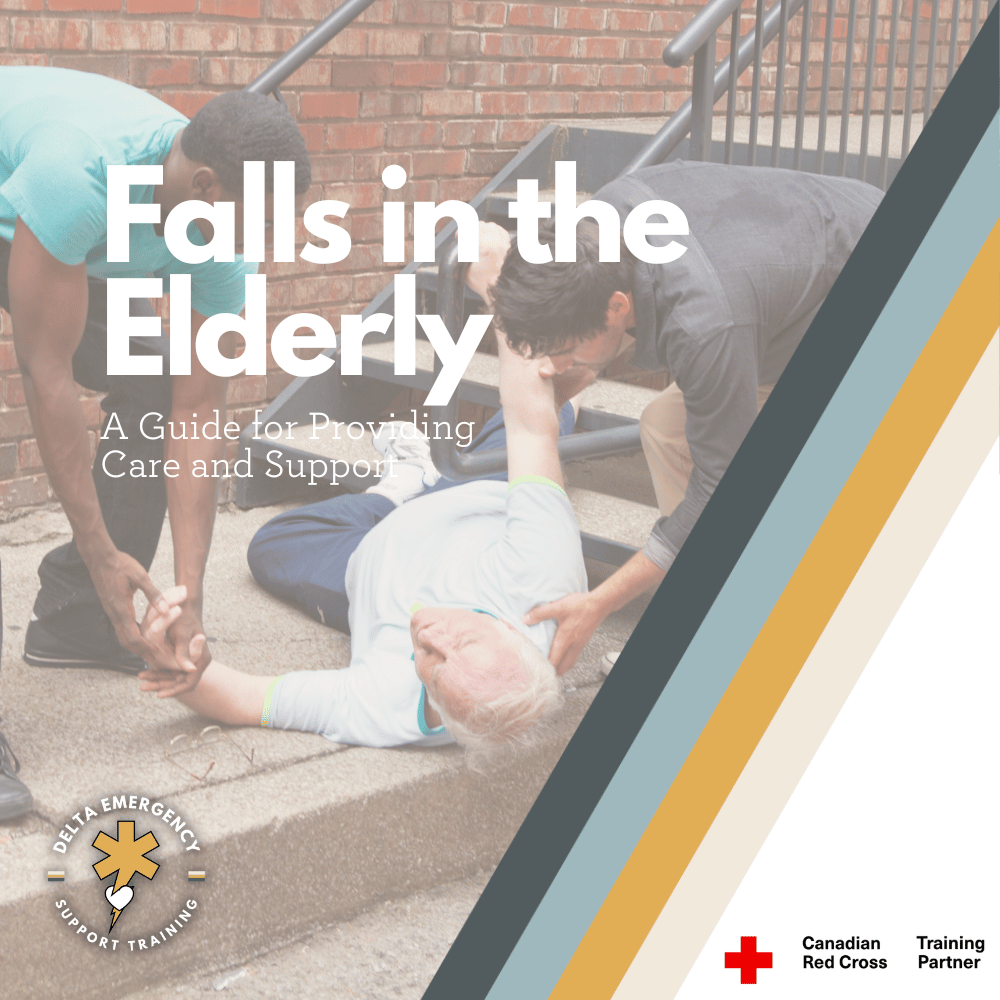
Assisting Elderly Who Have Fallen: A Comprehensive Guide to Providing Care and Support
Encountering an elderly or geriatric person who has fallen can be a difficult and distressing experience. Falls are a common problem among older adults and can lead to serious injuries, such as broken bones, head trauma, and bruises. It's important to approach the situation with care and sensitivity and take steps to provide appropriate assistance. Whether you're a family member, caregiver, or passerby, knowing what to do when you find an injured elderly person who has fallen can help to ensure their safety and well-being. In this blog post, we'll explore some general steps you can take to provide valuable assistance and help to ensure that the person receives the care and treatment they need.

Unraveling the Mystery of the Heart's Electrical Dance: How Your Heart Beats to Its Own Rhythm!
Heart's Electrical Conduction - Key Concepts and Terminology. Delve into the intricacies of the heart's electrical conduction system with our comprehensive overview. Learn about the physiology, function, and regulation of the heart's electrical pathways. Gain a deeper understanding of this vital organ's complex conduction system with our informative blog.

On the Frontline: Mastering Scene Assessment for AFA with Calgary & Edmonton Fire Departments
During an emergency, AFAs are trained to conduct thorough scene assessments to gather crucial information that informs the appropriate course of action. This includes assessing the safety of the scene, identifying hazards, evaluating the mechanism of injury or nature of illness, and determining the number of patients and their condition. By working closely with Calgary & Edmonton Fire Departments, we (EMS) can collaborate on scene management strategies, coordinate resources, and prioritize patient care based on the severity of injuries or illnesses.

SMR - Spinal Motion Restriction | Professional Responder Skill Series
While SMR is generally considered a safe and effective method for preventing spinal cord injury, there are certain risks and considerations that must be taken into account, such as the potential…