The Delta Dispatch
Intravenous Therapy for Beginners: Placement, Gauges & Medications
Intravenous (IV) therapy is a key skill for future paramedics and advanced responders. This beginner’s guide covers vein selection, catheter sizes, and common medications, helping you prepare for PCP training and real-world prehospital care.
For many first responders, advancing from Advanced First Aid or Emergency Medical Responder certification to Primary Care Paramedic training is an exciting milestone. It’s where your skills evolve from basic emergency management to a more advanced approach to prehospital medical care.
One of the essential new skills taught in PCP programs is intravenous (IV) therapy, a procedure that allows responders to deliver fluids and medications directly into the bloodstream for rapid, controlled treatment.
While IV initiation is not within the EMR or AFA scope of practice, understanding what it involves — and how it supports patient care — gives you a valuable head start.
What Is IV Therapy?
IV therapy involves inserting a sterile catheter into a patient’s vein to establish direct access to the circulatory system. This line can then be used to deliver fluids, medications, or draw blood samples. IV access is one of the fastest, most reliable ways to stabilize a patient in critical or emergent situations.
When Are IVs Needed?
Paramedics and advanced responders use IVs in a wide range of medical and trauma calls, such as:
Fluid resuscitation: Treating dehydration, burns, or blood loss
Medication delivery: For cardiac, allergic, or diabetic emergencies
Pain or nausea management: In controlled, monitored settings
Cardiac arrest care: To administer life-saving drugs quickly
Trauma management: When oral or intramuscular routes aren’t viable
Learning to Start an IV in PCP School
During PCP training, students learn the anatomy of veins, infection control, and catheterization techniques through classroom instruction, practice labs, and clinical placements. You’ll first work on training arms to master vein palpation, needle handling, and aseptic technique before performing supervised IV starts in clinical settings.
The process includes:
Gathering and preparing sterile equipment
Identifying a suitable vein
Cleansing the site
Inserting the catheter bevel-up
Confirming flashback and advancing the catheter
Securing the line and beginning the infusion
Common IV Insertion Sites (and Why They’re Chosen)
Vein selection is critical. Choosing the right site helps reduce complications, ensures proper flow, and keeps the patient comfortable.
Here are the most common IV entry sites used in prehospital and clinical settings:
1. Dorsal Hand Veins
These include the cephalic, basilic, and dorsal metacarpal veins on the back of the hand.
Pros: Easy to visualize and access; great for smaller catheters.
Cons: More sensitive; can be uncomfortable during movement or fluid administration.
Common Uses: General medication or fluid delivery when other veins are less accessible.
2. Forearm Veins
The cephalic and basilic veins along the forearm are often the first choice for IV starts.
Pros: Straight path, good flow rate, and easier stabilization with tape.
Cons: May roll or collapse if dehydrated; limited space for reattempts.
Common Uses: General medical and trauma patients, fluid resuscitation, medication administration.
3. Antecubital Fossa (Inner Elbow)
The median cubital, cephalic, and basilic veins in the crook of the arm are popular for rapid access.
Pros: Large veins, high flow rates — ideal for trauma or blood draws.
Cons: Restricts arm movement; prone to kinking if patient bends the elbow.
Common Uses: Emergency IV access, large-bore lines, or when rapid administration is needed.
4. External Jugular Vein (Neck)
Used in some prehospital or critical care settings when peripheral access isn’t possible.
Pros: Easy to locate in patients with difficult peripheral veins; high flow.
Cons: Requires skill and patient cooperation; greater risk if improperly managed.
Common Uses: Trauma, shock, cardiac arrest, or situations where arm veins are inaccessible.
5. Lower Extremity Veins (Dorsal Foot or Great Saphenous)
Used mainly when upper extremities are unavailable.
Pros: Alternative access in infants or patients with poor upper body veins.
Cons: Slower flow, higher infection risk, limited mobility.
Common Uses: Pediatrics, last-resort adult IV access.
Understanding IV Gauge Sizes
The gauge of an IV catheter refers to its diameter. Smaller numbers mean larger catheters.
14–16G: For trauma or massive fluid resuscitation
18G: For blood administration or major fluid replacement
20G: General adult use; medications and moderate fluid therapy
22–24G: Pediatrics, elderly, or fragile veins
Gauge choice depends on patient size, vein condition, and the urgency of the situation.
Common IV Medications in Paramedic Practice
While specific drug use depends on provincial protocols, IV therapy often supports:
Normal Saline (0.9% NaCl) – Fluid replacement or line maintenance
Dextrose (D10, D50) – Hypoglycemia management
Epinephrine – Cardiac arrest or anaphylaxis (specific concentrations)
Morphine / Fentanyl – Pain management (under standing orders)
Ondansetron – Nausea control
Nitroglycerin (IV form) – Chest pain management (advanced protocols)
Each medication requires strict dosage control, monitoring, and adherence to medical direction — something you’ll master in paramedic pharmacology.
Why IV Skills Matter
For professional responders, starting an IV isn’t just about inserting a catheter — it’s about stabilizing patients efficiently, safely, and confidently. In trauma, shock, or medical crises, IV access can mean the difference between life and death.
If you’re currently an EMR or AFA graduate considering the PCP path, familiarizing yourself with IV principles now will make your transition smoother and your training easier.
Final Thoughts
Learning to start an IV marks a major step forward in your responder journey. Though outside the AFA and EMR scope, it’s a skill that defines advanced prehospital care. As you move toward your Primary Care Paramedic program, understanding IV therapy — from vein anatomy to gauge selection — gives you a solid foundation for success.
How Paramedic Training Strengthens Your Firefighter Application
Firefighting is no longer just about fire suppression. With most calls now medical in nature, departments seek applicants with paramedic training. Here’s how your Primary Care Paramedic certification can make your firefighter application stand out.
The Modern Firefighter: More Than Fire Suppression
Today’s firefighter is far more than fighting fires. Across Canada, most fire departments respond to far more medical emergencies than structure fires — in many regions, medical calls make up 80% of total responses.
This shift means departments are looking for applicants who can do more than handle a nozzle. They need people trained in patient care, triage, and prehospital decision-making — skills that come directly from Primary Care Paramedic (PCP) training.
Whether you’re pursuing municipal, industrial, or wildland fire service, holding your PCP license can dramatically strengthen your application, credibility, and readiness for the role.
1. Understanding the Overlap: Fire and EMS
The reality of modern fire service is that medical response is integrated into daily operations. Many calls involve:
Cardiac arrests
Motor vehicle collisions
Respiratory emergencies
Overdoses and poisonings
Falls and traumatic injuries
Medication administration
These situations require rapid assessment, airway management, and patient stabilization — core skills of a Primary Care Paramedic.
When fire departments deploy first, a firefighter with PCP training doesn’t just stand by until EMS arrives — they become a vital asset in those first minutes, providing interventions that can mean the difference between life and death.
2. How PCP Training Sets You Apart in the Hiring Process
Fire departments receive hundreds of applications for a handful of positions. Holding your Primary Care Paramedic certification immediately tells recruiters you’re invested, skilled, and capable of independent medical decision-making.
It demonstrates:
Commitment to emergency services as a career, not just a job.
Medical competency beyond AFA & EMR levels.
Ability to handle high-stress environments and maintain composure during critical incidents.
Strong understanding of patient care, communication, and documentation.
Departments see PCPs as well-rounded responders — individuals who understand not only rescue operations, but also the continuum of care from the moment of injury to hospital transfer.
3. Bridging Knowledge: Why Paramedic Training Translates So Well
The PCP curriculum goes far beyond what’s taught in AFA or fire recruit programs. It builds:
Assessment skills – Scene safety, mechanism of injury, and systematic patient evaluation.
Decision-making – When to move, when to treat, and when to call for advanced support.
Anatomy and physiology knowledge – Understanding what’s happening inside the body, not just what you see externally.
Communication and teamwork – Effective coordination with dispatch, partners, and hospital staff.
Leadership under pressure – Taking control when seconds matter.
Every one of these skills directly applies to fireground operations, rescue scenarios, and community medical calls.
When a firefighter-paramedic arrives on scene, they’re already equipped with the mindset of “scene control, patient stabilization, and structured response.”
4. Increased Employability Across Canada
Many fire departments in Canada — including Toronto Fire, Calgary Fire, Edmonton Fire, and Vancouver Fire Rescue Services — now strongly prefer or require applicants to have medical certification at the EMR or PCP level.
Holding your PCP license not only makes you a stronger candidate but also broadens your career options. You can work in EMS while waiting for fire openings, gain field experience, and keep your medical skills sharp.
It also signals to hiring panels that you’re operationally ready, physically prepared, and understand the realities of shift work, patient care, and emergency response culture.
5. Professional Credibility and Community Trust
Firefighters are often the first on scene — before ambulances, before police. The public doesn’t separate the fire service from medical response; they expect competence in both.
Having PCP-level training builds confidence in your peers, your officers, and the community. It shows that you’re not just trained to react, but to think critically and intervene effectively under pressure.
This credibility extends into leadership — many captains, chiefs, and training officers have paramedic backgrounds. Understanding that language early gives you a career-long advantage.
6. The Pathway Forward
If your goal is to become a firefighter, enrolling in a Primary Care Paramedic program is one of the most strategic steps you can take.
Here’s how to integrate it into your career plan:
Earn your EMR or Advanced First Aid certification to build foundational knowledge.
Enroll in an accredited PCP program through a recognized college or training institution.
Register and license through your provincial regulatory body.
Maintain active status — through continuing education and clinical practice hours.
Highlight your PCP credentials in your fire service application and interviews.
By doing this, you’re not only meeting the evolving expectations of the fire service — you’re proving you already live and breathe emergency response.
Final Thought
Firefighting has evolved — and so have the expectations of those who wear the uniform.
Holding a Primary Care Paramedic license shows that you understand that evolution. It proves that you can respond, treat, and think critically in the same high-pressure environments firefighters face daily.
When it comes down to competitive hiring, paramedic training doesn’t just help your chances — it defines them.
Managing Intoxicated Patients in the Field: An EMR Guide
As an Emergency Medical Responder (EMR), you’re trained to provide care in unpredictable situations. One of the more challenging scenarios is responding to patients under the influence of alcohol or drugs. Intoxicated patients can present with unpredictable behavior, altered physiology, and a higher risk of injury—making careful assessment and management critical.
At Delta Emergency Support Training, we emphasize both safety and effective patient care. Here’s a detailed guide for EMRs on safely responding to intoxicated patients, aligned with Alberta Health Services (AHS) guidelines.
Understanding Intoxication
Intoxication can result from alcohol, prescription medications, or illicit drugs. Common effects include:
Altered level of consciousness
Slurred speech or impaired coordination
Agitation, aggression, or unpredictable behavior
Nausea, vomiting, or respiratory depression
Increased risk of trauma from falls, fights, or accidents
Masked pain: Alcohol can dull pain perception, making trauma patients unreliable reporters of injury severity
Mimics: Hyperglycemia or hypoglycemia can appear similar to intoxication, making blood glucose assessment crucial
Recognizing the signs early helps EMRs anticipate complications and prioritize patient and responder safety.
Safety First: Protecting Yourself and Others
Intoxicated patients can be unpredictable. Before providing care, ensure:
Scene safety: Survey for weapons, hazards, or bystanders that may interfere.
Backup: If the patient is aggressive, call law enforcement or additional responders.
Personal protective equipment (PPE): Gloves, eye protection, and masks may be necessary.
Distance and positioning: Maintain a safe stance and keep an exit route clear.
Never compromise your safety—intoxicated patients may act impulsively, and an aggressive patient can escalate quickly.
Patient Assessment
Assessment of an intoxicated patient may be complicated by their altered state. EMRs should focus on:
Responsiveness: Determine if the patient is fully conscious, verbally responsive, physically responsive, or unresponsive.
Airway, Breathing, Circulation (ABCs): Alcohol and drugs can depress breathing and circulation.
Be prepared to clear the airway using suction if the patient vomits.
Airway adjuncts (oropharyngeal or nasopharyngeal airway) may be required if the patient’s airway is compromised but spontaneous breathing is present.
Vital signs: Monitor heart rate, blood pressure, respiratory rate, oxygen saturation, and blood glucose.
Hyperglycemia or hypoglycemia can mimic intoxication and significantly affect patient management.
Secondary survey: Look for trauma, especially since alcohol can mask pain. A patient may not report broken bones, internal injuries, or head trauma. Monitor carefully for subtle signs.
Common Challenges and How to Manage Them
Aggression or agitation: Stay calm, use a non-confrontational tone, and avoid physical confrontation unless absolutely necessary.
Vomiting or aspiration risk: Use suction immediately if needed, and position the patient in the recovery positionif unconscious but breathing.
Altered decision-making: Intoxicated patients may refuse care. Document refusals and use implied consent in life-threatening situations.
Polysubstance use: Patients may have multiple substances in their system, complicating presentation. Monitor closely for unexpected symptoms.
Trauma considerations: Be extra vigilant for head injuries, internal bleeding, or fractures. Pain may be unreliable, so rely on vital signs, visual assessment, and mechanism of injury.
Glucose considerations: Rapidly check blood glucose in any altered patient; treating hypoglycemia or hyperglycemia may resolve the presentation entirely.
Communication Tips
Use simple, clear language.
Speak slowly and calmly to reduce confusion.
Avoid judgmental language—patients respond better when treated respectfully.
Keep bystanders informed, but focus on patient care.
Transport Considerations
Monitor continuously: Intoxicated patients can deteriorate rapidly.
Secure safely: If aggressive, use restraints only per local protocols and monitor the patient closely.
Communicate with receiving facility: Provide details on level of intoxication, suspected substances, vital signs, airway interventions (suction or adjuncts used), trauma concerns, and any interventions performed.
Red Flags: When to Call for Immediate Backup
Unresponsiveness or decreased level of consciousness
Difficulty breathing or abnormal airway sounds
Vomiting with risk of aspiration
Seizures or convulsions
Severe trauma, especially head or internal injuries
Aggressive or violent behavior that cannot be safely managed
Hypoglycemia or hyperglycemia causing altered mental status
Final Thoughts
Responding to intoxicated patients requires a balance of emergency care skills, safety awareness, and empathy. Alcohol or drug use can mask pain and complicate assessment, and abnormal blood glucose levels can mimic intoxication. With proper airway management, suction, airway adjuncts, and glucose monitoring, EMRs can provide effective care safely.
At Delta Emergency Support Training, our courses prepare responders to handle complex patient scenarios, including intoxicated and trauma patients so you can provide care with confidence, skill, and safety.
Distracting Injuries: Pulling Focus and Masking Pain
In trauma care, some injuries grab all the attention—but they aren’t always the deadliest. Distracting injuries can mislead responders and mask life-threatening conditions. Here’s what every first responder needs to know about spotting them, staying systematic, and keeping patient safety the top priority.
When trauma calls come in, it’s easy to fixate on the most obvious wound, the open fracture, the deep laceration, the heavy bleeding. But those are often distracting injuries: visible traumas that can obscure other, more dangerous threats. Recognizing them and continuing to assess systematically is what separates a good response from a lifesaving one.
What Is a Distracting Injury?
A distracting injury is one that draws your attention so strongly that both responders and patients may overlook other serious but less obvious issues. In paramedic protocols, these injuries can make a patient “unreliable” for clinical clearance of the cervical spine because they may mask neck pain or tenderness. As a result, spinal precautions should be maintained unless more definitive assessment rules them out.
Why They Matter
The danger of distracting injuries is twofold:
They pull focus – A gruesome fracture or large bleed grabs everyone’s attention, often overshadowing a more subtle but life-threatening issue like a compromised airway or spinal injury.
They mask pain – A patient in severe pain from a major injury may not report or even notice neck or back pain, leading responders to miss critical red flags for spinal trauma.
Evidence-Based Insights
Studies show distracting injuries are often upper-torso or limb injuries that change how a patient perceives or reports pain:
Heffernan et al. (2005) found that some patients with cervical spine fractures had no neck tenderness—but all had upper torso injuries like chest trauma, which likely distracted from the pain.
Common Examples
Long bone fractures (femur, humerus)
Major burns
Crushing or degloving wounds
Profuse bleeding or amputations
Severe chest or upper torso injuries
First Responder Priorities
Stick to the primary survey (ABCs)
No matter how distracting a wound looks, airway, breathing, and circulation must always come first.Protect the spine when in doubt
If a distracting injury is present, assume the patient cannot reliably clear their spine. Apply spinal precautions unless imaging or protocols say otherwise.Reassess constantly
A distracting injury may not only occupy the patient’s attention but yours as well. Don’t let tunnel vision take over.Think systematically, not emotionally
The most dramatic injuries are not always the deadliest. Quiet but hidden injuries like internal bleeding or spinal cord compromise, may be far more dangerous.
The Bottom Line
Distracting injuries are more than just dramatic wounds—they can hide life-threatening problems and mislead both responders and patients. The best protection is discipline: follow a structured assessment, protect the spine when necessary, and never let your focus shift entirely to the injury that looks worst. A calm, systematic approach can make the difference between managing trauma and saving a life.
Becoming a Paramedic in Canada: How EMR Training Fits Into the Bigger Picture
Thinking about becoming a paramedic in Canada? It starts with understanding the paramedicine pathway. This blog explains where EMR training fits into the journey and why it’s a key first step toward a rewarding career in emergency services.
Across Canada, the demand for trained paramedics continues to rise. Communities rely on first responders not only for life-threatening emergencies but also for urgent care, transport, and support in times of crisis. If you’ve ever thought about a career in emergency services, you may be wondering: where do I start?
The answer for many is Emergency Medical Responder (EMR) training. This entry-level program provides the essential skills you need to help patients and also acts as a stepping stone into the professional paramedicine pathway. To understand why EMR is such a valuable first step, it helps to look at how the paramedicine system is structured in Canada.
1. The Paramedicine Ladder in Canada
In Canada, paramedicine is organized into different levels of training and certification. Each step builds on the one before it, adding more advanced knowledge, clinical skills, and responsibilities.
Emergency Medical Responder (EMR)
Entry-level certification recognized across many provinces.
Focuses on patient assessment, CPR and AED use, airway management, bleeding control, and trauma care.
EMRs may work in industrial safety, event medical services, rural response, and are often a requirement for admission into Primary Care Paramedic programs.
Training is usually short and focused, making it an accessible first step.
Primary Care Paramedic (PCP)
The first professional paramedic level in Canada.
PCPs are qualified to work on ambulances and provide advanced pre-hospital care.
Skills include medication administration, advanced airway management, and cardiac monitoring.
Typically requires 1–2 years of college-level education, depending on the province.
Advanced Care Paramedic (ACP)
Builds on the PCP scope of practice with advanced skills.
Includes procedures such as intubation, IV therapy, advanced cardiac interventions, and expanded medication options.
Training usually takes an additional 1–2 years beyond PCP.
Critical Care Paramedic (CCP)
The highest level of paramedic training in Canada.
Specializes in transporting and treating critically ill or injured patients, often by air ambulance or in hospital transfer situations.
CCPs provide intensive care support outside the hospital environment.
This tiered approach means that every paramedic, no matter how advanced, started with the same fundamentals—and that usually begins with EMR.
2. Why EMR Training Matters
Even though EMR is the entry-level program, it’s far more than a “basic” course. Here’s why it matters:
Foundational Skills: You’ll learn how to assess patients systematically, manage airways, perform CPR, use AEDs, and provide lifesaving first aid for medical and trauma emergencies.
Confidence in Emergencies: EMR training prepares you to step into real-world situations calmly and effectively, whether you’re responding at work, volunteering, or helping in your community.
A Career Sampler: Many people use EMR training as a way to “test drive” paramedicine before committing to the longer PCP or ACP programs. It’s a great way to discover if this career path is right for you.
Admission Requirement: In several provinces, completion of an EMR program is a mandatory prerequisite for applying to PCP programs.
In short, EMR is both a valuable certification on its own and a launching pad for more advanced paramedic training.
3. Career Opportunities After EMR
Some students complete EMR training because they want to work right away, while others use it as preparation for PCP school. Either way, opportunities exist.
Industrial and Remote Work: Oil and gas sites, mining operations, and construction companies often employ EMRs to provide on-site medical support.
Event Medical Services: Concerts, festivals, and sporting events need trained responders to manage emergencies on the ground.
Volunteer Roles: Many communities welcome EMRs as part of first responder programs, especially in rural or remote areas.
Pathway to PCP: EMR graduates have the foundation to move directly into Primary Care Paramedic education, making it a strategic step toward a long-term career.
4. The Canadian Context
Paramedicine is provincially regulated in Canada, which means that the scope of practice and educational requirements vary depending on where you live. For example:
In British Columbia and Alberta, EMR certification is a recognized entry point for working in certain EMS systems.
In Ontario, EMR may not be a licensed level, but training still provides an advantage for those entering PCP programs.
Across the country, EMR certification is widely respected as a sign of commitment to the field and readiness to pursue paramedic studies.
Regardless of the province, EMR training signals that you’ve mastered essential lifesaving skills and are prepared for the next step.
5. A Pathway, Not a Shortcut
One of the most important things to understand about paramedicine in Canada is that there are no shortcuts. Every level of training is rigorous and builds on the last. But EMR offers a pathway—an accessible starting point that opens doors, whether you want to work immediately or advance further.
By taking EMR, you’re not just learning a skillset. You’re joining a community of first responders who play a vital role in Canada’s healthcare system.
Conclusion
Becoming a paramedic in Canada is a journey. It starts with building a solid foundation—and for most students, that foundation is Emergency Medical Responder training. EMR equips you with lifesaving skills, gives you real-world confidence, and provides the stepping stone needed for higher levels of paramedicine like PCP, ACP, and CCP.
If you’re considering a career in emergency services, EMR training is the best way to begin. It’s the first step on a ladder of learning that leads to one of the most rewarding careers in healthcare.
👉 Ready to start your journey? Enroll in our EMR program today and take the first step toward becoming a paramedic in Canada.
Life on the Rig: What It Really Means to Be an Oilfield Medic
Being an oilfield medic is a common career step for new EMRs in Alberta. The job can feel slow and uneventful at times, but when emergencies happen, every second matters. Staying sharp, keeping medical equipment updated, and preparing for long stretches of remote care are what make oilfield medics a critical lifeline for workers far from advanced medical support.
When most people picture the oilfield, they think heavy iron, long shifts, and big sky. Tucked off to the side, there’s usually a medic unit or a small clinic trailer—and a single clinician quietly watching over the crew. That’s the oilfield medic: part emergency responder, part occupational health lead, part logistics coordinator.
It’s a role that blends EMR/AFA skills, scene safety, and long-haul problem-solving in remote, industrial environments where help can be hours away. And yes—it can be slow and boring… until it isn’t. The calm is deceptive; when something happens, it happens fast, and your preparation in the “quiet” hours determines how the next 10 minutes go.
The Job in Plain Terms
Oilfield medics provide immediate medical care on site, manage patient stabilization for delayed transport, and keep workers healthy enough to finish their hitch. Depending on the site and contractor, the role can include:
Immediate response to injuries and medical complaints
Prolonged care while waiting for ground or air evac
Daily readiness: gear checks, drug/expiry audits, documentation
Occupational health tasks: return-to-work guidance, minor wound care, dehydration/heat/cold management
Safety integration: toolbox talks, hazard identification, incident reporting
In remote camps, you may be the only healthcare provider within hours. Your reliability, calm demeanor, and readiness become the safety net for everyone on site.
“Slow and Boring… Until It’s Not”
Oilfield tempo is unique: long stretches of routine—paperwork, checks, hydration talks—punctuated by intense, high-stakes events. The professionals who thrive in this environment treat the quiet hours as their advantage:
Study while it’s calm: Review protocols, practice critical skills (airway setups, splinting, tourniquets), and rehearse handovers.
Run scenarios solo: “What if” drills for crush injuries, H2S exposure, cardiac chest pain, rollover MVCs, hypothermia, heat illness.
Map your evacuation plan: Who do you call, in what order, with what info? How do you get from Site A to the LZ at night in bad weather?
Preparation is the difference-maker—not adrenaline.
Readiness Is a Discipline: Gear, Drugs, Docs
Your kit is your lifeline. Remote medicine punishes complacency. Build a daily rhythm:
Daily Medic Trailer/Truck Checks
Airway: OPA/NPA sizes restocked; BVM intact; suction charged and tested
Oxygen: Cylinder pressures logged; regulators, masks, tubing functional
Bleeding: Tourniquets (min. two), pressure dressings, hemostatic agent, triangular bandages
IV/IO (if within scope/protocol): Cannulas, fluids, disposables, sharps container
Splinting/Immobilization: SAMs, board, C-collars (sizes), blankets
Monitoring: BP cuffs (adult/peds), stethoscope, pulse ox (spare batteries), thermometer
Meds: Check expiry dates and lot numbers; rotate stock; log temps if required
PPE/BSI: Gloves, eye protection, masks, hand hygiene, spill kit
Comms: Radios programmed/charged; spare batteries; sat phone test call
Docs: Incident forms, vitals sheets, treatment logs, WCB/occupational reports ready
Non-negotiable: “Make sure all gear and med equipment is up to date and working—and nothing is expired.”
Keep an expiry tracker (simple spreadsheet or whiteboard). Do a weekly deep-dive on inventories.
Prolonged Field Care: What Changes Outside the City
Urban EMS is built around rapid transport. On the rig, you may be with your patient for 30–120+ minutes. That shifts your priorities:
Airway/Breathing: Reassess frequently; position, humidified O₂ if available, watch fatigue
Circulation: Hemorrhage control first; frequent vitals; keep warm (hypothermia worsens outcomes)
Pain & Comfort: Within scope/protocol—pain control, splint well, pad pressure points
Environment: Shade/cooling or shelter/heat; wind and weather matter
Documentation: Trending vitals tell the story to the receiving team; write while you monitor
Think systems: patient, team, communications, extraction, environment.
Improvisation—Smartly
Remote sites don’t always have exactly what you want. Use what you do have—safely:
Splints: SAM + padding is gold; in a pinch, boards, poles, or rolled jackets
Slings/Swathes: Triangular bandages or high-vis vests
Tourniquets: Use commercial first; improvised only when necessary and applied correctly
Lighting/Visibility: Headlamps, vehicle lights, cones for scene safety at night
Always reassess circulation, sensation, and movement after immobilization.
Extraction: Ground or Air
You may coordinate helicopter or long-distance ground evacuation:
Landing Zone (LZ): Flat, firm, clear 30×30 m (or per provider), mark wind, secure loose items
Hazards: Wires, fuel/exhaust, uneven ground, blowing debris
Comms: Location (lat/long if possible), hazards, patient condition, mechanism, trend
If delayed: Shelter, temp regulation, continuous monitoring, controlled scene
Leadership matters—assign roles, control the perimeter, keep it calm.
Environmental Realities
Oilfield injuries and illnesses often relate to:
Mechanical: Crush, pinch, lacerations, fractures, sprains/strains
Weather: Hypothermia, frostbite, heat cramps/exhaustion, dehydration
Respiratory: Dust, smoke, possible H2S exposure (site-dependent; follow H2S protocols)
Fatigue: Long shifts, night work → slower reactions, more mistakes
Mitigate with hydration stations, heat/cold plans, rest breaks, and constant hazard awareness.
Communication: Your Other Lifeline
Remote means comms can fail. Build redundancy:
Before shift: Confirm primary/secondary radio channels, sat phone numbers, dead zones, relay points
During calls: Clear, concise patient updates—location, access route, mechanism, status, trending vitals
After: Log times, actions, meds, who you notified, and responses received
Your documentation becomes the backbone of continuity when the patient hands off hours later.
Mental Game and Professionalism
The isolation, monotony, and sudden surges of intensity are real. Protect your headspace:
Routines: Checklists, study blocks, exercise, sleep hygiene
After tough calls: Short debrief, peer support, use employer resources
Boundaries: You’re the medic and a safety partner—not the project foreman
Training, Study, and Career Notes (Alberta)
In Alberta, oilfield medic roles are a common entry point for new EMRs, especially for those building remote-care experience while pursuing additional certifications. Employers value:
Current EMR (or higher) certification and BLS/CPR
Strong documentation and radio discipline
Safety mindset and familiarity with industrial hazards
Use the quieter periods to study: review protocols, practice documentation, refresh anatomy/physiology, and stay sharp on shock, trauma, chest pain, respiratory distress, and environmental exposure care. The oilfield rewards medics who keep learning.
A Practical Starter Kit (Save/Adapt)
Pre-Shift Five:
Oxygen pressures logged and regulators tested
Suction powered and functional check complete
Tourniquets ×2, hemostatic, pressure dressings accessible
Monitor and spare batteries ready; pulse ox verified
Comms check: primary/backup radios and sat phone test call
First Five Minutes on Scene:
Scene safe? PPE on? Stop the bleed.
Airway, breathing, circulation—correct life threats now.
Get a set of vitals; repeat every 5–10 minutes if unstable.
Decide transport plan early; notify sooner rather than later.
Document as you go—time stamps matter.
Why People Choose This Path
Oilfield medicine is demanding, but it offers experience you can’t get in the city: independent decision-making, remote coordination, and prolonged patient care. You’ll learn to think ahead, manage limited resources, and be the steady presence everyone counts on when things go sideways.
It’s not glamorous. It’s often quiet. And then—it’s everything at once. If you’ve kept your skills sharp, your gear perfect, and your head clear, you’ll be ready.
Preparedness, adaptability, and professionalism—that’s how oilfield medics save lives, miles from the nearest hospital.
Alberta Fire Applicants & EMRs: Master the Medical Portion with Paramedics and Firefighters
Succeeding in the medical portion of a firefighter or EMR application in Alberta comes down to mastering the fundamentals under pressure. At Delta Emergency Support Training, active paramedics and firefighters teach you vital patient assessment skills, accurate vitals, effective communication, and safe medication administration.
Why Fire Applicants Fail the Medical Portion (And How to Prepare)
Firefighting is one of Alberta’s most demanding careers, and the medical portion of the application ensures candidates can handle life-or-death situations both trauma and medical, under pressure. Many applicants struggle, not because they lack dedication, but because they underestimate the scenario-based, high-pressure nature of this part of the evaluation. Here’s what to know and how to prepare.
1. Not Understanding the Scenario-Based Format
Applicants may know first aid procedures but are unprepared for realistic simulations. Evaluators look for:
Correct prioritization of patient care
Efficient use of available equipment
Accurate assessment of vitals (pulse, blood pressure, respiration, oxygen saturation)
Maintaining composure under pressure
Preparation Tip:
Practice scenarios under timed conditions. Include taking accurate vitals for each patient, documenting them, and adjusting care accordingly. Repetition builds both speed and confidence.
2. Poor Time Management During Simulations
Time pressure is a common challenge during firefighter medical evaluations. Some applicants try to rush through tasks, either spending too long on minor details or speeding through essential steps. This can result in incomplete assessments, inaccurate vitals, missed medication checks, or poor patient communication.
Key Tip:
Don’t rush—take your time to work methodically.
Focus on the fundamentals of your patient assessment: scene safety → primary survey → airway, breathing, circulation → vitals → medications → secondary survey → ongoing care.
If you get stuck or feel pressured, return to the basics and systematically work through each step. Accuracy and thoroughness are more important than speed.
Use practice scenarios to balance efficiency with careful, precise assessment.
Preparation Tip:
Use a mental checklist: Scene safety → Primary survey → Secondary survey → Ongoing care → Hand-off report.
Practice completing your assessment efficiently while still accurately measuring vitals and administering medications.
Practice whenever you can! Run calls in your head.
3. Lack of Critical Thinking
Memorized procedures aren’t enough—patients don’t always behave as expected. Evaluators want to see adaptability: can you adjust your care based on vital signs, patient feedback, or medication needs?
Preparation Tip:
Train with scenarios including complications like fluctuating vitals, patient distress, or adverse medication reactions.
Ask yourself after each practice: “How would I adjust their oxygen saturations fall, or a medication has unexpected effects?”
4. Inadequate Patient Communication
Medical competence isn’t just technical—communicating clearly with patients is critical. Poor communication can make patients anxious or uncooperative, affecting assessment accuracy.
Preparation Tip:
Practice explaining what you’re doing and why while performing assessments and administering medications.
Use calm, clear language: “I’m going to give you your medication now; it may make you feel drowsy. Let me know if you feel unwell.”
Listen and respond to patient concerns—they may give vital clues about their condition.
5. Not Knowing Medications, Indications, and Contraindications
Many applicants fail by being unsure about common medications, their proper use, or when not to administer them. Evaluators want to see that you can safely give medications if required, understand dosage, and recognize contraindications.
Preparation Tip:
Study common pre-hospital medications: aspirin, epinephrine auto-injectors, nitroglycerin, oxygen, and glucose.
Know the indications (when to use), contraindications (when not to use), dosage, and potential side effects.
Practice scenario-based administration with simulated patients.
6. Inadequate Knowledge of Fire-Specific Medical Risks
Alberta applicants face unique hazards: industrial chemicals, wildfires, smoke inhalation, cold-weather trauma. Failing to anticipate these can affect performance.
Preparation Tip:
Focus on airway management, burns, smoke inhalation, rapid trauma assessment, vitals monitoring, and safe medication use.
Understand environmental impacts: extreme temperatures, long ambulance response times, and remote locations.
7. Overlooking Soft Skills and Professionalism
Evaluators notice panic, poor teamwork, and rushed or inaccurate communication. Both soft skills and technical skills are tested simultaneously.
Preparation Tip:
Role-play with peers, focusing on calm, professional communication.
Practice reporting vitals and medications verbally and accurately to simulate handoff to paramedics.
Debrief after every scenario: identify strengths and areas for improvement.
8. Tips for Final Preparation
Simulate Realistic Conditions: Wear PPE, gloves, and work under distractions to mimic real assessments.
Practice Accurate Vitals and Medication Use: Include pulse, respiration, oxygen saturation, blood pressure, and scenario-based administration of medications.
Time Your Scenarios: Track your completion time without sacrificing accuracy.
Review Fundamentals: CPR, airway management, bleeding control, shock recognition, spinal immobilization, and medications.
Debrief Every Practice: Discuss patient communication, vital trends, medication decisions, and overall decision-making.
Conclusion
The medical portion of the firefighter application isn’t meant to trip you up—it ensures you’re ready to handle emergencies. By practicing realistic scenarios, taking accurate vitals, communicating effectively with patients, knowing your medications, managing your time, and thinking critically, Alberta applicants can approach the evaluation confidently and maximize their chances of success.
At Delta Emergency Support Training, you’ll be taught by active paramedics and firefighters, gaining real-world insights and practical skills that go beyond the textbook. This hands-on instruction ensures you’re fully prepared for both the medical portion of your firefighter application and real-life emergencies.
Weathering the Storm: Responding to Emergencies in Harsh Conditions
Bad weather doesn’t stop emergencies, and it shouldn’t stop responders from being ready. From icy roads to scorching heat, first responders face unique challenges that affect both their safety and their patients’ well-being. This guide explores how weather impacts patient care, what responders can do to prepare, and key strategies to ensure safety when working in rain, snow, heat, or storms.
When emergencies happen, they rarely wait for good weather. For first responders, answering a call in the middle of a snowstorm, torrential rain, blistering heat, or icy wind is all part of the job. But harsh weather does more than just make your job uncomfortable — it can directly affect your safety, your ability to provide care, and the condition of your patient. Responding effectively requires preparation, adaptability, and a clear understanding of how environmental conditions influence both rescuer and patient.
The Impact of Weather on Emergency Response
Heat and Humidity
Responders face the risk of dehydration, heat exhaustion, and heat stroke while working outdoors in full PPE.
Patients may present with worsened medical conditions such as heat stroke, dehydration, cardiac stress, or exacerbations of chronic illness.
Equipment like defibrillator pads may struggle to stick in high humidity or sweaty environments.
Cold and Snow
Hypothermia and frostbite can develop quickly in patients exposed to freezing temperatures.
Cold weather can mask shock symptoms, as pale, cool skin may be overlooked.
Snow and ice increase response times, limit vehicle access, and create hazardous conditions for both responders and patients.
Rain and Flooding
Roads may be blocked or unsafe, delaying response times.
Hypothermia can occur even in above-freezing temperatures if patients are wet for prolonged periods.
Rain complicates wound care, bandaging, and spinal immobilization by making surfaces slippery and gear harder to handle.
Wind and Storms
Strong winds can scatter debris, down power lines, and create unsafe working environments.
Patient extrication in windy conditions can become dangerous, requiring constant vigilance for falling hazards.
Patient Care Considerations
Thermal Management: Keep patients warm in cold weather with blankets, heat packs, and by minimizing exposure. In hot weather, prioritize shade, cooling, and hydration.
Airway Protection: Wind, dust, or heavy rain may obstruct airways or complicate breathing. Position patients to minimize exposure and suction as needed.
Mobility & Evacuation: Moving patients on icy ground, through mud, or during high heat requires extra teamwork and slower, more controlled movements.
Prolonged Care: Severe weather can delay transport. Be prepared to provide extended on-scene care, monitoring vitals, and reassessing frequently until transport is possible.
Safety Tips for First Responders
Dress and Gear for the Environment
Layered clothing, moisture-wicking fabrics, and insulated gear for cold weather.
Hydration packs, cooling towels, and shade structures in extreme heat.
Waterproof bags for medical equipment during rain or snow.
Scene Safety First
Assess for weather-related hazards like icy ground, floodwaters, or falling debris.
Ensure vehicles are parked safely and not at risk of becoming immobilized.
Team Communication
Radios may cut out in storms — establish clear communication protocols.
Always check in with command when operating in remote or high-risk environments.
Self-Care is Patient Care
Monitor your own hydration, nutrition, and fatigue levels.
Remember, a responder who becomes a patient adds strain to the whole scene.
How Weather Affects Patients Differently
Children and elderly are more vulnerable to heat stress and hypothermia.
Cardiac patients may experience more strain in cold environments where vasoconstriction elevates blood pressure.
Diabetics may be more prone to hypoglycemia during prolonged exposure in extreme conditions.
Trauma patients can deteriorate rapidly if environmental exposure worsens shock.
Final Thoughts
Unfavorable weather will always be a factor in emergency response. First responders who understand how to adapt their approach — from personal preparation to patient care — are better equipped to handle the added challenges of rain, snow, heat, or storms. At the end of the day, staying safe and anticipating the impact of the environment is just as important as the medical care you provide.
Be Ready for the Unexpected: First Aid Skills Every Hunter Should Know
Hunting is a beloved Canadian tradition, but heading into the bush without first aid training puts you and your group at risk. Learn the importance of being prepared with skills like bleeding control, wound care, and shock management. Whether you hunt with family, friends, or solo—make sure you're ready to protect what matters most.
Why You Should Learn First Aid Before Hunting Season
Be Prepared for the Unexpected in Canada’s Wilderness
Father and son hunting
As the crisp fall air rolls in and leaves begin to turn, thousands of Canadians prepare for one of the most anticipated times of the year—hunting season. For many, it’s more than a pastime. It’s a family tradition, a weekend with friends, or time spent in the backcountry with loved ones—passing down skills, telling stories around the fire, and enjoying the stillness of nature. Hunting is deeply woven into Canadian culture, a proud part of our heritage from coast to coast.
But no matter how experienced or well-prepared you are, the wilderness comes with real risks. And when something goes wrong, you're often far from help, without cell service, and hours from emergency responders.
That’s why first aid training isn’t just helpful—it’s essential.
Whether you’re a weekend hunter or a guide, learning Red Cross-certified First Aid, Advanced First Aid (AFA), Wilderness First Aid, or Emergency Medical Responder (EMR) skills can make all the difference in an emergency. It means being ready—not just for yourself, but for the people who matter most.
At Delta Emergency Support Training, we believe that part of keeping these traditions alive means learning how to protect them.
Hunting Safety in Canada: Know the Risks
Hunting is generally safe when done responsibly, but accidents still occur. According to the Canadian Firearms Program and provincial wildlife agencies:
Most firearm-related hunting injuries involve accidental discharges or poor handling technique.
Tree stand falls are one of the most common hunting injuries, often resulting in fractures or spinal trauma.
Hunters often travel to remote areas with no cell service, delaying access to emergency care.
In some provinces, hypothermia is the leading non-injury emergency reported during hunting season.
Each year, hundreds of injuries are reported across the country—many of which are preventable with basic training and better preparation.
🏹 Common Hunting Injuries and Medical Situations
Understanding potential emergencies helps you prepare properly. Here are the most common situations faced in the field:
Gunshot wounds or impalement from firearm mishandling or accidents.
Knife cuts and lacerations during field dressing or gear use.
Falls from tree stands or rocky/uneven ground, resulting in broken bones or head injuries.
Cold exposure: frostbite, hypothermia, or trench foot.
Heat stress in early season hunts.
Allergic reactions to insect stings, animal bites, or plants.
Getting lost or separated from your group, increasing the risk of panic, exposure, or dehydration.
🧠 First Aid Skills Every Hunter Should Know
Here’s what every hunter—beginner or seasoned—should know:
Bleeding control: How to apply direct pressure, pack a wound, or use a tourniquet.
Managing broken bones: Stabilizing with splints and slings.
Shock treatment: Recognizing and managing pale, cold, clammy symptoms.
CPR and AED use: Cardiac arrest can happen in any setting.
Anaphylaxis care: Recognizing severe allergic reactions and administering an EpiPen.
Basic wound care: Cleaning and dressing wounds to prevent infection.
Spinal motion restriction: Important if someone falls from a height or hits their head.
These lifesaving skills are taught in Red Cross First Aid and Wilderness First Aid programs and are enhanced further in EMR-level training.
🎒 Essential First Aid Items to Pack for the Field
Your hunting first aid kit should be compact, durable, and versatile. Pack:
Tourniquet (e.g., CAT or SOFTT models)
Gauze pads, trauma dressings, adhesive tape
SAM splint and triangular bandage
Antiseptic wipes, tweezers, antibiotic ointment
Antihistamines and pain relievers
CPR mask, gloves, emergency blanket
Water purification tablets or filter
Whistle, signal mirror, and flashlight
Personal locator beacon (PLB) or satellite communicator
Pack gear—but more importantly, know how to use it.
🏔️ Why Location Matters: The Reality of Remote Response
In urban areas, EMS might reach you in under 10 minutes. In the wilderness, it could be hours—or days. Even when you can call 911, delays are common due to:
No cell service
Impassable terrain
Poor visibility or weather conditions
Long distances from the nearest ambulance or search-and-rescue base
That’s why wilderness preparedness and basic medical self-reliance are key. The Red Cross Wilderness First Aid program focuses specifically on prolonged care and making decisions when help is hours away.
🧭 Preventing Emergencies: Smart Safety Tips for Hunters
Avoiding an emergency is the best-case scenario. Here’s how to minimize risk:
Take a buddy—never hunt alone if you can avoid it.
File a trip plan: Leave your route and return time with someone you trust.
Carry emergency communication (PLB, satellite text device, or two-way radio).
Inspect your gear, especially firearms, knives, and tree stands.
Dress appropriately in layers, blaze orange, and waterproof gear.
Know the weather and avoid risky conditions (fog, snowstorms, extreme cold).
Stay hydrated and take regular breaks.
Stay sober while handling firearms—alcohol and hunting don’t mix.
📚 Which First Aid Training Is Right for You?
At Delta Emergency Support Training, we help hunters, outdoor workers, and future first responders get the skills they need. We offer:
Standard and Advanced First Aid (AFA) – Learn bleeding control, airway management, CPR, and trauma care.
Wilderness First Aid – Specialized for remote environments and delayed help.
Emergency Medical Responder (EMR) – For guides, professionals, or those planning a career in emergency services.
All courses follow Red Cross Emergency Care for Professional Responders guidelines.
Conclusion: Be the One Who’s Ready
Hunting isn’t just a hobby—it’s a cherished Canadian tradition, often passed down through generations. Whether you’re heading into the woods with your father, sister, best friend, or your own kids, you’re not just out for the harvest—you’re making memories. You're sharing laughter around the campfire, waking up at dawn with excitement, and carrying on a way of life that means something deeply personal.
But with that comes responsibility.
If something goes wrong—and it can—you want to be the one who knows what to do. Whether it’s treating a serious injury, spotting early signs of hypothermia, or managing an allergic reaction, your actions can save the life of someone you care about.
At Delta Emergency Support Training, we’re here to make sure you’re ready. Our Red Cross-certified Advanced First Aid, Emergency Medical Responder, and Wilderness First Aid programs prepare you not just for emergencies—but for protecting what matters most: your family, your friends, and the memories you’re out there to create.
Let’s keep hunting a safe, proud tradition—for this season, and every season to come.
Pulmonary Embolism for EMR Students: Signs, Symptoms, and Action Steps
Pulmonary embolisms are among the most serious complications post-surgery—and often go unnoticed until it’s too late. For Emergency Medical Responders, especially those working in Alberta’s high-risk environments, knowing the subtle signs and acting fast can make all the difference. This blog breaks down what to look for, how to respond, and why early recognition matters.
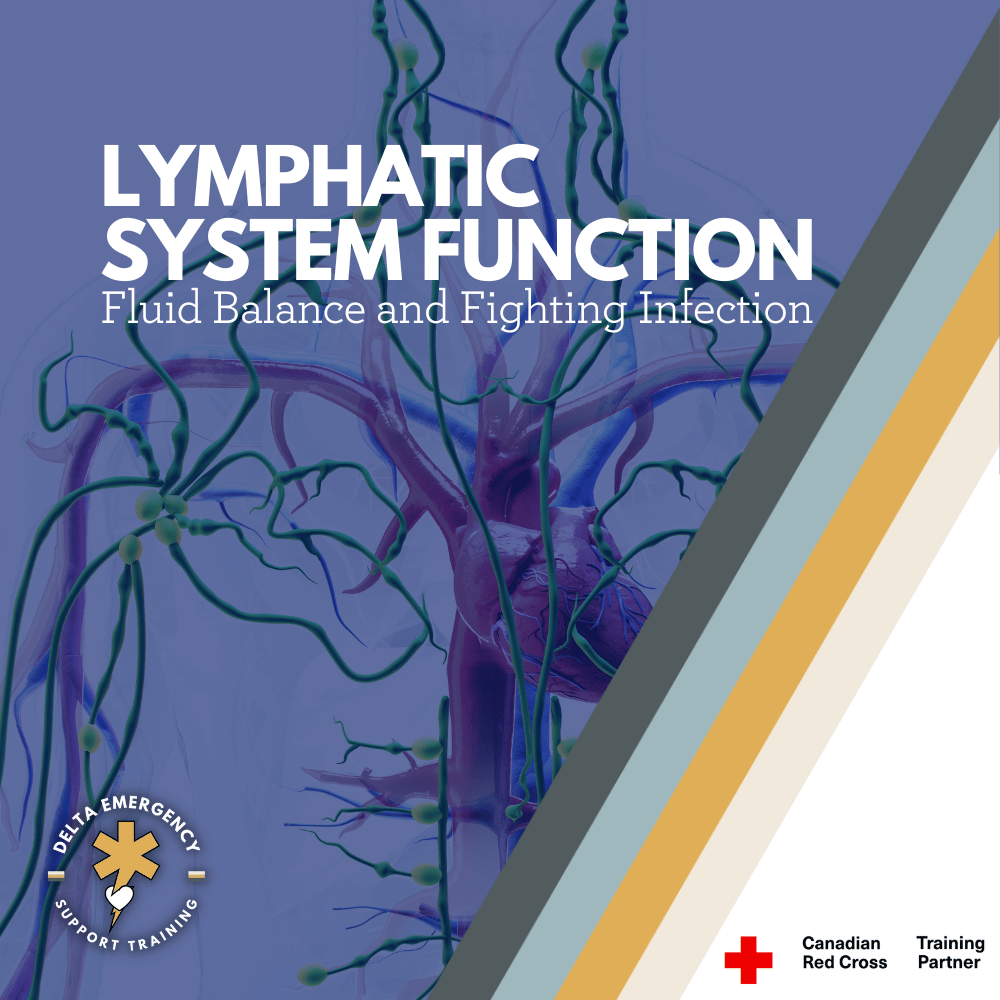
Pulmonary Embolism in Post-Surgical Patients
What Every Emergency Medical Responder Needs to Know
Pulmonary embolisms (PEs) are a leading cause of sudden, preventable death—especially in post-operative patients. As Emergency Medical Responders (EMRs) or Advanced First Aiders, understanding the signs, complications, and red flags of a PE can be the difference between life and death during a call.
While many PEs occur silently, those that do present can deteriorate rapidly. In the prehospital environment, your scene awareness, history taking, and rapid recognition play a crucial role in early intervention.
What Is a Pulmonary Embolism (PE)?
A pulmonary embolism is a blockage of one or more pulmonary arteries in the lungs, usually caused by a blood clot (thrombus) that travels from the legs (deep vein thrombosis or DVT) or pelvis. When that clot reaches the lungs, it obstructs blood flow, strains the heart, and impairs gas exchange—all of which can lead to hypoxia, shock, or cardiac arrest.
Why Are Post-Surgical Patients at Risk?
Surgical patients, particularly those recovering from major operations like orthopedic, abdominal, or pelvic procedures, face multiple risk factors:
Immobility during and after surgery → reduced circulation
Tissue trauma → activates the clotting cascade
Dehydration or blood loss → increases blood viscosity
Compression of veins during long procedures
Pre-existing conditions like obesity, smoking, cancer, or clotting disorders
Even young, otherwise healthy patients can develop PEs after surgery if proper precautions aren't followed.
Red Flags EMRs Should Watch For
A post-surgical patient complaining of vague symptoms may not look critical—but here are PE signs that demand immediate attention:
🫁 Respiratory Signs:
Sudden shortness of breath (unexplained)
Tachypnea (rapid breathing)
Chest pain (sharp, pleuritic — worsens with inspiration)
Cough (may be dry or produce blood-tinged sputum)
Low SpO₂ despite oxygen administration
❤️ Cardiovascular Signs:
Tachycardia
Hypotension
Lightheadedness or fainting
Cyanosis
Cool, clammy skin
🧠 Neurological & Other Signs:
Anxiety or impending sense of doom
Altered LOC in severe cases
Leg pain/swelling (DVT signs)
Recent history of surgery or long immobilization
Field Priorities for EMRs
Scene Size-Up and History Taking
Ask about recent surgeries, travel, hospitalizations, or prior blood clots
Look for signs of immobility, compression devices, or anticoagulants
Primary Assessment
Focus on airway, breathing, and circulation
Supplemental high-flow oxygen immediately if signs of hypoxia
Vitals and Rapid Transport
Monitor vitals frequently; deterioration can be fast
Transport urgently with pre-alert to hospital if PE is suspected
Reassessment
Watch for declining mental status or respiratory fatigue
Prepare for deterioration — cardiac arrest is possible in large PEs
What Makes PEs So Dangerous?
They can present subtly and escalate rapidly
Not all patients show textbook symptoms
Once the heart begins to strain or fail from the blockage, the window for intervention narrows quickly
Anticoagulant therapy or thrombolytics are hospital treatments, so early recognition and rapid transport are critical
Real-World Example
You’re dispatched to a 54-year-old woman 5 days post-knee replacement complaining of shortness of breath. She’s alert but anxious, SpO₂ is 88% on room air, heart rate 116, and she has mild leg swelling. She says it started suddenly and she feels “off.”
As an EMR, this is a classic red flag scenario: post-op, tachycardia, respiratory distress, possible DVT. This is when your training matters most.
Conclusion: What You Do Matters
Pulmonary embolisms in post-surgical patients are time-sensitive medical emergencies. As a responder, your ability to identify concerning symptoms, gather relevant history, and prioritize rapid care can drastically improve patient outcomes.
Always consider PE when a post-op patient presents with unexplained respiratory or circulatory compromise—even if it seems mild at first. Trust your instincts, act fast, and escalate early.
Delta Emergency Support Training
Based in Calgary, Alberta, we train EMRs and Advanced First Aiders with real-world scenarios and paramedic-led instruction to prepare you for critical cases like this. Whether you're working industrial, remote, or public events, our training prepares you for what truly matters.
The Lymphatic System: Your Body’s Built-In Defense Network
When most people think about vital systems in the human body, they picture the heart pumping blood or the lungs drawing in oxygen. But behind the scenes, the lymphatic system plays a critical and often overlooked role in keeping us healthy—especially when it comes to fighting infection, maintaining fluid balance, and supporting the immune system.
For first aiders, EMRs, and other frontline responders, understanding the lymphatic system can deepen your knowledge of the body's response to injury, infection, and inflammation. It also helps explain why we sometimes see swollen lymph nodes, fevers, and inflammatory reactions during patient assessments.
🔬 What Is the Lymphatic System?
The lymphatic system is a complex network of vessels, nodes, organs, and tissues that work together to:
Drain excess fluid from tissues and return it to the bloodstream
Filter harmful substances, like bacteria, viruses, and toxins
Produce and transport immune cells, such as lymphocytes
Absorb and transport fats from the digestive system
Think of it as the body’s sanitation and security team, quietly working alongside the circulatory system.
🧠 Key Components of the Lymphatic System
1. Lymph Fluid
A clear or pale yellow fluid made up of water, proteins, white blood cells (especially lymphocytes), and waste products.
Forms from fluid that leaks out of capillaries into tissues (called interstitial fluid) and is then collected by lymphatic vessels.
2. Lymphatic Vessels
A network of thin tubes that run throughout the body, similar to veins.
These vessels carry lymph fluid in one direction—toward the heart—using valves and muscular contractions to keep the fluid moving.
They eventually drain into two major ducts:
Thoracic duct (left side of body)
Right lymphatic duct (right side of head, arm, chest)
3. Lymph Nodes
Small, bean-shaped structures located along lymph vessels.
Filter lymph fluid and trap pathogens, foreign particles, and cancer cells.
Contain immune cells (B cells and T cells) that destroy harmful substances.
Common clusters are found in the neck, armpits, and groin—these may swell during infections.
4. Lymphoid Organs
Spleen: Filters blood, removes old red blood cells, and stores white blood cells.
Thymus: Located in the chest; where T cells mature (especially active in children).
Tonsils and adenoids: Located in the throat; protect against pathogens entering via mouth and nose.
Peyer’s patches: Found in the small intestine; monitor intestinal bacteria and immune responses in the gut.
🛡️ Lymphatic System and Immunity
The lymphatic system is deeply integrated into the immune response. It helps the body recognize, attack, and eliminate threats like viruses, bacteria, and cancer cells.
Key immune system cells found in lymphatic tissues include:
B lymphocytes (B cells): Produce antibodies to neutralize pathogens.
T lymphocytes (T cells): Attack infected cells and coordinate immune responses.
Macrophages: Engulf and digest cellular debris, pathogens, and dead cells.
When the body detects an invader, immune cells gather in nearby lymph nodes—causing localized swelling and tenderness, which you might feel in the neck or armpit during illness.
💉 Lymphatic System in Emergency Medicine and First Aid
While the lymphatic system itself doesn’t often present as a primary emergency, it plays a supporting role in many situations:
1. Infection
Swollen, tender lymph nodes can signal localized or systemic infection.
This is common in throat infections, skin abscesses, or infected wounds.
2. Sepsis
When infection spreads into the bloodstream, the lymphatic system may become overwhelmed.
Understanding its role helps responders recognize systemic responses like fever, elevated heart rate, and altered mental status.
3. Cancer
Lymph nodes are often used in staging cancers, as some malignancies (e.g., lymphoma or breast cancer) spread via the lymphatic system.
Responders may encounter patients with known lymphatic involvement or lymphedema from past cancer treatment.
4. Trauma and Swelling
Impaired lymph drainage can contribute to edema in injured limbs.
Compression injuries, surgical removal of nodes, or severe inflammation may damage lymphatic flow.
🧠 Fast Facts for First Aiders and EMRs
The lymphatic system has no central pump like the heart; it relies on movement, breathing, and muscle contractions.
Swollen lymph nodes are usually not painful unless infected.
Lymph nodes larger than 1 cm that persist for more than a few weeks should be evaluated by a physician.
Lymph fluid eventually returns to the bloodstream, helping maintain fluid balance and blood volume.
Conditions like lymphedema, often seen in cancer survivors, are caused by damage or blockage in lymph vessels.
🩺 Support the System
While you won’t be treating the lymphatic system directly in most emergency calls, here are ways first responders support it indirectly:
Encourage early treatment of infections to reduce the burden on lymph nodes
Recognize swollen lymph nodes as a sign of localized infection
Position patients properly to promote lymph drainage and circulation
Understand underlying conditions like lymphoma or lymphedema when assessing patients
📚 Conclusion: Small System, Big Impact
The lymphatic system may be quiet, but it’s crucial—working around the clock to remove waste, protect against illness, and support your immune defenses. For first responders, a working knowledge of the lymphatic system helps sharpen your assessment skills, especially in cases involving fever, infection, or unexplained swelling.
Whether you’re taking Advanced First Aid or working as an EMR, understanding this system adds another layer to your ability to assess and care for patients holistically.
From Oilfield to Firehall: Why Tradespeople Are Switching to Emergency Services
Many tradespeople in Alberta’s oil and gas sector are transitioning to emergency services careers. At Delta Emergency Support Training in Calgary, our Advanced First Aid course provides the essential skills and certification needed to make that move with confidence.
Alberta has long been known for its oil and gas industry — and rightly so. From Fort McMurray to the foothills outside Calgary, thousands of workers have built careers in the trades, on the rigs, and in the field. But in recent years, a growing number of tradespeople are making a dramatic shift: trading in steel toes and coveralls for bunker gear and medical kits.
At Delta Emergency Support Training, based in Calgary, Alberta, we’ve seen the trend firsthand. More and more of our Advanced First Aid (AFA) students come from backgrounds in the oil patch, construction, or related trades, seeking a new path in firefighting, emergency medical services, or public safety.
Here’s why this transition is becoming so popular—and how Advanced First Aid training can be your first step from the oilfield to the firehall.
Why Tradespeople Are a Natural Fit for Emergency Services
Many of the qualities that make someone successful on a rig or in a trade are the same qualities needed in emergency response:
Strong work ethic and long shifts
Team-based environments
High-pressure problem solving
Hands-on technical skills
Risk awareness and safety training
Comfort in unpredictable or hazardous settings
If you’ve spent time working in the field, you’ve likely already experienced critical thinking during crises, emergency evacuations, or injury responses. That mindset—and real-world toughness—is highly transferable to fire and EMS careers.
Why the Shift Is Happening Now
There’s no doubt the oil and gas industry still offers high-paying work. But for many tradespeople, the physical demands, economic uncertainty, and cyclical layoffs have made them look for more stable, meaningful, or community-focused careers. Emergency services are standing out for a number of reasons:
Long-term stability and benefits
Purpose-driven work that gives back to the community
Opportunity to work closer to home
Union support and career advancement pathways
Strong demand for trained emergency responders in Alberta
If you're already safety-certified, used to remote work, and calm under pressure, transitioning to a fire department or EMS service might feel like a natural progression.
Advanced First Aid: Your First Step Toward a New Career
At Delta Emergency Support Training, we offer Advanced First Aid certification and recertification, designed for those ready to pursue new roles in emergency services.
Our courses, taught by experienced paramedics and firefighters, give you the skills and credentials to apply to:
Municipal fire departments like Calgary or Edmonton Fire
Industrial or wildland fire crews
Emergency Medical Responder (EMR) or Primary Care Paramedic (PCP) programs
Oil and gas site medical teams
Search and Rescue or auxiliary fire departments
What You’ll Learn:
Following the Canadian Red Cross curriculum, Advanced First Aid training includes:
Scene and patient assessment
CPR Level C and AED
Airway and breathing emergencies
Spinal, head, chest, abdominal, and limb injuries
Seizures, strokes, anaphylaxis, diabetic emergencies
Multiple casualty management and triage
Oxygen administration
Legal responsibilities and assisting with medications
This level of training is often the minimum requirement for entry into emergency service programs—and it builds confidence for high-stakes environments.
You're Not Starting Over—You're Building Forward
Switching careers doesn’t mean leaving your skills behind. In fact, your experience in the trades—whether it's welding, electrical, drilling, construction, or industrial safety—equips you with a unique edge.
At Delta Emergency, we’ve seen all kinds of professionals make the leap into emergency services. We’ve trained doctors, nurses, personal trainers, military personnel, and tradespeople who have successfully transitioned into fire, EMS, or rescue careers. The one thing they all had in common? A willingness to start with solid foundational training and a drive to serve.
You don’t need a medical degree or fire academy certificate to get started—just the right training and mindset.
Take the First Step with Delta Emergency Support Training
Emergency services are more than just a job—they're a calling. If you're ready to explore a career that's local, stable, and community-centered, Delta Emergency Support Training in Calgary, Alberta is here to support your journey.
Advanced First Aid is more than a certificate—it’s your starting point. Learn from real paramedics and firefighters and take the first step toward a career with purpose.
Visit our website to learn more about the program and how it can support your next move.
Advanced First Aid for Dog Bites: A Firefighter & EMS Responder’s Guide
Dog bites demand swift, skilled care from first responders. Our Red Cross Advanced First Aid & EMR course trains firefighters and EMS personnel in critical skills—from scene safety to wound management and emotional support. Learn to confidently handle dog bite emergencies and more with hands-on training that prepares you for real-world situations.
Dog bites are common and can range from minor injuries to life-threatening wounds. As an advanced first aider—often a firefighter or EMS responder—you’re frequently the first healthcare professional on scene. Your response can significantly impact the victim’s recovery, infection risk, and emotional well-being.
This guide provides an in-depth approach to managing dog bites, emphasizing scene safety, injury treatment, wound care, and patient support with your advanced training and EMS protocols in mind.
1. Scene Safety: Your First Priority
As firefighters and EMS responders, scene safety is non-negotiable. Before attending to the victim:
Ensure the dog is secured or removed from the scene.
Coordinate with police or animal control if the dog is aggressive or unrestrained.
Use situational awareness to spot hazards like traffic, bystanders, or multiple animals.
Wear appropriate personal protective equipment (PPE), including gloves and eye protection.
Brief your team on potential risks and establish safe zones.
Remember: your safety is critical. You cannot assist others if injured.
2. Rapid Assessment of Injury and Vital Signs
Upon approaching the patient:
Perform a quick but thorough assessment:
Identify bite locations, wound depth, and bleeding severity.
Assess airway, breathing, circulation (ABCs), especially if bites are on the face or neck.
Look for signs of shock or distress.
Evaluate distal circulation and neurological status if extremities are involved.
Prepare for rapid transport if injury severity or patient condition warrants.
3. Managing Bleeding and Stabilizing the Wound
Apply direct pressure with sterile dressings to control bleeding.
Elevate the injured limb if it does not exacerbate pain or injury.
Use hemostatic dressings or pressure bandages if standard methods fail and bleeding is life-threatening.
Avoid closing wounds—leave that to hospital staff.
If bones are exposed or fractures suspected, immobilize the limb appropriately.
4. Cleaning and Infection Control in the Field
Use available clean water or saline to gently irrigate wounds, flushing away debris and contaminants.
Avoid harsh scrubbing to prevent tissue damage.
Apply sterile, non-adherent dressings loosely to reduce infection risk.
Maintain standard precautions—dog bites pose high infection risk from mixed bacterial flora.
5. Addressing Emotional Trauma and Providing Reassurance
Understand that dog bite victims, especially children, often experience intense fear or shock.
Use your training in crisis intervention to calm and reassure patients and caregivers.
Maintain eye contact, speak in a calm voice, and explain procedures as you go.
If a child is involved, engage a parent or guardian for comfort, and use age-appropriate communication.
6. Differences in Treatment: Adults vs. Children
Children’s smaller anatomy and thinner skin increase risk of deeper injuries. Facial and neck bites require immediate airway assessment.
Children may be less cooperative; use gentle distraction and clear, comforting language.
Monitor for airway obstruction and signs of respiratory distress in both adults and children, but be especially vigilant with pediatric patients.
Adults may underreport pain or injury severity—conduct thorough assessments.
7. When to Activate Advanced Care and Transport
Immediately initiate rapid transport and notify receiving facility if:
Bleeding is uncontrolled or severe
Patient shows signs of shock or compromised airway
Wounds involve face, neck, hands, or joints
Suspected fractures or nerve injuries are present
Signs of infection or systemic illness are evident
Pediatric patients require specialized care
Coordinate transport with EMS and hospital staff for optimal continuity of care.
8. Documentation and Reporting
Record detailed information on the bite incident, dog description, and circumstances.
Document patient’s vital signs, treatment provided, and response to interventions.
Share info with receiving medical personnel and law enforcement/animal control as needed.
Proper documentation supports patient care and public safety.
9. Post-Incident Patient Education
Advise victims to seek follow-up care for tetanus boosters, rabies prophylaxis, and wound management.
Educate on signs of infection to watch for at home.
Stress importance of reporting dog bites to local health authorities.
10. Summary for Firefighters & EMS Responders
StepKey ActionsScene SafetySecure environment, coordinate with animal control, PPE use.AssessmentRapid injury and ABC evaluation, assess for shock.Bleeding ControlDirect pressure, elevation, hemostatic dressings if needed.Wound CareGentle irrigation, sterile dressing, infection prevention.Emotional SupportCalm communication, involve caregivers, monitor for shock.Pediatric CareAirway vigilance, gentle approach, watch for distress signs.TransportRapid evacuation for severe cases, notify hospital.DocumentationAccurate records for care and reporting.
As a firefighter or EMS advanced first aider, your training equips you to manage the complex needs of dog bite victims with confidence and professionalism. Your timely intervention saves lives, prevents complications, and supports recovery—physically and emotionally.
The Critical Role of BSI: Protecting Yourself First as a First Responder
Body Substance Isolation (BSI) is more than just wearing gloves—it's a life-saving habit for every first responder. From bloodborne pathogens to airborne illnesses, BSI protects you from invisible threats on every call. At Delta Emergency Support Training, we emphasize BSI in every scenario because your safety comes first. Learn what PPE to wear, how to use it, and why BSI is essential in every emergency situation.
When responding to emergencies, your focus is naturally on saving others. But as a first responder, your own safety must come first. That’s where Body Substance Isolation (BSI) comes in—a fundamental part of emergency medical care that often gets overlooked, especially by new responders.
BSI is more than just gloves—it's a mindset, a habit, and a crucial layer of protection against invisible but dangerous threats like bloodborne pathogens, bacteria, and bodily fluids.
At Delta Emergency Support Training, we emphasize BSI in every scenario because if you’re not safe, you can’t help anyone else.
🚨 What Is BSI?
Body Substance Isolation (BSI) is a set of precautions used to prevent contact with potentially infectious body fluids. This includes blood, vomit, saliva, urine, feces, and respiratory secretions.
BSI is part of Standard Precautions, a cornerstone of infection control recommended by health authorities and the Canadian Red Cross. BSI assumes that anyone could be carrying an infectious disease, whether or not symptoms are visible.
🦠 Diseases & Infections That Can Be Transmitted
Here are some of the infections you risk exposure to during first aid or emergency response:
Bloodborne Pathogens
Hepatitis B (HBV): Can survive in dried blood for up to a week
Hepatitis C (HCV): No vaccine, often leads to chronic liver issues
HIV/AIDS: Though lower risk, exposure via blood or sexual fluids can occur
Airborne & Droplet Diseases
COVID-19
Influenza
Tuberculosis
Contact-Transmissible Infections
MRSA (Methicillin-resistant Staphylococcus aureus)
Norovirus
C. difficile
These diseases can be transmitted through:
Cuts or broken skin
Mucous membranes (eyes, mouth)
Inhalation (coughs, sneezes)
Contaminated surfaces or medical equipment
🧰 What BSI Gear to Use—and When
🔹 Gloves (Always)
Used on every call. Always don gloves before patient contact, even when no fluids are visible. Use nitrile gloves for latex-sensitive patients and for better chemical resistance.
🔹 Eye Protection & Face Shield
For any situation involving splash risk (e.g., severe bleeding, childbirth, vomiting). Goggles or a full face shield help protect your mucous membranes from exposure.
🔹 Gowns/Aprons
For major trauma, childbirth, or mass-casualty events with heavy blood loss or body fluid exposure.
🔹 Masks (Surgical/N95)
Surgical Mask: For droplet protection during coughing, vomiting, or respiratory distress.
N95 Respirator: Use during airborne illness calls (e.g., suspected TB, COVID-19) and when performing aerosol-generating procedures like CPR or suctioning.
🧠 Scenario-Based BSI Examples
Scenario 1: Motor Vehicle Collision
Patient bleeding heavily from the scalp and face.
You wear: Gloves, goggles/face shield, gown if time permits.
Tip: Be cautious kneeling near broken glass or on spilled fuel.
Scenario 2: Unconscious Overdose
Risk of vomit, saliva, or needle sticks.
You wear: Gloves, mask, eye protection.
Tip: Never blindly reach into pockets or under the person—use tools and visual checks.
Scenario 3: Respiratory Distress in a Child
Coughing, drooling, rapid breathing.
You wear: Gloves, surgical or N95 mask, eye protection.
Tip: Keep your face out of the line of the patient’s airway.
Scenario 4: Diabetic Emergency with Vomiting
Patient is responsive but disoriented and vomiting.
You wear: Gloves, eye protection.
Tip: Position yourself behind or to the side—not in front—when managing vomiting to avoid splash.
⚠️ Hidden Dangers: BSI Tips from the Field
🔸 Where You Put Your Bag Matters
Keep gear off the ground and away from pools of fluid.
Use tarps, bags with plastic bottoms, or place equipment on elevated surfaces like a bench or chair.
🔸 Watch Where You Kneel
Glass, needles, body fluids, and animal waste can all be on the ground.
Wear durable, washable uniforms and clean gear after every shift.
🔸 Double Glove for Safety
In high-risk situations (e.g., trauma, unknown environment), wear two pairs of gloves and peel the outer layer off after initial contact.
🔸 Avoid Touching Your Face
It's a reflex, but it’s dangerous. You could unknowingly transfer pathogens to your eyes, nose, or mouth.
🔸 Proper Doffing Technique
Removing PPE incorrectly can contaminate you. Practice safe removal: gloves off first, then goggles, then gown, then mask.
🔸 Use a Buddy System
Have a partner check you for contamination before you remove gear or re-enter a clean zone.
🧽 After the Call: BSI Doesn’t End on Scene
Disinfect your equipment: Stethoscopes, trauma shears, radios, pens, and patient monitors all carry pathogens.
Change uniforms: Always bring an extra change of clothing. Launder contaminated items ASAP.
Hand hygiene: Wash thoroughly or use alcohol-based sanitizer (60–90%) after glove removal—even if your hands “feel clean.”
👩⚕️ Why BSI Isn’t Optional—It’s Life-Saving
BSI isn’t about paranoia—it’s about routine protection in an unpredictable world. Even minor exposures can result in career-altering infections, transmission to loved ones, or weeks of medical follow-up.
At Delta Emergency Support Training, we train first responders to treat every scene like it matters—because it does. From our Standard First Aid and Advanced First Aid/EMR courses to BLS and professional response training, we focus on real-world practices that protect you and your patients.
✅ Final Reminder
Always wear gloves.
Always assess the scene for fluid or sharp hazards.
Always treat every person as potentially infectious.
🩺 You’re no help to anyone if you’re not protected. BSI is not just protocol—it’s your first layer of survival on every call.
From First Aid to Fireline: Your Path to Wildland Deployment
Canada’s wildfire seasons are getting more intense—so is the demand for skilled wildland firefighters. Learn what the job involves, the certifications you need (like S-100, S-185, and EMR), and how Delta Emergency Support Training helps future responders build a solid foundation in Red Cross-certified Advanced First Aid and Emergency Medical Responder programs.
Into the Flames: Exploring Wildland Firefighting in Canada
Wildland firefighter clearing brush
Canada’s Increasing Need for Wildland Firefighters
With fire seasons growing longer and more intense across Canada, wildland firefighters are more essential than ever. From British Columbia’s dry interior to the boreal forests of Alberta and Northern Ontario, fire crews are called on every summer to battle large, unpredictable blazes that threaten ecosystems, homes, and entire communities.
If you're working toward becoming a first responder, Emergency Medical Responder (EMR), or firefighter, wildland firefighting can be a powerful way to gain experience, build resilience, and serve when it matters most.
What Is Wildland Firefighting?
Wildland firefighting involves controlling and suppressing fires that occur in natural areas—forests, grasslands, or remote terrain. In contrast to urban or structural firefighting, wildland firefighters operate in rugged, undeveloped areas, often far from roads, with limited access to resources.
You might be:
Building fire guards (hand-dug trenches to stop fire spread)
Conducting controlled burns
Monitoring hot spots for reignition
Assisting with helicopter bucket drops or pump setups
Supporting evacuations of nearby communities
Canadian Training and Requirements
If you're interested in working as a wildland firefighter in Canada, here are the typical requirements:
✅ Required Certifications:
S-100: Basic Fire Suppression and Safety
S-185: Fire Entrapment Avoidance
ICS-100: Introduction to Incident Command System
Standard First Aid, Advanced First Aid, or EMR (depending on the role)
🏋️ Fitness Testing:
Many agencies require a physical fitness test (like the WFX-FIT), which includes:
Carrying a 25 kg pump
Hose pack hikes
Grip strength and balance challenges
🧰 Additional Skills That Help:
Chainsaw safety certification
WHMIS (Workplace Hazardous Materials)
Radio communication skills
Class 4 or air brake license (for driving fire vehicles)
In Canada, wildland firefighters are employed by:
Provincial agencies (e.g., BC Wildfire Service, Alberta Wildfire, Ontario Ministry of Natural Resources and Forestry)
Private contractors
Federal emergency response teams
Why EMR and AFA Matter on the Fireline
Medical incidents on wildfire deployments are more common than many expect. Team members may face:
Heat exhaustion or heat stroke
Dehydration or altitude sickness
Burns or smoke inhalation
Trauma from slips, trips, or falling debris
Insect stings or allergic reactions
Having a certified Emergency Medical Responder or someone with Advanced First Aid training on a crew means faster, more effective care until paramedics or air support can arrive. It's also a valuable asset that can make your application stand out.
What Deployment Is Really Like
Canadian wildland fire deployments can last days or even weeks, especially during peak season (June to August). Expect:
Camp life (tents, cots, and basic food services)
12+ hour shifts
Variable weather (extreme heat, rain, or smoke)
Team living — camaraderie and close-knit bonds are key
The work is physically tough, but the environment is incredibly rewarding—many describe it as life-changing.
What to Pack on a Deployment
Most agencies provide essential PPE (boots, helmet, Nomex gear), but your go-bag should include:
High-energy snacks
Extra socks
Lightweight sleeping gear
Rehydration tablets or electrolytes
Small first aid kit
Bug spray and sunscreen
Mental Resilience Is Key
The mental strain of extended deployments, long shifts, and witnessing environmental damage can take its toll. Fireline crews rely heavily on:
Peer support
Strong leadership
Daily briefings and debriefings
Mental health resources when needed
How to Get Started in Canada
Take an Advanced First Aid or EMR course to meet hiring and deployment requirements.
Get your S-100 and S-185 certifications (typically offered through wildfire agencies or training providers).
Train physically for endurance, balance, and strength.
Apply to provincial wildfire services or contractors in early spring (applications often open between January and March).
Why Wildland Firefighting Is a Great Step Toward a Fire Service Career
Many municipal firefighters start with wildland contracts. It helps build:
Teamwork under pressure
Medical and safety experience
Exposure to command structures (ICS)
Mental and physical readiness for emergency work
🔥 Train With Delta Emergency Support Training
At Delta Emergency Support Training, we support future wildland firefighters with Red Cross-certified Advanced First Aid and EMR training—delivered by real paramedics and firefighters who know what the job demands. If you’re serious about joining the fire service, we’ll help you start strong and stay prepared.
Ready to begin your career on the front lines of Canada’s wildfires? Join Team Delta and let’s get started.
Why Advanced First Aid Is a Must-Have for Future Firefighters: Prepare for Firefighter Recruitment with the Right Medical Training
Thinking of applying to a fire department? Start with Advanced First Aid. Learn how Red Cross-certified training builds your emergency response skills and prepares you for a first responder career.
Firefighter in training.
If you're thinking about becoming a firefighter in Canada, you already know it's more than just battling flames. Firefighters are often the first on scene at medical emergencies, and in many departments, having Advanced First Aid certification is not just helpful—it’s required. As recruitment becomes more competitive, one of the best ways to stand out is to complete your Advanced First Aid training before you apply.
Why Medical Training Matters for Firefighters
Modern firefighting isn’t just fire suppression—it's rescue, emergency medical care, and community safety. Many calls involve:
Motor vehicle collisions
Cardiac arrests
Trauma from falls or accidents
Overdoses and breathing emergencies
In these cases, the ability to perform high-quality medical support can mean the difference between life and death.
What You’ll Learn in Advanced First Aid
Advanced First Aid (AFA), based on the Canadian Red Cross Emergency Care for Professional Responders, teaches you skills like:
Patient assessment and scene safety
Airway management and oxygen administration
CPR/AED for all age groups
Spinal motion restriction
Wound care, bleeding control, and shock management
Triage and emergency scenario response
This course gives you the tools to act confidently in real emergencies—a critical part of your firefighter toolkit.
Stand Out in the Hiring Process
Many fire departments prefer or require AFA (or higher-level training) as part of their application process. Having it shows that:
You’re serious about the job
You understand the physical and mental demands
You can contribute on Day 1
It also prepares you for future paramedic training or Primary Care Paramedic (PCP) certification, which many firefighters go on to pursue.
Train with Real Firefighters and Paramedics
At Delta Emergency Support Training, our instructors are experienced firefighters and paramedics who know exactly what departments are looking for. We don’t just teach you how to pass—we prepare you for what it’s really like out in the field.
What’s Next After AFA?
If you're planning your next steps, here’s a path many successful applicants follow:
Complete Advanced First Aid
Start physical fitness prep (like CPAT)
Take a Firefighter Pre-Academy Program or Fire School
Prepare for interviews and aptitude testing
Apply
Final Thoughts
Getting your Advanced First Aid certification isn’t just checking a box—it’s building your confidence and skills to save lives. Whether you’re planning to fight fires in a city or on the front lines of a wildfire, your first aid skills are your foundation.
Want to become a firefighter? Start here. Join one of our Red Cross certified AFA courses and get trained by the professionals who do this work every day.
Liver Failure: What Every Future First Responder Should Know
Liver failure is a life-threatening condition that every future first responder should be able to recognize. This in-depth guide covers liver function, causes of failure, patient symptoms, and how firefighters and EMRs can respond—based on Red Cross emergency care standards.
The liver is one of the most vital organs in the human body, responsible for a wide range of essential functions. As a first responder—whether you're training as a firefighter, Emergency Medical Responder, or preparing for a healthcare career—it’s important to understand what liver failure is, how it presents, and what role you can play in early recognition and supportive care.
This blog post is designed for students and professionals taking Advanced First Aid or Red Cross EMR courses who are beginning their journey into emergency services. Whether you’re on a call with your fire crew or treating a patient as part of EMS, knowing how to recognize and respond to liver failure can save lives.
The Role of the Liver in the Human Body
The liver has more than 500 known functions. Key responsibilities include:
Detoxification: Filtering toxins from the blood (including medications, alcohol, and waste byproducts).
Metabolism: Processing carbohydrates, fats, and proteins.
Storage: Storing glycogen, vitamins, and iron.
Bile Production: Aiding digestion by producing bile for fat absorption.
Clotting Factors: Synthesizing proteins necessary for blood clotting.
When liver cells become damaged or overwhelmed, these processes break down—leading to liver failure, which can progress rapidly.
What Is Liver Failure?
Liver failure occurs when the liver loses its ability to function adequately. It can be acute (develops quickly over days or weeks) or chronic (progresses over months or years).
Types of Liver Failure:
Acute Liver Failure (ALF): Often caused by overdose, viral hepatitis, or toxins. Patients may have had no prior liver disease.
Chronic Liver Failure (CLF): Usually due to long-term conditions like alcoholism, hepatitis C, or nonalcoholic fatty liver disease (NAFLD).
Stages of Liver Failure
Inflammation: Liver becomes swollen or inflamed.
Fibrosis: Scar tissue begins to form.
Cirrhosis: Scar tissue replaces healthy tissue, impeding function.
End-Stage Liver Disease (ESLD): Liver stops functioning effectively.
Hepatic Encephalopathy: Toxins affect brain function due to liver's inability to filter.
Common Causes of Liver Failure
Alcohol abuse
Hepatitis A, B, and C
Acetaminophen overdose
Autoimmune liver disease
Genetic conditions (e.g., Wilson’s disease)
Fatty liver disease
Toxin exposure (mushrooms, industrial chemicals)
Signs and Symptoms
As a first responder, here are the signs you may observe:
Early Signs:
Fatigue
Loss of appetite
Nausea and vomiting
Right upper quadrant abdominal pain
Progressing Symptoms:
Jaundice: Yellowing of the skin and eyes
Bruising or bleeding easily (due to loss of clotting factors)
Swelling in legs and abdomen (ascites)
Dark urine, pale stool
Confusion or personality changes (hepatic encephalopathy)
Fetor hepaticus: A sweet, musty breath odor
How These Patients Present to EMS:
Altered level of consciousness
Seizures or unresponsiveness in severe encephalopathy
Abdominal pain and distention
Visible jaundice or bruising
History of alcohol use, medication use (especially acetaminophen), or hepatitis
Possible GI bleeding (hematemesis or melena)
Treatment Overview
While definitive treatment often includes hospitalization, liver transplant, or intensive supportive care, first responders can play a crucial early role:
Emergency Priorities:
Airway, Breathing, Circulation (ABCs): Always your first step.
Monitor LOC: Liver failure can rapidly lead to encephalopathy and unconsciousness.
Manage bleeding: These patients bleed easily due to impaired clotting.
Prevent further harm: Minimize medications and toxins.
Rapid transport: Time is critical in acute liver failure.
How Firefighters, EMRs, and Paramedics Respond
For Firefighters:
Be aware during medical assist calls, particularly for unconscious individuals.
Look for signs of jaundice or a known history of liver disease.
Support EMS with lifting and extrication in swollen or weakened patients.
For EMRs:
Take a clear history if possible (alcohol, drug use, known liver issues).
Use primary and secondary survey techniques to identify symptoms.
Support airway and manage LOC as needed.
Understand your role in ongoing assessment and timely transport.
For Paramedics:
Initiate IV access if within scope.
Administer oxygen and prepare for airway intervention.
Check glucose levels—hypoglycemia is common.
Be prepared for seizures or altered mental status.
Notify receiving hospital of suspected liver failure.
Why Liver Knowledge Matters for First Responders
Liver failure is often underrecognized in the pre-hospital setting, especially in its early stages. However, responders with advanced first aid or EMR training can spot the red flags and advocate for timely care.
Understanding the liver’s role in the body, the signs of dysfunction, and how these patients deteriorate can help you:
Communicate effectively with paramedics and hospital staff.
Make informed decisions during assessment.
Improve outcomes by acting early.
Join the Front Lines: Train with Confidence
At Delta Emergency Support Training, we specialize in Red Cross-certified Advanced First Aid and Emergency Medical Responder (EMR) courses for individuals looking to start a career in emergency services.
Whether you're working toward a future as a paramedic, firefighter, or healthcare professional, our instructors—many of whom are active EMS providers and firefighters—are here to prepare you for real-world scenarios, including recognizing critical conditions like liver failure.
Final Thoughts
Liver failure may not be the first thing that comes to mind during a call—but for the trained eye, it's a condition that demands attention. As a first responder, being equipped with the knowledge to recognize and respond can make all the difference.
Take the first step in your emergency services career by enrolling in one of our Red Cross-certified training programs. Learn to recognize more than symptoms—learn to save lives.
Invisible Danger: Red Cross Guide to CO Poisoning Care for AFA + EMR
Aligned with Red Cross standards, this guide prepares Emergency Medical Responders and Advanced First Aiders to recognize and manage carbon monoxide poisoning effectively—from symptoms to scene safety and oxygen treatment.
Carbon monoxide (CO) is a silent killer. As an Advanced First Aider or Emergency Medical Responder (EMR), you're often the first healthcare contact a patient receives. Early recognition and prompt intervention in CO poisoning are crucial and can save lives—especially in settings where access to definitive care may be delayed.
This blog outlines the causes, signs and symptoms, pathophysiology, field assessment, and pre-hospital care strategies relevant to both Advanced First Aiders and EMRs.
What Is Carbon Monoxide?
Carbon monoxide is a colorless, odorless, tasteless gas produced by the incomplete combustion of carbon-based fuels, such as:
Gasoline
Natural gas
Wood
Coal
Propane
It is often found in:
Malfunctioning furnaces and heaters
Gas-powered generators
Indoor barbecuing or grilling
Exhaust from vehicles in enclosed spaces
Fires (house, structure, or wildland)
Because CO is undetectable without special equipment, individuals can be poisoned without any obvious warning signs.
Why Is It Dangerous?
CO binds to hemoglobin in red blood cells with 200 to 250 times greater affinity than oxygen, forming carboxyhemoglobin (COHb). This reduces the amount of oxygen that can be transported through the bloodstream and delivered to vital organs. As a result, even small exposures can lead to significant tissue hypoxia, especially in high-demand organs like the brain and heart.
Common Risk Scenarios for First Responders
You may encounter CO poisoning in any of the following situations:
Residential emergencies involving fuel-burning appliances
People found unconscious in a running vehicle (especially in enclosed garages)
Victims rescued from structure fires or enclosed-space fires
Use of charcoal grills or fuel heaters indoors
Power outages leading to indoor generator use
Your scene awareness and understanding of environmental risks are essential in raising suspicion early.
Signs and Symptoms of CO Poisoning
Mild to Moderate Exposure
Headache (often described as dull or pressure-like)
Dizziness or lightheadedness
Nausea and vomiting
Fatigue or weakness
Confusion or difficulty concentrating
Shortness of breath with minimal exertion
Severe Exposure
Altered level of consciousness or unresponsiveness
Chest pain (especially in individuals with cardiac history)
Tachycardia, hypotension
Seizures
Loss of coordination or balance
Respiratory distress
Coma or death
Children, elderly individuals, and pregnant patients are particularly vulnerable, and may deteriorate more quickly.
What About Pulse Oximeter (SpO₂) Readings?
This is a critical point for both EMRs and Advanced First Aiders:
Pulse oximeters are unreliable in carbon monoxide poisoning.
Why?
Pulse oximeters measure the percentage of hemoglobin saturated with something, but they cannot distinguish between:
Oxyhemoglobin (HbO₂): hemoglobin bound with oxygen
Carboxyhemoglobin (COHb): hemoglobin bound with carbon monoxide
Since COHb absorbs light in a similar way to HbO₂, the device will often display a falsely normal or high oxygen saturation (SpO₂), even if the patient is severely hypoxic.
Example:
A patient may have:
A pulse oximeter reading of 98–100%
But a COHb level of 30–40%, meaning oxygen delivery is critically impaired
Key Takeaway
Do not rely on SpO₂ readings in suspected carbon monoxide poisoning.
Instead:
Focus on the scene context and presenting symptoms
Administer high-flow oxygen regardless of oximeter reading
Prioritize transport to definitive medical care
Pre-Hospital Management
Your early actions can dramatically improve outcomes. Here's what to do:
1. Ensure Scene Safety
Before entering a potentially contaminated area, ensure it is safe. Never enter confined spaces without proper PPE and backup support.
2. Remove the Patient from Exposure
Move the patient to fresh air immediately, but only if it is safe to do so.
3. Administer High-Flow Oxygen
Use a non-rebreather mask at 15 L/min
Oxygen accelerates the dissociation of carbon monoxide from hemoglobin:
Room air: COHb half-life ~5 hours
100% oxygen: COHb half-life ~1.5 hours
Hyperbaric oxygen: COHb half-life ~30 minutes
4. Monitor Vital Signs
Expect signs of hypoxia, even with normal SpO₂
Monitor for respiratory distress, altered LOC, or shock
5. Rapid Transport
Any symptomatic patient requires prompt transfer to advanced medical care, especially if:
They have altered mental status
Are pregnant
Exhibit neurological or cardiac symptoms
Have been exposed for a prolonged period
Notify receiving EMS crews or hospitals of the potential CO exposure.
Special Considerations
Pregnant Patients
Fetal hemoglobin binds CO more readily than adult hemoglobin. CO exposure poses serious risks to the fetus, even if the mother appears only mildly symptomatic.
Pediatric Patients
Children may develop symptoms more quickly due to higher metabolic rates and smaller reserves.
Multiple Casualties
If several people in the same environment report similar symptoms (e.g., headache, dizziness), strongly suspect environmental CO exposure. Treat all individuals as potentially poisoned, even if some are asymptomatic.
Field Clues for CO Exposure
Use this quick field checklist:
Is there a fuel-burning device involved?
Are multiple people feeling sick in the same location?
Do symptoms improve once outdoors?
Is there poor ventilation or signs of combustion indoors?
Does the patient seem "too sick" for their SpO₂ reading?
If yes to any of the above: suspect carbon monoxide poisoning and treat accordingly.
Quick Reference Table: SpO₂ in CO Poisoning
FactorNormal PatientCO Poisoning PatientPulse Oximeter (SpO₂)97–100%97–100% (falsely normal)Actual Oxygen DeliveryAdequateCritically impairedAppropriate ActionMonitorHigh-flow O₂ + transport
Prevention and Education
As a first responder, you also play a vital role in prevention. Encourage the public to:
Install and maintain carbon monoxide detectors
Keep fuel-burning appliances properly ventilated
Never use outdoor cooking equipment indoors
Avoid idling vehicles in enclosed spaces
Seek medical attention after any CO alarm activation, especially with symptoms
Carbon monoxide poisoning is a critical medical emergency that demands rapid recognition and decisive care. Both Advanced First Aiders and Emergency Medical Responders must understand that a normal SpO₂ reading doesn’t rule out danger. Situational awareness, oxygen administration, and timely transport are your most effective tools in the field.
At our training center, we specialize in Advanced First Aid and EMR education, equipping students with the real-world skills needed to respond confidently to medical emergencies—including CO poisoning. If you're interested in becoming a firefighter or pursuing a career in emergency services, our programs are a strong first step.
Many of our instructors are experienced paramedics and active-duty firefighters, bringing first-hand insights from the front lines directly into the classroom. You'll learn from professionals who live what they teach—preparing you not only to pass your course but to thrive in high-stakes environments.
Ready to take the next step? Join a course that goes beyond the textbook.
Scene Assessment for AFA & EMR: A Step-by-Step Guide
Discover how first responders assess scenes in seconds using real tools like HEMPPA, PWCATS, and SCORTS. We teach it in our EMR course — with real-world scenarios to make it stick.
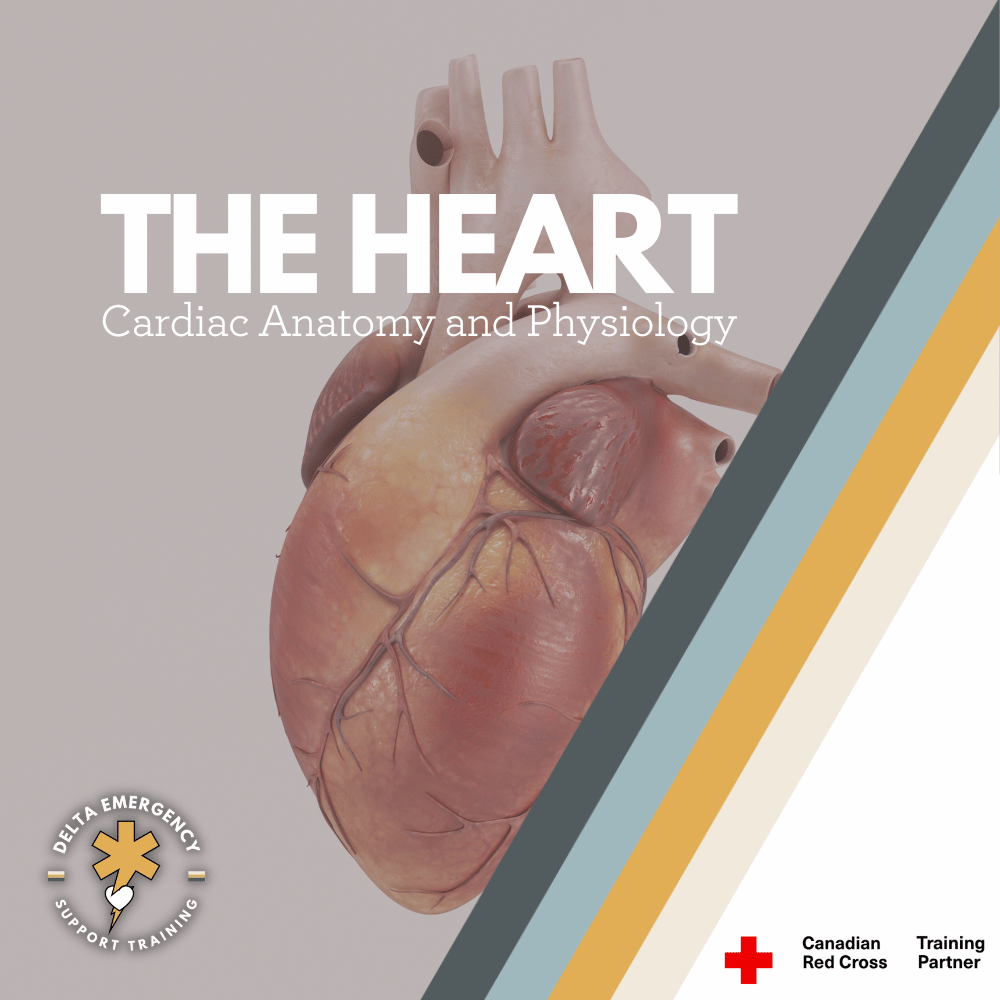
In emergency medical care, scene assessment is your first critical move. It ensures your safety, guides your approach to the patient, and sets the foundation for triage, treatment, and transport. Whether you’re first on the scene or part of a larger response team, a systematic assessment process helps you stay focused and effective.
🚨 Step 1: Scene Overview – HEMPPA
The acronym HEMPPA helps responders quickly assess for overall scene safety and initial priorities:
H – Hazards
Look for anything that could harm you, the patient, or bystanders.
Examples: traffic, fire, electricity, gas, violence, sharp objects.
Why it matters: A dead rescuer helps no one. Always protect yourself first.
E – Environment
Assess conditions like weather, lighting, terrain, and location access.
Slippery roads, tight spaces, or poor visibility can impact patient care and evacuation.
M – Mechanism of Injury (MOI) / Nature of Illness (NOI)
MOI: What caused the injury? (e.g., fall from height, motor vehicle crash)
NOI: For medical calls, what’s wrong? (e.g., chest pain, shortness of breath)
P – Patients (Number)
Are there multiple patients?
Call for more resources if needed (e.g., MVC with multiple occupants).
P – PPE (Personal Protective Equipment)
Gloves, eye protection, masks — wear what’s appropriate to protect from bodily fluids or contaminants.
A – Additional Resources
Fire, police, ALS units, specialized rescue — ask early.
Helps control the scene, provide support, or manage large-scale incidents.
🧠 Step 2: What Else Should You Ask or Observe?
Here are key scene-based questions that build context before you even touch the patient:
Position of the patient: Supine, seated, slumped, or ejected from vehicle?
Witness reports: What did bystanders or family see? Events leading up to the incident?
Chief complaint: What is bothering the patient most right now?
Age & gender: Helps form medical differentials quickly.
Is the patient tracking/responding? (Eye contact, awareness)
Skin colour and condition: Pale, cyanotic, flushed? Cool, clammy, hot? Clues for perfusion.
🔤 PWCATS: For Immediate Patient Impressions
PWCATS helps EMRs gather critical info during the primary assessment.
P – Position
Are they standing, lying, slumped, or fetal?
Can indicate level of distress or unconsciousness.
W – Witnesses
Ask what happened, timing, onset of symptoms, seizure activity, etc.
Helps reconstruct events and guide priorities.
C – Chief Complaint
What’s their main issue? Chest pain, difficulty breathing, pain scale?
Directs your initial focus and treatment.
A – Age
Children and elderly present differently.
Age affects vital signs, resilience, and urgency of care.
T – Tracking (eye contact/alertness)
Are they focused? Following your movements?
Quick check of neurologic status or altered mental state.
S – Skin (colour, condition, temperature)
Pale, cool, clammy = shock.
Flushed, hot = fever or heat stroke.
Cyanosis (blue lips/nails) = hypoxia.
⚠️ SCORTS: Scene-Specific Red Flags
Use SCORTS to identify serious, time-sensitive conditions or complicating factors:
S – Stridor / SOB (Shortness of Breath)
Upper airway obstruction or respiratory distress?
High priority for airway intervention or oxygenation.
C – C-Spine
Suspect spinal injury if trauma involved (falls, MVCs).
Apply manual stabilization early if indicated.
O – Obvious Bleeding
Life-threatening external bleeds need immediate control — pressure, tourniquet, or dressing.
R – Rural / Remote
Consider access to definitive care, transport time, or need for air medevac.
Distance may increase urgency for certain interventions.
T – Time from ER
How far are you from advanced care?
May influence treatment decisions, especially in critical cases.
S – Stable / Unstable
Is the patient deteriorating? ABCs intact?
Helps you determine the transport priority and whether to initiate rapid extrication.
🧭 Scene Assessment in Action: Example Workflow
Pull up, pause, and scan: Use HEMPPA.
Approach safely with PPE on.
Identify number of patients, call for help if needed.
Walk up, observe PWCATS.
Start ABC assessment and initiate any urgent interventions.
Consider SCORTS: look for red flags or complicating factors.
Report findings and updates using structured handover (e.g., ISBAR or CHART).
📋 Summary Cheat Sheet
AcronymStands ForPurpose HEMPPA Hazards, Environment, MOI/NOI, Patients, PPE, Additional ResourcesScene safety & setup PWCATSPosition, Witness, Chief Complaint, Age, Tracking, SkinInitial impression & focused questioning SCORTS Stridor/SOB, C-Spine, Obvious Bleeding, Rural, Time from ER, Stability Red flags & transport factors
🧑🏫 Learn Scene Assessment with Us
We teach all of this — and more — in our AFA and EMR classes. You'll learn to apply these acronyms like HEMPPA, PWCATS, and SCORTS in realistic emergency scenarios, helping you build the confidence to assess any scene quickly and safely. Scene assessment is one of the most critical skills a first responder can have, and we make sure you understand why it matters — not just in theory, but in action.
How the Heart Works: A Detailed Look at Cardiac Anatomy and Physiology
The human heart is a powerful, muscular organ central to the circulatory system, responsible for delivering oxygen and nutrients to tissues while removing waste. About the size of a clenched fist, it operates through a coordinated series of electrical and mechanical events that keep blood flowing efficiently throughout the body.
For Emergency Medical Responders (EMRs), a foundational understanding of cardiac anatomy and physiology is essential. The heart has four chambers (two atria and two ventricles), four valves that ensure one-way blood flow, and a conduction system that generates and coordinates each heartbeat. These components work together in two circulatory loops—pulmonary and systemic—to maintain oxygenation and perfusion.
Recognizing early signs of cardiac distress, using tools like ECGs, and performing interventions such as CPR or AED use all depend on a clear understanding of how the heart functions. From arrhythmias to cardiac arrest, EMRs are often the first line of defense in identifying and managing life-threatening cardiac conditions.
The human heart is a muscular organ that lies at the core of the circulatory system. Roughly the size of a clenched fist, it’s responsible for pumping blood throughout the body, supplying oxygen and nutrients while removing carbon dioxide and metabolic waste. For emergency medical responders (EMRs), understanding the anatomy and physiology of the heart is essential for recognizing life-threatening conditions and initiating appropriate interventions.
🫀 Anatomy of the Heart: A Chambered Pump
The heart is divided into four chambers — two upper atria and two lower ventricles.
1. Right Atrium
This chamber receives deoxygenated blood from the body through the superior and inferior vena cava. It acts as a holding tank before pushing the blood through the tricuspid valve into the right ventricle.
2. Right Ventricle
The right ventricle pumps deoxygenated blood through the pulmonary valve into the pulmonary arteries and onward to the lungs, where gas exchange occurs (oxygen in, carbon dioxide out).
3. Left Atrium
After oxygenation in the lungs, blood returns to the heart via the pulmonary veins, entering the left atrium. It then moves through the mitral (bicuspid) valve into the left ventricle.
4. Left Ventricle
The left ventricle is the strongest chamber, as it must pump oxygen-rich blood to the entire body via the aortic valveand aorta. Its thick muscular wall is adapted for high-pressure output.
🧩 The Valves: One-Way Gates of Flow
Valves maintain unidirectional blood flow, preventing backflow and ensuring efficient circulation.
Tricuspid valve: Between right atrium and right ventricle.
Pulmonary valve: Between right ventricle and pulmonary artery.
Mitral (bicuspid) valve: Between left atrium and left ventricle.
Aortic valve: Between left ventricle and aorta.
These valves open and close in response to pressure changes within the heart chambers.
🔄 The Cardiac Cycle: How the Heart Beats
Each heartbeat consists of two phases:
Systole: Contraction phase — ventricles contract, pushing blood out.
Diastole: Relaxation phase — heart fills with blood from the atria.
The cardiac conduction system coordinates this rhythm:
Sinoatrial (SA) node: The “natural pacemaker” that initiates electrical impulses.
Atrioventricular (AV) node: Delays the signal slightly to allow the atria to fully contract.
Bundle of His and Purkinje fibers: Distribute the impulse through the ventricles, causing contraction.
This electrical activity is what we see on an ECG (electrocardiogram), often used in the field to assess heart rhythm and function.
🫁 Heart and Lungs: Partners in Circulation
The heart and lungs work in a dual circuit:
Pulmonary circulation (right heart): Sends blood to the lungs to pick up oxygen.
Systemic circulation (left heart): Sends oxygenated blood to tissues throughout the body.
A disruption in either circuit — like a pulmonary embolism, heart failure, or myocardial infarction — can be life-threatening and requires prompt assessment and care.
🚑 Why This Matters for EMRs
For EMRs and other frontline providers:
Recognizing signs of poor perfusion (e.g., pale skin, weak pulses, altered mental status) relies on understanding heart function.
Administering oxygen, performing CPR, or using an AED involves direct intervention in cardiac physiology.
Conditions like shock, arrhythmias, and cardiac arrest are rooted in cardiac anatomy and function.
A firm grasp of how the heart works can help EMRs make informed, confident decisions in critical situations.
✅ Key Takeaways
The heart has four chambers: right and left atria, and right and left ventricles.
Four valves control one-way blood flow: tricuspid, pulmonary, mitral, and aortic.
The cardiac cycle consists of systole (contraction) and diastole (filling).
Electrical impulses coordinate heartbeats and can be monitored via ECG.
EMRs must recognize cardiac signs and symptoms to respond effectively in emergencies.

