The Delta Dispatch
Online Red Cross Babysitter Course: Enroll Your Child Anywhere in Canada
Help your child build confidence and life-saving skills from anywhere in Canada. Delta Emergency Support Training delivers the Red Cross Babysitter Course live online in two sessions—covering baby care, safety, and first aid—so your young teen is ready for babysitting and emergencies alike.
Looking for a meaningful way to build your child’s confidence and independence? The Canadian Red Cross Babysitter Course, offered online through Delta Emergency Support Training , gives youth aged 11–15 the skills to care for children safely and respond to emergencies—all from the comfort of your home, anywhere in Canada.
This isn’t just a babysitting class. It’s leadership training, first aid preparation, and a solid first step toward responsibility and a first job.
Two Engaging Online Sessions
Delta delivers the official Red Cross Babysitter Course in two interactive sessions, making it easy for families across the country to fit training into their schedule.
Session 1: Caring for Babies and Young Children
Feeding, diapering, and soothing infants and toddlers
Planning fun, age-appropriate activities
Child-proofing and preventing household injuries
Professional communication with parents and setting rates
Session 2: Babysitter First Aid
Treating common injuries: cuts, burns, bumps
Choking relief techniques
When and how to call 911
Staying calm and in control during unexpected situations
Because the course is fully online and instructor-led, your child can learn live with a certified Red Cross trainer, interact with other participants, and practice key skills—no matter where you live.
Why Parents Are Signing Up Across Canada
1. Confidence and Independence
Kids finish the course ready to handle real-world responsibilities and make smart decisions when you’re not around.
2. First Aid That Lasts a Lifetime
Babysitter-level first aid is an invaluable life skill—useful at home, at school, and during sports.
3. A First Job They—and You—Can Trust
Babysitting is often a child’s first paid work. This training covers everything from professional communication to setting fair rates so they’re prepared to succeed.
4. Peace of Mind for Parents
Knowing your child is Red Cross–certified means you can confidently let them care for siblings or neighbor children—and know they’re ready for emergencies.
How to Enroll from Anywhere
Registration is simple:
Visit Delta Emergency Support Training’s website and select the Red Cross Babysitter Course (Online).
Choose your preferred dates—sessions are offered year-round.
Receive your course materials and log-in details, then let your child join the live virtual class from your home computer or tablet.
The Takeaway for Parents
The online Red Cross Babysitter Course with Delta Emergency Support Training is more than childcare instruction. It’s a Canada-wide opportunity to give your child confidence, life-saving first aid skills, and professional babysitting knowledge, all while you relax knowing they’re learning from Red Cross–certified instructors.
Whether your child wants to start earning money, help with younger siblings, or simply gain valuable safety skills, this program is a parent-approved step toward independence and responsibility.
Caring for Patients in Wheelchairs: Best Practices for Medical Professionals
Adhering to Red Cross standards and integrating clinical best practices ensures the safety, comfort, and dignity of wheelchair users. By assessing needs, using safe transfer techniques, monitoring clinical risks, and maintaining open communication, medical professionals and first responders can provide care that is both effective and compassionate. Every patient is unique, so observe, ask, and adapt to individual needs while prioritizing safety and respect.
Caring for patients who use wheelchairs requires a combination of clinical expertise, empathy, and adherence to established standards. Whether you’re a first responder, nurse, or clinician, understanding proper assessment, safe transfers, and patient-centered care can significantly improve outcomes and comfort. The Canadian Red Cross provides guidelines that are essential for ensuring both safety and dignity when caring for wheelchair users.
Understanding Wheelchair Use and Patient Needs
Patients may rely on wheelchairs for various reasons: neurological conditions, musculoskeletal injuries, chronic illness, or temporary mobility limitations. Each patient’s needs differ, so care must be personalized:
Manual Wheelchairs: Propelled by the patient or caregiver; requires upper body strength.
Powered/Electric Wheelchairs: Used by patients with limited upper body function.
Specialty Wheelchairs: Bariatric, pediatric, or standing wheelchairs designed for specific medical or physical requirements.
Key consideration: Ask the patient about their preferred seating, positioning, and transfer methods. Respecting their routines promotes autonomy and safety.
Assessment Before Providing Care
Before assisting, conduct a comprehensive assessment:
Patient Condition: Pain, recent surgeries, injuries, or limited mobility may impact care.
Wheelchair Type and Features: Observe brakes, armrests, footrests, and electronic controls.
Environment: Ensure enough space for maneuvering; identify hazards like uneven surfaces or narrow doorways.
Assistance Needs: Determine whether the patient can self-transfer or requires full assistance.
Tip for first responders: Never assume a patient can transfer independently. Always ask first.
Red Cross Guidelines for Safe Wheelchair Care
1. Wheelchair Stability and Preparation
Engage Brakes: Always lock the brakes before transferring or adjusting the patient.
Confirm Full Opening: Ensure the wheelchair is fully open and stable before any care.
Remove Obstacles: Swing away or remove footrests and armrests as needed for transfers.
2. Safe Transfer Techniques
Sit-to-Stand Transfers: For patients who can bear weight; support at the waist and knees, maintain proper body mechanics.
Sliding Board Transfers: For patients with limited weight-bearing; use a transfer board under the thigh to guide movement.
Two-Person Lifts: Only when necessary, with coordinated effort; one caregiver supports the upper body, another the lower body.
Communication is key: Explain each step to the patient to reduce anxiety and improve cooperation.
3. Navigating Obstacles
Curbs: Approach squarely; tip the wheelchair back to lift front wheels onto the curb, then raise back wheels. Reverse for descending.
Ramps and Slopes: Avoid inclines greater than 9 degrees without assistance.
Escalators: Never use; they pose high risk.
4. Maintenance and Safety
Routine Checks: Inspect brakes, tires, and moving parts regularly.
Cleaning: Keep wheelchairs clean to maintain hygiene and functionality.
Clinical Considerations
Skin Integrity: Patients with limited mobility are prone to pressure sores. Reposition regularly and use cushions or padding.
Circulation: Monitor for edema in lower extremities; elevate feet when appropriate.
Respiratory Support: Position patients to optimize lung expansion and monitor for respiratory distress.
Fall Prevention: Always anticipate sudden movements; keep brakes engaged before transfers.
Emergency Response for Wheelchair Patients
Evacuation: Use proper lifts or equipment; ensure patient and attached devices (oxygen, catheters) are safe.
Patient Communication: Explain every step during emergencies to reduce anxiety and gain cooperation.
Documentation: Record any injuries, interventions, and patient complaints.
Patient Comfort and Dignity
Posture: Ensure proper spinal alignment and support.
Clothing and Privacy: Maintain warmth and modesty.
Empowerment: Allow patients to perform tasks independently when possible, like adjusting footrests or reaching items.
Key principle: Respect and empathy are as important as technical skill. A patient-centered approach reduces anxiety, prevents injury, and improves outcomes.
Conclusion
Adhering to Red Cross standards and integrating clinical best practices ensures the safety, comfort, and dignity of wheelchair users. By assessing needs, using safe transfer techniques, monitoring clinical risks, and maintaining open communication, medical professionals and first responders can provide care that is both effective and compassionate. Every patient is unique, so observe, ask, and adapt to individual needs while prioritizing safety and respect.
Advanced First Aid for Dog Bites: A Firefighter & EMS Responder’s Guide
Dog bites demand swift, skilled care from first responders. Our Red Cross Advanced First Aid & EMR course trains firefighters and EMS personnel in critical skills—from scene safety to wound management and emotional support. Learn to confidently handle dog bite emergencies and more with hands-on training that prepares you for real-world situations.
Dog bites are common and can range from minor injuries to life-threatening wounds. As an advanced first aider—often a firefighter or EMS responder—you’re frequently the first healthcare professional on scene. Your response can significantly impact the victim’s recovery, infection risk, and emotional well-being.
This guide provides an in-depth approach to managing dog bites, emphasizing scene safety, injury treatment, wound care, and patient support with your advanced training and EMS protocols in mind.
1. Scene Safety: Your First Priority
As firefighters and EMS responders, scene safety is non-negotiable. Before attending to the victim:
Ensure the dog is secured or removed from the scene.
Coordinate with police or animal control if the dog is aggressive or unrestrained.
Use situational awareness to spot hazards like traffic, bystanders, or multiple animals.
Wear appropriate personal protective equipment (PPE), including gloves and eye protection.
Brief your team on potential risks and establish safe zones.
Remember: your safety is critical. You cannot assist others if injured.
2. Rapid Assessment of Injury and Vital Signs
Upon approaching the patient:
Perform a quick but thorough assessment:
Identify bite locations, wound depth, and bleeding severity.
Assess airway, breathing, circulation (ABCs), especially if bites are on the face or neck.
Look for signs of shock or distress.
Evaluate distal circulation and neurological status if extremities are involved.
Prepare for rapid transport if injury severity or patient condition warrants.
3. Managing Bleeding and Stabilizing the Wound
Apply direct pressure with sterile dressings to control bleeding.
Elevate the injured limb if it does not exacerbate pain or injury.
Use hemostatic dressings or pressure bandages if standard methods fail and bleeding is life-threatening.
Avoid closing wounds—leave that to hospital staff.
If bones are exposed or fractures suspected, immobilize the limb appropriately.
4. Cleaning and Infection Control in the Field
Use available clean water or saline to gently irrigate wounds, flushing away debris and contaminants.
Avoid harsh scrubbing to prevent tissue damage.
Apply sterile, non-adherent dressings loosely to reduce infection risk.
Maintain standard precautions—dog bites pose high infection risk from mixed bacterial flora.
5. Addressing Emotional Trauma and Providing Reassurance
Understand that dog bite victims, especially children, often experience intense fear or shock.
Use your training in crisis intervention to calm and reassure patients and caregivers.
Maintain eye contact, speak in a calm voice, and explain procedures as you go.
If a child is involved, engage a parent or guardian for comfort, and use age-appropriate communication.
6. Differences in Treatment: Adults vs. Children
Children’s smaller anatomy and thinner skin increase risk of deeper injuries. Facial and neck bites require immediate airway assessment.
Children may be less cooperative; use gentle distraction and clear, comforting language.
Monitor for airway obstruction and signs of respiratory distress in both adults and children, but be especially vigilant with pediatric patients.
Adults may underreport pain or injury severity—conduct thorough assessments.
7. When to Activate Advanced Care and Transport
Immediately initiate rapid transport and notify receiving facility if:
Bleeding is uncontrolled or severe
Patient shows signs of shock or compromised airway
Wounds involve face, neck, hands, or joints
Suspected fractures or nerve injuries are present
Signs of infection or systemic illness are evident
Pediatric patients require specialized care
Coordinate transport with EMS and hospital staff for optimal continuity of care.
8. Documentation and Reporting
Record detailed information on the bite incident, dog description, and circumstances.
Document patient’s vital signs, treatment provided, and response to interventions.
Share info with receiving medical personnel and law enforcement/animal control as needed.
Proper documentation supports patient care and public safety.
9. Post-Incident Patient Education
Advise victims to seek follow-up care for tetanus boosters, rabies prophylaxis, and wound management.
Educate on signs of infection to watch for at home.
Stress importance of reporting dog bites to local health authorities.
10. Summary for Firefighters & EMS Responders
StepKey ActionsScene SafetySecure environment, coordinate with animal control, PPE use.AssessmentRapid injury and ABC evaluation, assess for shock.Bleeding ControlDirect pressure, elevation, hemostatic dressings if needed.Wound CareGentle irrigation, sterile dressing, infection prevention.Emotional SupportCalm communication, involve caregivers, monitor for shock.Pediatric CareAirway vigilance, gentle approach, watch for distress signs.TransportRapid evacuation for severe cases, notify hospital.DocumentationAccurate records for care and reporting.
As a firefighter or EMS advanced first aider, your training equips you to manage the complex needs of dog bite victims with confidence and professionalism. Your timely intervention saves lives, prevents complications, and supports recovery—physically and emotionally.
Bee Stings & EpiPens: A Babysitter’s Guide to Life-Threatening Allergies
Bee stings can turn serious fast—especially if the child you’re babysitting has allergies. This guide teaches babysitters how to spot anaphylaxis, safely use an EpiPen, and stay calm in emergencies. At Delta Emergency Support Training, our Red Cross Babysitter Course includes hands-on EpiPen and first aid training—because when you’re babysitting, knowing what to do makes all the difference.
By Delta Emergency Support Training | In Partnership with Red Cross Babysitter Training
When you’re babysitting, you’re responsible for more than just keeping kids entertained—you’re also their first line of defense in an emergency. One common but serious situation babysitters may face is a bee sting that leads to a severe allergic reaction, called anaphylaxis.
This guide will help you understand how to recognize an allergic reaction, treat bee stings, and confidently use an EpiPen—a life-saving tool in a high-stress moment.
🐝 Bee Stings: First Aid Basics
Most bee stings are just a painful annoyance—but in children with allergies, they can be dangerous. Here’s what to do right away:
🩹 If a Child is Stung by a Bee:
Stay calm and help the child stay still.
Remove the stinger quickly—scrape it out with a flat edge like a credit card.
🚫 Do not use tweezers or squeeze the stinger—it can inject more venom.Wash the area with soap and water.
Apply a cold compress to reduce swelling and discomfort.
Watch for signs of an allergic reaction over the next 15–30 minutes.
🚨 What Is Anaphylaxis?
Anaphylaxis is a severe, fast-moving allergic reaction that can affect breathing, circulation, and other body systems. It’s a medical emergency that requires immediate action.
⚠️ Common Triggers Include:
Bee or wasp stings
Peanuts, nuts, shellfish, milk, eggs
Medications
Latex
⚠️ Signs of Anaphylaxis
Watch for one or more of these symptoms, especially if they appear within minutes of a sting or exposure to a known allergen:
Trouble breathing (wheezing, coughing, gasping)
Swelling of the lips, face, throat, or tongue
🔴 Tongue swelling is one of the most dangerous symptoms—it can block the airway
Hives, redness, or itching of the skin
Vomiting, diarrhea, or severe stomach cramps
Dizziness, fainting, or confusion
Child says they feel like something bad is happening
🧠 Important: Anaphylaxis can come in waves. A child might improve briefly, then get worse again. Never delay treatment.
💉 How to Use an EpiPen (Epinephrine Auto-Injector)
If the child has a known allergy or develops symptoms of anaphylaxis after a sting or exposure:
✅ Step-by-Step: EpiPen Use
Use the EpiPen immediately.
Early epinephrine is the best way to stop the reaction.Call 9-1-1 immediately after using the EpiPen.
Even if the child looks better, they may need multiple doses. EMS must assess them.Administer the EpiPen:
Remove the blue safety cap ("blue to the sky").
Hold the pen in your fist, orange tip pointing down. (“orange to the thigh”
Push the orange tip firmly into the outer thigh (can go through clothing).
Hold for 10 seconds.
Remove and massage the injection site for 30 seconds.
Stay with the child and monitor their condition.
If they’re having trouble breathing, keep them upright.
If unconscious or vomiting, turn them on their side to protect the airway.
Do not reuse the EpiPen.
It is a one-time-use device. If symptoms return and a second pen is available.
👶 Babysitter Safety & Preparedness Tips
✅ Ask parents about allergies before they leave.
✅ Know where the EpiPen is and check the expiry date.
✅ Review instructions with parents before they leave.
✅ Always call 911 after using an EpiPen—don’t wait.
✅ Stay calm—you’ve been trained, and your response can save a life.
🎓 EpiPen Training Is Included in Our Babysitter Course!
At Delta Emergency Support Training, we don’t just teach games and diaper changes—we teach lifesaving skills. Our Red Cross Babysitting Course includes a first aid component, where babysitters learn how to:
Recognize anaphylaxis
Use an EpiPen correctly and confidently
Respond to bee stings, food allergies, and medical emergencies
Stay calm under pressure and take control of the situation
We train babysitters to be ready—not just helpful.
🧠 After the Emergency
Once EMS has arrived or the parents return:
Tell them exactly what happened and when you used the EpiPen
Take time to debrief with an adult or your own parent—emergencies can be stressful
✅ Final Reminders
Always ask about allergies
Always locate the EpiPen
Always call 911 after EpiPen use
Always take every reaction seriously—even “mild” ones can become severe fast
📞 Want to Learn More?
Ready to become a confident, Red Cross–trained babysitter?
Sign up for our next Babysitting & First Aid Course at Delta Emergency Support Training.
Because you’re more than a babysitter—you’re someone’s hero in the making.
Check, Call, Care: The First Aid Formula That Saves Lives
Emergencies happen fast. Learn how to act quickly and safely using the Red Cross Check, Call, Care model. From assessing scene safety to checking ABCs and calling 911, this guide breaks it down step-by-step.
A Red Cross-aligned guide to recognizing and responding to medical emergencies with clarity and confidence
In a real emergency, adrenaline kicks in. You may feel frozen or overwhelmed—but a simple, proven three-step approach helps cut through the chaos:
🟥 Check
🟧 Call
🟩 Care
This method, taught by the Canadian Red Cross, provides a clear framework that anyone—whether trained in basic or advanced first aid—can follow. At Delta Emergency Support Training, we use this model to help our learners build real-world readiness in life’s most urgent moments.
Let’s break down each step, including when and how to act, what to say to 911, and how to begin providing lifesaving care.
🔴 STEP 1: CHECK
Scene Safety Comes First—Always
Before you rush in to help, pause and assess the scene. Why? Because your safety matters, too.
Ask yourself:
Is the scene safe for me?
What hazards might be present? (e.g., live wires, traffic, aggressive individuals, hazardous materials)
What happened here? Can I tell how the person got injured?
Are there other people hurt? Do I need more help?
You can't help anyone if you become the second victim. Scene safety isn't optional—it’s essential.
Example: If someone has collapsed on the sidewalk near a construction site, your first thought might be “Help them!” But first, ask: Could there be falling debris? Is it safe to approach?
Check the Person
Once the scene is safe, approach the person from the side and check for responsiveness.
Start by speaking to them:
“Hi, can you hear me?”
“My name is ____. I’m trained in first aid. I’m here to help.”
No response? Try physical stimulation:
Tap them firmly on the shoulder and ask, “Are you okay?”
If they do not respond to voice or touch, they are unconscious.
At this point, it's time to move to step two: CALL 911.
🟧 STEP 2: CALL
Calling for Help: Alone or With Others
Your next move depends on your situation.
If you’re alone:
For an unresponsive person, call 911 immediately before starting care.
If you don’t have a phone and you can safely move the person, take them with you. If not, leave briefly to call for help.
If someone is with you:
Assign them directly: “You, in the blue shirt—call 911 now and come back to tell me what they say.”
This direct command avoids the bystander effect and ensures help is on the way.
What to Tell the Dispatcher
Stay calm and provide the following:
Your exact location (address, landmarks, GPS if possible)
What happened (e.g., “A person collapsed and is unresponsive.”)
The condition of the person (conscious? breathing?)
Any care you are providing (e.g., “I’m starting CPR.”)
Your phone number in case the call drops
Follow their instructions and do not hang up until told to.
🟩 STEP 3: CARE
Now it’s time to help.
Check ABCs – Airway, Breathing, Circulation
Kneel beside the person. Begin your primary assessment:
🔹 Airway
If the person is unresponsive, assume their airway could be blocked.
Perform a head-tilt, chin-lift:
Place one hand on the forehead, two fingers under the chin, and gently tilt the head back.
This opens the airway unless a spinal injury is suspected.
🔹 Breathing
Place your ear close to their mouth and nose, facing their feet.
Look for chest movement, listen for breath sounds, and feel for breath on your cheek.
Check for 5 to 10 seconds.
If they are not breathing normally, prepare to begin CPR.
🔹 Circulation
As you check breathing, scan the body for major bleeding.
Look under the body if safe to do so.
Severe, visible bleeding must be addressed immediately—use direct pressure with gloved hands or a clean dressing.
Provide Appropriate Care Based on the Assessment
Depending on what you discover:
If unresponsive and not breathing:
Start CPR (30 compressions, 2 breaths) immediately.If unresponsive but breathing normally:
Place the person in the recovery position to keep their airway clear and continue to monitor them.If responsive and bleeding heavily:
Apply direct pressure, use a dressing if available, and keep them calm and still.If a spinal injury is suspected:
Do not move the person unless they are in immediate danger. Support their head and neck in the position foundand wait for EMS.
🔁 Continue to Monitor and Support
Stay with the person until EMS arrives. Provide emotional support if they’re conscious. If their condition changes, recheck ABCs and adjust your care.
🧠 Final Thoughts
"Check, Call, Care" isn’t just a slogan—it’s a lifesaving sequence that gives ordinary people the power to respond to emergencies with clarity and confidence.
At Delta Emergency Support Training, we teach this model as the foundation of all our Red Cross-aligned courses—from Standard First Aid and CPR/AED Level C to Advanced First Aid / EMR.
📣 Take Action
🩺 Ready to learn more than just theory?
🧰 Want real skills from experienced paramedics and certified Red Cross instructors?
Enroll in a Standard First Aid course with Delta Emergency Support Training and be prepared to step up—safely, smartly, and confidently.
The Most Overlooked First Aid Skills—And Why They Matter in Real Emergencies
First aid isn’t just CPR and bandages. Learn why overlooked skills like scene assessment, gaining consent, and offering emotional support are often the most important actions in an emergency—and how they can save lives before you even touch a patient.
It's not just about CPR and bandages—it's about what you do before you even touch the patient.
When people think of first aid, they often imagine chest compressions, gauze pads, or applying a splint. And yes—those technical skills matter. But the truth is, some of the most important first aid actions happen before any physical care begins. Whether you're a parent, a coach, a bystander, or someone with formal training, these lesser-known skills can make all the difference in how well an emergency is handled.
At Delta Emergency Support Training, we teach more than just the hands-on techniques. We train you to think, assess, and respond with confidence, clarity, and care—because the decisions you make in the first 30 seconds often shape the entire outcome.
Let’s talk about the three most overlooked first aid skills—and why every responder, no matter their experience level, should master them.
1. 🧠 Scene Assessment: The First Skill That Saves Lives
Before you rush to help, you need to stop, look, and listen.
Scene assessment is the skill of surveying your environment quickly and safely. It's the very first step in the Check, Call, Care model taught by the Canadian Red Cross, and it can prevent you from becoming the next casualty.
Why it matters:
Hazards like live wires, traffic, fire, or aggressive animals can put you in danger.
Understanding what happened helps determine what kind of help the person may need (e.g., fall, electrocution, overdose).
Identifying how many people are involved helps you plan your next steps.
What to look for:
Is it safe for me to enter?
What caused the injury or illness?
How many people are hurt?
Are there bystanders who can help?
Real-world example:
A lineman falls from a bucket after being electrocuted. Before you touch him, you need to consider: Is the power line still live? Is there a risk of arc flash or fire? Should you wait for the utility crew? Your instinct to help is noble—but your ability to pause and assess might be what truly saves lives.
2. 🗣️ Consent: The Ethical and Legal Foundation of First Aid
You might be surprised to learn that you can't legally just walk up and start treating someone—even if they're bleeding or unconscious. Consent is critical. It protects the rights of the injured person and the legal liability of the responder.
Types of consent:
Expressed consent: The person says yes or nods when you ask, “Can I help you?”
Implied consent: If the person is unconscious, confused, or unable to respond—and a reasonable person would accept help—you are legally allowed to proceed.
Why it matters:
It respects the autonomy and dignity of the patient.
It builds trust between you and the injured person.
It protects you under Canadian Good Samaritan laws.
Teaching tip: Always introduce yourself with your level of training:
“Hi, my name is Alex. I’m trained in first aid. Can I help you?”
In a crisis, this calm, respectful approach can lower panic and allow better cooperation.
3. 🤝 Emotional Support: The Human Side of First Response
First aid isn’t just physical. Emergencies can be terrifying, disorienting, and traumatic—for both the injured person and those around them. Your ability to provide calm, emotional reassurance is just as important as your ability to stop bleeding.
What emotional support looks like:
Making eye contact and speaking in a calm, steady voice.
Acknowledging the person’s fear: “I know this is scary, but you’re not alone. I’m here to help.”
Guiding them through what’s happening: “I’m checking your breathing. Help is on the way.”
Why it matters:
It reduces panic and shock, which improves outcomes.
It builds trust between the patient and responder.
It helps you stay calm and focused.
Bonus: This is especially important with children, elderly individuals, or people with cognitive or language barriers. A calm presence can make all the difference.
💡 So Why Are These Skills Overlooked?
Because they aren’t flashy. They’re not on TV dramas. They don’t involve gadgets or gear. But these are the moments that create safety, consent, and connection. These are the skills that turn someone with training into someone truly effective.
👩⚕️ Want to Learn These Skills—and So Much More?
At Delta Emergency Support Training, we believe first aid training should be real, relatable, and relevant. Whether you're taking Standard First Aid, Advanced First Aid / EMR, or Basic Life Support, you’ll gain both the clinical and human skills needed to respond with confidence.
We train with current Red Cross standards, and our instructors include experienced Advanced Care Paramedics who share what actually happens in the field.
🧭 Final Takeaway
It’s not just what you do—it’s how you do it.
Scene safety, consent, and emotional support might not be the first skills you think of—but they’re often the first ones that count.
📅 Ready to learn? Register for a course today and start your journey as a confident, capable responder.
From First Aid to Fireline: Your Path to Wildland Deployment
Canada’s wildfire seasons are getting more intense—so is the demand for skilled wildland firefighters. Learn what the job involves, the certifications you need (like S-100, S-185, and EMR), and how Delta Emergency Support Training helps future responders build a solid foundation in Red Cross-certified Advanced First Aid and Emergency Medical Responder programs.
Into the Flames: Exploring Wildland Firefighting in Canada
Wildland firefighter clearing brush
Canada’s Increasing Need for Wildland Firefighters
With fire seasons growing longer and more intense across Canada, wildland firefighters are more essential than ever. From British Columbia’s dry interior to the boreal forests of Alberta and Northern Ontario, fire crews are called on every summer to battle large, unpredictable blazes that threaten ecosystems, homes, and entire communities.
If you're working toward becoming a first responder, Emergency Medical Responder (EMR), or firefighter, wildland firefighting can be a powerful way to gain experience, build resilience, and serve when it matters most.
What Is Wildland Firefighting?
Wildland firefighting involves controlling and suppressing fires that occur in natural areas—forests, grasslands, or remote terrain. In contrast to urban or structural firefighting, wildland firefighters operate in rugged, undeveloped areas, often far from roads, with limited access to resources.
You might be:
Building fire guards (hand-dug trenches to stop fire spread)
Conducting controlled burns
Monitoring hot spots for reignition
Assisting with helicopter bucket drops or pump setups
Supporting evacuations of nearby communities
Canadian Training and Requirements
If you're interested in working as a wildland firefighter in Canada, here are the typical requirements:
✅ Required Certifications:
S-100: Basic Fire Suppression and Safety
S-185: Fire Entrapment Avoidance
ICS-100: Introduction to Incident Command System
Standard First Aid, Advanced First Aid, or EMR (depending on the role)
🏋️ Fitness Testing:
Many agencies require a physical fitness test (like the WFX-FIT), which includes:
Carrying a 25 kg pump
Hose pack hikes
Grip strength and balance challenges
🧰 Additional Skills That Help:
Chainsaw safety certification
WHMIS (Workplace Hazardous Materials)
Radio communication skills
Class 4 or air brake license (for driving fire vehicles)
In Canada, wildland firefighters are employed by:
Provincial agencies (e.g., BC Wildfire Service, Alberta Wildfire, Ontario Ministry of Natural Resources and Forestry)
Private contractors
Federal emergency response teams
Why EMR and AFA Matter on the Fireline
Medical incidents on wildfire deployments are more common than many expect. Team members may face:
Heat exhaustion or heat stroke
Dehydration or altitude sickness
Burns or smoke inhalation
Trauma from slips, trips, or falling debris
Insect stings or allergic reactions
Having a certified Emergency Medical Responder or someone with Advanced First Aid training on a crew means faster, more effective care until paramedics or air support can arrive. It's also a valuable asset that can make your application stand out.
What Deployment Is Really Like
Canadian wildland fire deployments can last days or even weeks, especially during peak season (June to August). Expect:
Camp life (tents, cots, and basic food services)
12+ hour shifts
Variable weather (extreme heat, rain, or smoke)
Team living — camaraderie and close-knit bonds are key
The work is physically tough, but the environment is incredibly rewarding—many describe it as life-changing.
What to Pack on a Deployment
Most agencies provide essential PPE (boots, helmet, Nomex gear), but your go-bag should include:
High-energy snacks
Extra socks
Lightweight sleeping gear
Rehydration tablets or electrolytes
Small first aid kit
Bug spray and sunscreen
Mental Resilience Is Key
The mental strain of extended deployments, long shifts, and witnessing environmental damage can take its toll. Fireline crews rely heavily on:
Peer support
Strong leadership
Daily briefings and debriefings
Mental health resources when needed
How to Get Started in Canada
Take an Advanced First Aid or EMR course to meet hiring and deployment requirements.
Get your S-100 and S-185 certifications (typically offered through wildfire agencies or training providers).
Train physically for endurance, balance, and strength.
Apply to provincial wildfire services or contractors in early spring (applications often open between January and March).
Why Wildland Firefighting Is a Great Step Toward a Fire Service Career
Many municipal firefighters start with wildland contracts. It helps build:
Teamwork under pressure
Medical and safety experience
Exposure to command structures (ICS)
Mental and physical readiness for emergency work
🔥 Train With Delta Emergency Support Training
At Delta Emergency Support Training, we support future wildland firefighters with Red Cross-certified Advanced First Aid and EMR training—delivered by real paramedics and firefighters who know what the job demands. If you’re serious about joining the fire service, we’ll help you start strong and stay prepared.
Ready to begin your career on the front lines of Canada’s wildfires? Join Team Delta and let’s get started.
Top 3 First Aid Skills Every Babysitter Should Know
Prepare for babysitting emergencies with our Red Cross Babysitter Course. Learn life-saving first aid skills such as choking first aid, using an EpiPen, and handling severe bleeds. Our course will teach you how to respond effectively and stay calm in critical situations.
Being a babysitter comes with a lot of responsibility, and while you might be prepared to entertain, play, and feed kids, there’s one crucial skill set that’s often overlooked: first aid training. Children are prone to accidents, and as a babysitter, knowing how to respond effectively can make all the difference in an emergency.
That’s why Red Cross First Aid Training is essential. The Canadian Red Cross offers courses designed to equip you with the skills to handle a wide range of emergencies — ensuring that you’re prepared and capable when a crisis strikes. In this blog, we’ll discuss the top 3 first aid skills that every babysitter should master to ensure the safety and well-being of the children in their care. These skills aren’t just important — they can be life-saving.
1. Choking First Aid: Saving a Child’s Life in Seconds
Choking is one of the most common emergencies a babysitter might encounter. Small children are naturally curious and tend to put things in their mouths, making choking a constant risk. Whether it's food, a small toy, or something else entirely, it’s essential that babysitters know the proper steps to take if a child starts choking.
What to Do:
For babies under 1 year old: Hold the baby face-down on your forearm, supporting the head and neck. Give 5 firm back blows between the baby’s shoulder blades. If the object isn’t dislodged, turn the baby over and give 5 chest thrusts with two fingers. Repeat back blows and chest thrusts until the object is expelled or the baby loses consciousness. If the baby loses consciousness, immediately call 911 and begin CPR (compressions and rescue breaths if trained to do so).
For children over 2 years old: Place the child over your knee with their head facing down. Support the front of their body with your arm, and give back blows. Repeat back blows then abdominal thrusts until the object is expelled or the child loses consciousness. If the child loses consciousness, immediately call 911 and begin CPR.
Why It’s Important:
A blocked airway can cause suffocation in just a few minutes, so knowing how to clear a child’s airway swiftly is critical. Red Cross First Aid courses will teach you these techniques to ensure that you’re ready to act in an emergency.
2. Administering an EpiPen: Treating Severe Allergic Reactions
Many children have allergies, and some reactions can be severe, even life-threatening. Allergies to food, insect stings, or medication can lead to anaphylaxis, a severe allergic reaction that requires immediate treatment. Babysitters should be familiar with how to use an EpiPen (epinephrine auto-injector) to quickly deliver life-saving medication.
What to Do:
Always have the EpiPen with you if you're caring for a child who has a history of severe allergic reactions.
Correct EpiPen technique: When ready to use, hold the EpiPen firmly with the orange tip facing the thigh. Blue to the sky, orange to the thigh (this is the phrase to help you remember). Do not place your finger on top of the EpiPen — if you inject yourself, both you and the child will need first aid.
Administer the injection: Inject the EpiPen into the lateral thigh (outer thigh) and hold it in place for 10 seconds. After the injection, gently rub the area for 30 seconds to help disperse the medication.
Call 911 immediately: After administering the EpiPen, always call 911, as anaphylactic reactions can worseneven after epinephrine is delivered. It’s important to let medical professionals take over.
Multiple doses may be required: EpiPens are single-use devices, and many people will need additional doses of epinephrine. If the child’s symptoms do not improve after 10-15 minutes, a second dose may be necessary, so ensure you have another pen on hand if prescribed.
Why It’s Important:
EpiPens can reverse anaphylaxis by constricting blood vessels and opening the airways, but this only offers temporary relief. Quick action is critical, and knowing how to administer the EpiPen correctly could save a child's life. Red Cross First Aid courses teach you the correct steps to safely and effectively use an EpiPen in an emergency.
3. Dealing with Life-Threatening Bleeding: Stop the Blood Flow
Severe bleeding, whether from a fall, a cut, or an accident, can be life-threatening if not managed properly. Knowing how to control bleeding is essential for babysitters, especially when caring for active or adventurous children. Self-protectionis also important, as you should avoid direct contact with blood when possible.
What to Do:
First, protect yourself: If possible, wear gloves or use a cloth to shield your hands from contact with blood. This helps protect you from potential bloodborne diseases.
Apply direct pressure: Use a clean cloth, towel, or even a shirt to apply direct pressure to the wound. If the bleeding continues and the cloth becomes soaked, add another layer on top without removing the first one. This helps the clotting process continue without disturbing it.
Do not remove layers: Once the cloth is applied, do not remove it. If you remove it, it may disrupt the clotting process and cause more bleeding. Simply add more layers of cloth or material if needed.
For life-threatening bleeds: If the bleeding doesn’t stop after several minutes of direct pressure, or if you notice signs of shock (pale skin, rapid pulse, dizziness), call 911 immediately and continue to apply pressure.
Avoid using a tourniquet unless directed by a professional: A tourniquet is a last resort and should only be used if you are instructed by medical professionals.
Why It’s Important:
Severe bleeding can quickly lead to shock and even death if not controlled. Knowing how to apply direct pressure and protect yourself from exposure to blood ensures that you are helping without putting yourself at risk. Red Cross First Aid courses teach the importance of quick action in controlling bleeding.
Conclusion: Confidence Through Preparation
As a babysitter, your primary responsibility is ensuring the safety and well-being of the children in your care. Accidents can happen in the blink of an eye, and knowing how to respond can make all the difference. By mastering the first three essential skills — choking first aid, administering an EpiPen, and controlling life-threatening bleeds — you’ll be prepared for some of the most common and serious emergencies that may arise.
At the Red Cross Babysitter Course, we equip soon-to-be babysitters with the knowledge and confidence to handle these situations effectively and calmly. Whether it’s a choking incident, a severe allergic reaction, or a bleeding emergency, our course covers essential first aid skills specifically designed for caring for babies and children. We not only teach you how to respond quickly but also guide you on how to stay calm during stressful situations, ensuring that both you and the children remain safe.
The Red Cross Babysitter First Aid course isn’t just about learning skills — it’s about being empowered to act confidently when it matters most. Take the time to invest in this vital training and become the best and most prepared babysitter you can be.
The Red Cross: Everything Aspiring First Responders Need to Know Introduction
Thinking about becoming a first responder? The Red Cross provides essential training, from Standard First Aid (SFA) with CPR/AED Level C to Advanced First Aid (AFA), Basic Life Support (BLS), and Emergency Medical Responder (EMR). At Delta Emergency Support Training, we offer all these courses, including bridge programs and recertifications, helping you stay certified and ready to respond. 🚑
If you’re looking to become a first responder or expand your emergency care knowledge, the Red Cross is one of the most recognized and respected organizations for first aid and lifesaving training. Whether you’re starting with Standard First Aid (SFA) with CPR and AED Level C or progressing to Advanced First Aid (AFA) and Basic Life Support (BLS), understanding the training pathway is essential for anyone serious about emergency response.
At Delta Emergency Support Training, we offer all of these courses, including Emergency Medical Responder (EMR), bridge courses, and recertifications to help you stay up to date and advance your skills.
Standard First Aid (SFA) – The Essential Foundation
Before you can progress to advanced emergency medical training, you’ll need a strong foundational knowledge of first aid. Standard First Aid (SFA) with CPR/AED Level C is a prerequisite for more advanced training, making it the first step for aspiring first responders.
What Does Standard First Aid (SFA) Include?
This course covers the essential lifesaving skills needed to respond to common emergencies, including:
CPR and AED (Level C): Learn how to perform Cardiopulmonary Resuscitation (CPR) on adults, children, and infants and how to use an Automated External Defibrillator (AED).
Choking Response: Techniques for assisting choking victims of all ages.
Bleeding Control: Proper wound care, including bandaging, applying direct pressure, and using tourniquets.
Shock Management: Recognizing and responding to different types of shock.
Burns and Environmental Emergencies: First aid for burns, heat exhaustion, hypothermia, and frostbite.
Head, Neck, and Spinal Injuries: How to stabilize an injured person and prevent further harm.
Medical Emergencies: Recognizing and responding to diabetic emergencies, seizures, strokes, and allergic reactions.
Why Is Standard First Aid Important?
It is a prerequisite for Advanced First Aid and EMR (AFA).
It meets workplace safety requirements for many jobs, including healthcare, security, and childcare.
It provides practical, hands-on training to build confidence in emergency situations.
At Delta Emergency Support Training, we offer recertification courses to help you maintain your certification and stay prepared.
Advanced First Aid (AFA) vs. Emergency Medical Responder (EMR)
Once you have completed Standard First Aid, you may want to continue with Advanced First Aid (AFA) or Emergency Medical Responder (EMR). Understanding the differences between these two courses is important for choosing the right path.
Advanced First Aid (AFA)
Designed for those interested in becoming a first responder as well as workplace first responders, security personnel, and safety officers.
Includes oxygen therapy, airway management, and advanced bleeding control.
Covers spinal immobilization, fractures, and extended care skills.
Focuses on scene management and multi-casualty incidents.
Emergency Medical Responder (EMR)
A more advanced course designed for those looking to work in EMS, firefighting, or law enforcement.
Includes all AFA content plus advanced medical care, such as patient assessments, pharmacology, and vital signs monitoring.
Prepares students to assist paramedics in emergency medical situations.
Required for those pursuing a career in emergency services.
At Delta Emergency Support Training, we offer both AFA and EMR, as well as bridge courses to help transition between certifications.
Basic Life Support (BLS) – For Medical Professionals and First Responders
For those pursuing a career in healthcare, paramedicine, or emergency response, Basic Life Support (BLS) is an essential certification. BLS is more intensive than standard CPR training and focuses on high-performance resuscitation techniques used by medical professionals and first responders.
What Does Basic Life Support (BLS) Cover?
High-performance CPR with a focus on teamwork.
Bag-valve mask (BVM) ventilation for respiratory support.
Two-rescuer resuscitation techniques.
Management of choking in unresponsive individuals.
Use of oxygen equipment and suctioning.
AED use in complex medical settings.
Who Needs BLS Certification?
Paramedics and emergency medical responders.
Nurses, doctors, dental hygenists and other healthcare providers.
Firefighters and law enforcement officers.
First responders working in high-risk settings.
At Delta Emergency Support Training, we offer BLS courses and recertifications to ensure first responders stay up to date with the latest life-saving techniques.
Choosing the Right Course for Your Goals
If you’re unsure which course is right for you, consider the following pathway:
Start with Standard First Aid (SFA) + CPR/AED Level C → For general emergency preparedness and workplace safety.
Move to Advanced First Aid (AFA) → If you need a higher level of training for emergency response roles.
Complete Basic Life Support (BLS) → If you are pursuing a healthcare or first responder career.
Pursue Emergency Medical Responder (EMR) → If you are looking to work in EMS
Each step builds upon the previous one, ensuring that first responders develop both knowledge and practical skills to handle a wide range of emergencies.
Conclusion
The Red Cross provides essential training for aspiring first responders, workplace safety officers, and healthcare professionals. Whether you’re beginning with Standard First Aid or advancing to AFA, BLS, or EMR, every step prepares you for real-world emergencies where your skills can make a life-saving difference.
At Delta Emergency Support Training, we offer all of these courses, including bridge programs and recertifications, ensuring that you stay trained and ready. Whether you need SFA, AFA, BLS, or EMR, we have the right course for you!
🚑 Be prepared. Get trained. Save lives.
Essential First Aid Certifications for Different Job Roles in Alberta
In Alberta, the Canadian Red Cross offers a range of certifications tailored to different job types and industries. Here's an overview of the certification requirements for various professions:
Emergency Medical Responder (EMR)
Description:
The EMR course is the most advanced level of first aid training before becoming a Primary Care Paramedic. It covers a wide range of medical emergencies and more advanced patient care techniques. Participants learn to provide pre-hospital care, perform medical procedures, and manage critical patient conditions.
Duration: 80-96 hours.
Skills Learned:
- Advanced patient assessment and care
- Administering medications
- Managing cardiac and resp
Certification Requirements in Alberta
When it comes to ensuring safety and preparedness in the workplace, having the appropriate first aid certification is crucial. In Alberta, the Canadian Red Cross offers a range of certifications tailored to different job types and industries. Here's an overview of the certification requirements for various professions:
825-88-DELTA (825-883-3582)
Intermediate First Aid
Description:
Intermediate First Aid, also known as Standard First Aid, is a comprehensive course covering a wide range of first aid and CPR skills. It's ideal for those who require more in-depth knowledge than basic first aid. Participants learn to recognize and respond to cardiovascular emergencies, choking, airway and breathing emergencies, and severe bleeding.
Duration: 16 hours
Skills Learned:
- CPR and AED usage
- Managing shock and severe bleeding
- Recognizing and treating bone, joint, and muscle injuries
- Handling environmental emergencies such as hypothermia and heat stroke
- Providing care for burns and poisoning
Industries and Jobs:
- Construction
- Manufacturing
- Office Environments
- Retail
Child Care First Aid
Description:
Child Care First Aid is designed for individuals who work with children, including daycare workers, teachers, and early childhood educators. This course focuses on childhood illnesses, injuries, and prevention techniques. Participants learn to manage respiratory and cardiac emergencies in children and infants, as well as other common childhood emergencies.
Duration: 16 hours
Skills Learned:
- Infant and child CPR
- Managing choking emergencies
- Treating common injuries such as falls and cuts
- Recognizing and managing allergic reactions and asthma
- Providing care for common illnesses and infections
Industries and Jobs:
- Daycares
- Schools
- Early Childhood Education Centers
First Responder
Description:
The First Responder course is designed for professionals who are often the first to arrive at the scene of an emergency. This course provides advanced first aid and CPR skills, including the management of trauma and medical emergencies. Participants learn to perform patient assessments, manage airways, and handle life-threatening situations.
Duration: 40 hours
Skills Learned:
- Advanced CPR and AED usage
- Managing trauma and fractures
- Conducting detailed patient assessments
- Handling medical emergencies such as heart attacks and strokes
- Managing spinal injuries and head trauma
Industries and Jobs:
- Massage Therapist
- Physiotherapist
- Athletic Therapist
- Fire Services
- Law Enforcement
- Security Personnel
Advanced First Aid
Description:
Advanced First Aid offers a higher level of training, focusing on complex emergency situations. This course is suitable for those who need to manage critical care until advanced medical help arrives. Participants learn advanced trauma management, emergency childbirth, and advanced airway management techniques.
Duration: 80 hours
Skills Learned:
- Airway management
- Handling multiple casualty incidents
- Performing emergency childbirth
- Managing serious medical conditions such as seizures and diabetic emergencies
- Providing extended care in remote settings
Industries and Jobs:
- Calgary Fire Department
- Edmonton Fire Department
- Remote Work Locations
- Industrial Sites
- Large Corporations
Emergency Medical Responder (EMR)
Description:
The EMR course is the most advanced level of first aid training before becoming a Primary Care Paramedic. It covers a wide range of medical emergencies and more advanced patient care techniques. Participants learn to provide pre-hospital care, perform medical procedures, and manage critical patient conditions.
Duration: 80-96 hours
Skills Learned:
- Advanced patient assessment and care
- Administering medications
- Managing cardiac and respiratory emergencies
- Performing advanced trauma care
- Providing care during transport
Industries and Jobs:
- Ambulance Services
- Fire Departments
- Industrial Safety Teams
Basic Life Support (BLS) CPR
Description:
BLS CPR is a specialized course focusing on cardiopulmonary resuscitation and other lifesaving techniques. It's essential for healthcare professionals and others who may need to perform CPR in a medical setting. Participants learn to perform high-quality CPR, use an AED, and manage airway obstructions.
Duration: 4 hours
Skills Learned:
- Team dynamics and communication in resuscitation
- High-quality team CPR for adults, children, and infants
- Use of an automated external defibrillator (AED)
- Managing airway obstructions
- Administering Oxygen Therapy
- Providing effective ventilations using a Bag-Valve-Mask
Industries and Jobs:
- Hospitals
- Dental Clinics
- Physiotherapy Clinics
- Sports Facilities
At Delta Emergency Support Training, we provide Canadian Red Cross certifications in all these courses, ensuring that you are well-prepared and certified for the workplace. We are dedicated to guiding you to the right course that meets your specific needs, and we do not mislead or exaggerate the requirements. Whether you are a childcare worker, a professional responder, or work in an industrial setting, we have the right course for you. For those pursuing a career pathway to becoming a firefighter or paramedic in Alberta, we will guide you accordingly. As industry experts, your safety and preparedness are our top priorities.
For more information and to register for a course:
Call or Text us: 825-88-DELTA (825-883-3582)
Visit our website: Delta Emergency Support Training!
Empowering Lives Through Training: Delta Emergency as a Red Cross Training Partner
The Red Cross, an emblem of humanitarian aid, has been at the forefront of disaster response and readiness for generations. They offer an array of training programs designed to equip individuals with essential skills for emergencies and crises. A Red Cross Training Partner is an organization that joins forces with the Red Cross to deliver certified training courses to individuals, workplaces, schools, and communities. This partnership ensures consistent, accurate, and up-to-date training aligned with the latest guidelines and best practices. One such partner, Delta Emergency, exemplifies this commitment through their collaboration, enriching lives with essential knowledge and empowering individuals to navigate emergencies with confidence.
In a world where emergencies can strike unexpectedly, being equipped with life-saving skills becomes paramount. This is where organizations like Delta Emergency step in, playing a pivotal role in preparing individuals to respond effectively during crises. As a Red Cross Training Partner, Delta Emergency takes its commitment to emergency preparedness to the next level.
Person wearing military uniform holding a jaw thrust on a manikin.
What is a Red Cross Training Partner?
The Red Cross, an internationally recognized humanitarian organization, has been at the forefront of disaster response and preparedness for over a century. They offer a wide range of training programs that empower individuals with essential skills to respond to emergencies, provide first aid, and support communities in times of crisis.
A Red Cross Training Partner is an organization that collaborates closely with the Red Cross to deliver certified training courses to individuals, workplaces, schools, and communities. These partners uphold the highest standards set by the Red Cross, ensuring that training is consistent, accurate, and aligned with the latest guidelines and best practices.
Delta Emergency: Empowering Lives Through Training
Delta Emergency, as a Red Cross Training Partner, embodies a commitment to excellence in emergency preparedness and response training. Through this partnership, Delta Emergency gains access to the Red Cross's wealth of knowledge, resources, and training materials. This collaboration enables Delta Emergency to offer a comprehensive range of Red Cross-certified courses, empowering individuals and organizations to be well-prepared when emergencies strike.
Benefits of Red Cross-Certified Training:
Credibility:
Red Cross certification is globally recognized and trusted. Courses offered by Delta Emergency carry the weight of a respected humanitarian organization, enhancing the credibility of the training.
Quality Assurance:
Red Cross training courses are meticulously designed by experts, ensuring that participants receive accurate, up-to-date, and reliable information. This quality assurance is crucial for building effective emergency response skills.
Comprehensive Curriculum:
Delta Emergency's Red Cross-certified courses cover a wide spectrum of topics, including Advanced First Aid, Standard First Aid, and the Babysitting course. From first aid and CPR to disaster response and psychological support, participants gain a well-rounded understanding of how to handle various emergency situations.
Life-Saving Skills:
Delta Emergency's partnership with the Red Cross equips individuals with practical skills that can make a life-saving difference. These skills can be applied not only in emergencies but also in daily life situations.
The Path to Empowerment:
By partnering with the Red Cross, Delta Emergency is enabling individuals and communities to be proactive in their approach to emergencies. Through these certified training courses, Delta Emergency is not only imparting essential skills but also fostering a culture of preparedness, resilience, and compassion.
Our Dedicated Team: Critical Care Paramedics, Advanced Care Paramedics, and Fire-Trained Instructors
At Delta Emergency, our commitment to excellence is upheld by our dedicated team. Our staff includes critical care paramedics, advanced care paramedics, and fire-trained instructors. Their expertise, combined with our Red Cross Training Partner status, ensures that our courses, including Advanced First Aid, Standard First Aid, and the Babysitting course, are taught with the highest level of professionalism and practical knowledge.
In conclusion, Delta Emergency's role as a Red Cross Training Partner underscores their dedication to equipping people with the tools needed to respond effectively in emergencies. This collaboration amplifies the impact of their training programs, ensuring that individuals are empowered to make a positive difference when it matters most. Through the combined efforts of Delta Emergency and the Red Cross, communities can face the unpredictable future with greater confidence and readiness.
Unraveling the Mystery of the Heart's Electrical Dance: How Your Heart Beats to Its Own Rhythm!
Heart's Electrical Conduction - Key Concepts and Terminology. Delve into the intricacies of the heart's electrical conduction system with our comprehensive overview. Learn about the physiology, function, and regulation of the heart's electrical pathways. Gain a deeper understanding of this vital organ's complex conduction system with our informative blog.
Understanding the Intricacies of the Heart's Electrical Conduction System: A Comprehensive Overview
The human heart is a complex organ responsible for pumping blood throughout the body to sustain life. At the core of this remarkable organ lies a sophisticated electrical conduction system that coordinates the heartbeat and ensures its proper functioning. This paper aims to provide a comprehensive overview of the heart's electrical conduction system, including its anatomy, physiology, and the sequence of events that occur during each cardiac cycle.
Anatomy of the Heart's Electrical Conduction System: The heart's electrical conduction system comprises specialized cardiac cells that are distributed in various regions of the heart. These cells possess unique properties that enable them to generate, conduct, and regulate electrical signals, ultimately controlling the rhythm and rate of the heartbeat.
Sinoatrial Node (SA Node): The SA node is located in the upper right atrium near the opening of the superior vena cava. Often referred to as the "natural pacemaker" of the heart, the SA node initiates the electrical impulses that determine the heart's rhythm. It generates electrical signals that travel through the atria, causing them to contract and pump blood into the ventricles.
Atrioventricular Node (AV Node): The AV node is located at the bottom of the right atrium near the interatrial septum. It acts as a gatekeeper, delaying the electrical signals from the atria before passing them to the ventricles. This delay allows the atria to fully contract and empty their blood into the ventricles before the ventricles contract.
Bundle of His: The Bundle of His is a collection of specialized fibers that transmit the electrical signals from the AV node to the ventricles. It branches into the left and right bundle branches, which extend along the interventricular septum and eventually divide into smaller Purkinje fibers.
Purkinje Fibers: Purkinje fibers are specialized cardiac cells that distribute the electrical signals throughout the ventricles, causing them to contract and pump blood out of the heart.
Physiology of the Heart's Electrical Conduction System: The electrical activity in the heart is regulated by the flow of ions across the cell membranes of the cardiac cells, which results in changes in the cell's electrical charge. These changes in electrical charge create the electrical signals that propagate through the heart and coordinate the heartbeat.
Resting Membrane Potential: The resting membrane potential of cardiac cells is around -90 millivolts (mV), meaning that the inside of the cell is more negatively charged compared to the outside. This is due to the uneven distribution of ions across the cell membrane, with higher concentrations of potassium (K+) inside the cell and higher concentrations of sodium (Na+) and calcium (Ca2+) outside the cell.
Depolarization: The depolarization of cardiac cells is the process by which the cell's electrical charge becomes more positive, leading to the generation of an action potential. The depolarization of the SA node is initiated by the influx of calcium ions, which triggers the opening of voltage-gated sodium channels, allowing sodium ions to rush into the cell. This leads to a rapid depolarization of the cell membrane, resulting in the generation of an action potential.
Action Potential Propagation: Once the action potential is generated in the SA node, it spreads through the atria, causing them to contract. The action potential then reaches the AV node, where it is delayed for a brief period to allow the atria to fully contract and empty their blood into the ventricles. After the delay, the action potential is transmitted through the Bundle of His and the Purkinje fibers, which rapidly conduct the electrical signals to the ventricles. The depolarization of the ventricles leads to their contraction and the ejection of blood from the heart.
Repolarization: After depolarization, the cardiac cells need to repolarize to restore their resting membrane potential and prepare for the next electrical signal. Repolarization is achieved through the movement of potassium ions out of the cell, which results in the restoration of the negative charge inside the cell.
Sequence of Events during Cardiac Cycle:
The electrical conduction system of the heart plays a crucial role in coordinating the events of the cardiac cycle, which consists of two main phases: diastole and systole.
Diastole: During diastole, the heart is relaxed, and the chambers fill with blood. The electrical signals generated by the SA node initiate the diastole by causing the atria to contract and pump blood into the ventricles. The electrical signals then reach the AV node, where there is a slight delay before the signals are transmitted to the ventricles through the Bundle of His and Purkinje fibers. This delay allows for complete filling of the ventricles before their contraction.
Systole: During systole, the heart contracts, and blood is ejected from the ventricles into the arteries. The electrical signals from the Purkinje fibers cause the ventricles to contract and pump blood out of the heart. Once the electrical signals are completed, the heart returns to diastole, and the cycle restarts.
Regulation of the Heart's Electrical Conduction System: The heart's electrical conduction system is regulated by various factors to maintain the proper rhythm and rate of the heartbeat.
Autonomic Nervous System: The autonomic nervous system, consisting of the sympathetic and parasympathetic divisions, plays a significant role in regulating the heart's electrical conduction system. The sympathetic division increases the heart rate and conduction velocity, while the parasympathetic division decreases the heart rate and conduction velocity.
Hormones: Hormones such as adrenaline and noradrenaline released during times of stress or excitement can affect the heart's electrical conduction system, leading to an increase in heart rate and conduction velocity.
Electrolyte Balance: Proper electrolyte balance, particularly the levels of potassium, sodium, and calcium, is crucial for the normal functioning of the heart's electrical conduction system. Disturbances in electrolyte levels can disrupt the conduction of electrical signals, leading to arrhythmias.
The heart's electrical conduction system is a complex and intricate system that ensures the coordinated contraction and relaxation of the heart, leading to effective pumping of blood. The SA node acts as the natural pacemaker, generating electrical signals that initiate and regulate the heartbeat. The electrical signals are conducted through the AV node, Bundle of His, and Purkinje fibers, causing the atria and ventricles to contract in a synchronized manner. Proper regulation of the heart's electrical conduction system is essential for maintaining a healthy heart rhythm and preventing arrhythmias. Further research and understanding of this complex system may lead to advancements in diagnosing and treating various cardiac conditions related to electrical conduction abnormalities.
Unlock Your Potential: Become a Certified First Aid Instructor with Canadian Red Cross
Once you have successfully completed the First Aid Instructor course and obtained certification, you can start teaching Canadian Red Cross first aid and CPR courses. As a First Aid Instructor, you have the opportunity to share life-saving skills with…
Becoming a Canadian Red Cross First Aid Instructor: Training, Support, and Impact
Are you passionate about first aid and CPR education? Do you want to make a meaningful impact in your community? Becoming a Canadian Red Cross First Aid Instructor can provide you with the training, support, and resources to share life-saving skills and contribute to building safer and more resilient communities. In this post, we will explore the various aspects of becoming a Canadian Red Cross First Aid Instructor, including the Teaching Experience Supervisor (TES), Training Partners, Instructor Development Centers (IDCs), and the opportunities for professional development and networking.
Requirements for Becoming a First Aid Instructor
Becoming a Canadian Red Cross First Aid Instructor requires meeting certain prerequisites. To be eligible for instructor certification, you must hold a valid Canadian Red Cross certification in the respective first aid and/or CPR course you wish to teach, such as Standard First Aid, Emergency First Aid, or CPR/AED. You must also have a minimum age requirement of 18 years and demonstrate proficiency in the course content and skills. Additionally, you should possess good communication and teaching skills, as well as a passion for promoting health and safety in your community.
Training Process
The Canadian Red Cross offers comprehensive training programs for aspiring First Aid Instructors. The training process typically involves a series of steps, including completing an instructor application, attending an instructor course, and successfully passing a practical and written exam. The instructor course provides in-depth training on the course content, instructional techniques, adult learning principles, and evaluation methods. It equips you with the necessary knowledge and skills to effectively teach first aid and CPR courses, and prepares you to deliver courses in various settings, such as classrooms, workplaces, and community organizations.
Teaching Opportunities
Once you have successfully completed the First Aid Instructor course and obtained certification, you can start teaching Canadian Red Cross first aid and CPR courses. As a First Aid Instructor, you have the opportunity to share life-saving skills with individuals and groups, empowering them to respond confidently and effectively in emergency situations. You can teach courses to diverse audiences, such as students, employees, community members, and healthcare professionals, and make a real difference in their lives by equipping them with valuable life-saving skills.
Ongoing Support
As a Canadian Red Cross First Aid Instructor, you are not alone in your teaching journey. You will have access to a supportive network of Teaching Experience Supervisors (TES), Training Partners, and Instructor Development Centers (IDCs) that provide ongoing support, guidance, and resources to help you continuously improve your instructional skills and stay updated on the latest industry trends and best practices. The TES will mentor and guide you through your initial teaching experience, while Training Partners offer opportunities to collaborate and expand your teaching opportunities. IDCs provide regular workshops, seminars, and training sessions, as well as administrative support and networking opportunities to foster your professional growth.
Teaching Experience Supervisor (TES)
As a Canadian Red Cross First Aid Instructor, you will be supported by a Teaching Experience Supervisor (TES). The TES is an experienced instructor who will mentor and guide you through your initial teaching experience. They will provide feedback, support, and guidance as you deliver your first few courses, ensuring that you feel confident and prepared to teach on your own. The TES will also assess your instructional skills and provide recommendations for improvement, helping you continuously develop as an effective educator.
Training Partners
In addition to the support of a TES, Canadian Red Cross First Aid Instructors also have the opportunity to collaborate with Training Partners. Training Partners are organizations or individuals who work in partnership with the Canadian Red Cross to deliver first aid and CPR training courses in their communities or workplaces. By becoming a Training Partner, instructors can expand their reach and deliver courses in various settings, such as schools, workplaces, community organizations, and more. Training Partners receive support from the Canadian Red Cross in terms of training materials, resources, and ongoing guidance to ensure that they are delivering courses in accordance with the Red Cross standards and guidelines. Working with Training Partners also provides instructors with opportunities for professional development and networking, as they can connect with other instructors within the Training Partner network and share ideas, best practices, and challenges.
Instructor Development Centers (IDCs)
Canadian Red Cross First Aid Instructors also have access to Instructor Development Centers (IDCs), which are regional offices that provide support, training, and resources for instructors in their respective areas. IDCs offer regular workshops, seminars, and training sessions to help instructors further enhance their instructional skills, stay updated on the latest industry trends and best practices, and maintain their certification requirements. Additionally, IDCs provide administrative support, such as processing course registrations, managing instructor certifications, and offering guidance on course delivery and logistics. Moreover, IDCs serve as a hub for networking and collaboration among First Aid Instructors, allowing them to connect with other instructors in their region, share ideas, exchange experiences, and learn from each other's expertise.
Canadian Red Cross Health and safety education | Instructor certification | Training process | Teaching opportunities | Ongoing support | Teaching Experience Supervisor (TES) | Instructor Development Centers (IDCs)
Becoming a Canadian Red Cross First Aid Instructor provides you with the training, support, and resources to become an effective educator and make a meaningful impact in your community. With the guidance of a Teaching Experience Supervisor (TES), the opportunity to collaborate with Training Partners, and access to Instructor Development Centers (IDCs), you can continually improve your instructional skills, stay updated on best practices, and connect with other like-minded instructors. If you are passionate about sharing life-saving skills and contributing to building safer and more resilient communities, consider becoming a Canadian Red Cross First Aid Instructor and join a network of dedicated educators who are committed to making a difference.
Calgary and Edmonton Fire Applications Opening in 2022 and 2023!
So you meet the minimum requirements to apply for Calgary and Edmonton Fire. What certifications do you need before you’re given a job offer? Canadian Red Cross Advanced First Aid is one of the certification requirements, and at Delta Emergency, we fully certify you to Alberta Fire Department standards.
Are you looking to change careers and apply with Calgary Fire or Edmonton Fire? Calgary Fire opened their recruitment on November 1, 2022 and it closes on November 30, 2022! Edmonton Fire will be opening their recruitment process from January 1-31, 2023.
If you haven’t taken Advanced First Aid (AFA) within the last 3 years, you will need to certify in an AFA course prior to a conditional job offer from either fire department. Here at Delta Emergency Support Training, we certify you as a Canadian Red Cross Advanced First Aider with Basic Life Support (BLS CPR) in one course.
Our AFA course is a hybrid version, perfect for individuals with full-time jobs, families, or busy schedules. There are 40 hours of online virtual sessions/online work to complete, and 40 hours of in-person skill days.
We typically run an AFA Cohort over the course of 4-6 weeks, and you attend 2 Friday nights and 2 weekends with our full-time active duty Advanced Care Paramedic instructors. We have real experience, real equipment, and exceptional student feedback.
Be one of our next students and become a Professional Responder.
Calgary Fire: Do you meet the minimum requirements to apply?
Be 18 years of age or older
Be a Canadian citizen or permanent resident
Have a high school diploma or equivalency
Have a valid Class 5 driver's license or provincial/territorial equivalent without a Graduated Driver’s License (GDL) status and with less than 7 demerit points
Have been granted a pardon or record suspension for any criminal convictions.
Meet all immunization requirements
Have a maximum of one illegal soft drug use in the past year and a maximum of three illegal soft drug uses in the past 3 years. Candidates must have had zero hard drug use in the past three years.
Edmonton Fire: Do you meet the minimum requirements to apply?
Applicant must be at least 18 years of age
Applicant embraces and actively promotes the behaviour and values of an inclusive, diverse and respectful work environment.
It is a requirement to obtain and maintain a City Driver's permit.
An overall satisfactory driver's record is required upon hire.
Hire is dependent upon a satisfactory Vulnerable Sector Police Information Check.
Good physical fitness is required and is evaluated at the fitness test stage.
Ability to understand and communicate clearly and concisely in English under stressful conditions.
Delta Emergency Hybrid Red Cross Advanced First Aid
We started teaching this new version of Hybrid Advanced First Aid in June 2021. Every student has rated our program with 5 stars and they all recommend it to their peers. 60 hours of at home learning and 24 hours in-class over 1 Friday night, Saturday and Sunday. Certify as an Advanced First Aider through online content such as videos, skill sheets, quizzes, written group discussions, 1:1 video instructor video sessions, weekly workbooks - more than multiple choice questions, games and repeatable tests to test your comprehension. Real instructors with real emergency experience. Skill sessions that deliver quality scenarios. Group scenarios to develop real world teamwork.
Delta Emergency Canadian Red Cross Hybrid Advanced First Aid
We started teaching this new version of Hybrid Advanced First Aid in June 2021. Every student has rated our program with 5 stars and they all recommend it to their peers. 60 hours of at home learning and 24 hours in-class over 1 Friday night, Saturday and Sunday. Certify as an Advanced First Aider through online content such as videos, skill sheets, quizzes, written group discussions, 1:1 video instructor video sessions, weekly workbooks - more than multiple choice questions, games and repeatable tests to test your comprehension. Real instructors with real emergency experience. Skill sessions that deliver quality scenarios. Group scenarios to develop real world teamwork. We’re a smaller business of like-minded emergency professionals and we’re not listed on Google, yet.
Traditional Canadian Red Cross Advanced First Aid
What does 80 hours in the classroom look like? Sitting in a classroom for 10 days straight. Taking vacation days or quitting your job. Past Red Cross Advanced First Aid students with other providers have let us know they feel they're being kept in class just to hit that 80 hour requirement and feel the in-person course is too long. The other downside is that the first 5-6 hours of each day are focused on the didactic training and PowerPoint, then you practice 1 or 2 skills at the end of the day. Traditional classroom works for some people. We are here to accommodate the people that need a true Hybrid Learning Format with 1 weekend of in-person skills.
Friday Night Session
Here's how Friday looks:
Arrive at weekend training facility. Give an overview of classroom setup. Student and instructor introductions.
Review quizzes, exams, answer questions from online course. Jeopardy style game for course content review.
Review any skills sheets that were unclear. Speak about skill indications + contraindications.
Practice taking vital signs - pulse, blood pressure, respiratory rate, lung sounds, SpO2, etc.
Discuss Week 3 verbal scenario, verbal scenario performed as a group.
Saturday + Sunday Session
Here’s a brief overview of Saturday:
All other AFA skills are demonstrated by the instructor and then performed by each student.
Individual and group scenarios are given throughout the day.
Group skills such as spinal motion restriction will require the student the participate in the skill at least 4 times.
Once to run the skill, and other times being part of a team member running the skill.
Every skill learned is applied to scenarios on Sunday.
Here’s a brief overview of Sunday:
Scenario day. Every scenario is graded. You need 1 successful scenario where you are the primary attendant to pass the course.
Scenarios will build in complexity. Basic ones at first to solidify the Scene/Primary assessments. Memorization of Assessment Acronyms is key.
Scenarios then progress in patient severity, where all team members work together to apply skills/equipment.
You will use more than 1 piece of equipment and skill as scenarios progress. The goal is to use the equipment realistically every single time.
You will be asked key knowledge points about each piece of equipment when you utilize them.
Key points were taught through the online course, textbook reading, the workbooks, quizzes, skill sheets, and Friday/Saturday.
Private Video Session with an Instructor
Does every student recommend the video session? Yep.
Does any other AFA provider offer 1:1 video sessions with their students? Nope, just Delta Emergency.
There are virtual time-slots for everyone to have a 1+ hour session with an instructor prior to the in-person course. It is capped at 1 student per session. It is not required, but recommended. Sometimes they go to 90+ minutes, but we've had great feedback from students that have signed up for the video session. In the session, we can review your course progress, review mid-terms/quizzes, and clarify any questions.
Then, we review how in-person scenarios are structured and we give you a basic verbal scenario during the hour. It will help you understand the format of what we are looking for during your scenarios. Availability will be on weeknights after 18:00. The online scheduler for this will be available within the online course. There will be as many spots open as there are students in each cohort.
Weekly Written Scenarios
At the start of Week 1 and Week 2 we release a scenario writeup that describes an emergency call and some basic scene and patient information.
All students will read the scenario and reply to the scenario. Students think about the first steps they would take and their initial treatments. They type what they would do from Scene Assessment -> Treatments.
Students write their own reply, can format is however they like, and do not reply with "I'd do what she did, and add..."
Instructors will read each students answer but not reply until everyone has completed the assignment. Students have 1 week to writeup a reply to each week.
The goal is to see what you prioritize and what you visualize as potential treatment/patient pathways. We give feedback on what you wrote. It doesn't matter if you forgot C-Spine, or didn't think about shock, etc. It is used as a learning tool and is a great way to see the priorities you fellow classmates think about.
We release a formal writeup and answer to the scenario 10 days after one is posted. It contains all the things a student could consider with that particular emergency. There are actually some key points to take away as you work in the real world and encounter similar patients.
The Future
We want to be the first Red Cross provider that stays connected to their past students. Delta Emergency Professional Responder Community Forum. The goal is to make it a space for students to connect, make a concise list of emergency medical pathways for programs/colleges/provinces, share volunteering opportunities, career postings, first responder discounts, real-call talk, scenarios, etc. It will be a place that only past students can access, so there won't be any internet trolls - unless you are one. We just wanted to make a dedicated training spot for you to come and reflect on different emergency calls.
Want to use a BVM again? SMR a patient to a backboard? The Delta Community Forum will also keep you informed of joining in-person skill days. There will be a small fee to cover some basic costs, but it will allow you to come for the full weekend, or just 1 day of scenarios on Sunday. After class registration closes for a cohort we will contact past students through our LMS and invite them to come back for some risk-free, stress-free training.
The Delta Community Forum will also be a perfect way to introduce yourself to other students, network, and possibly exchange information about training, volunteering, or job opportunities. It's up to you. A network of Professional Responders lifting one another up. What could be better?
Update Nov 19, 2021: We are currently modifying our format and more details will be released in January 2022.
Red Cross Online Babysitter's Course in Your Province
Canadian Red Cross Online Babysitter Couse. No matter where you live in Canada, there’s a course in your area + in your time zone at Delta Emergency. Become a Certified Babysitter and learn lifesaving skills to build your babysitting business. www.deltaemergency.com
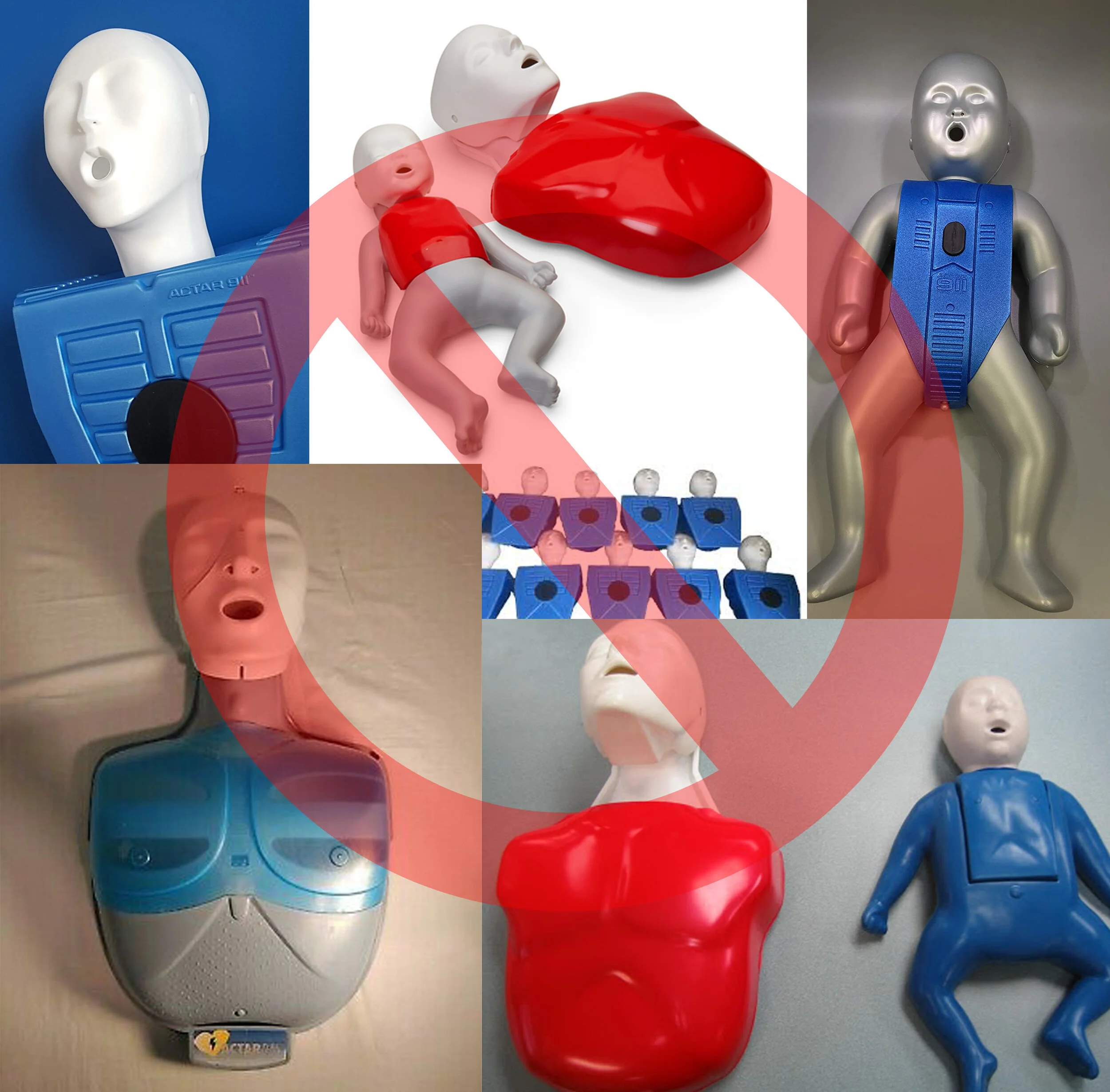
Canadian Red Cross Online Babysitter’s Course
Delta Emergency is now offering the Red Cross online Babysitter course. This course offers basic first aid and caregiving skills for youth 11-15 years old. Participants learn how to provide care to children in a variety of age groups, and how to prevent and respond to emergencies. The course also offers youth the skills to promote themselves as babysitters to prospective families. All you need is a computer, internet, webcam, babysitter textbook 7 hours (split over 3 school nights)!
July 1st, 2021: NEW HYBRID COURSE AVAILABLE!
Course Schedule
We try to accommodate our students across Canada with babysitter courses in your time zone. Our full online babysitter certification is about 7.5 hours and taught over 3 days. We run the course from 5:30pm-8pm is Mountain Standard Time, Eastern Standard Time, and Atlantic Standard Time. No matter where you live in Canada, there’s a course in your area + in your time zone at Delta Emergency.
We are here for Life
Train with real medical professionals like Advanced Care Paramedics. Our hope is that you certify in our online babysitter course and become a cautious, competent babysitter that is prepared to save a life. If you have questions before or even after your course, we are here for you. We answer any first aid questions you may have when you certify with us, for life. Call or email us anytime. We hope to see you in our virtual classroom soon!
Don't Train on Trash
Flimsy cardboard and pillows? Why would you train CPR on the most unrealistic devices available? Find out what you’re missing by training on trash.
In the early 2000’s I worked in the Alberta oilfield. I had to constantly update my first aid and CPR certification, H2S, WHIMIS, TDG, Confined Space, Fall Protection, etc. Recertifying in first aid and CPR was always a dreaded day; or weekend! It was hard to stay awake, and sometimes the instructor’s voice was a monotonous drone. Often the equipment was old, and it always felt unrealistic. During the CPR portion of class, I felt CPR on an actual person had to feel different than a performing it on flimsy cardboard and a pillow.
Garbage
These are types of popular CPR mannequins used in many first aid courses. If you’ve taken a first aid/CPR course with these in the past, you might as well practice CPR on a pillow.
Does it really matter?
Most people taking a first aid and CPR course are doing it for job requirements. Either for your current job, or a new career that requires first aid training. While at work, the chances of you utilizing your first aid training on a co-worker is much higher than performing CPR on them.
You can practice a leg splint or an arm sling on a classmate without much of an issue; and these simulated skills transfer pretty easily to a real life injuries.
Performing high-quality CPR is much different. You may have a perfect compression rate, and the correct compression:breath ratio, but was your mannequin effective at teaching the kinesthetics of how hard you actually need to compress the chest? Did it show you how the airway can be blocked with no head-tilt-chin-lift and blocked from tilting too far? Were you able to practice a jaw-thrust maneuver and utilize mask-mouth breathing where you visualized the chest rise?
High fidelity
We use equipment with a built in visual/tactile CPR feedback device which measures correct airway opening, compression depth/rate, and lung ventilation.
Realistic to the eye and the touch, Prestan manikins are equipped with a revolutionary ‘CPR Rate Monitor’ that allows for instant feedback to both instructor and student regarding the rate of chest compressions. The visual feedback from the CPR Rate Monitor gives students a real life feel of delivering 100-120 compressions per minute. Experience the true force needed to deliver real life chest compressions.
Features:
Advanced feedback parameters today are CPR rate, compression depth, and ventilation.
Patented face/head tilt simulates how an actual patient's head would move if they required CPR and teaches students how to properly open the airway.
Easily inserted face shield/lung bag provides visual chest rise to ensure students receive the most accurate and realistic training, also open nose holes to pinch the nose.
Located in the shoulder is a CPR Rate Monitor that provides instant visual feedback on compression rates – students know they are at the correct compression rate when two green lights illuminate. Experience the true force needed to deliver real life chest compressions.
Unique Clicker Mechanism provides an audible confirmation when the correct compression depth is reached, guiding to the appropriate force when administering CPR compressions.
The future of CPR Training
Delta Emergency Support Training has been using adult and infant Prestan Mannequins and AED trainers (more realistic as well!) from day one. They may be more expensive, but the feedback from every class about how CPR truly feels has been worth it. Everyone leaves our class more confident and comfortable knowing how to properly perform high quality CPR.
In 2021, the Heart and Stroke Foundation of Canada are making CPR Feedback Devices mandatory for all first aid/CPR courses. Prestan will be releasing an updated mannequin soon with 3 more advanced feedback parameters such as: Recoil, Ventilation and Hands Off Time, and the Bluetooth app screenshot you see above. The photos above show the mannequin, the Bluetooth app during CPR , and the physical module for the new features. When requested, we can also use a full-body mannequin simulator, and airway simulation equipment.
You may never have an opportunity to use your CPR in real life, but if you do, remember, “Perfect practice makes perfect.” - Vince Lombardi
Stay safe!
-Jarrett
AEDs for WODs
Curtis’s first thought was, “Now that we’re getting an AED, we can workout so much HARDER!” I thought he should know that AEDs can’t cure rhabdomyolysis, but he was just too excited to hear me. Haha.
July 2018: Instructor Jarrett Chisholm with CrossFit Above All owner Curtis Laughren showing off the AED purchased with funds raised from the November 2017 First Aid fundraiser.
Hi there! It’s been a while since I’ve posted about what’s been happening with Delta Emergency Support Training. Here’s a quick update on what happened from the charity Automated External Defibrillator (AED) fundraiser event last November.
Curtis Laughren, the owner of CrossFit Above All approached me about training his staff in Standard First Aid and the use of an AED in the summer of 2017. I jumped at the opportunity to teach a course at his CrossFit box, and we scheduled a course for November. I decided to make the course a charity event for purchasing an AED for his gym, because it’s one of the necessary treatments for a cardiac arrest - especially in a place with high intensity workouts with a multitude of members and visitors.
Curtis’s first thought was, “Now that we’re getting an AED, we can workout so much HARDER!” I thought he should know that AEDs can’t cure rhabdomyolysis, but he was just too excited to hear me. Haha.
The students were great, which made the day super fun. The final scenario of the day had half the class wearing fake injuries and spurting out fake blood from arterial bleeding. Some of the First Aiders seemed surprised, but they all worked together as a team and handled injuries collectively.
I donated my instructing time and all net profits from the 8 people that registered, and $787.13 was raised from course fees. I also ran a donation page through our website until the end of December, which saw people donate a total of $120.00 by the end of 2017. The grand total of funds raised for an AED was $907.13!
AEDs cost anywhere between $1500.00-$2000.00. The money raised from this event was able to cover about half of the cost of an AED. Delta Emergency Support Training delivered the funds and some AED recommendations to CrossFit Above All in January 2017. Curtis was able to find the right AED for his business for the right price a few months later, and purchased the Phillips HeartStart for his box.
I ran a blended learning course for 8 people, which included CrossFit coaches and local chiropractors from Peak Health & Performance. Blended learning allows a student complete the 8 hours of reading material at their own pace online over a month. The class day for blended learning is all about the hands-on skills. The 1 day of skills lasts between 6.5-8 hours, and everyone becomes certified in Standard First Aid + CPR/AED.
I’m happy to have been part of the movement for promoting safety at a local fitness centre.
If you’re interested in becoming certified in how to use an AED properly, send me message, or give me a call at 1-844-643-3582.
-Jarrett

